15 Artificial Intelligence Tools Changing Medicine
The stethoscope hanging around a doctor’s neck has been medicine’s most recognizable symbol for nearly two centuries. But walk into any modern hospital today, and you’ll find something equally transformative quietly reshaping how healing happens — algorithms that can spot cancer faster than radiologists, predict heart attacks days before they occur, and discover new drugs in a fraction of the time it once took.
These aren’t futuristic promises anymore. They’re here, working alongside physicians, and changing what it means to practice medicine.
IBM Watson for Oncology
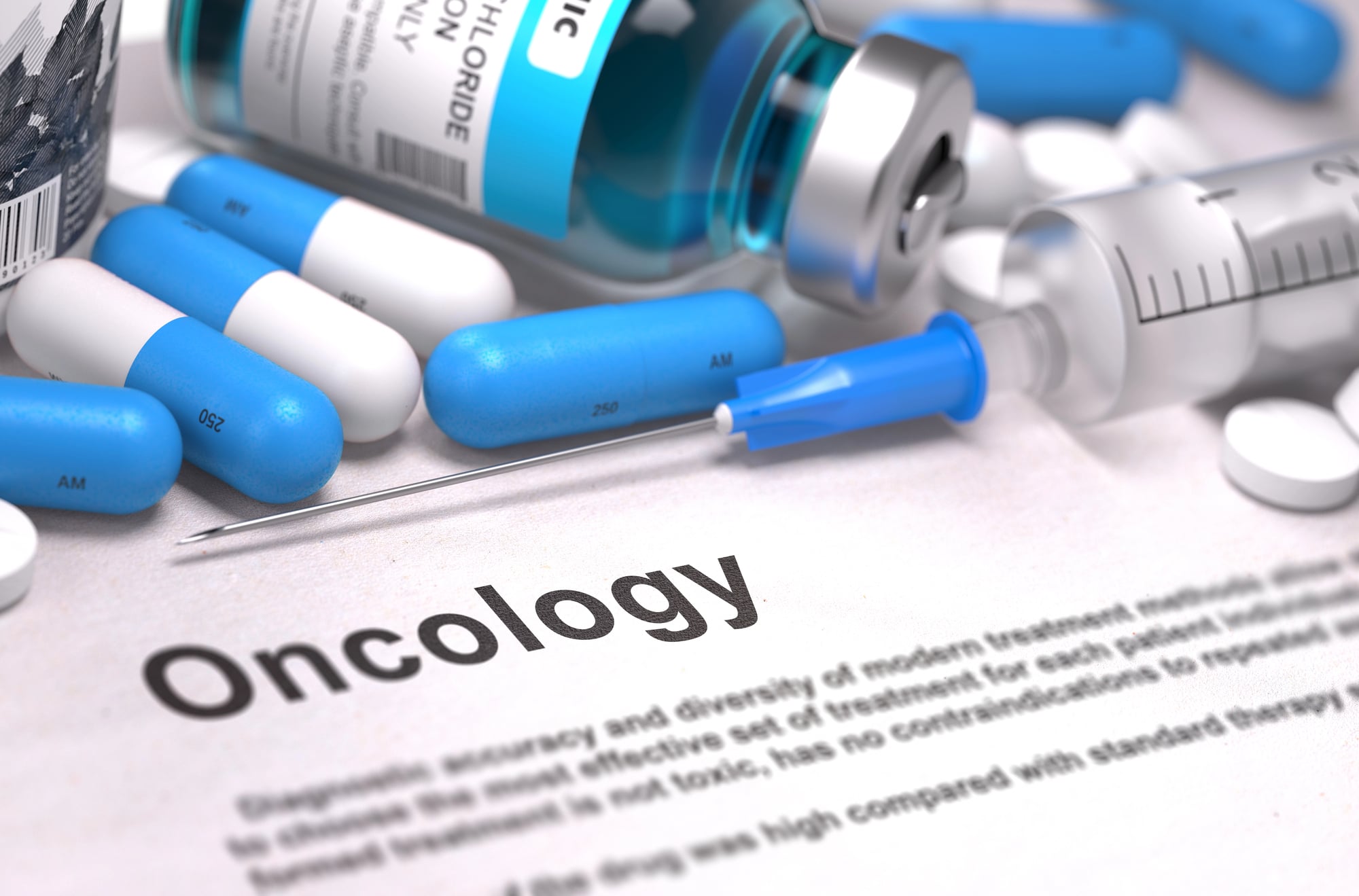
Cancer treatment gets personal fast. Watson for Oncology processes massive amounts of medical literature, patient data, and treatment outcomes to recommend personalized cancer therapies.
The system can analyze a patient’s specific cancer type, staging, and medical history against thousands of similar cases in seconds.
Oncologists using Watson report more confidence in treatment decisions, especially for rare cancers where personal experience might be limited. The AI doesn’t replace clinical judgment — it amplifies it with data no human could possibly retain.
Google DeepMind’s AlphaFold
Protein structures have been medicine’s most stubborn puzzle for decades, and the process of determining how a single protein folds (which determines what it does in your body) used to take months or years of painstaking laboratory work.
Then AlphaFold arrived and started predicting protein structures with startling accuracy, often matching experimental results that took researchers decades to achieve. But here’s where it gets interesting — the implications stretch far beyond just knowing what proteins look like, because once you understand a protein’s shape, you can design drugs that fit into it like a key into a lock, and suddenly drug discovery timelines that used to stretch across decades start compressing into years.
And the ripple effects keep spreading: rare diseases caused by misfolded proteins now have research pathways that didn’t exist before, vaccine development can target specific protein configurations with precision, and the entire field of structural biology finds itself working with a collaborative partner that never gets tired, never makes computational errors, and processes information at speeds that make human analysis look glacial by comparison.
PathAI
Pathology lives in the details most people never see. A single tissue slide contains millions of cells, and spotting the irregular ones that signal cancer requires years of training and an eye for patterns that can fade after hours of microscopic examination.
PathAI’s algorithms scan tissue samples with relentless precision. The system catches cellular abnormalities that might be missed during routine screening and provides quantitative measurements of tumor characteristics.
Pathologists describe it as having a tireless second opinion that never experiences fatigue.
Aidoc
Emergency rooms operate on borrowed time. Aidoc’s AI reviews medical imaging in real-time, flagging critical findings like brain hemorrhages, pulmonary embolisms, and cervical spine fractures the moment scans are completed.
The system doesn’t wait for radiologists to review images — it alerts emergency physicians immediately when life-threatening conditions appear. Minutes matter in emergency medicine, and Aidoc buys back time that can mean the difference between recovery and permanent damage.
Zebra Medical Vision

Medical imaging generates an overwhelming volume of data, and Zebra Medical Vision approaches this challenge the way a detective approaches a cold case: by finding patterns others missed and connecting dots that seemed unrelated (because sometimes the most important medical discoveries happen when someone notices that patients with liver spots in a certain configuration also tend to develop cardiovascular problems five years later, or that bone density patterns in routine chest X-rays can predict osteoporosis before anyone thinks to test for it).
The platform analyzes routine scans and identifies incidental findings that might otherwise go unnoticed — early signs of osteoporosis in chest X-rays, cardiovascular disease markers in routine imaging, or liver abnormalities that haven’t yet caused symptoms. So what feels like magic is really just pattern recognition operating at a scale human radiologists never could achieve, turning every medical image into an opportunity for early intervention rather than just a snapshot of current problems.
Tempus

Precision medicine demands precision data. Tempus combines clinical and molecular data to guide cancer treatment decisions, analyzing everything from genetic mutations to treatment responses across thousands of patients.
The platform helps oncologists understand which therapies are most likely to work for specific tumor types and genetic profiles. It’s cancer treatment based on data rather than educated guesses.
Butterfly Network

Ultrasound technology has been trapped in expensive, bulky machines for decades. Butterfly Network put ultrasound capabilities into a handheld device connected to a smartphone, then added AI to help interpret the images.
The system guides users through proper scanning techniques and helps identify key anatomical structures. Rural clinics and developing regions now have access to imaging technology that was previously cost-prohibitive.
Medical diagnosis becomes portable.
Arterys
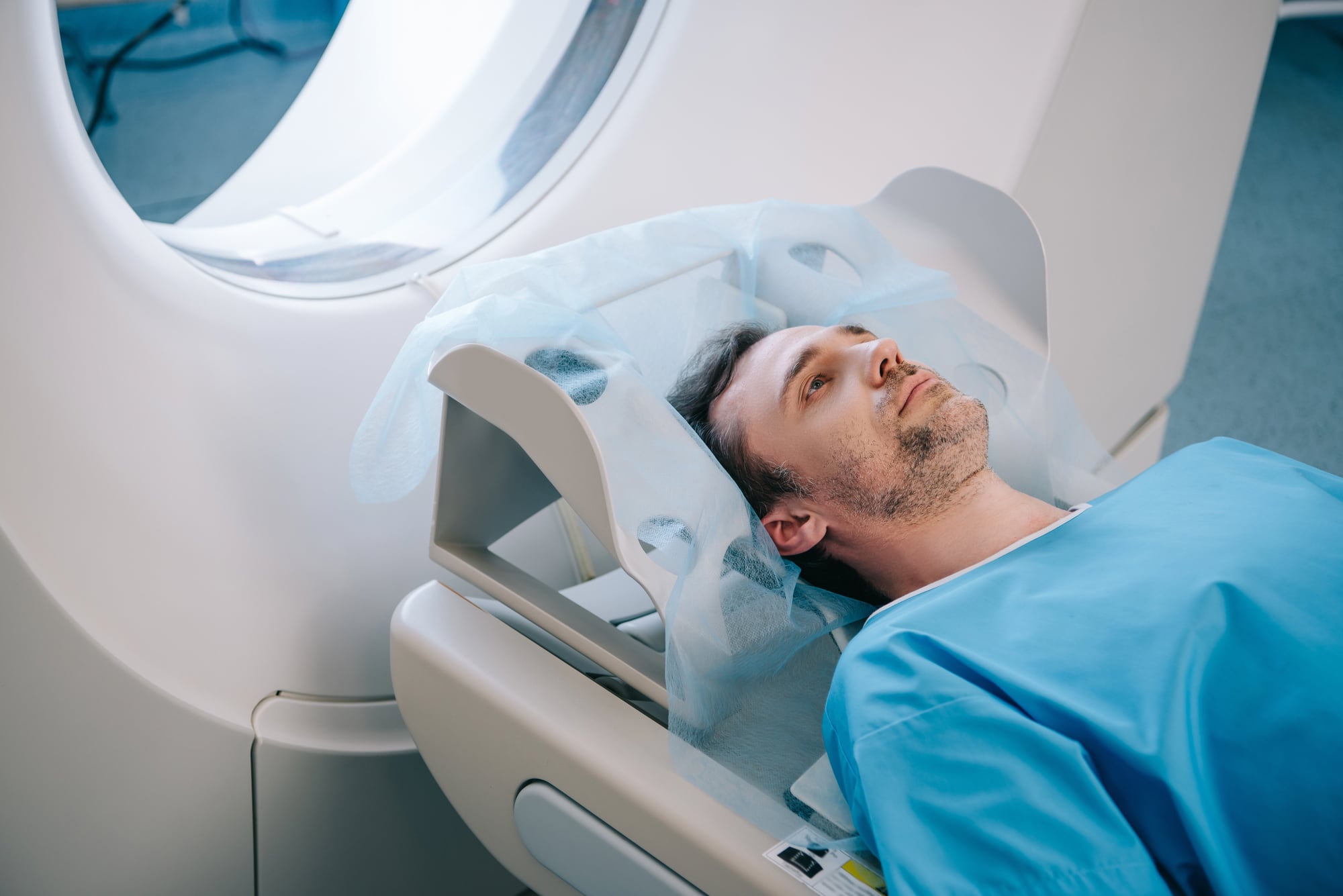
Heart disease kills more people than any other condition, but cardiac imaging interpretation requires specialized expertise that isn’t available everywhere. Arterys uses AI to analyze cardiac MRIs and CT scans, providing automated measurements of heart function and identifying abnormalities.
The platform processes cardiac imaging studies in minutes rather than hours, and its measurements often prove more consistent than manual analysis. Cardiologists get objective data to guide treatment decisions, and patients get faster diagnoses.
IDx-DR

Diabetic retinopathy causes blindness, but only when it goes undetected (and the frustrating reality is that this condition develops silently, progressing through stages that cause no symptoms until permanent vision loss has already begun, which means the window for effective intervention closes long before patients realize anything is wrong).
IDx-DR analyzes retinal photographs and identifies diabetic retinopathy with accuracy matching specialist ophthalmologists, and the system received FDA approval to make diagnoses without physician interpretation — a first for autonomous AI diagnostic systems. Primary care physicians can now screen for diabetic retinopathy during routine visits using nothing more than a specialized camera and IDx-DR’s analysis.
But the real breakthrough isn’t just the technology: it’s the access, because diabetic patients in rural areas or underserved communities no longer need to travel hours to see specialists for routine retinal screening, and early detection becomes possible in settings where it never existed before.
Babylon Health

Healthcare access shouldn’t depend on geography. Babylon Health’s AI-powered platform provides medical consultations through smartphones, using natural language processing to understand patient symptoms and provide initial assessments.
The system handles routine medical questions, triages urgent cases, and connects patients with appropriate care levels. It’s telemedicine enhanced by artificial intelligence, making basic healthcare available anywhere with internet access.
Prognos

Lab results contain more information than most people realize. Prognos analyzes routine blood work and identifies patterns that predict future health risks, often years before symptoms appear.
The platform spots early signs of kidney disease, diabetes complications, and cardiovascular problems hiding in standard lab values. It turns routine blood draws into early warning systems for chronic diseases.
Regard

Electronic health records store vast amounts of patient information, but extracting meaningful insights from clinical notes and data requires time physicians don’t have. Regard’s AI reviews patient charts and identifies potential diagnoses that might be overlooked during busy clinical encounters.
The system processes clinical documentation and flags inconsistencies, missed diagnoses, and care gaps. It’s like having a thorough colleague review every patient case for details that might slip through the cracks of busy medical practice.
Caption Health
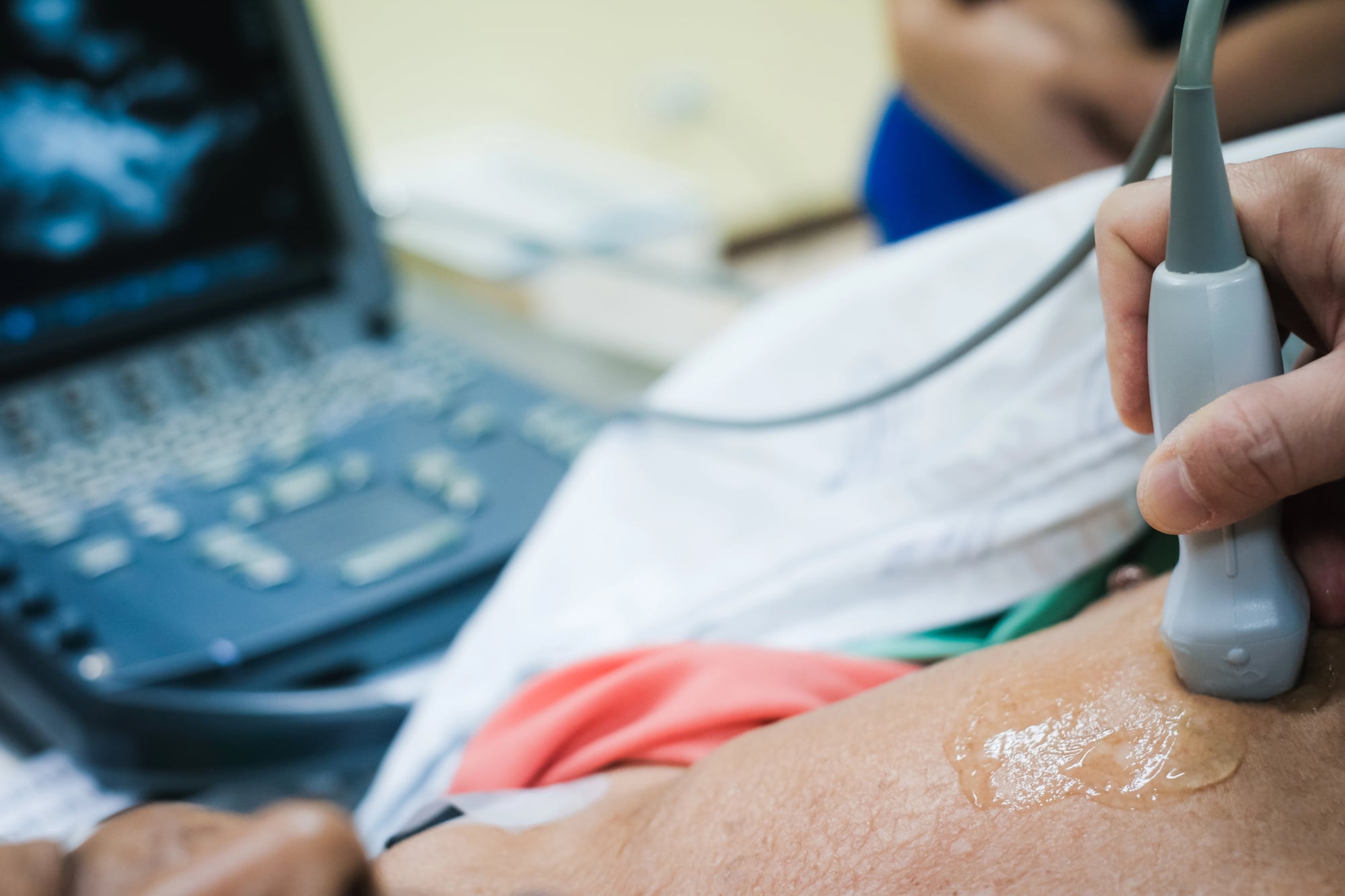
Cardiac ultrasounds require years of training to perform properly, but Caption Health’s AI guides novice users through the imaging process while automatically optimizing image quality. The system provides real-time feedback on probe positioning and identifies key cardiac structures.
Rural healthcare providers and non-specialists can now perform diagnostic-quality cardiac ultrasounds with guidance from AI. Heart disease screening becomes possible in settings where specialized technicians aren’t available.
Veracyte
Cancer diagnosis often depends on tissue biopsies, but not all tumors are easily accessible for sampling (and even when tissue can be obtained, traditional pathology sometimes struggles to distinguish between cancer types that look similar under the microscope but respond to completely different treatments, leaving patients and oncologists making critical decisions based on incomplete information).
Veracyte’s genomic tests analyze tumor samples at the molecular level, providing precise classification of cancer types and predicting treatment responses based on genetic signatures rather than just cellular appearance. The company’s tests help determine which thyroid nodules are actually cancerous, identify lung cancer patients who need aggressive treatment versus those who can be monitored, and guide therapy selection for breast cancer based on genetic risk profiles.
And here’s what makes this particularly valuable: the molecular information often contradicts what traditional pathology suggests, meaning patients avoid unnecessary surgeries when tumors turn out to be benign, or receive appropriate aggressive treatment when cancers appear deceptively mild under conventional analysis.
Viz.ai
Strokes destroy brain tissue by the minute. Viz.ai’s platform analyzes CT scans and immediately alerts stroke teams when it detects large vessel occlusions — the type of strokes that require emergency intervention.
The system bypasses traditional radiology workflows, sending alerts directly to interventional teams while scans are still being completed. Stroke treatment becomes a race against time, and Viz.ai helps hospitals win more of those races.
The Quiet Revolution
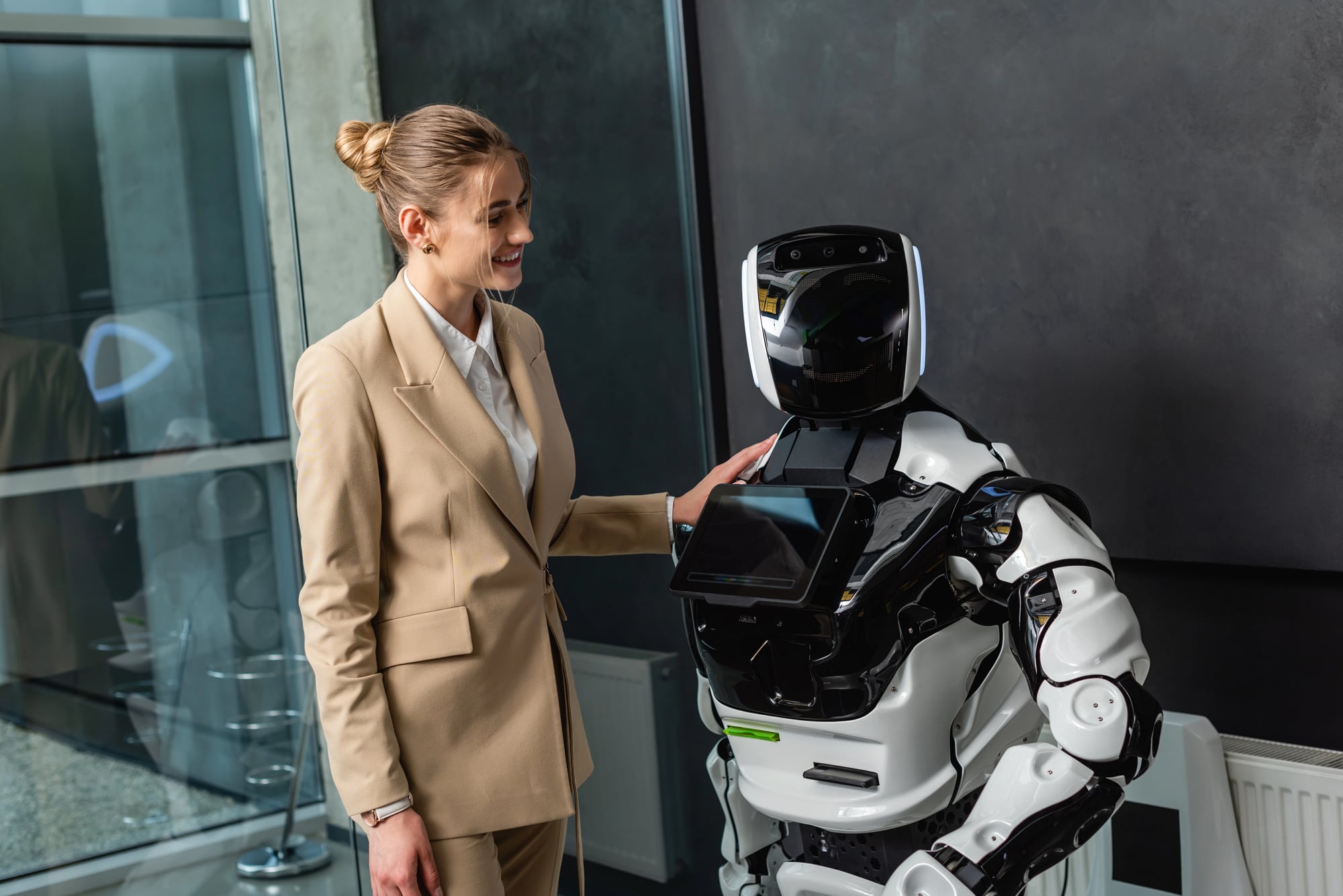
These tools share something important — they don’t replace human expertise, they amplify it. Like a telescope that lets astronomers see farther into space, AI lets physicians see deeper into data, patterns, and possibilities than ever before.
The stethoscope isn’t disappearing from doctors’ necks anytime soon, but it’s gaining some remarkably intelligent company.
More from Go2Tutors!

- The Romanov Crown Jewels and Their Tragic Fate
- 13 Historical Mysteries That Science Still Can’t Solve
- Famous Hoaxes That Fooled the World for Years
- 15 Child Stars with Tragic Adult Lives
- 16 Famous Jewelry Pieces in History
Like Go2Tutors’s content? Follow us on MSN.



