19 Space Facts That Will Keep You Awake
Space has a way of making everything else seem small. Not just physically small, but small in significance.
The facts below aren’t the usual trivia about how many Earths fit inside Jupiter. They’re the kind of information that changes how you see reality itself.
Once you know them, you can’t un-know them. And late at night, when your mind starts wandering, they’ll be there waiting.
The Universe Is Dying Faster Than We Thought
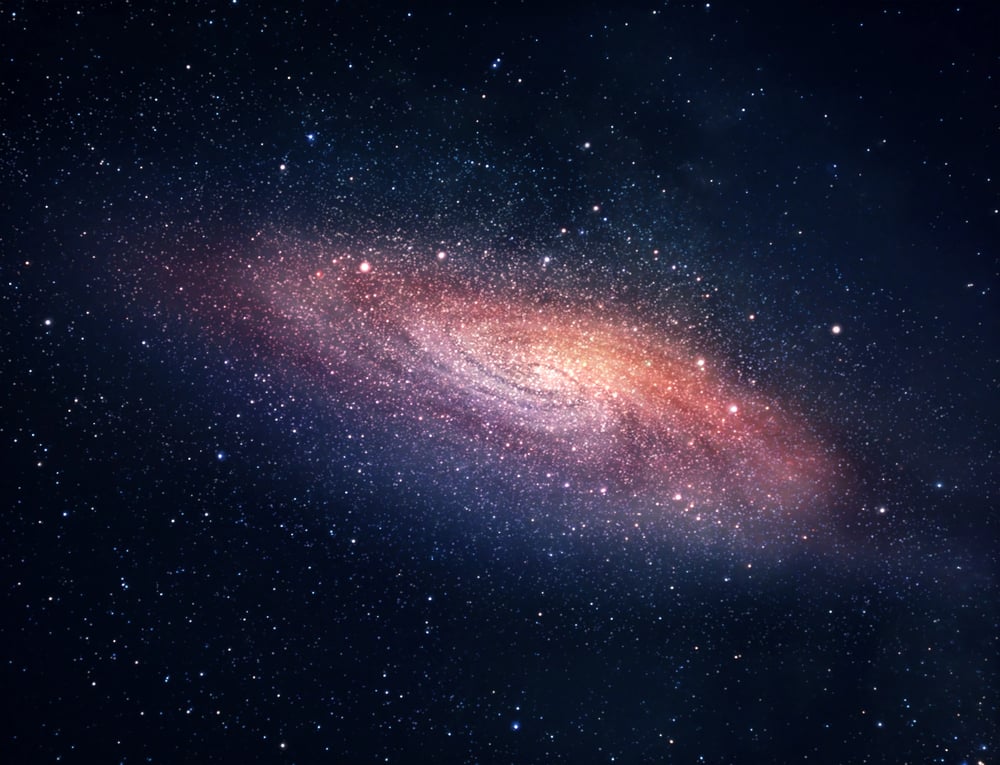
Stars are going out. New ones are forming at a slower rate than old ones are dying.
The universe hit peak star formation billions of years ago, and we’re now on the downward slope. In about 100 trillion years, the last star will flicker out, and everything will go dark forever.
You exist during the universe’s brief moment of light. After that, darkness for eternity.
There’s a Giant Void Coming Toward Us
The Local Void is a region of space about 150 million light-years across that contains almost no galaxies. We’re being pulled toward it by something on the other side called the Great Attractor.
But we can’t see the Great Attractor directly because it’s hidden behind the plane of our own galaxy. Something massive enough to pull thousands of galaxies toward it is out there.
You just can’t see what it is.
Time Moves Differently Depending on Where You Are

If you spent a year on the International Space Station and then came back to Earth, you’d be about 0.01 seconds younger than if you’d stayed on the ground. Gravity slows time down.
The stronger the gravity, the slower time moves. This means if you stood at sea level for a year while your identical twin stood on a mountaintop, you’d age slightly less than they would.
It’s not science fiction. It’s measured reality.
Rogue Planets Outnumber Stars
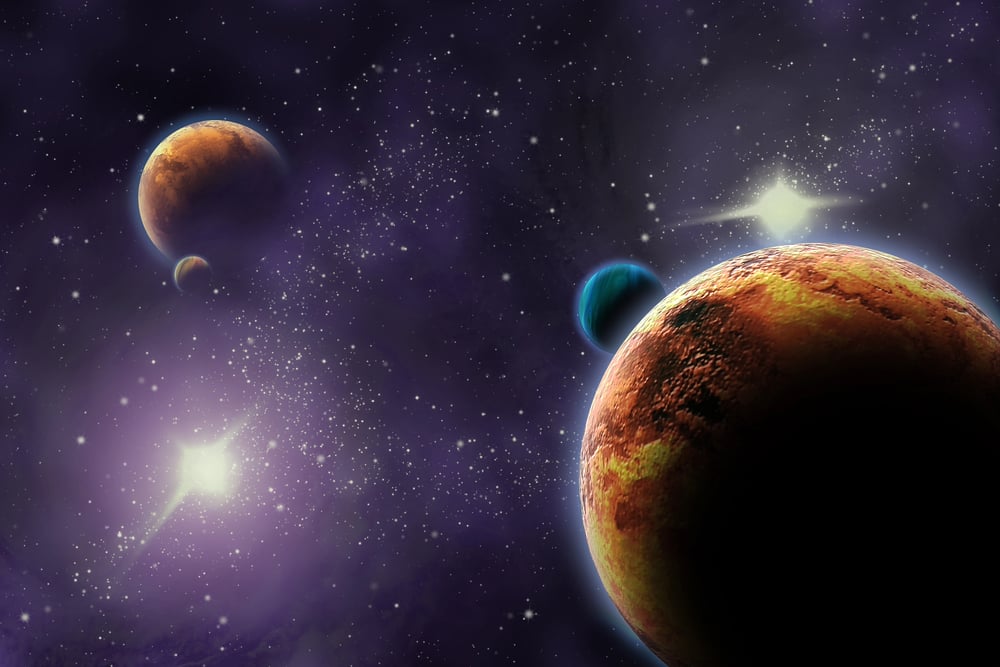
Billions of planets drift through space untethered to any star. They were ejected from their solar systems and now wander the galaxy in darkness.
Some estimates suggest there are more rogue planets than stars in the Milky Way. Entire worlds, possibly with frozen oceans and atmospheres, tumbling through the void with no sun to orbit.
Some of them might pass relatively close to our solar system. You’d never know they were there.
The Sun’s Death Will Destroy Everything You Know
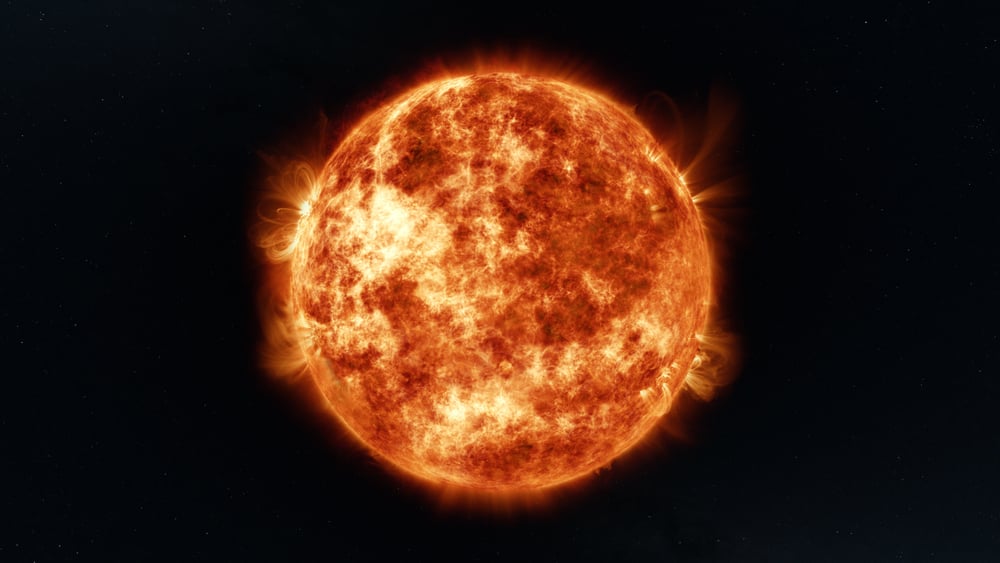
In about five billion years, the Sun will expand into a red giant and swallow Mercury, Venus, and possibly Earth. Even if Earth survives, the oceans will boil away and the atmosphere will be stripped off.
Nothing will remain. Every human achievement, every book, every piece of music, every building, every memory of everything that ever happened here will be incinerated.
And that’s the good outcome. The alternative is that Earth gets consumed entirely.
Space Smells Like Burning Metal and Steak
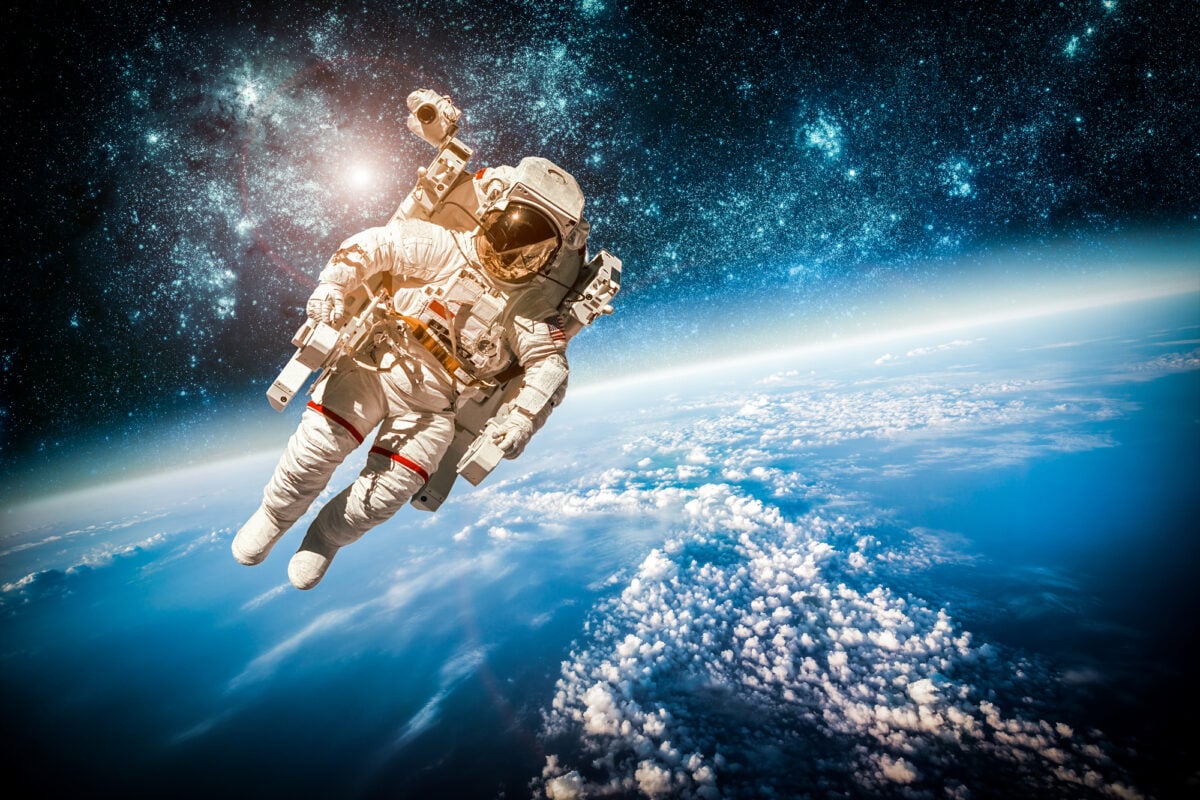
Astronauts who’ve done spacewalks report that when they come back inside and remove their helmets, their suits smell like seared steak, hot metal, and welding fumes. The scent comes from dying stars—high-energy particles called polycyclic aromatic hydrocarbons.
You’re breathing in the remnants of dead stars right now. When you smell that metallic tang in space, you’re smelling stellar death.
There Are More Stars Than Grains of Sand on Earth
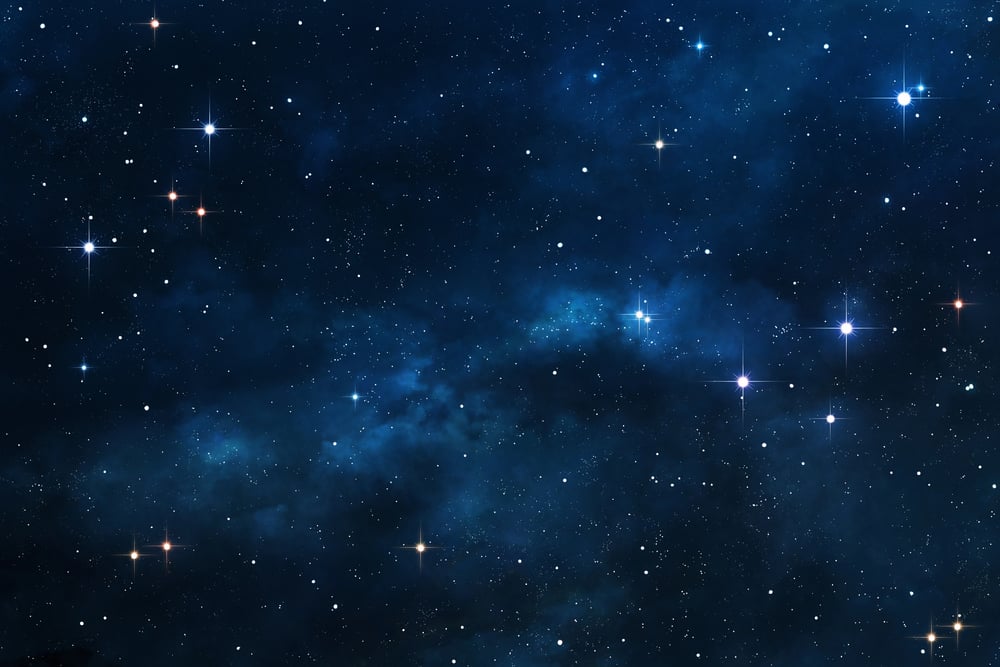
About 100 billion stars exist in our galaxy alone. Roughly two trillion galaxies fill the observable universe. That puts the total number of stars at around 200 billion trillion.
Earth’s beaches contain about seven quintillion grains of sand. Stars outnumber beach sand by a factor of roughly 10,000.
Your brain can’t actually comprehend numbers that large. It just pretends it can.
You’re Moving at 1.3 Million Miles Per Hour Right Now
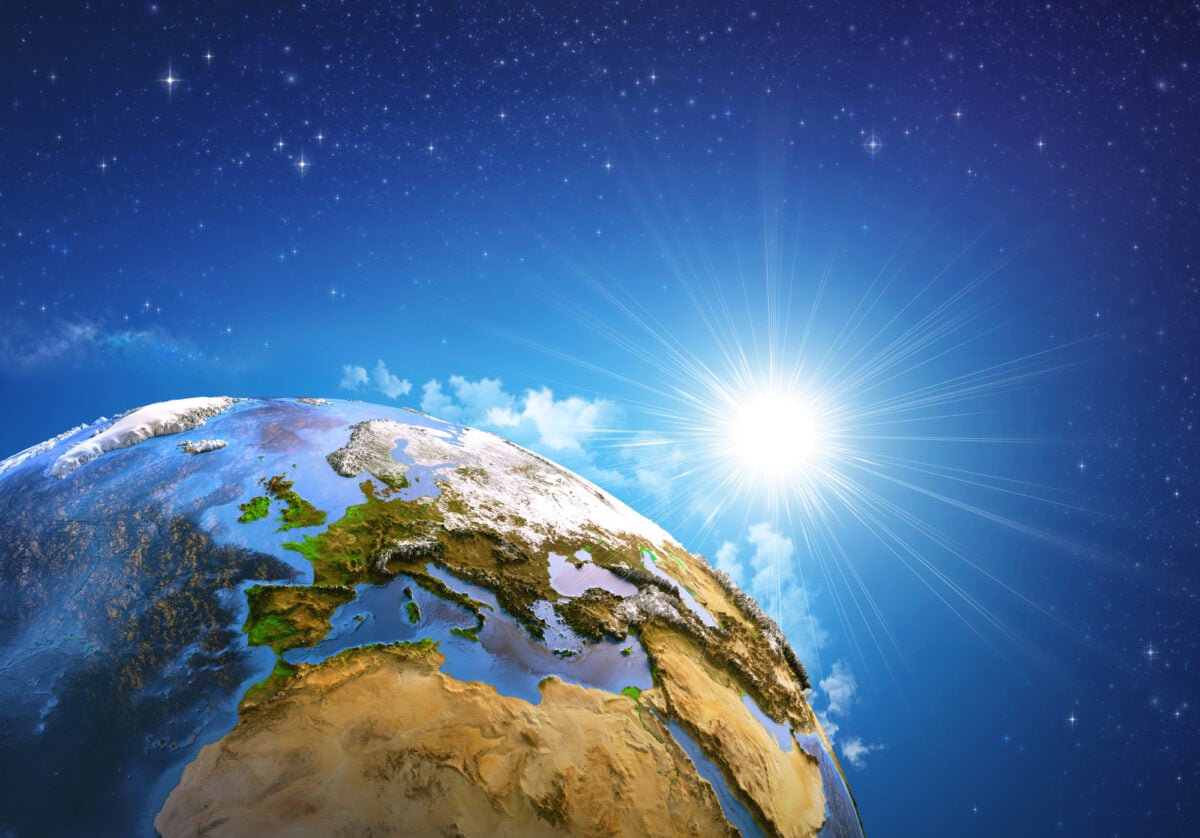
Earth orbits the Sun at 67,000 mph. The Sun orbits the galactic center at 514,000 mph.
The Milky Way moves through space at 1.3 million mph relative to the cosmic microwave background. You’re hurtling through space at speeds that would vaporize any spacecraft we’ve ever built.
You just don’t feel it because everything around you is moving at the same speed.
Sound in Space Would Kill You
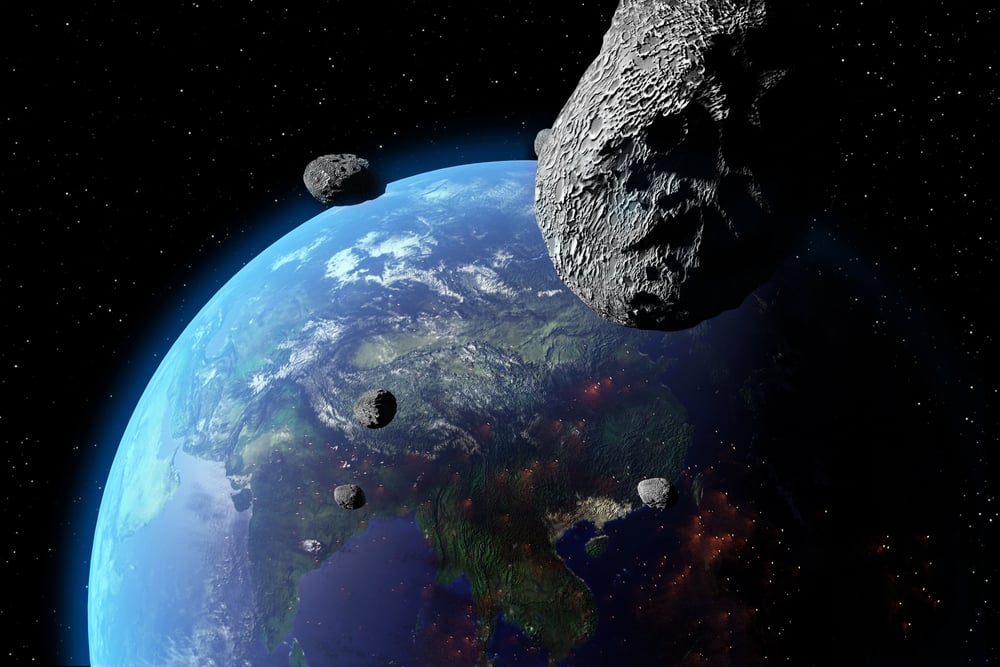
Space is silent because there’s no air to carry sound waves. But if there were, some cosmic sounds would be catastrophic.
When two great abyss collided to create the gravitational waves we detected in 2015, if that had produced sound waves in the air, they would have registered at about 100 decibels—as loud as a jackhammer—from 1.3 billion light-years away.
The actual collision would have been incomprehensibly loud. Loud enough to liquefy matter.
Neutron Stars Are Dense Beyond Comprehension
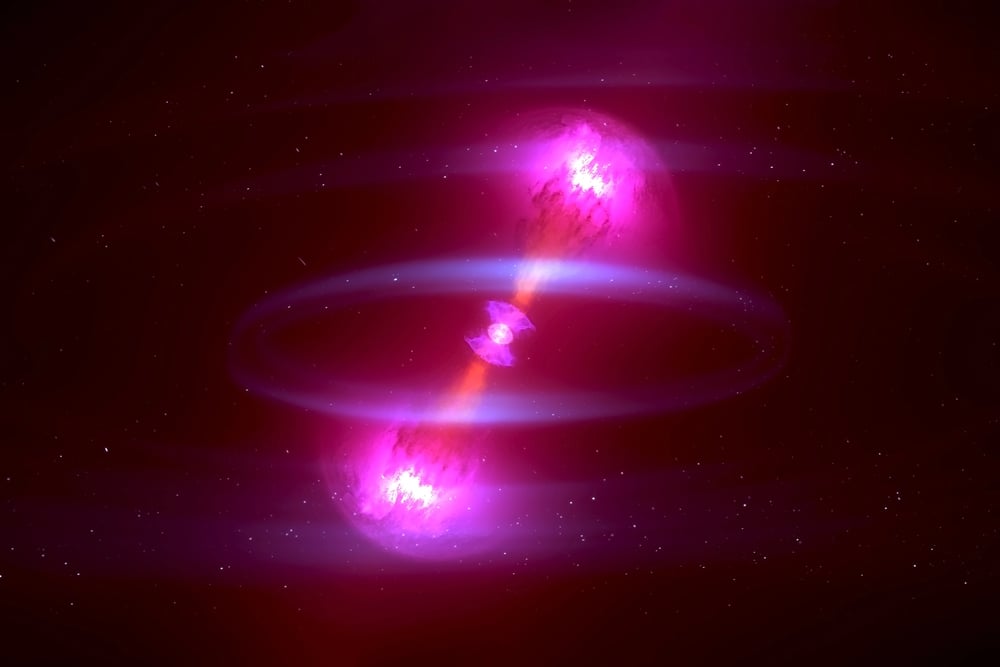
A neutron star contains more mass than our Sun compressed into a sphere about 12 miles across. A teaspoon of neutron star material would weigh about a billion tons on Earth.
If you dropped it, it would punch straight through the planet and come out the other side. The gravity is so intense that the tallest mountains on a neutron star are less than a millimeter high.
Anything taller gets crushed flat instantly.
The Observable Universe Has an Edge You Can Never Reach
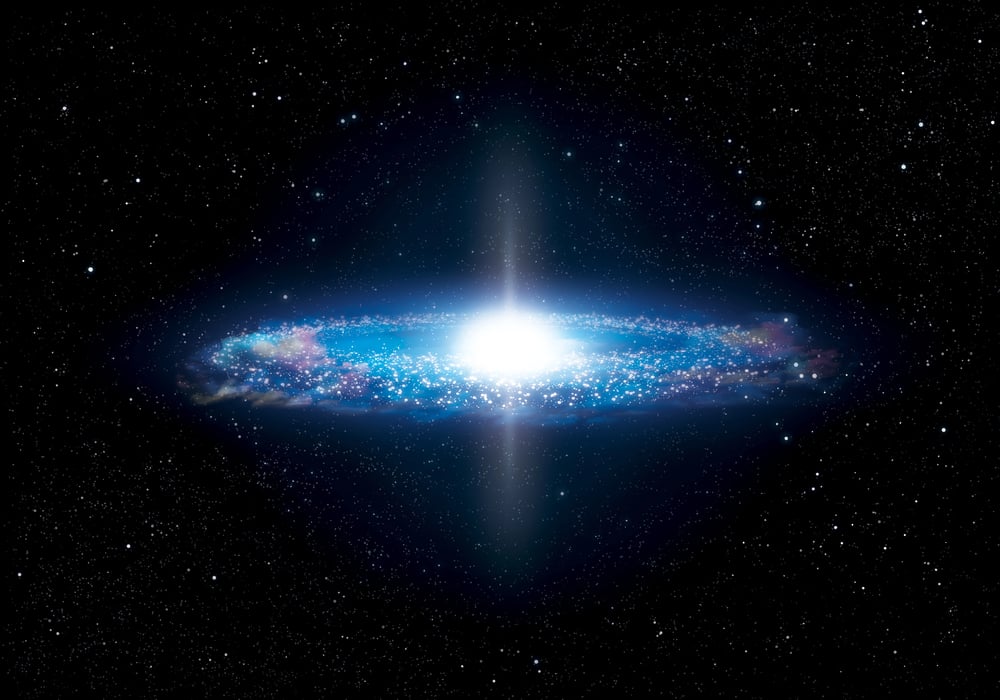
Light has a speed limit. The universe is expanding.
Objects beyond a certain distance are moving away from us faster than light can travel toward us. That means there are galaxies we can see now that we will never be able to reach, even if we could travel at light speed.
They’re visible but forever unreachable. And every day, more galaxies cross that boundary and disappear from the reachable universe forever.
Great Abyss Slows Down Time to a Stop
If you watched someone fall into the great abyss, you’d see them slow down as they approached the event horizon. They’d appear to freeze at the edge, gradually fading from view as their light redshifted into invisibility.
To them, they’d cross the boundary in finite time. To you, they’d never quite make it.
Time breaks at the edge of the great abyss. Past that point, all paths lead inward.
Escape isn’t just difficult. It’s geometrically impossible.
The Coldest Place in the Universe Is on Earth
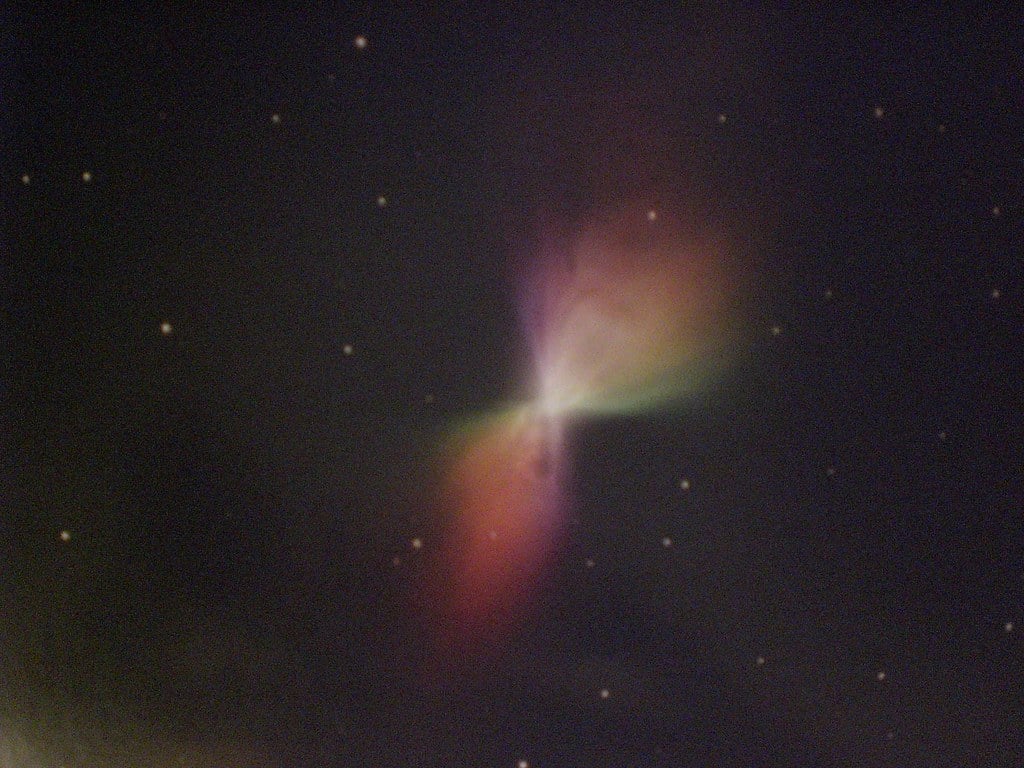
The Boomerang Nebula holds the record for the coldest natural place in space at about minus 458 degrees Fahrenheit. But scientists have created temperatures in laboratories that are colder than anything found naturally in the cosmos—just a fraction of a degree above absolute zero.
We’ve made things colder than the vacuum of space. Colder than the afterglow of the Big Bang.
Colder than anywhere else in the entire universe.
Your Atoms Are Older Than the Solar System
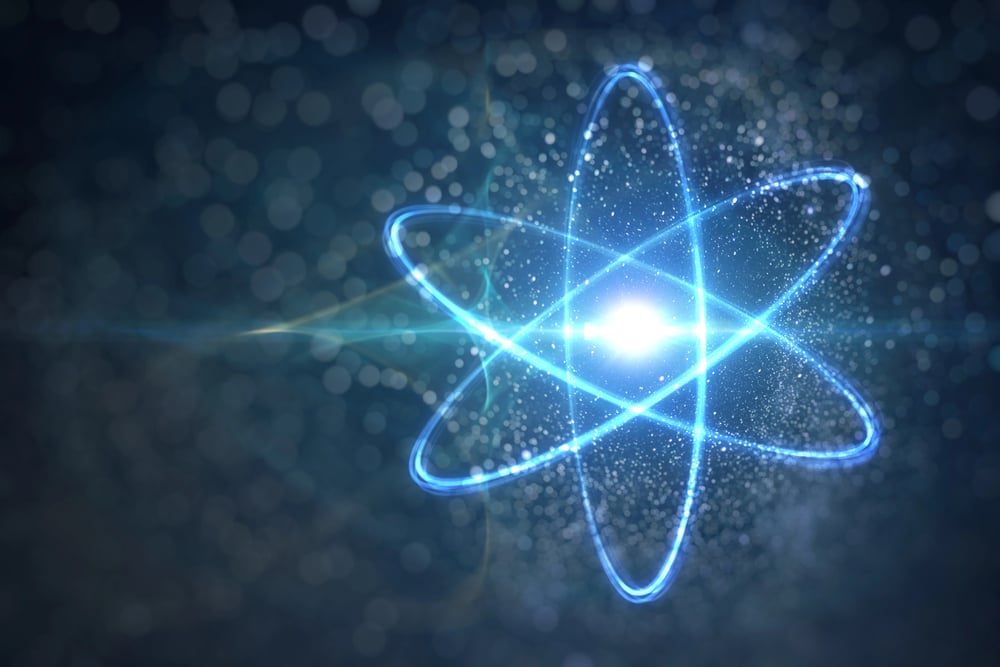
The heavy elements in your body—the carbon, nitrogen, oxygen, and iron—were forged inside stars that exploded billions of years ago. Those atoms drifted through space, eventually coalescing into the cloud that formed our solar system.
You’re made from recycled star material that’s older than Earth itself. Every atom in your body has been through at least one stellar furnace.
Some have been through several.
Venus Is Worse Than You Think
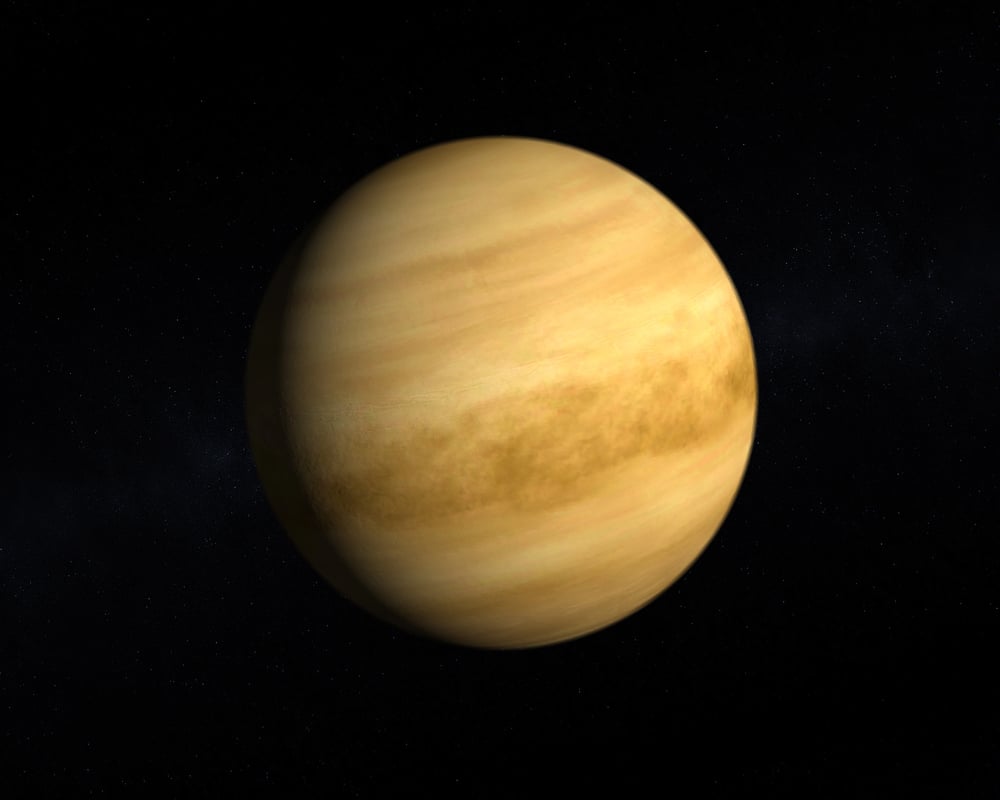
The surface temperature on Venus is 900 degrees Fahrenheit—hot enough to melt lead. The atmospheric pressure is 92 times greater than Earth’s, equivalent to being 3,000 feet underwater.
It rains sulfuric acid. The clouds are so thick that only two percent of sunlight reaches the surface.
And Venus is our closest planetary neighbor. It’s roughly Earth’s size and mass.
It’s sometimes called Earth’s twin. That’s what a runaway greenhouse effect looks like.
Space Radiation Would Destroy Your DNA
Outside Earth’s magnetic field, cosmic radiation constantly bombards everything. A trip to Mars would expose astronauts to radiation levels that significantly increase cancer risk.
During solar storms, radiation spikes to levels that could cause radiation sickness or death. There’s no shielding light enough to be practical for a spacecraft that would fully protect you.
Long-term space travel means accepting permanent genetic damage.
The Universe Might Be Infinite and Full of Copies of You
If the universe is truly infinite and matter is distributed roughly evenly, then every possible arrangement of particles must occur infinite times. That means infinite versions of you exist right now, living lives identical to yours up to this moment, then diverging.
Some versions made different choices. Some are reading this sentence at slightly different speeds.
Some don’t exist because their planet never formed. Statistics and infinity create strange necessities.
Most of the Universe Is Made of Something We Can’t Detect

About 68% of the universe is dark energy, which we can’t see or directly measure. Another 27% is dark matter, which we can only detect through gravitational effects.
Normal matter—stars, planets, gas, dust, everything you can see—makes up only about 5% of the total. You’re made of rare stuff.
Everything you can see or touch or measure is a rounding error in the cosmic inventory. The rest is invisible and unexplained.
Jupiter Protects Earth But Also Threatens It
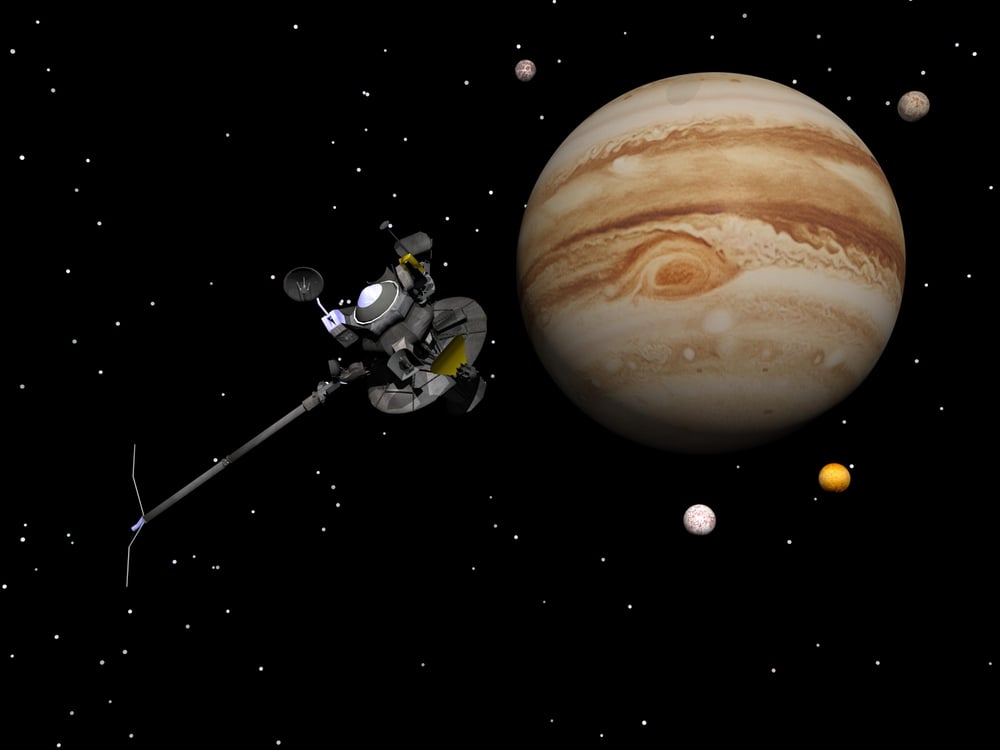
A giant planet far out in space tugs on rocky wanderers, steering them away from our world. Life here has stayed safe because of that steady pull from above.
Sometimes though, that same force nudges some debris inward instead. Pieces get tossed closer to us when things shift around up there.
Out of nowhere, the world keeps you safe – yet it might one day turn fierce without warning. Safety comes from where danger grows.
Why These Facts Matter More at Night

Light arrives, minds jump to what must be done. Bills press hard, minutes shrink, voices rise, traffic crawls. Then emptiness seems fake – something talked about, never held.
But night comes, sound drains out, attention changes shape. Vastness grows too deep to name.
Scale drifts beyond reach. The wild world ignores whether humans last.
A single grain of stuff, placed just so on a small planet, spins around an average star – one among countless others – inside a common galaxy adrift in expanding cold. Still, across that huge emptiness where almost nothing happens, something stirs: you are here, seeing shapes in randomness that does not care if you look.
The weight of being tiny arrives first; after that comes awe, arriving slow and close.
More from Go2Tutors!

- The Romanov Crown Jewels and Their Tragic Fate
- 13 Historical Mysteries That Science Still Can’t Solve
- Famous Hoaxes That Fooled the World for Years
- 15 Child Stars with Tragic Adult Lives
- 16 Famous Jewelry Pieces in History
Like Go2Tutors’s content? Follow us on MSN.