Most Streamed Songs Of All Time
Music streaming changed everything about how people listen to songs. The numbers tell stories about what connects with listeners across continents and cultures.
Some tracks climb to billions of plays while others fade away after a few weeks. What makes the difference between a hit and a phenomenon that refuses to stop growing?
When One Song Breaks Every Record
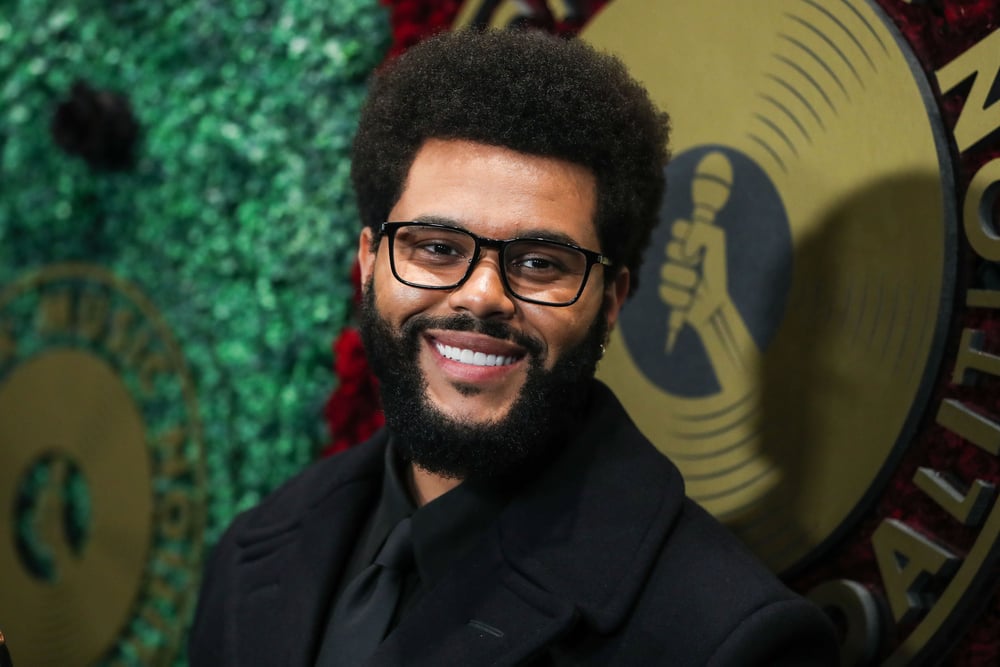
The Weeknd’s “Blinding Lights” sits at the top with over 5.2 billion streams. That number sounds almost fictional until you remember it translates to real people pressing play millions of times every single day for years.
The song dropped in late 2019 and found its rhythm slowly. By Christmas that year, streams started climbing week after week.
Nine consecutive weeks of growth pushed it into the top five, then straight to number one by February 2020. The track held that position for 13 weeks.
When it finally left the top ten in April 2021, it had already cemented itself as something more than just another pop song. The Grammy Awards famously ignored both the song and its album, but listeners didn’t care about awards.
They kept streaming it anyway.
The Shape of Streaming Success

Ed Sheeran’s “Shape of You” held the crown before “Blinding Lights” took over. With 4.5 billion streams, it defined what a streaming hit could look like in 2017.
The acoustic-pop meets dancehall sound hit every playlist from gyms to grocery stores. People who never thought twice about Ed Sheeran found themselves humming along.
What made “Shape of You” stick around for so long came down to its ability to work in almost any setting. You could dance to it.
You could work it out to it. You could play it at a party or in your car during a solo drive.
That flexibility kept it relevant long after most songs would have disappeared from rotation.
The Songs That Won’t Go Away

Several tracks sit just behind the top two with over 4 billion streams each. The Weeknd’s collaboration with Daft Punk on “Starboy” brings a completely different energy than “Blinding Lights.”
The synth-heavy production and mysterious atmosphere created something that felt both retro and futuristic. Released in 2016, it proved The Weeknd could dominate streaming charts with different styles.
Lewis Capaldi’s “Someone You Loved” represents the emotional side of streaming success. A piano ballad about loss and longing, it connected with listeners who needed to feel something raw.
The vulnerability in Capaldi’s voice turned a simple song into a global moment. It reached 4 billion streams by speaking directly to heartbreak in a way that felt honest rather than manufactured.
Harry Styles brought his own flavor with “As It Was.” The 2022 release showed that newer songs could still compete with established giants.
Its introspective lyrics paired with an infectious beat made it impossible to ignore. Radio stations played it constantly, but streaming numbers proved that people wanted to choose it themselves, over and over.
The Alternative Route to Billions

“Sweater Weather” by The Neighbourhood took a different path to 3.9 billion streams. Released back in 2012, it started as an alternative rock song that most people outside certain circles had never heard.
Then TikTok discovered it. Suddenly, a moody track from a decade earlier became the soundtrack to millions of videos.
The song holds another distinction as the most-streamed track by a band rather than a solo artist or collaboration. That says something about how streaming rewards different types of music than traditional radio ever did.
Alternative artists can build massive audiences without ever conforming to what labels think will sell.
When Collaborations Create Monsters

Drake’s “One Dance” featuring Wizkid and Kyla brought Afrobeats influences to mainstream streaming in 2016. The dancehall-tinged production gave Drake one of his biggest hits while introducing many listeners to sounds they hadn’t heard before.
At 3.6 billion streams, it proved that genre-blending works when done authentically. Post Malone and Swae Lee created something special with “Sunflower.”
Originally released for the Spider-Man: Into the Spider-Verse soundtrack in 2018, the song took on a life far beyond the movie. It became the most-streamed song in the United States with 3.9 billion plays globally.
The laid-back melody and effortless vocals made it feel like summer even in the middle of winter. “Stay” by The Kid Laroi and Justin Bieber captured something about late-night regrets and desperate phone calls.
Released in 2021, it shot up the charts with 3.5 billion streams by combining The Kid Laroi’s raw emotion with Bieber’s proven pop instincts. The song never pretends to be anything more than what it is, which might be exactly why people keep returning to it.
The Romantic Playlist Staple
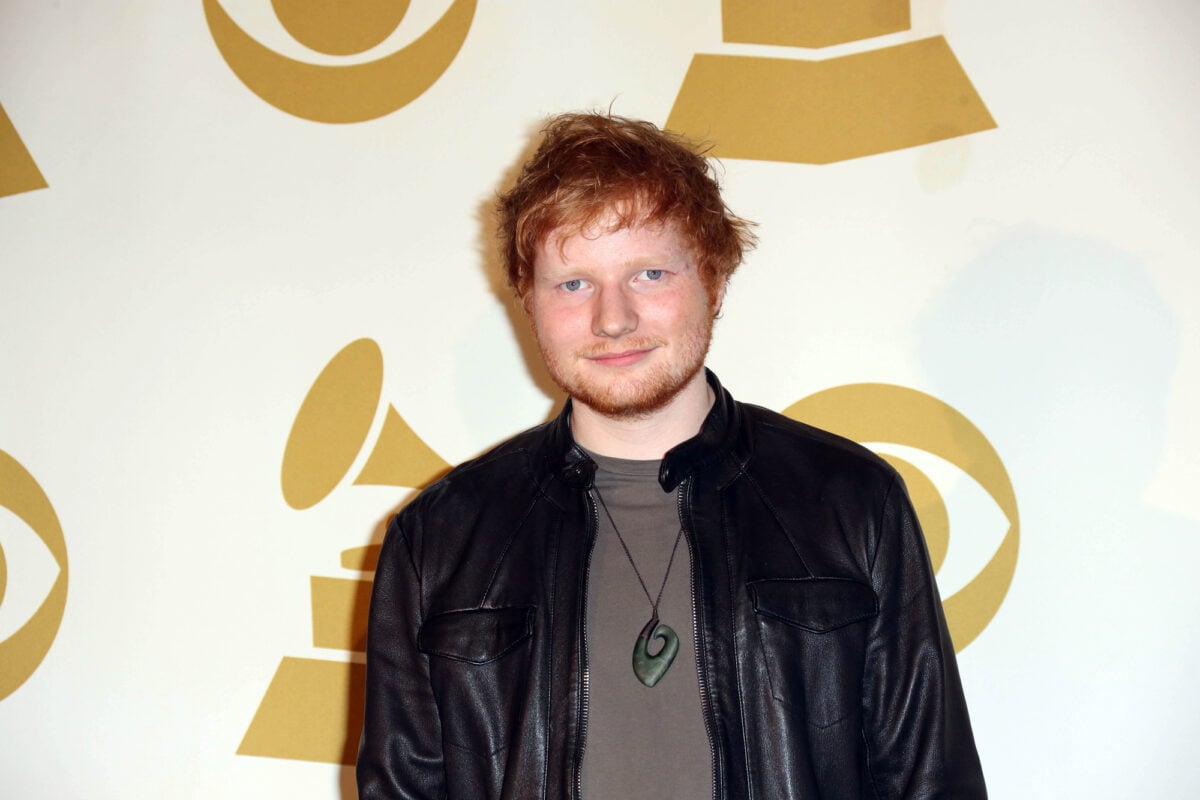
Ed Sheeran appears twice in the top ten with “Perfect” sitting at 3.5 billion streams. Every wedding DJ knows this song.
Every couple has slow-danced to it at some point. It became the love ballad of its generation not through clever marketing but through genuine emotional resonance.
When Sheeran describes his ideal romance, listeners see their own relationships reflected back at them. The song spawned multiple versions, including duets with Beyoncé and Andrea Bocelli.
Those alternate versions pushed the total stream count even higher, showing how remixes can extend a song’s life well beyond its initial release. But the original version carries most of those billions on its own strength.
The Artists Who Own Streaming

The Weeknd and Ed Sheeran account for six of Spotify’s seven most-streamed songs when you look at the complete picture. The Weeknd has 30 songs that crossed the billion-stream mark.
Ed Sheeran isn’t far behind. These numbers reveal something about consistency and staying power that goes beyond individual hit songs.
Both artists understand how to create music that works in the streaming era. Their songs don’t demand your full attention but reward it when given.
They function as background music and as deep listening experiences simultaneously. That dual nature lets them accumulate streams across different contexts and listener types.
Bruno Mars leads the top 100 with six entries, including his recent collaboration with Lady Gaga on “Die with a Smile.” His ability to craft hooks that burrow into your brain keeps him relevant across different musical trends and generations of listeners.
The Money Behind the Streams
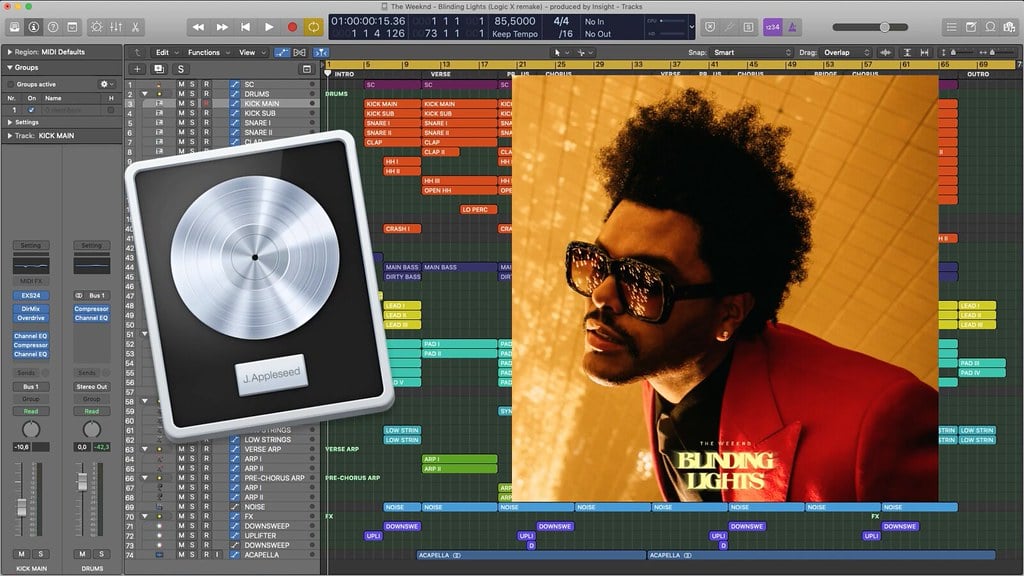
“Blinding Lights” generated somewhere between 20 and 22 million dollars from Spotify streams alone. That includes both sound recording royalties and publishing rights.
While those numbers sound enormous, they represent years of sustained popularity and billions of individual plays. Breaking it down per stream shows why artists need massive numbers to make real money from streaming.
Most estimates put Spotify’s per-stream payment between 0.003 and 0.004 dollars. That means a song needs millions of streams just to reach five figures in revenue.
The billion-stream club represents not just popularity but actual financial success in the modern music industry. Getting there requires more than a viral moment. It demands months or years of consistent listener engagement.
The Role of TikTok and Viral Moments
Social media changed which songs became massive streaming hits. A TikTok trend can send a decade-old song to the top of the charts overnight. “Sweater Weather” proved that pattern, but dozens of other tracks followed similar trajectories.
The platform gives songs a second or third life years after their original release. Artists now create with TikTok in mind.
They write hooks that work in 15-second clips. They craft moments designed to go viral.
This changes songwriting in fundamental ways, though whether that change improves music remains up for debate. What’s certain is that ignoring social media means missing a crucial pathway to streaming success.
The Geographic Spread of Streaming Power

Streaming numbers reveal how music crosses borders differently than it used to. A song can dominate in the United States while barely registering in Europe, or vice versa.
Bad Bunny’s continued success shows how Spanish-language music built its own massive streaming audience without needing English crossover hits. Some tracks achieve true global reach. “Blinding Lights” and “Shape of You” performed consistently across continents.
Others find pockets of intense listening in specific regions. Understanding those patterns helps explain why certain songs accumulate billions while others plateau around hundreds of millions despite seeming just as catchy.
What Newer Artists Learn from These Giants

Current musicians study these streaming giants to understand what actually works. The lesson isn’t about copying specific sounds.
It’s about creating music that people want to return to repeatedly. Playlist inclusion matters, but genuine listener attachment matters more.
A song that makes it onto thousands of personal playlists will always outperform one that only shows up in algorithmic recommendations. The most-streamed songs also tend to be relatively uncomplicated.
That doesn’t mean simple or dumb, but rather accessible on first listen while offering enough depth to survive hundreds of replays. Finding that balance challenges every artist trying to make it in the streaming era.
Where Streaming Numbers Go Next

Five billion streams felt impossible a few years ago. Now “Blinding Lights” crossed that threshold and keeps growing.
Ed Sheeran’s “Shape of You” will likely join it eventually. The question becomes whether any song will reach 6 billion or 7 billion, and what that might look like.
Streaming keeps evolving. New platforms emerge.
Listener habits shift. What works today might not work in five years. But the songs that already climbed to these heights have secured their place in music history.
They represent moments when the right song met the right cultural moment and created something that millions of people around the world couldn’t resist pressing play on again and again.
The Playlist That Never Ends
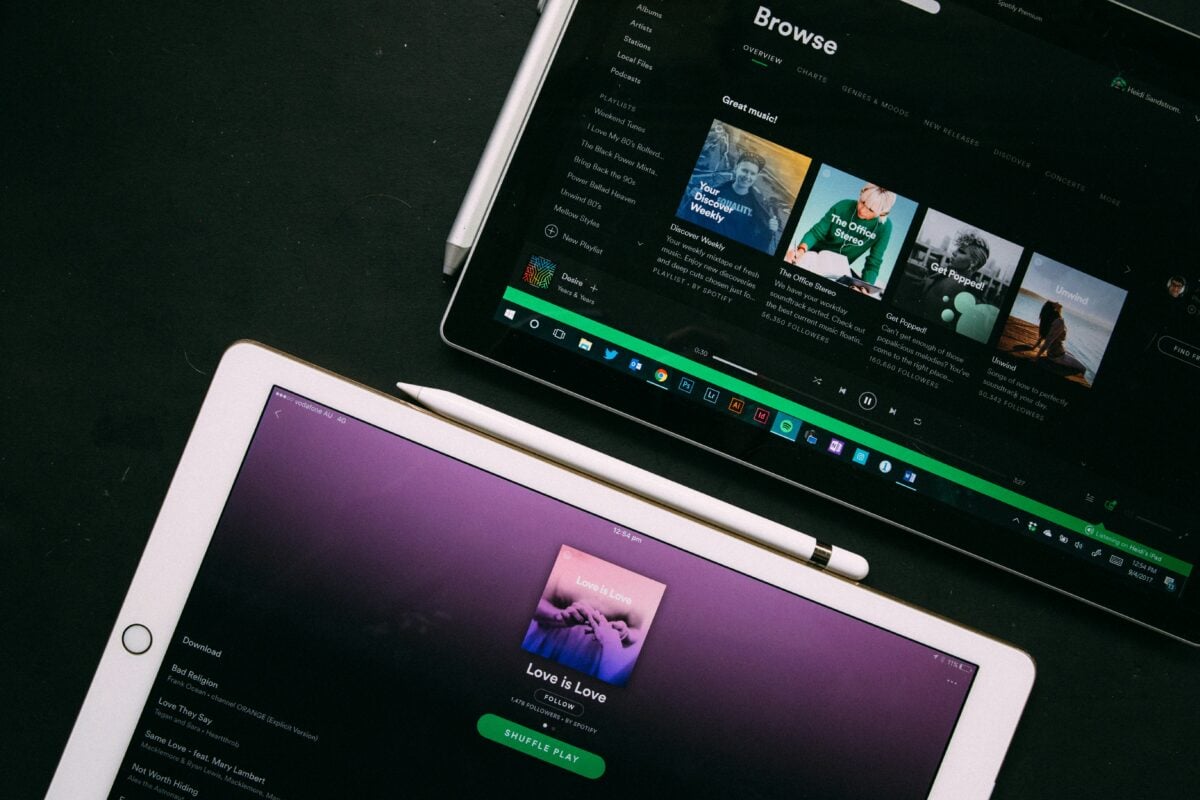
What tops the streaming charts tells a story beyond hits. How people play tunes today reflects shifting tastes, quiet longings, maybe even loneliness.
Each track climbs higher since meaning hides inside every listener’s moment. That one song you love could easily miss these rankings – which feels right somehow.
Right now, someone hits play on a track they’ve heard before – maybe during lunch, maybe while walking home. Streaming lets anyone reach any song, no matter where they are.
Radio had limits; this does not. A hit today isn’t built by stations but by single moments of connection, repeated again and again.
When a number climbs into billions, think: each digit stands for one choice, one ear, one moment of wanting something specific. It wasn’t handed down – it was picked up, over and over.
More from Go2Tutors!

- 16 Historical Figures Who Were Nothing Like You Think
- 12 Things Sold in the 80s That Are Now Illegal
- 15 VHS Tapes That Could Be Worth Thousands
- 17 Historical “What Ifs” That Would Have Changed Everything
- 18 TV Shows That Vanished Without a Finale
Like Go2Tutors’s content? Follow us on MSN.



