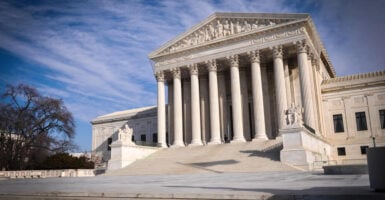
20 Historic American Court Cases That Changed Daily Life
Most people never read a Supreme Court opinion, yet they live inside the results. The rules that govern schools, police stops, phones, and public restaurants all trace back to specific disputes between named parties.
The cases below span more than a century. Each began with an ordinary person, a business, or a school and ended with a ruling that changed what millions of people could expect in daily life.
Plessy v. Ferguson (1896)
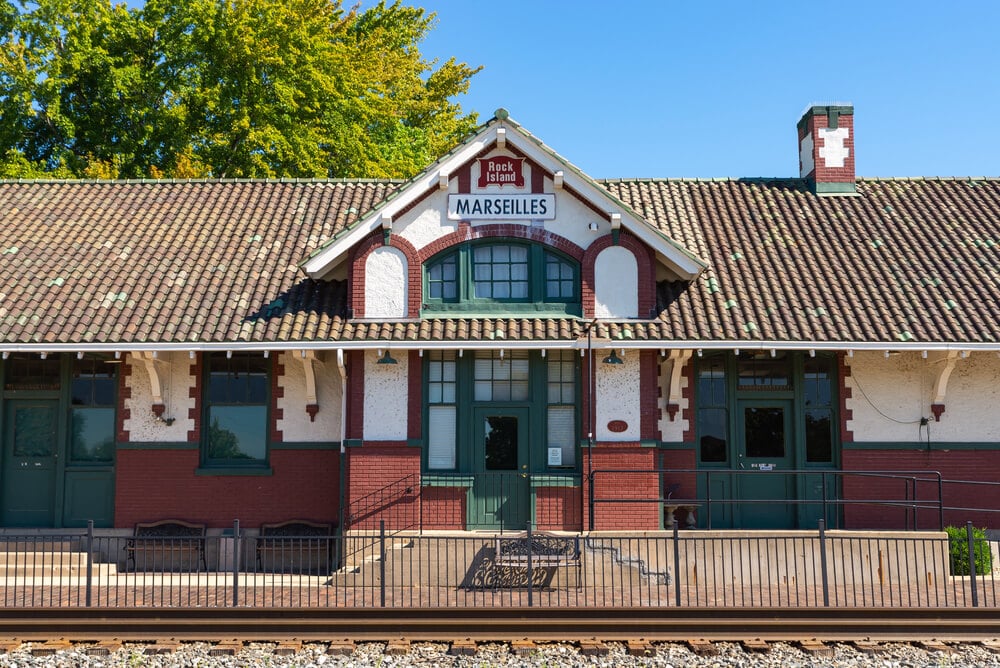
Homer Plessy sat in a whites-only railroad car in Louisiana to challenge a state segregation law. The Supreme Court upheld the law in 1896 under the doctrine of separate but equal, and the ruling supported decades of segregated schools, trains, and public places.
The decision was effectively overturned by Brown v. Board of Education in 1954.
MacPherson v. Buick Motor Co. (1916)
— Photo by ryzhov
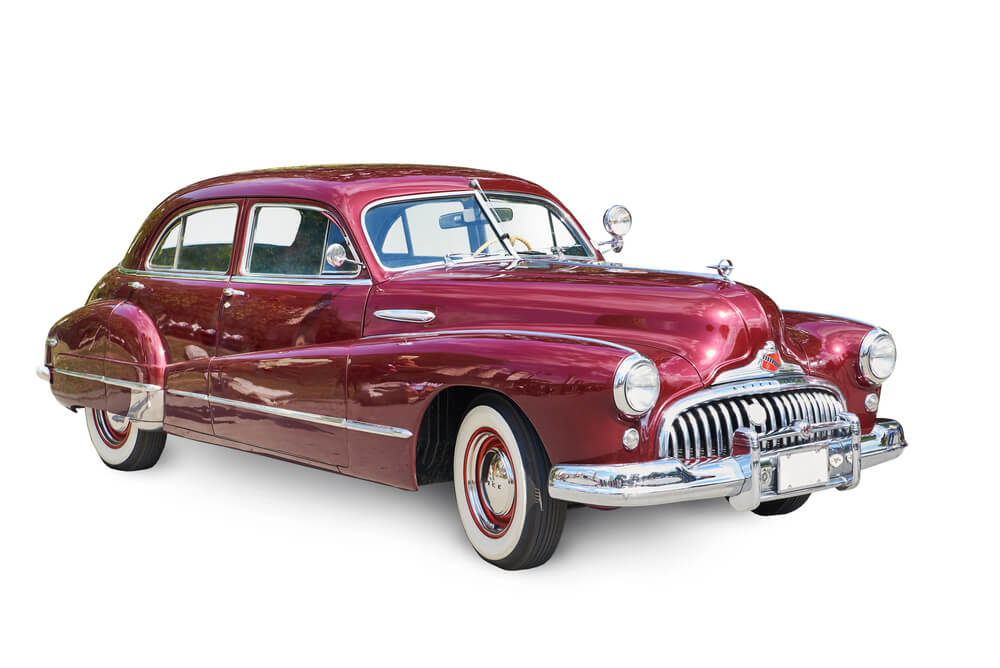
Donald MacPherson was injured when a wooden wheel on his Buick collapsed, and he sued the manufacturer instead of the dealer. Judge Benjamin Cardozo of the New York Court of Appeals ruled in 1916 that a manufacturer owes a duty of care to the consumer. The decision shaped modern product liability law.
West Virginia State Board of Education v. Barnette (1943)
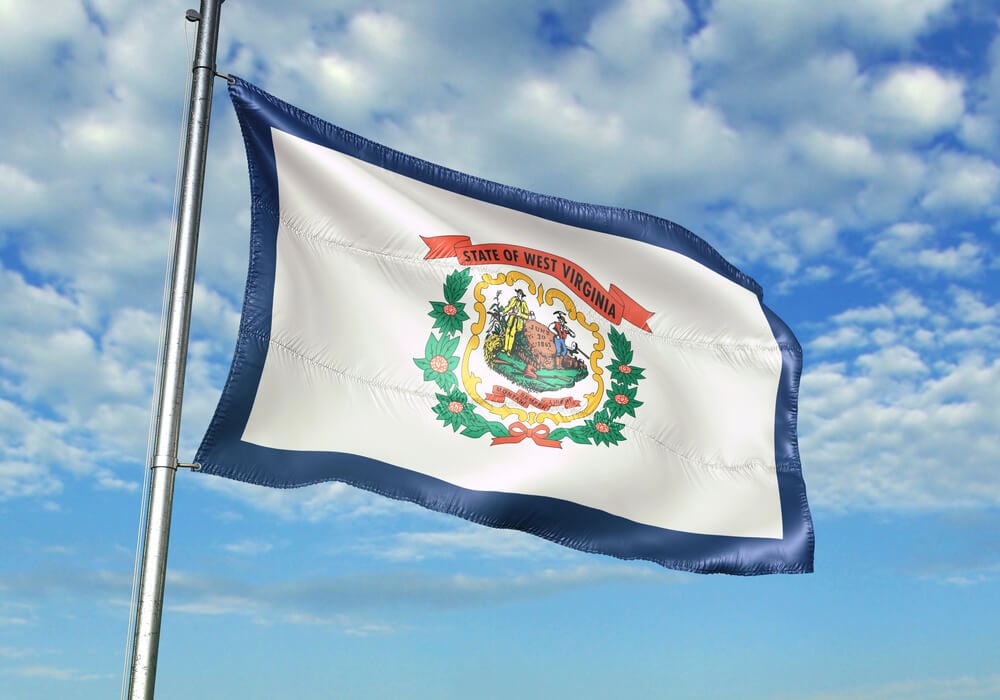
Students who were Jehovah’s Witnesses objected to saluting the flag, and West Virginia had expelled them for refusing. The Supreme Court ruled in 1943 that schools cannot force students to salute the flag or recite the pledge. The decision defined a student’s right not to be compelled to speak.
Wickard v. Filburn (1942)

Roscoe Filburn, an Ohio farmer, grew more wheat than his federal quota allowed, mostly for use on his own farm. The Supreme Court ruled in 1942 that Congress could regulate even such home-grown wheat because of its effect on interstate commerce. The case broadened federal power over the economy for generations.
Brown v. Board of Education (1954)

Linda Brown, a Topeka girl, was denied admission to a nearby school because she was Black, and her father joined a group of families to sue. The Supreme Court ruled unanimously in 1954 that segregated public schools are unconstitutional. The decision opened the way for desegregation across the country.
Mapp v. Ohio (1961)
— Photo by BreizhAtao
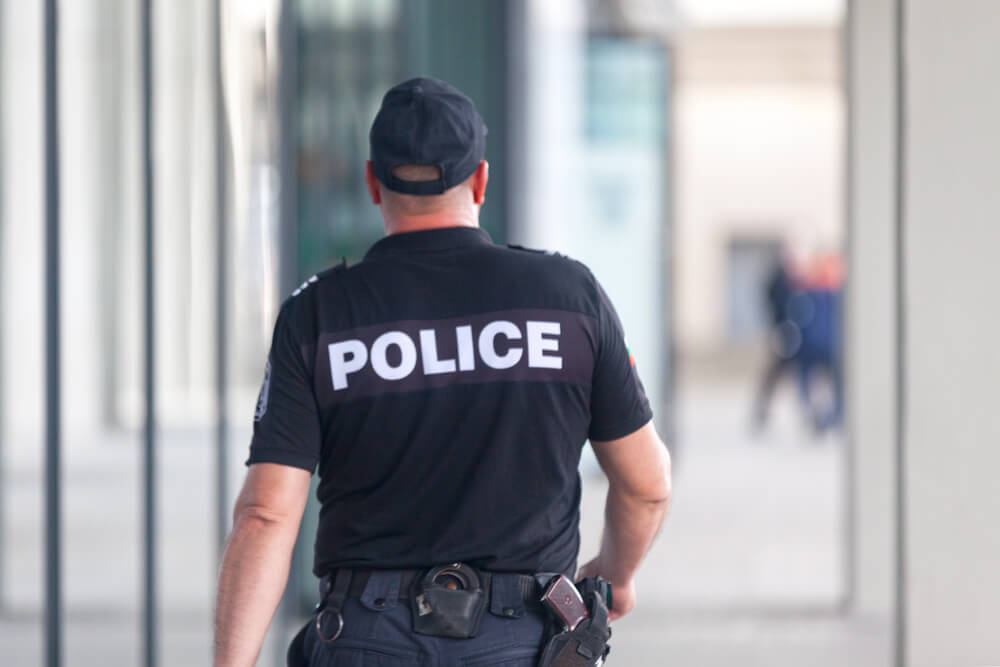
Police in Cleveland searched Dollree Mapp’s home without a valid warrant and found materials that led to her conviction. In 1961 the Supreme Court ruled that evidence obtained through an unconstitutional search cannot be used in state courts. The exclusionary rule now shapes how police conduct searches nationwide.
Engel v. Vitale (1962)

A New York school board required students to recite a short nondenominational prayer each morning, and parents sued. The Supreme Court ruled in 1962 that officially sponsored prayer in public schools violates the First Amendment. The decision remains one of the most discussed rulings on religion in schools.
Gideon v. Wainwright (1963)
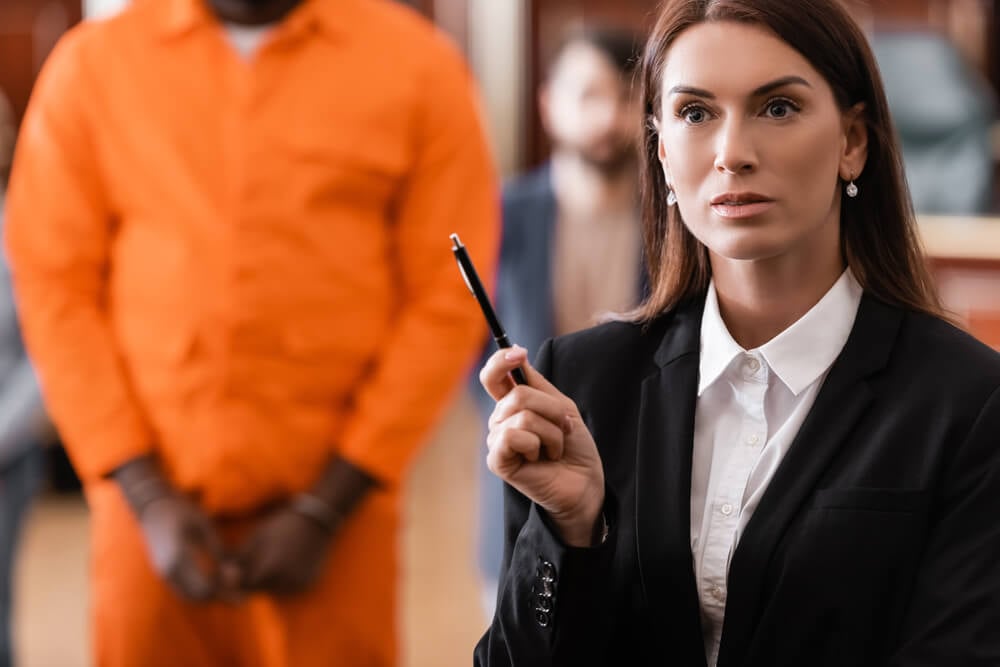
Clarence Gideon, charged with breaking into a Florida pool hall, asked for a lawyer and was refused because he could not afford one. The Supreme Court ruled unanimously in 1963 that states must provide attorneys to defendants who cannot pay. Public defender offices across the country grew out of the decision.
New York Times Co. v. Sullivan (1964)
— Photo by bernardojbp
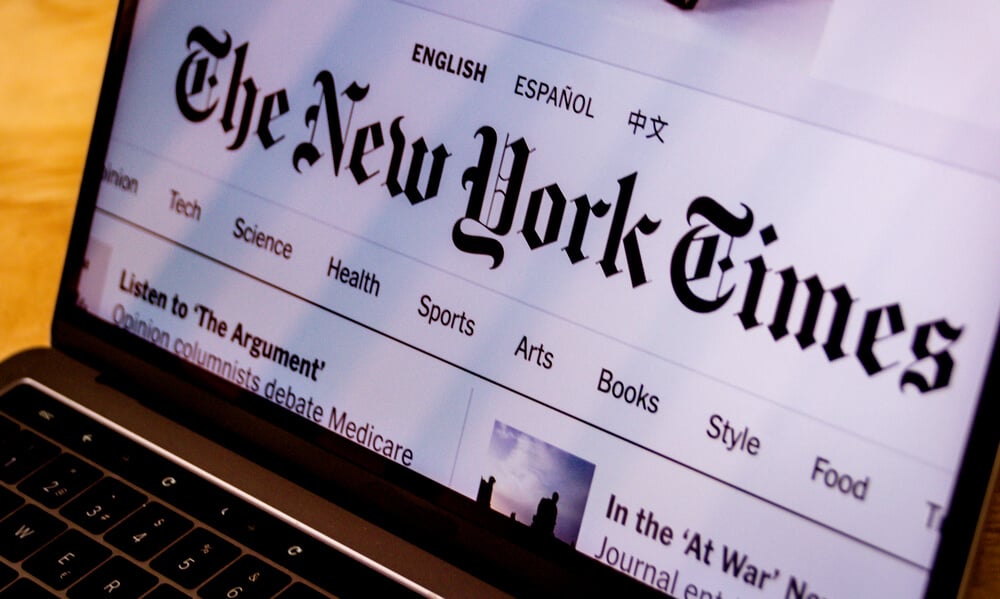
An Alabama city official sued the New York Times over an advertisement that contained errors. The Supreme Court ruled in 1964 that public officials must show actual malice to win a libel case. The ruling protects robust criticism of government in newspapers and online.
Heart of Atlanta Motel v. United States (1964)
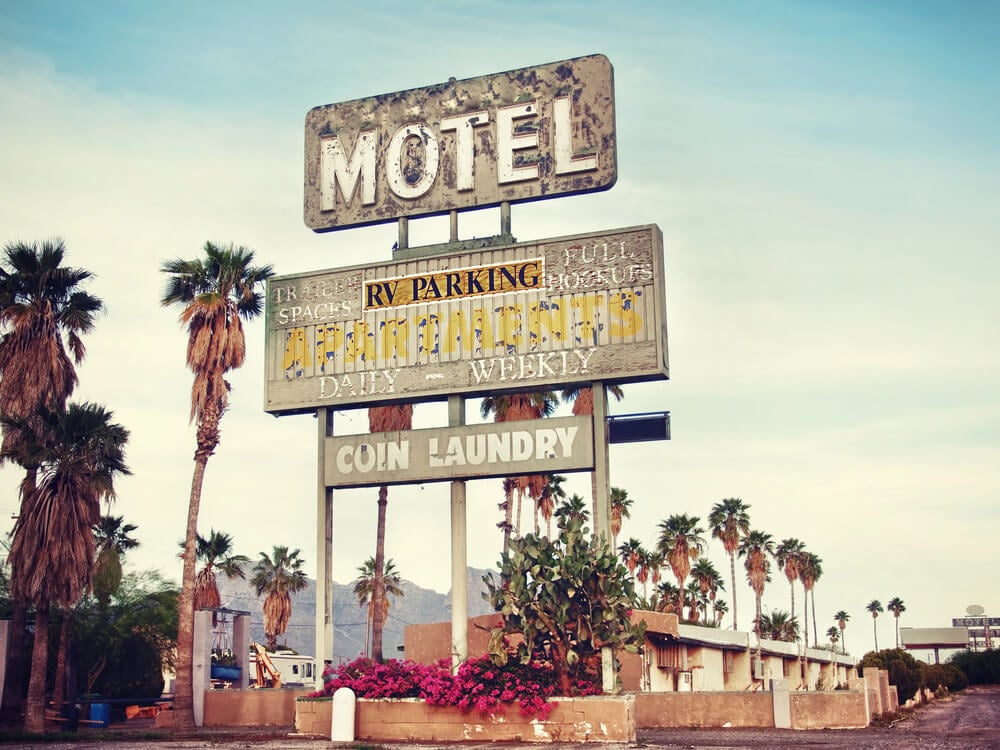
An Atlanta motel owner refused to rent rooms to Black guests and challenged the Civil Rights Act of 1964. The Supreme Court upheld the law in December 1964, ruling that Congress could ban discrimination in public accommodations. Hotels, restaurants, and theaters had to open their doors.
Griswold v. Connecticut (1965)

Connecticut forbade the use of contraceptives, and leaders of the Planned Parenthood League of Connecticut were arrested for providing them. The Supreme Court struck down the law in 1965, recognizing a constitutional right to marital privacy. The case became a foundation for later privacy rulings.
Miranda v. Arizona (1966)

Ernesto Miranda confessed to police in Phoenix without being told of his rights. The Supreme Court ruled in 1966 that suspects must be warned of their rights to remain silent and to an attorney before questioning. The Miranda warning is now familiar from television and everyday life.
Loving v. Virginia (1967)
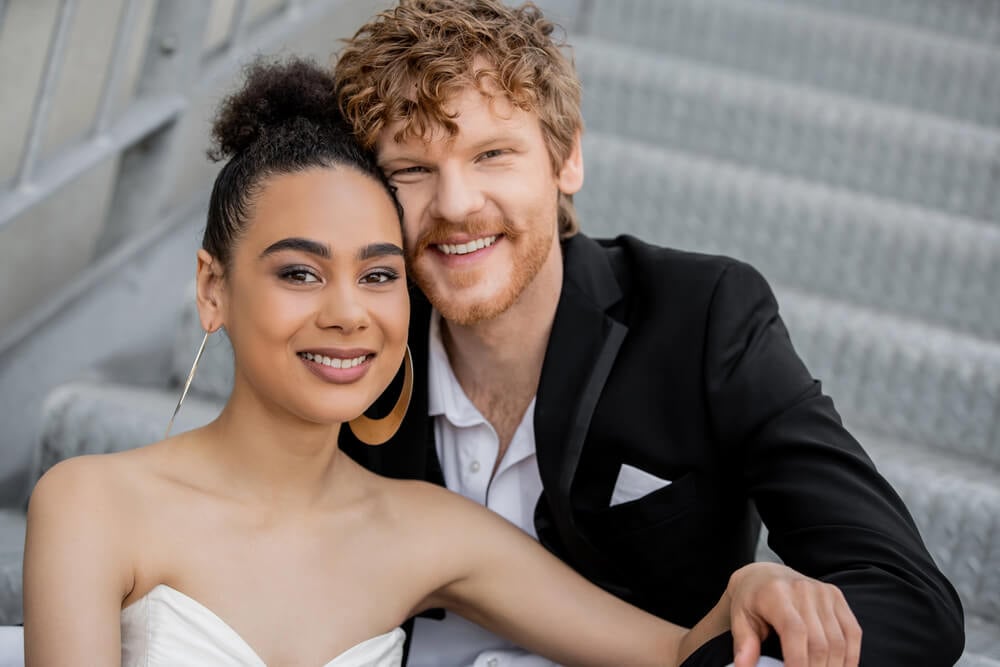
Richard and Mildred Loving married in Washington, D.C., in 1958 and were prosecuted when they returned to Virginia. The Supreme Court ruled unanimously in 1967 that laws banning interracial marriage violate the Constitution. The ruling ended such bans in the remaining states that still had them.
Katz v. United States (1967)
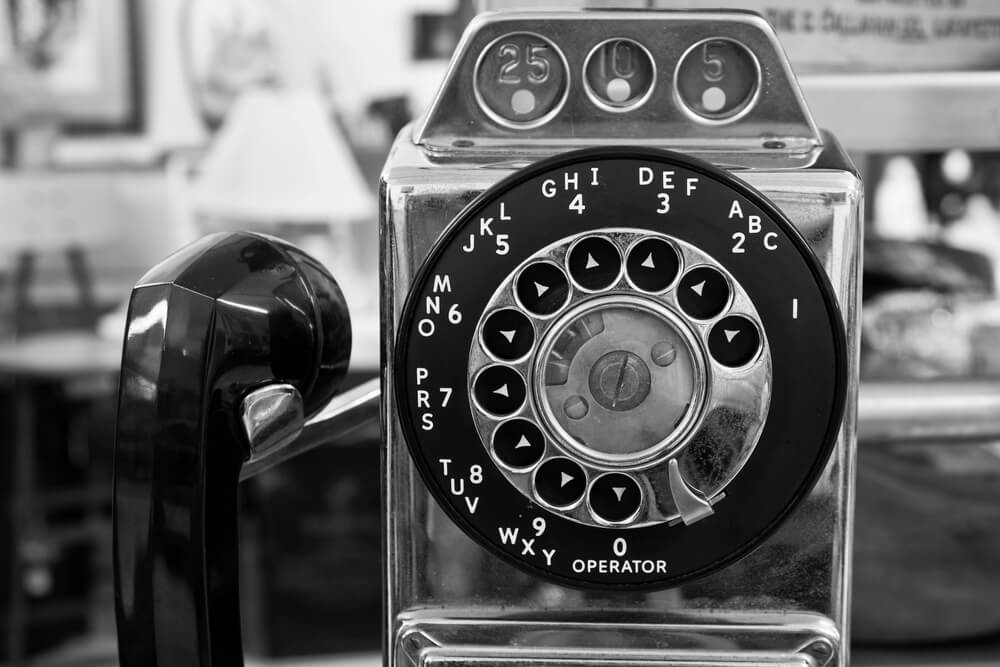
FBI agents bugged a public phone booth to record Charles Katz’s gambling calls. The Supreme Court ruled in 1967 that the Fourth Amendment protects people, not places, and that a reasonable expectation of privacy applies to phone calls. The reasoning still frames debates over surveillance.
Terry v. Ohio (1968)
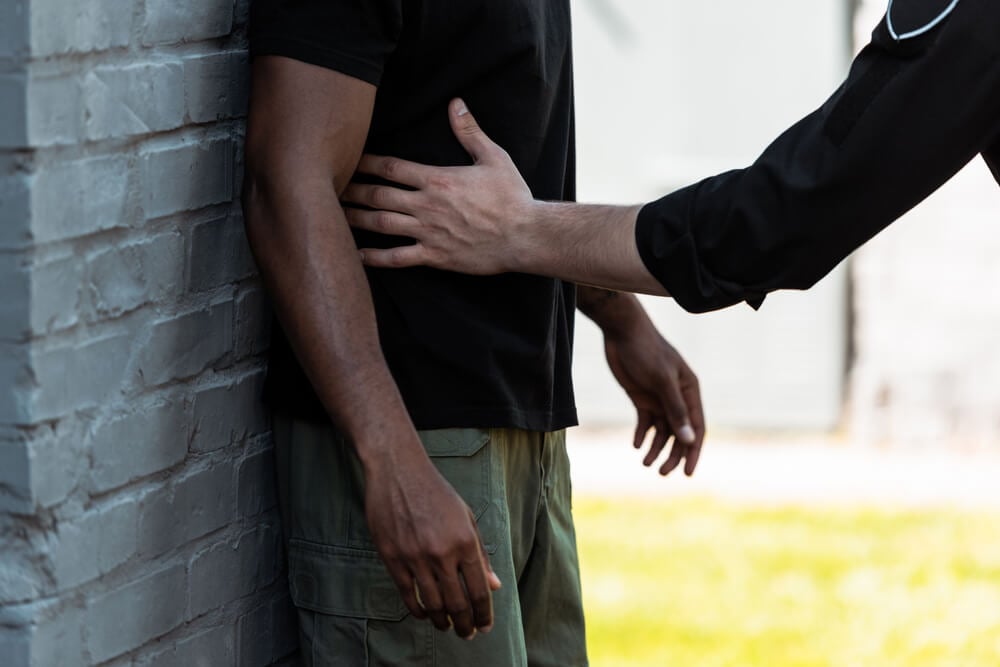
A Cleveland police officer stopped and frisked men he suspected of casing a store. The Supreme Court ruled in 1968 that an officer with reasonable suspicion may briefly stop and pat down a person. Street stops and frisks are governed by this standard.
Tinker v. Des Moines (1969)

Students in Des Moines wore black armbands to school to protest the Vietnam War and were suspended. The Supreme Court ruled in 1969 that students do not shed their free speech rights at the schoolhouse gate. The decision set the test for student expression in schools.
Sony Corp. of America v. Universal City Studios (1984)
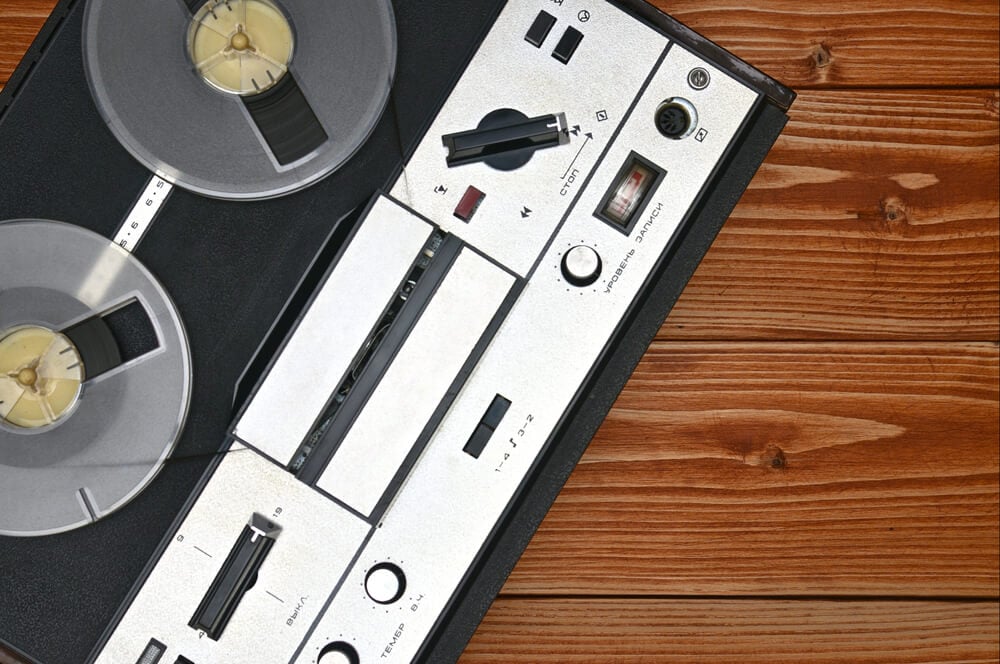
Movie studios sued Sony over the Betamax video recorder, arguing that home taping infringed copyright. The Supreme Court ruled 5-4 in 1984 that recording a program to watch later is fair use. The decision made the home video recorder legal and shaped the early tech industry.
Texas v. Johnson (1989)
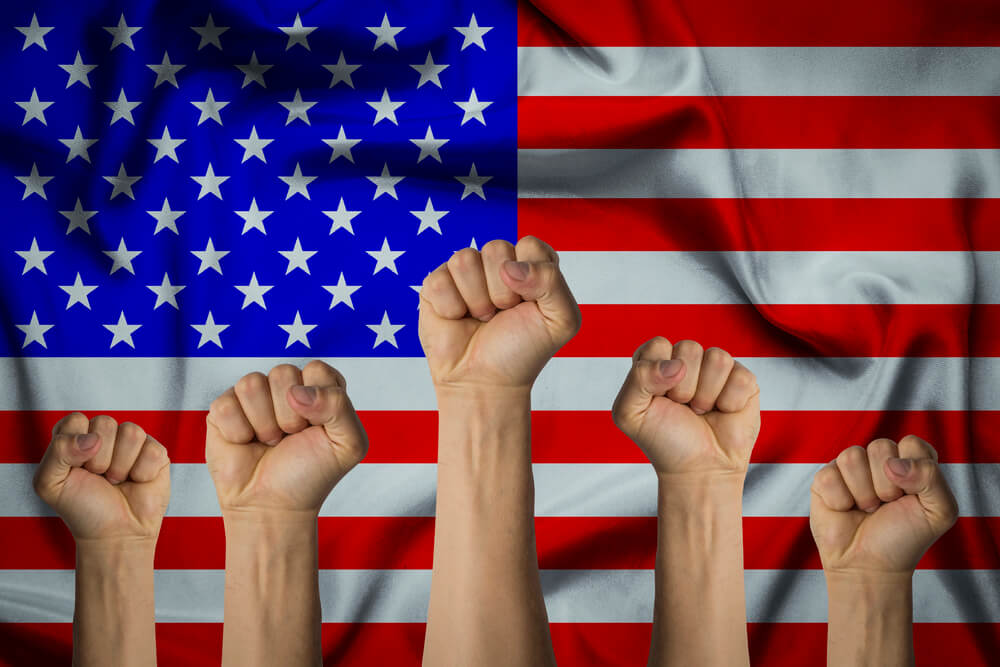
Gregory Lee Johnson burned an American flag outside the 1984 Republican National Convention in Dallas. The Supreme Court ruled 5-4 in 1989 that flag burning is protected expression. The decision remains one of the most debated First Amendment rulings.
Reno v. ACLU (1997)

Congress passed the Communications Decency Act in 1996 to restrict indecent material online, and civil liberties groups challenged it. The Supreme Court struck down key provisions in 1997. The ruling gave the early internet strong First Amendment protection.
Riley v. California (2014)
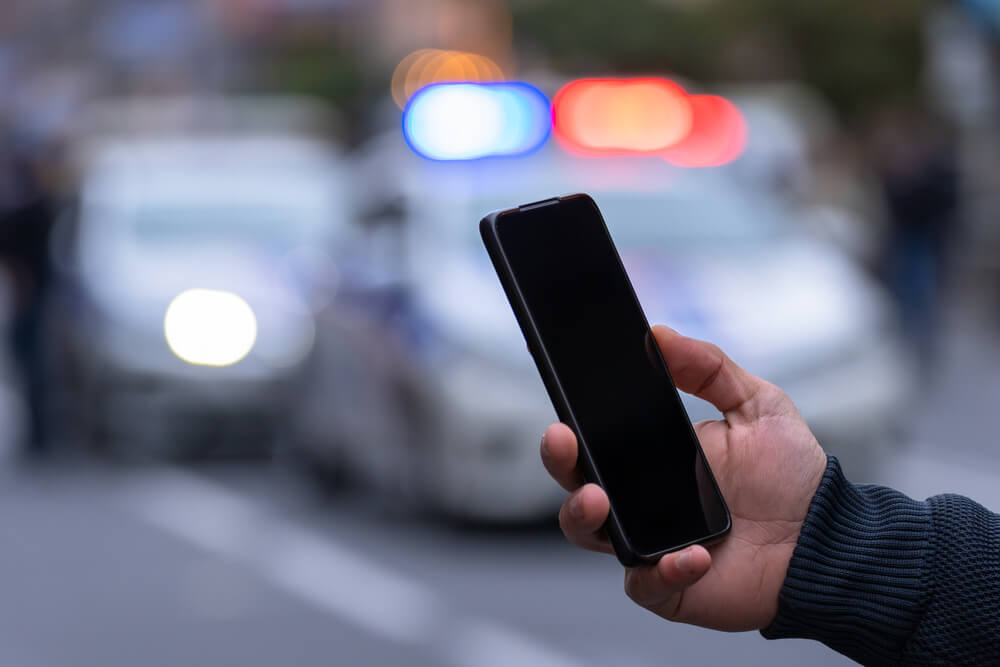
Police searched a man’s smartphone after arresting him and used its contents against him. The Supreme Court ruled unanimously in 2014 that police generally need a warrant to search a cell phone seized during an arrest. The decision recognized that phones hold far more private information than a pocket.
Ordinary People, Extraordinary Consequences
Almost every case above began with someone who was not seeking a place in history. A farmer with extra wheat, a man with a wrecked car, a student with an armband, and a woman whose home was searched became the names attached to rules that now apply to everyone.
That is how courts quietly shape daily life. Each ruling answers a narrow question, and the answer then spreads outward until it governs schools, streets, and phones.
More from Go2Tutors!

- 27 Silver Dollars and Half Dollars Worth Keeping
- 28 Restaurant Menu Items Nobody Orders Anymore
- 17 Places Built in Seemingly Impossible Spots
- 27 Vintage Rings Worth More Than They Look
- 25 Restricted Sites Tourists Can’t Enter
Like Go2Tutors’s content? Follow us on MSN.