25 Small Courtesies That Died Somewhere In The Last 20 Years
There’s a particular kind of loss that doesn’t announce itself. No headline, no ceremony — just a slow, quiet disappearance of things that used to be unremarkable because everybody did them.
The small courtesies. The ones that weren’t taught so much as absorbed, passed along through enough repetition that they felt like instinct.
And then, somewhere between the rise of the smartphone and the general collapse of patience, they stopped. Not all at once.
Just gradually, like a light you didn’t notice dimming until the room was already dark.
Holding The Door

Holding the door used to be reflexive — the kind of thing your hands did before your brain weighed in. Now it happens in scattered, almost surprised moments, like stumbling across something you thought you’d lost.
The person behind you is fifteen feet away, and somehow that used to be close enough to stop, wait, hold the frame. Apparently fifteen feet is a long way now.
Writing Thank-You Notes

There’s a reason people kept thank-you notes in shoeboxes under the bed for decades — they were proof that someone, at a specific moment in time, sat down and thought about you. A text that says “thx!” is not the same thing.
It’s not even in the same category, which is saying something in an era that genuinely believes convenience and effort are interchangeable.
Letting Someone Merge In Traffic

Letting someone merge is the clearest, most condensed test of who a person actually is — because it costs nothing, takes four seconds, and almost nobody does it anymore. The old social contract of the zipper merge, where lanes took turns like decent people, has been replaced by a kind of automotive tribalism where giving an inch feels like a personal defeat.
Go figure.
Saying “Excuse Me” When Passing Someone
Excuse me used to be the default — the small verbal signal that you were moving through shared space and acknowledged the other person’s existence in it. Now the move is to simply push past, or hover silently right behind someone until they feel the pressure and step aside, which is somehow ruder than making contact.
The phrase still exists. People just seem to be saving it for later.
Making Eye Contact During Conversation

Eye contact is one of those things that signals, without words, that the person in front of you has your full attention — and it turns out that’s rarer now than it’s ever been. The phone sits on the table face-up, notifications firing like small urgent alarms, and the conversation competes for a kind of attention it used to hold without trying.
So the eyes drift. And the person across the table notices.
Giving Up Your Seat On Public Transit

Giving up your seat used to be automatic for certain people: someone older, someone pregnant, someone visibly struggling with something heavy. Now the move is to look intensely at your phone the moment such a person enters the car — not out of cruelty, necessarily, but out of a studied indifference that achieves the same result.
The seat stays occupied. The moment passes.
RSVPing

The RSVP is dead, and the people who killed it don’t seem to know it was ever alive. Someone spends hours organizing something — a dinner, a party, a gathering that requires headcount — and the responses trickle in late, half-committed, or not at all, leaving the host to guess at numbers like a detective piecing together a case with no evidence.
To be fair, “maybe” becoming a socially acceptable answer didn’t help.
Acknowledging A Wave

There’s a whole grammar to the road wave — the two-finger lift off the steering wheel, the slight nod, the brief flash of the palm — and it used to flow naturally between drivers who let each other through, yielded right of way, or simply passed on a narrow back road.
That grammar is fading. You wave and the other car just keeps going, unmoved, like you waved at a building.
Waiting For Everyone To Be Served Before Eating

Waiting until everyone at the table has their food before picking up a fork — that was table manners so fundamental it barely needed mentioning. It acknowledged something simple: that a shared meal was a shared experience, not a solo activity that happened to occur in proximity to others.
Somewhere along the way, the hot plate won the argument.
Keeping Your Voice Down In Public

Keeping your phone call private used to be the baseline expectation in any enclosed space — a waiting room, a train car, an elevator. The logic was simple enough: other people didn’t sign up to hear your conversation, and you owed them the small mercy of conducting your personal life at a volume that didn’t carry across the room.
That logic has been retired, apparently along with any related sense of shame.
Responding To Emails

Email response rates have declined so steadily and so dramatically that sending an email and expecting a reply now feels like an optimistic act — the kind of hope that doesn’t expect much back. What replaced it isn’t something better: it’s just silence, or a reply three weeks later that references something you’ve already resolved.
The read receipt exists specifically to confirm that the silence was a choice.
Bringing Something When Invited To Dinner

Showing up to someone’s home for dinner with nothing — no bottle of wine, no flowers, no box of anything — used to be the kind of thing people quietly noted and quietly remembered. The host has cleaned, cooked, and set a table for you, and the very least a guest could do was arrive carrying some small acknowledgment of that.
It wasn’t a transaction. It was a gesture, which is a different thing entirely, and gestures apparently require more effort than they used to.
Acknowledging A Sneeze

“Bless you” after a sneeze is old enough to trace back centuries, and its recent disappearance feels less like a cultural shift than a small abandonment. It was never about the sneeze — it was the interruption acknowledged, the small reflex of human noticing.
Silence after a sneeze now is just silence, but it has a texture to it: the texture of a room where no one looked up.
Introductions

The introduction — turning to someone and saying “Have you met so-and-so?” — was social architecture, the quiet work of making people feel like they belonged somewhere. It required a kind of attentiveness, a low-level awareness of who knew whom and who didn’t, and the willingness to bridge the gap.
Now people stand in clusters at gatherings and let the strangers figure it out for themselves, which mostly means the strangers stand quietly next to each other until someone leaves.
Silencing Your Phone At The Movies

The movie theater agreement was never complicated: you paid to watch something, everyone around you paid to watch the same thing, and the experience depended on collective good behavior for about two hours. A screen lighting up mid-film now is so routine that noticing it feels almost naive — like being surprised that it’s cold in January.
The agreement is still on the ticket. Nobody reads the ticket.
Asking Before Putting Someone On Speaker

There is a specific violation involved in being put on speaker without warning — suddenly aware that the conversation has an unannounced audience, that things you said were already heard, that your voice has been broadcast into a room you didn’t consent to enter. It used to be a question: “Do you mind if I put you on speaker?”
Four words. The question has been replaced by a button press and the faint ambient sound of someone else’s kitchen.
Covering Your Mouth When You Cough

Covering your mouth when you cough is, admittedly, one of those courtesies that briefly came roaring back in 2020, only to fade again the moment it was no longer legally mandated. The physics haven’t changed: an uncovered cough travels about six feet, which is the personal space of everyone in a two-seat radius.
The understanding of this has changed, apparently.
Tipping On Takeout

Tipping has always been culturally contested in the United States, but even people who argued about it in sit-down restaurants used to at least tip the delivery driver who drove several miles in the rain. The tablet now asking for a tip at every point of transaction has, through sheer over-application, numbed people into tipping nowhere — which was the worst possible outcome for everyone involved, especially the people who depend on it.
The carts abandoned at odd angles between parking spaces are a portrait of a moment when the small effort felt optional. It was never optional.
Returning A Shopping Cart

The shopping cart return is, famously, the purest voluntary test of civic behavior — because there is no enforcement, no consequence, and no reward, just the small act of putting the cart back where it belongs because the next person needs a cart and the parking lot employee is already busy. The carts abandoned at odd angles between parking spaces are a portrait of a moment when the small effort felt optional.
It was never optional. It was just never mandatory either.
Sending Birthday Cards
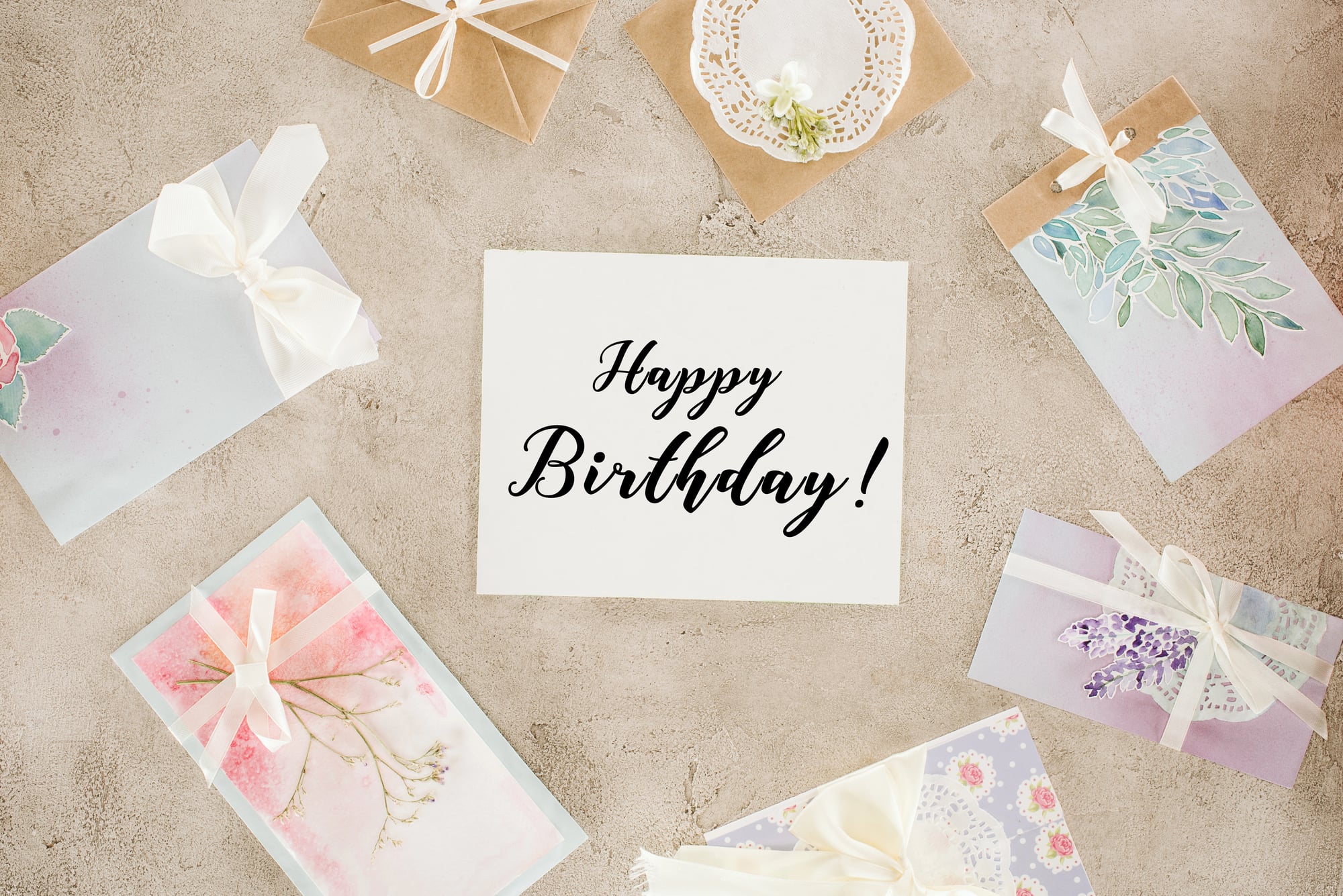
The birthday card has been replaced by a Facebook notification prompting a wall post that takes eleven seconds to type, which is a long way from driving to the drugstore, standing in the card aisle for ten minutes, and choosing something — even something mediocre, even something with a forgettable joke inside.
The card was the time. That’s what the card actually was.
Acknowledging Service Workers By Name

Service workers wear name tags — and have, for a long time — because it was understood that knowing someone’s name changes the nature of an interaction. It makes it human.
Calling someone “hey” or gesturing vaguely at them is efficient, technically, but efficiency was never really the point of “thank you, Marcus” or “have a good one, Sandra.” The name tag is still there. Nobody reads the name tag.
Waiting Your Turn To Speak

Conversation used to have a rhythm to it: someone speaks, someone listens, the listening ends and the next person responds to what was actually said. That rhythm requires restraint — the willingness to let a thought sit in your head for a moment before releasing it, to hear a sentence to its end.
What’s replaced it is something closer to parallel broadcasting: two people talking at each other until one of them gets tired.
Offering Your Umbrella

Sharing an umbrella with someone caught in the rain was one of those gestures that cost exactly nothing — maybe a slightly wet shoulder — and communicated something unambiguous about the kind of person you were. It was small enough to be completely unsentimental about, which is maybe why it carried such weight.
The instinct still exists in movies. In actual rain, people mostly just walk faster.
Bringing Food To Someone Who’s Grieving

There used to be an understanding in neighborhoods and communities that when someone lost someone, you showed up with food — not because food solves grief, but because it solved the smallest, most immediate problem, which was that the person couldn’t be expected to cook. The casserole dish left on the porch wasn’t a gesture of optimism.
It was a gesture of presence, of acknowledgment: we know. The casserole dish went somewhere too.
Saying Goodbye Before Hanging Up
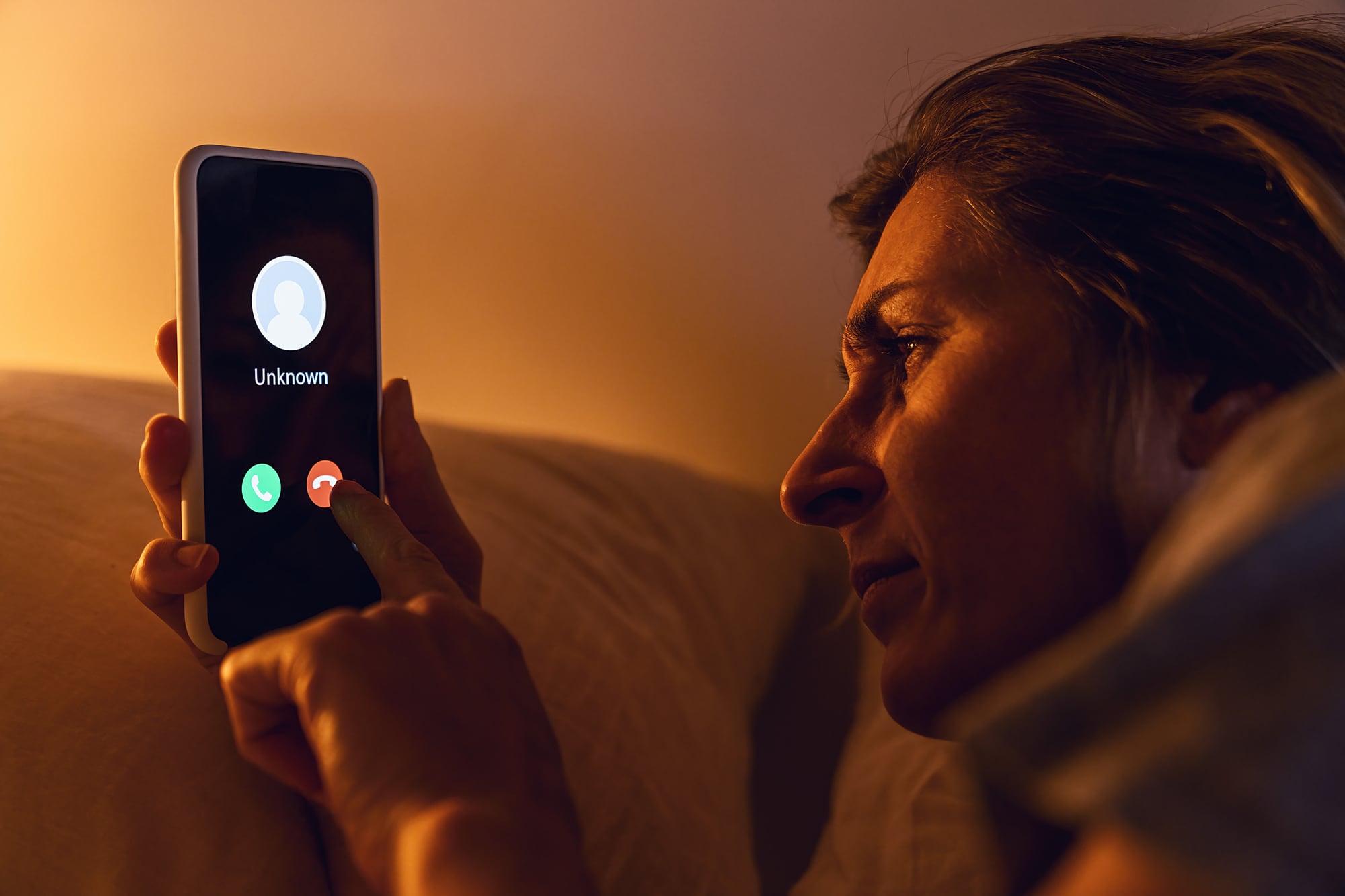
Ending a phone call without a goodbye — just hanging up when the information has been exchanged — is efficient in the same way that leaving a dinner table when you’re done eating is efficient. It misses the point of why there was a table in the first place.
The goodbye at the end of a call was never about the words. It was about the pause, the acknowledgment that something between two people had just occurred, and now it was finished.
Just like that. Finished.
What Gets Lost When The Small Things Go
The thing about small courtesies is that they were never really about the action itself — not the held door, not the thank-you note, not the umbrella. They were evidence of a background assumption: that other people exist, that their experience of the world matters, that your behavior inside a shared space has consequences beyond your own convenience.
Losing them isn’t a catastrophe. It’s quieter than that, more like a slow erosion — the kind where you don’t notice what’s missing until you’re standing somewhere that feels strangely cold, unable to say exactly when it changed.
More from Go2Tutors!

- The Romanov Crown Jewels and Their Tragic Fate
- 13 Historical Mysteries That Science Still Can’t Solve
- Famous Hoaxes That Fooled the World for Years
- 15 Child Stars with Tragic Adult Lives
- 16 Famous Jewelry Pieces in History
Like Go2Tutors’s content? Follow us on MSN.