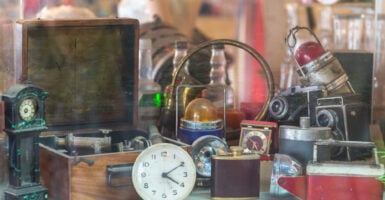
23 Old Chemistry Sets and Lab Kits Worth More Than You’d Think
Remember the thrill of unwrapping a chemistry set on Christmas morning? The promise of bubbling beakers and colorful reactions made every kid feel like a real scientist.
While many of these educational toys ended up forgotten in closets or discarded during moves, some have quietly become valuable collectibles. Certain vintage chemistry sets and laboratory kits now command impressive prices among collectors who appreciate their historical significance, nostalgic appeal, and the craftsmanship of a bygone era.
A.C. Gilbert Chemistry Sets
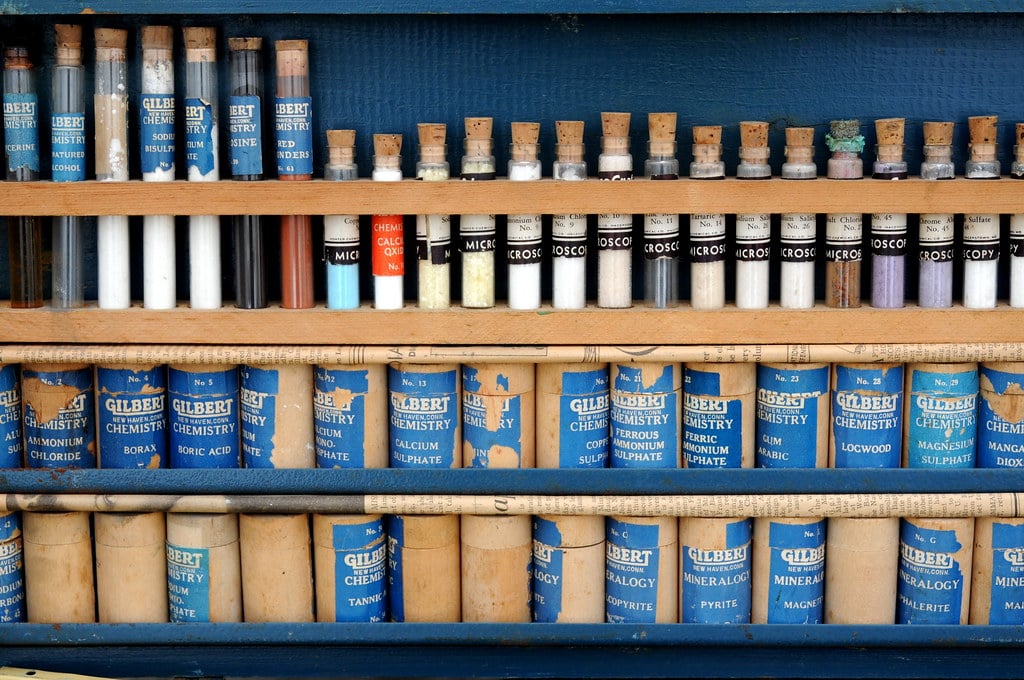
A.C. Gilbert dominated the chemistry set market for decades, and their vintage sets (especially those from the 1950s and 1960s) can fetch anywhere from $200 to $1,500 depending on condition and completeness. The company’s attention to detail was remarkable — real glass beakers, metal equipment, and comprehensive manuals that actually taught genuine scientific principles.
So these weren’t just toys masquerading as educational tools.
Chemcraft Chemistry Sets
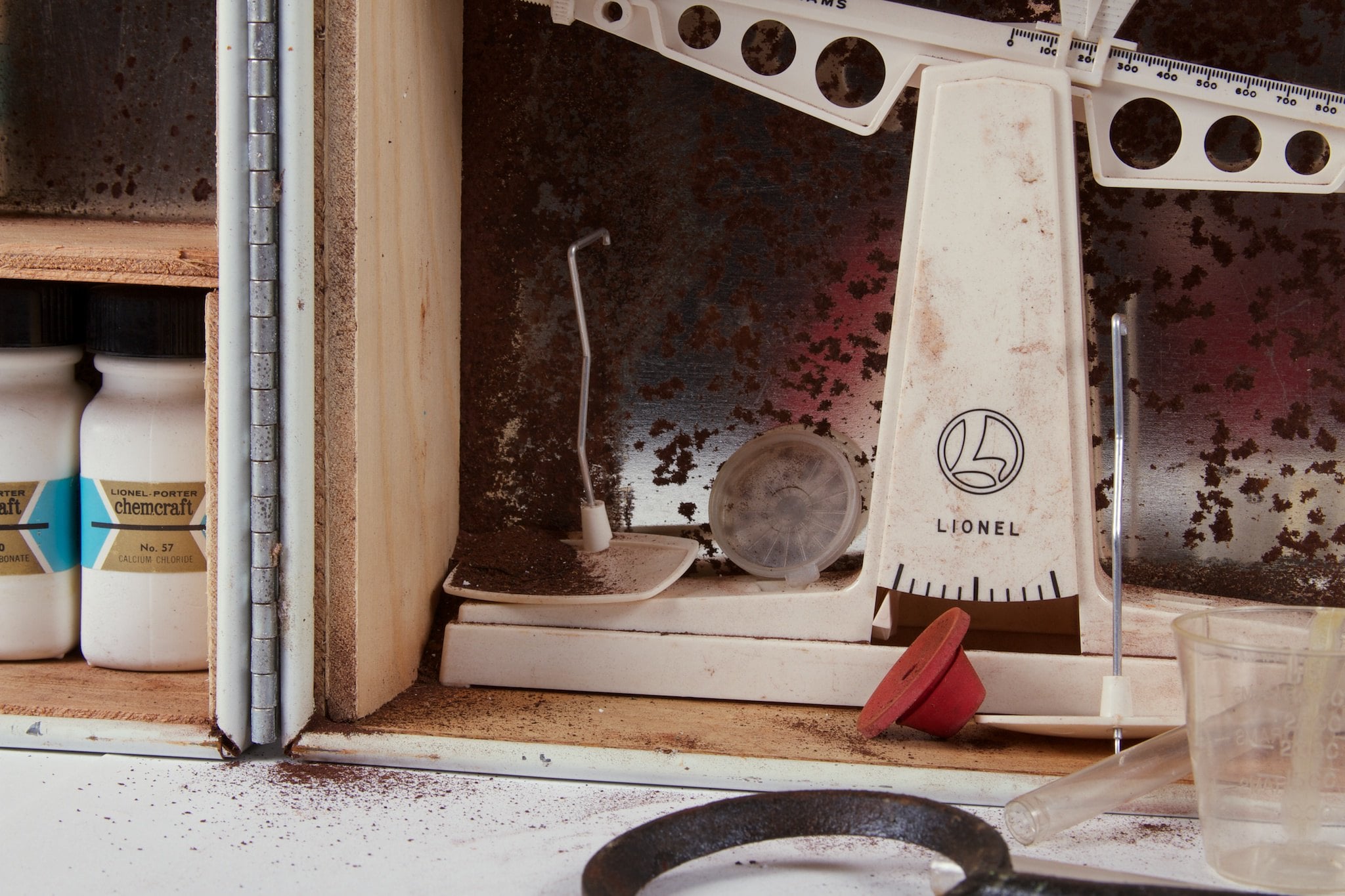
Chemcraft sets from the Porter Chemical Company occupy a special place in the hearts of collectors, particularly those produced between 1914 and the 1960s when the company maintained its reputation for quality (and before safety regulations stripped away the more dangerous chemicals that made experiments genuinely exciting). Complete sets in their original wooden boxes, with all glassware intact and chemicals still sealed, can command $300 to $800.
And yet the real treasure isn’t just the monetary value — it’s owning a piece of educational history that sparked countless scientific careers.
Beck Chemist Sets from Germany
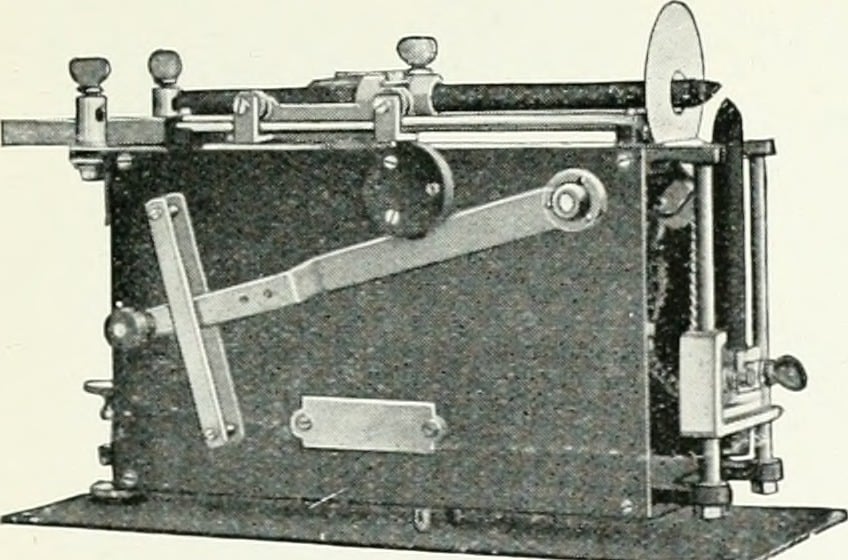
German engineering meets childhood curiosity in these beautifully crafted sets that feel less like toys and more like heirlooms. Beck’s attention to detail bordered on obsessive — each piece of glassware was hand-blown, every metal component precisely machined, and the wooden storage boxes built to last generations rather than Christmas morning.
The result was chemistry sets that collectors now treat like vintage watches, with pristine examples selling for $500 to $1,200.
Erector Chemistry Laboratory Sets
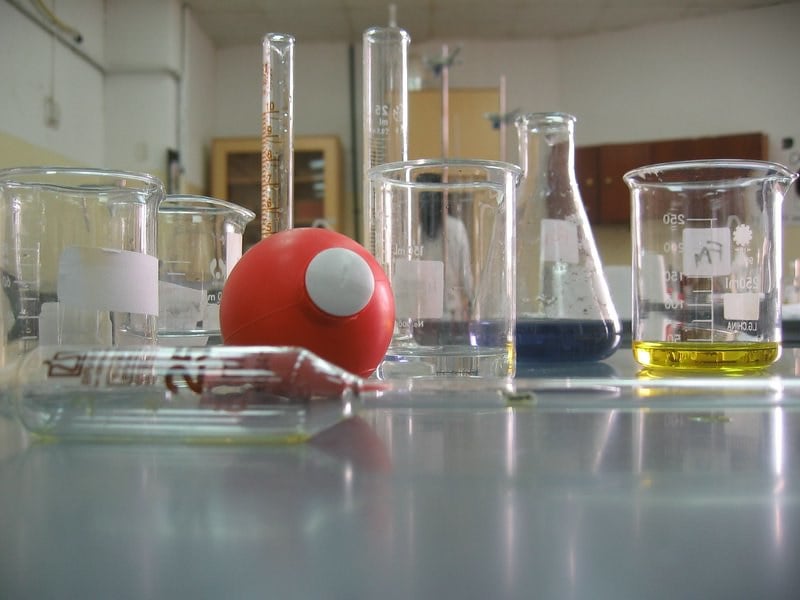
Chemistry meets mechanical engineering in these hybrid sets that combined traditional lab equipment with Erector Set construction principles. The result was educational toys that taught both chemical reactions and structural design — ambitious even by 1960s standards.
Complete sets with building components and chemical apparatus intact can reach $400 to $900 at auction.
1960s Mr. Wizard Science Sets

Mr. Wizard turned television into a classroom every week, and his branded science sets captured that same sense of wonder in cardboard boxes (though the cardboard was surprisingly sturdy for something designed to contain childhood enthusiasm and occasional explosions). The sets came with equipment specifically chosen to recreate experiments from the show, creating a bridge between screen and laboratory that felt genuinely magical to kids who’d spent Saturday mornings watching science unfold on television.
These nostalgic gems now sell for $100 to $500, with the rarer advanced sets commanding higher prices. So it turns out that educational television really was an investment — just not the kind parents expected.
Bausch & Lomb Microscope Education Kits
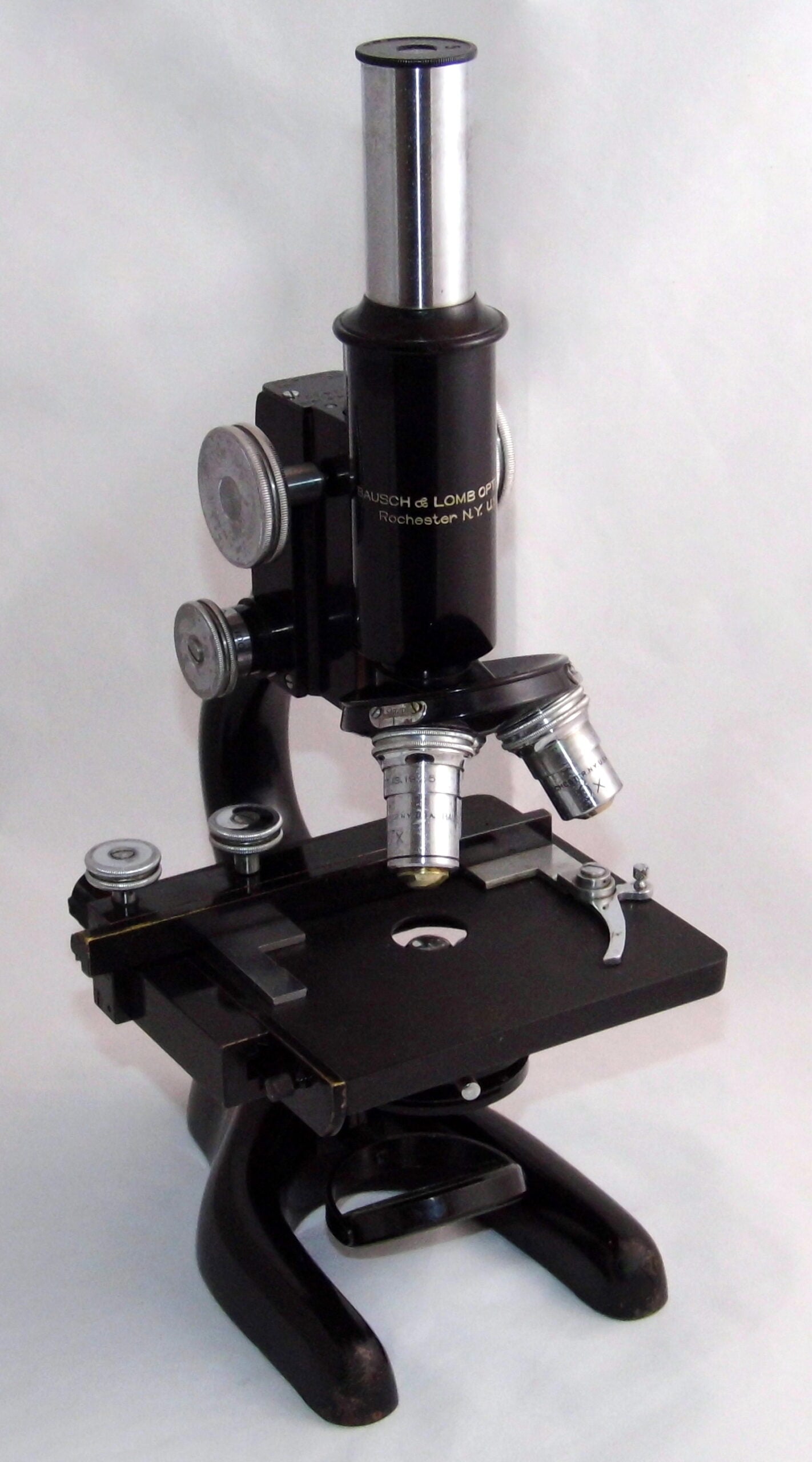
Bausch & Lomb didn’t manufacture toys — they made precision optical instruments that happened to be marketed to children. Their microscope kits featured the same quality lenses found in professional laboratories, housed in simplified bodies that young hands could operate without sacrificing optical clarity.
The craftsmanship shows in every detail, from the smooth focus mechanisms to the perfectly ground glass slides that came with each set. Complete educational kits with accessories and manuals now sell for $300 to $1,000, depending on the model and condition.
1940s Science Fair Chemistry Sets
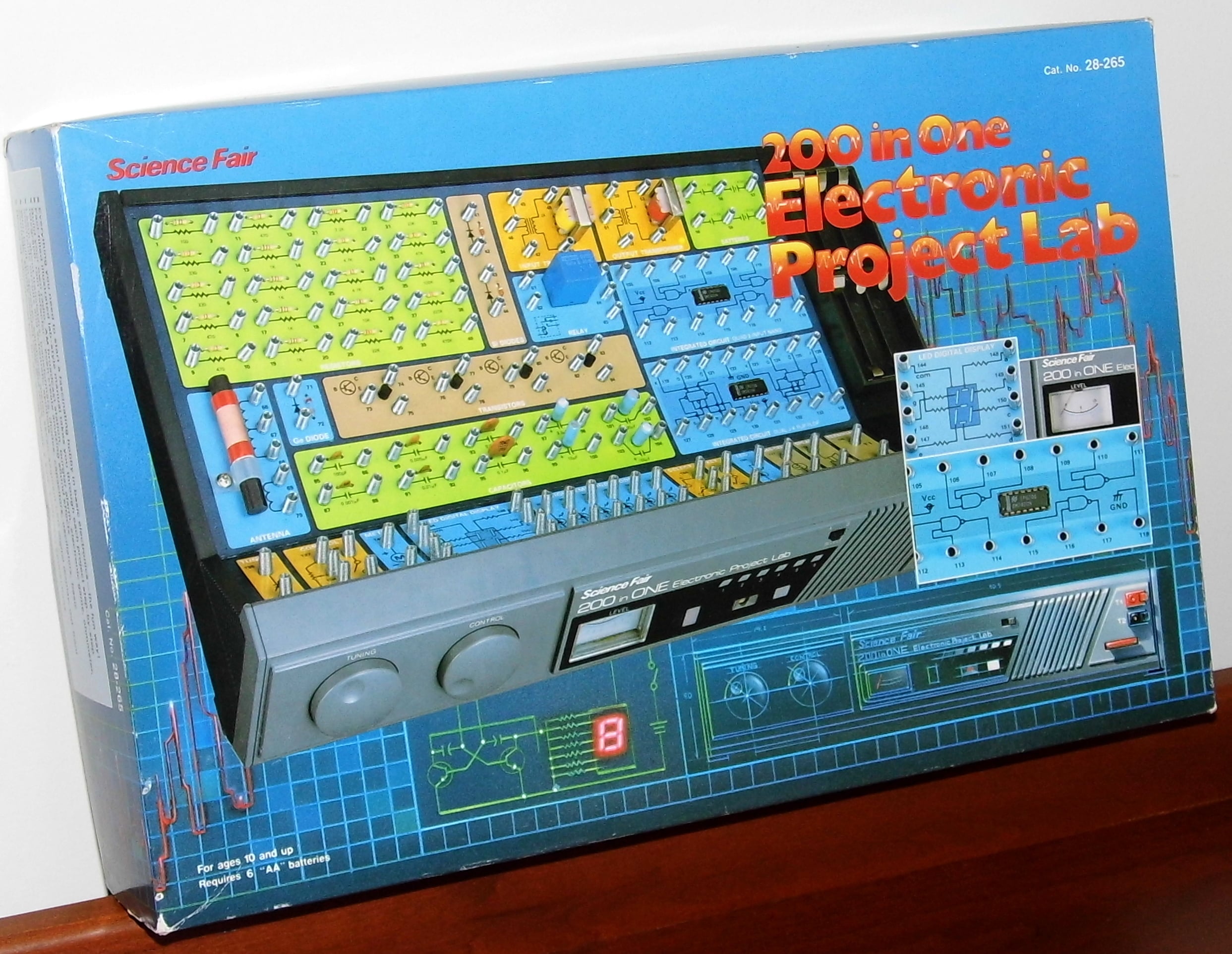
Science Fair sets embody the optimism of post-war America, when science seemed capable of solving every problem and chemistry sets were designed to create the next generation of innovators rather than liability lawsuits. The sets included chemicals that would terrify modern parents — real acids, actual metals, substances that could genuinely burn or explode if mishandled.
Fair enough, considering these were the same years when playground equipment was built from steel and painted with lead. Complete vintage Science Fair sets can bring $250 to $700, with the larger Master sets commanding premium prices.
A.C. Gilbert Atomic Energy Lab Accessories
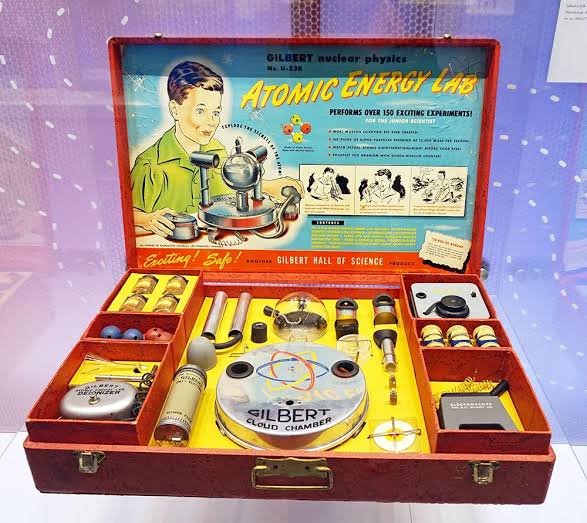
Even the accessory kits for Gilbert’s infamous Atomic Energy Lab have become valuable collectibles. Replacement Geiger counters, spare uranium samples, and additional detection equipment were sold separately to extend the educational value of the main set.
These accessories are remarkably rare since most parents who allowed radioactive materials in their homes drew the line at buying additional radioactive materials. Individual pieces can sell for $500 to $1,500, depending on their condition and authenticity.
1950s Tasco Microscope Sets
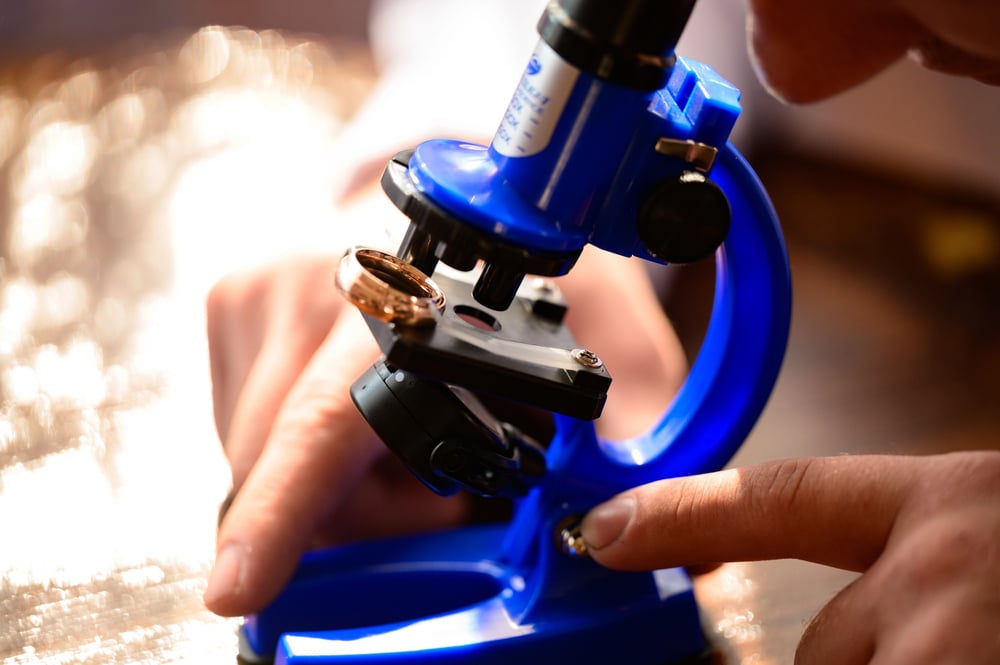
Tasco built their reputation on precision optics, and their children’s microscope sets reflected the same attention to optical quality found in their adult instruments (though admittedly with more colorful marketing and simplified controls designed for smaller hands). Each set included multiple eyepieces, specimen slides, and preparation tools housed in fitted cases that protected the delicate lenses from the inevitable drops and bumps of enthusiastic young scientists.
The microscopes themselves were built to last decades rather than seasons, which explains why complete sets with all accessories can still command $250 to $700 among collectors. But beyond the monetary value lies something more interesting: these were instruments that actually worked, revealing genuine microscopic worlds rather than just pretending to.
Porter Chemical Chemcraft Master Sets

Porter Chemical Company understood that serious young chemists needed serious equipment, so their Master Sets included laboratory-grade glassware, precision balances, and chemicals that could perform genuine quantitative analysis rather than just flashy demonstrations. The sets came in substantial wooden cases with brass corners and locks, giving them the weight and presence of professional equipment.
Complete Master Sets from the 1940s and 1950s can fetch $600 to $1,200 at auction. To be fair, these weren’t toys in any meaningful sense — they were entry-level laboratory setups disguised as Christmas presents.
1960s Skilcraft Science Fair Microscopes

Like finding a handwritten letter in a world of text messages, these microscope sets represent careful craftsmanship in an era increasingly dominated by mass production. Each Skilcraft set included precision-ground lenses, brass focusing mechanisms, and specimen slides prepared by actual laboratory technicians rather than factory workers following assembly instructions.
The attention to detail extended to the wooden storage cases, which were fitted with custom compartments for each piece of equipment and lined with felt to protect delicate components during storage or transport. Complete sets with all accessories and manuals now sell for $300 to $800, depending on the condition of the optics and the completeness of the specimen collection.
So it turns out that teaching children to see the invisible world required the same precision as any other form of magic.
Educational Products Corporation Lab Sets
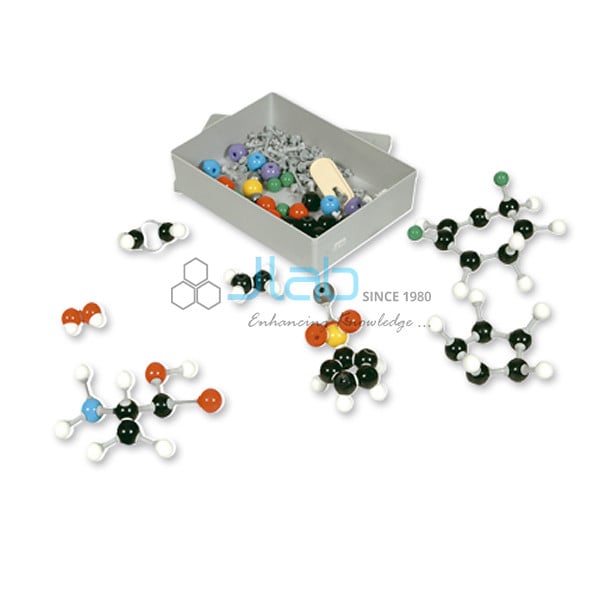
Educational Products Corporation approached science education with the seriousness of a university curriculum compressed into wooden boxes and glass vials. Their laboratory sets included not just equipment and chemicals, but comprehensive manuals that walked students through actual research methodologies rather than cookbook-style experiments.
The result was educational experiences that genuinely prepared young minds for scientific thinking. Complete EPC lab sets can sell for $400 to $900, with the advanced organic chemistry sets commanding higher prices among collectors who appreciate their educational depth.
1940s Science Kits Inc. Outfits
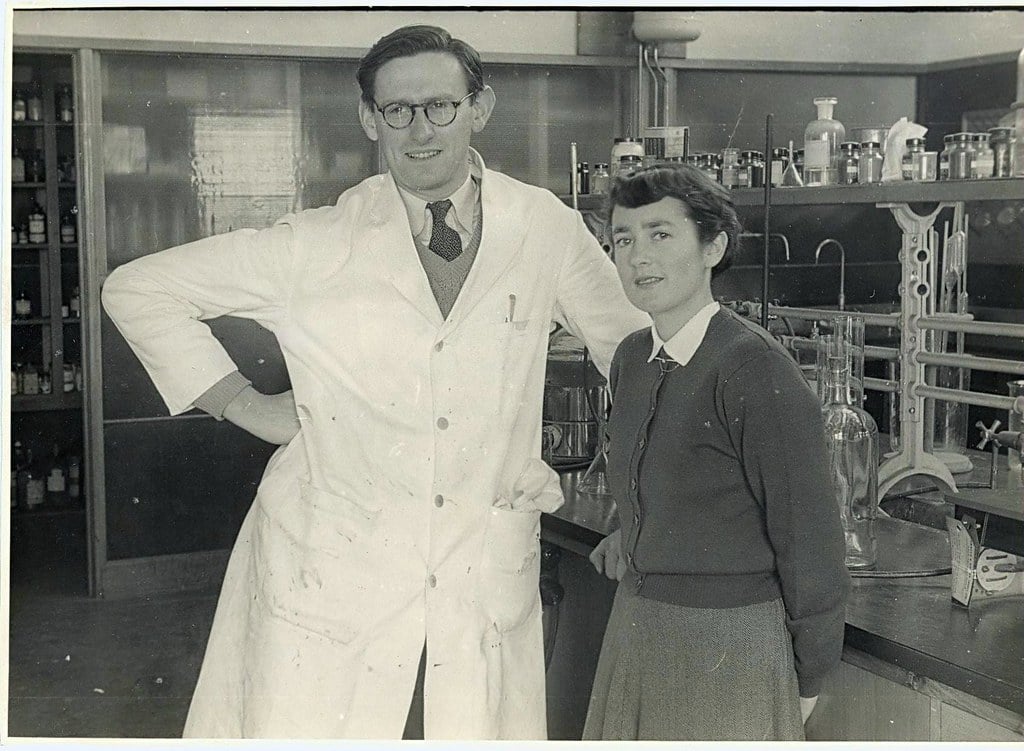
Science Kits Inc. produced educational sets that bridged the gap between toys and professional equipment, creating chemistry outfits that could satisfy curious children while building real laboratory skills. Their sets included precision balances, graduated cylinders, and chemicals that enabled genuine quantitative experiments rather than just visual demonstrations.
The wooden cases were built like scientific instruments — brass hardware, dovetailed corners, and fitted compartments that protected delicate glassware. These thoughtfully designed outfits now sell for $350 to $850 at auction.
Ohaus Scale Company Educational Sets
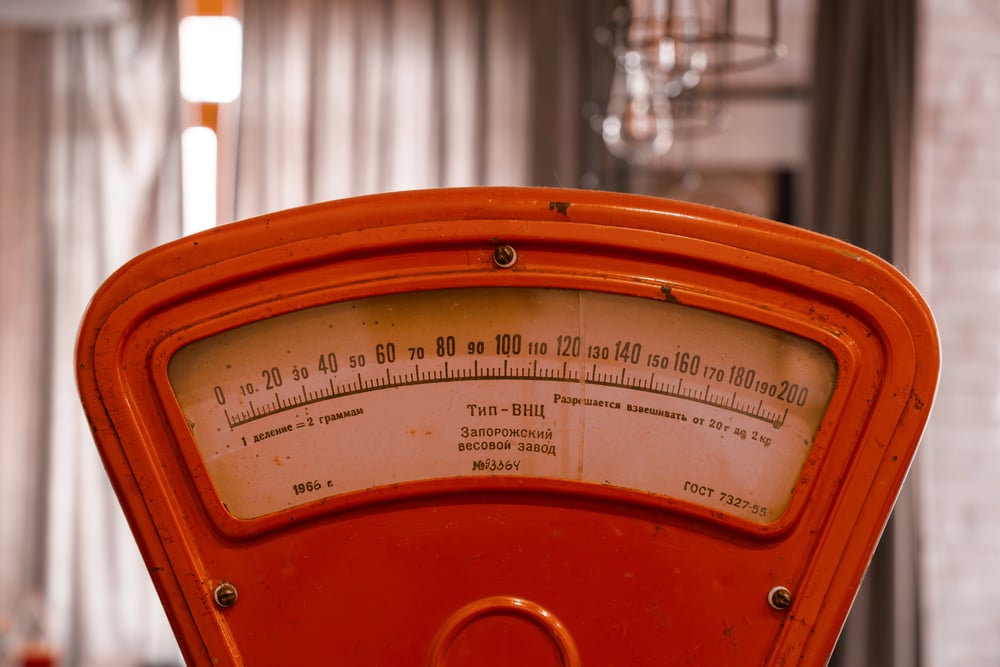
Ohaus built precision balances for professional laboratories, and their educational sets brought that same accuracy to children’s science experiments. The company understood that meaningful chemistry required precise measurements, so their school and home sets included working analytical balances alongside basic glassware and chemicals.
These sets taught students that science wasn’t just about mixing substances to see what happened — it was about controlling variables and measuring results with laboratory precision. Complete Ohaus educational sets with working balances can fetch $300 to $700 among collectors.
1930s Scientific Supply Company Kits
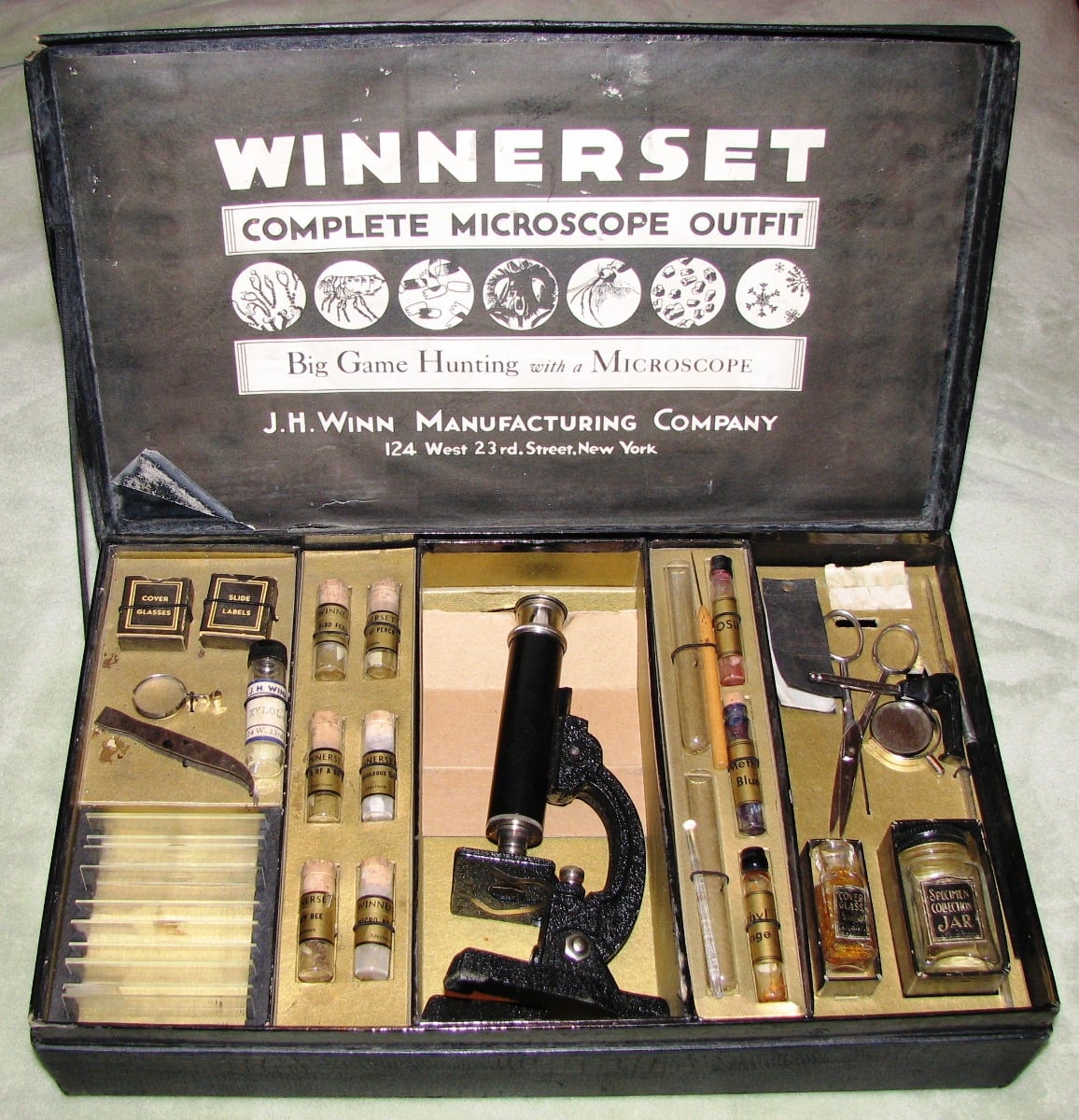
Scientific Supply Company sets feel like time capsules from an era when childhood education meant miniaturized adult responsibilities rather than age-appropriate safety measures. These comprehensive chemistry kits included real laboratory glassware, working burners, and chemicals that required genuine caution rather than parental supervision.
The wooden cases were crafted like fine furniture, with brass fittings and felt-lined compartments that held dozens of bottles, beakers, and instruments in perfect organization. Complete sets from the 1930s can bring $600 to $1,400 at auction, depending on condition and the completeness of the original contents.
A.C. Gilbert Erector Chemical Laboratory
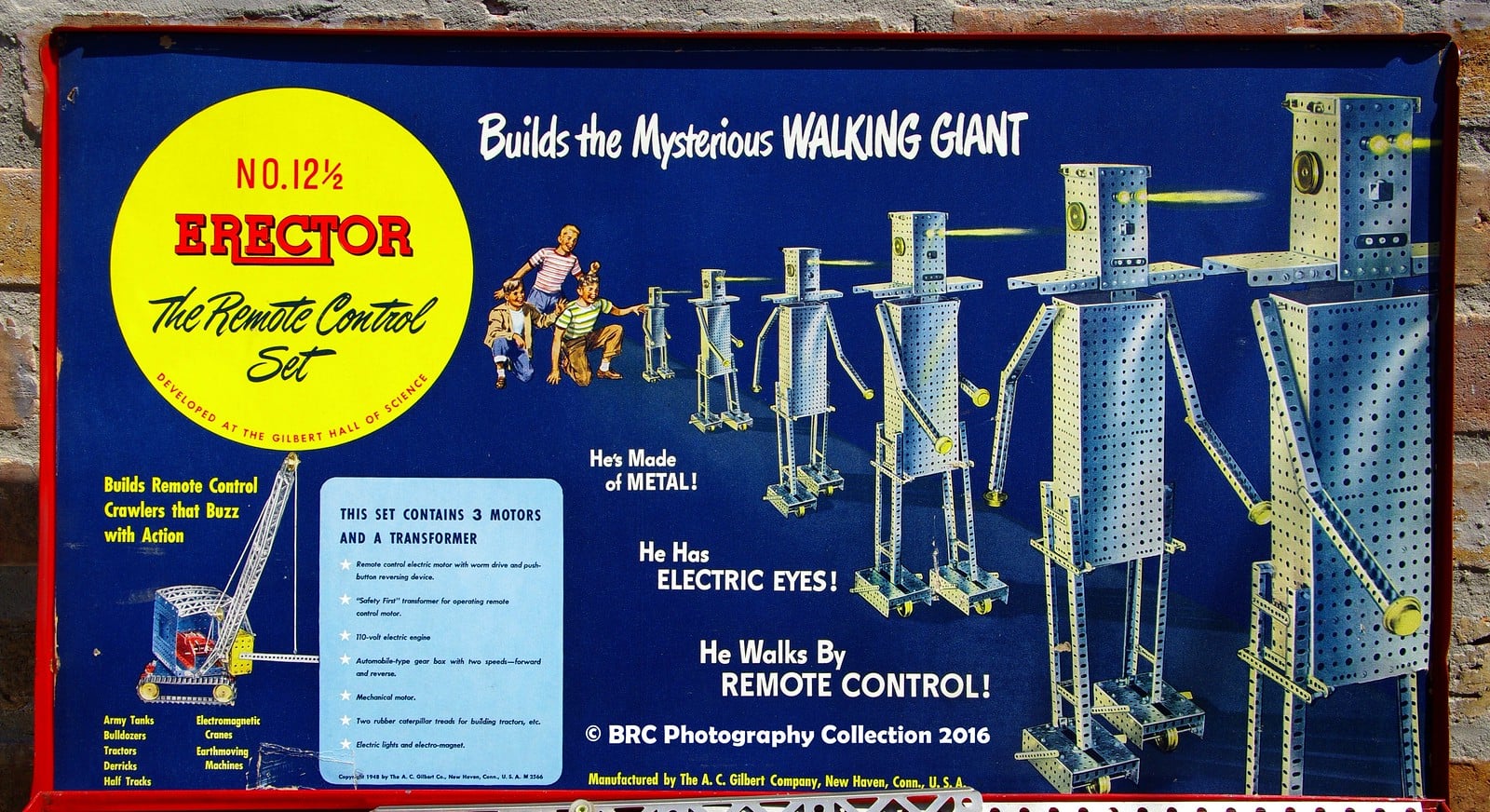
The intersection of mechanical engineering and chemistry created something uniquely ambitious in these hybrid sets that expected children to build their own laboratory equipment using Erector Set components, then conduct actual chemical experiments with the apparatus they’d constructed. This approach taught both structural design and chemical principles simultaneously, creating educational experiences that were remarkably sophisticated for their era.
Complete sets with both construction components and chemical apparatus intact can reach $500 to $1,100 at auction. Which is saying something, considering most children probably spent more time building than experimenting.
Bausch & Lomb Student Microscope Outfits
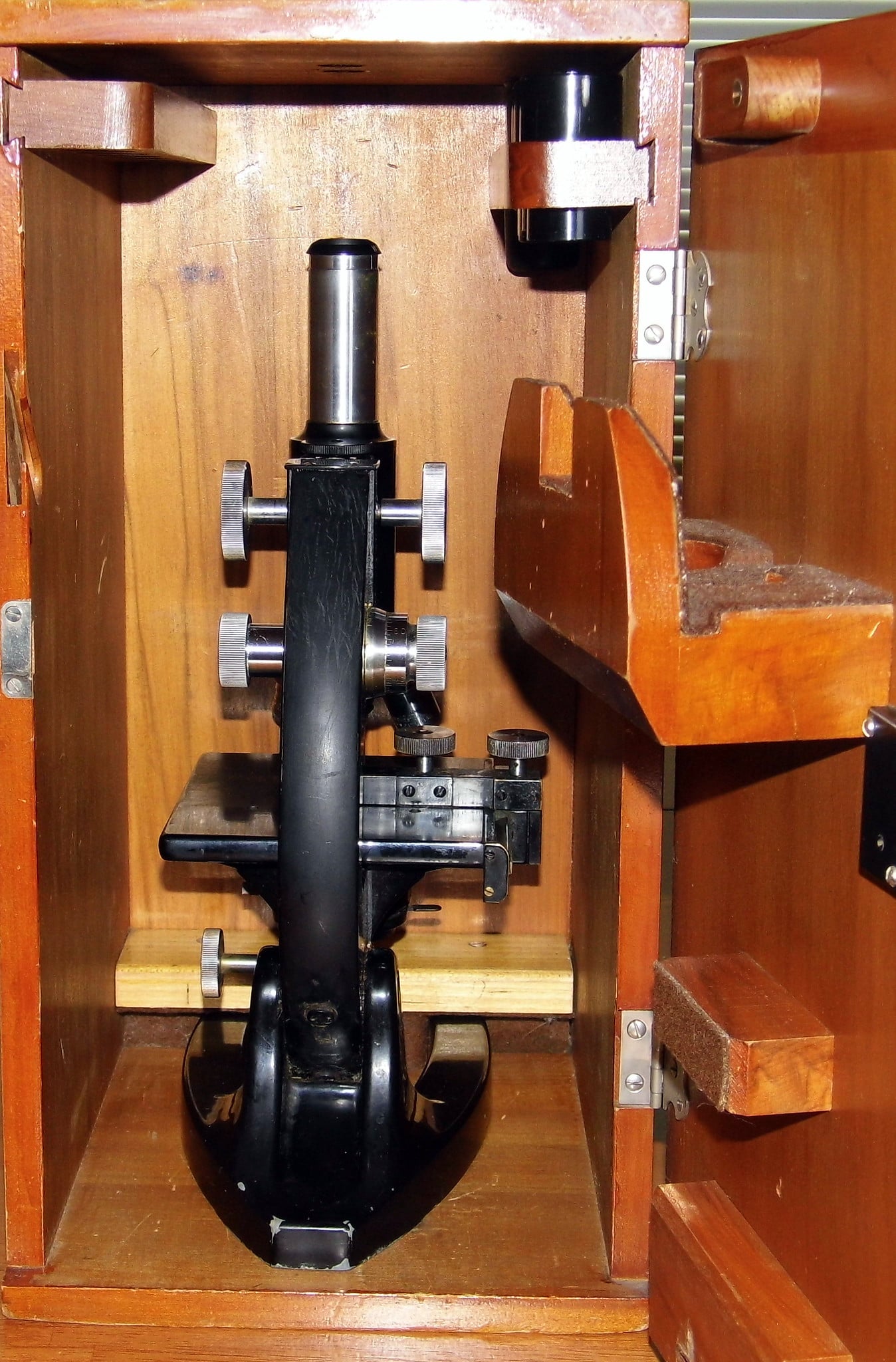
These weren’t simplified toys designed to look like microscopes — they were actual Bausch & Lomb instruments adapted for educational use, with the same precision optics found in professional laboratories housed in more robust bodies that could withstand enthusiastic young hands. Each outfit included multiple objective lenses, prepared slides, and specimen preparation tools housed in fitted wooden cases with brass hardware.
The microscopes were built to reveal genuine cellular structure and microorganisms rather than just magnifying everyday objects. Complete outfits with all accessories can sell for $400 to $1,000, depending on the model and optical condition.
1950s Chemcraft Advanced Laboratory Sets
Chemcraft’s Advanced Laboratory Sets represented the pinnacle of home chemistry education, including equipment and chemicals that could perform genuine analytical procedures rather than just colorful demonstrations. These sets assumed that serious young chemists deserved serious tools — precision glassware, analytical balances, and reagents that enabled quantitative analysis.
The wooden storage cases were built like scientific instruments, with brass corners and locks that suggested the valuable contents within. Complete advanced sets can fetch $700 to $1,600 at auction, with their educational depth and build quality justifying the premium prices.
Educational Science Corporation Microscope Labs
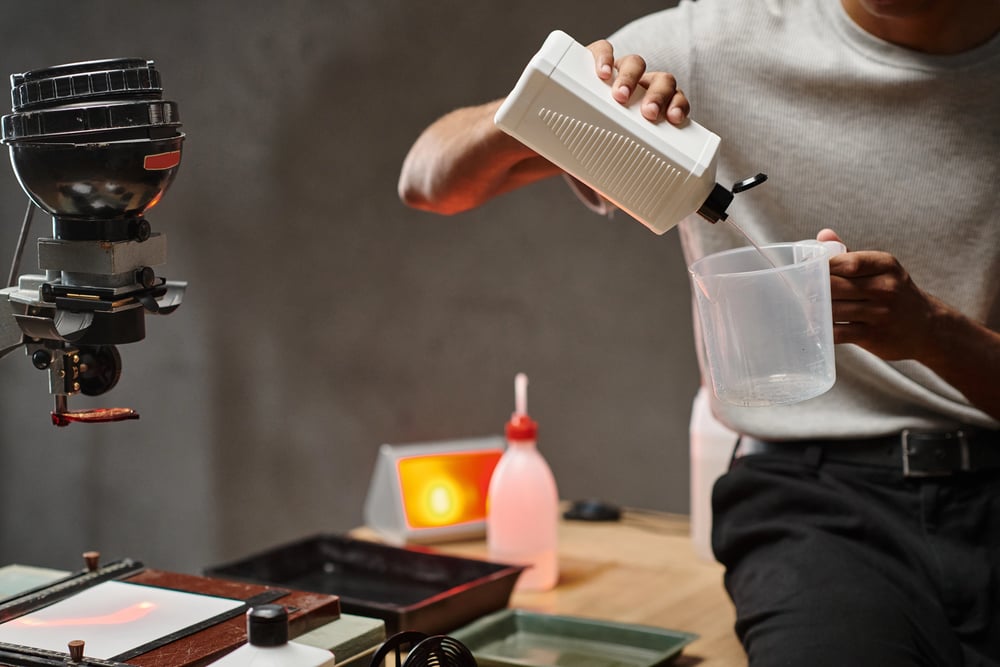
Educational Science Corporation understood that meaningful microscopy required more than just magnification — it demanded quality optics, proper illumination, and specimen preparation tools that could reveal the microscopic world with clarity rather than just enlarged blur. Their microscope labs included precision instruments alongside comprehensive specimen collections and preparation equipment housed in wooden cases that protected delicate components while maintaining laboratory organization.
Complete labs with working microscopes and all accessories can sell for $350 to $800 among collectors who appreciate their educational completeness.
1940s Junior Scientist Chemistry Outfits
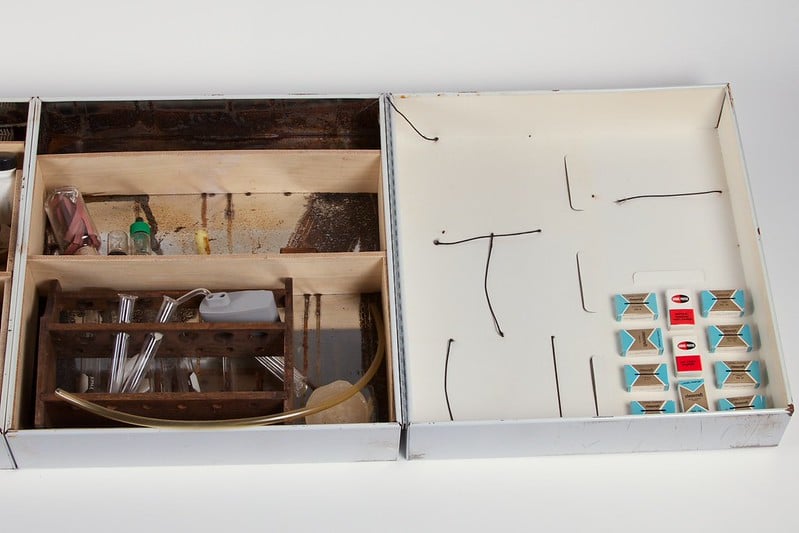
Junior Scientist sets embraced the optimistic belief that children could handle genuine laboratory equipment with proper instruction and supervision, creating chemistry outfits that included real glassware, working burners, and chemicals that required actual caution rather than parental paranoia. The sets came with comprehensive manuals that explained scientific principles alongside safety procedures, treating young users as developing scientists rather than potential lawsuits.
Complete outfits from the 1940s can bring $400 to $900 at auction, with their educational philosophy and build quality creating lasting appeal among collectors.
A.C. Gilbert Chemistry and Magic Sets
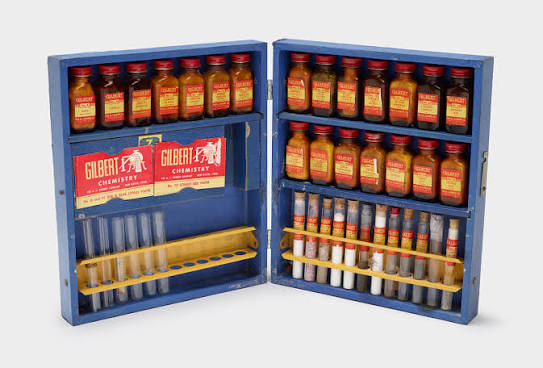
These hybrid sets recognized that chemistry and magic often produce similar results — transformations that seem impossible until you understand the underlying principles. Gilbert combined chemistry experiments with magic tricks that used the same scientific concepts, creating educational entertainment that taught chemical reactions through apparently magical effects.
The sets included traditional laboratory equipment alongside magic apparatus, with manuals that explained both the scientific principles and performance techniques. Complete chemistry and magic combinations can fetch $300 to $700 at auction, representing a unique approach to science education.
1960s Scientific Explorer Microscope Kits
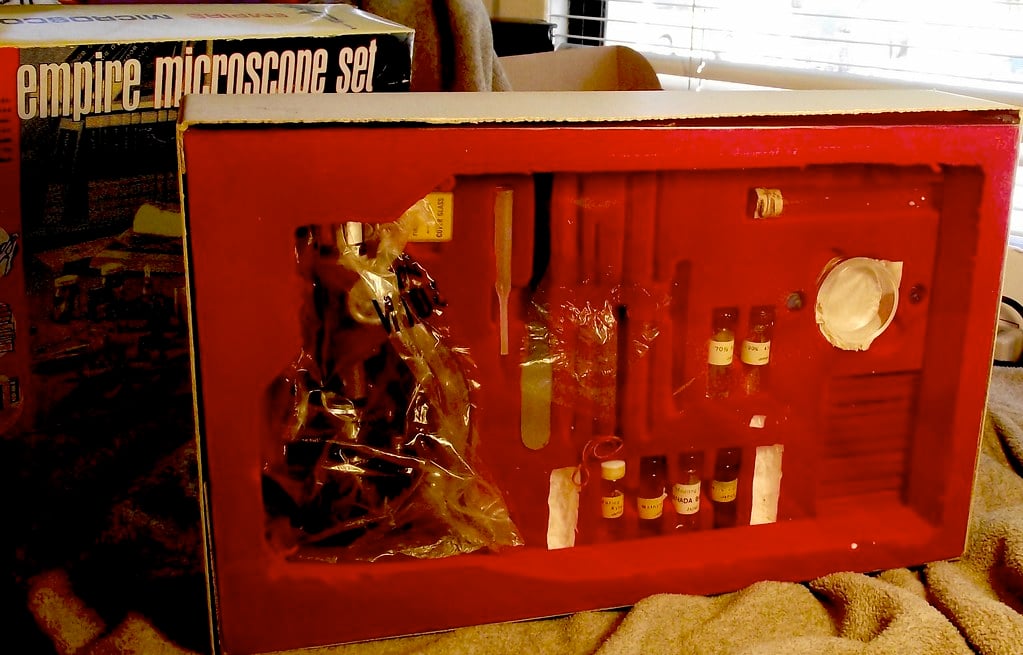
Scientific Explorer kits approached microscopy with the assumption that children deserved instruments capable of genuine discovery rather than just magnified disappointment. Each kit included precision microscopes with multiple objective lenses, professional specimen slides, and preparation tools housed in cases designed for field research as well as laboratory use.
The microscopes were built to reveal actual cellular structure and microorganisms with clarity that could inspire lifelong scientific curiosity. Complete kits with all accessories and specimen collections can sell for $250 to $650, depending on the condition of the optics and completeness of the educational materials.
Precision Scientific Junior Chemist Sets
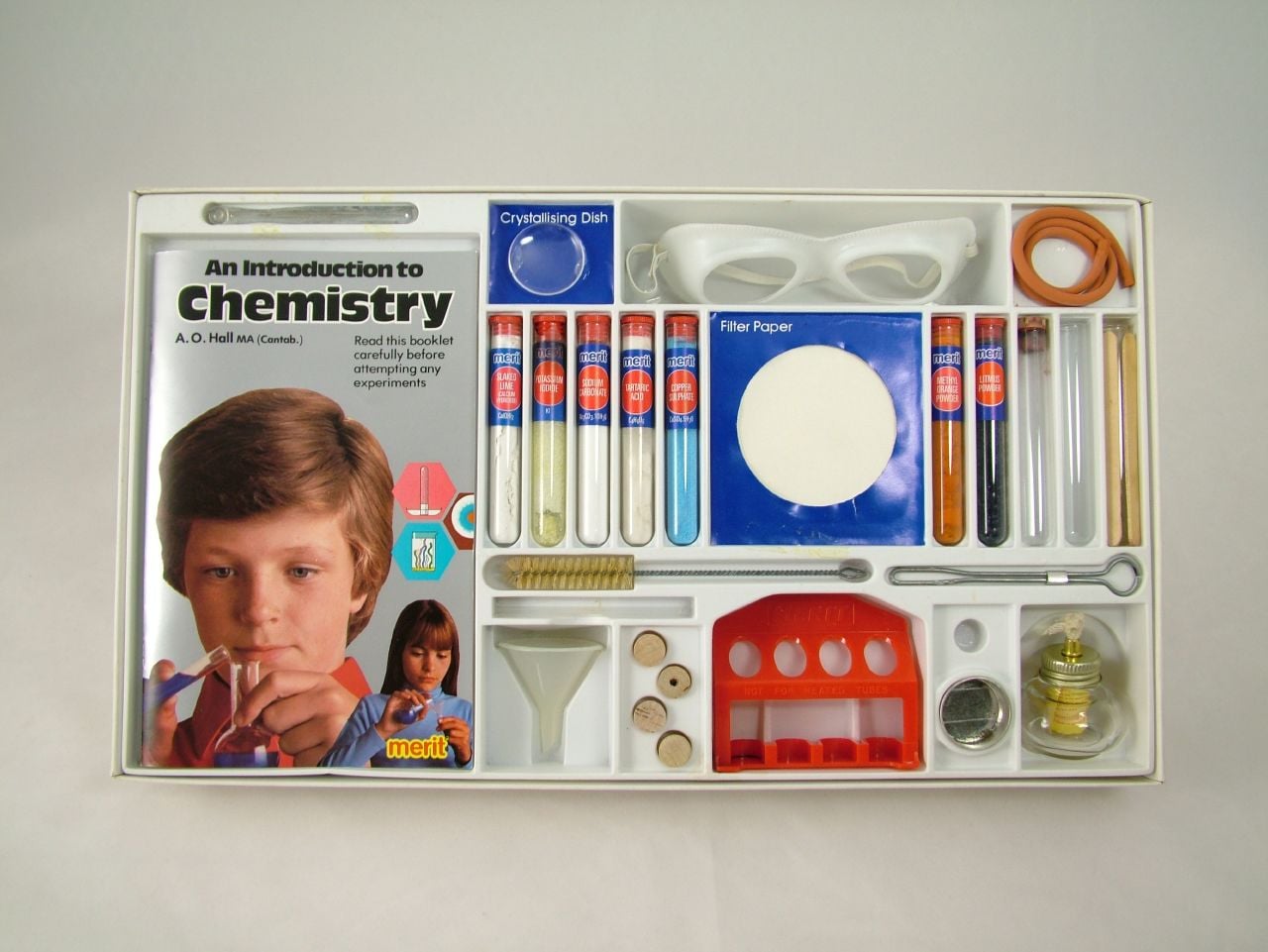
Precision Scientific brought laboratory-grade expectations to children’s chemistry education, creating sets that included analytical balances, precision glassware, and reagents that enabled genuine quantitative analysis rather than just qualitative observation. The company understood that meaningful chemistry required accurate measurements and controlled conditions, so their junior sets included working laboratory instruments alongside age-appropriate safety equipment.
Complete sets with all apparatus and chemicals can fetch $400 to $850 at auction, representing serious educational tools that happened to be marketed to children.
The Science Behind the Value
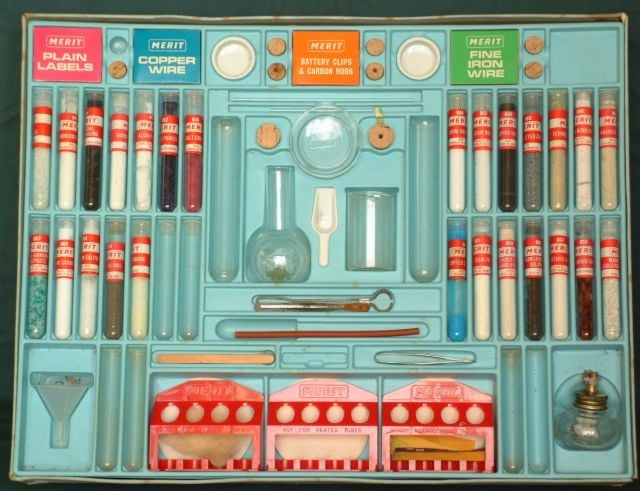
The enduring appeal of vintage science sets reveals something deeper than mere nostalgia — these educational tools represent a vanished confidence in childhood curiosity and capability. Modern safety regulations and liability concerns have largely eliminated the genuine chemicals and precision equipment that made these sets genuinely educational rather than merely entertaining.
Collectors aren’t just buying toys; they’re preserving artifacts from an era when education meant trusting children with real tools and actual responsibility, creating learning experiences that could spark lifelong passions for scientific discovery.
More from Go2Tutors!

- The Romanov Crown Jewels and Their Tragic Fate
- 13 Historical Mysteries That Science Still Can’t Solve
- Famous Hoaxes That Fooled the World for Years
- 15 Child Stars with Tragic Adult Lives
- 16 Famous Jewelry Pieces in History
Like Go2Tutors’s content? Follow us on MSN.