Strange Rules in Professional Sports
Professional sports are full of passion, strategy, and skill.
But behind all the talent and teamwork, there are some rules that make people stop and say, “Wait… what?”
These aren’t the usual offsides or fouls.
These are the odd ones—the kind that seem to break all logic but still exist.
Some of these rules are quirky leftovers from the past.
Others are just… hard to explain.
Let’s dive in and see which ones make you raise an eyebrow.
In baseball, umpires can eject a player for arguing orbs and strikes—even if they say nothing
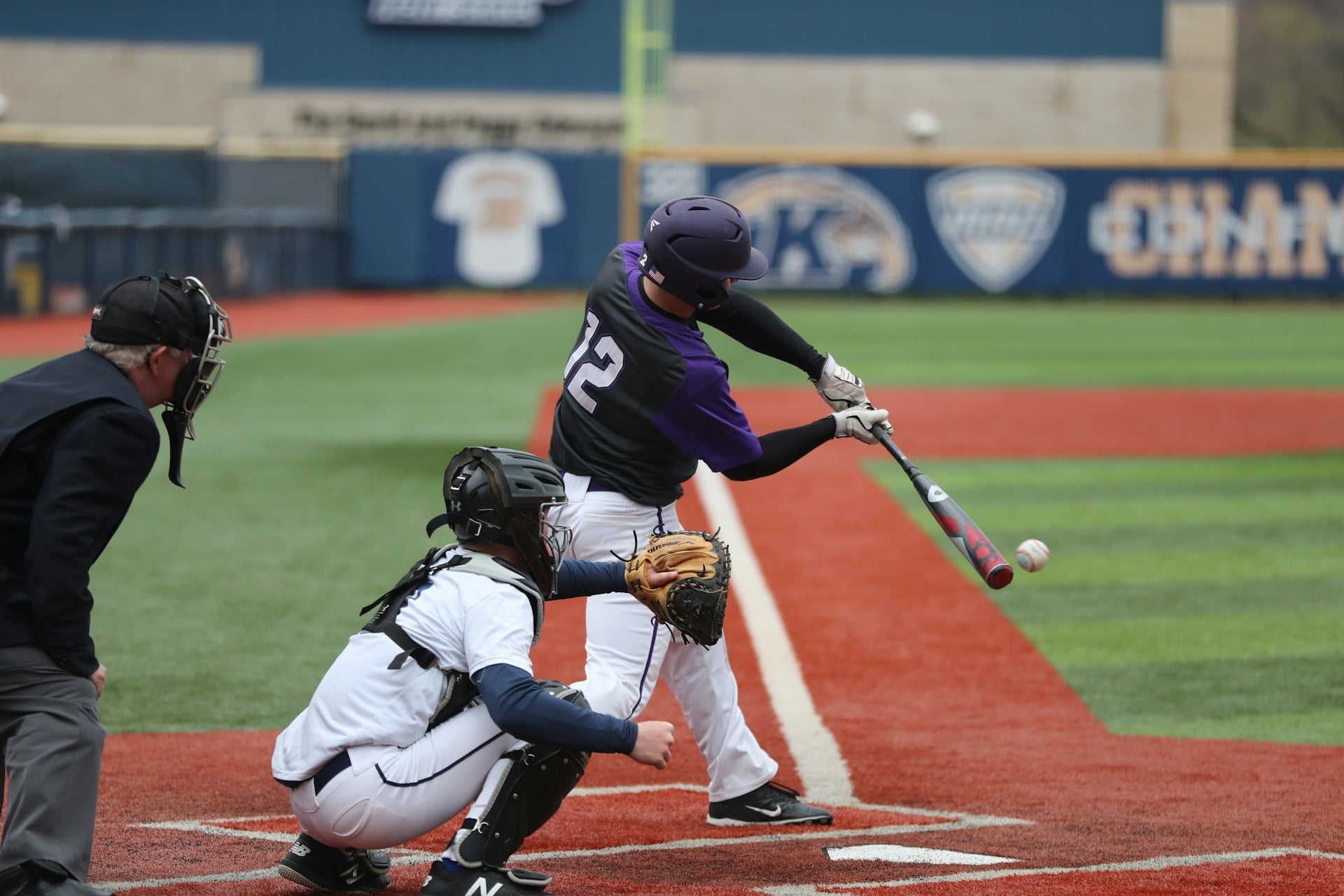
If a player even looks frustrated after a strike call, an umpire can toss them out.
No shouting needed.
A bad look or a long stare can be enough.
This is all about protecting the umpire’s authority.
It’s rare, but it happens more than people think.
NFL players can’t wear certain colors of tape

In the NFL, players aren’t allowed to wear tape that matches the color of the football.
For example, brown or dark-colored wrist or hand tape is banned.
This rule exists to make sure defenders can see the orb at all times.
Officials don’t want players hiding the orb by blending it in with their gear.
Like Go2Tutors’s content? Follow us on MSN.
In tennis, a player can lose a point if their hat falls off

Yes, if a tennis player’s hat or any part of their outfit falls onto the court during a point, they can actually lose that point.
It’s considered a distraction.
Even if it wasn’t intentional, the rule is still enforced.
That’s why most pros make sure everything fits tightly.
NBA coaches can’t wear sleeveless shirts, even during practice

There’s a dress code for NBA coaches—even when they’re not on the court during games. Sleeveless shirts are a no-go.
It’s all about professionalism and the image of the league.
While players get some flexibility in warm-ups, coaches are expected to keep it classy.
In cricket, a batter can be out if they hit the orb twice

This rule confuses many new fans.
If a batter hits the orb and then hits it again intentionally before a fielder touches it, they’re out.
The only exception is if they’re stopping the orb from hitting the stumps.
Anything else counts as a second hit, and that’s illegal.
NHL players can’t pick up the puck and hand it to the referee

It seems polite, but it’s not allowed. In the NHL, players must only use their sticks to move the puck—even when giving it to the ref.
Picking it up with the hand can lead to a stoppage or even a penalty, depending on the situation.
The rule is there to avoid confusion or unfair play.
In golf, wind can move your orb—and that’s just tough luck

If you’re about to putt and a gust of wind moves your orb, you don’t get to replace it.
Once you’re set and the orb moves naturally, it’s played from the new spot.
No redo.
That’s just part of the game.
The rules assume nature is fair to everyone… even when it’s not.
Sumo wrestlers can’t drive a car

This one’s more of a regulation than a game-time rule, but it’s still official.
In Japan, professional sumo wrestlers are banned from driving.
Even if they have a license, they must use drivers or public transport.
The Japan Sumo Association says it’s for safety and public image.
In Major League Soccer, trainers can’t come on the field right away if a player is down

Unlike other sports where trainers rush in, soccer has stricter rules.
If a player is injured, the ref decides if medical staff can enter.
And if they do, the player usually has to leave the field after treatment, even if they’re fine.
It’s meant to discourage faking injuries.
In Formula 1, there’s a rule about how cold fuel can be

F1 teams can’t just use icy fuel to cool the engine.
There’s a temperature limit.
Fuel must stay within a certain range based on track temperature.
If it’s too cold, the team can be penalized.
It’s all about fairness and safety, not tricking the system.
In volleyball, players can’t block the serve

It might seem like a smart move, but volleyball players are not allowed to block or attack a serve above the net.
Doing so results in a point for the other team.
This rule gives the serving team a fair chance to start the play.
It also avoids dangerous face-level hits.
In the NBA, players can’t hang on the rim too long—even after a dunk

Slamming the orb and hanging there might look cool, but if a player stays on the rim too long, it’s a technical foul.
The only exception is to avoid injury.
Otherwise, it’s considered showing off or trying to taunt the opponent.
And that’s a no-go in professional basketball.
In baseball, a batter can’t step out of the box unless they meet specific reasons

Batters used to take their sweet time between pitches.
Now, there’s a rule that they can’t just step out whenever they want.
Unless it’s for something like a timeout or avoiding a bee, they must stay in.
It keeps the game moving and avoids endless delays.
In the NFL, you can’t use a towel to dry the orb unless you’re the official handler

Players can’t bring their own towels to dry the orb during wet games.
Only a designated staff member can do that.
Even quarterbacks can’t wipe it off themselves using extra cloth.
The league wants to make sure one team doesn’t get an unfair grip advantage.
In Olympic swimming, you can’t wear more than one swimsuit

Some swimmers tried wearing multiple suits to reduce drag.
But now, it’s not allowed.
Olympic rules say only one suit can be worn at a time, and it has to meet strict standards.
Anything more is seen as gaining an advantage.
The goal is a level playing field—literally.
In rugby, players must not shout during a lineout

Lineouts are already tricky.
If a player screams or tries to distract the other team during one, it’s a penalty.
Rugby values respect and control, even in noisy moments.
The silence helps everyone stay focused on the jump and the catch.
In professional darts, players must not lean over the oche

The oche is the line players stand behind.
It’s small, but it matters.
If a player leans too far over it—without touching the floor past it—it still counts as a fault.
The rule keeps things fair and avoids awkward debates about reach or balance.
In baseball, you can’t fake a tag without the orb

This one’s about safety and honesty.
A fielder can’t pretend to tag a runner if they don’t have the orb.
It might confuse or scare the runner into sliding unnecessarily.
That can lead to injuries, so the league doesn’t allow fake-outs like that.
A thread between the past and now

Sports have always had rules to keep the games fair.
But as the world changes, so do the little details.
Some of these odd rules started decades ago, while others were added recently.
Whether it’s about uniforms, safety, or simple respect, they show how much thought goes into even the smallest part of the game.
And while fans may scratch their heads at some of them, each one tells a small story about the sport it belongs to.
More from Go2Tutors!

- The Romanov Crown Jewels and Their Tragic Fate
- 17 Halloween Costumes Once Considered Taboo
- Famous Hoaxes That Fooled the World for Years
- 15 Child Stars with Tragic Adult Lives
- 16 Famous Jewelry Pieces in History
Like Go2Tutors’s content? Follow us on MSN.



