25 Ancient Laws Still on the Books That Nobody Enforces
Legislatures pass laws but rarely repeal old ones. The result is an accumulation of statutes that govern conduct nobody cares about and that no one has punished in decades.
Some of these laws date back centuries, surviving through wars, revolutions, and complete legal overhauls. They sit quietly in the law books—technically binding, theoretically enforceable, utterly ignored.
The following laws remain on the books in various jurisdictions, written into law but abandoned to history. The persistence of these laws speaks to the legal system’s inertia.
Removing an old statute requires legislative action, which takes time and political will. It’s easier to leave the law alone and simply not enforce it—creating a legal landscape where people technically commit crimes every day that nobody bothers to prosecute.
Wearing Armor Inside the UK Parliament

Since 1313, it has been illegal to enter Parliament wearing armor. King Edward II passed the law to prevent heated political debates from erupting into armed combat on the chamber floor.
The statute has never been repealed, despite the absence of medieval combatants in modern legislatures. Technically, chainmail or plate armor remains prohibited, though enforcement has not been needed in centuries.
Handling Salmon in Suspicious Circumstances in Britain

The Salmon Act of 1986 makes it illegal to handle salmon in suspicious circumstances. The law attempts to prevent poaching and theft of the valuable fish, yet the vague wording—what constitutes “suspicious”?—has made it one of Britain’s most absurdly written statutes.
Prosecutions are extraordinarily rare, and most salmon handlers remain blissfully unaware that their conduct could be criminal.
Firing a Cannon Within 300 Yards of a House in the UK

Under British law, you may not discharge a cannon within 300 yards of someone’s residence without permission. The law predates modern explosives regulation and remains technically in force, yet no one has been prosecuted under it in living memory.
Presumably, the rarity of domestic cannon ownership has rendered the statute moot.
Being Drunk in Charge of a Cow in Britain

It is illegal in the UK to be intoxicated while in charge of a cow. The law was written to ensure that livestock handlers remained sober and responsible.
While the statute remains on the books, enforcement exists only in theory, and farmers have not reported sudden visits from sobriety police.
Walking Along a Pavement With a Plank in the UK

British law prohibits walking along the pavement while carrying a plank of wood. The regulation appears designed to prevent accidental injury to other pedestrians, yet modern enforcement is nonexistent.
Lumber yards operate without apparent legal peril.
Serving Ice Cream on Cherry Pie in Kansas

Kansas maintains an obscure regulation prohibiting the serving of ice cream atop cherry pie. The origins remain unclear—possibly an attempt to preserve traditional food preparation.
Bakeries and dessert establishments in Kansas violate this law constantly, unmolested by authorities.
Placing the Monarch’s Image Upside-Down on a Postage Stamp in Britain

British law deems it disrespectful to place a postage stamp bearing the monarch’s image upside-down. The regulation reflects historical reverence for royal symbols.
No one has been prosecuted for inverted stamps in the modern era.
Dying Within the Houses of Parliament in Britain

Any person who dies within the House of Parliament is technically entitled to a state funeral at public expense. This law was enacted to discourage people from dying on the premises, as the crown would be obligated to fund funeral rites.
The statute remains on the books as an unusual disincentive, though the logic seems inverted.
Wearing a False Police or Military Uniform in Britain
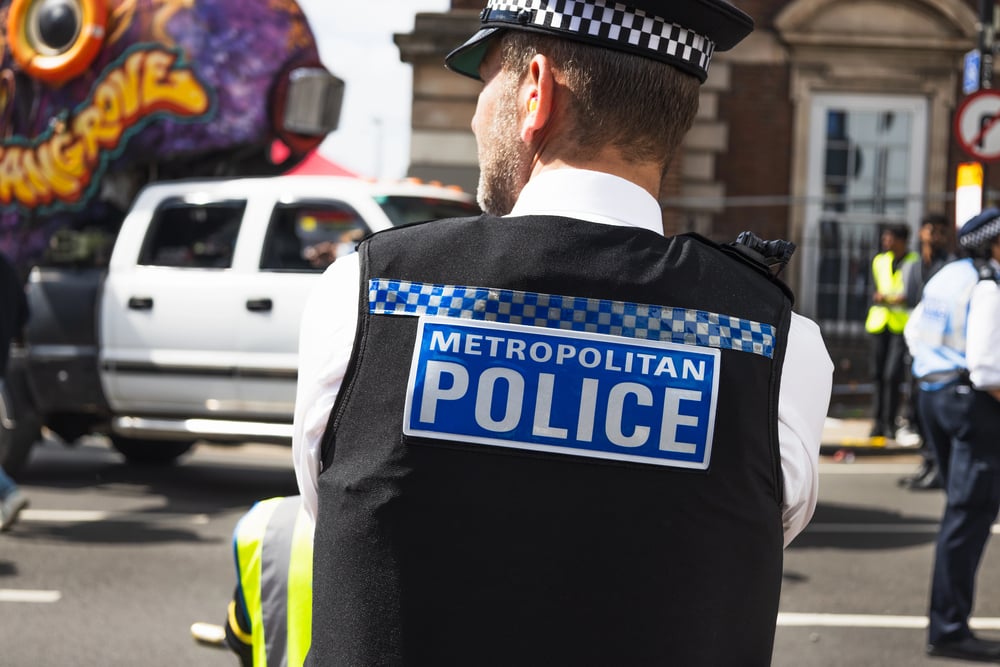
The Police Act of 1996 and the Seamen’s and Soldiers’ False Characters Act of 1906 make it illegal to impersonate a police officer, sailor, or soldier. The laws were written to prevent fraud and confusion.
Yet Halloween costumes proceed unmolested, as authorities have effectively abandoned enforcement.
Walking Backwards While Eating Ice Cream in the UK

British law prohibits walking backwards while eating ice cream, apparently designed to prevent messy accidents. The regulation is so obscure and unenforced that most British citizens remain unaware of it.
Beating a Carpet Outside Your House After 8 a.m. in Britain

It is technically illegal to beat a carpet outside your home after 8 a.m. in Britain. Designed to prevent early-morning noise disturbances, the law survives in dormant form, leaving countless carpet owners unwittingly in violation.
Owning Only One Guinea Pig in Switzerland

Swiss law requires that guinea pigs be kept in pairs or groups, as they are social creatures. The regulation treats rodent companionship as a matter of legal obligation.
Pet stores sell guinea pigs only in pairs or with a commitment to purchase companions simultaneously.
Touching Beached Whales or Sturgeon Without Royal Permission in Britain

An obscure statute called “Prerogative Regis” designates all beached whales and sturgeon as property of the Crown. Any beached whale technically belongs to the reigning monarch until explicitly offered to them.
Enforcement exists only in maritime legend.
Frowning Outside Hospitals or Funeral Homes in Sweden

An old Swedish law decreed that frowning outside hospitals and funeral homes was illegal, meant to preserve an appearance of civic cheerfulness and respect. The statute is thoroughly unenforced, though few smile while visiting medical facilities anyway.
Discharging a Firearm Inside a Theater in Montana

Montana law prohibits firing a gun inside a theater. The regulation seems obvious to modern sensibilities, yet it remains formally on the books as a relic of a lawless past when such things apparently needed explicit prohibition.
Hunting Camels on Sundays in Arizona

Arizona maintains a law that makes it illegal to hunt camels on Sundays. The regulation dates to territorial days when camels were apparently present enough to merit legal attention.
No camels roam Arizona today, rendering the law historically amusing rather than practically relevant.
Selling Coffee to a Drunk Person in New Jersey

An 1800s New Jersey law prohibited selling coffee to anyone visibly intoxicated, based on the theory that stimulants would worsen their condition. The statute survives on the books, violated daily by late-night diners serving caffeinated beverages to overtired customers.
Playing Cards on Sunday in Alabama

Alabama maintains Puritan-era laws prohibiting card games on Sunday. The regulation reflects religious orthodoxy from centuries past.
Many Alabamians play cards on Sundays without legal consequences, as enforcement disappeared along with the religious fervor that inspired the law.
Pinball Machines in Beacon, New York

Beacon outlawed pinball machines, claiming they were linked to Mafia activity and corrupting youth. The law remains technically enforceable, and the city forced an arcade museum to remove vintage pinball machines in 2010, making it one of the few ancient laws still actively prosecuted.
Wearing High Heels in Carmel-by-the-Sea, California

Carmel’s municipal code prohibits high-heeled shoes with heels exceeding two inches or with less than one square inch of base. Enacted to reduce trip-and-fall liability on the town’s jagged streets, the law remains on the books but is unenforced, with free permits available at city hall for those who insist on stilettos.
Singing Off-Key in North Carolina

North Carolina law technically prohibits public singing off-key, though the statute is more urban legend than documented law. Karaoke establishments throughout the state operate unmolested despite countless violations.
Whistling Indoors on Sunday in Scotland

Scottish law prohibits whistling indoors on Sunday, a regulation rooted in historical religious observance. The statute remains on the books but has no practical enforcement mechanism or contemporary application.
Decorating Your House in a Vulgar Manner in South Carolina

South Carolina maintains regulations against decorating your home in a “vulgar, obscene, or offensive” manner, leaving considerable room for interpretation. The vague statute exists but prosecutions are nonexistent, as authorities struggle to define vulgarity in dwellings.
Pretending to Be a Lawyer in Connecticut

Connecticut law prohibits people from representing themselves as lawyers without a license. The law is reasonable and occasionally enforced, but many people falsely claim legal expertise without prosecution, particularly on the internet.
Shooting a Bow and Arrow at a Whale in Washington State

Washington State code prohibits firing arrows at whales, likely a relic of territorial days when such activities required explicit prohibition. No bowmen have targeted whales in living memory, rendering the law historically absurd rather than practically relevant.
The Phantom Laws No One Remembers

These laws persist because repealing them requires legislative time, and removing a law that is not being enforced appears pointless to busy legislators. The result is a legal system laden with ghosts of past priorities—rules that governed conduct someone once deemed critical but which modern society has rendered obsolete.
Technically, you could face prosecution for most of these actions in their respective jurisdictions. Practically, you will never be bothered for violating them.
That gap between law and enforcement is where most of these ancient statutes reside: acknowledged by the legal code, abandoned by justice.
More from Go2Tutors!

- The Romanov Crown Jewels and Their Tragic Fate
- 13 Historical Mysteries That Science Still Can’t Solve
- Famous Hoaxes That Fooled the World for Years
- 15 Child Stars with Tragic Adult Lives
- 16 Famous Jewelry Pieces in History
Like Go2Tutors’s content? Follow us on MSN.