25 of the Strangest Things People Around the World Actually Eat
“Strange” is mostly a matter of where you grew up. To much of the world, peanut butter, blue cheese, and root beer all sound deeply suspect, and a dish that turns one person’s stomach is another person’s beloved childhood treat or hard-won delicacy.
Many of the foods below began as ingenious solutions to scarcity—ways to preserve protein through brutal winters or make a toxic animal safe to eat—and over centuries they became points of cultural pride. What follows is a tour of genuinely unusual foods that real people genuinely eat, with the actual facts about what each one is and why it exists.
No invented details, no exaggerated death tolls—just the real, strange, and often surprisingly logical truth about some of the planet’s more challenging menu items. A quick word of caution runs through several of these: a number involve real toxins or parasites and are dangerous if prepared incorrectly, which is exactly why they should only ever be eaten when prepared by people who know what they’re doing.
Casu Marzu (Sardinia, Italy)
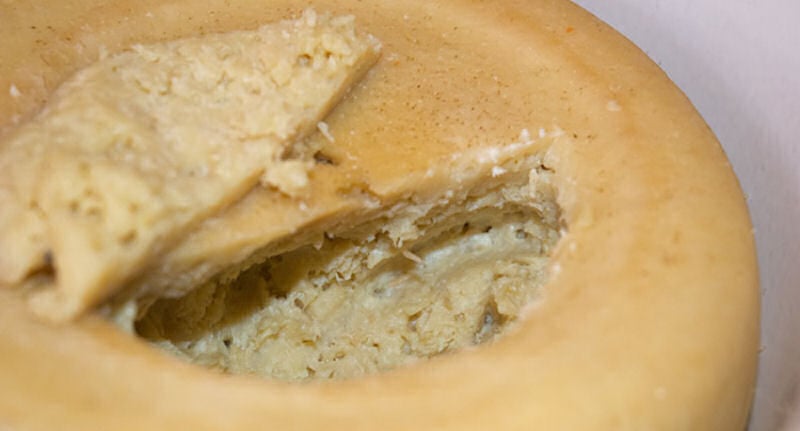
Casu marzu, whose name means “rotten cheese” in Sardinian, is a sheep’s-milk pecorino deliberately colonized by the larvae of the cheese fly, Piophila casei. The maggots digest the cheese’s fats, breaking it down into a soft, intensely pungent, weeping paste.
It is traditionally eaten with the live larvae still inside—and the larvae can leap several inches when disturbed, so experienced eaters shield their eyes. It has been illegal to sell in Italy since 1962 and is banned across the European Union on food-safety grounds, since the larvae can survive the stomach and the cheese can harbor pathogens.
None of which has stopped Sardinians, who keep making and eating it through an informal network, treating the ban as more of a suggestion than a rule.
Hákarl (Iceland)
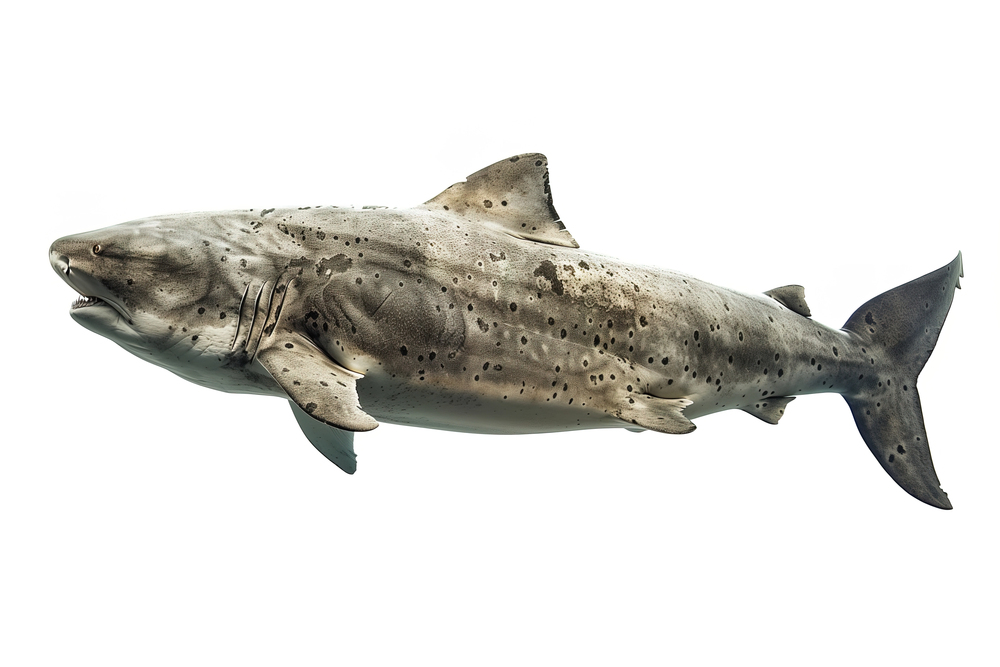
Hákarl is fermented Greenland shark, and it exists because fresh Greenland shark is poisonous: its flesh is loaded with urea and trimethylamine oxide, which help the animal survive frigid deep water but cause intoxication and illness in humans. Centuries ago, Icelanders discovered that time, not cooking, was the answer.
The shark is gutted, beheaded, and buried in gravel under weighted stones to press out the toxic fluids, where it ferments for six to twelve weeks before being hung to air-dry for several more months. The process breaks down the toxins into ammonia, which mostly dissipates—leaving a product that is safe to eat but smells overwhelmingly of ammonia.
That eye-watering smell is, paradoxically, proof it was made correctly. It’s traditionally chased with a shot of the caraway spirit brennivín.
Balut (Philippines and Southeast Asia)
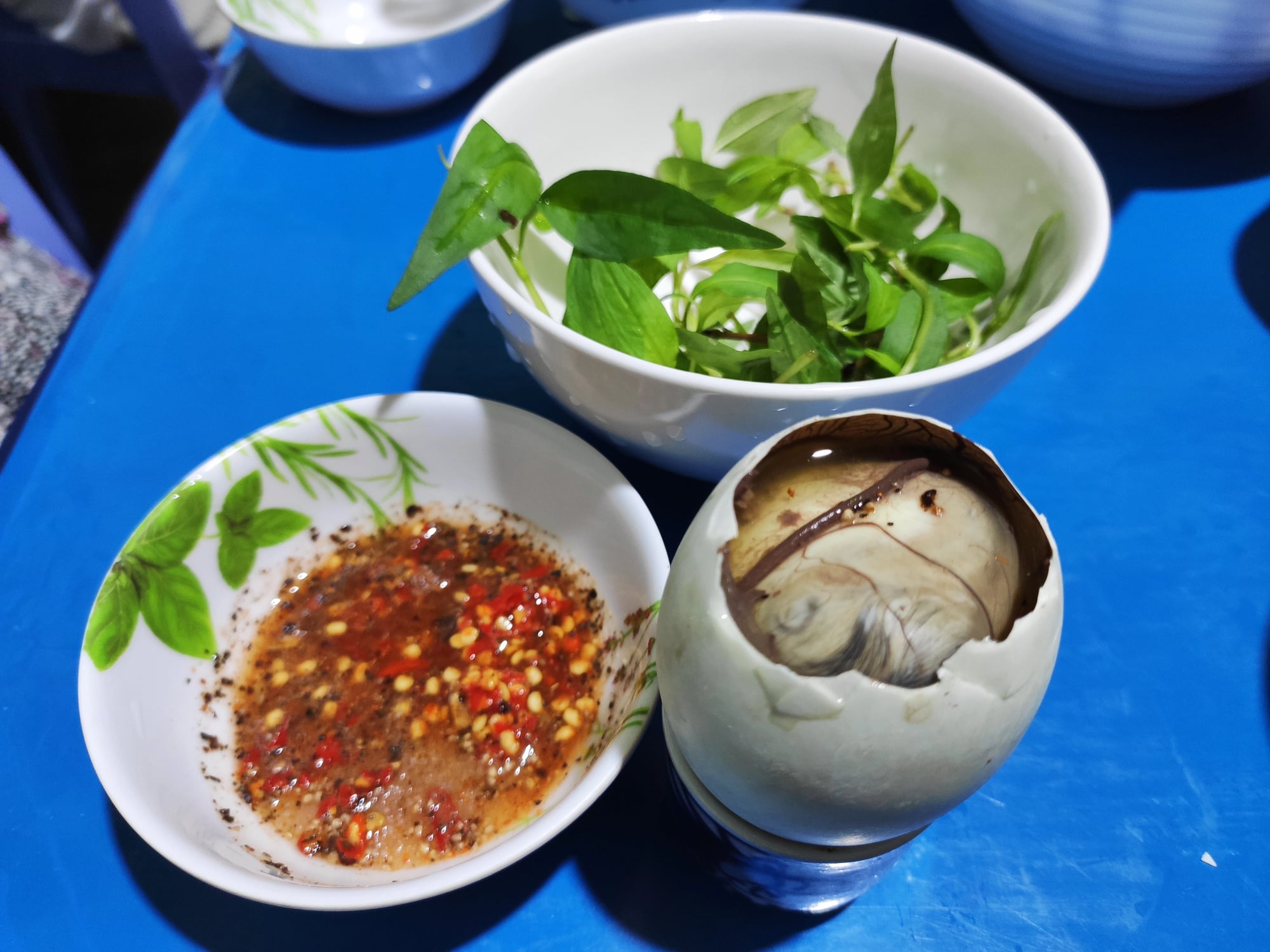
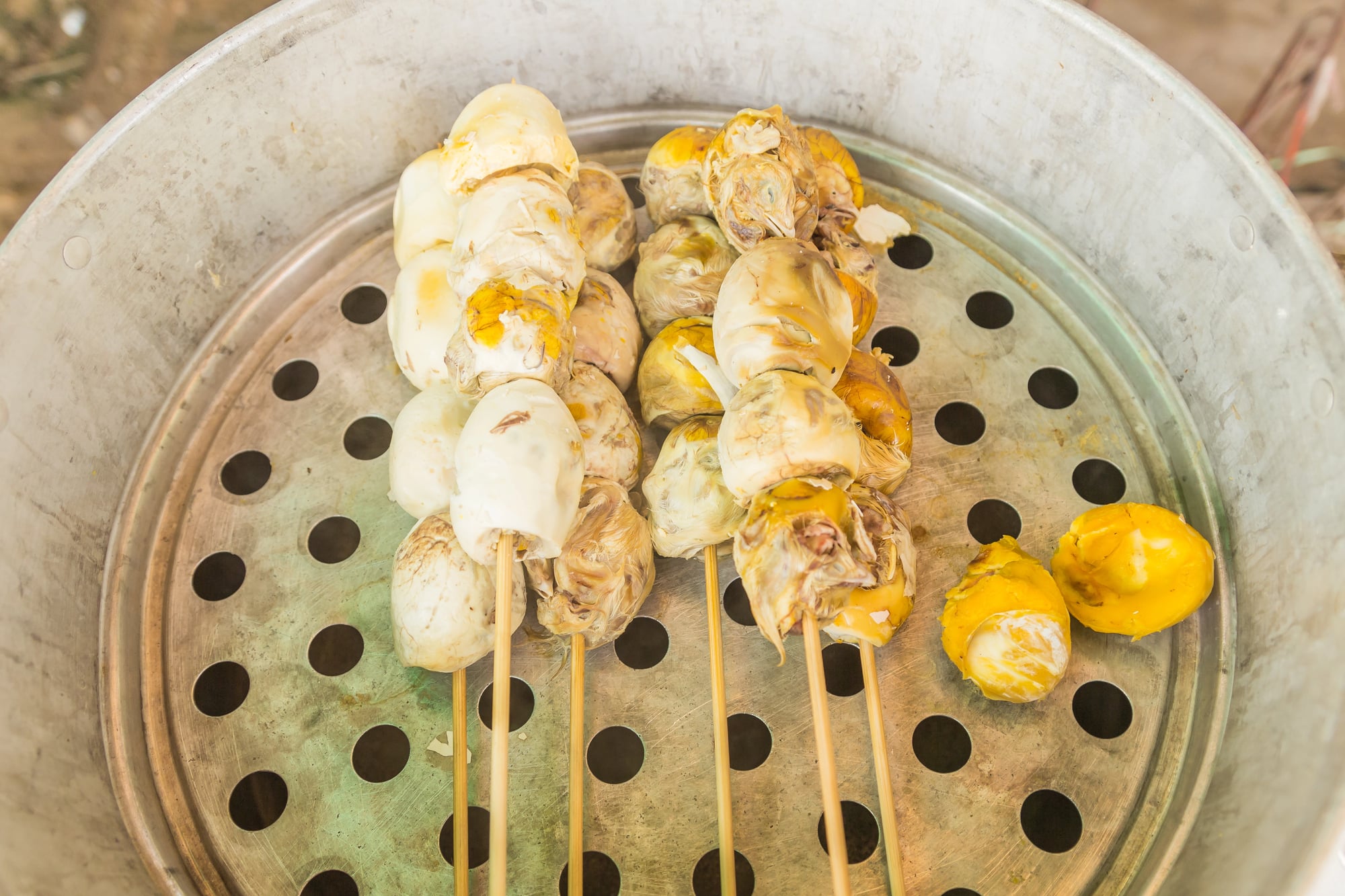
Balut is a fertilized duck egg that has been incubated until the embryo is partly developed, then boiled and eaten from the shell—often with salt, vinegar, or chili. Depending on how long it was incubated, the diner may encounter recognizable features of the duckling alongside the yolk and broth.
Far from a novelty, balut is a popular, protein-rich street food across the Philippines, Vietnam (where it’s called hột vịt lộn), Cambodia, and beyond, frequently sold by night vendors and prized as a hearty, inexpensive snack. The warm savory broth inside the shell is, for many fans, the best part.
Century Eggs (China)
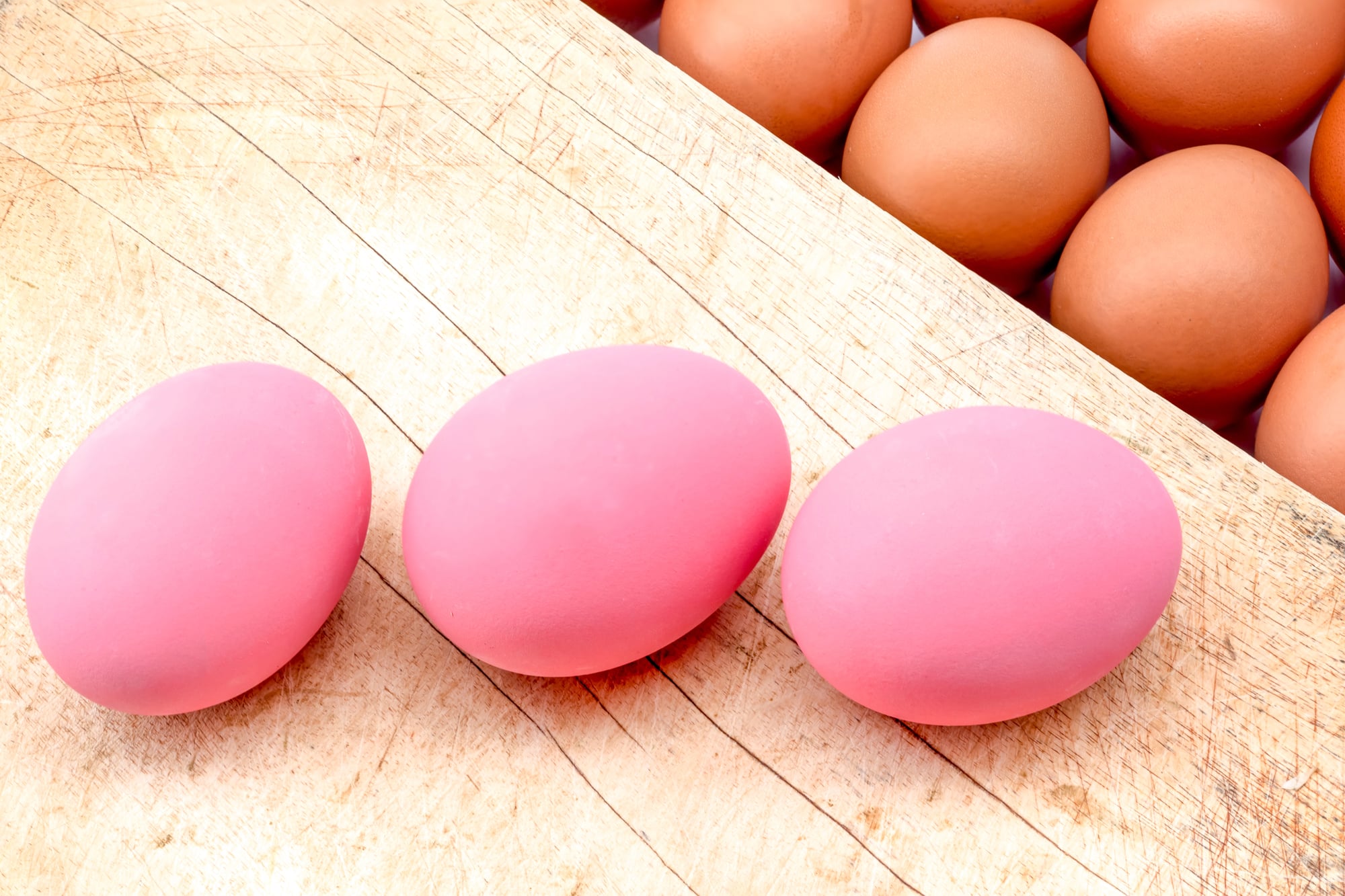
Despite the name, century eggs aren’t a hundred years old—they’re duck, chicken, or quail eggs preserved for a matter of weeks to a few months in an alkaline mixture of clay, ash, salt, and lime. The chemistry transforms them completely: the white turns into a translucent, amber-to-black jelly and the yolk becomes a creamy, dark green-gray with a strong, sulfurous, savory flavor.
Also called pidan or “thousand-year eggs,” they’re a genuinely ancient Chinese preservation method and a common ingredient, often served with pickled ginger or sliced into rice porridge. The dramatic appearance and pungent aroma startle the uninitiated, but the taste is rich and umami-laden.
Fugu (Japan)
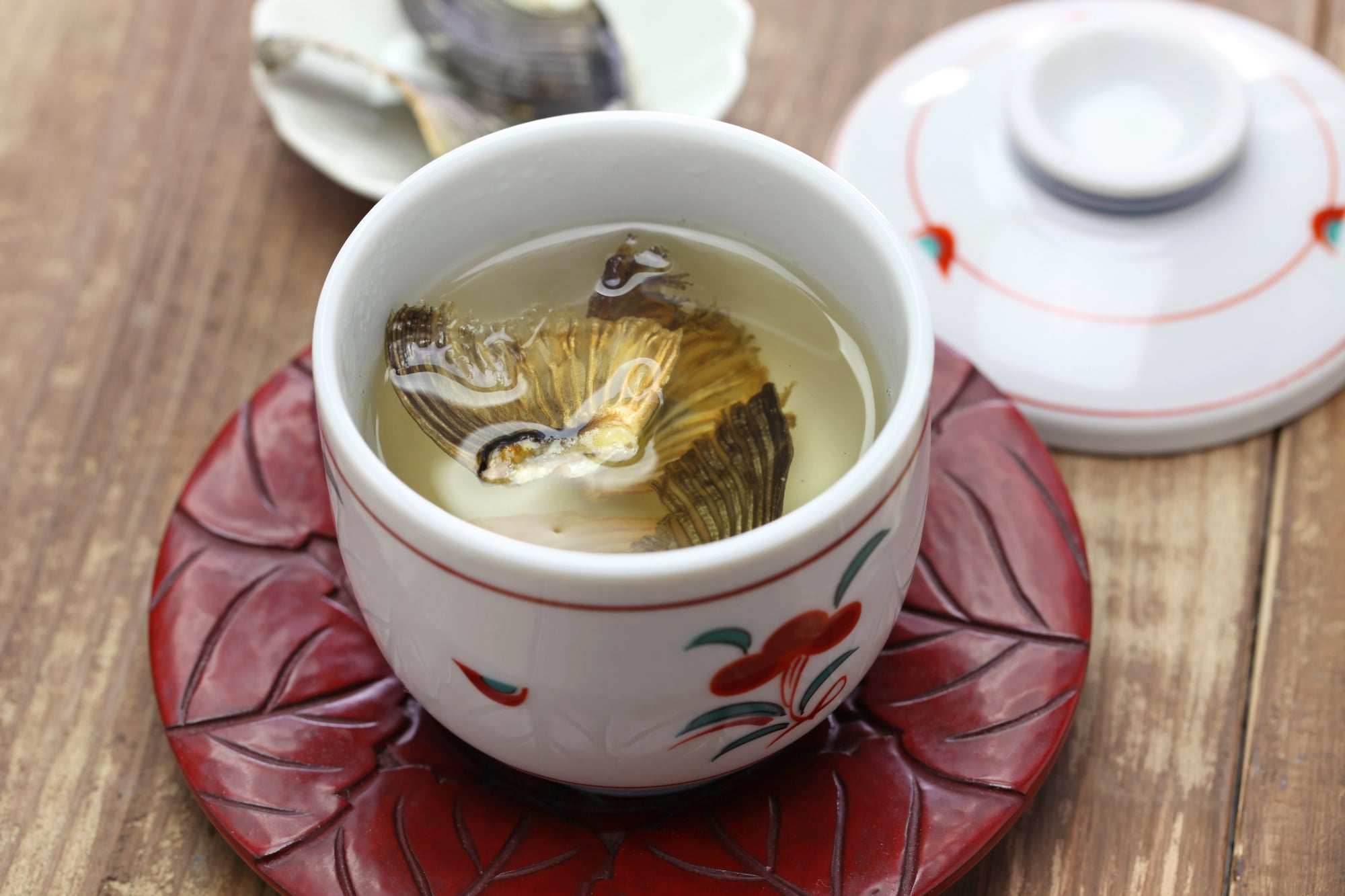
Fugu is pufferfish, and parts of the fish—particularly the liver and ovaries—contain tetrodotoxin, a potent neurotoxin with no known antidote. Eaten improperly, it can paralyze and kill.
This is why fugu is one of the most tightly regulated foods on earth: in Japan, chefs must train for years and obtain a special license before they’re permitted to prepare and serve it. Prepared correctly by a licensed chef, fugu is safe, and it’s prized as a delicacy, often served as paper-thin translucent sashimi.
Modern regulation and skilled preparation have made restaurant fugu very safe; the rare poisonings that still occur in Japan almost always involve amateurs preparing fish they caught themselves.
Surströmming (Sweden)
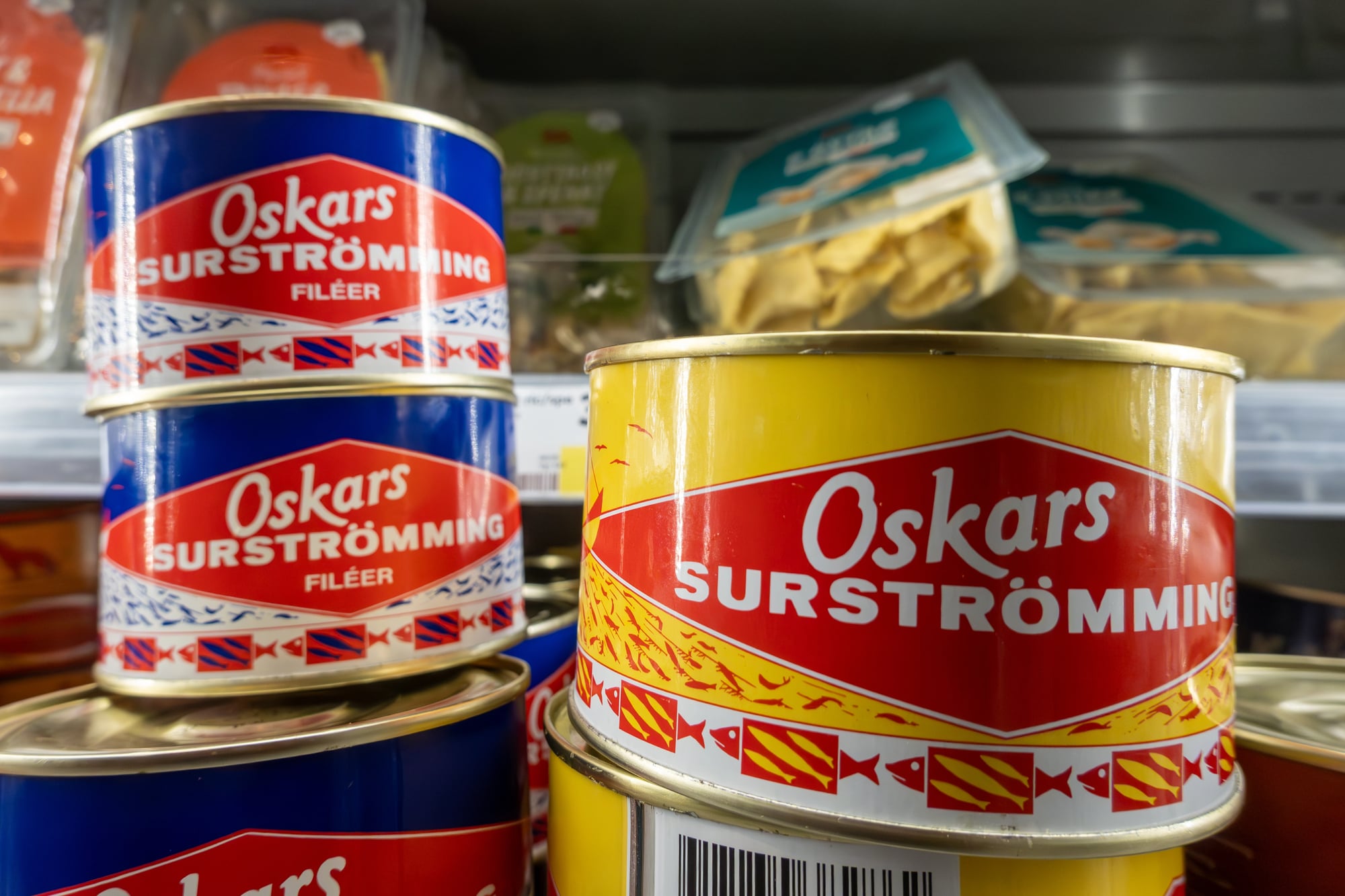
Surströmming is fermented Baltic herring, and it is famous for one thing above all: the smell. The herring is lightly salted and left to ferment for months, with the fermentation continuing right inside the sealed can, which bulges visibly from the pressure of the gases produced.
When opened, it releases one of the most overpowering food odors in existence—so strong that it’s traditionally opened outdoors, often underwater to contain the spray. Despite the assault on the nose, devotees in northern Sweden eat it as part of a beloved late-summer tradition, typically wrapped in thin tunnbröd flatbread with potatoes, onion, and sour cream.
Witchetty Grubs (Australia)
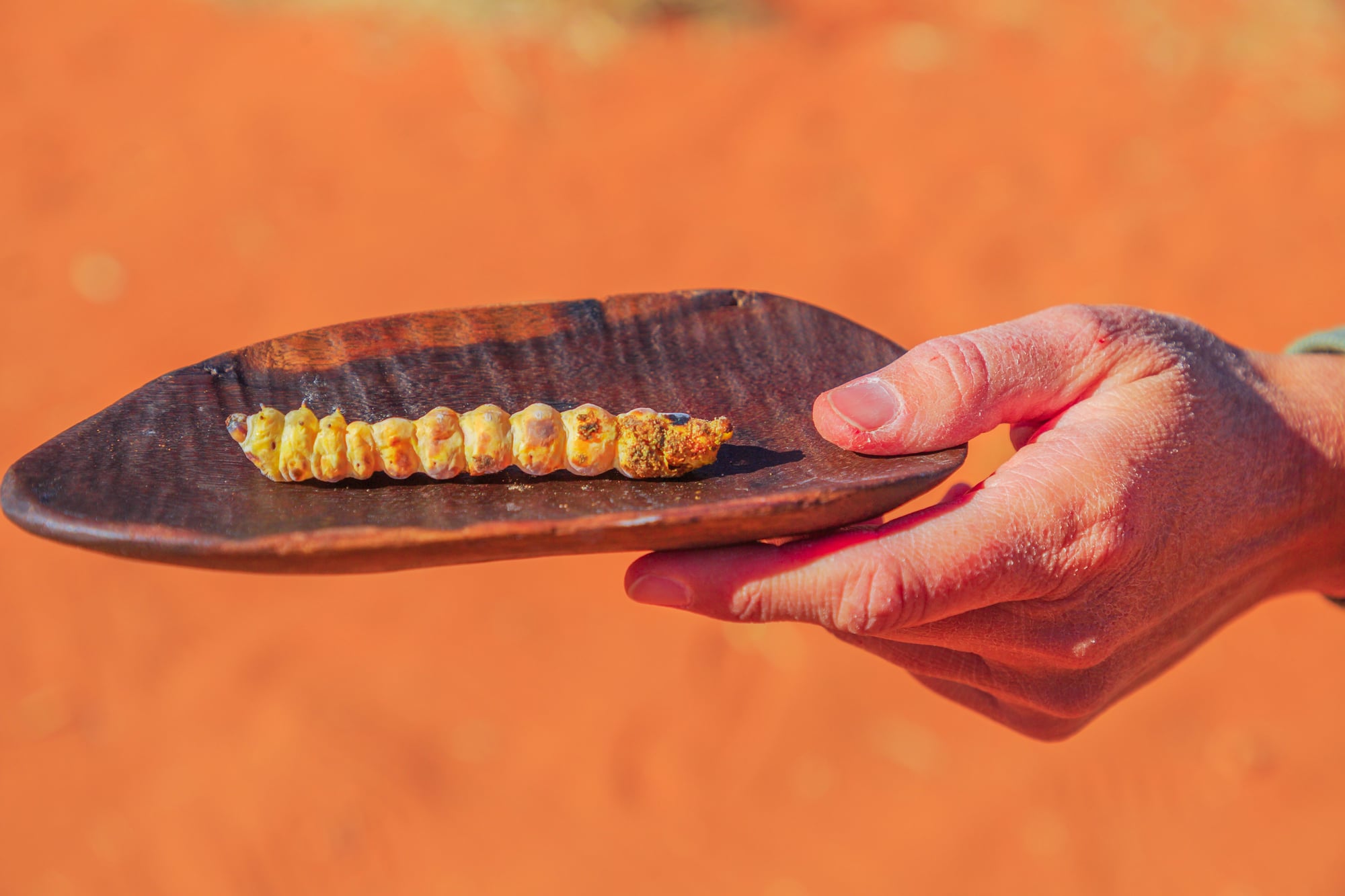
Witchetty grubs are the large, white, wood-eating larvae of certain moths, dug from the roots of the witchetty bush in the Australian outback. They are a traditional and nutritious food for several Aboriginal peoples, rich in protein and fat, and have sustained desert communities for thousands of years.
They can be eaten raw, when they’re said to taste of almonds and have a texture like cream or egg yolk, or lightly cooked in coals, when the skin crisps up and the inside takes on a flavor compared to chicken or fried egg. Far from a stunt food, they’re a genuine bush staple.
Escamoles (Mexico)
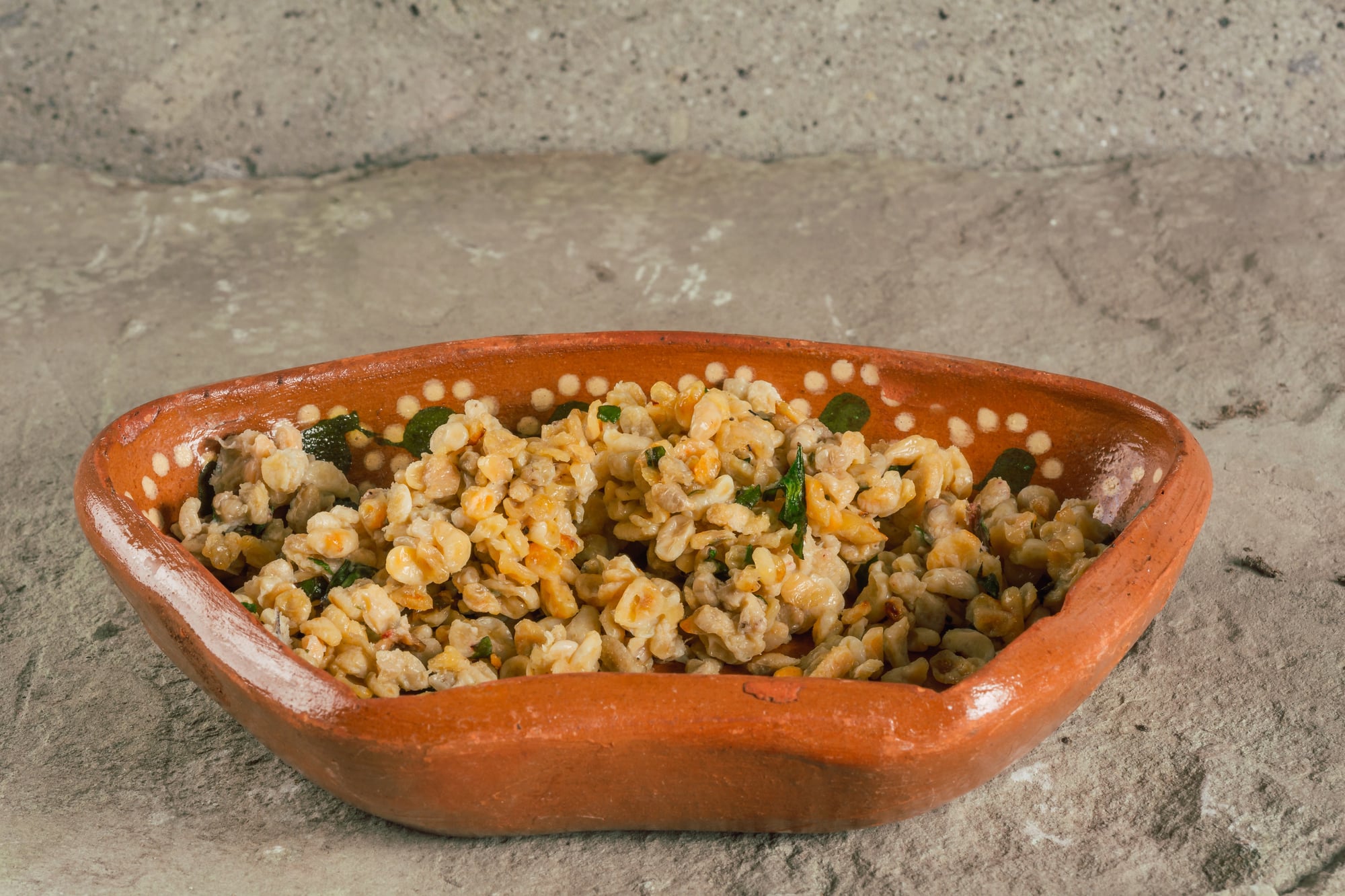
Sometimes called “insect caviar,” escamoles are the edible larvae and pupae of ants—specifically harvested from the nests of the Liometopum ant, often built among the roots of agave and maguave plants. Gathering them is laborious and sometimes painful, since the ants bite, which helps explain why escamoles are considered a pricey delicacy.
The flavor is mild, buttery, and nutty, and the texture is soft with a slight pop. They’ve been eaten in central Mexico since pre-Hispanic times and turn up sautéed with butter and herbs, folded into tacos, or served in omelets in fine restaurants.
Tarantulas (Cambodia)
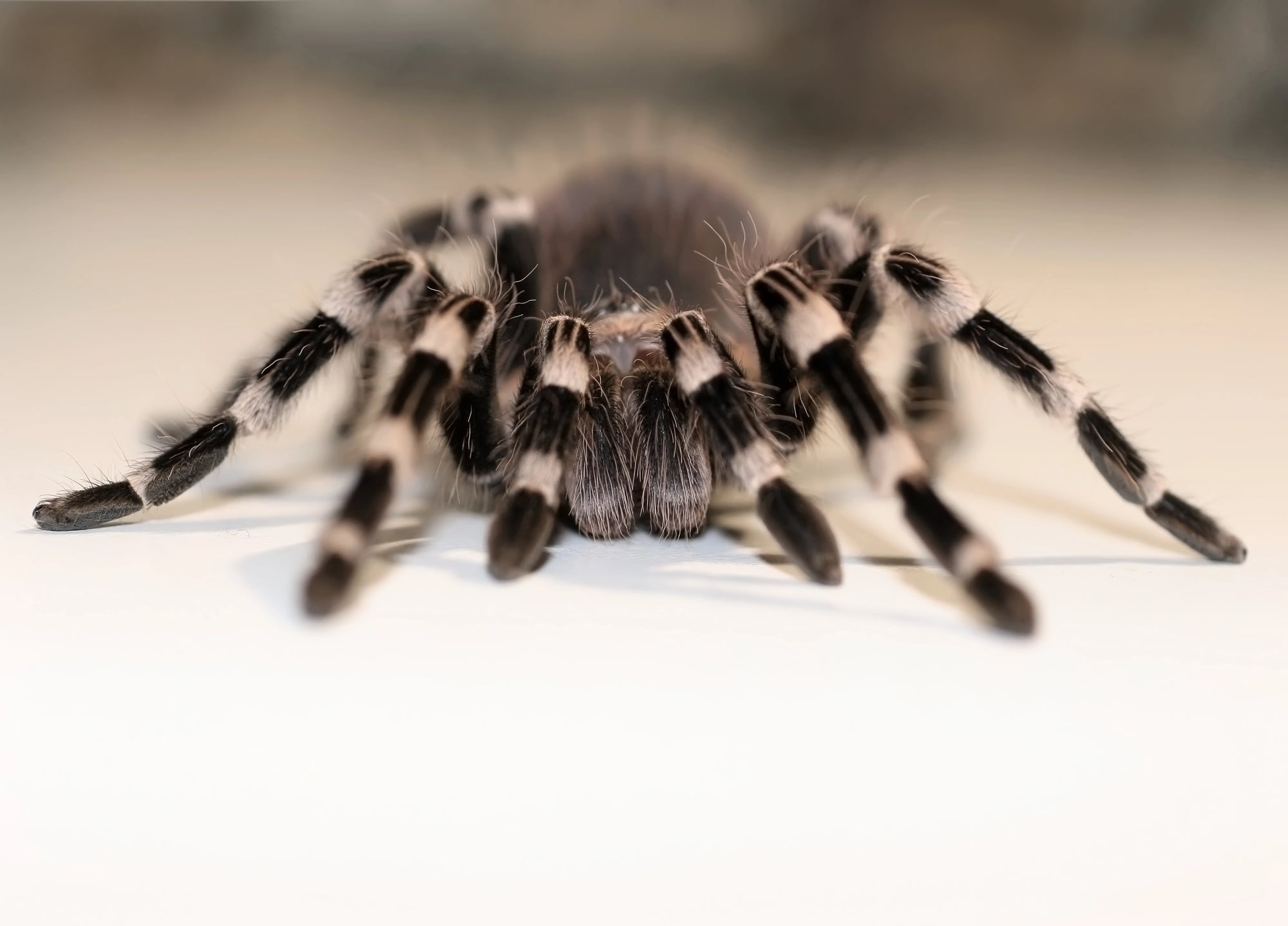
In Cambodia, particularly the town of Skuon, fried tarantulas are a popular snack. The large spiders are seasoned, often with garlic and salt, and deep-fried until the legs are crispy and the body is gooey inside.
They’re sold by the basketful to travelers and locals alike. The practice is widely believed to have spread or intensified during the Khmer Rouge era, when desperate food shortages pushed people to eat whatever protein they could find—and a wartime survival food became, in time, a regional specialty and a tourist curiosity.
The taste is often compared to a cross between crab and chicken.
Sannakji (South Korea)
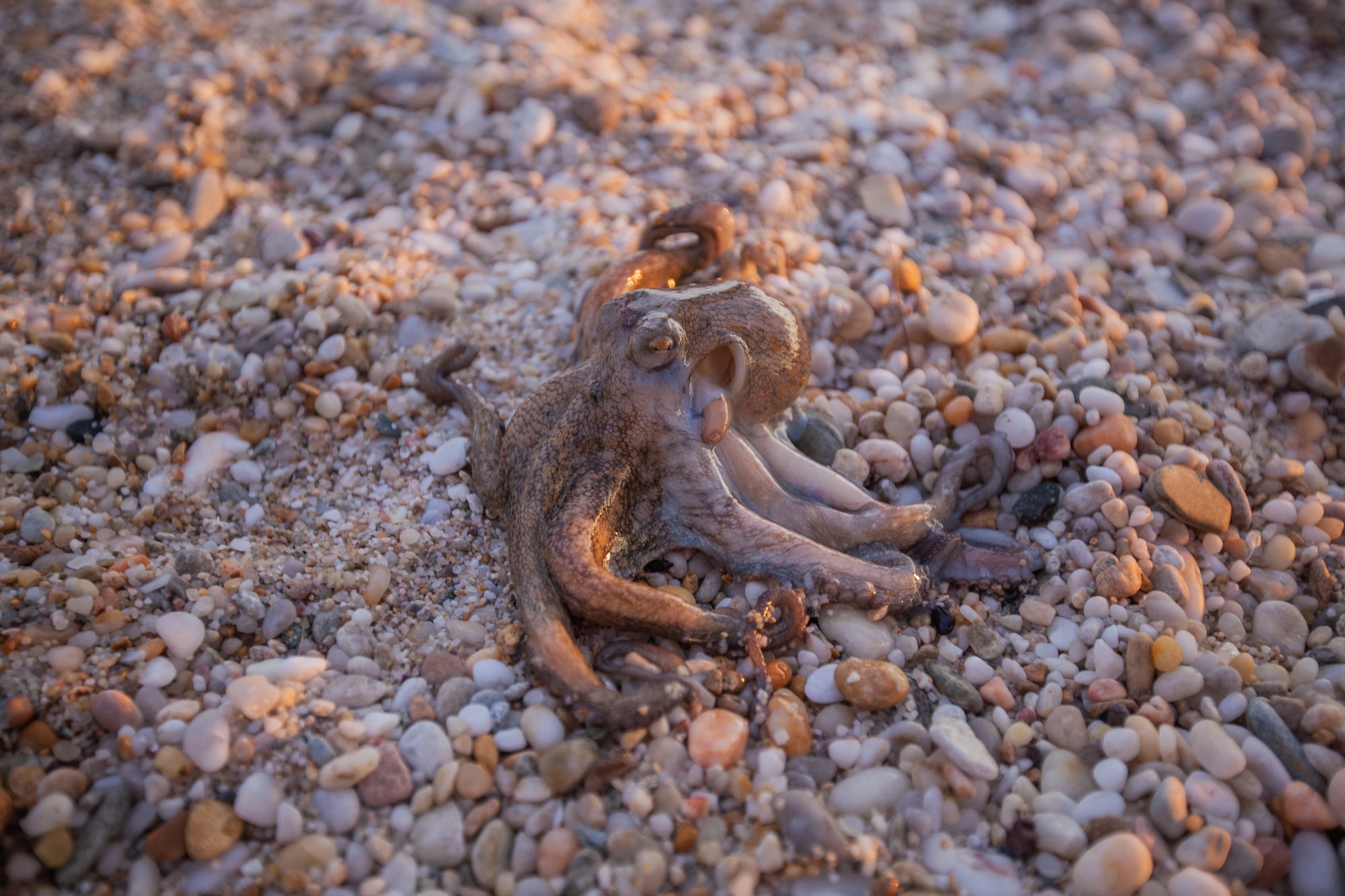
Sannakji is live octopus—usually a small species—chopped into pieces and served immediately, so fresh that the tentacle segments are still squirming and the suckers still grip on the way down. It’s typically seasoned with a little sesame oil and seeds.
The wriggling is the entire appeal for fans, but it carries a genuine risk: the still-active suckers can latch onto the throat, and the dish has caused choking deaths. Diners are advised to chew very thoroughly, which is rarely a sentence that needs saying about octopus.
Stinkheads / Tepa (Alaska)

Tepa, sometimes called “stinkheads,” is a traditional Yup’ik food of Alaska made by fermenting whole salmon heads. Traditionally the heads were buried in a pit and left to ferment for weeks before being eaten, producing a soft, pungent, cheese-like result.
It’s a genuine traditional food, but it comes with a serious modern warning: fermenting fish in sealed plastic containers or buckets rather than the traditional breathable pit has been linked to outbreaks of botulism, a potentially fatal poisoning. The old methods and the new materials don’t mix safely—a reminder that traditional foods carry traditional knowledge for a reason.
Cuy / Guinea Pig (Andes)
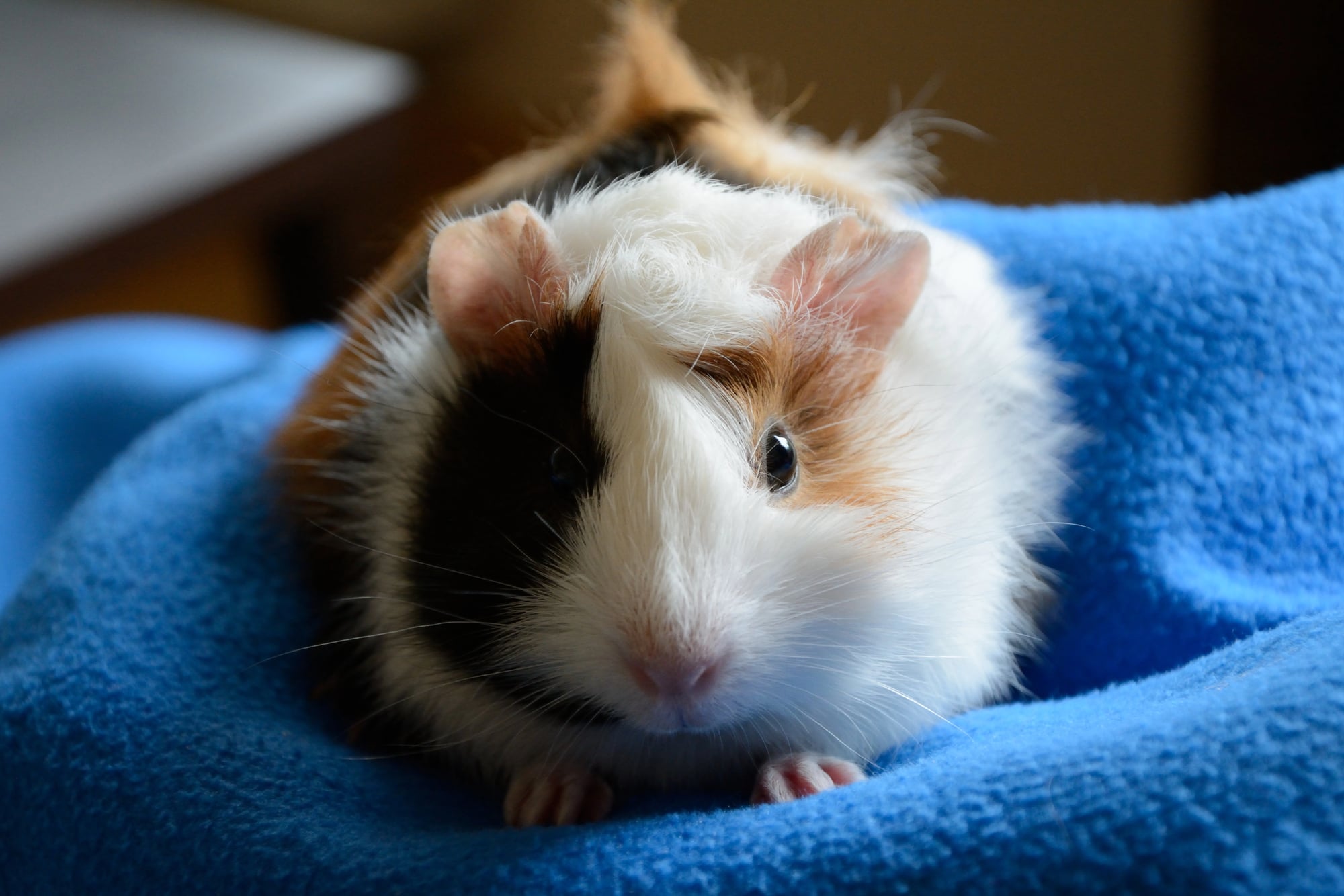
In Peru, Ecuador, and other parts of the Andes, guinea pig—known as cuy—is a traditional source of meat that long predates the animal’s career as a Western pet. It has been raised and eaten in the region for thousands of years and remains a celebratory dish for festivals and special occasions.
Usually roasted or fried whole, cuy has a rich, gamey flavor often compared to rabbit or dark poultry, with crispy skin. To Andean cooks it is simply good, efficient, home-raised meat; the surprise is mostly in the eyes of outsiders who grew up keeping the animal in a cage.
Rocky Mountain Oysters (United States and Canada)
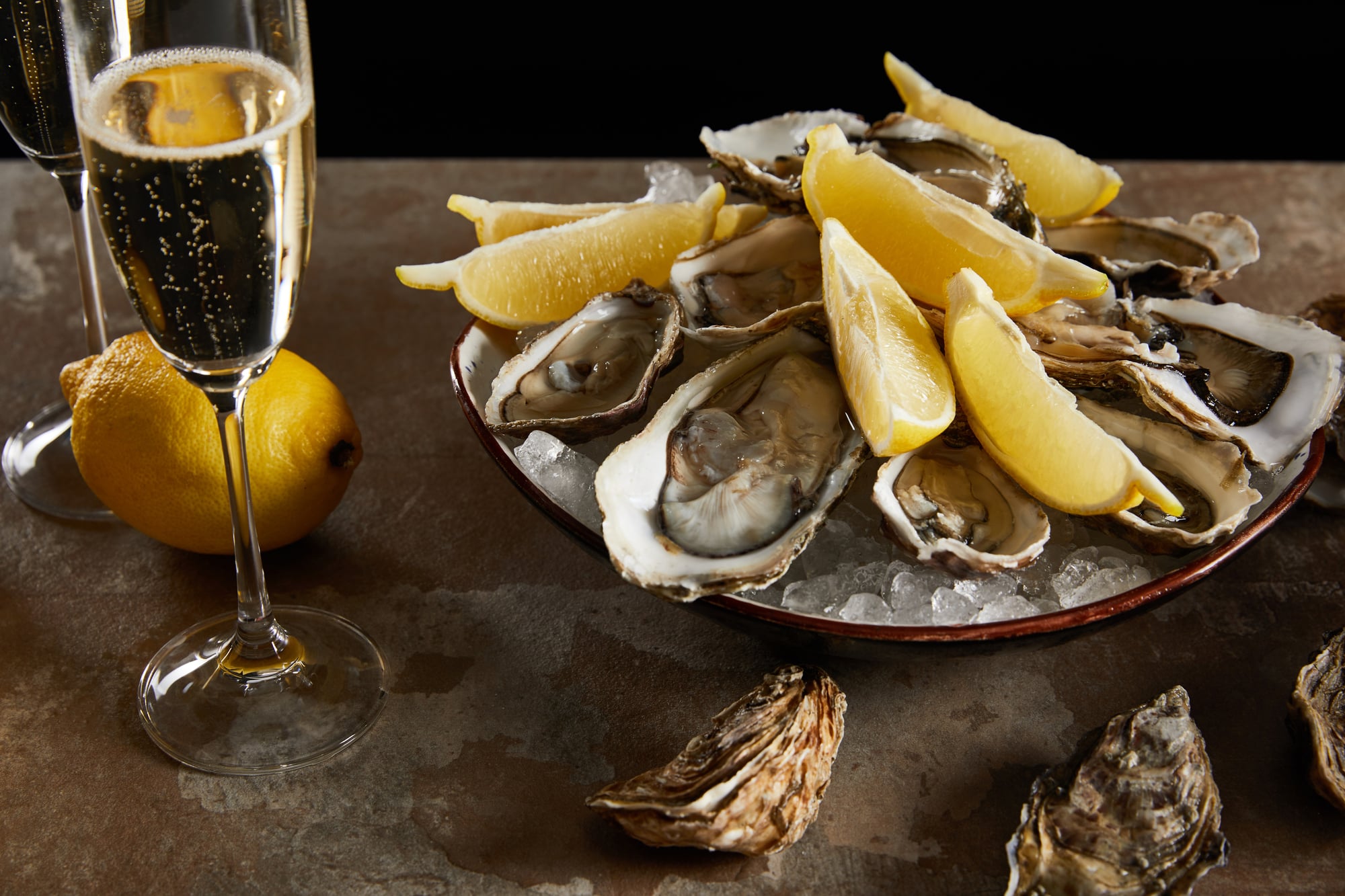
The cheerful name disguises the contents: Rocky Mountain oysters are bull (or sometimes pig or sheep) testicles, typically peeled, coated in flour or batter, and deep-fried. They’re a ranching-country specialty, born of the sensible refusal to waste any part of an animal after castration season.
Served at fairs and festivals across the American and Canadian West, they’re usually eaten with a dipping sauce, and most first-timers report they taste like, and have the texture of, a chewy fried nugget—unremarkable until you learn what they are.
Nattō (Japan)
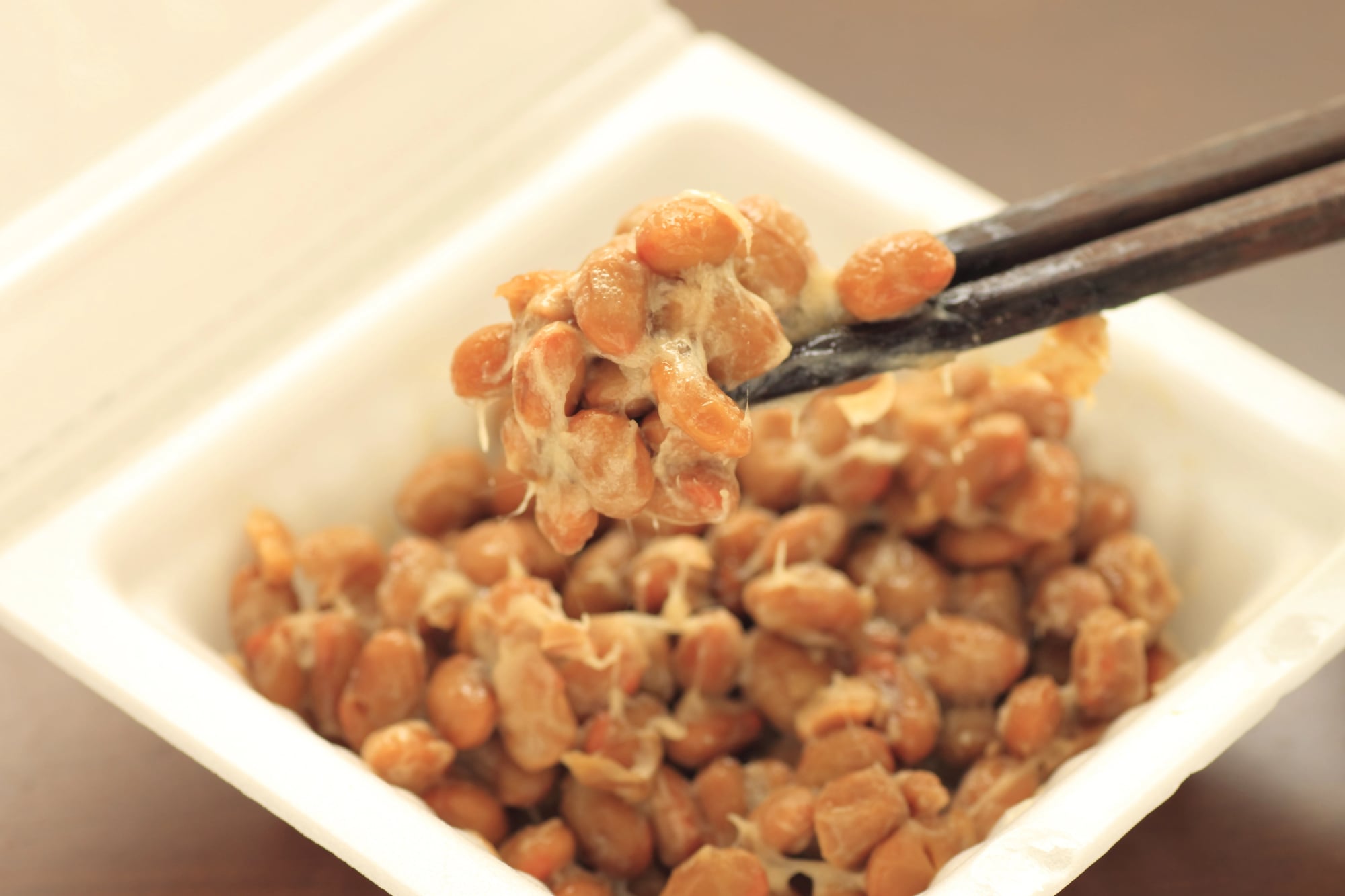
Nattō is fermented soybeans, and it divides opinion even within Japan. Fermented with a specific bacterium, the beans develop a powerful smell, a slimy, sticky coating, and long stringy threads that stretch from the bowl with every bite.
For fans it’s a healthy, beloved breakfast food, often eaten over rice with soy sauce, mustard, and green onion. The combination of ammonia-like aroma, stickiness, and texture makes it one of the foods most likely to defeat a first-time visitor—yet it’s a cheap, nutritious everyday staple eaten by millions.
Kæstur / Fermented Foods of the Faroes: Skerpikjøt

In the Faroe Islands, the wind itself is the chef. Skerpikjøt is mutton that’s been hung in open-sided wooden drying sheds called hjallur and left to ferment and air-dry in the salty North Atlantic wind for months, with no salt or smoke—just time and weather.
The result is a dense, dark, intensely flavored wind-dried meat, somewhere between cured ham and aged cheese in its funk. It’s a cornerstone of traditional Faroese eating, born of necessity on a treeless, storm-battered archipelago where preserving food without much fuel or sunshine demanded ingenuity.
Huitlacoche (Mexico)
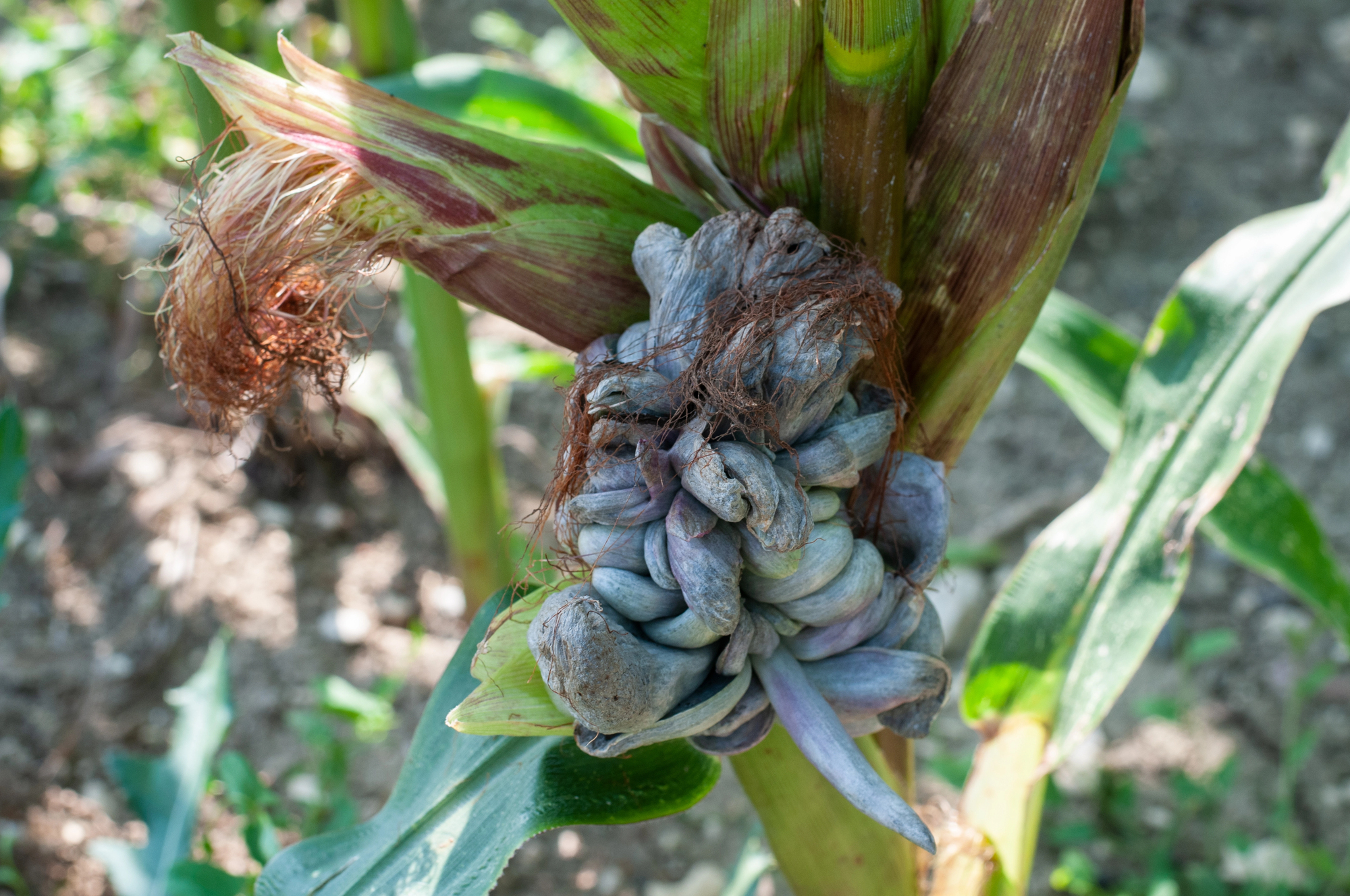
Huitlacoche is corn smut—a fungus that infects ears of maize, swelling the kernels into bulbous, gray-black, mushroom-like galls. North American farmers historically treated it as a crop disease to be destroyed; Mexican cooks have prized it as a delicacy since Aztec times.
Often called “Mexican truffle,” it has a deep, earthy, smoky-sweet, umami flavor and is used in quesadillas, tacos, soups, and sauces. It’s a vivid lesson in how one culture’s blight is another’s gourmet ingredient.
Kiviak (Greenland)
Kiviak is one of the more extreme preservation foods on earth. Hundreds of small auks (a seabird called the little auk) are packed whole—feathers and all—inside the hollowed-out body of a seal, which is sealed with fat, weighted under stones, and left to ferment for months.
The result is a traditional Inuit winter food in Greenland, eaten at celebrations, with the fermented bird flesh providing crucial nutrition and vitamins through the long polar dark. It’s an extraordinary adaptation to an environment with almost no plant food—though, like other fermented foods, improperly made batches have caused botulism.
Jellied Eels (England)

A traditional dish of the East End of London, jellied eels are exactly what they sound like: chopped eels boiled in a spiced stock that, thanks to the natural gelatin in the fish, sets into a savory jelly as it cools. They’re served cold, often with vinegar and pepper.
Once a cheap, abundant staple for working-class Londoners when the Thames teemed with eels, they’re now more of a nostalgic specialty, sold in the city’s surviving pie-and-mash shops. The cold, wobbling jelly is the main hurdle for the uninitiated.
Chicken Feet (China and Beyond)
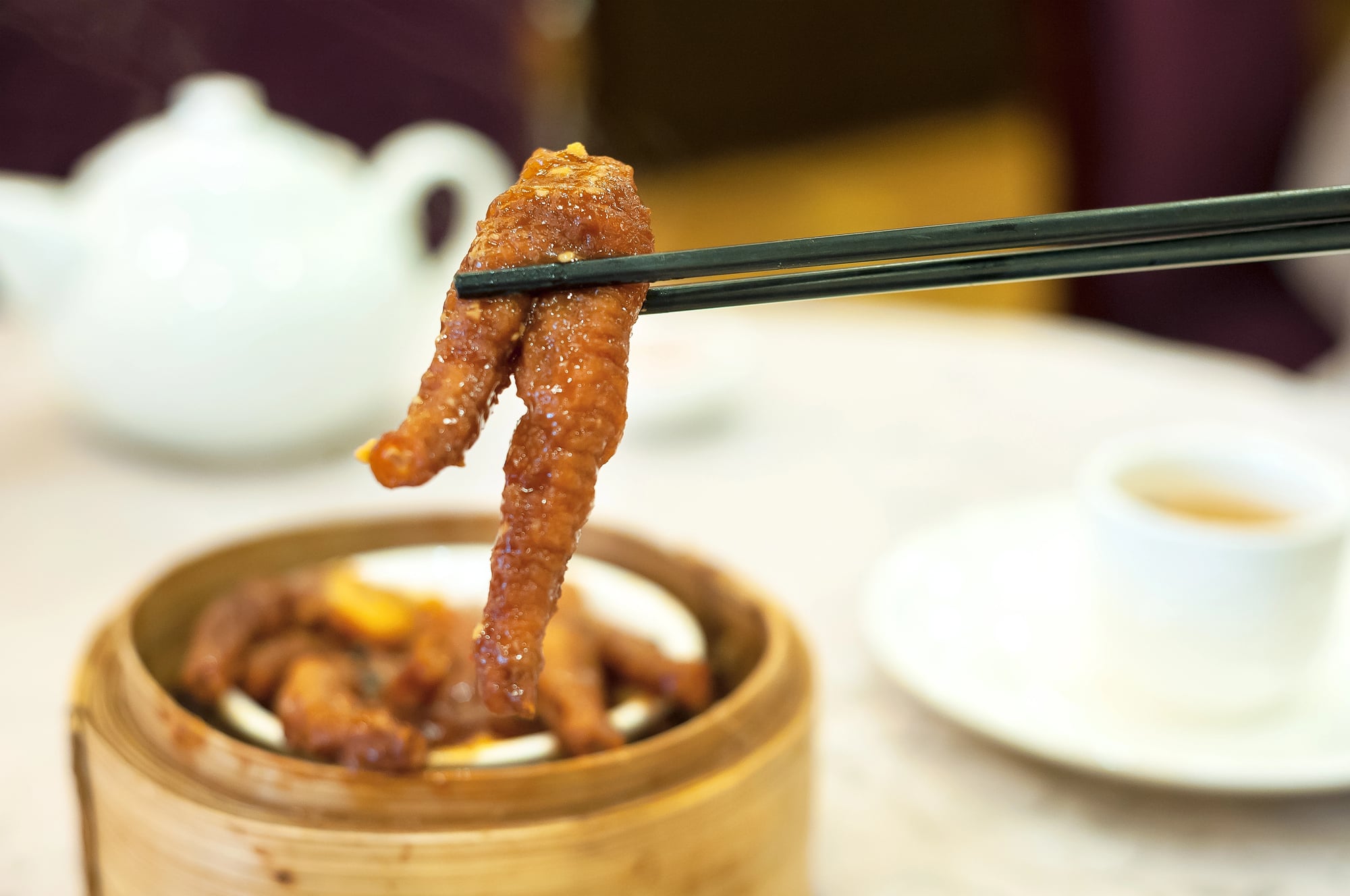
A staple of dim sum and countless other cuisines across Asia, the Caribbean, and Africa, chicken feet are exactly that—braised, steamed, fried, or simmered until the skin and tendons turn soft and gelatinous. In Cantonese cooking they’re often called “phoenix claws” and served in a savory black-bean sauce.
There’s very little actual meat; the appeal is the texture and the way the skin and cartilage soak up sauce, plus the satisfying business of nibbling them clean. Far from strange in much of the world, they’re a beloved everyday food—the strangeness is largely a Western blind spot.
Mopane Worms (Southern Africa)
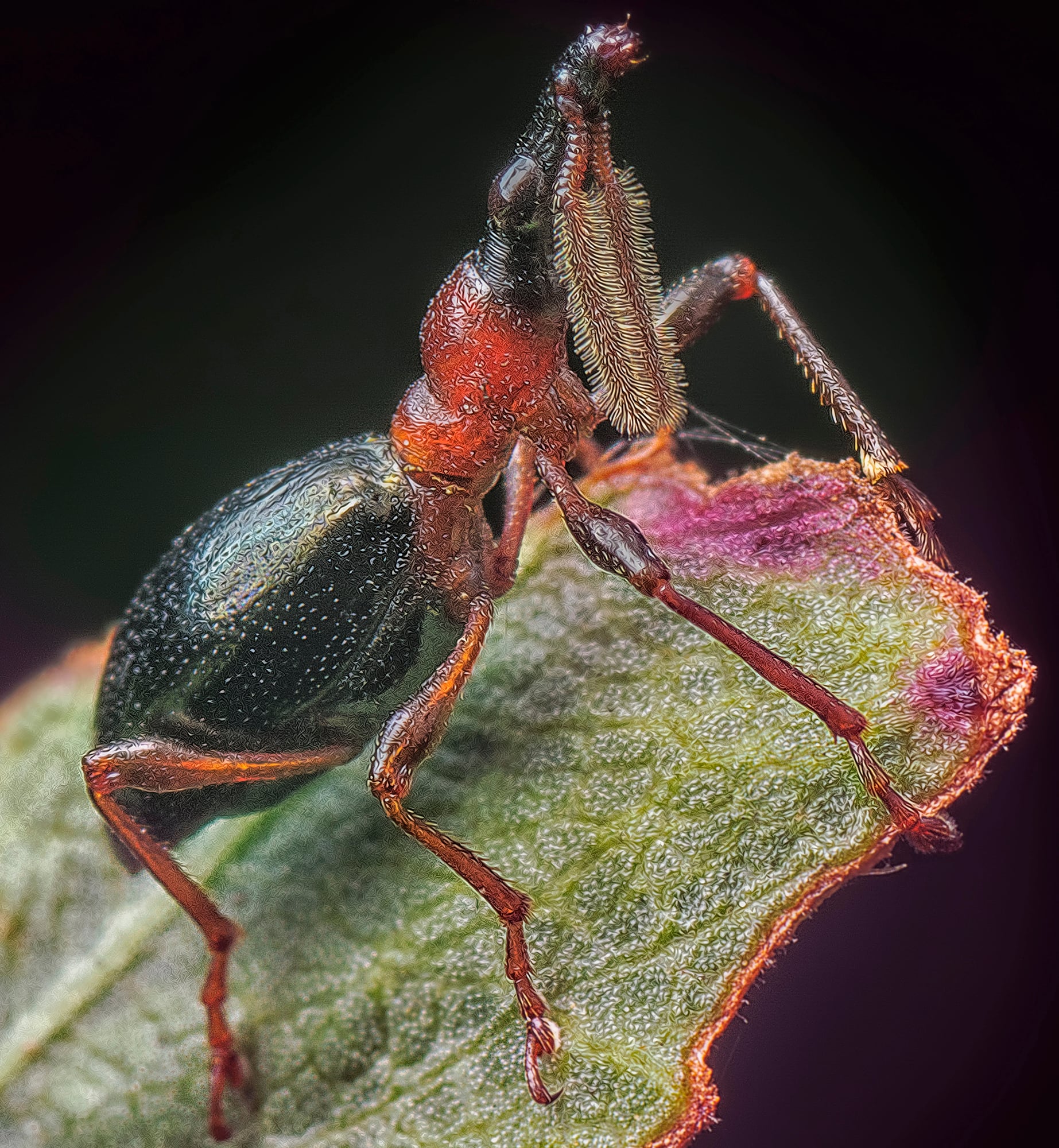
Mopane worms are the large caterpillars of the emperor moth, harvested in huge numbers across Botswana, Zimbabwe, South Africa, and neighboring countries. They’re traditionally gutted, boiled, and then dried in the sun, which makes them shelf-stable for long storage.
A vital, protein-rich food source and a significant commercial product in the region, they can be eaten dry and crunchy as a snack or rehydrated and cooked into a stew with tomato and onion. Sustainably gathered insect protein like this is, increasingly, exactly the kind of food the rest of the world is being told to consider.
Lutefisk (Scandinavia and the Upper Midwest)
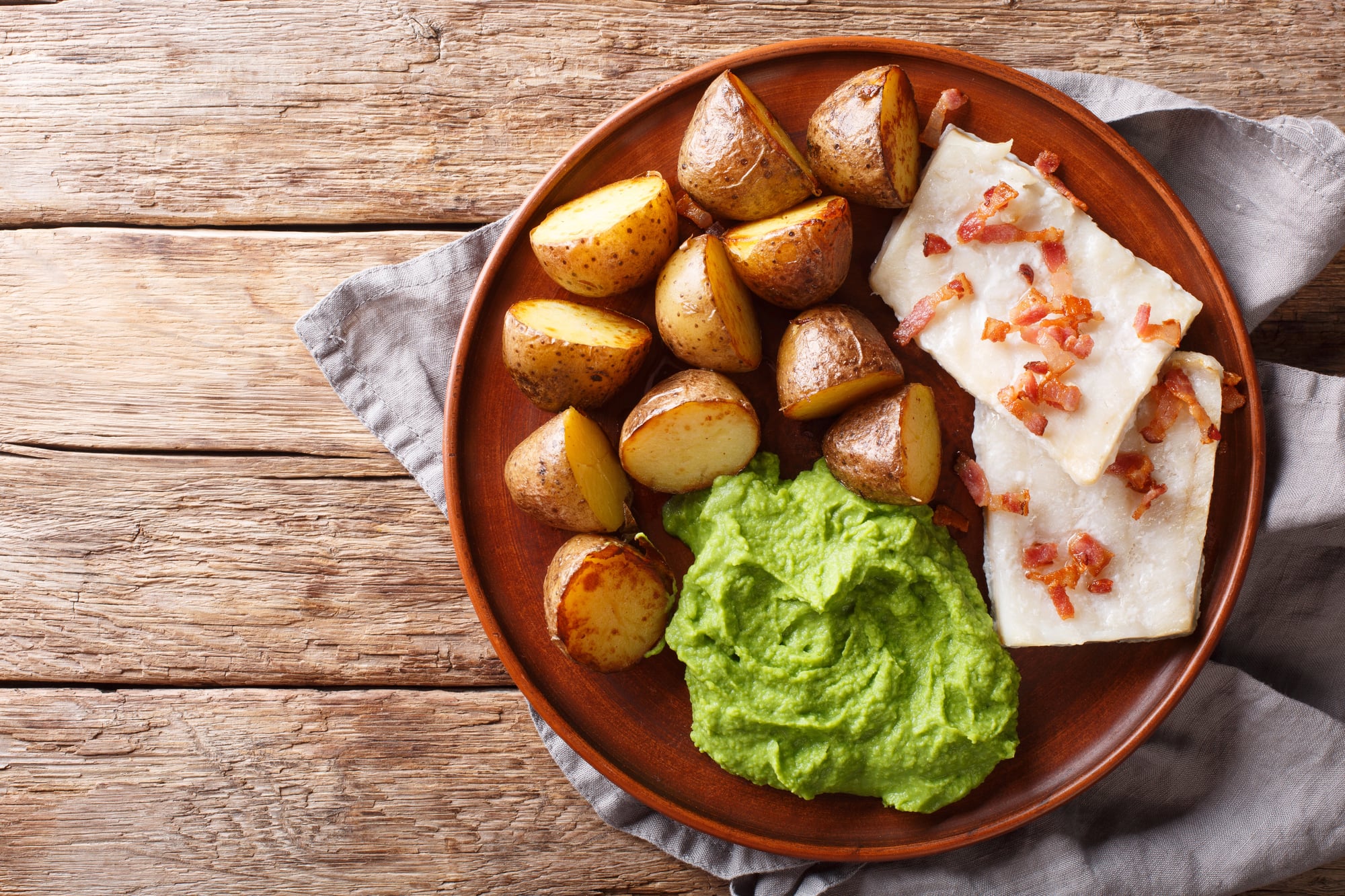
Lutefisk is dried whitefish—usually cod—that has been soaked in a lye solution, which transforms it into a translucent, gelatinous, jiggling mass before it’s rinsed and cooked. Yes, lye: the same caustic chemical used in soap and drain cleaner, carefully used and then thoroughly washed out.
A traditional dish in Norway, Sweden, and Finland, it crossed the Atlantic with Scandinavian immigrants and survives as a holiday tradition in the American Upper Midwest, where Lutheran church suppers still serve it. The famously soft, wobbly texture and mild flavor make it as polarizing among descendants as it is baffling to outsiders.
Durian (Southeast Asia)
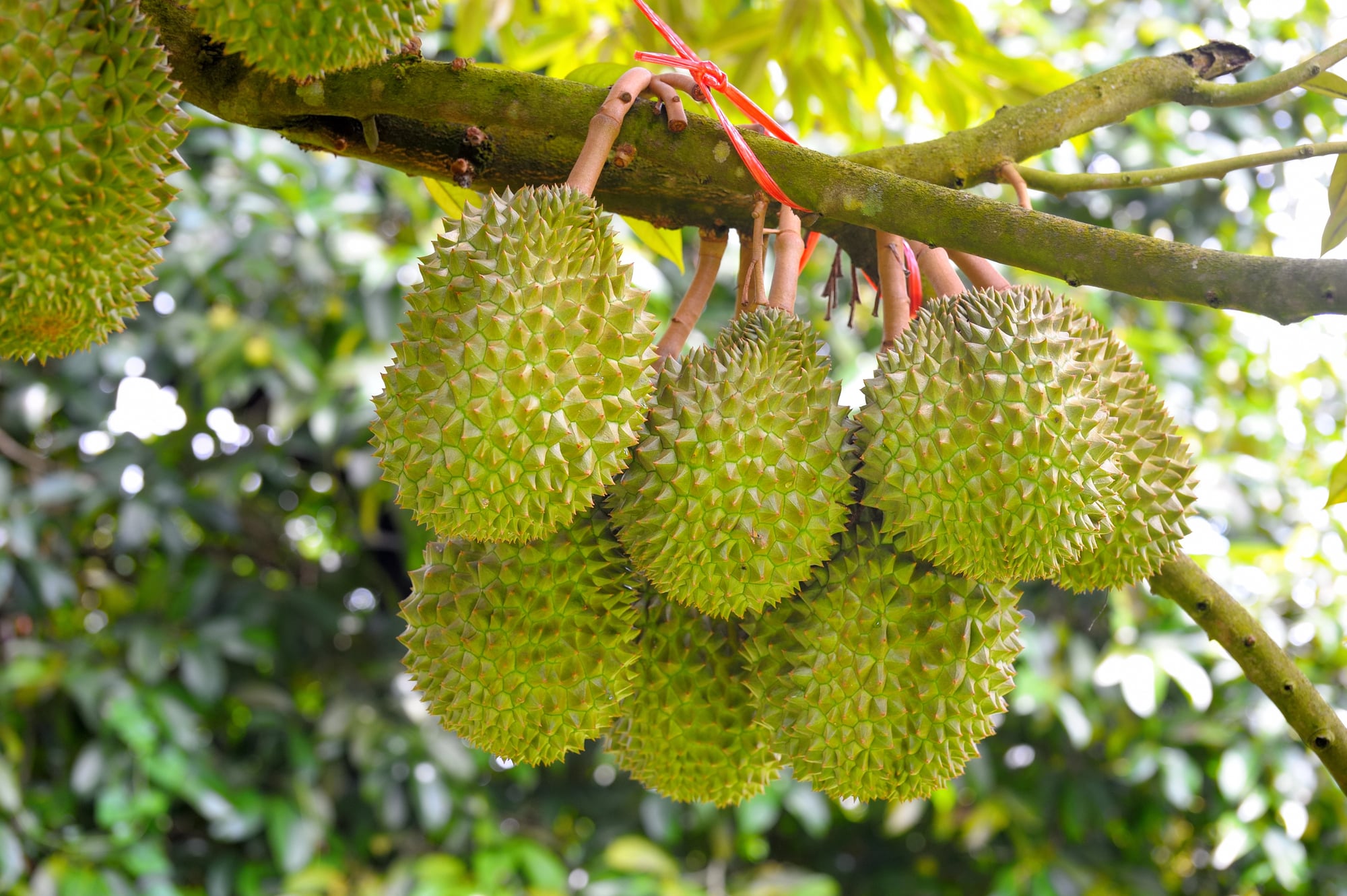
The durian is a large, spiky fruit so famously pungent that it’s banned from many hotels, airplanes, and subway systems across Southeast Asia, with warning signs to prove it. Its smell has been compared, by detractors, to rotten onions, gym socks, and worse.
Yet to its many devoted fans it’s the “king of fruits”—a rich, custardy flesh with a complex sweet-savory flavor that’s utterly addictive once you get past the aroma. The gap between how it smells and how it tastes is so wide that durian remains one of the world’s great culinary love-it-or-hate-it divides.
Blood (Around the World)
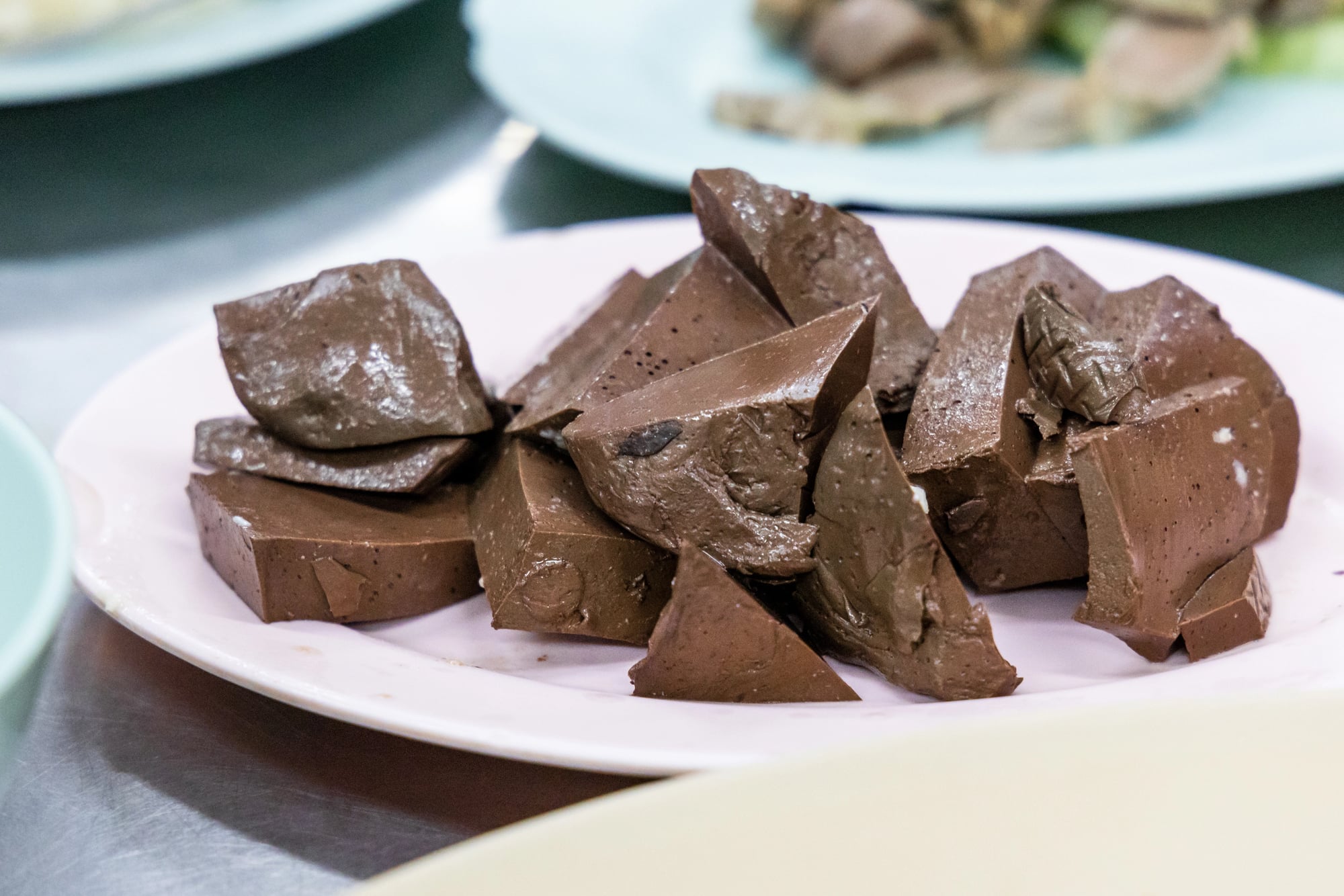
Animal blood is eaten almost everywhere, in forms that startle the squeamish. Britain and Ireland have black pudding, a sausage of pig’s blood and oats; Sweden and Finland have blood pancakes and blood bread; parts of Asia serve cubes or curds of congealed blood in soups and hot pots; and many cultures make blood sausages and stews.
The Maasai of East Africa traditionally drink cattle blood, sometimes mixed with milk, drawing it from the living animal—a sustainable source of protein and iron on the savanna. Across all these traditions, blood is simply too nutritious to waste, and cooks long ago learned to make it delicious.
Fried Brain and Other Offal (Worldwide)
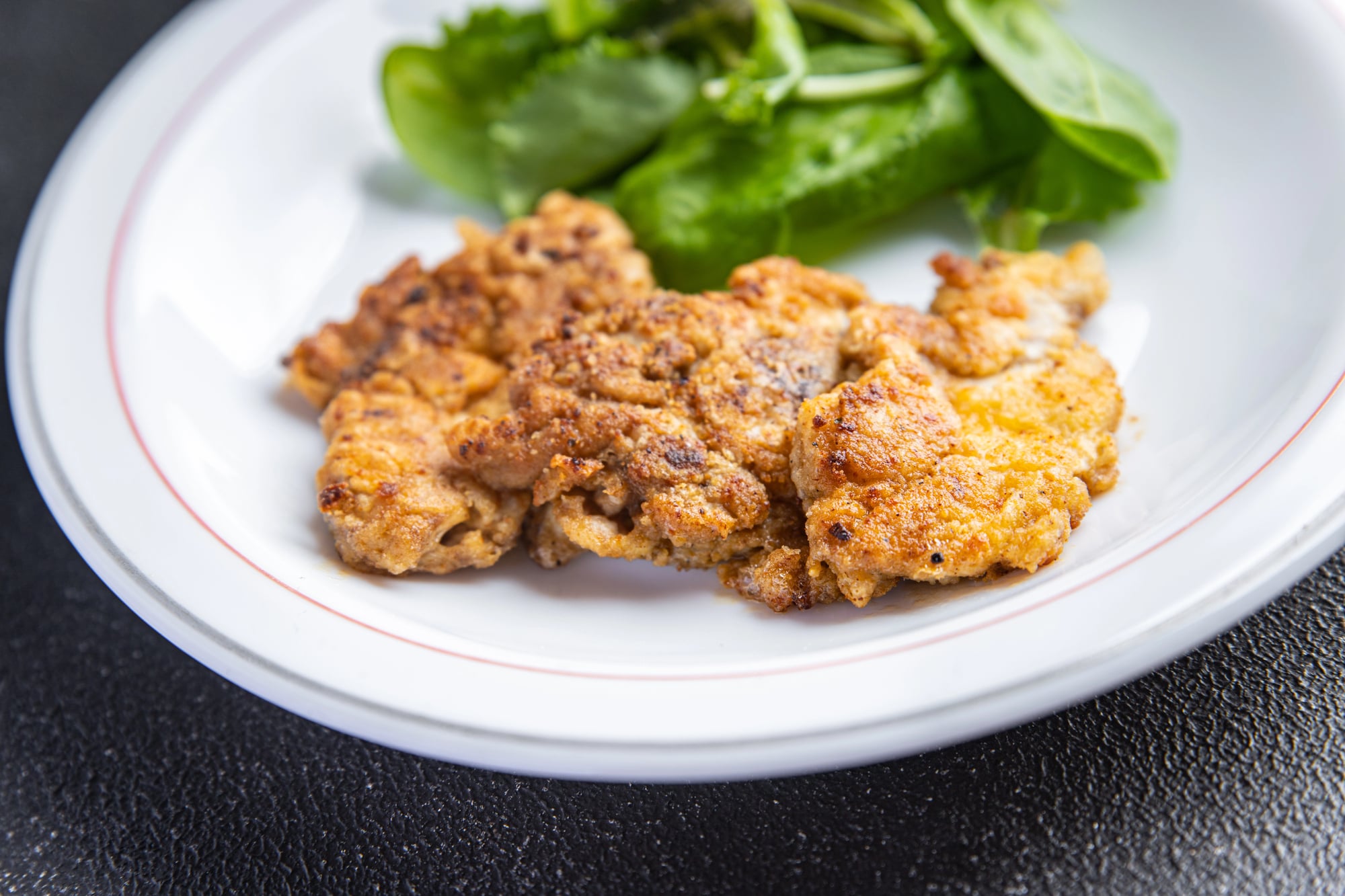
Organ meats—brains, tongues, hearts, kidneys, intestines, and more—are eaten enthusiastically across the globe, even where muscle meat has become the default. Fried or scrambled brains appear in cuisines from the American South to the Mediterranean to South Asia; tripe (stomach lining) anchors dishes from Mexican menudo to Italian trippa to Chinese hot pot.
Offal is, in a sense, the opposite of strange: it’s the original, traditional, waste-nothing way of eating that dominated human history until modern abundance let wealthy societies get squeamish. Much of what reads as “weird” here is really just older than the supermarket.
Bird’s Nest Soup (China)
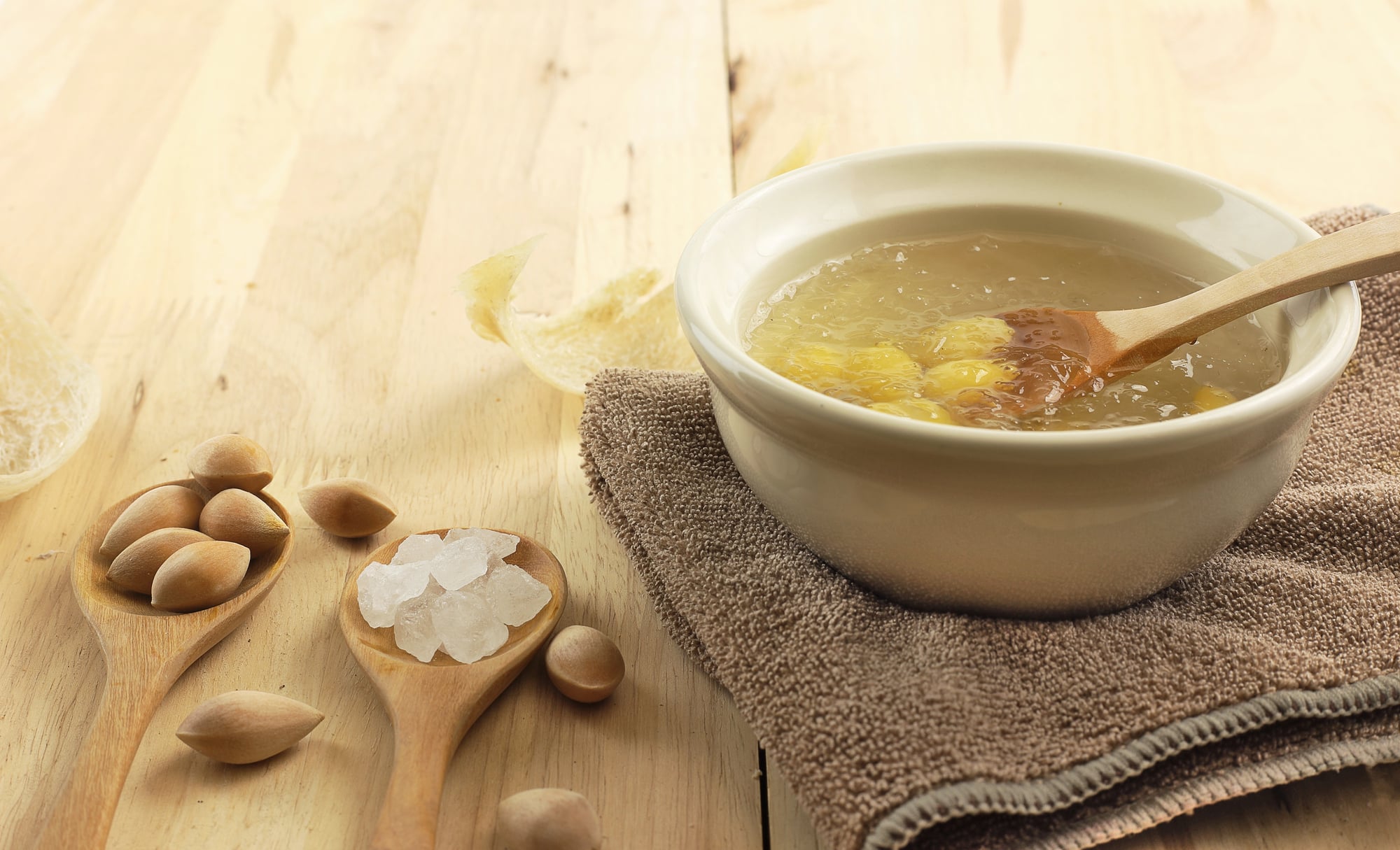
Among the most expensive foods in the world, bird’s nest soup is made from the literal nests of swiftlets—small birds that build their nests almost entirely from their own hardened, gummy saliva. Harvested from cave walls and, increasingly, purpose-built nesting houses, the nests are painstakingly cleaned and dissolved into a delicate, gelatinous soup.
Prized in Chinese cuisine for over a thousand years and believed to offer health benefits, genuine nests sell for thousands of dollars per kilogram, making this one of few dishes on this list that’s strange not because it’s cheap survival food but because it’s a rarefied luxury. The flavor is subtle; much of the value lies in the texture and the tradition.
A Note on “Weird”
Read back over this list and a quiet pattern emerges: almost none of these foods are arbitrary. The toxic shark and the lye-soaked cod and the wind-dried mutton were brilliant solutions to the problem of surviving a winter or a famine.
The blood, the offal, the chicken feet, and the insects are simply the products of cultures that refused to waste anything—a thrift that the industrialized, meat-aisle world has only recently been able to abandon, and is now being urged to rediscover. The fermented funk of nattō, surströmming, and century eggs is the same chemistry that gives us cheese, wine, and bread; we just draw the line of “acceptable” in different places.
Which is really the point. “Strange food” almost always means “food I didn’t grow up with.”
Somewhere, right now, someone is being told that the things you eat without a second thought—the mold-veined cheese, the raw fish, the yeasty spread, the carbonated brown sugar-water—sound revolting. Every item here is a delicacy, a comfort food, or a hard-won tradition to the people who eat it.
The strangeness isn’t in the food. It’s in the distance between their table and yours, and the most interesting thing you can do with that distance is cross it.
More from Go2Tutors!

- The Romanov Crown Jewels and Their Tragic Fate
- 13 Historical Mysteries That Science Still Can’t Solve
- Famous Hoaxes That Fooled the World for Years
- 15 Child Stars with Tragic Adult Lives
- 16 Famous Jewelry Pieces in History
Like Go2Tutors’s content? Follow us on MSN.



