How 26 Vintage Band Pins and Backstage Passes With Serious Market Demand
There’s something about a two-inch piece of metal with a band’s name stamped on it that refuses to stay in the past. Collectors who’ve spent years hunting through estate sales, flea markets, and online auctions know the feeling — you pick up a pin or a laminated pass that’s thirty years old, and it feels like holding a very small, very loud piece of history.
The market for vintage band memorabilia has matured into something genuinely serious, with certain items commanding prices that would surprise anyone who still thinks of this stuff as garage sale fodder. These are the pins and backstage passes that collectors are actively chasing right now.
Led Zeppelin
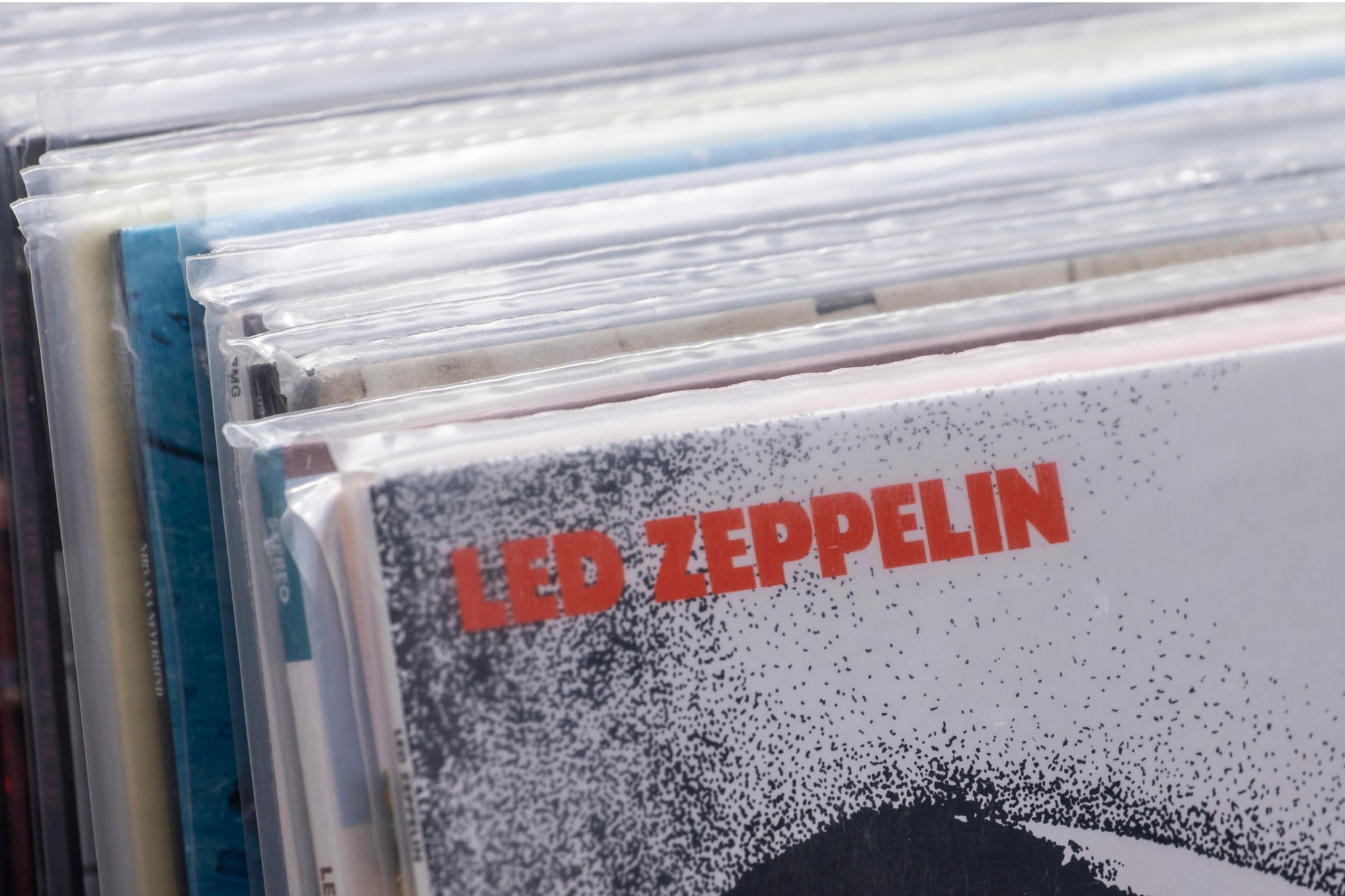
The 1977 North American tour pins are stubborn artifacts — they show up rarely and disappear fast. Original button pins from that tour carry authentication challenges because reproductions flooded the market for decades, but verified originals with period-correct lithography regularly sell in the $200–$400 range.
Backstage passes from the same tour, particularly the “All Access” laminates, have cleared $1,500 at auction.
The Rolling Stones
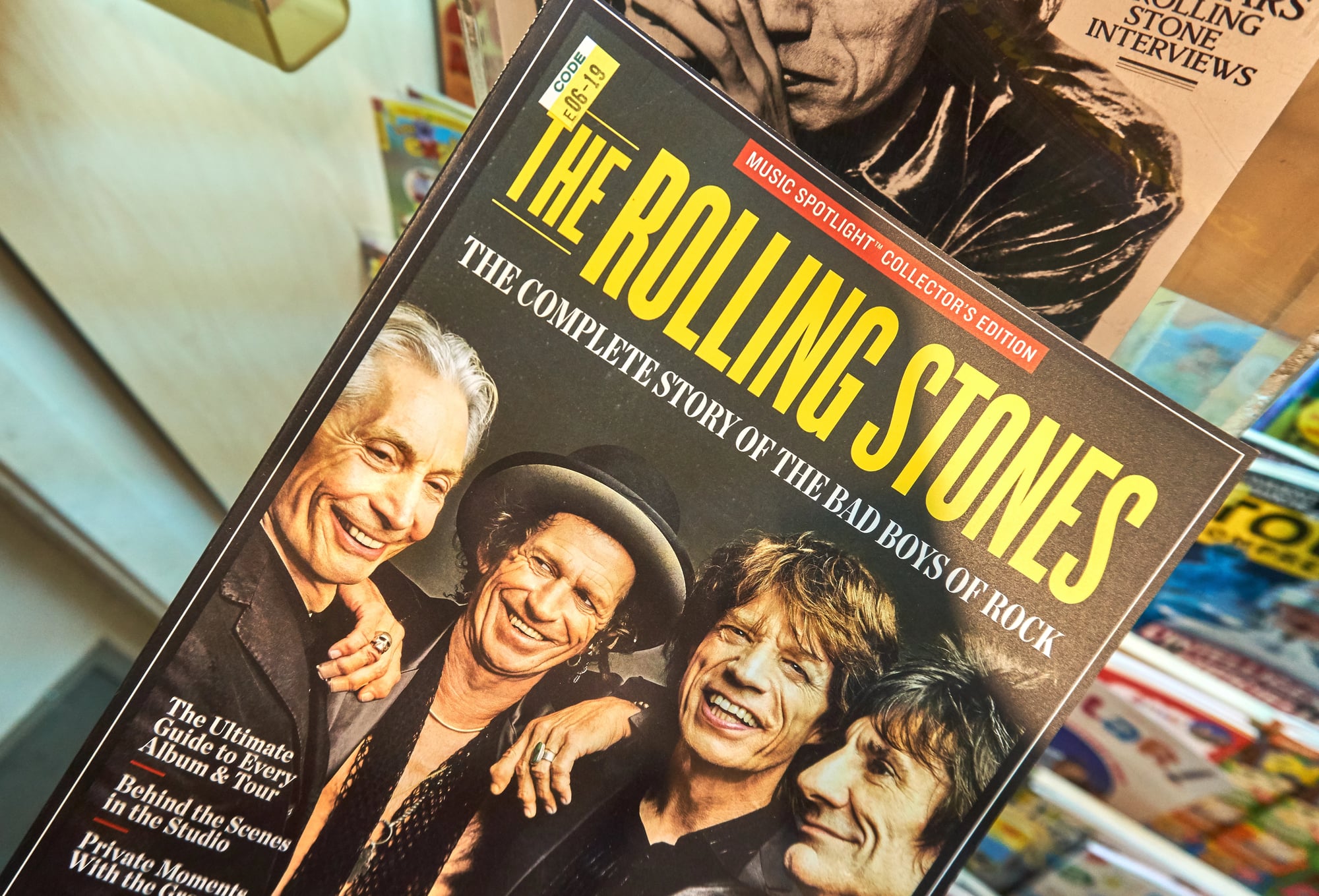
Backstage passes from the 1972 Exile on Main St. tour are treated less like collectibles and more like primary documents. So many of them were personalized with handwritten names by the tour’s own staff, which makes authenticated examples feel almost archival — and prices reflect that, with some laminates hitting $2,000 or more.
The enamel pins from the ’75 Tour of the Americas are considerably cheaper but still pull real numbers.
The Clash
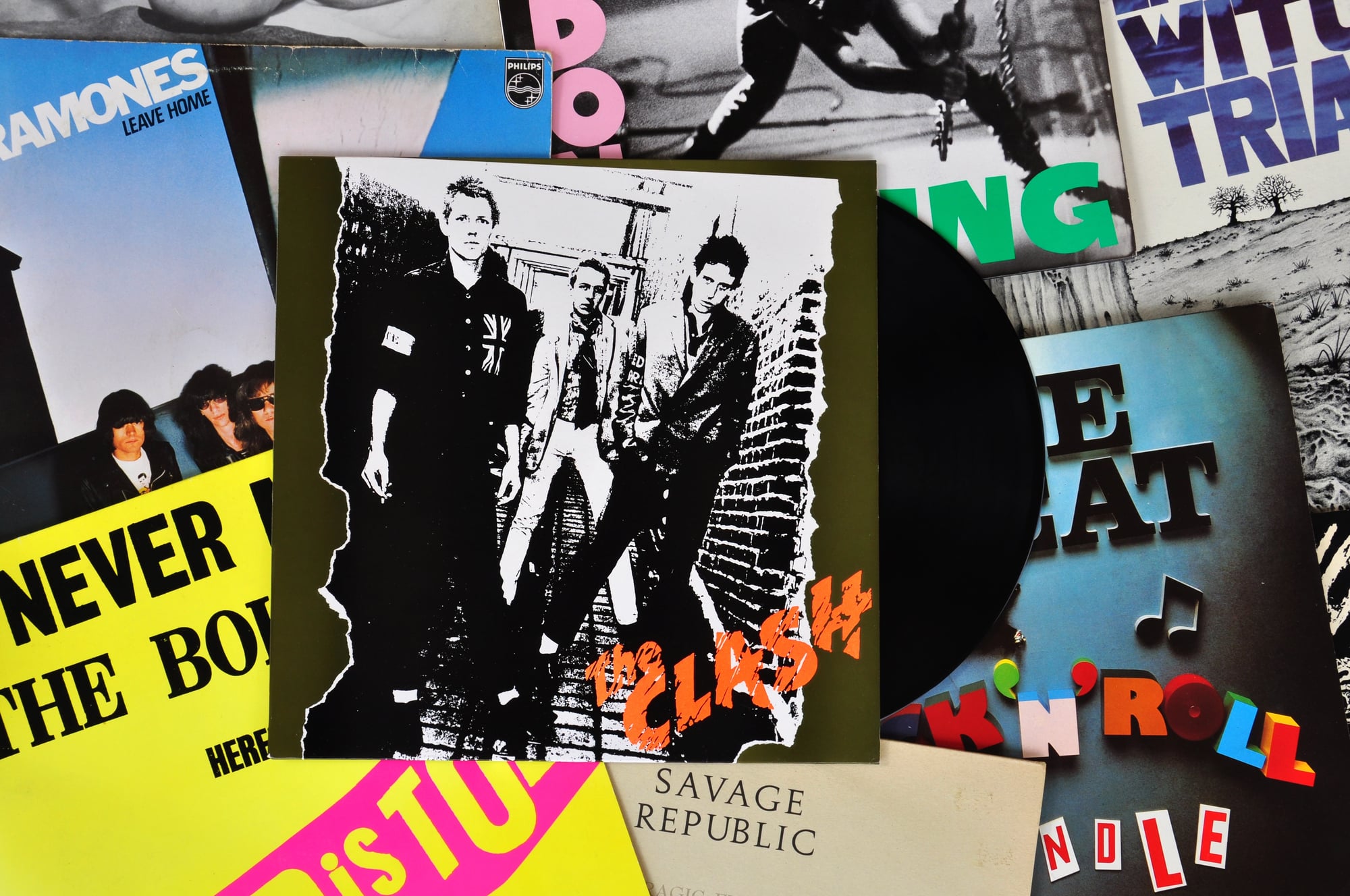
The Clash pins from the 1979 and 1980 UK tours carry a particular weight that goes beyond collector nostalgia — they feel less like merchandise and more like a badge of allegiance, the kind of object you imagine someone pinning to a jacket with deliberate intention. Verified examples with original card backing are rare, and the backstage passes from the Combat Rock tour have become legitimately difficult to locate in unlaminated condition.
The market rewards patience here.
Grateful Dead
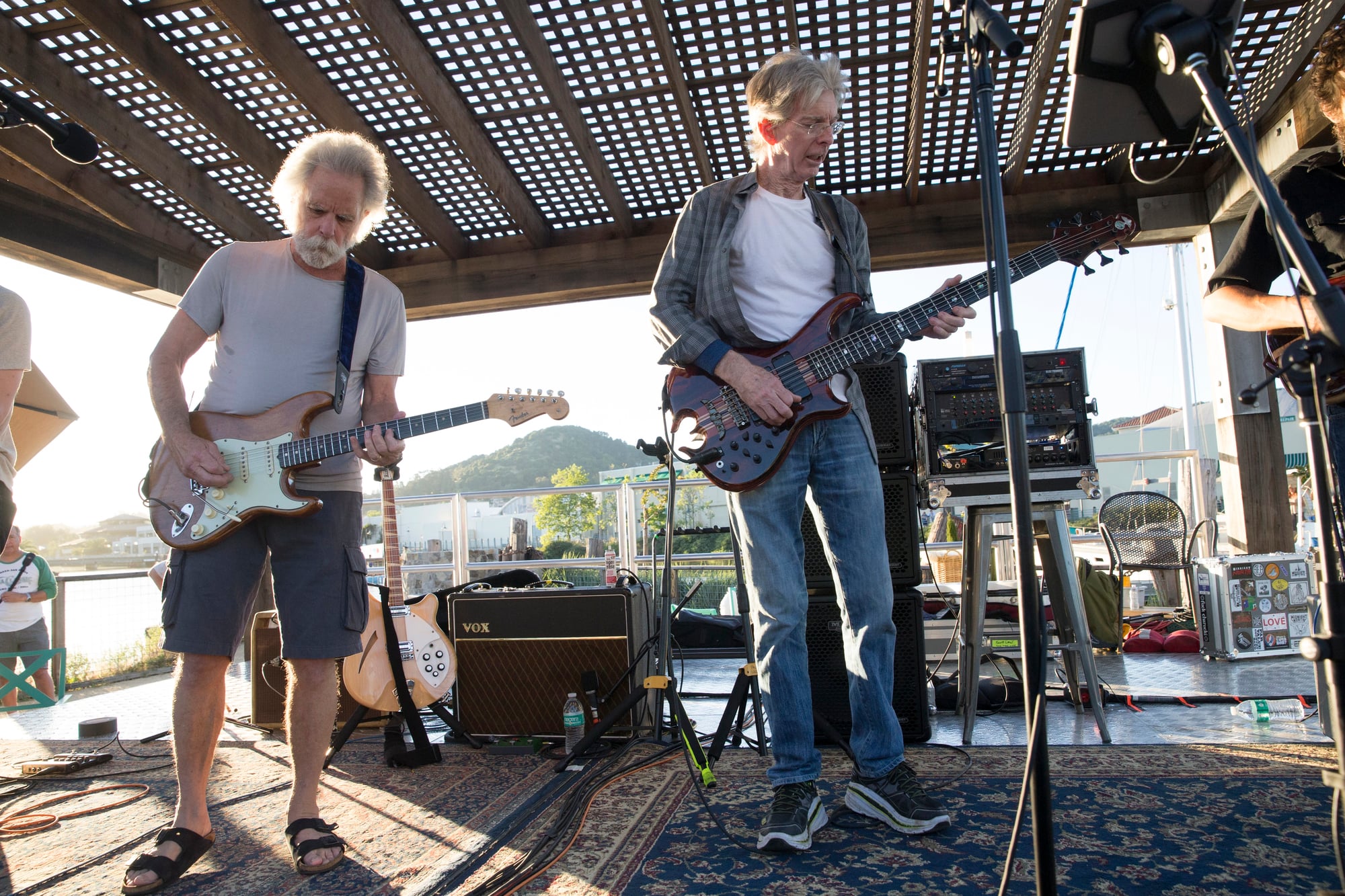
Backstage passes from the Grateful Dead are practically their own collecting subcategory. The variety is extraordinary — different passes existed for crew, guests, artists, and after-show access — and serious collectors track them by tour, venue, and pass type rather than just era.
Original “Working” passes from the 1977 tour have sold for $800 to $1,200, which is saying something for an item that was never meant to leave the building.
Black Sabbath
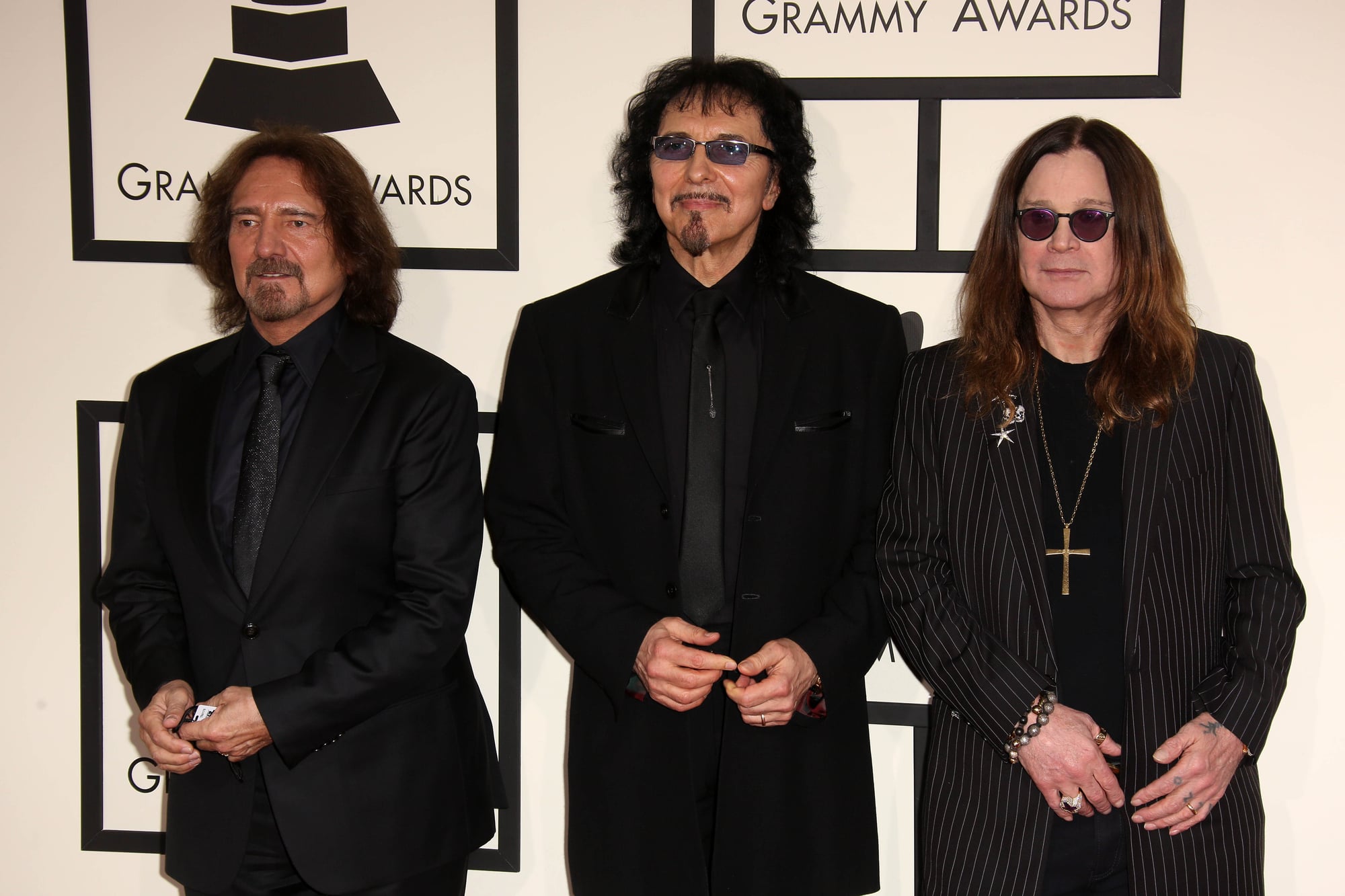
Black Sabbath’s late 1970s tour passes have a visual identity that makes fakes relatively easy to spot — the specific typefaces and artwork from that period were distinctive enough that reproductions tend to give themselves away. Pins from the Heaven and Hell tour (with Ronnie James Dio) represent a separate and growing market, particularly among collectors who distinguish sharply between the band’s different eras.
Original 1978 all-access passes have cleared $700 at reputable auction houses.
Bruce Springsteen and the E Street Band

Springsteen tour pins from the Born in the USA era (1984–1985) are widely available, but that’s not the interesting part of this market. The interesting part is the pre-fame material — pins and passes from the 1973 and 1974 club-circuit dates, issued in tiny quantities to tiny audiences, now fetch prices that bear no relationship to their original obscurity.
Backstage passes from those early tours are treated like artifacts of discovery.
David Bowie
David Bowie’s Ziggy Stardust and Aladdin Sane era passes are visually extraordinary objects in their own right — they tend to feature period-specific graphic design that reads as pure early-70s British art direction, which makes them appealing even to collectors who aren’t specifically focused on music. Pins from the Diamond Dogs tour, with its theatrical staging and elaborate imagery, have held their value stubbornly across decades.
Authenticated laminates from the Station to Station tour have sold above $900.
The Who

The Who’s Quadrophenia tour passes from 1973 occupy a specific and devoted corner of the market. Passes from the 1979 North American tour carry additional emotional weight for reasons any serious collector already knows.
To be fair, The Who’s touring history is complicated enough that authentication requires real expertise — which is part of why verified examples command premiums that casual buyers often underestimate.
Ramones
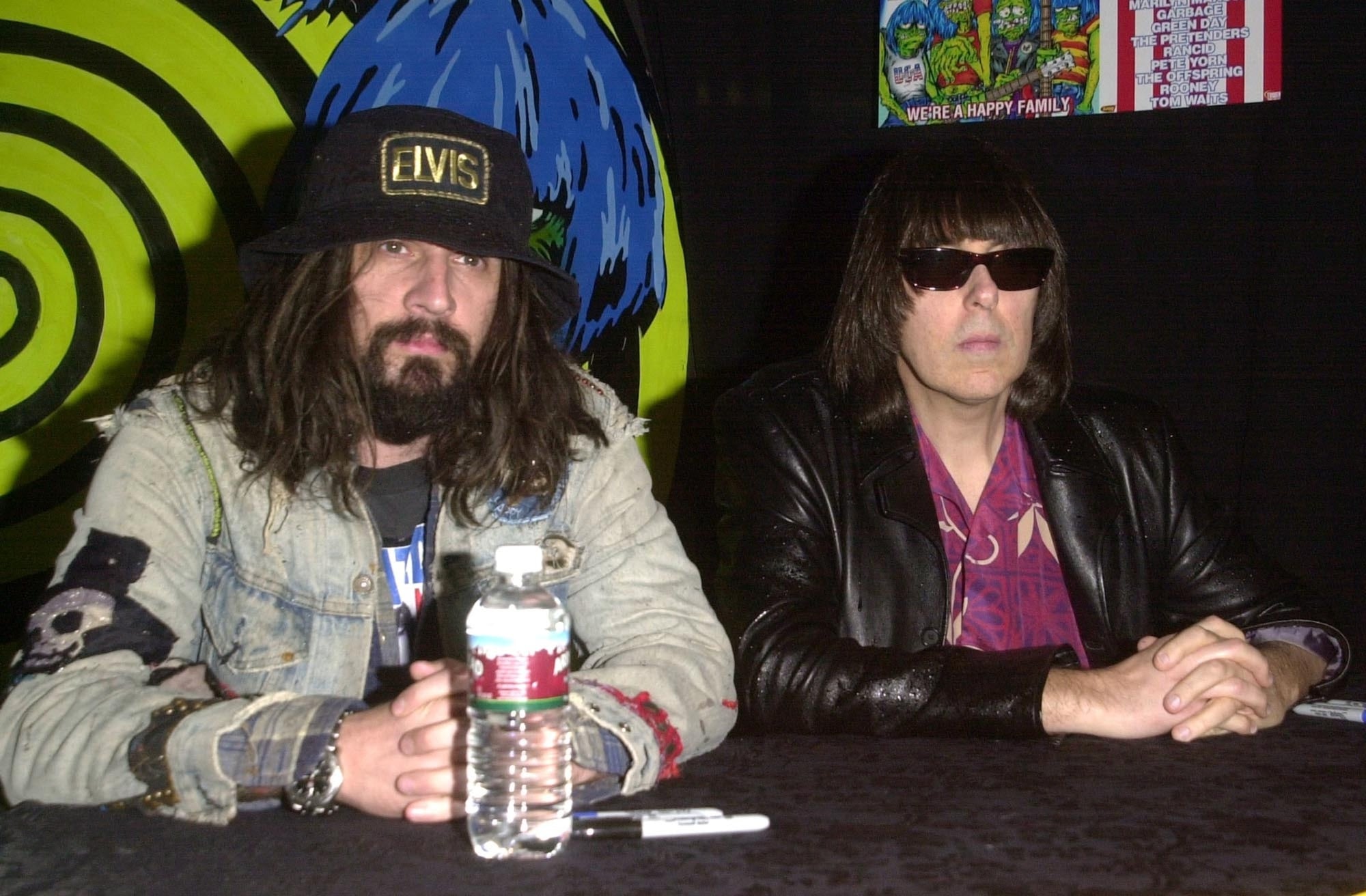
Ramones pins are among the most replicated items in punk collecting, which makes authenticated originals genuinely valuable. The challenge is that the band’s logo was reproduced constantly and legally — the difference between a 1977 original and a 1987 reprint often comes down to construction details most buyers don’t know to check.
Backstage passes from the 1980 End of the Century tour are rarer and harder to fake convincingly.
Fleetwood Mac
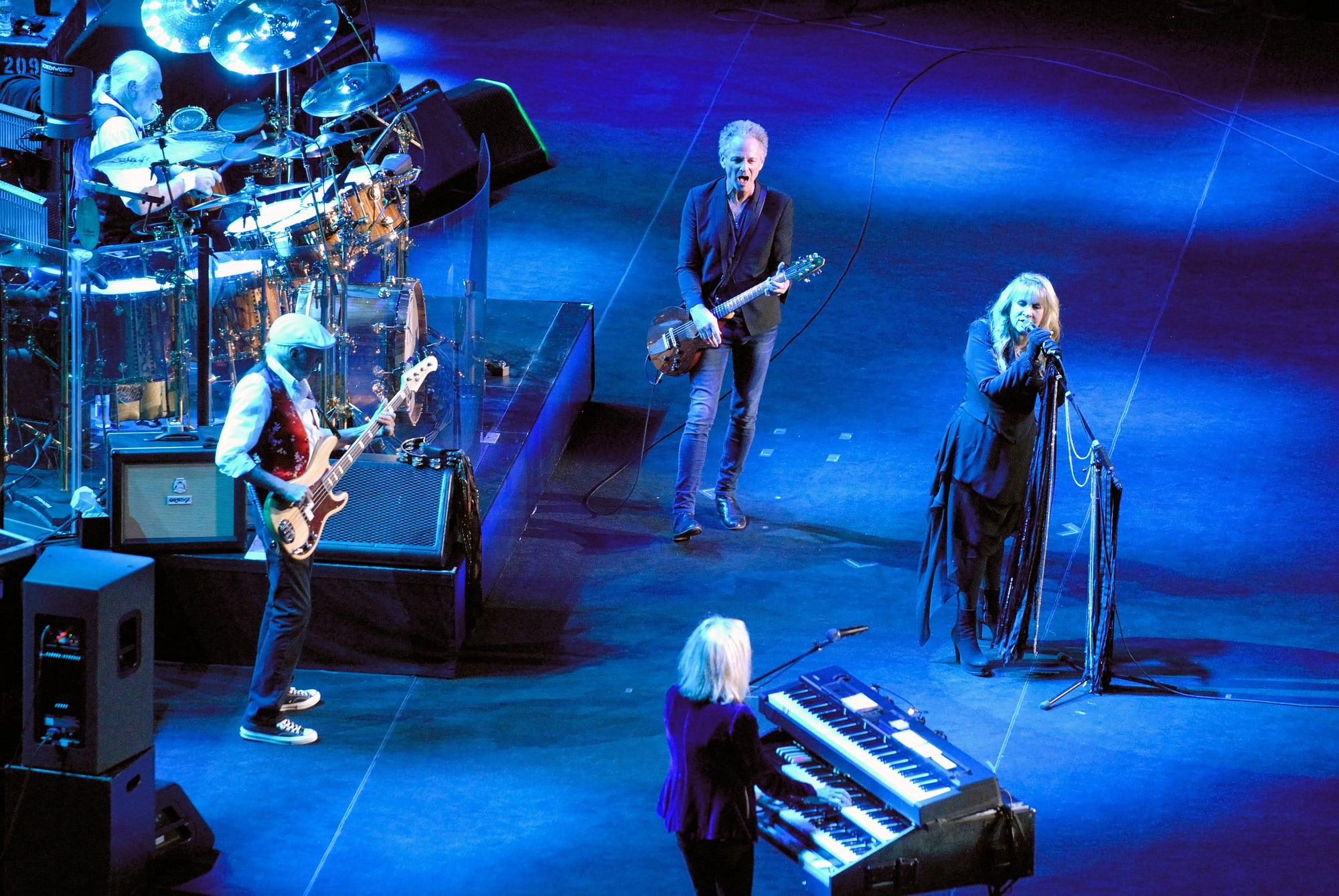
The Rumours tour (1977) produced backstage passes that now function almost as cultural shorthand for a certain kind of 1970s excess and ambition. Original laminates from that tour — particularly all-access passes — have sold between $600 and $1,100 depending on condition and provenance.
The enamel pins from the Tusk tour are a quieter part of the market but still hold meaningful value among dedicated collectors.
AC/DC
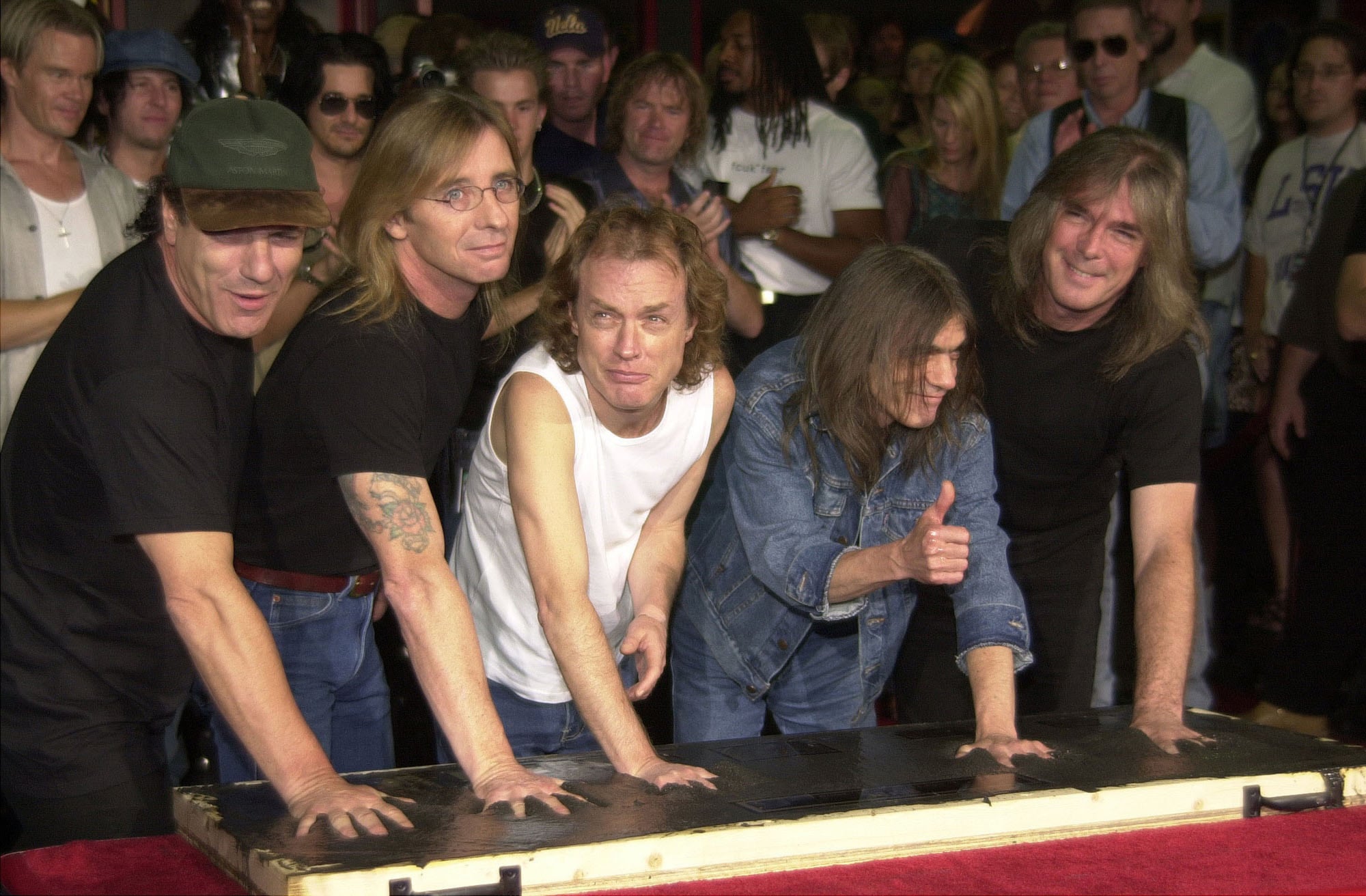
AC/DC’s Highway to Hell era produced backstage passes with a visual rawness that feels consistent with everything else the band was doing at the time. Authenticated passes from the 1979 UK and European tours are actively sought, and the market for Bon Scott–era materials specifically — as opposed to the Brian Johnson era — is meaningfully more competitive.
Pins from that same window tend to be small, unassuming, and priced accordingly until authentication confirms their age.
Cheap Trick
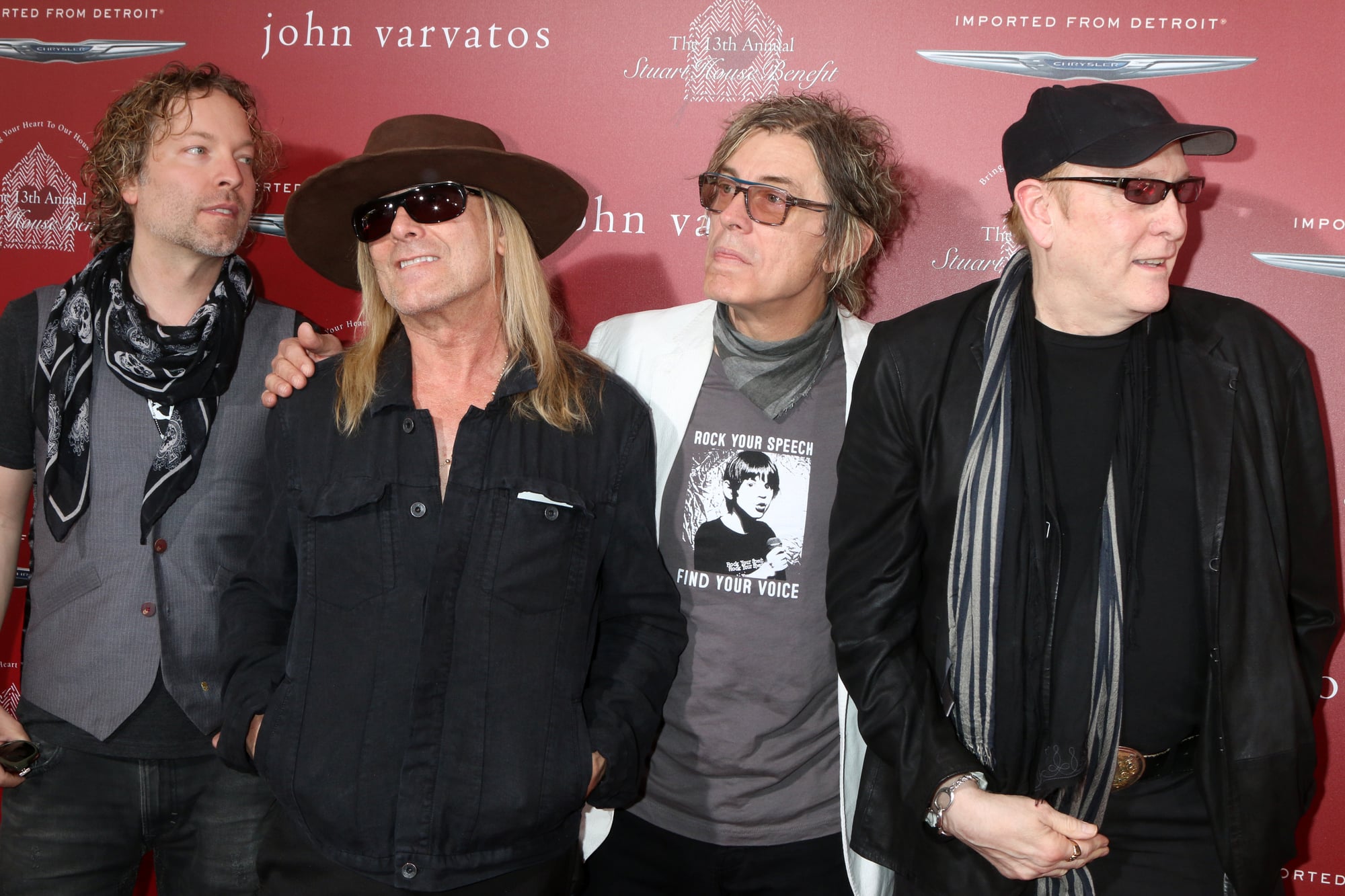
Cheap Trick at Budokan wasn’t just an album — it was a moment that elevated the band from cult act to legitimate arena draw, and the backstage passes and pins from the surrounding 1978 Japan tour have become representative objects of that shift. Something about them captures a band hitting the exact peak of their powers, which is the kind of narrative collectors are drawn to instinctively.
Verified passes from those dates are uncommon in the North American market.
Tom Petty and the Heartbreakers
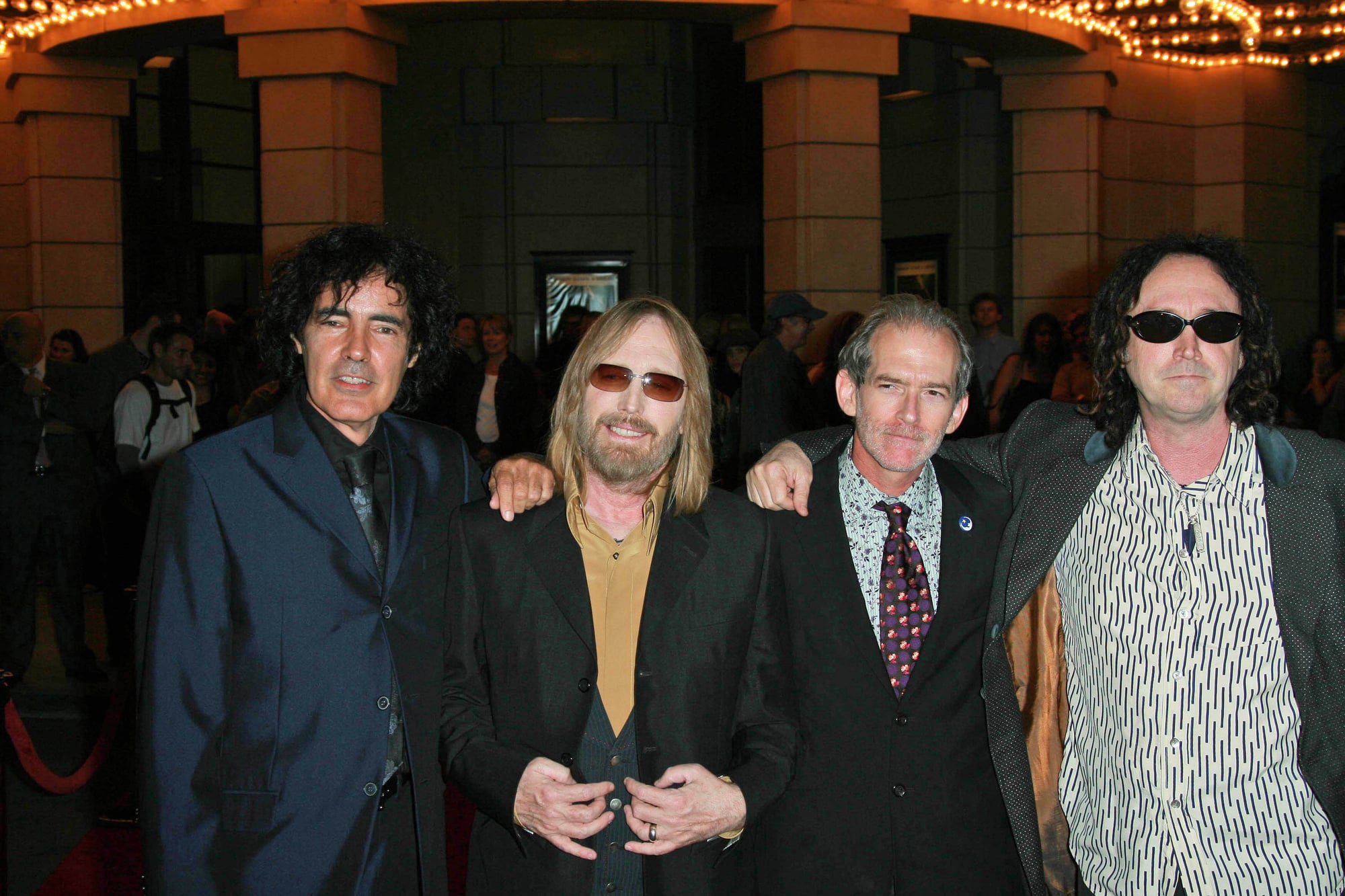
Tom Petty backstage passes from the Damn the Torpedoes tour (1979–1980) represent a band in the process of becoming something enormous — the passes themselves are modest in design, almost indifferent to the career trajectory they were part of, which makes them oddly affecting as objects. Collectors who focus on Southern rock and American rock crossover artists treat Petty material as a priority.
Passes from the Hard Promises tour have cleared $500 at auction.
Depeche Mode
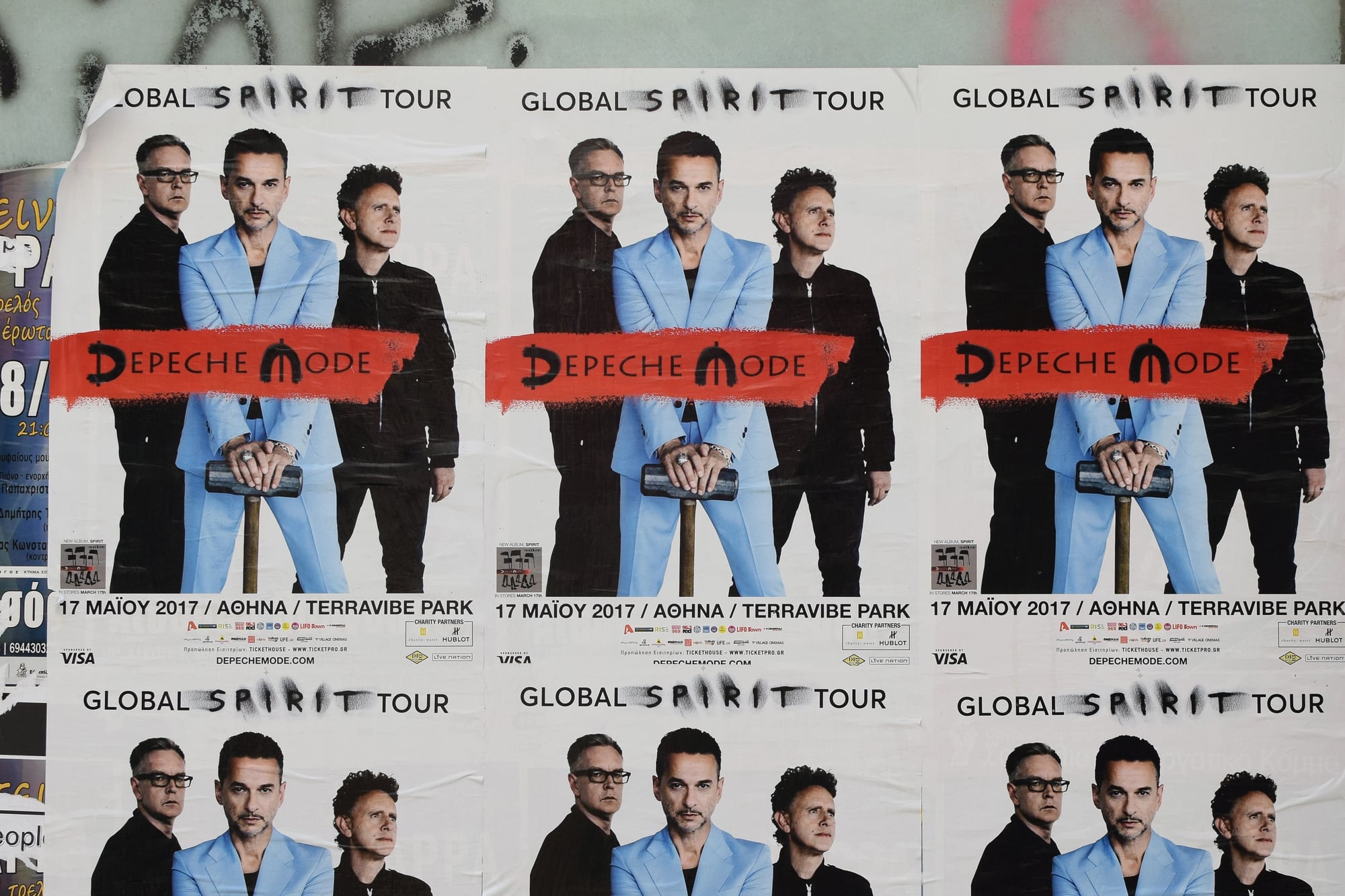
Depeche Mode’s touring passes from the Violator era (1990) are the dominant item in this corner of the market, but the truly competitive zone is the early-to-mid 1980s material when the band’s visual identity was still forming. Pins from the Some Great Reward tour are legitimately scarce in verified original form.
The contrast between how modest these objects look and what they now sell for is one of the more entertaining ironies in the whole collecting world.
Metallica

The Master of Puppets tour (1986) backstage passes are as close to essential as anything in metal collecting. Cliff Burton’s death during that tour in September of that year gives every authenticated pass from those dates a particular historical gravity that the market reflects honestly — verified all-access laminates from the 1986 European leg have sold above $2,500.
Pins from that era are more accessible but still pull real prices when provenance is documented.
Prince
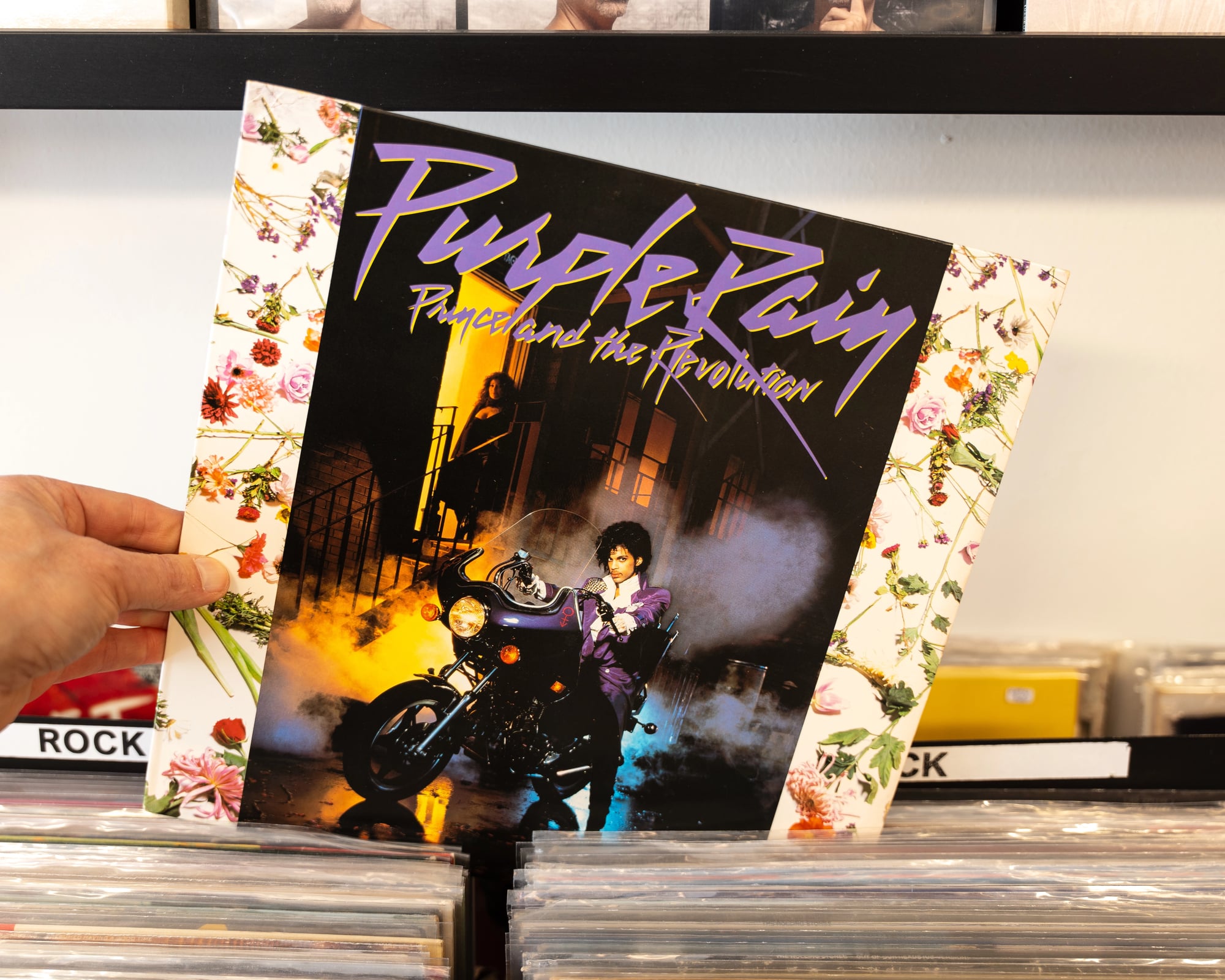
Prince’s Purple Rain tour (1984–1985) produced backstage passes that are among the most visually striking items in the entire collecting universe — the purple-and-black color language, the typography, the sheer confidence of the design all hold up as graphic objects decades later. Authentication is difficult because Prince’s organization was famously protective of its imagery and aggressively pursued bootlegs, which paradoxically means genuine originals are well-documented in certain collector circles.
Verified all-access passes have cleared $1,800.
Nirvana
Nirvana backstage passes from the In Utero tour (1993–1994) are treated with a reverence that goes beyond normal collector enthusiasm, which is understandable given the timeline. Authenticated passes from the final months of that tour are among the most emotionally weighted items in the entire alternative rock market.
Pins from the Nevermind era are more widely available but still represent meaningful value when construction and dating can be verified.
Bob Dylan
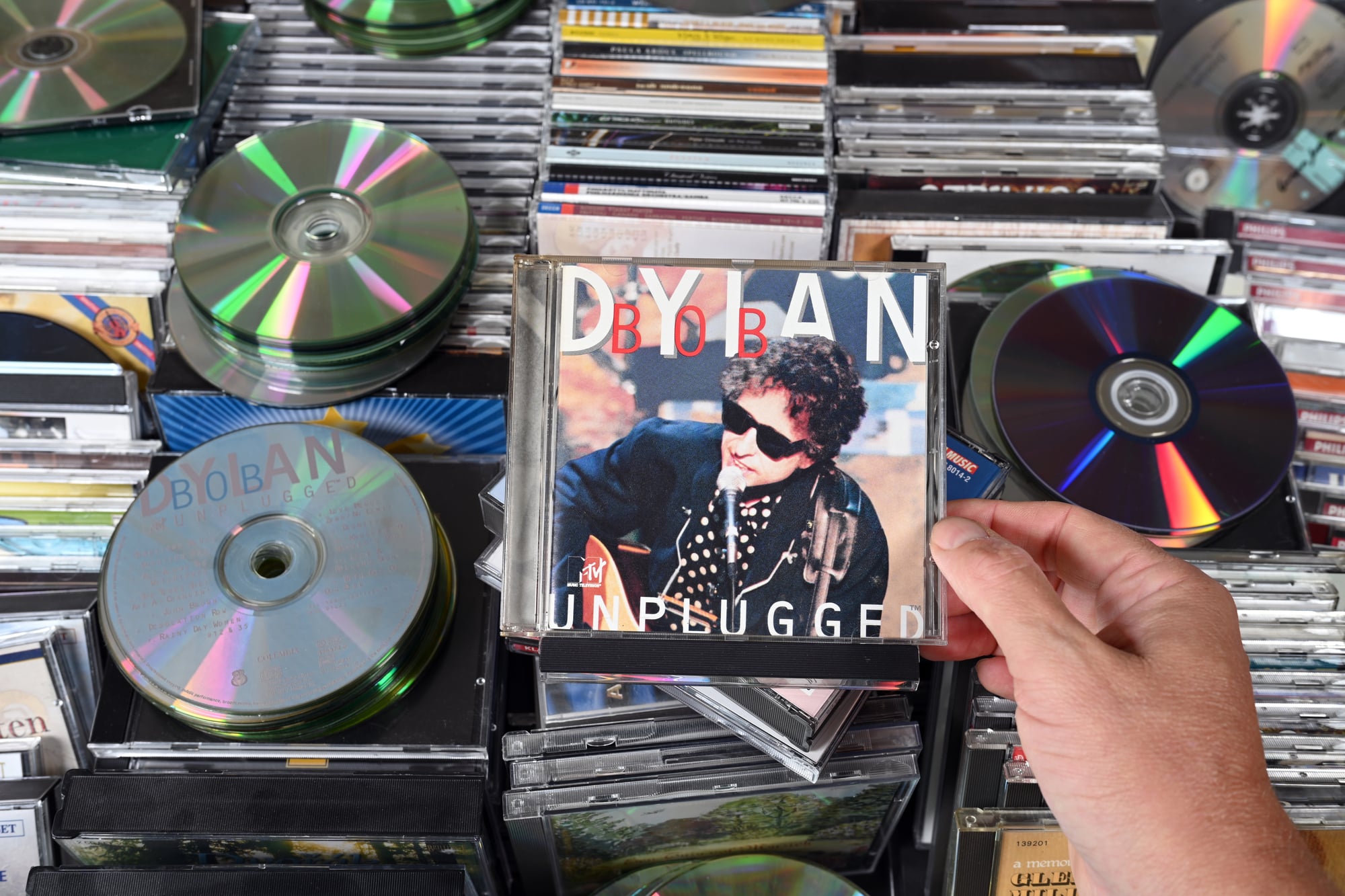
Dylan’s Rolling Thunder Revue tour (1975–1976) produced backstage passes that feel like artifacts from a traveling theater company as much as a rock tour — the whole thing had a deliberate improvisational theatricality, and the passes reflect it. Authenticated examples are rare in part because the tour operated with an unusual degree of insider access and informality.
Collectors who specialize in Dylan material treat Rolling Thunder passes as the crown jewels of the catalog.
Aerosmith
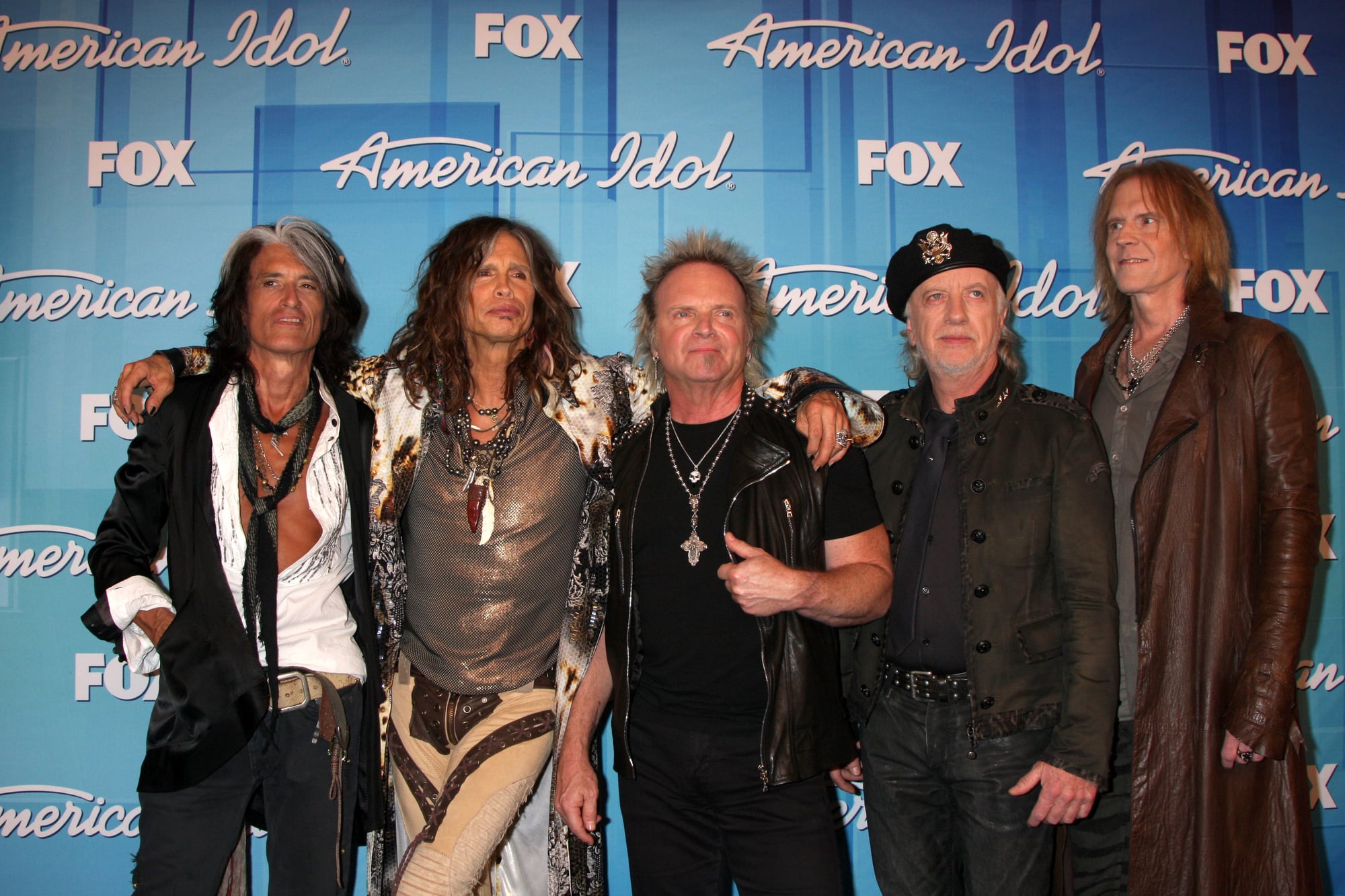
Aerosmith’s late 1970s tour passes — before the band’s mid-career collapse and subsequent comeback — represent the raw, unpolished version of a band that later became enormously mainstream. Passes from the 1976 and 1977 tours have consistent auction presence and sell in the $400–$800 range when provenance holds up.
The backstage culture around Aerosmith in that era was well-documented enough that authentication experts have solid reference points.
Joy Division

Joy Division existed for such a short and concentrated period that any authenticated piece of touring material from those years is treated with something close to institutional seriousness. Backstage passes from the 1980 UK dates — the final months of the band’s activity — are extraordinarily rare, and when they appear, the bidding is immediate and aggressive.
Pins from that era are equally scarce, and reproductions exist in quantity, which makes verified originals worth substantially more.
The Cure
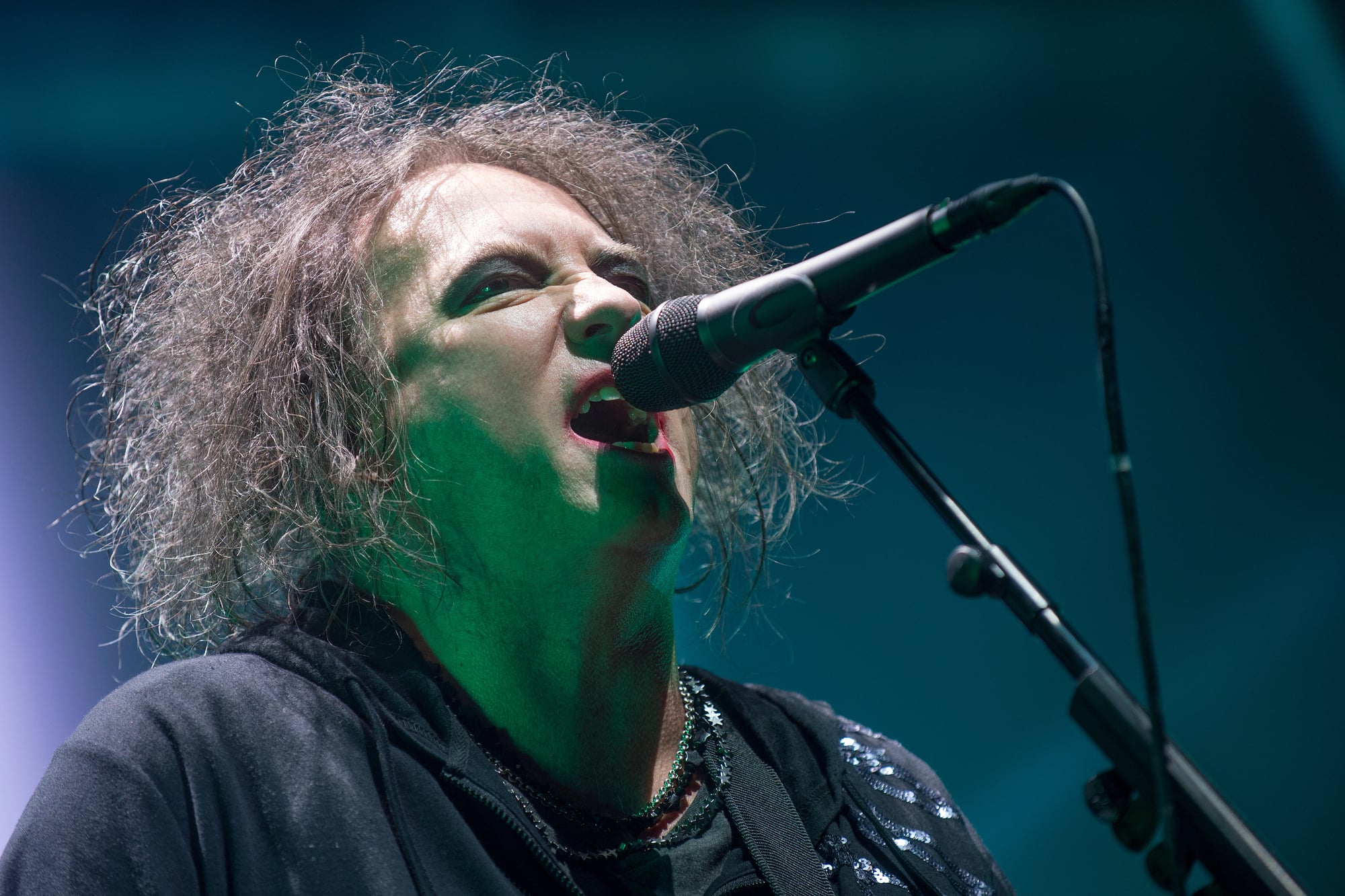
The Cure’s Disintegration tour (1989) produced passes and pins that fit perfectly into a collecting market shaped by their visual aesthetic — the design language of that era was so specific and identifiable that authenticated originals are distinguishable from reproductions by collectors who know what they’re looking at. Backstage laminates from the Pornography era (1982) are rarer and carry more weight.
That earlier material — when the band was smaller and the passes were fewer — represents the serious end of the Cure collecting market.
Van Halen
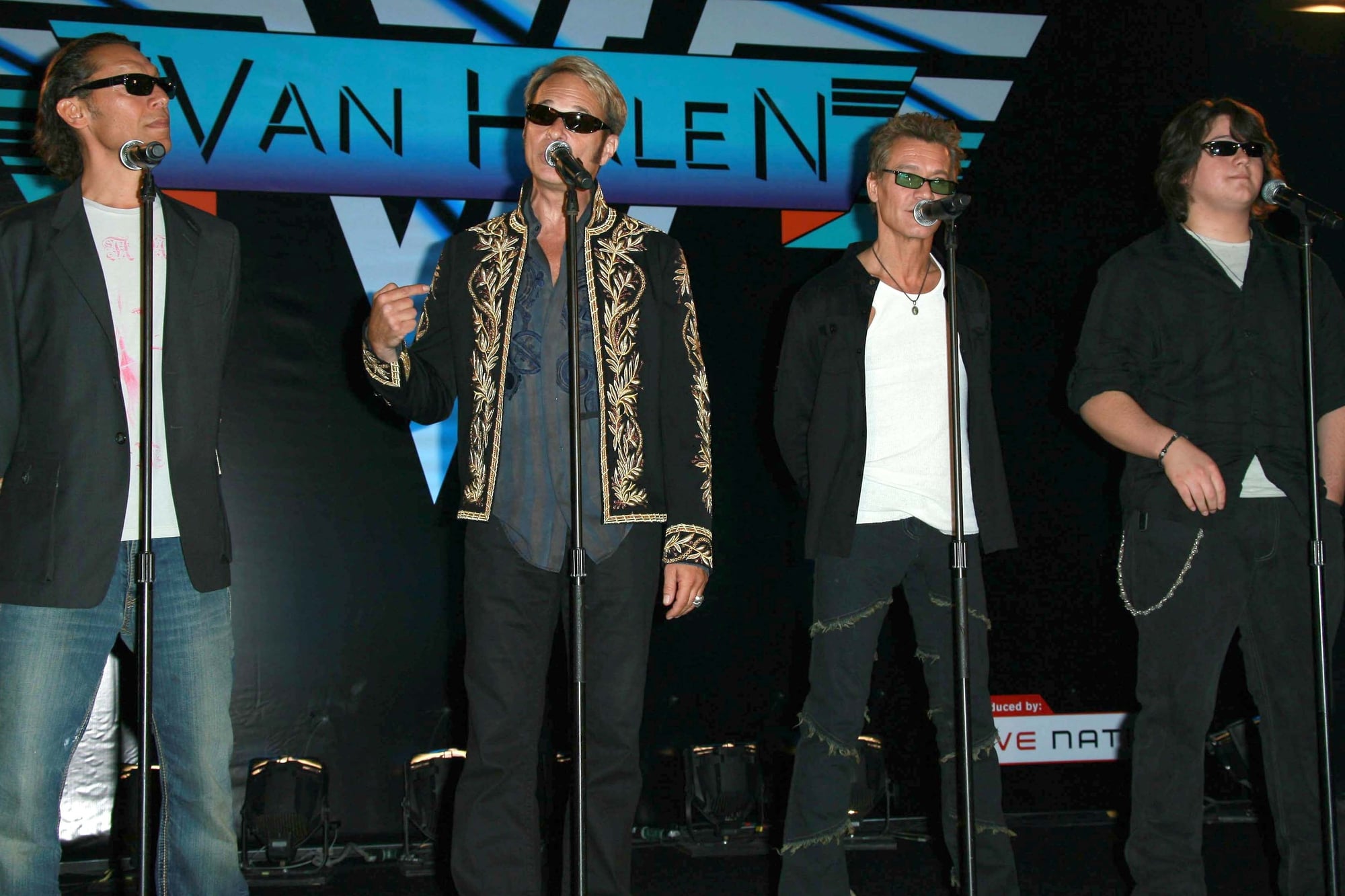
Van Halen’s 1984 World Tour passes are among the most recognizable items in classic rock collecting, partly because the album’s visual identity was so strong that the passes absorbed it. The David Lee Roth departure makes anything from that final Roth-era tour a natural dividing line — and collectors treat it as one.
Authenticated all-access passes from the 1984 tour have sold between $700 and $1,400 depending on condition and accompanying documentation.
Blondie
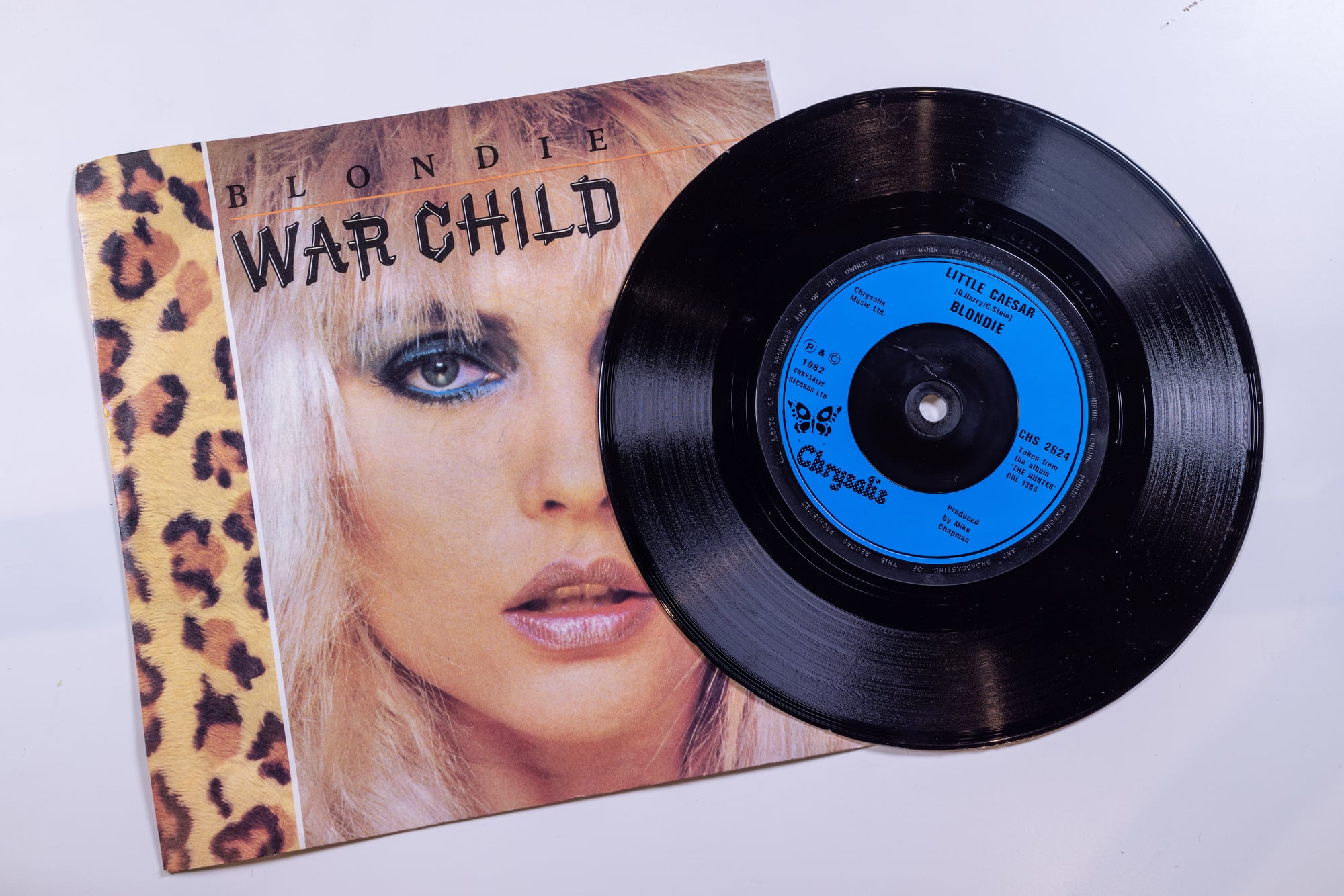
Blondie’s Parallel Lines era backstage passes are collected with a specificity that rewards people who’ve done real research. Passes from the 1978–1979 touring cycle vary significantly in design depending on the venue’s issuing conventions, which makes comprehensive collecting genuinely challenging.
Pins from the band’s CBGB years are the most aggressively sought items and the hardest to authenticate convincingly.
Talking Heads
Talking Heads’ Stop Making Sense tour (1983–1984) passes are visually coherent with Jonathan Demme’s film aesthetic, and that alignment between the object and its cultural context makes them particularly satisfying as collectibles. The band’s visual output across that period had a deliberate intelligence behind it — these weren’t afterthoughts.
Authenticated passes from the Remain in Light tour (1980) represent an earlier and less well-documented market with genuine upside for patient collectors.
Pearl Jam
Pearl Jam’s official stance on bootlegging and their famously close relationship with their fanbase has produced an unusual situation: the band’s own officially issued passes and pins from the early 1990s are treated as precious partly because the community around them is so well-organized and so serious. Ten era backstage passes from 1991–1992 are genuinely scarce in verified form.
Collectors who specialize in grunge-era Pacific Northwest material treat early Pearl Jam passes as a top-tier priority.
Pink Floyd
Pink Floyd’s The Wall tour (1980–1981) produced backstage passes that are routinely described as the most architecturally complex and visually elaborate in the band’s long history of elaborate visual production. Verified all-access laminates from that tour are among the highest-value items in classic rock collecting — authenticated examples have sold above $3,000.
Pins from the Wish You Were Here era represent a quieter market but still carry meaningful value when the provenance chain is solid.
Where the Real Value Lives
The market for vintage band pins and backstage passes isn’t driven by nostalgia alone — it’s driven by scarcity, authentication, and the stubborn fact that these objects existed at a specific moment and were never meant to last. The collectors who understand this aren’t chasing sentiment; they’re tracking history in the only form it sometimes survives.
A backstage pass is a receipt for a night that can’t be repeated, and the market treats it accordingly. So if you find one in a shoebox or at an estate sale, take a very careful look before walking past it.
More from Go2Tutors!

- The Romanov Crown Jewels and Their Tragic Fate
- 13 Historical Mysteries That Science Still Can’t Solve
- Famous Hoaxes That Fooled the World for Years
- 15 Child Stars with Tragic Adult Lives
- 16 Famous Jewelry Pieces in History
Like Go2Tutors’s content? Follow us on MSN.