26 Baby Dolls From the ’60s Collectors Chase
The 1960s were the decade when baby dolls learned to do things. They wriggled, cried, burped, crawled, talked, and took their first steps, usually powered by a pull string or a couple of D batteries.
Television advertising sold them by the million, and most ended their lives in a toy box with a dead mechanism and a haircut from a six-year-old.
That is why the survivors matter. A working mechanism, original clothing, and a box turn an ordinary doll into a collector’s piece, and the gap between a played-with example and a boxed one is often tenfold.
Every price mentioned here depends on condition first and name second.
Thumbelina
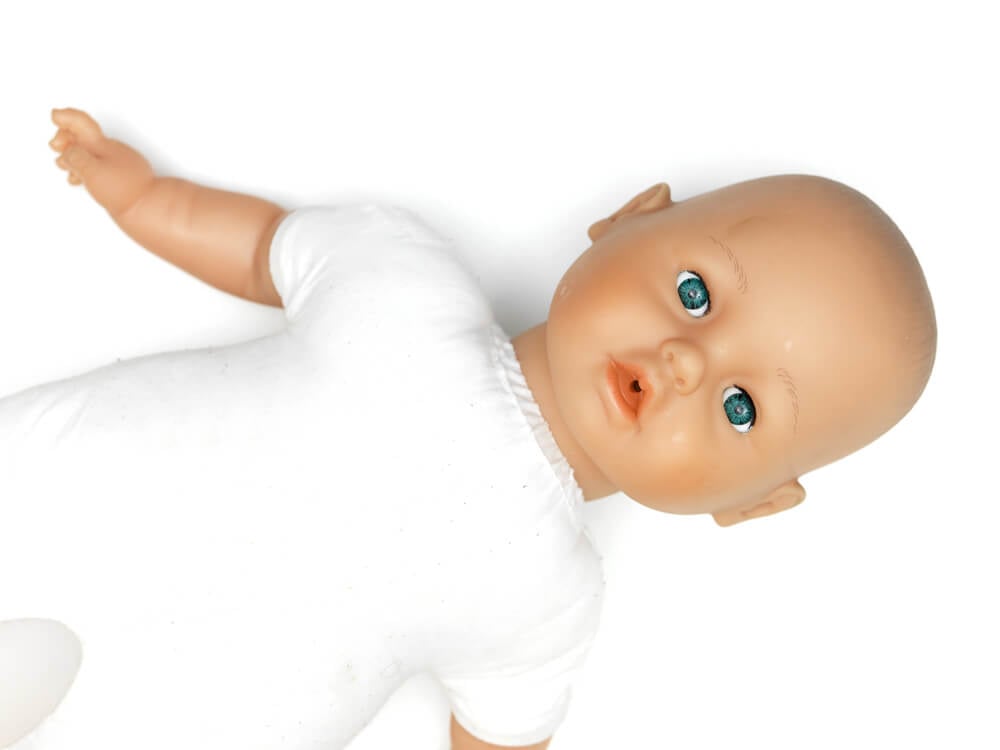
Ideal introduced Thumbelina in 1961, a soft-bodied newborn that squirmed and turned its head when a knob on the back was wound. The motion was lifelike enough that the doll became one of the decade’s best sellers.
Working mechanisms are now the exception, and an early Thumbelina with a working wind-up, original gown, and box is a solid collector’s piece. Ideal also sold a smaller Tiny Thumbelina, so size and markings both matter.
Chatty Baby
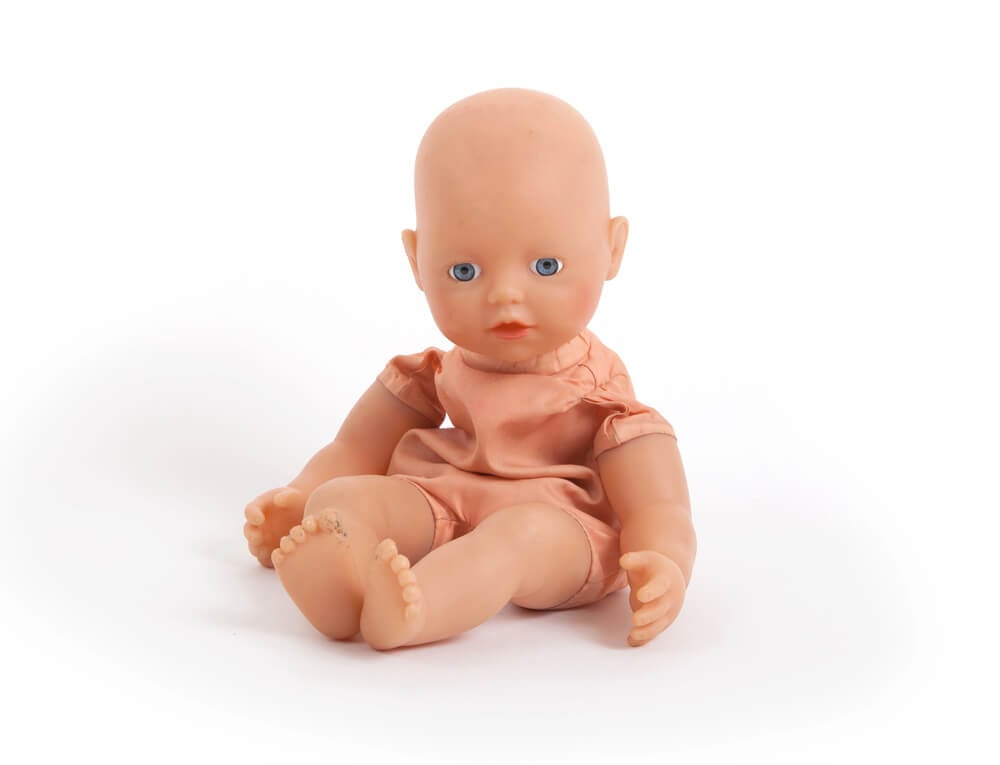
Mattel followed Chatty Cathy with Chatty Baby in 1962, a toddler doll with a pull-string voice that said simple phrases. Voice units failed often, and many were cut out, so a doll that still talks clearly is worth far more than a silent one.
Early examples with the soft face and original pinafore are the ones that bring strong prices.
Tiny Chatty Baby
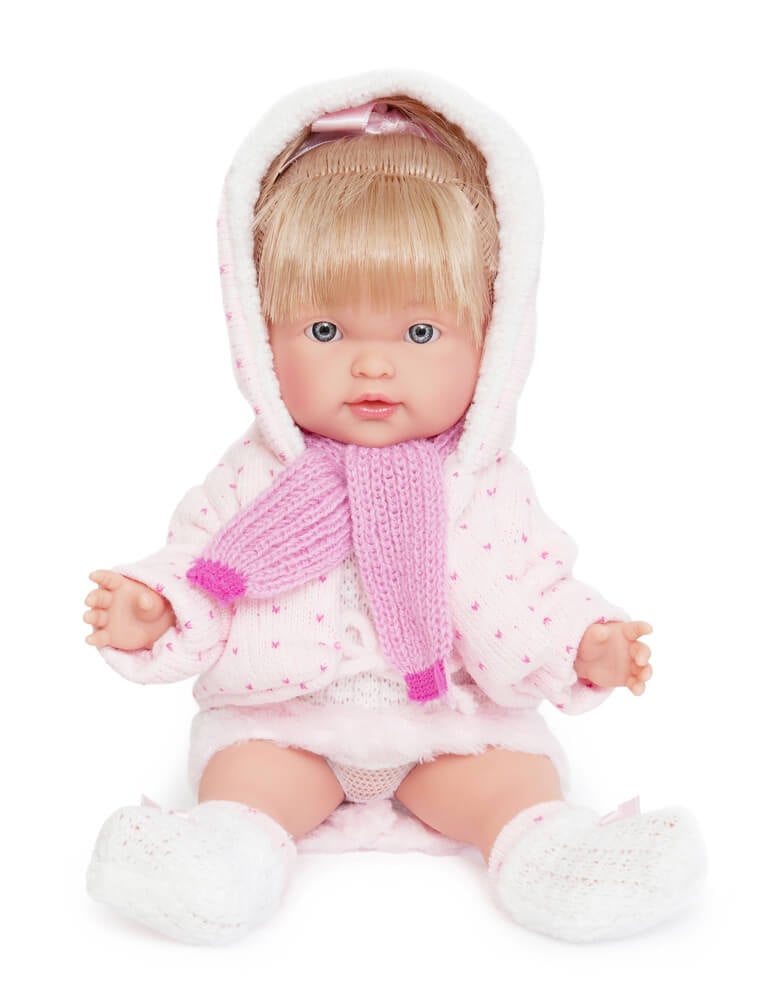
A smaller version released in 1963, Tiny Chatty Baby came in both a girl and a boy version, and the boy, Tiny Chatty Brother, is harder to find. The voice box used the same pull-string mechanism as the larger dolls and fails the same way.
Original clothing with the printed name tag is the key detail collectors check.
Betsy Wetsy
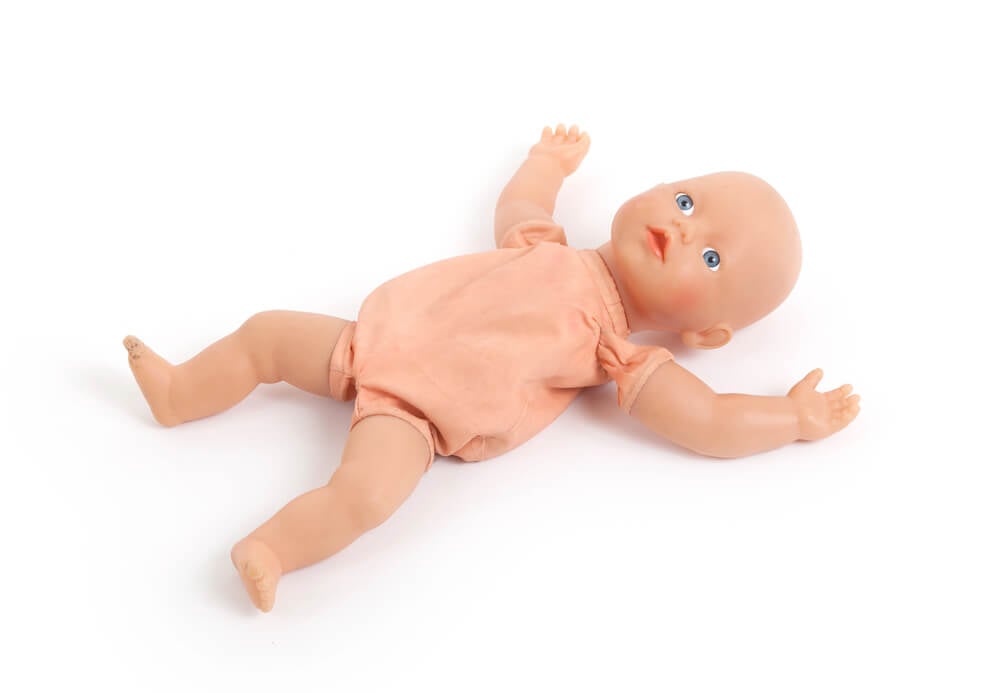
Ideal’s Betsy Wetsy had been around since the 1930s, but the 1960s vinyl versions with rooted hair and a drink-and-wet mechanism are the ones most people remember. Common in played-with condition, Betsy Wetsy becomes collectible in her original box with the bottle, bubble pipe, and layette.
The 1960s boxed sets with the printed layette window are the most desirable.
Tiny Tears
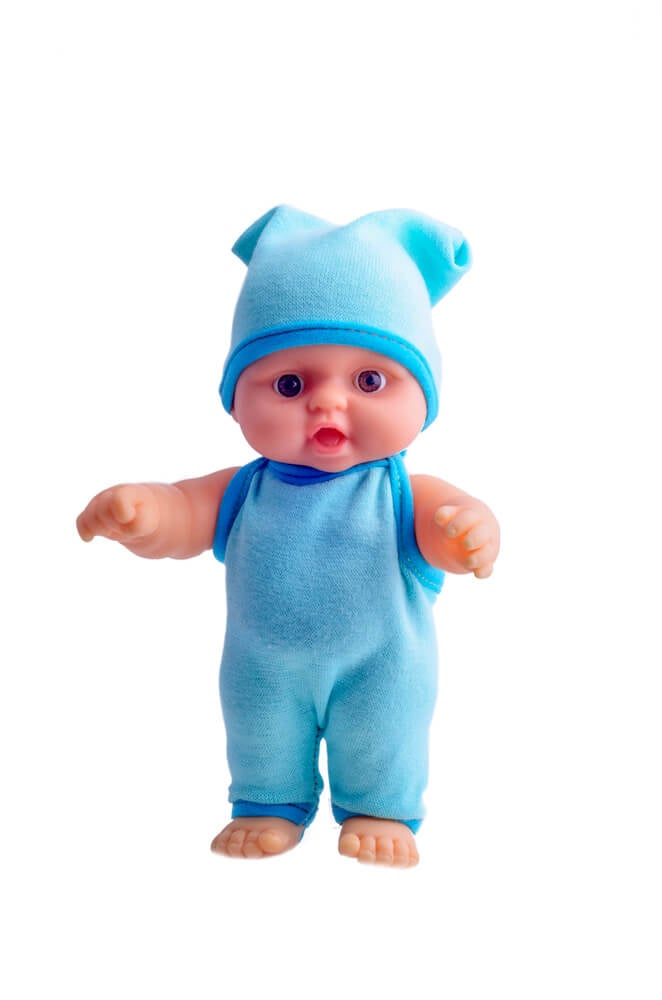
American Character’s Tiny Tears cried real tears when squeezed after being fed water, and the 1960s rooted-hair versions were sold in large numbers. The earlier hard-plastic-head examples bring more, but a 1960s Tiny Tears with a working tear mechanism and original box is still a strong find.
Tear ducts clog over time, so working examples are prized.
Kissy
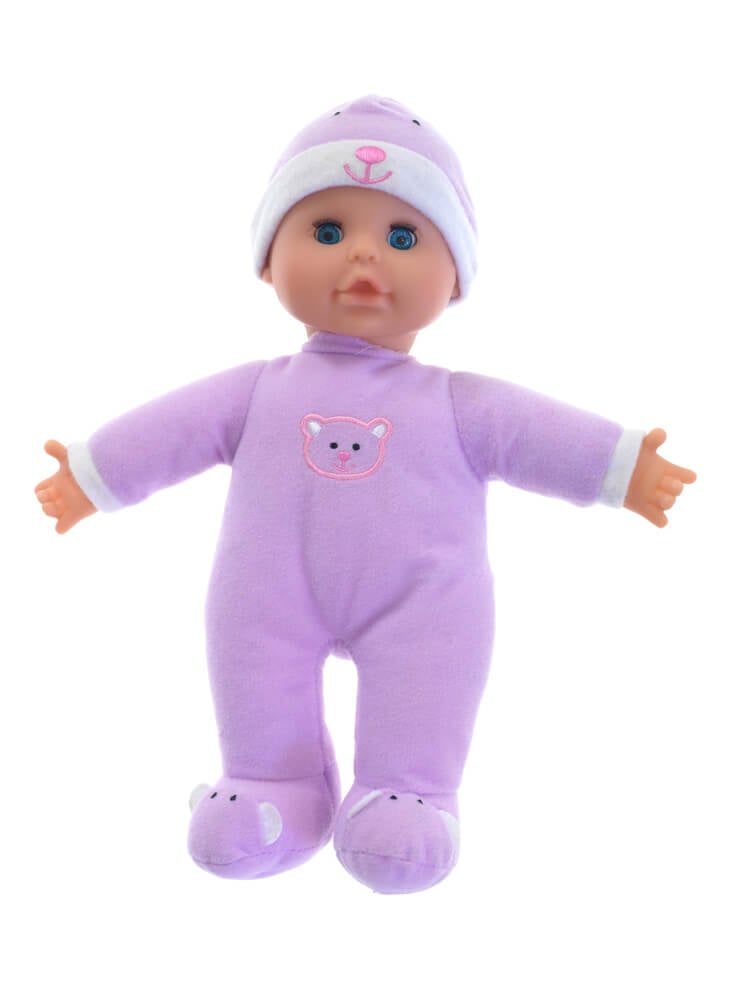
Ideal’s Kissy, released in 1961, puckered up and made a kissing sound when her arms were pressed together. The mechanism was simple and durable, which means more Kissys work than most dolls of the era.
A Kissy in her original dress with the matching bonnet and the box is the target, and the later Tiny Kissy is a separate, smaller collectible.
Baby First Step
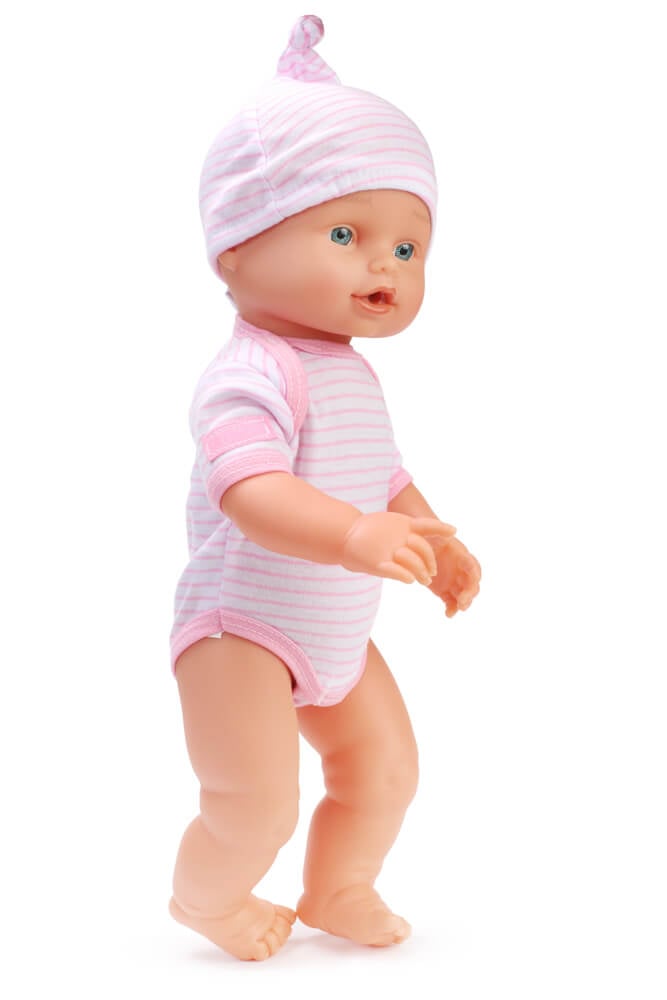
Mattel’s Baby First Step from 1964 walked and roller-skated on battery power, a trick that impressed children and wore out motors. Many examples have corroded battery compartments, so a clean, working doll is uncommon.
The original roller skates are frequently missing and add real value when present.
Baby Secret
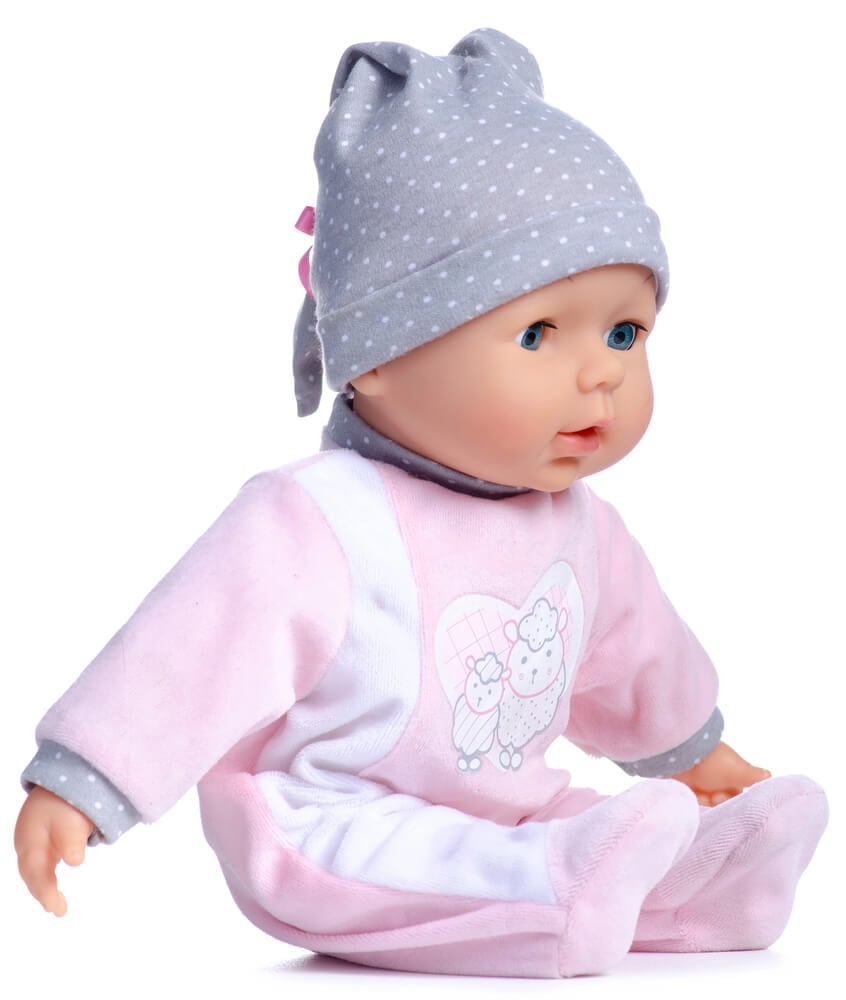
Baby Secret, released by Mattel in 1966, whispered phrases when her pull string was drawn, and her lips moved as she spoke. The soft vinyl face has a tendency to discolor, and the voice unit is fragile.
A Baby Secret with clear speech, moving lips, and an undiscolored face is a difficult combination to find.
Cheerful Tearful
Mattel’s Cheerful Tearful from 1966 changed expression from a smile to a frown when her arm was raised, and she could cry real tears. The face mechanism is the collectible feature, and it often stiffens with age.
Working examples in the original pink dress remain reasonably priced, which makes this a popular starting point.
Baby Pattaburp
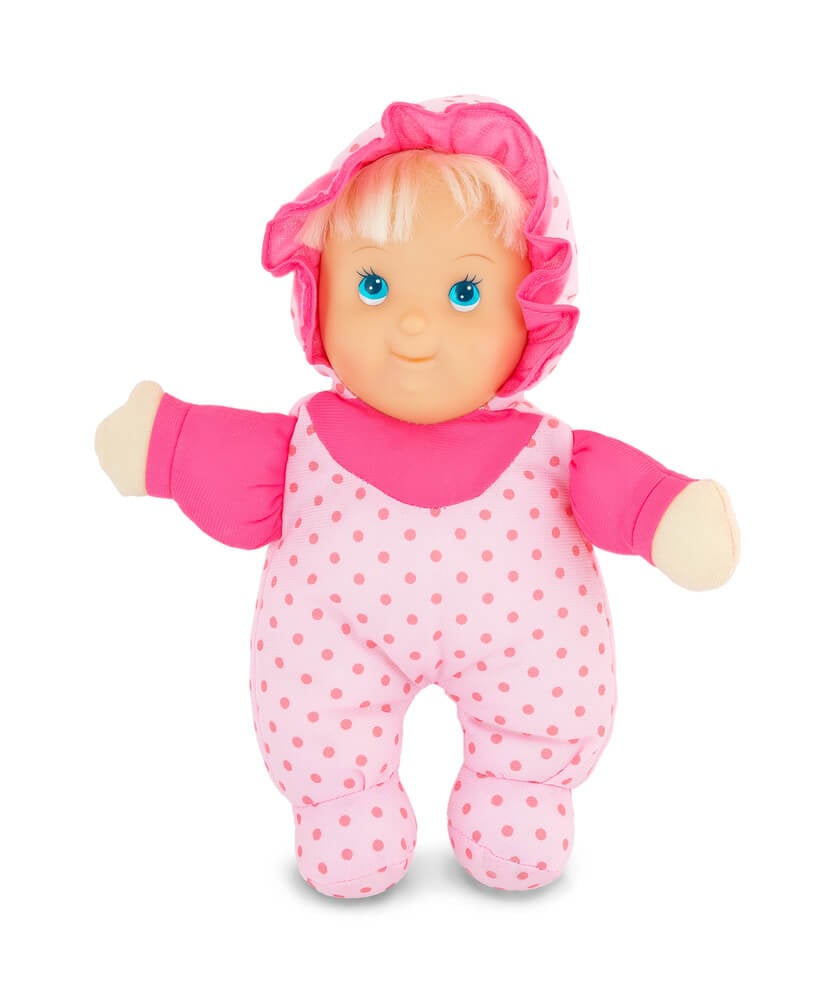
Baby Pattaburp, released by Mattel in 1964, burped when patted on the back after being fed from her bottle. The mechanism was a simple bellows, and it survives more often than electronic ones.
Original bottles and the box with its distinctive graphics are what push the price up.
Baby Magic
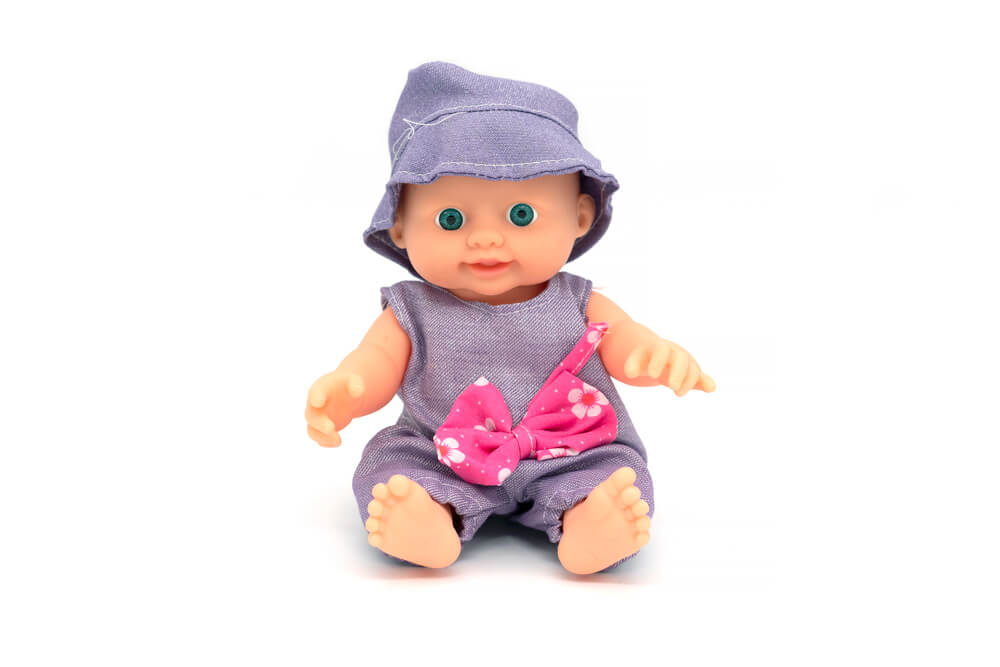
Deluxe Reading’s Baby Magic, sold under the Topper name, opened and closed her eyes when a magic wand was waved near her face. The trick relied on a small magnet, and the wand is almost always missing.
A Baby Magic with her original wand is worth considerably more than one without, since the wand was the entire point of the doll.
Suzy Cute
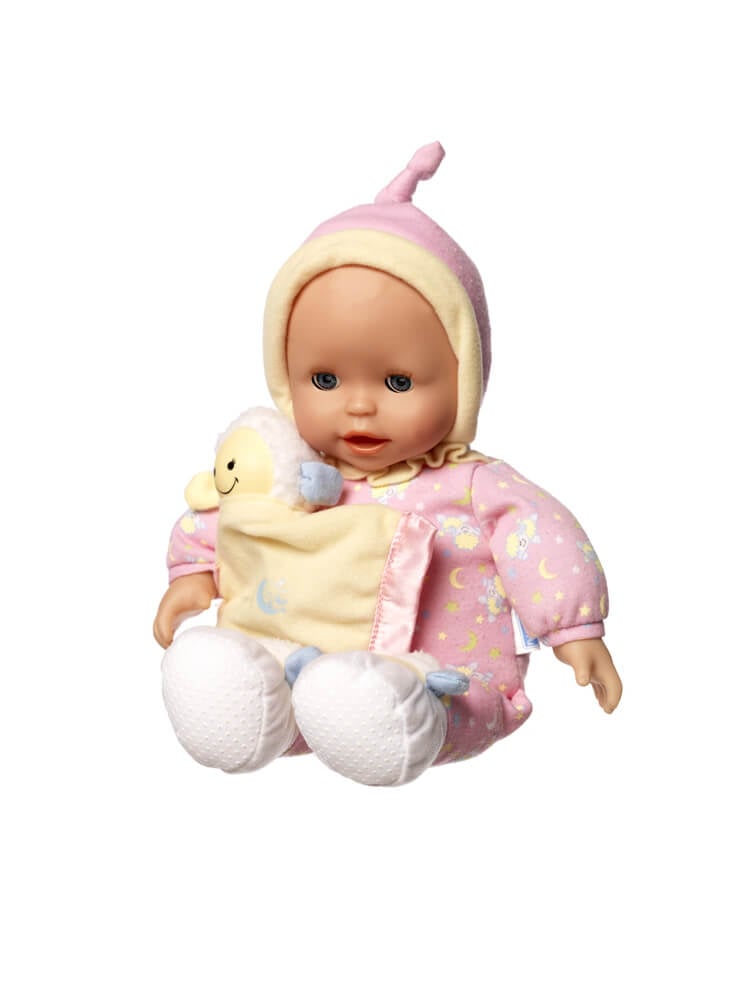
Suzy Cute, from Deluxe Reading in 1964, was a small baby doll sold with a line of accessories including a swing, a bathinette, and a carriage. The doll alone is inexpensive, but the accessories were sold separately and are scarce.
Collectors pay for complete carded accessory sets rather than the doll herself.
Baby Small Talk
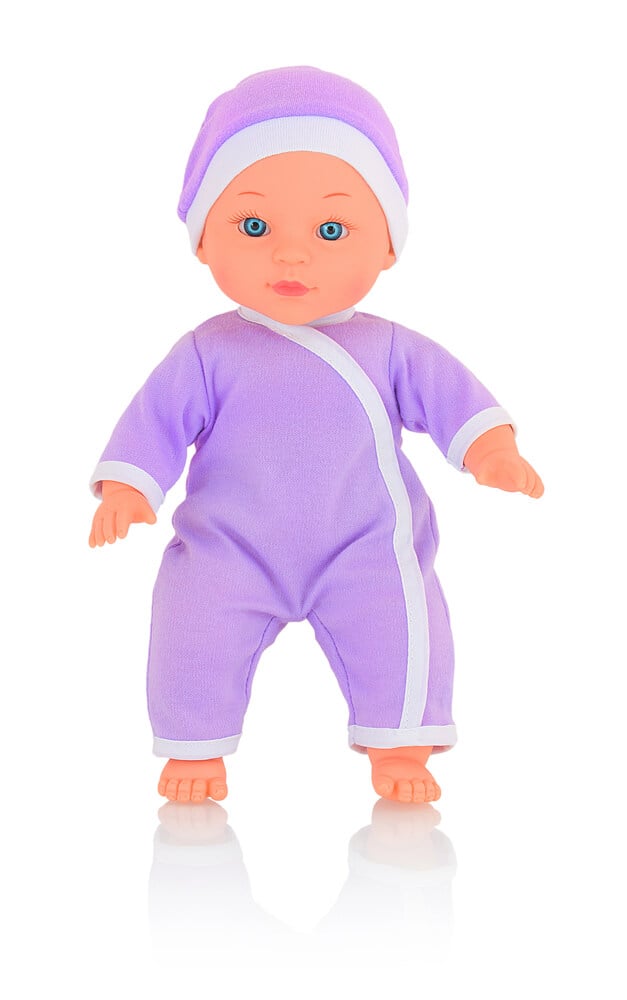
Mattel’s Baby Small Talk from 1967 was a compact talking doll with a pull string and a childlike voice, and she was sold in several outfits and a few ethnic versions. The variants with less common outfits are the ones collectors seek.
As with all Mattel talkers, a clear voice is the primary driver of price.
Baby Say ‘n See
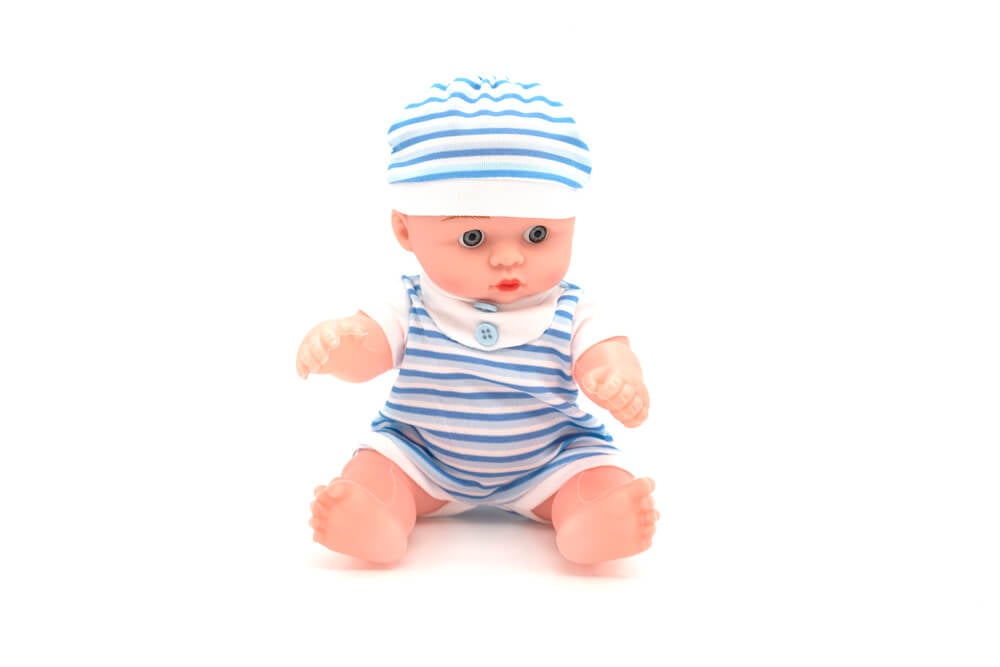
Released by Mattel in 1967, Baby Say ‘n See moved her eyes and mouth as she talked, a mechanical feat for the time. The eye mechanism often freezes, and many examples have been tampered with in attempts to repair it.
An untouched, working example is uncommon and valued well above the average Mattel talker.
Baby Boo
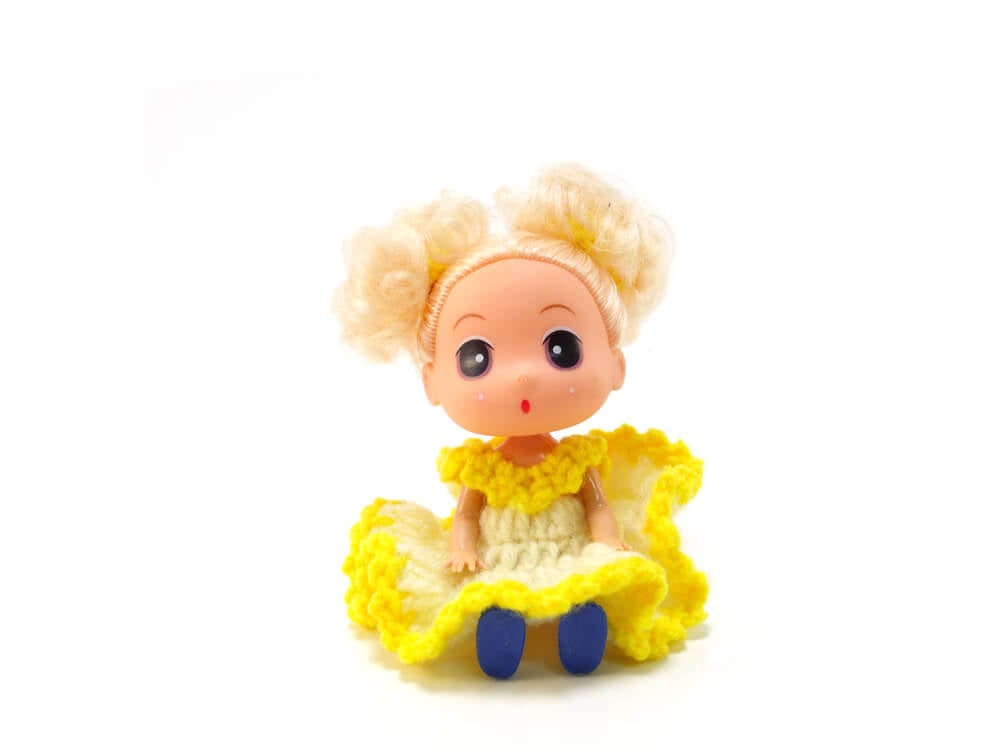
Deluxe Reading’s Baby Boo from 1965 cried when her pacifier was removed and stopped when it was replaced, powered by batteries. The battery compartment corrodes, and the pacifier, which contained a magnet, is often lost.
A working Baby Boo with her original pacifier is scarce enough to draw competition.
Newborn Thumbelina
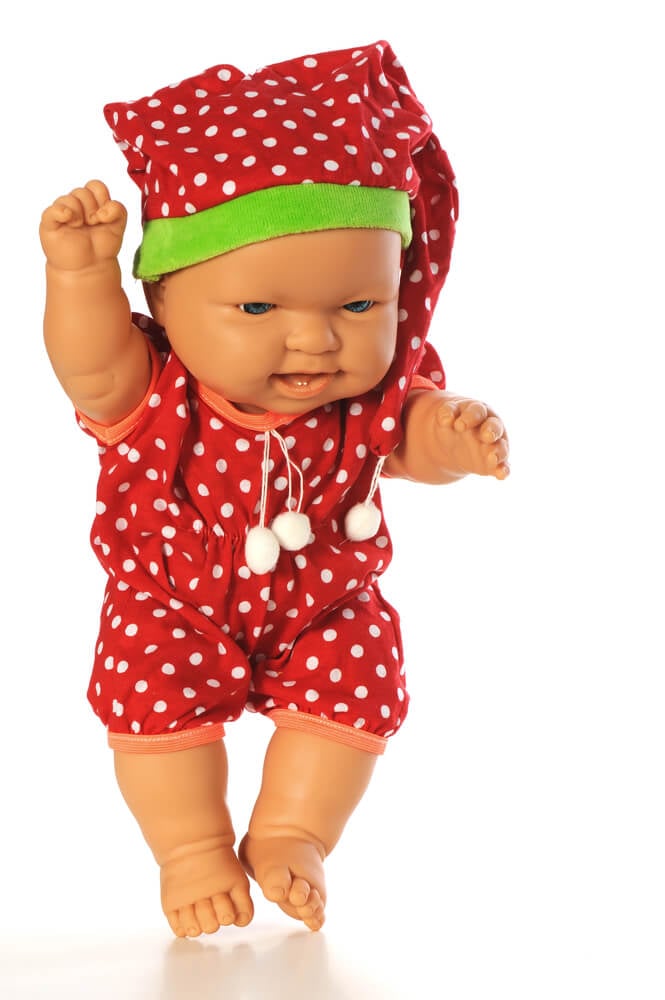
Ideal’s Newborn Thumbelina from 1967 was a slightly later take on the original, with a pull-string wriggle rather than a wind-up knob. It was sold in various outfits and later in gift sets.
Early examples with the pull string intact and the original knit outfit are collected alongside the 1961 doll, though generally at lower prices.
Bye Bye Baby
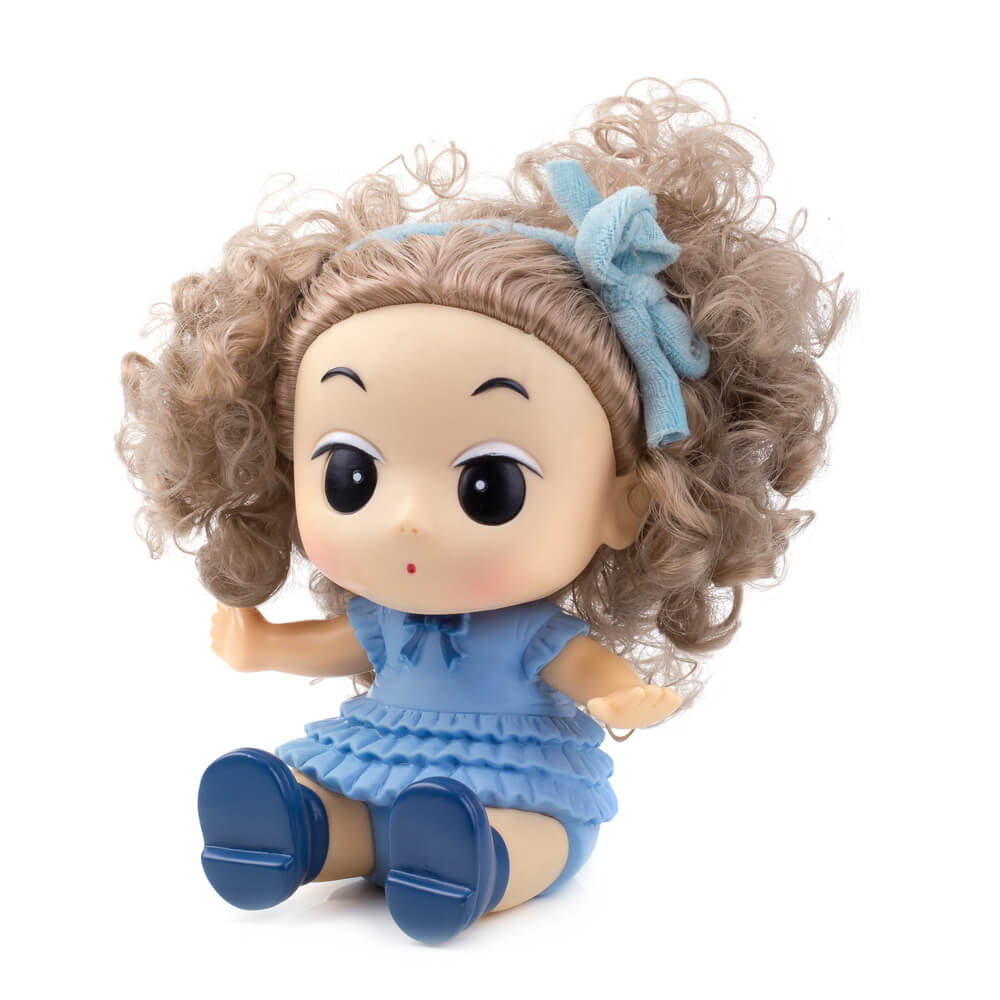
Ideal’s Bye Bye Baby from 1960 was a large, realistically sculpted newborn that was marketed as a true-to-life infant. It was expensive when new and sold in smaller numbers than Ideal’s cheaper lines, which makes it uncommon today.
Original christening gowns and the box with its illustrated lid are rarely seen together.
Drowsy
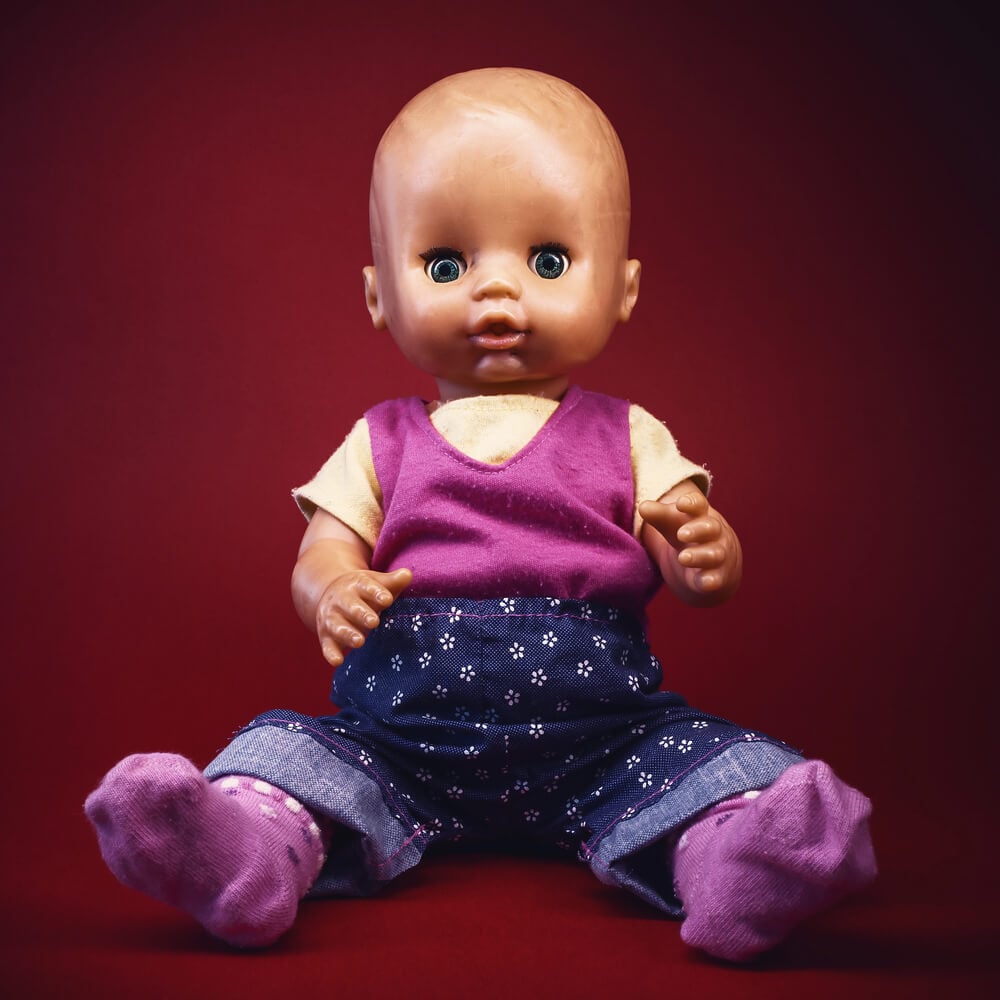
Mattel’s Drowsy from 1965 was a soft, floppy doll in pink pajamas with a pull-string voice that said sleepy phrases. Because she was a bedtime doll, most were loved into rags.
A Drowsy with clean pajamas, a working voice, and an unfaded face is harder to find than her enormous production numbers would suggest.
Baby Go Bye-Bye
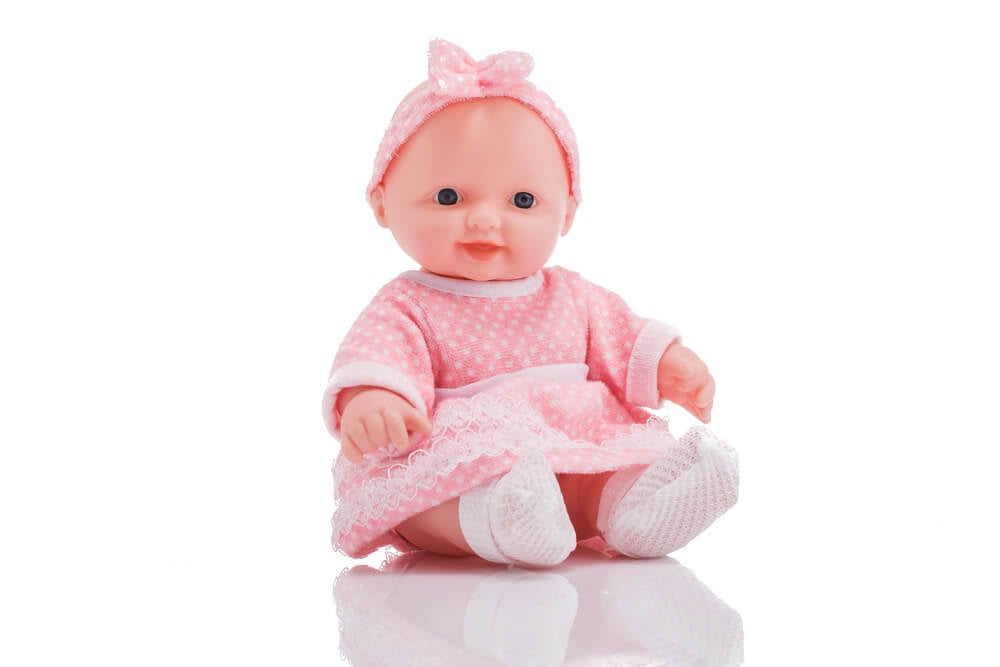
Baby Go Bye-Bye, released by Mattel in 1968, came with a battery-powered bumpety buggy that drove her around in loops. The buggy is the collectible component, and it is frequently missing or non-functional.
A complete set with a working buggy is worth several times the doll alone.
Tippee Toes
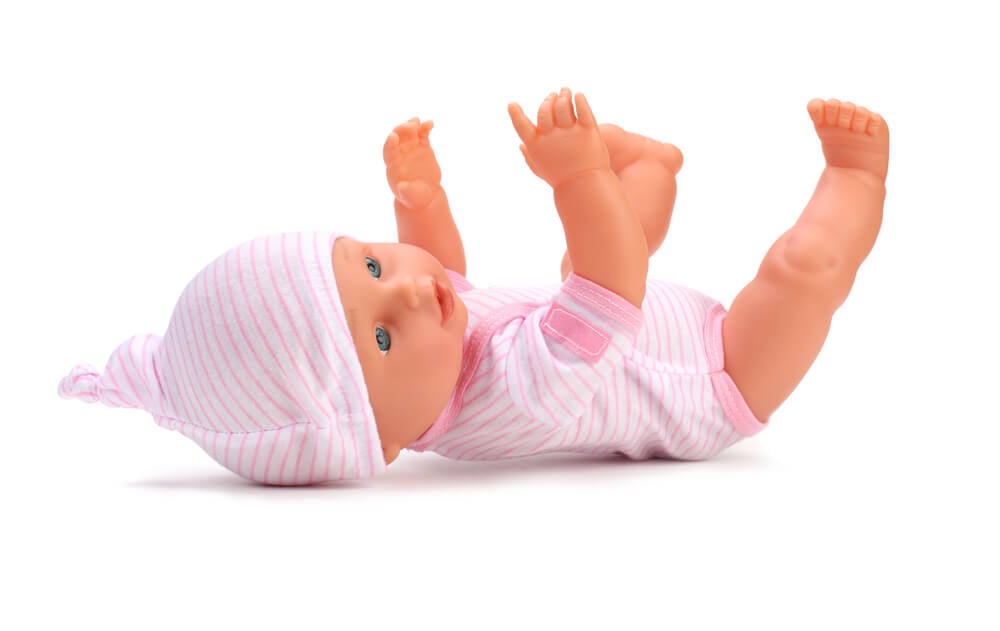
Mattel’s Tippee Toes from 1968 rode a tricycle or a horse, pedaling under battery power. Like the Go Bye-Bye, the vehicle is what collectors want, and the horse is scarcer than the tricycle.
Complete boxed sets with both vehicles are the top of the range.
Sweetie Pie
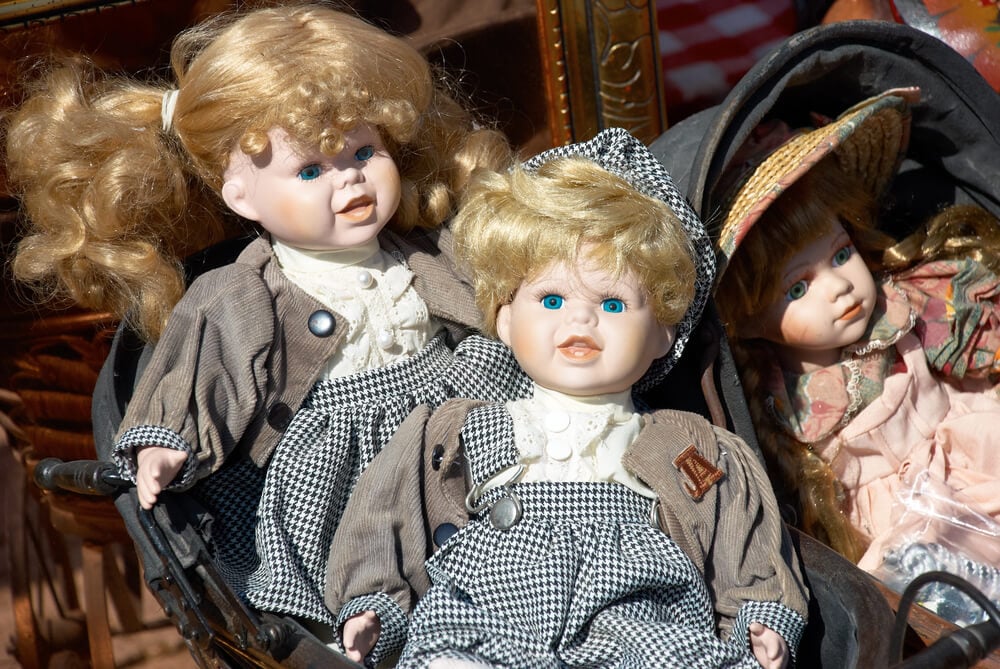
Effanbee’s Sweetie Pie was a chubby baby doll with a soft body, produced in various forms from the 1940s into the 1960s. The 1960s vinyl versions in original Effanbee-tagged clothing are collected for their quality rather than any gimmick.
Effanbee’s reputation for detail means well-kept examples hold their value steadily.
Baby Cheryl
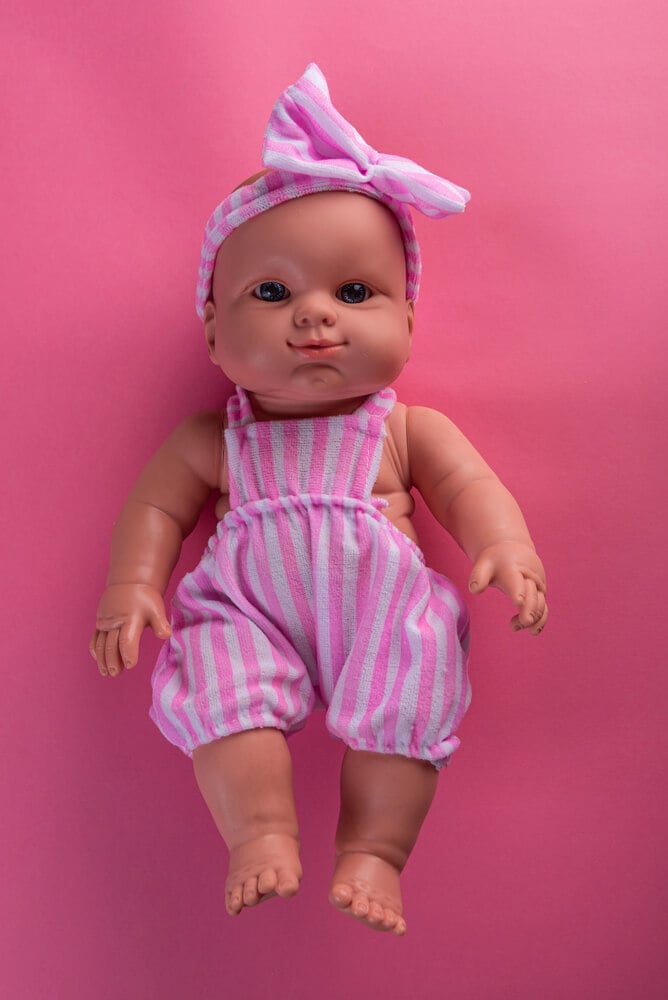
Mattel’s Baby Cheryl from 1965 was a pull-string talking doll with a rooted hairstyle, sold in a tagged gingham dress. She was produced for only a short run and is less often seen than the other Mattel talkers.
A working Baby Cheryl in her original dress is a quiet sleeper in the market.
Madame Alexander Kitten
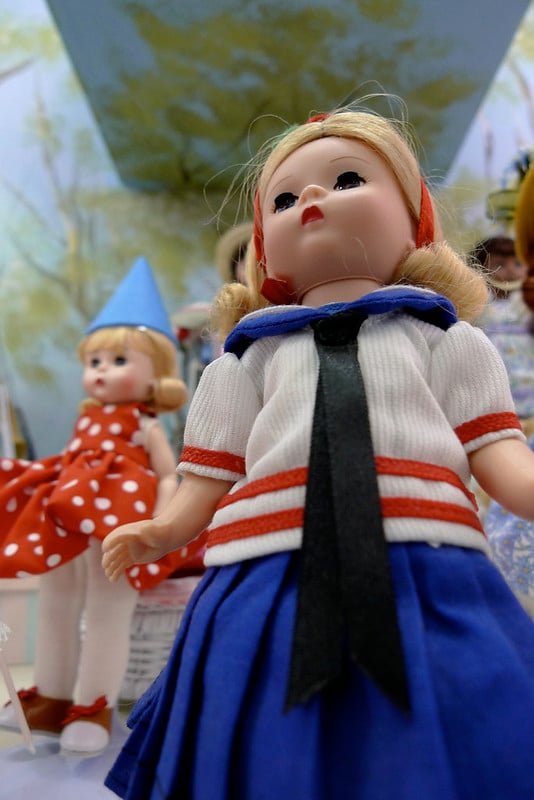
Madame Alexander’s Kitten, introduced in 1961, was a vinyl baby doll sold in several sizes and in beautifully made clothing. Alexander dolls were priced above most competitors when new and were often kept for best, so examples in excellent condition exist.
Original tagged outfits and the box with the Alexander label are what collectors verify.
Ginny Baby
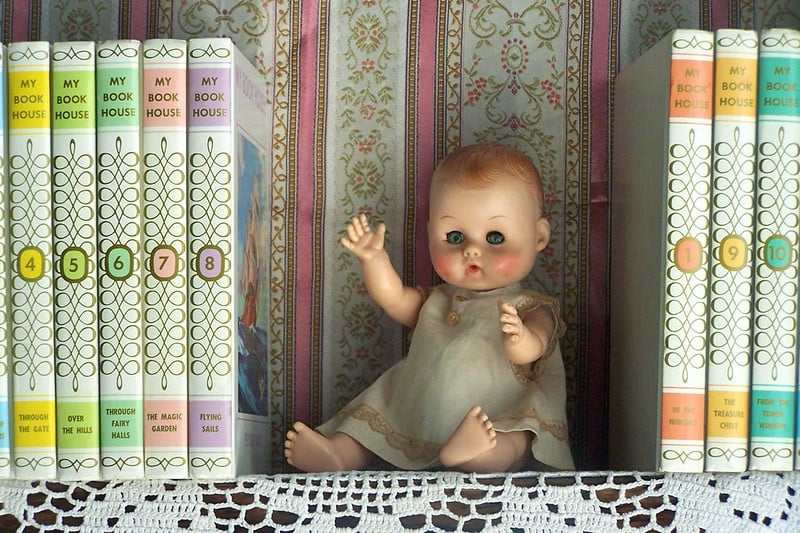
Vogue Dolls, best known for Ginny, produced a Ginny Baby line in the 1960s with drink-and-wet features. The dolls came in several sizes and in Vogue-tagged clothing of noticeably good quality.
Ginny Baby dolls are collected mainly by Vogue enthusiasts, which keeps prices stable and boxed examples in demand.
Baby Grow a Tooth
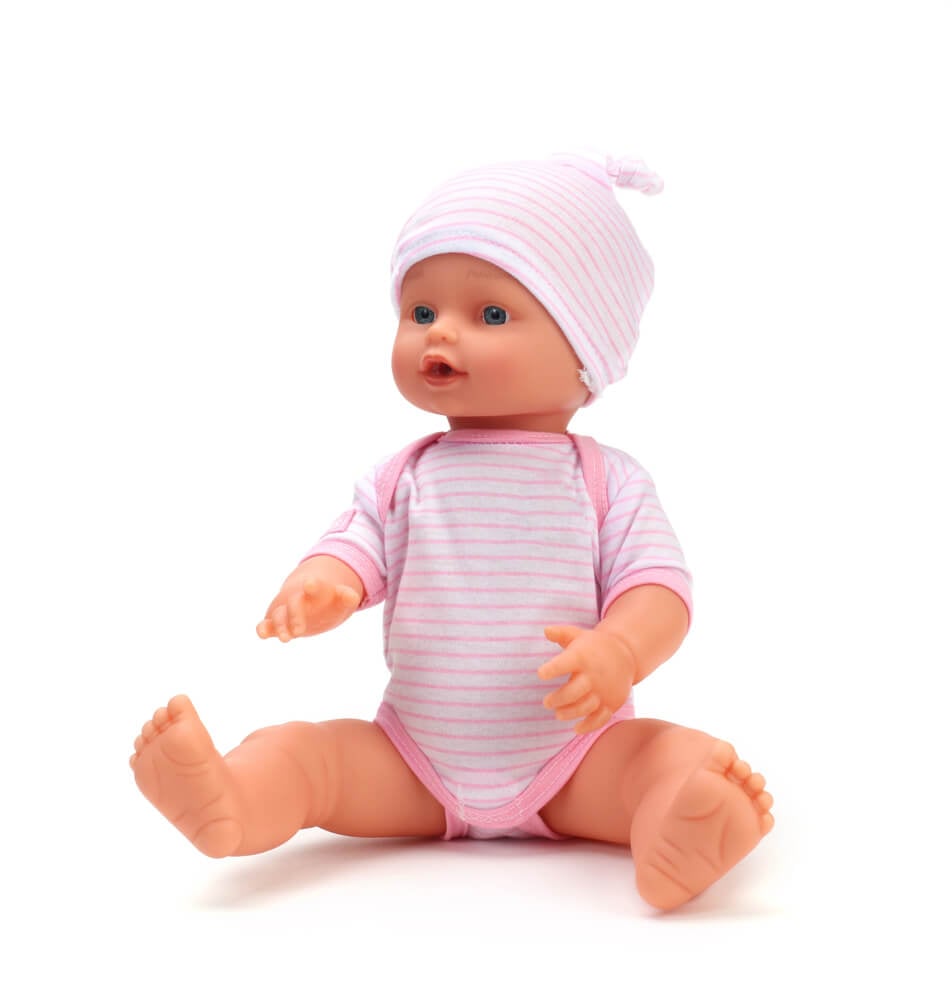
Remco’s Baby Grow a Tooth from 1968, as the name promised, grew a single tooth when a lever was pressed. The novelty was short-lived, and the tooth mechanism often jams.
Working examples with the crawling motor and the tooth both functioning are uncommon and draw interest from collectors of oddities.
Baby Tickle Tears
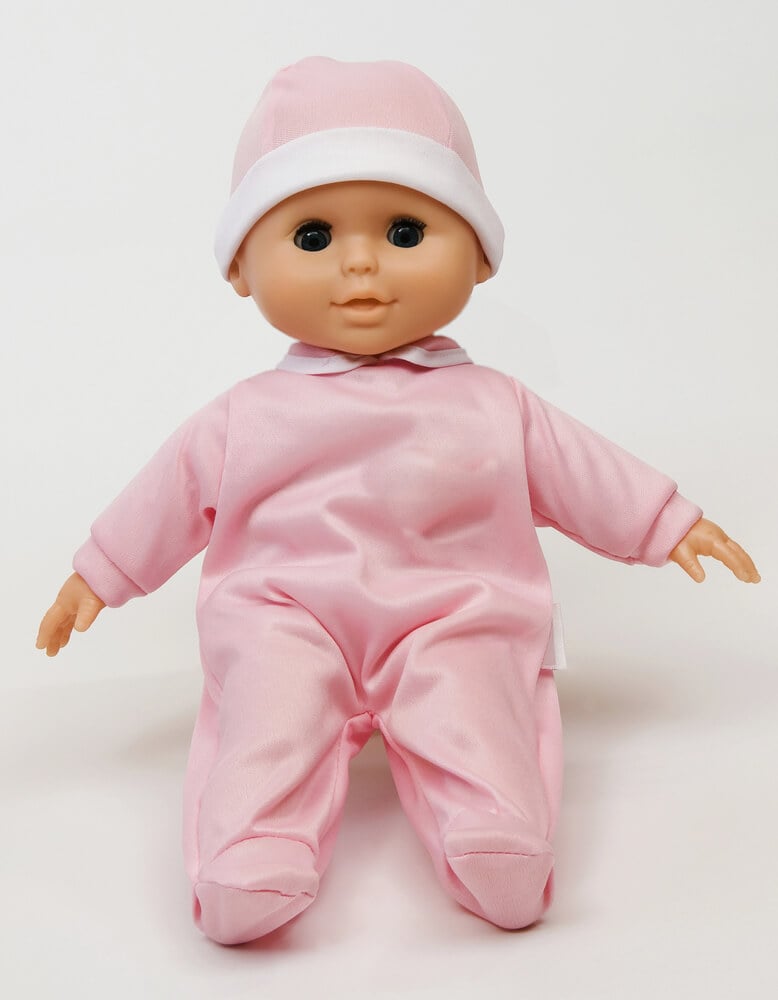
Deluxe Reading’s Baby Tickle Tears from 1966 cried when her stomach was pressed and stopped when tickled, with tears flowing through small ducts. The clear vinyl tear tubes degrade, so working examples are scarce.
Original packaging with the Topper branding is a bonus.
When a Doll Was a Machine
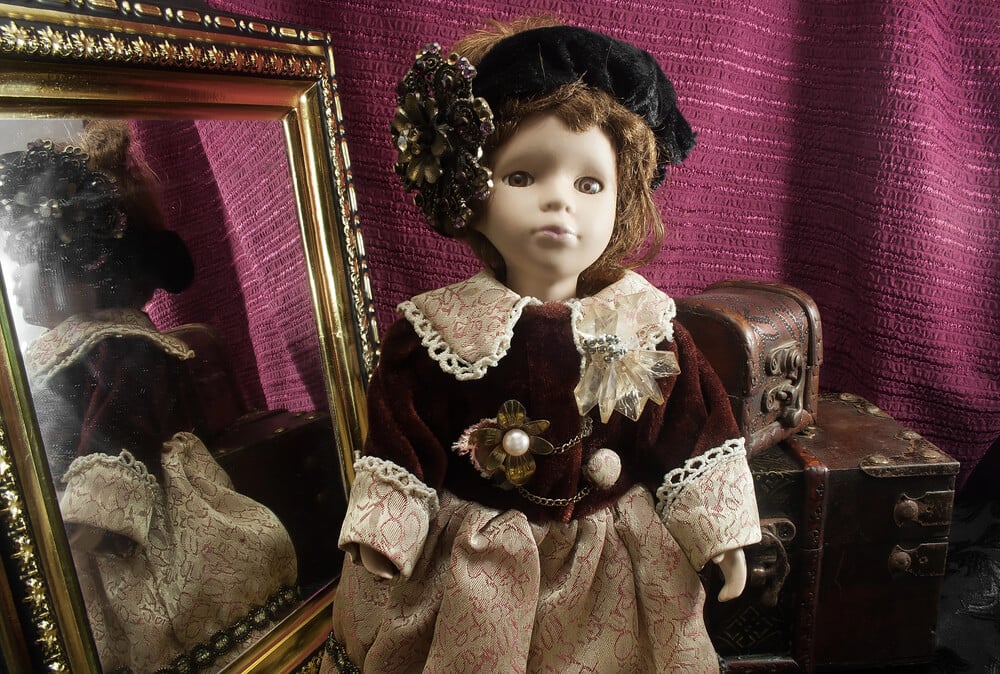
Every doll on this list was built around a trick, and every trick was a liability. Pull strings snapped, batteries leaked, tear ducts clogged, and magnets lost their wands.
The dolls that survive in working order did so because a child was careful, or because the doll was never played with at all.
That is the strange economy of 1960s baby dolls: the most valuable examples are the ones that failed at their job. A Thumbelina that never wriggled for a child, a Chatty Baby that never spoke to one, now wriggle and speak for adults who remember wanting them.
The gimmick is the value, but only if it still works.
More from Go2Tutors!

- The Romanov Crown Jewels and Their Tragic Fate
- 13 Historical Mysteries That Science Still Can’t Solve
- Famous Hoaxes That Fooled the World for Years
- 15 Child Stars with Tragic Adult Lives
- 16 Famous Jewelry Pieces in History
Like Go2Tutors’s content? Follow us on MSN.