27 Childhood Treats Grandparents Still Remember
A nickel used to be a negotiation. It bought five separate decisions at a glass counter, each one weighed with the seriousness of a land purchase, while a storekeeper waited with a small paper sack.
Many of the sweets from those counters, trucks and kitchens are still in production, often under a third or fourth owner. Others survive mainly in stories told at holiday tables, usually with the price attached.
Necco Wafers in the Wax Paper Roll
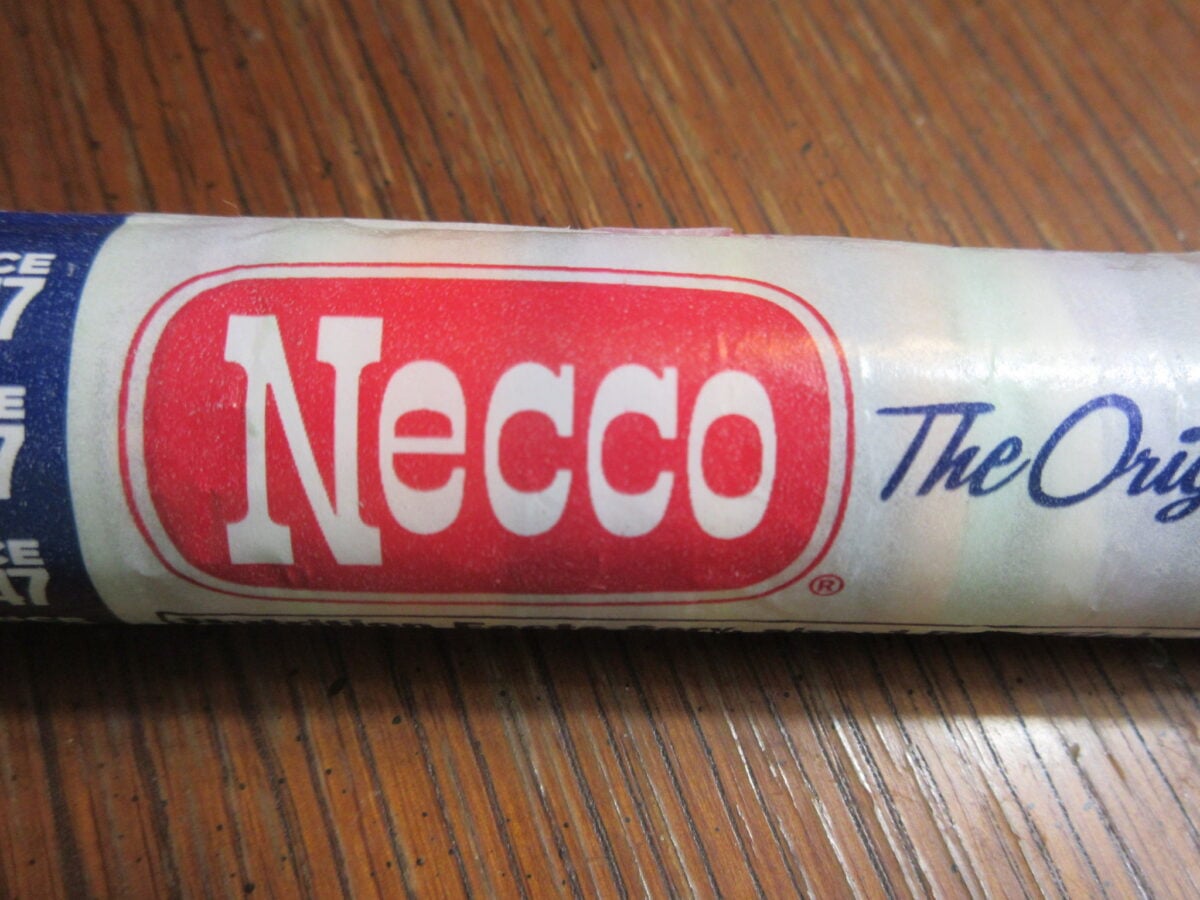
Oliver Chase, an English-born druggist in Boston, built a lozenge-cutting machine in 1847, and the chalky discs that came out of it are generally counted among the oldest candies still sold in America. Each roll carried eight flavors, including clove, wintergreen, licorice and a chocolate that tasted mostly of cocoa powder.
The New England Confectionery Company collapsed in 2018 and the wafers vanished from shelves for about two years. Spangler Candy of Bryan, Ohio, bought the brand and brought the rolls back in 2020.
Grandchildren tend to find them dusty and odd, which is roughly what children said in 1950 before finishing the roll anyway.
Mary Janes by the Handful
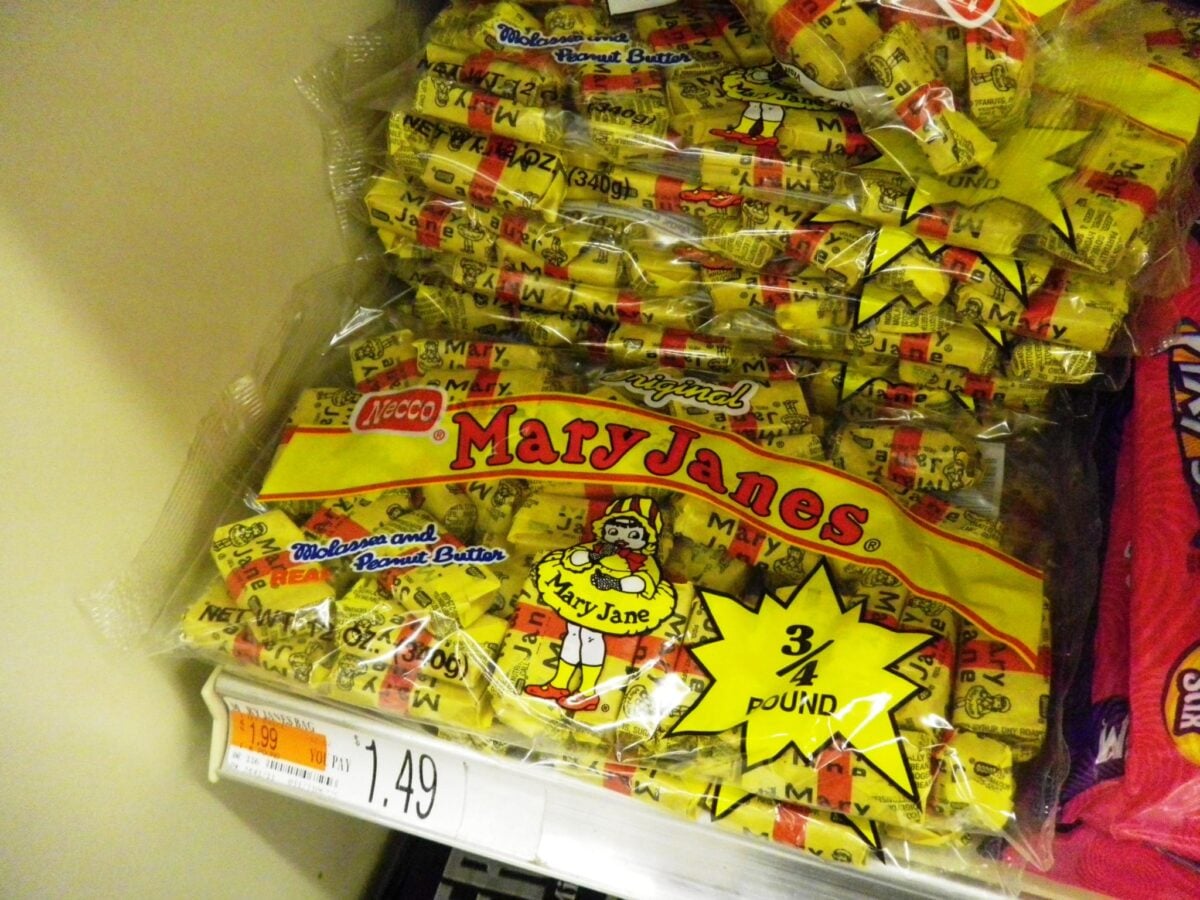
A penny bought one Mary Jane, sometimes two, wrapped in yellow paper with a red stripe and a drawing of a little girl in a bonnet. The Charles N. Miller Company of Boston introduced the peanut butter and molasses chew in 1914, and company lore holds that Miller named it for a favorite aunt.
The candy was famously hard on fillings, especially in cold weather, when a piece needed several minutes in a pocket before it would yield. Necco owned the brand when it failed in 2018, and Mary Janes went missing until the Atkinson Candy Company of Lufkin, Texas, resumed production a couple of years later.
Bit-O-Honey and Its Six Wrapped Pieces
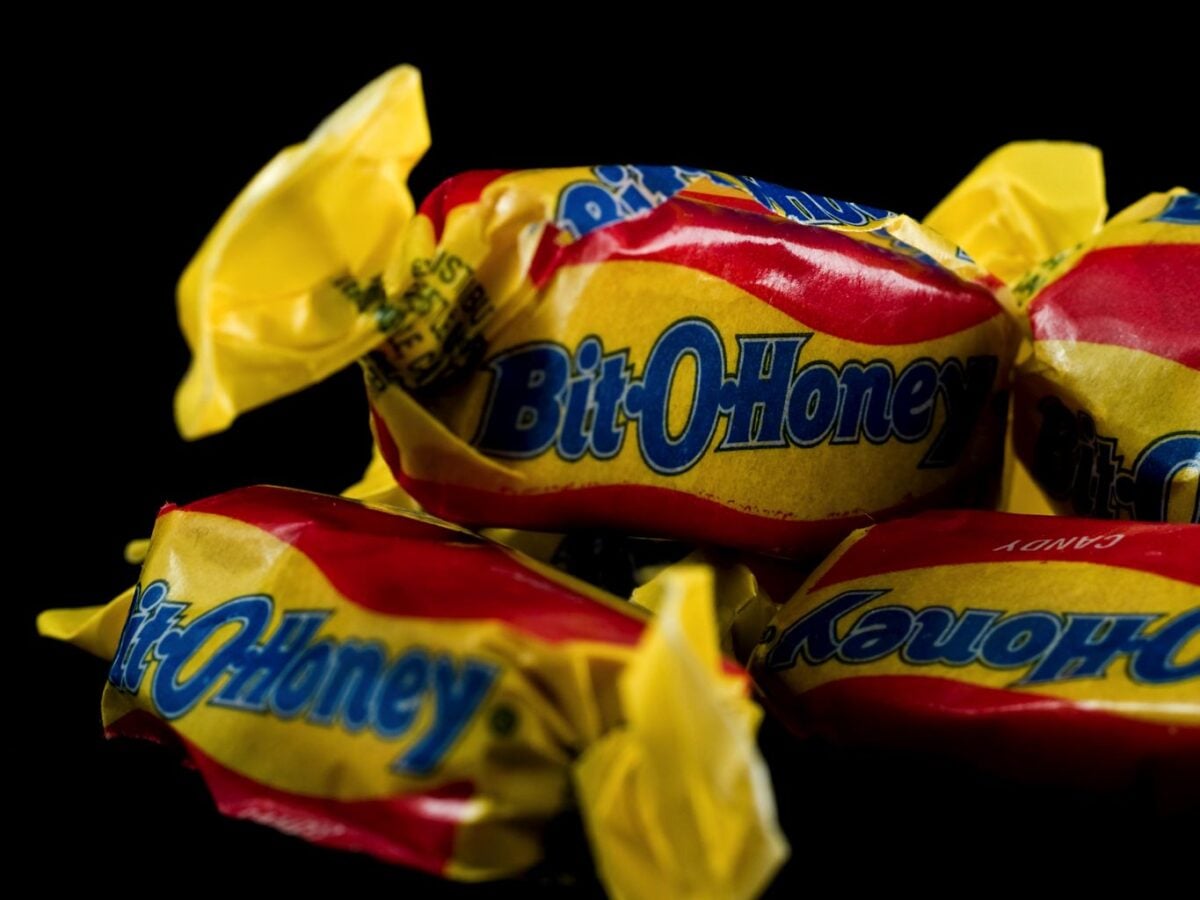
Schutter-Johnson Company of Chicago brought out Bit-O-Honey in 1924, pressing bits of roasted almond into a honey-flavored chew that took real commitment to finish. The bar came divided into six pieces, each folded in its own strip of wax paper, which made it one of the few candy bars a child could share without an argument over where to break it.
Ownership has passed through several hands since, including Nestle and Pearson’s of Minnesota. Spangler Candy acquired the brand in 2020 and still makes it, in the long bar and in small wrapped pieces sold by the bag.
Nik-L-Nip Wax Bottles
Nobody was quite sure whether the wax was food. The tiny bottles held a swallow of colored syrup, and the name spelled out the ritual: they cost a nickel, and the top had to be nipped off with the front teeth.
Once the syrup was gone, the bottle itself became something to chew for an hour, flavorless and faintly waxy, until a parent said to spit it out. Nik-L-Nip dates to the early twentieth century and is still sold, now made by Tootsie Roll Industries, which also produces the Wack-O-Wax lips and fangs that turn up in stores every October.
Candy Buttons on a Paper Strip
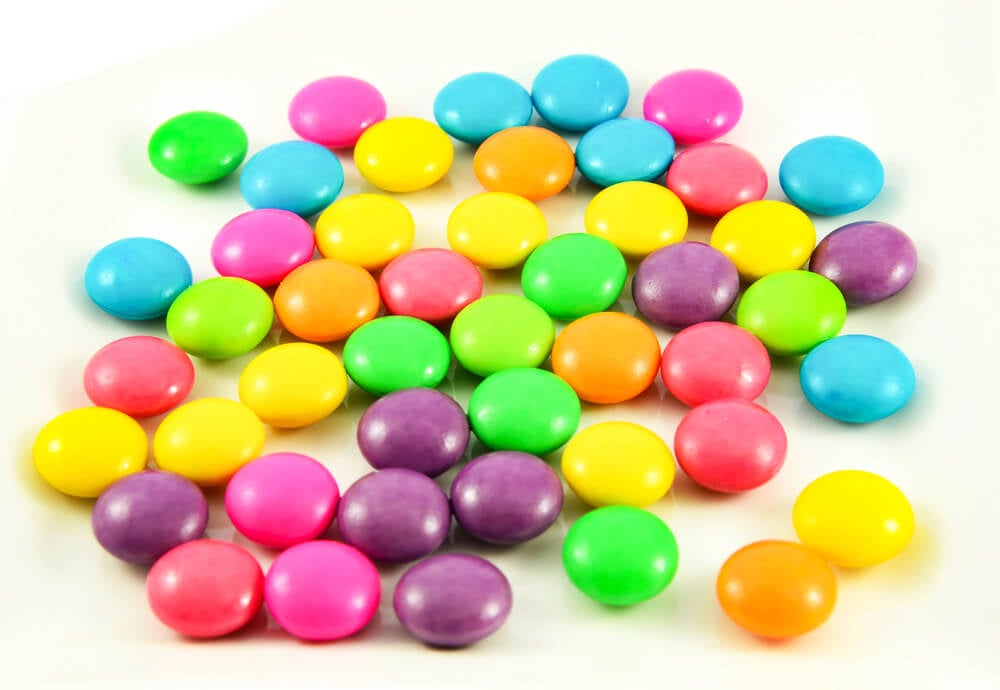
Eating these meant eating a little paper, and everyone accepted that. Candy buttons were small pastel dots of hardened sugar set in rows on a long strip of white paper, sold by the foot or in folded sheets for pennies.
The three colors were supposed to be cherry, lime and lemon, though few children could tell them apart with their eyes shut. Necco produced them for decades after buying the original maker in 1980.
When Necco closed in 2018, the line went to Doscher’s Candies of Cincinnati, a firm founded in 1871, which continues to make them.
Cracker Jack and the Prize Inside
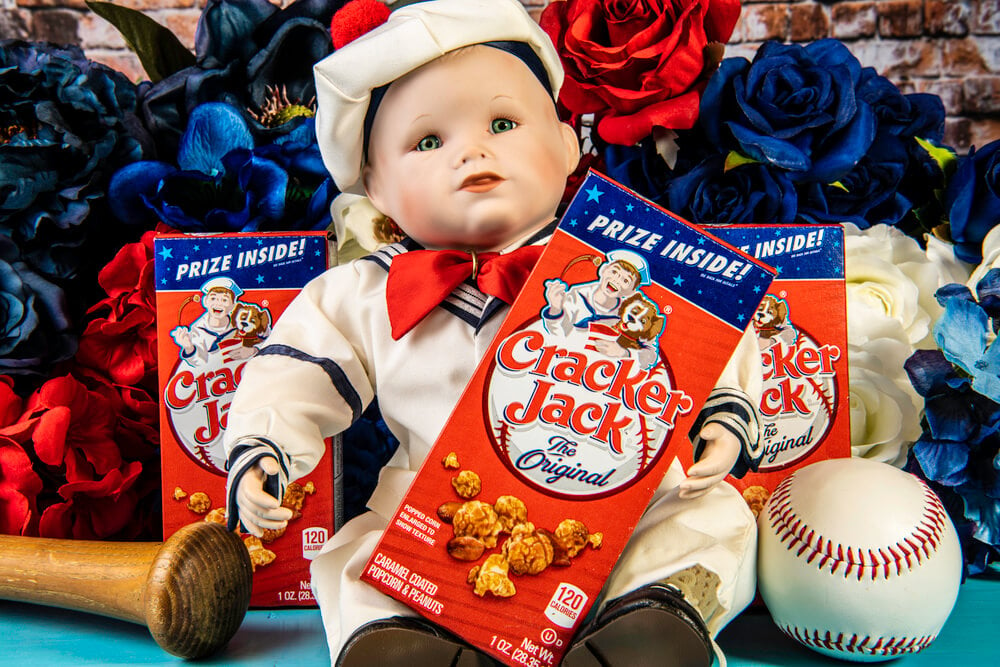
Brothers Frederick and Louis Rueckheim sold their molasses-coated popcorn and peanuts in Chicago during the 1893 World’s Columbian Exposition, and registered the Cracker Jack name three years later. The prize arrived in 1912, and for the next several generations it was the real point of the purchase: tin whistles, tiny metal animals, rings, decoder cards and miniature books dug out from the bottom of the box with sticky fingers.
Sailor Jack and his dog Bingo joined the package around 1918. Frito-Lay has owned the brand since 1997, and in 2016 it replaced the physical prize with a printed code for a phone game.
Moonpie with a Cold Rc Cola
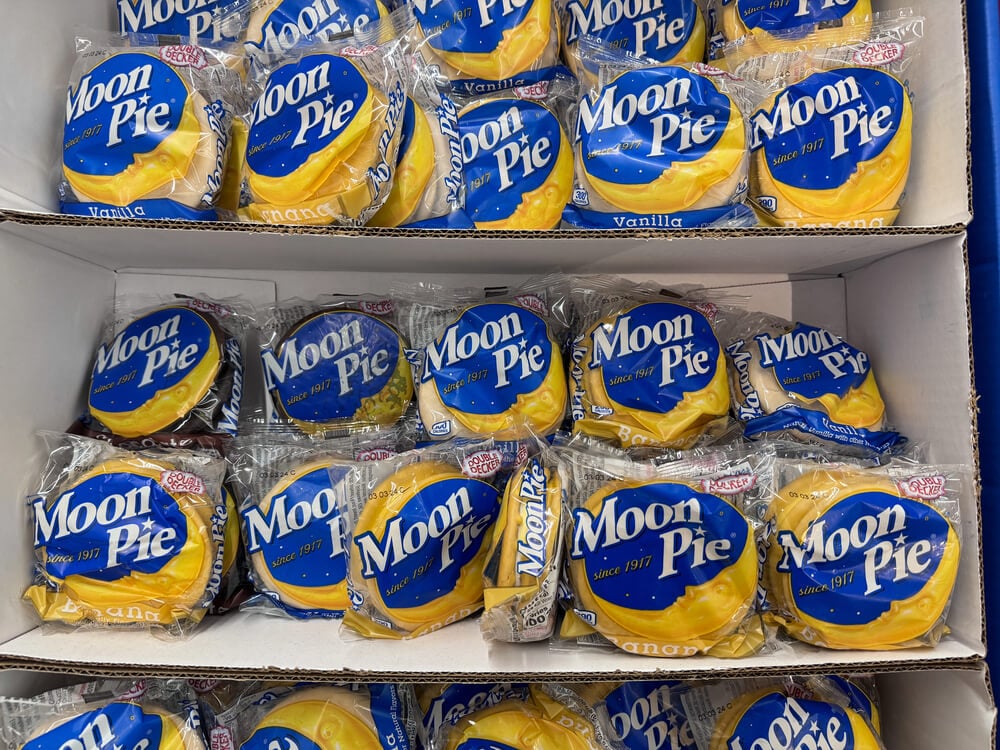
Chattanooga Bakery began selling the MoonPie in 1917, reportedly after a salesman asked Kentucky coal miners what kind of snack they wanted and was told something filling and as big as the moon. Two graham cookies, a marshmallow layer and a chocolate coating cost a nickel.
So did a bottle of Royal Crown Cola, which came in a bigger bottle than Coca-Cola, and across the South the pair became known as the working man’s lunch. The bakery is still family owned and still in Chattanooga, turning out the pies in single and double-decker versions.
Sky Bar and Its Four Fillings
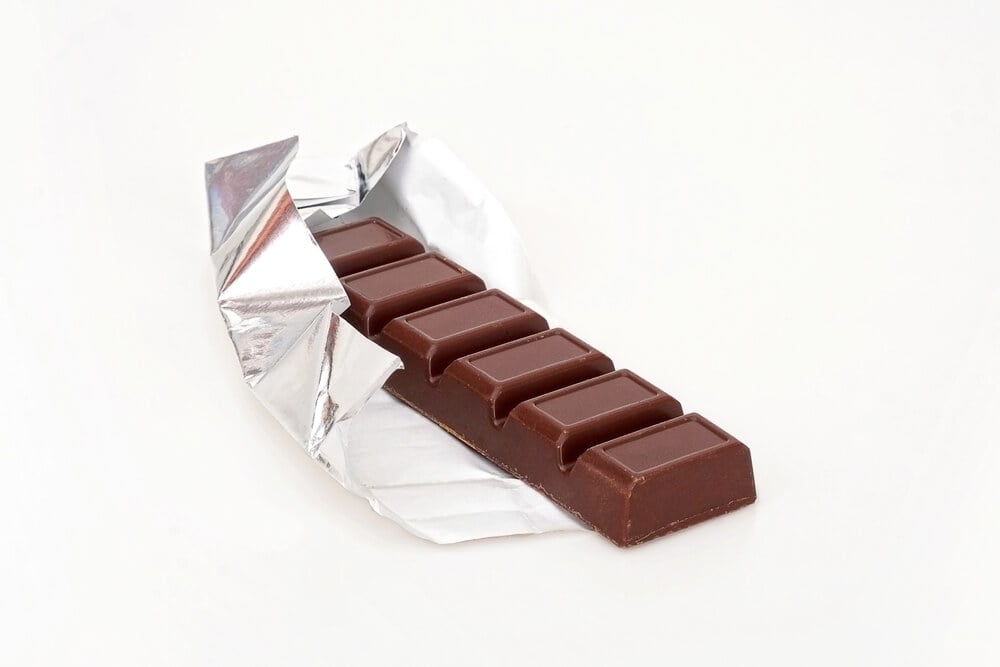
Four candy bars in one was the pitch, and in 1938 Necco announced it with a skywriting campaign. The molded milk chocolate bar had four sections, each with a different filling: caramel, vanilla, peanut and fudge.
Children developed firm opinions about the correct order of attack, and the fudge end was often saved for last. When Necco went under in 2018, the brand was bought at auction by the owner of a small gourmet shop in Sudbury, Massachusetts, who set up production in a storefront beside the shop.
The bar went back on sale in late 2019, a little more than a year after the last Necco version left the line.
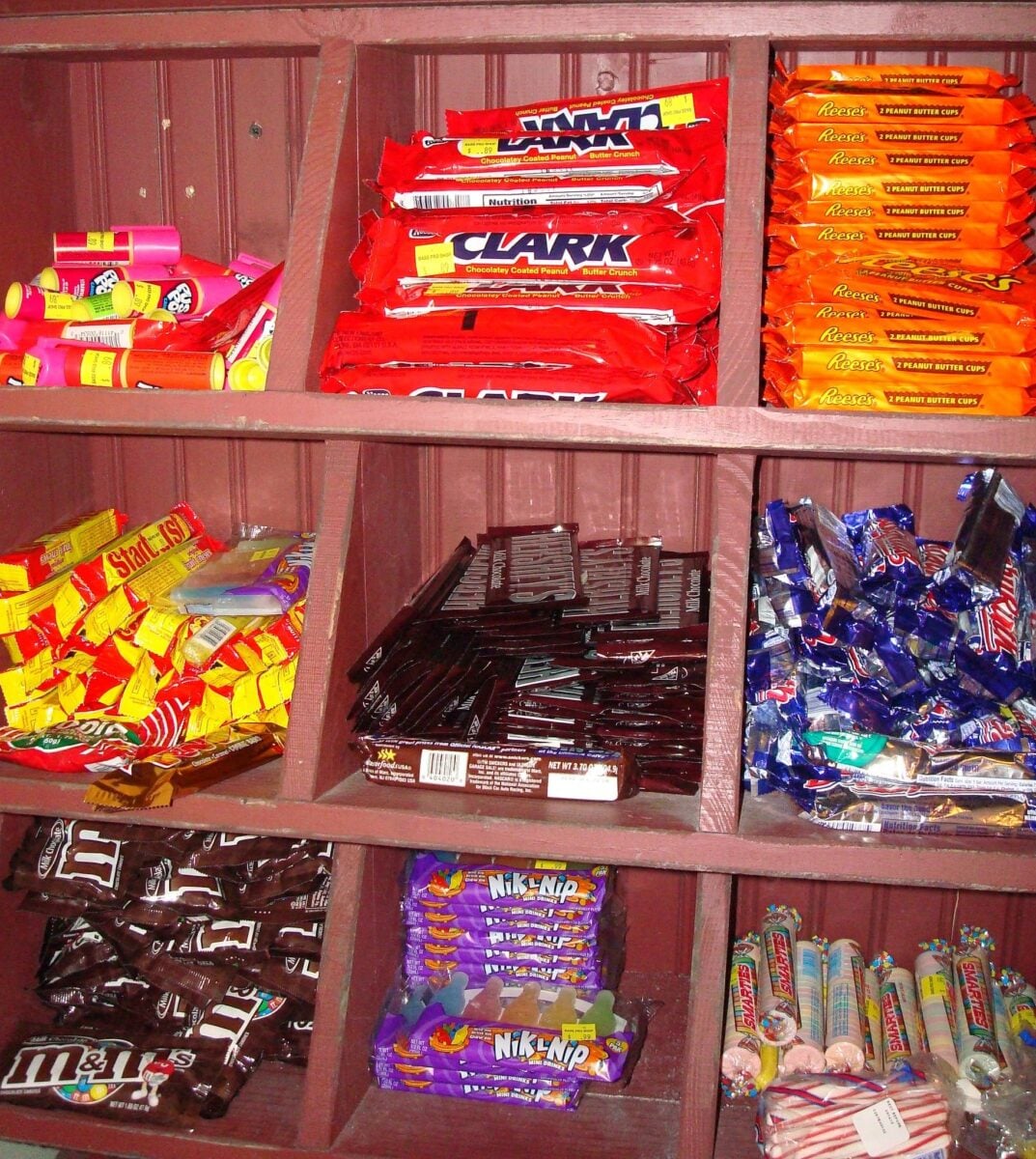
Clark Bar from Pittsburgh
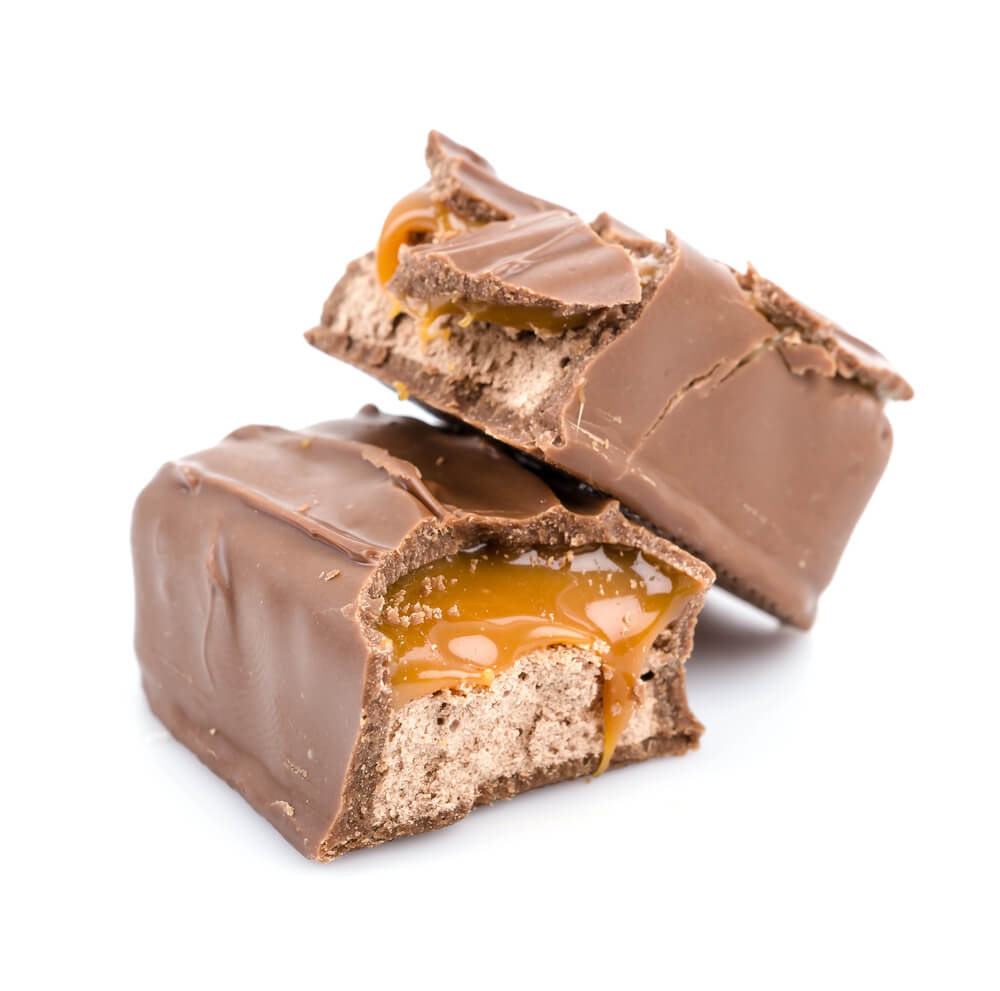
David L. Clark, an Irish immigrant candy maker on Pittsburgh’s North Side, introduced his nickel bar in 1917, and it shipped to American soldiers in the First World War.
The center was a crisp, flaky peanut butter crunch under a thin coat of milk chocolate, and it shattered on the first bite. A huge Clark Bar sign stood over the old factory for decades.
The bar has nearly died several times, most recently with Necco in 2018. Boyer Candy of Altoona, Pennsylvania, maker of the Mallo Cup, bought the rights that year and had Clark Bars back in western Pennsylvania stores by 2020.
Chuckles Jelly Candies
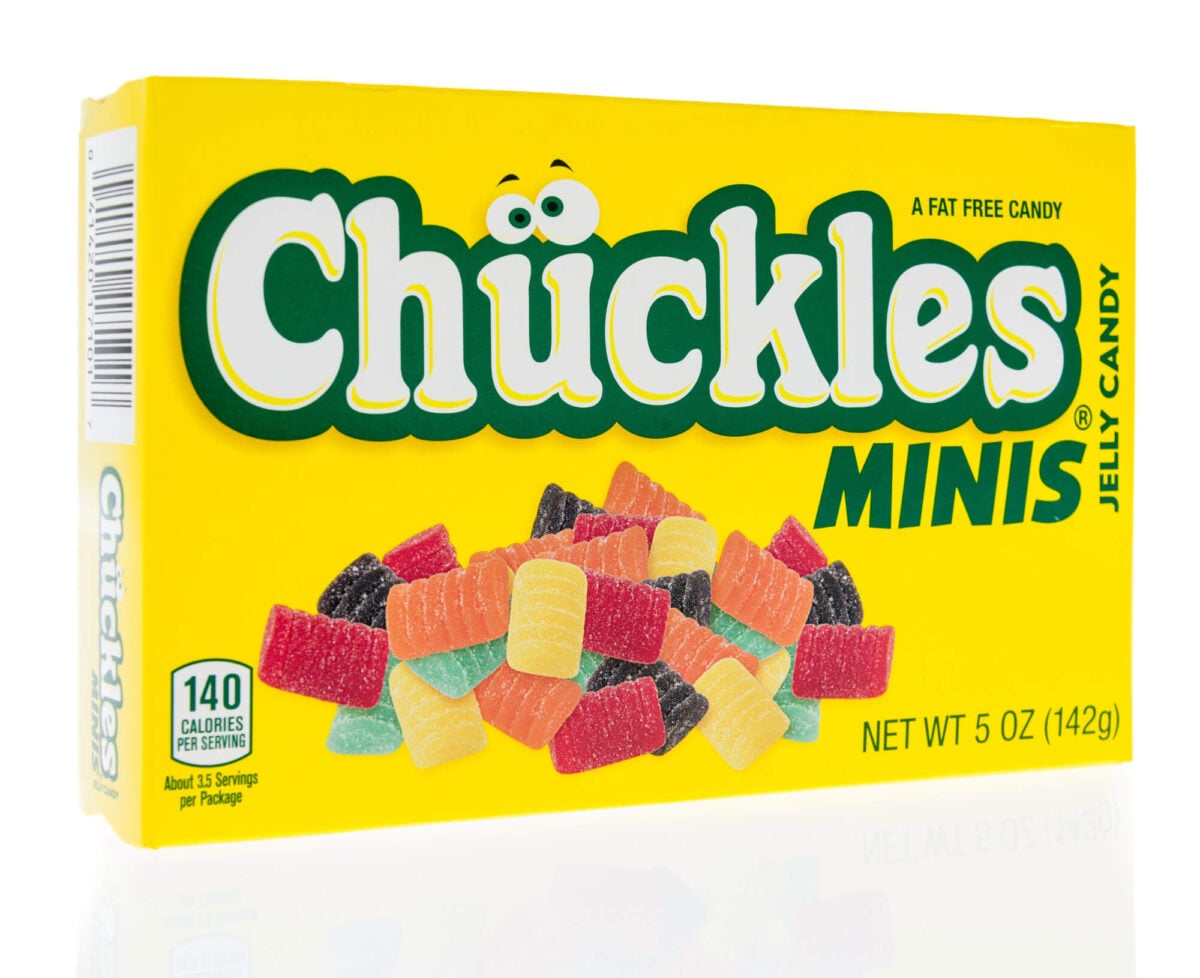
Five sugared jelly pieces sat in a row under cellophane: cherry, lemon, lime, orange and licorice. Fred W.
Amend introduced Chuckles in Chicago in 1921, and the pack sold for a nickel for many years. The black licorice piece divided families, since it was either the first one eaten or the one traded away for a cherry.
Chuckles needed no refrigeration and did not melt, which made them a dependable choice for summer movie matinees and long car rides. The brand now belongs to Ferrara Candy Company, and the five-flavor lineup in the original pack has not changed.
Sugar Daddy on a Stick
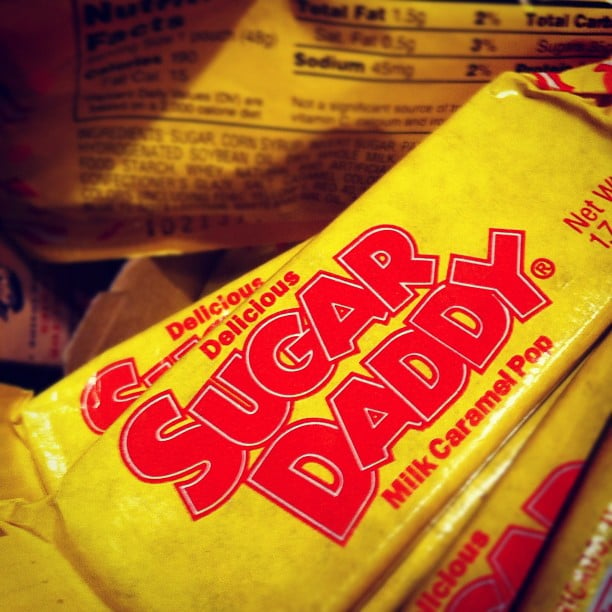
Slow eating was the selling point. The James O.
Welch Company of Cambridge, Massachusetts, introduced a block of hard caramel on a stick in 1925 under the name Papa Sucker, then renamed it Sugar Daddy in 1932. A single pop could last through a double feature if its owner had discipline, and it could also remove a loose tooth without warning.
Bite-size Sugar Babies followed in 1935. A chocolate-covered Sugar Mama came later and did not last.
Tootsie Roll Industries makes the two survivors today, and the pop is still the same flat slab of caramel that takes longer to finish than most of the movies it is carried into.
Tootsie Rolls at a Penny Apiece
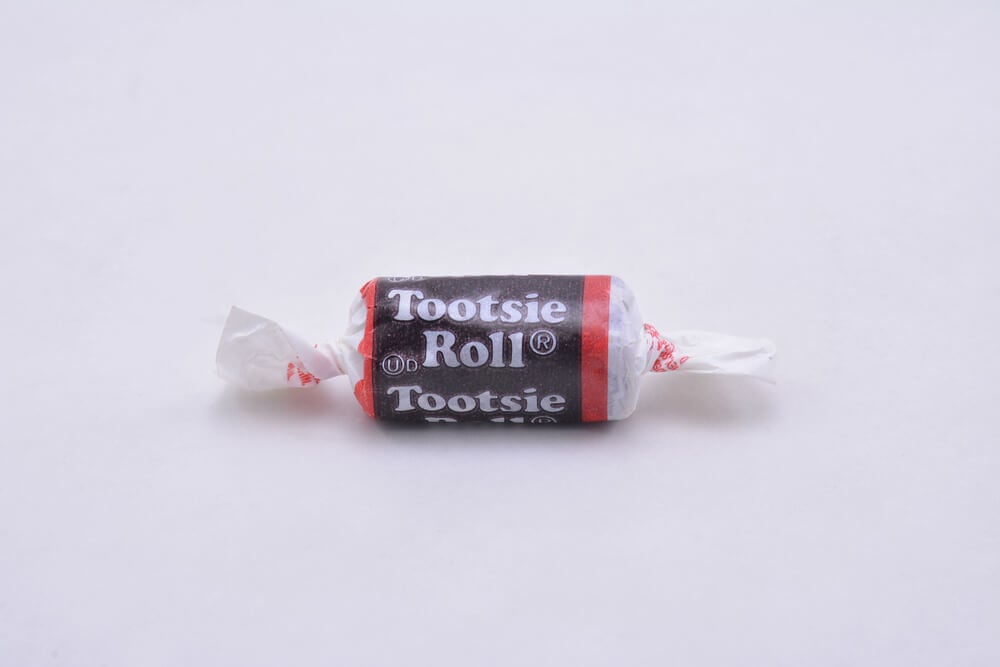
Leo Hirshfield, an Austrian immigrant, began selling a chewy chocolate candy in New York City in 1896 and named it after his daughter Clara, whose nickname was Tootsie. It was among the first penny candies to be individually wrapped, which mattered a great deal in an age of open bins.
The Tootsie Pop, with a piece of the roll hidden inside a hard candy shell, followed in 1931. Because the rolls held up in heat and cold, they went into military rations during the Second World War.
The company moved its headquarters to Chicago in the 1960s and still makes the candy there.
Pixy Stix and Lik-M-Aid
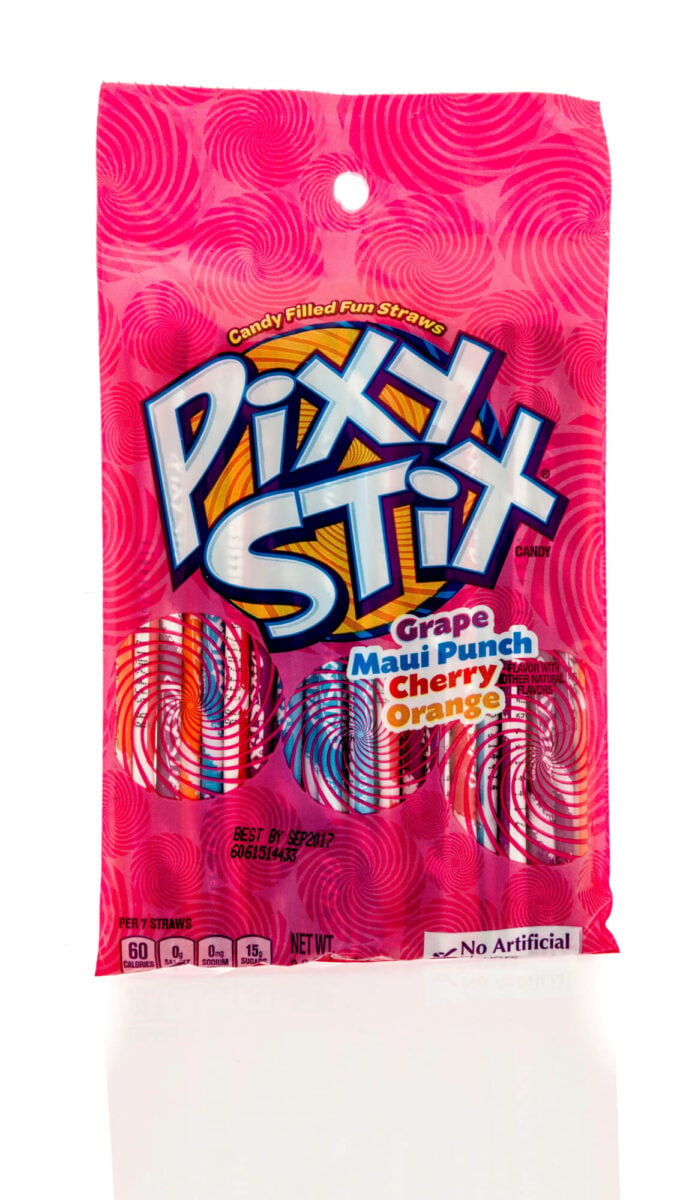
Kids were supposed to stir the powder into water. The stuff began in the 1940s as a penny drink mix from the Fruzola Company of Salt Lake City, and when its makers noticed children eating it dry they reworked it as candy.
Lik-M-Aid came in small paper pouches, to be eaten off a licked finger, and Pixy Stix followed in 1959 in striped straws that had to be torn open and tipped back. Both were made in St.
Louis by the firm that became Sunline. Lik-M-Aid gained a candy dipping stick in the 1970s and became Fun Dip.
Ferrara now makes both, and the sour-sweet powder has not been improved by anyone adding water.
Charms Squares
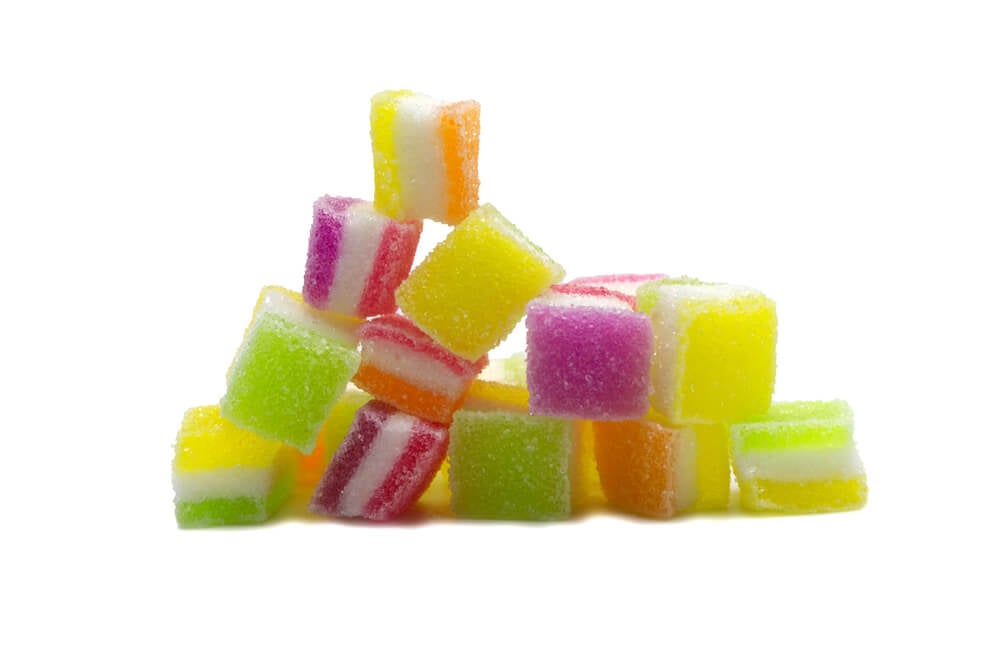
Individually wrapped squares of fruit-flavored hard candy, stacked in a foil roll, made Charms a fixture of coat pockets and church pews. The Charms Company dates to 1912 in New Jersey, and its candies were packed into American military rations during the Second World War, where soldiers ate them or traded them away.
Back home, a roll lasted a long sermon if rationed at one square per hymn. Tootsie Roll Industries bought the company in 1988.
The plain squares are harder to find than they once were, though the Charms name remains on the company’s lollipops.
Goo Goo Cluster from Nashville
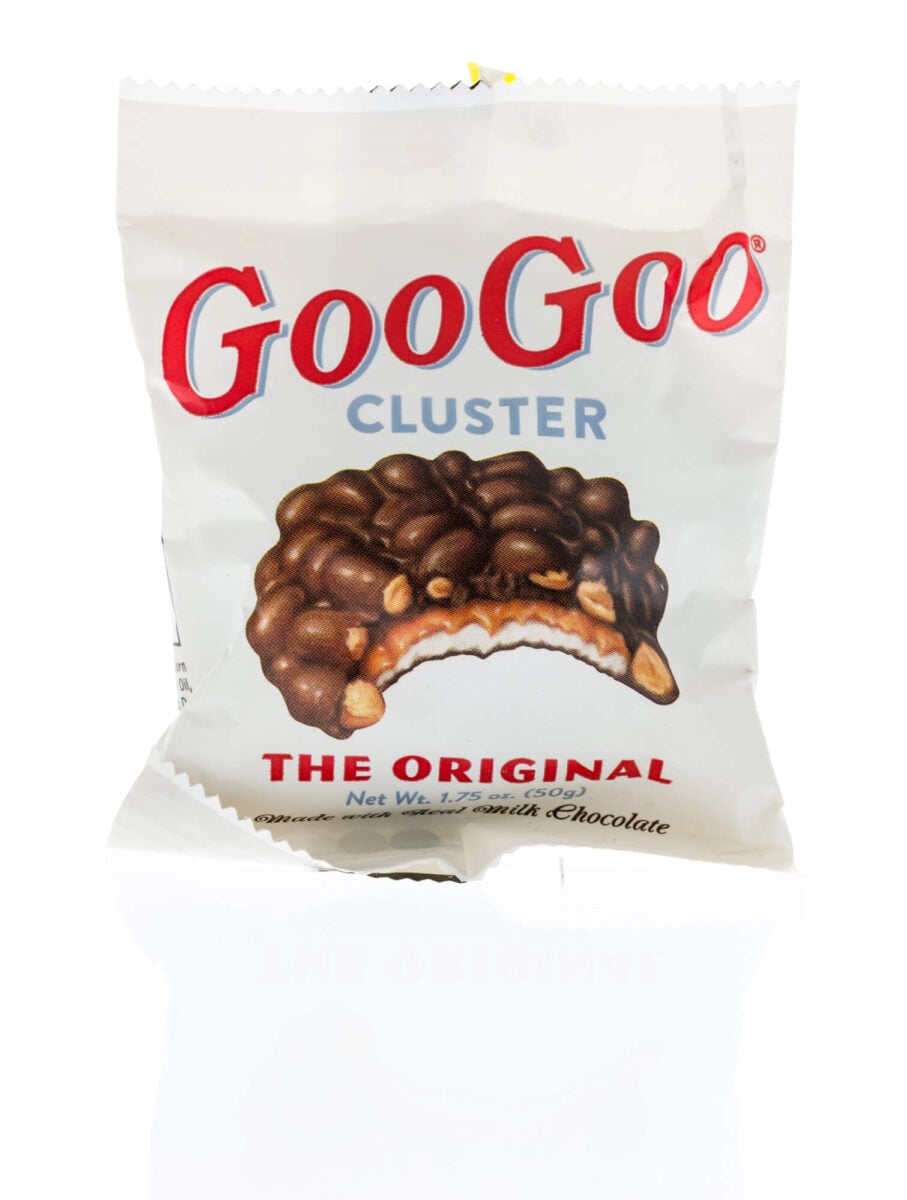
Howell Campbell’s Standard Candy Company created the Goo Goo Cluster in Nashville in 1912. It is widely described as the first combination candy bar, a round mound of caramel, marshmallow nougat and roasted peanuts under milk chocolate at a time when most bars were chocolate alone.
Early ones were sold unwrapped from glass jars on drugstore counters. Standard Candy sponsored the Grand Ole Opry on radio for decades, so listeners far from Tennessee knew the name before they ever tasted the candy.
The company is still in Nashville and still makes the original, along with a pecan version.
Valomilk Cups
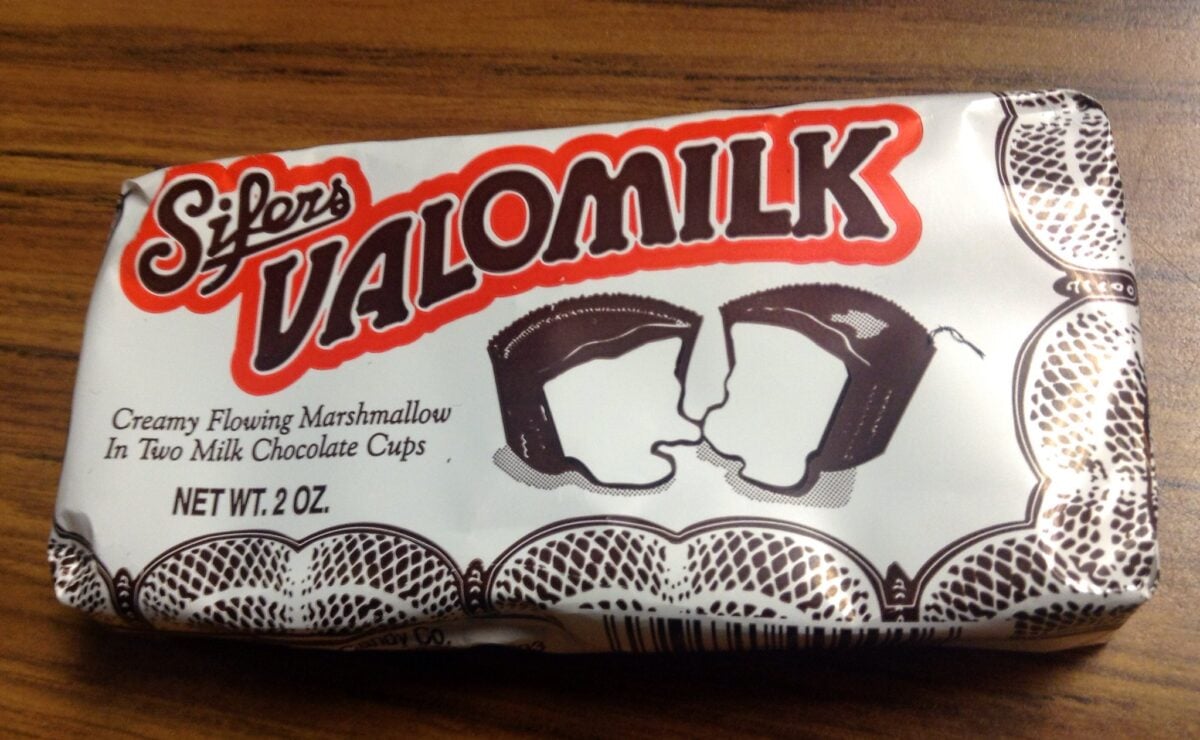
Sifers Candy Company of the Kansas City area introduced Valomilk in 1931: a milk chocolate cup filled with runny vanilla marshmallow that escaped down the chin on the first bite. The company’s own story credits the filling to a batch of marshmallow that came out too soft to use for anything else.
The Kansas City factory closed in 1981, about a decade after the family firm had been sold. Russell Sifers, a descendant of the founder, bought back the old equipment and resumed making the cups in 1987 in Merriam, Kansas.
Distribution has always been thin in the Mountain West, where high altitude is said to make the cups burst.
Idaho Spud Bar
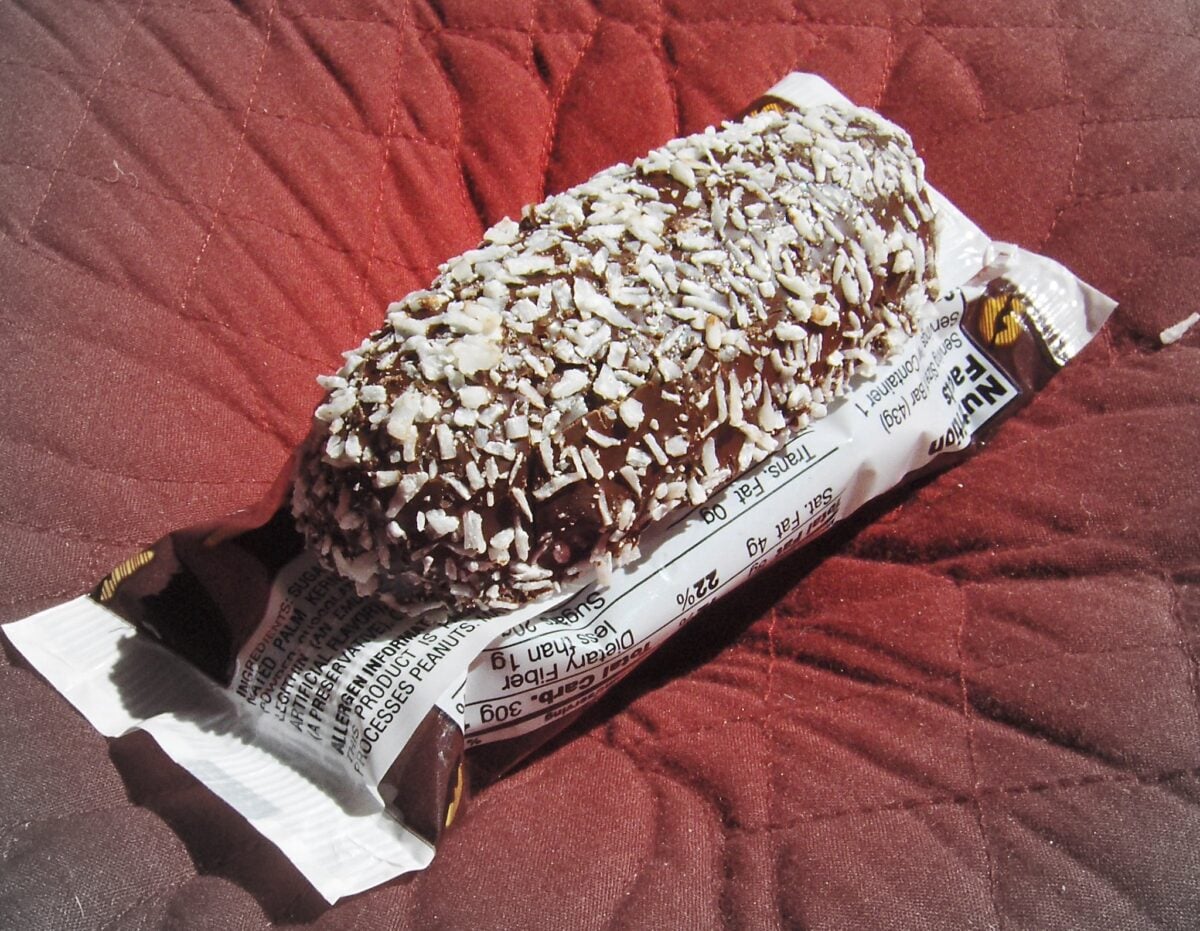
Potatoes are not involved. The Idaho Candy Company of Boise introduced the Idaho Spud in 1918, shaping a cocoa-flavored marshmallow center into a rough oval, coating it in dark chocolate and rolling it in coconut so that it loosely resembled the state’s best-known crop.
For children in the Mountain West it was a regular at the grocery register, and for everyone else it was a curiosity brought home from a road trip. The company still operates from its early-1900s factory in downtown Boise, where the bar remains its best-known product and visitors can buy it a few steps from where it is made.
Horehound Drops
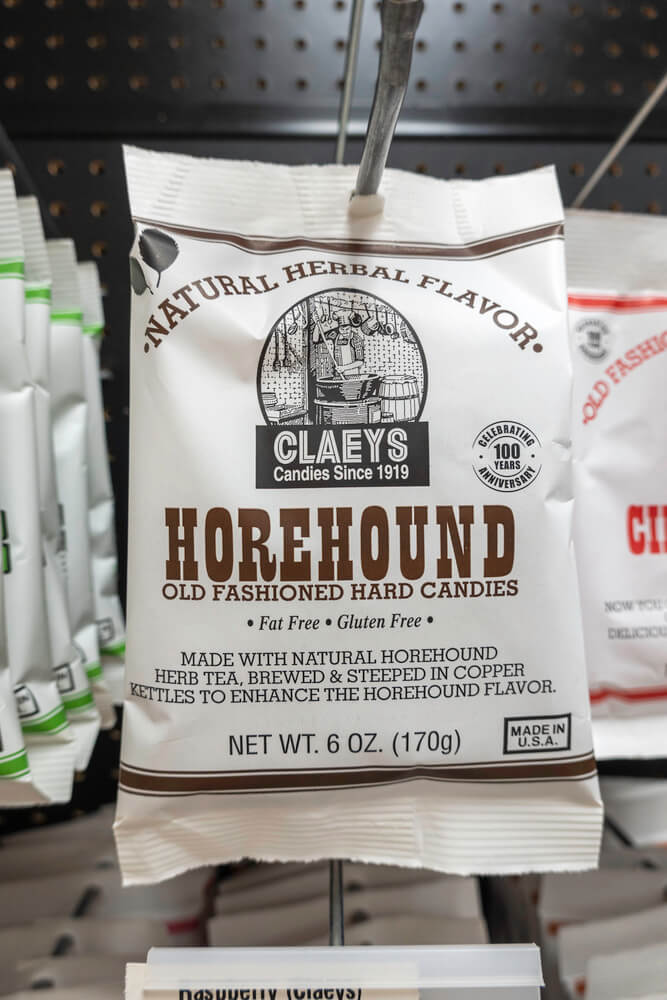
Bitter, brown and faintly medicinal, horehound drops were the candy that grandparents of the 1940s already considered old-fashioned. The flavor comes from a plant in the mint family long used in cough remedies, which is why the drops sat in a jar at the drugstore as often as at the candy counter.
Children accepted one mainly because it was offered and it was sweet enough. Claeys Candy of South Bend, Indiana, founded in 1919, still makes sanded horehound drops along with lemon, anise and wild cherry versions.
General stores and hardware stores sell them to customers who know exactly what they are getting.
Circus Peanuts
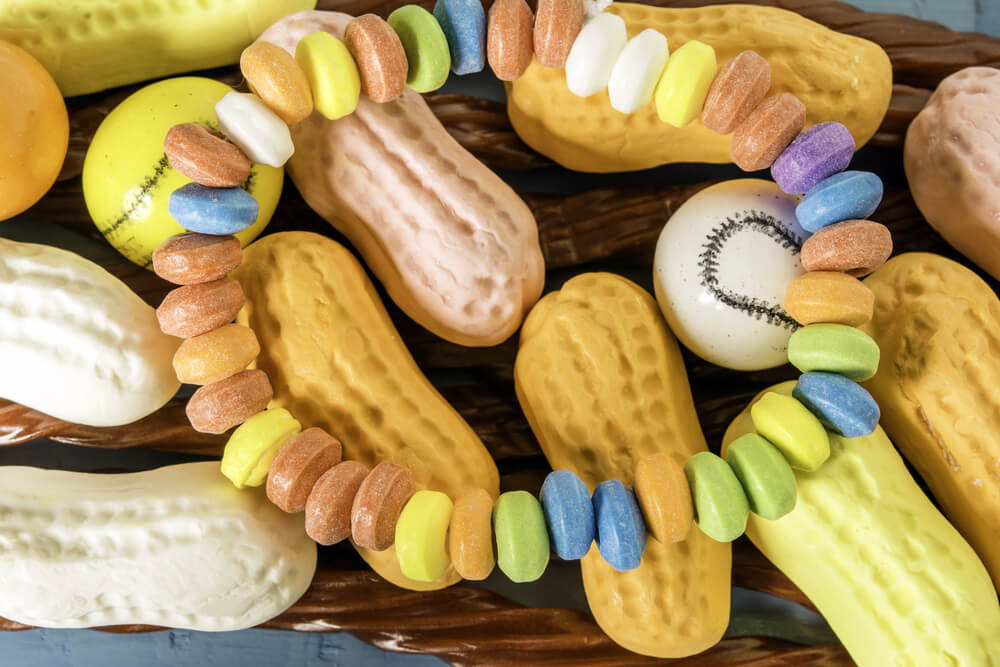
Orange, shaped like a peanut and flavored like banana, the circus peanut has never explained itself. The spongy marshmallow candies date to the nineteenth century, when they were sold loose from bins as a seasonal penny candy, and nobody has firmly established who made them first.
They did leave one lasting mark. In the early 1960s a General Mills product developer named John Holahan chopped pieces of circus peanuts into a bowl of Cheerios, an experiment that led to the marshmallow bits in Lucky Charms.
Spangler and Brach’s are among the companies that still produce them in quantity.
Good Humor Bars from the White Truck
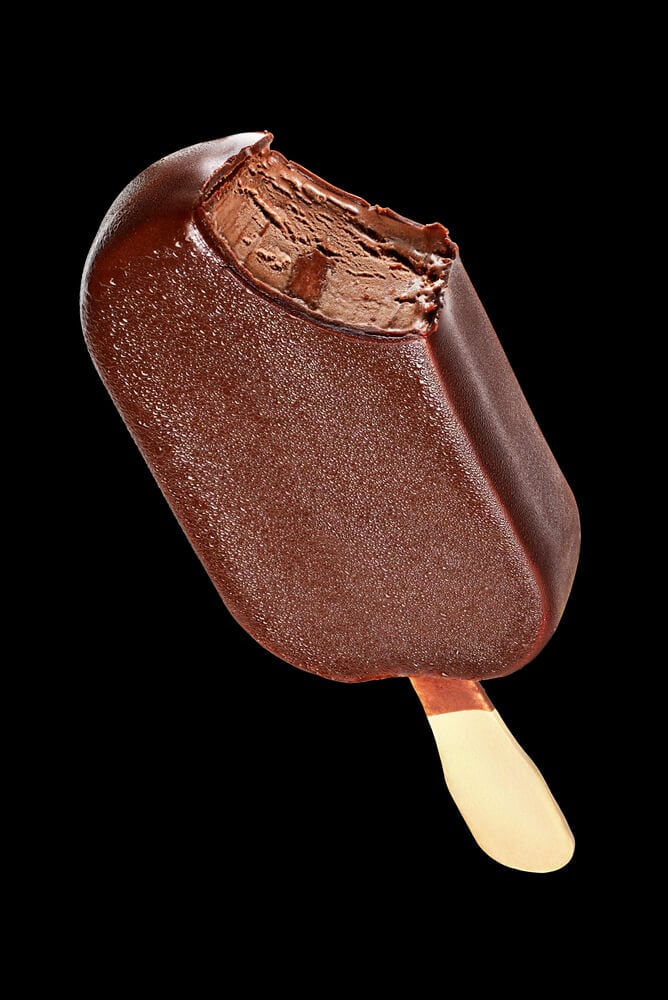
Harry Burt, a confectioner in Youngstown, Ohio, put a chocolate-coated vanilla ice cream bar on a wooden stick around 1920 and sent it out in white trucks fitted with bells. By the postwar years the Good Humor man was a suburban institution in a white uniform and cap, trained to tip that cap to customers.
Children listened for the bells from blocks away and ran inside to beg for a dime. The company sold off its truck fleet in the late 1970s and shifted to grocery freezers.
The bars are still made, though the bells now belong mostly to independent operators.
Twin Popsicles Split Down the Middle
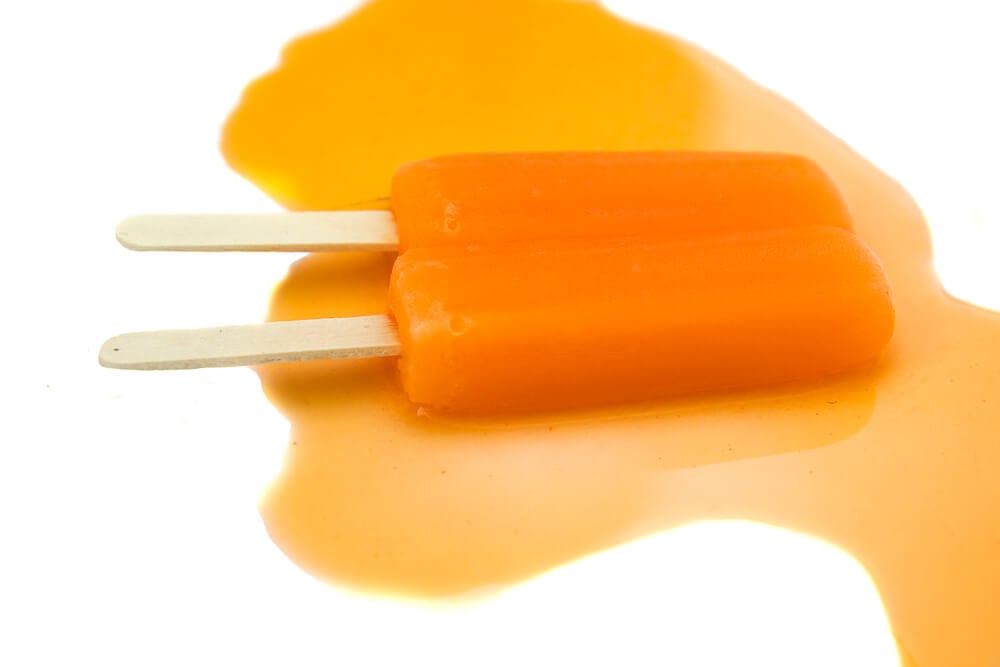
Frank Epperson of California patented his frozen ice on a stick in 1924, crediting a childhood accident with a cup of soda powder, water and a stirring stick left out on a cold night. The twin version, with two sticks and a groove down the middle, appeared during the Depression so that two children could share one nickel treat.
Splitting it cleanly was a skill, and the loser got the half that broke off low. The twin pop was retired in the 1980s in favor of the single-stick shape.
Orange, cherry and grape remain the standard flavors in the box.
Dixie Cups with Picture Lids
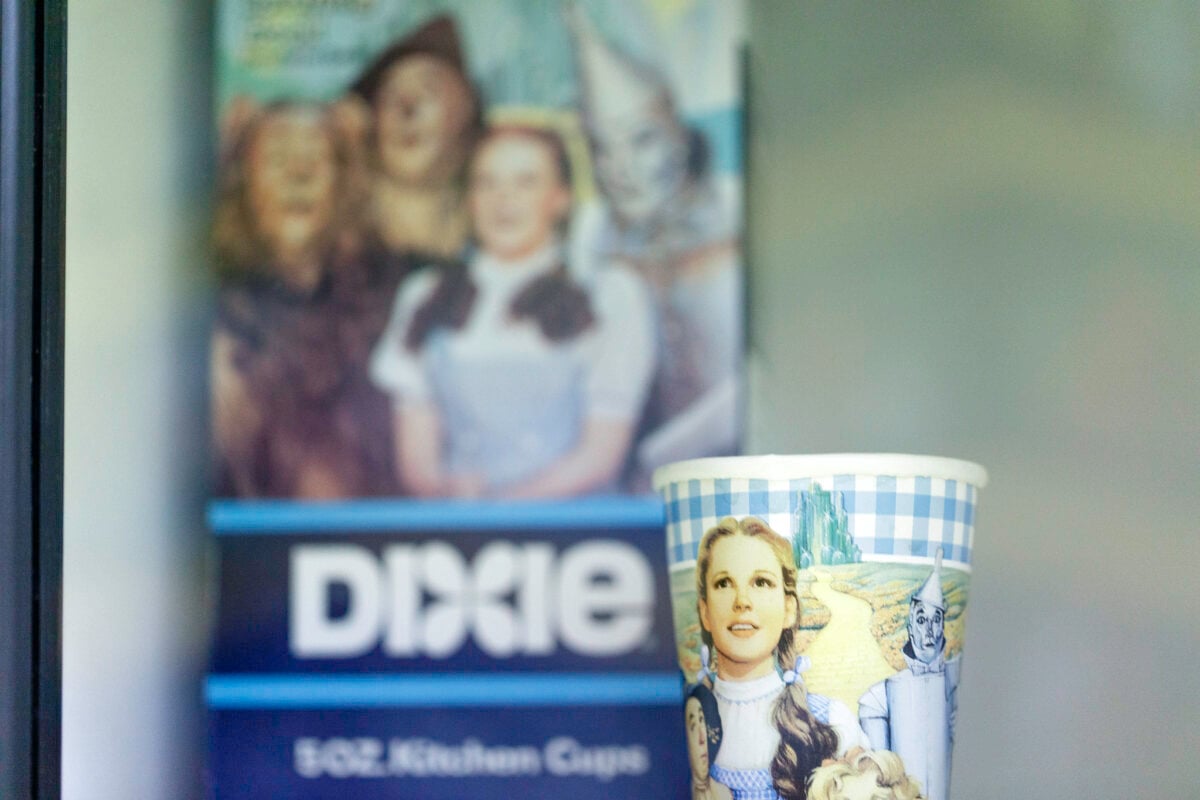
Peeling back the waxed lid was half the purchase. Single-serving Dixie Cups of ice cream, eaten with a flat wooden spoon, went on sale in the 1920s, and beginning in 1930 the underside of each lid carried a picture.
Performers from a radio program called the Dixie Circus came first, followed by movie stars, cowboys, athletes and, during the war years, tanks and warplanes. Children licked the ice cream off the picture and saved the lids, which could be redeemed for larger color portraits.
The picture lids ended in 1954. Old ones still surface at paper shows and flea markets, some with a faint vanilla stain.
Twinkies in the Lunch Pail
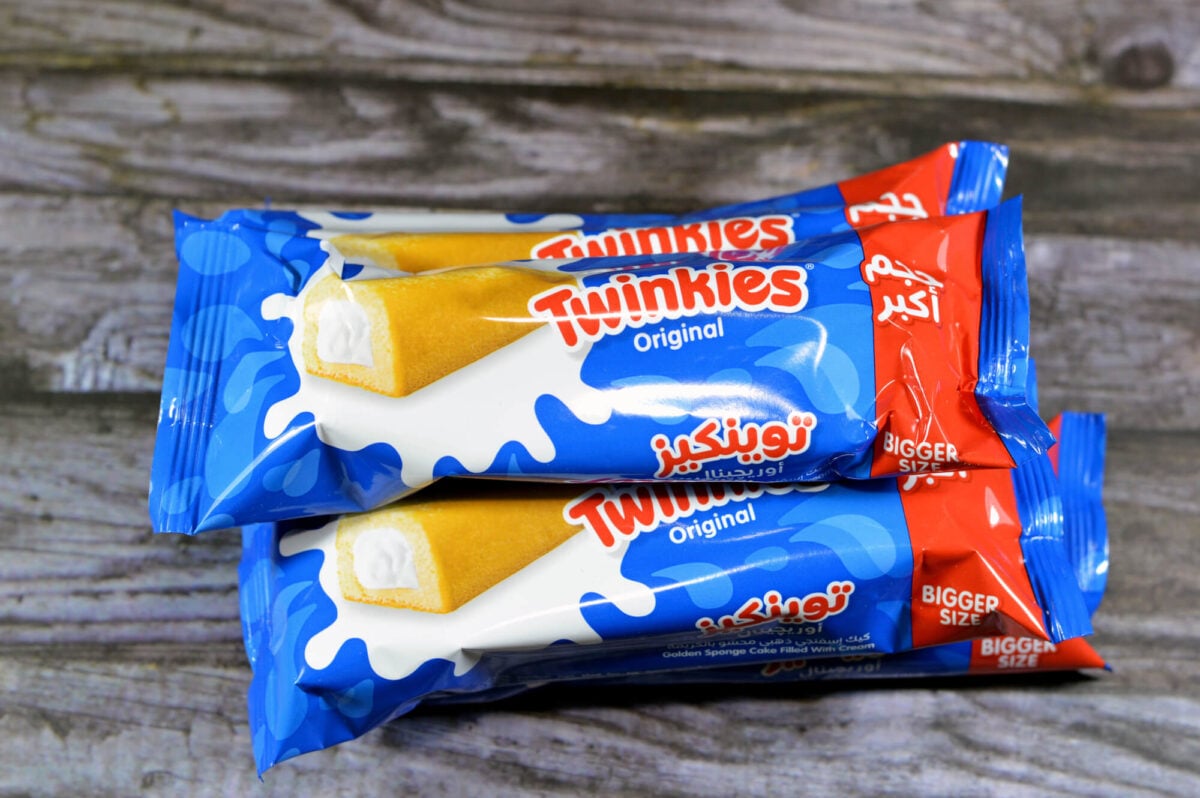
James Dewar, a bakery manager for Continental Baking near Chicago, created the Twinkie in 1930 to keep shortcake pans busy when strawberries were out of season. A pack of two sold for a nickel.
The original filling was banana cream, and the company switched to vanilla when bananas grew scarce during the Second World War. In the 1950s Hostess sponsored Howdy Doody, which put the cakes in front of nearly every child with access to a television set.
Hostess shut down in bankruptcy in November 2012, and Twinkies returned under new owners the following July.
Fizzies Drink Tablets
Dropped into a glass of water, the tablet hissed, spun and turned the water into something resembling soda. Fizzies came from the Emerson Drug Company of Baltimore, the maker of Bromo-Seltzer, which sold them regionally in the late 1950s before a national rollout in 1962 in flavors such as grape, orange, cherry and root beer.
Braver children skipped the glass and let a tablet foam on the tongue. The original formula relied on cyclamate sweeteners, and after the federal government banned cyclamates in 1969 the product was pulled.
It was revived in the mid-1990s and again in the 2000s with other sweeteners, but neither comeback lasted.
Jiffy Pop on the Stove
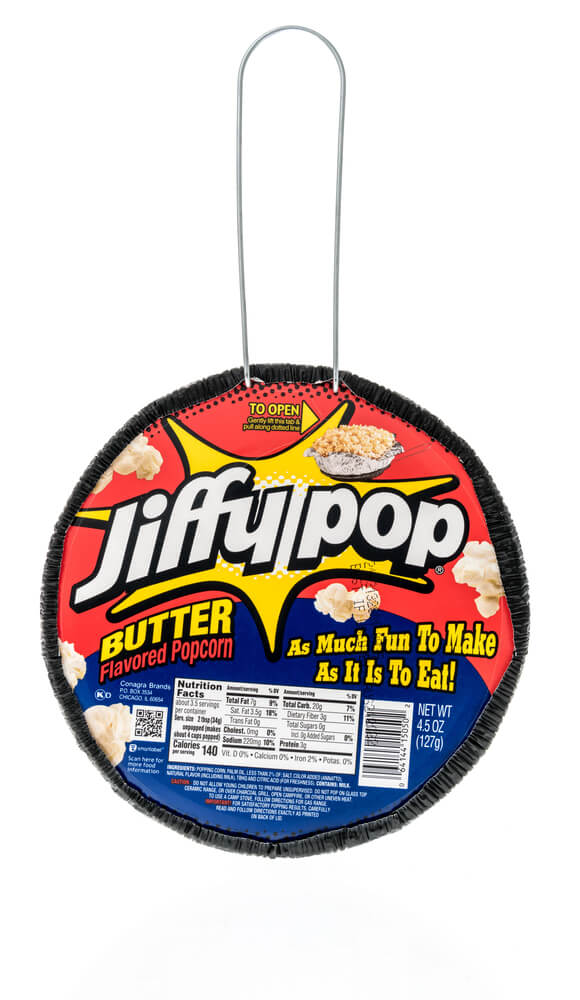
Frederick Mennen of LaPorte, Indiana, developed Jiffy Pop in the late 1950s, and American Home Products bought it in 1959 and took it national. The product was a shallow aluminum pan with a wire handle, sealed under a flat spiral of foil.
Shaken over a burner, the foil rose into a silver dome the size of a mixing bowl, which was most of the entertainment. Burned batches were common, since the only way to check on the popcorn was to tear the dome open.
Conagra still sells it, and the pan has found a second life over campfires.
Hand-Cranked Ice Cream on the Porch
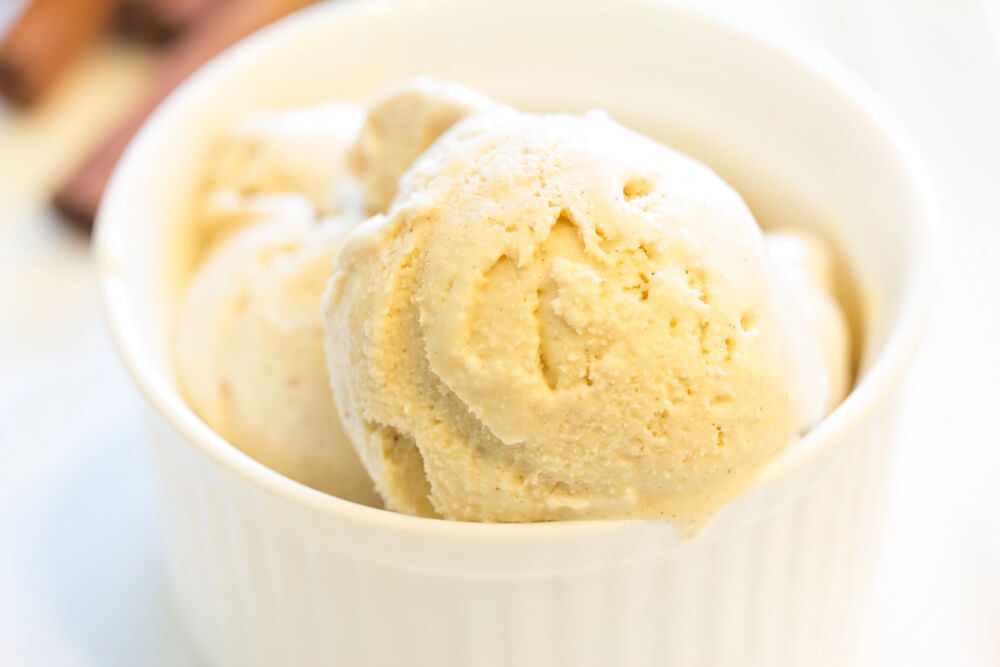
Nancy Johnson of Philadelphia patented the hand-cranked ice cream freezer in 1843, and the design barely changed for a century: a metal canister of custard set inside a wooden bucket packed with ice and rock salt. Children took the first turns at the crank while it spun easily, and adults took over as the mixture stiffened.
The reward for helping was the dasher, the paddle pulled from the canister and handed over to be licked clean. Peach was a summer favorite wherever the fruit grew.
White Mountain, a New England brand dating to the 1850s, still sells wooden-bucket freezers.
Homemade Fudge from the Kitchen Stove
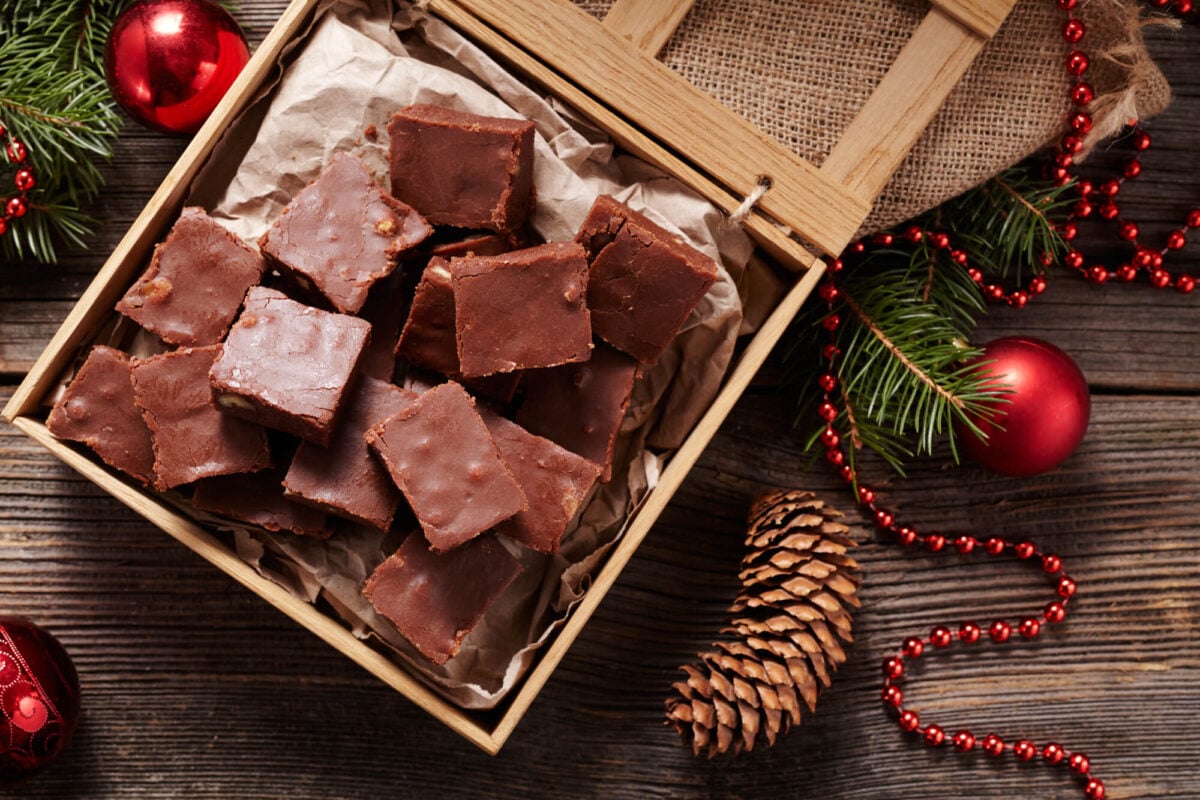
Fudge is an American invention with a college pedigree. A Vassar student named Emelyn Hartridge wrote that she made 30 pounds of it for a senior auction in 1888, using a recipe passed along from Baltimore, and the fad spread through women’s colleges from there.
By the 1930s and 1940s it was a standard home candy, boiled in a heavy pan until a drop of the syrup firmed up in cold water, then beaten by hand until it lost its gloss. Results varied with the weather and the cook’s patience.
A grainy batch was eaten anyway, and a batch that never set was served with a spoon.
Pennies, Nickels and a Paper Sack

Most of these treats were cheap by design. They were priced for a child’s own money, sold one piece at a time, and made by regional companies that printed a home city on the wrapper.
A candy bar could teach a kid something about Nashville, Boise or Pittsburgh before a geography class ever did. Grandparents who describe these sweets rarely stop at the taste.
They describe the counting of coins, the long deliberation at the counter and the walk home with the sack. A surprising number of the candies can still be bought, and the price is the one detail that has not survived.
More from Go2Tutors!

- The Romanov Crown Jewels and Their Tragic Fate
- 13 Historical Mysteries That Science Still Can’t Solve
- Famous Hoaxes That Fooled the World for Years
- 15 Child Stars with Tragic Adult Lives
- 16 Famous Jewelry Pieces in History
Like Go2Tutors’s content? Follow us on MSN.