Flowers and Plants That Bloom First Each Spring Season
Winter feels like it lasts forever. The trees are bare, the ground stays cold, and everything looks the same shade of brown and gray.
Then one day, something changes. A tiny green shoot pokes through the soil, or a splash of color appears where there was none before.
These early bloomers are nature’s way of saying the hard part is over. They don’t wait for perfect weather either.
These tough little plants push through snow, handle freezing nights, and still manage to put on a show.
Snowdrops
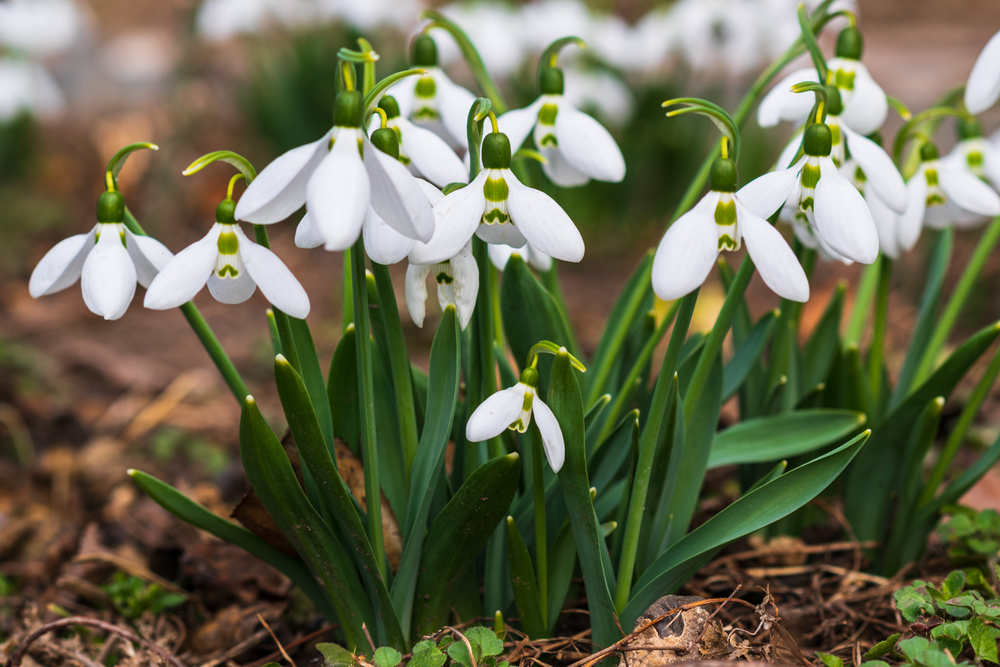
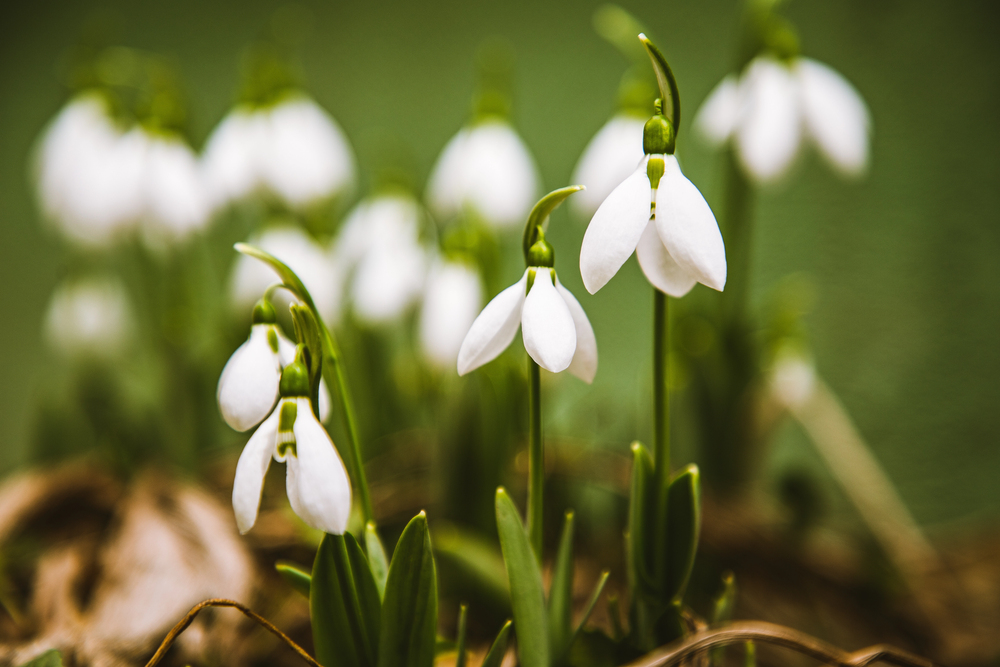
Snowdrops live up to their name by appearing while snow still covers the ground. These small white flowers hang like little bells and often bloom in late January or early February, depending on where you live.
They’re only about six inches tall, but they’re strong enough to push through frozen soil. Gardeners love them because they’re one of the first signs that spring is coming, even when it still feels like the middle of winter.
Crocuses
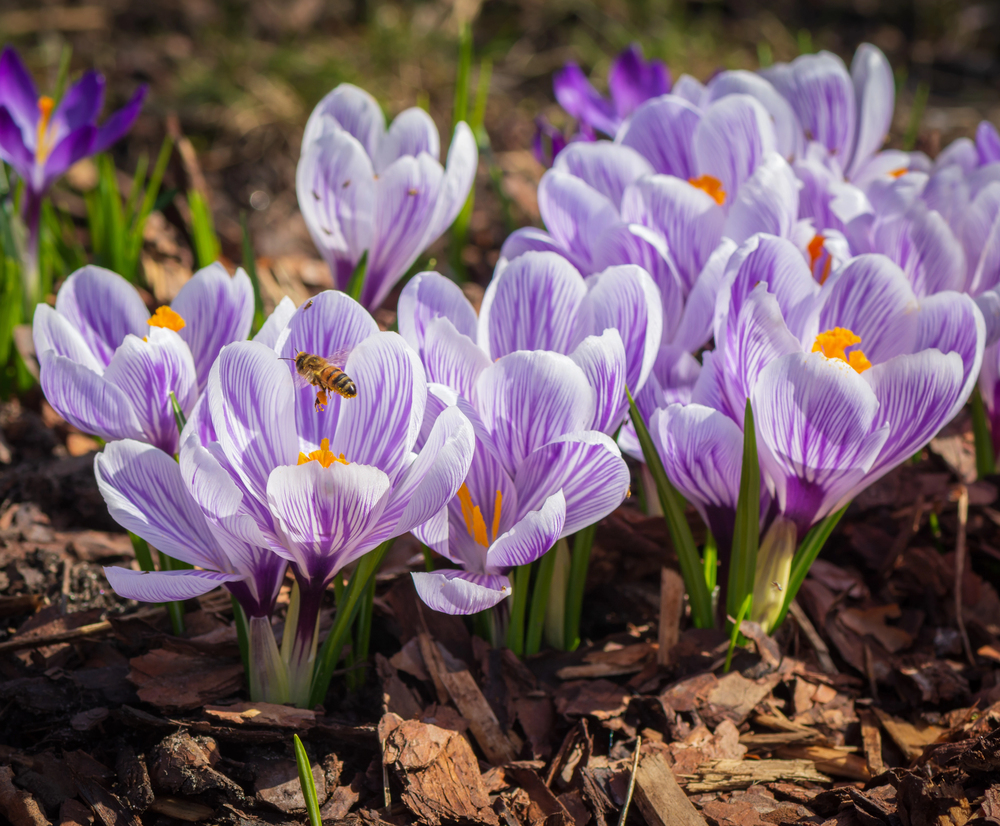
Crocuses pop up in every color you can imagine. Purple, yellow, white, and striped varieties carpet lawns and gardens before most people even think about planting anything.
These flowers stay close to the ground and open wide when the sun comes out, then close up again at night or when it gets cloudy. They multiply quickly too, so a few bulbs planted one year can turn into a whole field within a couple of seasons.
Winter Aconite
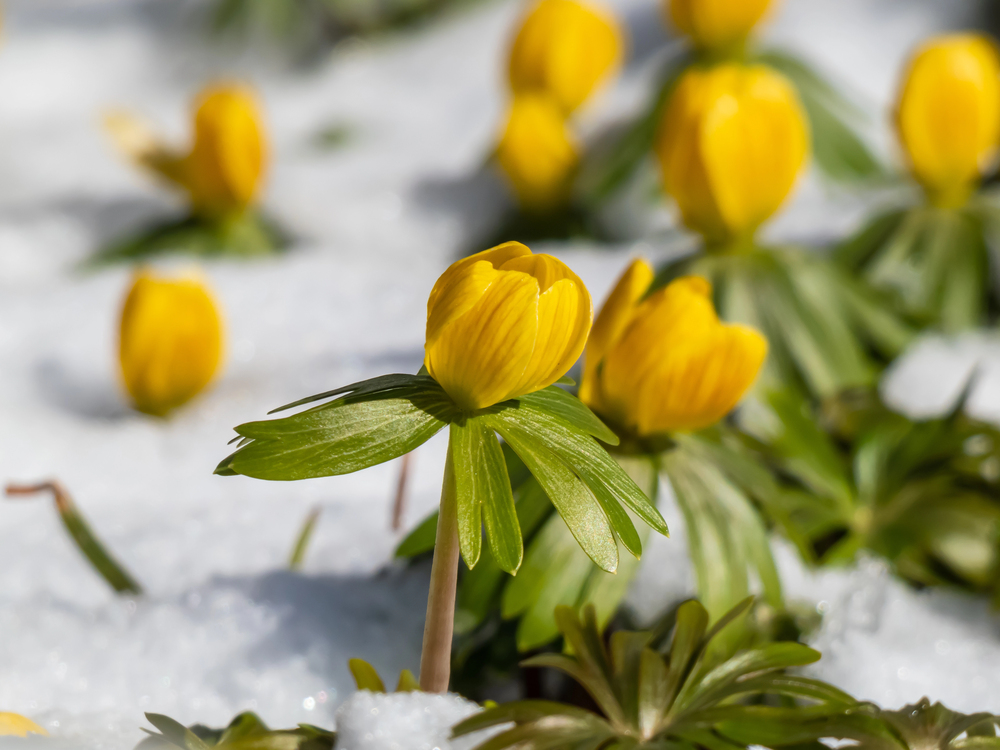
Winter aconite brings bright yellow blooms that look like tiny suns sitting on a collar of green leaves. These flowers appear in late winter and don’t seem to care about cold temperatures at all.
They spread out low to the ground and often grow in large patches under trees where other plants struggle. The yellow is so bright it almost seems out of place against the bare branches and dead leaves.
Hellebores
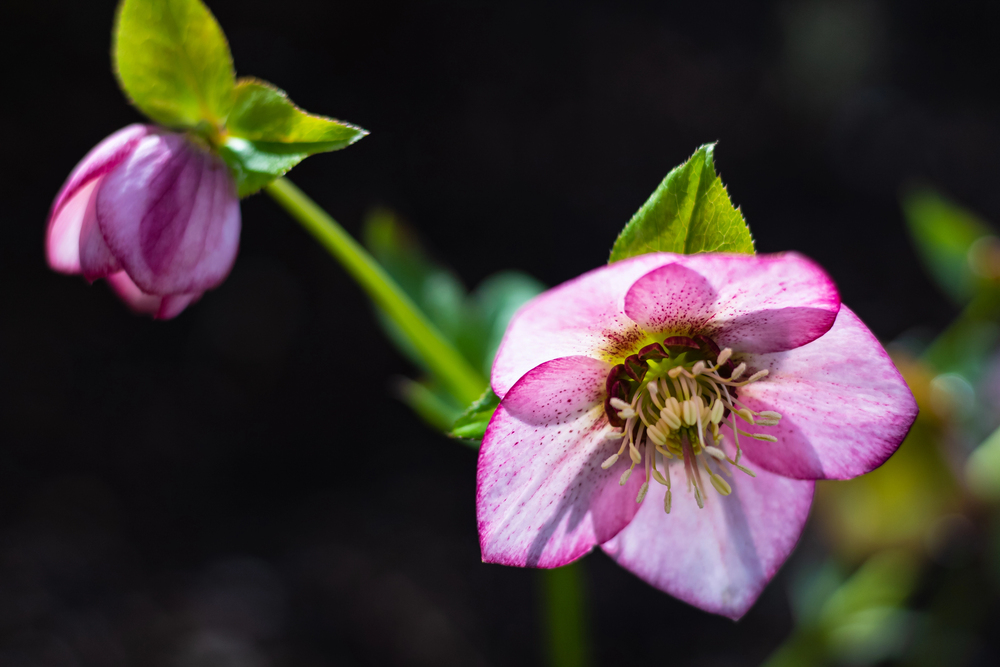
Hellebores bloom in shades of white, pink, purple, and even green. People call them Christmas roses or Lenten roses depending on when they flower, but they’re not actually roses at all.
These plants have thick, waxy petals that can handle frost without wilting. They keep blooming for weeks, sometimes even months, and deer won’t touch them either.
Witch Hazel
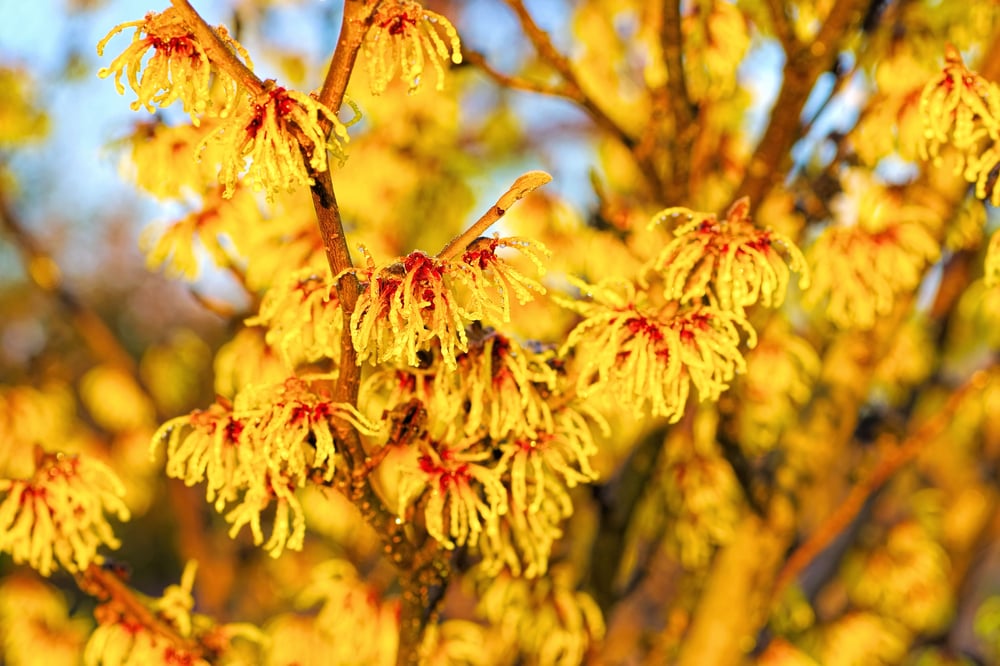
Witch hazel trees start blooming in late winter with the strangest flowers you’ll ever see. The petals look like little strips of ribbon in yellow, orange, or red, and they smell spicy and sweet at the same time.
These flowers can survive freezing temperatures by curling up when it gets too cold, then opening back up when the weather warms. The blooms appear before any leaves come out, so the whole tree looks like it’s covered in colorful confetti.
Daffodils
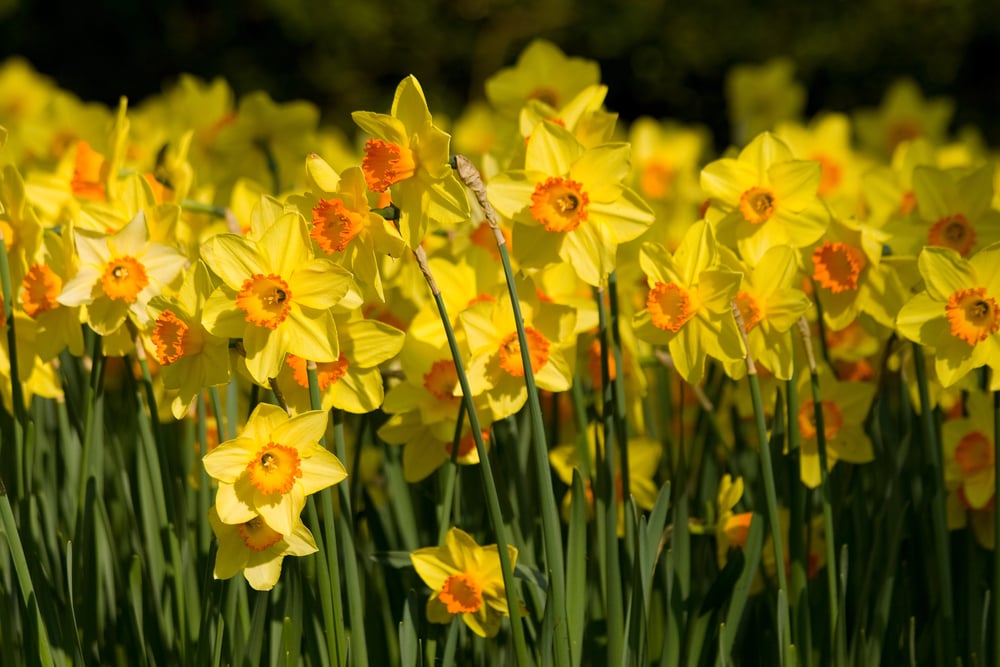
Daffodils are probably the most recognized spring flower. Those bright yellow trumpets show up in yards, parks, and along roadsides starting in March.
They come in all sizes, from tiny miniatures to huge varieties with blooms as big as your hand. Once planted, they come back every single year without any help, and squirrels and other animals leave the bulbs alone because they taste terrible.
Primrose
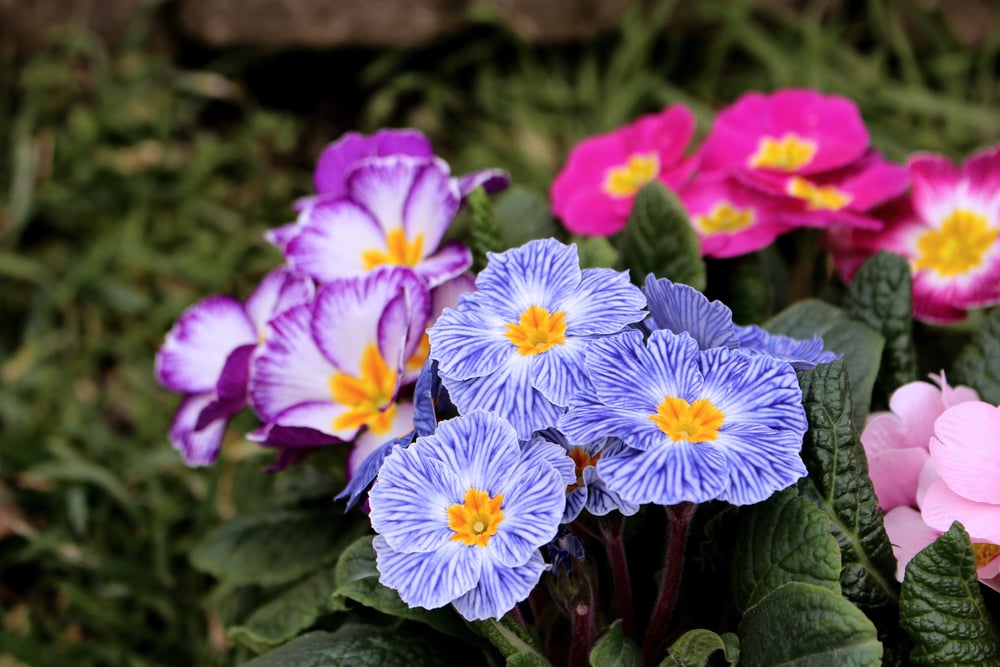
Primrose plants produce clusters of colorful flowers in pink, purple, yellow, red, and white. They bloom low to the ground and prefer cool weather, so they start flowering early and often stop once summer heat arrives.
These plants do well in partly shaded spots where other flowers might not thrive. Their wrinkled leaves form a rosette pattern, and the flowers sit just above them on short stems.
Pussy Willows
Pussy willows aren’t exactly flowers, but those soft, fuzzy catkins are one of the first things to appear on shrubs in early spring. They start out silver and gray, then turn yellow as they mature and release pollen.
People used to cut branches and bring them indoors because they last for weeks in a vase. The fuzzy texture makes them popular with kids, who can’t resist touching them.
Glory Of The Snow
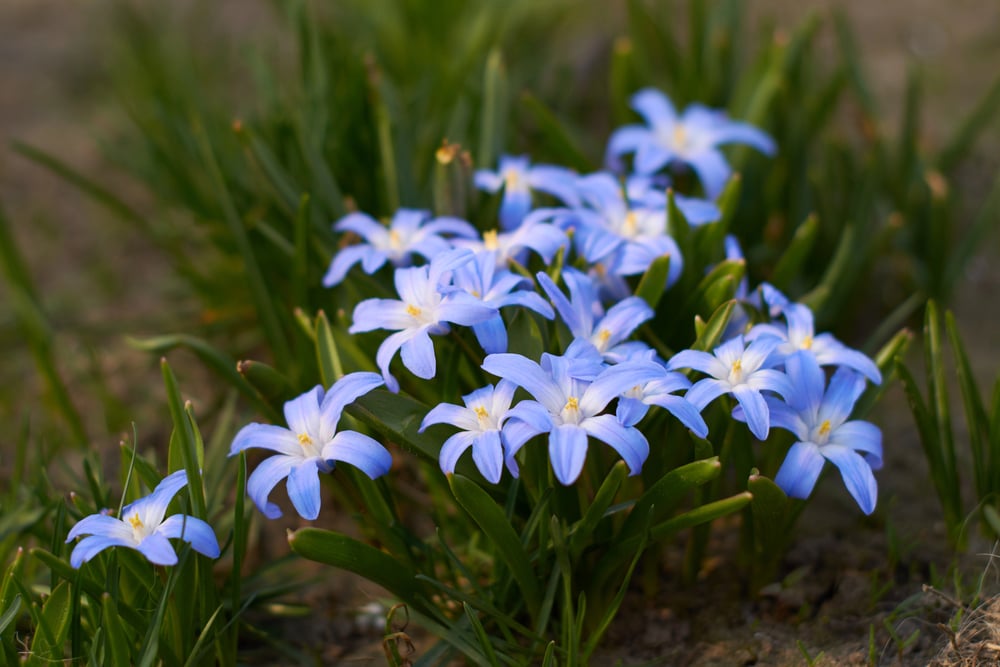
Glory of the snow produces star-shaped flowers in shades of blue, pink, and white. These tiny blooms appear in large clusters and often push through the last bits of melting snow.
They only grow about four to six inches tall, but they spread quickly to form colorful carpets. The flowers open during the day and close at night, and they usually finish blooming before most spring bulbs even start.
Siberian Squill
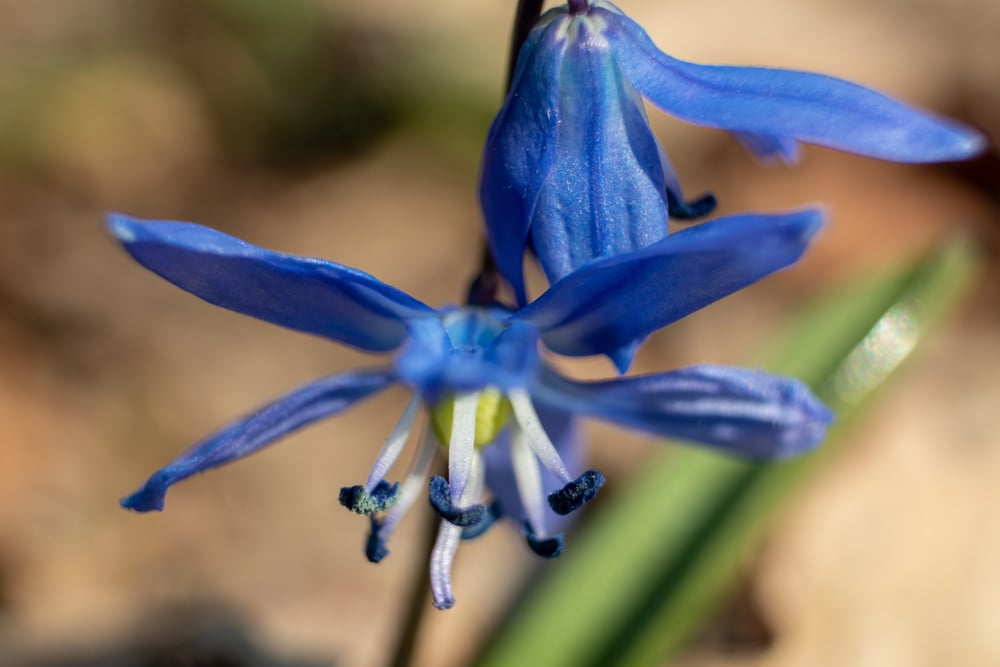
Siberian squill brings intense blue flowers that are almost electric in color. These small bell-shaped blooms nod downward and appear in clusters on short stems.
They naturalize easily, meaning they spread on their own and come back stronger each year. The blue is so vivid it stands out even from a distance, and they often bloom at the same time as crocuses for a nice color combination.
Iris Reticulata
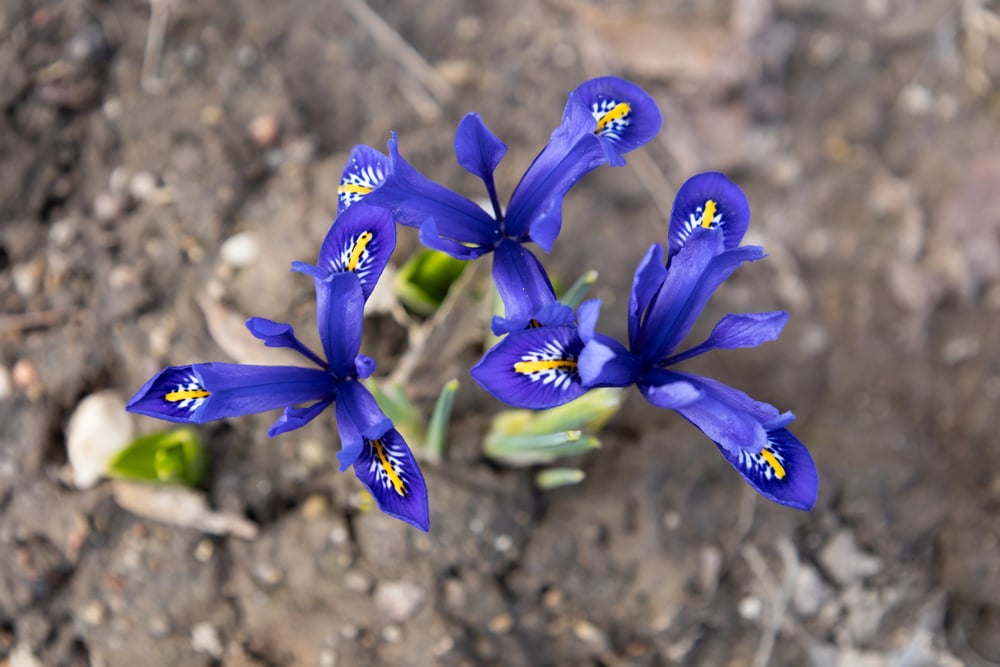
Starting off small, Iris reticulata shows up long before the big irises do. Deep purple leads the color lineup, though bright blue appears too – yellow pops up now and then, each petal marked with fine detail.
Standing just half a foot tall, it carries slender leaves resembling blades of grass. Though fragile in looks, frost doesn’t faze these little blossoms.
Sweet fragrance drifts out when few others dare bloom, making them stand apart quietly.
Flowering Quince
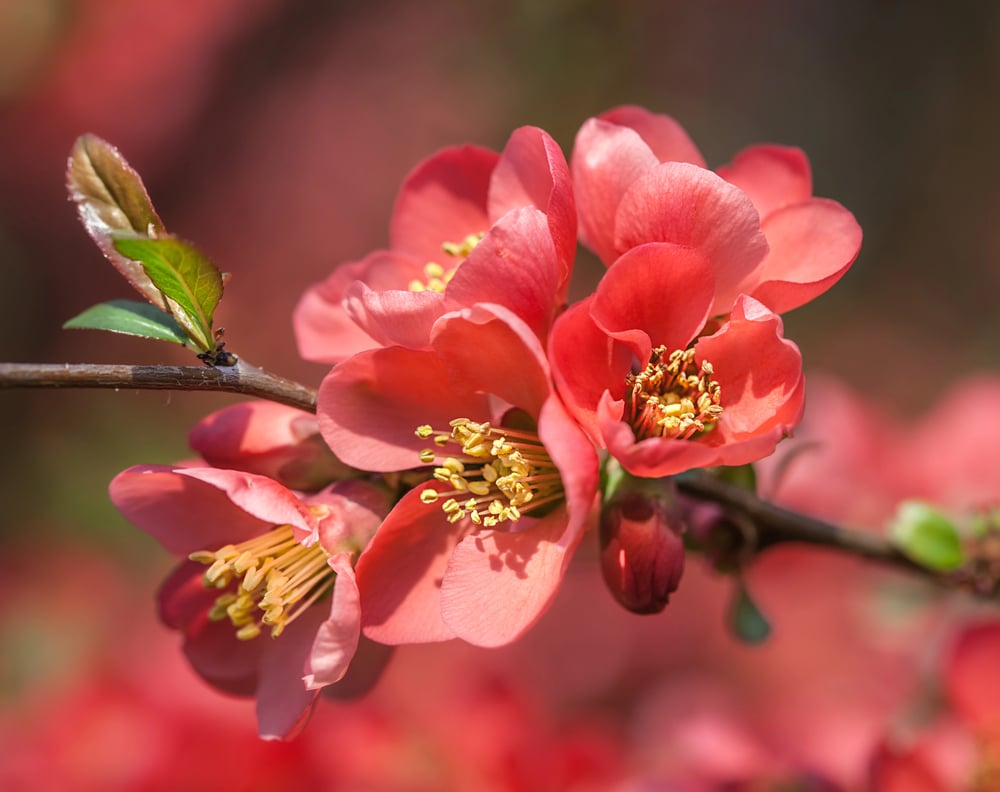
Bright bursts of color show up on flowering quince just as winter lets go. Blooms in bold reds, pinks, oranges, or whites take over the bare stems – no leaves around yet.
Bees and butterflies find their way here first, drawn by what’s open and fresh. Thorns line the twisted limbs, true, maybe even messy at times.
Yet once those petals spread wide, nothing else really matters.
Hepatica
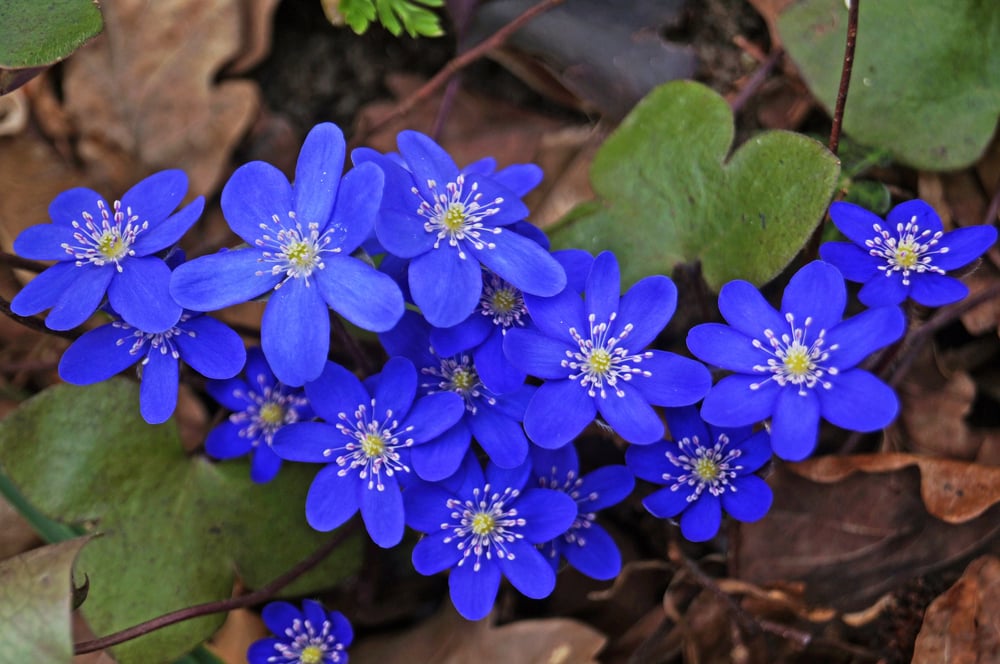
Tiny petals rise from old leaves under trees, colored like sky, dusk, blush, snow. On bright mornings, soft stalks lift them into light, spreading flat.
Even when cold months linger, green bits hang on – tattered, brown-edged, still clinging. Once blossoms fade, fresh foliage shows up late, doing things backward compared to nearly everything else nearby.
Winter Jasmine
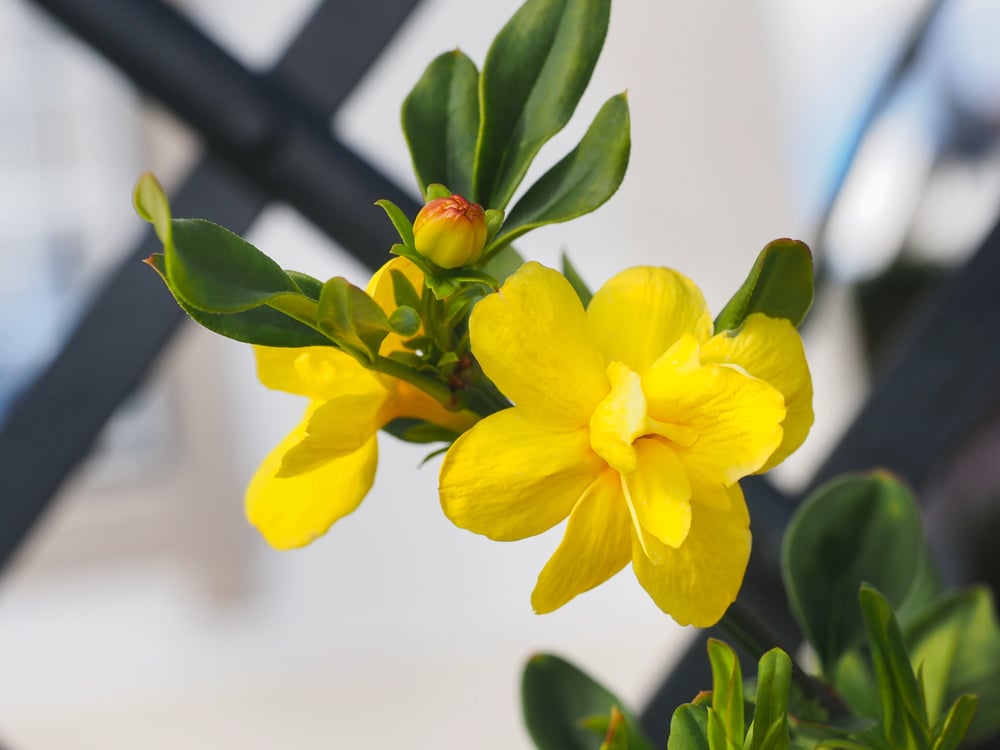
Yellow blossoms pop along loose, winding branches when most plants stay quiet. Late winter brings them out, often lingering past February, even showing up in January where winters are gentle.
Not every bloom here carries fragrance – some find that odd, given the name. Fast growth means it climbs without much wait, draping over barriers like paint spilled slowly.
When bare sticks dominate the yard, this one spills gold instead.
Lenten Rose
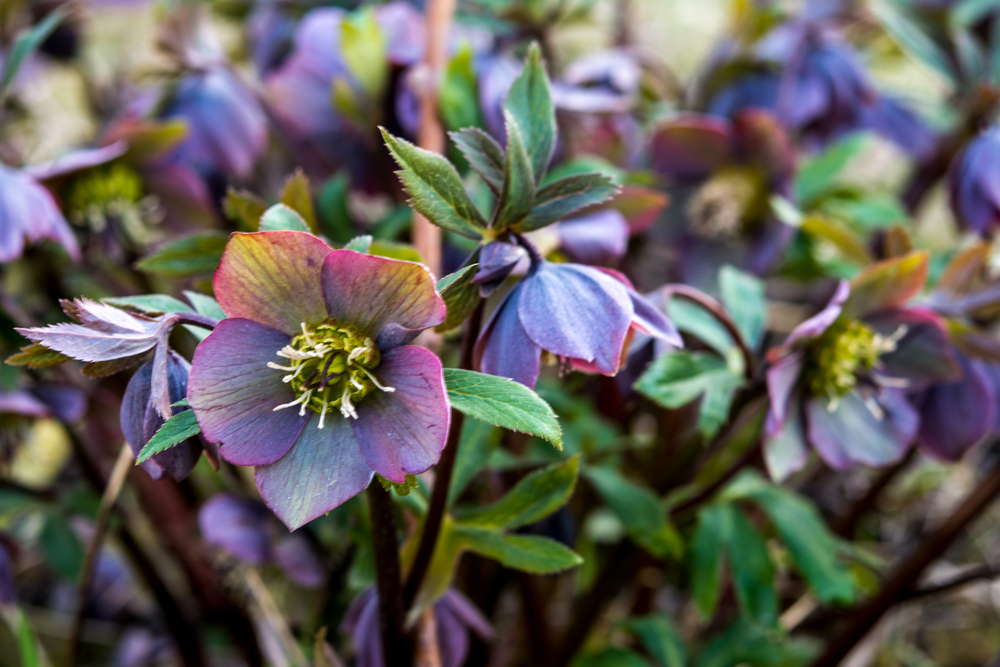
Downward-facing blossoms hide their insides unless gently raised by hand. Hellebores called lenten roses open just as winter begins to loosen its grip.
Shades range from pale blush to near-black, some dabbed like paint on porcelain. Even without bloom, leathery leaves stay through frost and thaw.
Late-winter color finds a quiet champion in these hardy perennials.
The Cycle Keeps Turning
Out there before everything else, these small flowers aren’t only bright spots in bare ground. Because insects like bees and butterflies find meals here when few options exist.
While tiny wings flutter close, birds pluck soft stems for hidden nests among branches. Without much fanfare, life leans on them each spring to kick things into motion.
Punctual as clockwork, they arrive silent and steady – proof cold seasons always loosen their grip.
More from Go2Tutors!

- The Romanov Crown Jewels and Their Tragic Fate
- 13 Historical Mysteries That Science Still Can’t Solve
- Famous Hoaxes That Fooled the World for Years
- 15 Child Stars with Tragic Adult Lives
- 16 Famous Jewelry Pieces in History
Like Go2Tutors’s content? Follow us on MSN.