27 Concession Stand Treats From Old Movie Theaters
The feature cost a quarter, but the lobby is where the theater made its money. Glass cases glowed under the lobby lights, the popper rattled behind the counter, and a kid with a dime faced the hardest decision of the week.
Most of what sold there was built for the dark: boxed, easy to pass down a row, and slow to melt in a warm hand. Some of it is still on the shelf.
Some of it survives only as a rattle in memory.
Lobby Popcorn With Real Butter
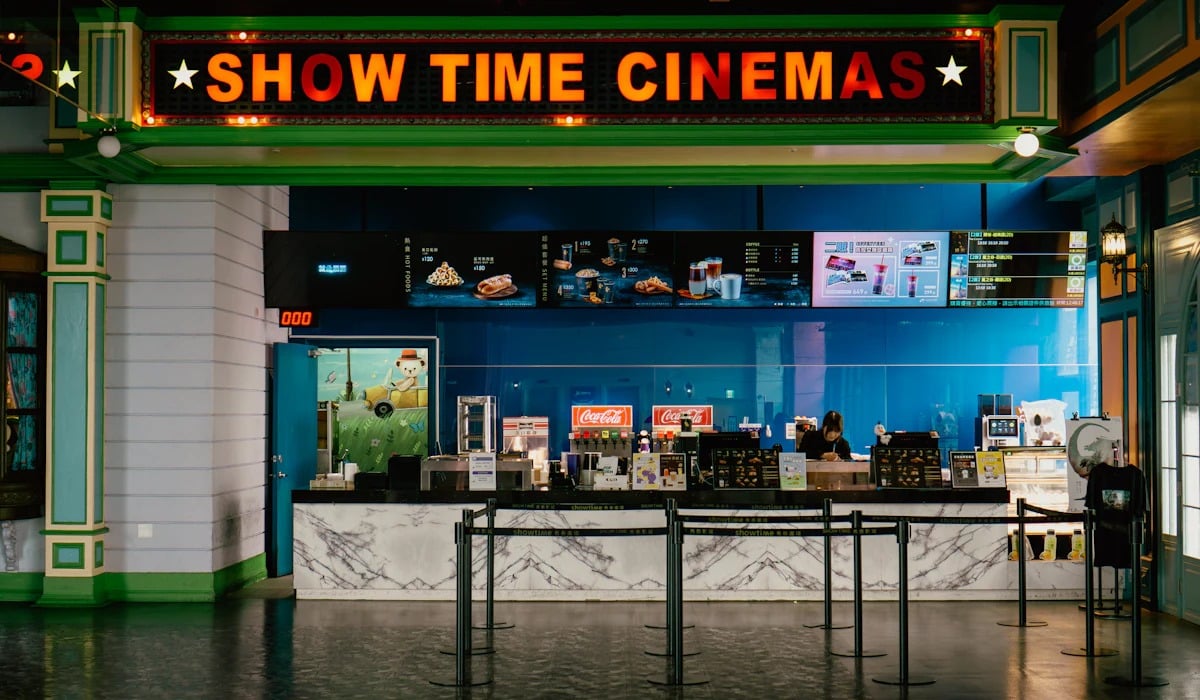
Theater owners in the 1920s wanted nothing to do with popcorn, which they associated with street carts and sticky carpets. The Depression changed the math.
A bag sold for a nickel or a dime, the corn cost almost nothing, and houses that had leased lobby space to vendors soon bought their own poppers. Chicago maker Cretors had shown a steam-driven popping machine at the 1893 Columbian Exposition, and its descendants ended up behind countless counters.
Real melted butter went on top until cheaper oil-based toppings replaced it in most chains. The smell did the selling before anyone reached the register.
Raisinets and the Philadelphia Chocolate Makers
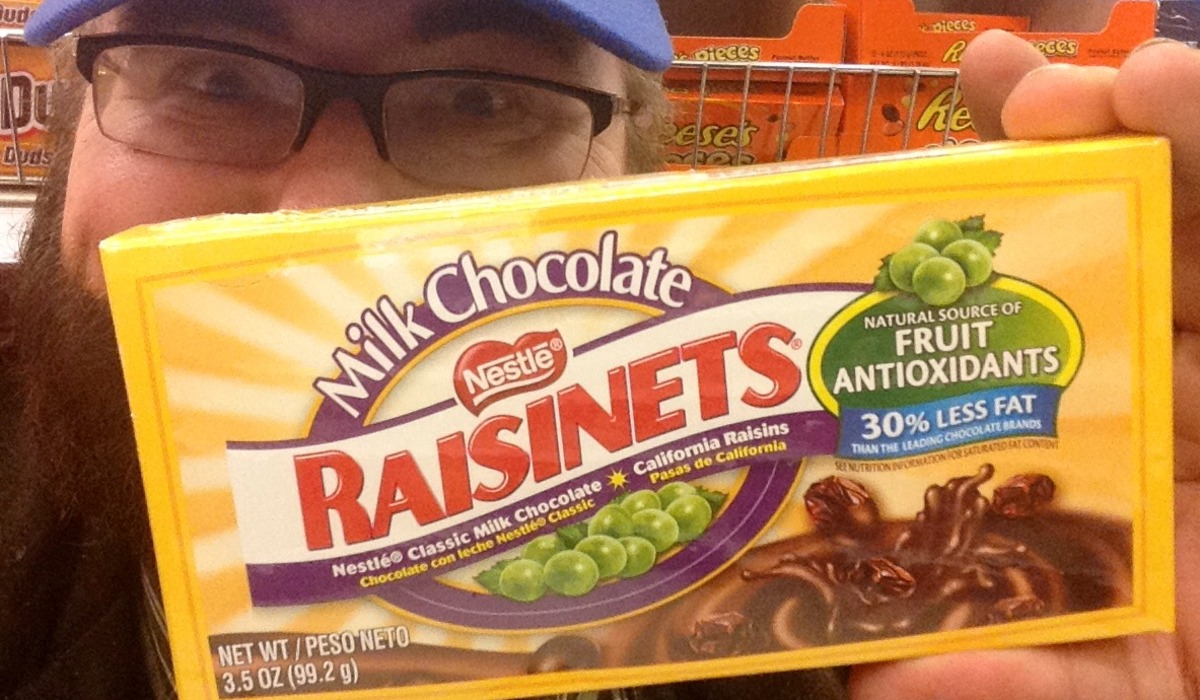
Blumenthal Brothers Chocolate Company of Philadelphia introduced Raisinets in 1927, covering California raisins in milk chocolate and packing them for the candy counter. The idea was simple enough that it barely needed advertising.
A box could be tipped into a tub of popcorn, a sweet-and-salty habit that generations of moviegoers treated as a private discovery. Ward Foods bought the Blumenthal line in 1969, Nestle took it over in 1984, and the Italian confectioner Ferrero has owned the brand since 2018.
Few lobby candies have changed hands so often and changed so little.
Goobers, Peanuts in a Chocolate Coat
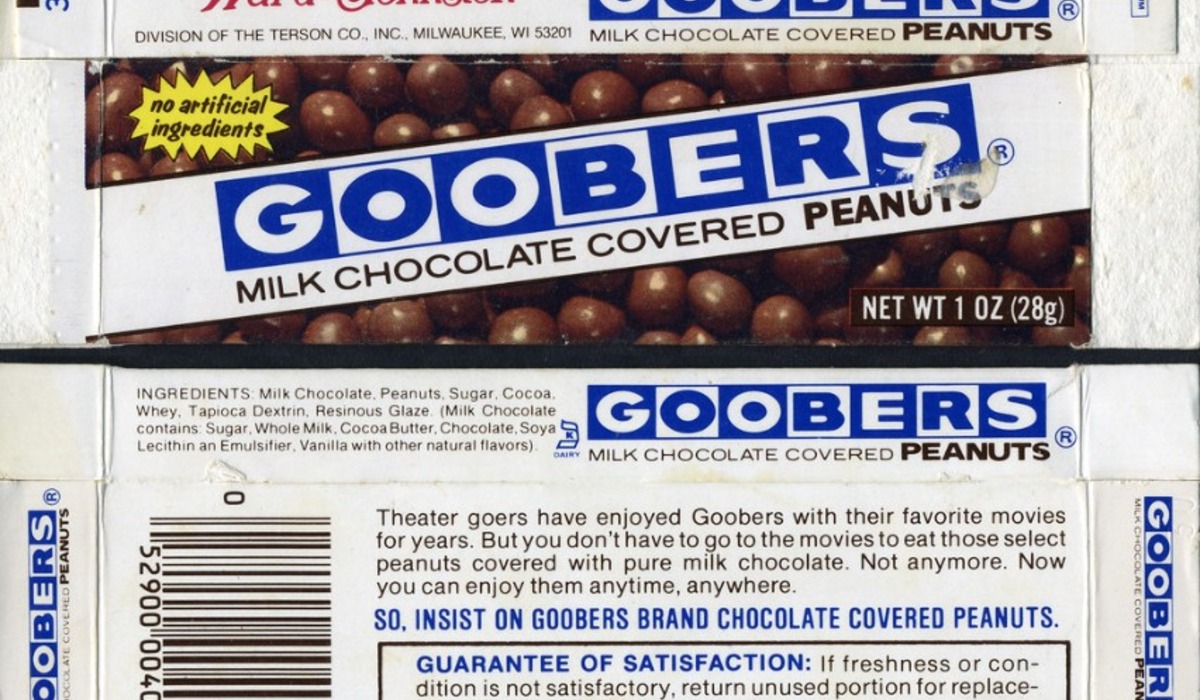
Goobers arrived in 1925, two years before their raisin-filled sibling, from the same Blumenthal Brothers plant in Philadelphia. The name borrows a Southern word for peanut, one usually traced to the Kongo word nguba.
Each piece is a roasted peanut inside milk chocolate, which made the box a cheaper cousin of the chocolate bars in the next row of the case. Theaters liked them because they poured easily and did not crumble.
Decades of lobby displays paired Goobers and Raisinets side by side, and plenty of patrons bought both and mixed them in the dark.
Sno-Caps and Their White Sprinkles
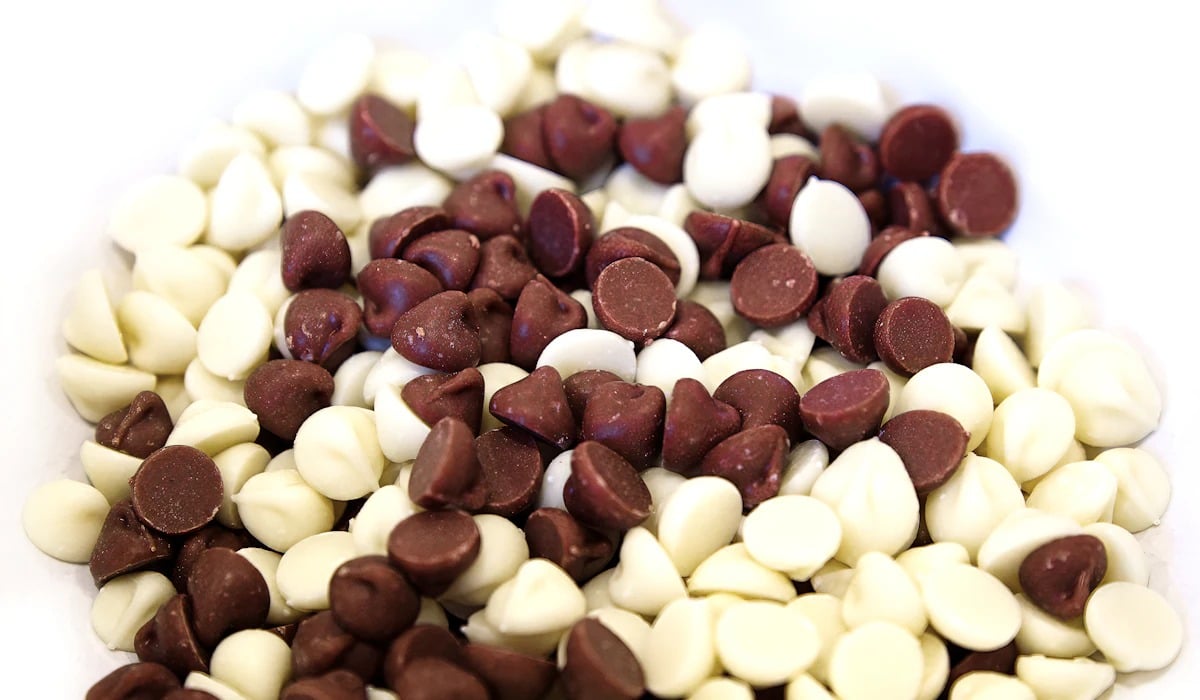
Semisweet chocolate drops covered in white nonpareils have been sold as Sno-Caps since the late 1920s, another Blumenthal Brothers product that found its real home at the movies. The candy is less sweet than most of its neighbors, and the tiny sugar beads give it a crunch that a plain chocolate chip lacks.
Outside of theaters the box was never easy to find, which is part of why people connect it so firmly with a Saturday matinee. Bakers knew the same sweet as a nonpareil.
The lobby gave it a brand name and a much larger audience.
Milk Duds, a Mistake That Kept Its Name
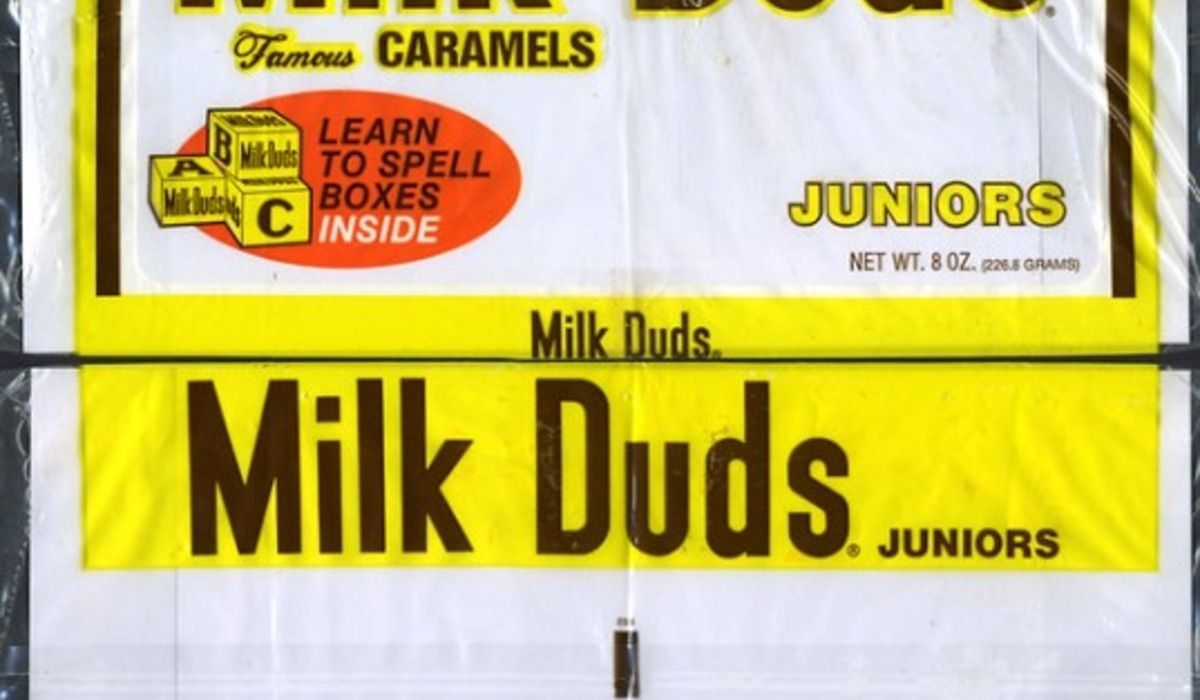
Chicago candy maker F. Hoffman and Company set out in the 1920s to produce perfectly round chocolate-covered caramels.
The machinery would not cooperate, the pieces came out lopsided, and the firm reportedly called them duds and sold them anyway. Milton J.
Holloway bought the company in 1928 and built Milk Duds into a national seller. A box lasted most of a double feature because each caramel took real work to chew.
Dentists had no say in the matter. Hershey has made the candy since 1996, and the yellow box still looks much as it did in a midcentury lobby case.
Junior Mints From a Broadway Joke
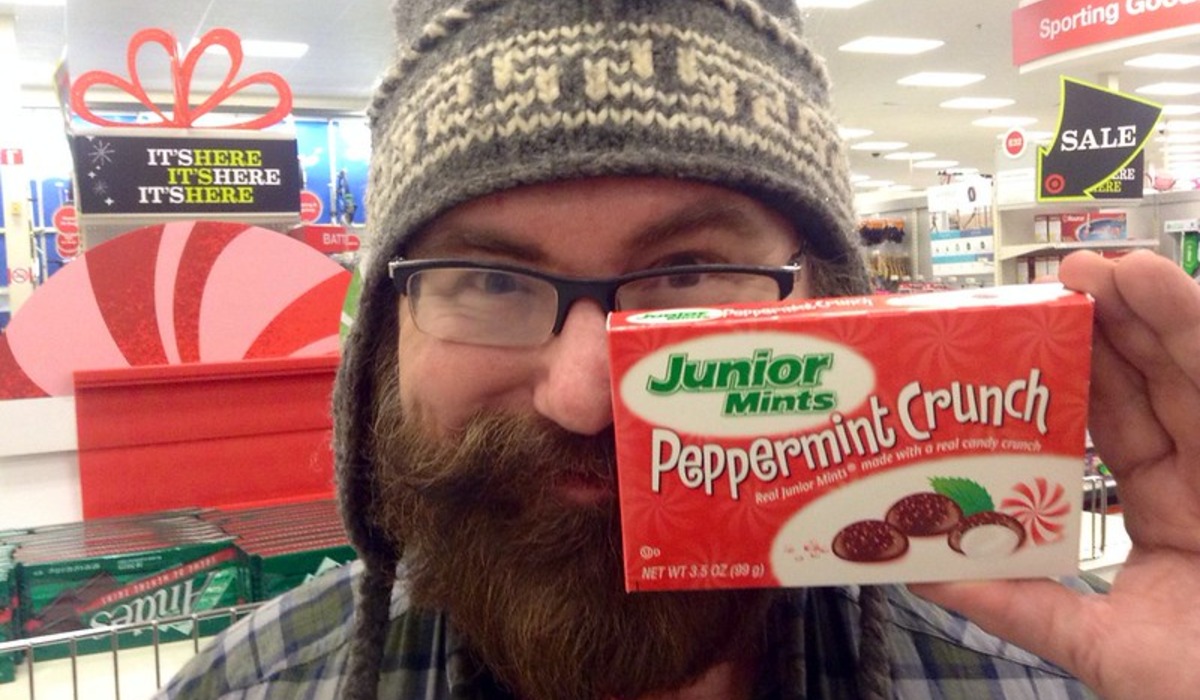
James O. Welch launched Junior Mints in 1949 from his candy company in Cambridge, Massachusetts.
The name plays on Junior Miss, a comedy that ran on Broadway in the early 1940s, and the pun has lasted far longer than any memory of the play. Each piece is a soft peppermint center under dark chocolate, small enough to eat by the handful and cool enough to cut through buttered popcorn.
Tootsie Roll Industries bought the brand in 1993 and has kept production in Cambridge. A 1990s sitcom built an entire operating-room plot around a dropped Junior Mint, which did sales no harm.
Jujubes, the Hardest Candy in the Case
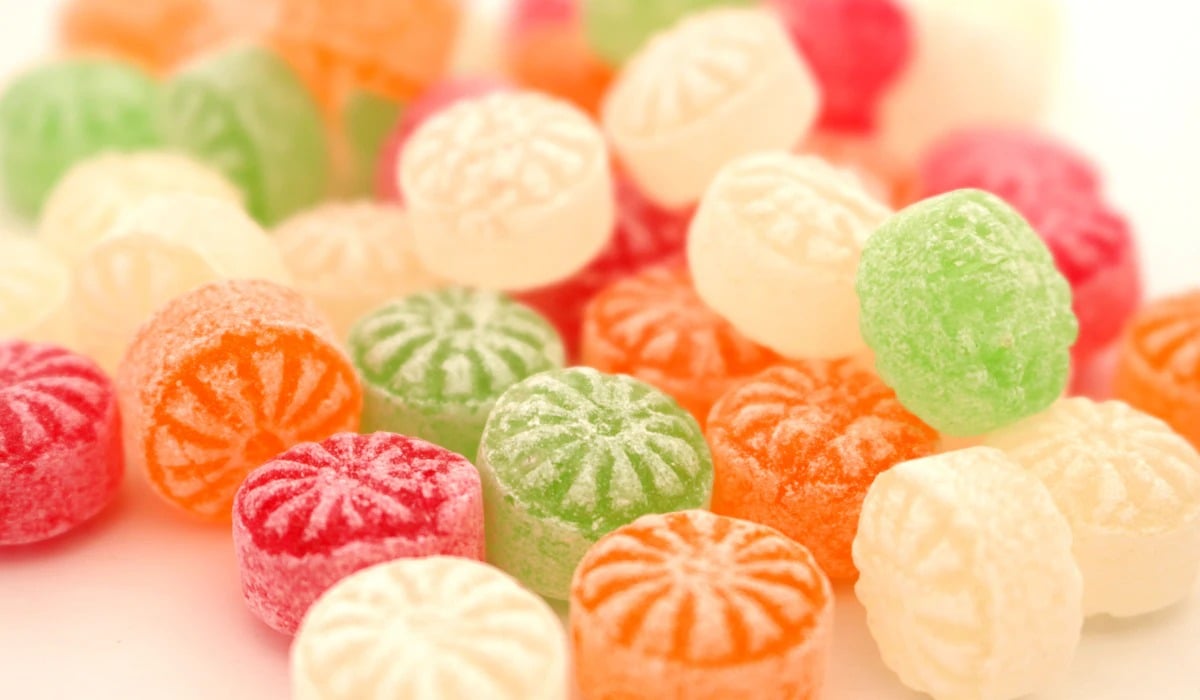
Henry Heide’s New York firm had Jujubes on sale by about 1920, and the little drops earned a reputation for being nearly indestructible. Older recipes were cured until firm, so a Jujube was less chewed than slowly worn down, and a single box could last through the newsreel, the cartoon and the feature.
Early flavors are usually listed as floral and old-fashioned, with violet, lilac and rose alongside lemon and spearmint. Kids found a second use for them as ammunition aimed at the screen or the row ahead.
Ferrara makes them now, and the box still rattles like a jar of buttons.
Jujyfruits and the Asparagus Nobody Expected
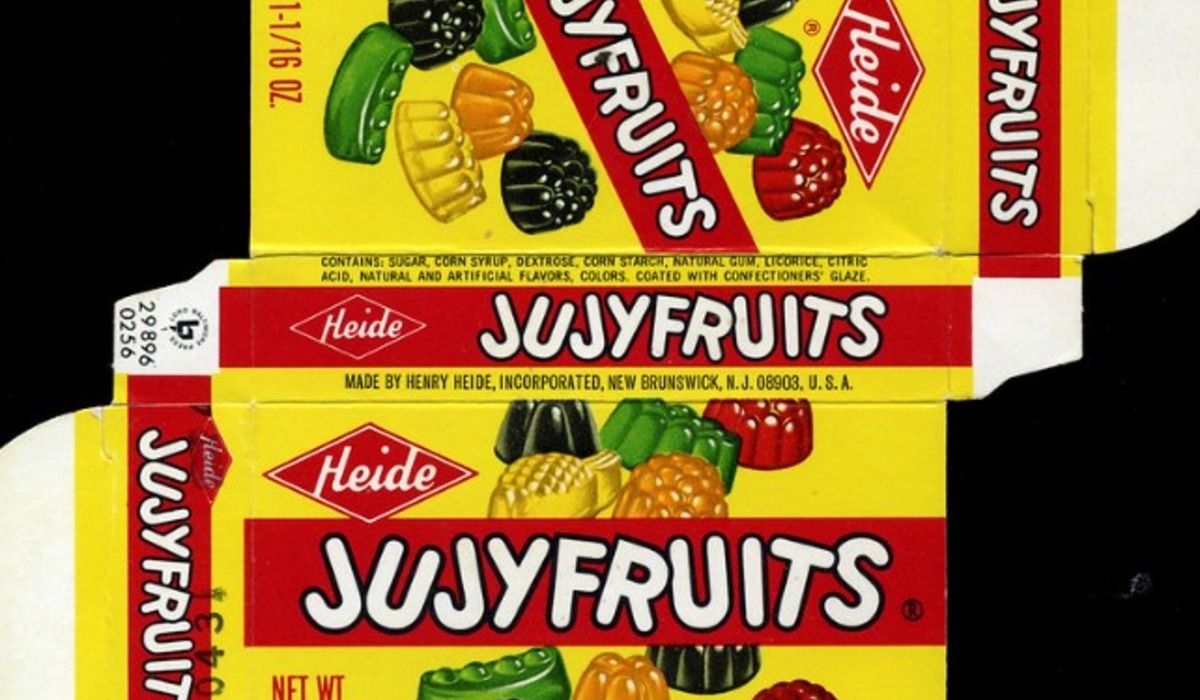
Heide introduced Jujyfruits in 1920 as a softer, fruit-flavored companion to its rock-hard Jujubes. The shapes are the odd part.
Each box holds tiny molded produce, including a pineapple, a bunch of grapes, a raspberry, a tomato, a banana, a pea pod and a bundle of asparagus, though the flavors have nothing to do with the vegetables. Black licorice pieces were traditionally the ones left rattling at the bottom.
The gummies cling to teeth with real commitment, which made one box a long-term project. No other candy in the case asked a child to eat a tomato.
Dots, the Gumdrops in the Yellow Box
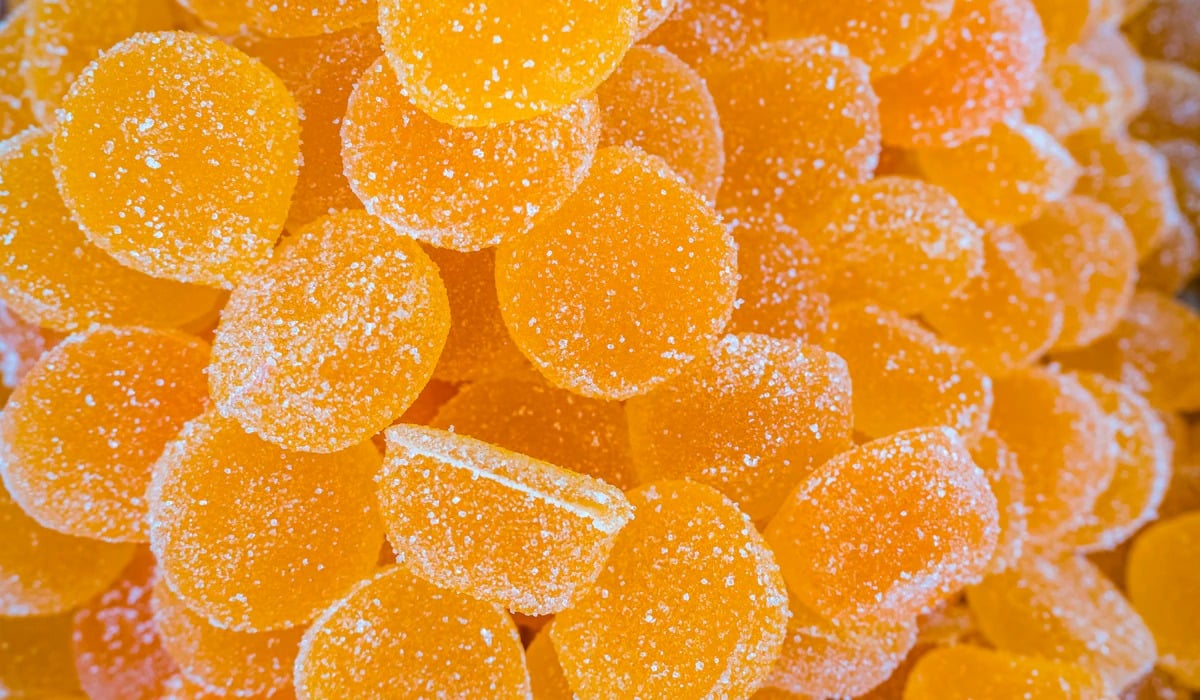
Mason, a candy maker then based in Brooklyn, brought out Dots in 1945. The original assortment has five flavors, cherry, strawberry, lemon, lime and orange, and the box barely changed for decades.
Tootsie Roll Industries acquired the Mason line in 1972 and now turns out billions of the gumdrops a year from its Chicago plant, by the company’s own count. Fans argue about freshness, since a new box is soft and an old one could pull a filling.
Black licorice Crows, a sister product, sat nearby for anyone who preferred not to share.
Good and Plenty in Pink and White
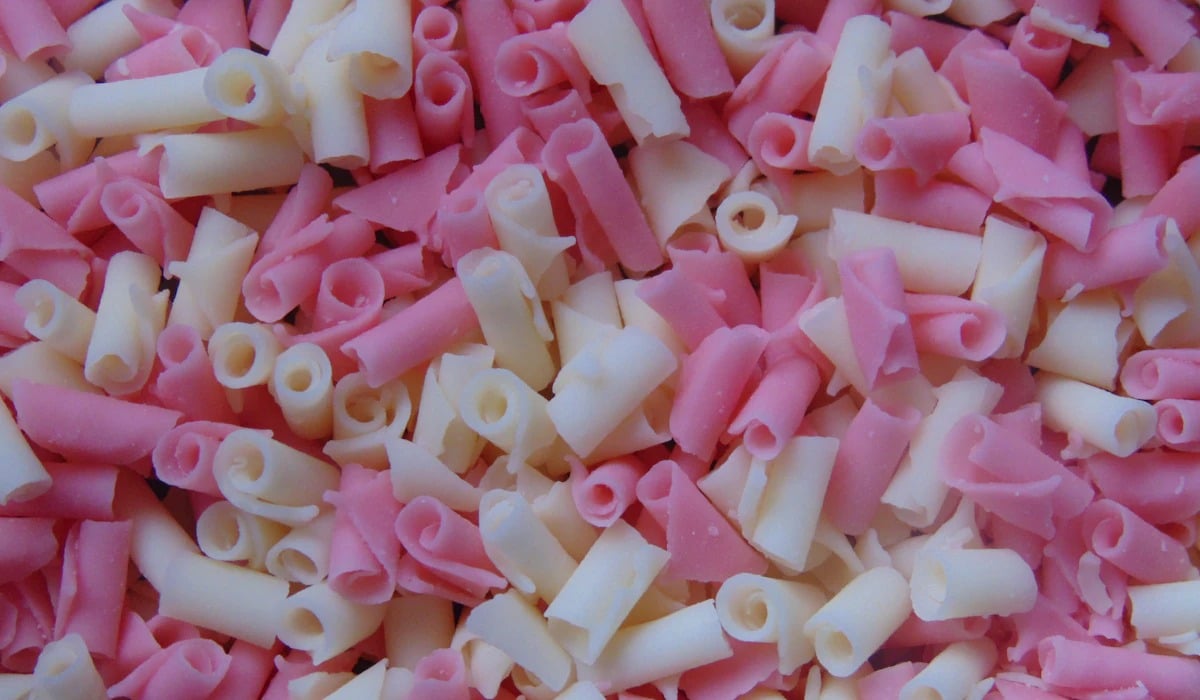
Quaker City Confectionery Company of Philadelphia first made Good and Plenty in 1893, which gives it a strong claim as one of the oldest branded candies still sold in America. The recipe is plain: a narrow piece of black licorice inside a hard candy shell, colored pink or white.
Around 1950 the brand gained a cartoon mascot, a young railroad engineer named Choo-Choo Charlie who shook the box to make a train sound. Kids in theater seats copied him.
The rattle was half the appeal, and the licorice was strong enough that few friends asked for a handful.
Mike and Ike, Named for Nobody in Particular
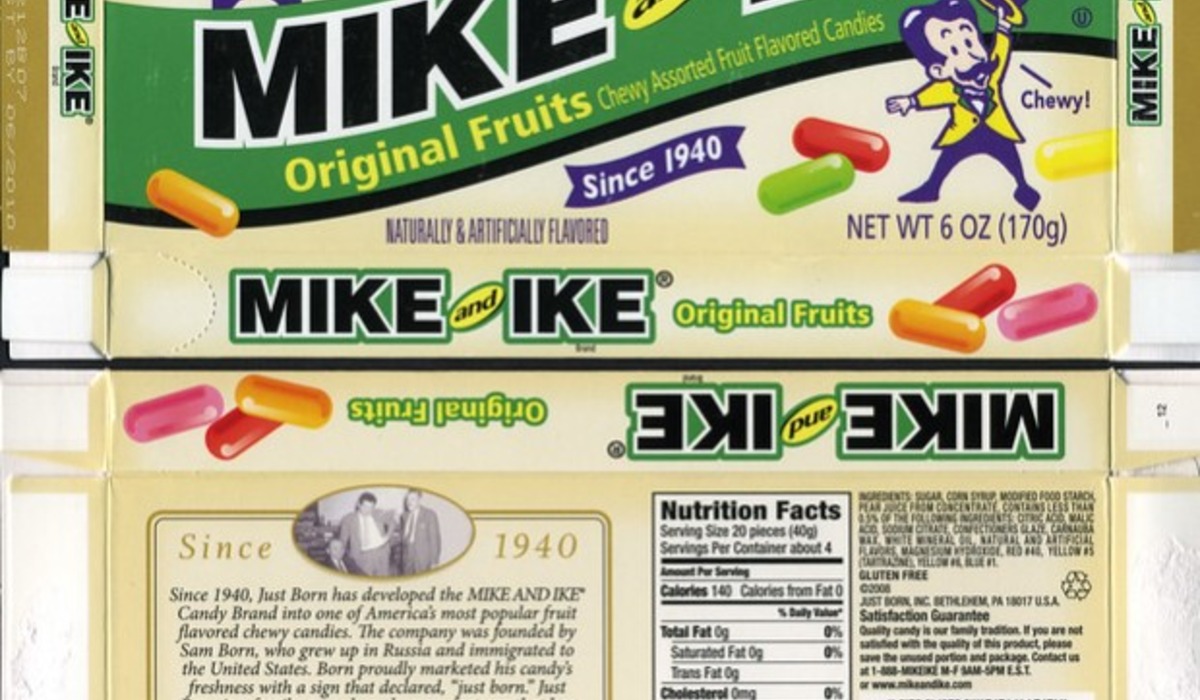
Just Born of Bethlehem, Pennsylvania, released Mike and Ike in 1940, and the company has never settled where the name came from. Theories point to a vaudeville act, a comic strip and a popular song, and none has been proven.
The candy itself is an oblong fruit chew with a thin shell, long sold in cherry, orange, lemon and lime. It needs no refrigeration and does not melt, which made it close to ideal for a lobby case under hot lights.
Sam Born, the founder, had earlier made his name with a machine that inserted sticks into lollipops.
Hot Tamales and the Cinnamon Burn
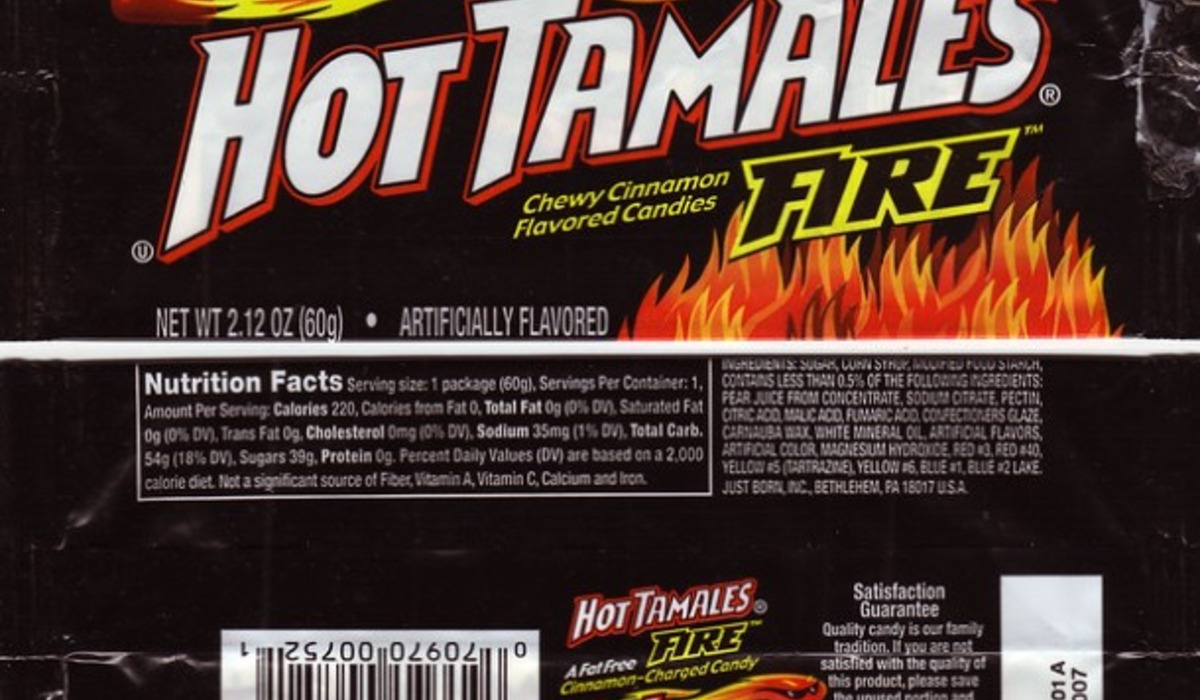
Hot Tamales followed from Just Born in 1950, shaped like their fruit-flavored predecessor but loaded with cinnamon. One often-repeated account holds that the company created them to use up rejected batches of Mike and Ike, since the strong spice and deep red color covered whatever came before.
The heat builds slowly, so the first handful seems mild and the fourth sends a kid to the drinking fountain. That made them a quiet friend to the soda counter.
Just Born still produces them in Bethlehem, alongside the marshmallow Peeps that fill stores each spring.
Red Vines From the West Coast
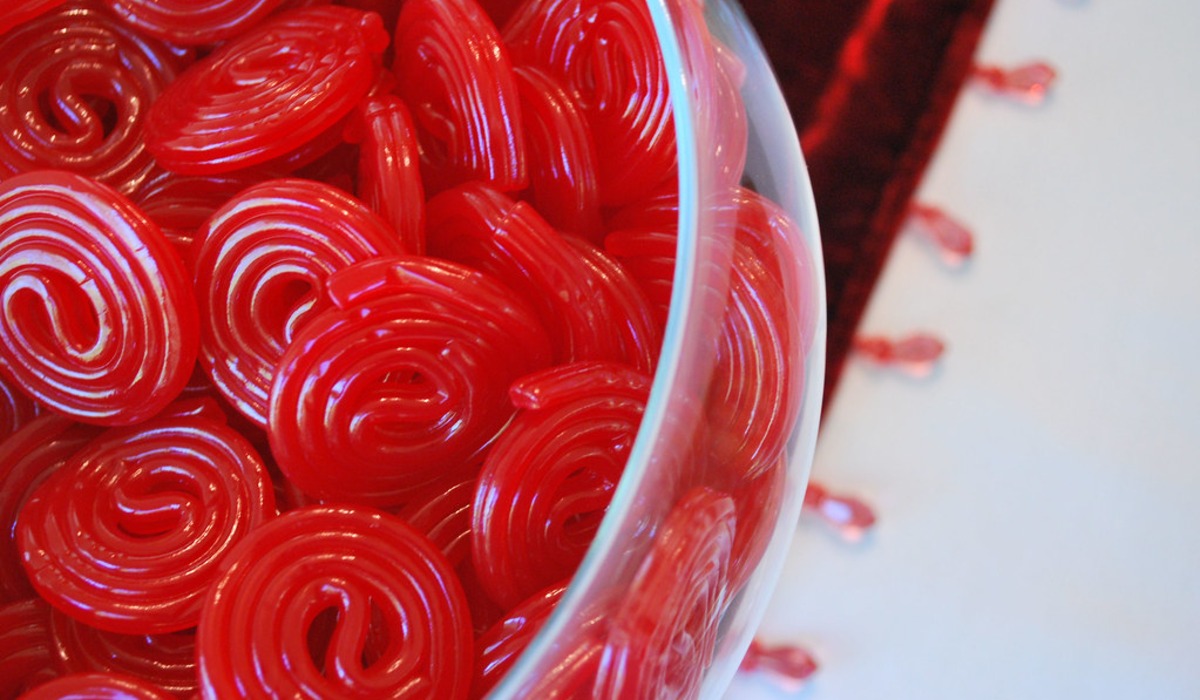
American Licorice Company began in Chicago in 1914 and later shifted its weight to California, where its red twists became the default movie licorice west of the Rockies. The candy first appeared in the 1950s as Raspberry Vines before the shorter name took hold.
Red Vines are softer and less waxy than their Eastern rival, with a flavor loyalists describe as closer to raspberry than strawberry. Theaters sold them in flat trays and tubs.
Biting off both ends and sipping soda through the hollow twist was a trick passed from one row of kids to the next.
Twizzlers, the Eastern Twist
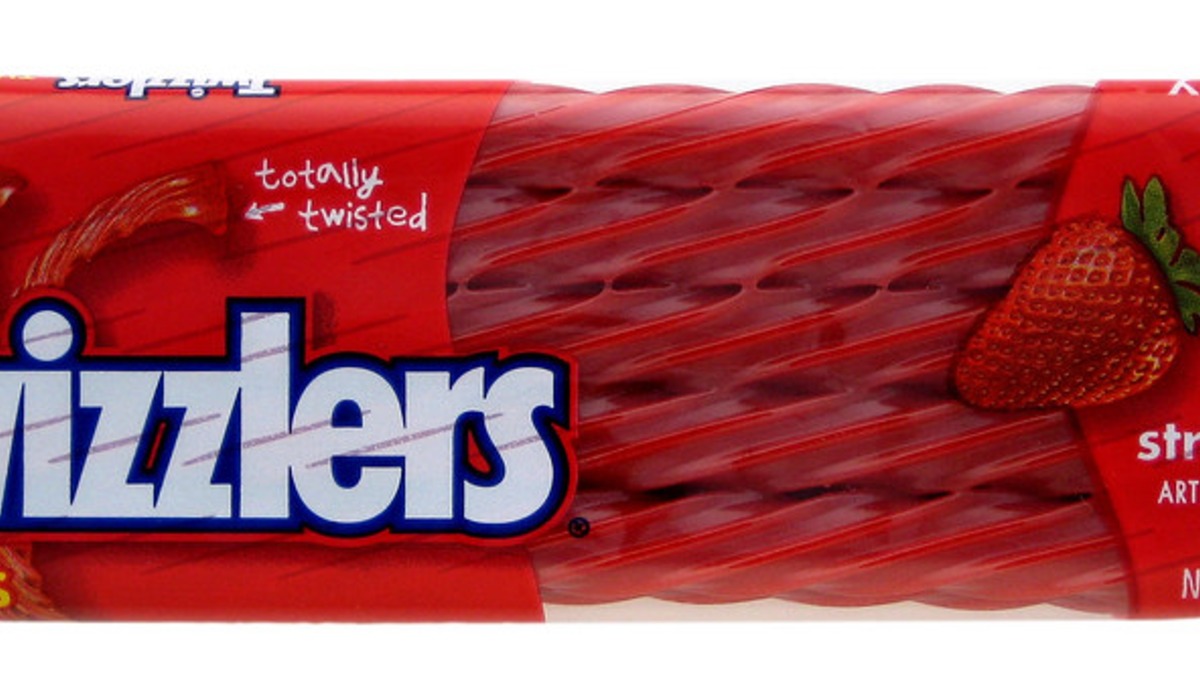
Young and Smylie, a confectionery firm founded in 1845, adopted the Twizzlers name in 1929, and the brand grew up in Lancaster, Pennsylvania. Licorice came first.
Strawberry, now the best-known flavor, arrived decades later and took over so completely that many buyers never notice the red version is licorice in name only. Hershey acquired the maker, by then called Y and S Candies, in 1977.
A twist could be tied in knots, nibbled from one end or waved around through a slow second act, which stretched one purchase across most of a movie.
Whoppers, the Malted Milk Candy
Overland Candy Company introduced a malted milk candy called Giants in 1939, and after a merger the Leaf company relaunched it about a decade later as Whoppers. The center is a crisp, airy sphere of malted milk under a chocolate-flavored coating, the same taste soda fountains were blending into shakes at the time.
Early pieces sold loose, two for a penny, and the milk-carton box that most moviegoers know followed soon afterward. Hershey has owned the name since 1996.
On a sloped auditorium floor, a dropped Whopper could roll all the way to the front row.
Bit-O-Honey, Six Pieces in Wax Paper
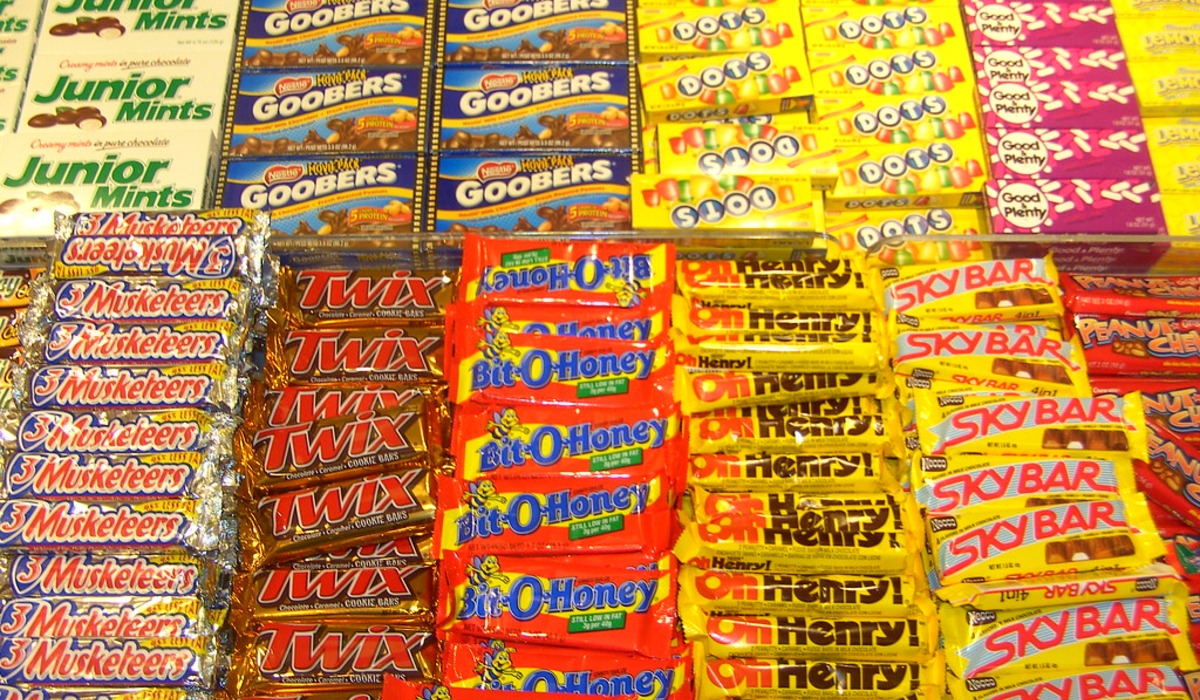
Schutter-Johnson Company of Chicago introduced Bit-O-Honey in 1924. Almond bits are mixed into a honey-flavored chew, and the classic bar came divided into six pieces wrapped in wax paper.
The texture demands patience. A cold bar fresh from the case could resist the first bite, then soften into something that lasted through a reel change.
Ownership has passed through several hands, including Nestle and Pearson’s, and the brand now belongs to Spangler Candy of Ohio. A century on, it remains a candy that rewards slow eaters and punishes anyone in a hurry.
Chuckles, Five Flavors in a Row
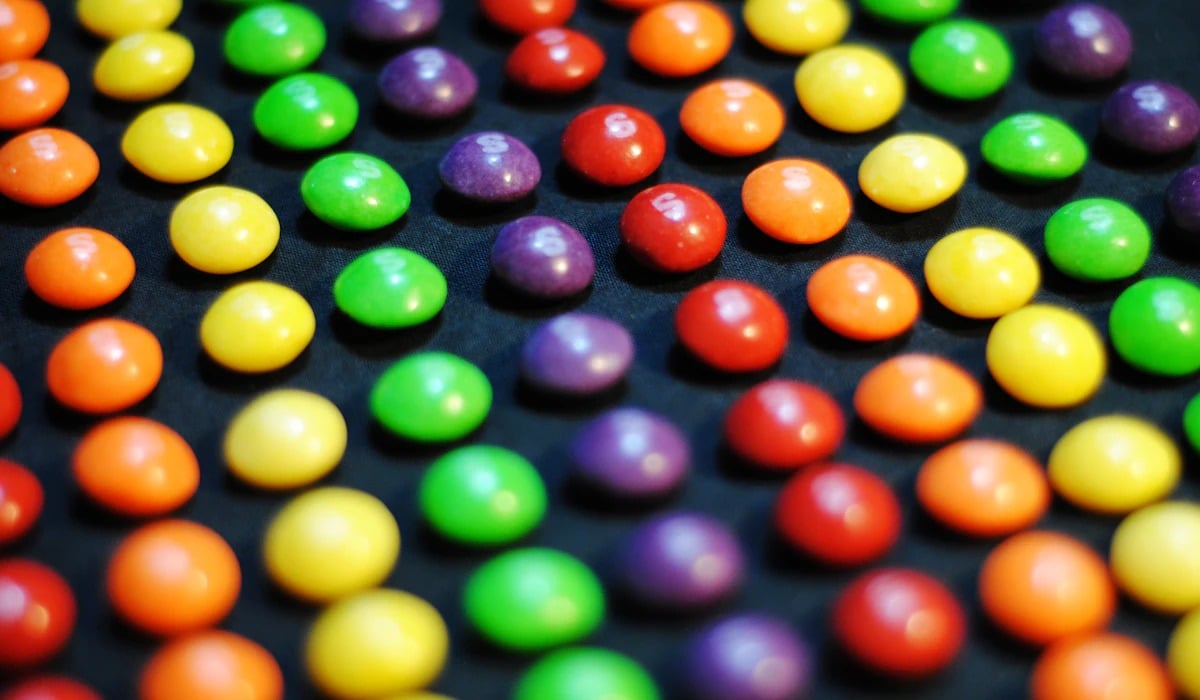
Fred W. Amend’s Illinois company began selling Chuckles in 1921.
The format has barely moved since: five sugar-dusted jelly pieces in a single strip, in cherry, lemon, licorice, orange and lime. Every kid had a fixed eating order, and the black licorice piece was either saved for last or traded away before the lights went down.
Stunt performer Evel Knievel carried the brand as a sponsor in the mid-1970s, an odd match for a gentle jelly candy. Ferrara makes Chuckles today.
The strip still fits a shirt pocket, which is more than can be said for a modern tub of popcorn.
Necco Wafers by the Roll
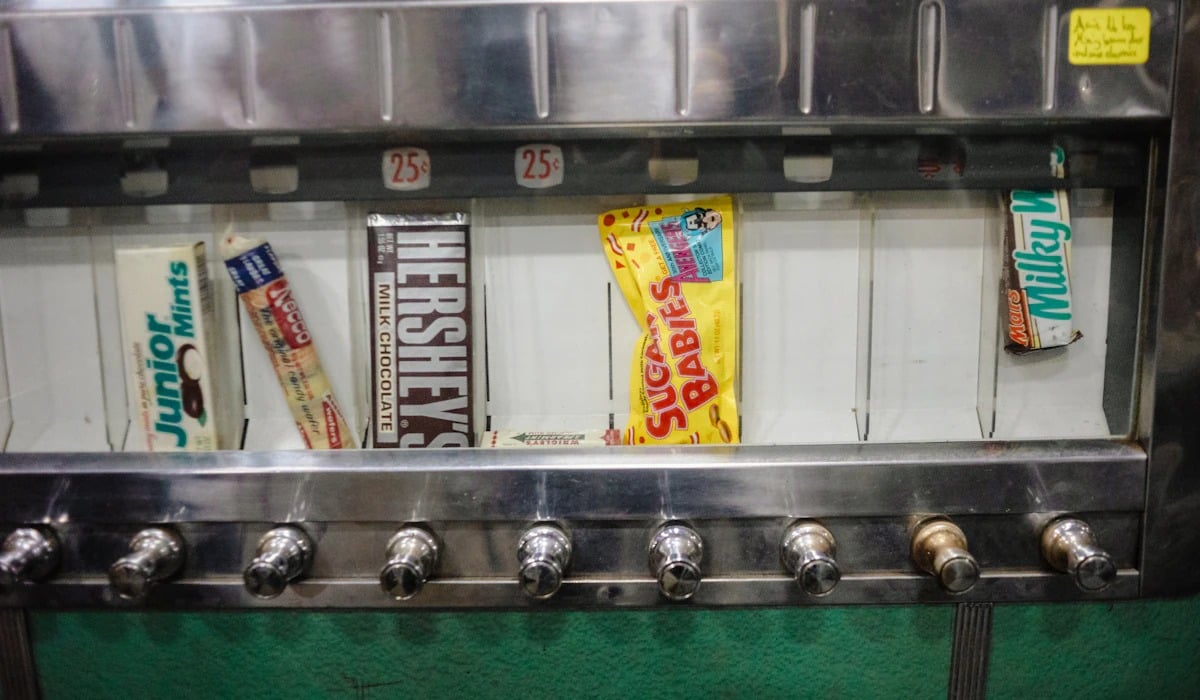
Oliver Chase, an English-born Boston druggist, built a lozenge-cutting machine in 1847 and began producing the thin sugar discs later sold as Necco Wafers. The roll holds eight flavors, among them clove, wintergreen, cinnamon, licorice and chocolate, a lineup that tastes like a pharmacy shelf from another century.
Durability was the selling point. A roll would not melt or spoil, so theaters could stock it for months.
Production stopped when the New England Confectionery Company collapsed in 2018, and Spangler brought the wafers back in 2020. Devotees and detractors remain roughly equal in passion.
Lemonhead and the Ferrara Family
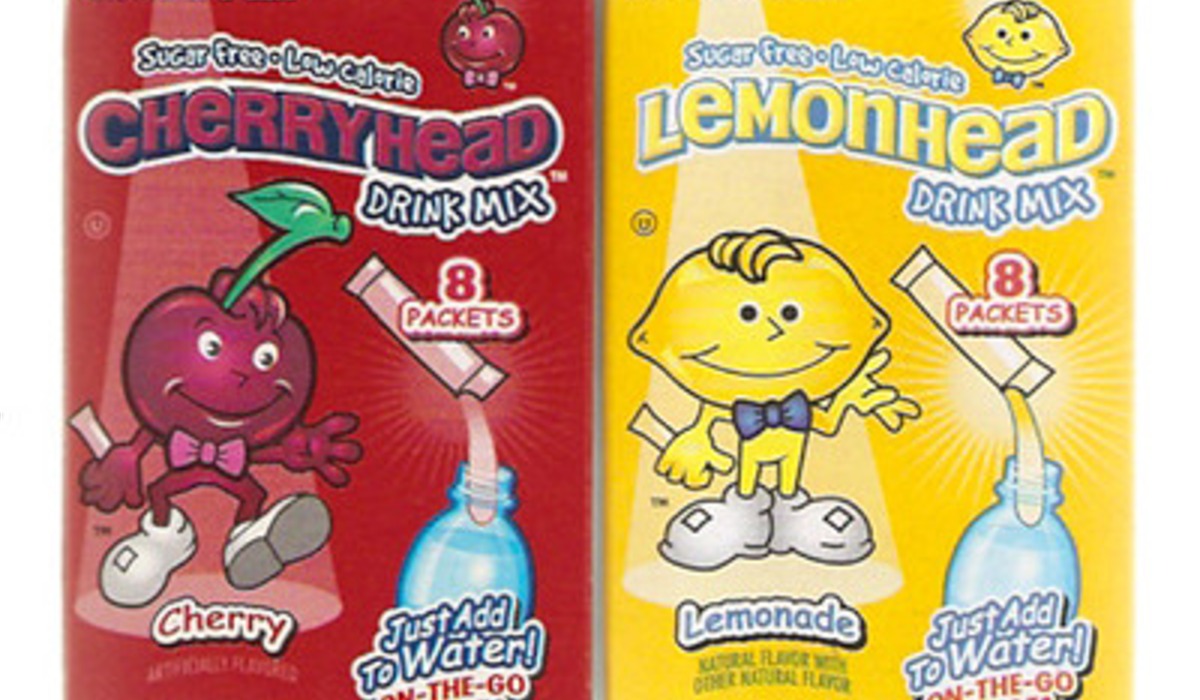
Nello Ferrara introduced Lemonhead in 1962 at the Ferrara Pan Candy Company outside Chicago. Family lore says the shape of his newborn son’s head suggested the name, a story the company has repeated cheerfully for decades.
The candy is made by panning, with layers built up in revolving pans around a hard center. A sour coating gives way to a sweet shell and then a lemon core.
The first few seconds caused a visible wince, easy to spot even in a dark auditorium. Small boxes made it one of the cheapest things at the counter.
Sugar Babies, Caramel by the Handful
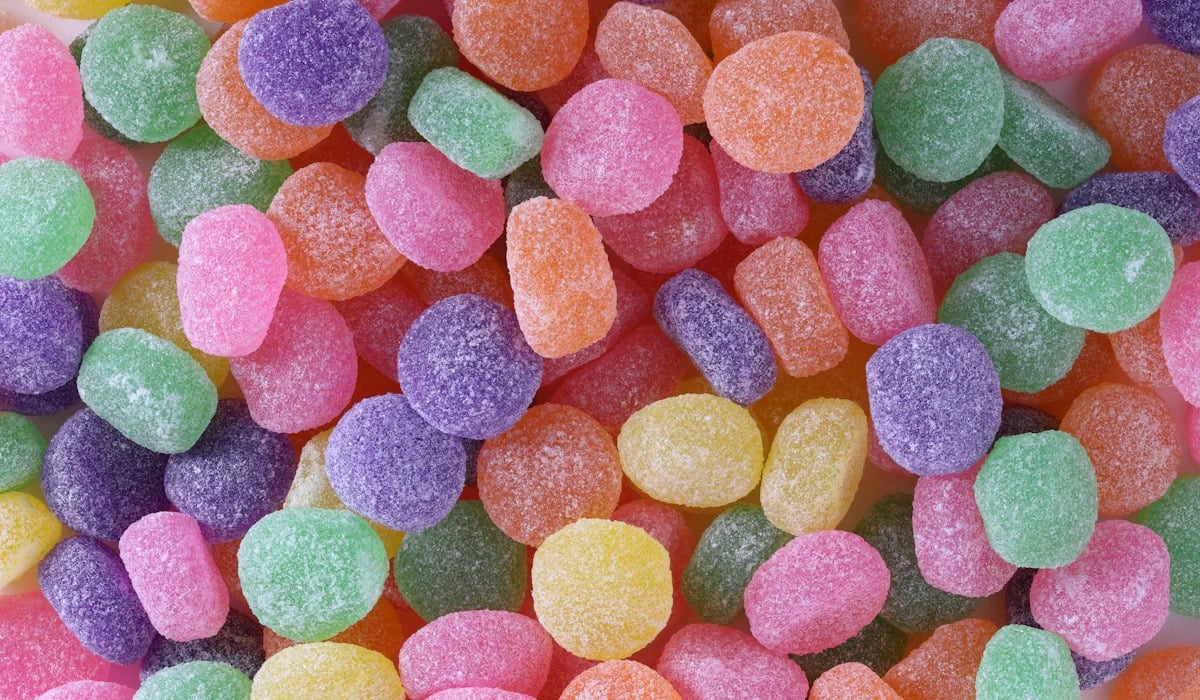
Sugar Babies came out in 1935 from the James O. Welch Company, the same Massachusetts firm that later created Junior Mints.
They followed the Sugar Daddy, a caramel slab on a stick that dated to the 1920s, and shrank the idea into pieces small enough to pour. Each one is slow-cooked caramel under a candy glaze.
Theaters preferred the bag to the pop because nobody had to hold a stick for two hours. Nabisco owned the line for a time, and Tootsie Roll Industries has made it since 1993.
Loose fillings were a known hazard.
Charleston Chew, Named for a Dance Craze
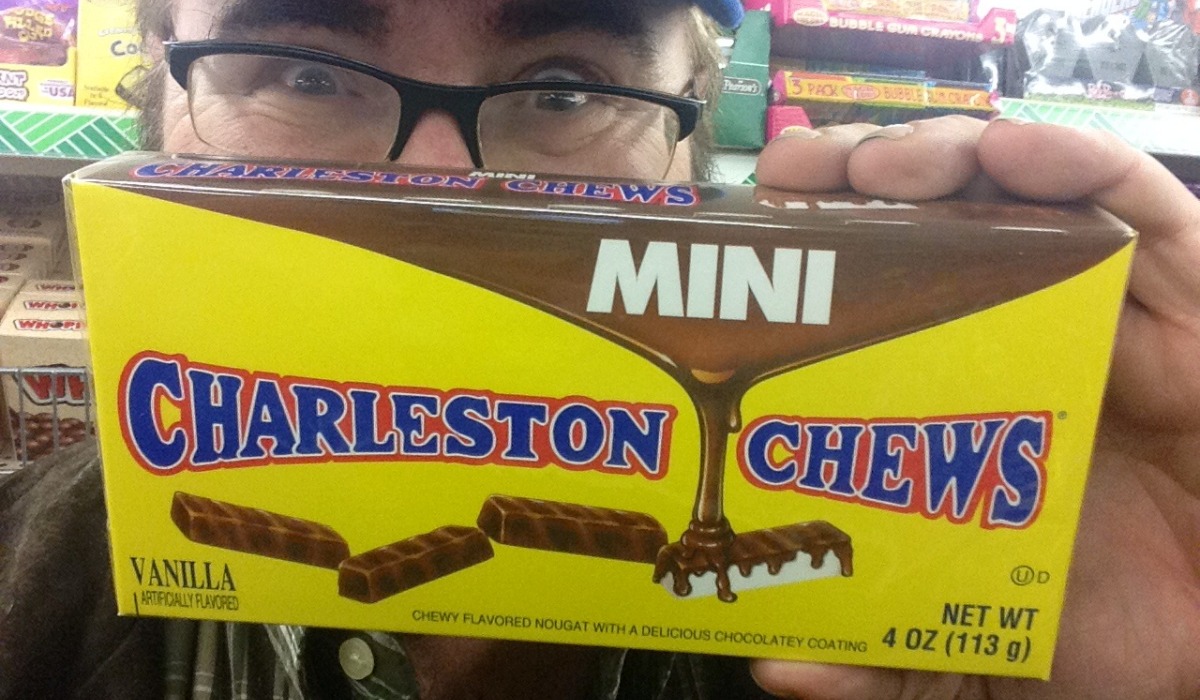
Fox-Cross Candy Company launched the Charleston Chew in 1922, according to its current owner, and named it after the dance then sweeping the country. The bar is a long plank of vanilla nougat in a thin chocolate-flavored coating, and for decades vanilla was the only choice.
Chocolate and strawberry versions came in the 1970s. Its length made it feel like a bargain.
Fans later learned to freeze it and crack it against a table into shards, though lobby versions were eaten warm and stretchy. Tootsie Roll Industries has owned it since 1993.
Flicks in the Foil Tube
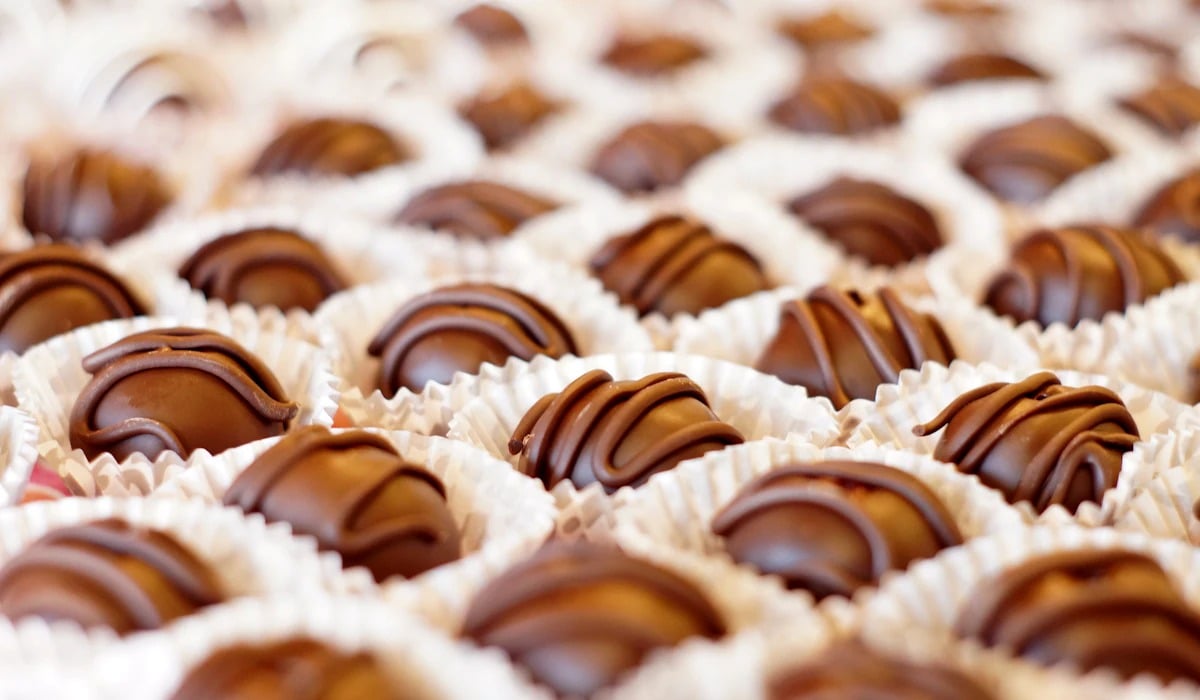
Ghirardelli of San Francisco sold Flicks for most of the twentieth century, and few candies were so closely tied to moviegoing in the West. They were flat chocolate wafers, a little larger than a chip, stacked in a slim tube wrapped in shiny foil.
The tube was the clever part, since it could be tipped toward a waiting mouth without a sound and slipped into a pocket between handfuls. Ghirardelli dropped the product in the 1980s.
A Fresno-area engineer bought the rights in 2004 and revived it in small batches on the original machine.
Bon Bons, Ice Cream Without the Stick
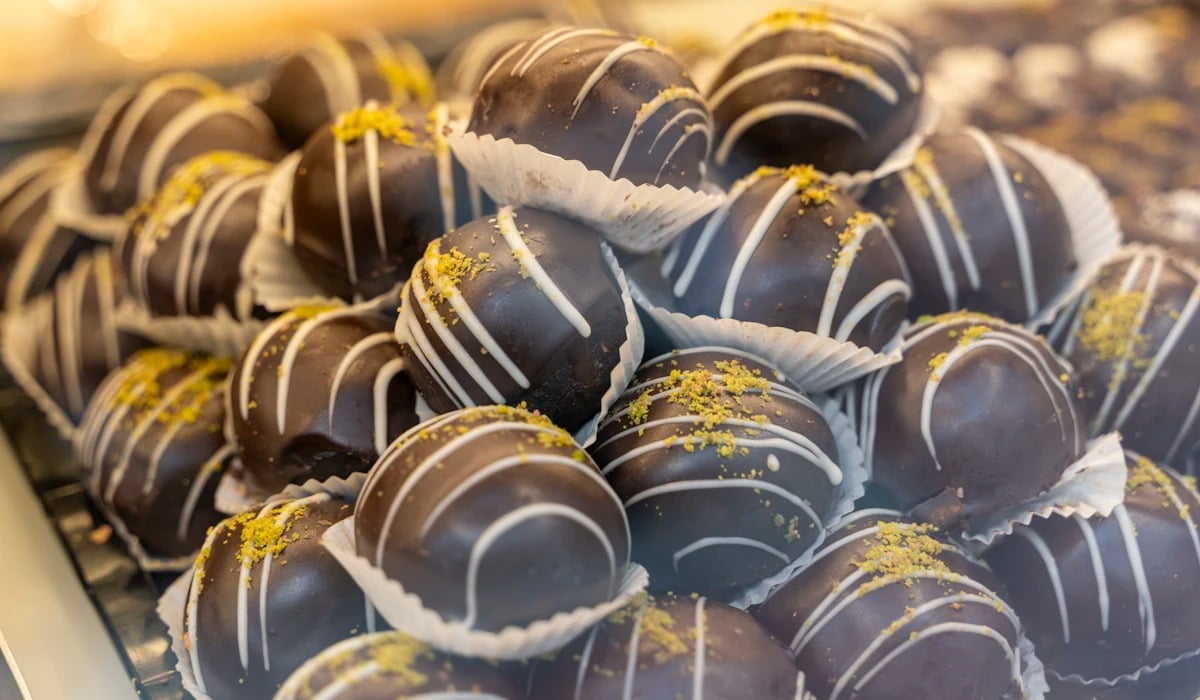
Bite-size nuggets of vanilla ice cream in a chocolate shell gave theaters a frozen treat that needed no spoon. Carnation created Bon Bons and sold them under its own name, and Nestle took over the brand after buying Carnation in 1985.
They demanded speed. A patron who got absorbed in the opening scene found a box of soft chocolate shells sitting in a puddle.
Earlier audiences had made do with paper-wrapped ice cream bars sold during the break, and Bon Bons were the tidier answer. Finishing the box before the previews ended was the only safe plan.
Cracker Jack and the Prize Inside
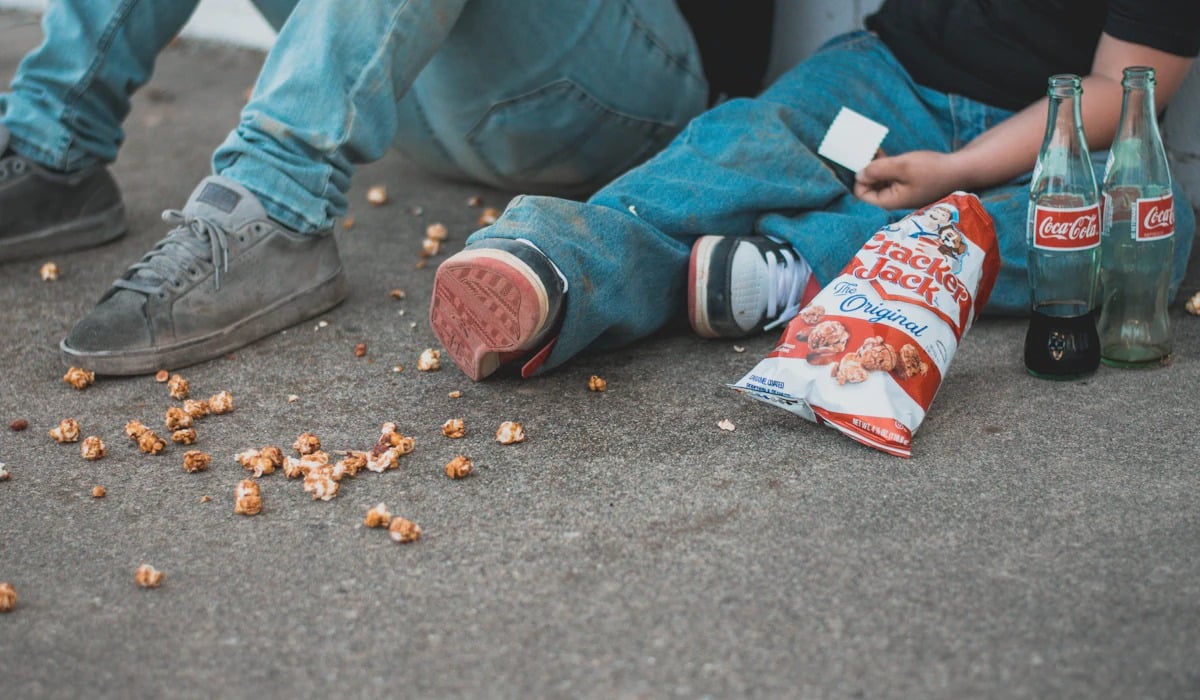
Frederick Rueckheim and his brother Louis sold their molasses-coated popcorn and peanuts in Chicago, and the Cracker Jack name was registered in 1896. A wax-sealed package kept the mix fresh, which let it travel far beyond the city.
The company began putting a prize in every box in 1912, and Sailor Jack and his dog Bingo joined the package a few years later. For theaters it was popcorn that needed no popper.
Children dug past the caramel corn to reach the toy first, then ate their way back up. Frito-Lay has owned the brand since 1997.
Reese’s Pieces and the Alien
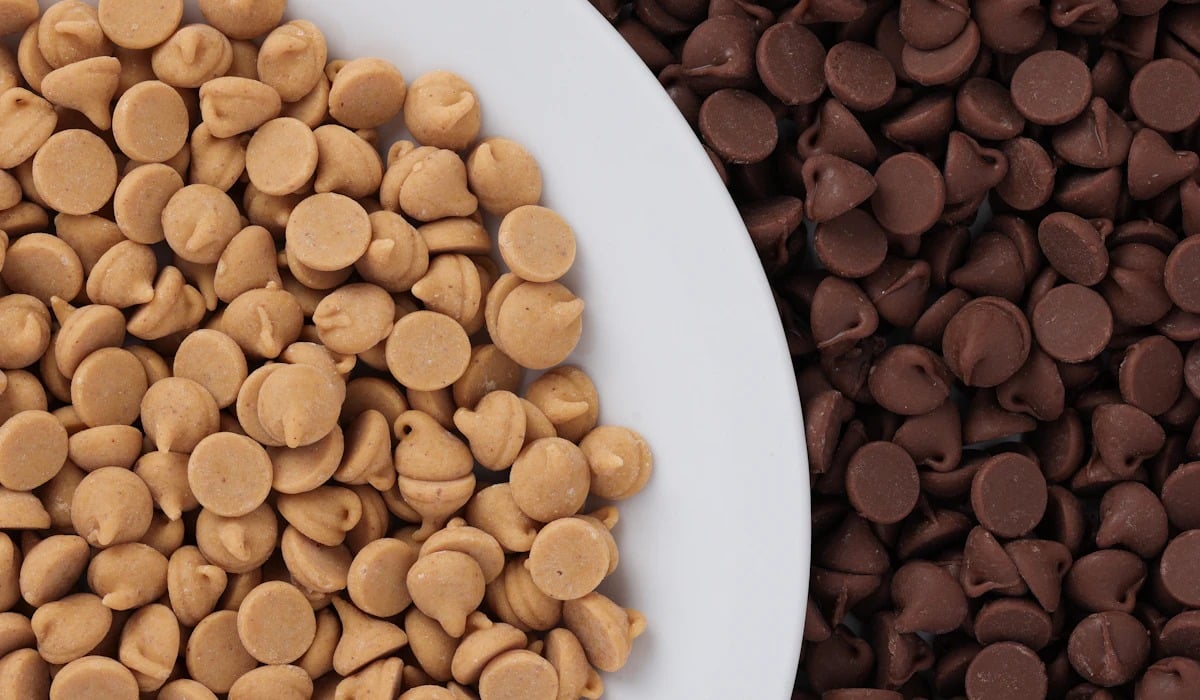
Hershey introduced Reese’s Pieces in 1978, a peanut butter candy in an orange, yellow and brown shell. Four years later a boy named Elliott used a trail of them to coax a lost alien out of hiding in E.T. the Extra-Terrestrial.
Mars had reportedly passed on placing its own candy in the film, and Hershey agreed to a promotional tie-in instead of paying for the placement itself. Sales jumped within weeks of the June 1982 release, by an amount usually reported as well over half.
Theaters that had never stocked the candy rushed to order it. Hollywood product placement was never a quiet sideline again.
Icee, the Frozen Drink From a Broken Fountain
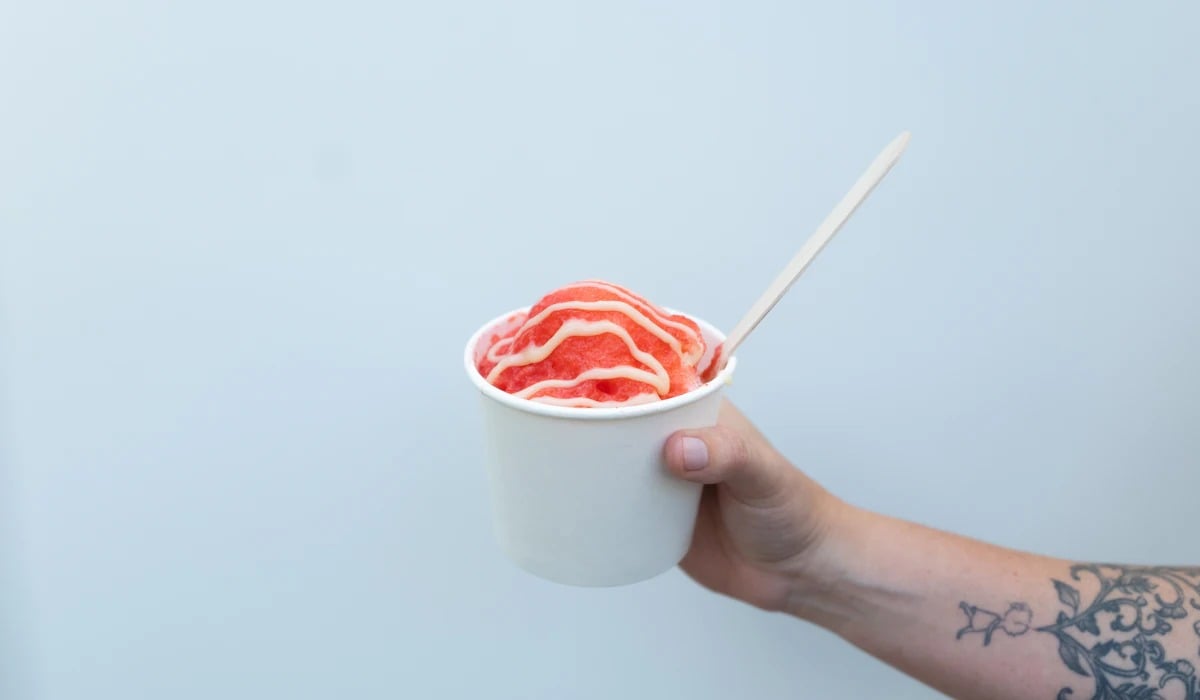
Omar Knedlik ran a Dairy Queen in Coffeyville, Kansas, in the late 1950s, and when his soda fountain failed he chilled bottles in a freezer until they turned to slush. Customers kept asking for the half-frozen version.
He built a machine to make it on purpose, and the result reached the market as the Icee in the early 1960s, with a polar bear on the cup. A license to a convenience store chain later produced a better-known sibling under another name.
Theaters added the machines because the red and blue swirl sold itself. Brain freeze was part of the price.
Nachos With Pump Cheese
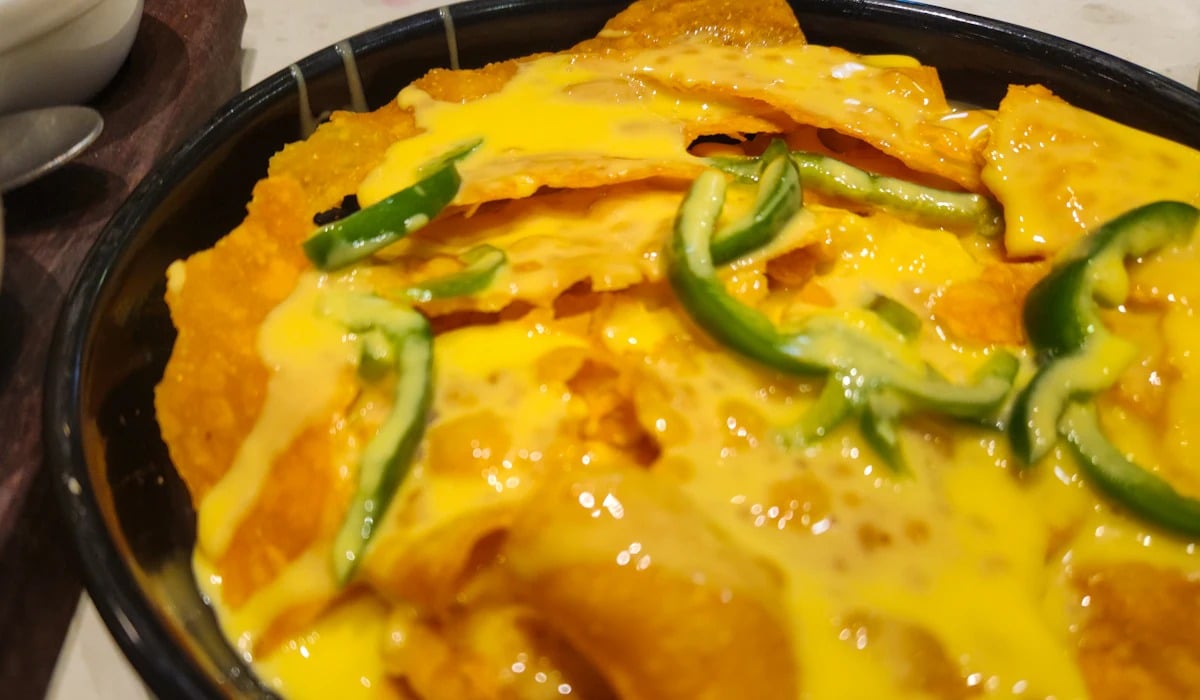
Concession nachos trace to Frank Liberto, whose San Antonio company Ricos developed a cheese sauce that needed no refrigeration and could be ladled over chips in seconds. He introduced the dish at Arlington Stadium in Texas in 1976, and it sold so quickly that other venues wanted in.
Movie theaters followed within a few years, adding a plastic tray, a warm pump and a side of pickled jalapenos. Exhibitors had resisted hot food for decades because of the smell and the mess.
Nachos broke that resistance, mostly because the profit on chips and sauce was too good to refuse.
Intermission Was Where the Money Lived
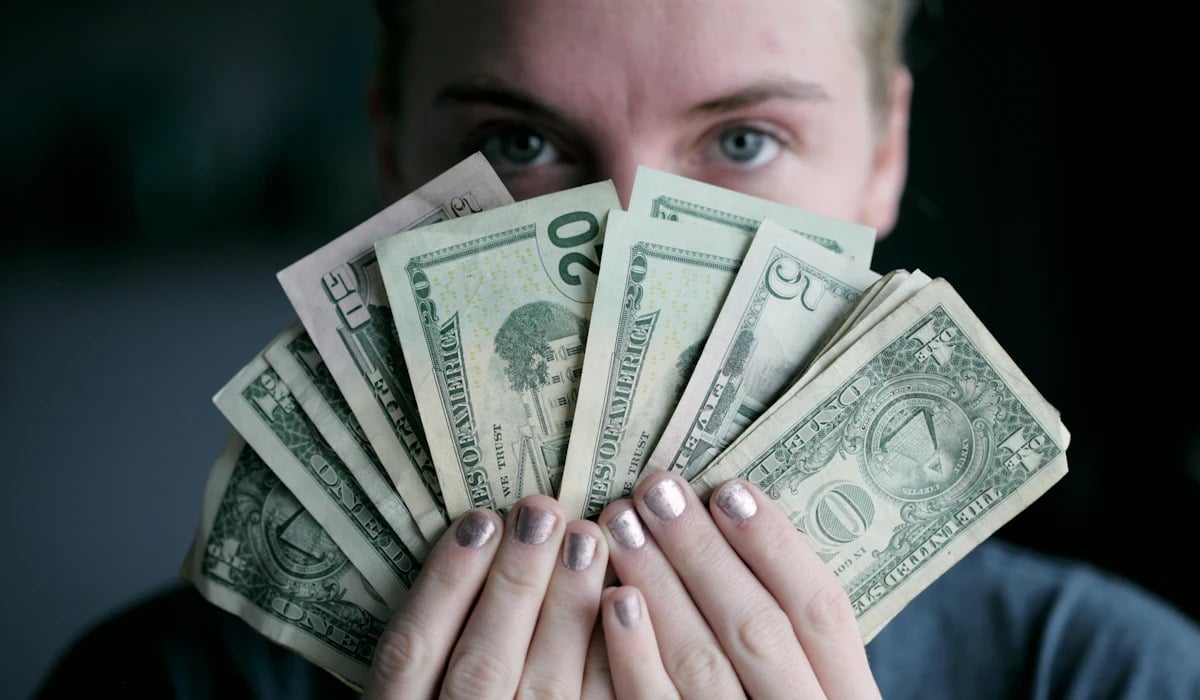
Studios have long kept most of the ticket revenue in a film’s opening weeks, which left theater owners to earn their living at the counter. That arithmetic explains nearly everything in the glass case.
Candy had to survive heat, travel in a box, pour without a mess and last longer than a newsreel. The products that met those terms stayed for half a century or more.
It also explains why so many of these names feel older than the companies that now own them. A brand could pass from a family firm in Philadelphia or Chicago to a conglomerate and on to a smaller maker without the box changing much.
Audiences were buying a ritual as much as a flavor. The lights dimmed, the box rattled, and the price of the evening quietly doubled.
MORE FROM GO2TUTORS!

- The Romanov Crown Jewels and Their Tragic Fate
- 13 Historical Mysteries That Science Still Can’t Solve
- Famous Hoaxes That Fooled the World for Years
- 15 Child Stars with Tragic Adult Lives
- 16 Famous Jewelry Pieces in History
Like Go2Tutors’s content? Follow us on MSN.