15 Surprising Secrets Behind Widely Used Products
Most products sit on shelves with their secrets intact. The things you use every day carry stories their makers never advertised — engineering decisions that saved lives, happy accidents that changed everything, and design choices that reveal more about human nature than anyone intended.
These aren’t the polished origin stories from company websites. They’re the real ones.
Bubble Wrap
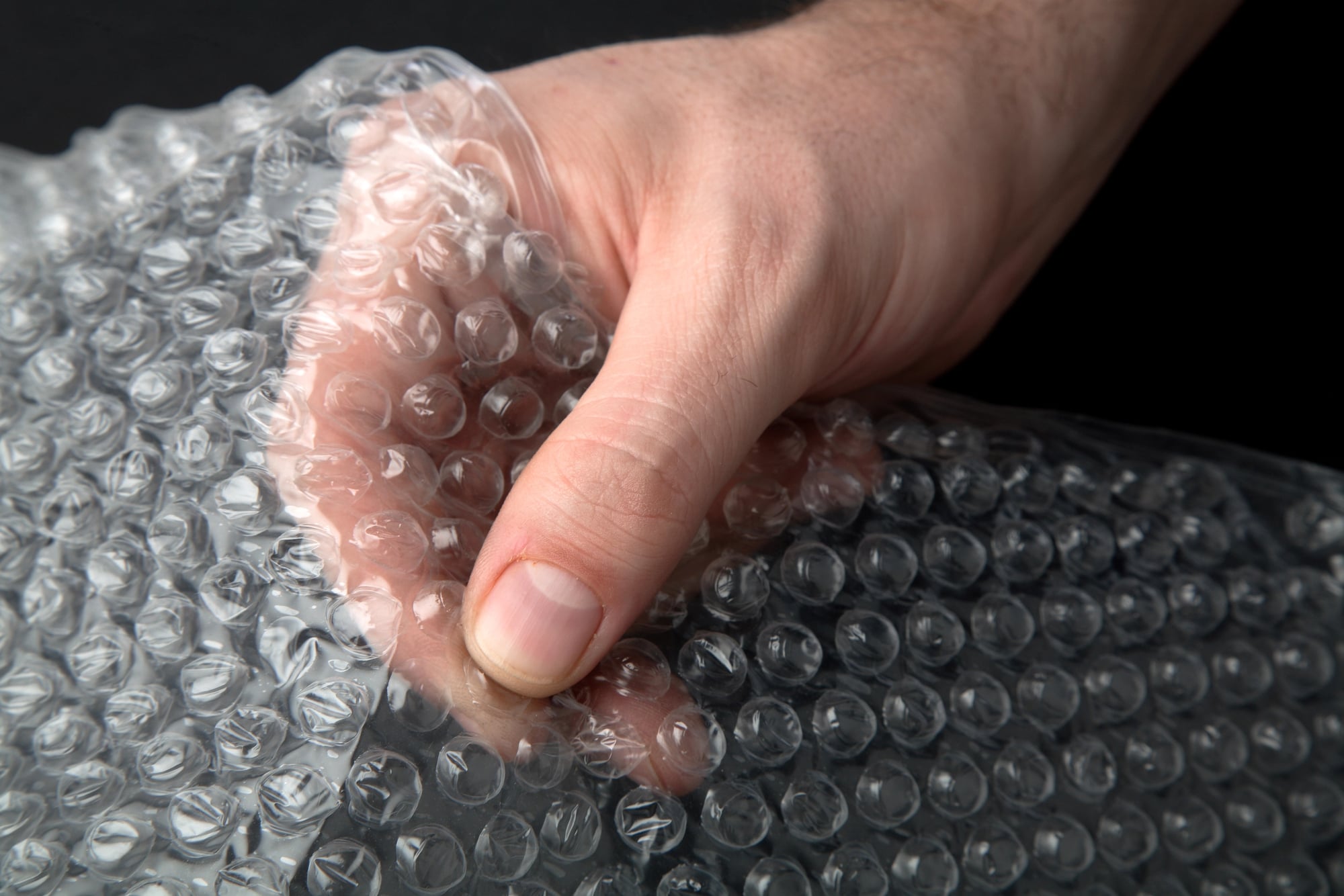
Bubble Wrap started as wallpaper. Two engineers in 1957 were trying to create textured wall coverings when they accidentally sealed two shower curtains together, trapping air between them.
The wallpaper idea flopped. So did their next attempt to market it as greenhouse insulation.
But IBM needed something to protect their computers during shipping. Those fragile, expensive machines required cushioning that could absorb shock without adding weight.
The failed wallpaper turned out to be perfect — and suddenly every fragile product in the world had a guardian made of trapped air.
Post-it Notes

Spencer Silver was trying to create the strongest adhesive ever made when he created the weakest one instead. His “failed” glue from 1968 could stick to things and then be removed without leaving residue — which was exactly the opposite of what 3M wanted from an adhesive.
The breakthrough came six years later when his colleague Art Fry got frustrated with bookmarks falling out of his church hymnal (because that’s where all great innovations begin: mild Sunday morning annoyance).
Fry remembered Silver’s repositionable adhesive and realized he’d found the solution to a problem nobody knew they had.
But even then, 3M executives remained skeptical. They distributed free samples in offices across the country, and demand exploded overnight.
Turns out people had been waiting their whole lives for temporarily permanent paper.
WD-40
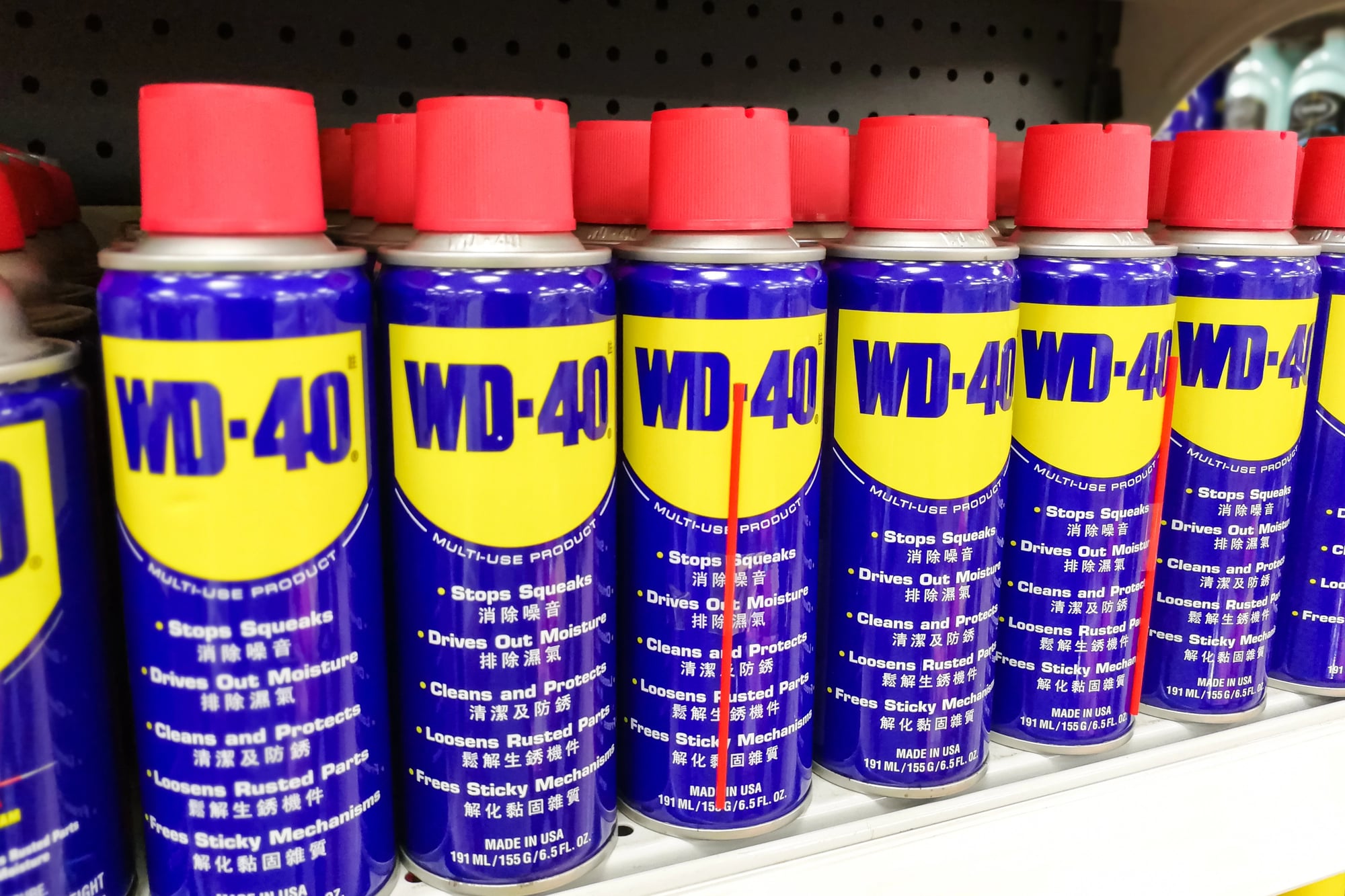
The name itself is the secret: Water Displacement, 40th formula. The Rocket Chemical Company spent forty attempts trying to create a rust-prevention solvent and water displacement compound for nuclear weapons (because the Cold War required a lot of maintenance).
And yet the military contractor’s rust prevention spray became a household essential for reasons nobody anticipated.
Employees started sneaking cans home to fix squeaky hinges and remove crayon marks.
Today, WD-40 receives thousands of letters describing its uses: removing gum from hair, cleaning toilet bowls, separating stuck Lego blocks.
The company keeps a list of over 2,000 documented uses, though they still officially recommend it for rust prevention and water displacement. Sure.
Coca-Cola

Coca-Cola tastes different in every country, and it’s not because of the water. The company maintains the same secret formula globally, but local sugar sources change everything — cane sugar in Mexico, corn syrup in America, beet sugar in Europe.
More surprising: Coca-Cola is one of the only companies with a legal permit to import coca leaves into the United States.
A pharmaceutical company in New Jersey processes them to remove cocaine, then sells the decocainized extract to Coca-Cola for flavoring.
The leftover cocaine goes to medical suppliers. So the secret ingredient everyone jokes about really is still there — just neutered.
Velcro
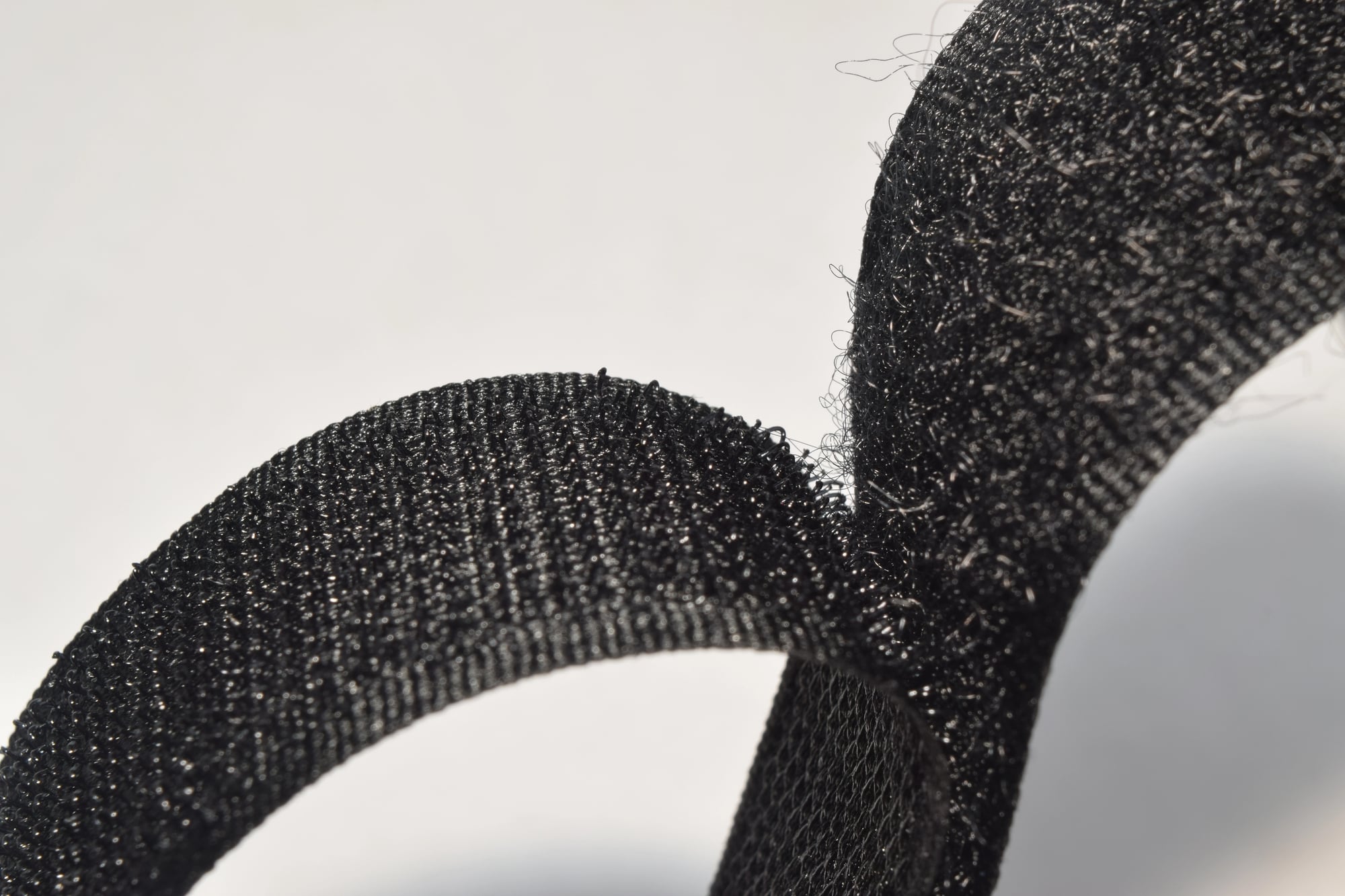
George de Mestral got the idea for Velcro by studying the burrs that stuck to his dog’s fur during hunting trips in the Swiss Alps.
Under a microscope, he discovered that the burrs had tiny hooks that caught on the loops in fabric and fur.
The invention process took eight years of trial and error, partly because nobody took him seriously.
Engineers couldn’t understand why anyone would want to replicate what most people considered a nuisance.
Even after perfecting the hook-and-loop system, manufacturers dismissed it as a novelty.
Then NASA started using it to secure items in zero gravity, and suddenly every parent realized they’d found the answer to children’s shoes.
Super Glue
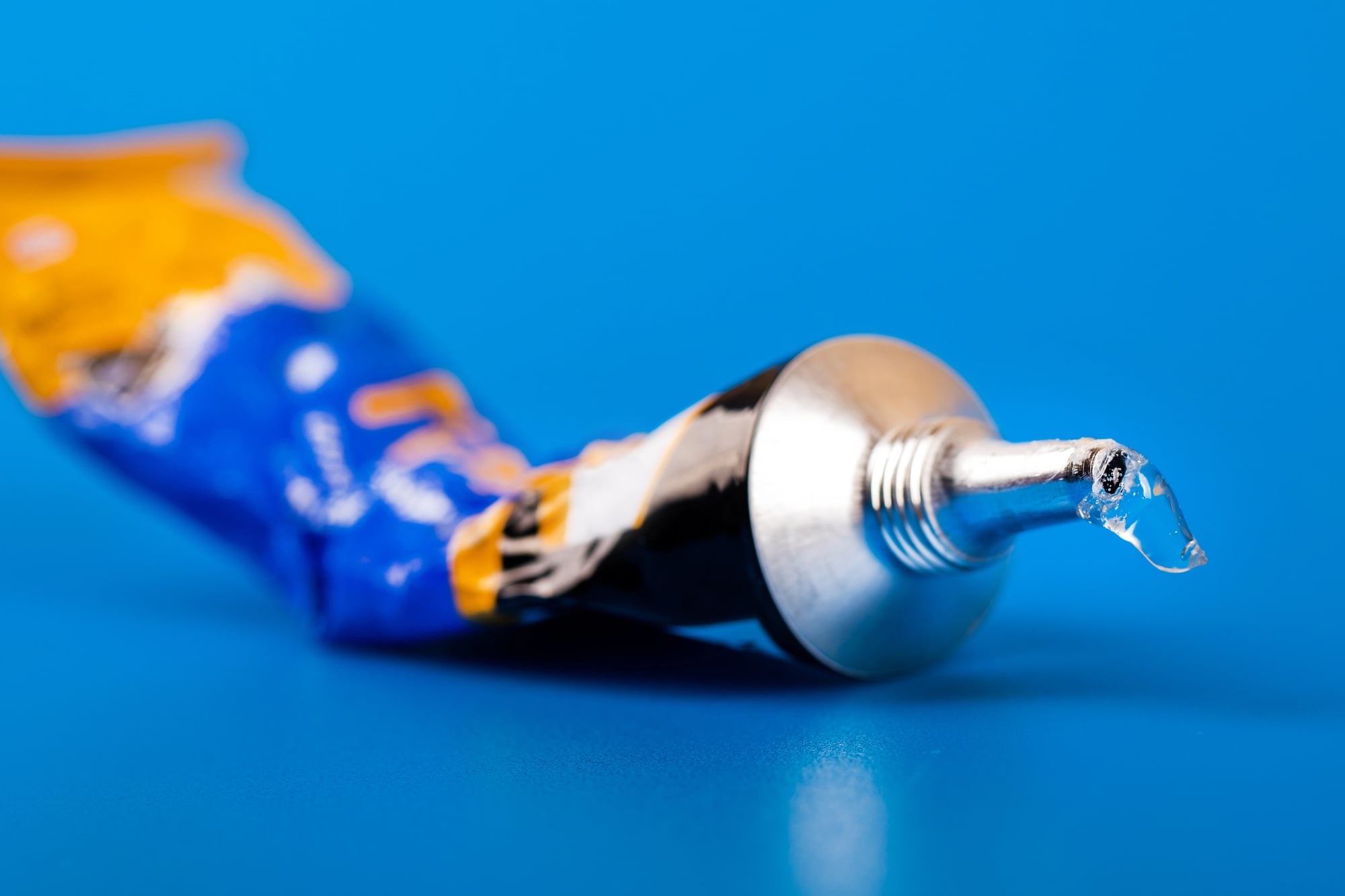
Super Glue was accidentally invented twice by the same person. Harry Coover first created the formula in 1942 while trying to make clear plastic gun sights for World War II.
The substance stuck to everything it touched, making it useless for precision optics.
He shelved it as a failure.
Nine years later, Coover rediscovered his old formula while developing heat-resistant jet canopies.
This time, instead of seeing it as a problem, he recognized it as the solution to joining materials without heat or pressure.
The glue that was too sticky for wartime became perfect for peacetime repairs. Although Coover probably wished he’d figured that out the first time around.
Kleenex
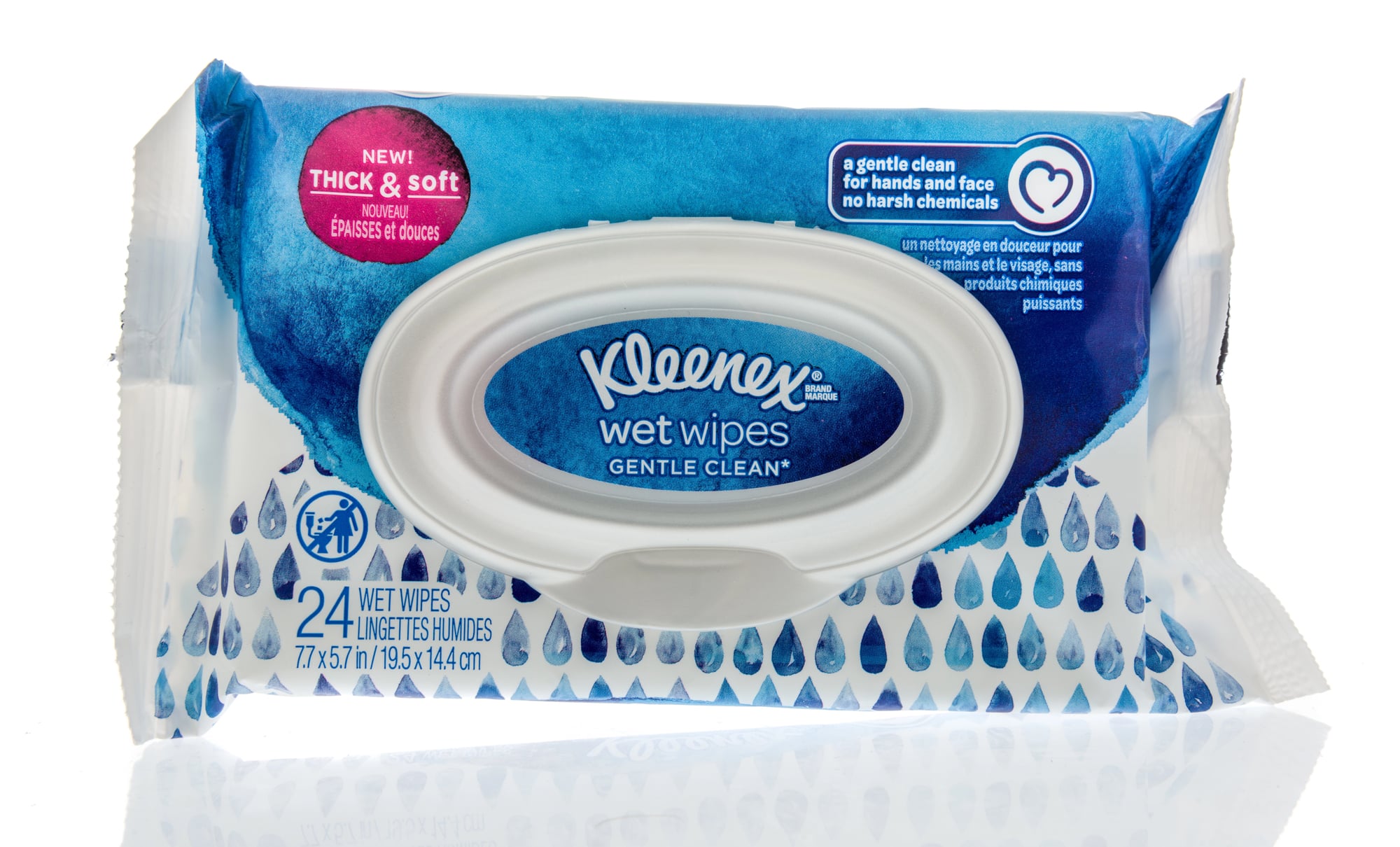
Kleenex tissues were originally marketed as makeup removers for women, not as handkerchiefs for runny noses. The Kimberly-Clark company developed the soft paper as a substitute for cotton surgical dressings during World War I, then pivoted to cosmetics when the war ended.
Women started writing letters to the company explaining they were using the tissues for colds instead of makeup removal.
Kimberly-Clark conducted a survey and found that 60% of customers were using Kleenex as disposable handkerchiefs.
They completely changed their marketing strategy, and tissues became synonymous with the brand name.
The makeup remover became a cold remedy because customers corrected the company’s assumptions about their own product.
Listerine
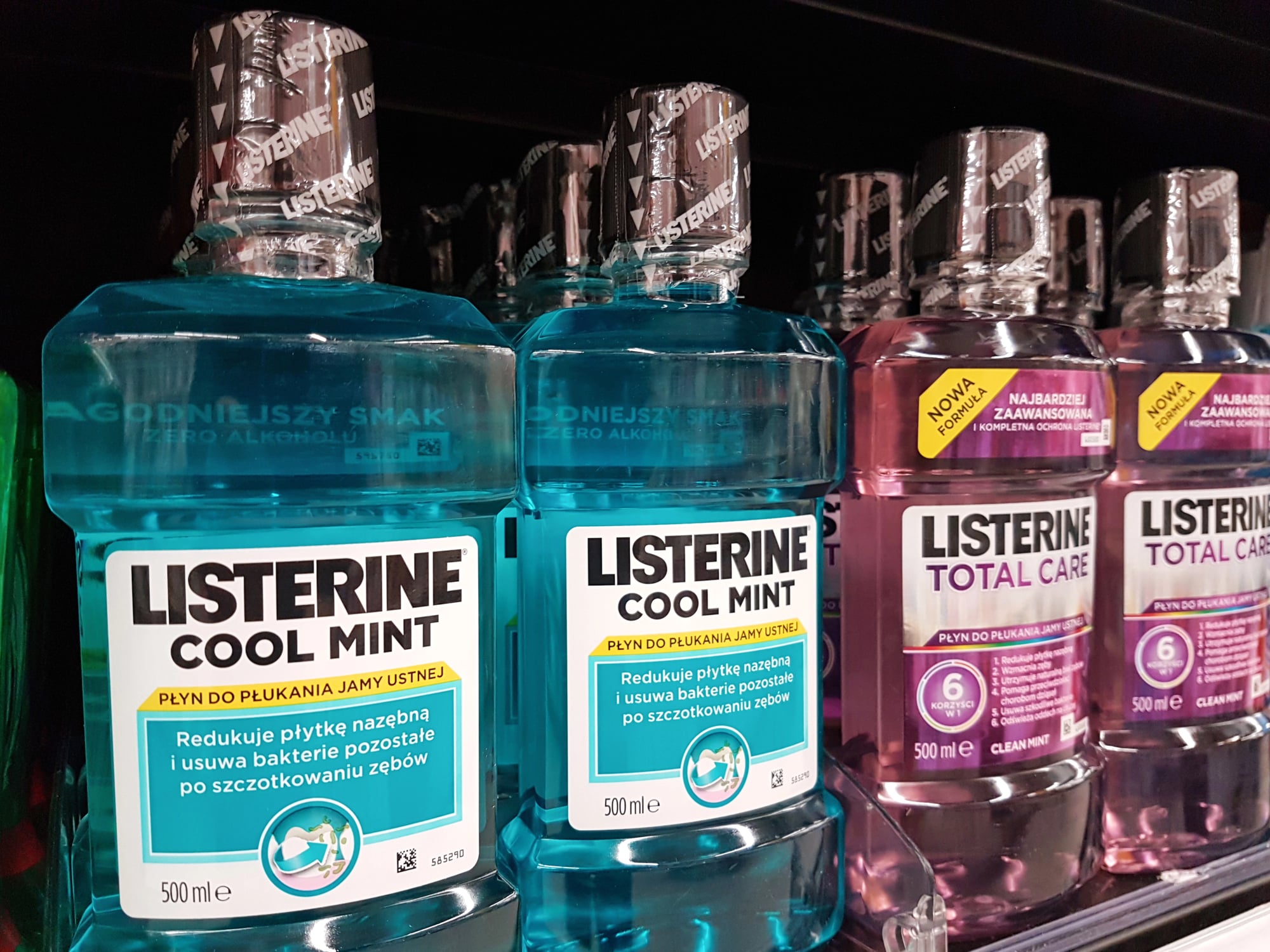
Listerine existed for decades before anyone thought to use it for bad breath. Created in 1879 as a surgical antiseptic, it was later marketed as a floor cleaner and a cure for gonorrhea (different times, different FDA standards).
But the stroke of marketing genius came in the 1920s when the company decided to medicalize social embarrassment — they popularized the term “halitosis” to describe bad breath, transforming it from a minor social issue into a medical condition requiring treatment.
Sales increased from $115,000 to over $8 million in seven years.
Listerine didn’t cure bad breath; it convinced people that bad breath needed curing.
ChapStick
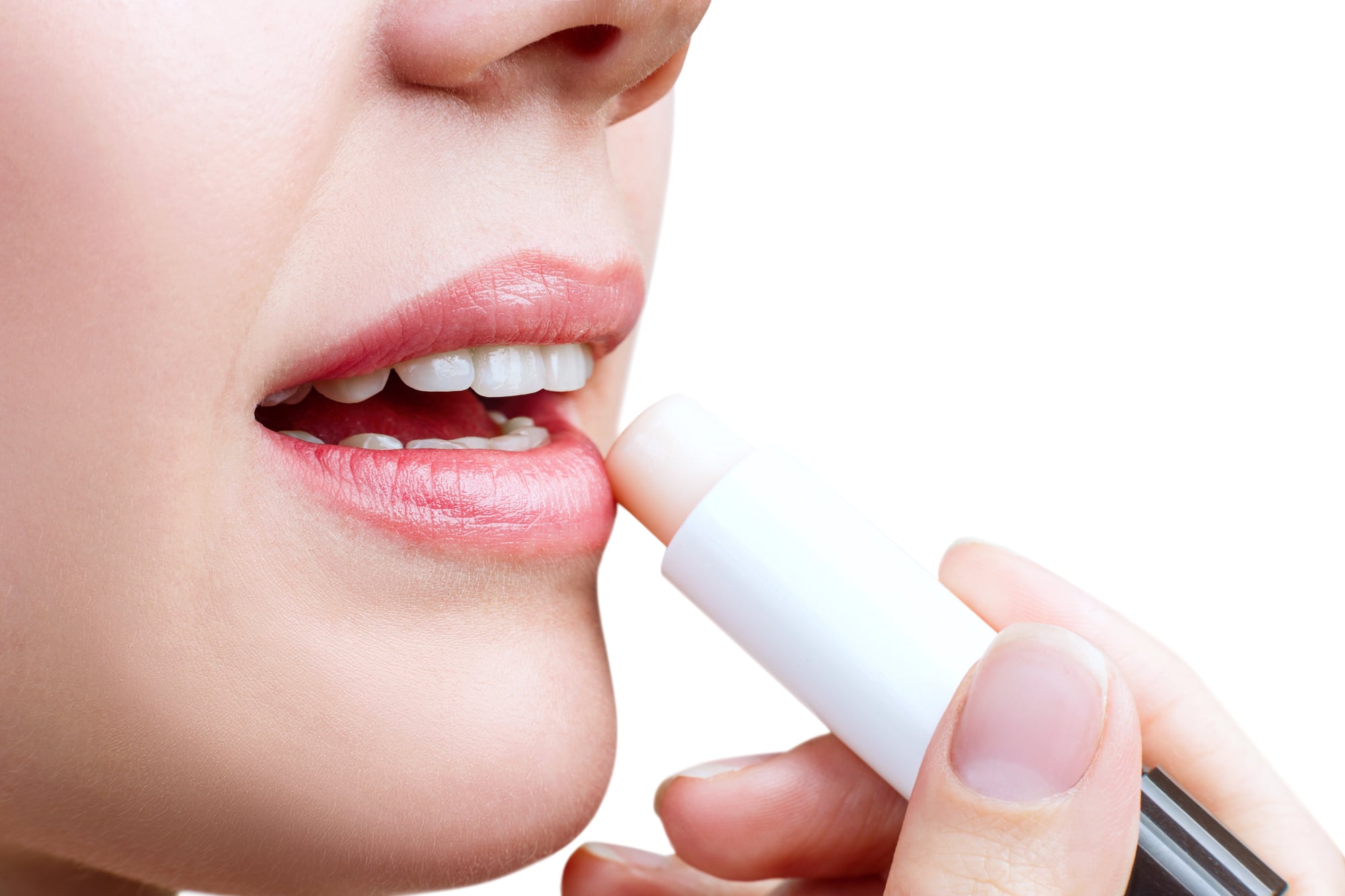
The original ChapStick formula was created by a physician in the 1880s, but he sold the rights for five dollars because he couldn’t figure out how to market it effectively.
The buyer was John Morton, who refined the formula and figured out the crucial element the doctor had missed: the tube.
Morton’s innovation wasn’t the lip balm itself — similar products existed — but the convenient applicator that made it portable and mess-free.
The push-up tube turned a niche remedy into an everyday essential.
Sometimes the packaging matters more than the product, and Morton understood that long before anyone used the phrase “user experience.”
Play-Doh
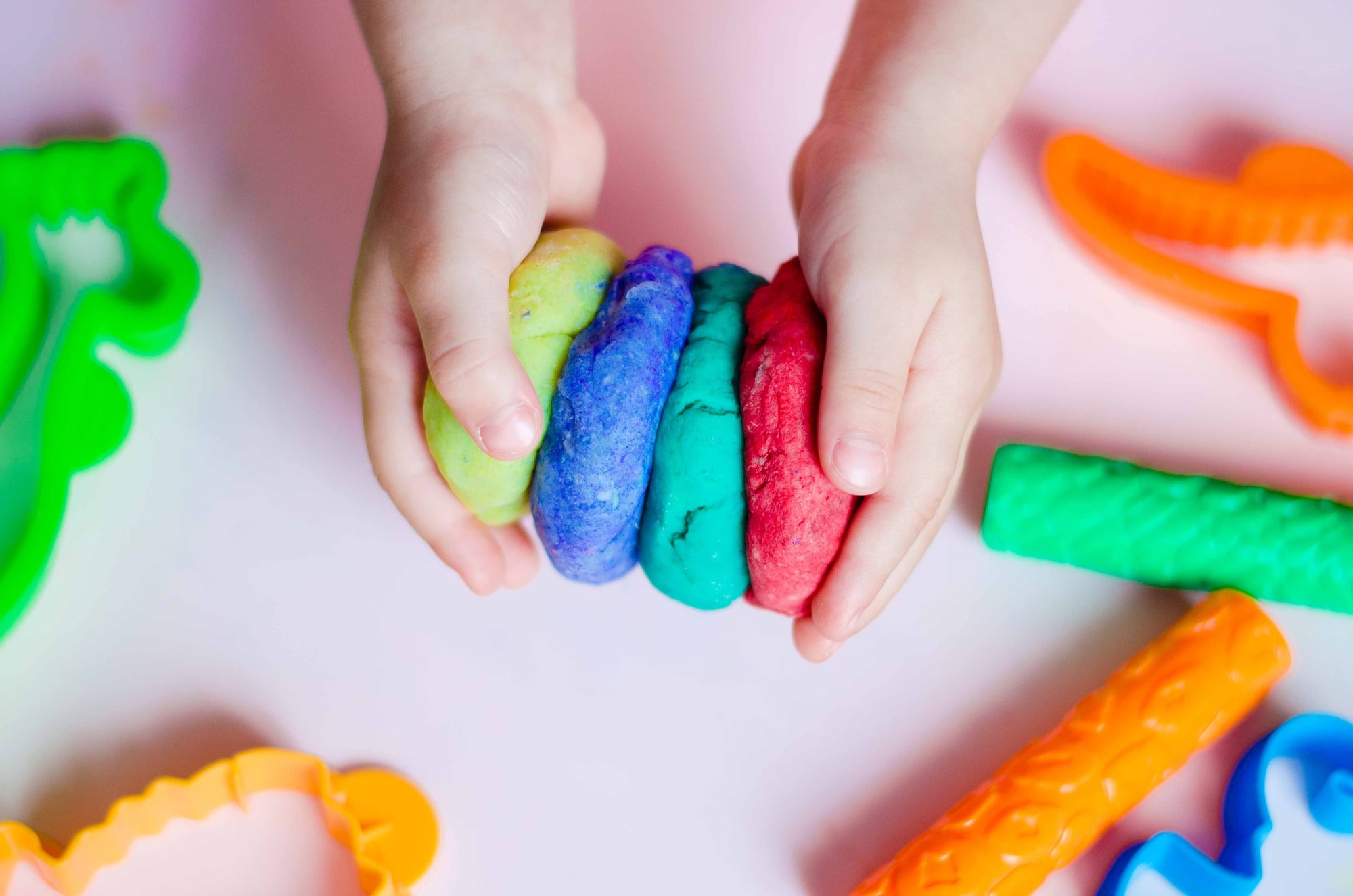
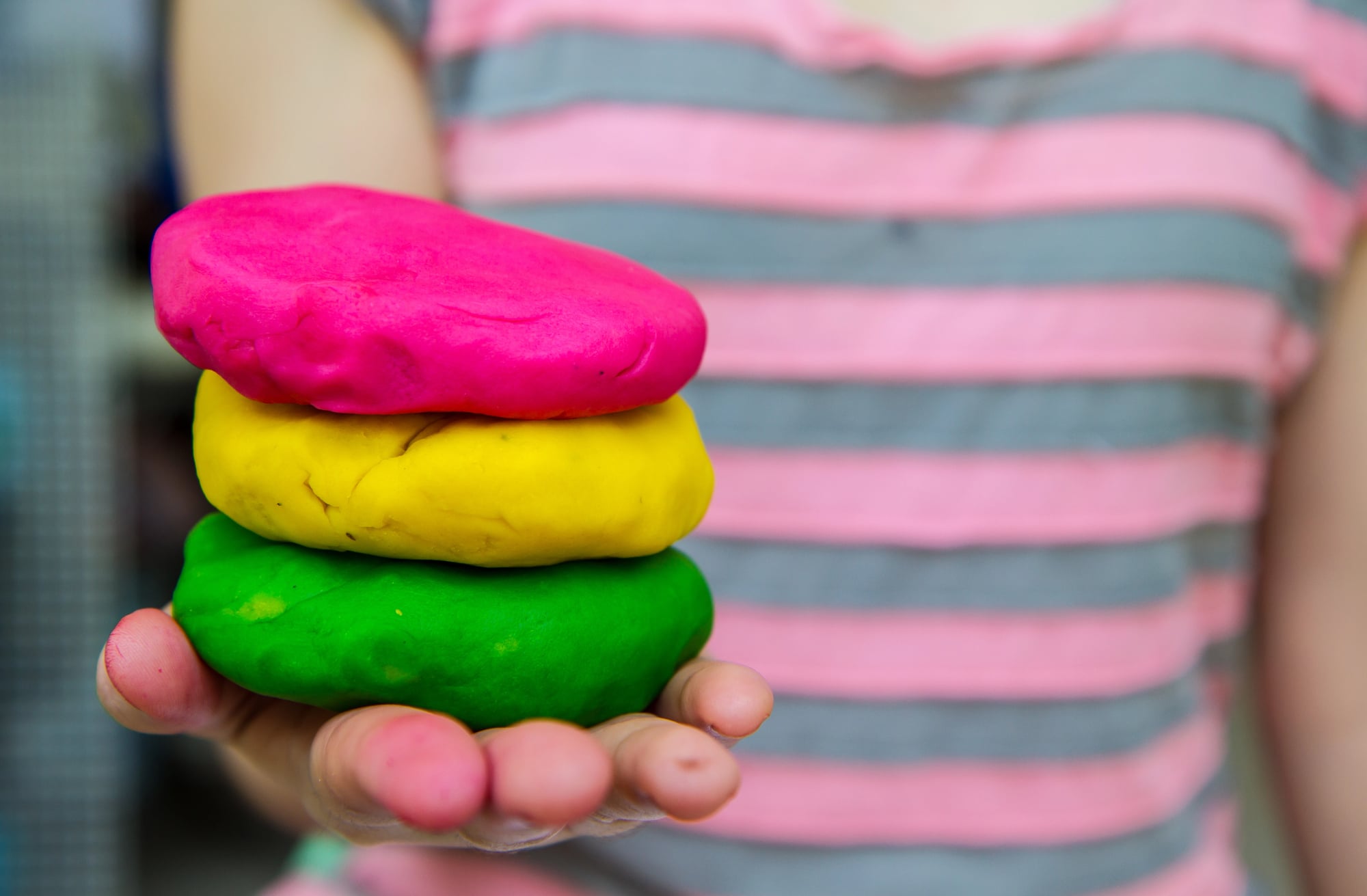
Play-Doh was wallpaper cleaner that found its true calling in kindergarten classrooms. The putty was designed to remove soot stains from wallpaper in homes heated by coal furnaces.
But when natural gas and electric heating eliminated the soot problem, the company faced bankruptcy.
So they pivoted to children’s toys after a teacher suggested the non-toxic cleaning compound would work perfectly for art projects.
The reformulation was minimal — they added colors and a pleasant scent, then packaged it differently.
The wallpaper cleaner that saved the company by becoming something completely unrelated to its original purpose. Fair enough.
Corn Flakes
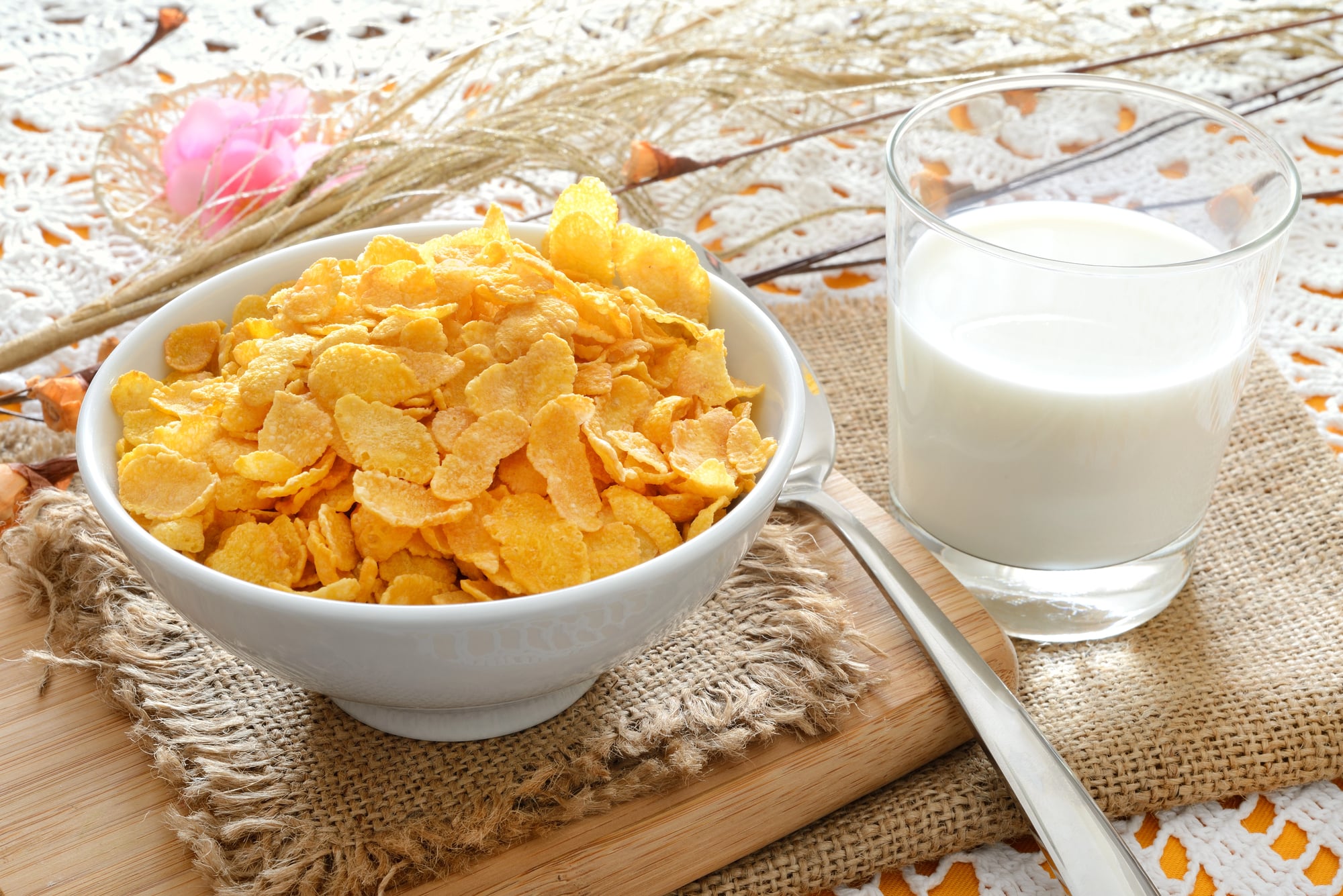
Corn Flakes were invented as health food designed to reduce people’s interest in intimate activities. Dr. John Harvey Kellogg believed that bland, unstimulating foods would curb what he considered unhealthy desires.
His sanitarium served intentionally boring meals to promote physical and spiritual purity.
The cereal became popular for reasons that had nothing to do with Kellogg’s anti-pleasure philosophy.
People liked the taste and convenience, ignoring the moral improvement aspect entirely.
His brother Will eventually added sugar to make it more appealing, which horrified the good doctor but made the family fortune.
The breakfast cereal designed to suppress human urges became a morning ritual that brought families together around the kitchen table.
Slinky

The Slinky was born when naval engineer Richard James accidentally knocked a tension spring off his desk and watched it “walk” down a stack of books.
Instead of picking it up and moving on with his day, he spent two years figuring out the right steel gauge and tension to make it work as a toy.
The first demonstration was at Gimbels department store in Philadelphia during the 1945 Christmas shopping season.
James wasn’t sure anyone would want a walking spring, but all 400 units sold in 90 minutes.
The toy that started as a workplace accident became one of the most recognizable toys in history, proving that sometimes the best inventions happen when engineers stop trying so hard.
Scotchgard
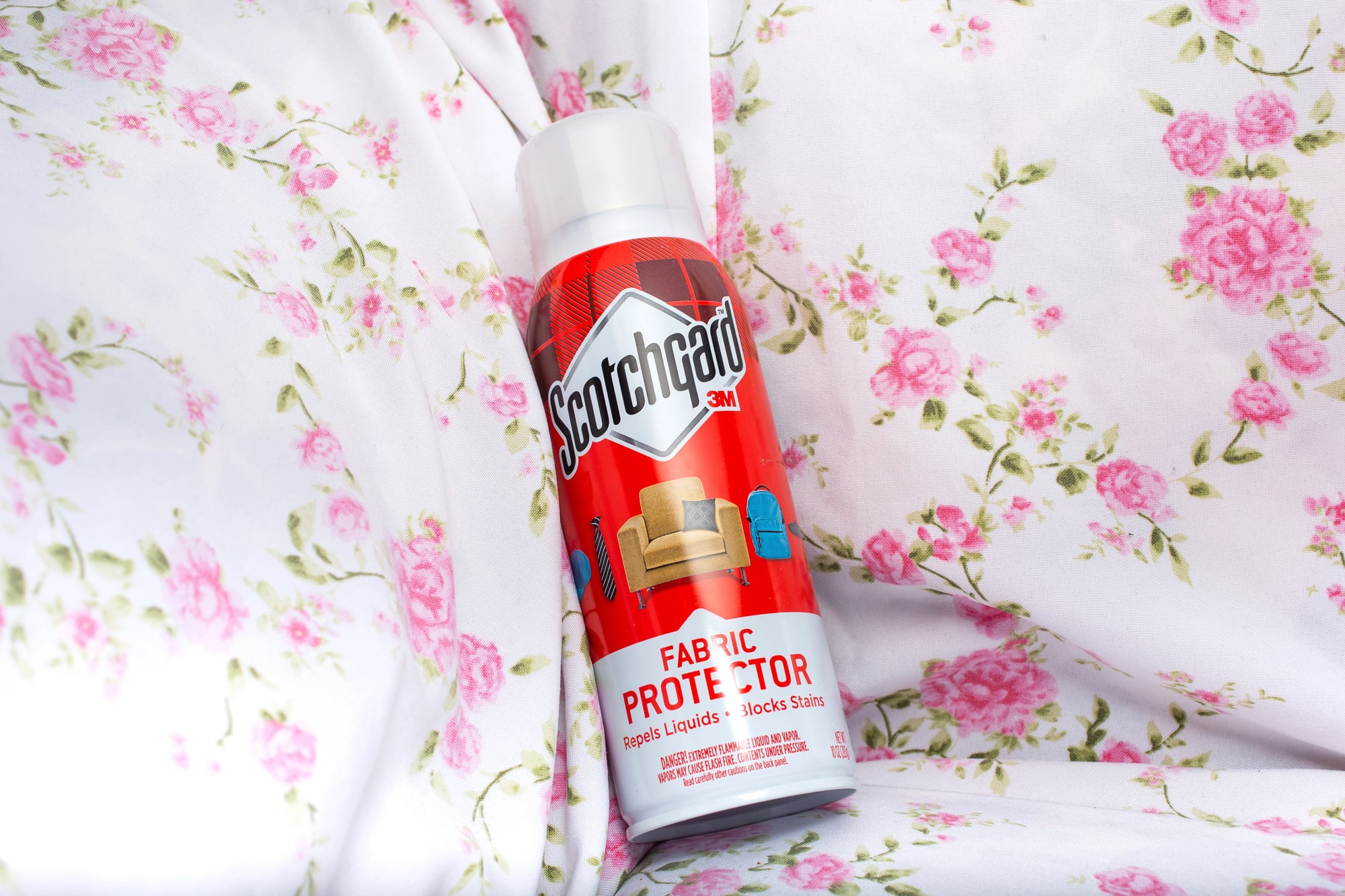
Patsy Sherman discovered Scotchgard in 1953 when a laboratory assistant accidentally spilled a batch of synthetic latex on her tennis shoe.
The spill couldn’t be washed off, but it also repelled water, oil, and other liquids while leaving the shoe’s appearance unchanged.
Sherman realized the accident had created a protective coating that could revolutionize fabric care.
But the development took several more years because 3M executives couldn’t envision a mass market for fabric protection.
They were thinking about industrial applications while Sherman saw every carpet, couch, and piece of clothing that could benefit from spill resistance.
The laboratory mistake that seemed like a cleanup problem turned into a household essential.
Band-Aids
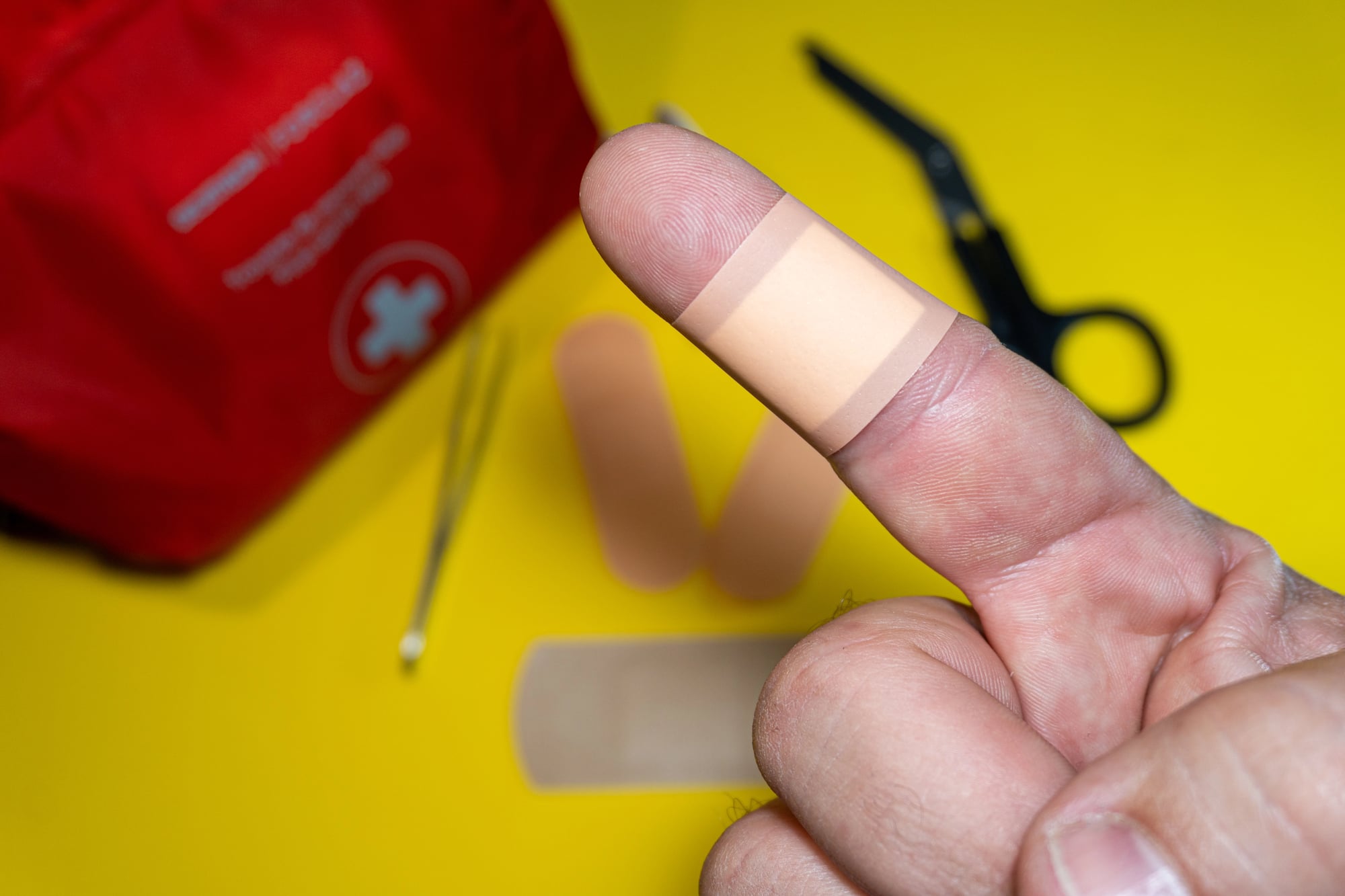
Earle Dickson invented Band-Aids in 1920 because his wife Josephine kept cutting herself while cooking. Regular bandages required two hands to apply, making self-treatment difficult for minor cuts.
Dickson worked for Johnson & Johnson and had access to surgical tape and gauze.
His solution was elegantly simple: small pieces of gauze attached to strips of tape, covered with removable fabric to keep the adhesive fresh.
The first Band-Aids were handmade and three inches wide, which seems excessive for most kitchen cuts.
But the concept of ready-to-use adhesive bandages transformed first aid from a two-person job into something anyone could handle alone.
Frisbee

The Frisbee evolved from pie plates thrown by college students at Yale University in the 1940s.
The Frisbie Pie Company delivered pies to the campus, and students discovered that the empty tins flew in stable, predictable arcs when thrown properly.
Walter Morrison refined the concept by creating a plastic disc specifically designed for throwing, but he initially marketed it as the “Flying Saucer” to capitalize on UFO enthusiasm in the 1950s.
Wham-O bought the rights and renamed it “Frisbee” to honor its pie-plate origins.
The toy succeeded because Morrison understood the aerodynamics behind what college students were already doing instinctively.
The Real Stories Behind Everything
Every product carries the fingerprints of human accident, stubbornness, and the peculiar ability to see opportunity in failure. The items that surround you started as solutions to completely different problems, or as problems that somebody decided to see differently.
That’s the real secret — not the formulas or patents, but the willingness to let things become what they actually want to be instead of what they were supposed to be.
More from Go2Tutors!

- The Romanov Crown Jewels and Their Tragic Fate
- 13 Historical Mysteries That Science Still Can’t Solve
- Famous Hoaxes That Fooled the World for Years
- 15 Child Stars with Tragic Adult Lives
- 16 Famous Jewelry Pieces in History
Like Go2Tutors’s content? Follow us on MSN.