27 Old Wedding Rings Jewelers Pay Top Dollar For
Estate jewelers buy old wedding rings more often than most people expect, and the rings they chase are rarely the ones that look the most expensive. A hallmark, an outdated diamond cut, or a maker’s name inside the band can matter more than carat weight.
Pricing is never fixed, and condition decides most of it: worn prongs, replaced stones, or a heavily polished band all pull the offer down.
The rings below cover eras, designs, and makers that estate buyers regularly look for. None guarantees a payout, but each is worth a closer look before a ring goes back in a drawer.
The Tiffany Setting
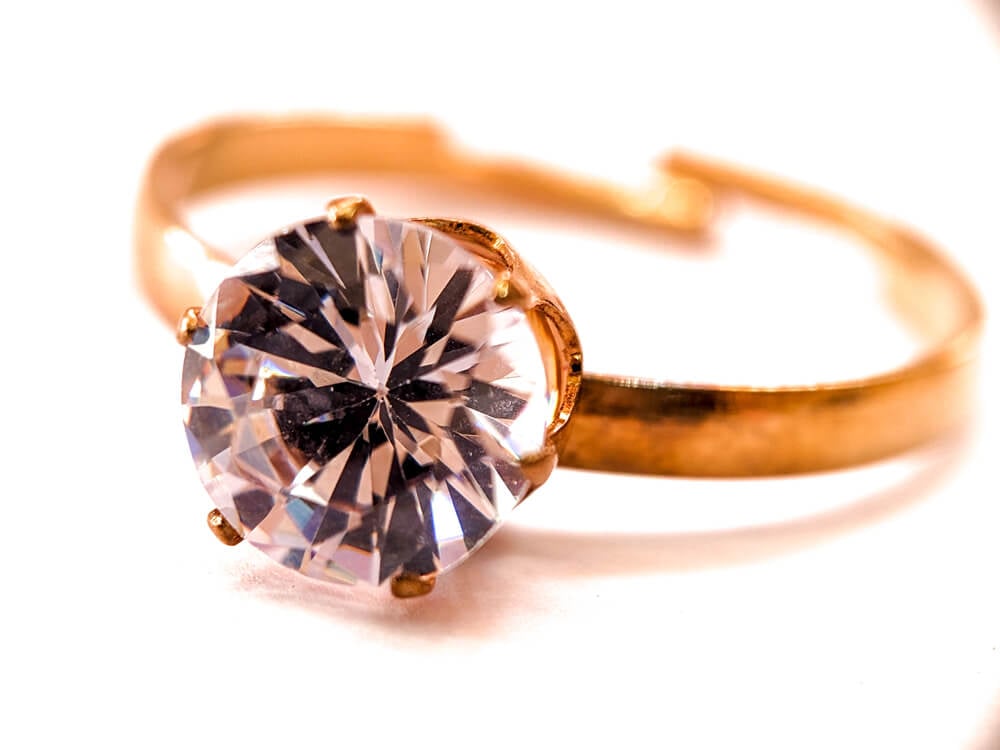
Charles Lewis Tiffany introduced the Tiffany Setting in 1886, a six-prong design that lifted the diamond above the band to catch more light. The style became the model for the modern solitaire.
Rings signed by Tiffany & Co. attract the most interest when the original box and papers survive, and worn prongs or a replaced stone cut into the price.
The Cartier Trinity
Louis Cartier introduced the Trinity ring in 1924, three interlocking bands in yellow, white, and rose gold. The design is often linked to the poet and artist Jean Cocteau.
Genuine Cartier rings come with serial numbers, and condition matters a great deal because deep scratches or dents are hard to repair without changing the ring.
Van Cleef & Arpels Mystery Setting
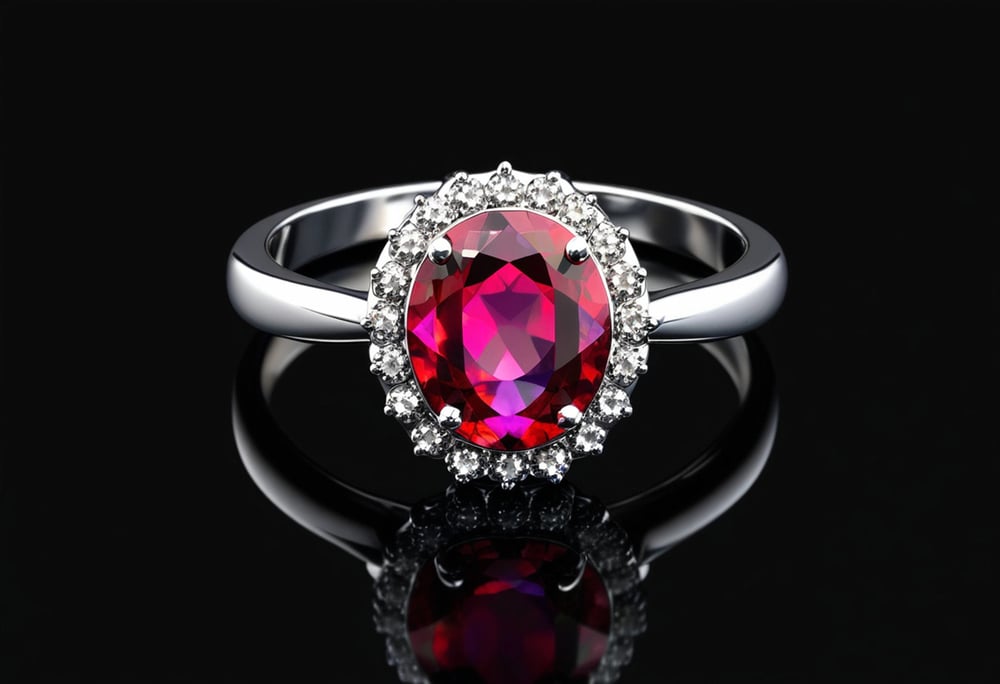
Van Cleef & Arpels patented its Mystery Setting in 1933, a technique in which stones are mounted on hidden rails so no metal shows between them. The method produced rows of sapphires, rubies, or emeralds that look like solid sheets of color.
The setting is difficult to repair, so rings in good original condition are the ones that earn serious attention.
Harry Winston Platinum Solitaires
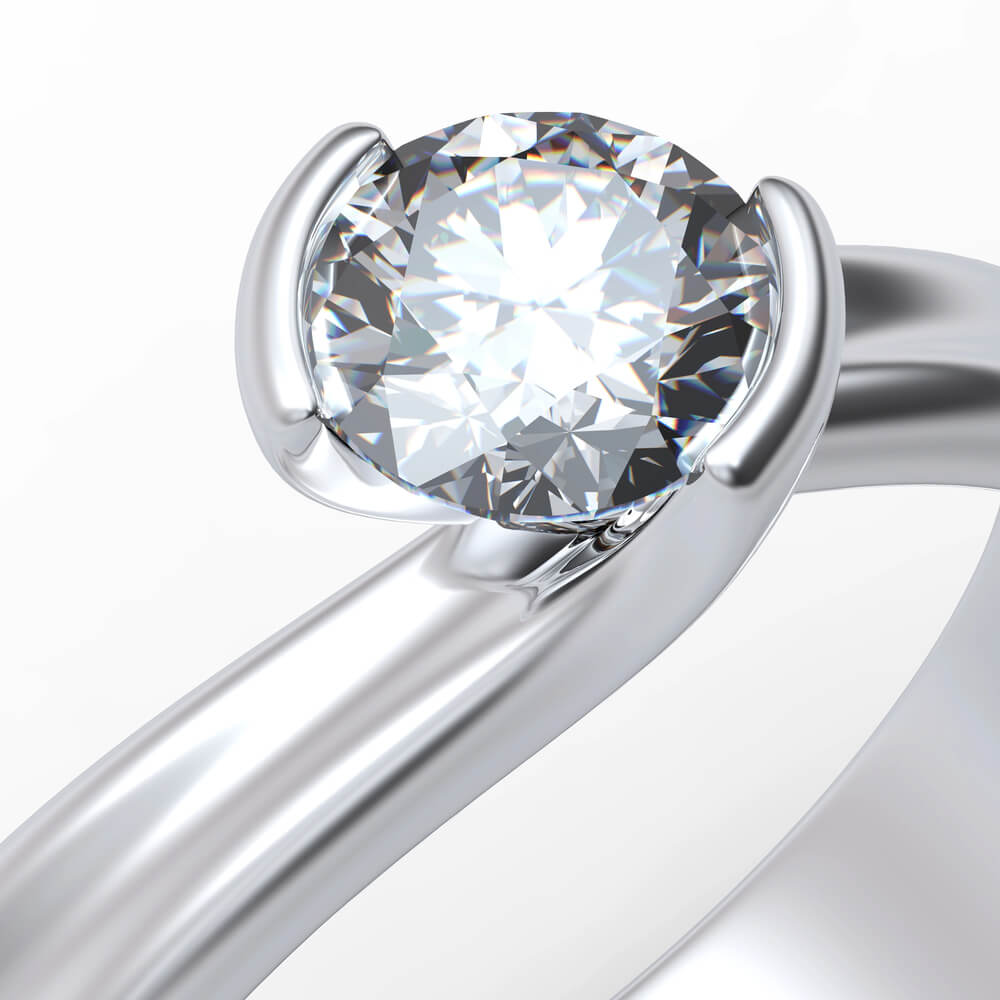
Harry Winston opened his New York firm in 1932 and became known for exceptional diamonds set in platinum. Rings carrying his signature draw buyers who want the name along with the stone.
A ring that retains its original paperwork and shows little wear stands apart from the rest.
Georgian Rings
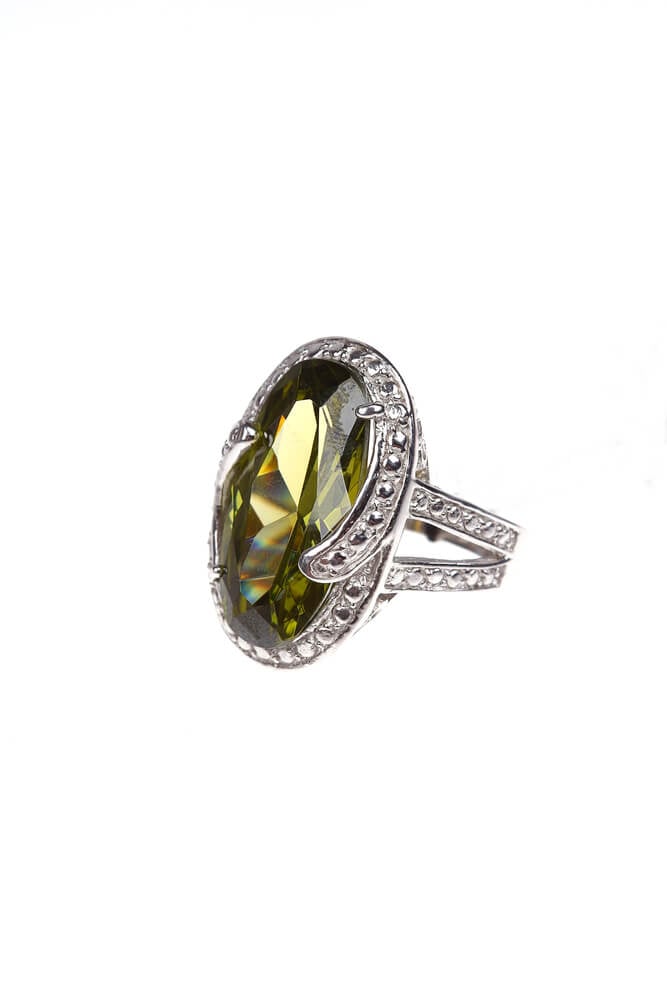
Georgian rings date from 1714 to 1830 and were made by hand, with stones set in closed backs and often backed with foil to improve their color. Few survive in good shape because gold was often melted and remade into newer styles.
A Georgian ring with its original stone and intact setting is a genuine rarity.
The Victorian Snake Ring
DepositPhotos
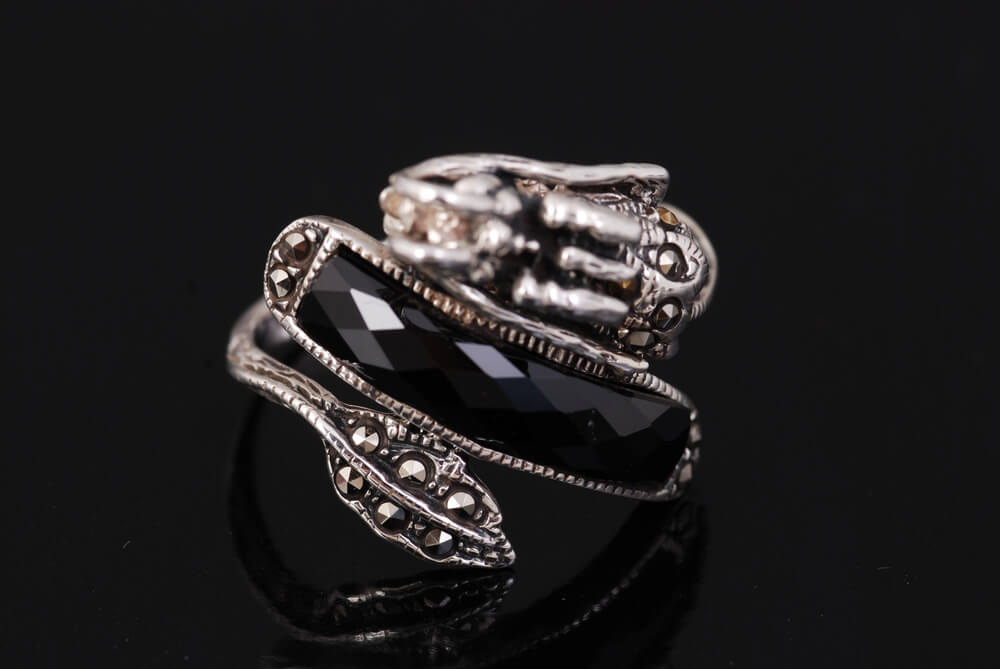
Prince Albert gave Queen Victoria a gold snake ring with an emerald in 1839, and the style spread across Britain. The snake symbolized eternity, and its coiled body suited a band worn every day.
Victorian snake rings with their original gems and sharp detailing sell above plain bands of the same era.
The Regard Ring
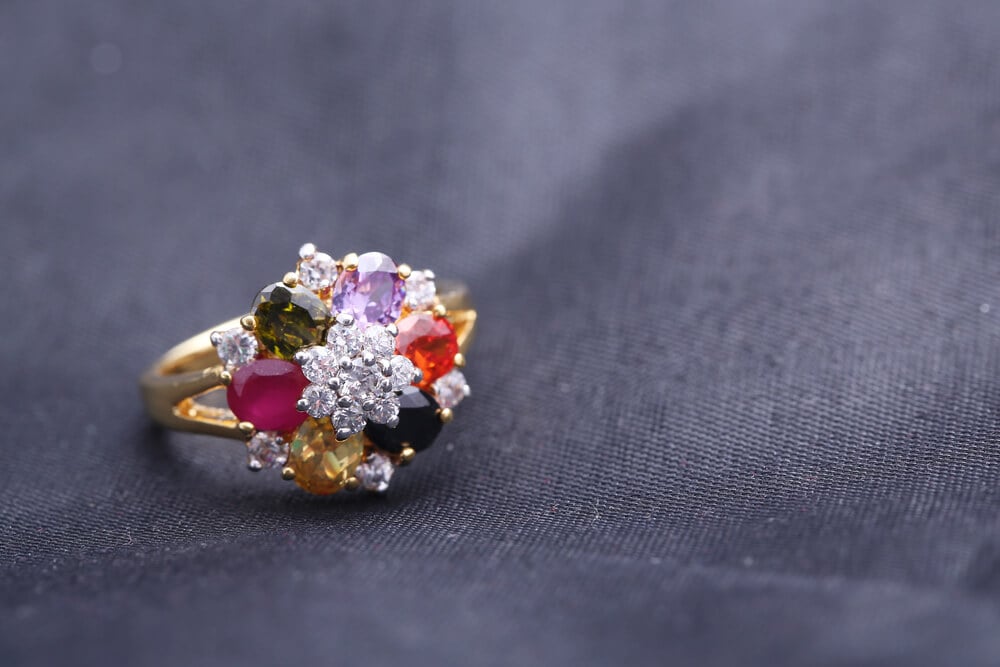
Regard rings set gems whose first letters spelled the word: ruby, emerald, garnet, amethyst, ruby, and diamond. Georgian and Victorian lovers exchanged them as quiet messages.
Similar rings spelled DEAREST with a longer list of stones, and complete sets with all original gems are far more valuable than ones with replacements.
Edwardian Platinum Filigree
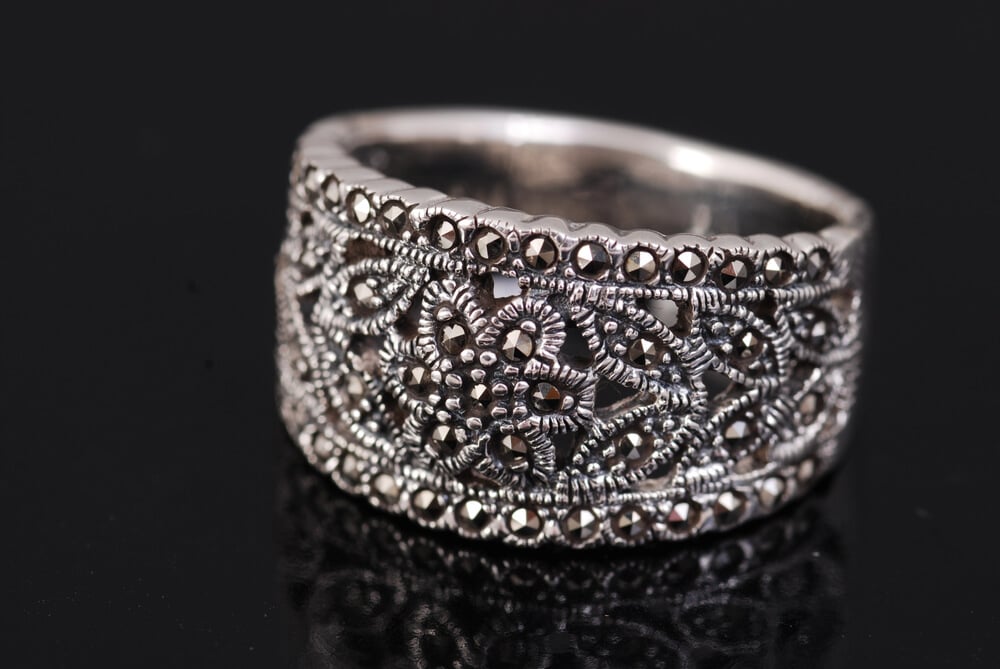
Edwardian jewelers working between 1901 and 1910 shaped platinum into lace-like filigree with tiny milgrain beads along the edges. The material was strong enough to hold a diamond in an openwork frame.
Rings with crisp detail command more than ones softened by years of wear or heavy polishing.
Art Deco Geometry
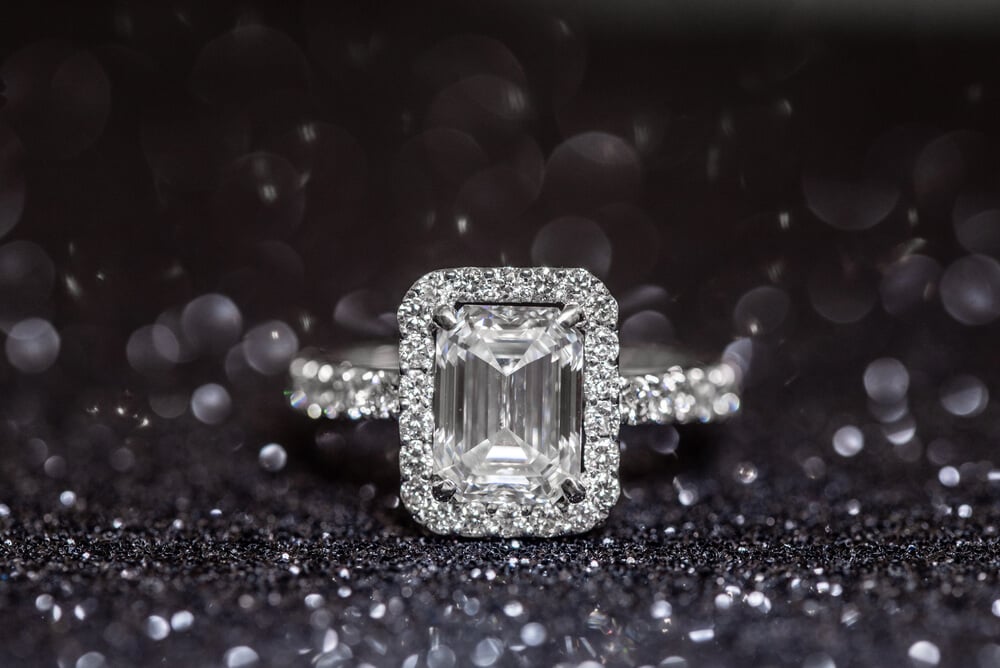
Art Deco rings from the 1920s and 1930s used platinum, baguette diamonds, and calibre-cut sapphires or emeralds in sharp geometric patterns. Wedding bands from the period often carried engraved orange blossoms along the edges.
Condition matters because missing calibre stones are hard to replace with exact matches.
Retro Rose Gold
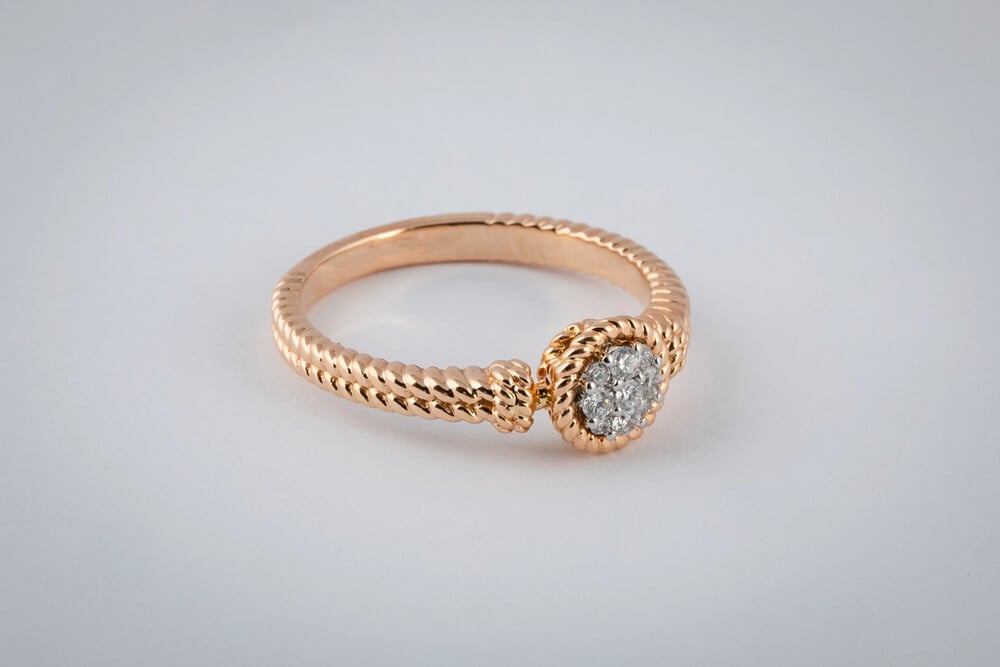
During World War II, American restrictions on platinum pushed jewelers toward rose and yellow gold. The Retro style of the 1940s answered with bold shapes, bows, and large stones in warm-toned metal.
Rings with unusual designs and unspoiled finishes appeal to collectors of the period.
Old Mine Cut Diamonds
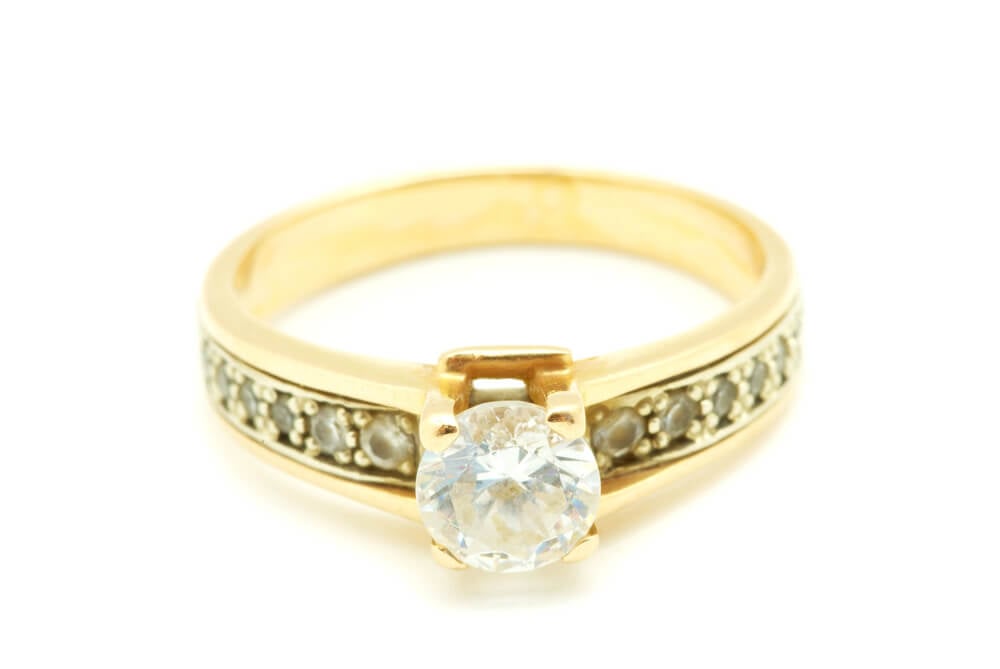
Old mine cut diamonds are cushion-shaped stones with a high crown, a small table, and a large flat culet at the bottom. Cutters shaped them by hand in the eighteenth and nineteenth centuries.
Buyers like their soft glow, and prices depend heavily on color, clarity, and whether the stone has chips.
Old European Cut Diamonds
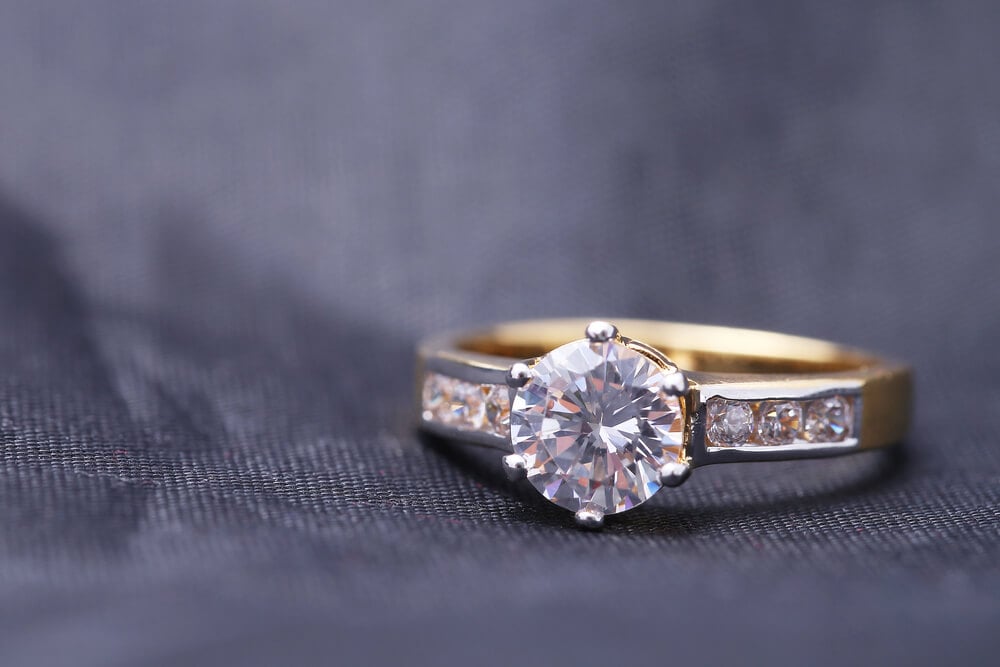
Old European cut diamonds are rounder than mine cuts, with a high crown and a small table. They dominated rings from the late 1800s through the 1930s.
The modern round brilliant was shaped by the proportions Marcel Tolkowsky published in 1919, and stones cut before that formula have a character modern ones lack.
The Claddagh Ring
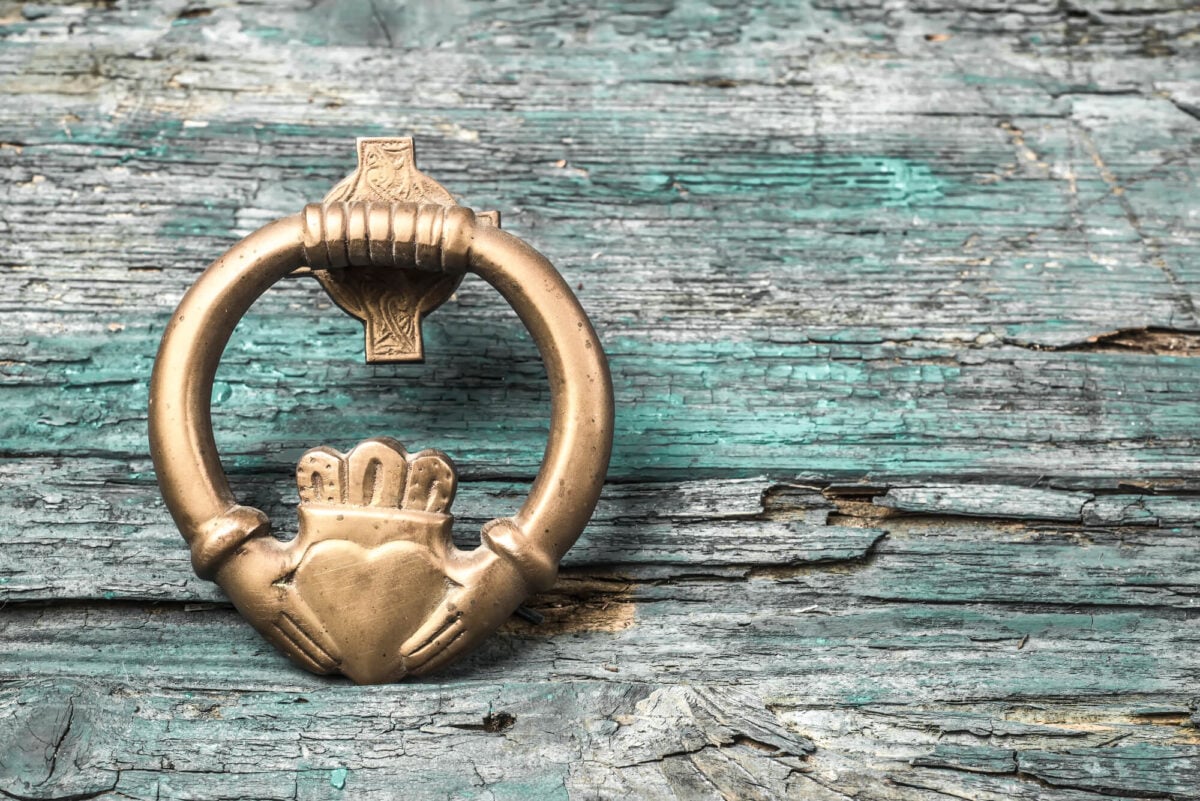
The Claddagh ring comes from the fishing village of Claddagh near Galway, Ireland, and shows two hands holding a crowned heart. The design stands for friendship, love, and loyalty.
Worn with the heart facing the wrist, it signals marriage, and older gold examples with maker’s marks are more valuable than recent copies.
The Fede Ring
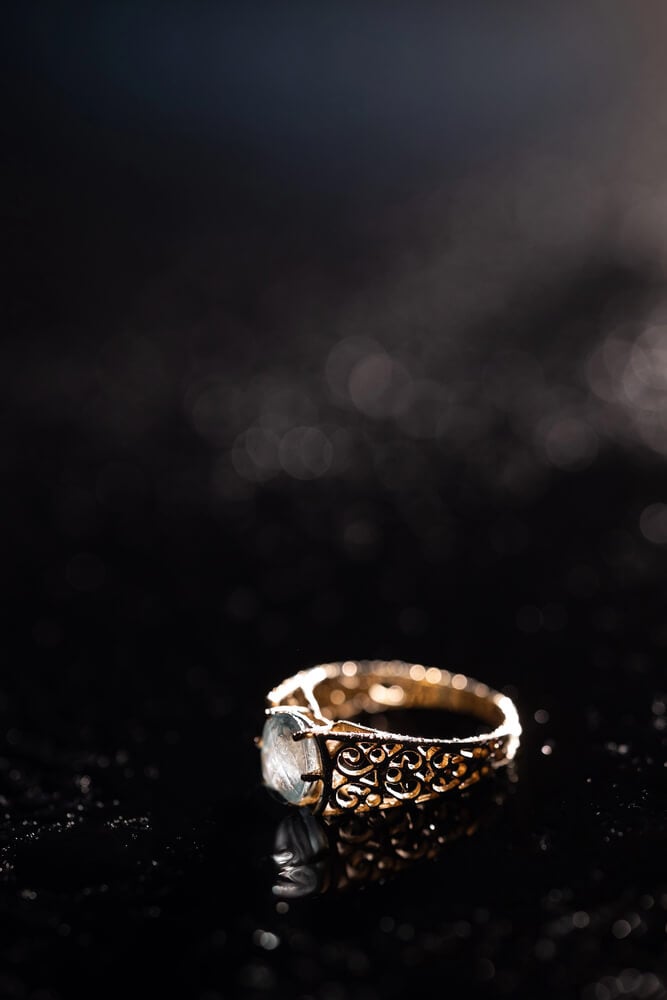
The fede ring is shaped like two clasped hands, a motif that traces back to ancient Rome. The Italian phrase mani in fede means hands in faith.
Antique fede rings in gold with crisp detail are prized, while worn or damaged hands lose much of their appeal.
The Gimmel Ring
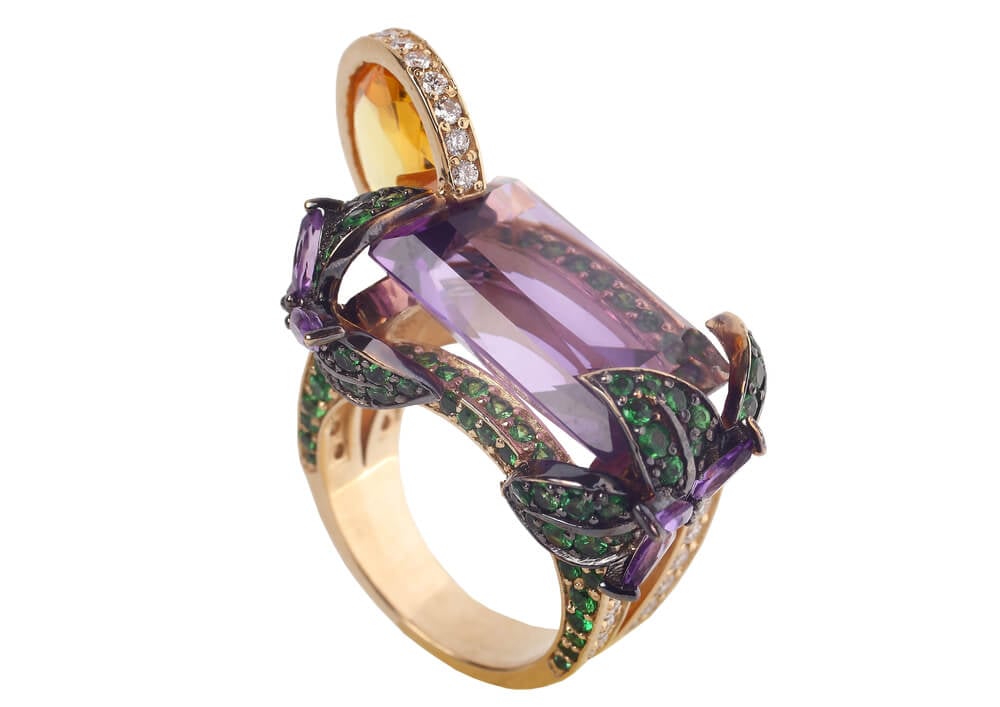
A gimmel ring consists of two or three interlocking bands that fit together into one. Engaged couples sometimes wore the sections separately and joined them at the wedding.
The name comes from the Latin word for twin, and complete antique examples with all their parts are hard to find.
The Posy Ring
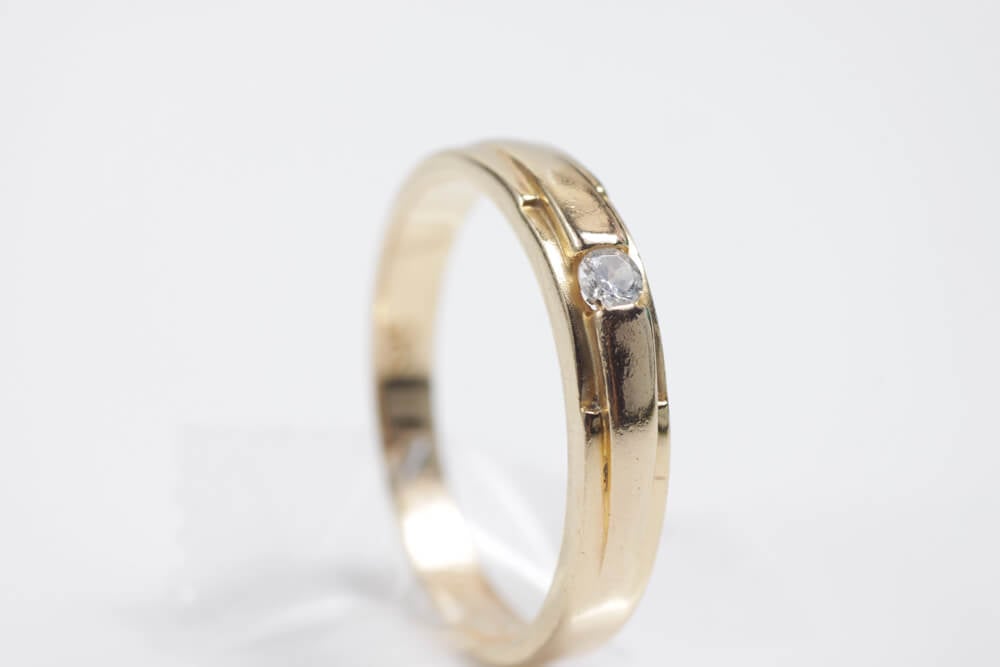
Posy rings carry a short message engraved on the inside of the band, such as a pledge of loyalty. The tradition runs from the Middle Ages into the eighteenth century, and the word posy comes from poesy.
A band with a clear inscription and a known date is more interesting to buyers than a smooth one.
The Puzzle Ring
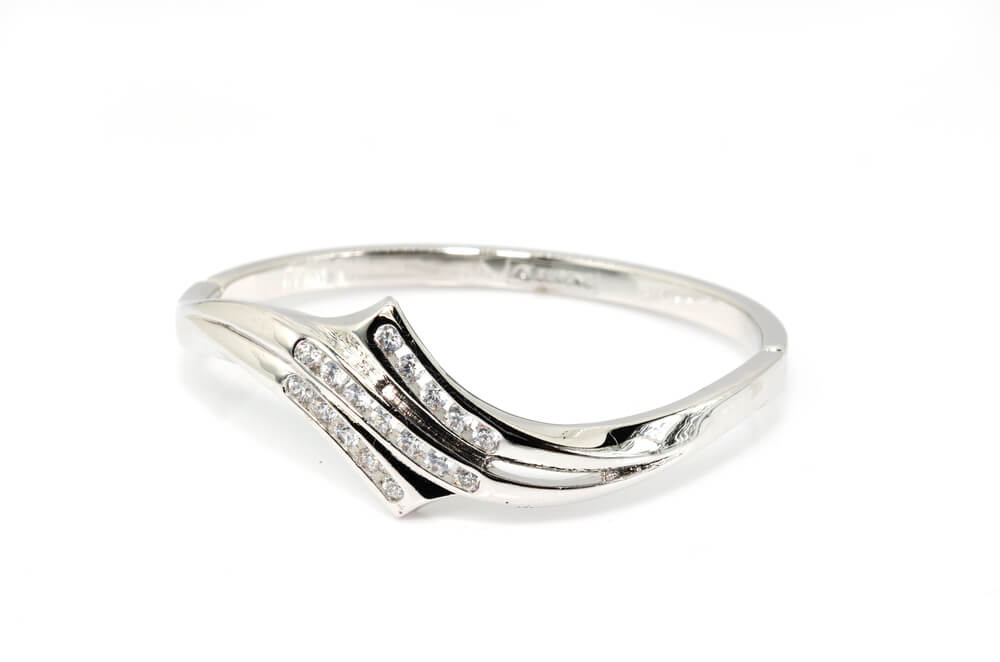
Puzzle rings consist of several interlocking bands that fall apart if removed from the finger. Legend says Turkish husbands used them to catch unfaithful wives, since a wearer could not reassemble the pieces easily.
A complete antique puzzle ring with all its bands intact is worth far more than a ring missing a piece.
The Toi et Moi
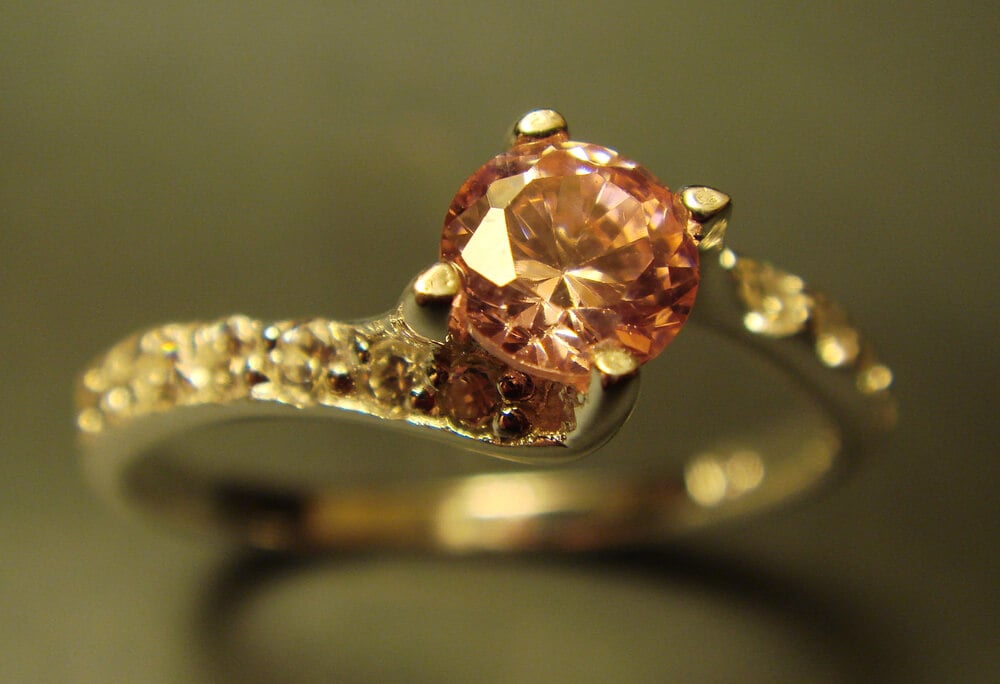
The toi et moi ring pairs two stones side by side, representing two people. Napoleon gave Josephine one in 1796 set with a diamond and a sapphire.
Antique toi et moi rings with original stones draw collectors, though changes to the gems or the shank reduce their value.
The Eternity Band
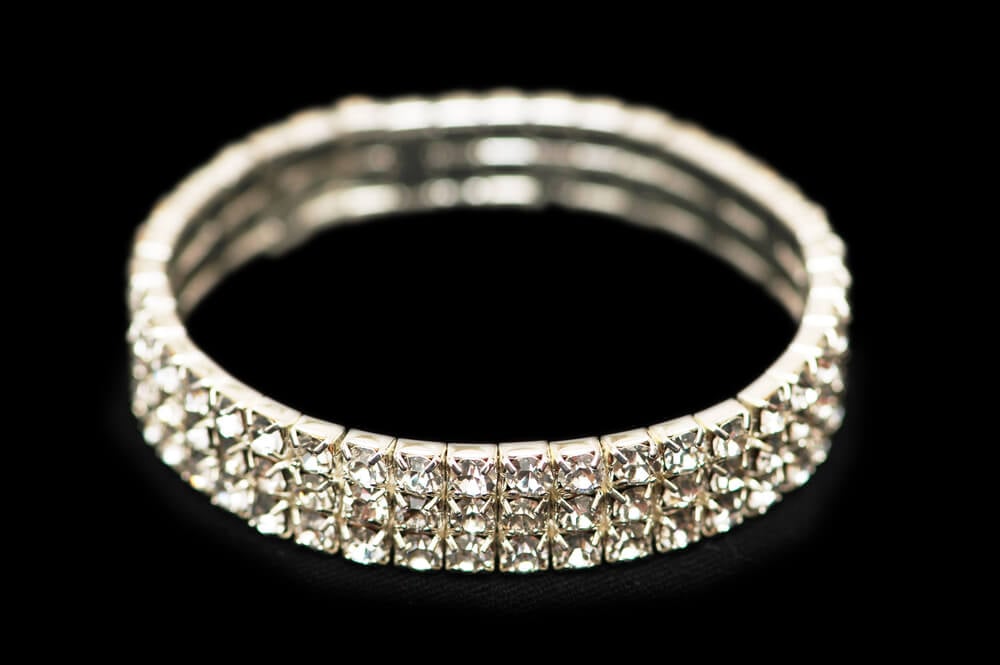
An eternity band carries a continuous row of gems around the entire ring. The idea of an unbroken circle gave the style its name.
Antique versions with hand-cut stones are especially sought after, and a missing or replaced stone is easy for a trained eye to spot.
Traub Orange Blossom
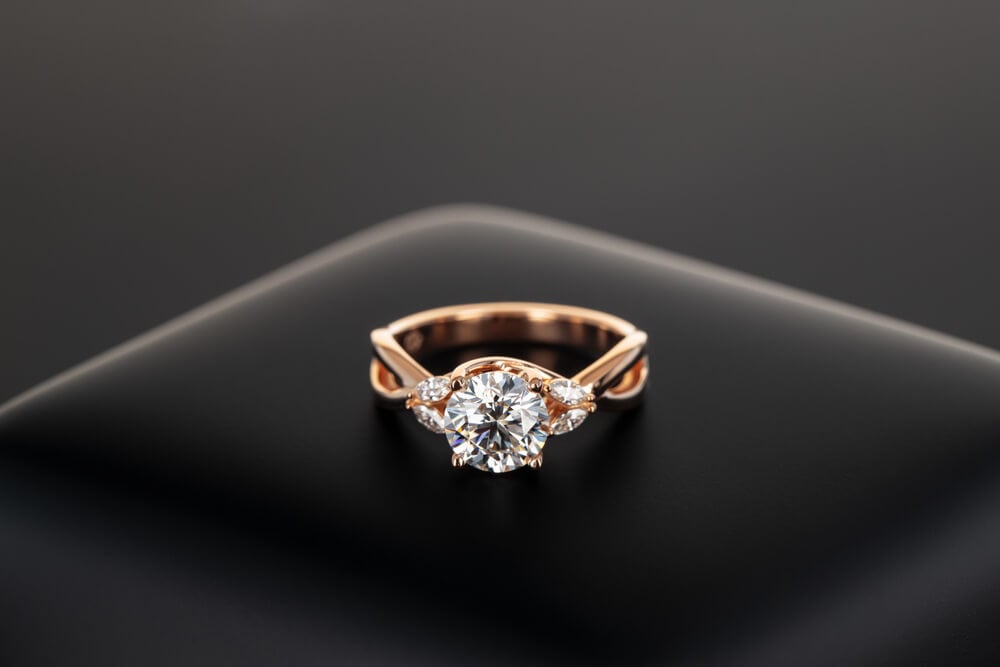
The Traub Manufacturing Company of Detroit turned the orange blossom into one of the best-known wedding ring designs of the early and middle twentieth century. Orange blossoms had long symbolized marriage, and Traub engraved them on bands and engagement rings.
Rings with crisp blossoms and little wear fetch more than ones rubbed smooth.
Black Hills Gold
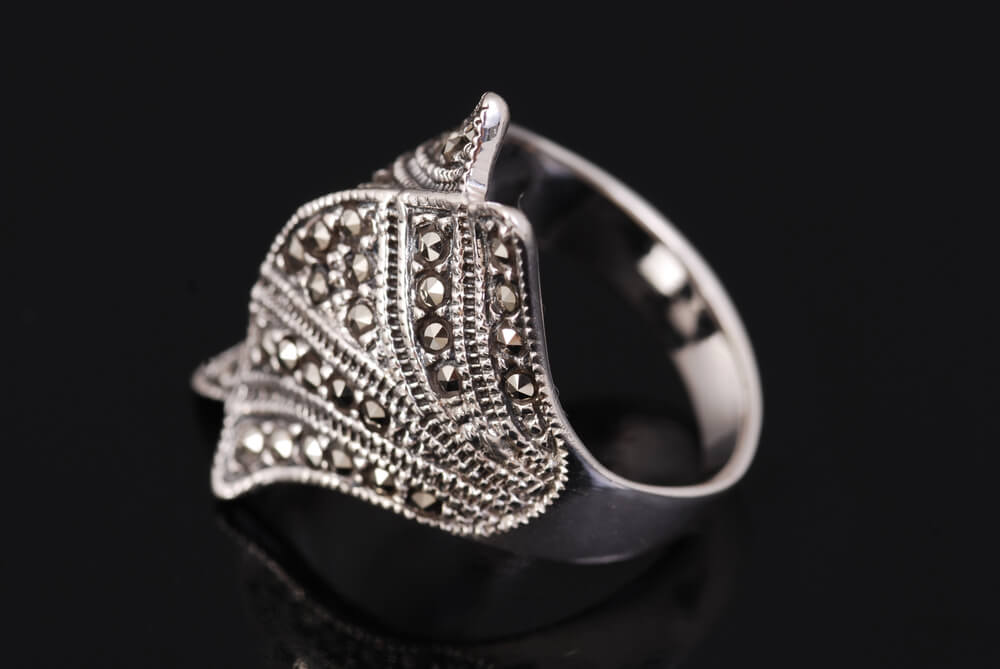
Black Hills gold jewelry from South Dakota is known for its tricolor leaves and grape clusters in rose, green, and yellow gold. Jewelers in the Black Hills have been making it since the late 1800s.
Intact leaf detail and signed pieces matter, and dented or flattened examples lose value.
Stamped Platinum Bands
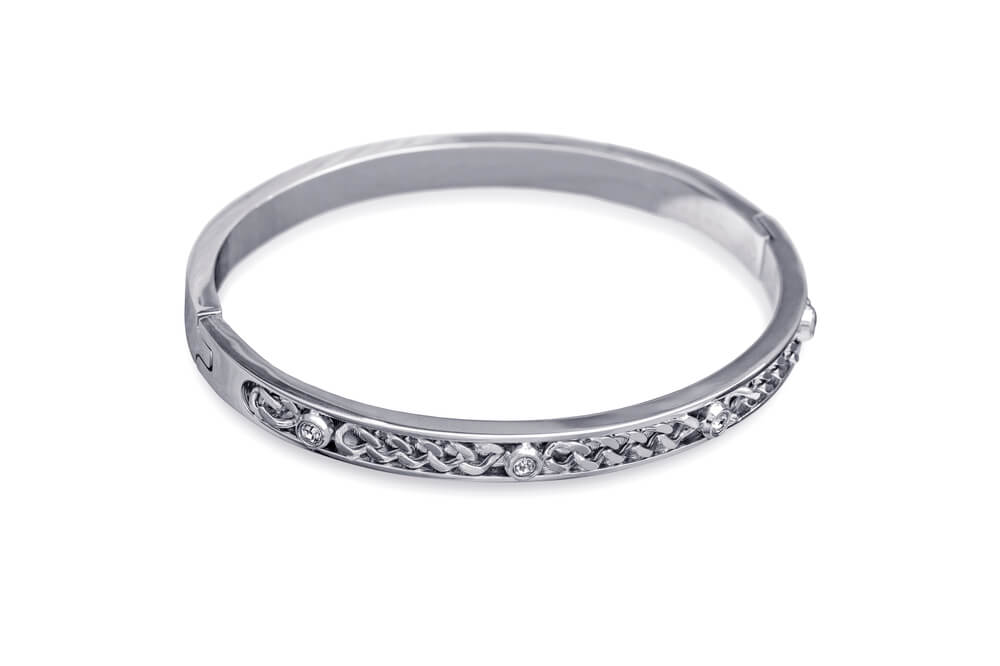
A band stamped Plat, PT, or 950 signals platinum, a metal that is heavier and more durable than gold. Jewelers test the stamp rather than trusting it alone.
Plain platinum bands can carry weight in the metal itself, though heavy wear and thin shanks lower their worth.
The Sapphire Halo
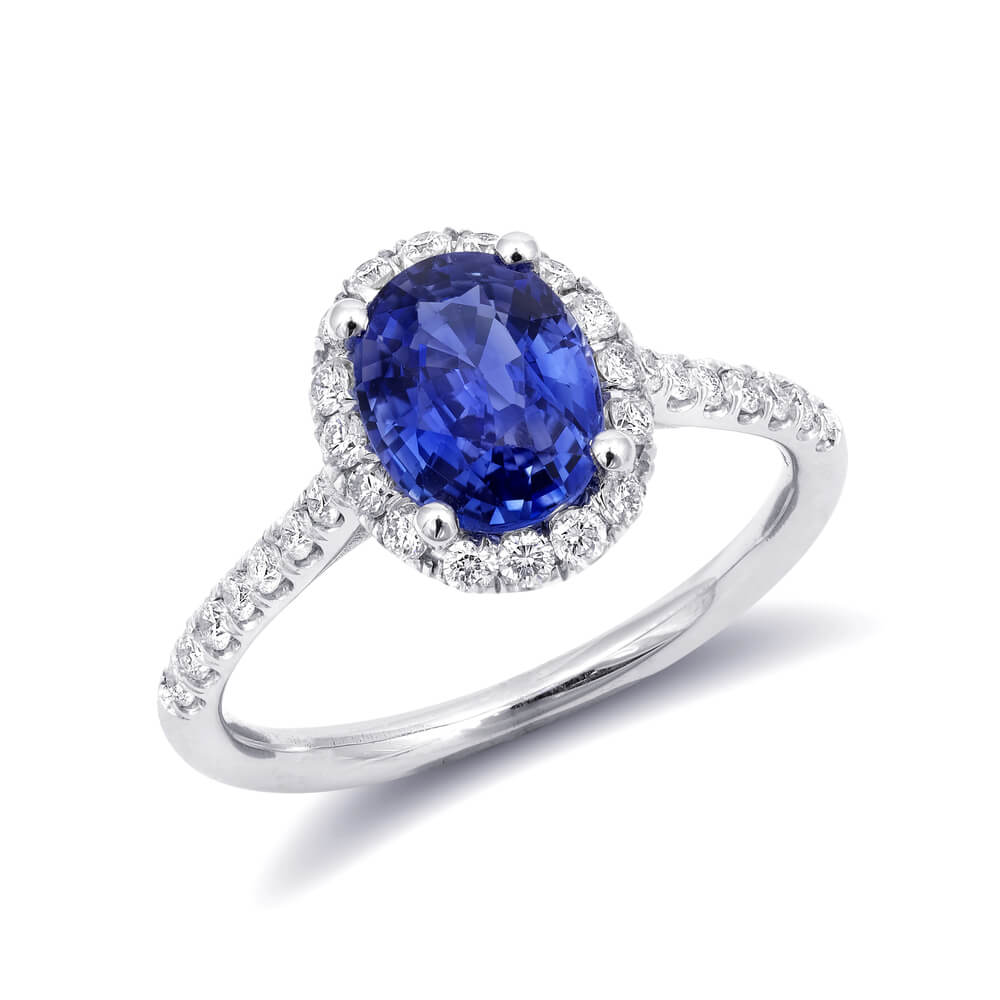
Garrard supplied Princess Diana’s 1981 engagement ring, a 12-carat oval sapphire surrounded by 14 diamonds. The ring set off a long-running fashion for sapphire halos, and vintage examples gained a following.
Natural sapphires with good color and original settings are valued higher than lab-made stones.
Mid-Century Bridal Sets
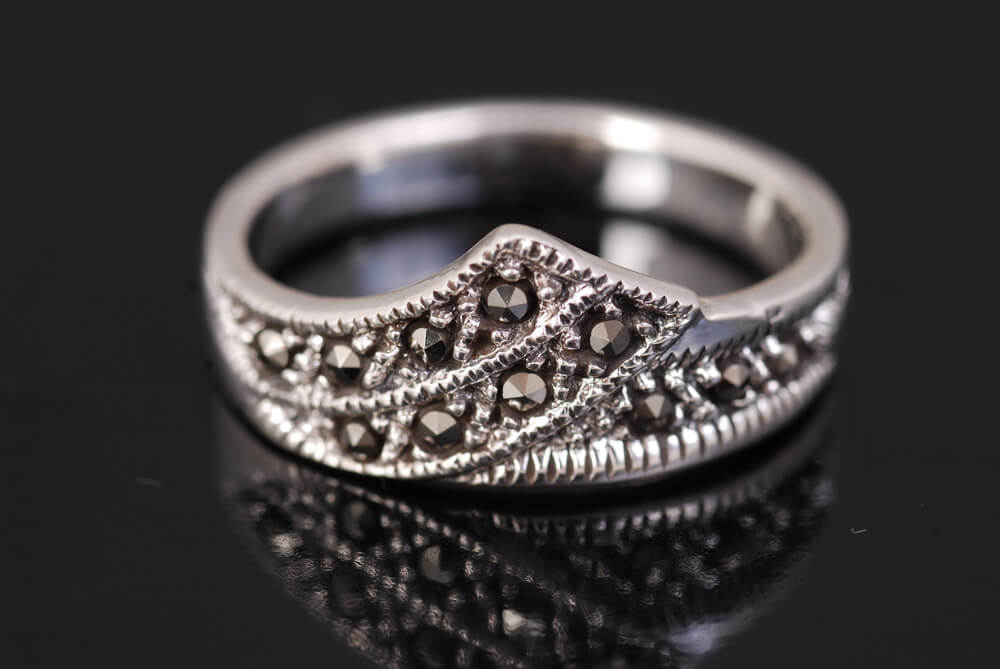
Mid-century bridal sets paired an engagement ring and wedding band designed to nest together. The matching pieces were hallmarked and sold as a unit.
Sets that remain together are worth more than the same rings sold separately, since the fit between them is part of the design.
Art Nouveau Enamel
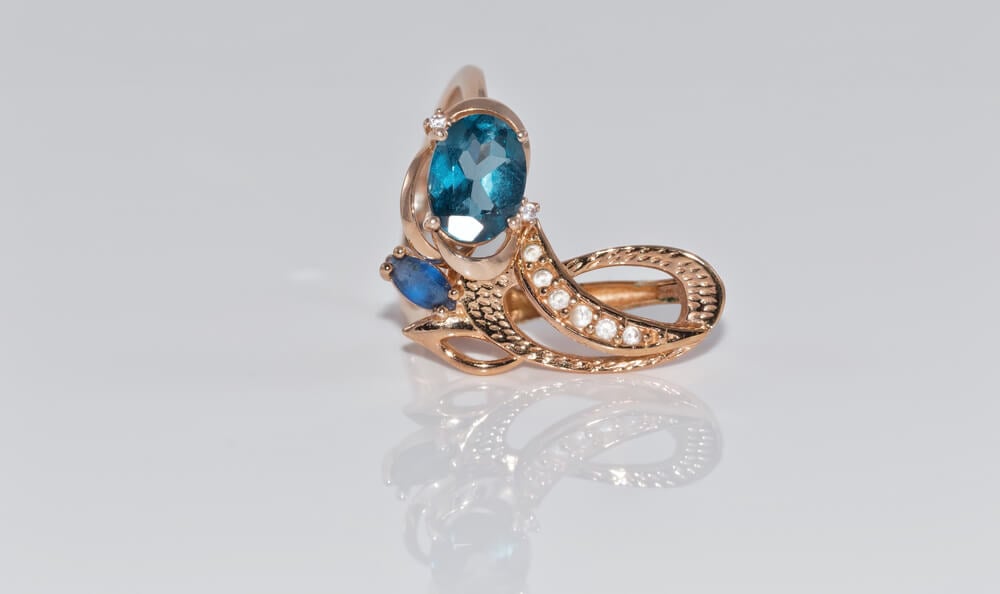
Art Nouveau jewelers working from about 1890 to 1910 favored enamel, flowing lines, and natural motifs. René Lalique was among the most famous designers of the style.
Chips and cracks in the enamel hurt the value more than almost anything else, so a ring with its color intact stands out.
The Marquise Cut
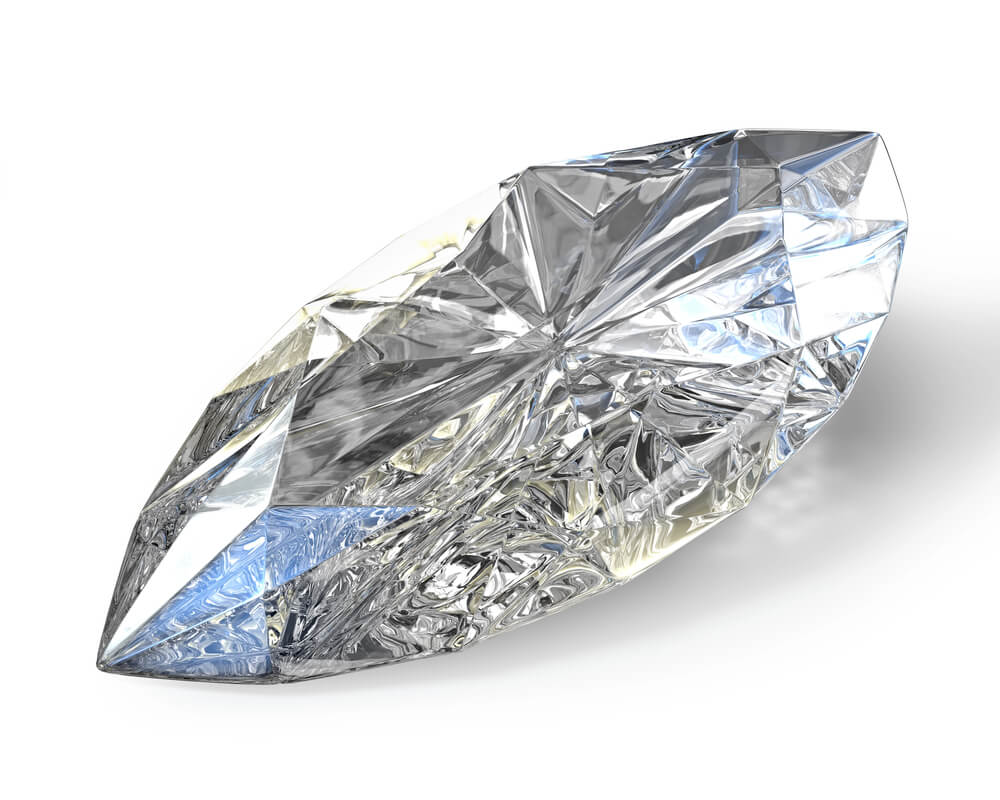
A popular story ties the marquise cut to Louis XV, who is said to have wanted a diamond shaped like the smile of the Marquise de Pompadour. The boat-shaped stone makes the finger look longer.
Antique marquise diamonds are valued for their hand-cut proportions, and chipped points are a major flaw.
Alexandrite Rings
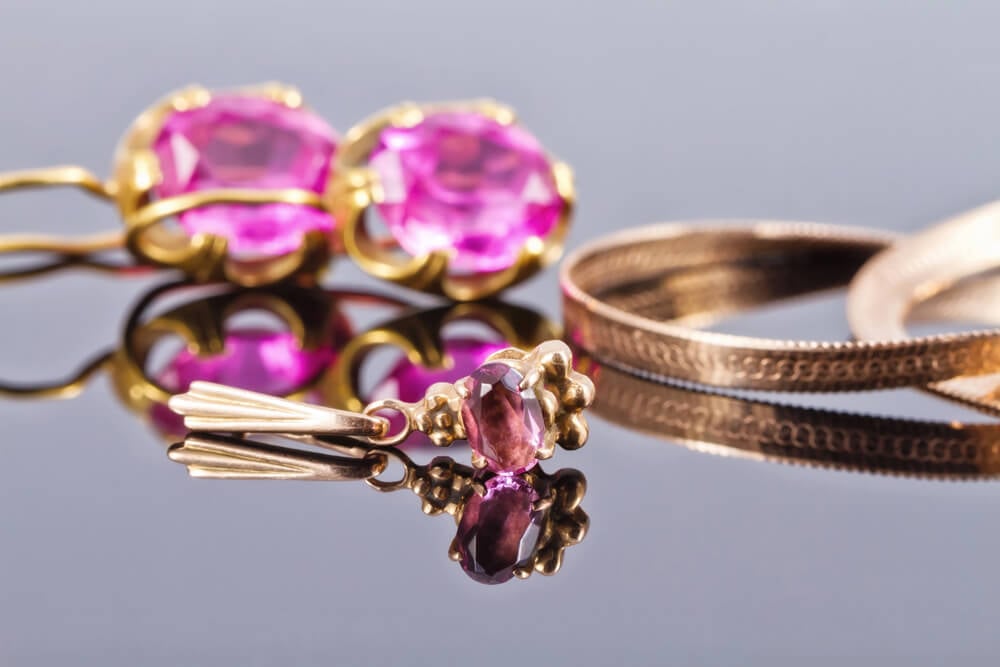
Alexandrite was found in Russia’s Ural Mountains in the 1830s and named for the future Tsar Alexander II. The stone looks green in daylight and reddish under incandescent light.
Natural alexandrite is exceptionally rare, so a laboratory report matters because synthetic stones are common.
Value in the Fine Print
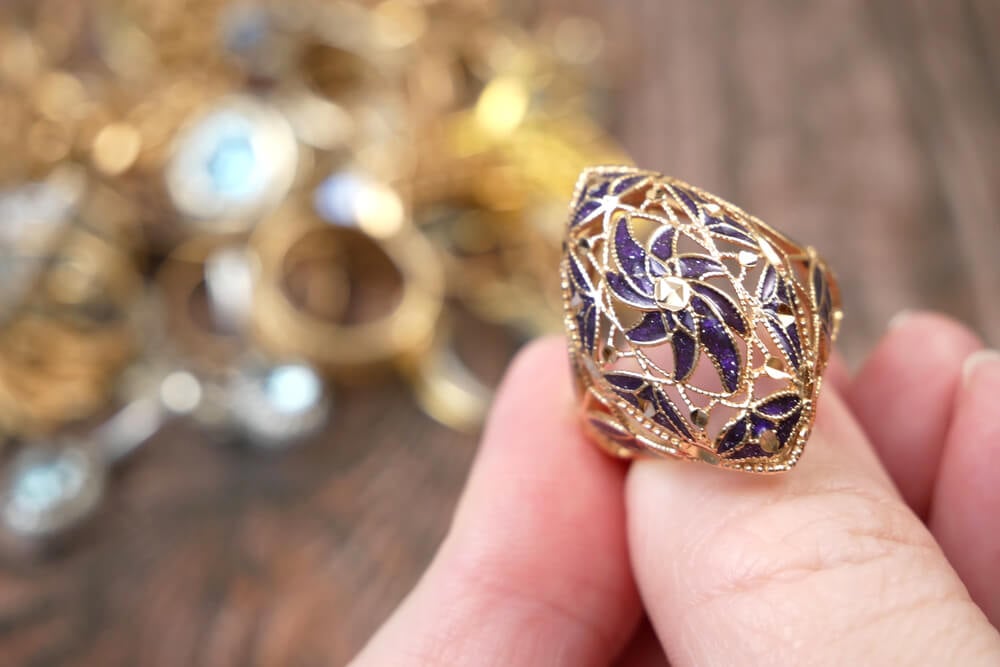
What ties these rings together is detail: a hallmark, a cut, a maker’s name, or a design that was only fashionable for a short time. Those small features can separate a ring worth a modest sum from one worth far more.
Condition remains the final judge, since wear, repair, and replacement all change the number. Anyone holding an old ring can learn more from an independent estate jeweler or a certified appraiser before selling.
Original boxes, receipts, and papers all help, as do the hallmarks inside the band. A ring that has survived this long deserves a careful look before it is sold or set aside.
More from Go2Tutors!

- The Romanov Crown Jewels and Their Tragic Fate
- 13 Historical Mysteries That Science Still Can’t Solve
- Famous Hoaxes That Fooled the World for Years
- 15 Child Stars with Tragic Adult Lives
- 16 Famous Jewelry Pieces in History
Like Go2Tutors’s content? Follow us on MSN.