27 Phrases People Use Daily Without Knowing They Came From Shakespeare
Most people can identify a Shakespeare quote when it comes with a costume attached — the “To be or not to be” kind, delivered to a skull. What they cannot always identify is the Shakespeare quote they used at breakfast, in their work email, in the middle of an argument, or while describing what they wanted for dinner.
The man wrote over 37 plays and 154 sonnets across roughly 25 years of his working life, and somewhere in that volume he said things in ways that were so precisely right that four centuries of speakers have simply kept saying them. The mechanism is easier to understand than it seems.
Shakespeare wrote when the printing press was already at work distributing his texts. His plays were performed thousands of times in his own lifetime and reprinted continuously after his death.
School curricula made them compulsory for generations of English speakers. The phrases entered the culture through constant repetition until they stopped sounding like anyone’s phrases at all.
They became the language itself.
Wild Goose Chase
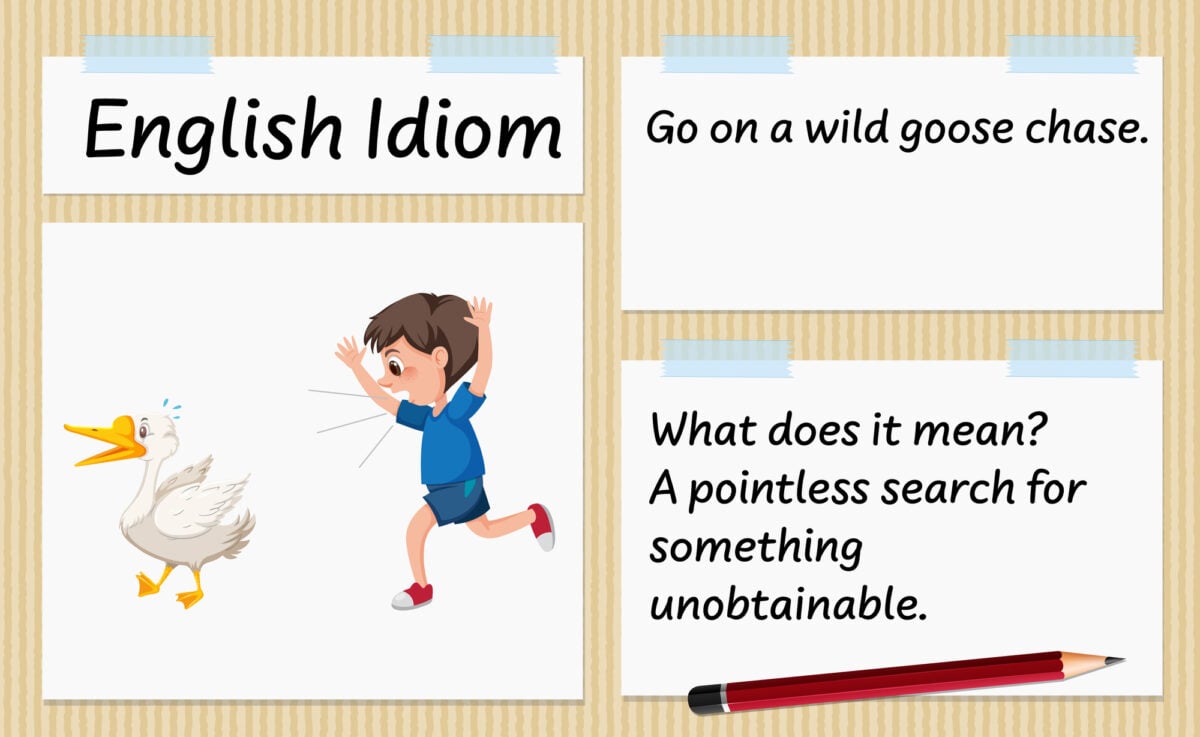
Romeo and Juliet, Act 2, Scene 4 — Mercutio uses this in a verbal duel with Romeo, originally referring to a type of horse race in which riders had to follow a lead horse wherever it went, making the route as unpredictable as actual geese in flight. The transition from horse race to the modern meaning — a futile, directionless pursuit — happened gradually, keeping the imagery of pointless wandering while losing the specific sport that generated it.
Break the Ice

The Taming of the Shrew, Act 1, Scene 2 — Tranio urges Petruchio to go ahead and break the ice with the notoriously difficult Katherine, freeing her younger sister Bianca for other suitors. The expression has not changed meaning in 400 years: doing or saying something to ease the tension or awkwardness at the start of a social situation.
The original context was practical matchmaking. The modern use is practically identical.
Green-Eyed Monster

Othello, Act 3, Scene 3 — Iago warns Othello, with spectacular malice, to “beware, my lord, of jealousy! It is the green-eyed monster which mocks the meat it feeds on.” The green eyes themselves were already associated with jealousy in Elizabethan England — green was associated with sickness and envy — but Iago’s phrasing crystallized the image into a metaphor that became permanent.
The phrase is now used routinely without any awareness of the context in which Iago is deliberately stoking the jealousy he is warning about.
All That Glitters Is Not Gold

The Merchant of Venice, Act 2, Scene 7 — The Prince of Morocco reads from a golden casket: “All that glitters is not gold — often have you heard that told.” The next line’s concession that this was already a known saying is interesting: Shakespeare may have been standardizing a folk idiom rather than coining something entirely new.
What he unquestionably did was give it the form in which it survived. It is worth noting the original word is “glisters,” not “glitters” — but the later version is the one that stuck.
One Fell Swoop

Macbeth, Act 4, Scene 3 — Macduff reacts to the murder of his family: “What, all my pretty chickens and their dam / At one fell swoop?” The word “fell” here means cruel or savage — it is the same root as the noun “felon.”
The expression meant something brutal happening all at once, in a single savage strike. The modern usage has been almost entirely emptied of that savagery: people say “one fell swoop” to mean simply “all at once,” with no awareness of the violence the original imagery contained.
Elbow Room
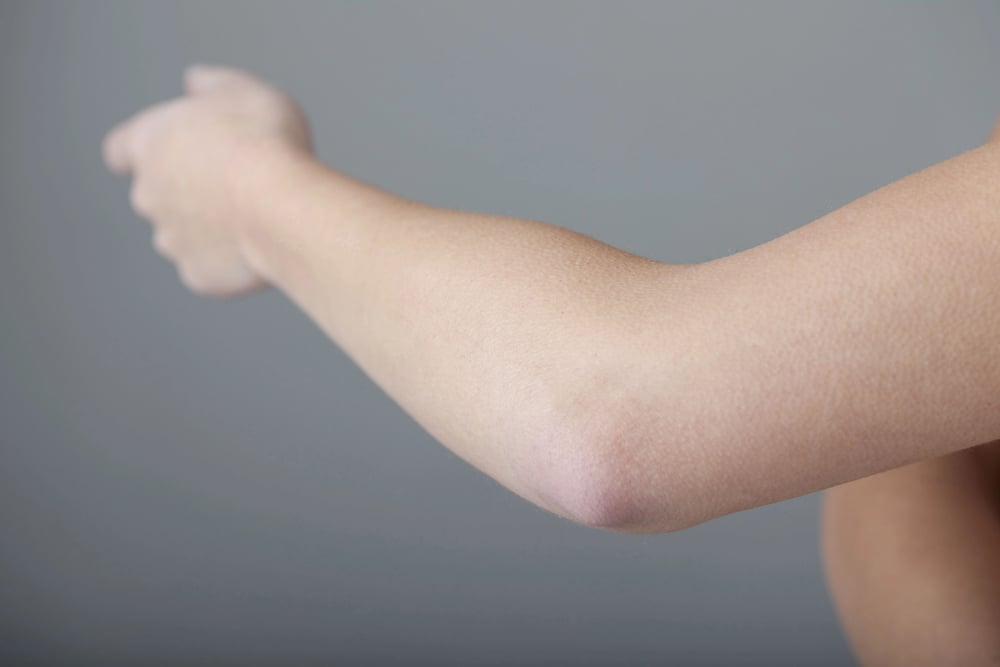
King John, Act 5, Scene 7 — The dying King John speaks of needing elbow room as he dies, referring to breathing space or freedom of movement as his end approaches. The phrase is used today for physical space — room to move one’s arms without bumping into someone — which is actually closer to the literal meaning than King John’s use, which was more metaphorical.
The fact that Shakespeare’s dying king needed metaphorical freedom of soul while we need physical room in economy class says something about the evolution of usage.
In a Pickle

The Tempest, Act 5, Scene 1 — Alonso discovers the drunken Trinculo and says, “How cam’st thou in this pickle?” The phrase meant, at the time, to be in a confused or intoxicated state.
The modern meaning — in a difficult or awkward situation — is slightly removed from the original but clearly derived from the same concept of being submerged in something uncomfortable. Pickles in Shakespeare’s time were brines, and being in one implied a kind of total immersion in an unpleasant state.
Bated Breath

The Merchant of Venice, Act 1, Scene 3 — Shylock tells Antonio: “With bated breath and whis’pring humbleness.” “Bated” is a shortened form of “abated” — reduced or held back.
The phrase means to hold the breath in anticipation or anxiety. The confusion with “baited breath,” which appears in a surprising number of written texts, is a modern error that has no basis in the original: no one holds their breath because it is baited, though presumably fish do.
The World Is Your Oyster

The Merry Wives of Windsor, Act 2, Scene 2 — Pistol, refusing to lend Falstaff money, says: “Why then the world’s mine oyster, / Which I with sword will open.” The oyster metaphor refers to the pearl inside — the opportunity or reward hidden within the world that must be actively cracked open to retrieve.
The modern usage has softened this: “the world is your oyster” is now an encouragement, usually directed at young people beginning their adult lives. The pistol was threatening to take what he wanted by force.
Foregone Conclusion

Othello, Act 3, Scene 3 — Othello, already deep into the trap Iago has set, says the incriminating behavior he imagines Desdemona has shown is “a foregone conclusion.” The phrase meant something that had already been played out or concluded before the discussion of it. In modern use, it means an outcome that is already decided or inevitable before any deliberate examination.
The meaning has shifted from past to future — from something already concluded to something predestined to conclude in a certain way.
Cold-Blooded

King John, Act 3, Scene 1 — “Thou cold-blooded slave, / Hast thou not spoke like thunder on my side, / Been sworn my soldier?” The phrase was literal before it became metaphorical: it described someone with cold blood, meaning without the warmth of loyalty, passion, or humanity.
The modern use — describing a calculated, unemotional act, particularly one of violence — maintains the core meaning of emotional and physical coldness acting together.
Seen Better Days

As You Like It, Act 2, Scene 7 — The exiled Duke and his court have “seen better days.” The phrase has exactly the same meaning now as it did then: to have been in a better condition previously, whether applied to people, places, or things.
It is one of the most directly stable transfers in the language — Shakespeare said it in one context, it entered everyday use, and no one felt the need to change it.
Too Much of a Good Thing

As You Like It, Act 4, Scene 1 — Rosalind says to Orlando, “Why, then, can one desire too much of a good thing?” The phrase is an ironic one in context — she is making the point that even good things become excessive.
The modern usage has entirely dropped the irony and become a straightforward caution against excess. The shift is telling: the line went from a knowing comedic observation to a piece of received wisdom.
In Stitches

Twelfth Night, Act 3, Scene 2 — Maria, describing the effect of a trick on Malvolio, says Olivia “will laugh herself in stitches.” The phrase draws on the physical sensation of laughing hard enough to feel a stitch in the side — a cramp from sustained laughter.
No one consciously connects the phrase to its bodily origin when they say it today, though anyone who has genuinely laughed that hard knows the physiological reference is accurate.
Wear Your Heart on Your Sleeve

Othello, Act 1, Scene 1 — Iago says he is not the kind of honest man who would wear his heart on his sleeve for “daws” (jackdaws, meaning fools) to peck at. The phrase meant displaying your true feelings openly, making yourself vulnerable to manipulation.
In medieval Europe, knights literally attached tokens from their ladies to their sleeves during tournaments. Shakespeare took the physical image and made it metaphorical.
The modern use — being emotionally open and expressive — captures the original meaning entirely.
Neither Here Nor There

Othello, Act 4, Scene 3 — “That’s not much. ‘Twas pitiful, ’twas wondrous pitiful. She wish’d she had not heard it; yet she wish’d / That heaven had made her such a man; she thank’d me, / And bade me, if I had a friend that loved her, / I should but teach him how to tell my story, / And that would woo her. Upon this hint I spake: / She loved me for the dangers I had pass’d, / And I loved her that she did pity them. This only is the witchcraft I have used. / Here comes the lady; let her witness it.” — The specific phrase also appears earlier in Othello and in The Merry Wives, meaning irrelevant or beside the point.
The meaning is identical today.
Cruel to Be Kind

Hamlet, Act 3, Scene 4 — Hamlet, having killed Polonius, tells his mother: “I must be cruel only to be kind.” The phrase means to do something harsh for someone’s benefit — to deliver a painful truth, impose a difficult discipline, or make a hard decision that helps the person in the long run.
The modern phrase “tough love” is essentially a simplified version of the same concept, which suggests the idea has remained culturally current even as the language has changed around it.
Heart of Hearts

Hamlet, Act 3, Scene 2 — Hamlet tells Horatio he has kept him “in my heart of heart.” The phrase is used today as a superlative for inner truth — what someone believes in their heart of hearts is what they truly, privately feel, stripped of performance or justification.
The construction is distinctly Shakespearean: the duplication (“heart of heart”) was a rhetorical device he used to intensify emotion, and it has remained intact as an idiom even as the literary tradition that generated it became less central.
Pomp and Circumstance

Othello, Act 3, Scene 3 — Othello says farewell to “the big wars / That make ambition virtue! O, farewell! / Farewell the neighing steed and the shrill trump, / The spirit-stirring drum, the ear-piercing fife, / The royal banner and all quality, / Pride, pomp and circumstance of glorious war!” Circumstance here means the ceremony and pageantry that accompanies important events.
Edward Elgar used the phrase as the title of his 1901 march, which became the standard accompaniment to graduation ceremonies. Most people who have graduated recognize the music; fewer know it is named after Othello’s farewell.
Pure as the Driven Snow

The Winter’s Tale, Act 4, Scene 4 — Perdita says, “The marigold that goes to bed wi’ th’ sun, / And with him rises, weeping: these are flowers / Of middle summer, and I think they are given / To men of middle age. You’re very welcome.” Later in the same play: “Not she which burns in ‘t. Notes and news / As swift as thought in every power, / And gives to every power a double power / Above their functions and their offices.”
The phrase “pure as the driven snow” appears in Macbeth also — and has become the standard comparison for anything claimed to be entirely without fault, often used ironically now precisely because the claim of purity is rarely taken at face value.
Good Riddance

The Merchant of Venice, Act 2, Scene 7 — Portia, after the Prince of Morocco departs: “A gentle riddance. Draw the curtains, go. / Let all of his complexion choose me so.” The phrase “good riddance” appears more directly in Troilus and Cressida: “I’ll none of him. Good riddance!” and became the standard expression of relief at someone’s or something’s departure.
It is now one of the most naturally used phrases in the language, carrying no sense of its original theatrical context.
Vanish Into Thin Air

Othello, Act 3, Scene 3 — “Into thin air” as a phrase originated with Shakespeare, though the full modern version “vanish into thin air” emerged from combining his phrasing with later usage. The Tempest also has Prospero describing the spirits “melted into air, into thin air.”
The image of air as the thinnest, most insubstantial substance — into which something disappears utterly — has survived completely unchanged in contemporary use.
Not Slept a Wink

Cymbeline, Act 3, Scene 4 — “I have not slept one wink.” The phrase remains in use today with only minor modification: “not slept a wink” is still the standard English expression for having had no sleep at all.
The specificity of a wink as a unit of sleep duration is Shakespearean — no one now consciously connects the phrase to its source, but the image of the smallest possible eye movement standing in for the smallest possible amount of sleep is still vivid enough to communicate instantly.
The Be-All and End-All

Macbeth, Act 1, Scene 7 — Macbeth contemplates whether murdering Duncan might be “the be-all and the end-all here.” The phrase meant the thing that would settle everything — the definitive act.
The modern usage — something that is the most important or decisive factor — carries the same weight. The double construction (“be-all and end-all”) became fixed as a compound unit, so that neither half can exist without the other.
Once More Unto the Breach

Henry V, Act 3, Scene 1 — King Henry’s speech rallying his troops before the walls of Harfleur: “Once more unto the breach, dear friends, once more.” The phrase means to attempt something difficult again after a previous cor setback.
It is now used in contexts from office meetings to sporting commentary, most often with the awareness that it is a quotation but without a precise recollection of the source. Arthur Conan Doyle gave the phrase broader recognition by having Sherlock Holmes use it, which is often credited as the origin.
What’s in a Name?

Romeo and Juliet, Act 2, Scene 2 — Juliet, on the balcony, contemplates the irrelevance of the Montague name: “What’s in a name? That which we call a rose / By any other name would smell as sweet.” The phrase is now used to question whether names, labels, or titles actually determine the nature of a thing — or whether they are simply arbitrary identifiers.
The answer in most modern invocations is ambiguous in a way Juliet’s was not: she believed names were entirely irrelevant. Most people who use the phrase now are less certain.
Lie Low

Much Ado About Nothing, Act 5, Scene 1 — Borachio says: “I have deceived even your very eyes: what your wisdoms could not discover, these shallow fools have brought to light, who in the night overheard me confessing to this man how Don John your brother incensed me to slander the Lady Hero, how you were brought into the orchard and saw me court Margaret in Hero’s garments, how you disgraced her when you should marry her.” The specific instruction to “lie low” — stay hidden, keep a quiet profile — appears in the play and enters English idiom from there.
The modern use, across crime dramas, financial advice, and relationship guidance, maintains the original sense almost perfectly.
The Language That Outlasted the Man

Shakespeare died in 1616. His language did not. The phrases above have survived religious reformations, empires, revolutions, two world wars, and the entire arc of industrial and digital civilization.
What they share is precision: they each captured a specific human experience in a form that did not need updating. The feeling of jealousy as a monster that consumes what it covets. The relief of a clean exit. The cramp of uncontrollable laughter. The resignation of someone who has clearly seen better days.
There is a practical lesson somewhere in that persistence. When an expression survives 400 years without modification, it is because the underlying experience it describes has also survived without modification.
The things Shakespeare was describing — jealousy, ambition, grief, relief, the difficulty of beginning a difficult conversation — are the same things being described in offices, arguments, and text messages today. The phrases stuck because what they pointed to never changed.
More from Go2Tutors!

- The Romanov Crown Jewels and Their Tragic Fate
- 13 Historical Mysteries That Science Still Can’t Solve
- Famous Hoaxes That Fooled the World for Years
- 15 Child Stars with Tragic Adult Lives
- 16 Famous Jewelry Pieces in History
Like Go2Tutors’s content? Follow us on MSN.



