28 Old Club Badges Found in Family Keepsakes
Somewhere in a shoebox of family papers sits a small metal pin that nobody can quite identify. Club badges were once handed out at meetings, mailed in exchange for box tops, and pinned to lapels, hats, and sashes.
The ones below turn up in drawers, tackle boxes, and jewelry trays, each marking a group someone once belonged to or admired.
Boy Scouts of America Membership Badge
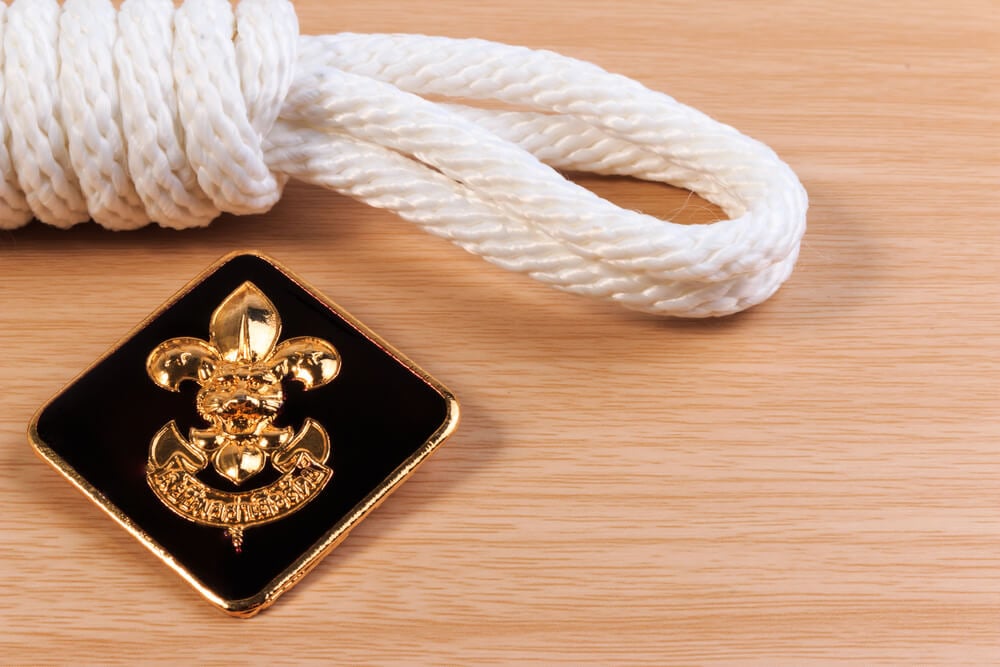
The Boy Scouts of America incorporated in 1910, and its fleur-de-lis badge became one of the most recognizable emblems in the country. Designs changed over the decades, which helps collectors date a pin.
A badge found in a family drawer may come from a father, grandfather, or uncle. Enamel chips and bent pins lower value, so condition matters as much as age.
Cub Scouts Wolf Badge

Cub Scouting began in the United States in 1930, giving younger boys their own program and a rank badge in the shape of a wolf. The wolf theme came from Rudyard Kipling’s Jungle Book stories, which supplied the group’s names and vocabulary.
Small cloth and metal badges often suffer from fading and tears. Pieces that kept their color are easier to sell.
Girl Scouts Trefoil Pin
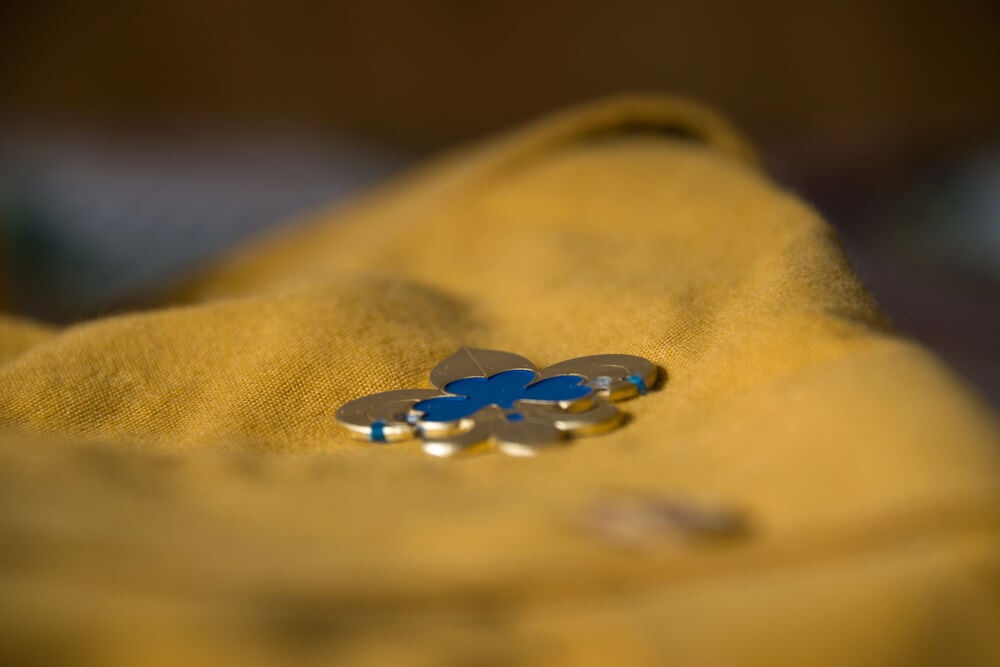
Juliette Gordon Low founded the Girl Scouts in Savannah, Georgia, in 1912. The trefoil, a three-lobed shape, became the group’s emblem, and early pins used it in several metal finishes.
Details in the design can help date a pin. Gold-toned pieces that kept their finish are easier to sell than worn ones.
Camp Fire Girls Pin
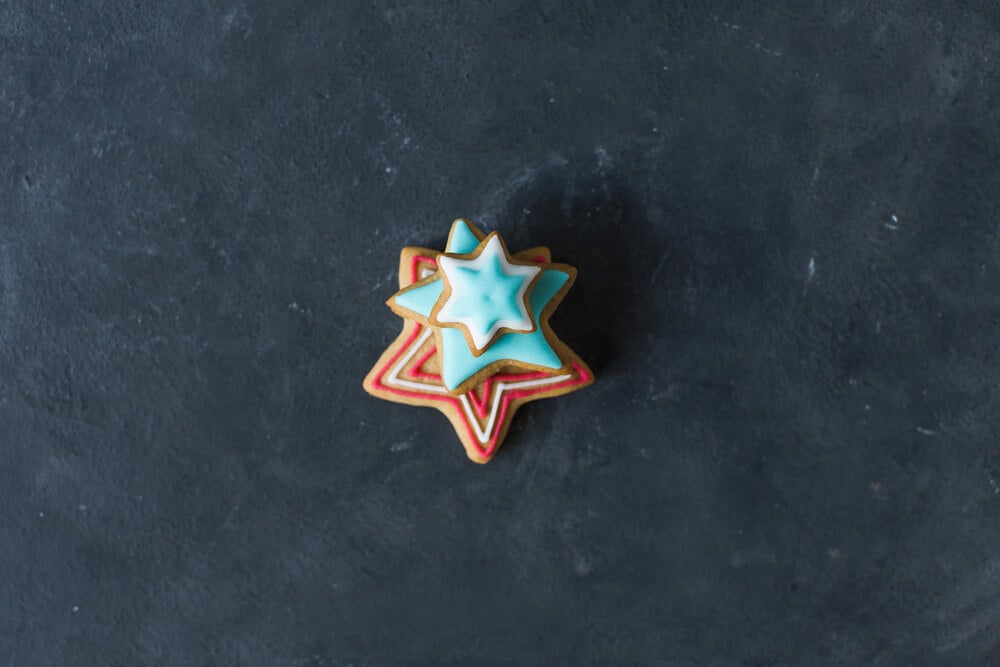
Luther and Charlotte Gulick helped found Camp Fire Girls in 1910, and the group’s watchword Wohelo stood for work, health, and love. Members earned beads and honors, and their pins and medals reflected a campfire theme.
Rarer items include honor-bead strings with their original cords. Pieces missing beads or cords lose value quickly.
4-H Clover Pin
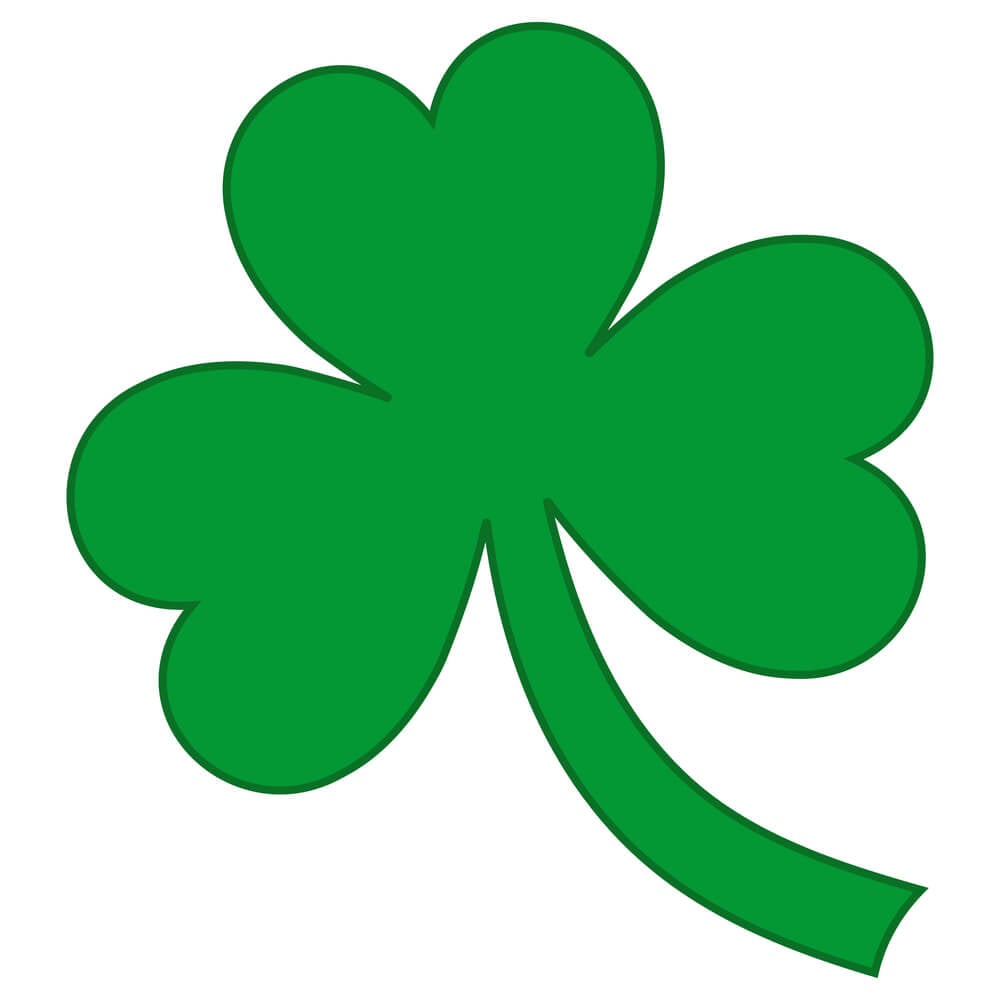
The 4-H emblem is a four-leaf clover with an H on each leaf, standing for head, heart, hands, and health. The program grew out of early rural youth clubs, and its pins ride on county fair ribbons and project awards.
Different colors and leaf shapes mark different years. Chipped enamel and faded green lower the appeal.
Future Farmers of America Emblem
The FFA emblem packs five symbols into one badge: a cross section of an ear of corn, a rising sun, a plow, an owl, and an eagle. The group formed in 1928, and members wore a blue corduroy jacket that became part of the look.
Pins and jacket patches turn up in barns and dressers. Original jackets with intact patches are worth more than loose pins.
Rotary Club Wheel

The Rotary wheel has 24 cogs and six spokes, and the first club began in Chicago in 1905 under Paul Harris. The name came from the practice of rotating meetings among members’ offices.
Lapel pins, enamel buttons, and attendance pins all carry the wheel. Worn brass and lost enamel are the common flaws.
Lions Clubs Pin
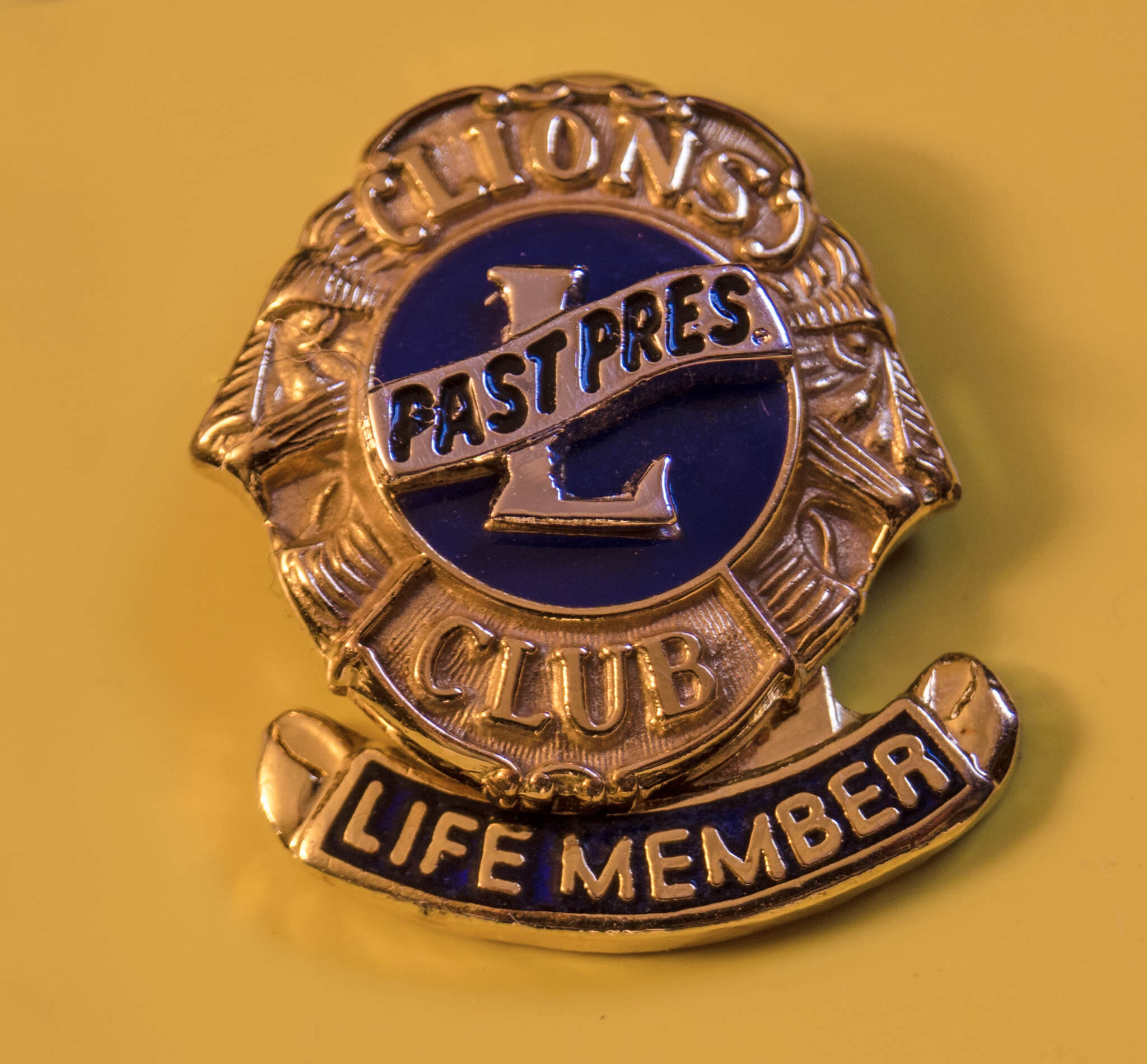
Melvin Jones founded Lions Clubs in Chicago in 1917, and the motto We Serve appears on many badges. Helen Keller’s 1925 speech urged members to become knights of the blind, which gave the group a lasting cause.
Lion’s-head pins and years-of-service bars turn up in family boxes. Complete bar sets with their original pins are scarce.
Kiwanis Pin
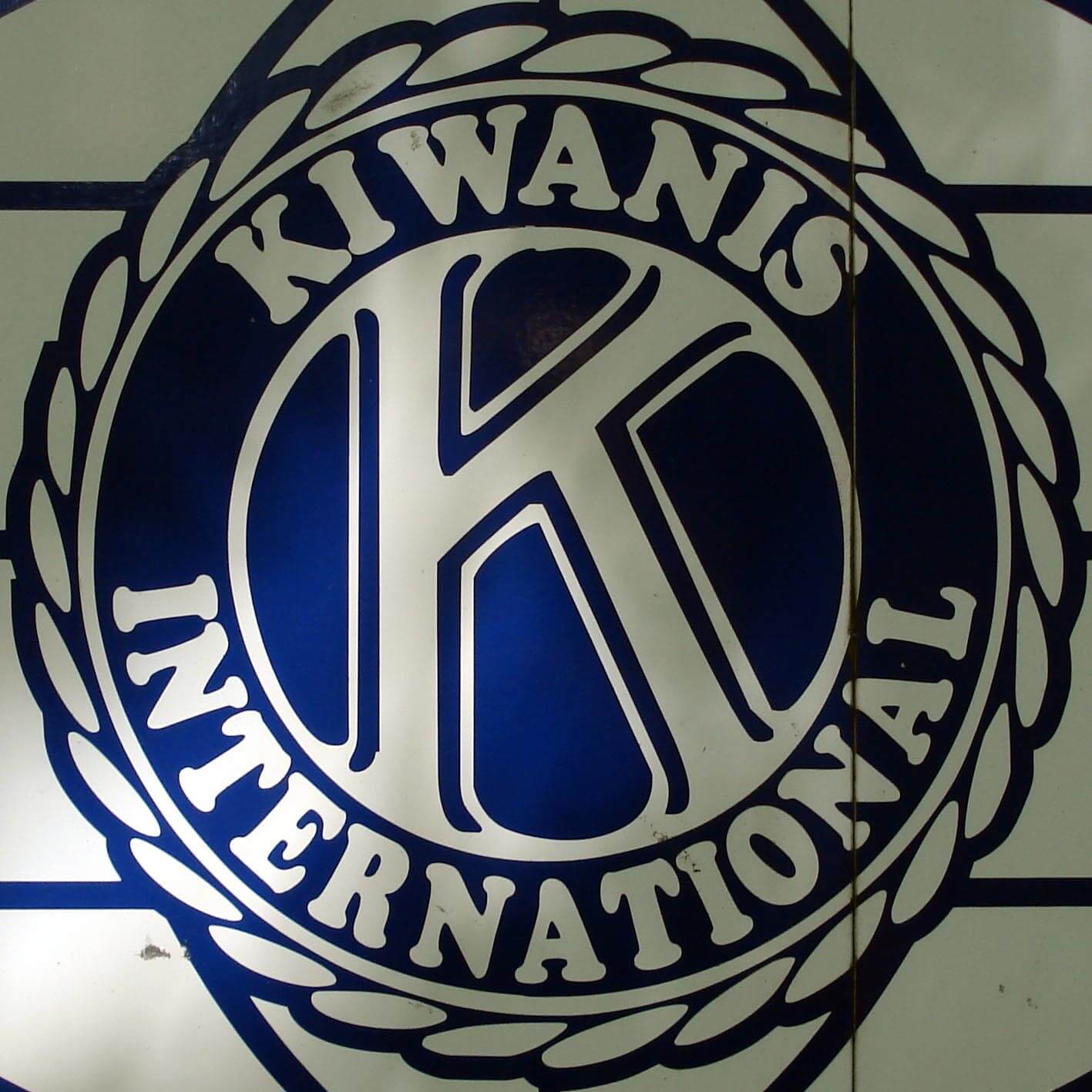
Kiwanis began in Detroit in 1915 as a business and service club. Early members wore lapel badges and carried membership cards, and later pins marked years of service and leadership roles.
The look shifted between lettered emblems and decorative enamel. Condition and clasp type help date pieces.
Elks Clock Badge
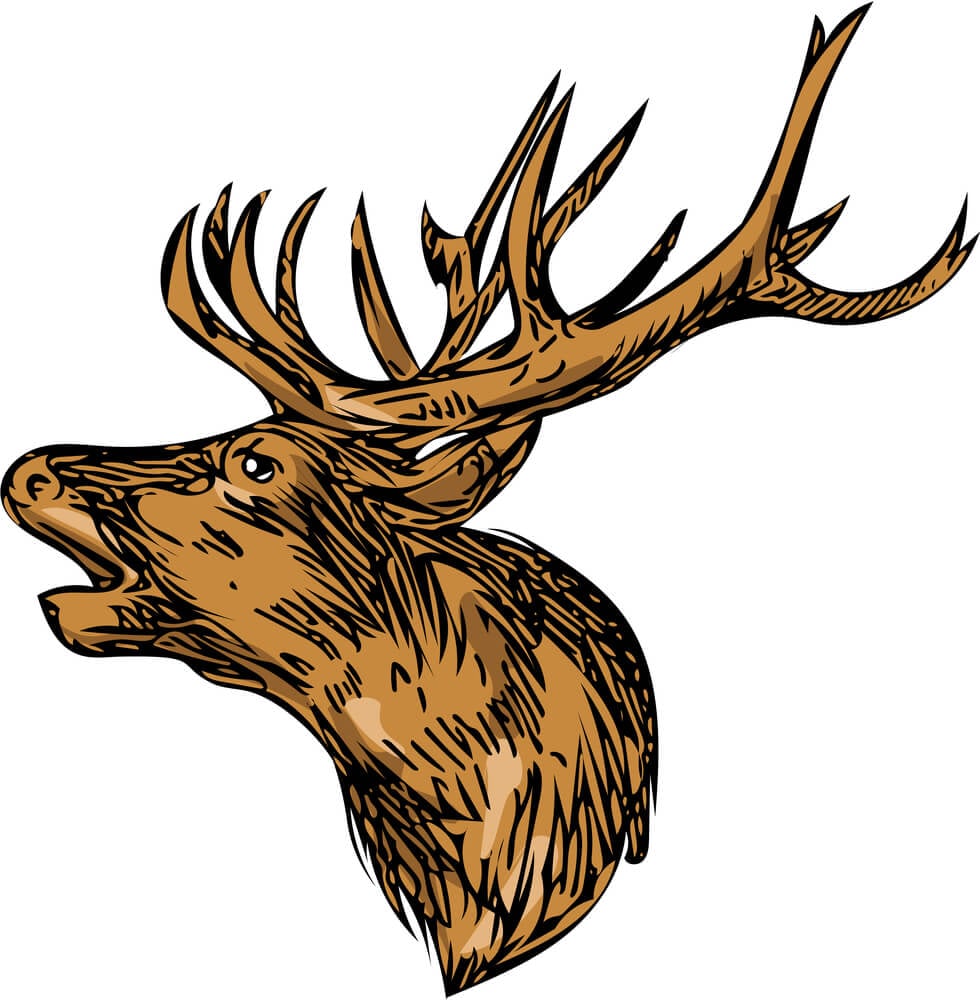
The Benevolent and Protective Order of Elks began in New York in 1868 as a social club called the Jolly Corks. The Elks emblem includes a clock whose hands always point to eleven, tied to the Eleven O’Clock Toast to absent members.
Badges and pins show the elk head with the clock. Gold-filled examples that kept their finish draw more interest than scratched ones.
Loyal Order of Moose Badge
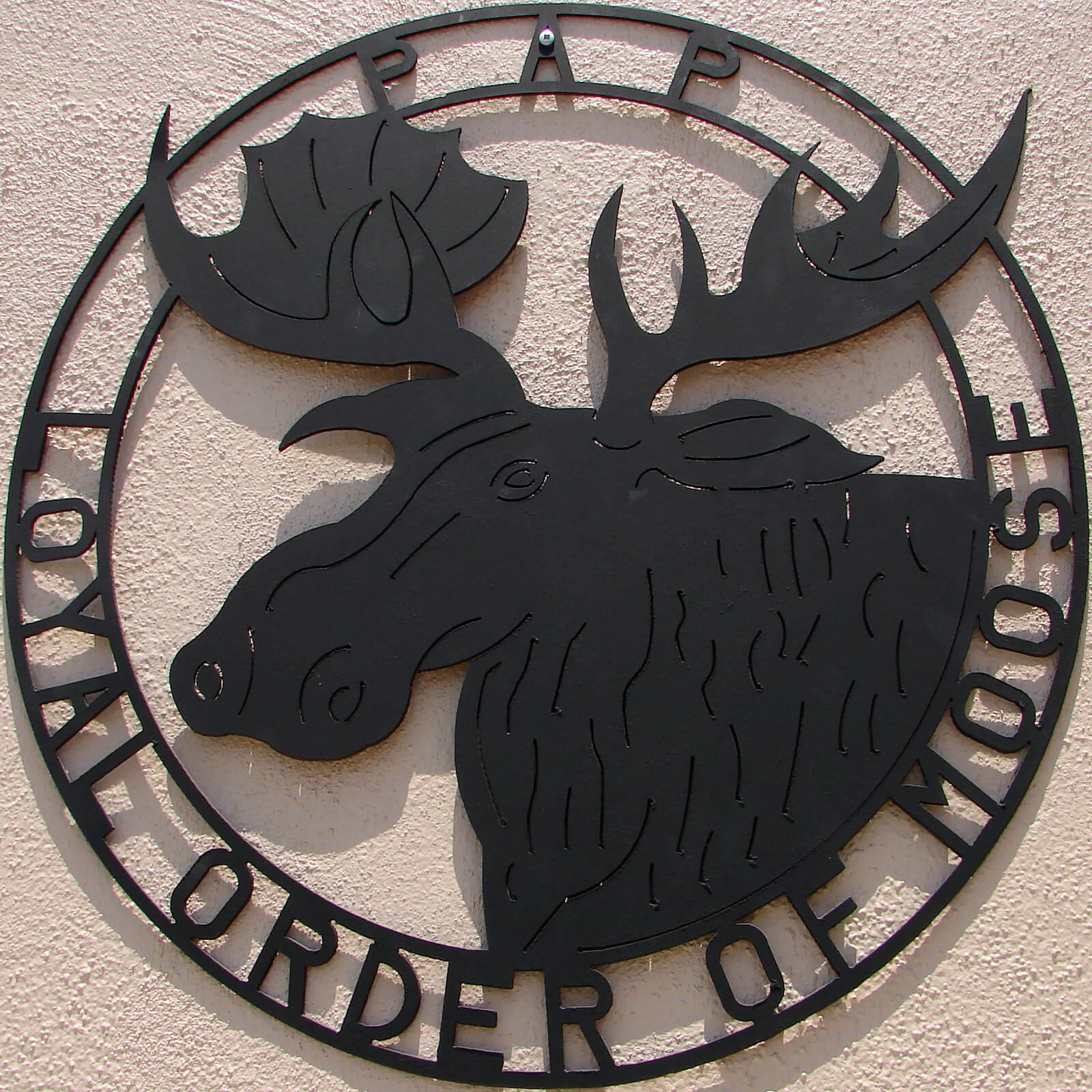
The Moose built Mooseheart, a school and home for children of members in Illinois, which made its badge a symbol of fraternal charity. Lodge pins show a moose head and the group’s initials.
Many families kept them after a parent’s death. Gilt wear and bent pin backs reduce value.
Odd Fellows Three Links
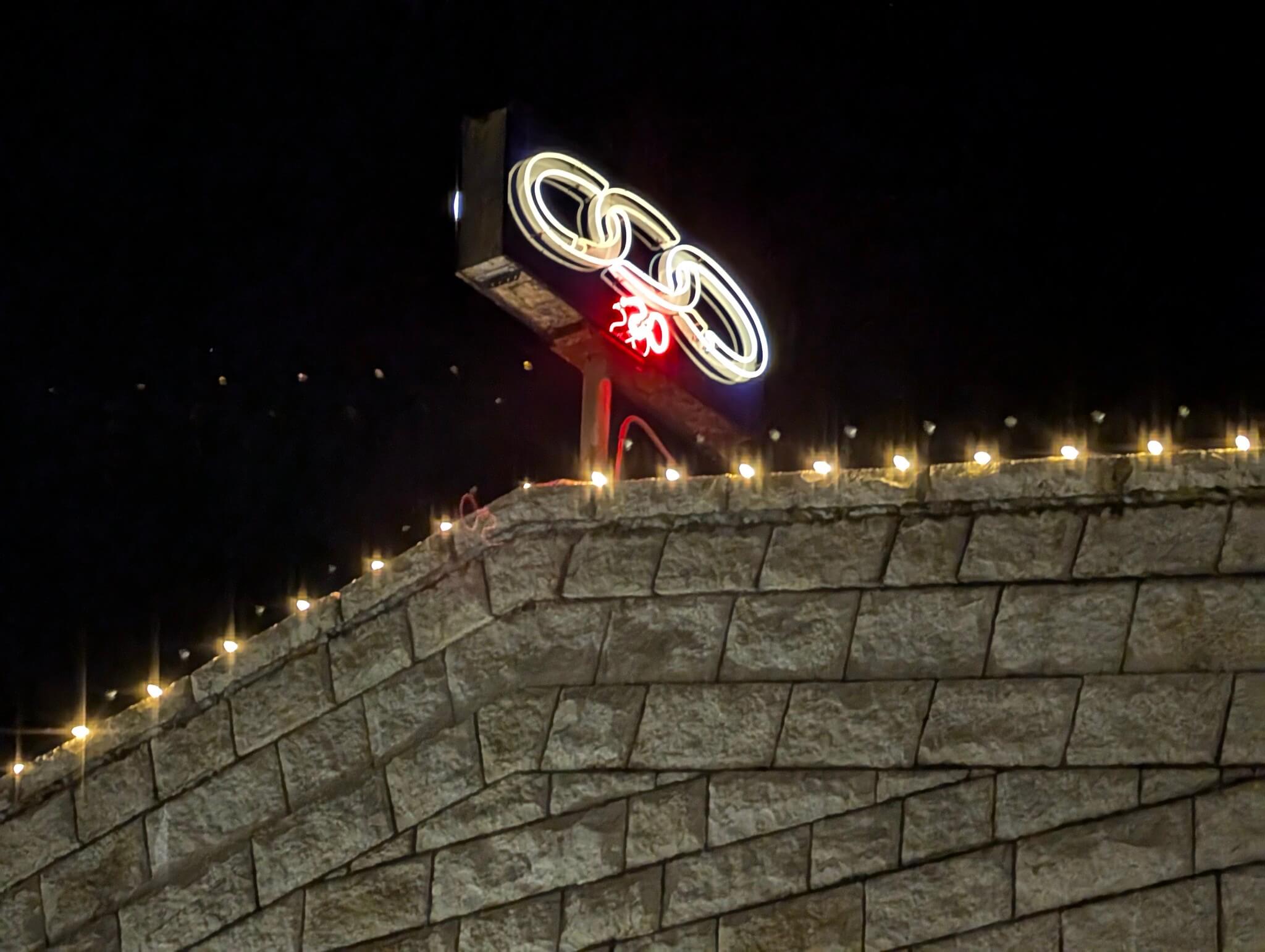
The Independent Order of Odd Fellows uses three linked rings, commonly read as friendship, love, and truth. Members wore pins and watch fobs bearing the letters F, L, and T.
The order’s lodges were common in small American towns. Fobs and pins in sound condition are easier to date and sell than corroded ones.
Knights of Columbus Emblem
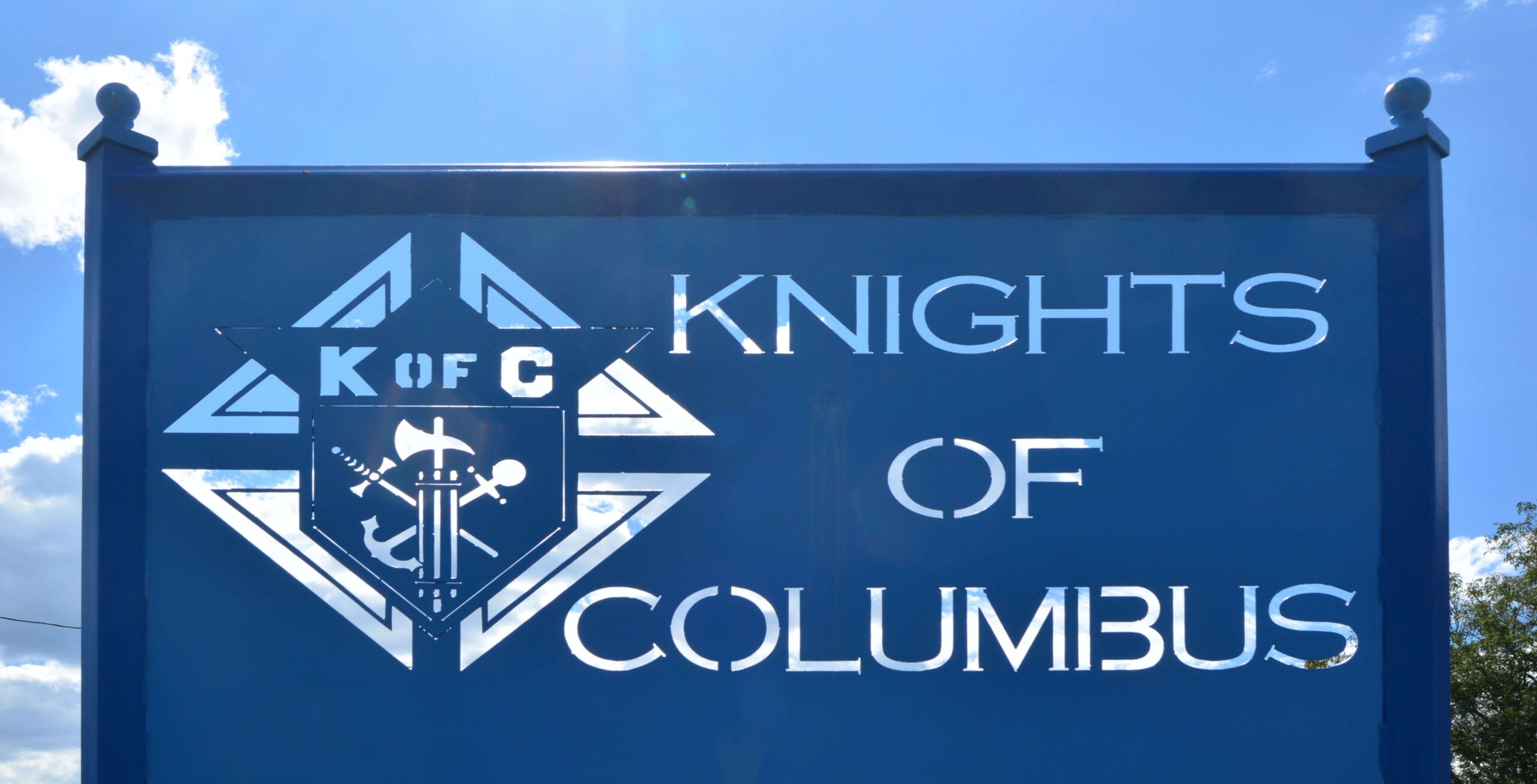
Father Michael McGivney founded the Knights of Columbus in New Haven, Connecticut, in 1882. The emblem combines a shield, a cross, and the initials in a design that appears on lapel pins and rings.
Fine detail wears away with use, so crisp edges signal a pin that was rarely worn. Rings and pins in clean shape are the most collectible.
Masonic Square and Compasses
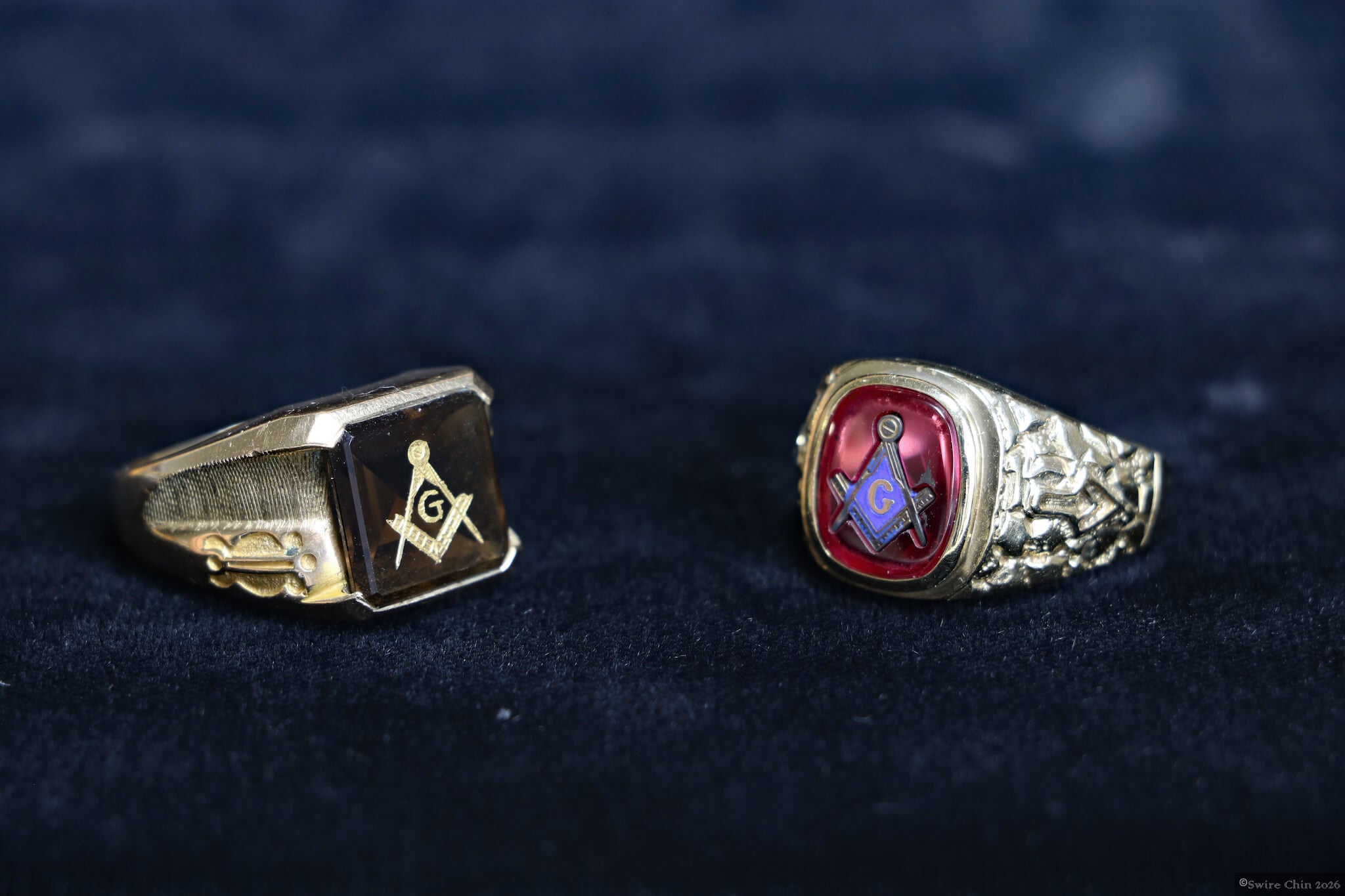
Freemasons use a square and compasses, often with the letter G in the center. Lapel pins, watch fobs, and rings carry the emblem, and many family pieces come from grandfathers.
The design changed little over time, so hallmarks and construction help date a piece more reliably than the emblem does. Solid gold pieces differ greatly in value from plated ones.
Shriners Fez Pin
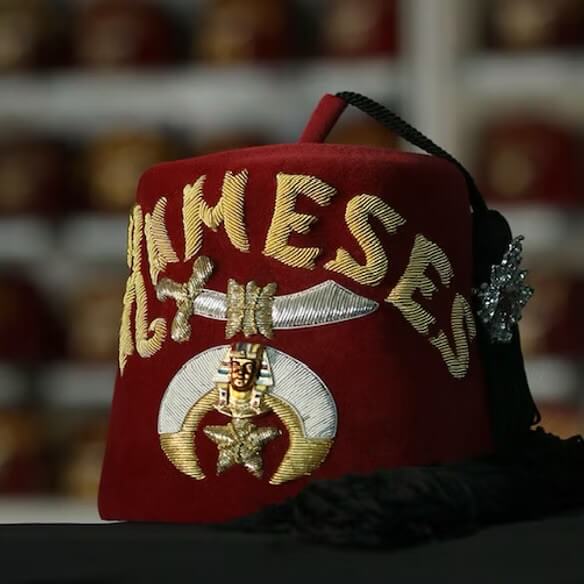
Shriners wear a red fez, named for the city of Fez in Morocco, and their emblem includes a crescent and a scimitar. The fraternal group also supports Shriners Hospitals for Children.
Fez pins, jeweled badges, and parade items fill many estate drawers. Missing rhinestones lower value.
Grange Pin
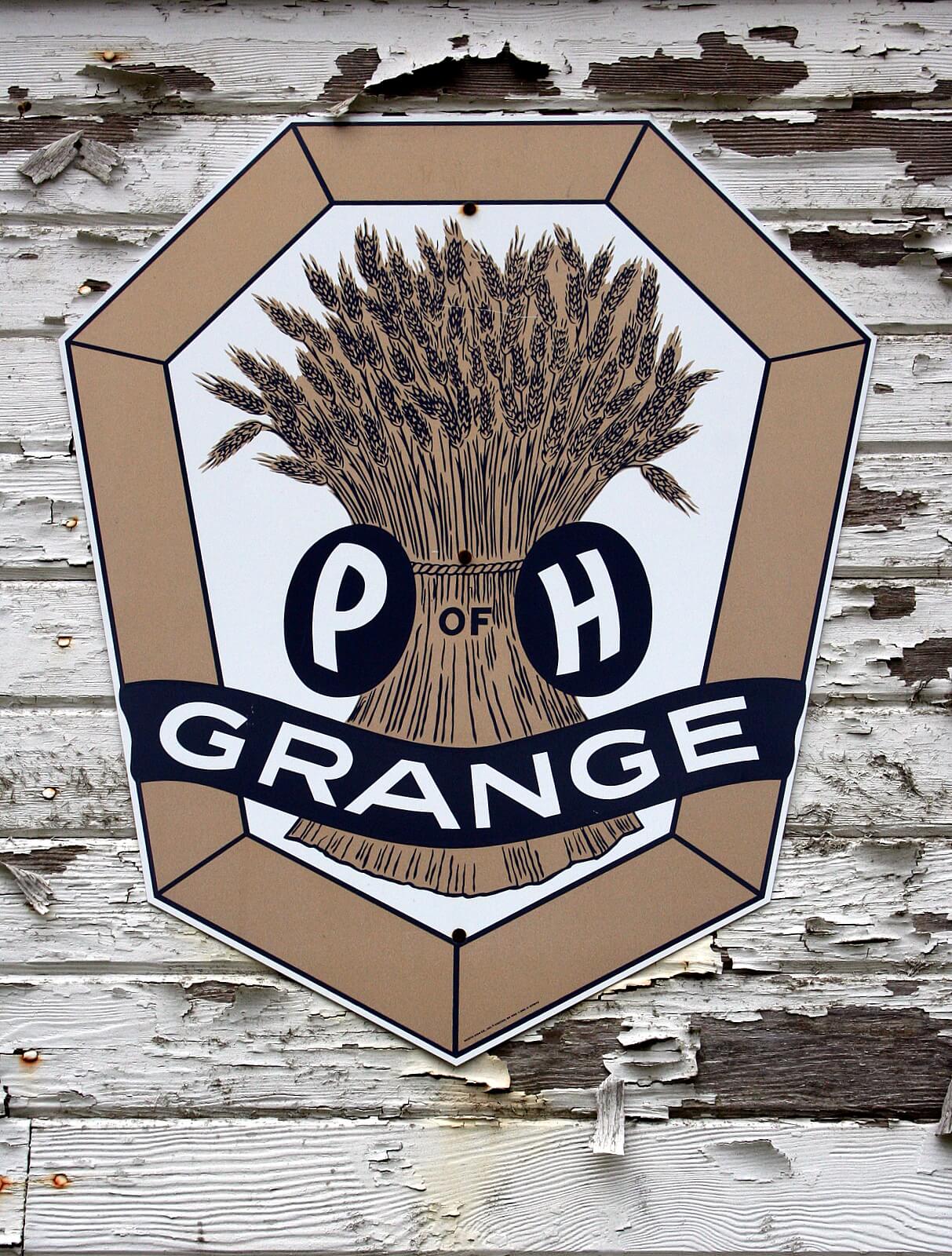
The Patrons of Husbandry, known as the Grange, formed in 1867 under Oliver Hudson Kelley to organize farm families. Its badges and ribbons used farm symbols like sheaves and tools.
Rural halls hosted dances, suppers, and meetings. Cloth and ribbon items suffer from fading and damp, so intact pieces are uncommon.
American Legion Emblem
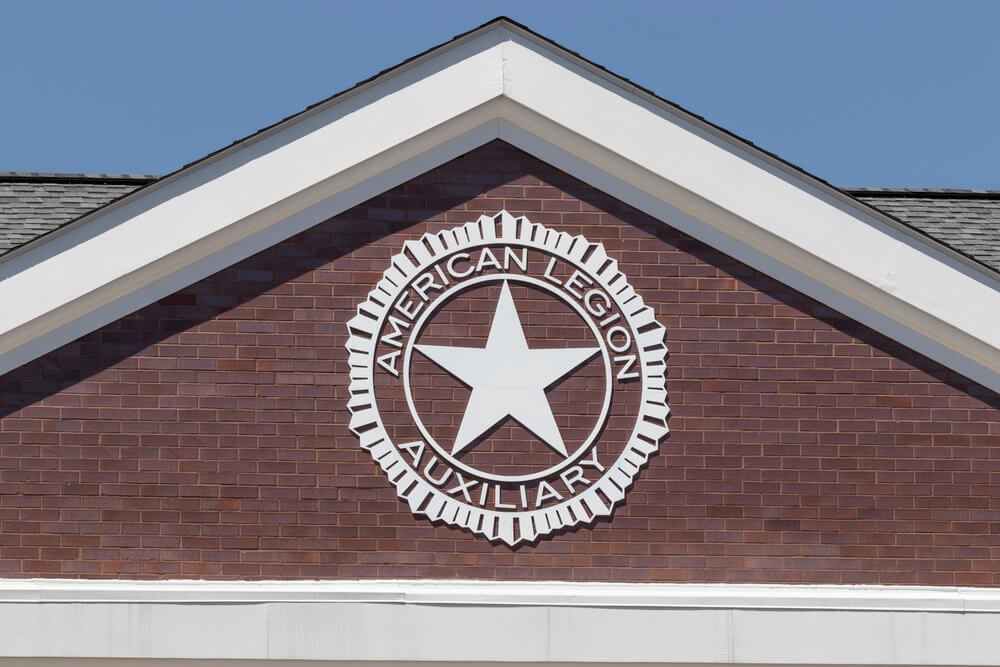
Officers of the American Expeditionary Forces founded the American Legion in Paris in 1919. The emblem combines a wreath, stars, and the organization’s letters.
Pins, caps, and ribbons carrying the emblem appear in the keepsakes of many veterans. Cased, unused pins are worth more than worn ones.
VFW Buddy Poppy
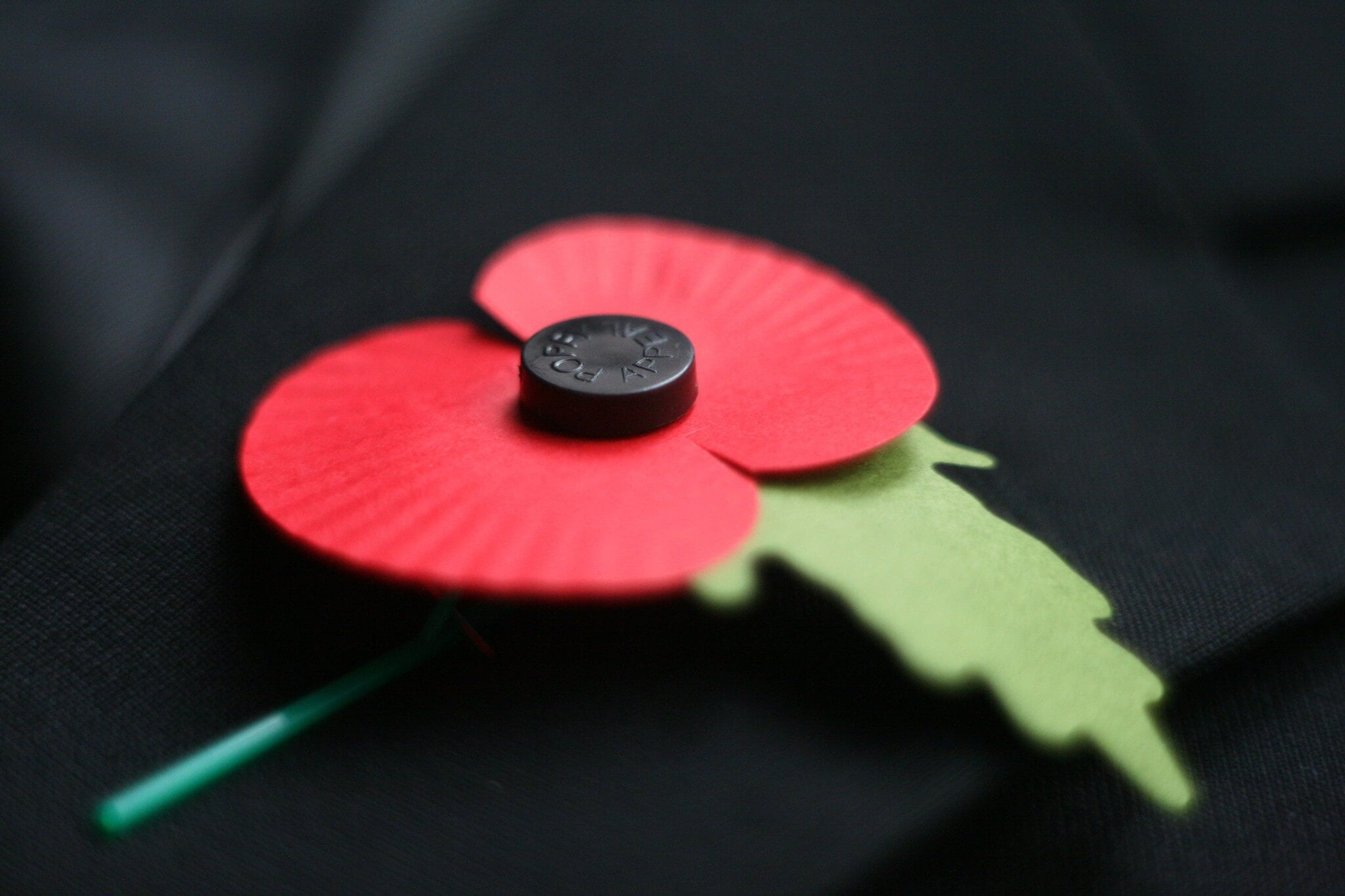
The Veterans of Foreign Wars began distributing Buddy Poppies in 1922, with disabled veterans making them by hand. A paper poppy pinned to a coat honored the dead and raised money for the living.
The wire stem and red crepe paper fade and tear easily. Intact poppies from early years are scarce because they were meant to be worn briefly.
Daughters of the American Revolution Insignia
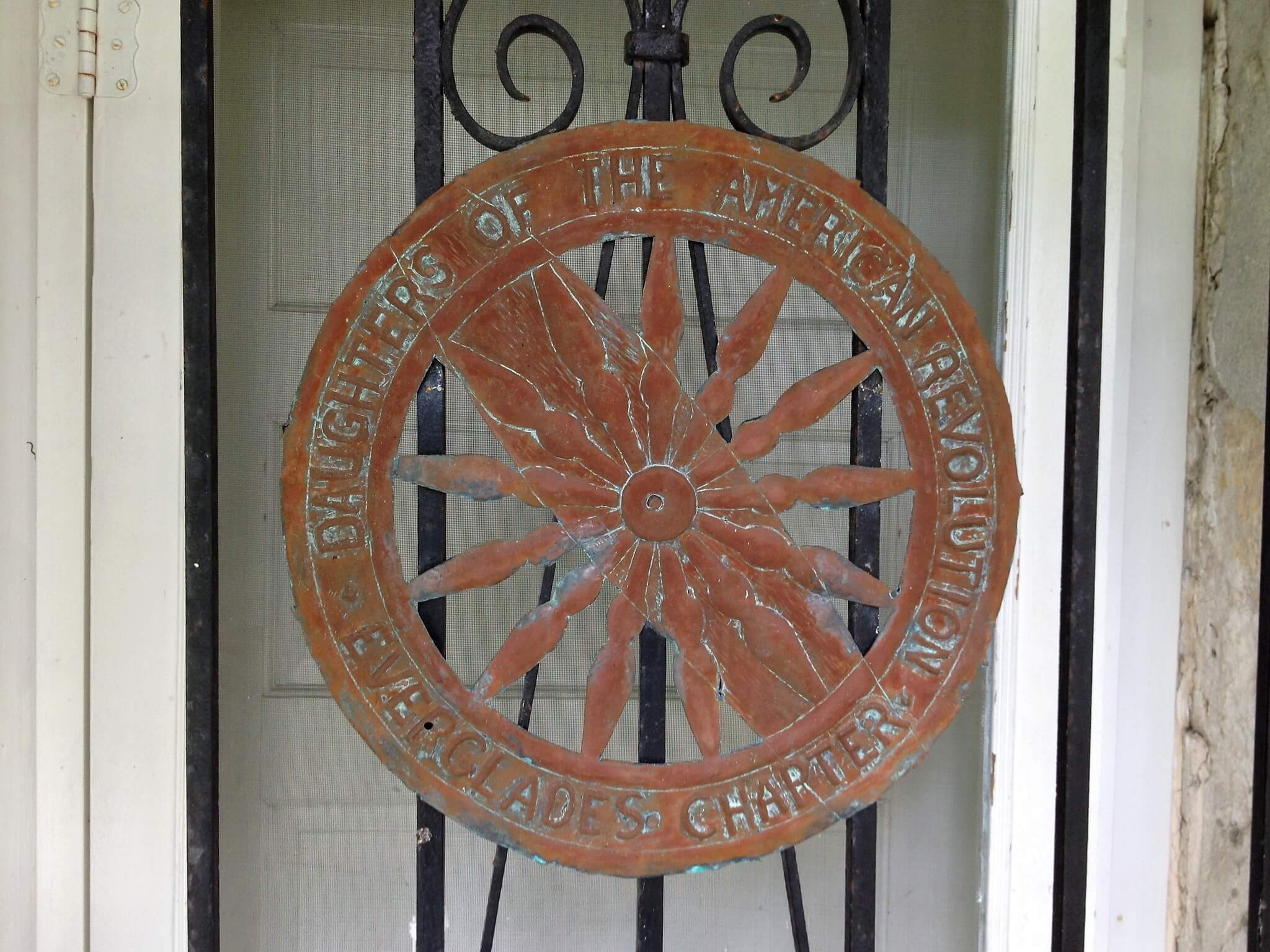
The DAR formed in 1890, and its membership insignia shows a spinning wheel, a distaff, and thirteen stars. Members wore the pin on formal occasions.
The design is unusual among club badges because it features domestic tools. An engraved reverse can help trace a pin to its original owner.
AAA School Safety Patrol Badge
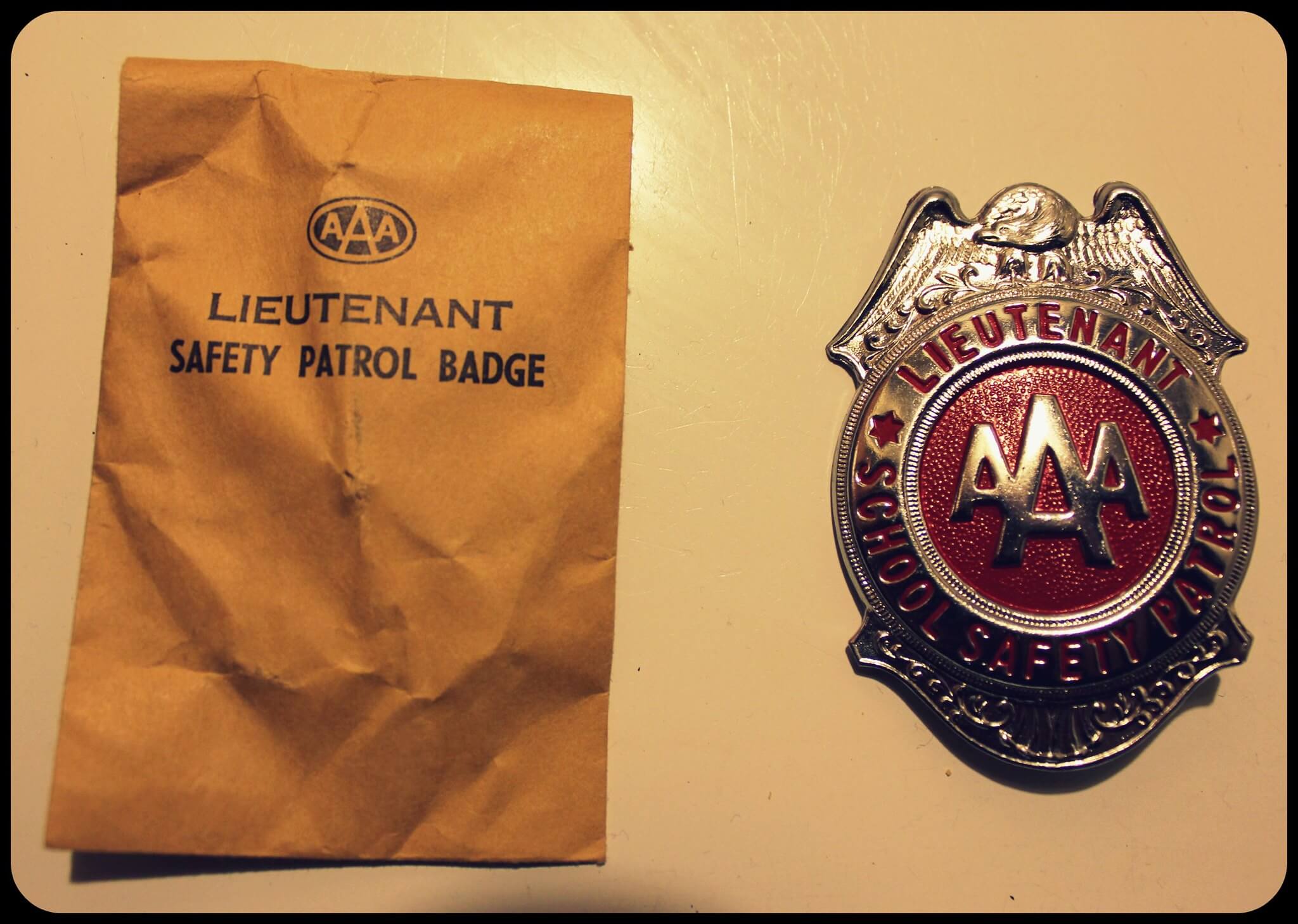
The American Automobile Association promoted school safety patrols beginning in the early 1920s, and pupils wore white belts and badges while guarding crosswalks. Badges carried ranks and school names.
Children kept them long after they left the corner. Missing belts and bent pin backs make complete sets uncommon.
Smokey Bear Junior Forest Ranger Badge
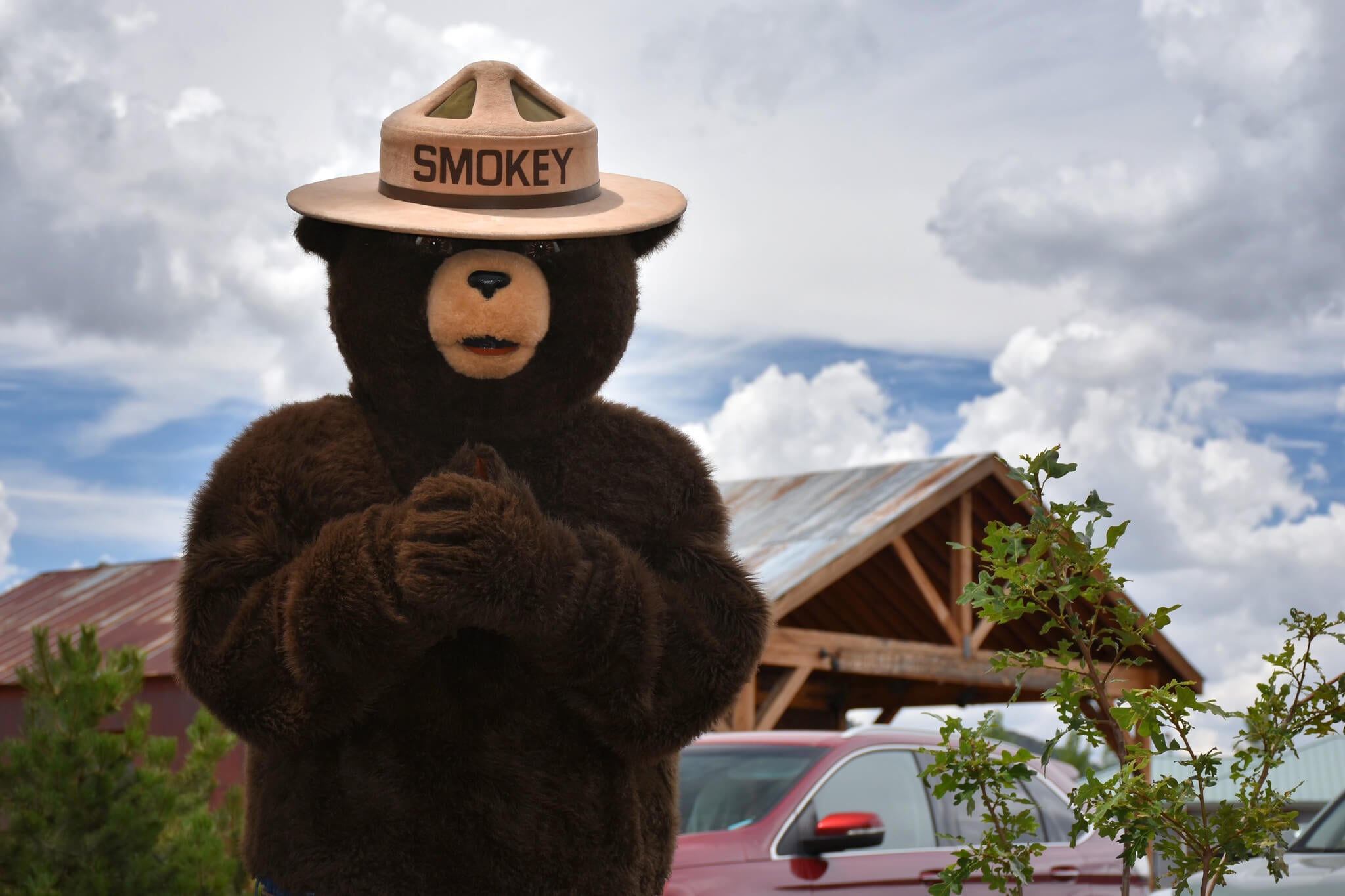
Smokey Bear debuted in 1944 as a wildfire prevention symbol, and children could join as Junior Forest Rangers and receive badges and kits. The campaign taught kids to prevent forest fires.
Small tin badges are easy to lose. Original packaging and mailers add to collector interest.
Captain Midnight Secret Squadron Decoder Badge
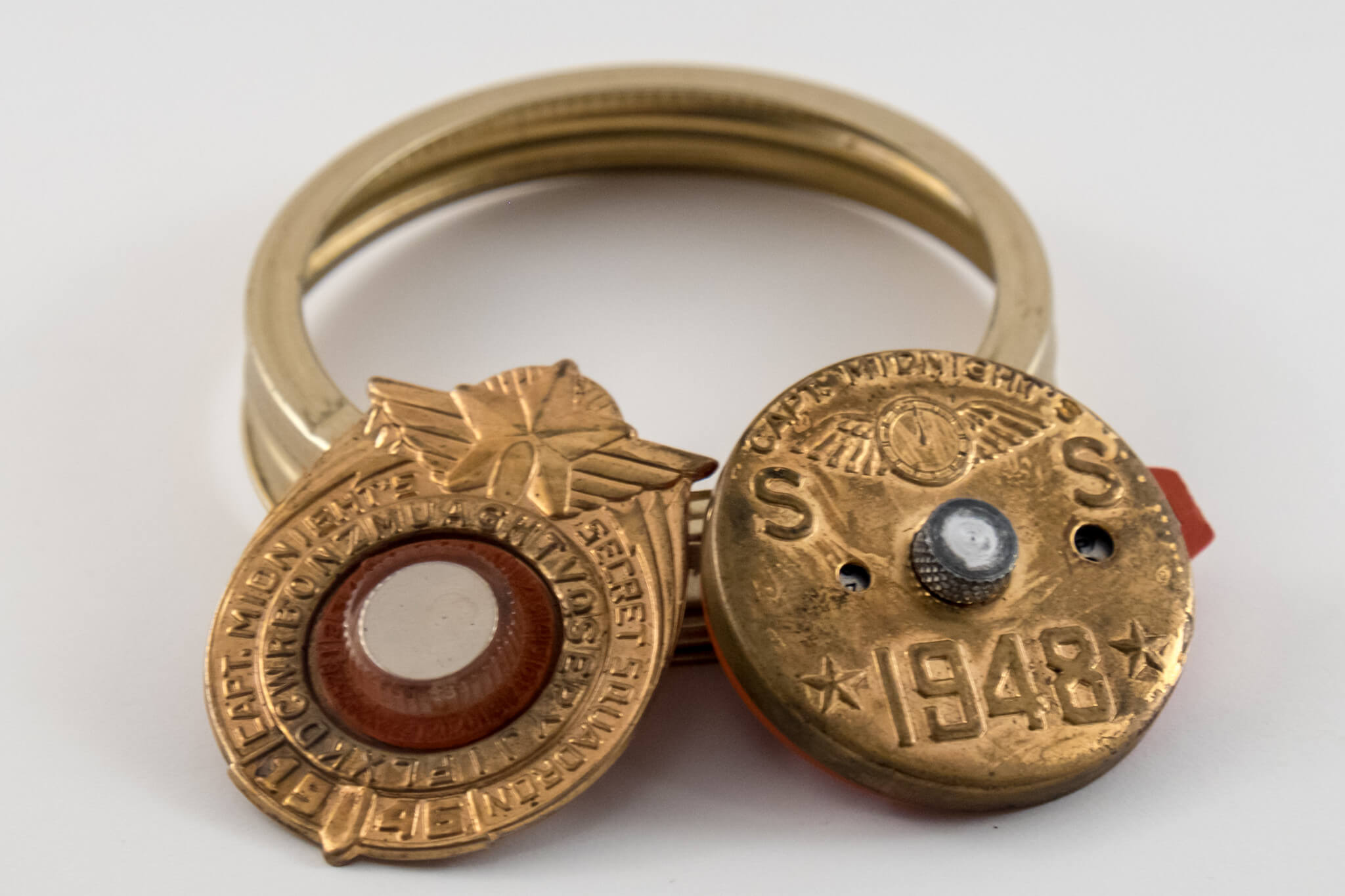
Ovaltine sponsored the radio serial Captain Midnight, and listeners could mail in proofs of purchase for a Secret Squadron decoder badge. The badge helped fans decode messages announced at the end of broadcasts.
Several versions were made over the years, with dials that turned. Missing dials and cracked bases drive down value.
Little Orphan Annie Secret Society Pin
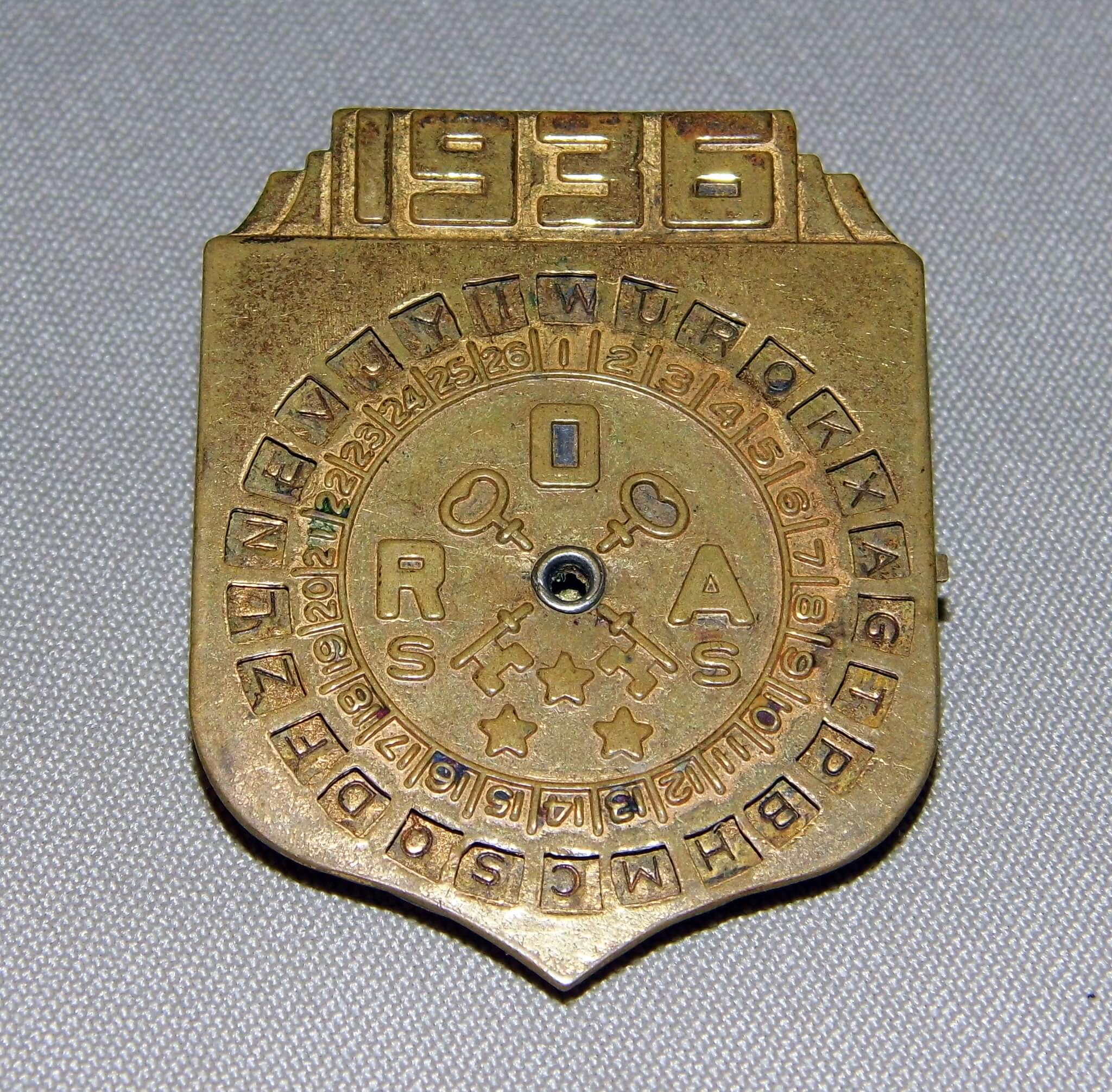
Ovaltine also sponsored Little Orphan Annie on radio, and members received decoder pins to read secret messages at the end of episodes. The pins changed yearly, and each new one meant another Ovaltine purchase.
Surviving pins often have worn lettering. Original mailing envelopes boost interest.
Tom Mix Straight Shooters Badge
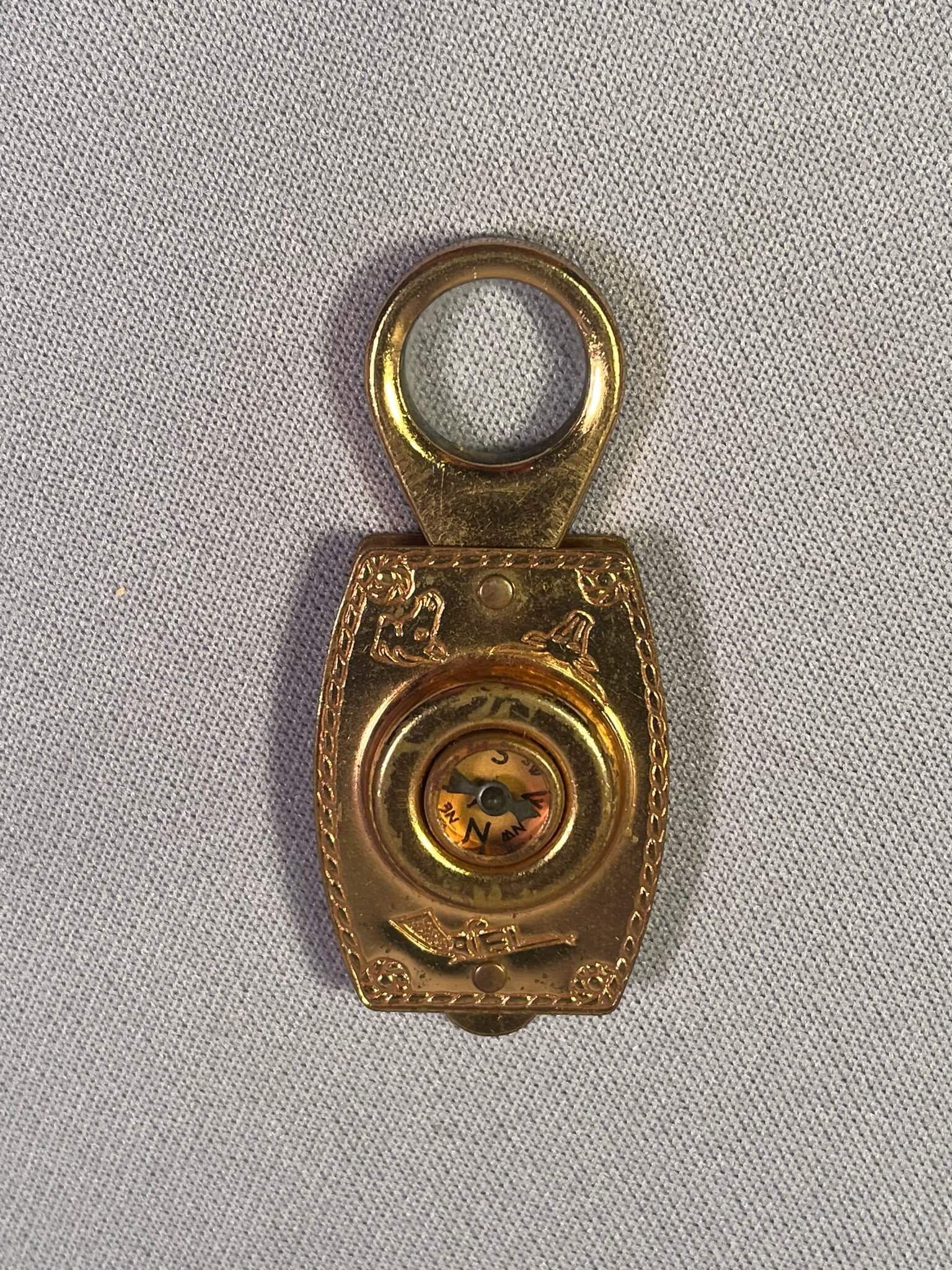
Ralston cereal sponsored the Tom Mix Straight Shooters radio program, which began in 1933, and fans could send in box tops for badges, rings, and other premiums. Tom Mix was a silent-film cowboy star, and his name sold cereal to a generation of children.
Premium badges survive better than the paperwork that came with them. Mint examples with original mailers are the most prized.
Roy Rogers Riders Club
Roy Rogers, called the King of the Cowboys, lent his name to a Riders Club for children. Membership brought cards, badges, and a printed list of rules.
His horse Trigger appeared on many premiums. Metal badges survive better than paper cards, which crease and fade.
Mickey Mouse Club Theater Badge
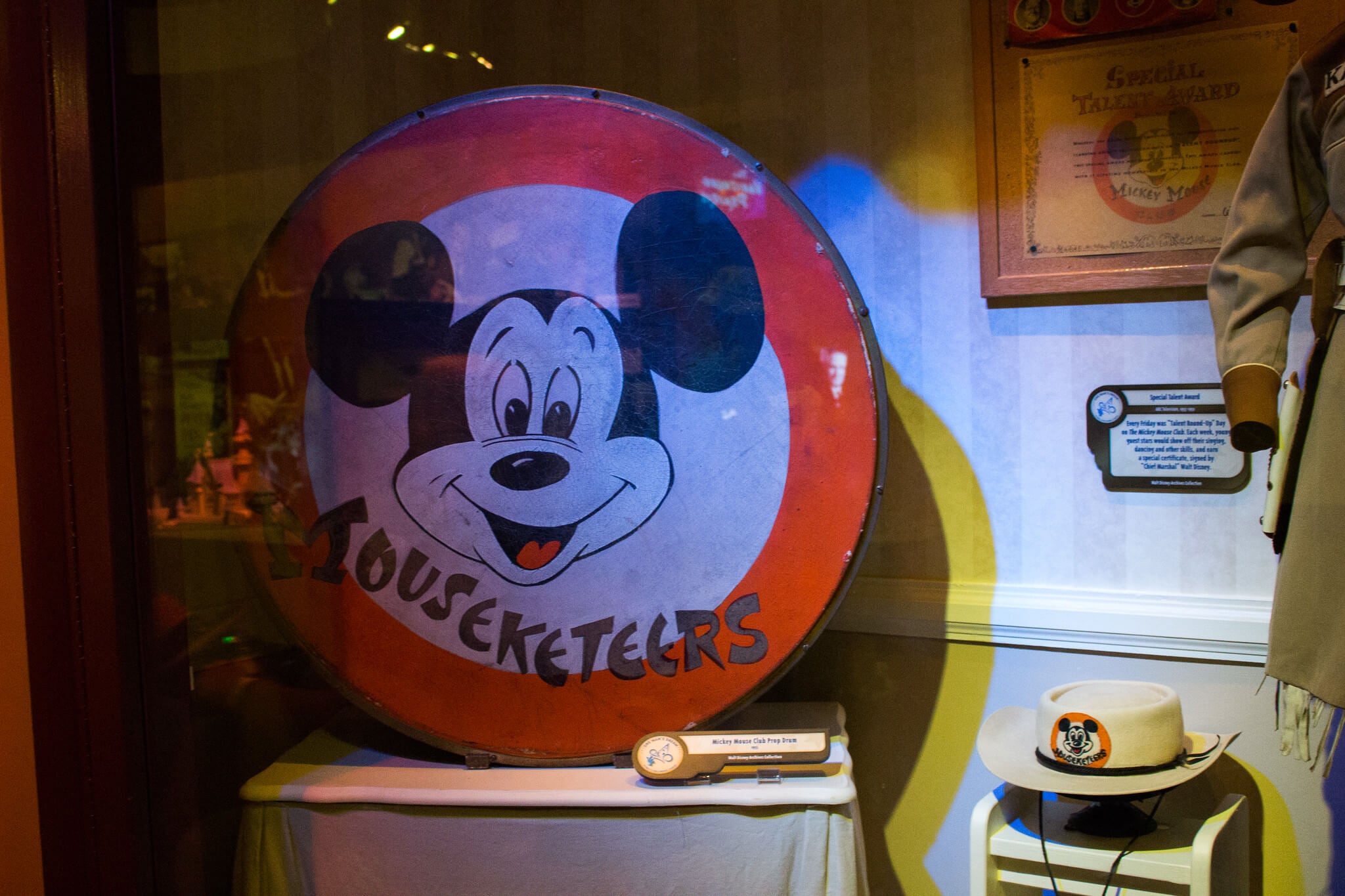
Mickey Mouse Clubs formed around Saturday matinees in the late 1920s and early 1930s, with children reciting a creed and wearing badges that marked them as members. The clubs filled theaters with young audiences.
Badges and membership cards are fragile. Pieces in good condition are hard to find.
League of American Wheelmen Badge
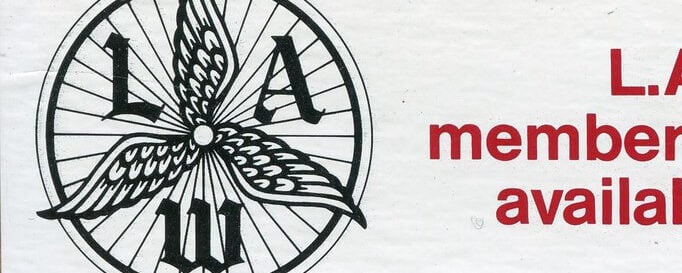
The League of American Wheelmen began in 1880 in Newport, Rhode Island, to protect cyclists’ interests, and members wore badges with a winged wheel. Its work pushed for better roads before automobiles took over.
The group still exists as the League of American Bicyclists. Early badges with fine enameling are the most sought after, though condition varies widely.
AAA Auto Club Emblem
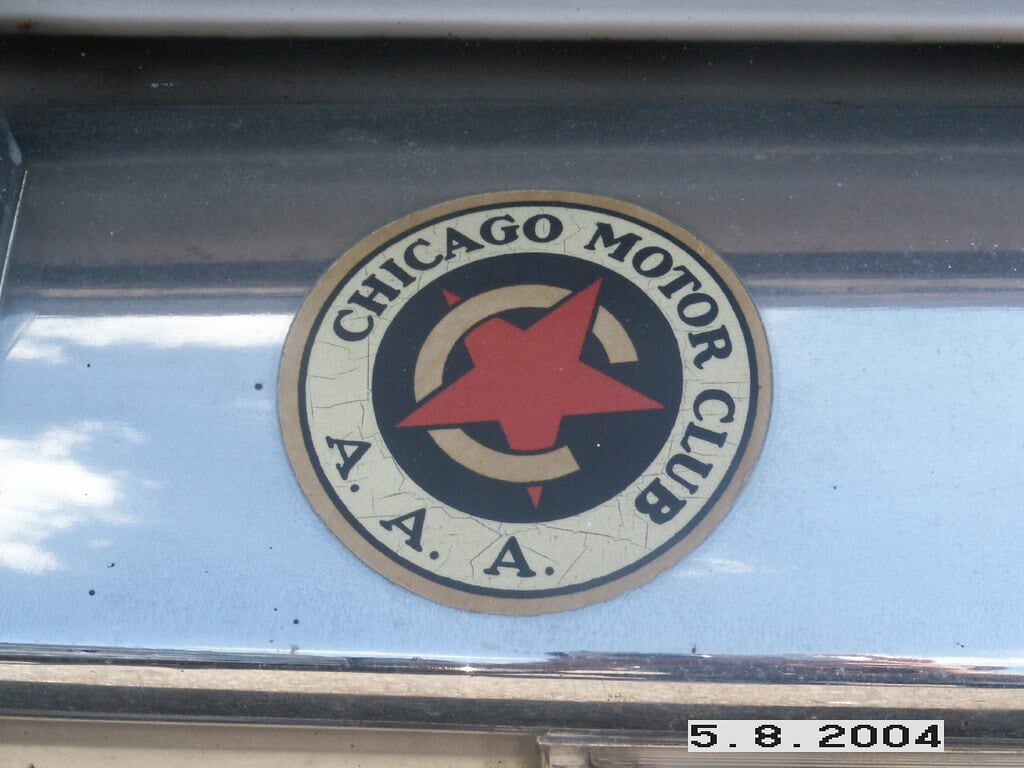
The American Automobile Association was founded in Chicago in 1902, and members displayed emblems on car grilles to signal membership. The metal badges were tied to travel services and road maps.
Later emblems used enamel and chrome. Bent mounting brackets and pitted chrome lower value.
What Little Metal Pins Say About Belonging
Club badges were small, but they carried a big idea. Wearing one told the world that a person belonged somewhere, whether that was a lodge hall, a radio fan club, or a school crosswalk.
The pin was cheap, and the sense of membership was priceless. Finding one in a drawer opens a door to a family’s past.
A grandfather’s lodge pin, a mother’s scout badge, or a child’s decoder ring hints at friendships and routines that never made it into photographs. Each piece is a clue to a story worth asking about.
More from Go2Tutors!

- 27 Silver Dollars and Half Dollars Worth Keeping
- 28 Restaurant Menu Items Nobody Orders Anymore
- 17 Places Built in Seemingly Impossible Spots
- 27 Vintage Rings Worth More Than They Look
- 25 Restricted Sites Tourists Can’t Enter
Like Go2Tutors’s content? Follow us on MSN.