28 Strange White House Traditions Presidents Kept
The most famous address in America runs on law, protocol and security clearances. It also runs on jelly beans, gingerbread, an inherited vest and a bird that gets a reprieve every November.
Some of these customs are older than the telephone, and others began as a joke that nobody had the nerve to end. Presidents of every party and temperament inherited them, added a few of their own, and passed the lot along to the next tenant.
Sparing the Thanksgiving Turkey
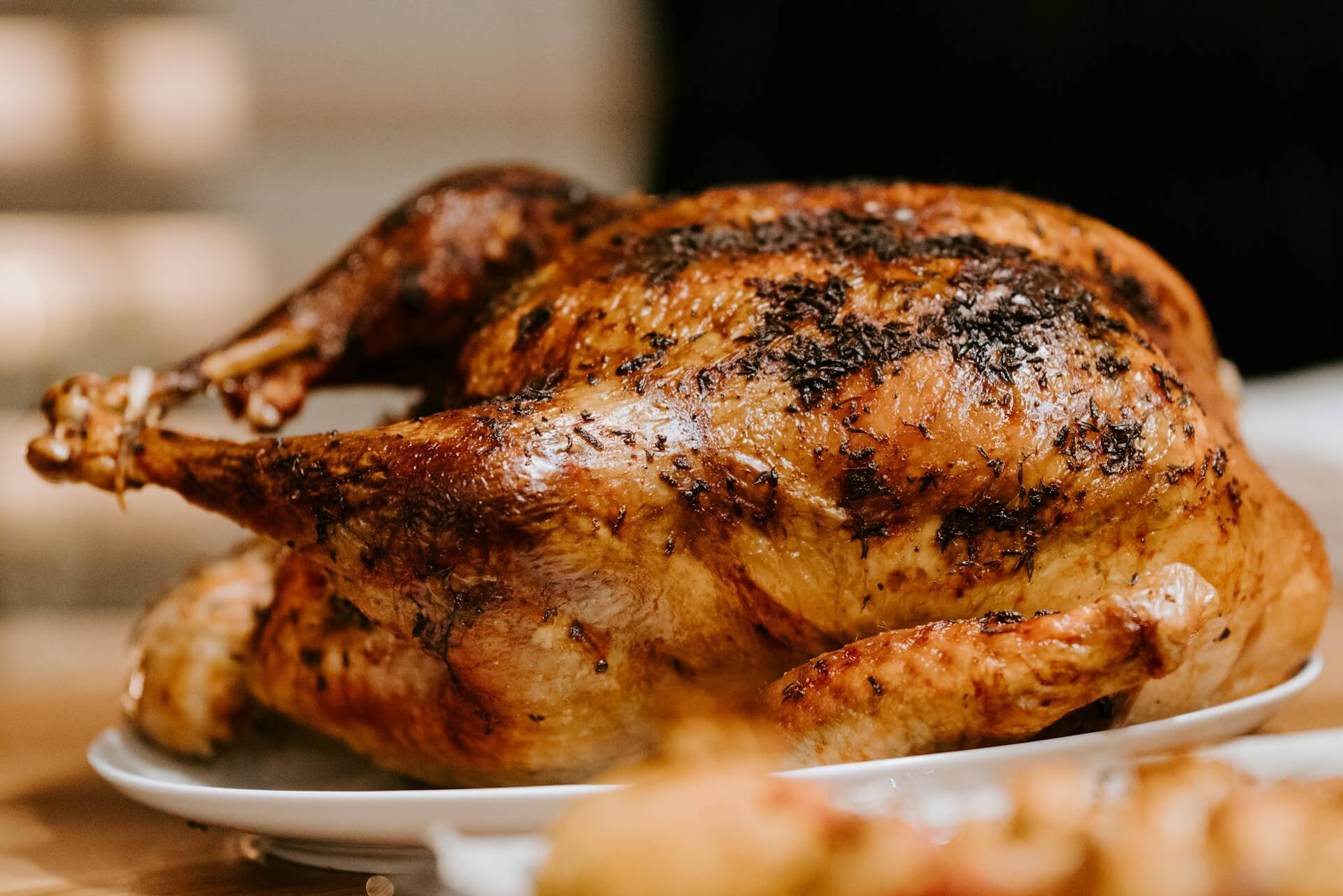
Nearly every part of the popular origin story is tangled. An 1865 newspaper account says Abraham Lincoln spared a holiday turkey because his son Tad had made a pet of it.
Harry Truman is often credited with the first pardon, though his own presidential library has found no record of one. John F. Kennedy sent a bird back to the farm in 1963, and Ronald Reagan joked about a pardon in 1987.
George H. W. Bush made the reprieve formal in 1989, and every president since has repeated the ceremony, usually with a backup bird waiting nearby in case the star misbehaves.
Easter Monday Egg Rolling on the South Lawn
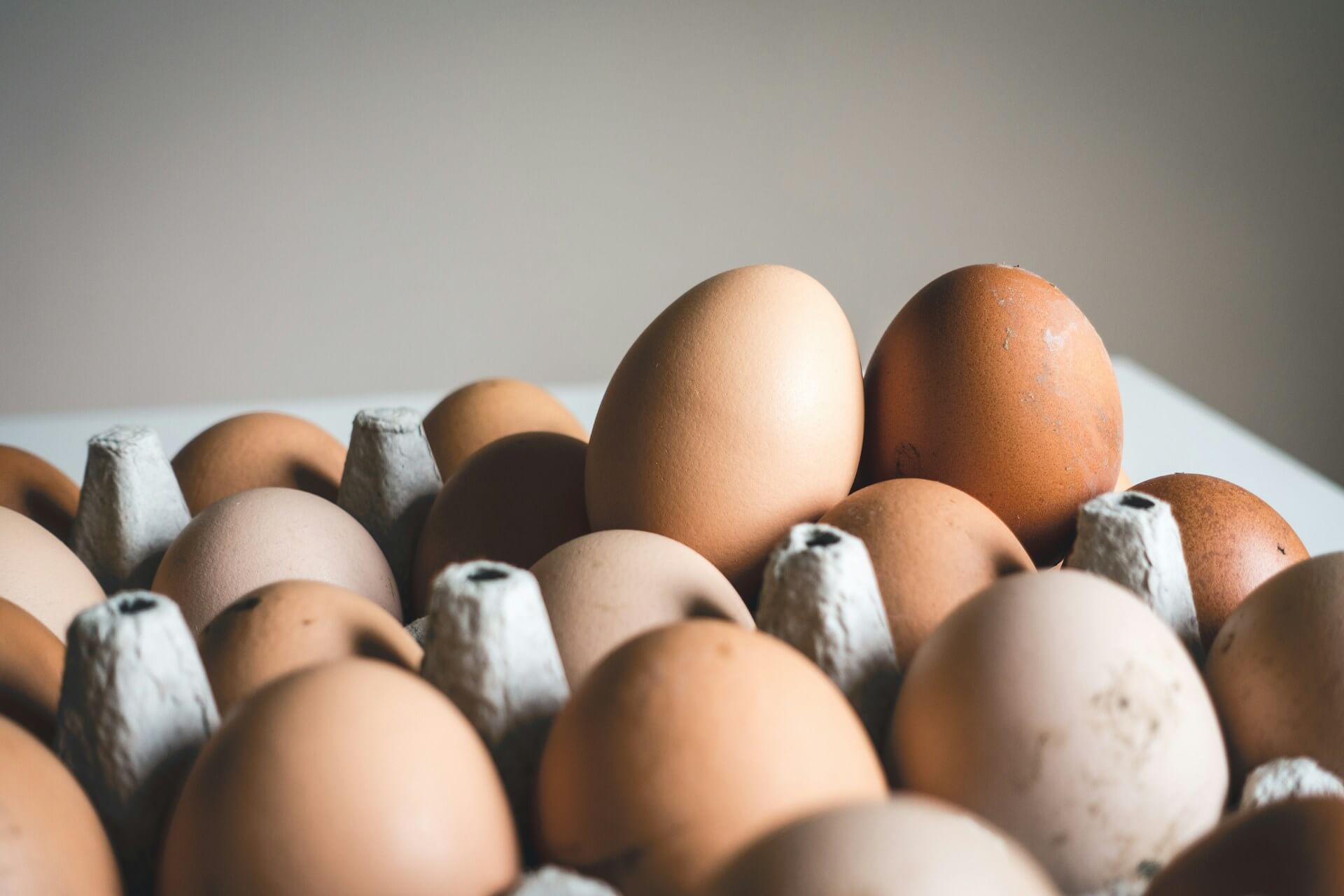
Washington children once rolled eggs down the slopes of the Capitol grounds, until Congress passed a law in 1876 protecting the turf from being used as a playground. Rain canceled the next year’s gathering.
In 1878 Rutherford B. Hayes opened the South Lawn to the displaced egg rollers on Easter Monday, and the event has returned in most years since, with pauses for war and bad weather. Children push hard-boiled eggs through the grass with long-handled spoons.
Since 1981, guests have also gone home with a wooden souvenir egg carrying the signatures of the president and first lady.
A Private Letter Waiting in the Desk
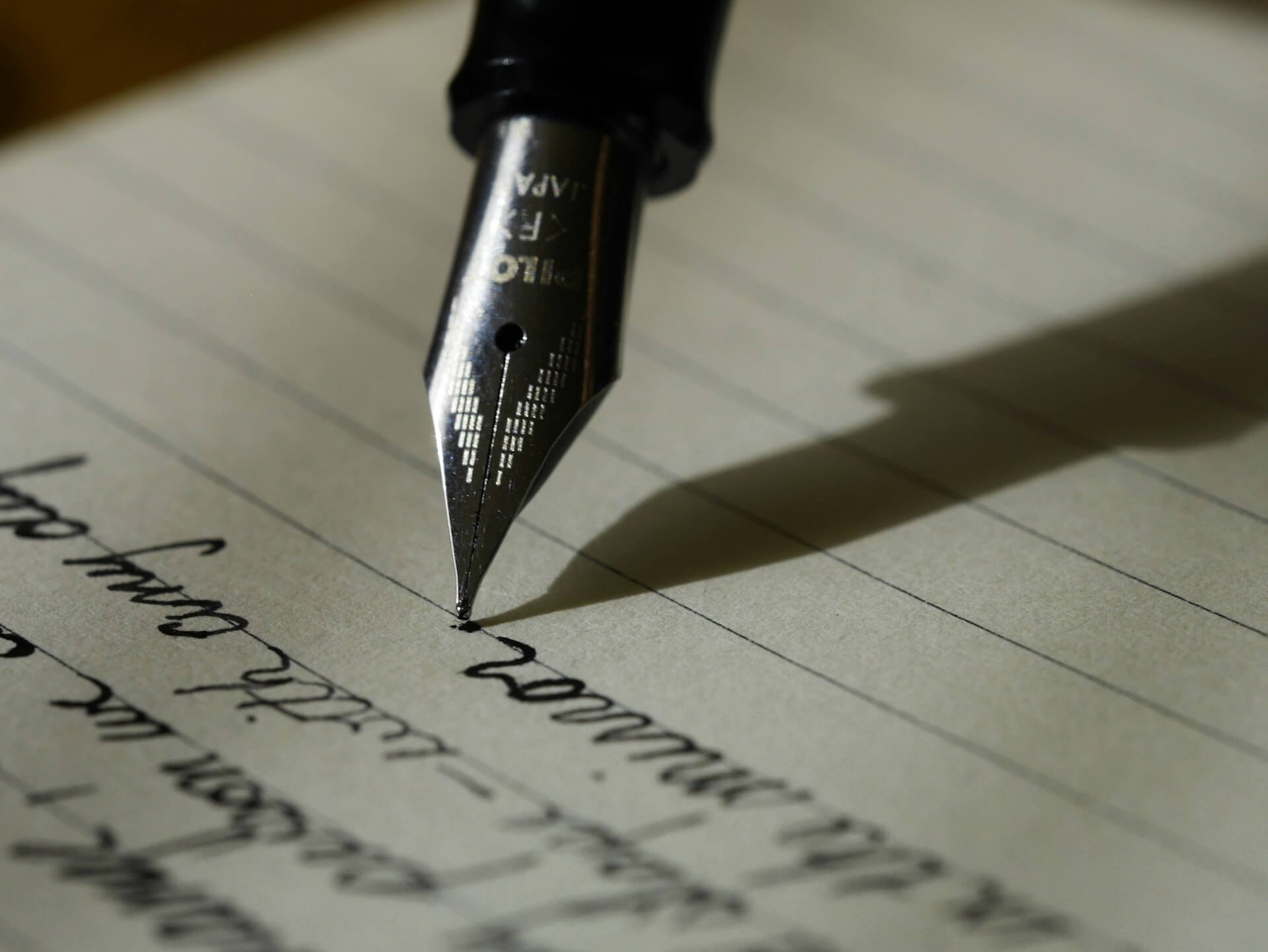
Ronald Reagan left a short handwritten note for George H. W. Bush in January 1989, written on novelty stationery by the cartoonist Sandra Boynton that showed an elephant covered in turkeys. The gesture stuck. Bush left a gracious letter for Bill Clinton four years later, despite having just lost an election to him, and each outgoing president since has left a message for the incoming one.
The letters are private at the time of writing and are usually placed in or on the Oval Office desk. Several have been made public years later by the people who received them.
Working at a Desk Built From a Rescued Ship
HMS Resolute was a British exploration vessel abandoned in Arctic ice in 1854, found adrift by an American whaling crew the next year, then refitted and returned to Britain as a goodwill gesture. When the ship was finally broken up, Queen Victoria had a desk made from its oak timbers and sent it to Rutherford B. Hayes in 1880.
Franklin Roosevelt asked for a hinged front panel carved with the presidential seal, which was fitted in 1945, after his death. Jacqueline Kennedy brought the desk into the Oval Office in 1961.
It left for a traveling exhibition after 1963, Jimmy Carter brought it back in 1977, and most presidents since have chosen to work at it.
Jelly Beans on the Cabinet Table
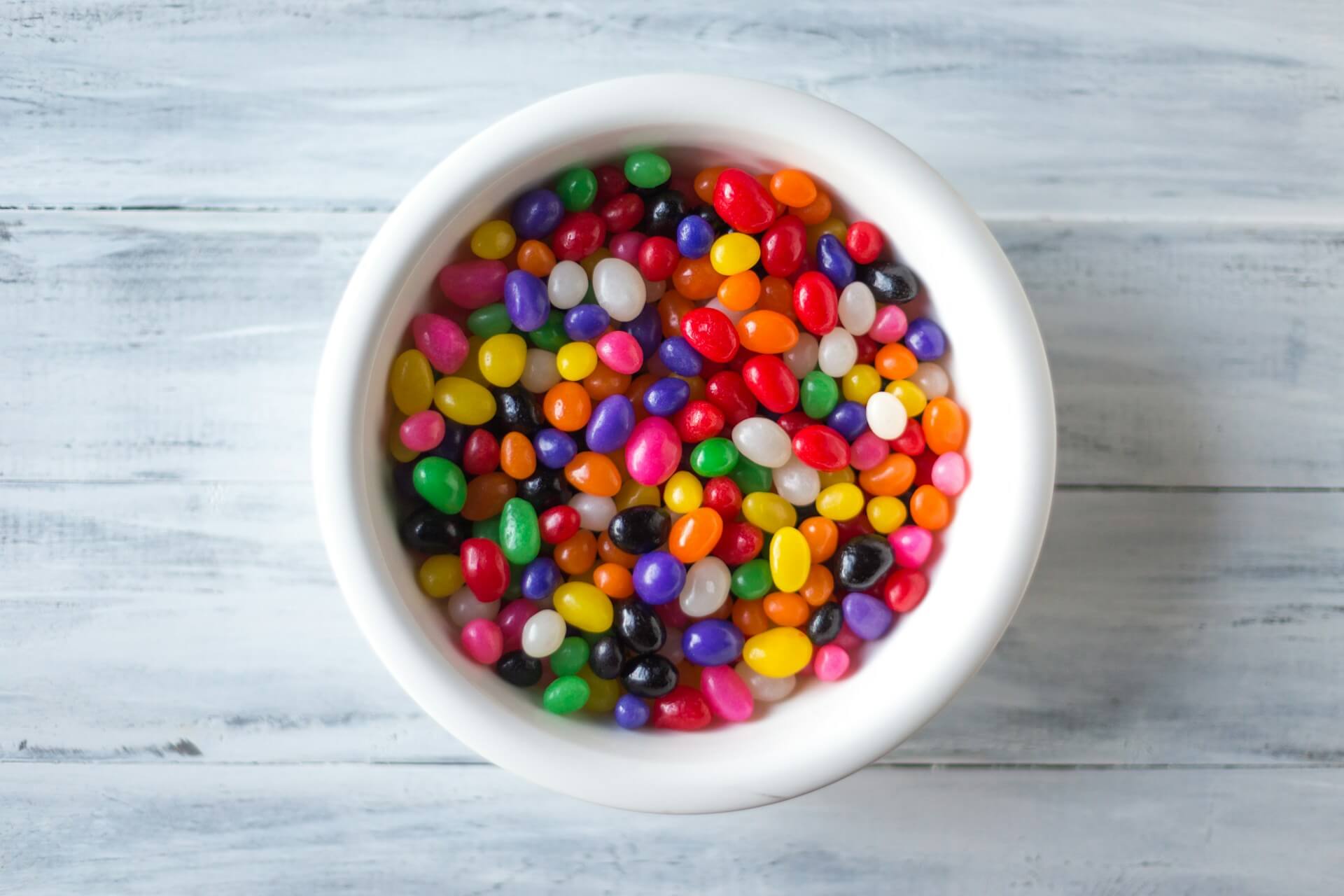
Ronald Reagan’s fondness for jelly beans dated to his years as governor of California, when a Bay Area candy maker kept his office supplied. By the time he reached Washington in 1981 the habit was public knowledge, and roughly three and a half tons of the candy were shipped east for the inaugural festivities.
A blueberry flavor was developed so that red, white and blue beans could be served together. A jar sat on the table during Cabinet meetings and aboard Air Force One, and Reagan is said to have judged visitors partly by which colors they picked out.
Rebecca, the Raccoon Who Was Supposed to Be Dinner
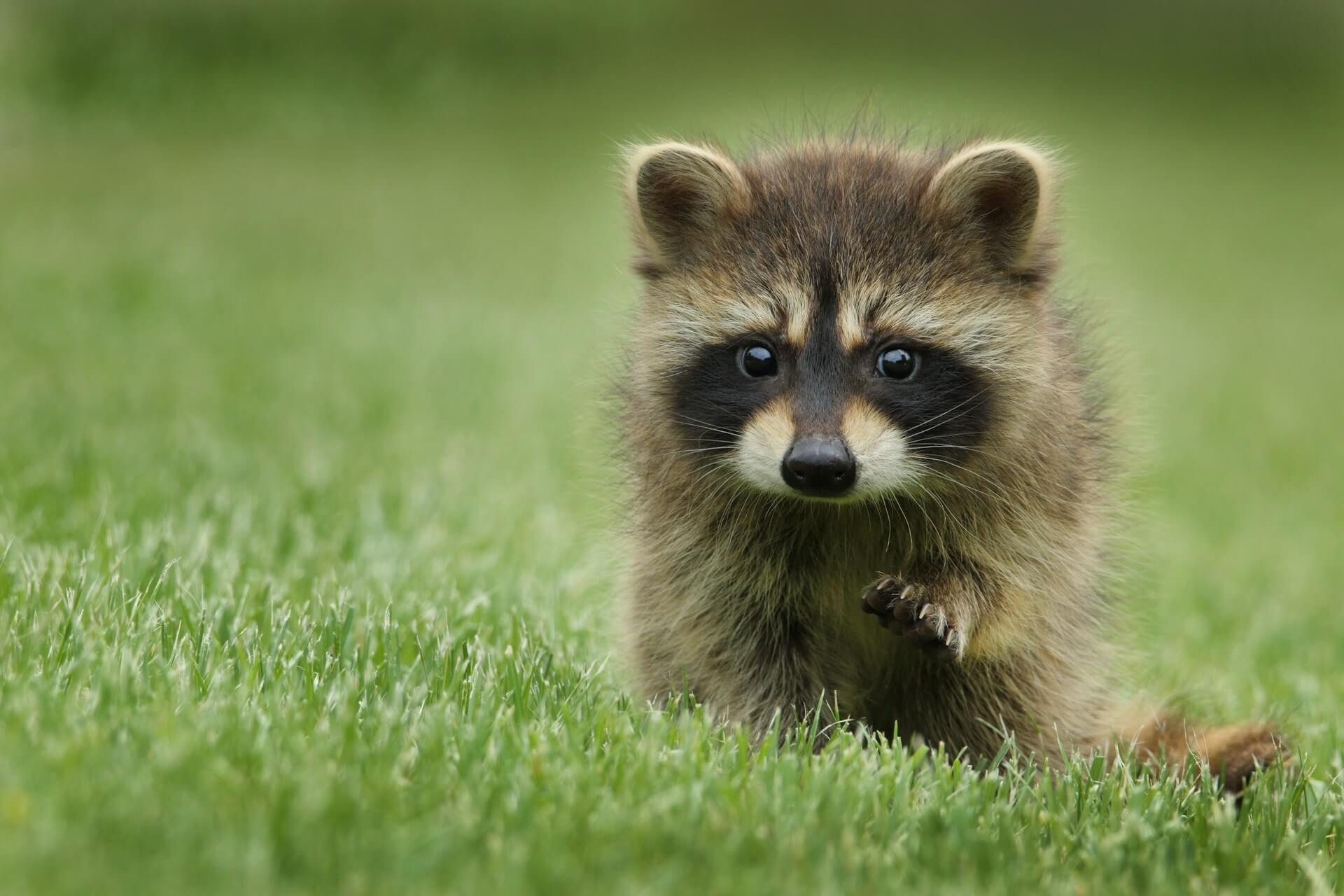
In November 1926 a supporter in Mississippi sent Calvin Coolidge a live raccoon and suggested the family serve it for Thanksgiving. The Coolidges declined, named the animal Rebecca and kept her.
That Christmas she received an embroidered collar identifying her as the White House raccoon. Grace Coolidge carried her to the Easter Egg Roll on April 18, 1927, where children lined up to pet her.
Rebecca had a talent for escaping, and she spent stretches at the zoo in Rock Creek Park. When the family left Washington in 1929, she was sent there for good.
Andrew Jackson’s 1,400-Pound Cheese
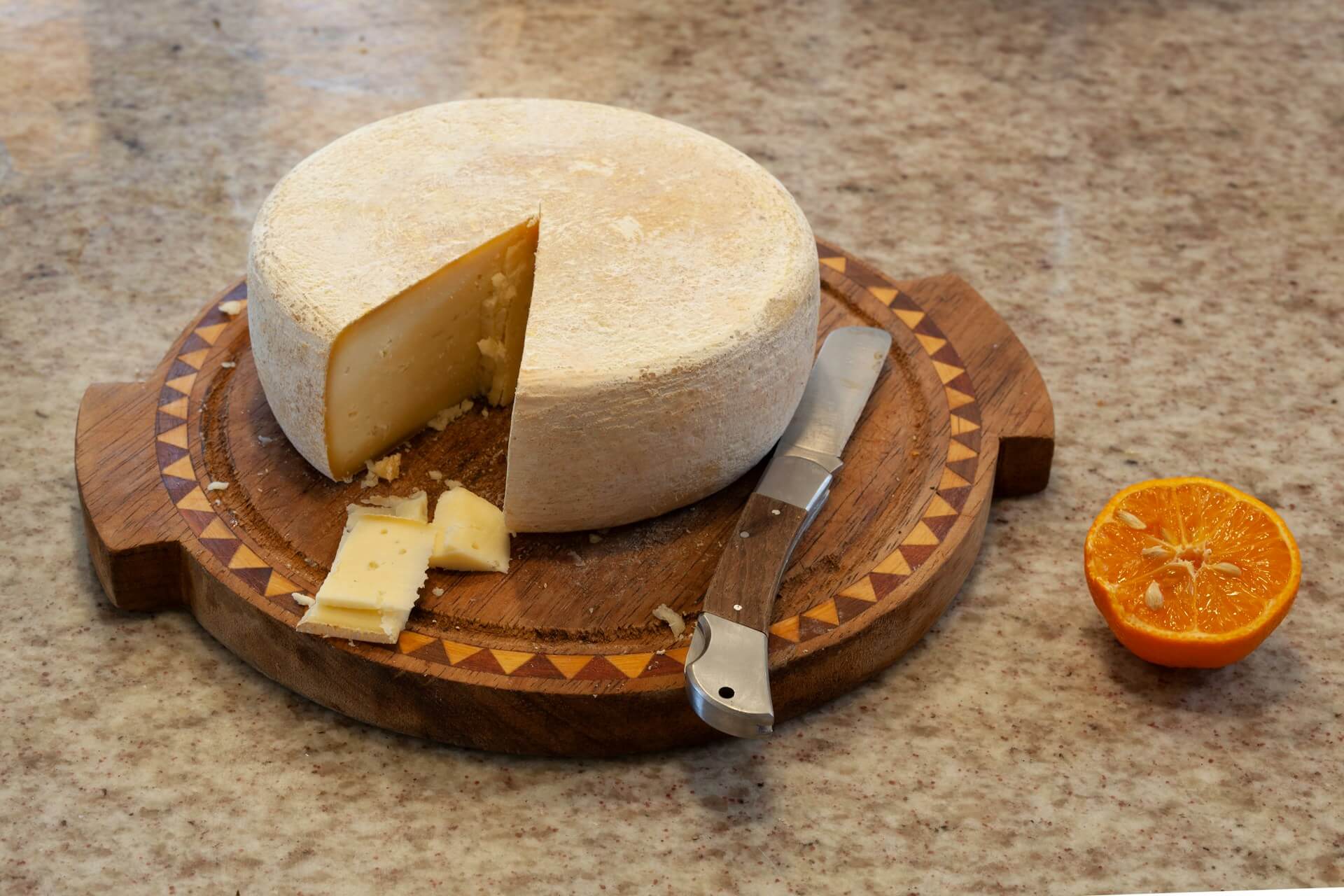
A dairy farmer from Sandy Creek, New York, named Thomas Meacham sent Andrew Jackson a wheel of cheddar weighing about 1,400 pounds. It sat in the entrance hall of the Executive Mansion for more than a year, aging and making itself known.
With his second term nearly over, Jackson invited the public in on February 22, 1837, to eat it. Thousands came, and by most accounts the entire wheel was gone in about two hours.
The smell took far longer to leave, and Martin Van Buren’s staff reportedly had to air out the rooms and replace some of the furnishings.
Thomas Jefferson’s Mammoth Cheese
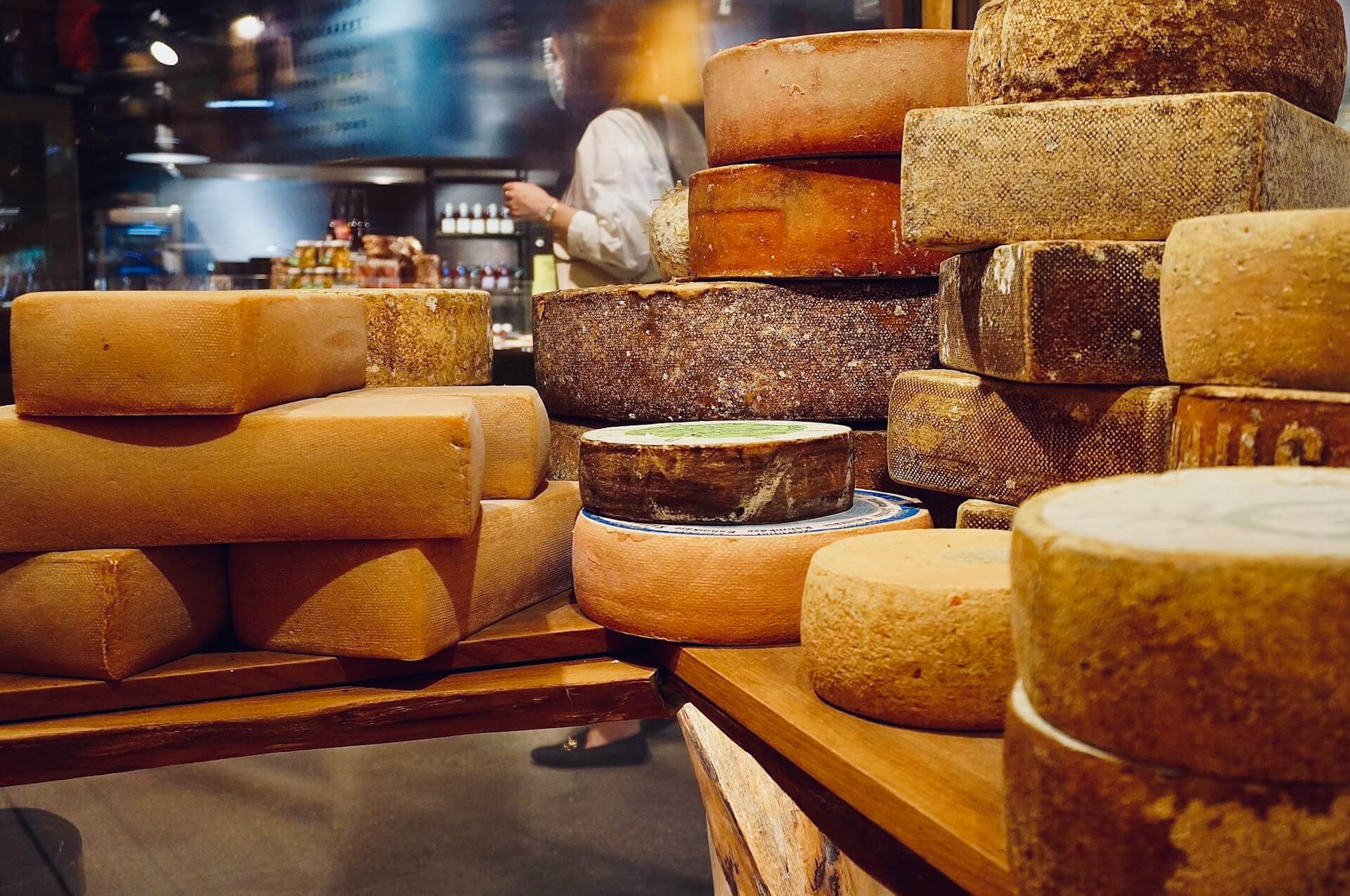
Thirty-five years before Jackson’s open house, the Baptist congregation of Cheshire, Massachusetts, produced a cheese weighing roughly 1,235 pounds as a tribute to Thomas Jefferson. Elder John Leland escorted it south by sleigh and boat and presented it at the President’s House on January 1, 1802.
Local lore holds that the milk of about 900 cows went into it and that a cider press did the pressing. Jefferson, who made a policy of refusing gifts, paid 200 dollars for it.
Accounts differ on how long it lasted, but it was reportedly still being served to guests well over a year later.
Woodrow Wilson’s Flock on the Lawn
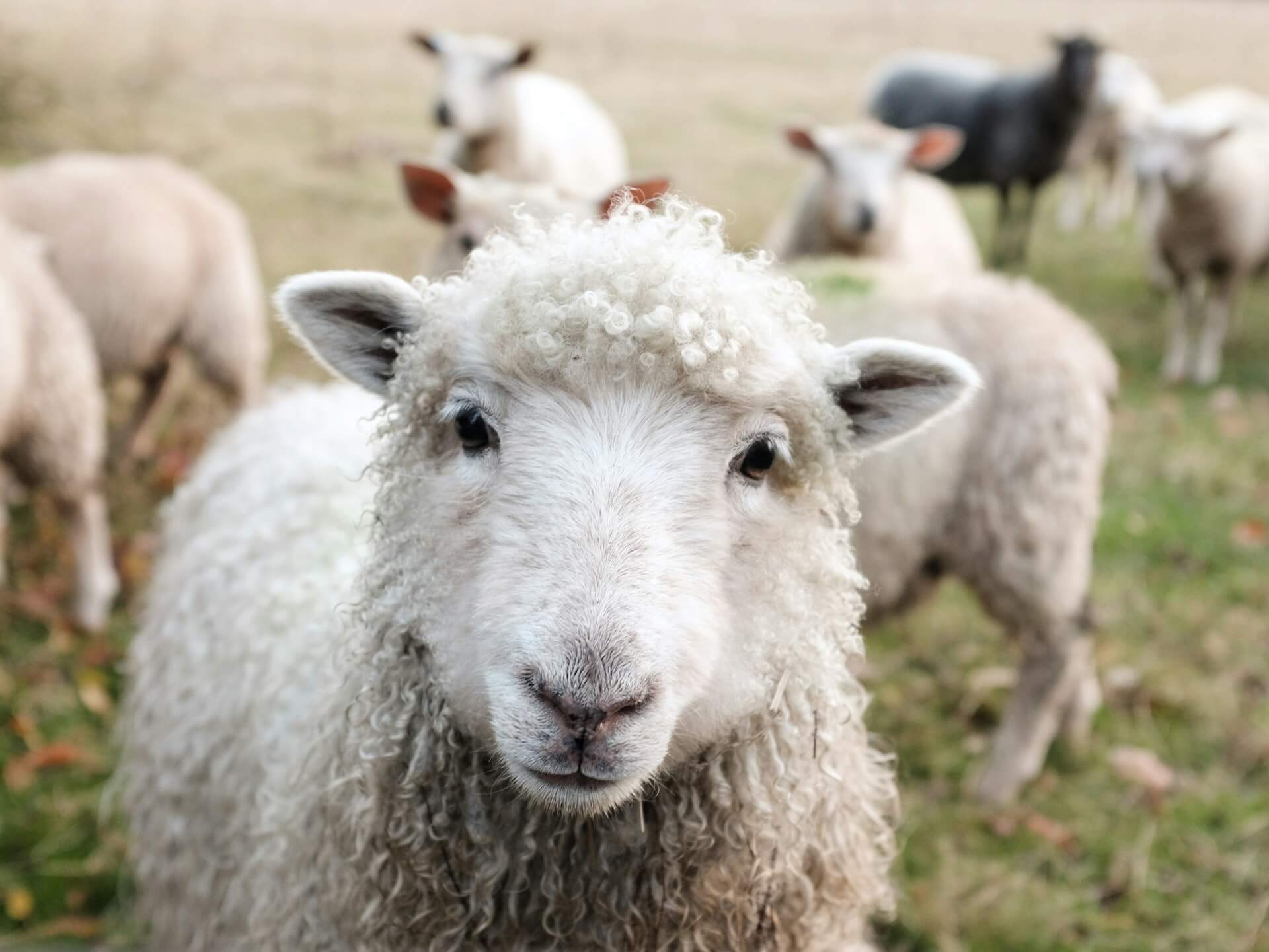
During World War I, the Wilsons put a flock of sheep to work on the White House grounds. The animals arrived in 1918 and trimmed the grass, which freed groundskeepers for other duties while labor was short.
The flock eventually grew to 48. Their wool was sheared and auctioned by the pound to benefit the Red Cross, with shares allotted to the states, and the sales raised more than 50,000 dollars.
The sheep were also hard on the flower beds and shrubs, a cost the gardeners noticed even if the public did not. They were sold off in 1920.
Pauline Wayne, the Presidential Dairy Cow
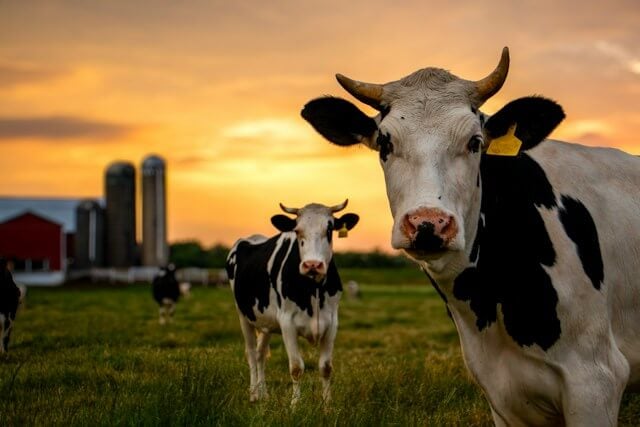
William Howard Taft liked fresh milk, and from 1910 to 1913 a Holstein named Pauline Wayne supplied it. She was a gift from Senator Isaac Stephenson of Wisconsin and grazed on the lawn beside what is now the Eisenhower Executive Office Building.
Newspapers covered her like a celebrity. In 1911 she was shipped to a dairy show in Milwaukee and went missing for two days when her railcar was attached to the wrong train, reportedly one bound for the Chicago stockyards.
She was found unharmed. When Taft left office, Pauline returned to Wisconsin, and no cow has lived at the White House since.
Two Bowling Lanes for Harry Truman
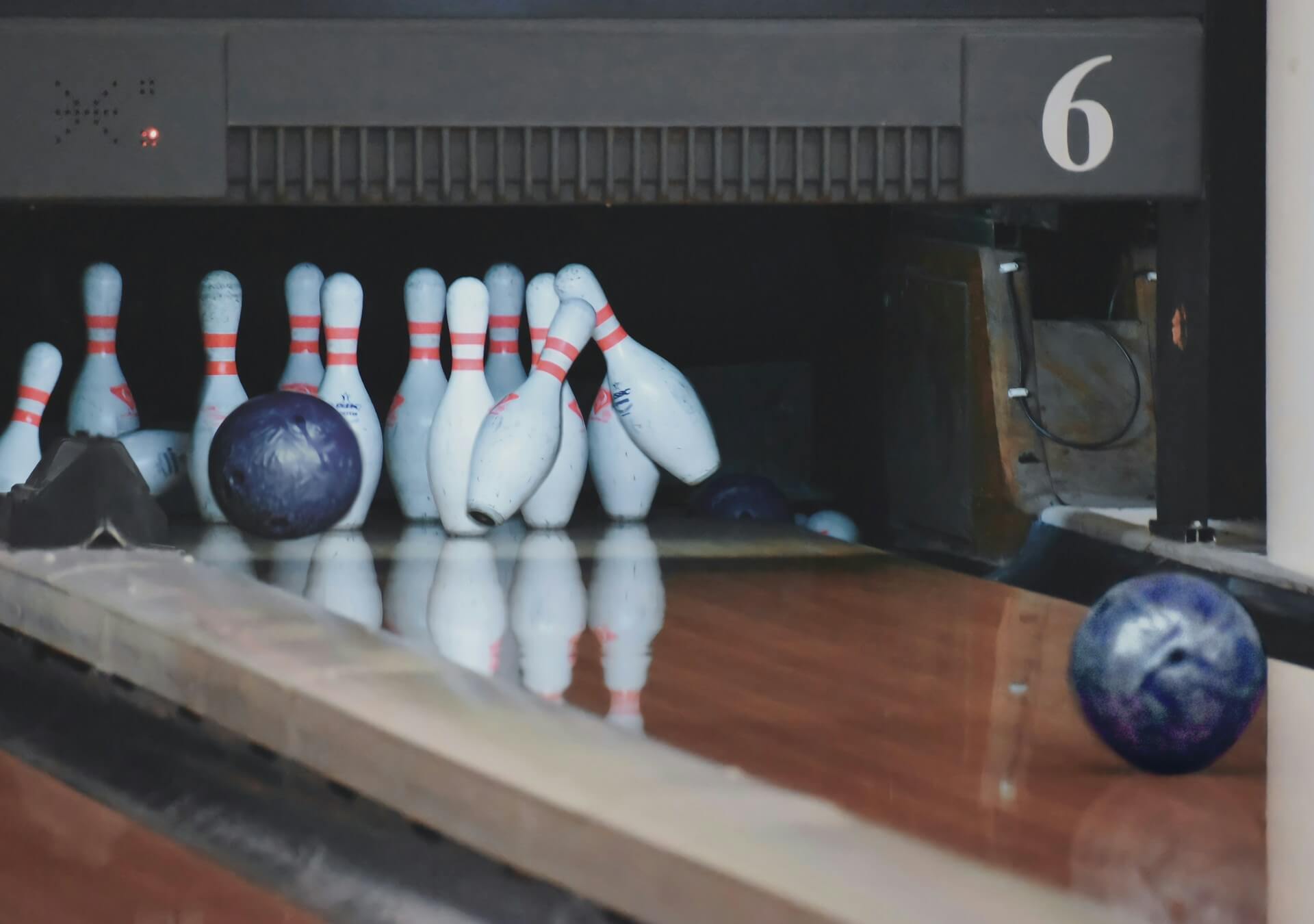
Friends of Harry Truman had a two-lane bowling alley built on the ground floor of the West Wing in 1947 as a birthday present. Truman made the ceremonial first roll and then largely left the lanes to the staff, who formed a league and competed against teams around Washington.
The alley was moved across the street to the Old Executive Office Building in 1955 to make room for other uses. Richard Nixon, a far keener bowler, had a single lane installed in 1969 in a workspace beneath the driveway leading to the North Portico.
That lane was restored in 2019.
Dwight Eisenhower’s Putting Green
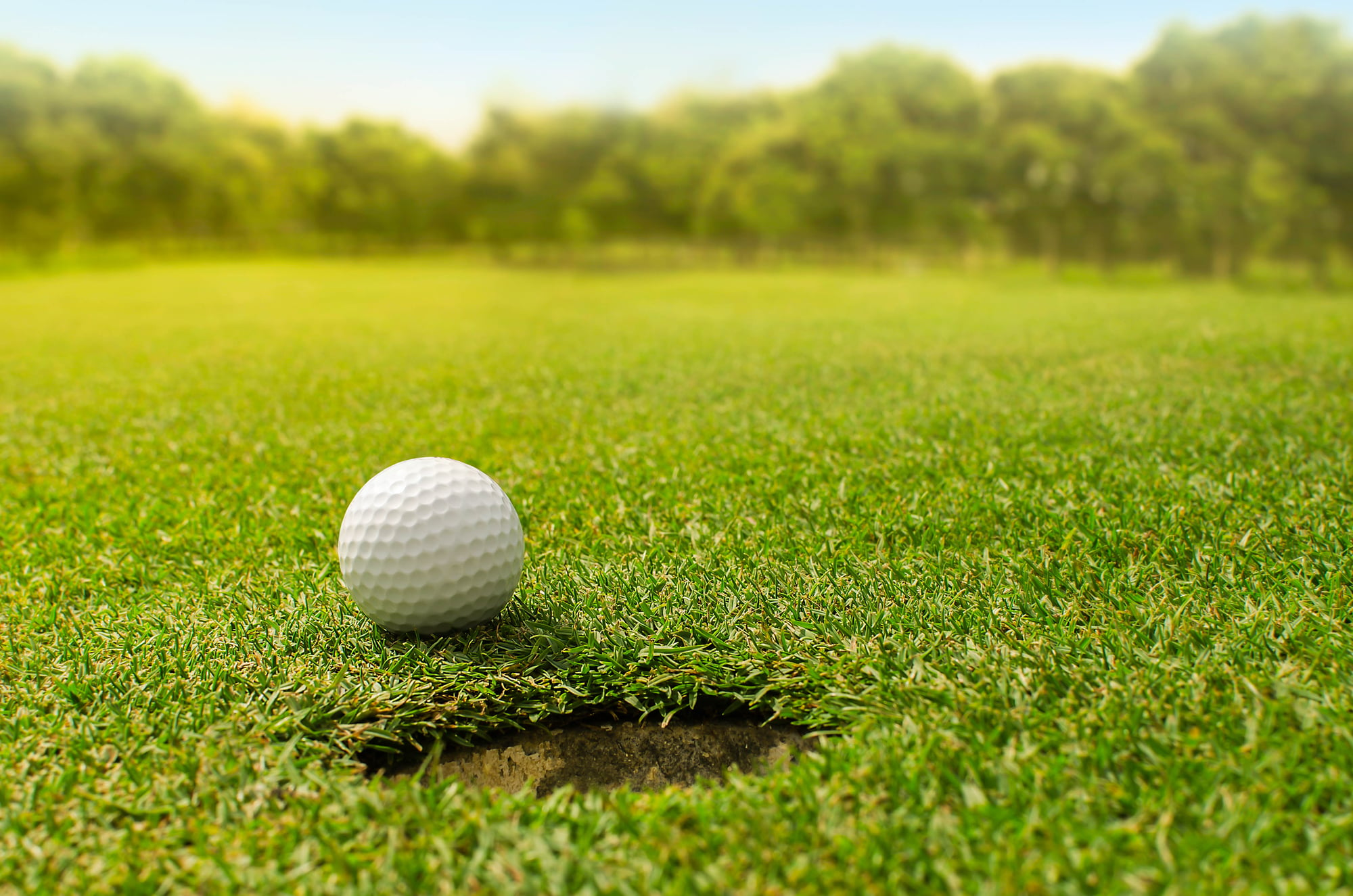
Golf followed Dwight Eisenhower to Washington. In 1954 a putting green was installed just outside the Oval Office with the help of the United States Golf Association, and the president slipped out to practice between appointments.
His chief opponents were the squirrels, which buried nuts in the turf and dug them up again. Eisenhower wanted them gone, and groundskeepers trapped and relocated some of them, to the annoyance of animal lovers in Congress.
His cleats left marks on the Oval Office floor that remained visible for years. The green was later removed, and a new one was built in the 1990s.
Movie Nights in a Converted Cloakroom
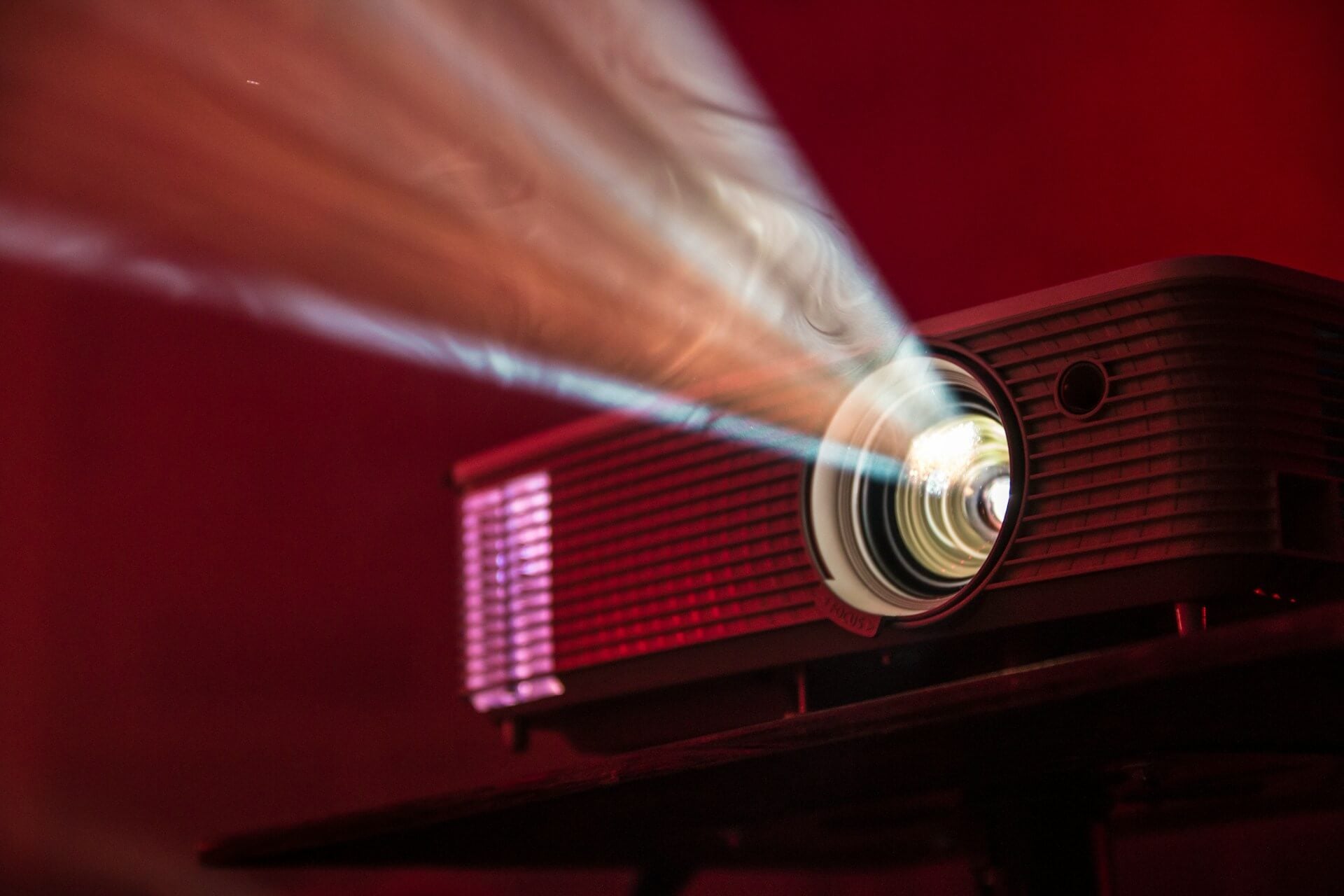
Franklin Roosevelt had a long cloakroom in the East Terrace, known as the Hat Box, turned into a small movie theater in 1942. It seats about 40, with armchairs for the first family in the front row.
Dwight Eisenhower watched westerns there by the dozen. Jimmy Carter is generally considered the heaviest user, screening more than 400 films in four years, beginning with All the President’s Men shortly after he took office.
Studios have long sent prints on request, often before release. Presidents have also used the room to rehearse major speeches, including the State of the Union address.
A Gingerbread House in the State Dining Room
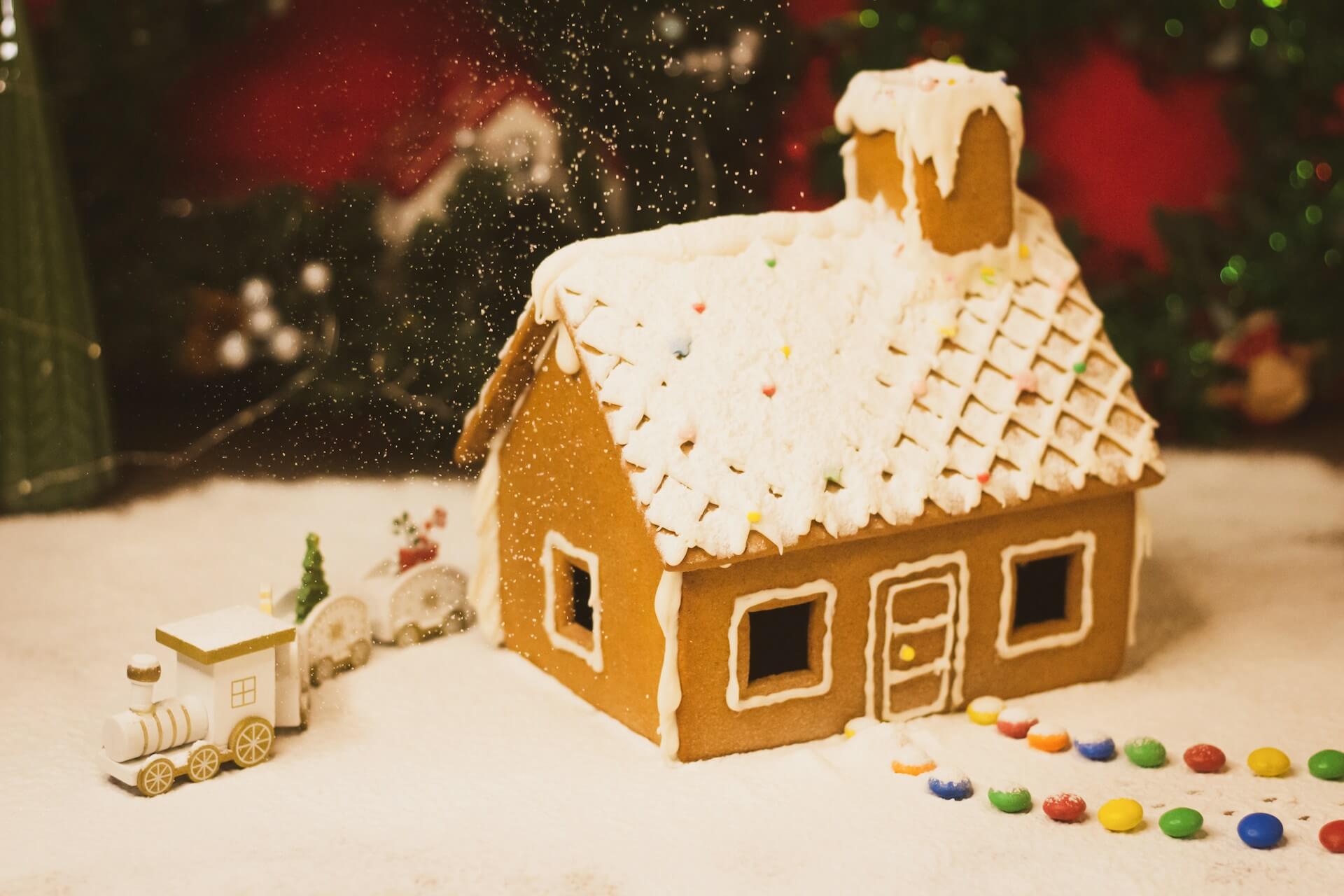
A gingerbread cottage arrived as a gift in 1968 and was displayed in the State Dining Room. The next year, assistant executive chef Hans Raffert baked the first one made in the White House kitchen, a German-style A-frame, and the custom took hold under the Nixons.
It still sits on a 1902 mahogany console table carved with eagles. The scale has changed more than the location.
Pastry chef Roland Mesnier expanded the display into a village of five houses in 1992 and built a scale replica of the White House the following year, guarded by 22 marzipan figures of Socks, the Clinton family cat.
Giving the Blue Room Christmas Tree a Theme
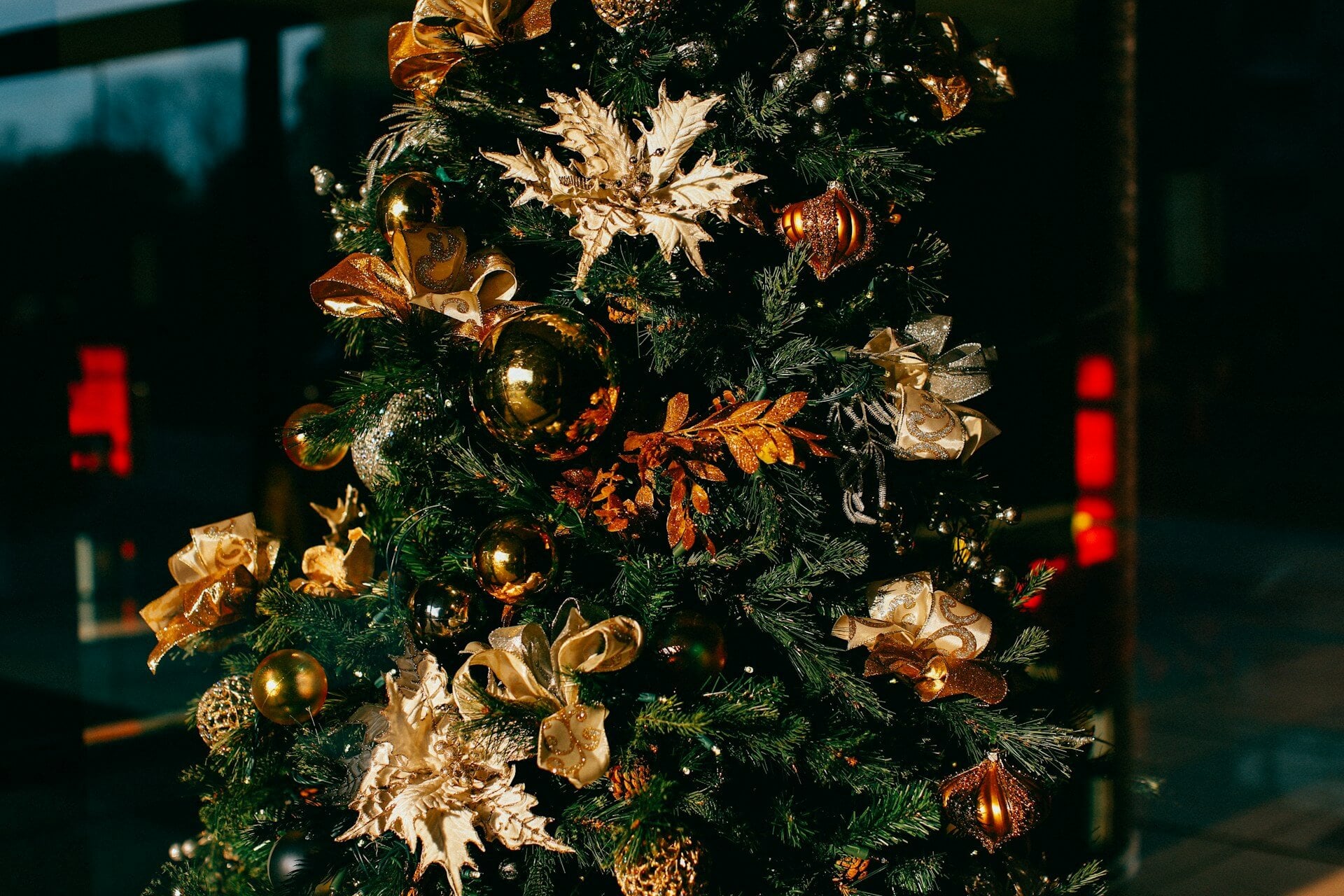
Christmas trees had stood in the White House for decades before Jacqueline Kennedy decided in 1961 that the main one should have a subject. She chose Tchaikovsky’s Nutcracker, hanging the Blue Room tree with toys, birds and angels drawn from the story.
First ladies have picked a theme every year since. The tree itself has been supplied since 1966 by the winner of a growers’ contest run by the National Christmas Tree Association.
It arrives at the North Portico on a horse-drawn wagon, and the room’s chandelier is taken down so that a fir about 18 feet tall can stand in its place.
Lighting the National Christmas Tree
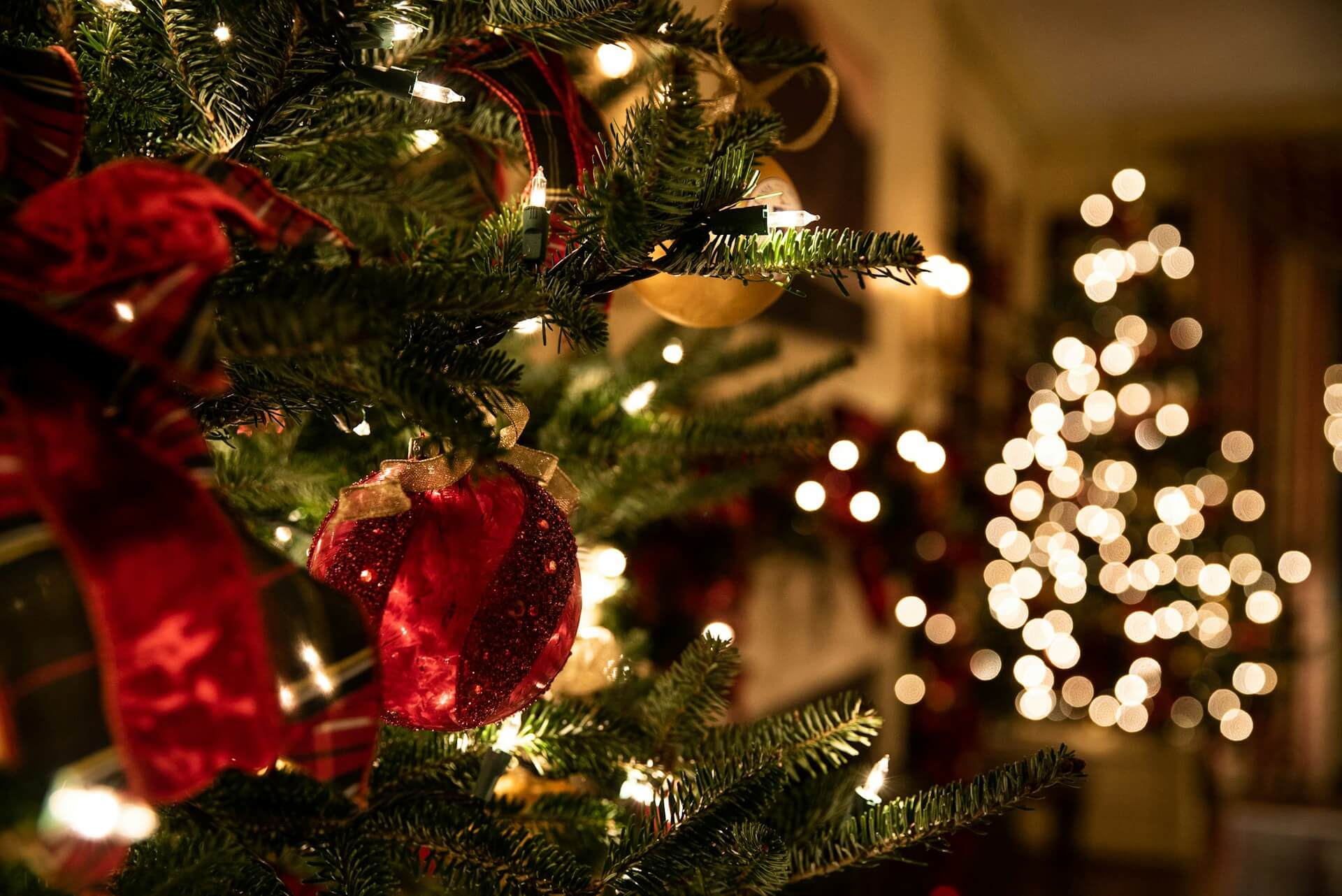
On Christmas Eve in 1923, Calvin Coolidge walked out to the Ellipse and pressed a button that lit a 48-foot balsam fir from his home state of Vermont. The tree carried about 2,500 red, white and green bulbs, and the ceremony was promoted in part by the electrical industry, which had an obvious interest in outdoor lighting.
The ceremony has continued in some form every year since, although the site has moved several times. During World War II the tree stood on the South Lawn, and in 1941 Winston Churchill joined Franklin Roosevelt for the ceremony, weeks after Pearl Harbor.
Throwing Out the First Pitch
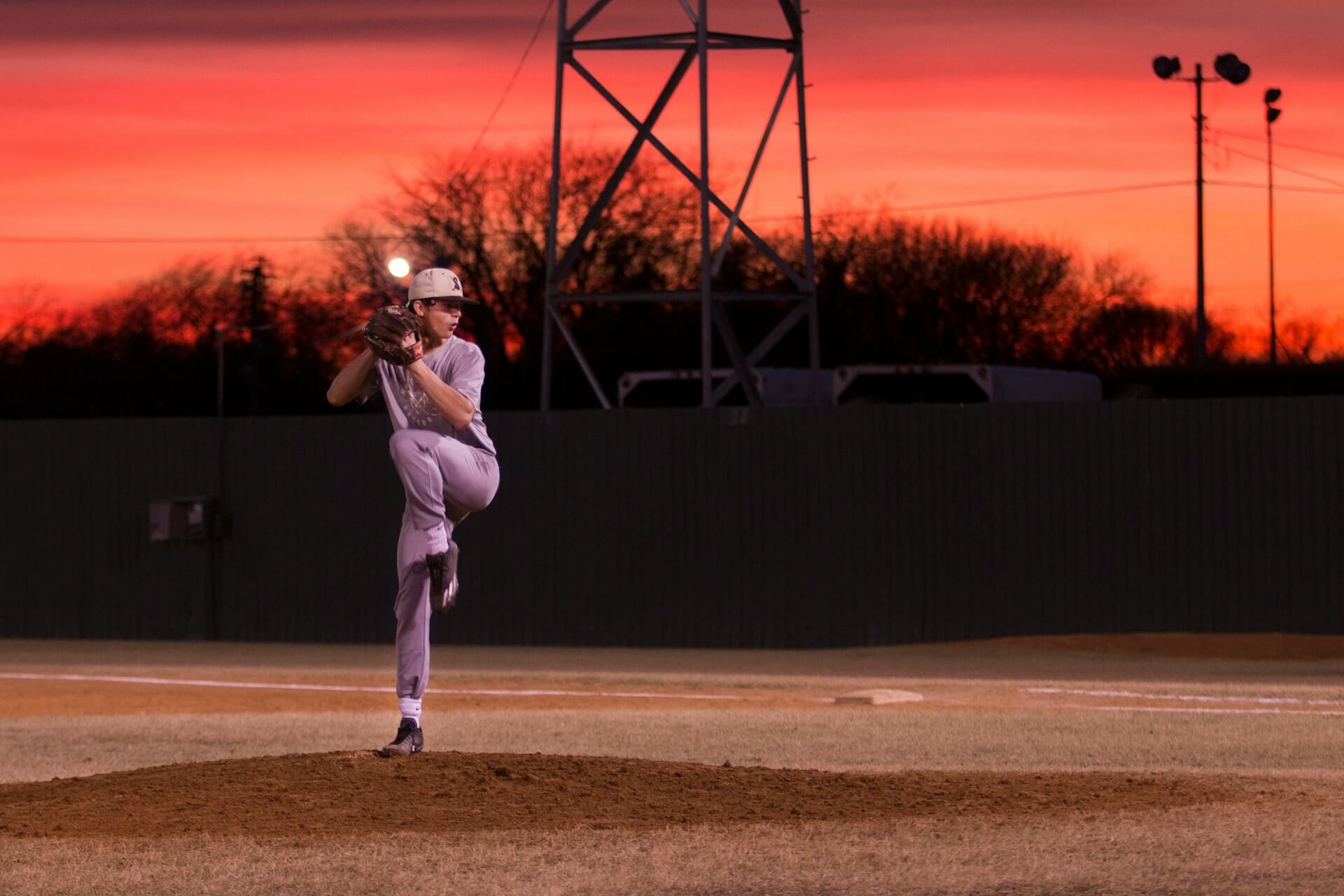
William Howard Taft arrived at the Washington Senators’ home opener on April 14, 1910, and was handed a duty no president had performed before. From his seat in the stands he threw the ceremonial first pitch to Walter Johnson, who then went out and held the Philadelphia Athletics to a single hit.
Most presidents since have made at least one Opening Day toss. For decades they threw from the front row, as Taft had.
Walking out to the mound came later and raised the stakes considerably, since a short throw in front of a full stadium is replayed for years.
Returning the Marine’s Salute
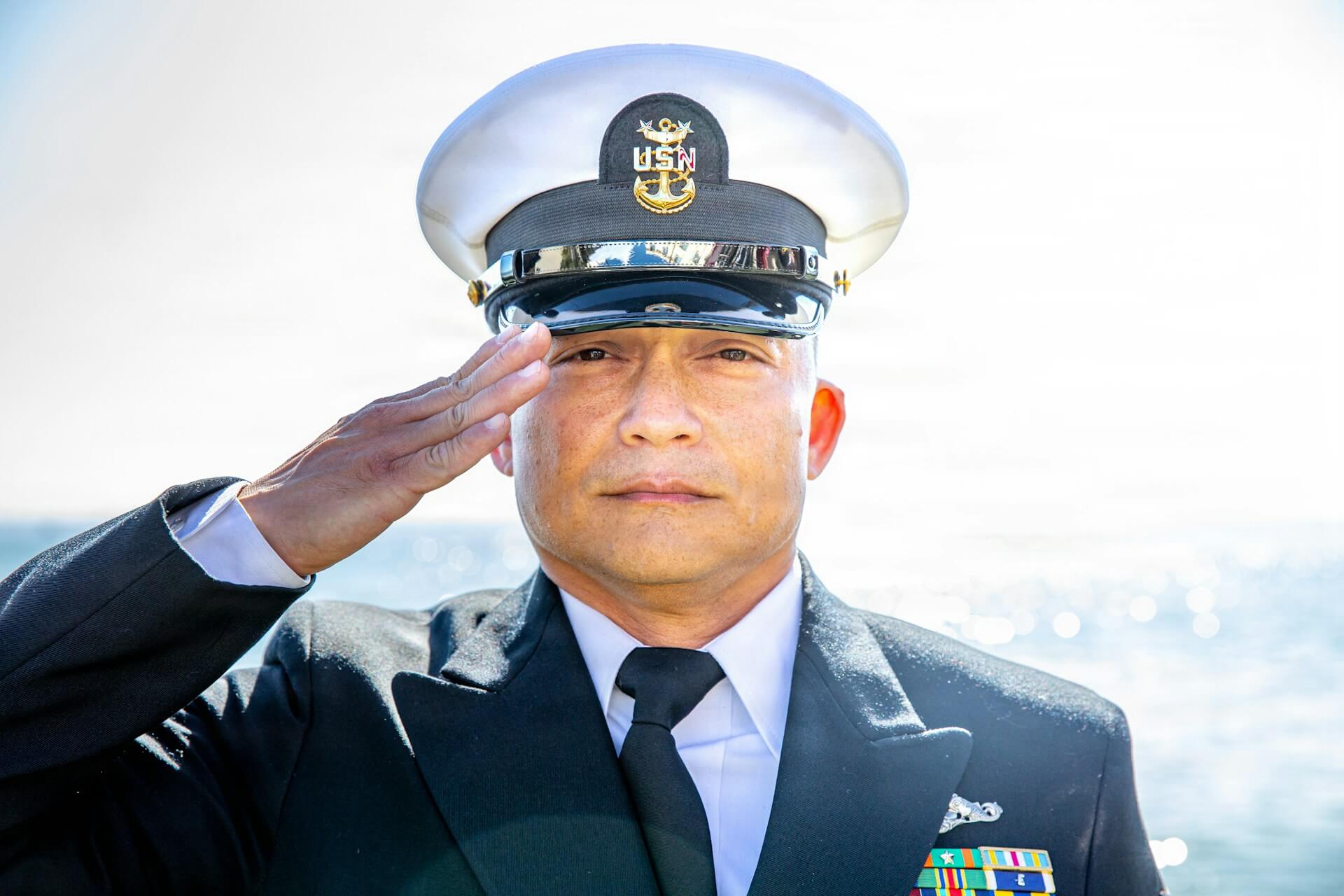
Before 1981, presidents generally acknowledged a military salute with a nod or a word, on the theory that a civilian in a business suit does not salute. Ronald Reagan found it awkward to walk past saluting Marines without responding.
By his own later account, he raised the matter with the commandant of the Marine Corps, who replied that nobody was likely to object if the commander in chief saluted back. Reagan began doing so, and his successors in both parties have continued.
Critics of the practice still exist, mostly among students of protocol, but the habit is now firmly fixed.
Signing One Bill With Dozens of Pens
A presidential signature has only so many letters, yet major bills are routinely signed with a fistful of pens, each used for a single stroke or two. The pens then go to sponsors and supporters as souvenirs of the law they helped pass.
Lyndon Johnson is reported to have used more than 75 for the Civil Rights Act on July 2, 1964, handing them to members of Congress and civil rights leaders. Barack Obama used 22 for the health care law in March 2010.
Other presidents have preferred a single pen and given away unused duplicates, which is faster and looks less peculiar.
Candy Bearing the Presidential Seal
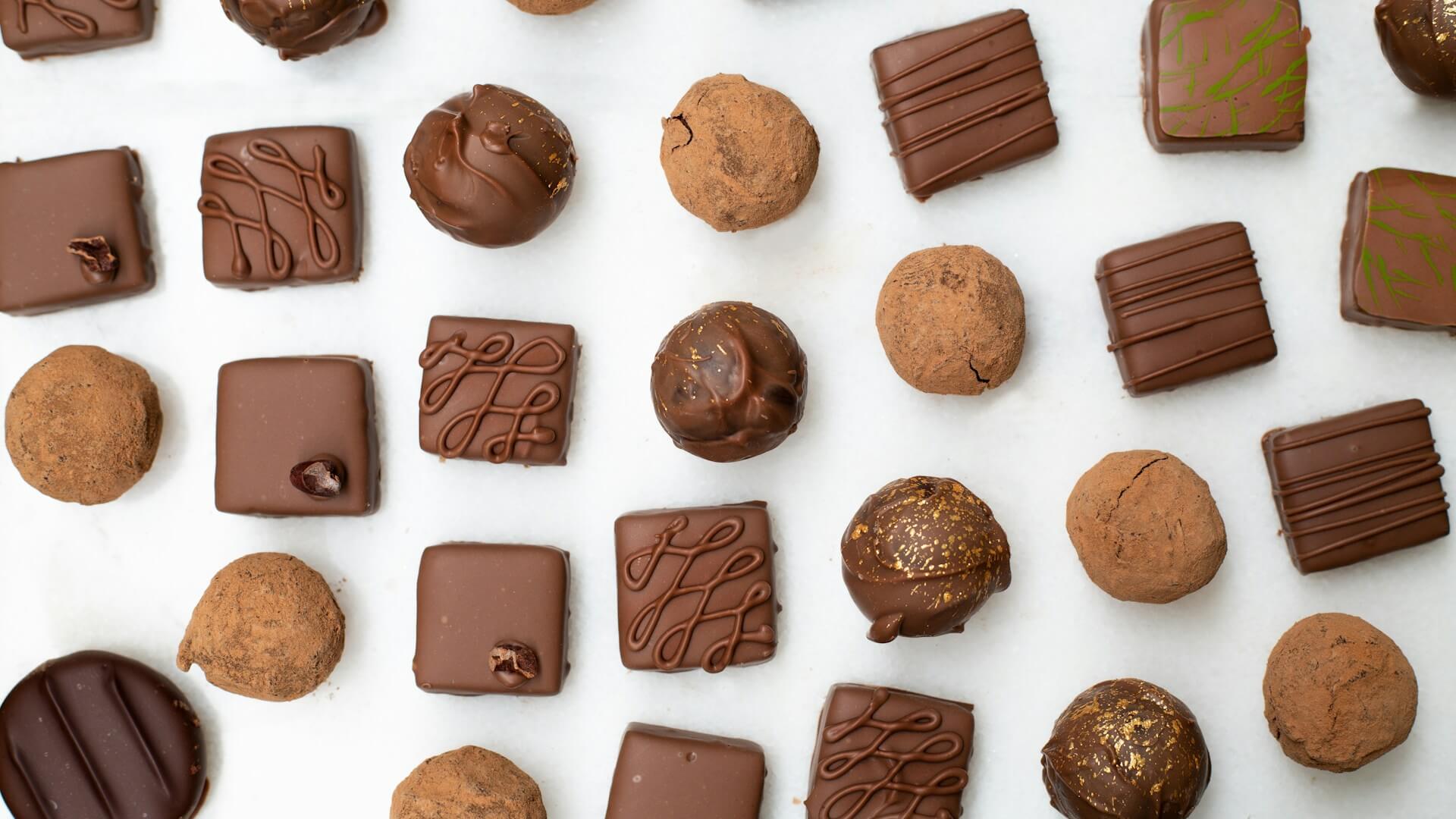
Passengers on Air Force One have long gone home with a small keepsake, and since the late 1980s the best known has been a slim box of candy-coated chocolates made by Mars. The box is printed with the presidential seal and a reproduction of the sitting president’s signature. It cannot be bought in a store.
The custom is generally dated to Ronald Reagan’s second term and has continued through every administration since, with the signature changing each time. Reporters, staff and guests collect the boxes, and unopened examples from past presidencies turn up regularly on the secondhand market.
Passing Down the Press Secretary’s Flak Jacket
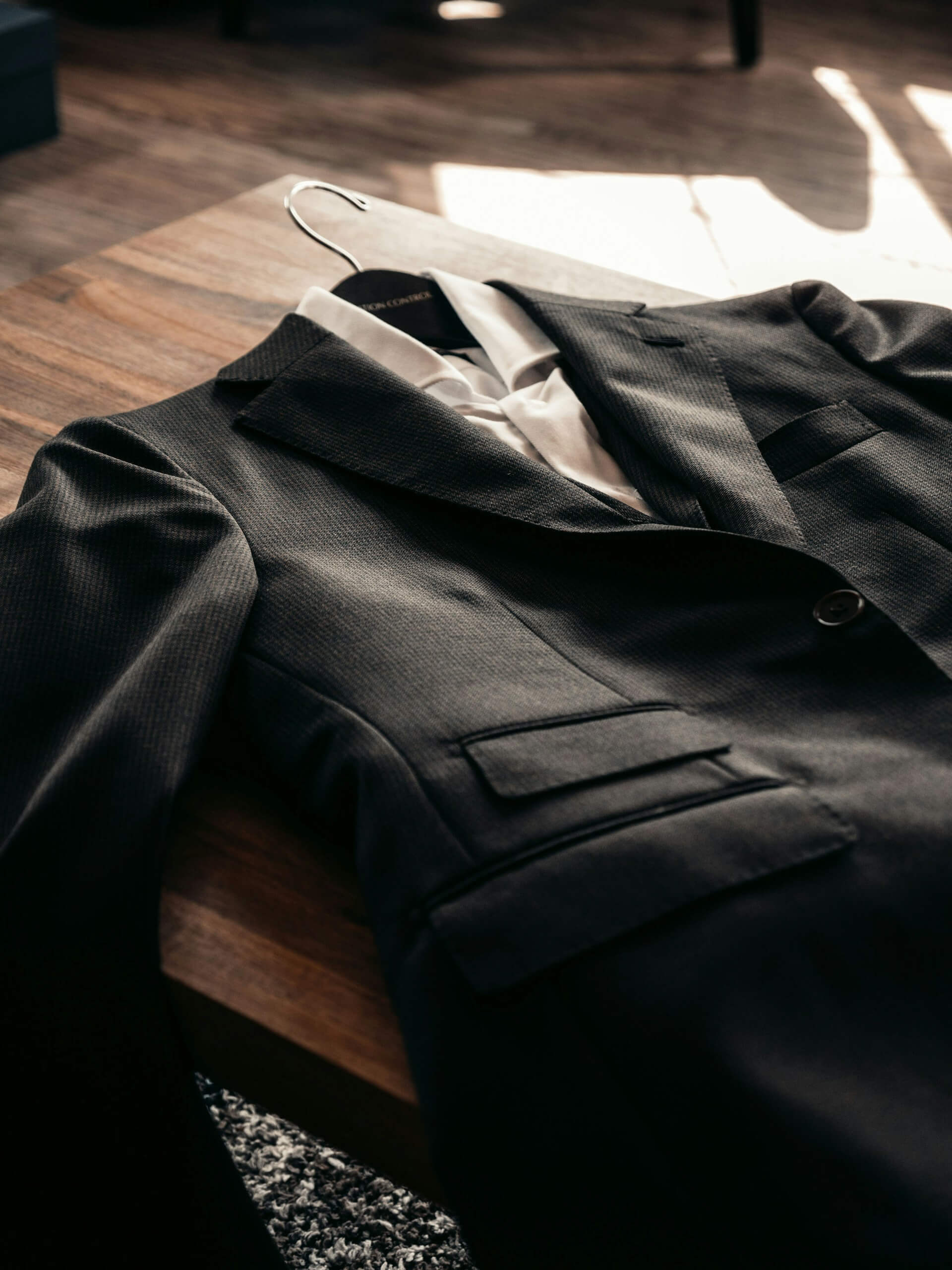
Reporters once gave Gerald Ford’s press secretary, Ron Nessen, a blue brocade vest with a protective lining as a joke about the flak he took at daily briefings. When Nessen left in 1977, he hung it in the office closet for his successor, Jody Powell, with a note saying it would be needed.
Each press secretary afterward was expected to add a private note of advice for the next one and leave the garment behind. The notes are not meant for publication.
Nessen saw his old vest again three decades later, when Tony Snow invited former press secretaries back for a ceremony marking the renovation of the briefing room.
Planting the Kitchen Garden
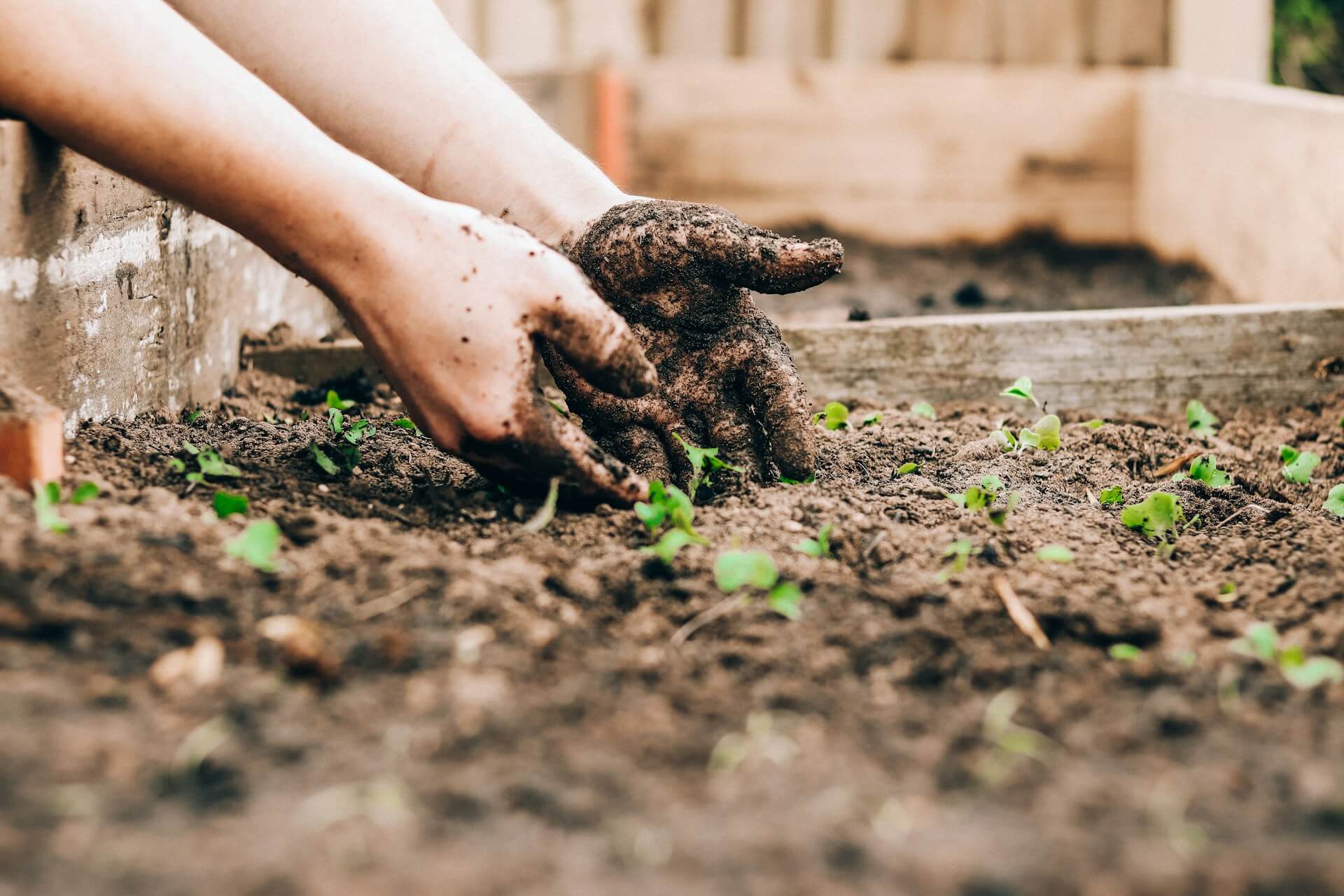
In March 2009, Michelle Obama and a group of fifth graders from Bancroft Elementary School in Washington broke ground on a vegetable plot of about 1,100 square feet on the South Lawn. It was widely described as the most substantial food garden on the grounds since Eleanor Roosevelt’s victory garden in 1943.
The produce goes to the White House kitchen and to a local charity. A beehive was added nearby and tended at first by Charlie Brandts, a White House carpenter who kept bees as a hobby. The garden has been maintained by the administrations that followed.
Brewing Beer With Honey From the South Lawn
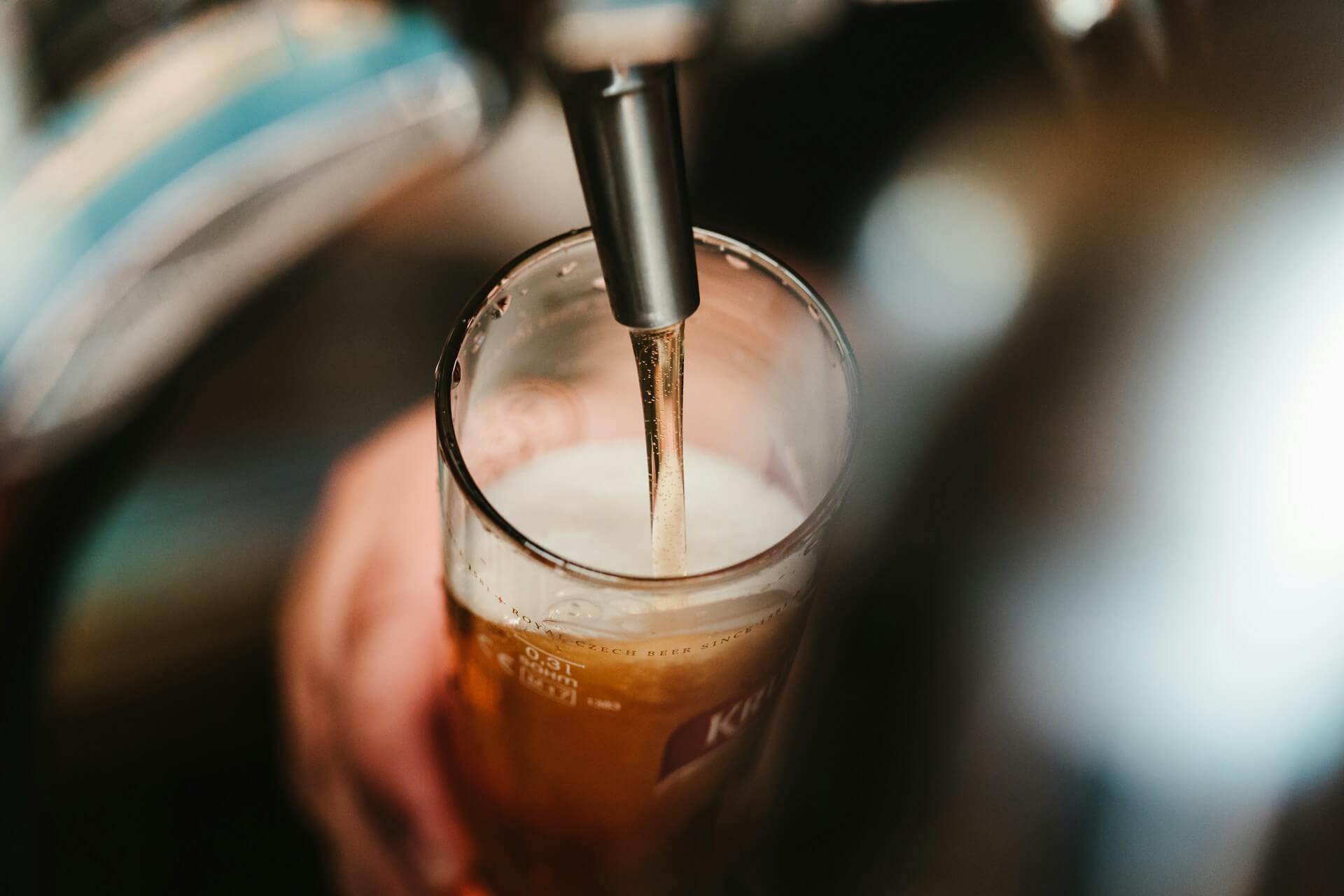
Honey from that beehive ended up in an unexpected place. In 2011, Barack Obama bought a home brewing kit with his own money, and White House chefs used it to produce a honey ale, followed by a honey porter and a honey blonde. The White House has said it knows of no earlier record of beer being brewed on the premises, though earlier presidents certainly brewed at their own homes.
Home brewers petitioned for the recipes. In September 2012 the kitchen published them, along with a short video showing the chefs at work with their kettles.
Decorating for Halloween
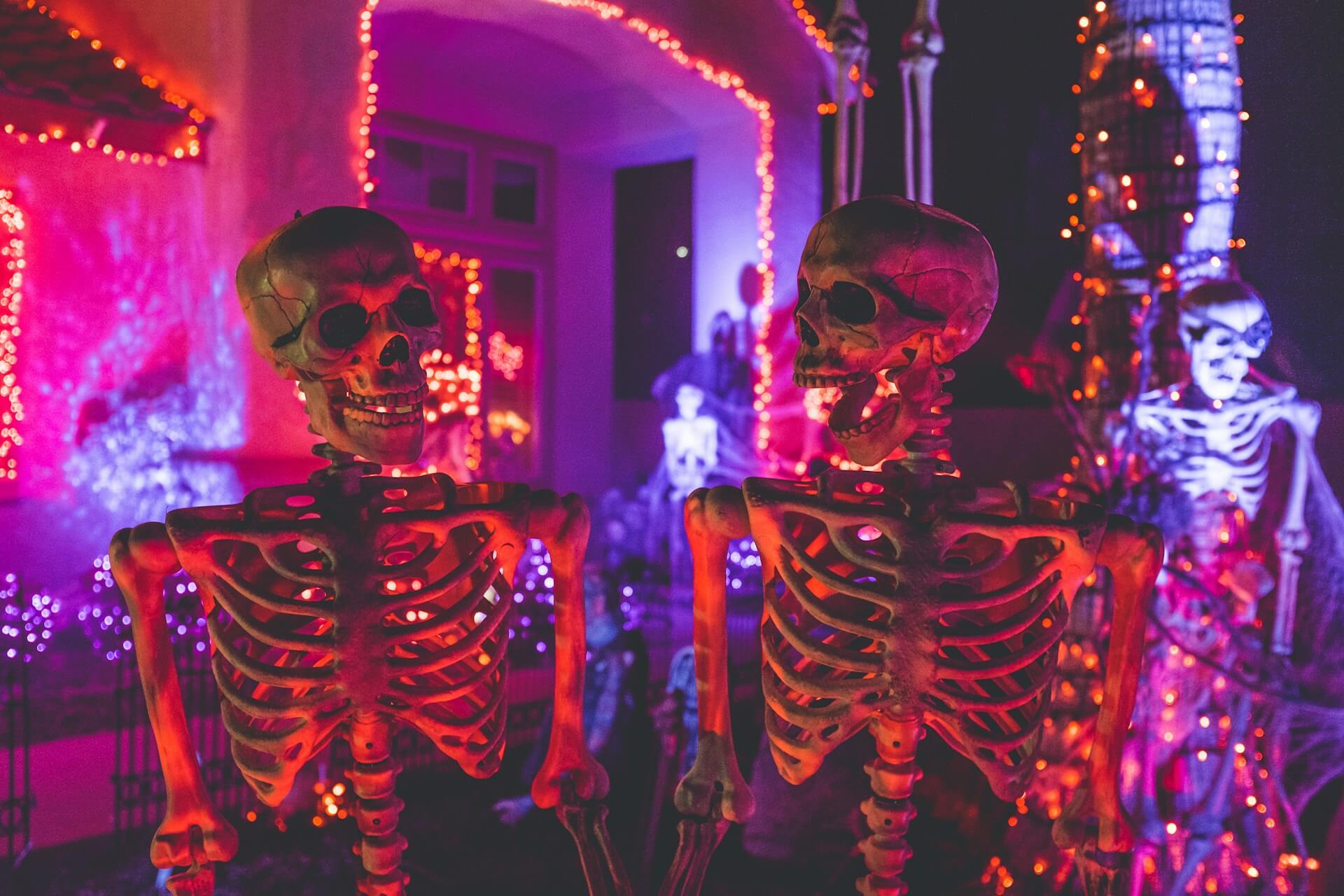
Halloween at the White House has a precise beginning. In 1958, Mamie Eisenhower dressed the State Dining Room with skeletons, jack-o-lanterns and stalks of dried corn for a lunch honoring the wives of staff members. Later families made the holiday a children’s event.
Pat Nixon hosted 150 children from a local hospital in 1971, and Amy Carter held a Halloween-themed birthday party in 1977 that included a screening of the 1931 film Frankenstein. In 1989 the Bushes welcomed 600 schoolchildren to the South Lawn.
Recent presidents and first ladies have handed out candy to costumed children at the South Portico.
John Quincy Adams and His Dawn Swims in the Potomac
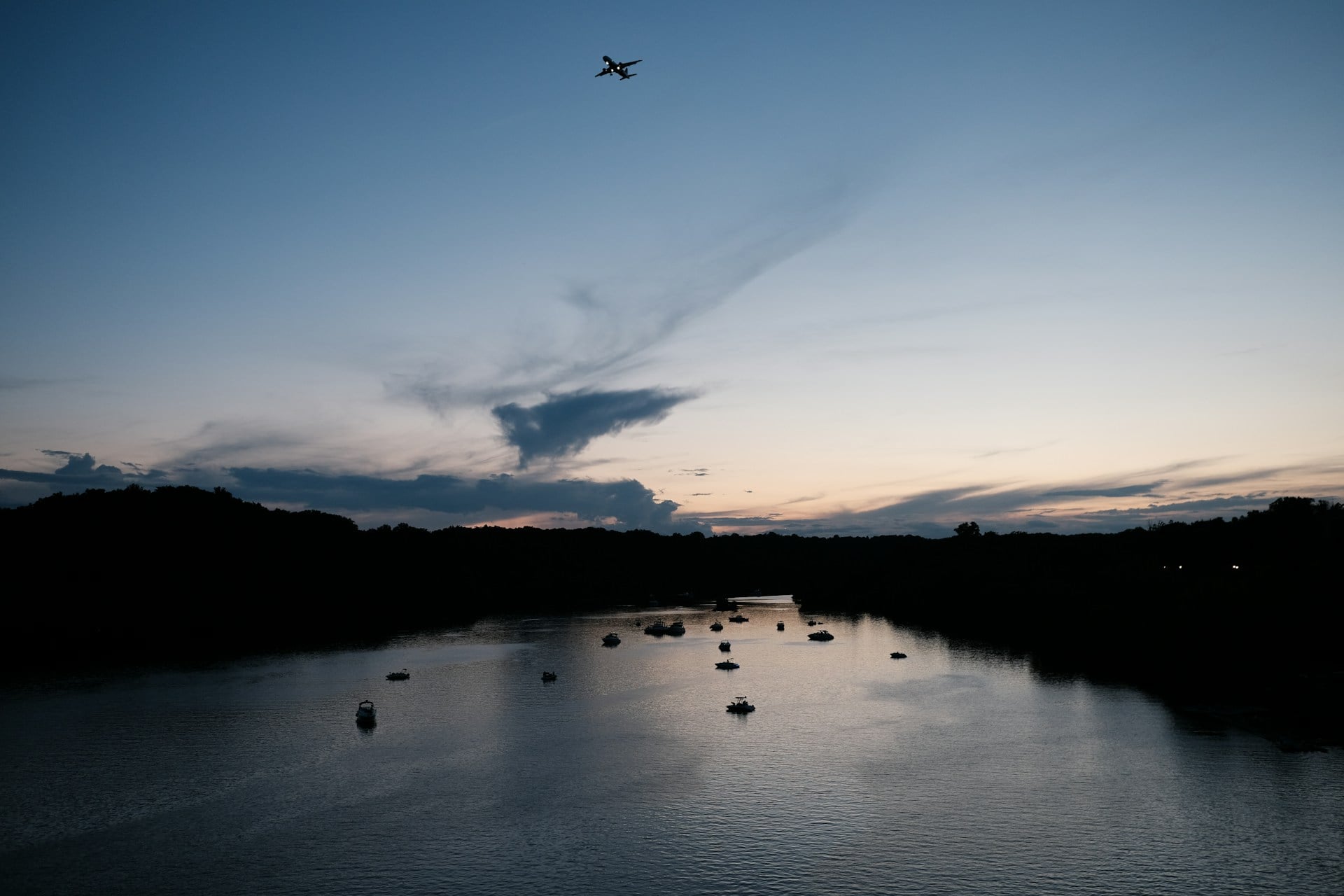
John Quincy Adams rose before sunrise, walked to the Potomac and swam, usually without a bathing suit, as his diary records without embarrassment. He timed himself and worried when his endurance slipped. In June 1825 the habit nearly killed him.
A leaky canoe he was using to cross the river filled with water and sank, and Adams struggled to shore weighed down by his loose sleeves, losing some of his clothing on the way. The often repeated tale of a reporter sitting on his clothes until he granted an interview is a better story, but historians treat it as legend.
Calvin Coolidge’s Mechanical Horse
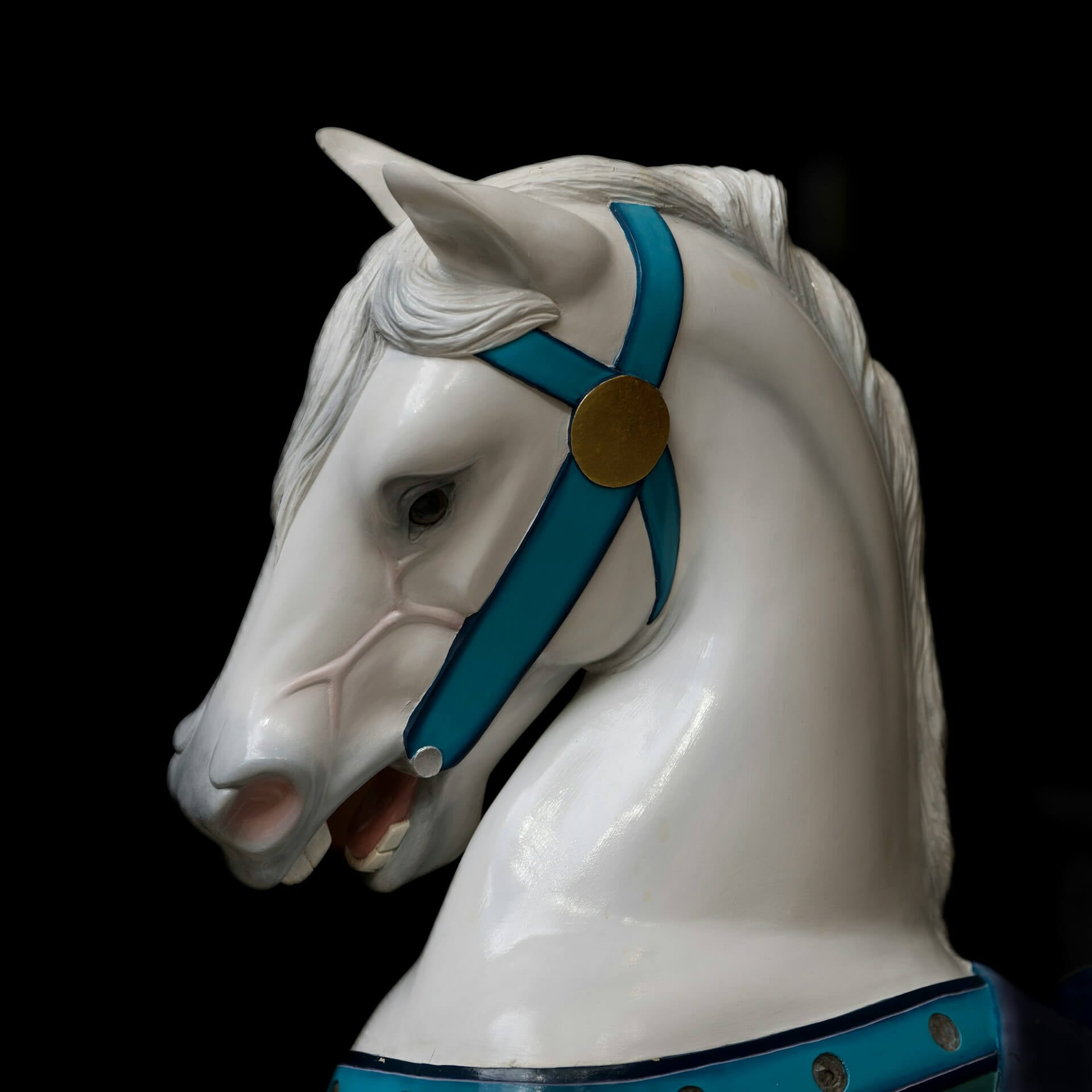
Calvin Coolidge enjoyed riding, but the Secret Service considered live horses an unnecessary risk. A friend, the banker Dwight Morrow, sent a substitute, an electric exercise horse of a type designed by John Harvey Kellogg, the Michigan physician better known for breakfast cereal.
The machine weighed about 475 pounds and was nicknamed Thunderbolt. Coolidge kept it in his private quarters and rode it for exercise, a routine that brought some mockery once the press found out.
He eventually gave it up. The horse survives at the Coolidge presidential library in Northampton, Massachusetts, where visitors are asked to stay off it.
Theodore Roosevelt’s Boxing and Jujitsu Sessions
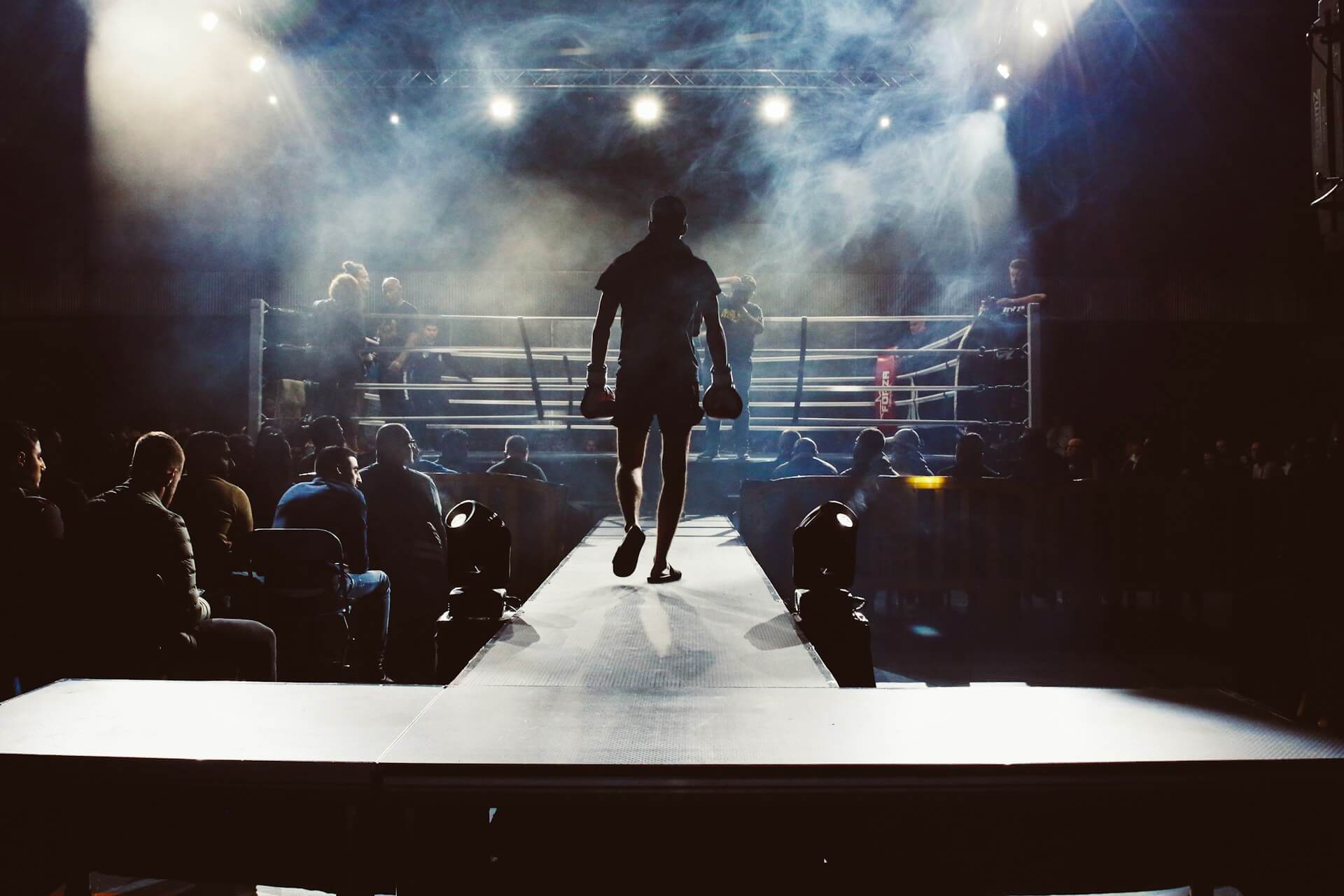
Theodore Roosevelt treated the White House as a gymnasium. He boxed regularly with military aides and other sparring partners until a punch from a young officer damaged his left eye, leaving it nearly blind.
He kept the injury quiet and disclosed it only in his 1913 autobiography. Boxing was only part of the program. In 1904 he took lessons from the Japanese judo master Yamashita Yoshiaki and practiced throws on visitors and relatives.
He also wrestled, hiked and played tennis with a group of advisers the newspapers called the Tennis Cabinet.
Playing Hail to the Chief
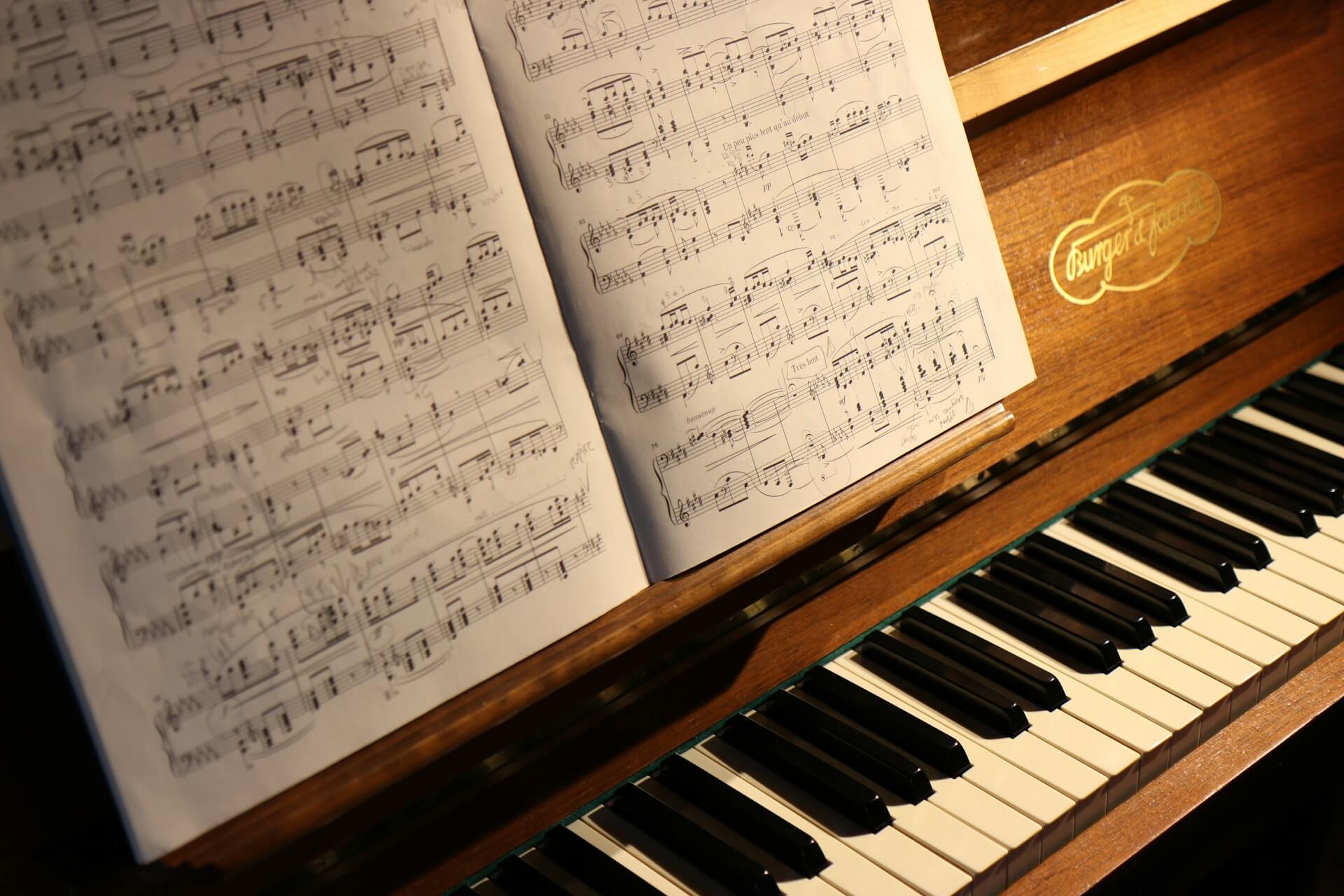
The president’s anthem began life in a London theater. James Sanderson wrote the tune around 1812 for a stage version of Walter Scott’s poem The Lady of the Lake. American bands played it in 1815 at a ceremony honoring George Washington’s memory, and Andrew Jackson was honored with it in January 1829, weeks before taking office.
It was played at Martin Van Buren’s inauguration in 1837. Not everyone cared for it.
Chester Arthur asked John Philip Sousa to write a replacement, and Sousa’s Presidential Polonaise failed to catch on. The Defense Department made the older march official in 1954, preceded by four ruffles and flourishes.
Rituals Make a Temporary Address Feel Permanent
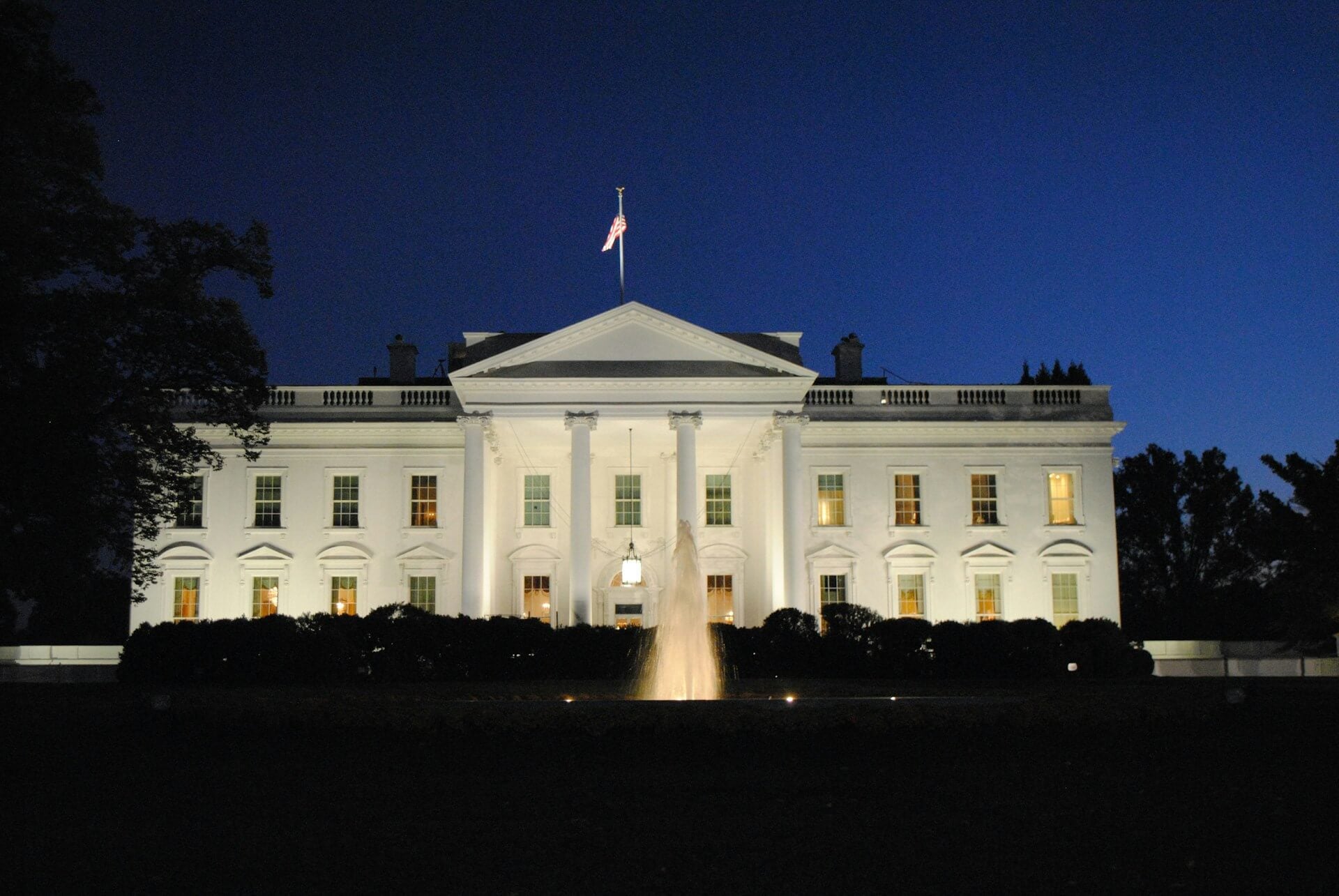
Under the two-term limit, nobody holds the lease on the White House for more than eight years, and many hold it for fewer. Customs do the work that long ownership does in other houses.
A desk, a vest, a letter in a drawer and a table that always holds the gingerbread give each new family something that was there before they arrived. None of it appears in the Constitution.
Most of these habits began with one person’s taste and survived because the next person saw no reason to stop. A few, such as the sheep and the cow, belonged to their moment and went with it.
The ones that lasted tend to be small, cheap and hard to argue with. That may explain why presidents who agree on almost nothing else still spare the turkey.
More from Go2Tutors!

- The Romanov Crown Jewels and Their Tragic Fate
- 13 Historical Mysteries That Science Still Can’t Solve
- Famous Hoaxes That Fooled the World for Years
- 15 Child Stars with Tragic Adult Lives
- 16 Famous Jewelry Pieces in History
Like Go2Tutors’s content? Follow us on MSN.