20 Train Routes That Were Shut Down for Strange Reasons
Railways have shaped nations, connecting communities and powering economies since the Industrial Revolution. These iron roads carved through mountains, spanned impossible valleys, and stitched continents together in ways unimaginable to previous generations.
Yet, for all their seeming permanence, train routes can disappear almost as mysteriously as they appeared. Here is a list of 20 train routes that vanished from the maps for reasons that range from bizarre and unexpected to downright eerie.
The Spiritwood Express

This Canadian prairie line serviced remote farming communities in Saskatchewan for nearly 50 years before its unusual demise. The route became infamous for constant sightings of moose on the tracks, causing costly delays and near-misses.
Railway officials finally pulled the plug after a record-breaking 37 moose were spotted in a single day, making the route economically unsustainable due to wildlife-related slowdowns.
The Yunnan Mountain Railway
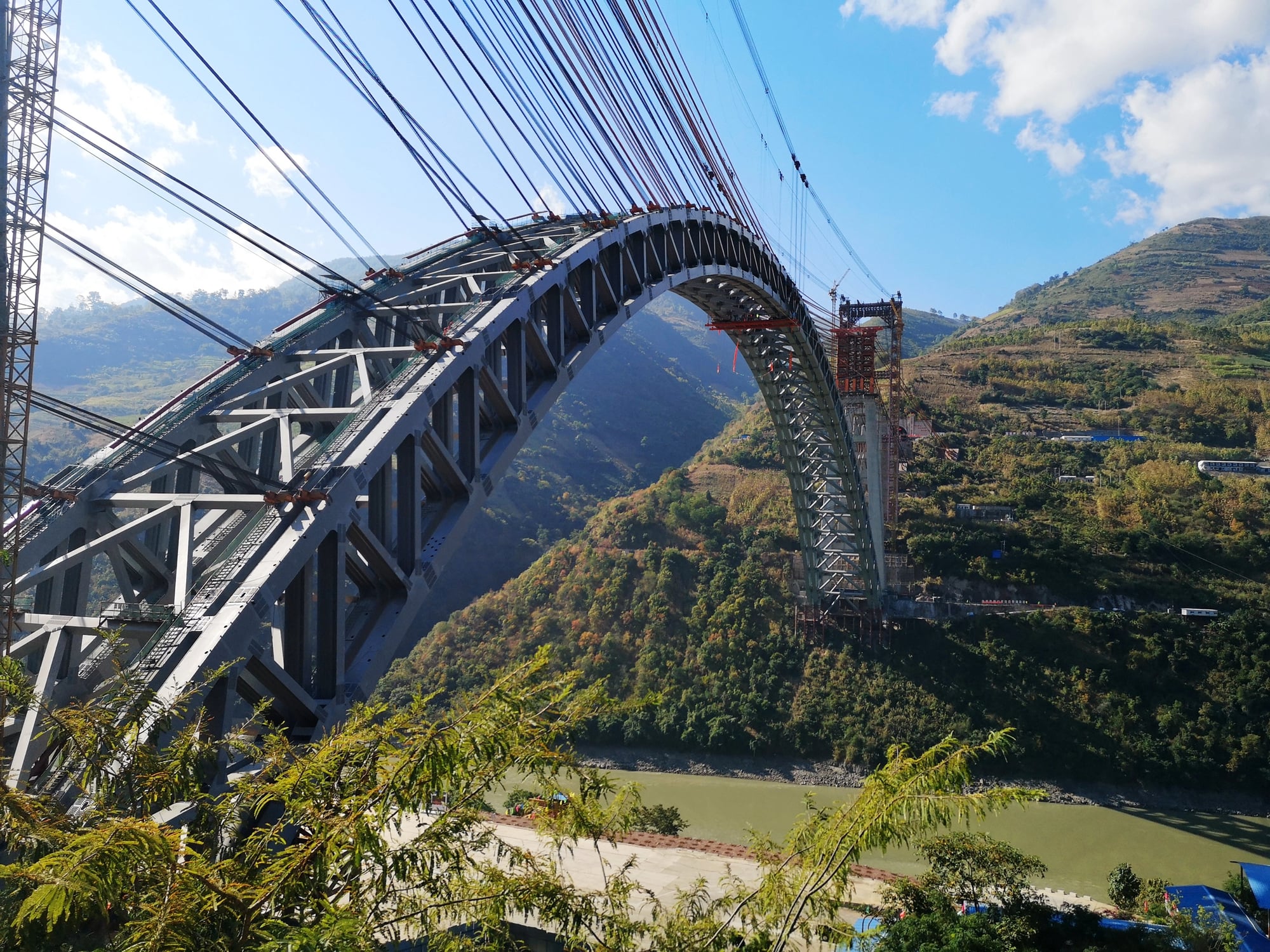
This engineering marvel carved through the mountains of southwest China connected remote villages to regional markets. Built by French engineers in the early 1900s, the route featured stunning viaducts and switchbacks climbing to breathtaking heights.
Officials closed the line in 1962 after discovering that local farmers had been slowly stealing the rails at night, piece by piece, to forge farming tools, eventually removing over seven miles of track without being noticed.
The Meridian Moonlight Special

This Mississippi night train ran exclusively under moonlight to save on electricity during the Great Depression. The peculiar service operated only on clear nights with full moons, making it a romantic if unreliable form of transport.
After several supernatural sighting claims from both passengers and crew, ridership plummeted and the moon-dependent route was officially terminated in 1937.
The Maralinga Test Line
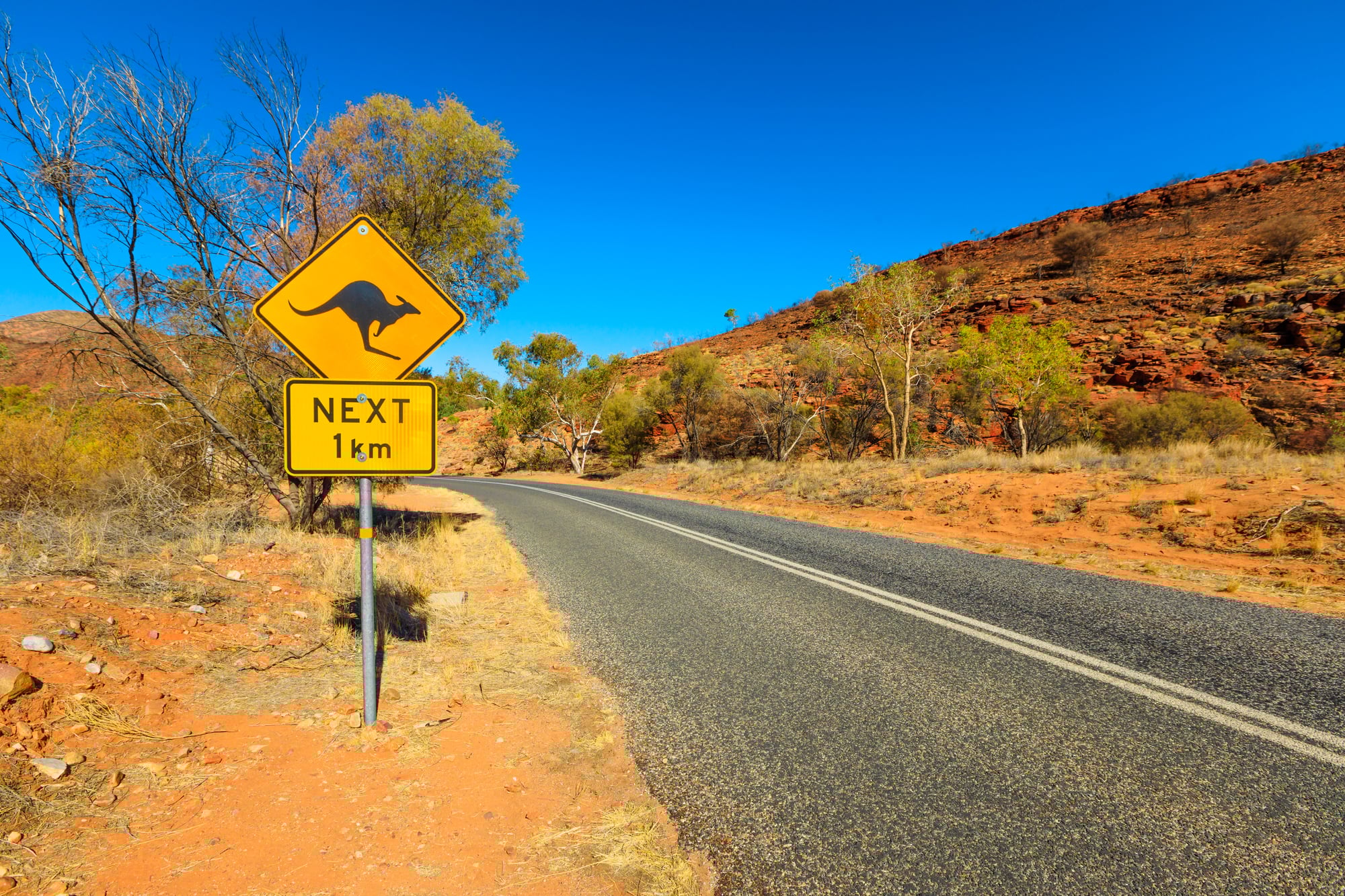
This Australian route through the Outback served as a vital supply line until its bizarre closure in 1956. British nuclear testing in the region meant the train occasionally traveled through radioactive dust clouds, requiring complete decontamination at both ends of the journey.
The process became so time-consuming and expensive that authorities simply abandoned the route entirely.
The Cartagena Coastal Link
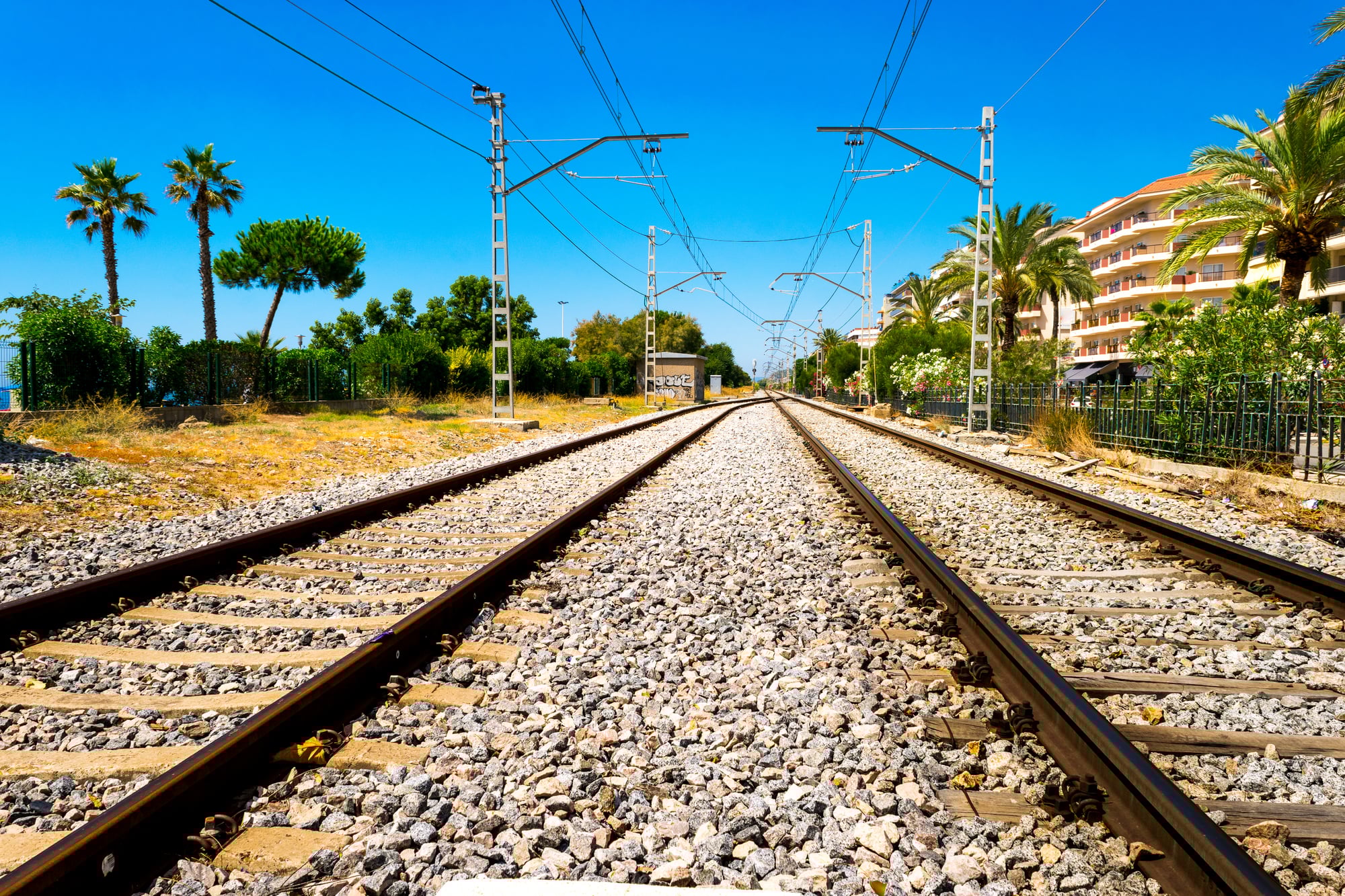
This Spanish Mediterranean railway hugged stunning coastlines and served as a tourist attraction in its own right. The route featured open-air observation cars that gave passengers unobstructed views of the sea.
Officials closed the line after multiple incidents of vacationers jumping from the slow-moving trains directly into the water, creating both safety hazards and scheduling nightmares.
The Atacama Nitrate Express
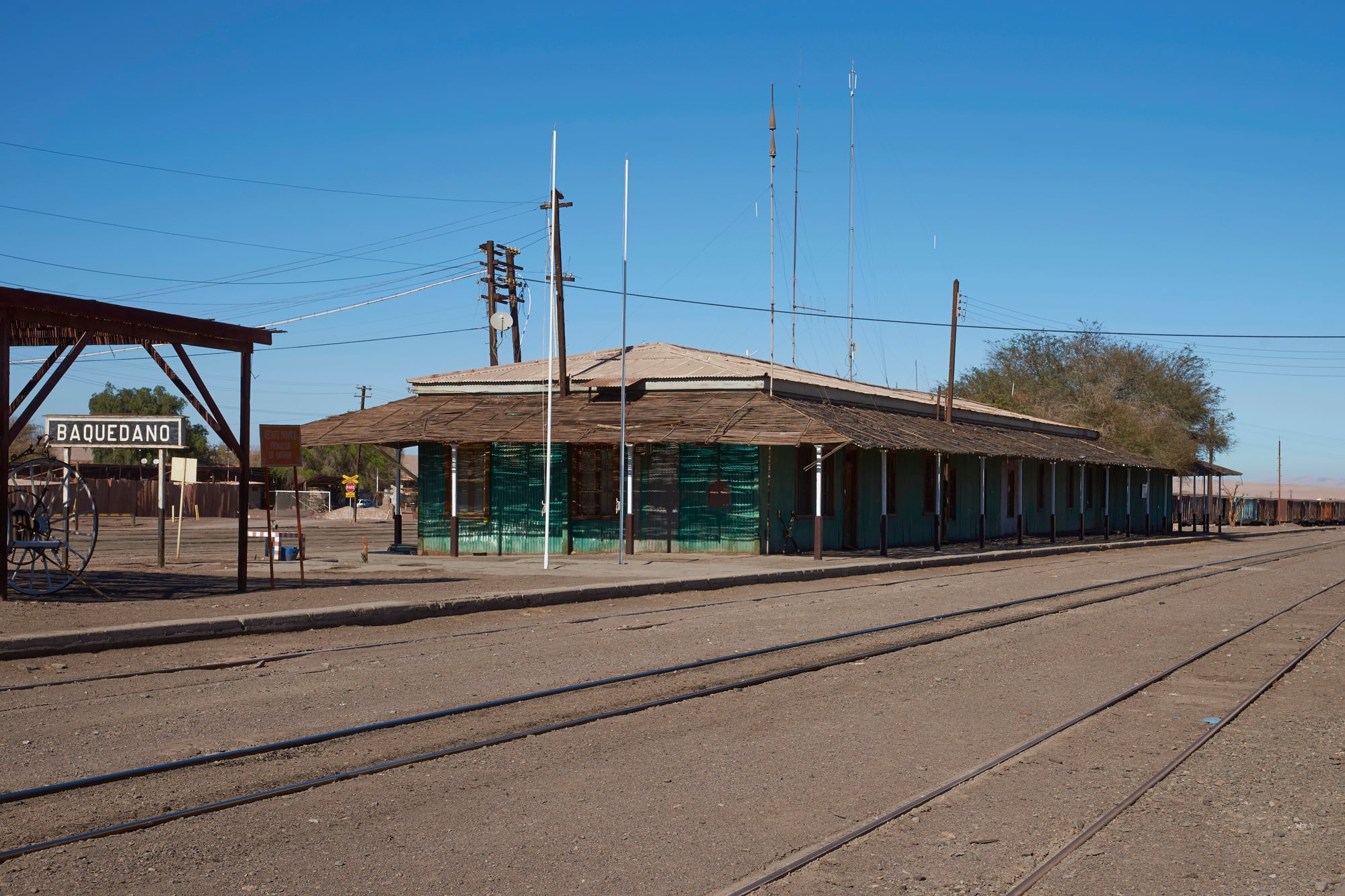
This Chilean desert railway transported mining workers and valuable nitrates across one of Earth’s driest landscapes. The route gained notoriety for crossing 120 miles without a single curve, creating the longest straight railway section in the world.
Authorities abandoned the line when drivers began reporting mass hallucinations on the perfectly straight stretch, attributed to extreme monotony and desert heat playing tricks on their perception.
The Wellington Winter Route
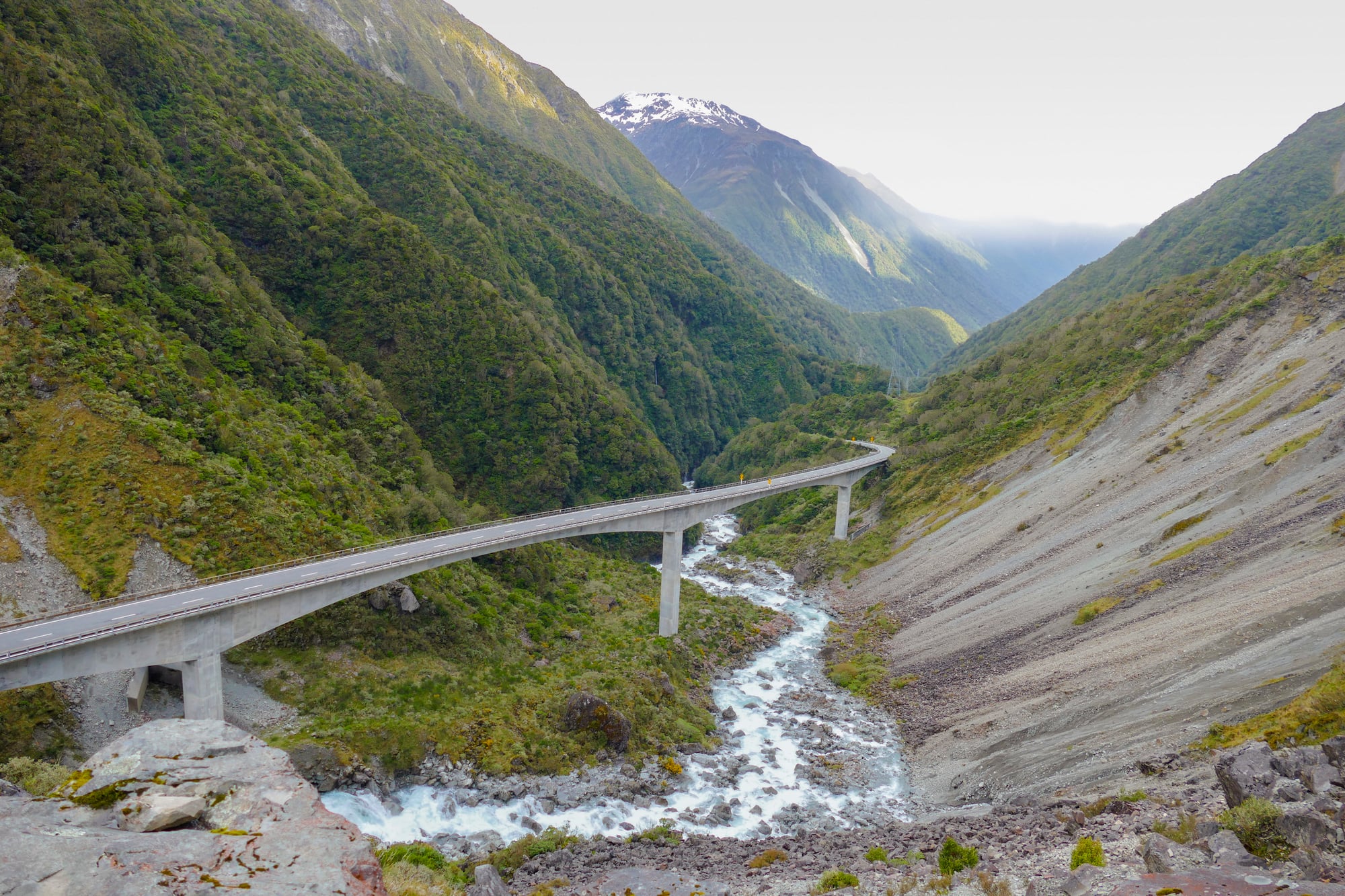
This New Zealand mountain pass provided a crucial link between North and South Islands during the early 20th century. The route became legendary for employing teams of penguins to detect ice formations on the tracks ahead of trains.
When conservation laws changed in 1951, prohibiting the use of wildlife for industrial purposes, the railway lost its ice detection system and closed shortly thereafter.
The Transylvanian Night Express
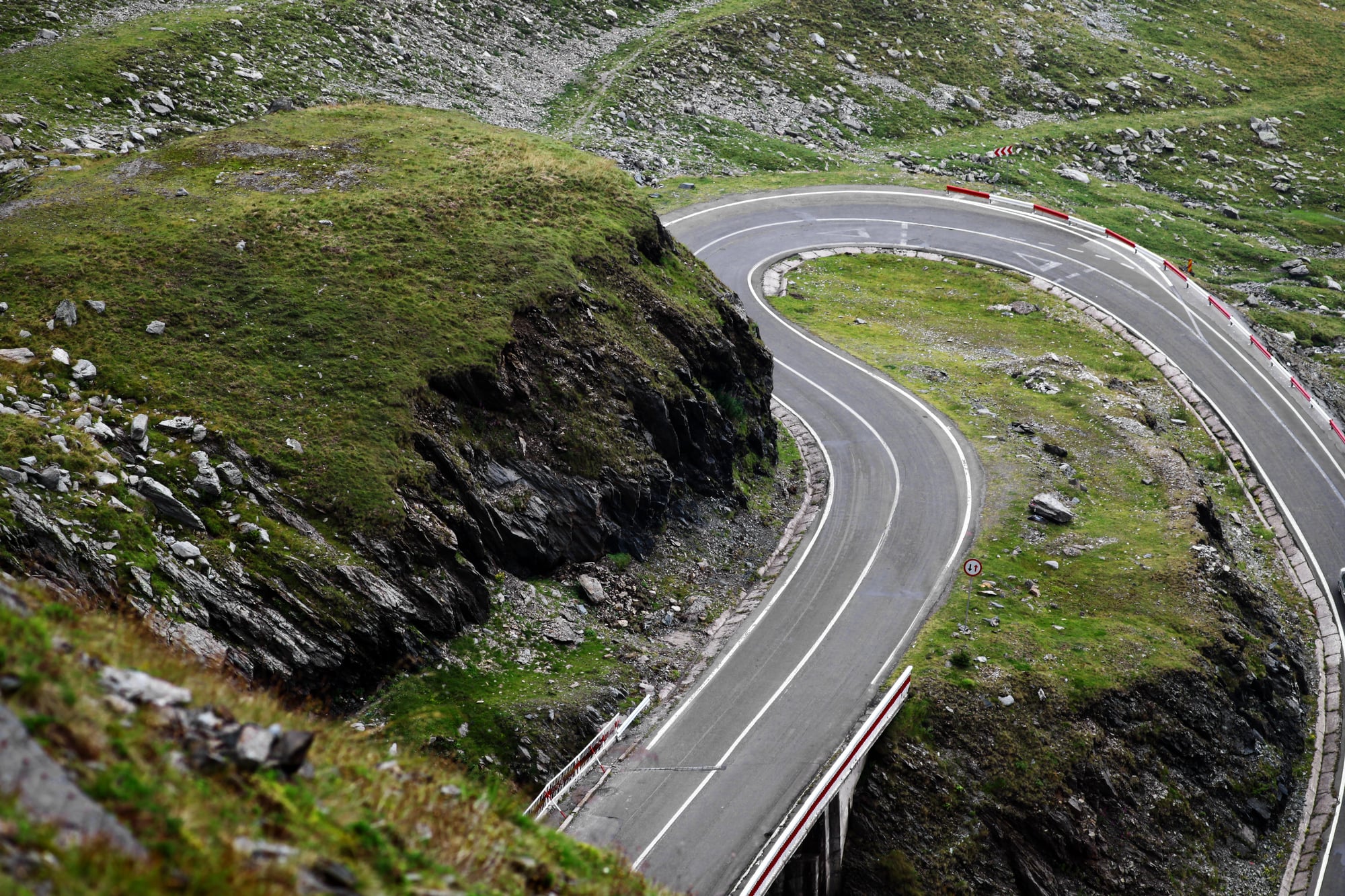
This Romanian route connected remote villages through densely forested mountain passes. Local superstitions led to the train operating only during daylight hours, despite being officially scheduled as a night service.
After years of drivers refusing to complete the route after sunset, citing encounters with shadows that moved independently of objects, management finally surrendered to folklore and discontinued the service.
The Hudson Bay Ice Railway
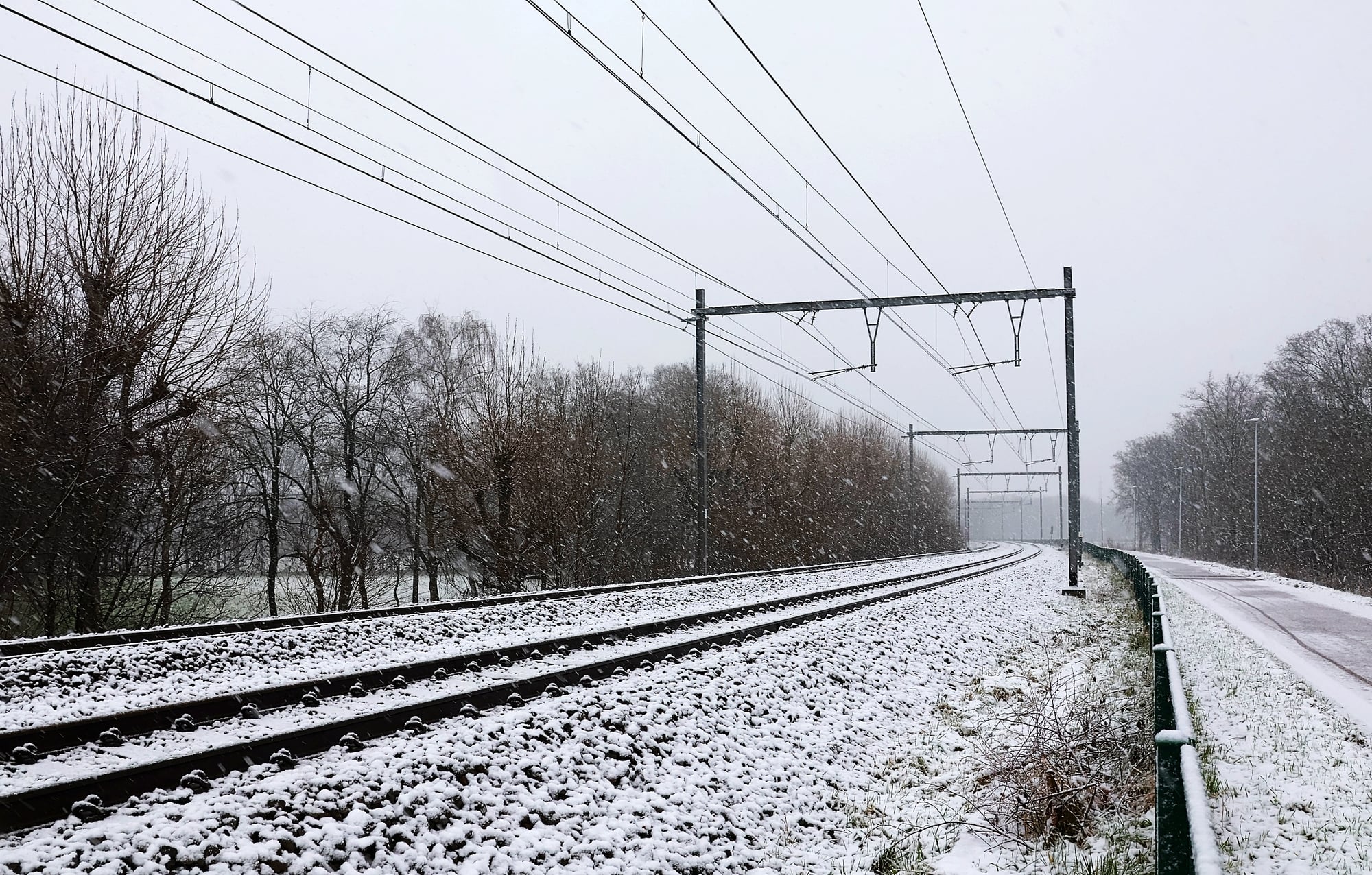
This temporary Canadian route operated only three months each year across frozen Hudson Bay. Using specially designed lightweight trains on tracks laid directly over three-foot-thick ice, it shortened shipping routes by hundreds of miles.
Climate change gradually shortened the operating season until 2006, when a freak warm spell caused an entire locomotive to break through and sink, mercifully without casualties, leading to the route’s permanent closure.
The Arizona Ghost Town Special
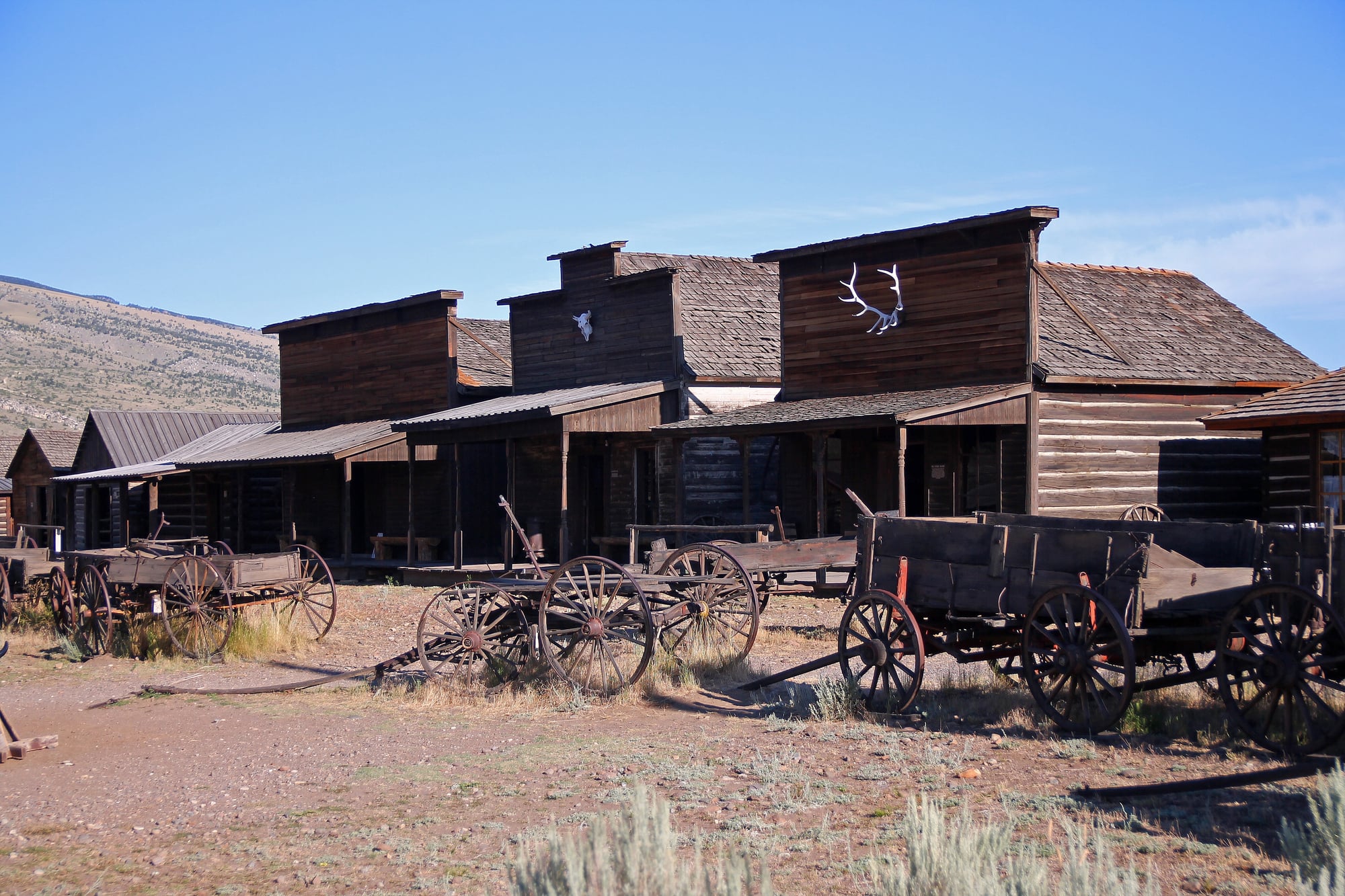
This tourist train connected long-abandoned mining settlements across the southwestern desert. The route gained popularity for its haunting landscapes and historical commentary.
Operators shut down the line after discovering that an enterprising group of squatters had secretly reoccupied one ghost town and were charging the railway company rent for using tracks that passed through what they claimed was now private property.
The Sicilian Volcano Express
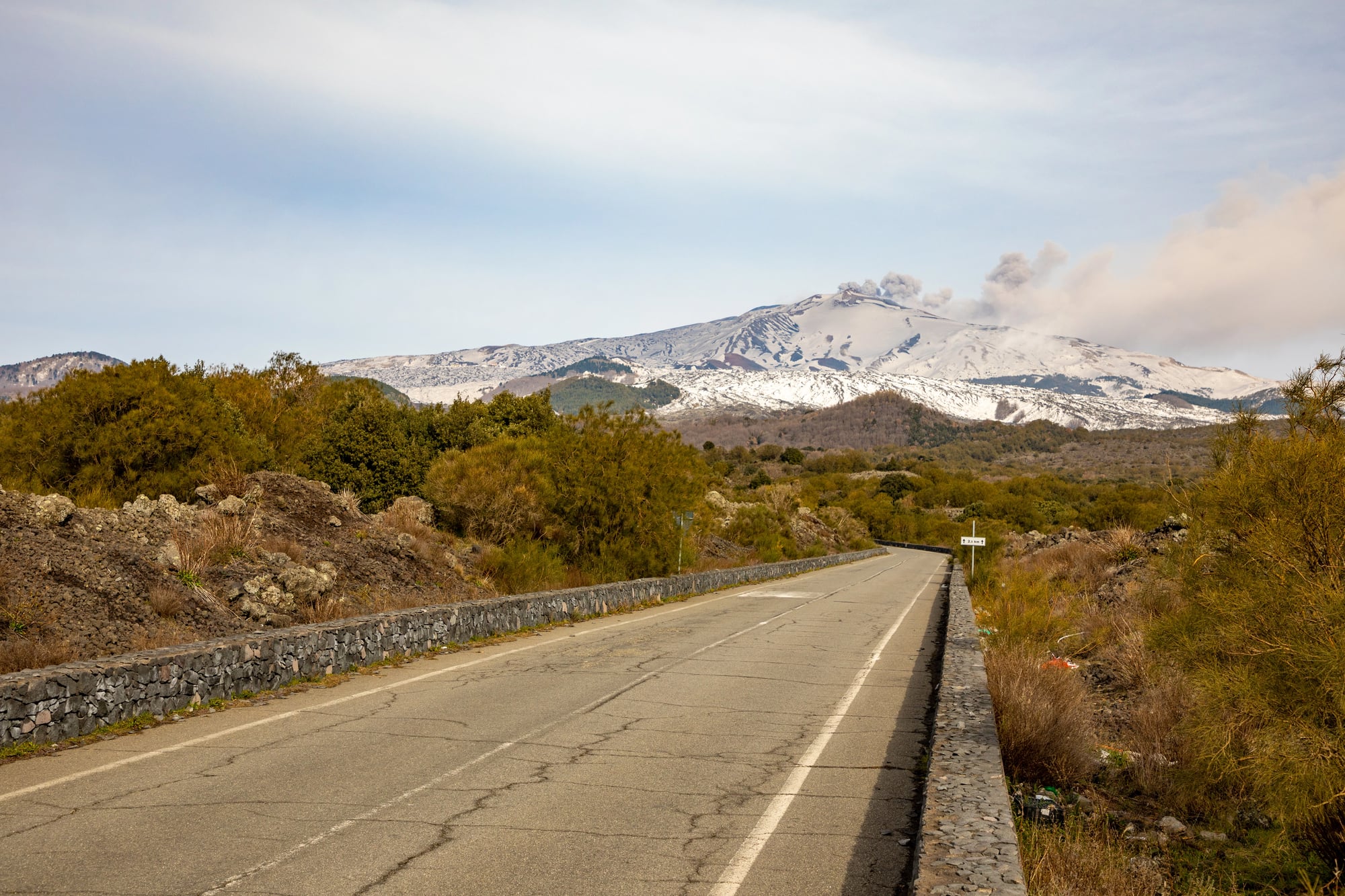
This daring Italian route spiraled up the slopes of Mount Etna, offering tourists spectacular views of one of Europe’s most active volcanoes. The train featured special heat-resistant carriages and emergency speed capabilities to outrun potential lava flows.
After narrowly escaping three eruptions in a single season, insurance companies refused further coverage and the volcanic venture was permanently derailed in 1992.
The Calcutta Monsoon Line
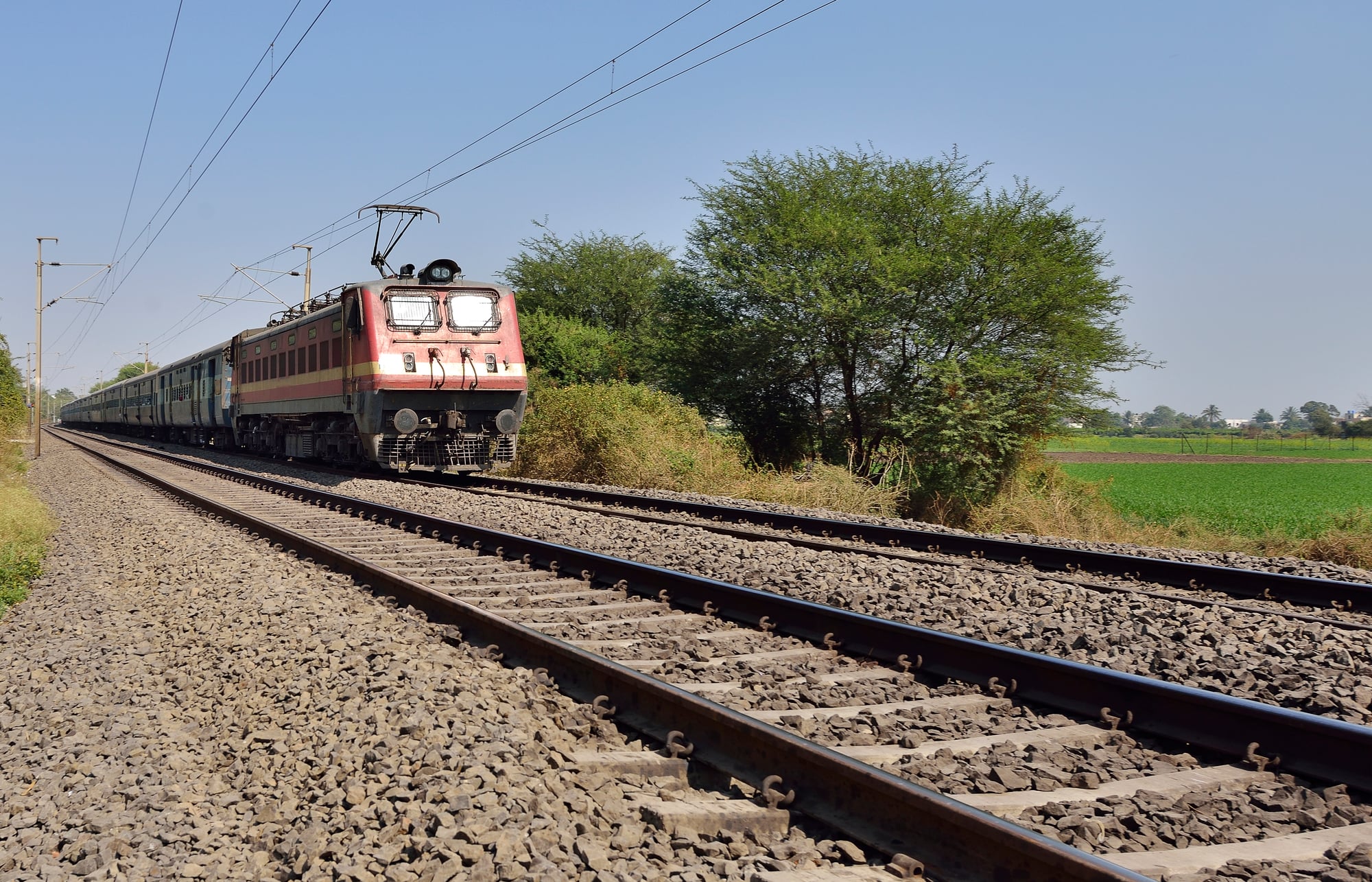
This Indian railway specifically operated during the wettest monsoon months when roads became impassable. Modified steam engines could push through several feet of water while keeping passengers dry in elevated carriages.
The route ceased operation when engineers discovered that water-loving crocodiles had begun following the trains, mistaking their regular schedule for a migration pattern and creating unsafe conditions at stations.
The Nevada Silver Rush Remnant
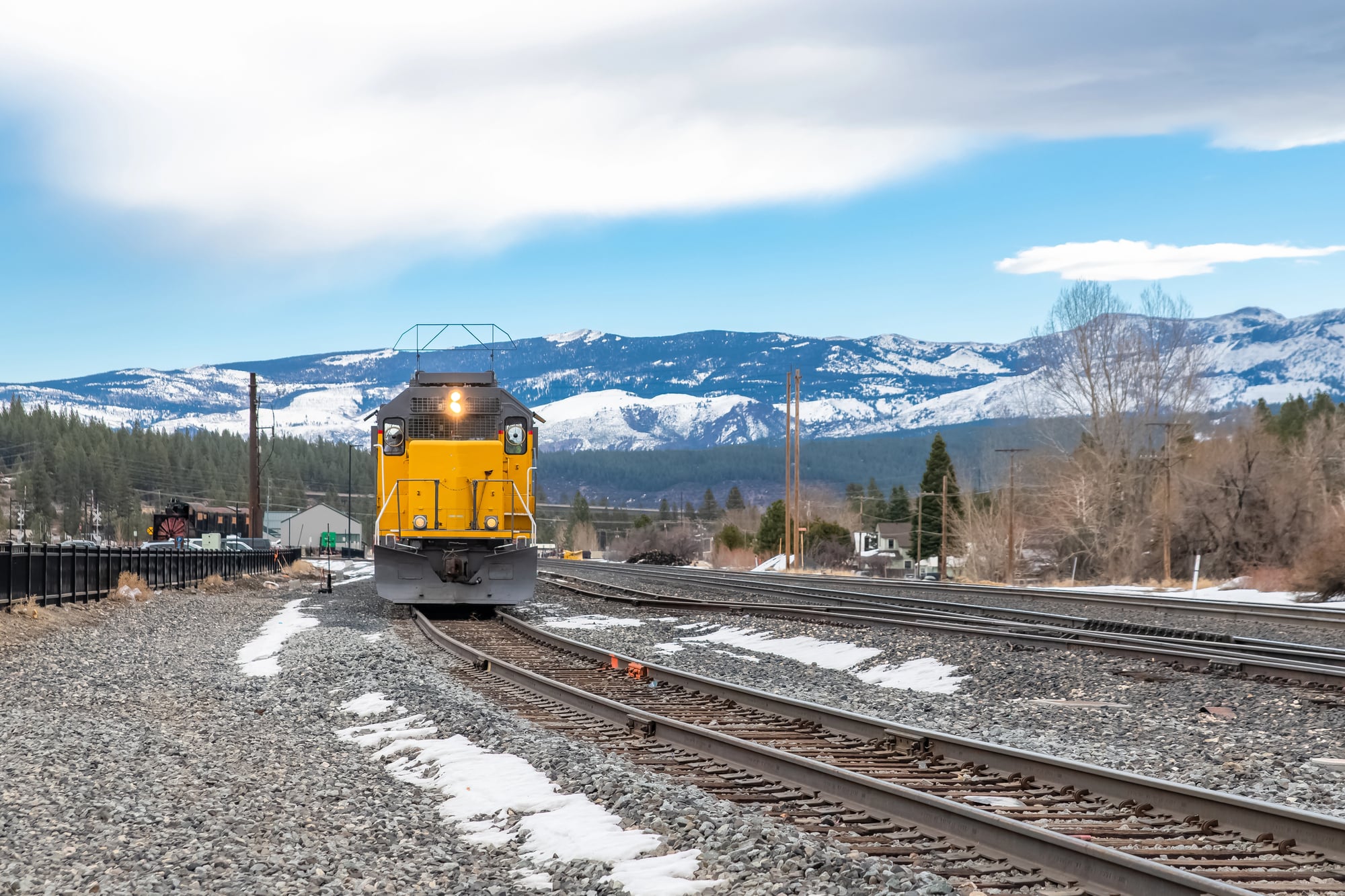
This historical line originally served booming mining communities but continued long after the silver ran out. The railway mysteriously maintained profitability despite carrying few passengers and almost no cargo.
Federal investigators shut down the operation in 1976 after discovering the trains were being used to transport counterfeit currency manufactured in abandoned mine shafts along the route.
The Amazon Jungle Penetrator
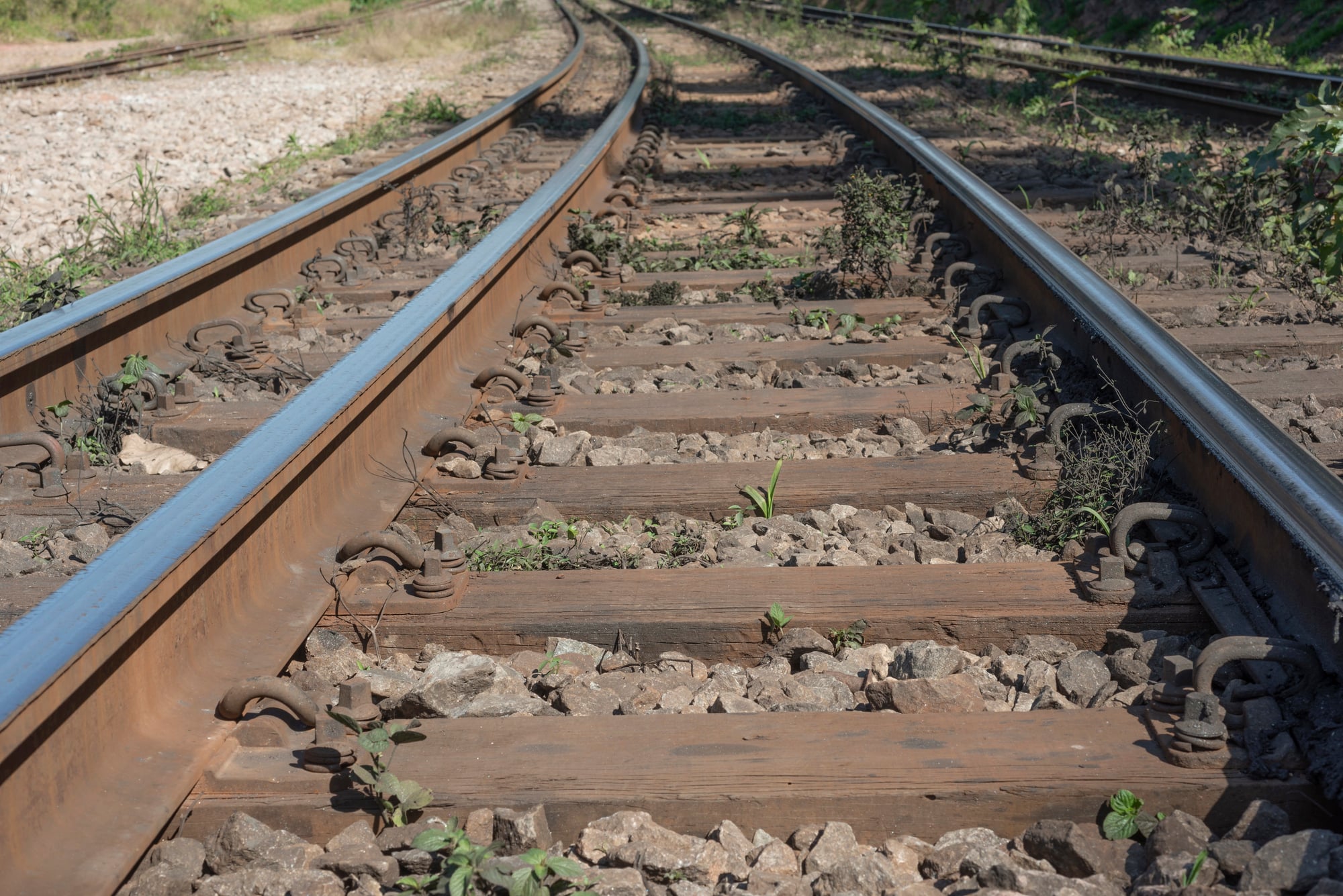
This Brazilian railway ambitiously attempted to connect remote rubber plantations to coastal ports. The route became famous for employing dedicated teams of machetemen who continuously cleared encroaching jungle vegetation from the tracks ahead of each train.
When a particularly aggressive species of fast-growing bamboo evolved that could reclaim cleared tracks within hours, maintenance became impossible and the line was abandoned to the relentless forest.
The Prussian Ghost Stations Line
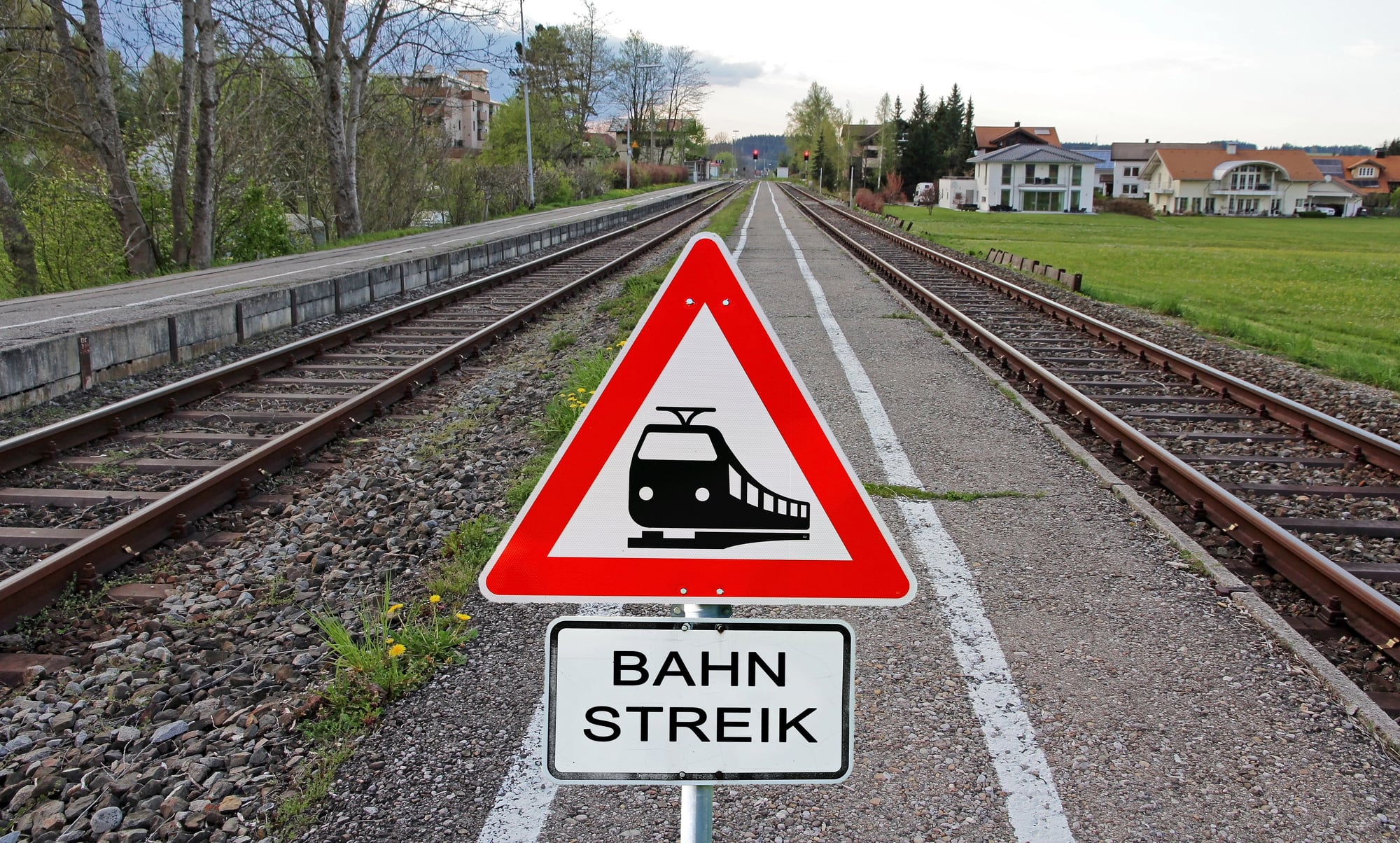
This German route near the Polish border passed through dozens of stations abandoned after political boundaries shifted following World War II. Trains were prohibited from stopping at these phantom platforms for diplomatic reasons, even as the empty stations remained fully staffed due to bureaucratic oversight.
The route finally closed in 1977 when officials realized they were paying salaries to station attendants who had not seen a stopping train in over three decades.
The Manitoba Grain Express

This Canadian prairie railway specialized in transporting wheat harvests to distant markets. The route developed an unusual problem when grain dust accumulated in mechanical systems, attracting thousands of mice that nested in the engines.
Despite implementing a novel solution involving trained cats riding in special compartments, the rodent situation eventually overwhelmed operations and forced permanent closure.
The Kyoto Cherry Blossom Line

This seasonal Japanese route operated only during the two-week cherry blossom season each spring. Equipped with glass ceilings and observation platforms, it offered stunning views of pink-canopied tunnels created by overhanging trees.
Officials discontinued the service after scientists discovered that vibrations from the trains were causing blossoms to drop prematurely, ironically destroying the very attraction that made the route popular.
The Scottish Phantom Express
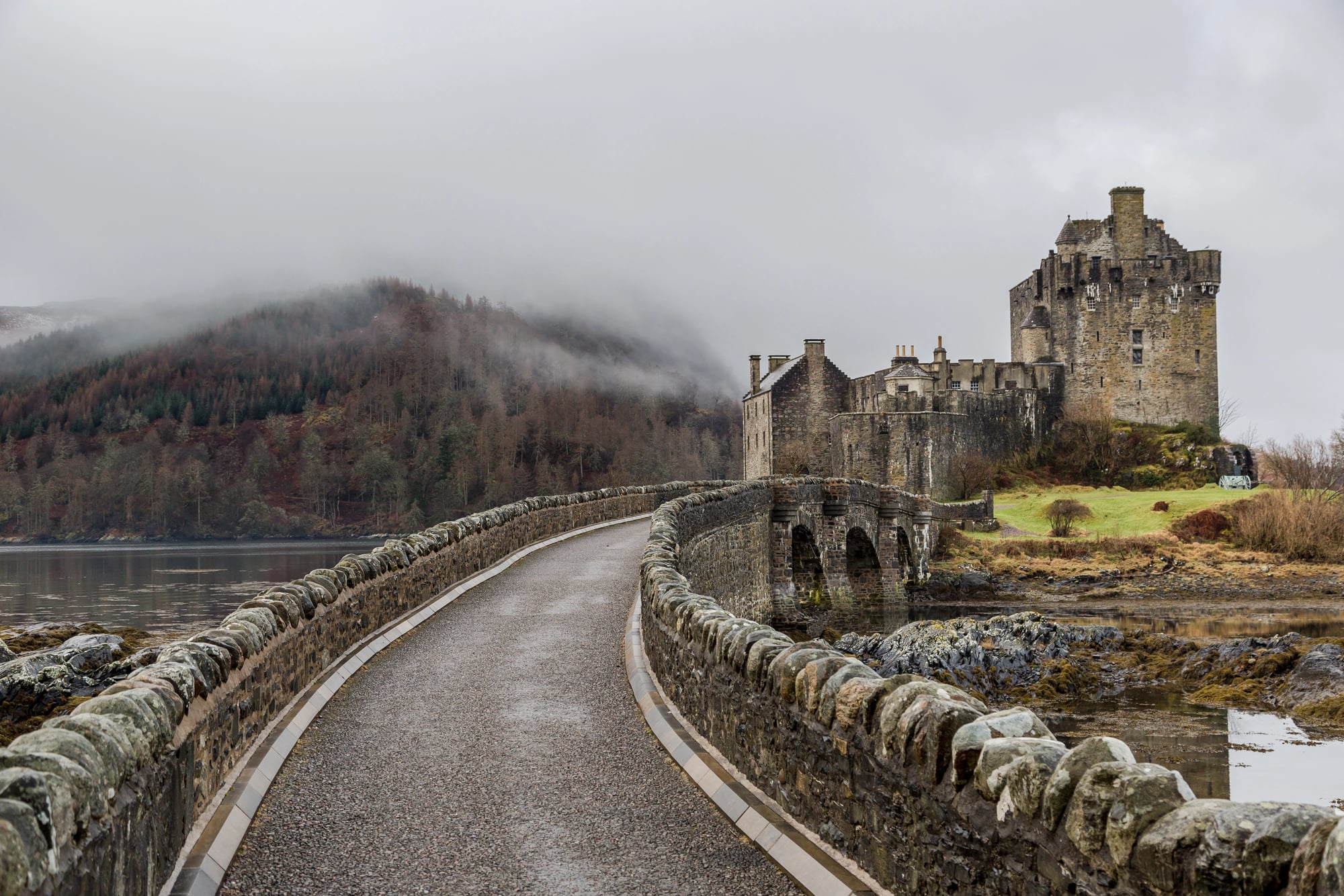
This overnight service through the Scottish Highlands gained notoriety for unexplained equipment failures that occurred at precisely the same locations each journey. After multiple investigations found no mechanical explanation, management finally compared notes with local historians and discovered the route crossed exactly over multiple 17th-century battlefields.
The line was rerouted at enormous expense, and the original track abandoned.
The Sahara Desert Transit
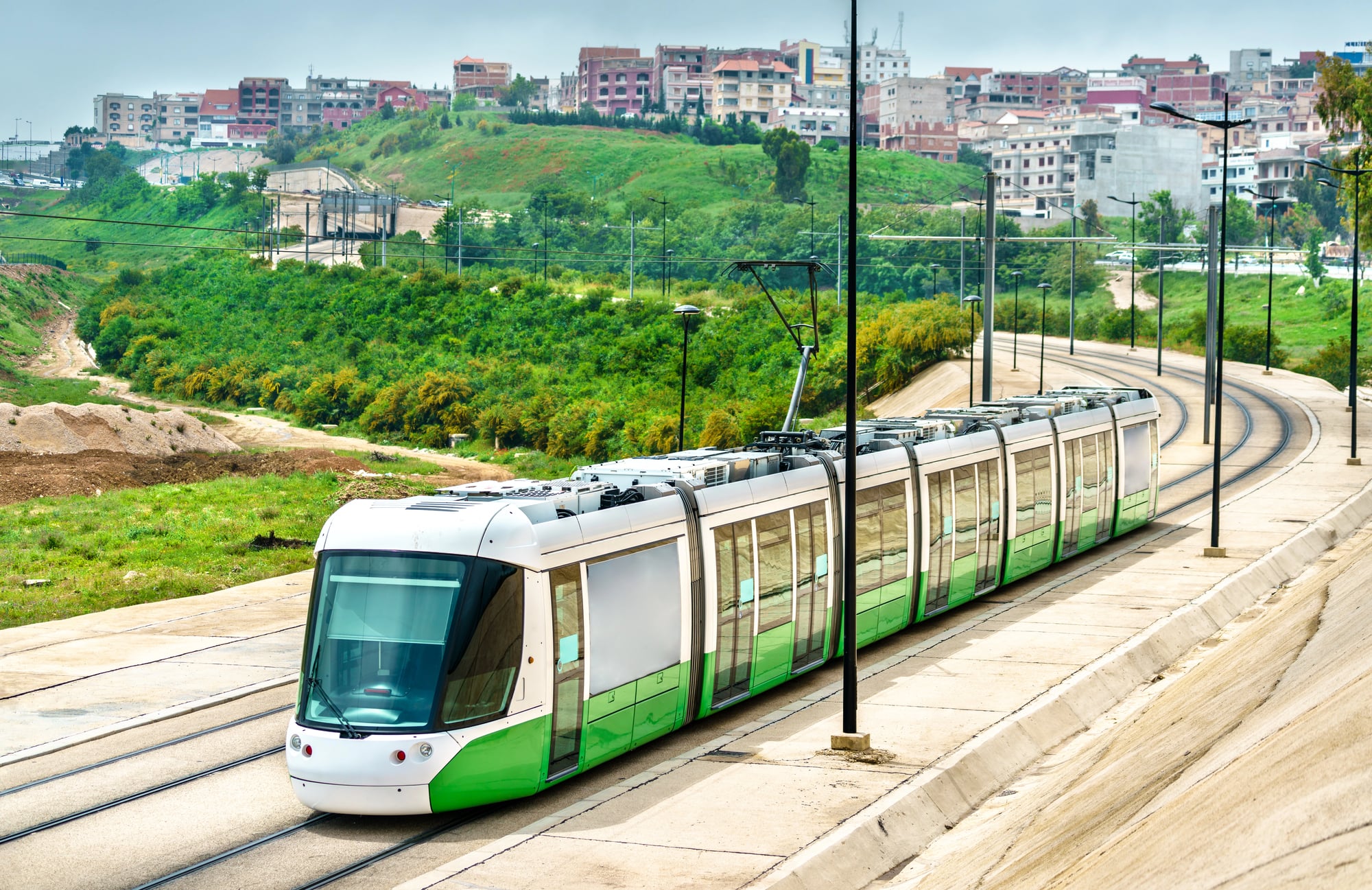
This ambitious North African route attempted to connect Mediterranean ports with sub-Saharan trade centers across the world’s largest desert. Engineers developed special shields to protect the tracks from constantly shifting sand dunes.
The route met its end when an unprecedented sandstorm buried a 22-mile section under dunes nearly 40 feet deep, making recovery economically unfeasible despite the strategic importance of the connection.
The Dublin Bog Crosser
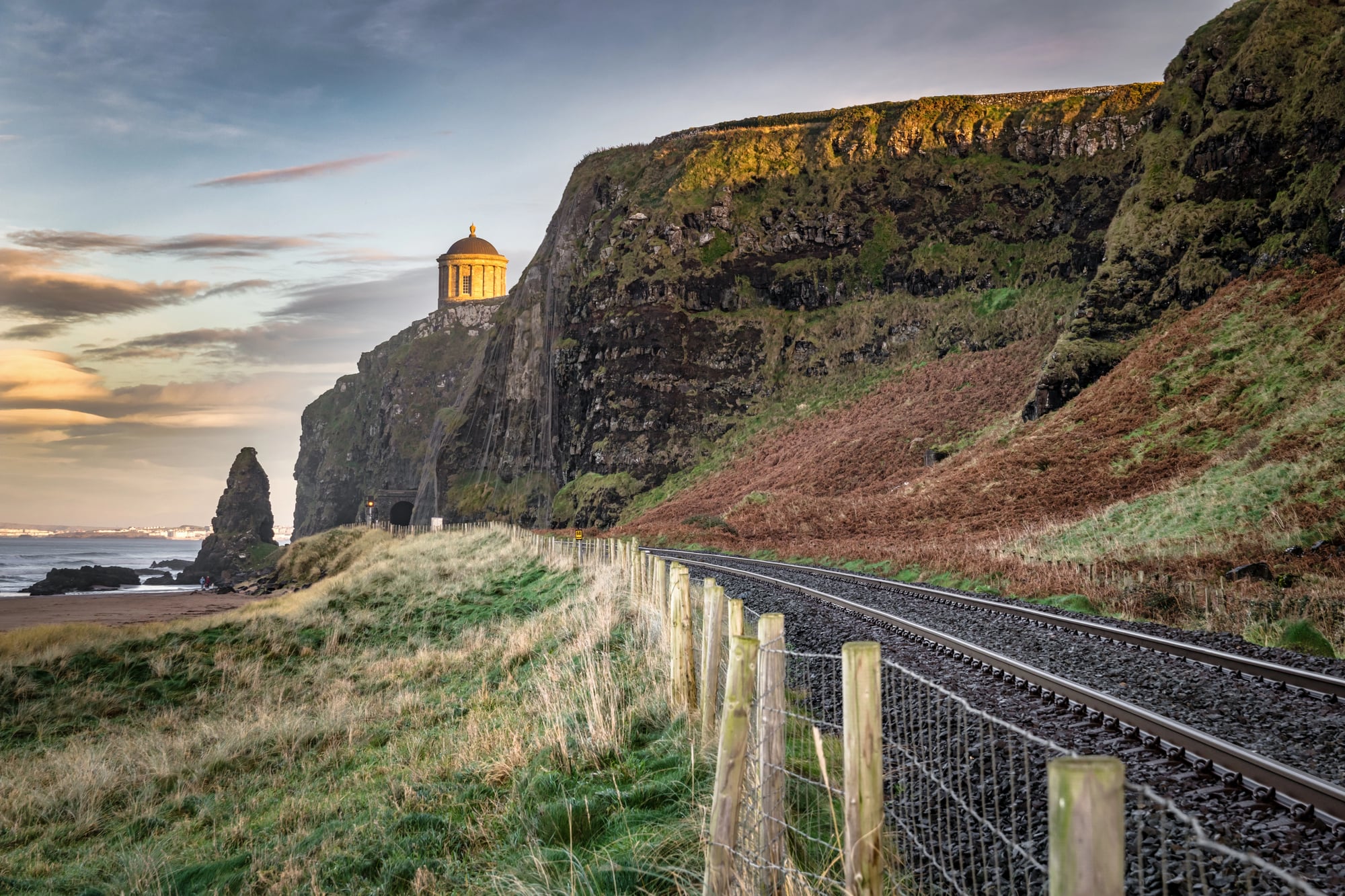
This Irish railway traversed notoriously unstable peat bogs using a floating track system that distributed weight across the spongy terrain. The engineering marvel worked flawlessly for decades until conservationists discovered the vibrations were disturbing ancient bog bodies and artifacts previously hidden in the peat.
Archaeological concerns ultimately derailed the historic route in favor of preserving Ireland’s subterranean historical treasures.
Tracks Through Time
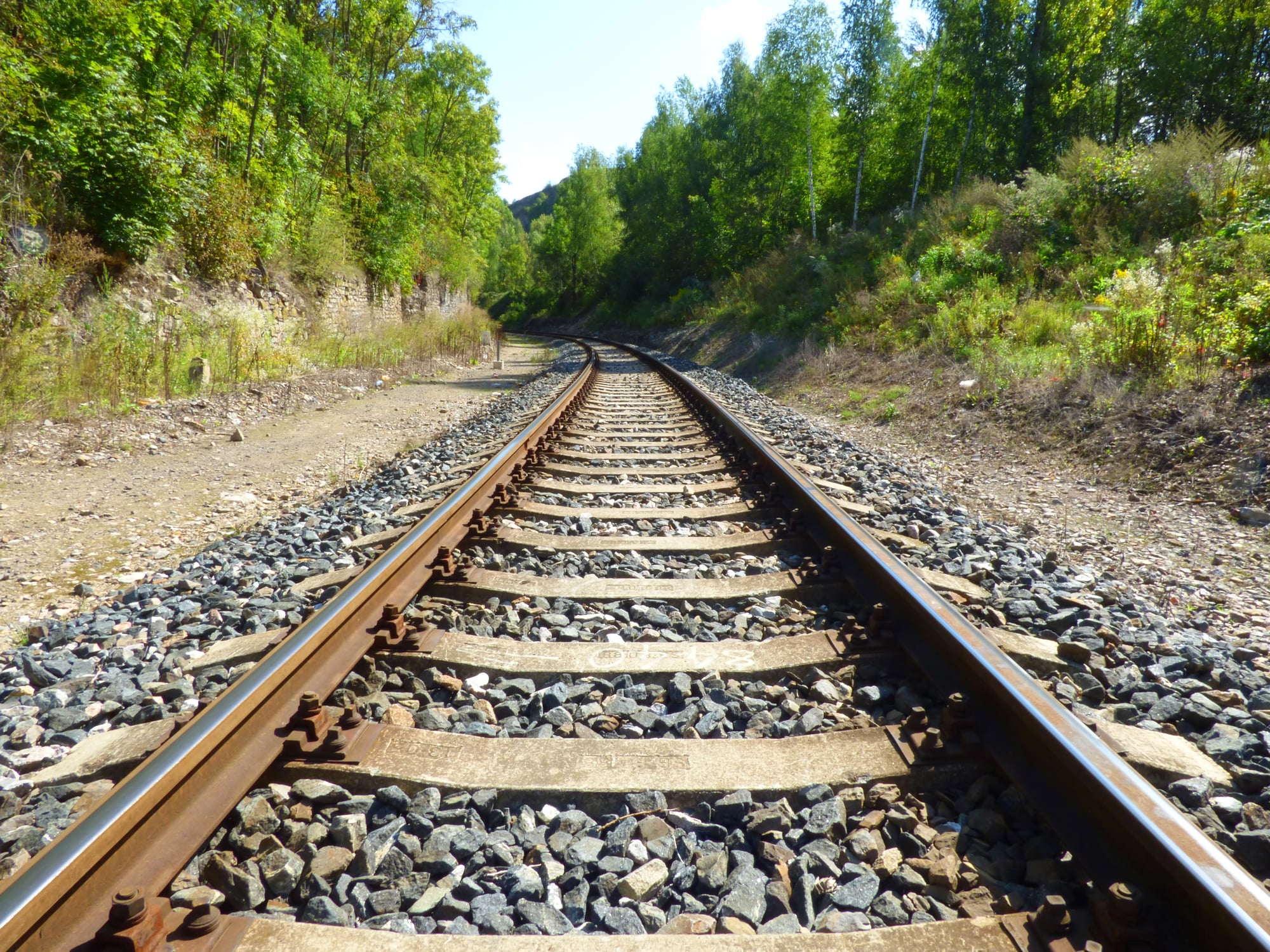
These vanished railways remind us that even the most solid-seeming infrastructure remains vulnerable to nature’s whims, human foibles, and sometimes just plain strange circumstances.
While modern transportation networks might seem more permanent, they face their own unique challenges that future generations may find equally bizarre. The ghosts of these forgotten routes live on in local legends, historical records, and the occasional rusty rail emerging from the wilderness to remind us of ambitious journeys that once connected our world in iron and steel.
More from Go2Tutors!

- The Romanov Crown Jewels and Their Tragic Fate
- 13 Historical Mysteries That Science Still Can’t Solve
- Famous Hoaxes That Fooled the World for Years
- 15 Child Stars with Tragic Adult Lives
- 16 Famous Jewelry Pieces in History
Like Go2Tutors’s content? Follow us on MSN.



