28 Wristwatch Brands Dealers Look For
Walk into a pre-owned watch shop with a dusty chronograph from a grandparent’s drawer and the dealer’s eyes will do something specific. They go to the dial first, then the case edges, then the crown, and only then to the name printed at twelve o’clock.
The name decides whether the conversation continues, but everything that follows decides the number.
The brands below are the ones that make dealers pick up the loupe. Some are obvious, some have been obvious for only a decade, and a few are still cheap enough that the trade quietly hopes nobody else notices.
In every case, the figures quoted swing enormously with condition, originality, service history, and whether the box and papers survived.
Rolex
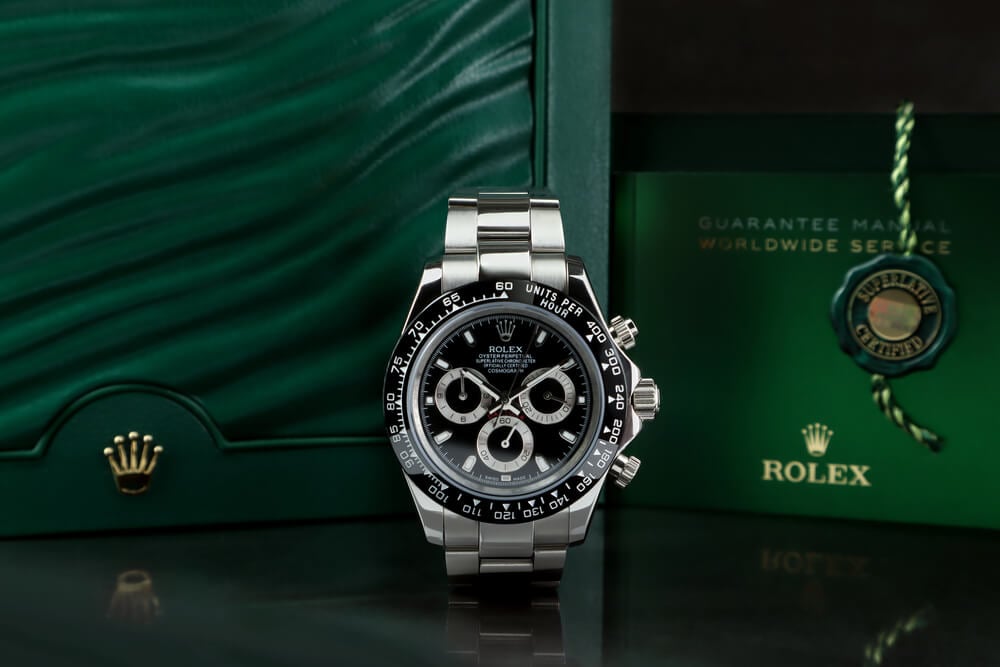
No brand moves more pre-owned inventory, and no brand is subjected to more scrutiny at the counter. The reference numbers dealers most want to see are the sports models, particularly Submariners, GMT-Masters, and Daytonas from the 1950s through the ’80s, with the exotic-dial Daytona nicknamed the Paul Newman at the summit.
Newman’s own example, a reference 6239, sold at Phillips in New York in October 2017 for 17.8 million dollars, then a record for any wristwatch. Ordinary examples trade for a small fraction of that, and the gap between a correct untouched dial and a refinished one can be a factor of ten, so originality, service records, and original box and papers matter more here than almost anywhere else.
Patek Philippe
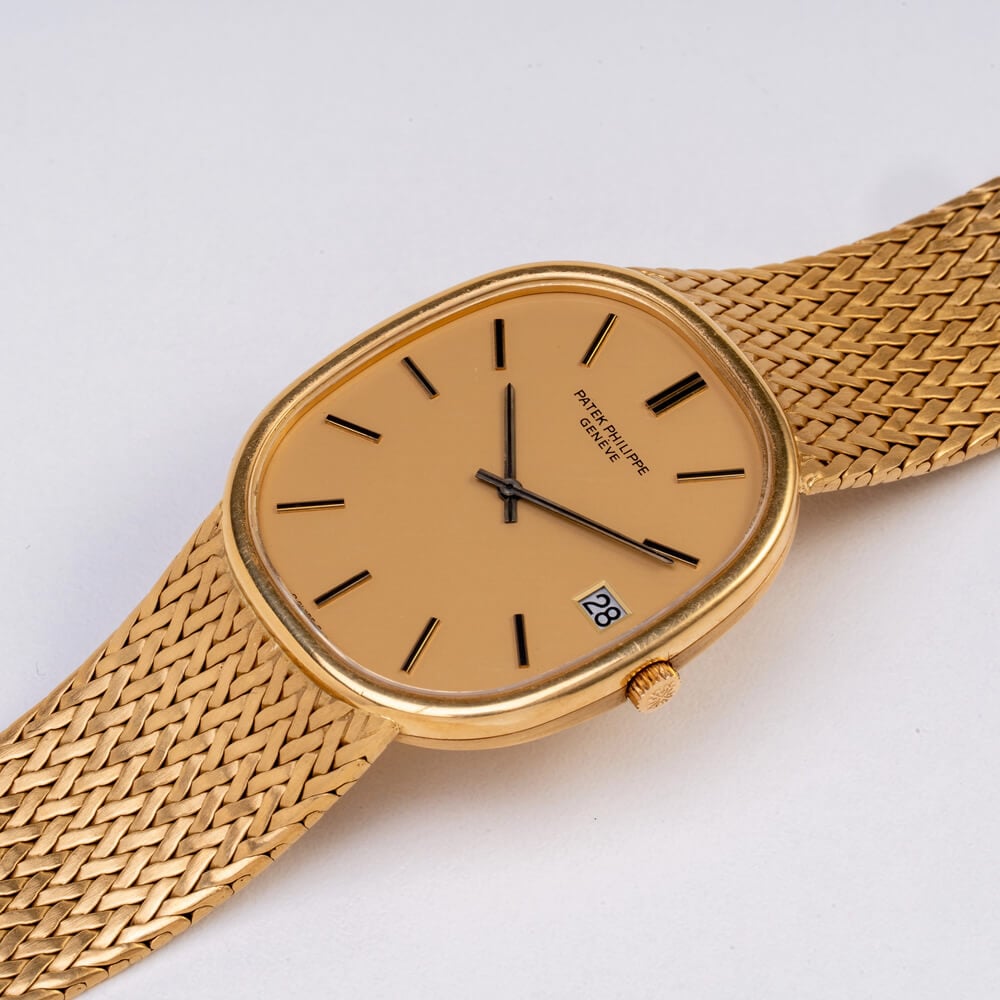
Patek Philippe is the brand that lets a dealer talk about a watch as an asset without anyone laughing. The steel Nautilus reference 5711, discontinued in 2021, routinely changed hands for several times its retail price on the secondary market, and vintage perpetual calendar chronographs such as the reference 1518 and 2499 reach seven figures at auction.
The company’s Grandmaster Chime reference 6300A, a one-off in steel, sold at the Only Watch charity auction in Geneva in November 2019 for 31 million Swiss francs, which remains the highest price paid for any wristwatch. Patek’s archive extracts, which confirm original configuration and sale date, are considered close to essential on vintage pieces, and value falls hard when the case has been polished or the dial restored.
Audemars Piguet
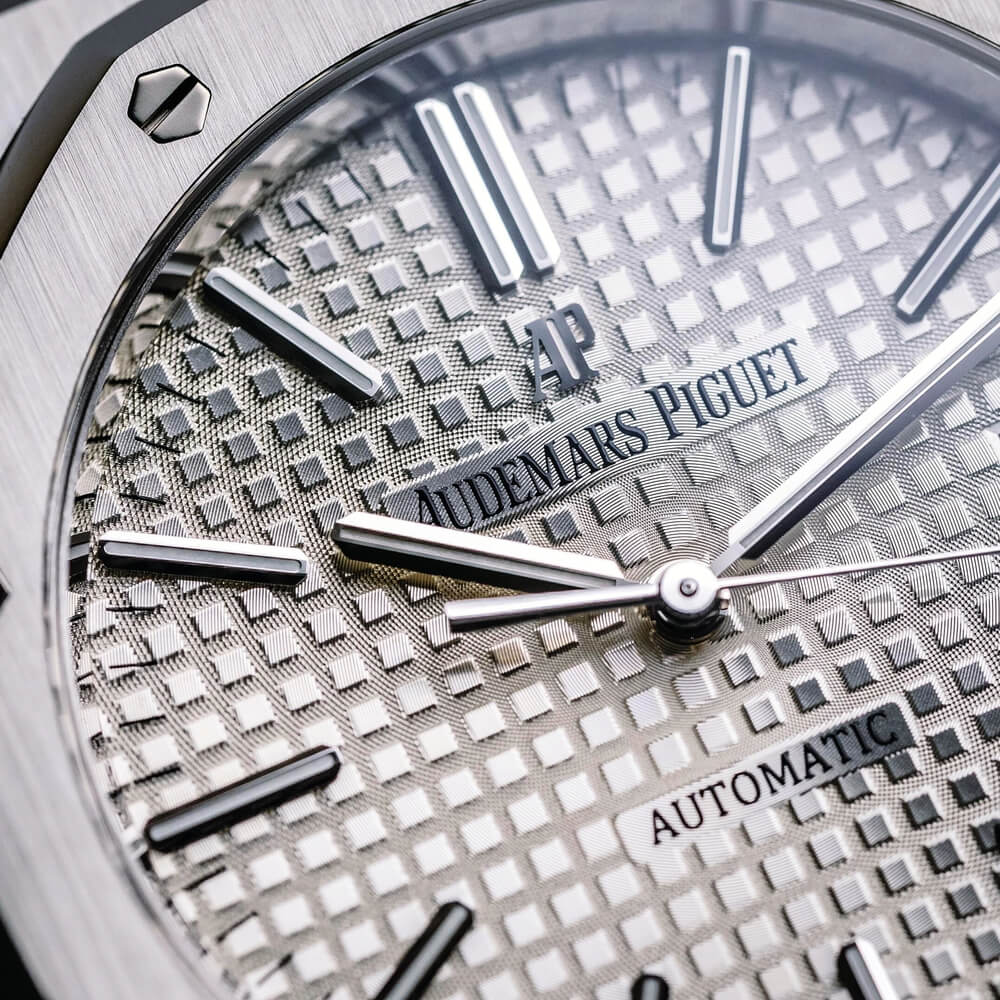
The Royal Oak made the steel luxury sports watch a category in 1972, and dealers hunt the early reference 5402 versions, nicknamed the A-series after their serial prefix. Gérald Genta’s octagonal bezel with eight exposed screws was considered a gamble at launch and retailed for roughly the price of a gold dress watch.
Early examples with their original tapisserie dials and unpolished brushed finishing are what the trade wants; a bracelet that has been stretched or a bezel that has been sanded down costs real money. Later Royal Oak Offshore and openworked models also move well, but it is the thin ’70s pieces with complete sets that bring premiums at auction.
Omega
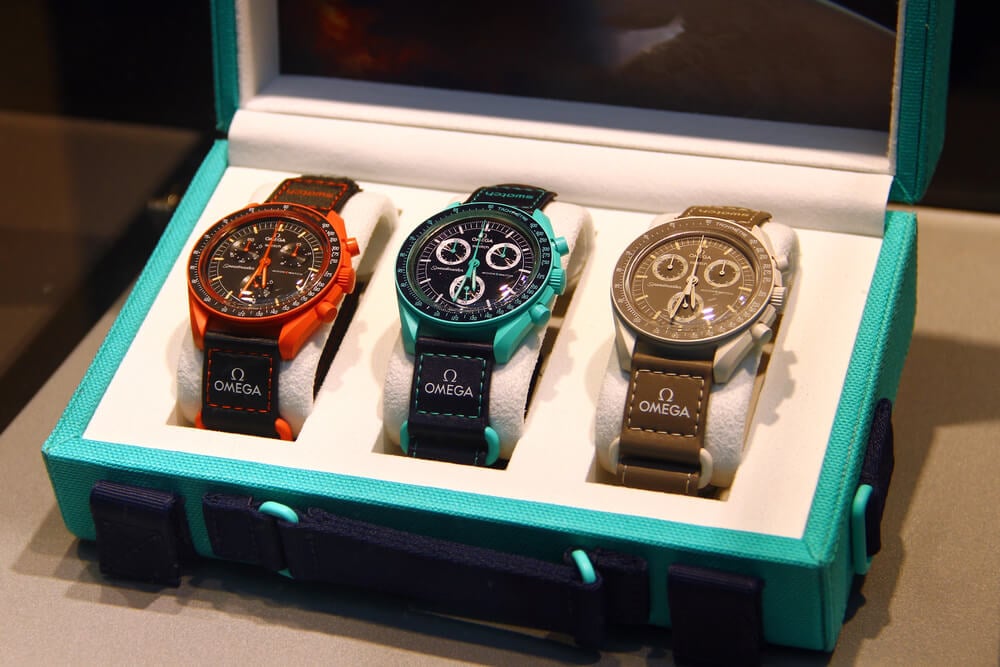
Omega gives dealers volume as well as prestige, and the Speedmaster is the reason. Pre-Moon references from the late 1950s and ’60s, especially the 2915 with its broad-arrow hands and steel bezel, have sold for hundreds of thousands of dollars, and a 2915-1 reached over three million Swiss francs at Phillips in 2021.
Beyond the chronographs, early Seamaster 300 divers and Constellation models with pie-pan dials attract steady interest. Omega’s extract-of-the-archives service helps confirm production details, and because the brand serviced so many watches with replacement parts over the decades, dealers check hands, bezels, and dials against the known production period before quoting a price.
Cartier
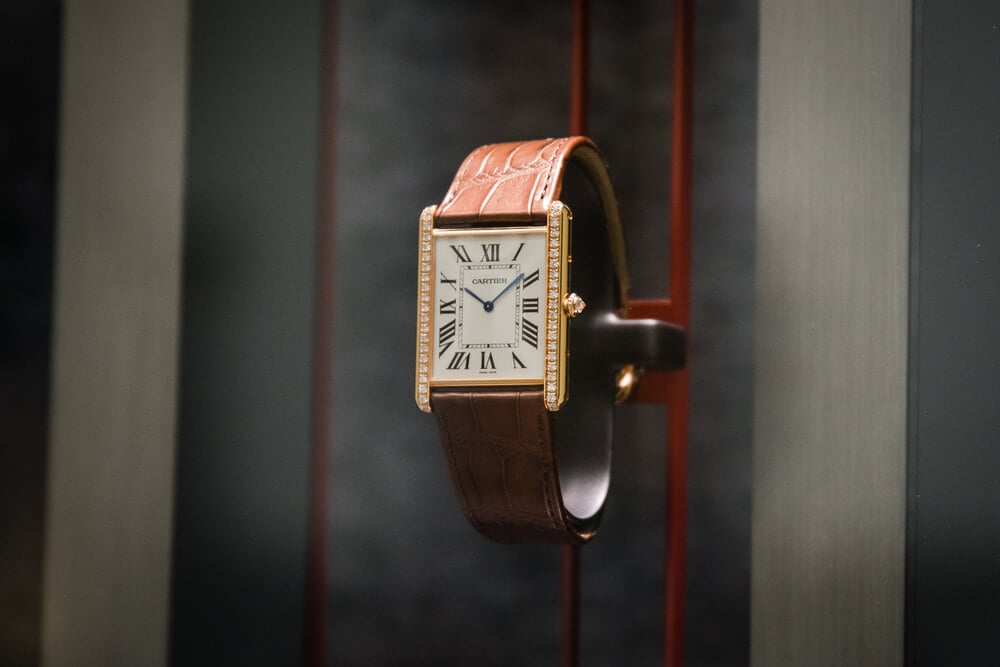
Cartier is the house dealers associate with shape rather than movement, and the shapes are what sell. The Tank, introduced in 1917, remains the core, but the Crash, a melted-looking asymmetric case first made in London in 1967, has become one of the most sought-after vintage Cartiers in existence, with London examples selling for over a million dollars at auction.
Oversized Tank Cintrée and Tank Normale pieces from the 1920s and ’30s also command premiums. Because Cartier produced many watches in small numbers across its Paris, London, and New York workshops, dealers look closely at hallmarks, the signature hidden in the numerals, and whether the movement is the correct period caliber.
Vacheron Constantin
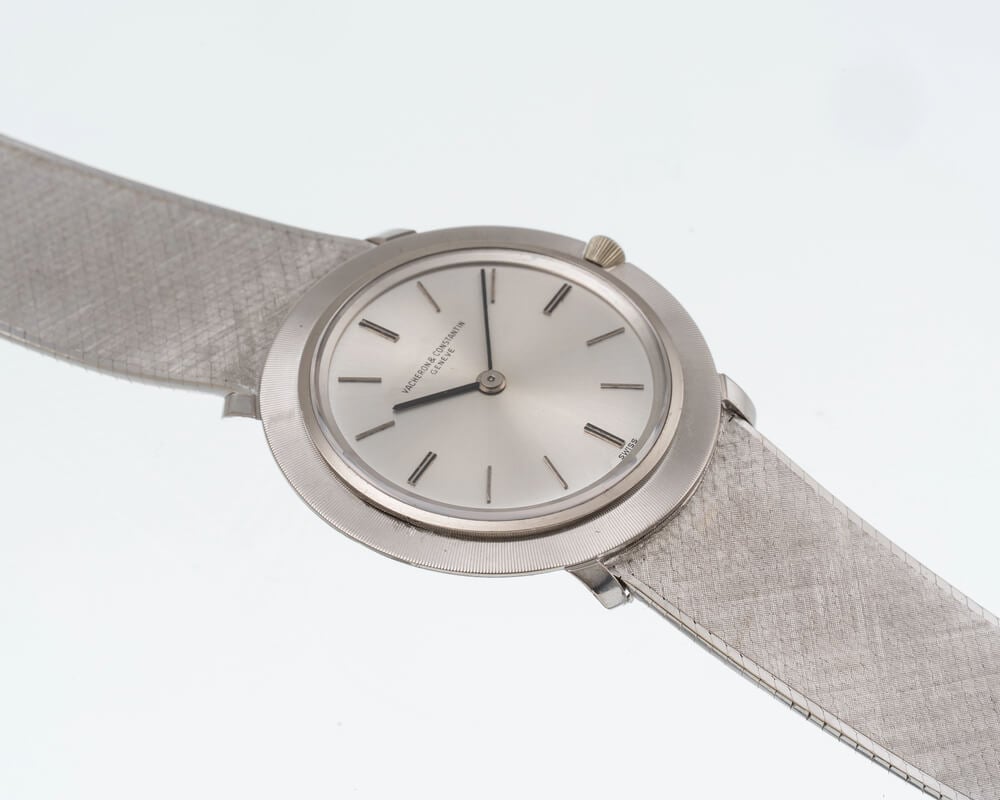
Vacheron Constantin has traded continuously since 1755 and is the oldest watchmaker still in uninterrupted operation, which gives dealers an unusually deep catalog to work from. Vintage pieces from the 1940s and ’50s with unusual lug shapes, particularly the reference 4178 chronograph, bring strong results, and the 222 sports watch of 1977 has gone from overlooked to hotly pursued in under a decade.
The brand’s heritage department can issue archive extracts confirming production and delivery. As with the other Geneva houses, a sharp unpolished case and a dial that has never been touched up separate a strong result from an ordinary one.
A. Lange & Söhne
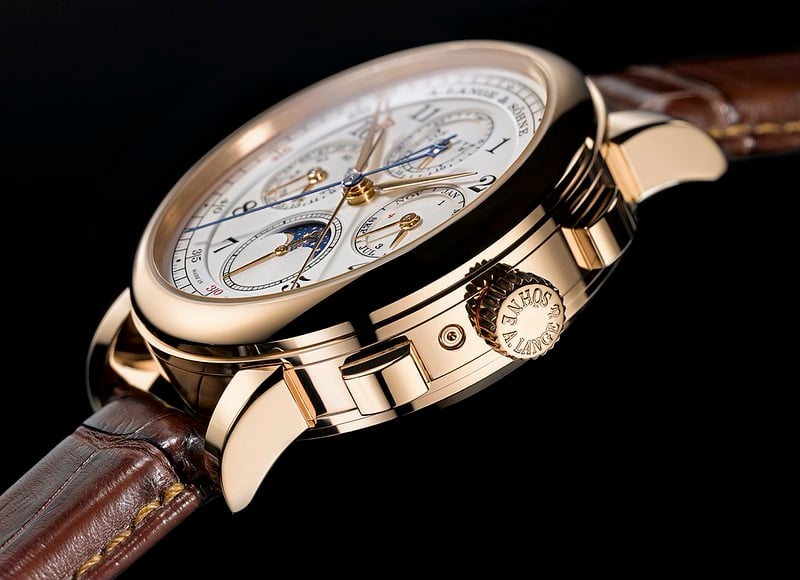
Lange was refounded in 1990 after German reunification and relaunched in 1994 with four watches, one of which, the Lange 1, became the face of modern Saxon watchmaking. First-generation Lange 1 pieces and the earliest Datograph chronographs are the references dealers ask about most, along with limited editions such as the Pour le Mérite series with its fusee-and-chain transmission.
The company finishes every movement by hand, including engraving the balance cock, which makes each piece slightly different and makes a replaced or damaged movement part easy to spot. Boxes, papers, and the original certificates matter a great deal because production volumes have always been modest.
Jaeger-LeCoultre
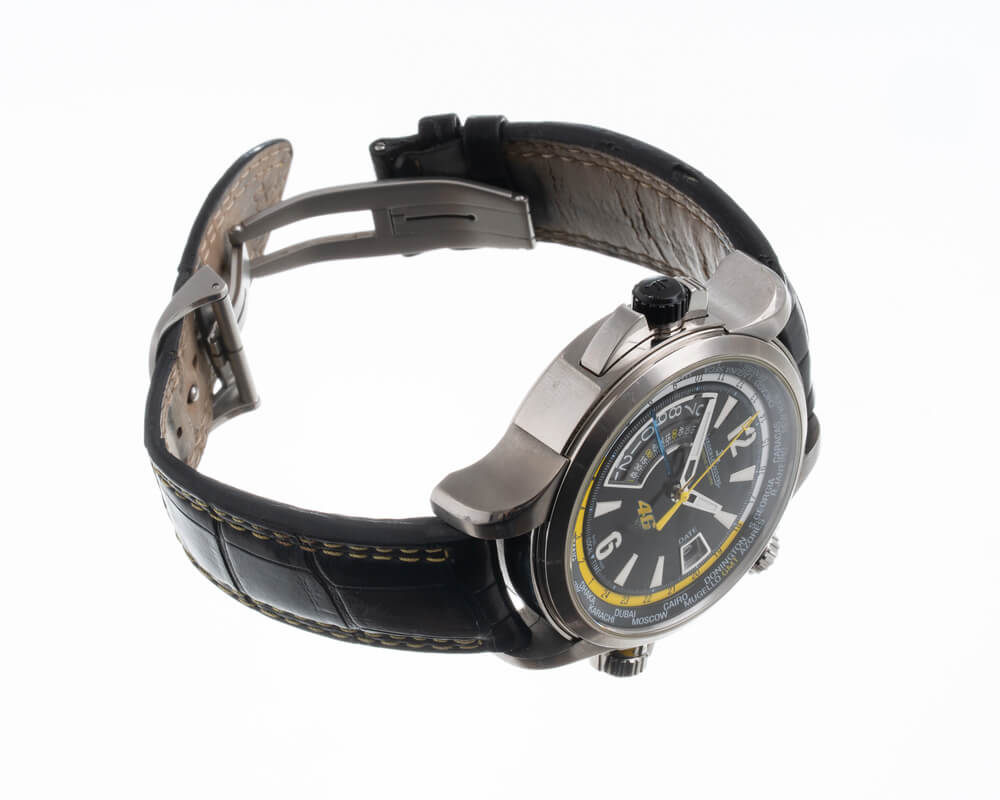
Jaeger-LeCoultre built movements for Patek, Vacheron, Audemars Piguet, and Cartier for much of the twentieth century, and dealers know the name as a supplier as well as a brand. The Reverso, introduced in 1931 so polo players could flip the dial away from a mallet, remains the signature model, and early steel Reversos with original dials and engraved case backs are prized.
The Memovox alarm watches of the 1950s and ’60s, particularly the Deep Sea and Polaris divers, have risen steeply. Because the firm made enormous numbers of movements, dealers check that the caliber inside matches the case reference before committing to a figure.
Breguet
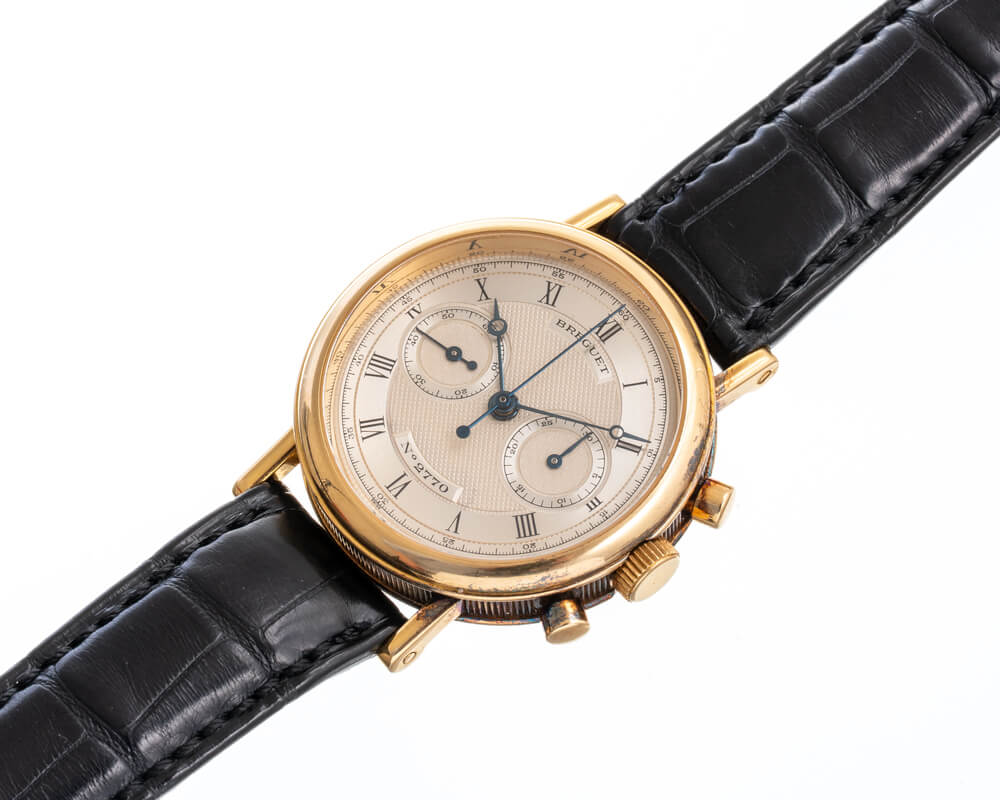
Abraham-Louis Breguet founded his Paris workshop in 1775 and is credited with inventing the tourbillon, patented in 1801, which is why his name remains shorthand for horological prestige. Modern Breguet wristwatches with guilloché dials, blued pomme hands, and fluted case bands are consistent sellers, and the Classique and Marine lines move well in the pre-owned market.
Earlier pieces from the Chaumet era of the 1970s and ’80s, before the brand passed to Investcorp and then the Swatch Group, are a specialist niche. Dealers pay attention to whether the dial’s secret signature is intact and whether the hand-cut guilloché has been damaged by a careless cleaning.
Tudor
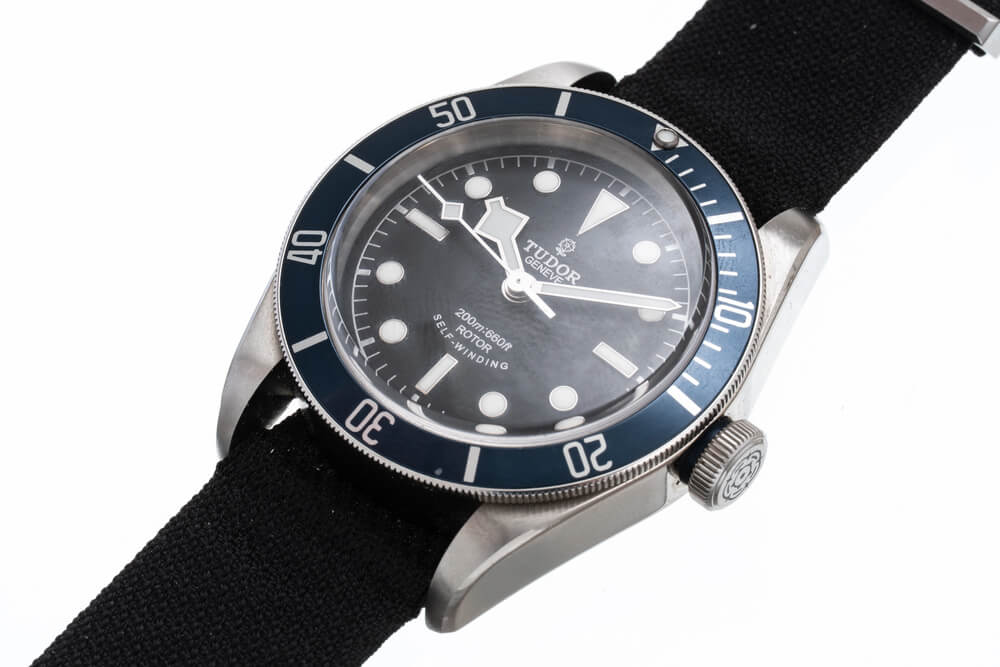
Tudor was registered by Rolex founder Hans Wilsdorf as a more affordable sibling, and for decades dealers treated it as exactly that. The early Oyster Prince Submariner reference 7922 of 1954 changed that perception, and the military-issued Submariners made for the French and United States navies in the ’60s and ’70s now sell for multiples of what collectors paid a decade ago.
The snowflake-hand references 7016 and 9411 are especially recognizable. Because Tudor shared cases, crowns, and bracelets with Rolex, parts were often swapped during service, and dealers price a watch with its correct original components far above one assembled from a mixed inventory.
IWC
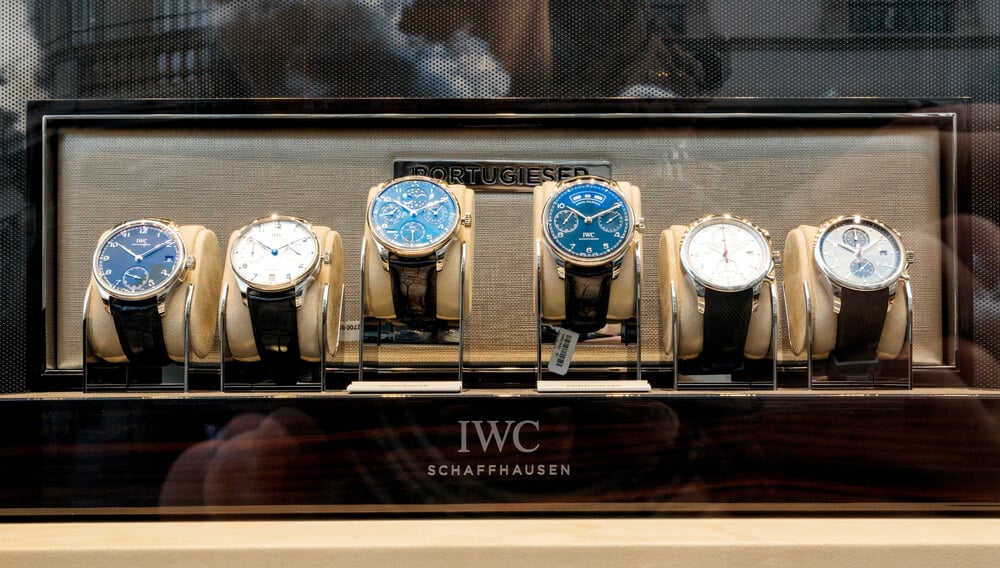
IWC was founded in Schaffhausen in 1868 by an American engineer, Florentine Ariosto Jones, which makes it the rare Swiss brand with a Boston accent in its origin story. The pilot’s watches are the heart of the vintage market, led by the Mark 11, made for the Royal Air Force from 1948 with an anti-magnetic soft-iron inner case.
Portugieser models based on the original 1939 oversized design and the Ingenieur designed by Gérald Genta in 1976 also attract dealers. Military-issued Mark 11s with original broad-arrow case back markings and correct radium-free dials bring the highest figures, while civilian examples trade for considerably less.
Heuer
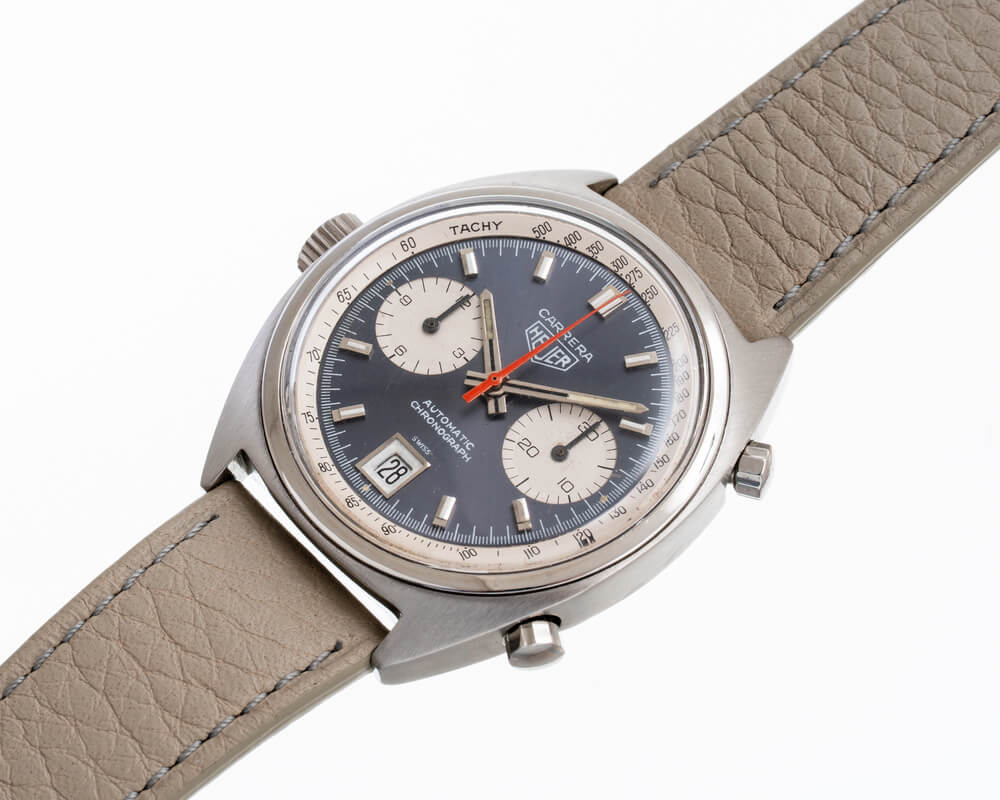
Heuer chronographs from the 1960s and early ’70s, before the TAG acquisition in 1985, are the pieces dealers want. The Autavia reference 2446 and the Carrera designed by Jack Heuer in 1963 anchor the market, with the Monaco gaining permanent fame on Steve McQueen’s wrist in the 1971 film Le Mans.
The Autavia nicknamed the Rindt, after Formula One champion Jochen Rindt, is one of the most desirable configurations. These watches were sold to racing drivers and pilots and often lived hard lives, so an example with a crisp case, correct hands, and an unfaded dial is scarce enough to command a sharp premium over a worn one.
Universal Genève
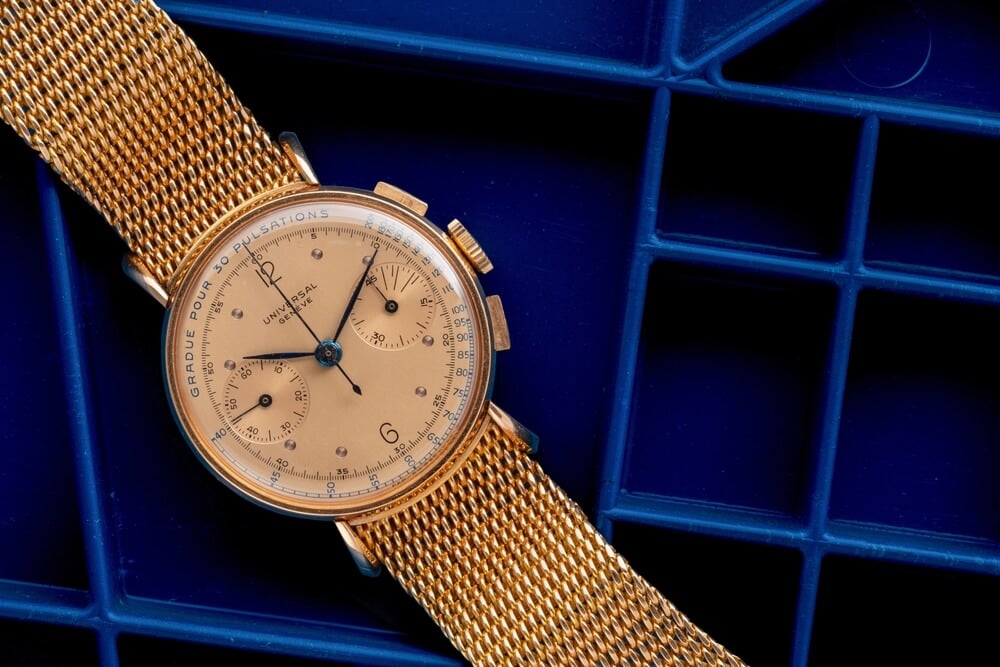
Universal Genève is the brand that dealers spent years telling clients to buy before anyone else noticed, and the market eventually caught up. The Compax chronographs of the 1960s, including the reverse-panda dial nicknamed the Nina Rindt after the racing driver’s wife who wore one, and the Polerouter designed by a young Gérald Genta in 1954, are the two pillars.
Breitling bought the dormant brand in December 2023 and relaunched it in 2026, which pushed vintage prices higher still. Original dials are everything here; many Compax dials were refinished decades ago, and a correct one with intact lume can be worth several times a restored twin.
Zenith
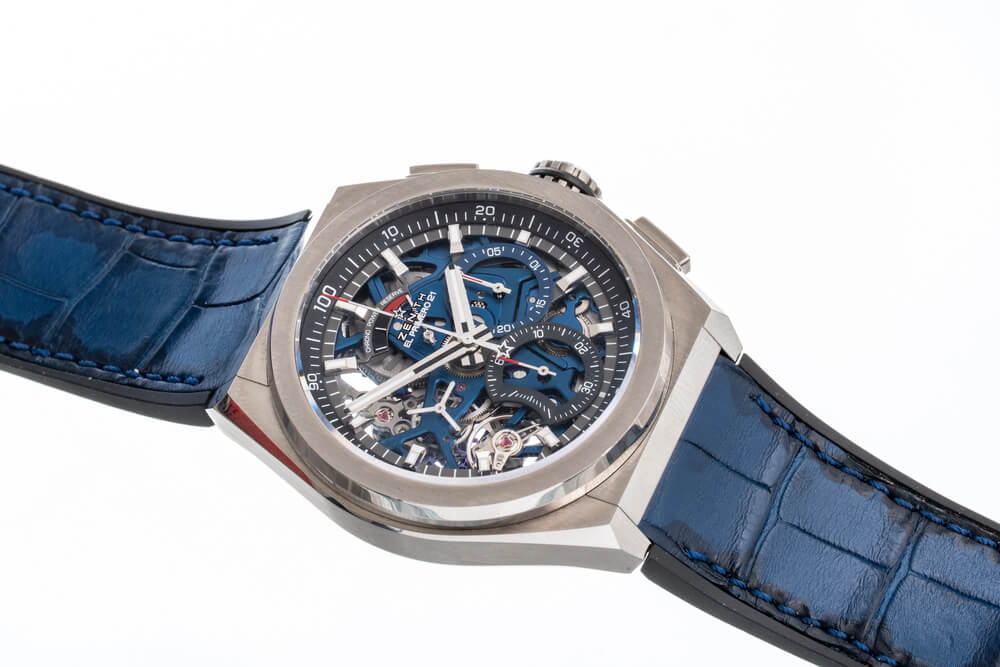
Zenith’s El Primero of 1969 was among the first automatic chronograph movements and ran at a fast 36,000 beats per hour, allowing it to time to a tenth of a second. The original A386 reference with its three overlapping colored sub-dials is the one dealers want, and the story of how Charles Vermot hid the El Primero tooling in an attic when the company’s American owners ordered it scrapped in the ’70s adds to the appeal.
Later, Rolex used the El Primero in its Daytona from 1988 to 2000. Early A386 examples with original dials and correct pump pushers bring strong prices, while heavily serviced pieces with replaced parts trade lower.
Breitling
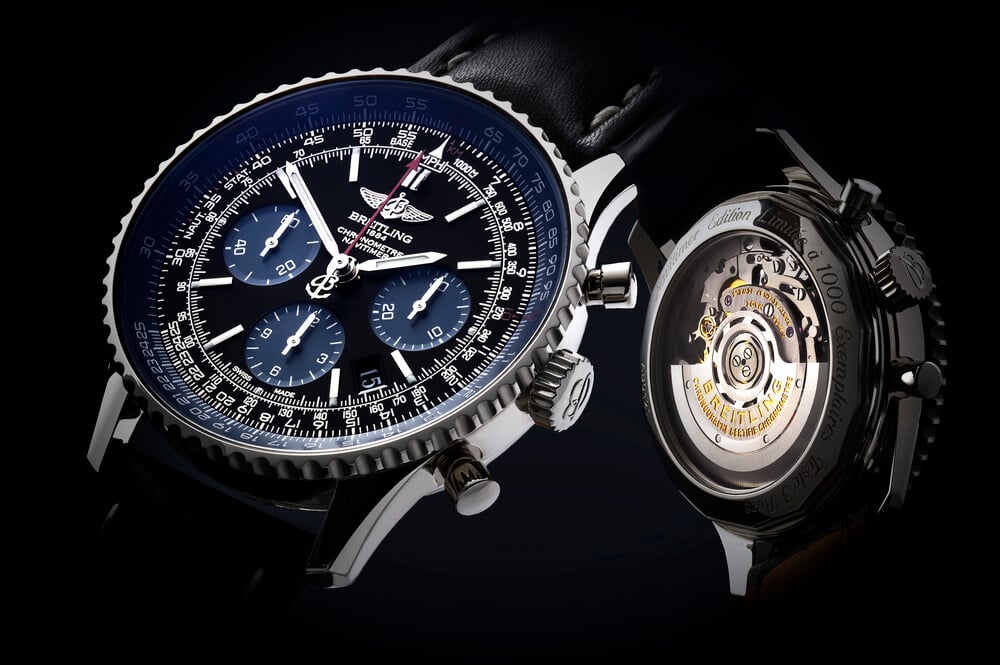
Breitling patented the second chronograph pusher in 1934, giving the chronograph its modern two-button layout, and the brand remained a pilot’s instrument maker for decades. The Navitimer of 1952 with its slide-rule bezel, made in cooperation with the Aircraft Owners and Pilots Association, is the reference dealers see most, with early AOPA-signed dials carrying premiums.
The Top Time of the ’60s, worn by Sean Connery as James Bond in 1965, and the Chronomat also attract attention. Because Breitling supplied many watches to airlines and militaries, dealers check engravings and movement calibers to separate civilian pieces from issued ones.
Longines
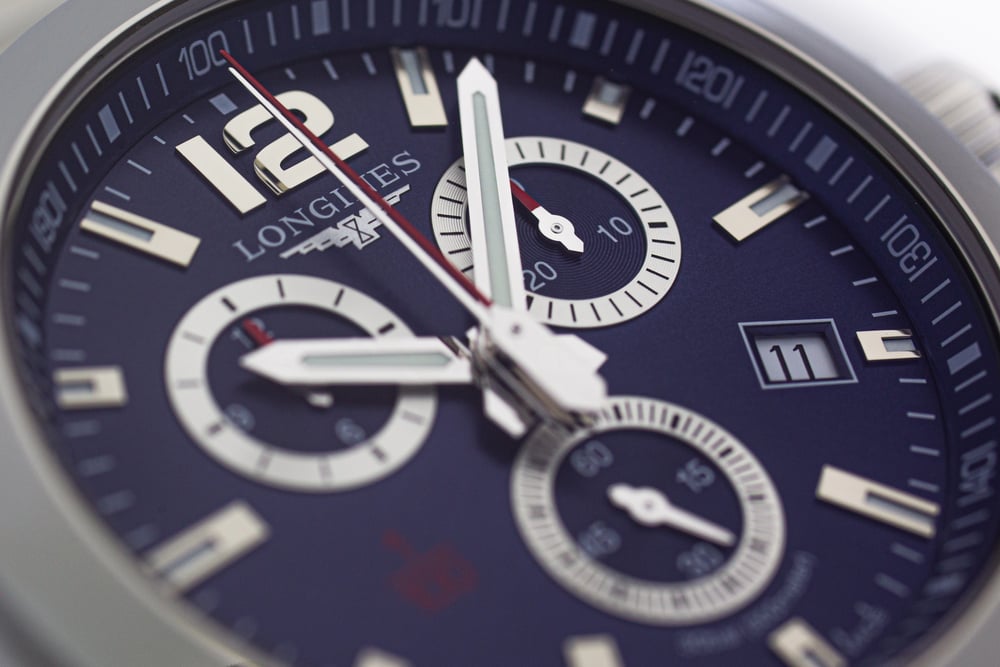
Longines was founded in Saint-Imier in 1832 and holds one of the most complete production archives in the industry, which lets dealers confirm a watch’s original delivery details for most pieces. The vintage chronographs with in-house 13ZN and 30CH calibers from the 1930s through the ’60s are the most pursued, and in good condition they sell for amounts that surprise anyone who knows the brand only from its modern mid-market position.
Early flyback chronographs and the oversized aviator’s watches made for Charles Lindbergh’s hour-angle design also draw interest. Archive extracts, dial originality, and an unpolished case decide the figure.
Panerai
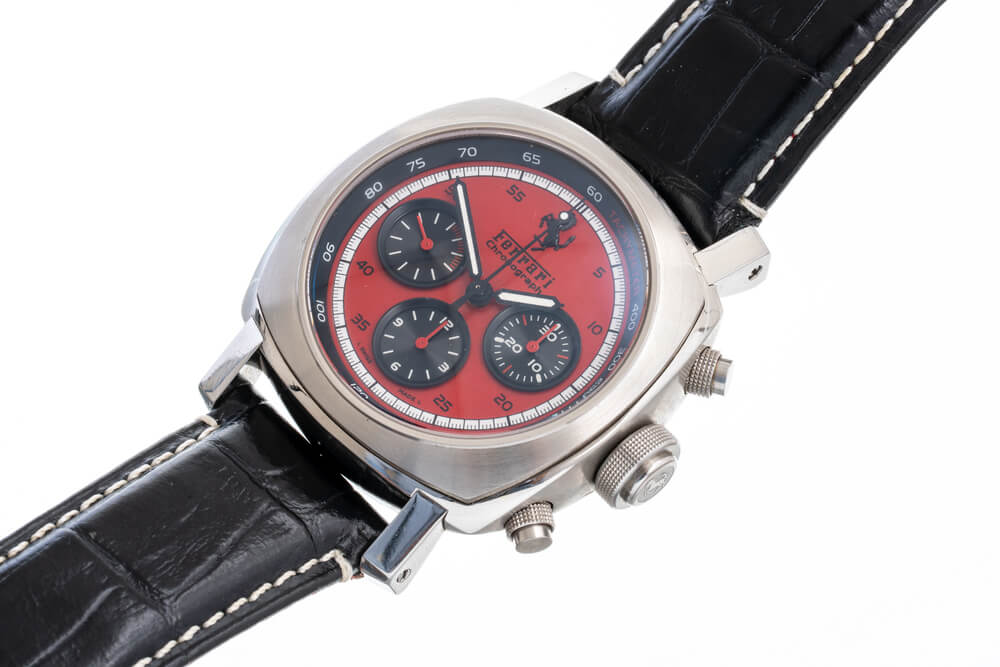
Panerai made oversized luminous dive watches for Italian naval frogmen in the 1930s and ’40s, using Rolex movements and cases, and sold almost nothing to the public until 1993. The military pieces, including the Radiomir and the crown-guarded Luminor of the 1950s, are extremely scarce and trade through specialist dealers rather than general shops.
The pre-Vendôme watches of 1993 to 1997, made before the Richemont acquisition, are the most collectible of the modern production. Because so few vintage examples exist and so many were restored, dealers often insist on documented provenance before quoting, and condition of the radium or tritium dials is a central factor.
Grand Seiko
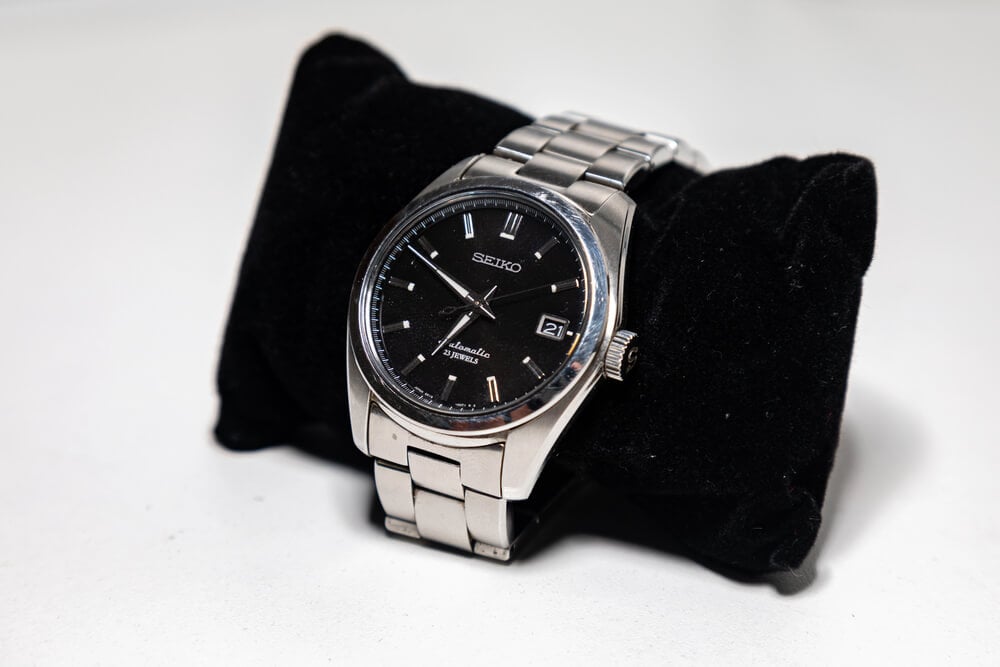
Grand Seiko began in 1960 as a single hand-finished watch intended to match or beat Swiss chronometers, and vintage examples from the ’60s are increasingly sought after. The 1967 44GS defined the brand’s angular, polished Grammar of Design case language, and the hi-beat 61GS and 45GS references that ran at 36,000 beats per hour draw particular interest.
Grand Seiko became an independent brand from Seiko in 2017 and modern Spring Drive models hold their value well in the pre-owned market. Dealers look for sharp Zaratsu-polished case edges, since a polished vintage Grand Seiko loses the distortion-free mirror surfaces that make it recognizable.
Blancpain
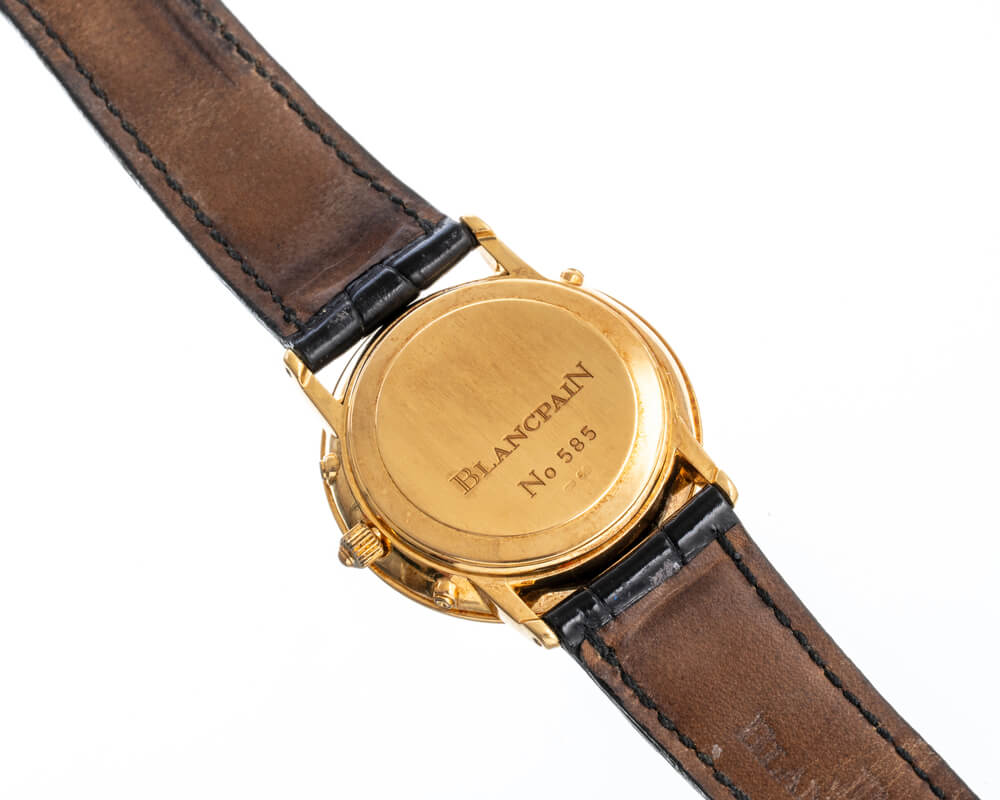
Blancpain dates its founding to 1735 in Villeret and claims the oldest watchmaking name in continuous registration, though the modern company was revived in 1983 by Jean-Claude Biver and Jacques Piguet. The Fifty Fathoms, created in 1953 for French naval combat divers and among the first purpose-built dive watches, is what dealers want.
Early examples with Bakelite bezels and no-radiation dials, made for the German Bundesmarine and other services, are prized. The brand’s modern Fifty Fathoms and Villeret lines hold up reasonably well on the secondary market, but it is the military-issued vintage divers that bring six-figure results when the dials and bezels are original.
F.P. Journe
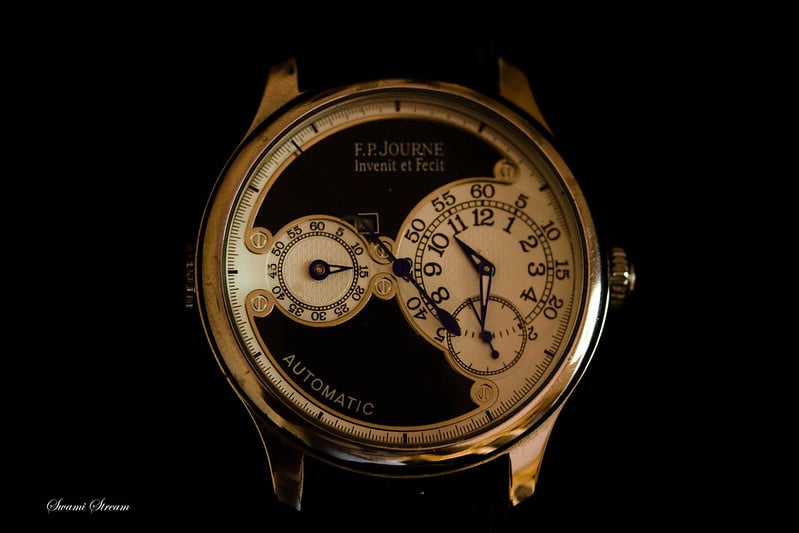
François-Paul Journe founded his brand in Geneva in 1999, which makes it the newest name on this list and one of the fastest to reach auction prominence. Early brass-movement pieces made before the switch to rose gold movements in 2004 are the most pursued, along with the Chronomètre à Résonance and the Tourbillon Souverain.
A one-off Journe sold at Phillips in New York in June 2026 for 13.9 million dollars, the highest price paid for any watch at a United States auction. Production remains a few thousand pieces a year, so dealers rarely hold stock for long, and a complete set with the original certificate and box matters as much as the condition of the case.
Richard Mille
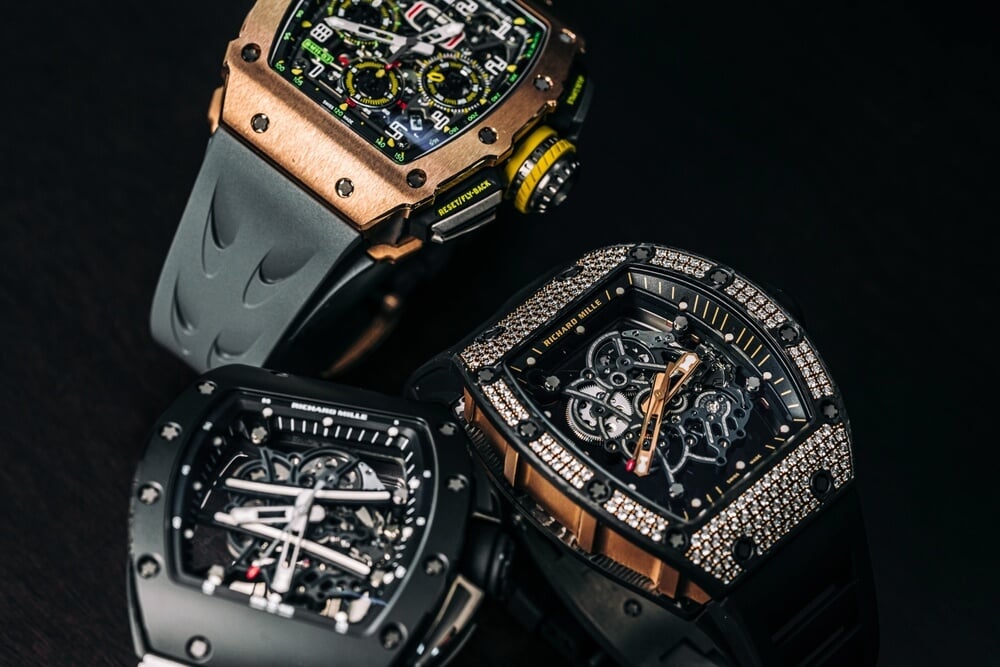
Richard Mille launched in 2001 with the RM 001 tourbillon and built its reputation on racing-car construction, titanium and carbon cases, and prices that began in six figures. The secondary market for the brand has been unusually strong, with discontinued references such as the RM 011 chronograph and the ultra-light RM 027 made for Rafael Nadal selling above their original retail.
Because the cases are made from exotic composites that cannot be refinished conventionally, scratches and cracks matter more than on steel watches. Dealers also check the serviceability of the movements, since the brand’s own service costs can be substantial and affect what a buyer will pay.
Girard-Perregaux
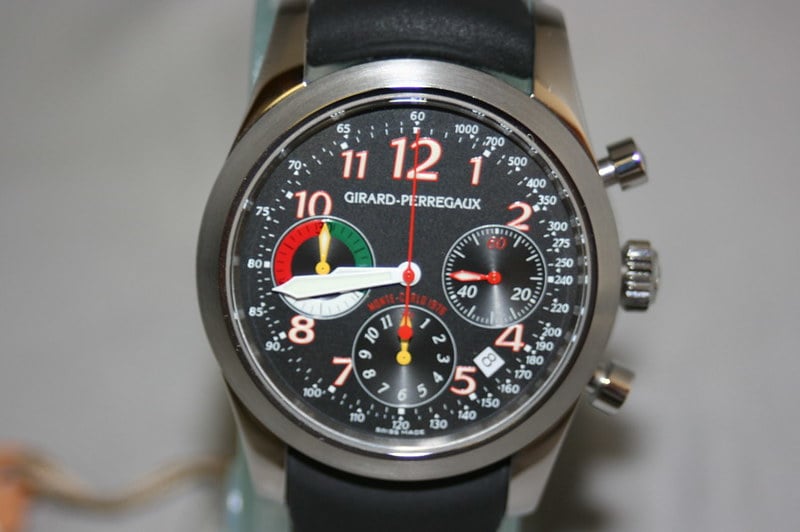
Girard-Perregaux traces its roots to 1791 in Geneva and later La Chaux-de-Fonds, and its signature is the tourbillon with three gold bridges, first shown in pocket watch form in 1867 and revived in wristwatches in 1991. The ’60s hi-beat Gyromatic movements that ran at 36,000 beats per hour were among the first high-frequency automatics, and the Laureato sports watch introduced in 1975 has enjoyed a strong revival.
Vintage chronographs and the quartz-era pieces from 1971, when the brand helped set the 32,768 Hz frequency that became the industry standard, are a niche interest. Prices depend on dial condition and whether the movement remains original.
Hamilton
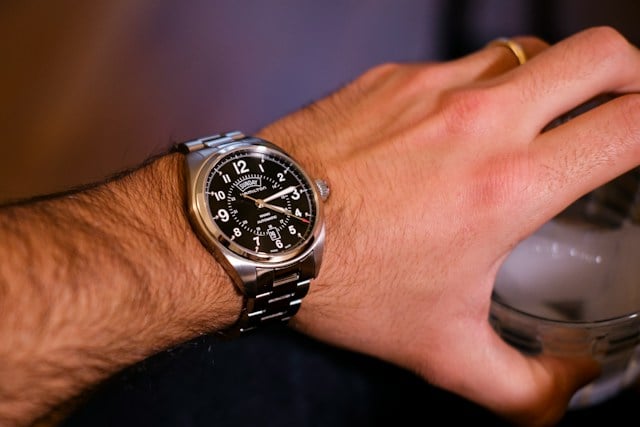
Hamilton was founded in Lancaster, Pennsylvania, in 1892 and supplied railroad timekeepers and wartime military watches before moving production to Switzerland in 1969. The Ventura, launched in 1957 as the first electric wristwatch with its asymmetric triangular case, was worn by Elvis Presley in Blue Hawaii and remains the vintage piece dealers most often hunt.
The 1960s Pulsar digital watches, made under Hamilton, and the Art Deco driver’s and tank models from the ’30s also draw attention. Because electric Venturas rely on a battery contact system that corrodes, a working original movement and an uncracked case add significantly to the figure.
Bulova Accutron
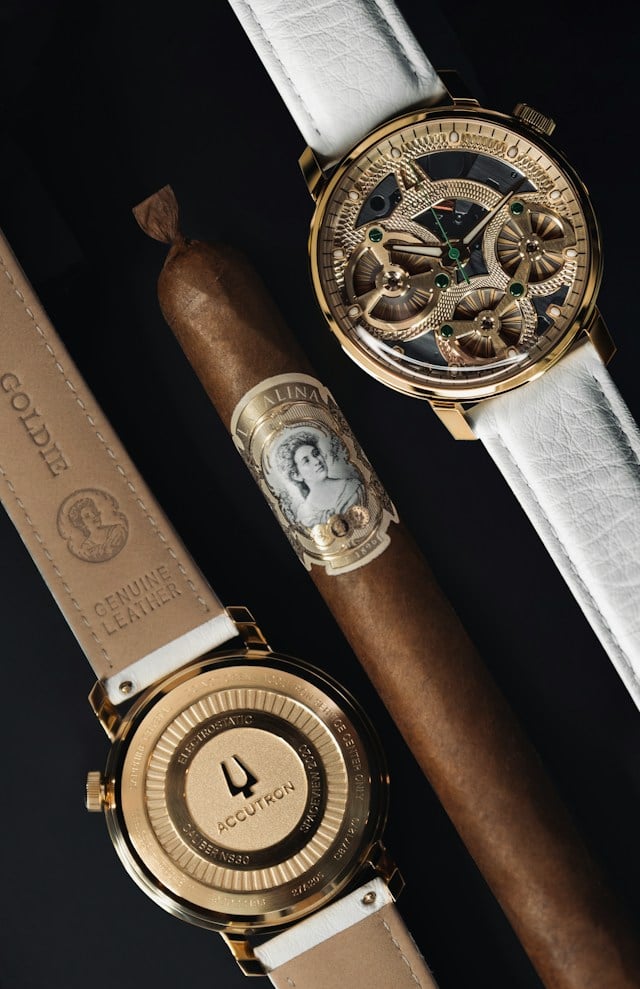
The Accutron, launched by Bulova in 1960, replaced the balance wheel with a tuning fork vibrating at 360 times a second and produced an audible hum and a seconds hand that swept rather than ticked. The Spaceview, with its dial removed to show the green coils and the fork, became the famous version, though many existing Spaceviews were converted from regular models by jewelers at the time.
Accutron movements timed NASA ground equipment and satellites during the 1960s. Dealers want a working caliber 214 with its original index wheel, since the microscopic teeth wear and are difficult to replace, and the price depends on whether the watch hums.
Gallet
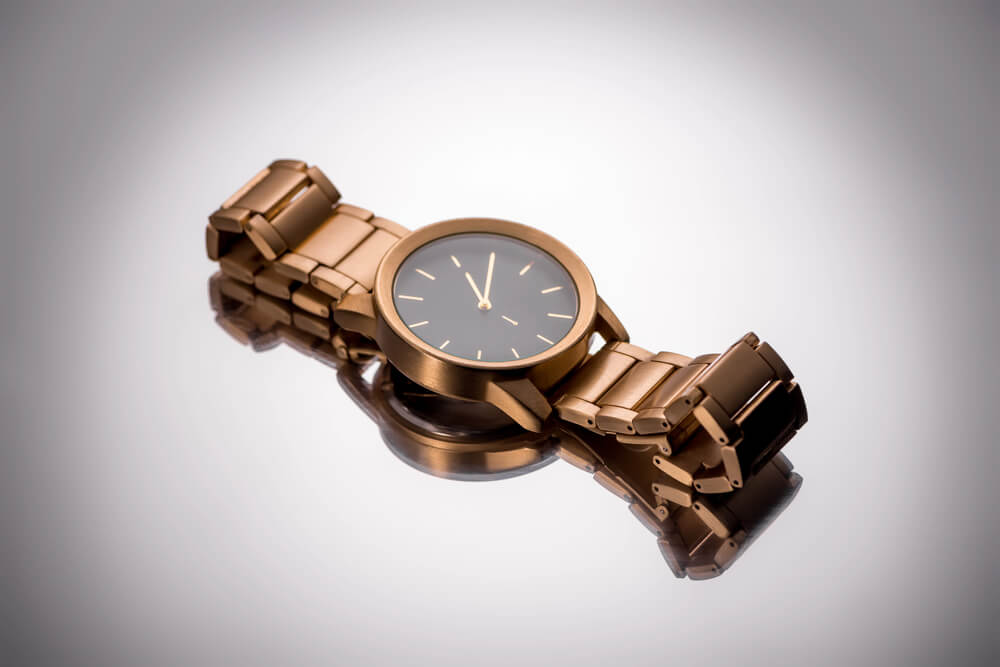
Gallet is a Swiss name with roots in La Chaux-de-Fonds that specialized in chronographs for most of the twentieth century and whose watches were often sold under other brands’ names. The MultiChron 12, a three-register chronograph associated with Formula One champion Jim Clark, and the MultiChron Regulator, Pilot, and Navigator variants with their rotating bezels are the references dealers look for.
The firm used Excelsior Park and Valjoux movements, and the waterproof clamshell cases from the 1940s are an early example of a sealed chronograph. Prices rose as collectors priced out of Heuer and Universal Genève moved down the shelf, and an original dial with its correct Gallet signature matters most.
Enicar
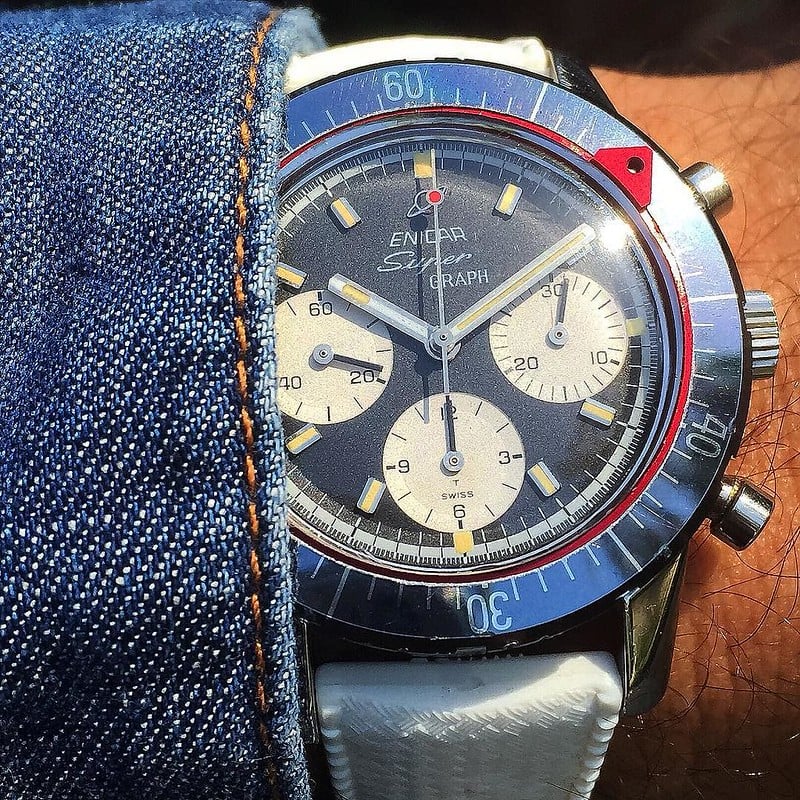
Enicar, founded in 1914 and based in Lengnau, took its name from the founder’s surname spelled backward and built a reputation on the Sherpa line of sports watches. The Sherpa Graph chronograph with a Valjoux 72 movement, also tied to Jim Clark, and the Sherpa Super Dive with its oversized compressor case are what dealers pursue.
The brand sponsored Himalayan expeditions in the 1950s and named the Sherpa series after them. The company closed in the 1980s and the name was later sold, so only the original Swiss production carries real value.
Original dials with intact Saturn logos and unpolished cases bring far more than refinished examples.
Doxa
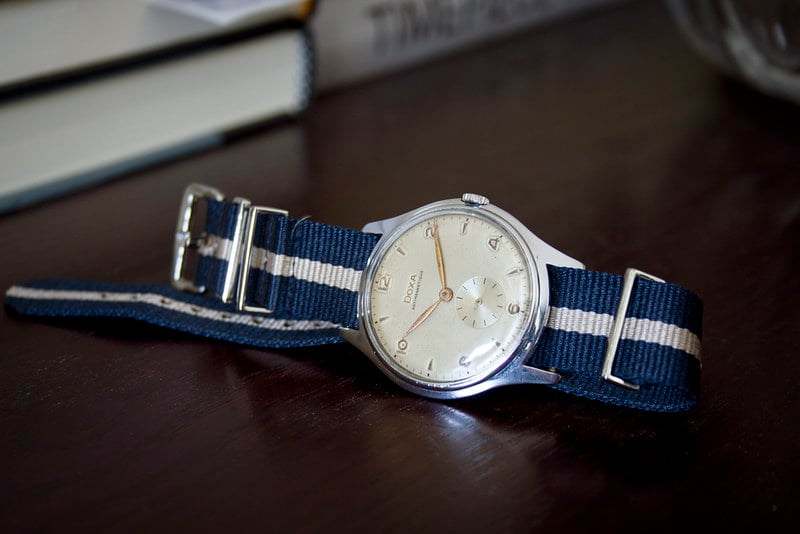
Doxa was founded in Le Locle in 1889 and became a dealer favorite through the SUB 300 dive watch of 1967, which was developed with input from Jacques Cousteau and sold through his United States Divers company. The bright orange dial, chosen for legibility under water, and the no-decompression bezel engraved with dive-table limits made it instantly recognizable, and the SUB 300T Conquistador of 1969 is credited as the first commercially sold watch with a helium release valve.
The watches appear throughout Clive Cussler’s Dirk Pitt novels. Early examples with original orange dials and unmolested cases bring strong prices, while later reissues trade for far less.
Piaget
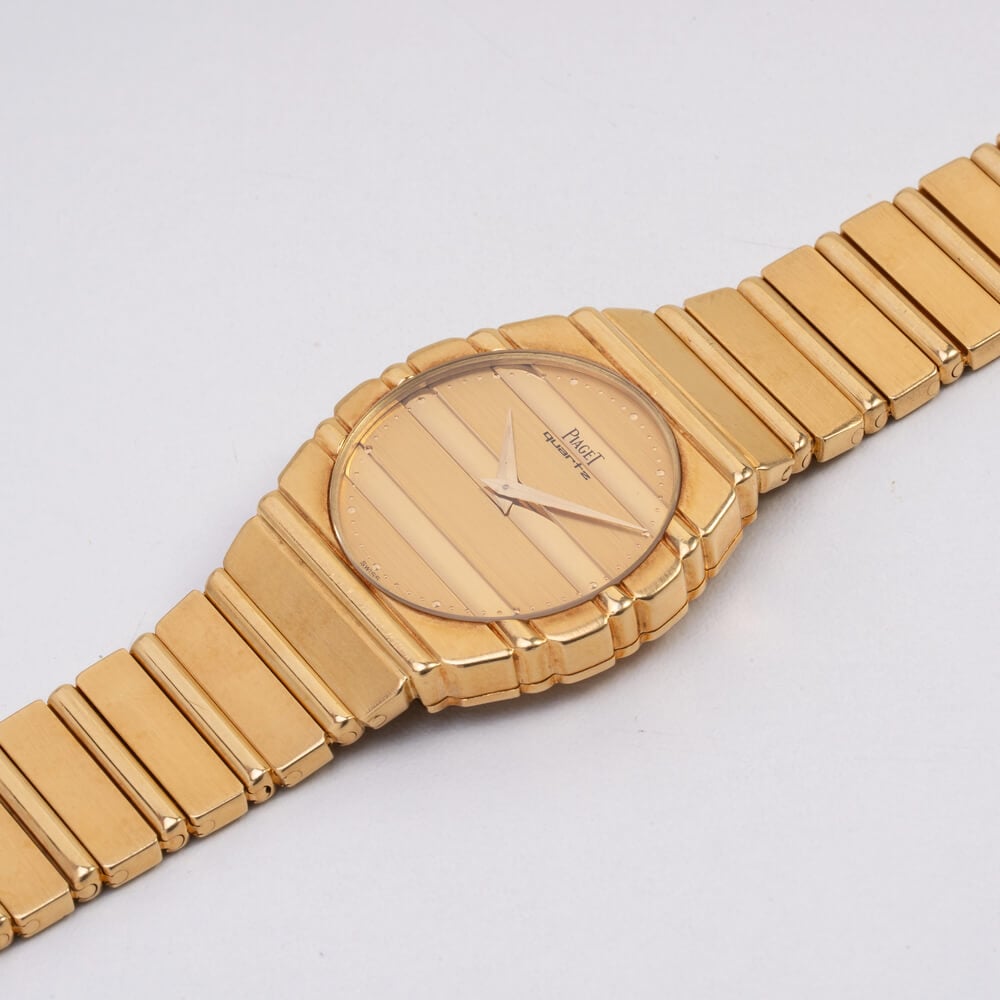
Piaget made its name on thinness, producing the caliber 9P in 1957 at two millimeters thick and the caliber 12P in 1960, then the thinnest automatic movement in the world. The ’60s and ’70s pieces with hardstone dials in lapis, jade, tiger’s eye, and opal, often on heavy integrated gold bracelets, are what dealers want, and these have climbed steeply as collectors rediscovered them.
The Polo of 1979 with its gadroon-ribbed gold case has also come back into favor. Cracked or replaced stone dials ruin value, as do shortened bracelets, so the trade prices a complete original example well above one that has been altered to fit.
The Price of a Name
Every brand on this list earns a dealer’s attention for a different reason, from the prestige of two centuries in Geneva to a decade of collectors suddenly deciding that a forgotten Swiss chronograph maker deserved a second look. What unites them is that the name on the dial is only the opening bid.
The watch that arrives with its papers, its box, its untouched dial, and a service record that explains every mark is the one the dealer wants, and it is the one the dealer will pay for.
That is why the trade spends so long looking at crowns and lug edges rather than logos. A polished case cannot be unpolished and a replaced dial cannot be unreplaced, so the market quietly rewards the owners who left their watches alone.
The brands change, the references rise and fall, and the obsession with originality stays constant.
More from Go2Tutors!

- The Romanov Crown Jewels and Their Tragic Fate
- 13 Historical Mysteries That Science Still Can’t Solve
- Famous Hoaxes That Fooled the World for Years
- 15 Child Stars with Tragic Adult Lives
- 16 Famous Jewelry Pieces in History
Like Go2Tutors’s content? Follow us on MSN.