29 Everyday Tools Borrowed From Hospitals
Hospitals are testing grounds. They need things that are clean, precise, easy to use under pressure and cheap enough to replace, which happen to be the same qualities that make a tool useful at home.
So a surprising amount of ordinary household gear began life on a ward or in an operating theater. Some items crossed over because patients took them home, others because a clever manufacturer spotted a bigger market, and a few because doctors simply could not make them work and sold them to hobbyists instead.
Rubber Gloves
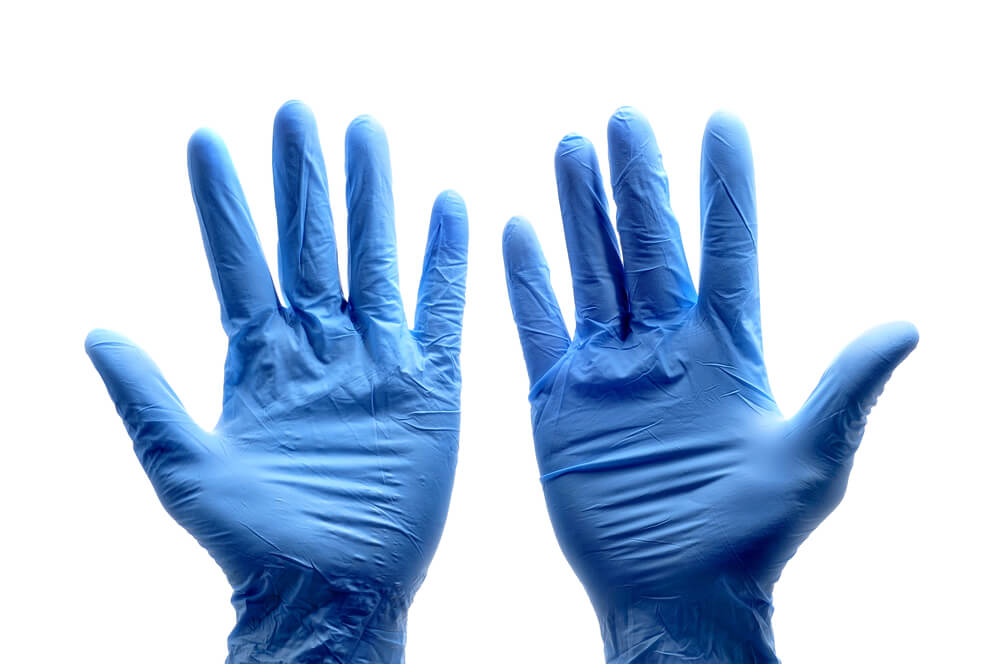
Gloves in the kitchen trace back to an operating room at Johns Hopkins Hospital. Around 1889 the surgeon William Halsted asked the Goodyear Rubber Company to make thin gloves for his scrub nurse, Caroline Hampton, whose hands were being damaged by the harsh antiseptic chemicals used in surgery.
She later became his wife. Gloves soon spread to the rest of the surgical team, and today the same idea protects hands from dish soap, hair dye and oven cleaner.
Face Masks
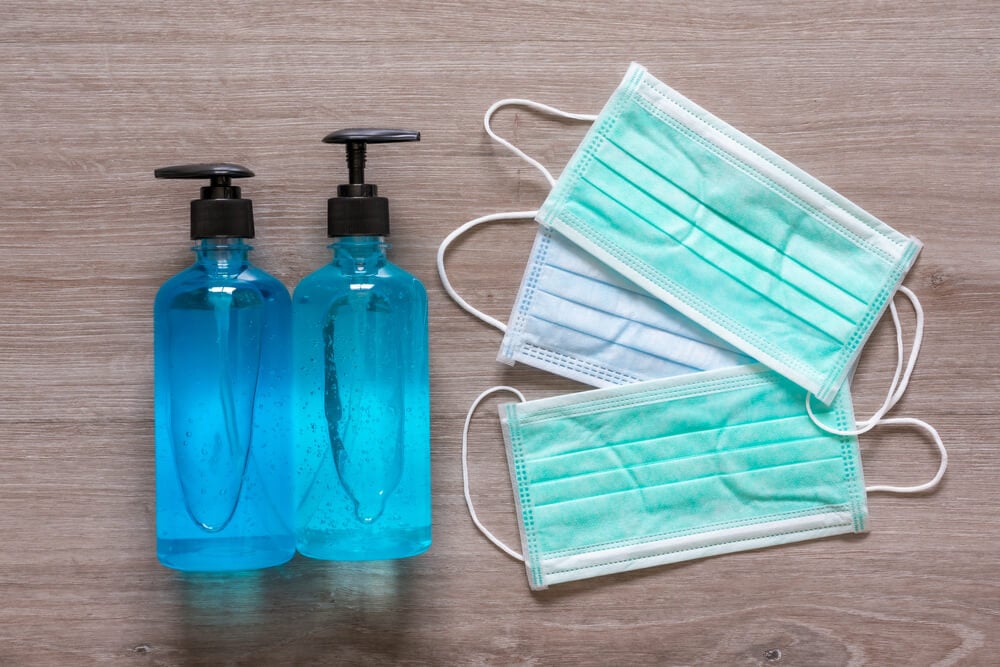
Surgeons began covering their mouths and noses in the 1890s, after researchers showed that droplets from speech could carry bacteria into wounds. The Polish surgeon Jan Mikulicz-Radecki is credited with one of the first gauze masks in 1897.
For most of the next century, masks stayed in operating rooms and on hospital wards. The pandemic of 2020 moved them into purses, glove boxes and school bags almost overnight.
The Clinical Thermometer
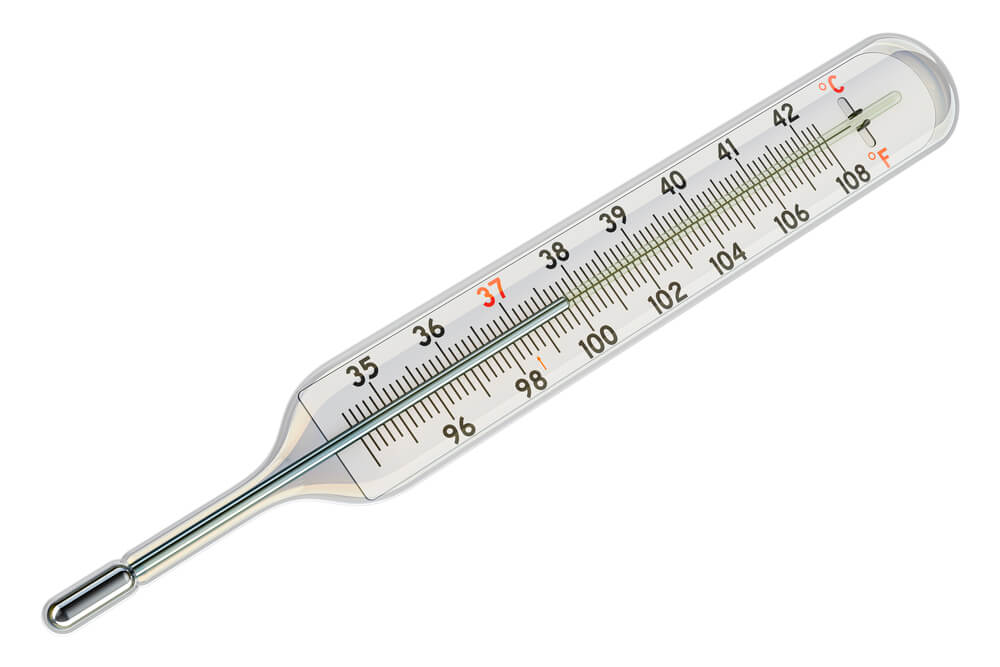
Early medical thermometers were about a foot long and took around twenty minutes to give a reading. In 1867 the English physician Thomas Clifford Allbutt designed a short version that fit in a pocket and gave a result in about five minutes.
It turned temperature taking from a hospital procedure into something a family doctor, and eventually a parent, could do. Modern digital and infrared thermometers owe their place in medicine cabinets to that shorter design.
The Blood Pressure Cuff
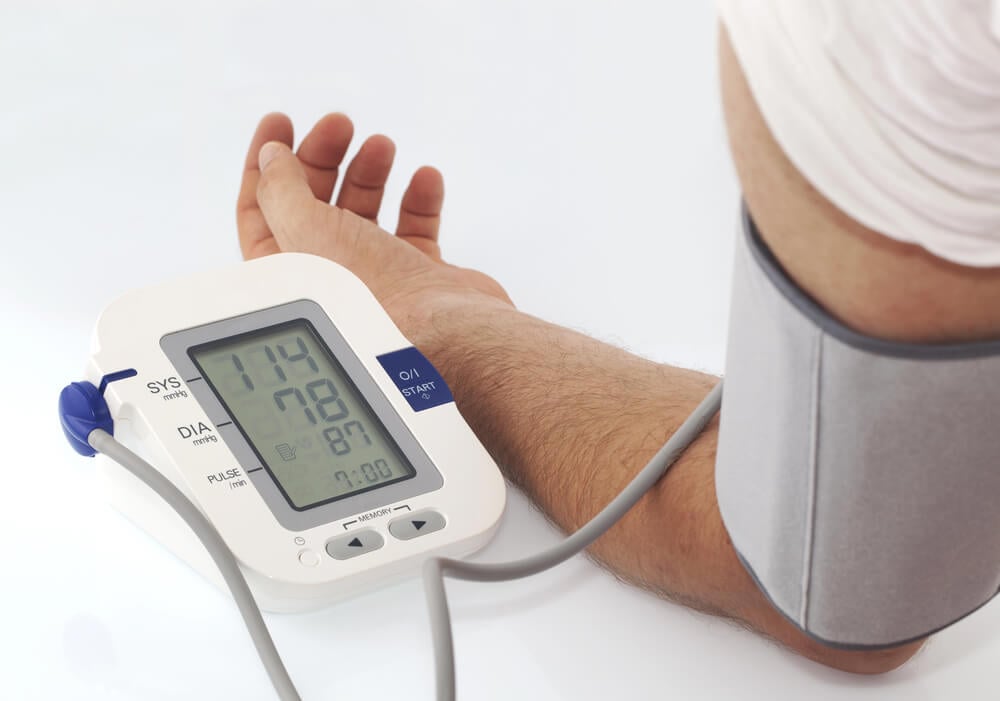
The Italian physician Scipione Riva-Rocci introduced the inflatable cuff for measuring blood pressure in 1896. A few years later, the Russian surgeon Nikolai Korotkov described listening for the sounds that marked the key readings.
For decades the method needed a trained clinician with a stethoscope. Automatic digital cuffs have since put the same measurement on kitchen tables, where millions of people with high blood pressure track their own readings.
The Pulse Oximeter
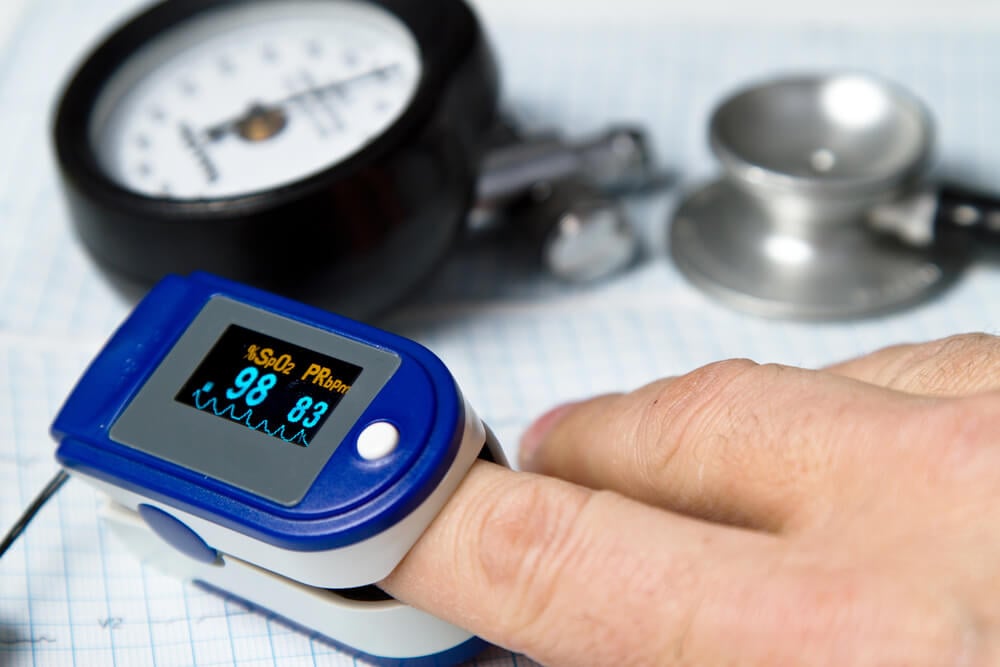
Japanese engineer Takuo Aoyagi developed the principle behind the modern pulse oximeter in 1974, using light shone through a fingertip to estimate oxygen levels in the blood. It became a standard tool in operating rooms and intensive care units in the 1980s.
During the COVID-19 pandemic, cheap fingertip versions sold out around the world as people monitored themselves at home. A device once hooked to anesthesia machines now clips onto a finger in a living room.
The Home Glucose Meter
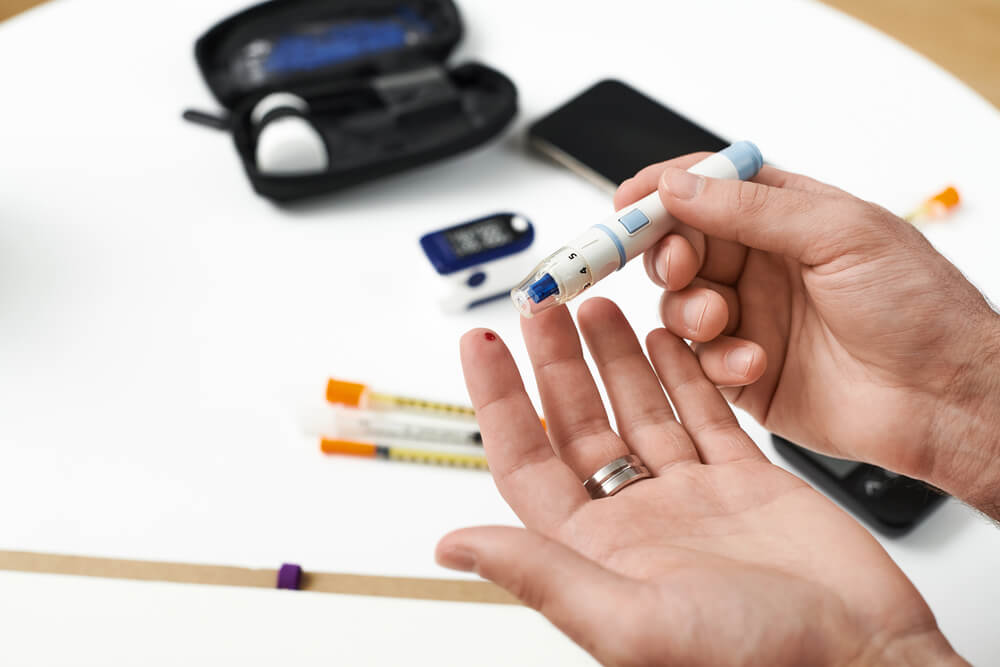
The first portable blood glucose meter, the Ames Reflectance Meter, was released around 1970 and intended for use in doctors’ offices and hospitals. An engineer with type 1 diabetes named Richard Bernstein persuaded a supplier to sell him one and began testing himself at home.
His results helped convince doctors that patients could manage their own blood sugar. Today home meters and continuous monitors are routine for millions of people living with diabetes.
The Home Pregnancy Test
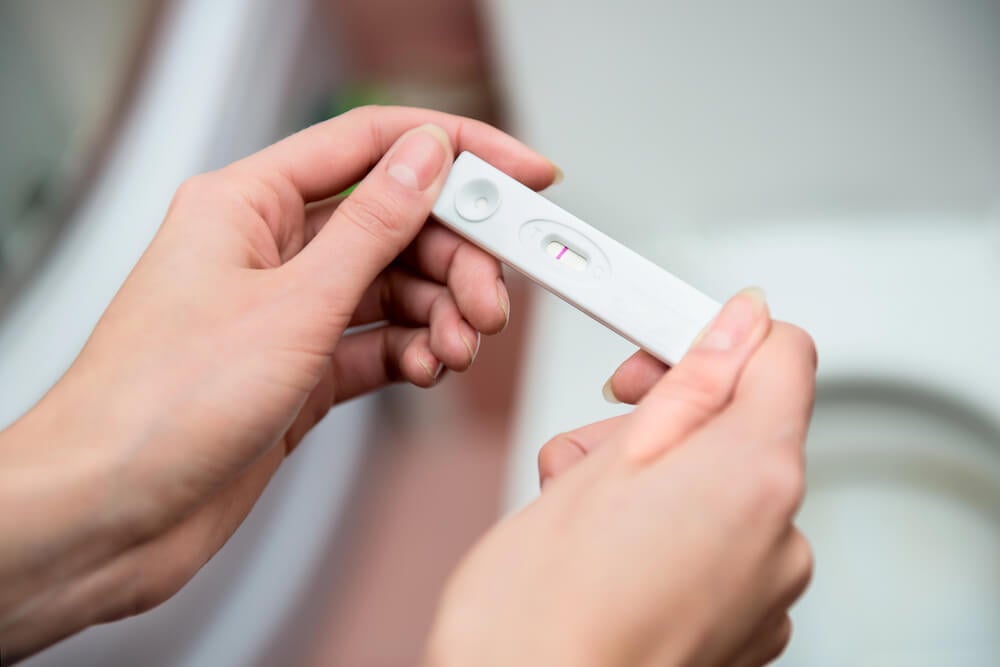
For most of the twentieth century, pregnancy tests were laboratory procedures run through a doctor. In 1967 a designer named Margaret Crane, working for the pharmaceutical company Organon, came up with the idea of a simple kit women could use themselves.
Her employer was slow to embrace it, fearing doctors would object. Home tests reached shelves in the late 1970s and are now sold in almost every pharmacy and supermarket.
The Portable Defibrillator
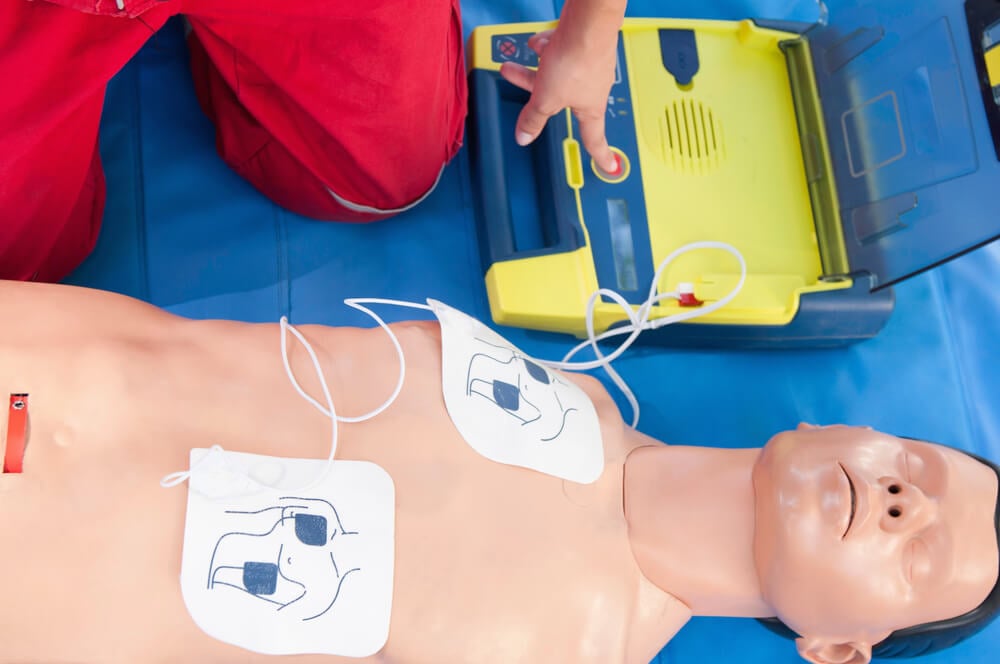
In 1965 the Belfast cardiologist Frank Pantridge developed a portable defibrillator that could be carried in an ambulance, bringing hospital-level heart treatment to the scene of a collapse. Later designs made the devices automatic, able to analyze the heart rhythm and guide a bystander through the process with spoken instructions.
Automated external defibrillators now hang on walls in airports, shopping malls, gyms and office buildings. A tool once reserved for cardiologists is designed so that someone with no training can use it.
The Adjustable Bed
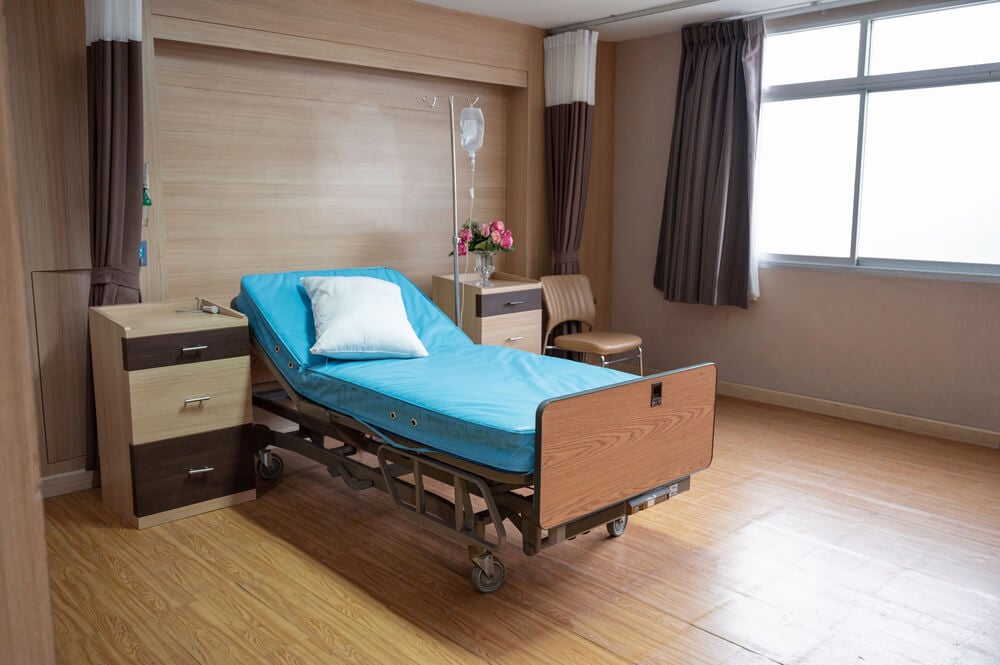
The American surgeon Willis Dew Gatch designed a hospital bed with separately adjustable sections in the early twentieth century, allowing patients to be raised to a sitting position or have their knees bent. The design became standard on hospital wards.
Adjustable beds later crossed over to homes, first for people with health problems and then as a comfort feature. Today furniture stores sell adjustable bases for reading in bed or watching television.
The Electric Blanket
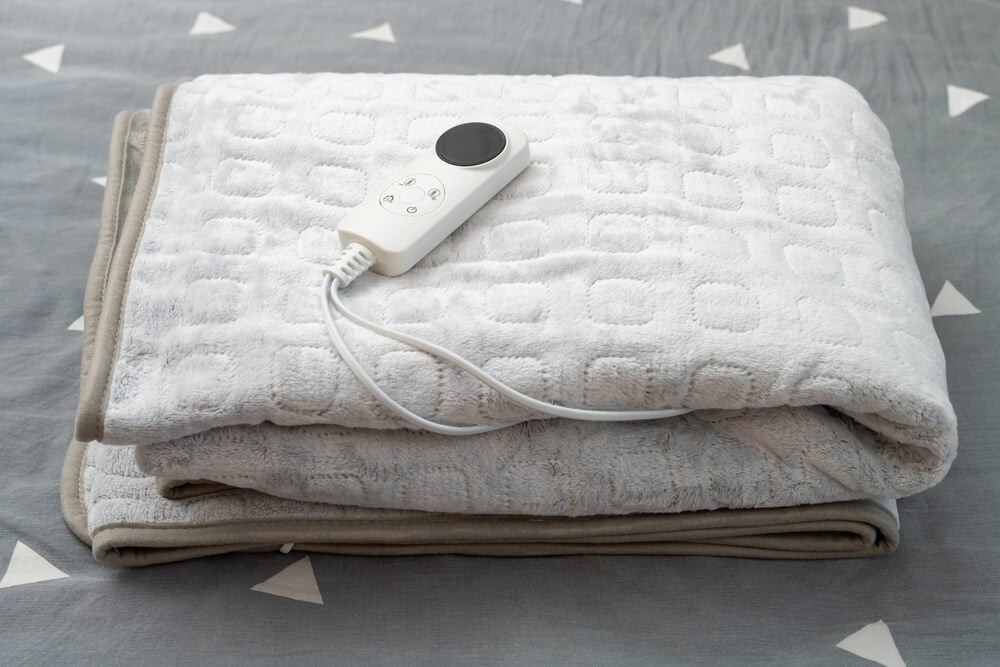
In 1912 an American physician named Sidney Russell developed an electric heating pad to warm tuberculosis patients who slept outdoors in sanatoriums as part of their treatment. Fresh air was believed to help cure the disease, even in winter.
The idea evolved into the electric blanket, which reached the consumer market in the 1930s. Many homes now switch one on during the colder months without knowing it was designed for porches full of patients.
Compression Socks
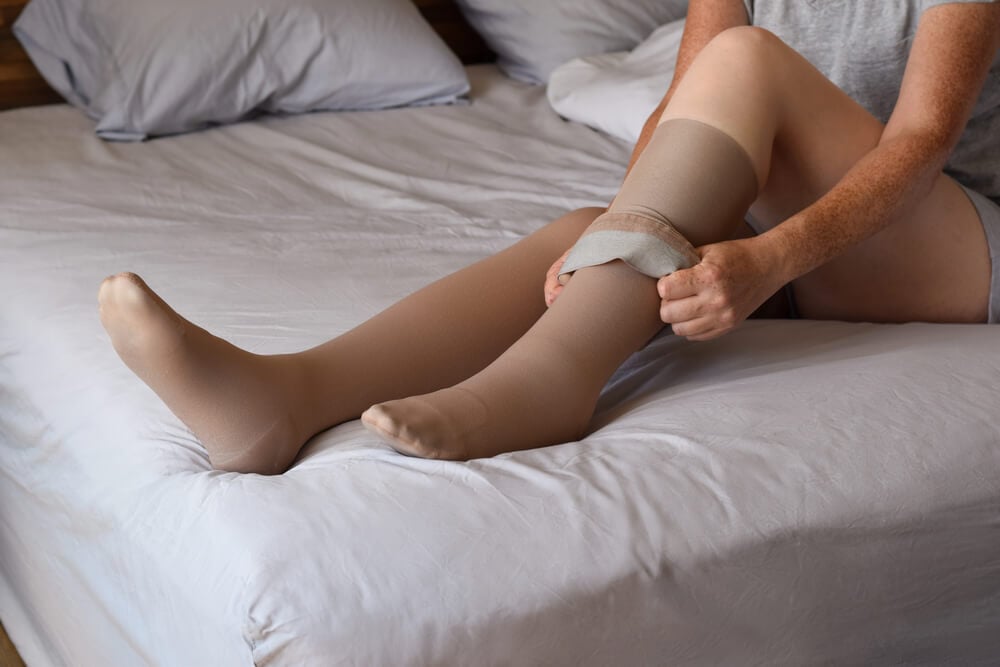
Hospitals have long used tight elastic stockings to help prevent blood clots in patients who are confined to bed or recovering from surgery. The gradual pressure helps blood return from the legs to the heart.
Runners, frequent flyers and people who stand all day at work now buy compression socks in bright colors. The same principle that protects a patient after a hip replacement is sold as recovery gear at sports stores.
Resistance Bands

The Hygenic Corporation, a company making dental and medical rubber products in Ohio, introduced its Thera-Band resistance bands in 1978. They were designed for physical therapists to use in rehabilitation, with colors indicating different resistance levels.
Personal trainers and home exercisers soon adopted them because they were cheap, light and easy to store. The color-coded system is still used across the fitness industry.
TENS Units
Transcutaneous electrical nerve stimulation grew out of research into how pain signals travel, including the gate control theory proposed by Ronald Melzack and Patrick Wall in 1965. Hospitals and physical therapy clinics began using TENS machines to ease pain with mild electrical pulses.
Portable versions later went on sale directly to consumers. People now clip small units to their belts to manage back pain, period cramps or sore muscles.
Listerine
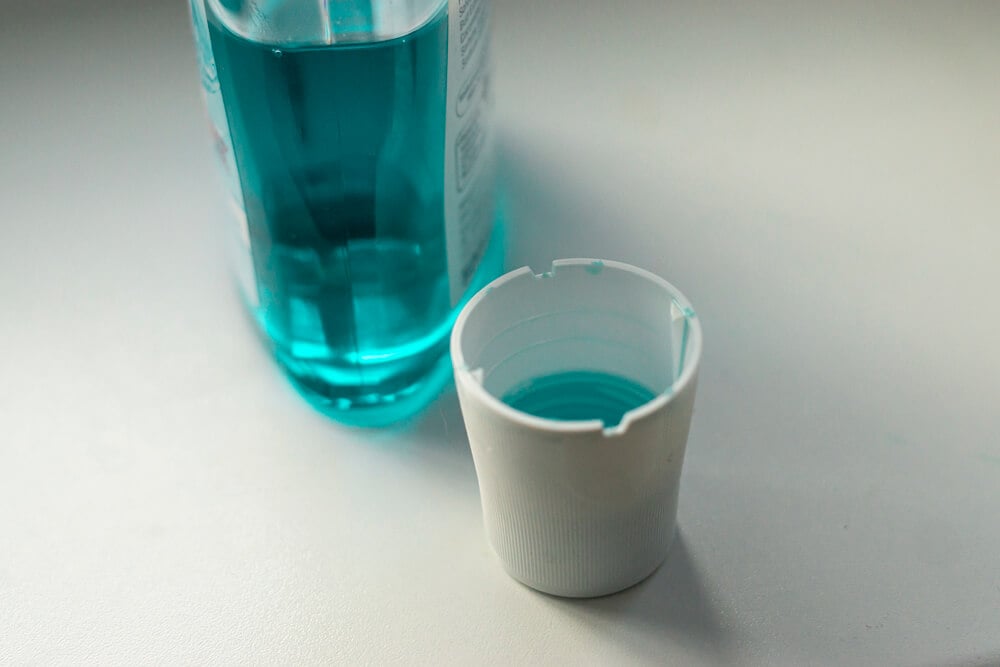
Listerine was developed in 1879 by a St. Louis chemist named Joseph Lawrence as a surgical antiseptic. It was named after Joseph Lister, the British surgeon who pioneered antiseptic surgery, though Lister had no part in creating it.
The product was sold to dentists in the 1890s and later marketed to the public as a mouthwash. Its origins in the operating room explain its powerful, medicinal flavor.
Dettol
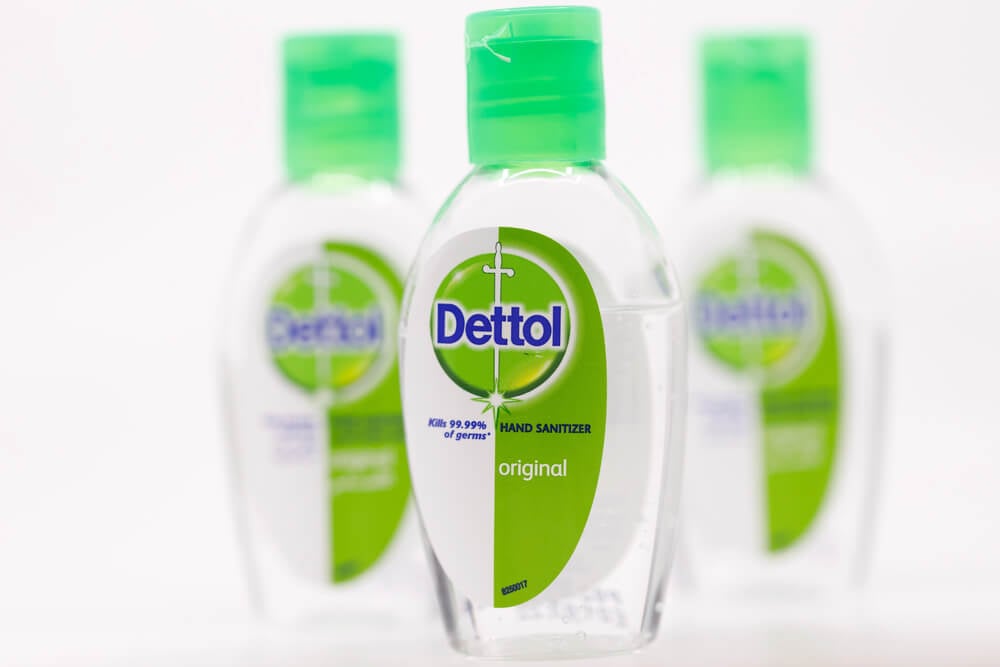
Reckitt and Sons launched Dettol in 1932, and doctors quickly took an interest in its use against infection during childbirth. Research at Queen Charlotte’s Maternity Hospital in London helped establish it as a standard antiseptic in maternity care.
The product moved from delivery rooms to bathroom cabinets across the British Commonwealth. In South Africa its brown bottle and distinctive smell are a fixture in households.
Hand Sanitizer
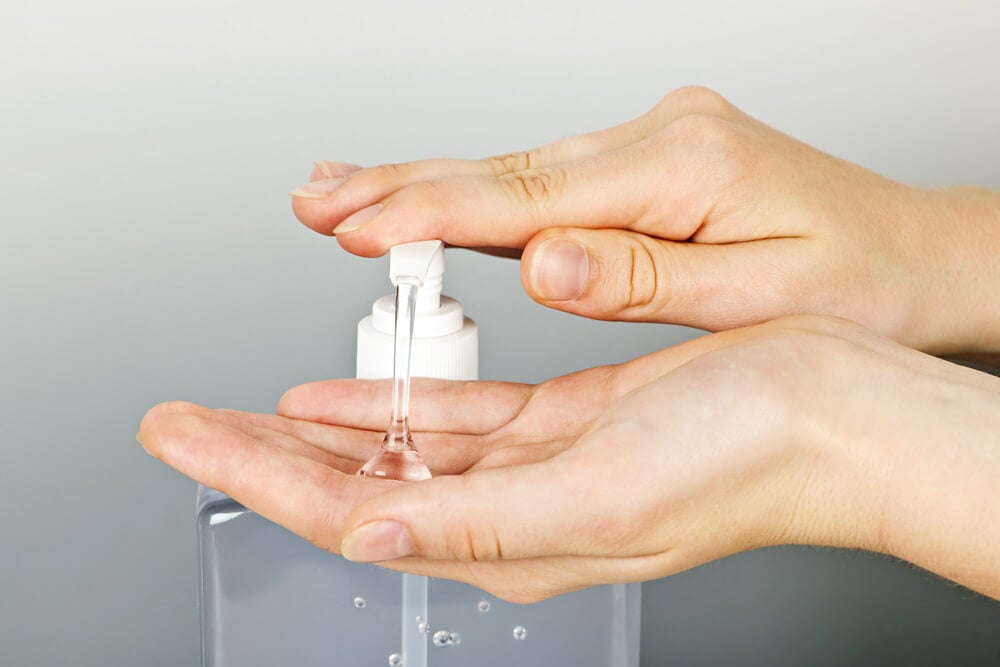
Alcohol-based hand rubs were used in hospitals long before they became a consumer product, especially in Europe, where they were a quick way to clean hands between patients. The American company GOJO developed Purell in 1988 for food service and health care, and it reached retail shelves in the late 1990s.
Pump bottles later appeared at supermarket entrances, office desks and school classrooms. The pandemic of 2020 made them almost as common as light switches.
The Adhesive Bandage
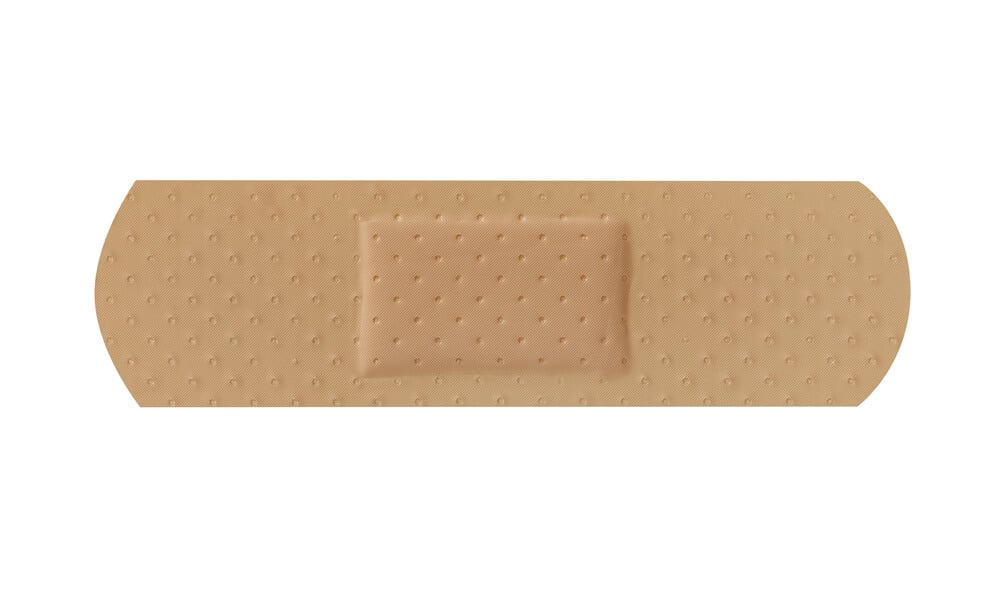
Johnson and Johnson began by making sterile surgical dressings for hospitals in the 1880s, following Lister’s antiseptic principles. In 1920 one of its employees came up with a way to attach small pieces of gauze to strips of tape so his wife could dress minor kitchen cuts herself.
The company turned the idea into Band-Aid, which went on sale in 1921. Hospital supplies had been scaled down to fit a kitchen drawer.
Sanitary Pads
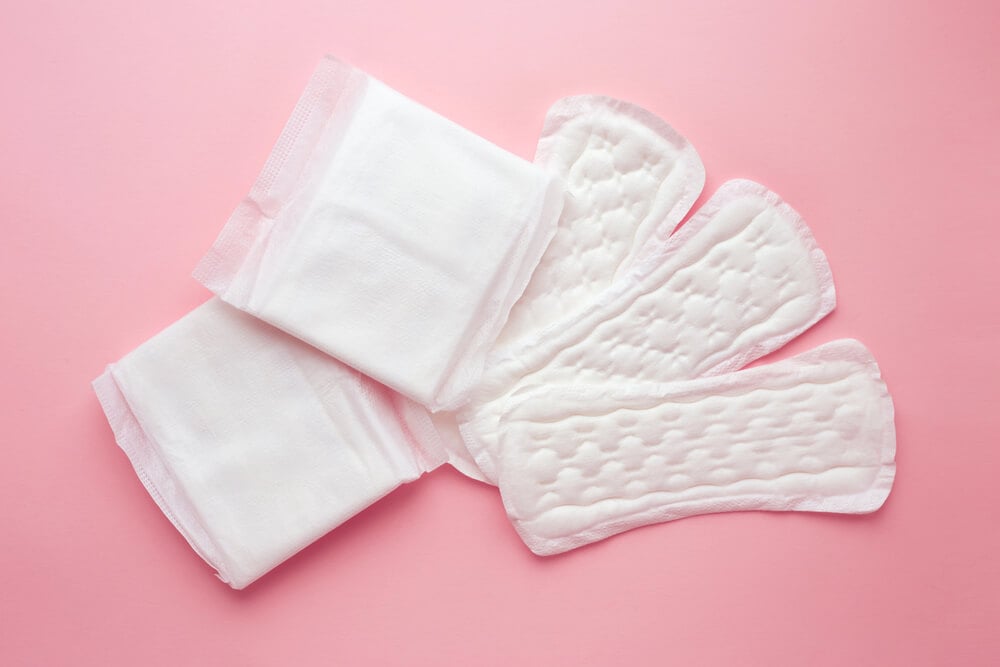
During the First World War, the company that later became Kimberly-Clark produced a cotton substitute called Cellucotton for surgical dressings. Army nurses discovered that the absorbent material worked well for their own menstrual needs.
After the war, the company turned the surplus into Kotex, launched in 1920. It was one of the first disposable menstrual pads sold widely in stores.
Surgical Steel Jewelry
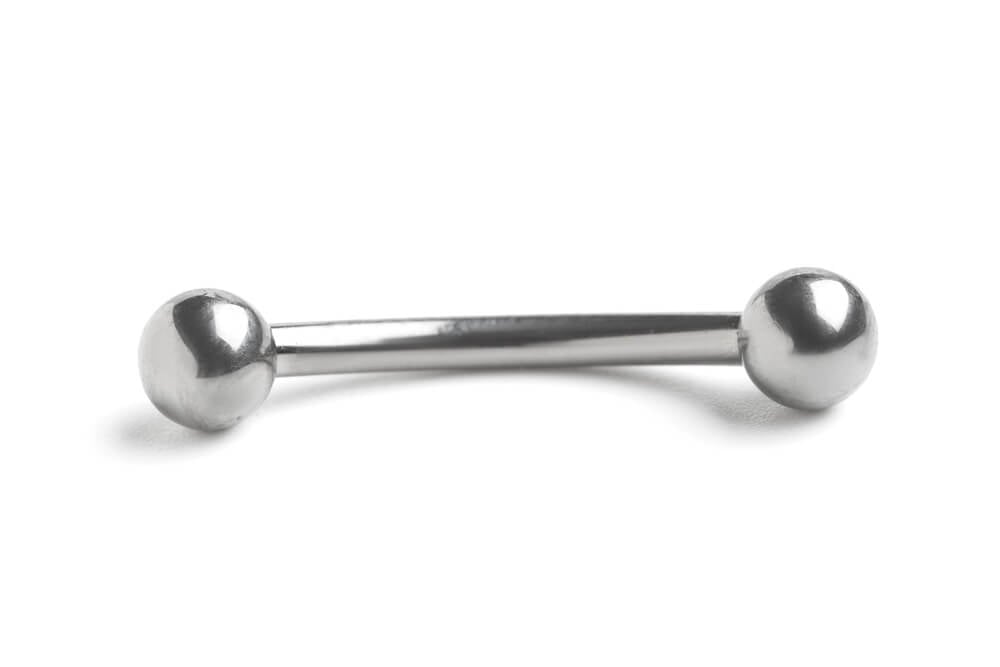
The stainless steel alloys used for surgical instruments and implants were chosen because they resist corrosion and rarely cause reactions in the body. Jewelers borrowed the same materials for earrings, piercings and watch cases.
Surgical steel is now a selling point for jewelry aimed at people with sensitive skin. The label on a pair of cheap studs is a direct reference to the operating table.
The Autoclave
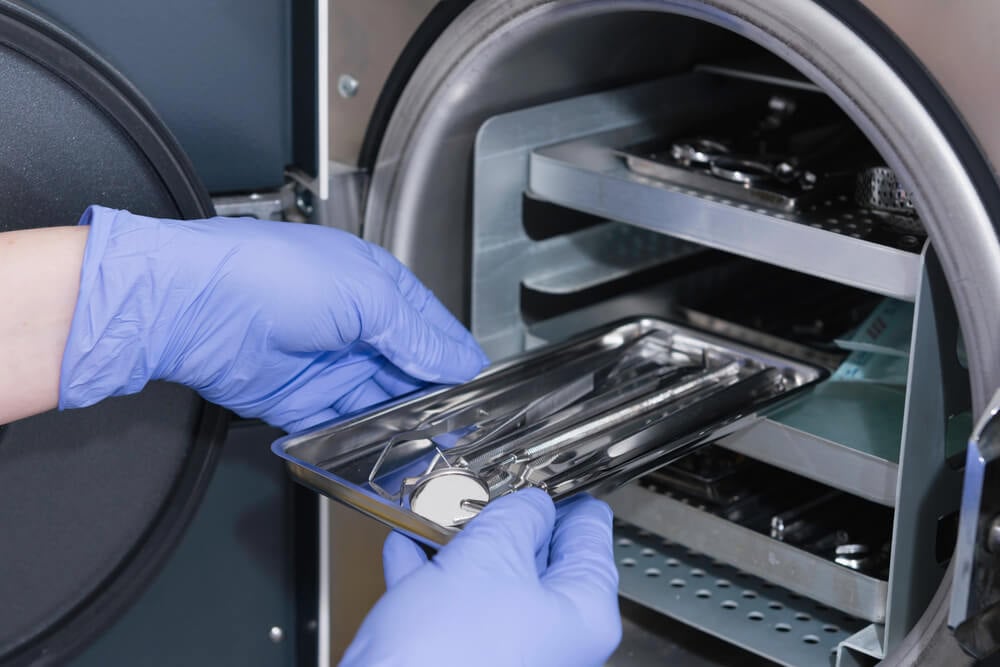
The French scientist Charles Chamberland, who worked with Louis Pasteur, developed the autoclave in 1879 to sterilize equipment using steam under pressure. It became a standard fixture in hospitals and laboratories.
Today autoclaves are also standard equipment in tattoo studios, piercing parlors and many nail salons. Regulators in many places require them, because the same logic that protects surgical patients protects customers from infection.
Hemostats for Fly Fishing
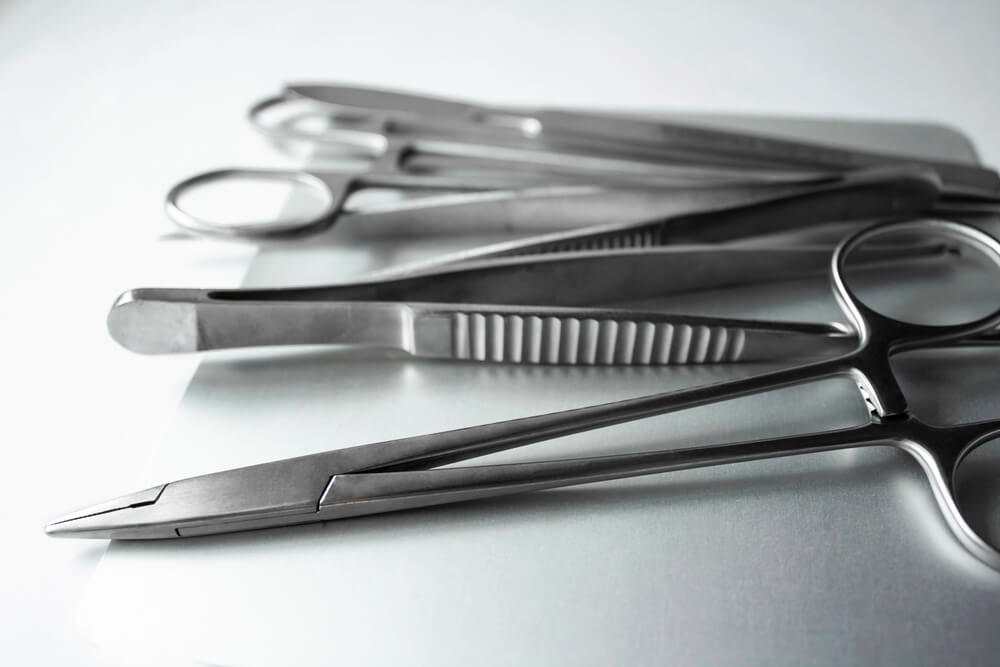
Hemostats are locking clamps designed to close off blood vessels during surgery. Fly fishers adopted them to grip and remove small hooks from fish quickly and cleanly.
Electronics hobbyists use them to hold tiny parts, and crafters use them to turn stuffed toys right side out. Many fishing vests have a special loop for clipping on a pair.
The X-Acto Knife
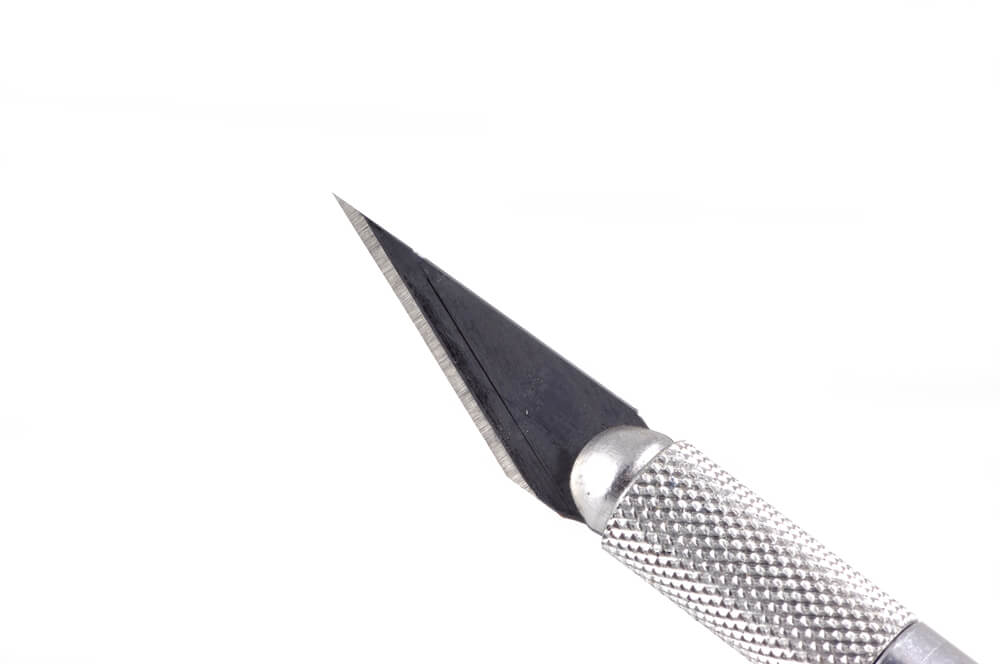
Sundel Doniger founded a medical supply company in New York in 1917, making syringes and scalpels with removable blades. He designed a new scalpel, but surgeons rejected it because it could not be properly sterilized.
His brother-in-law suggested marketing it as a precision tool for craft work instead. The X-Acto knife became standard equipment for designers, architects and model makers.
Scrubs

For much of history, surgeons operated in white coats or ordinary clothes. In the early twentieth century some surgeons began wearing green, partly because it reduced the glare from bright lights and white sheets, and made blood stains less visible.
Scrubs in green and blue became the standard uniform in operating rooms. They have since spread to veterinary clinics, salons and loungewear stores.
Ultraviolet Sanitizers
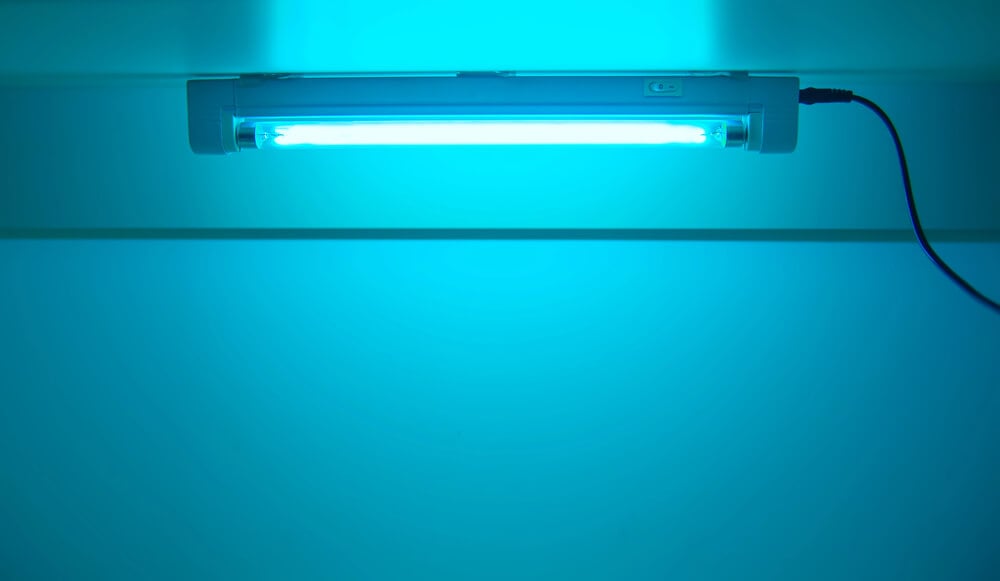
In the 1930s the surgeon Deryl Hart at Duke University installed ultraviolet lamps in an operating room to kill airborne germs, and he reported a drop in wound infections. Ultraviolet disinfection became a tool in hospitals, labs and water treatment.
Consumer versions now include wands, phone boxes and toothbrush holders. The effectiveness of the cheaper gadgets varies widely, but the idea comes straight from the operating room.
The Smartwatch ECG
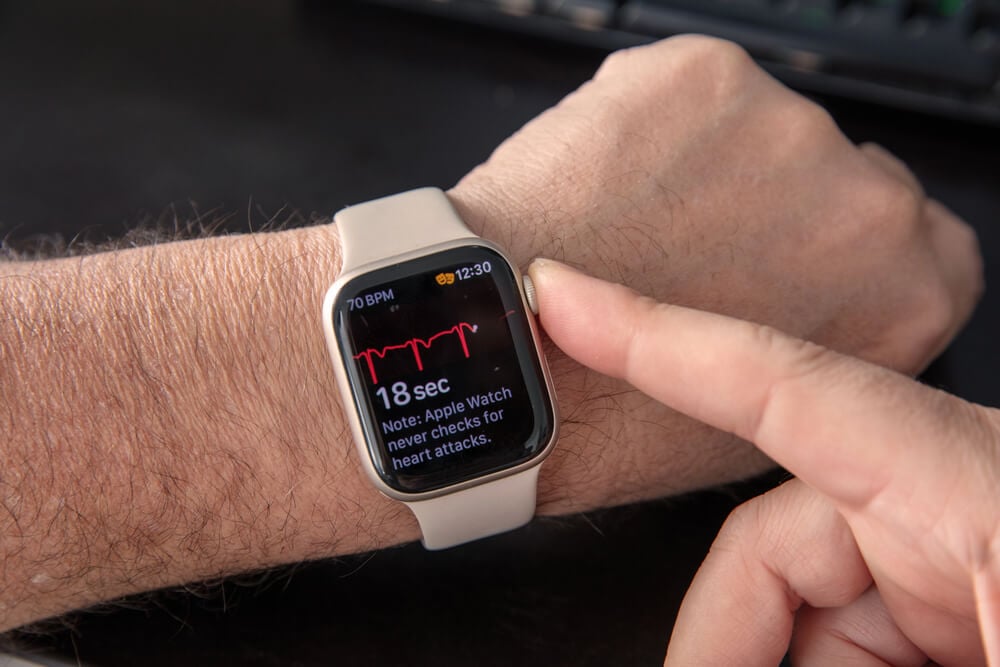
Electrocardiograms were once taken with bulky machines in hospitals, using electrodes placed on the chest and limbs. In 2018 the US Food and Drug Administration cleared an ECG feature on the Apple Watch, allowing users to record a single-lead reading from their wrist.
Other manufacturers followed with similar features. Many users have been alerted to irregular heart rhythms they did not know they had.
Over-the-Counter Hearing Aids
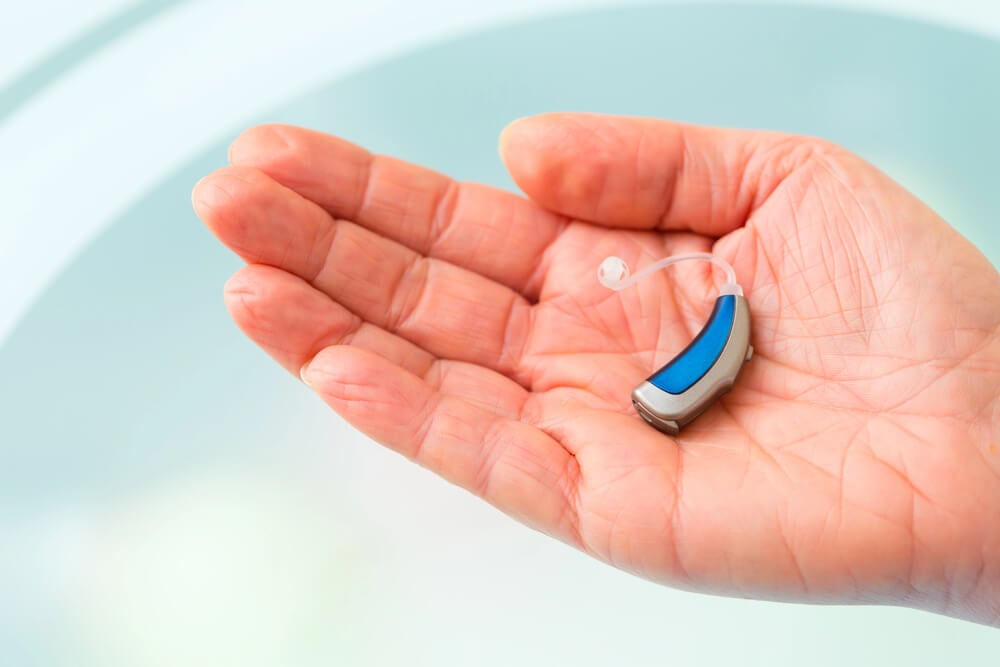
For decades, hearing aids in the United States required an exam and a fitting by a licensed professional. In 2022 the Food and Drug Administration created a new category of over-the-counter hearing aids for adults with mild to moderate hearing loss.
They are now sold in pharmacies and electronics stores, sometimes for a fraction of the old price. A device that once required a clinic visit can now be bought alongside batteries and headphones.
Kinesiology Tape
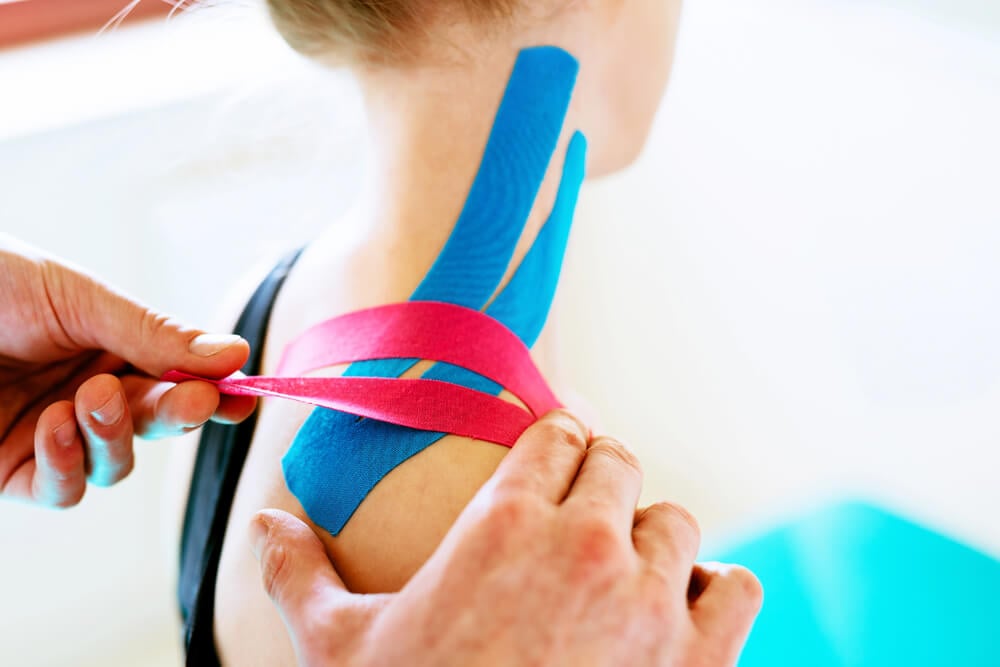
The Japanese chiropractor Kenzo Kase developed an elastic therapeutic tape in the late 1970s to support muscles and joints without limiting movement. Physical therapists adopted it, and it became highly visible when athletes wore brightly colored strips at the 2008 Beijing Olympics.
It is now sold at sporting goods stores and pharmacies. Its benefits are still debated, but its journey from clinic to consumer is complete.
Plaster Bandages
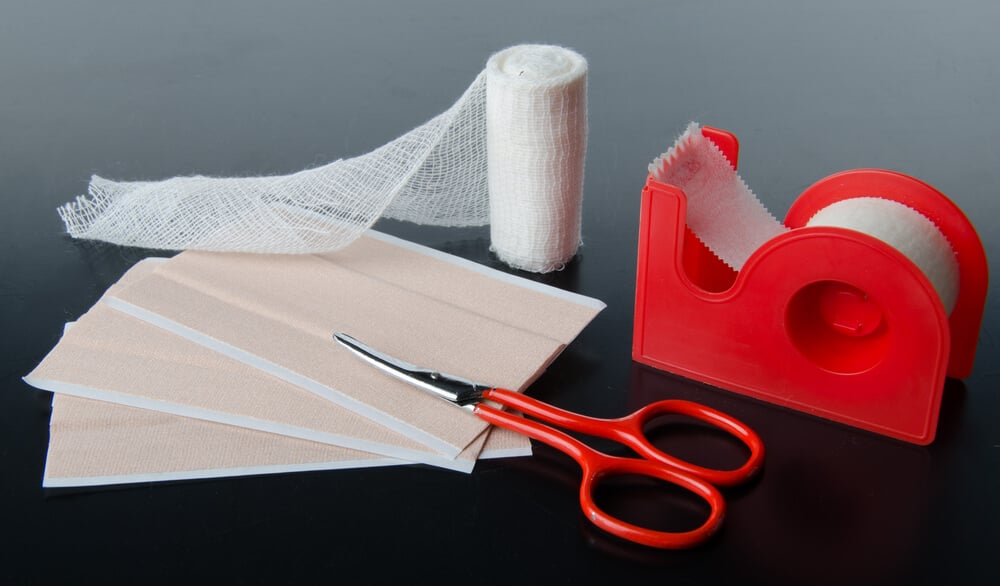
The Dutch military surgeon Antonius Mathijsen developed plaster of Paris bandages for setting broken bones in 1851. They became a standard way to make casts for well over a century.
Craft stores now sell the same plaster-impregnated gauze for making masks, sculptures and school projects. Children who cast their own faces in art class are using a technique designed for fractures.
The Stethoscope in the Garage
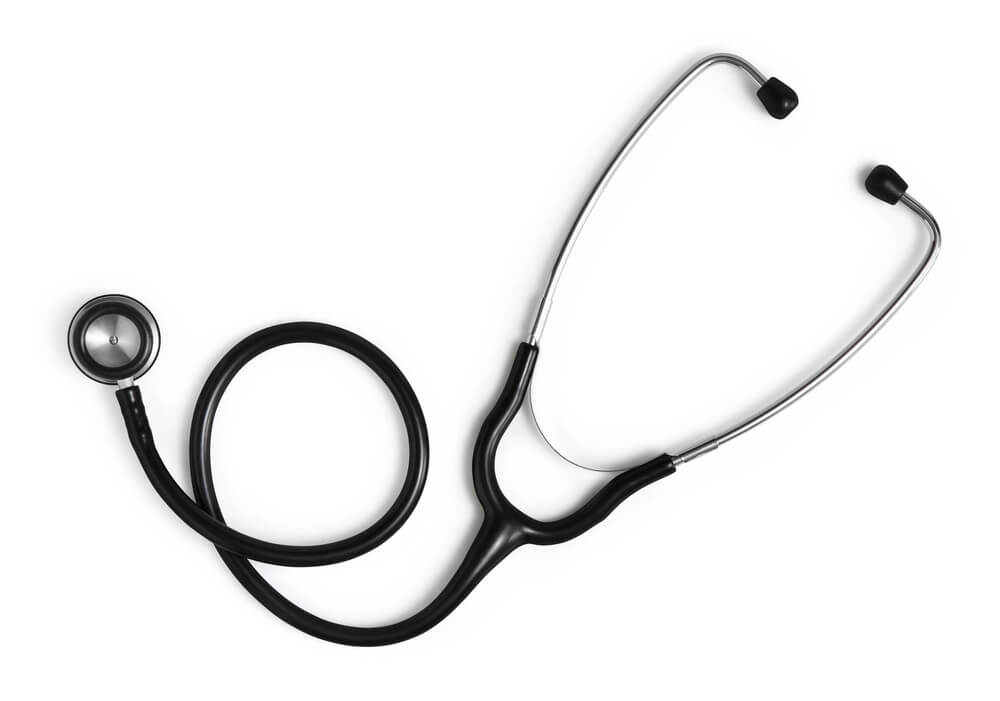
The French physician Rene Laennec invented the stethoscope in 1816, beginning with a rolled-up paper tube so he could listen to a patient’s chest without pressing his ear against it. It became the symbol of medicine.
Mechanics adapted the design with a metal probe to listen to engines, bearings and pumps, finding faults by sound. A mechanic’s stethoscope is now a standard tool in garages and workshops.
When the Ward Goes Home
Many of the tools in your kitchen, bathroom or garage passed through a hospital first. Medicine demands high standards for cleanliness, precision and ease of use, which is exactly what makes a tool worth taking home.
Once a device proves itself under those conditions, it becomes easy to trust in ordinary life. The traffic also shows how medical care has changed.
Tests and measurements that once needed a specialist now sit in a drawer at home, used by people managing their own health. The hospital has not moved into the house, but a surprising amount of its equipment has.
More from Go2Tutors!

- 27 Silver Dollars and Half Dollars Worth Keeping
- 28 Restaurant Menu Items Nobody Orders Anymore
- 17 Places Built in Seemingly Impossible Spots
- 27 Vintage Rings Worth More Than They Look
- 25 Restricted Sites Tourists Can’t Enter
Like Go2Tutors’s content? Follow us on MSN.