27 Old Photo Negatives Worth Checking Before Disposal
A shoebox of negatives looks like clutter until someone holds a strip up to a window. Each frame can contain a picture that never made it into an album, and some of the film carries safety concerns that matter before anything goes in the trash.
The sorting does not require special equipment, only patience and a good light. These are the kinds of negatives worth a second look.
Nitrate Film That Needs Careful Handling
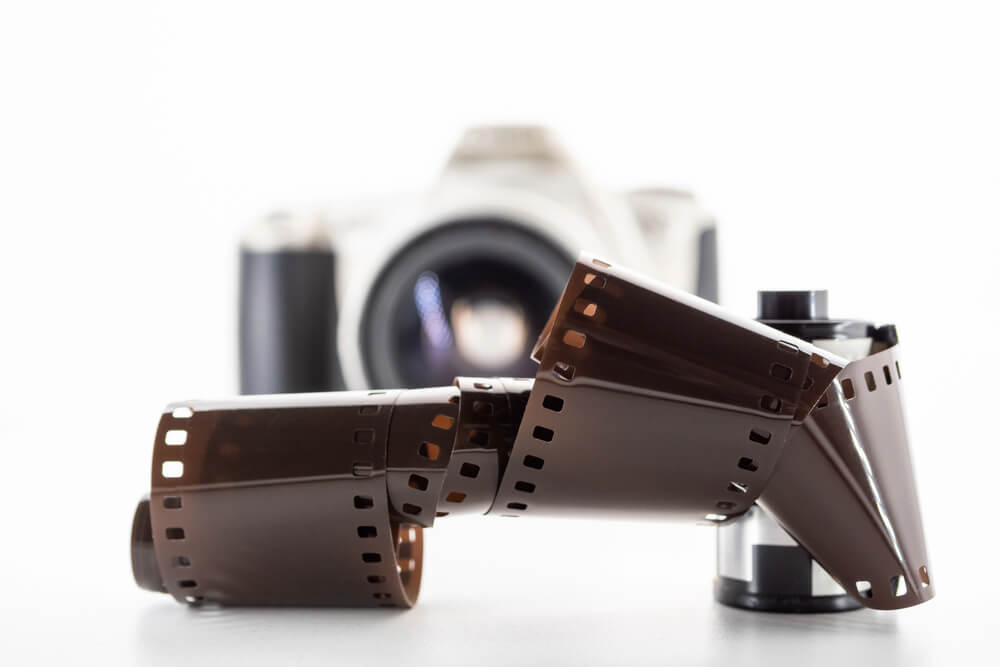
Early negatives on cellulose nitrate are chemically unstable and flammable, so they deserve special care. Edge printing that reads Nitrate is one clue, and a V-shaped first notch on pre-1949 Kodak sheet film is another.
Archivists advise separating suspected nitrate from other negatives and asking a local archive or museum for guidance rather than throwing it out.
Deteriorating Film That Is Sticky or Powdery
Nitrate in poor condition may turn sticky, foamy, or brown, and in its final stage it crumbles into powder. Negatives in that state are easy to recognize by smell and texture.
They should be isolated and handled according to local guidance for hazardous materials.
Acetate Safety Film With Edge Markings
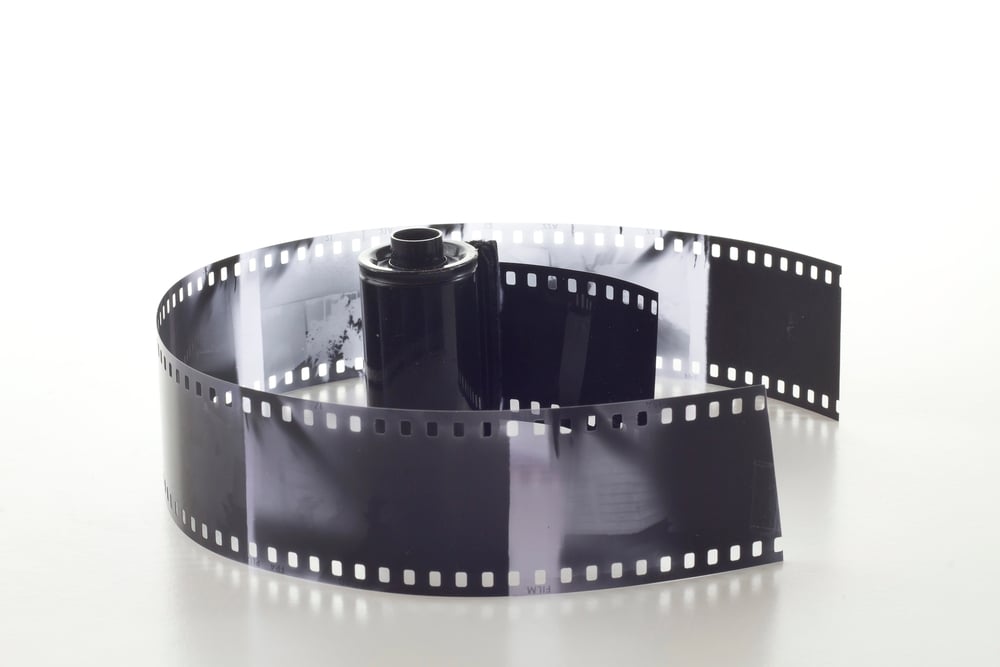
Many mid-century negatives carry the word Safety along the border, indicating that they are cellulose acetate and not nitrate. Kodak used such edge printing into at least the 1980s.
A strip with that marking is much less risky, though acetate can still warp and shrink with age.
Copy Negatives of Older Originals
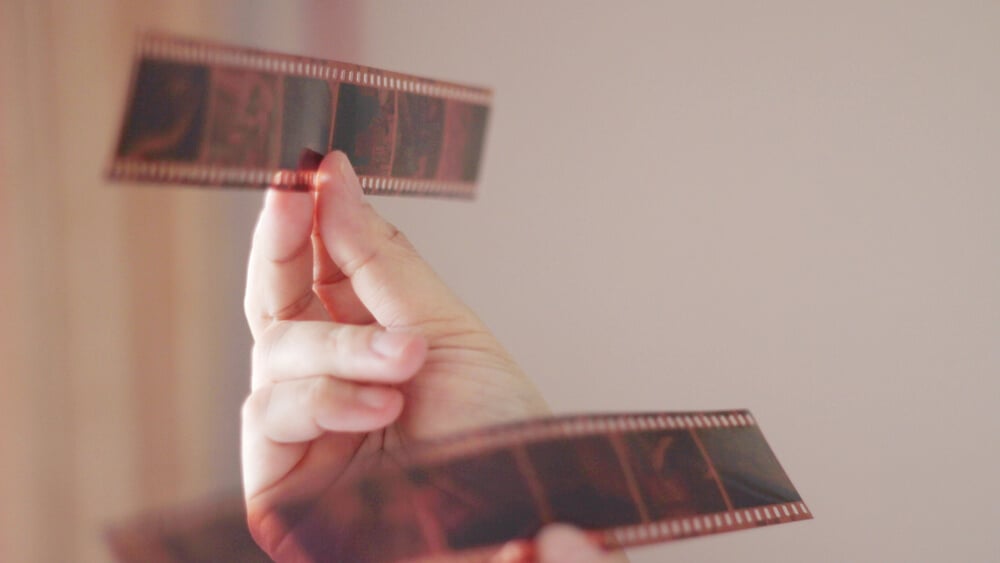
Photographers sometimes duplicated old nitrate negatives onto acetate film to preserve the images. A copy can look nearly identical to the original but is chemically safer.
It may be the only surviving version of an image whose original is long gone.
Polyester-Based Film
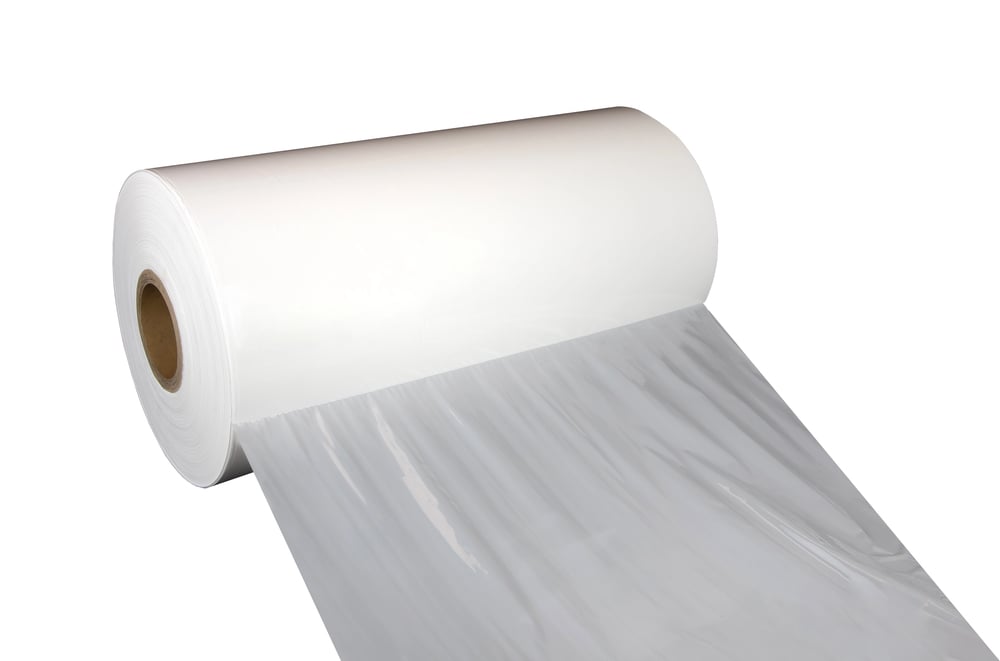
Polyester film came into use in 1955 and tends to be far more stable than earlier bases. Negatives on that base often look crisp even after many decades.
A strip that stays flat and clear is a good sign for scanning.
126 Cartridge Negatives
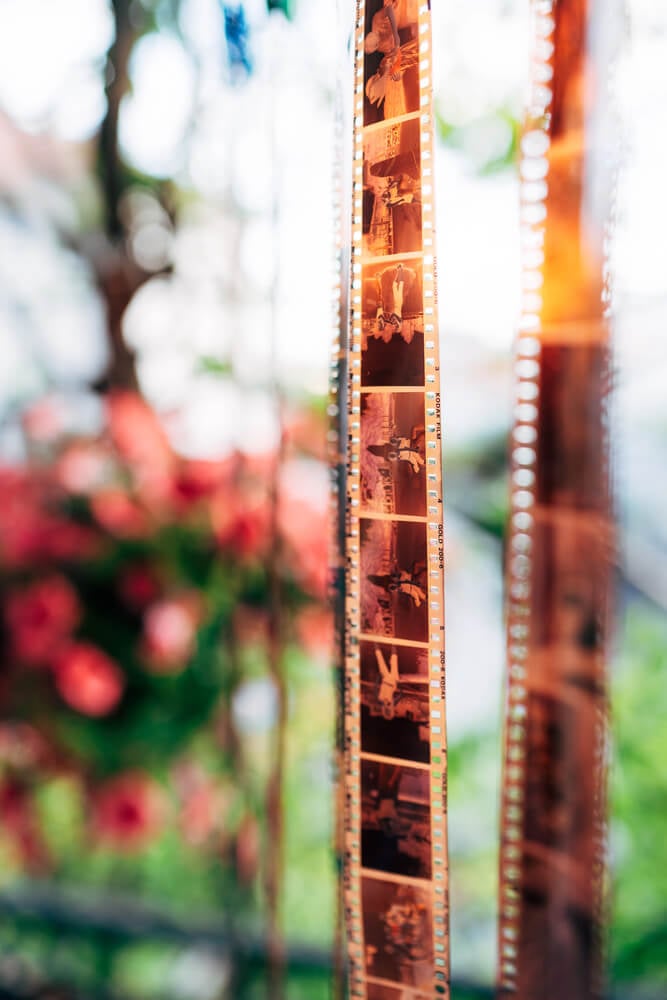
Kodak introduced the 126 cartridge in 1963 with the Instamatic cameras, and millions of family snapshots were taken on it. The square frames came back from the lab in strips or sleeves.
Many holiday and birthday pictures from the 1960s and 1970s survive only on those strips.
110 Pocket Negatives
The 110 cartridge arrived in 1972 with the Kodak Pocket Instamatic cameras. Processed negatives came back as strips without the original cartridge.
The frames are tiny, but a good scanner can recover surprisingly sharp images.
120 Roll Film Negatives
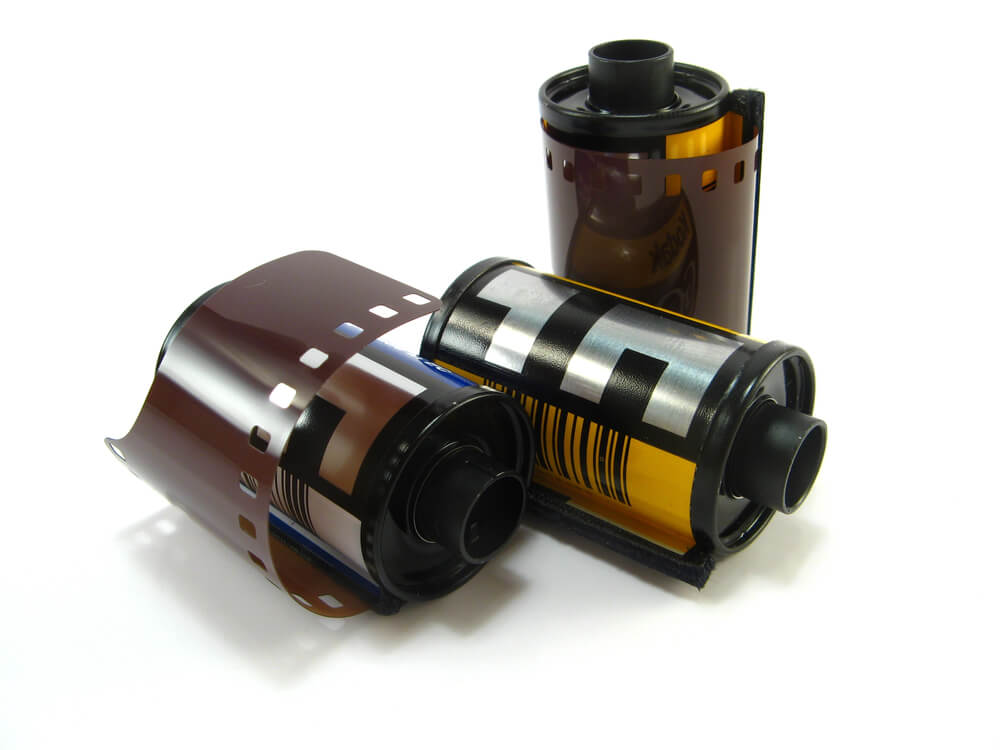
Medium-format film produced large negatives, often square or rectangular, from folding and box cameras. The size makes details easy to see even without magnification.
Photos from family weddings and portraits sometimes turn up on this film.
35mm Strips in Paper Sleeves
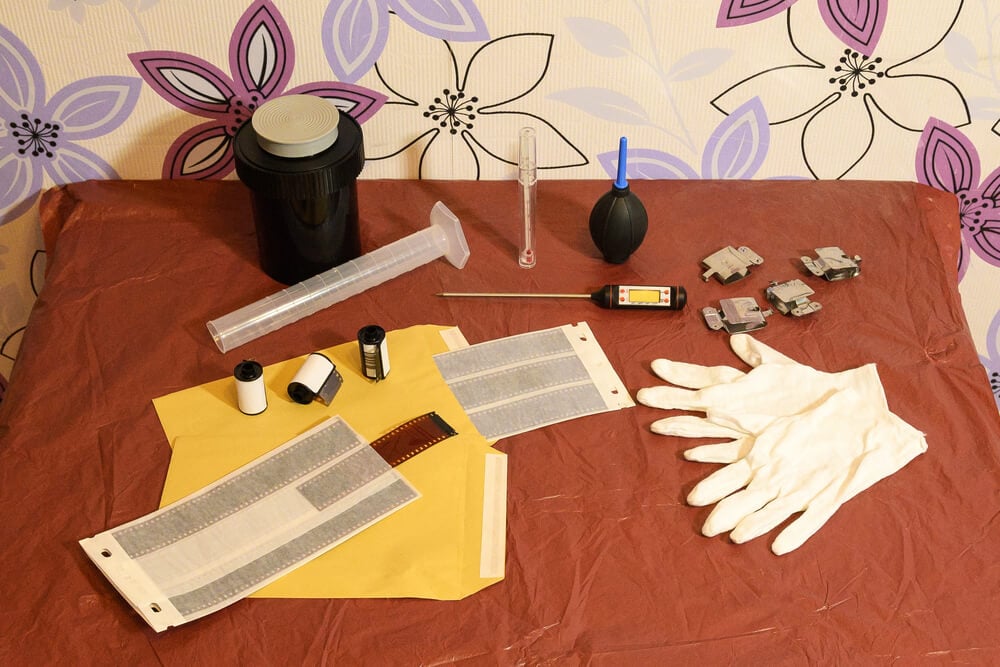
The standard 35mm strip, cut into groups of four to six frames, filled drawers of family homes for decades. Sleeves protected them from dust and fingerprints, though the paper itself sometimes damaged the film.
Each strip may include frames that were never printed.
Advanced Photo System Cassettes
The Advanced Photo System, introduced in the 1990s, returned negatives in a small cassette along with an index print. The index sheet shows tiny thumbnails of every frame.
A forgotten cassette in a drawer can hold an entire vacation.
4×5 Sheet Film
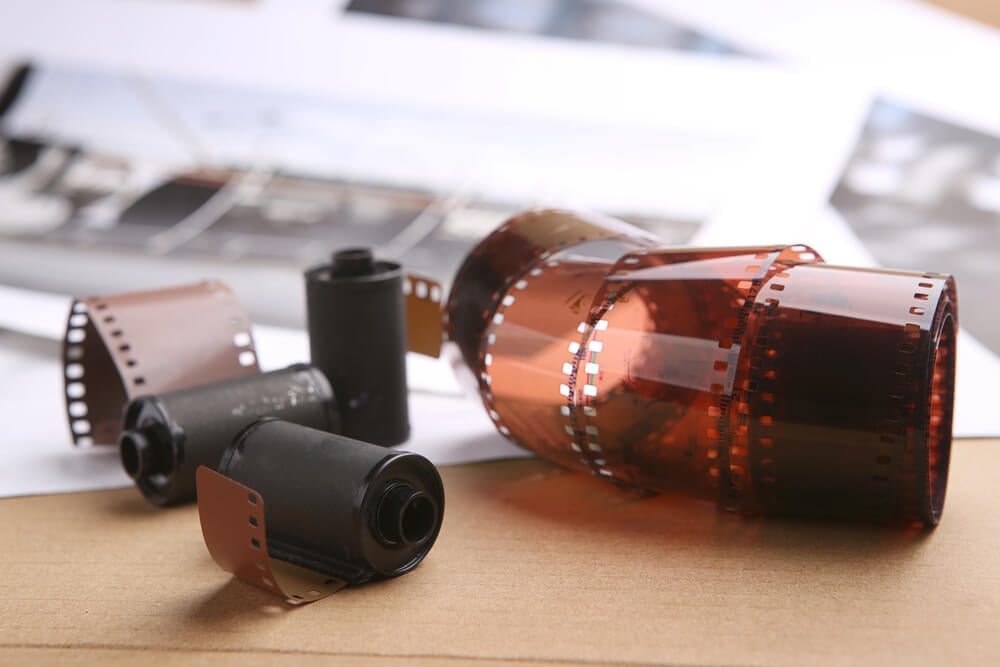
Professional photographers used large sheets of film for portraits and commercial work. A family who inherited a studio’s files might find dozens of beautifully detailed images.
Notch codes along the edge can identify the film type.
Glass Plate Negatives
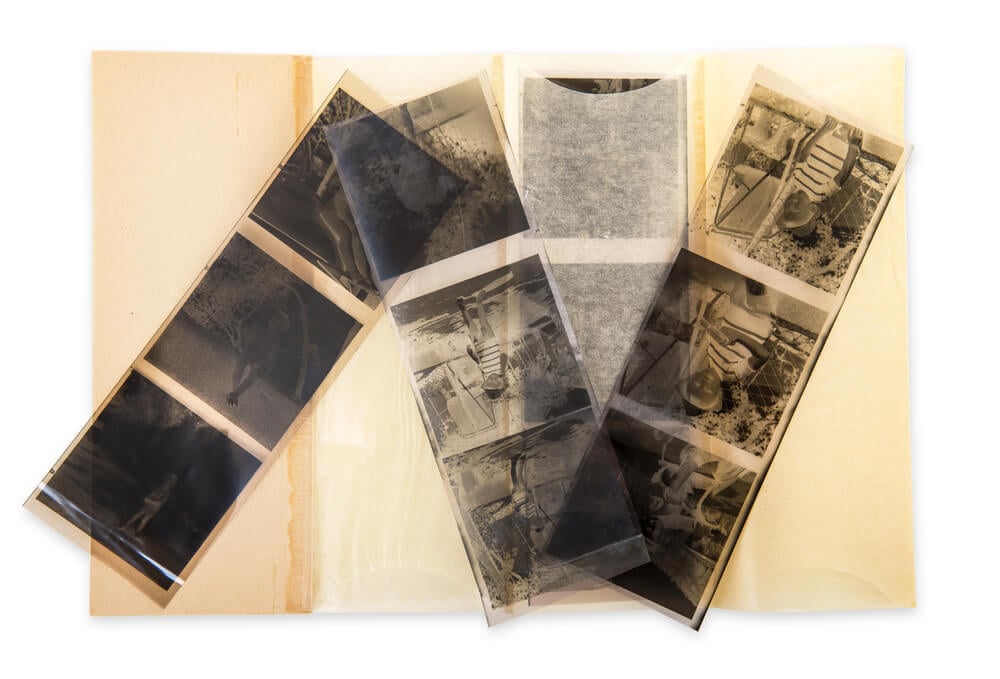
Glass plates preceded flexible film and are often more than a century old. They are heavy, fragile, and capable of holding extraordinary detail.
A cracked plate should be handled gently and stored upright in a padded box.
Film Pack Negatives
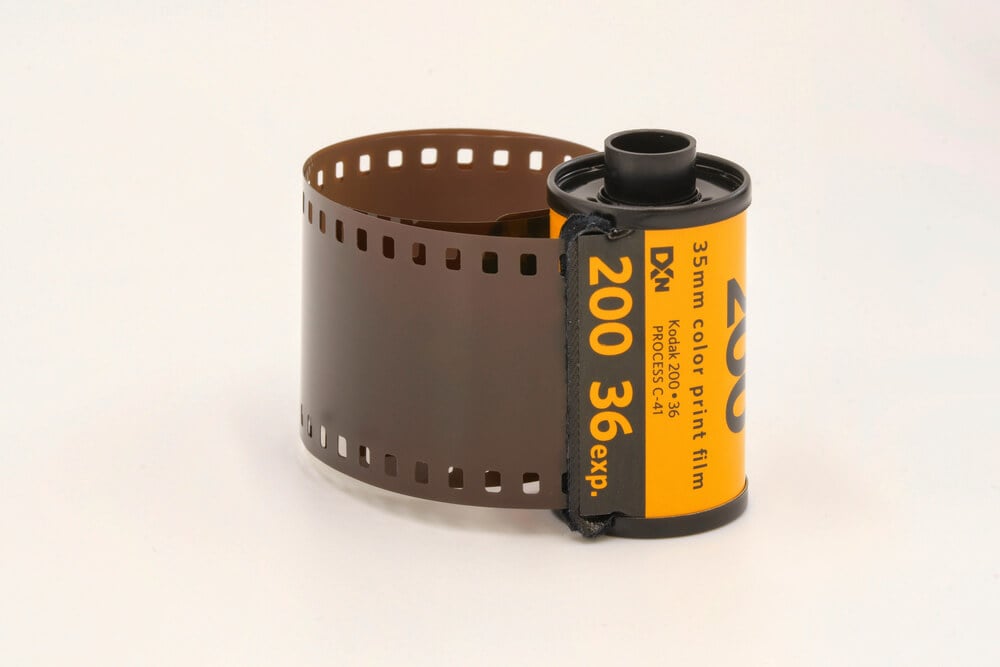
Film packs held thin, flexible sheets that feel closer to roll film than to sheet film. They lack the notch codes found on standard sheet film.
Their thin base means they need gentle handling.
Wedding Negatives From the Studio
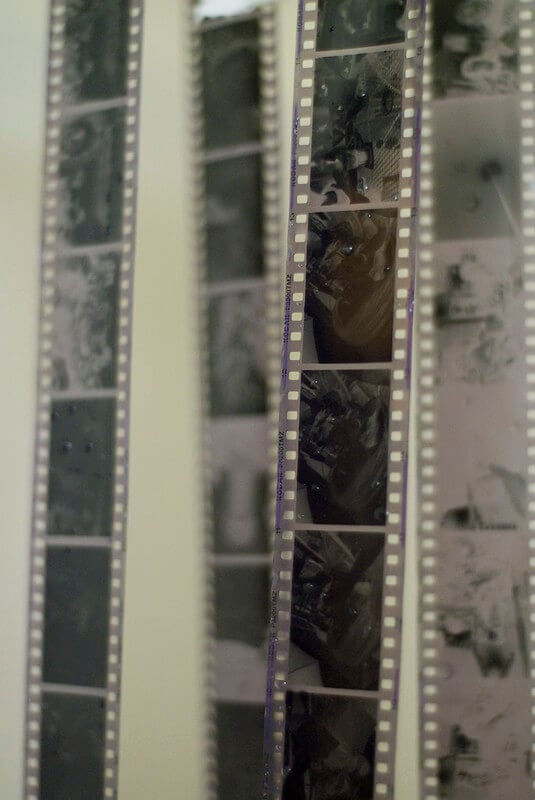
Professional wedding photographers shot far more frames than ended up in the album. The leftover negatives may hold candid moments that never made it into prints.
A family could find a guest or a relative who appears in no other picture.
School Portrait Negatives
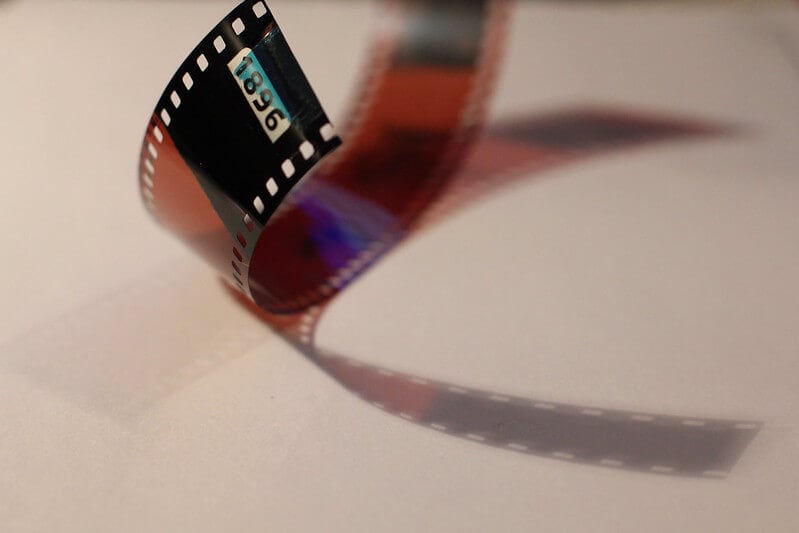
School portraits were often produced in sets, and the photographer kept the negatives. A packet might hold several poses of a child.
Parents sometimes discover a smile that never made it onto the printed wallet photos.
Military Service Photos

Negatives from service years often include barracks, ships, and friends who became lifelong companions. They may carry notes about places and dates on the sleeve.
A scan can restore faces that vanished from family memory.
Home Construction and Renovation Photos

Builders and homeowners sometimes photographed foundations, framing, and wiring during a project. Those negatives can document where pipes and beams actually run.
They are useful years later when a repair or remodel needs answers.
Family Reunion Frames

Reunion rolls contain faces from several generations and branches. Prints were often given away, leaving the negatives as the only copy.
A single frame may show a gathering that never happened again.
Frames the Lab Never Printed
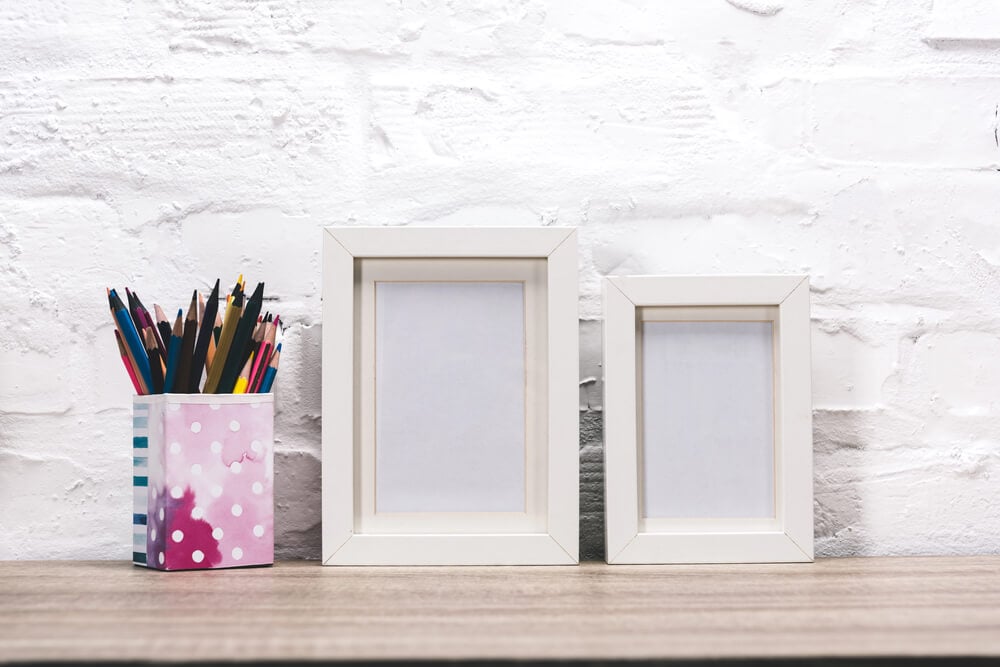
Photo labs printed most frames, but sometimes skipped dark, blurry, or odd ones. Those unprinted frames can turn out to be the most interesting once scanned and corrected.
Some contain a child’s laugh caught a moment too early for the print machine.
Lab Envelopes With Dates and Names
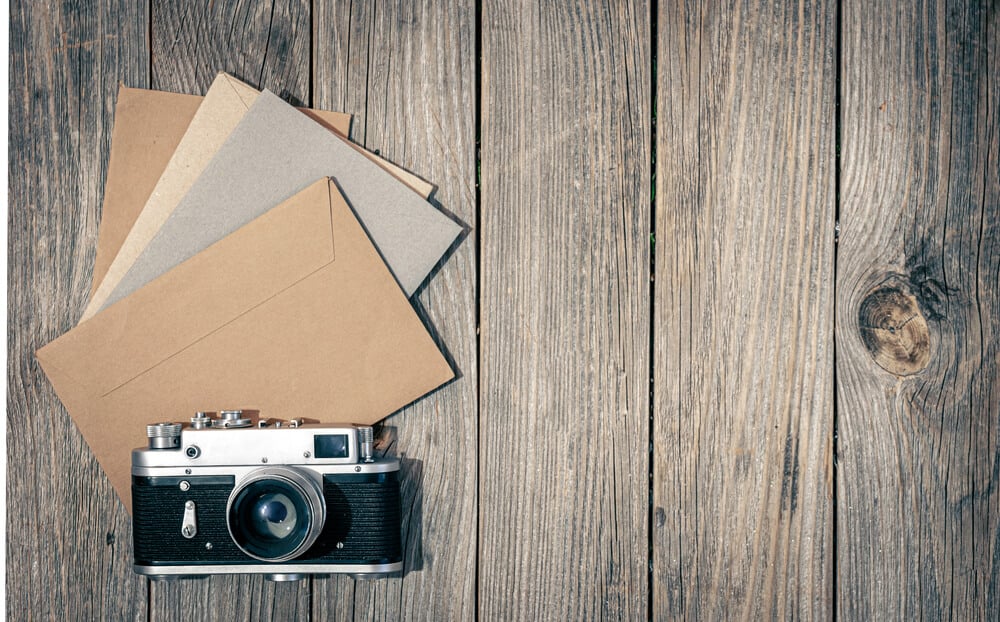
The paper envelope that held a set of prints often carried a date, a lab name, and a processing number. It serves as a record of when the pictures were taken.
Keeping the envelope with the negatives preserves a useful clue.
Handwritten Notes on Sleeves

People often wrote a location, a year, or a list of names on the sleeve. Those notes provide context that a blank strip cannot.
A short phrase in pencil can identify a person who otherwise would stay anonymous.
Contact Sheets Paired With Negatives
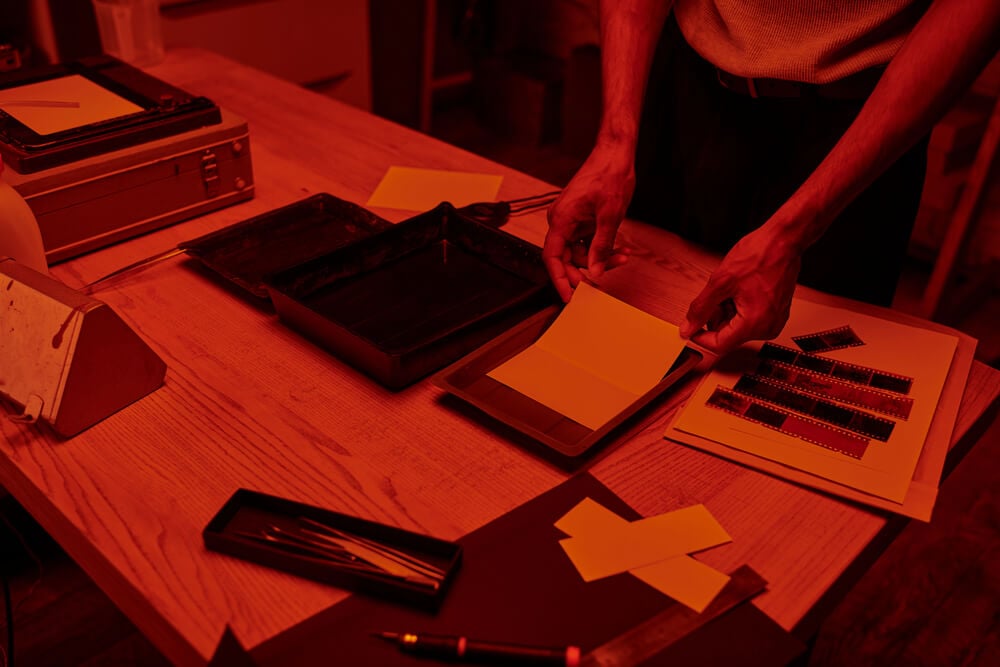
A contact sheet shows every frame from a roll as a small positive print. It helps match images to negatives without squinting at tiny strips.
Keeping the sheet with the film saves hours of searching.
Color Negatives With an Orange Tint

Color negatives look orange and inverted because of a built-in mask that corrects for dye characteristics. People sometimes throw them away, assuming the film is faded.
Scanning software easily converts them to normal colors.
Black-and-White Negatives With Fine Grain
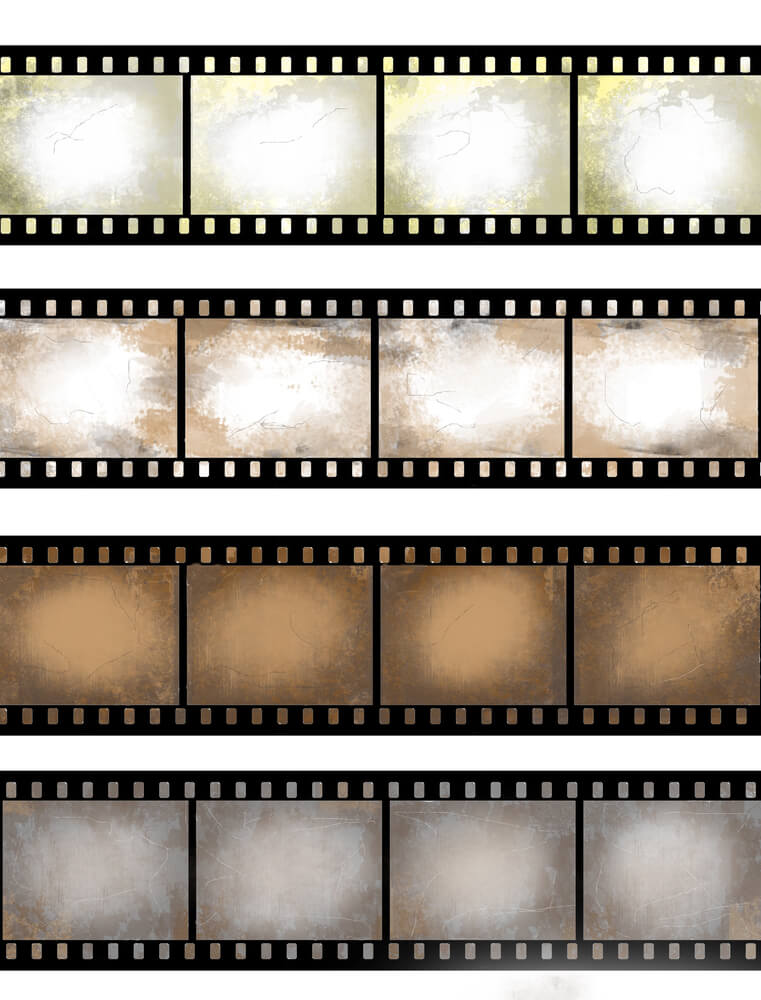
Black-and-white negatives from the 1940s through the 1970s often hold remarkable tonal range. They can look dense or thin to the eye but scan beautifully.
A well-exposed strip can outlast its prints in quality.
Rolls Exposed but Never Developed
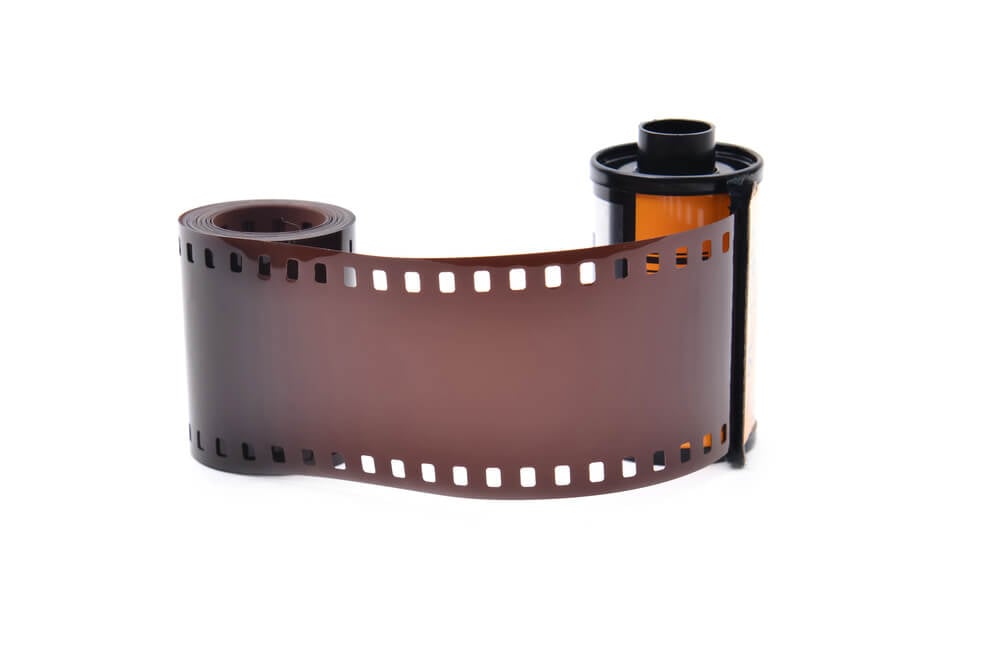
Canisters of film that were shot and never processed may still hold latent images. Some labs will attempt to develop old rolls, though results vary with age and storage.
A forgotten roll might contain the last pictures taken before a camera was put away.
Half-Frame Negatives
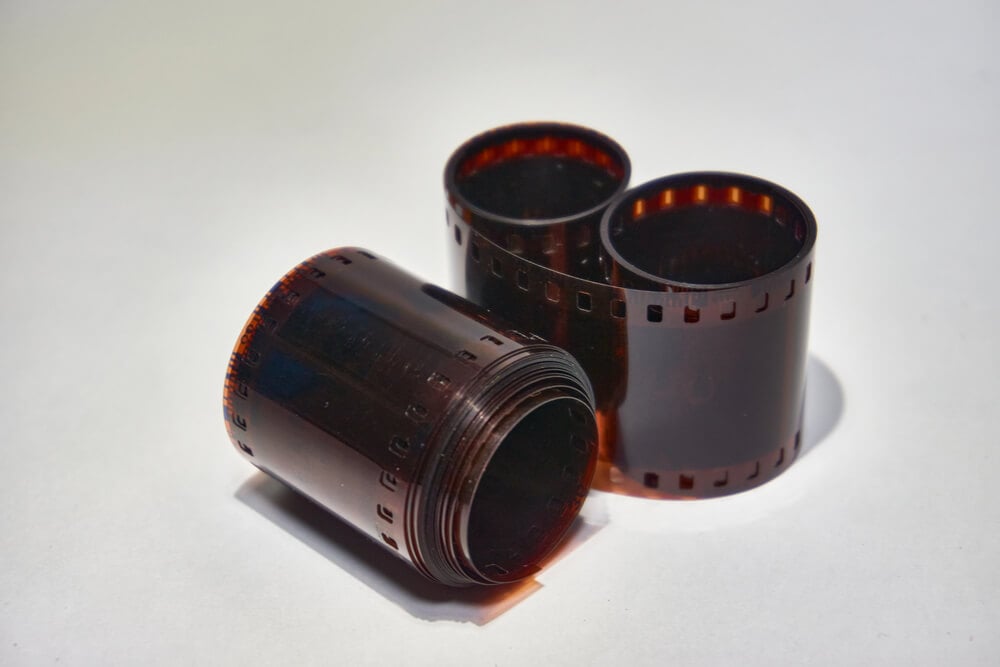
Half-frame cameras exposed two small pictures in the space of one standard 35mm frame. A roll yielded twice as many shots, and families shot enormous quantities.
The negatives are small and are easy to mistake for damaged strips.
Slides Mixed in With Negatives
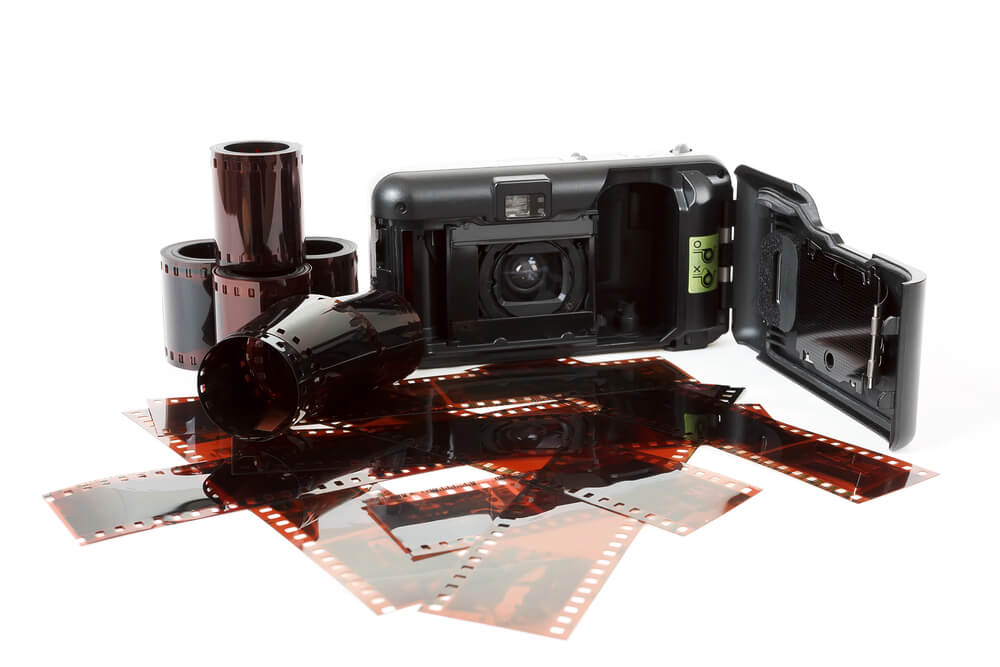
Mounted slides sometimes end up in the same shoebox as negatives. They are positive transparencies and look correct when held to light.
A quick check prevents the mistake of discarding a stack of slides as film scraps.
Strips of Light in a Shoebox

Negatives are easy to underestimate because they look like dark, curling ribbons. Held up to a lamp, they turn into a record of faces, rooms, and afternoons that nobody photographed twice.
The sorting is slow, but it is often the first time anyone has looked in decades.
Careful handling matters most for the films that are fragile or unstable. A quick check of edge markings and condition can separate the keepers from the hazards.
Anything uncertain is better left with an archivist than dropped in a bin.
More from Go2Tutors!

- 27 Silver Dollars and Half Dollars Worth Keeping
- 28 Restaurant Menu Items Nobody Orders Anymore
- 17 Places Built in Seemingly Impossible Spots
- 27 Vintage Rings Worth More Than They Look
- 25 Restricted Sites Tourists Can’t Enter
Like Go2Tutors’s content? Follow us on MSN.