29 He-Man and G.I. Joe Figures Worth Money
Plenty of childhood toys ended up buried in sandboxes, chewed by dogs, or sold for a quarter at a yard sale. A surprising number of them simply went into a shoebox in the closet, armor and weapons still tangled together.
Those boxes are now worth opening.
Collectors of Mattel’s Masters of the Universe and Hasbro’s G.I. Joe pay real money for the right figures, and the difference between a modest sale and a serious one often comes down to a tiny sword, an intact card, or a paint job that never got scuffed.
He-Man From the First Wave of 1982
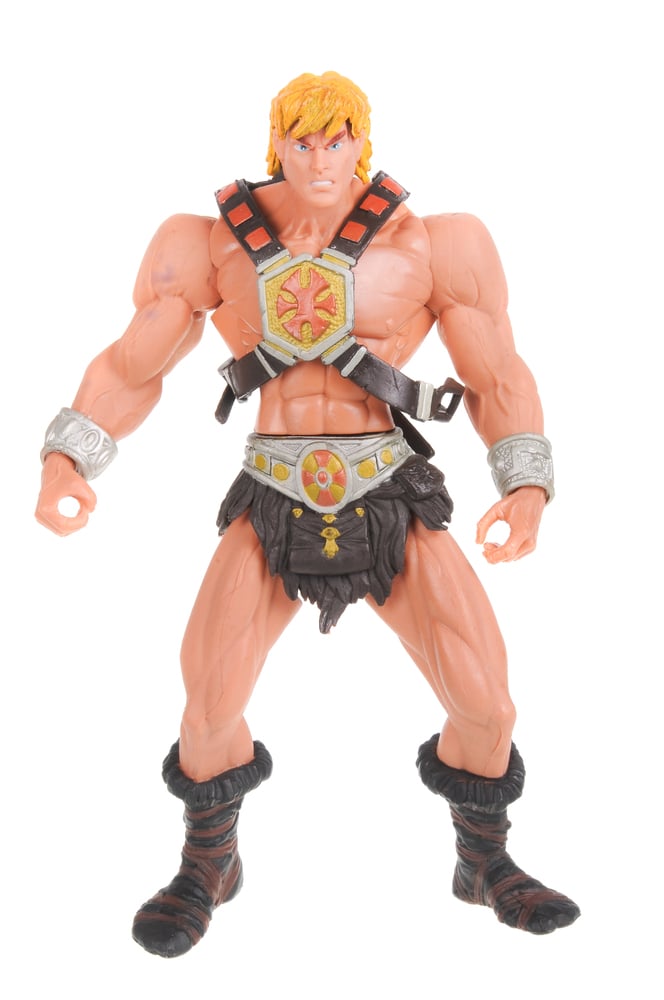
Mattel launched Masters of the Universe in 1982, and He-Man led the first wave on cardboard backers that showed only eight figures, a design collectors call the 8-back. Those early cards are prized because later packaging grew crowded as the line expanded.
The figure itself was a muscular, rubber-limbed hero with a power sword, battle axe, chest armor and a spring-loaded waist that delivered a punch when twisted. Loose examples are common and modest in price.
Unopened 8-back cards are another matter, often selling for well into four figures, with bubble yellowing, card creases and grading results swinging the number widely.
Skeletor and His Havoc Staff
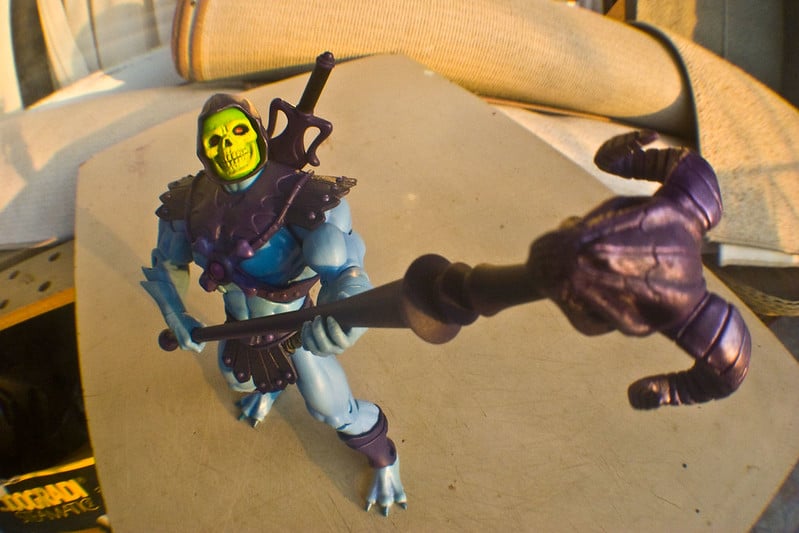
Skeletor arrived alongside He-Man in 1982, a blue-skinned villain with a yellow skull face, purple armor and a ram-headed Havoc Staff. He was the line’s best-known bad guy, and the toy sold in huge numbers.
That popularity means loose figures turn up constantly, often missing the staff or the sword half that combined with He-Man’s. A loose, complete Skeletor with crisp paint usually brings a respectable sum.
A sealed 8-back version is far scarcer and can sell for thousands, although collectors study the card corners, the bubble seal and any signs of resealing before paying anything close to that.
Battle Cat, the Armored Green Tiger
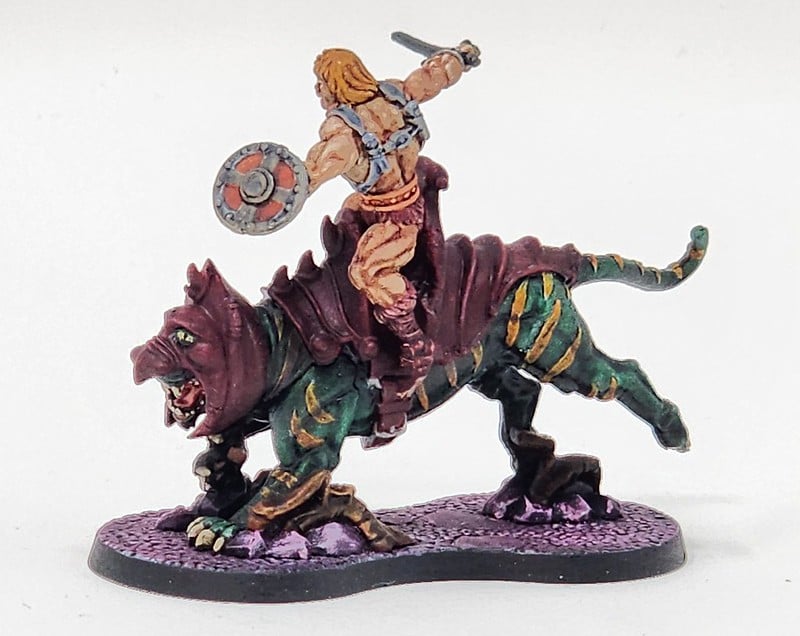
Battle Cat came out in 1982 as He-Man’s armored green tiger, with orange stripes, a red saddle and a removable helmet mask. The figure was large and sturdy, and many children used it as a footrest, a chew toy or a racing vehicle.
That rough treatment explains why clean ones command a premium. The saddle and helmet are what most often go missing.
Boxed examples sell well above loose ones, and a sealed box is a significant find, though sun fading on the green plastic and stress marks around the legs both lower the price noticeably.
Panthor and Its Flocked Purple Fur
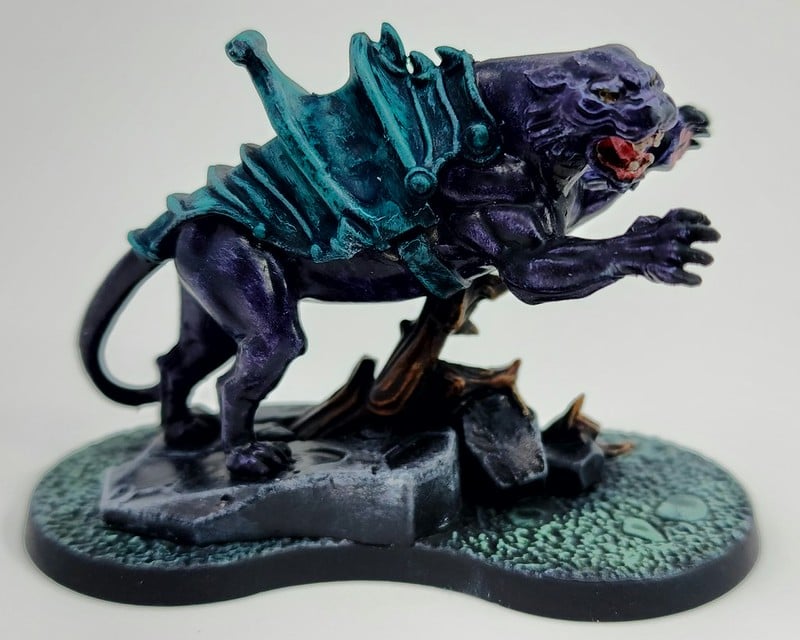
Panthor, Skeletor’s purple panther, joined the line in 1983 with a flocked coat, a fuzzy covering that felt like velvet. That flocking is the problem.
It rubs off with handling, leaving bald patches on the shoulders, back and head, and very few survived childhood with a full coat.
Panthor also came with a saddle that mirrored Battle Cat’s. Collectors pay a substantial premium for examples with intact flocking, and boxed ones with original fur can sell for many times a worn loose copy.
Even storage contact with other toys can strip patches, so buyers inspect photos closely.
Teela and Her Cobra Headdress
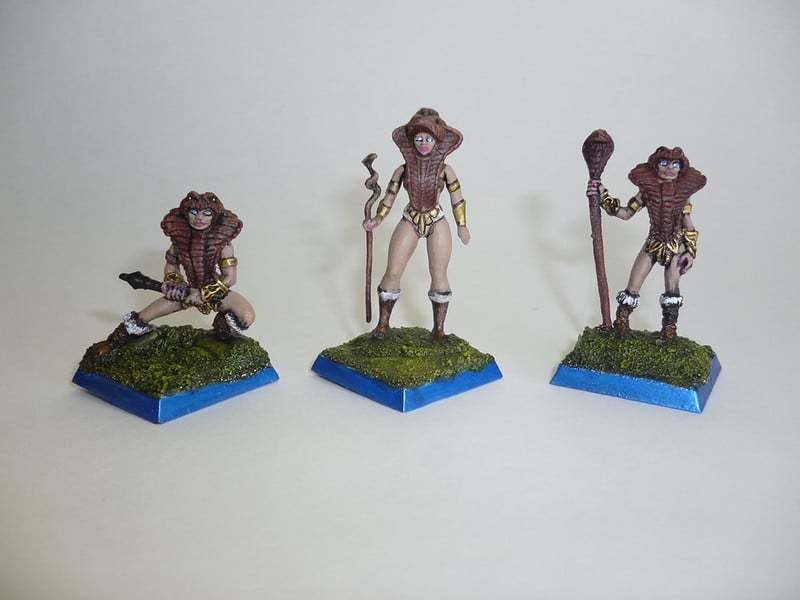
Teela was the only female figure in the first 1982 wave, a warrior goddess character with a white outfit and a cobra-shaped headdress armor piece. She also carried a snake staff and a shield, all of which were easy for a child to lose.
The cobra headdress is the accessory that usually disappears first, and a figure without it is worth a fraction of a complete one. Carded examples sell for significant amounts, with fading on her outfit a common concern and loose shield clips another.
A complete loose Teela remains one of the harder first-wave figures to assemble.
Man-At-Arms Without the Mustache
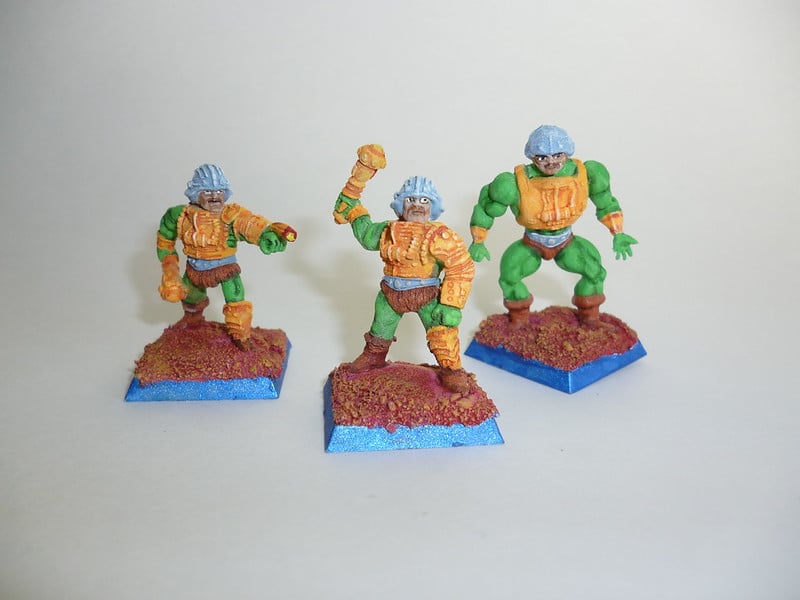
Man-At-Arms came out in 1982 as the heroes’ weapons master, dressed in green armor with a mace. One detail surprises fans of the cartoon.
The original figure had no mustache, because the toy was designed before the animated series gave the character one. Mattel later released versions with the mustache in other lines, but the vintage one stayed clean-shaven.
Loose figures with the orange mace and armor are fairly common, and carded examples sell for considerably more, depending on how well the card has held up and whether the mace is still sealed inside.
Beast Man and His Orange Fur
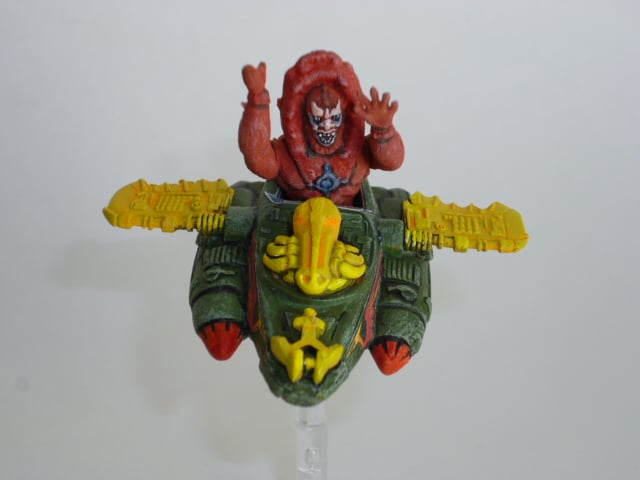
Beast Man debuted in 1982 as Skeletor’s savage henchman, a hulking figure with orange fur sculpted onto his body, a red face and a whip. He shared the same muscular base figure as other first-wave figures, but the fur detail made him distinctive.
His chest armor and whip are the accessories most often missing. Loose complete examples are affordable for most collectors. Carded 8-back versions are much harder to find and can bring high prices, though paint rubs on the face and a brittle whip, which can crack with age, make a difference.
Mer-Man and the Sea Creature Sculpt
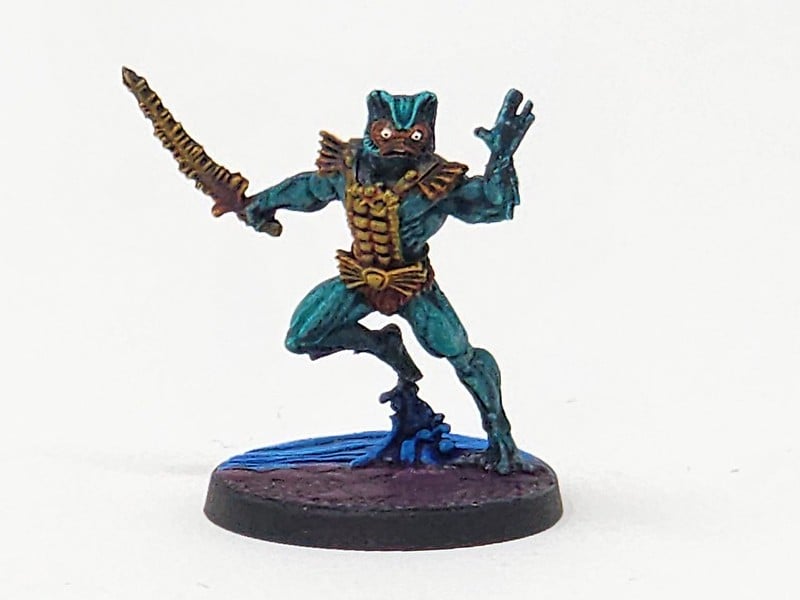
Mer-Man was another 1982 villain, an aquatic warrior with green skin, a fishlike face and a sword. His sculpted head is among the most detailed in the first wave, and he quickly became a favorite of children who liked monsters.
Mattel used the same body as other early figures, which kept costs down. His chest armor and sword are the usual losses. Complete loose examples are moderately priced, and a carded version can sell for much more, especially on an unpunched 8-back card, provided the bubble has not yellowed or dented.
Stratos and His Feathered Wings
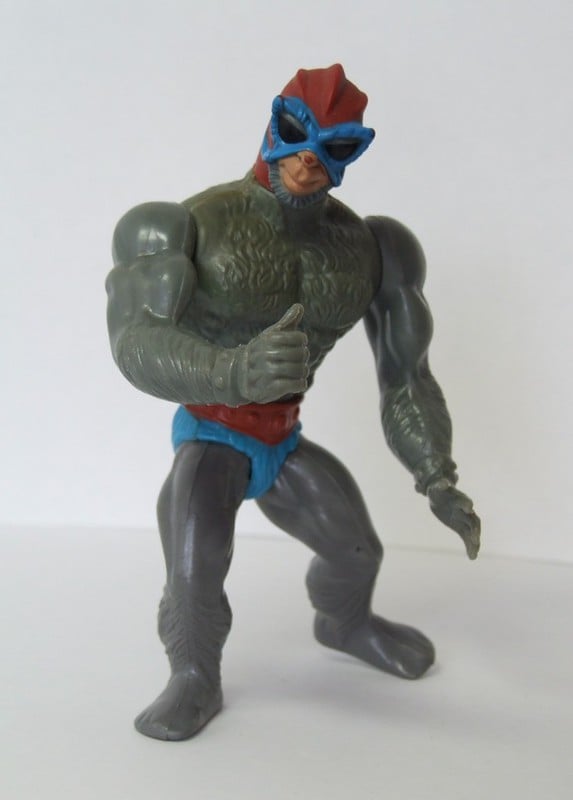
Stratos, the winged hero, was part of the 1982 lineup, with a gray and blue color scheme, a jet pack and feathered wing pieces attached to his arms. Collectors know that several color variations exist on his wings and chest harness, which adds to the challenge of assembling a set.
The wing pieces are fragile and often missing. Loose complete figures are common and modest in price.
Carded examples are worth more, and collectors check whether the backpack and wings are still in place, since they are easy to snap off with careless play.
Zodac the Cosmic Enforcer
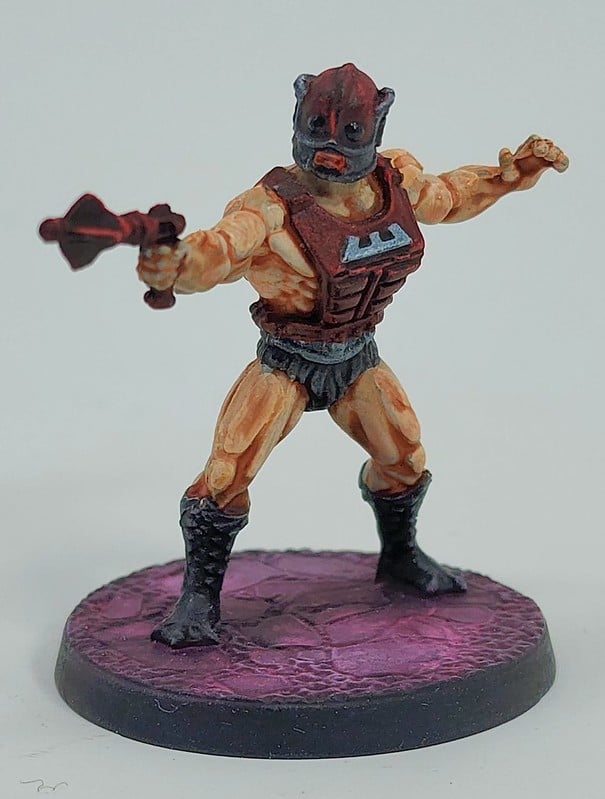
Zodac was released in 1982 as a mysterious cosmic enforcer, neither hero nor villain, with a red and black outfit and a laser gun. He appeared only briefly in the cartoon, which made him a slightly odd toy for children to play with.
That oddity has kept him on the minds of collectors. Loose complete figures are fairly inexpensive, though his gun and armor often go missing.
Carded versions on 8-back cards are far more valuable, depending on whether the card still lies flat and the paint on his face and boots is unworn.
Faker, the Blue-Skinned Robot Double
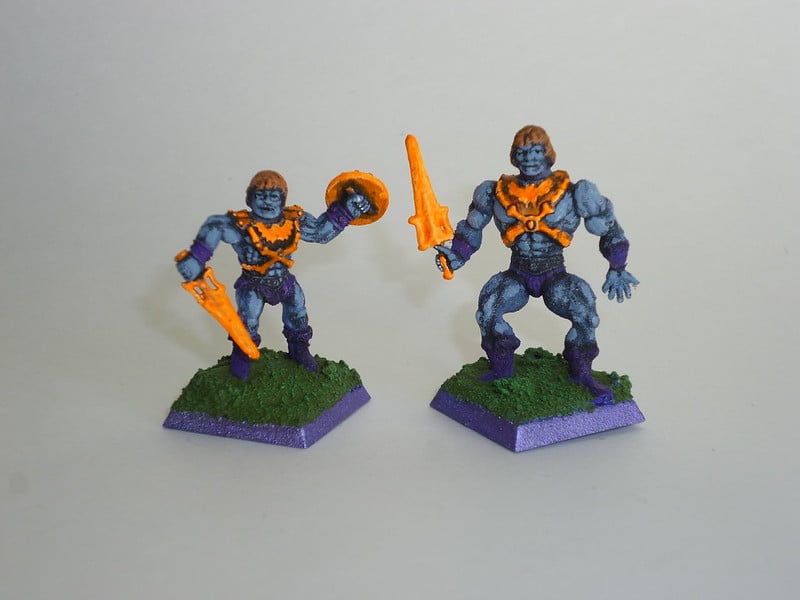
Faker came out in 1983 as an evil robot copy of He-Man, using He-Man’s body with blue skin, orange hair and Skeletor’s armor. He was first offered as a mail-in, which means early examples came without a card.
Later he was sold at retail on a standard card. The figure has a sticker on his chest armor showing robotic circuitry, and that sticker is often worn or missing.
Carded examples sell for respectable amounts, and the mail-in versions draw interest from collectors who want every variation, provided the sticker is intact.
Scare Glow and His Glowing Skeleton
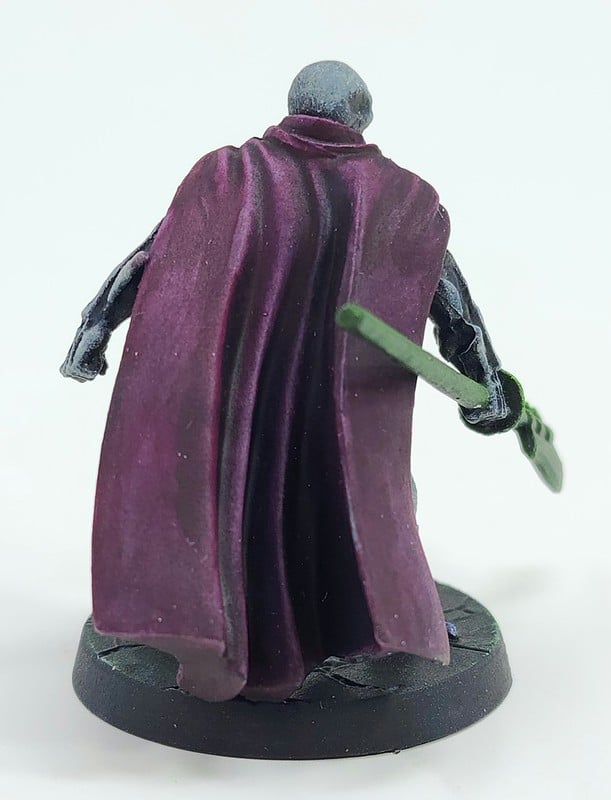
Scare Glow came out in 1987, late in the run, as a ghostly skeleton figure molded in glow-in-the-dark plastic with a scythe. Late-line figures were produced in shorter runs as the toy line declined, so Scare Glow is scarcer than first-wave characters.
His glow is still visible after decades, which collectors enjoy testing. The scythe and cape are easily lost.
Loose complete figures sell for more than most early figures, and carded examples can sell for several hundred dollars or more, depending on card creases and bubble clarity.
Sorceress and Her Falcon Wings
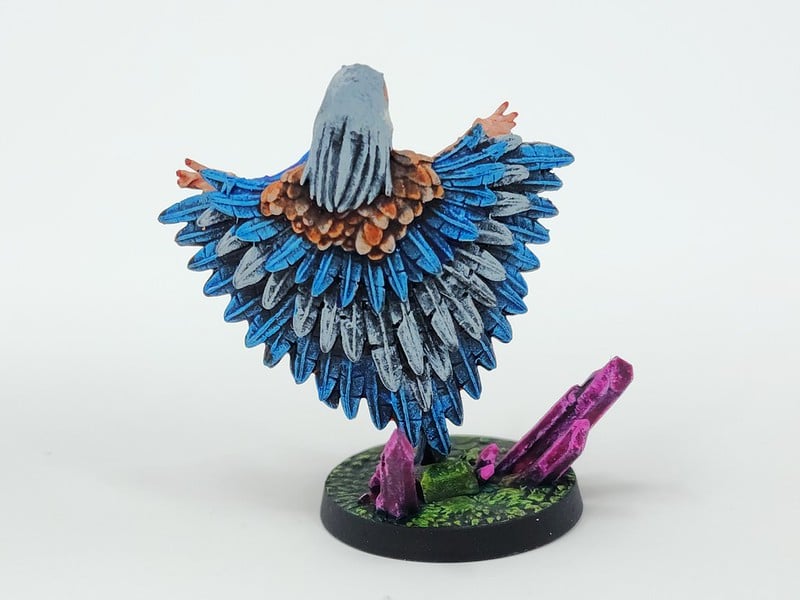
The Sorceress figure arrived in 1987 as the guardian of Castle Grayskull, with a falcon-themed headdress and wings that lifted when her legs were squeezed. She was one of the later releases, and her production run was smaller than the earlier figures.
That makes her one of the harder figures to find complete, with her staff often missing. Loose examples with all accessories are moderately valuable, and carded ones are far more expensive.
Discoloration of her white plastic is common, and collectors pay much more for a figure without it.
Hordak, Leader of the Evil Horde
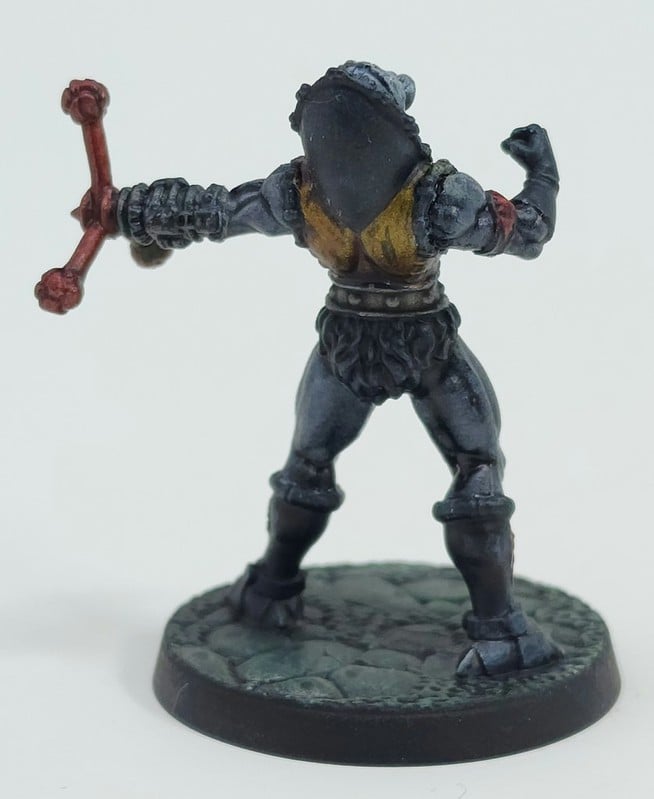
Hordak debuted in 1985 as the leader of the Evil Horde, a rival faction to Skeletor, with a bat-symbol chest and a crossbow. His pale, skull-like face and red eyes made him look nothing like the other villains on the shelf.
The Horde was introduced partly to tie in with the She-Ra line, and Hordak became a fan favorite. Loose complete figures are affordable for most collectors.
Carded versions sell for considerably more, though the crossbow is the piece that usually goes missing, and pieces from later reissues can confuse buyers.
Laser Power He-Man and Laser Light Skeletor
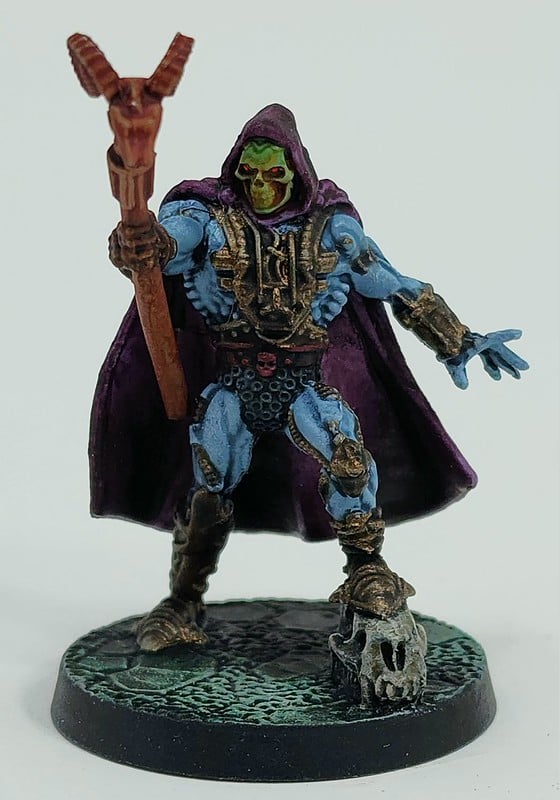
Laser Power He-Man and Laser Light Skeletor were among the final figures as the line wound down around 1988 and 1989. Each had a battery-powered light-up sword, a feature that made them unusual in the series.
Much of the production went to Europe because American interest had already faded, so they are scarce in the United States. Collectors pay significant sums for either figure, and a carded pair is a serious acquisition.
Battery corrosion inside the figures is a common problem, and collectors check whether the lights still work before buying.
G.I. Joe Action Soldier of 1964
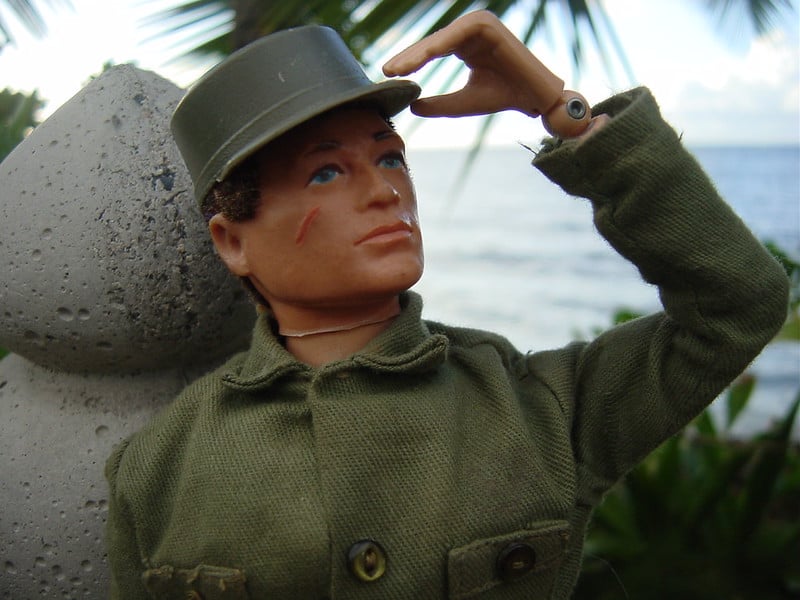
Hasbro introduced G.I. Joe in 1964 as a 12-inch poseable soldier, and the company deliberately called it an action figure so boys would buy what was essentially a doll. The term stuck and shaped the toy industry from then on.
A hand-carved prototype reportedly sold for 200,000 dollars in 2003. Ordinary first-year Action Soldiers are far more affordable, but boxed examples with the original fatigues, helmet and paperwork bring strong prices.
Collectors check for the scar on the right cheek and the patent markings on the back, since reproductions exist.
Action Pilot in His Orange Flight Suit
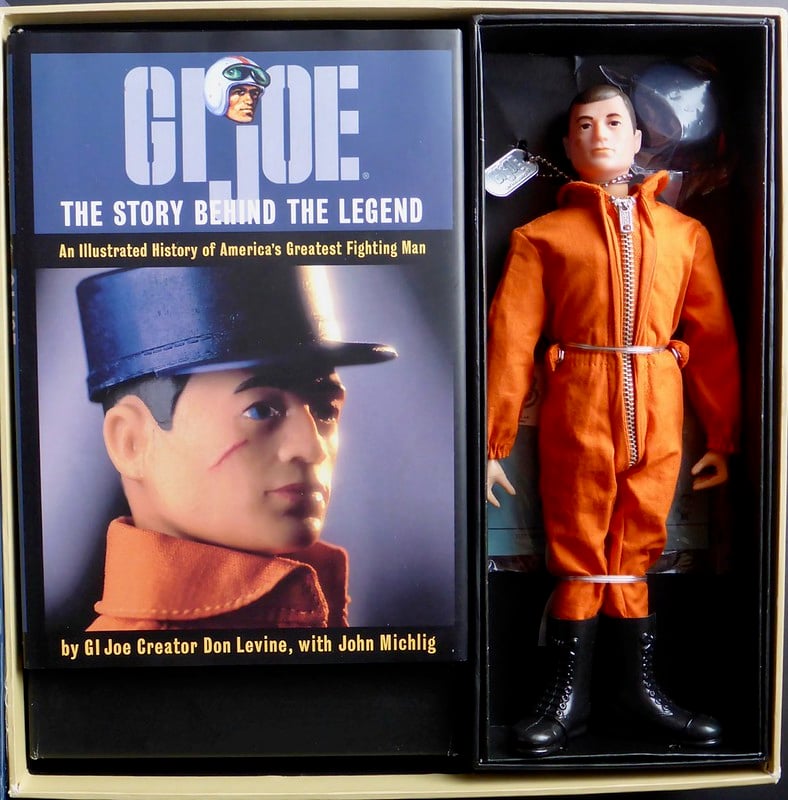
The Action Pilot was one of the original four 1964 G.I. Joe figures, wearing an orange flight suit and carrying a cap and dog tags. Hasbro also sold separate uniforms and gear, so children could dress their pilot for different missions.
Loose figures are common, and the original outfits often went missing as clothing was swapped among figures. Boxed examples with the original suit are worth considerably more than loose ones.
Fading on the orange fabric and broken rubber-band joints inside the body both reduce the value noticeably.
Black G.I. Joe From 1965
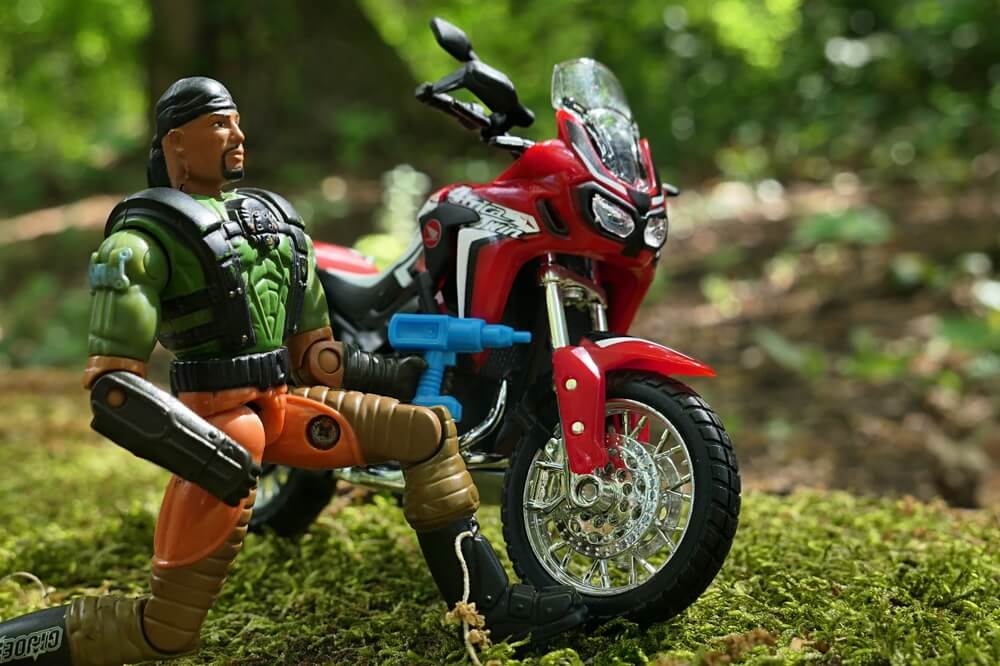
In 1965 Hasbro added an African American version of G.I. Joe, an early step toward diversity in a major boys’ toy line. The figure used the same body as the original but with a different skin tone and painted features.
It sold in smaller numbers than the white versions, which makes it scarcer today. Collectors pay significant sums for boxed examples with original uniforms.
Fading of the skin paint and missing accessories both affect the price, and authentication matters because some figures have been repainted.
G.I. Nurse, the Doll That Did Not Sell
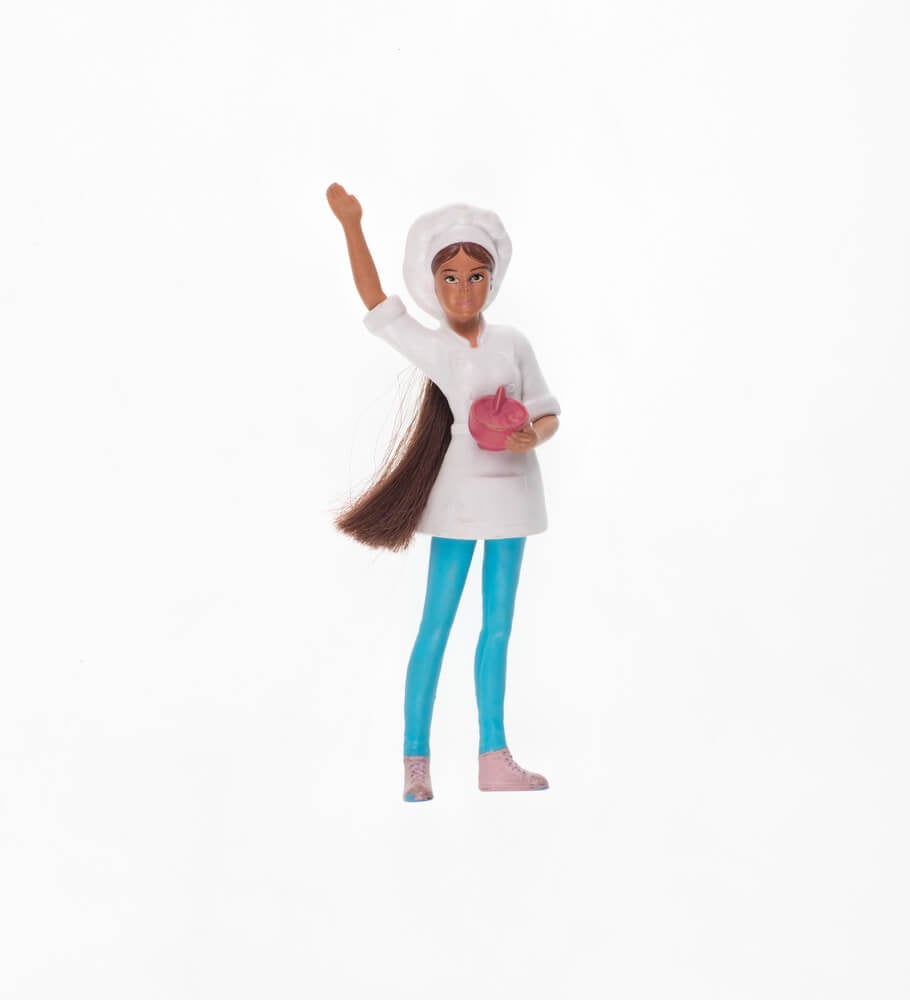
G.I. Nurse joined the line in 1967, a female figure in a white uniform with a red cross armband and a medical kit. Boys did not want a female figure in their G.I. Joe sets, and girls did not want a military doll, so it sold poorly and was discontinued quickly.
That failure made it one of the scarcest figures in the vintage line. Boxed examples are worth substantially more than other figures from the same year.
Loose figures are also valuable, depending on whether the original uniform and accessories are intact.
Talking G.I. Joe With His Pull String
A voice arrived in 1967 with Talking G.I. Joe, whose pull string let the figure bark out several recorded commands. The talking mechanism was a novelty at the ti
me and made the toy a hit, especially with children who already owned the silent version. Decades later many of those voice boxes have gone quiet or garbled, and that single feature shapes the price more than anything else.
Figures that still speak clearly bring a premium. Boxed examples with working voices are worth considerably more than loose figures, while a frayed or snapped pull string signals a repair bill before any sale.
Snake Eyes With Straight Arms
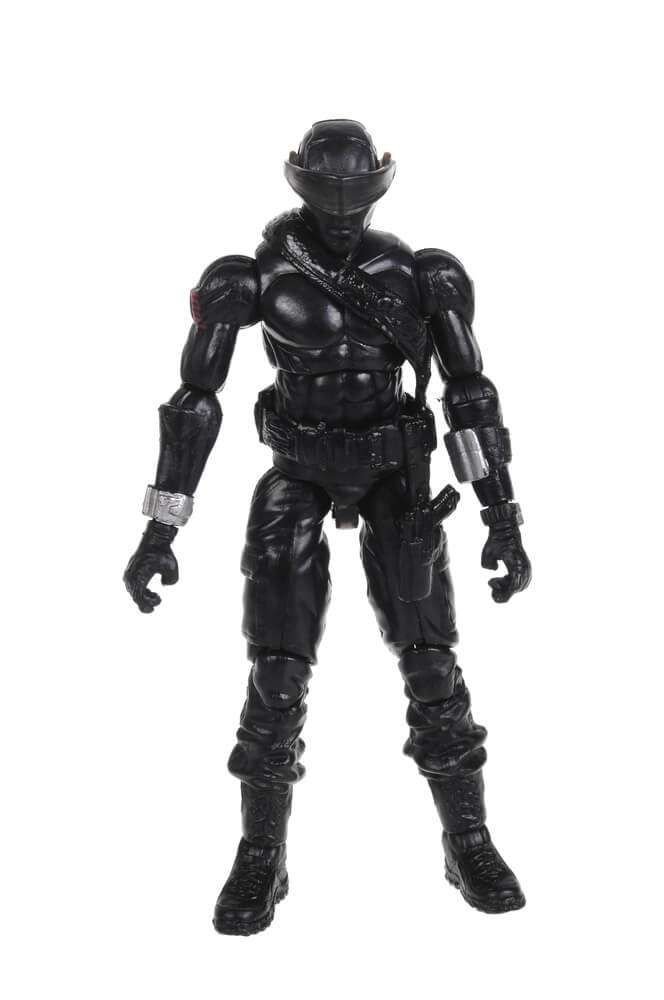
G.I. Joe returned in 1982 as A Real American Hero, shrunk to 3.75 inches, and Snake Eyes was part of the first wave. He was molded in all-black plastic, which meant the commando needed no paint at all, a cost saving that turned into one of the line’s most memorable looks.
The first-year figures had straight arms, and the swivel battle grip came in 1983, so the 1982 version is easy to tell apart. Loose examples are common, but carded first-year figures are much scarcer and can sell for high prices.
Collectors also count the tiny submachine gun, backpack and explosive pack before bidding.
Cobra Commander From a Mail-Away Bag
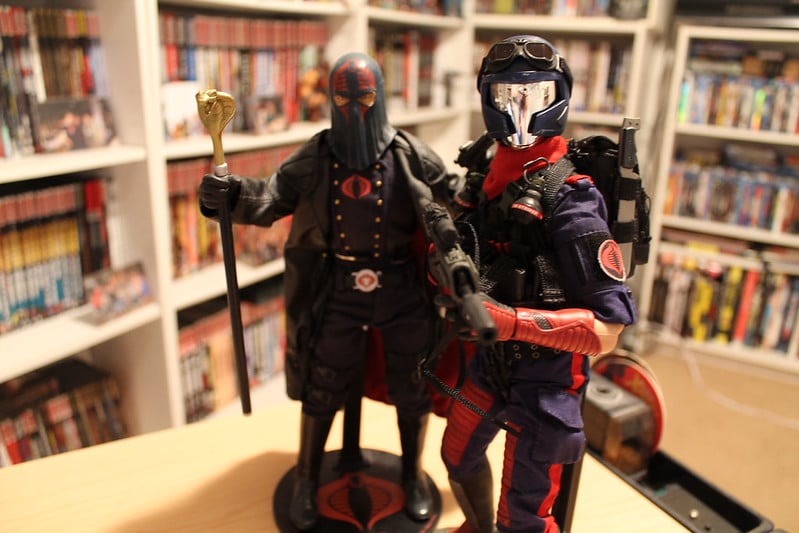
Cobra Commander first reached children as a mail-away figure, shipped in a plain bag rather than on a card, before turning up on store pegs in 1983. The mail-away version matches the retail figure in design, which makes proving its origin tricky without the original bag and paperwork.
His blue uniform and featureless helmeted face made him one of the most recognizable villains of the decade. Loose figures are affordable for most collectors.
Carded examples are worth considerably more, and buyers inspect the bubble for dents and lifting edges, along with checking that his tiny pistol is still inside.
Duke From the 1983 Mail-Away
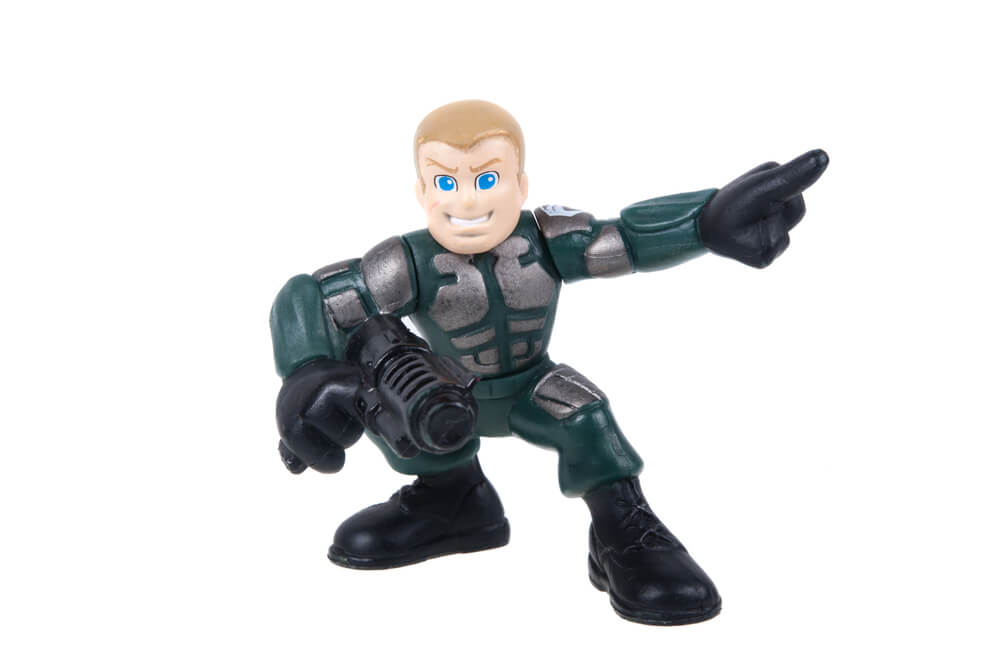
Duke first appeared as a 1983 mail-away figure before arriving at retail on a card in 1984, an unusual route for a character who became the field commander of the team in the cartoon. His figure wore a tan uniform and came with a pair of binoculars, a backpack and a rifle.
Because the cartoon made him a lead character, plenty of children owned one, and loose examples are common and modest in price. Carded 1984 versions are worth more, and collectors also want the original mailer bags.
Missing binoculars and a backpack with worn paint both chip away at a sale.
Storm Shadow, the White Ninja
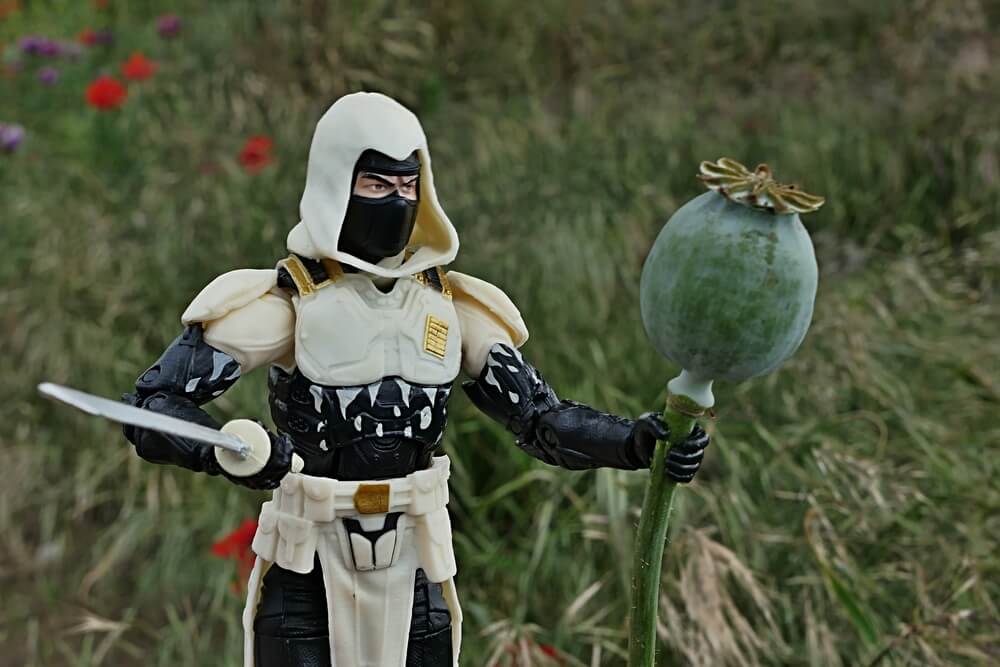
Storm Shadow came out in 1984 as the ninja rival of Snake Eyes, molded in white with a sword, a bow and a backpack among his gear. His white plastic made him stand out among the darker Cobra figures, and the comic book storyline linking the two ninjas gave him a following that lasted well past childhood.
Loose figures turn up often, but that same white plastic tends to yellow with age and exposure to light. Carded examples are worth considerably more, especially when the figure inside is still bright white and the accessories remain sealed in their tray.
Destro and His Chrome Mask
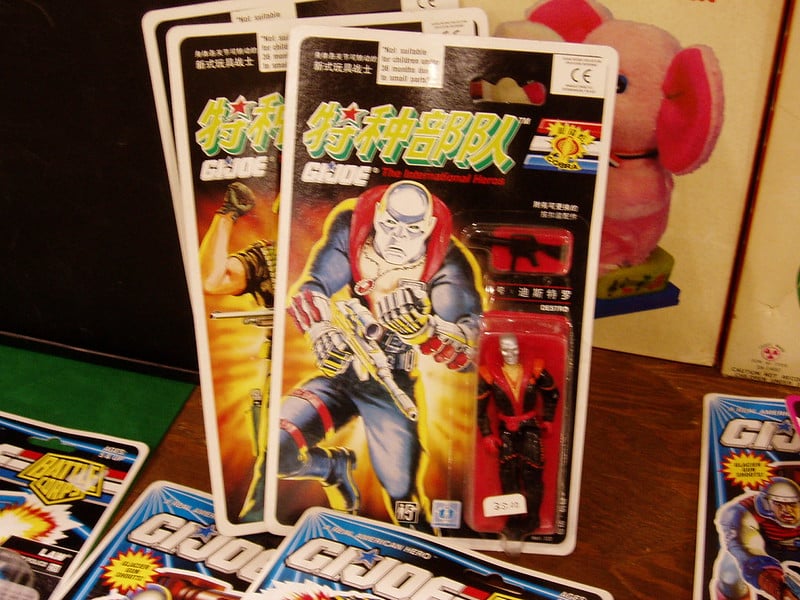
Destro arrived in 1983 as an arms dealer working with Cobra, and his chrome-silver mask set him apart from every other figure on the pegs. That reflective finish rubs off easily with handling, so a clean mask is the first thing collectors look for.
He came with a briefcase and a pistol, both small enough to vanish into a couch. Loose figures with intact chrome are worth noticeably more than worn ones, since a dull, scuffed face undercuts the entire appeal of the character.
Carded examples sell for considerably more again, depending on how the card itself has survived decades in storage.
Baroness With Her Glasses

The Baroness debuted in 1984 as a Cobra intelligence officer, dressed in black with painted glasses and a rifle. She was one of only a handful of female figures in the line at the time, and her role in the comics and cartoon made her a fan favorite.
That popularity keeps demand steady among collectors who grew up with the characters. Loose figures are common, though the paint on her glasses often wears thin from handling.
Carded versions are worth considerably more, with value depending on whether the card still lies flat and the plastic bubble remains clear and tightly sealed.
Scarlett, the Only Woman in the First Wave
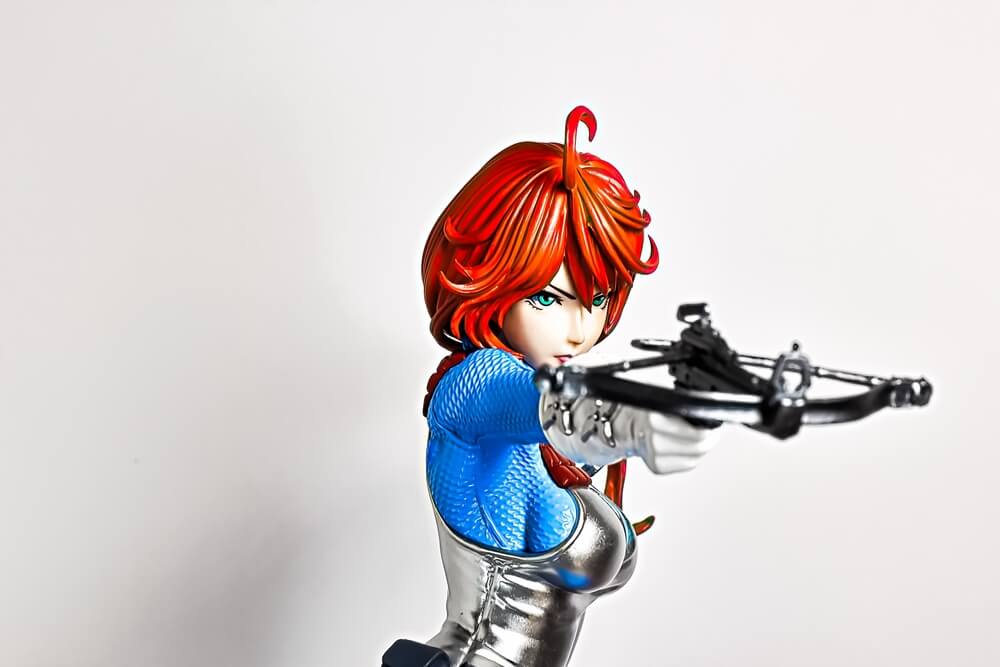
Scarlett was the only woman in the first 1982 wave of A Real American Hero, a counterintelligence specialist armed with a crossbow. Her figure had straight arms like the rest of that first year, before swivel grips arrived, which gives her a place in any complete first-wave collection.
She also became one of the most prominent characters in the comic series. Loose figures are affordable, though her crossbow is very often missing.
Carded examples sell for considerably more, especially when the card is flat and unpunched and the bubble shows no cracks or yellowing around the edges.
Zartan and His Color-Changing Skin
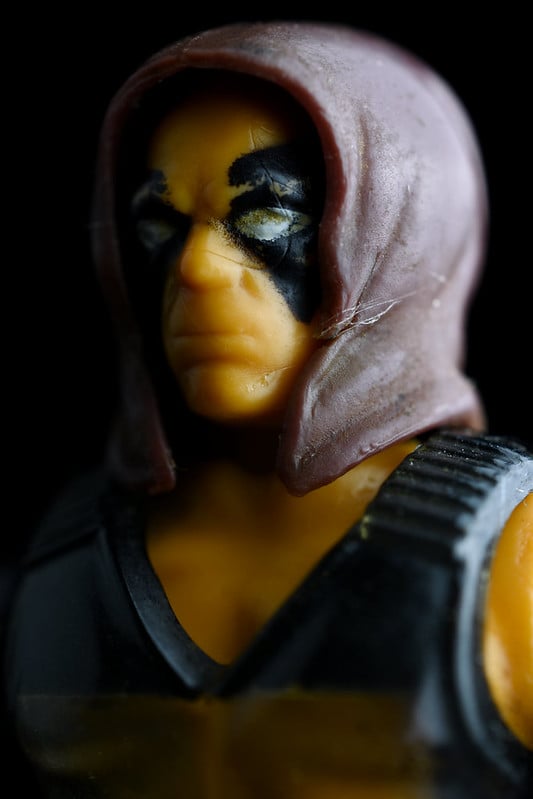
Zartan arrived in 1984 as a master of disguise, and his figure came with a clever trick to match. His skin darkened in sunlight, mimicking the character’s ability to blend into his surroundings.
He was sold boxed with the Chameleon swamp skier vehicle rather than on a card, which makes complete sets bulkier to store and harder to find. Many figures no longer change color reliably after decades of exposure.
Loose figures are affordable, and boxed examples are worth considerably more, with the color-change effect and the condition of the skier both deciding where a sale lands.
Sgt. Slaughter From the 1985 Mail-In
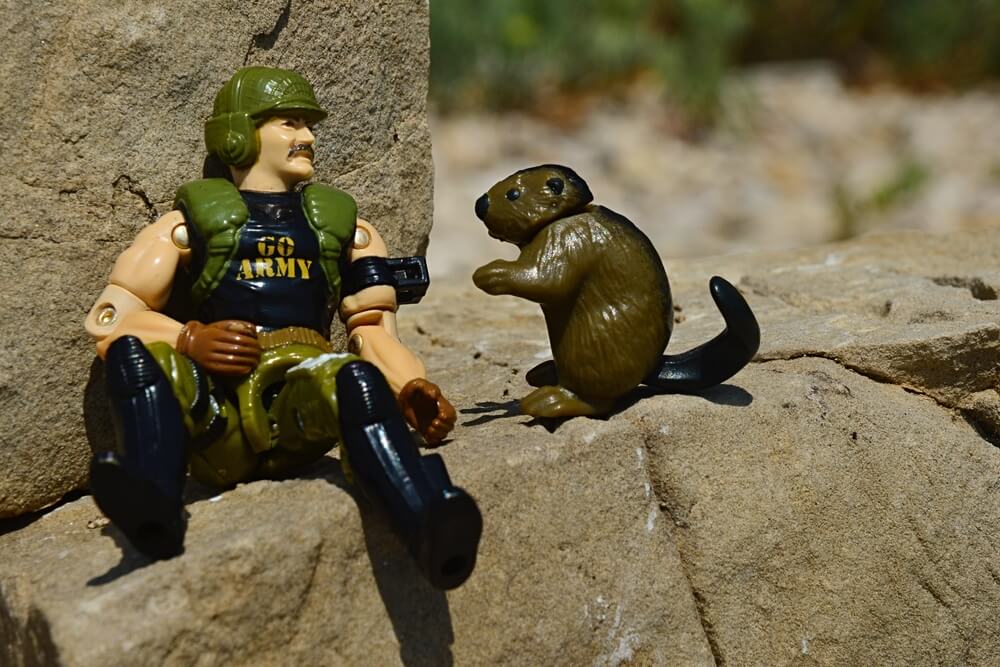
Sgt. Slaughter was offered in 1985 as a mail-in figure based on the pro wrestler, who became a drill instructor for the team in the cartoon. Putting a real celebrity into the line was a new move for G.I. Joe, and it worked well enough that he returned in later releases.
His figure wore a campaign hat and dark glasses with a sleeveless shirt. Loose figures are affordable and common, since the mail-in offer reached many households.
Mail-in examples with their original mailer packaging are worth more, and paint wear on the hat brim and glasses lowers the value.
Cardboard Is the Real Collectible
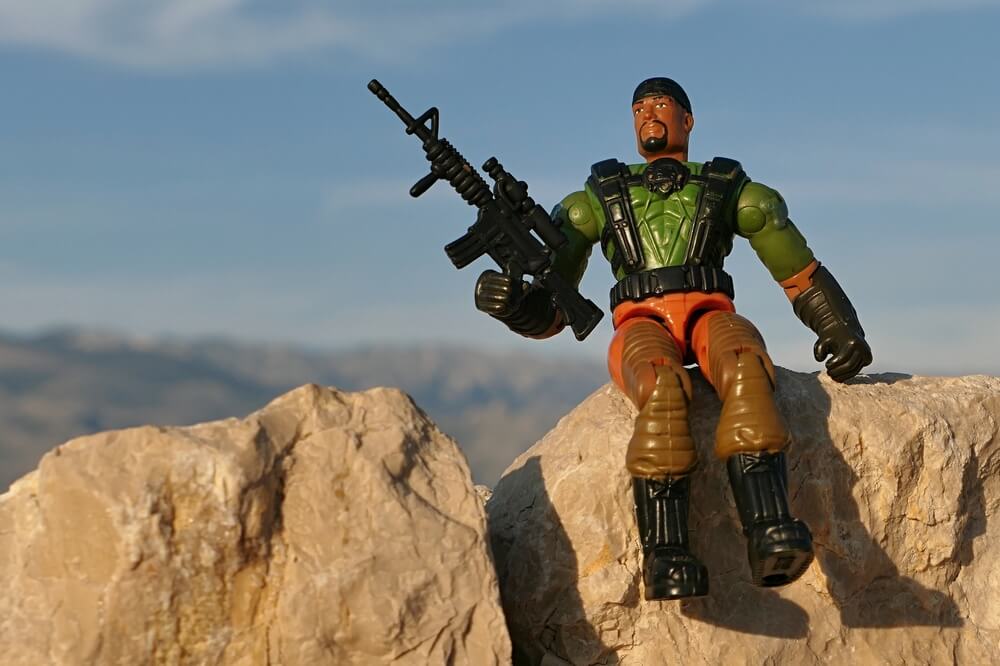
For most of these figures, the plastic is not the rare part. Millions of He-Man and G.I. Joe toys were made and played with, and loose examples are everywhere.
What survives in much smaller numbers is the packaging, because children tore it open the moment they got home.
That is why condition on a card can multiply the value of a figure many times over. A flat card, a clear bubble and an unbent corner mean someone resisted the urge to play.
Collectors are paying for that restraint as much as for the toy itself.
More from Go2Tutors!

- The Romanov Crown Jewels and Their Tragic Fate
- 13 Historical Mysteries That Science Still Can’t Solve
- Famous Hoaxes That Fooled the World for Years
- 15 Child Stars with Tragic Adult Lives
- 16 Famous Jewelry Pieces in History
Like Go2Tutors’s content? Follow us on MSN.