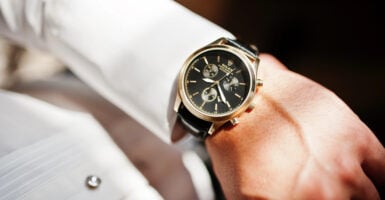
29 Old Rolex Models Worth a Fortune Today
Most watches lose value the moment they leave the shop. A small group of Rolexes made decades ago did the opposite, and some now sell for more than a luxury home.
What separates a pleasant vintage watch from a seven-figure one is often almost invisible: a line of printed text, a bezel material, a hand shaped like a lightning bolt. Each model below earned its reputation through scarcity, history, or a quirk that Rolex never intended to turn into a legend.
Paul Newman’s Own Daytona Reference 6239
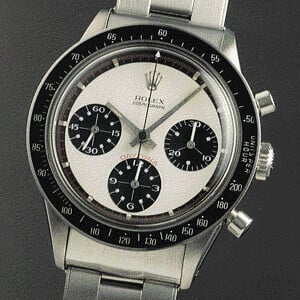
The actor received this Daytona from his wife, Joanne Woodward, who had the words “Drive Carefully Me” engraved on the case back. He wore it for years, then gave it to his daughter’s boyfriend.
On October 26, 2017, it sold at Phillips in New York for roughly $17.8 million, a record for a wristwatch at the time. The price reflected the provenance as much as the watch, and values for ordinary examples of the same reference depend heavily on dial originality, case condition, and papers.
Bao Dai Reference 6062
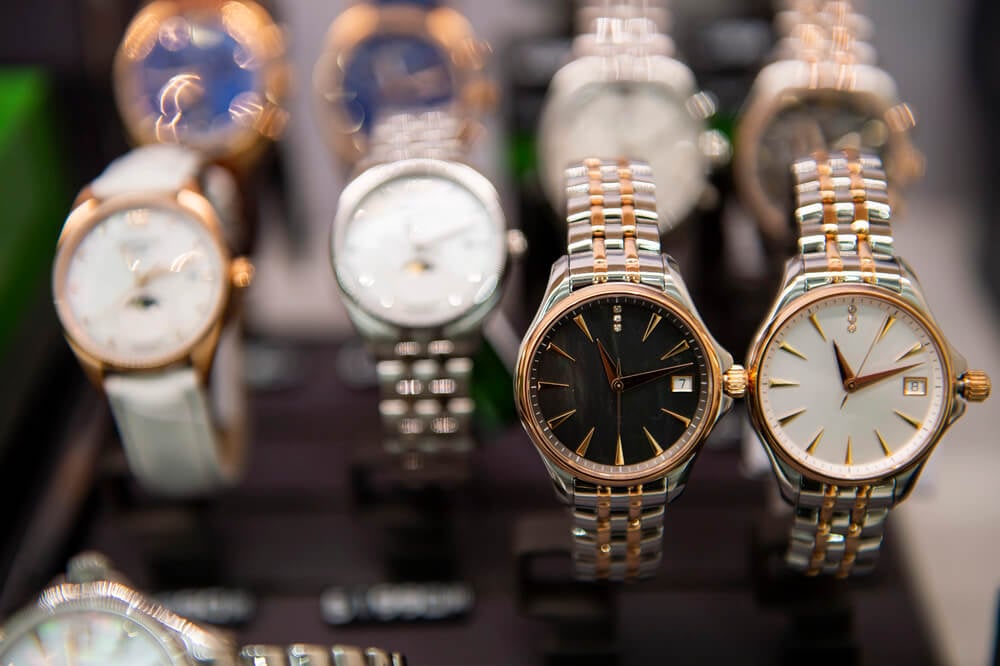
Rolex built the 6062 as a triple-calendar watch with a moon phase display, a rare complication for the brand. The yellow gold example tied to Bao Dai, the last emperor of Vietnam, sold at Phillips in Geneva in 2017 for $5,060,427.
At that point it was the most expensive Rolex ever sold at auction. A 6062 in yellow gold later sold in Monaco in October 2025 for a figure that placed it among the most expensive Rolexes ever auctioned, though condition and originality drive every result.
Milgauss Reference 6541 With the Lightning Bolt Hand
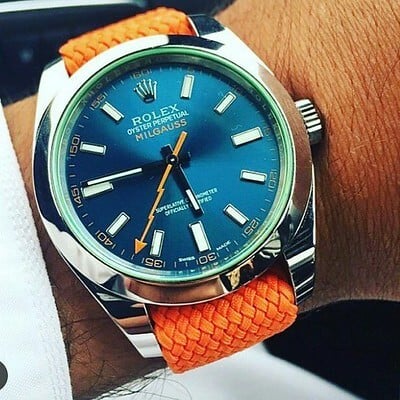
Rolex designed the Milgauss to resist magnetic fields up to 1,000 gauss, a feature it aimed at scientists working around electrical equipment, including at CERN. The 6541 announces its purpose with an orange seconds hand shaped like a lightning bolt.
One example fetched CHF 2.2 million at auction, a remarkable sum for a watch that sold poorly when new. Auction prices hinge on the dial, the hands, and whether the inner soft iron shield is intact.
Milgauss Reference 1019
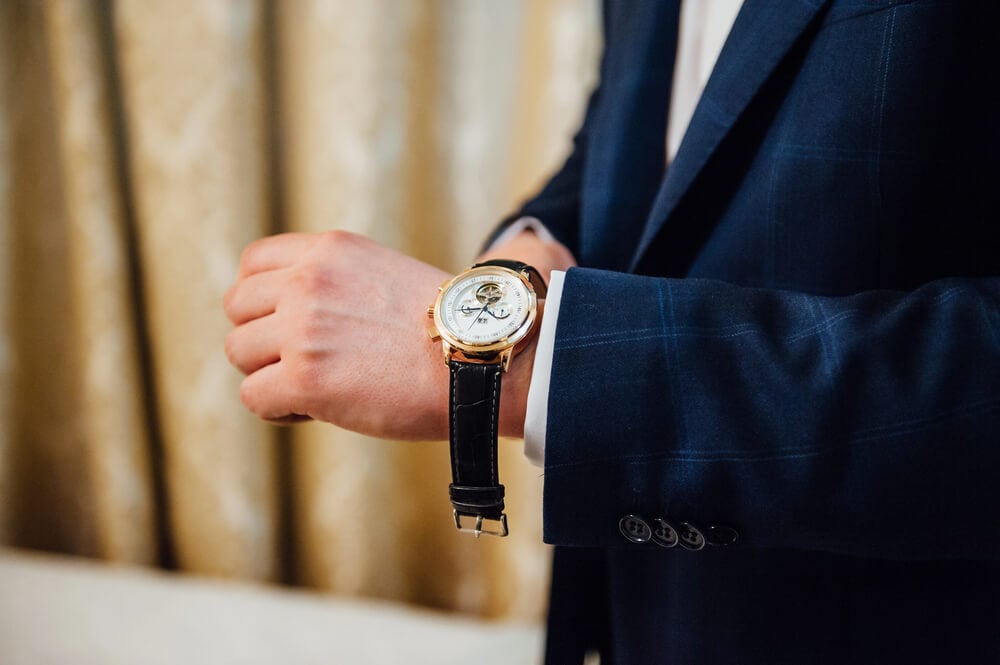
The 1019 arrived in 1960 and stayed in production for nearly three decades. It traded the lightning bolt hand of its predecessor for a plain seconds hand, which is partly why it sells for far less than the 6541.
Inside sits a soft iron cage that deflects magnetic fields away from the movement. Collectors prize examples with matte dials and original hands, since a replaced part cuts the value sharply.
Reference 4113 Split-Seconds Chronograph
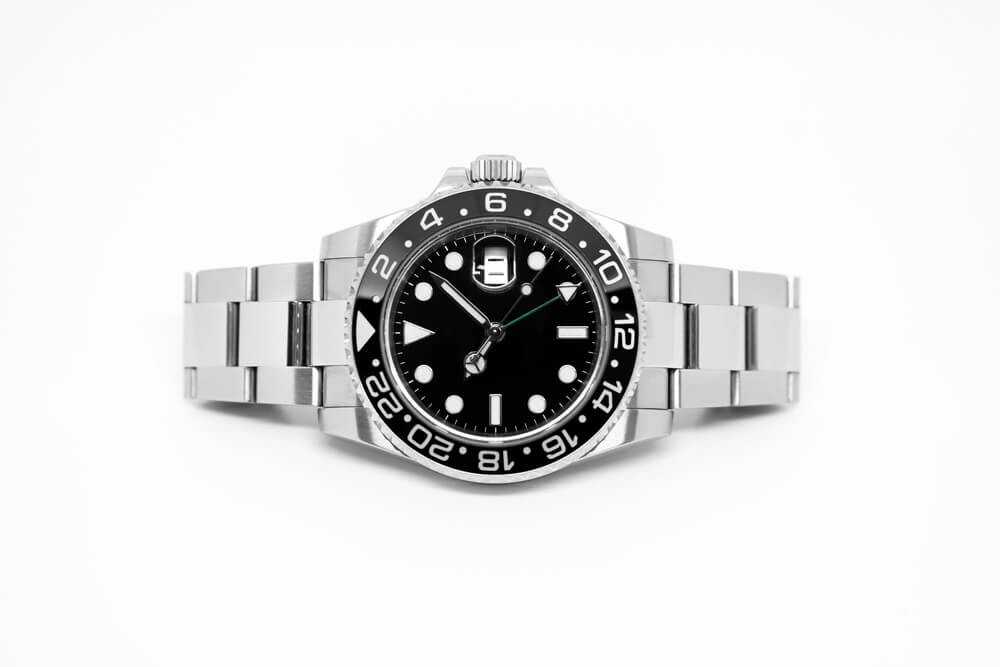
Rolex rarely made complicated mechanical watches, which makes the 4113 an outlier. Its split-seconds function lets a second chronograph hand stop to time one event while the first keeps running.
An example sold in Monaco for $3.5 million, a record for the reference. Nearly all of that price came from rarity, so condition and originality of the dial and case carried the sale.
Submariner Reference 6538 Big Crown
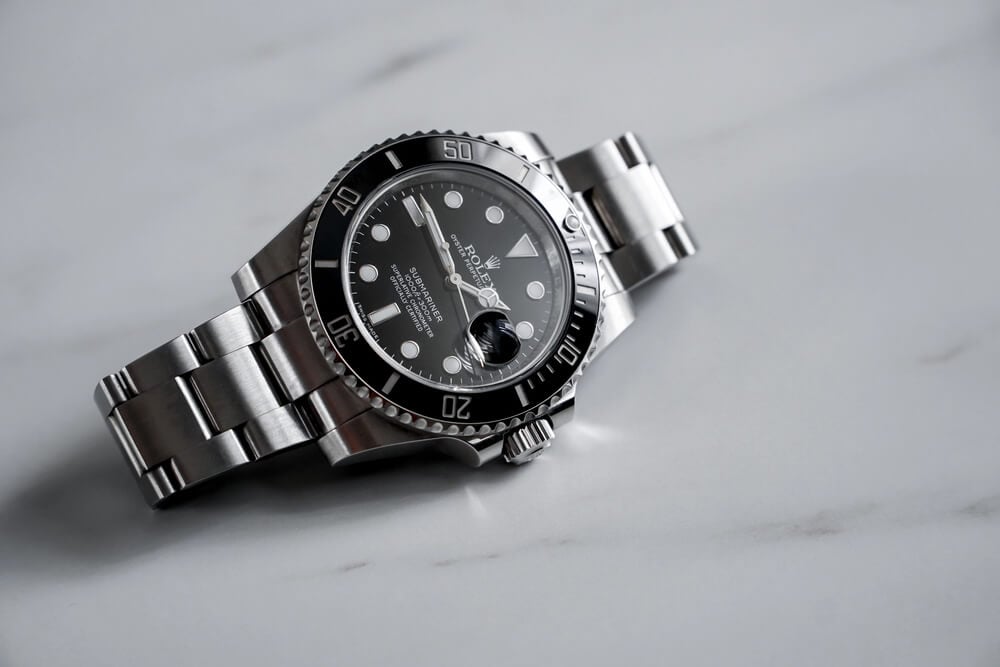
Sean Connery wore this Submariner on screen in the 1962 film Dr. No, which made it the original James Bond watch. The oversized crown and lack of crown guards give it a look no later Submariner copied.
Rolex rated it to 200 meters, deep for its time. Values vary enormously with the condition of the dial and bezel, and a refinished example loses most of its appeal.
Submariner Reference 6204
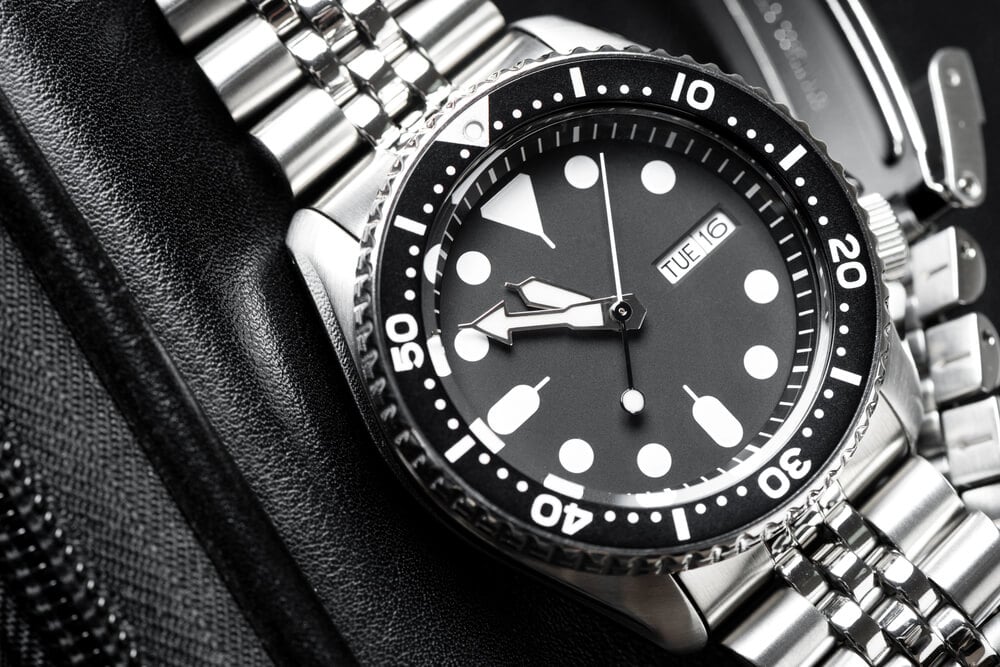
This is the earliest form of the Submariner, introduced in the mid-1950s with a rating of 100 meters. The case has no crown guards, and the dial and hands differ from the models that followed.
Rolex made very few before moving on to stronger designs, so survivors in untouched condition are scarce. Prices rise or collapse depending on whether the dial, hands, and bezel are original.
Submariner Reference 5513 With a Meters First Dial
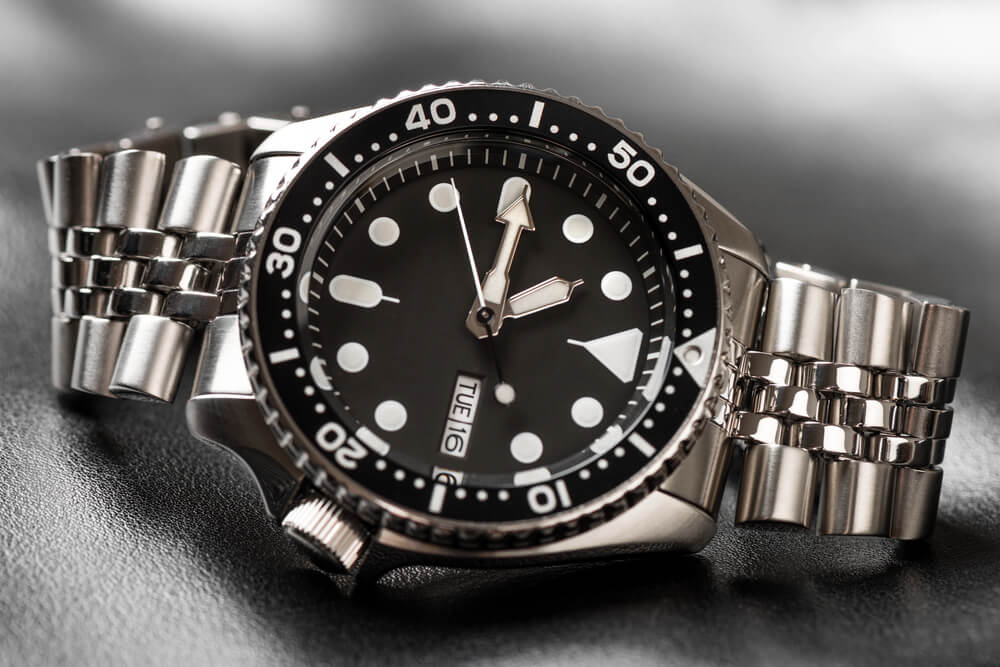
The 5513 stayed in production for nearly three decades, which makes the early Meters First dial the hook. Those dials print the depth rating as 200m followed by 660ft, with Rolex later flipping the order.
The no-date layout keeps the face clean, and collectors hunt specific dial variants the way others chase stamps. A 5513 with original parts, an unpolished case, and matching papers can sell for many times the price of a tired example.
Submariner Reference 5512 Four-Liner
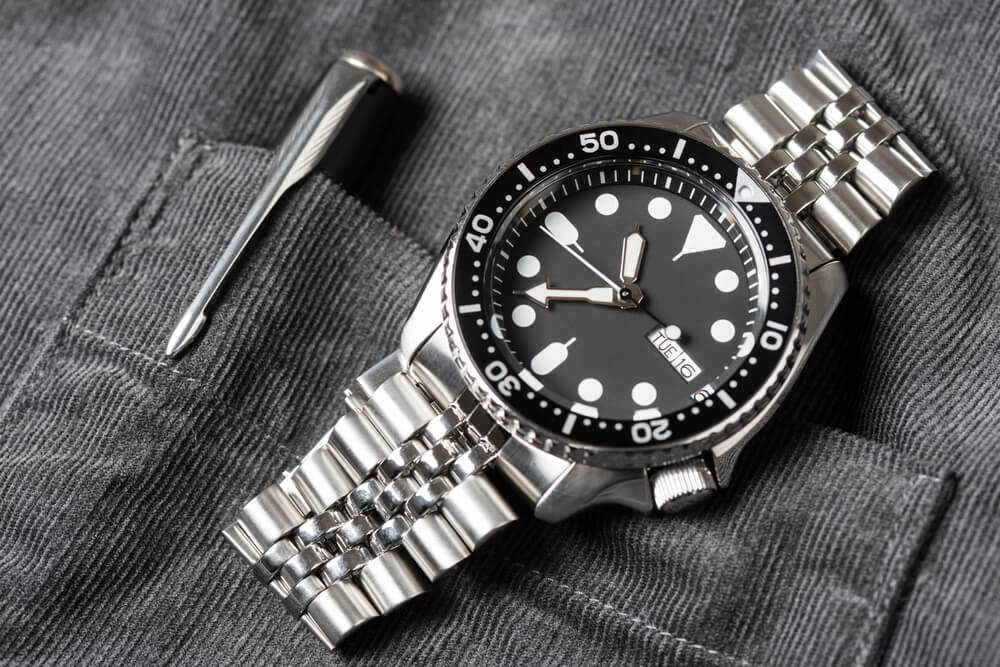
The 5512 carried a chronometer-certified movement, and the extra certification text gave the dial its nickname. Collectors count the lines of printing at six o’clock to separate variants.
Early examples with gilt dials and glossy lettering are the most sought after. Condition is everything here, because a replaced dial or heavy polishing can erase most of the premium.
Submariner Reference 1680 Red Submariner
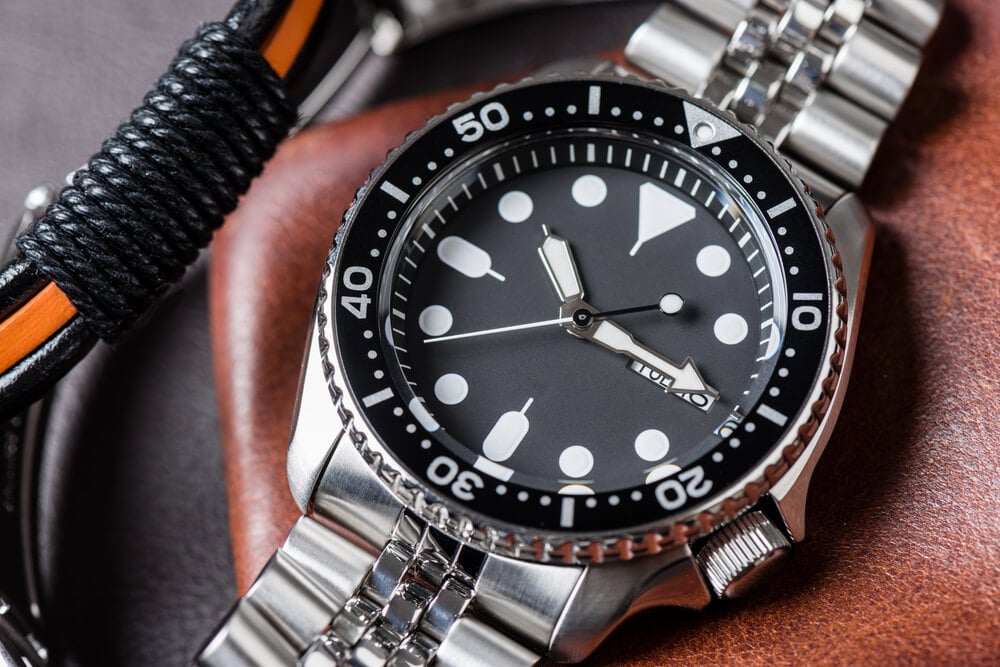
Reference 1680 was the first Submariner with a date window, arriving in the late 1960s. The word Submariner appeared in red on the dial of early examples, and Rolex later switched to white lettering.
That short run is why the red-text versions command a premium over later 1680s. A 1680 with an original dial, bezel insert, and box and papers is worth far more than one that has been serviced and polished.
GMT-Master Reference 6542 With a Bakelite Bezel
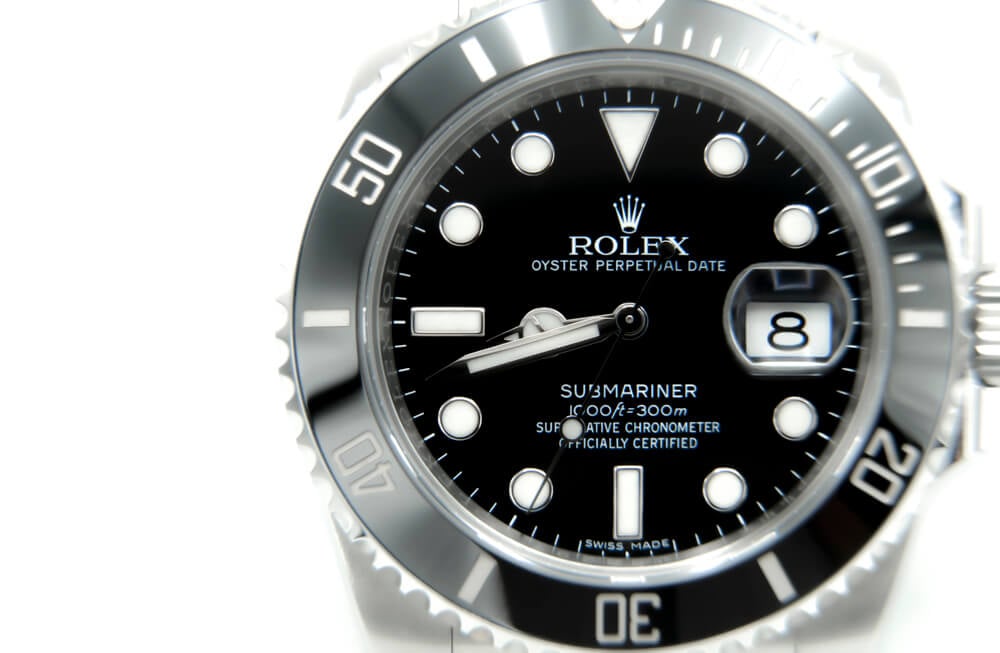
Rolex introduced the GMT-Master in 1954 for Pan American Airways pilots flying long international routes. The early bezel insert was made of Bakelite, a plastic that cracked easily, so Rolex later replaced it with aluminum.
Intact original inserts are therefore rare, which is the main reason this reference is so valuable. A cracked or replaced insert, or a damaged dial, cuts the price sharply.
GMT-Master Reference 1675 Pepsi
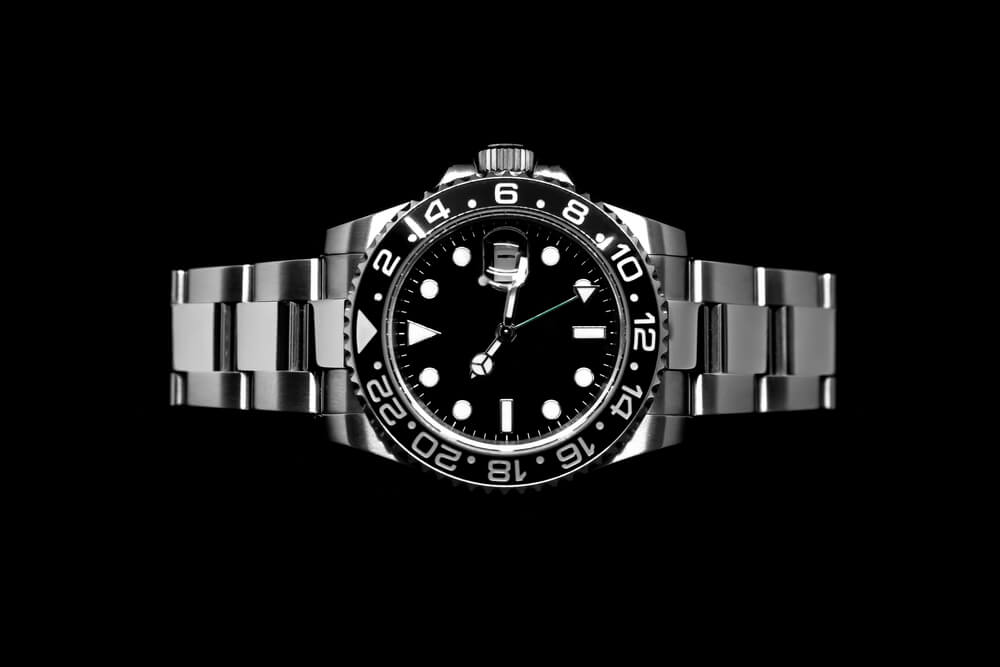
The red and blue bezel earned the Pepsi nickname, and the 1675 carried it through roughly two decades of production. The reference added crown guards, which the earlier 6542 lacked.
Over the years the dials on some examples faded to a chocolate brown, a flaw that collectors now call tropical and pay extra for. Prices depend on dial originality, bezel color, and how much polishing the case has endured.
Explorer Reference 1016
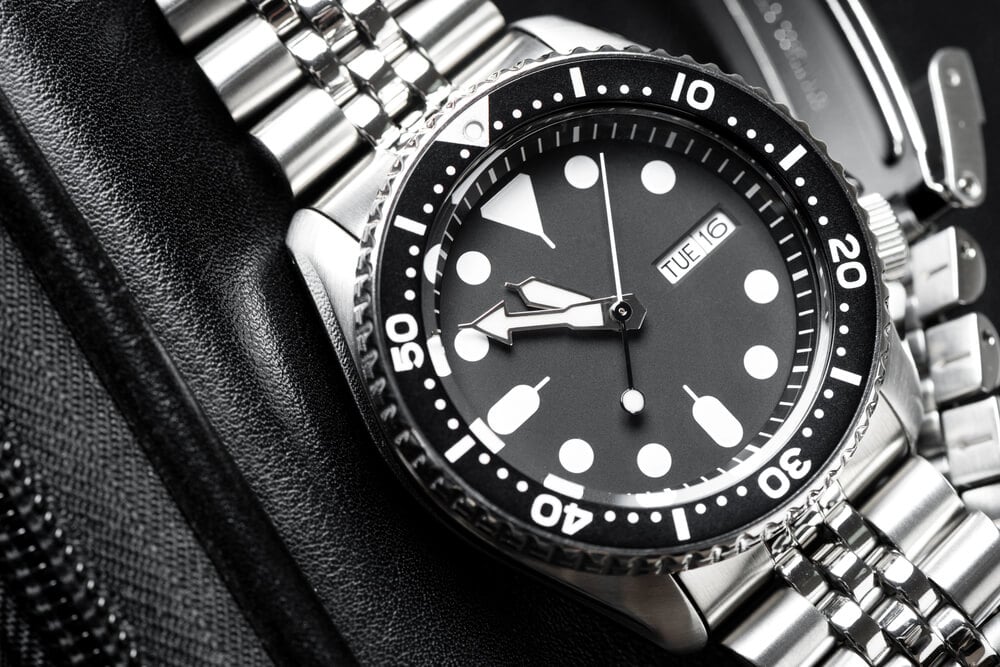
Rolex kept the 1016 in production for roughly 26 years, with a plain black dial that shows only three, six, and nine. It has no date, no chronograph, and no flashy complication, which is exactly its charm.
The Explorer name traces back to Rolex’s links with Himalayan expeditions in the 1950s. Early examples with original dials and clean cases command the highest prices, while refinished watches trade at a discount.
Explorer II Reference 1655 Freccione
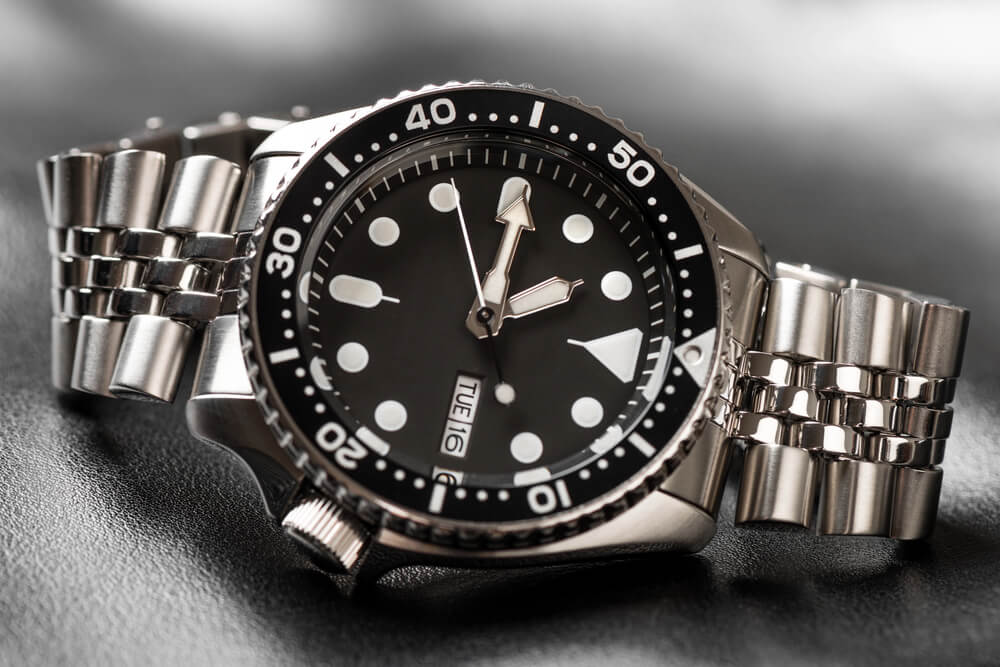
Rolex launched the Explorer II in 1971 with an orange 24-hour hand, aimed at cave explorers who lost track of day and night underground. Italian collectors named it Freccione, meaning big arrow, after that hand.
The fixed bezel carries a 24-hour scale that lets the wearer read a second time zone. Dial condition and the originality of the orange hand shape the price more than almost anything else.
Sea-Dweller Reference 1665 Double Red
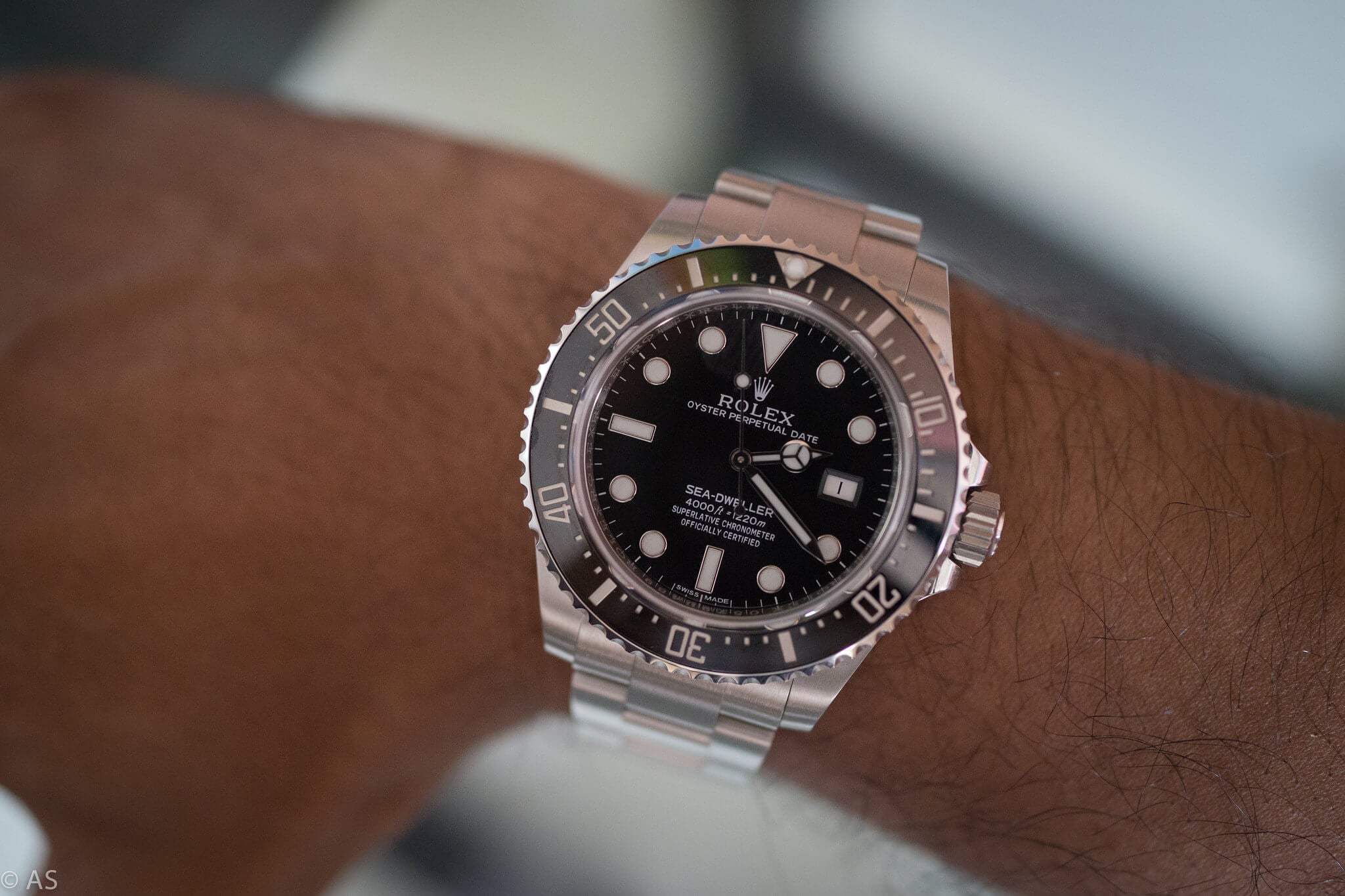
The Double Red Sea-Dweller carries two lines of red text on the dial, one for Sea-Dweller and one for Submariner 2000. Rolex introduced the model in 1967 with a helium escape valve in the case, a fix for a problem divers faced in pressurized chambers.
Without the valve, helium trapped inside a watch could blow the crystal off during decompression. The red-text dials were only used in the early run, so they are the most collectible and the most dependent on condition.
Bubbleback Perpetual
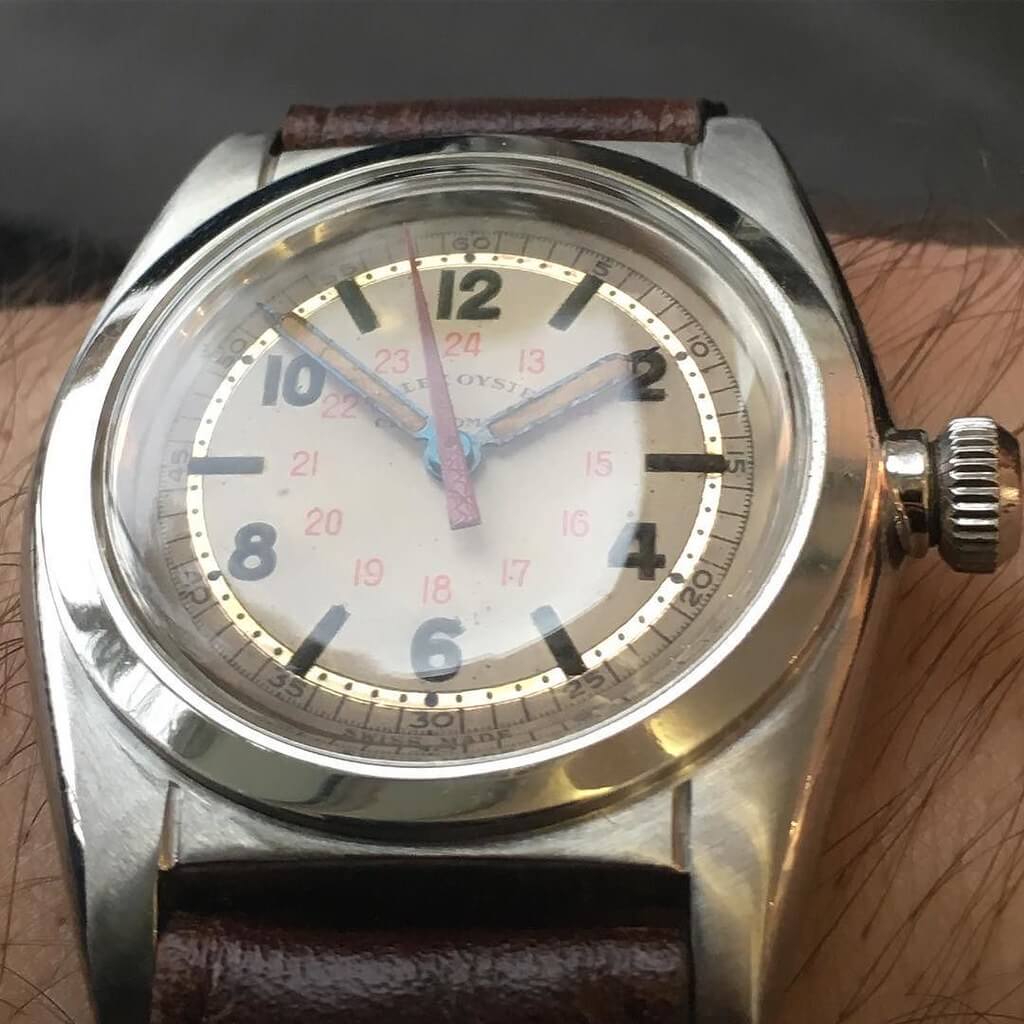
Rolex patented its self-winding rotor mechanism in 1931, and the early watches built around it needed extra room in the case. The domed case back gave these models the nickname Bubbleback.
The shape looks awkward beside later Rolexes, which is part of the appeal for collectors of 1930s and 1940s design. Values depend on case metal, dial originality, and whether the movement has been correctly serviced.
Submariner Reference 5514 Comex
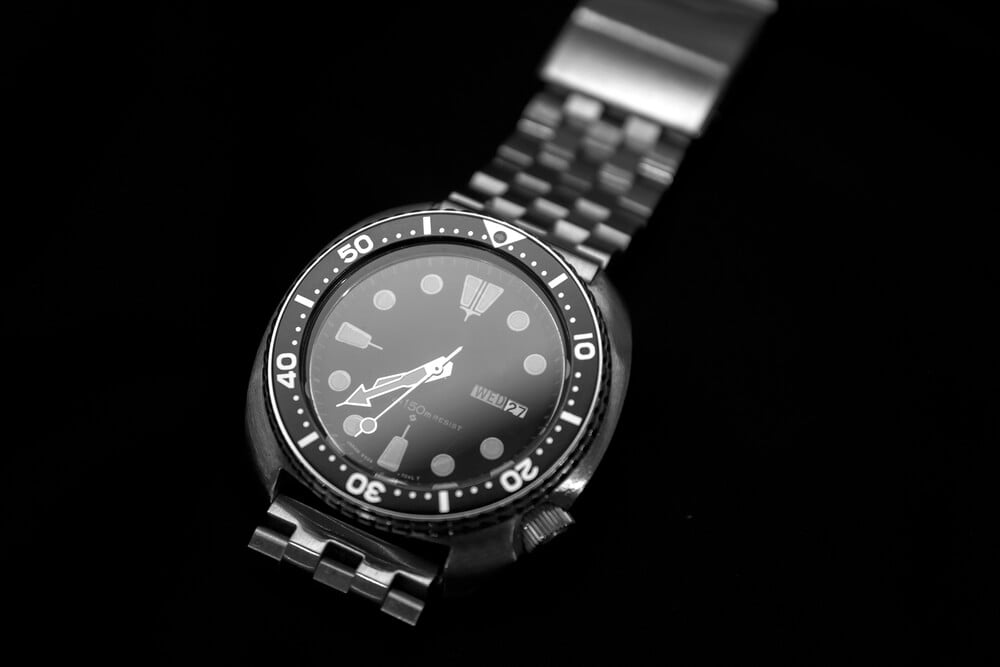
Comex, the French diving company, worked with Rolex on the helium escape valve that later appeared on the Sea-Dweller. The 5514 was made for the company’s divers and has the Comex name printed on the dial.
Only a small number were produced, and many were worn hard underwater, so survivors in good shape are scarce. Provenance and dial condition matter more than anything else when pricing one.
Daytona Reference 6240
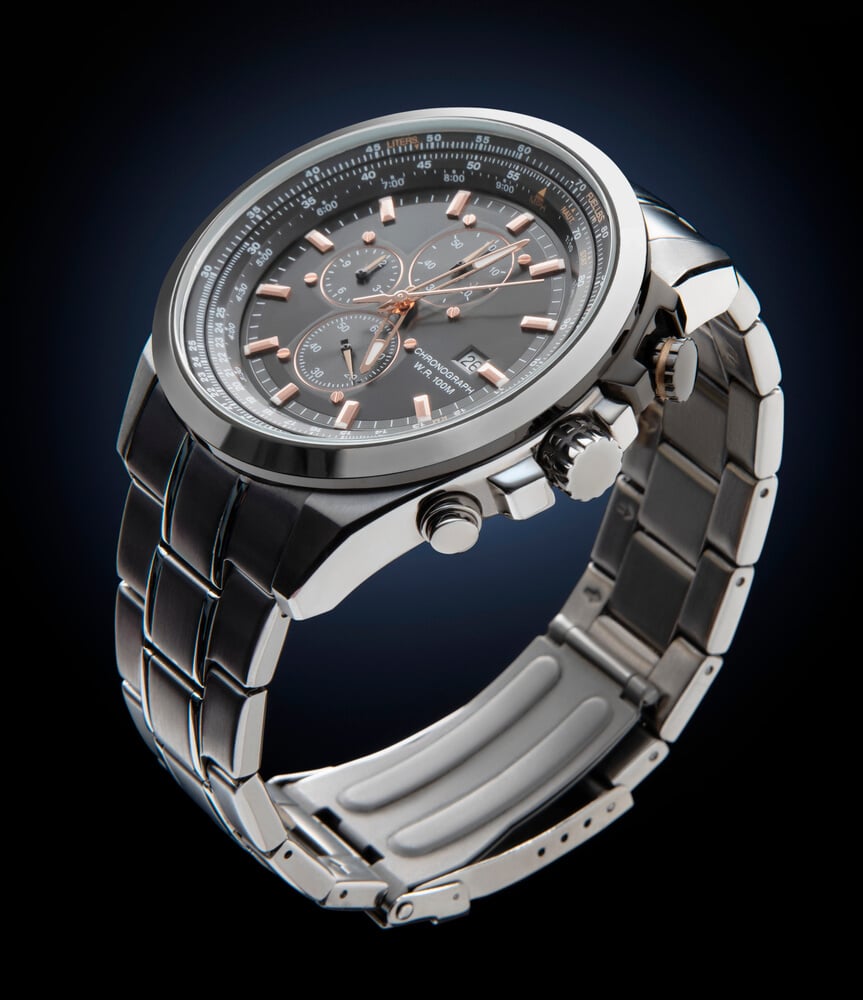
The 6240 was the first Daytona with screw-down pushers, a feature meant to give the chronograph the same water resistance as other Oyster cases. Rolex sold the early Daytonas slowly, and dealers kept some on shelves for years.
That sluggish debut is one reason surviving examples in good condition are scarce today. Prices depend on the dial, the bezel, and whether the pushers and crown are original.
Daytona Reference 6241
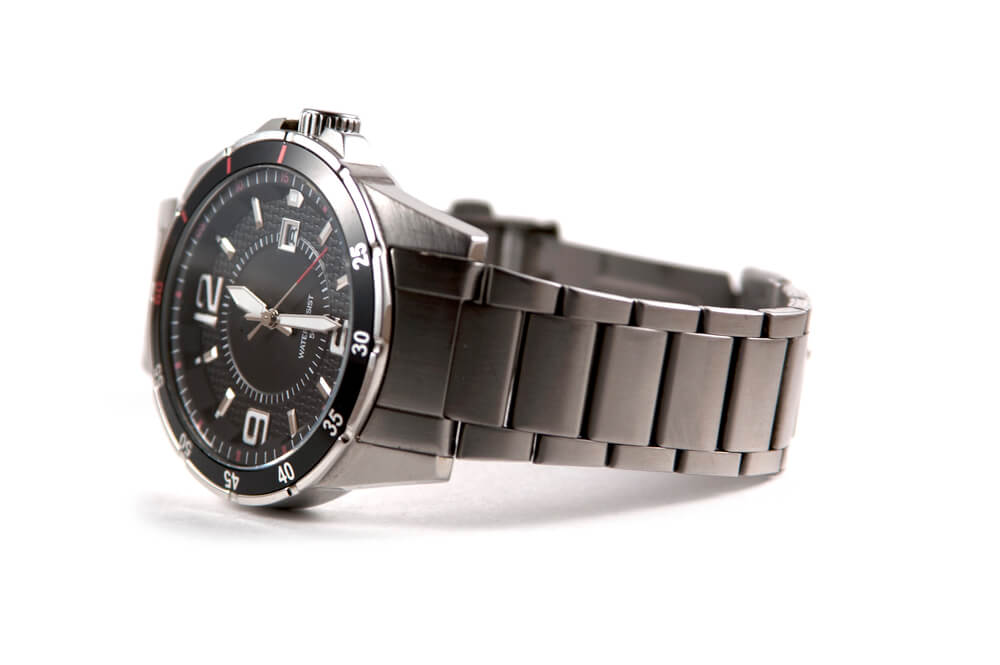
The 6241 introduced a black acrylic bezel insert to the Daytona, a design change that collectors now recognize at a glance. It uses a manual-wind chronograph movement from Valjoux and was made in the 1960s.
Some examples carry the exotic dial layout nicknamed Paul Newman, which raises their value dramatically. Condition of the dial and bezel insert drives the price.
Daytona Reference 6264
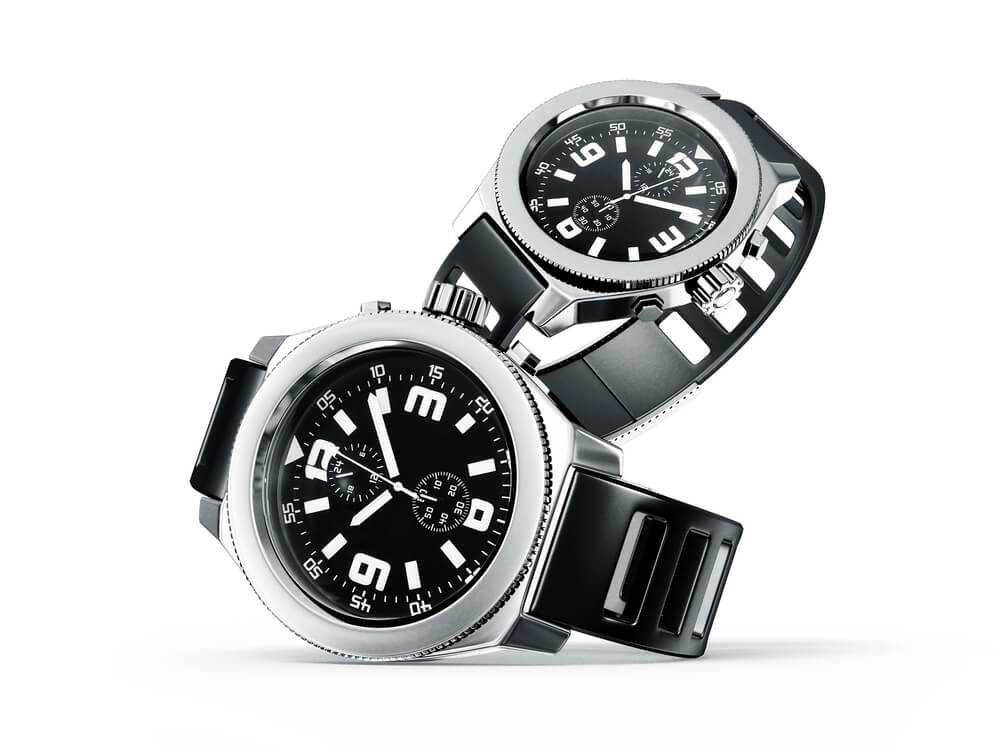
Reference 6264 arrived around 1969 with the Valjoux 727 movement, a refinement of the movement used in earlier Daytonas. Like other early models, it sold slowly at first.
Examples with Paul Newman dials, original bezels, and unpolished cases fetch the highest prices. A refinished dial or heavily polished case can erase much of the value.
Daytona Reference 6263
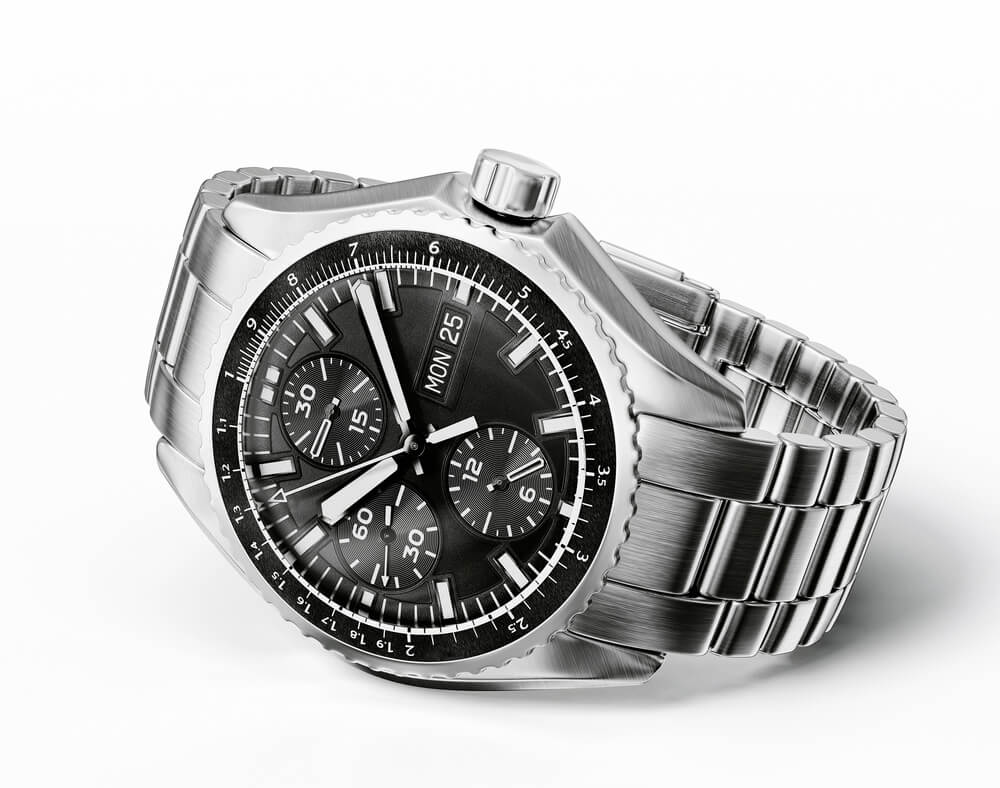
Rolex built the 6263 until 1988, making it the last manual-wind steel Daytona before the automatic era. It combines screw-down pushers with a black acrylic bezel and a reliable hand-wound movement.
Dial variants, especially those with exotic layouts, drive the price differences between otherwise identical watches. Original parts, correct bracelets, and good case condition decide whether one sells for a lot or a great deal more.
Daytona Reference 16520 Floating Cosmograph
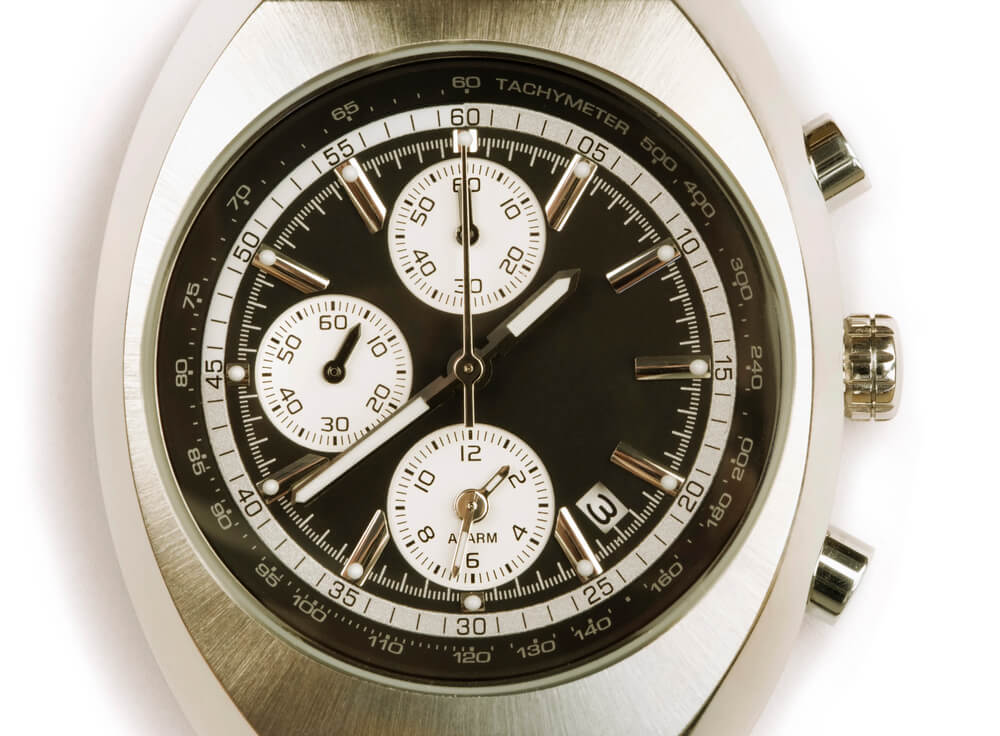
In 1988 Rolex released its first self-winding Daytona, built around the Zenith El Primero movement. Early examples have the word Cosmograph positioned above the Daytona name, which collectors call the Floating Cosmograph.
Rolex modified the Zenith caliber heavily, slowing its beat rate to improve reliability. The earliest watches with the floating dial command a premium, provided the dial, hands, and case remain original.
Original Day-Date
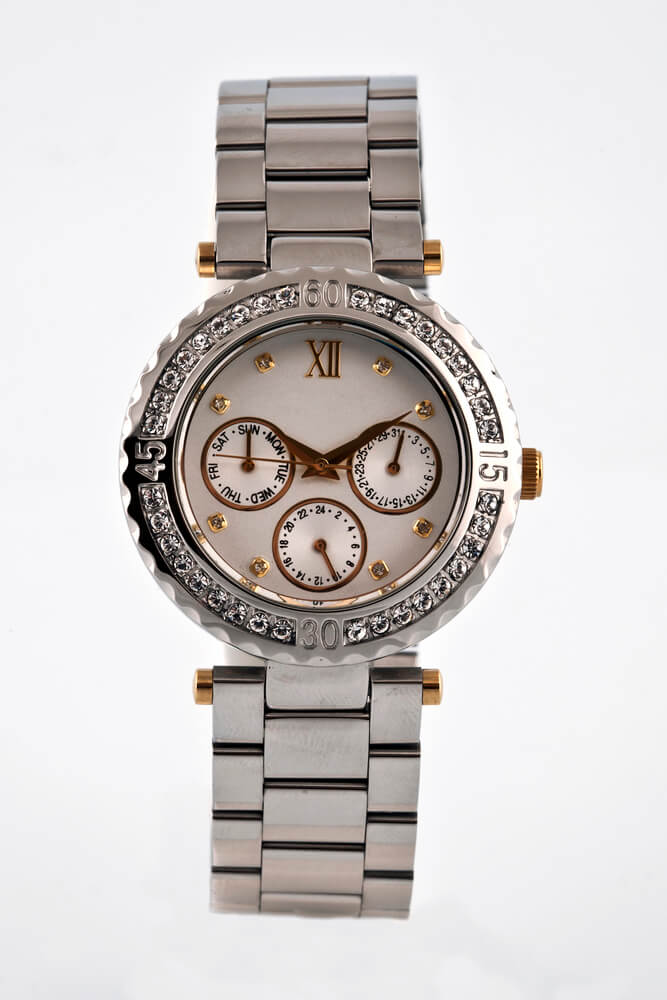
Rolex introduced the Day-Date in 1956 as the first wristwatch to display the day of the week spelled out in full. It was only ever offered in precious metals, so no steel version exists from the factory.
Early examples in gold or platinum, with matching dials and papers, sell for the highest prices. Condition matters, since over-polished cases lose the sharp edges that collectors look for.
Original Datejust
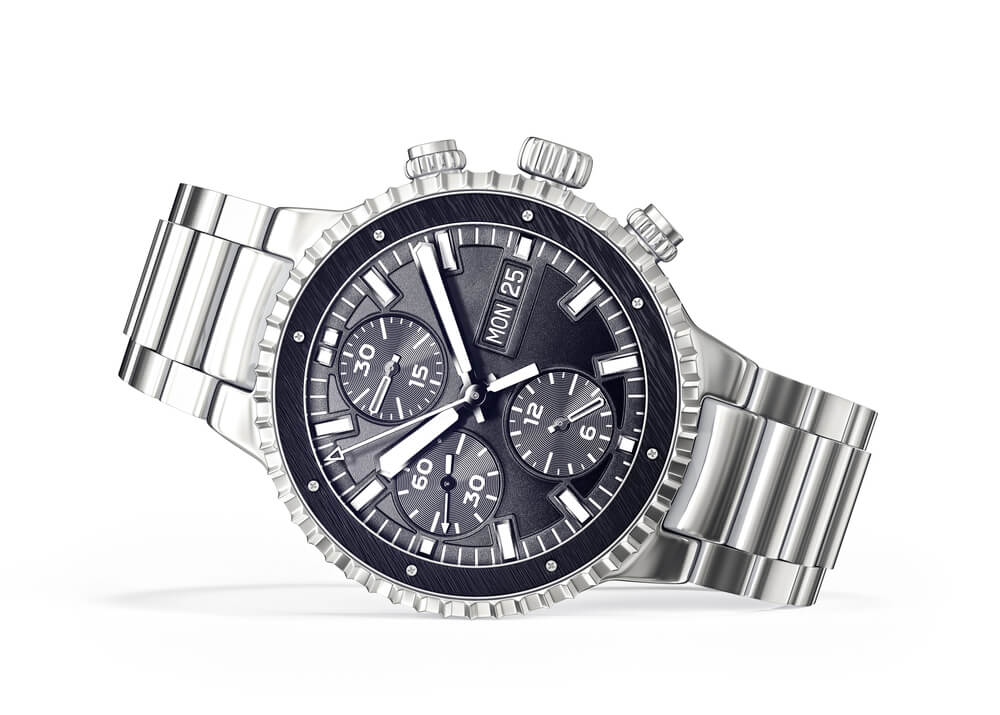
Rolex launched the Datejust in 1945, the year of its 40th anniversary, with a date window on the dial and a self-winding movement certified as a chronometer. Early examples vary widely in case metal, dial style, and bracelet.
Collectors favor those with original dials and unpolished cases, which can be hard to find after decades of wear. Value depends on condition, completeness, and provenance.
Turn-O-Graph Reference 6202
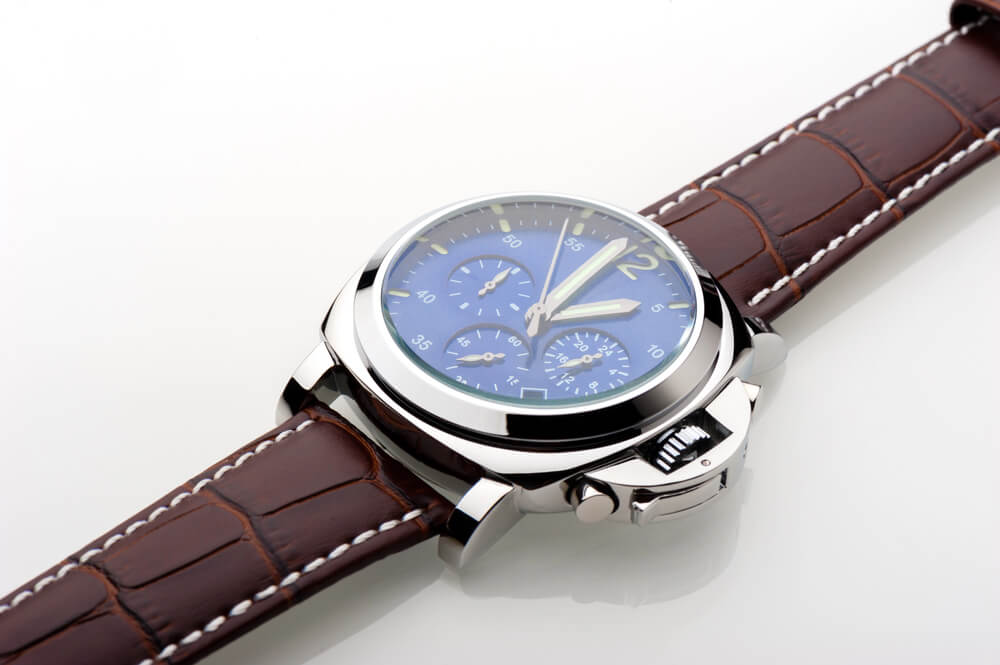
Rolex gave the Turn-O-Graph a rotating bezel in 1953, a feature the brand later developed into the Submariner. The reference is sometimes called a pre-Submariner among collectors.
It sold as a sporty everyday watch rather than a diving instrument, and few survive in original condition. Bezel and dial originality largely set the price.
Early Oyster
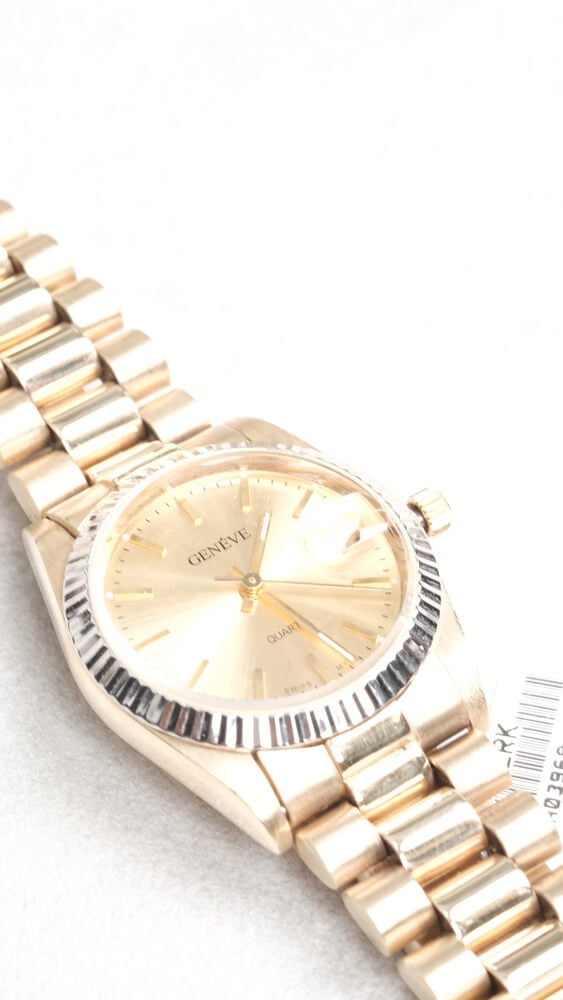
Rolex introduced the Oyster case in 1926, with a screw-down bezel, case back, and crown designed to keep water out. In 1927, English swimmer Mercedes Gleitze wore one during a long Channel swim, and Rolex used the episode in a front-page advertisement.
Surviving early Oysters are rare, and many were damaged by moisture over the years. Values depend heavily on case integrity, dial condition, and provenance.
Prince
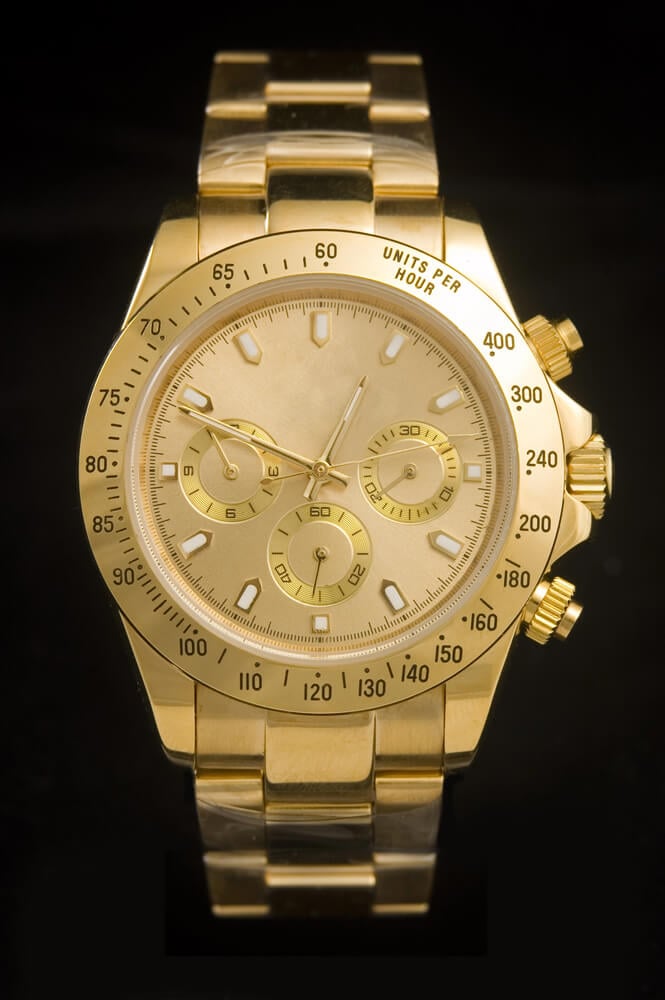
Rolex introduced the Prince in 1928 with a rectangular case and a dial split into separate zones for hours and minutes and for seconds. A later version, the Prince Brancard, took its nickname from the French word for stretcher, because of its distinctive lugs.
These watches were aimed at men who wanted a dressier option than Rolex’s sport models. Examples with original dials and cases in good condition are scarce, and values vary widely by metal and condition.
Padellone Reference 8171
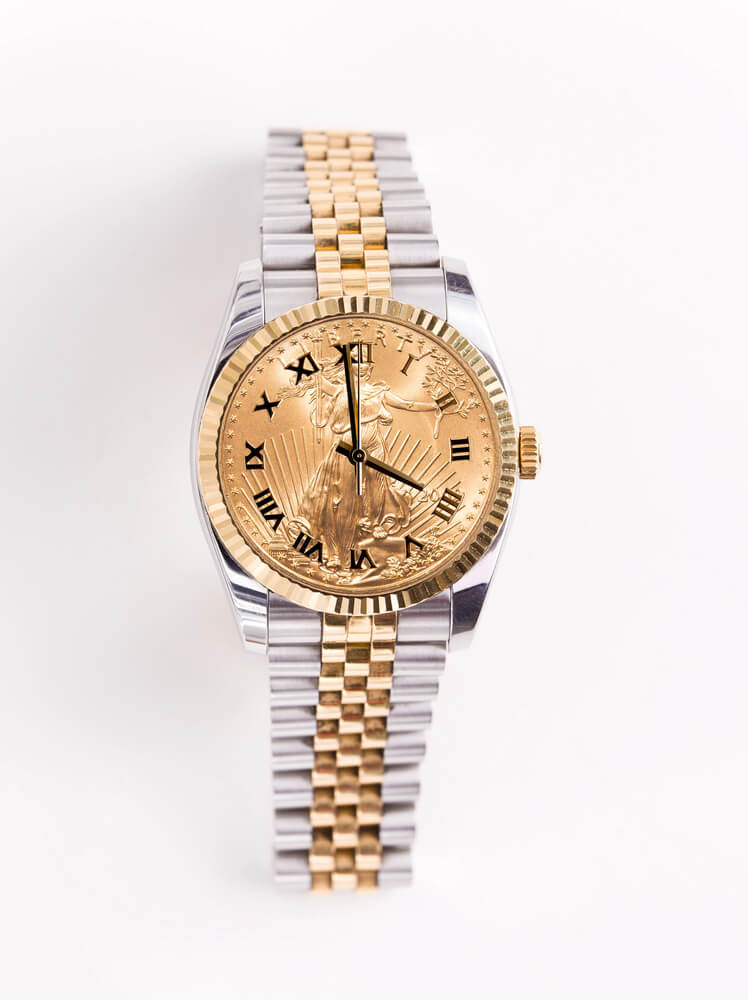
The 8171 combines a full calendar with a moon phase display and a large case for its era. Collectors call it Padellone, Italian for big frying pan, because of its size.
It came before the 6062 and shares the triple-calendar concept. Condition of the dial, which can show sun damage, along with case originality, decides the price.
GMT-Master II Reference 16760 Fat Lady
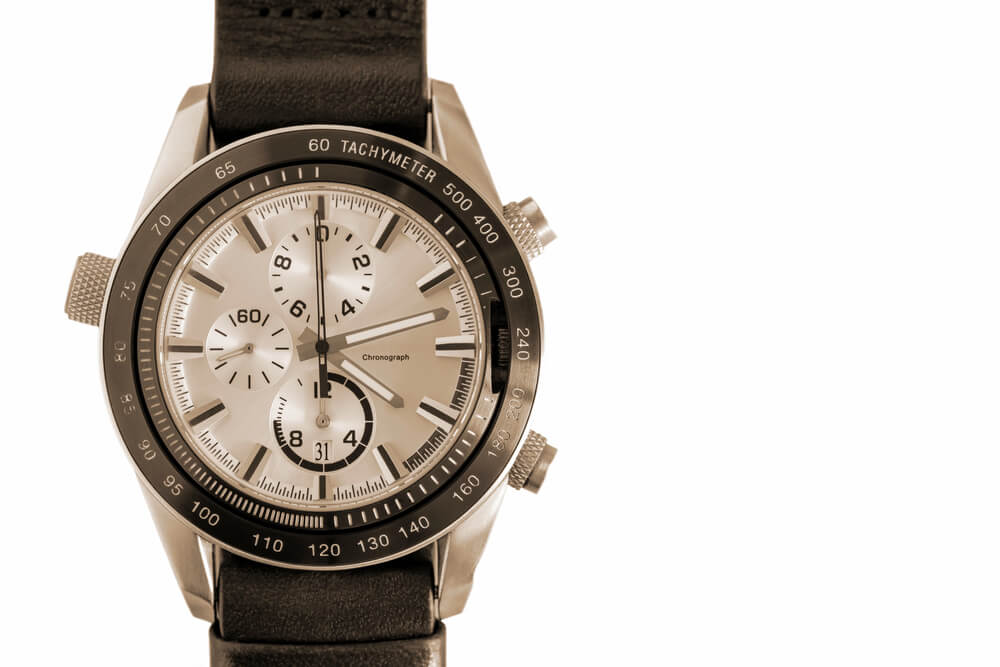
Reference 16760 was the first GMT-Master II, released in 1983 with a movement that allowed the hour hand to be set independently. The case sits noticeably thicker than other GMT models, which earned it the nickname Fat Lady.
Rolex produced it for a relatively short time, so examples are fewer than later GMT-Master II models. Value depends on bezel color, dial condition, and whether the original parts remain.
Why Flaws Became Fortunes
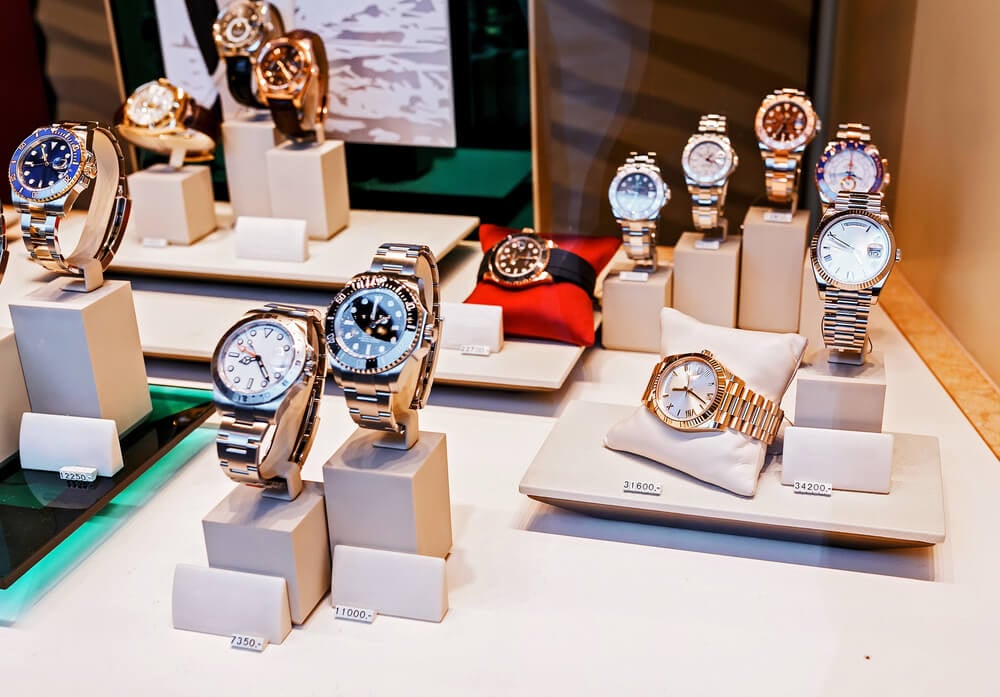
Looking across these watches, the pattern is hard to miss. Almost none of them were the most expensive Rolexes of their day, and several sold poorly.
Their value comes from small facts: a bezel material that cracked, a line of text Rolex changed after a few years, a complication the company abandoned. Scarcity, history, and quirks matter more than the original price tag.
The same detail that creates value also destroys it. A polished case, a replaced dial, or a swapped hand can turn a six-figure watch into a much cheaper one.
Every price in this list assumes an exceptional example, and ordinary watches of the same reference sell for far less. Condition, originality, and documentation remain the difference between a keepsake and a fortune.
More from Go2Tutors!

- 27 Silver Dollars and Half Dollars Worth Keeping
- 28 Restaurant Menu Items Nobody Orders Anymore
- 17 Places Built in Seemingly Impossible Spots
- 27 Vintage Rings Worth More Than They Look
- 25 Restricted Sites Tourists Can’t Enter
Like Go2Tutors’s content? Follow us on MSN.