30 Barn Finds From Old Farms That Sell Quickly
Old barns tend to accumulate decades of equipment that nobody threw away, mostly because it was too heavy to move and too solidly built to break. When those barns finally get cleared out, certain categories of items move off the auction block almost immediately, while less recognizable clutter can sit unsold for hours.
These are the finds that experienced pickers and auctioneers know will sell fast.
Vintage Farmall Tractors
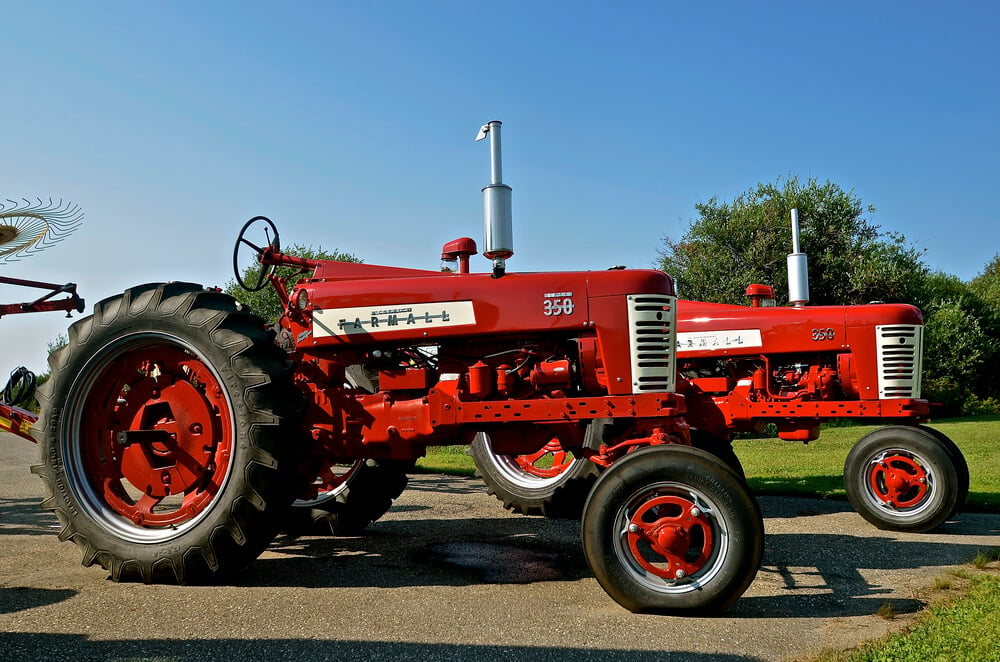
Farmall tractors, particularly the red-painted models produced from the 1920s through the mid-20th century, remain among the most recognizable and consistently in-demand pieces of farm equipment at auction. Buyers range from working farmers who still use them for light tasks to collectors restoring them purely for display.
A tractor’s sale price depends heavily on whether the engine still turns over, since a running example can sell for many times more than one requiring a full mechanical rebuild.
John Deere Tractors
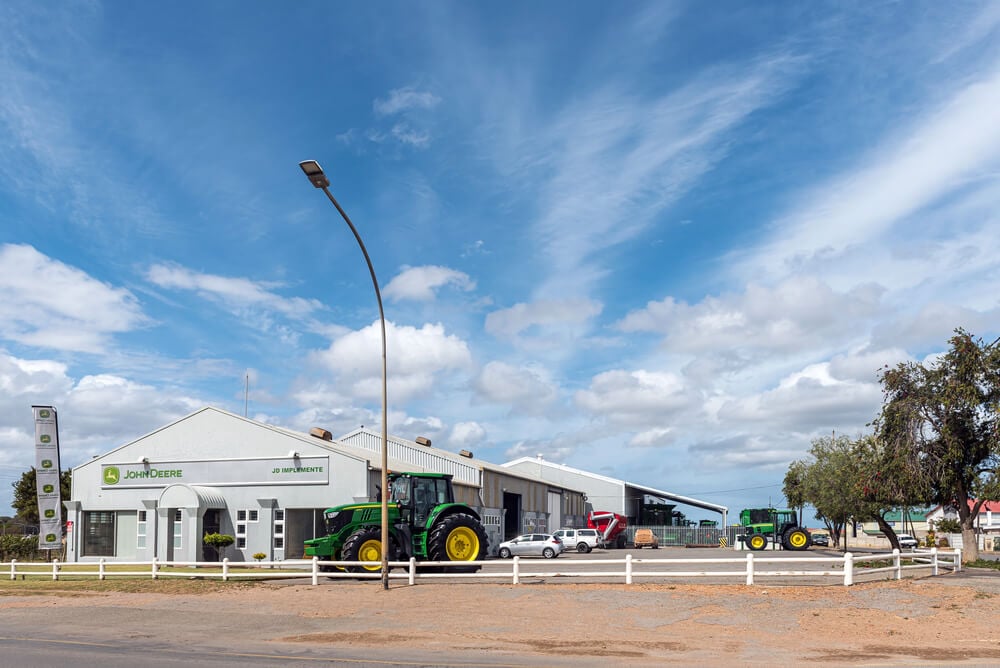
John Deere’s older green-and-yellow tractors carry some of the strongest brand loyalty in the farm equipment collecting world, with certain model years drawing dedicated bidding from specialized collector clubs. Even non-running examples frequently sell quickly for parts, since original components for older models can be harder to source than for more common competitors.
Original paint, even if faded, is generally preferred by serious collectors over a repaint, which can actually reduce value among purists.
Horse-Drawn Plows
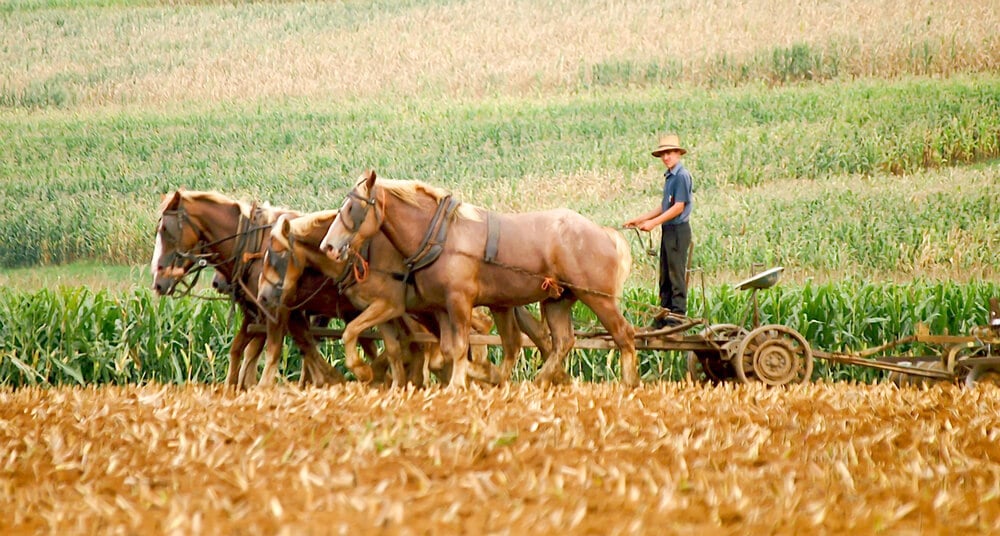
Cast iron and wood horse-drawn plows, standard equipment before tractors became widespread, are frequently snapped up by buyers who repurpose them as lawn ornaments and garden decor rather than functional tools. Their sculptural, mechanical look translates well into rustic home decorating trends, which has kept demand steady even among buyers with no farming background at all.
Surface rust is generally accepted as part of the aesthetic, but a plow missing major structural parts sells for considerably less.
Cast Iron Farm Dinner Bells
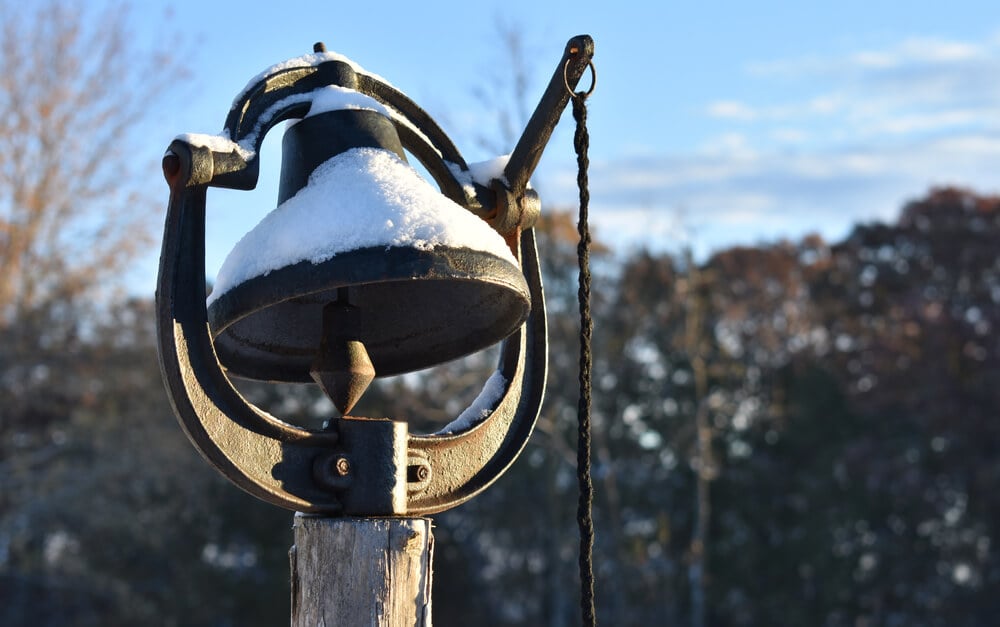
Large cast iron bells, once used to call farmhands in from the fields for meals, are compact, decorative, and easy to transport, making them one of the fastest-selling categories at farm auctions. Their small size compared to major equipment means they attract a much broader pool of casual buyers alongside dedicated collectors.
A bell that still rings clearly, without cracks affecting its tone, commands a noticeably higher price than a purely decorative example.
Porcelain Advertising Signs
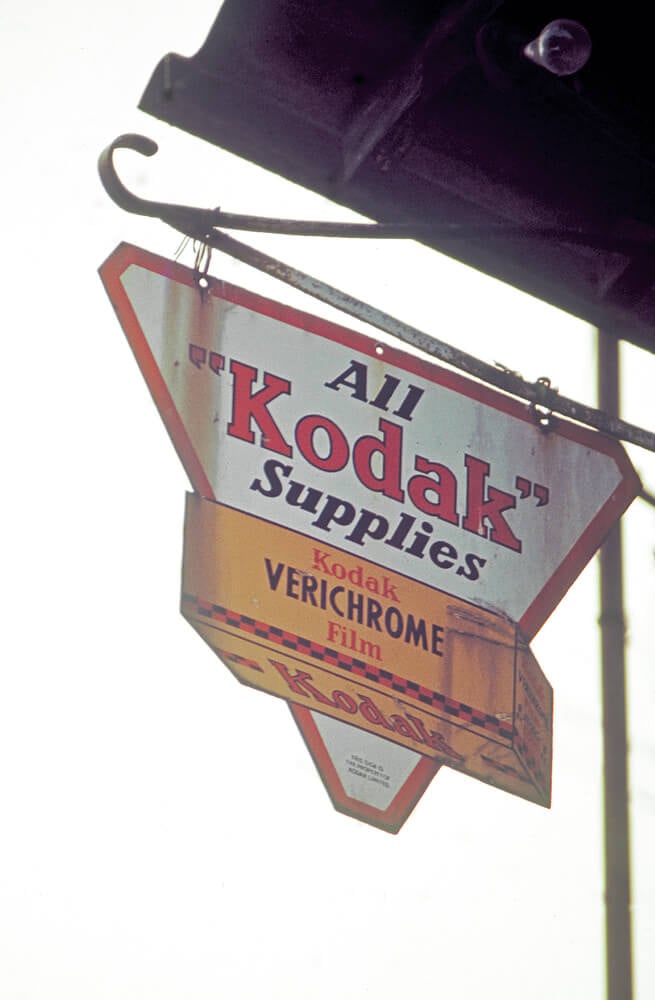
Enamel-coated porcelain signs advertising feed brands, farm equipment, and rural businesses were built to withstand decades of outdoor weather, and surviving examples with vibrant, unfaded color are some of the most actively pursued items at any farm sale. Bidding on signage frequently draws buyers from well outside the immediate farm auction crowd, including dedicated advertising and petroliana collectors.
Even significant edge chipping is often tolerated by buyers as long as the central graphic and lettering remain fully legible.
Dairy-Branded Milk Cans
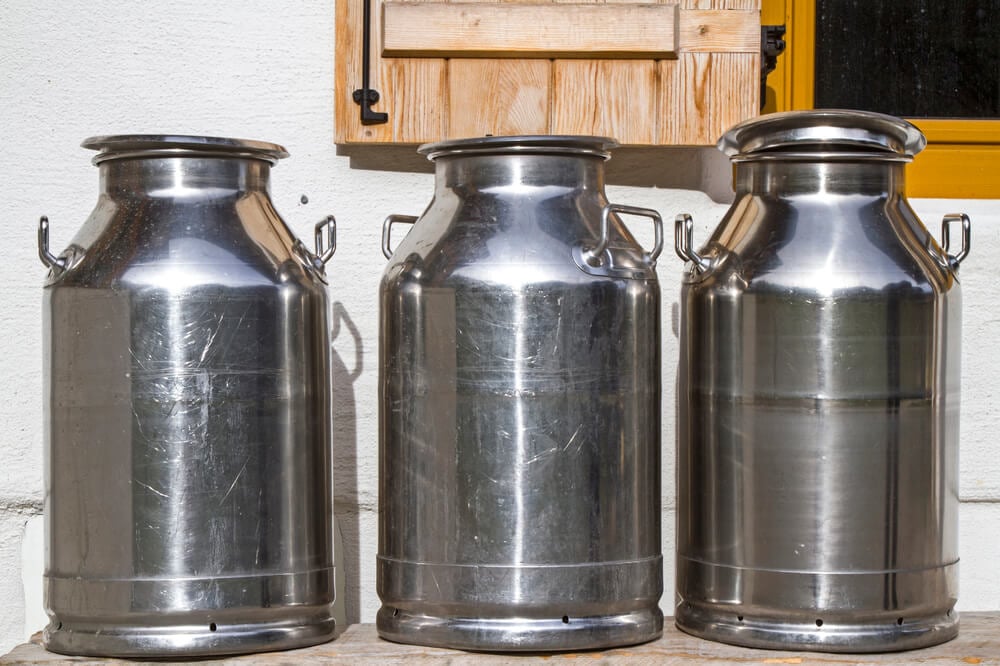
Metal milk cans stamped or stenciled with a specific dairy’s name sell considerably faster and for more money than generic unmarked cans, since the branding ties the object to a specific, sometimes still-remembered local business. Buyers use them for everything from porch decor to repurposed side tables, keeping demand broad and steady.
Dents are common and rarely hurt the sale price much, but a missing lid typically reduces the value of an otherwise complete can.
Butter Churns
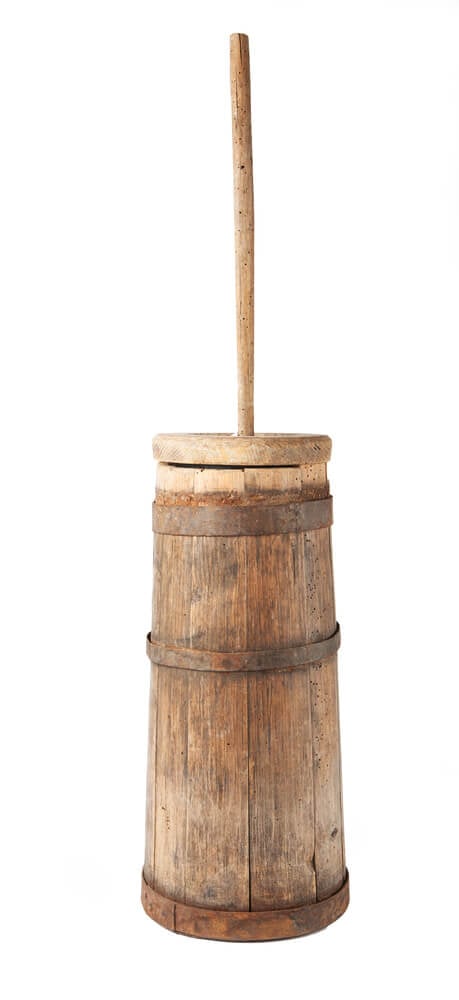
Wooden and stoneware butter churns, particularly examples with their original wooden dasher intact, appeal to buyers interested in both farmhouse decor and functional traditional food preparation. Stoneware examples with a maker’s stamp on the base sell for considerably more than unmarked ones, since the stamp allows buyers to research the specific pottery that produced it.
Cracks in stoneware churns significantly reduce their value even when the crack does not affect the piece’s structural stability.
Horse-Drawn Wagons
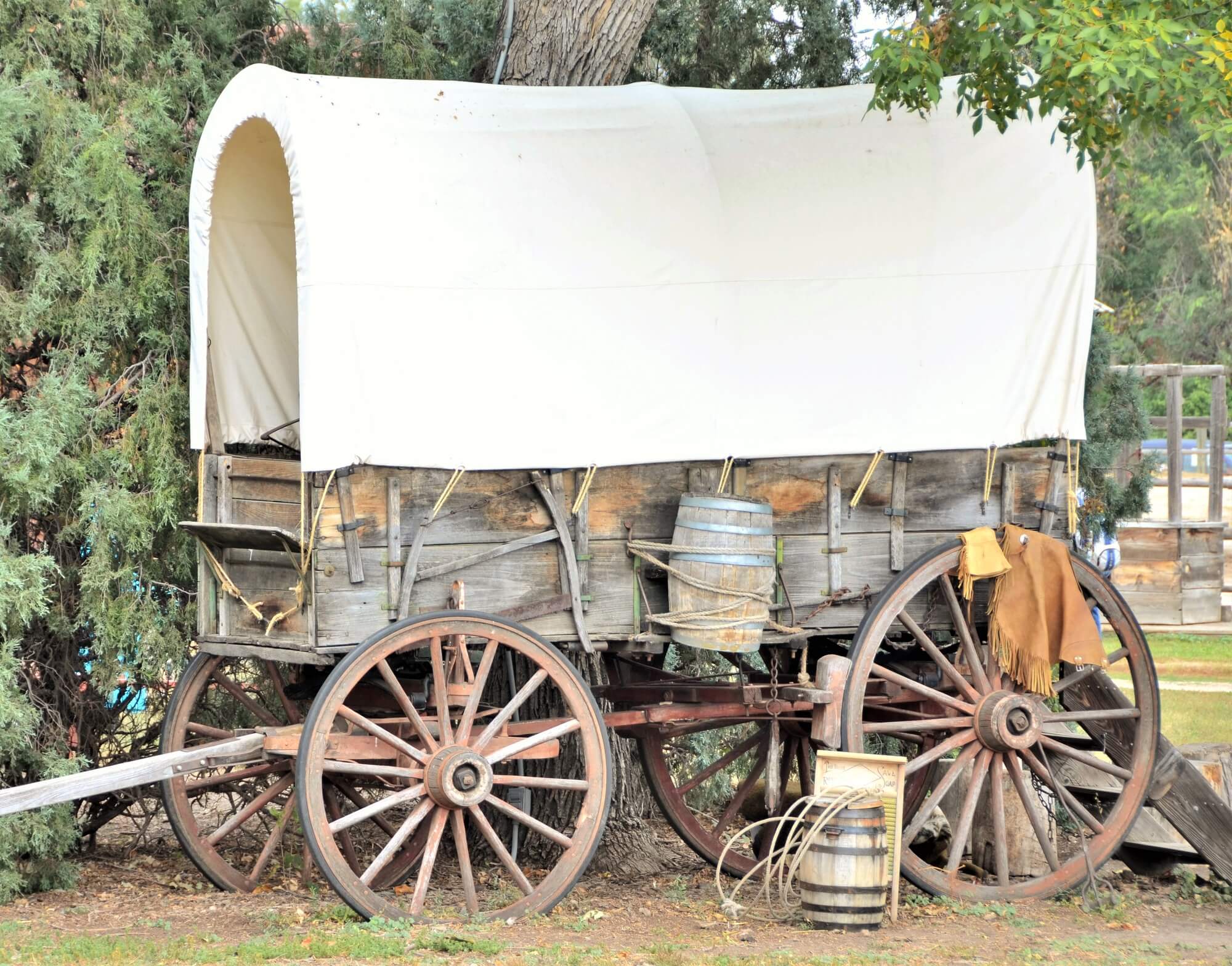
Wooden farm wagons with iron-rimmed wheels, once essential for hauling crops and supplies, now sell quickly to buyers who use them as garden planters, event decor, or simple yard displays rather than functional transportation. A wagon’s wheels are typically the first component to fail from decades of exposure, so wagons with intact, non-rotted spokes command a meaningful premium.
Buyers restoring wagons for actual horse-drawn use, a smaller but committed market, pay considerably more for examples with original hardware still attached.
Corn Shellers
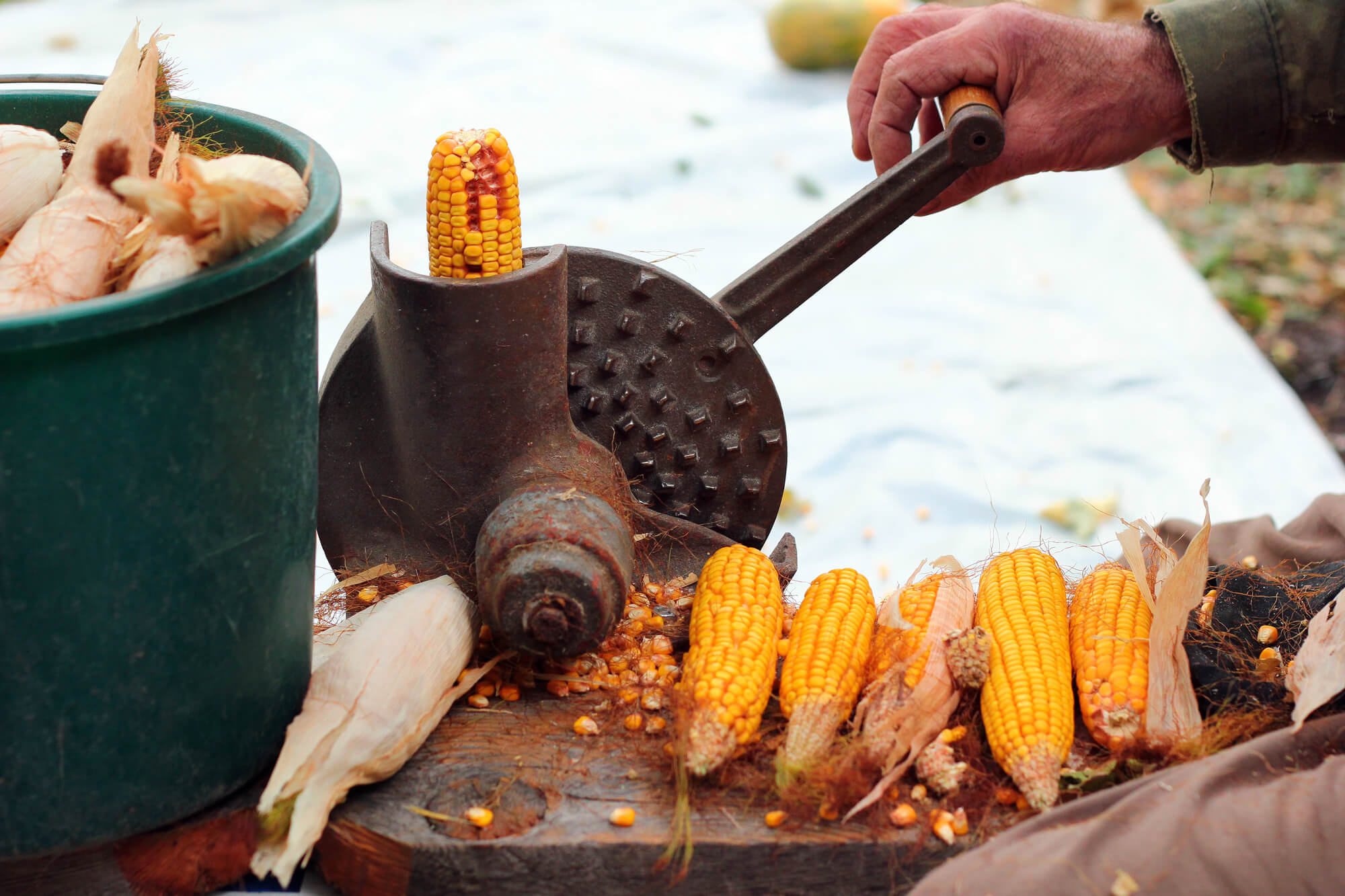
Hand-cranked and pedal-powered corn shellers, used to separate kernels from the cob before mechanized combines took over the task, are compact enough to appeal to casual collectors while remaining functional enough to interest buyers who keep small livestock. Cast iron examples with the maker’s name still legible on the frame sell faster than unmarked ones.
A sheller that still cranks smoothly, without seized gears, is worth considerably more than one requiring disassembly and cleaning.
Grain Scales
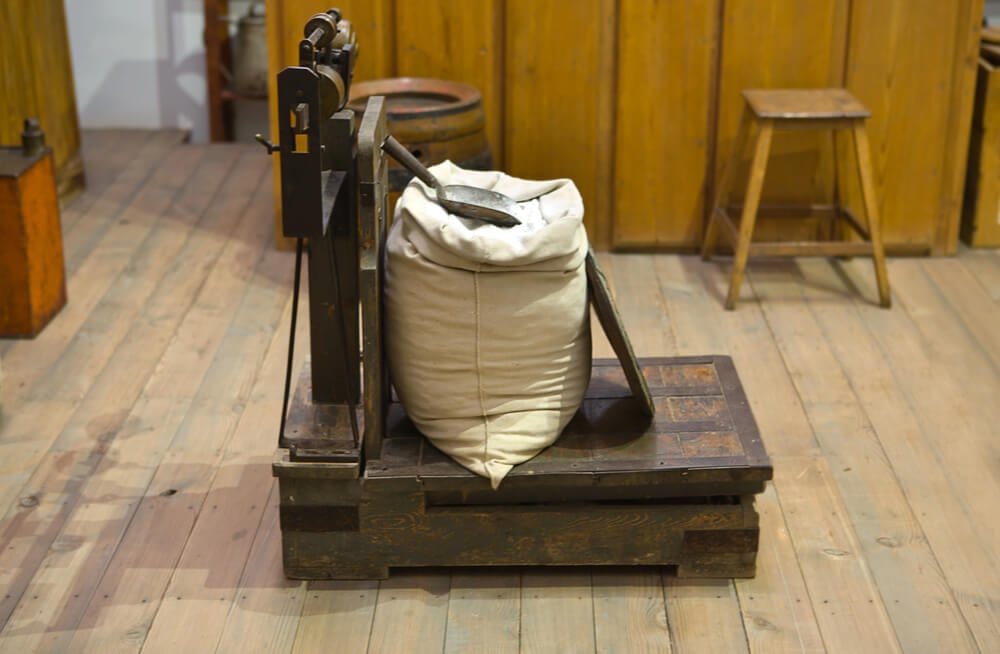
Large platform scales once used to weigh grain sacks and livestock feed are prized by buyers for their imposing cast iron construction and functioning mechanical dials, which still work correctly on many well-maintained examples. Their substantial size limits the buyer pool somewhat compared to smaller items, but dedicated collectors of mercantile and farm scale equipment compete actively for well-preserved examples.
A scale with an accurate, functioning weighing mechanism sells for significantly more than a purely decorative example with a frozen or broken dial.
Blacksmith Anvils
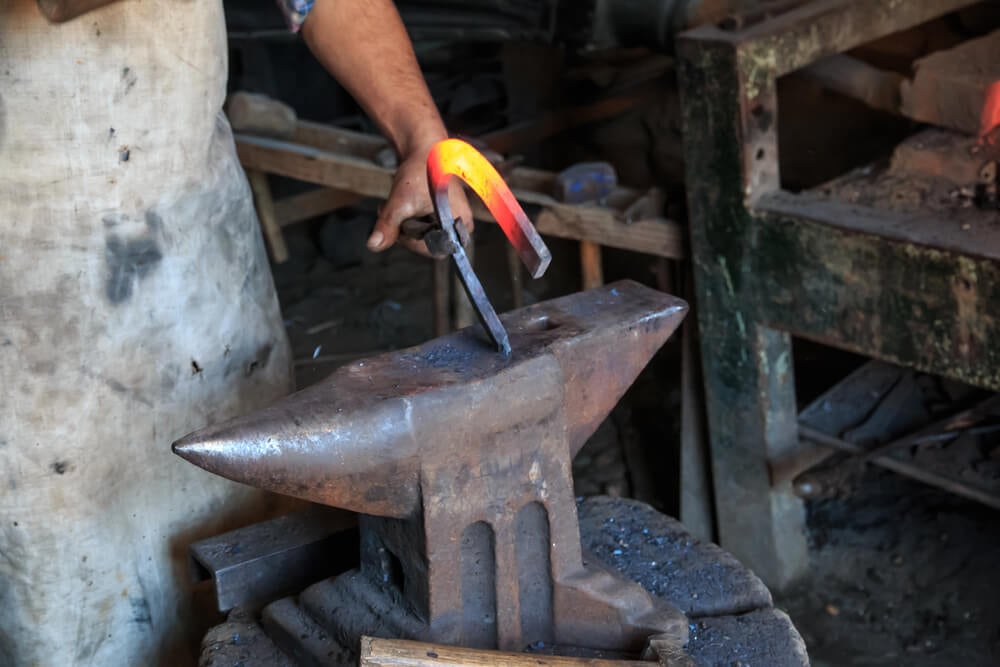
Cast steel and wrought iron anvils, some dating back well over a century, remain in active demand from both hobbyist and professional blacksmiths who still use them for genuine metalworking. Weight and ring quality, tested by striking the anvil and listening to the tone it produces, are the primary factors buyers assess before bidding.
Chips or significant wear on the working face reduce value more than surface rust, which is easily removed and does not affect the anvil’s core functionality.
Wood-Wheeled Wagon Parts
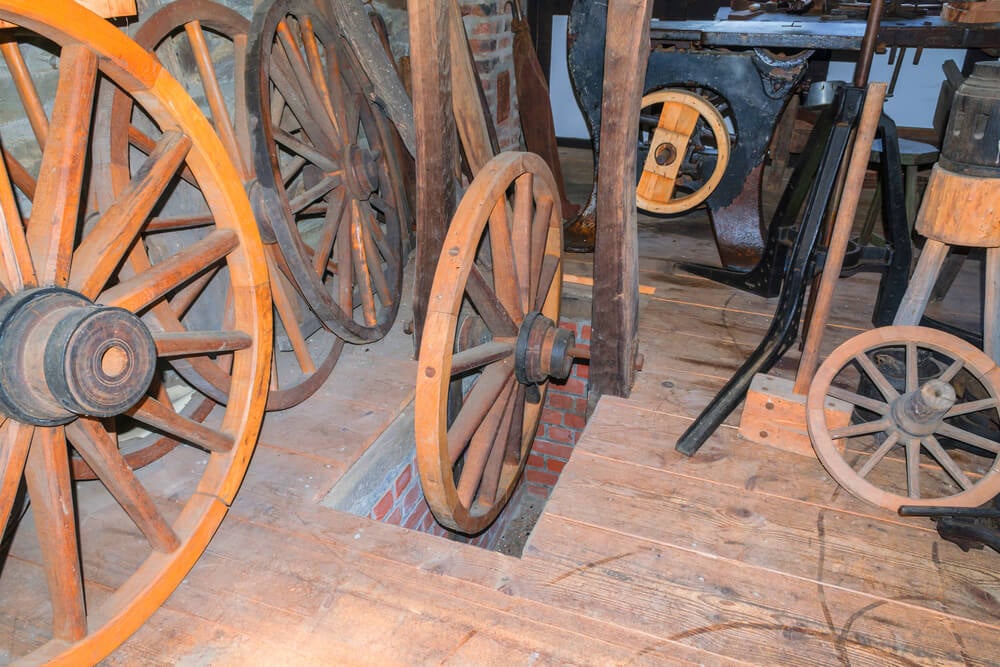
Even when a complete wagon is beyond saving, individual wood-spoke wheels and axle assemblies sell quickly to buyers restoring other wagons or repurposing the wheels as standalone decorative items. Matched sets of wheels from the same wagon sell for considerably more than single wheels, since buyers restoring functional wagons need consistent sizing and design.
Dry rot in the wood spokes, difficult to detect without close inspection, is the primary condition risk buyers weigh before bidding.
Weathervanes

Metal weathervanes, particularly older examples featuring farm animal silhouettes like roosters, horses, and cattle, are consistently among the fastest-selling and most competitively bid items found in old barns and attached outbuildings. Original weathering and patina are specifically preferred by collectors over a cleaned or repainted surface, which can reduce a piece’s value substantially.
Handmade or regionally distinctive weathervane designs, as opposed to mass-produced catalog models, draw the strongest and fastest bidding.
Cream Separators
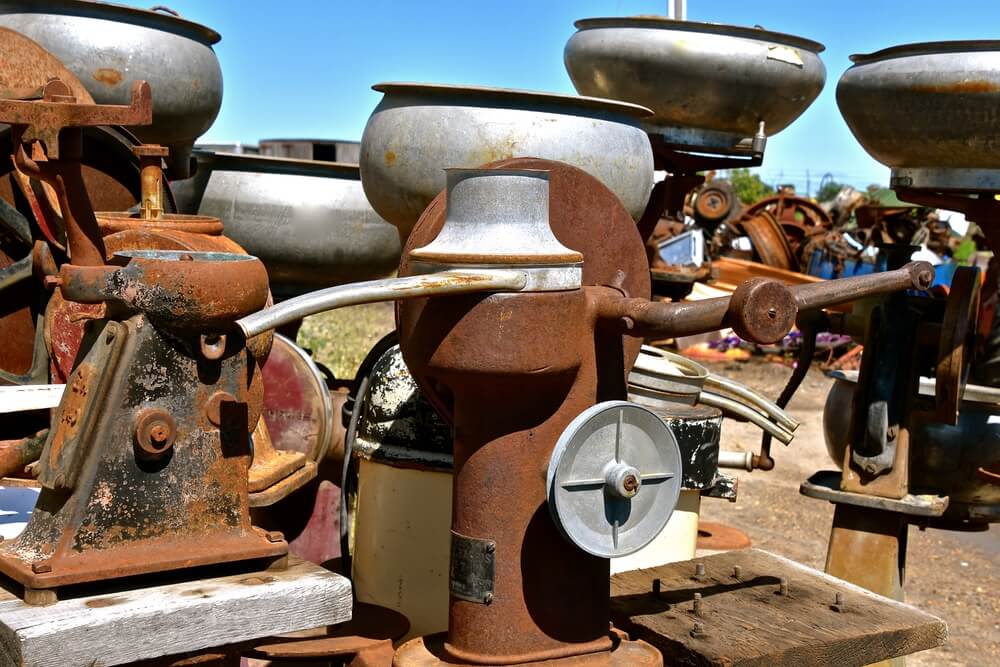
Hand-cranked cream separators, once essential dairy farm equipment for dividing cream from whole milk, appeal to buyers interested in traditional food preparation as well as to those simply drawn to the machine’s intricate mechanical components. Complete separators with all original bowls and discs intact sell considerably faster than incomplete units missing key internal parts.
Some buyers purchase them purely for the polished aesthetic of the exposed gears and spinning bowl mechanism, regardless of functional condition.
Galvanized Wash Tubs and Scrub Boards
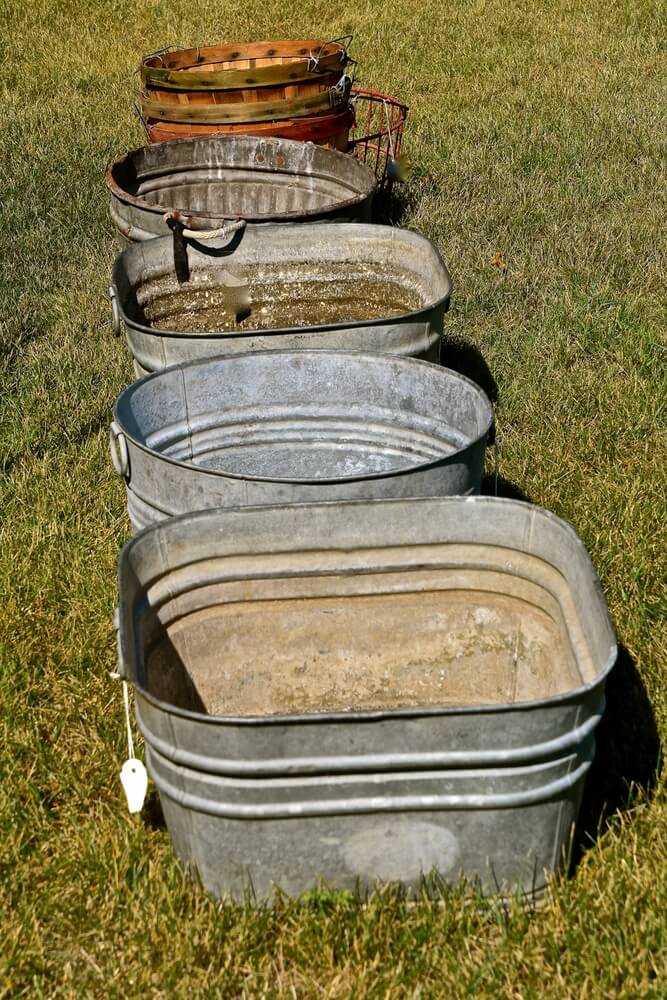
Simple galvanized metal wash tubs and ridged wooden or metal scrub boards sell quickly because of their low price point and broad decorative appeal, often ending up as rustic planters or bathroom decor. Their small size and light weight make them easy impulse purchases compared to larger farm equipment.
Heavy rust-through, rather than surface rust, is the main factor that meaningfully reduces their resale value.
Horse Harnesses and Tack
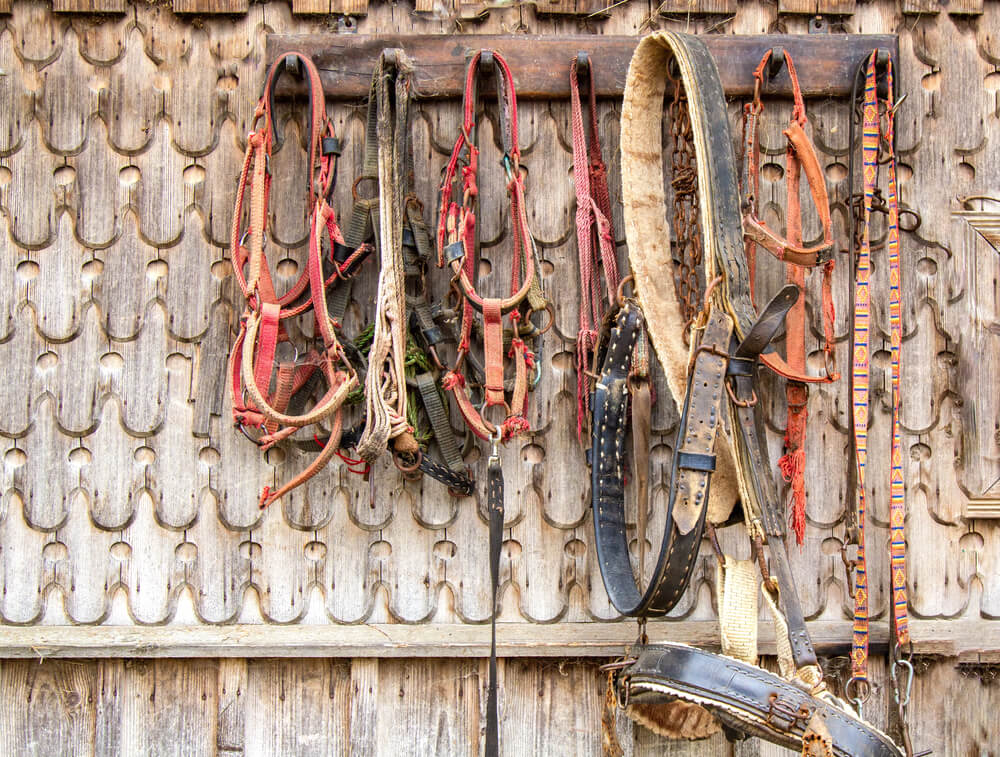
Leather harnesses, collars, and related horse tack from working farm horses appeal both to buyers who keep draft horses today and to collectors interested in the hardware and buckle work as standalone decorative pieces. Leather condition varies enormously depending on storage, with pieces kept dry and away from rodents faring far better than those left exposed to moisture.
Brass and iron hardware in good condition can make an otherwise cracked and stiff leather harness still worth purchasing for parts.
Antique Ice Boxes
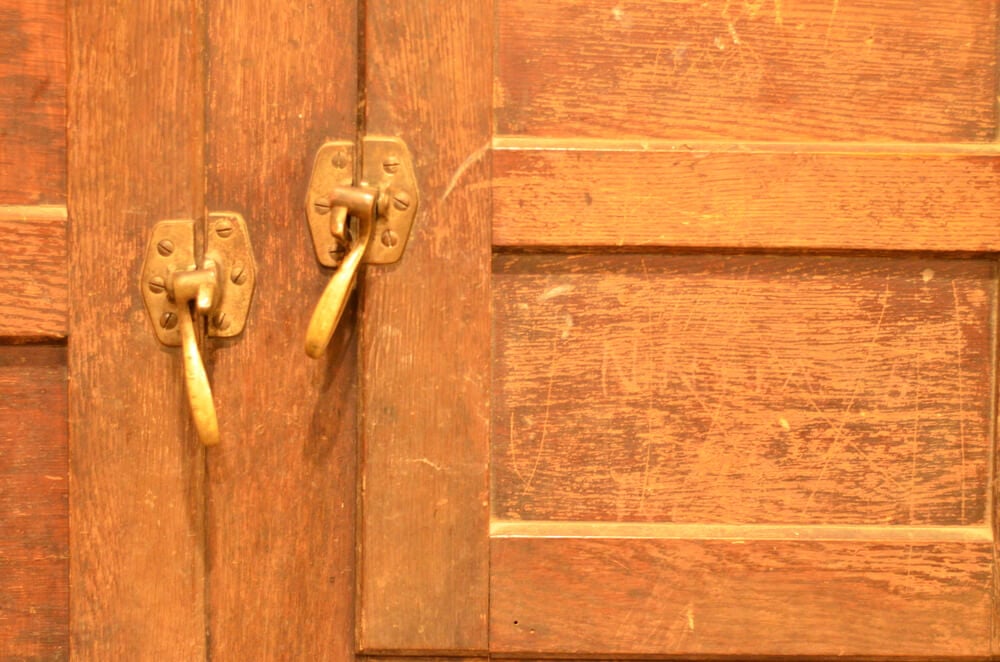
Wood-cabinet ice boxes, used for food storage before electric refrigeration became affordable and widespread, are popular with buyers who repurpose them as furniture, storage cabinets, or bar carts. Original hardware, including latches and hinges with the maker’s name still visible, adds meaningful value over a box with replacement hardware.
Water damage to the wood cabinet from decades of melting ice is common and significantly affects both appearance and structural soundness.
Wood-Burning Cook Stoves
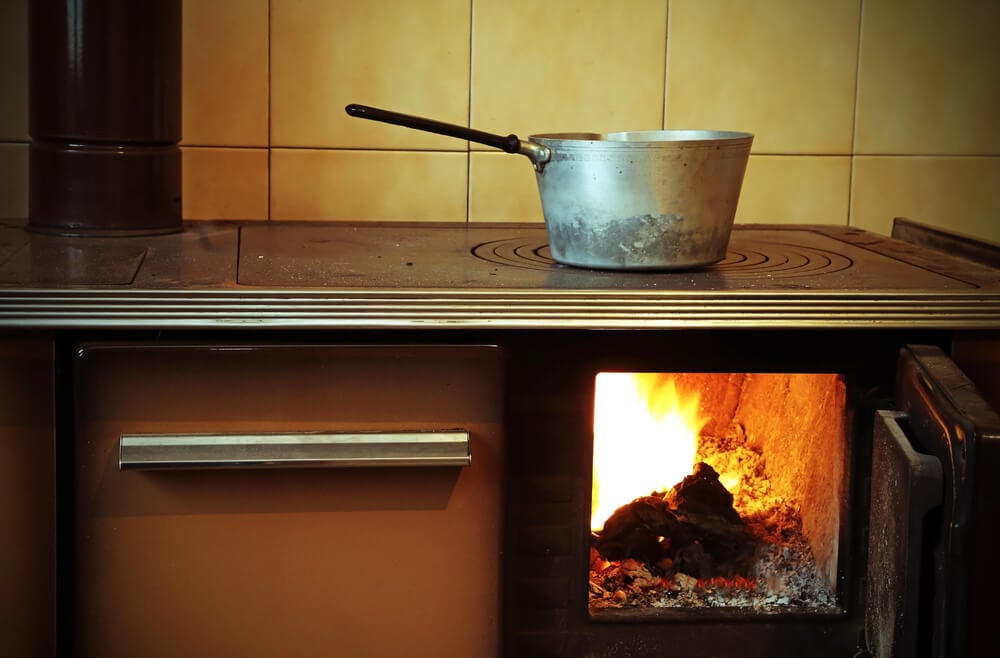
Cast iron wood-burning cook stoves, once the centerpiece of nearly every farmhouse kitchen, appeal to buyers restoring historic homes as well as those simply drawn to the ornate cast iron detailing common on many models. A stove with intact firebox walls and no major cracks in the cast iron can often be restored to working condition, which significantly increases its value over a purely decorative piece.
Complete stoves with their original warming shelves and nickel trim intact are considerably scarcer than the base stove body alone.
Hand Water Pumps
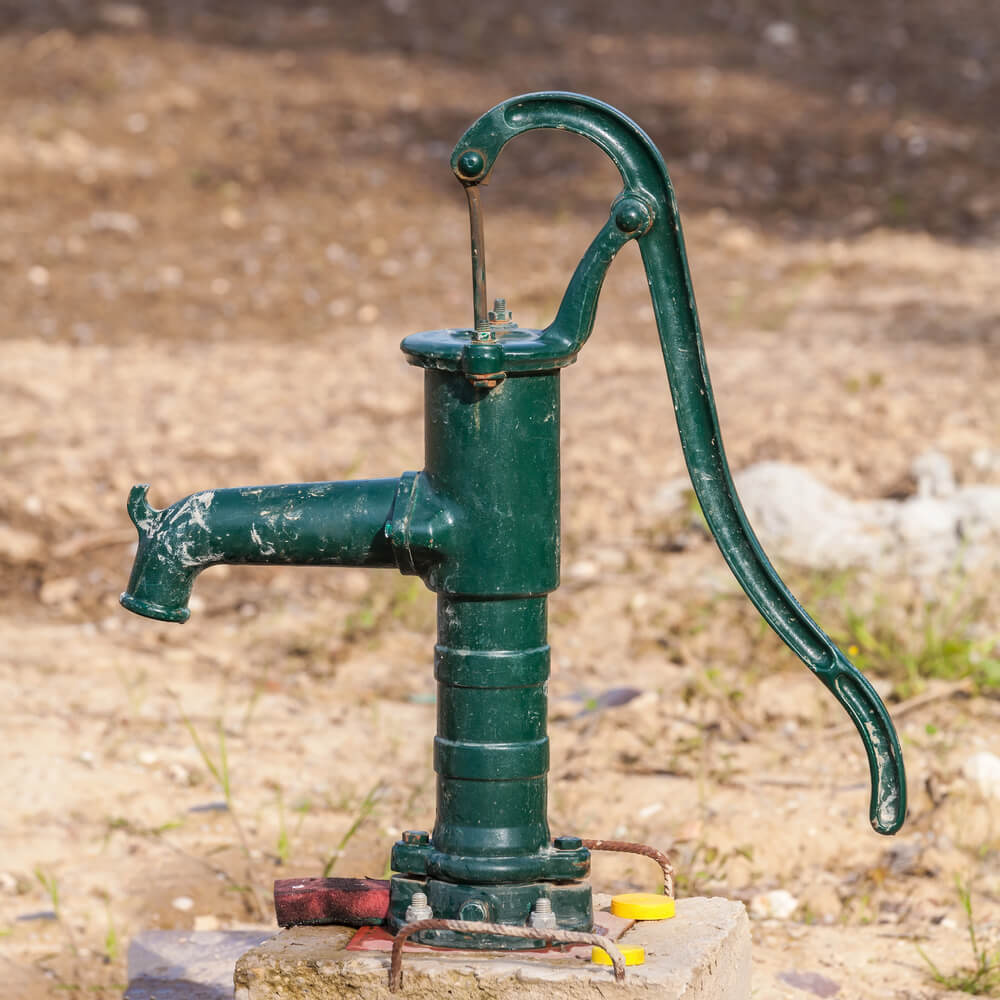
Cast iron hand-operated water pumps, once standard equipment at farmhouse wells, are popular yard and garden decorations even among buyers with no intention of connecting them to an actual water source. Original paint and manufacturer markings on the pump body add collector value beyond the item’s decorative appeal.
A pump that can still be made to draw water with minor restoration work sells for considerably more than one that is purely ornamental.
Cast Iron Tractor Seats
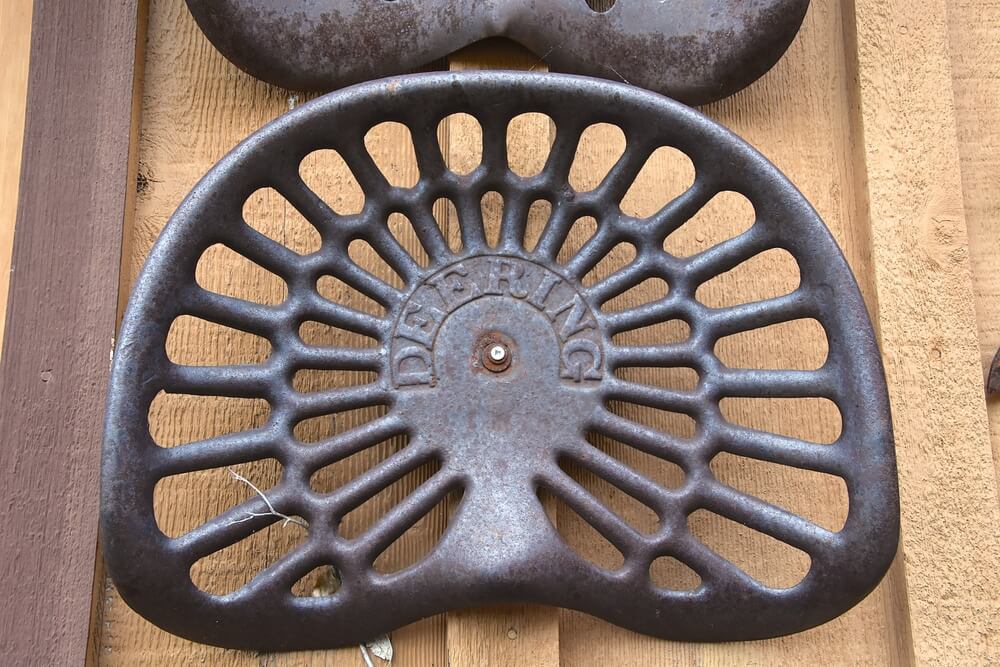
The curved, perforated cast iron seats from antique tractors and horse-drawn implements are inexpensive, easy to display, and have become a popular decorating trend as standalone wall art or stool bases, driving fast sales even from buyers with no farm equipment interest at all. Seats stamped with a manufacturer’s name and pattern sell for considerably more than unmarked examples.
Because they are relatively small and light, they are also one of the easiest farm-find categories for casual buyers to transport home.
Printed Cotton Feed Sacks
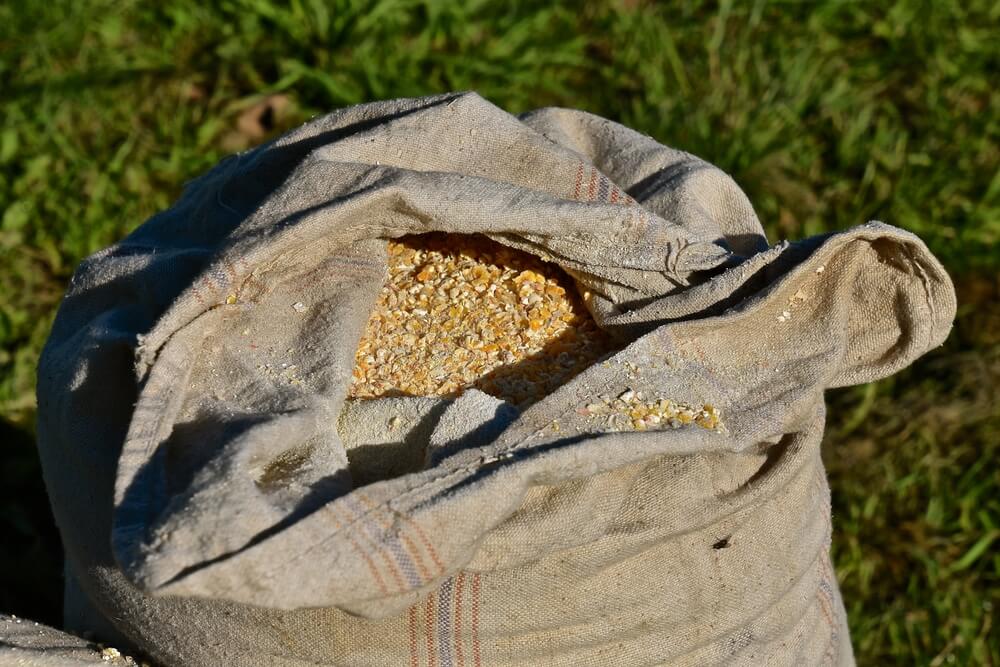
Feed and flour sacks printed with colorful patterns, produced specifically so rural families could repurpose the fabric into clothing and quilts during the Depression and postwar years, are actively sought by vintage textile and quilting collectors. Condition and pattern rarity both significantly affect price, with unusual or particularly well-preserved prints drawing the most competitive bidding.
Because the sacks were meant to be used and sewn into other items, surviving examples in original, uncut condition are considerably scarcer than the volume once produced would suggest.
Horse-Drawn Sleighs
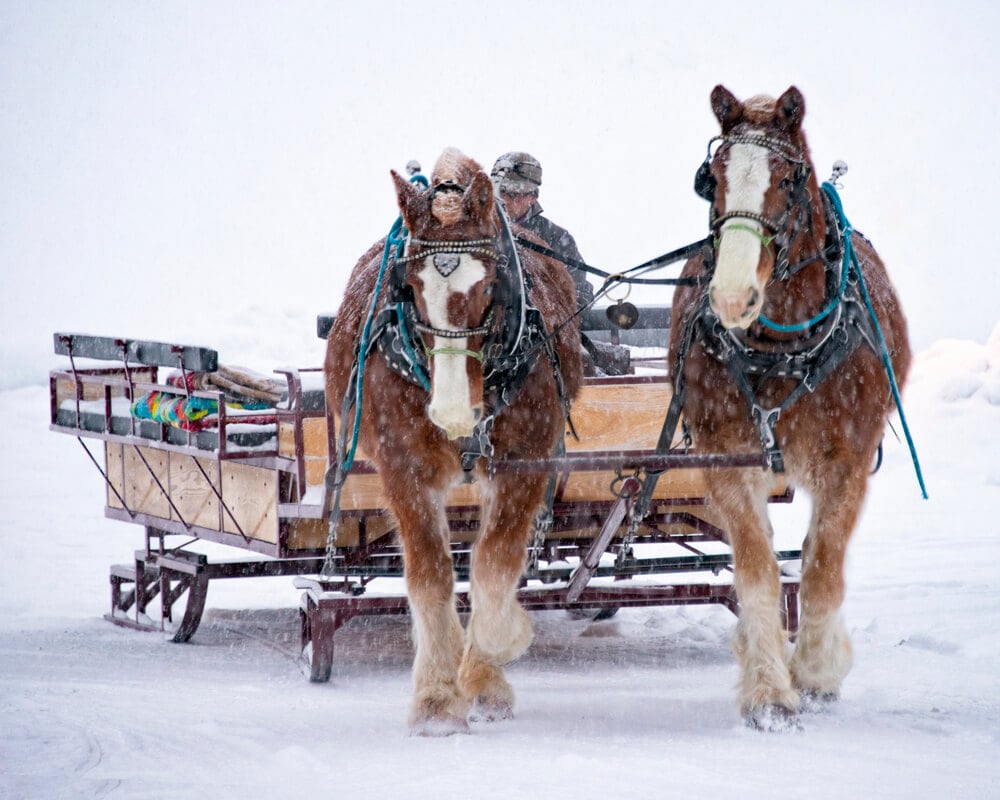
Wooden horse-drawn sleighs, once used for winter transportation before motorized vehicles took over, are less commonly found intact than wagons but sell quickly when they do appear, often to buyers who use them purely as holiday season decor. Ornate ironwork and original paint detailing meaningfully increase a sleigh’s value over a plain, unadorned example.
Structural rot in the wooden runners is the primary condition concern, since sleighs stored outdoors for decades are especially vulnerable to moisture damage.
Threshing Machine Parts
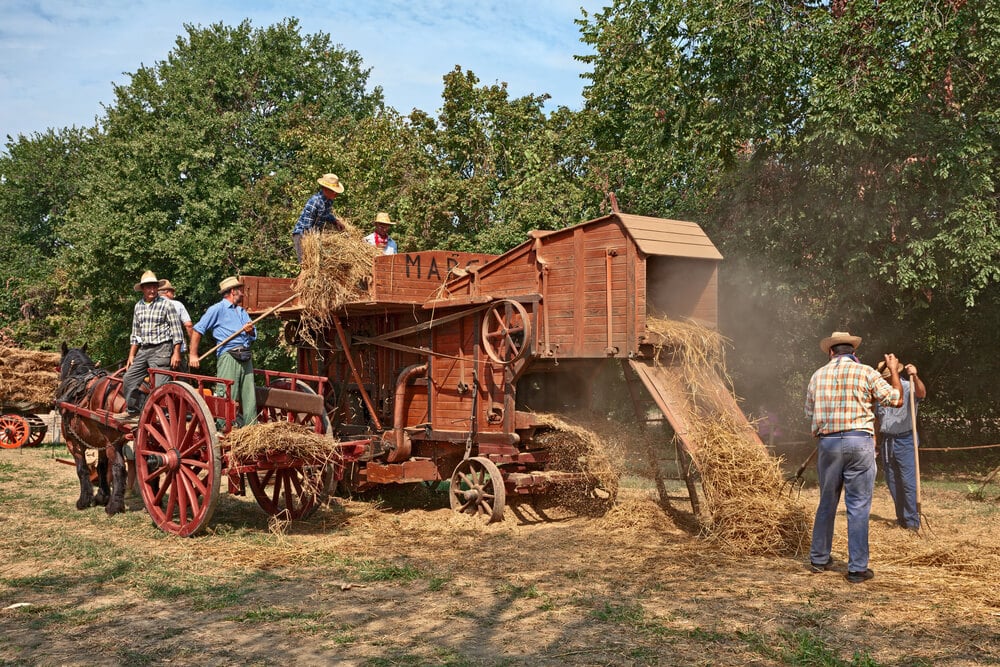
Individual components from antique threshing machines, including drive belts, pulleys, and feeder mechanisms, are sought by collectors restoring complete machines for antique farm equipment shows and demonstrations. Because complete, functional threshing machines are increasingly rare, parts sales have become their own active subcategory within the farm auction world.
Buyers restoring machines for working demonstrations pay a significant premium for parts that match a specific original manufacturer and model.
Branded Wooden Produce Crates
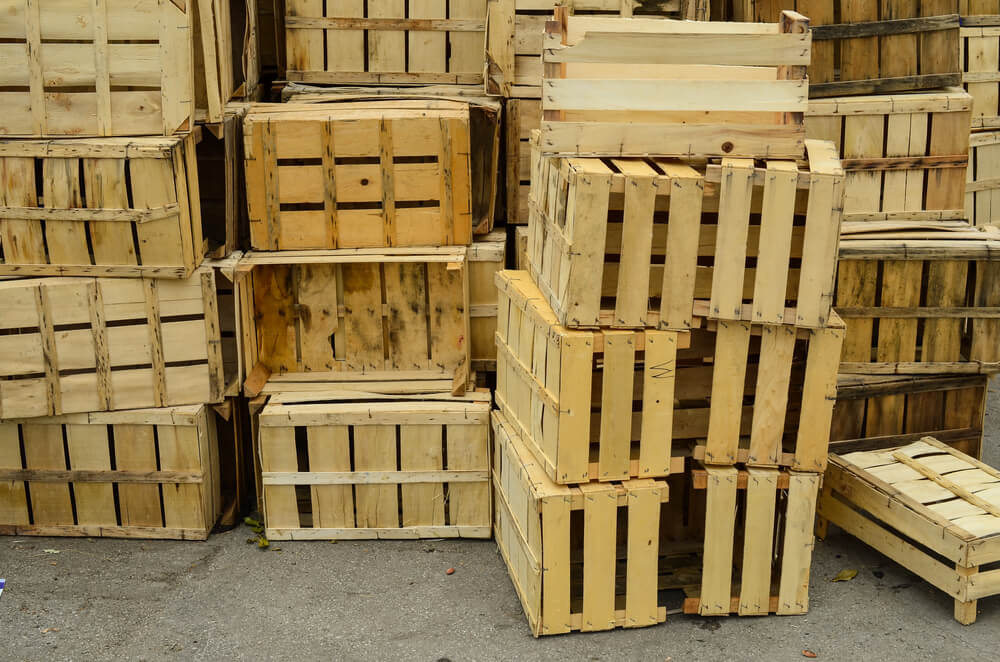
Wooden shipping crates stenciled with a specific farm, orchard, or packing company’s branding sell quickly to buyers who repurpose them as rustic shelving, storage, or wall decor. Crates with vibrant, legible original stenciling sell for considerably more than crates with faded or illegible markings.
Regional and small-operation branding, as opposed to large well-known packing companies, sometimes draws stronger interest from collectors specifically researching local agricultural history.
Old Vehicle License Plates
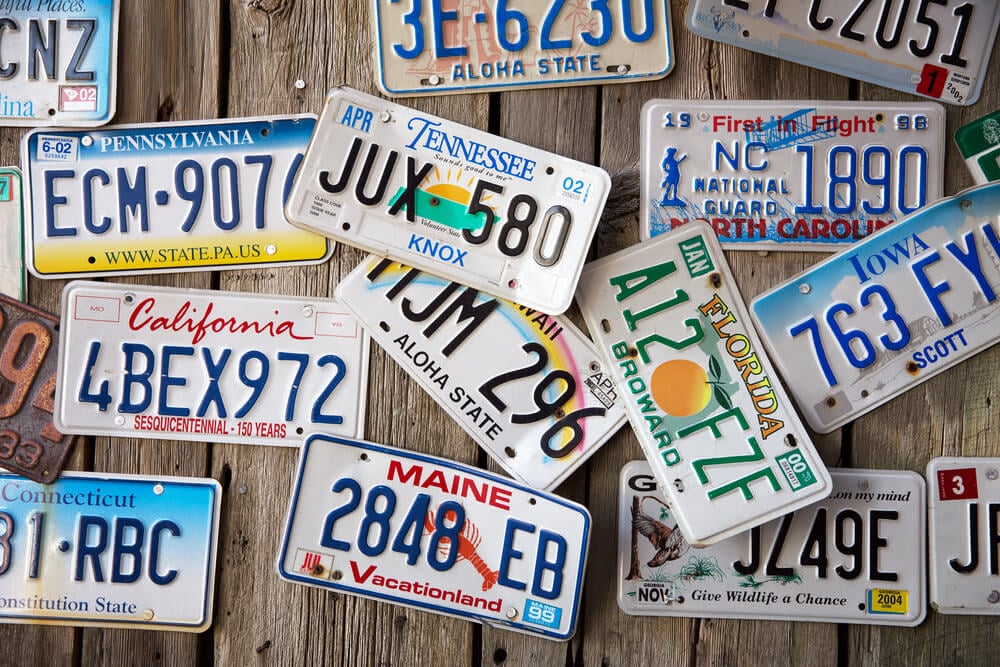
License plates found in barns, often from decades-old farm trucks and tractors, are lightweight, easy to display, and appeal to a dedicated community of license plate collectors who specifically seek out complete date runs from a single state. Early plates, particularly from before standardized state-issued designs became common, carry the strongest collector interest.
Rust and fading are common and generally accepted, but plates with the full number and state name still legible sell considerably faster than heavily deteriorated examples.
Vintage Gas Station Pumps
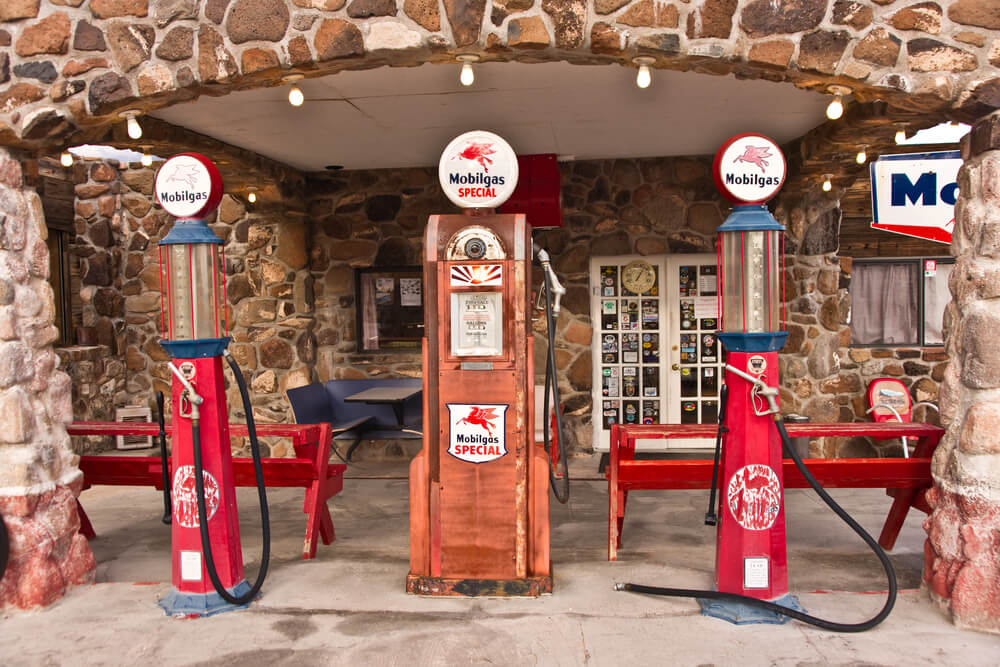
Old mechanical gas pumps, sometimes found stored in outbuildings on farms that once operated their own fuel tanks for equipment, are among the most valuable single items that can turn up in a barn clean-out. Pumps retaining their original glass globe on top, a component frequently lost or broken over the decades, sell for substantially more than pumps missing this signature detail.
The petroliana collecting market overlaps heavily with advertising sign collectors, and bidding on a complete, well-preserved pump can escalate quickly.
Soda Advertising Coolers
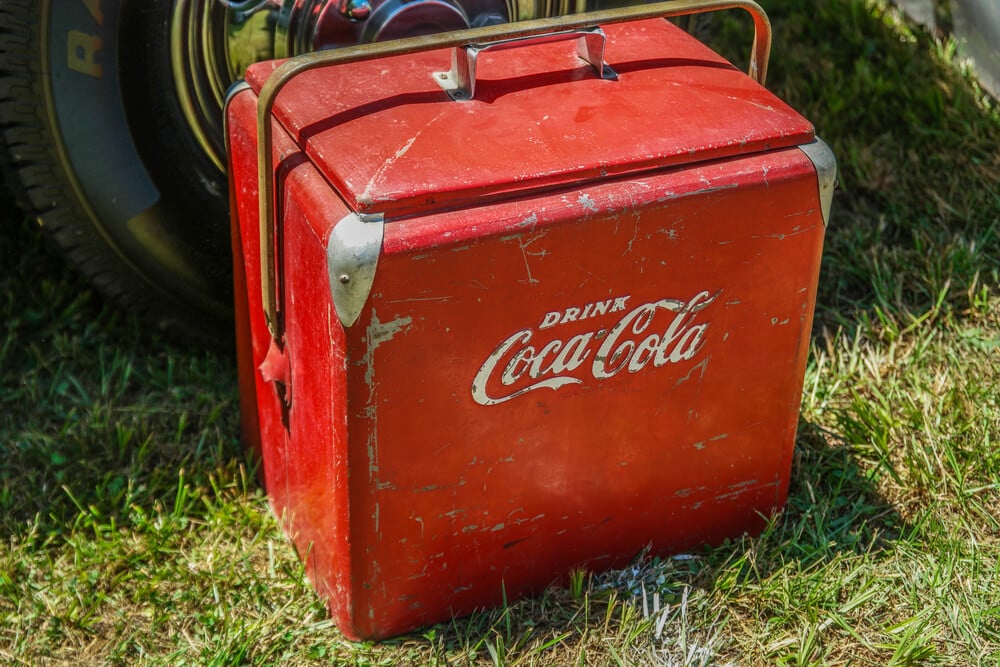
Metal soft drink coolers branded with vintage beverage advertising, sometimes stored in farm outbuildings after being retired from a local store or gas station, draw strong interest from collectors of advertising memorabilia well beyond the farm equipment crowd. Original paint and an intact company logo are essential to value, since a repainted or heavily rusted cooler loses most of its collector appeal.
A functioning lid latch and intact interior liner add meaningful value for buyers who intend to actually use the cooler rather than display it.
Barn-Find Classic Cars
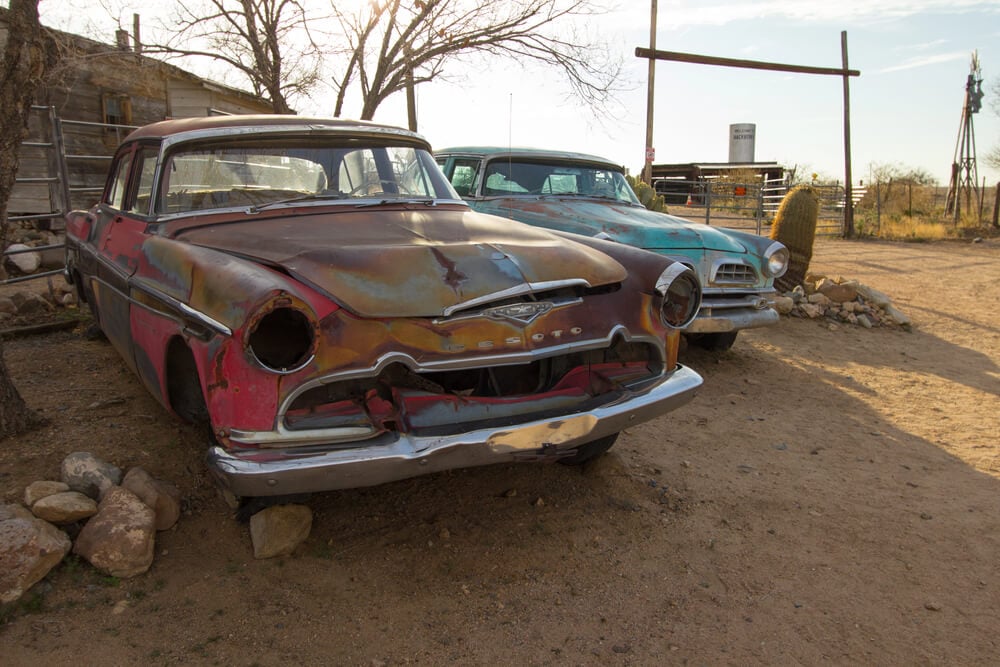
Early automobiles, particularly Ford Model A and Model T vehicles, occasionally turn up stored in old barns decades after being parked and forgotten, and these finds can generate some of the fastest and highest-value sales at any farm auction. Even a heavily deteriorated vehicle can sell quickly for parts or restoration projects, since original, unrestored “barn find” cars carry their own dedicated collector appeal distinct from fully restored vehicles.
Buyers specifically weigh whether the engine is seized, which significantly affects whether the vehicle is viewed as a restoration project or purely a parts source.
Aermotor Windmill Parts
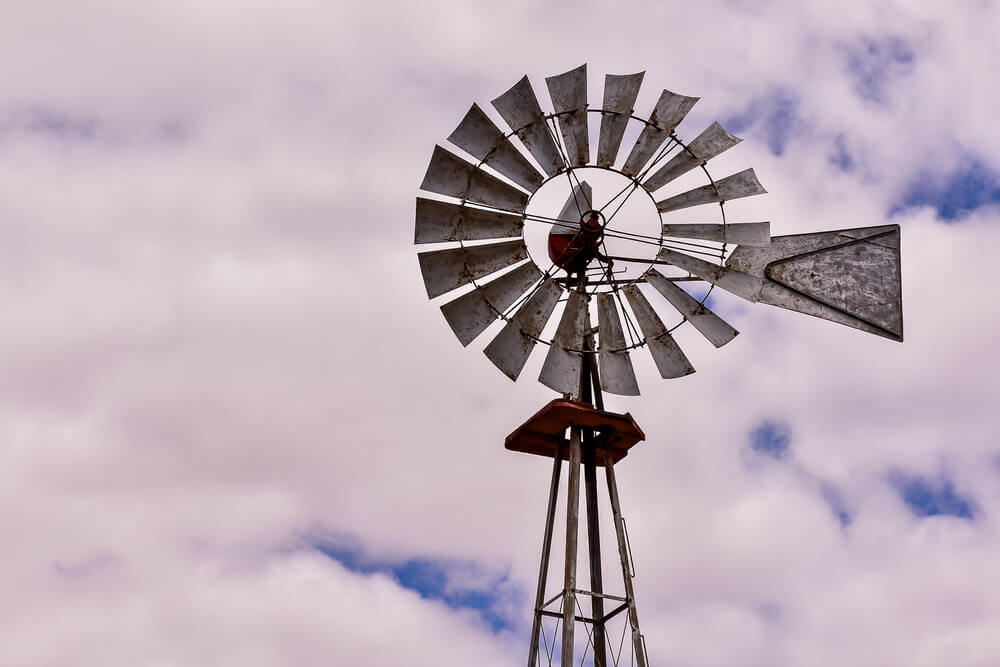
Components from Aermotor and similar steel windmill towers, once used across the rural Midwest and Plains states to pump well water, are sought both by buyers restoring complete windmills and by those repurposing individual gearboxes and blades as standalone yard art. The distinctive geared wheel mechanism at the top of the tower is particularly popular as a decorative piece on its own.
Complete, matched sets of blades are considerably harder to find than individual components, since many surviving windmills have lost blades to decades of storm damage.
Cast Iron Cookware
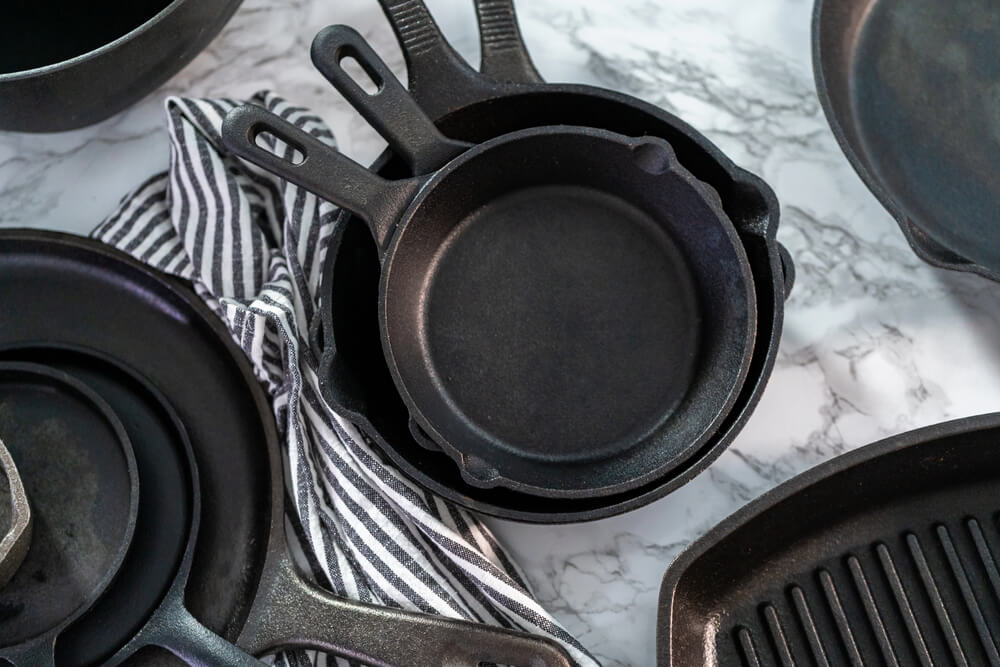
Cast iron skillets and Dutch ovens found in old farmhouse kitchens, particularly examples from well-known early American foundries, are one of the most consistently fast-selling categories at any farm sale due to strong ongoing demand from home cooks as well as collectors. A skillet’s maker’s mark, cast into the underside, can significantly affect price, with certain early foundries commanding prices many times higher than generic unmarked pans.
Rust is generally not a dealbreaker since it can be restored through re-seasoning, but warping or cracks render a piece essentially worthless for cooking use.
What Sells Fast and Why
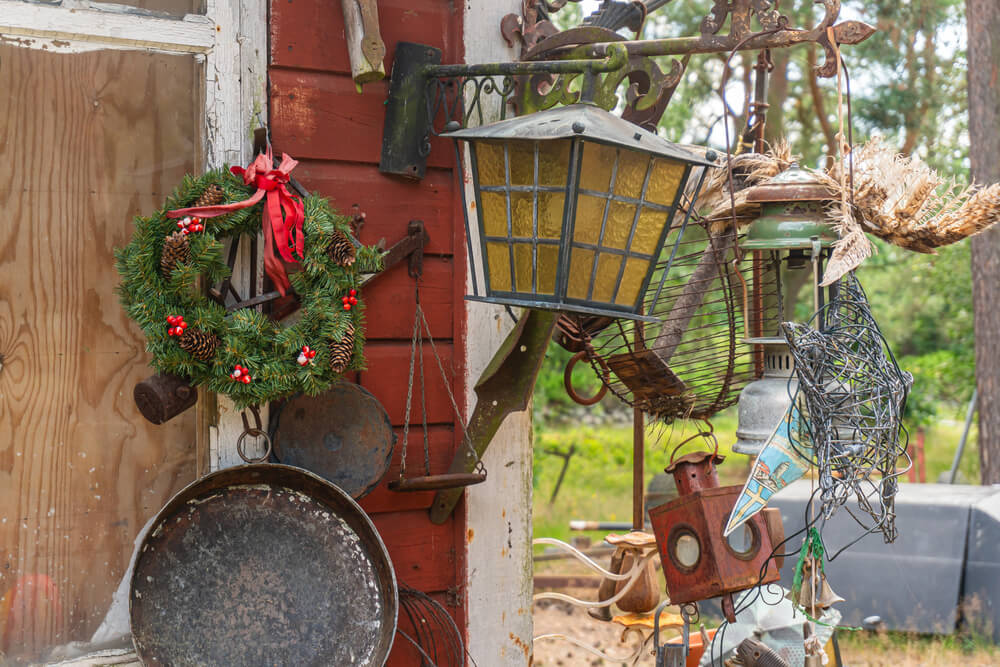
The items that move quickest at a farm auction share a common trait: they translate easily into a use or display purpose completely disconnected from their original agricultural function. A dinner bell becomes porch decor, a tractor seat becomes a stool, a feed sack becomes quilting fabric, and the buyer competing for it may never have set foot on a working farm.
That translation is really what farm auctions are selling, whether the auctioneer says it out loud or not. The equipment itself has mostly finished its working life.
What remains is the appeal of an object built solidly enough, and specifically enough, to still mean something to someone decades after the farm that used it stopped needing it.
More from Go2Tutors!

- The Romanov Crown Jewels and Their Tragic Fate
- 13 Historical Mysteries That Science Still Can’t Solve
- Famous Hoaxes That Fooled the World for Years
- 15 Child Stars with Tragic Adult Lives
- 16 Famous Jewelry Pieces in History
Like Go2Tutors’s content? Follow us on MSN.