30 Classic Diner Dishes Rarely Seen Now
A diner menu from 1955 reads like a document from another country. Half the items involve cream sauce, a third arrive on toast, and the beverage list includes things that sound like chemistry experiments.
Most of those plates did not fail on flavor. They slipped off the laminated page one at a time, as cooks retired, suppliers consolidated and customers stopped asking.
Liver and Onions With Bacon
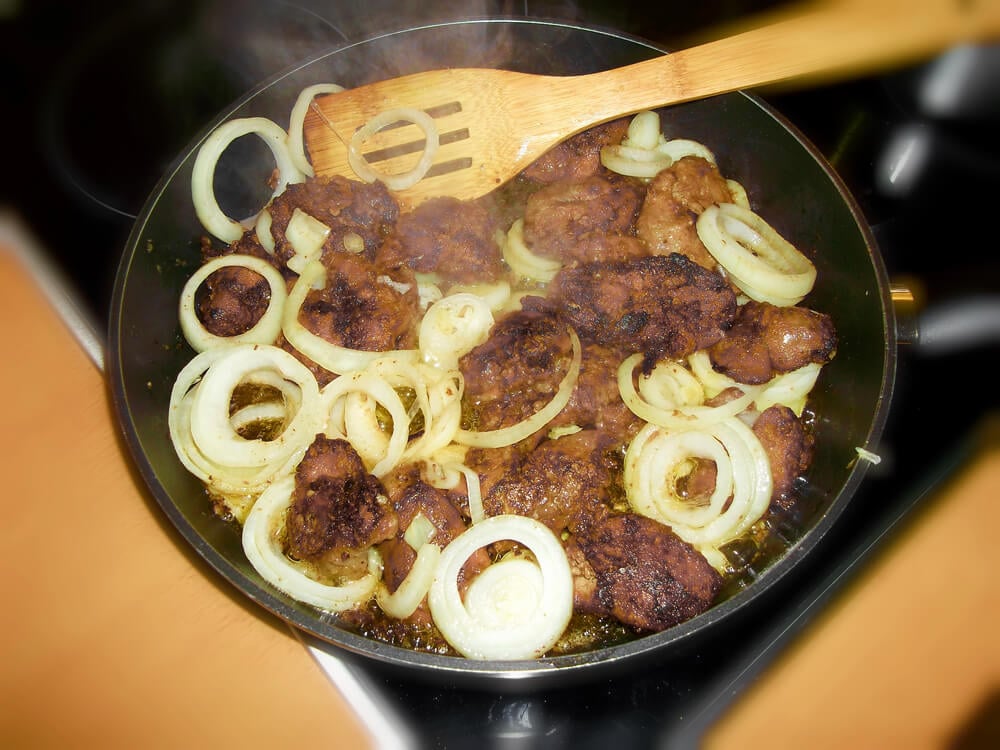
Calf’s liver, dredged in flour and fried fast in bacon fat, was once a weekly special at nearly every lunch counter in America. The onions cooked down slowly on the back of the griddle, and two strips of bacon went on top.
During World War II, organ meats needed few or no ration points, and a federal Committee on Food Habits, with anthropologist Margaret Mead as its executive secretary, studied how to persuade households to eat more of them. The persuasion worked for a generation.
Younger diners never acquired the habit, and most kitchens quietly dropped a dish that sells three plates a week.
Creamed Chipped Beef on Toast
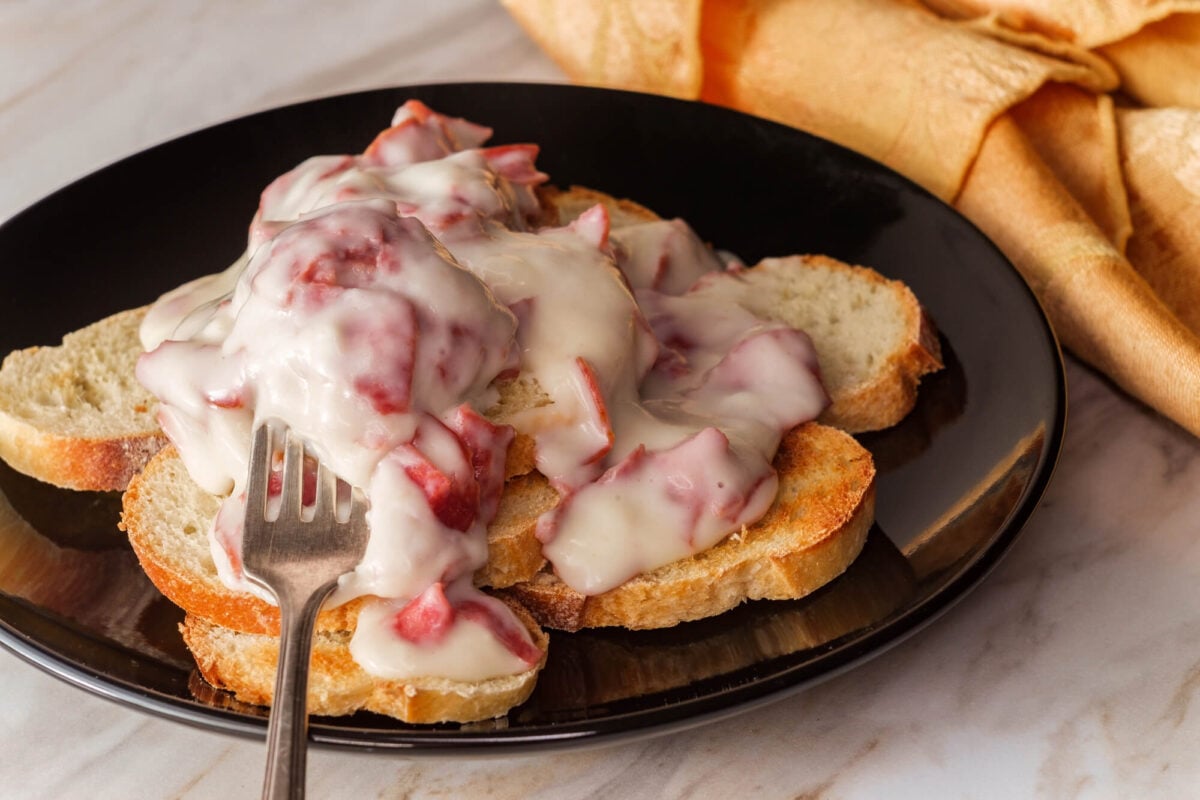
Soldiers gave this dish a nickname that cannot be printed here, usually shortened to SOS. Thin sheets of salted, dried beef are torn into a white sauce of butter, flour and milk, then ladled over toast.
A recipe appeared in the 1910 Manual for Army Cooks, and veterans carried the taste home to diner breakfasts after both world wars. The dried beef came in small glass jars from Midwestern meatpackers, Hormel among them.
It survives in pockets of Pennsylvania and Maryland, where diners still list it beside the eggs, but across most of the country sausage gravy has taken its place.
Salisbury Steak Under Brown Gravy
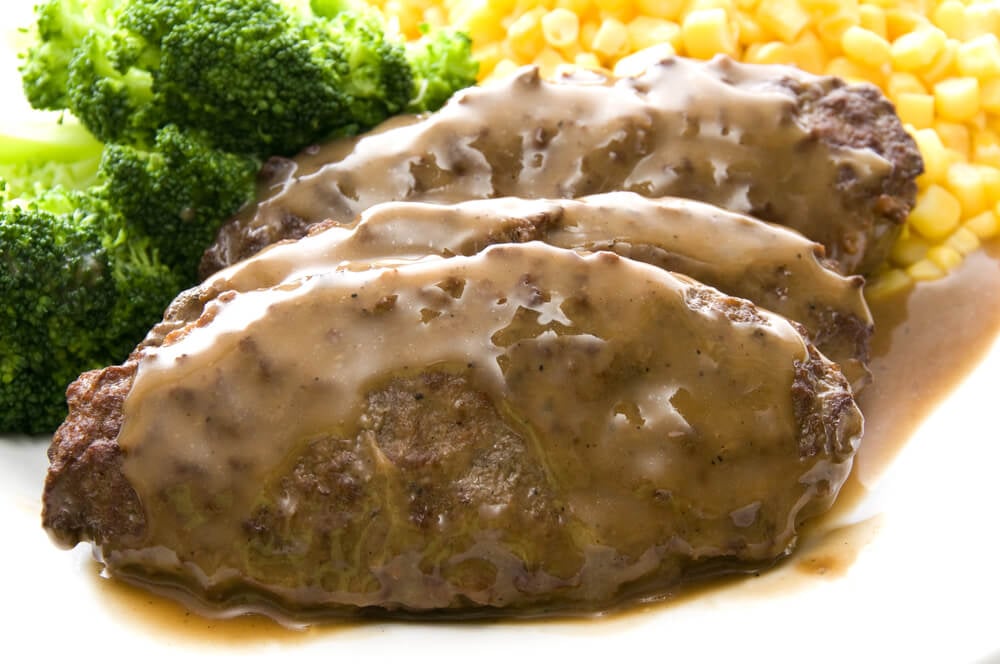
Dr. James Henry Salisbury, a physician who studied the diets of Union soldiers during the Civil War, believed that chopped lean beef eaten three times a day could cure a long list of ailments. His 1888 book laid out the regimen, and his name stuck to the patty.
Diners seasoned ground beef with onion and breadcrumbs, shaped it into an oval, and buried it in mushroom gravy beside mashed potatoes. Then Swanson and its rivals put the dish in frozen dinner trays, and it became shorthand for cafeteria food.
Few restaurants want that association on a menu today.
Chicken a la King on Toast Points
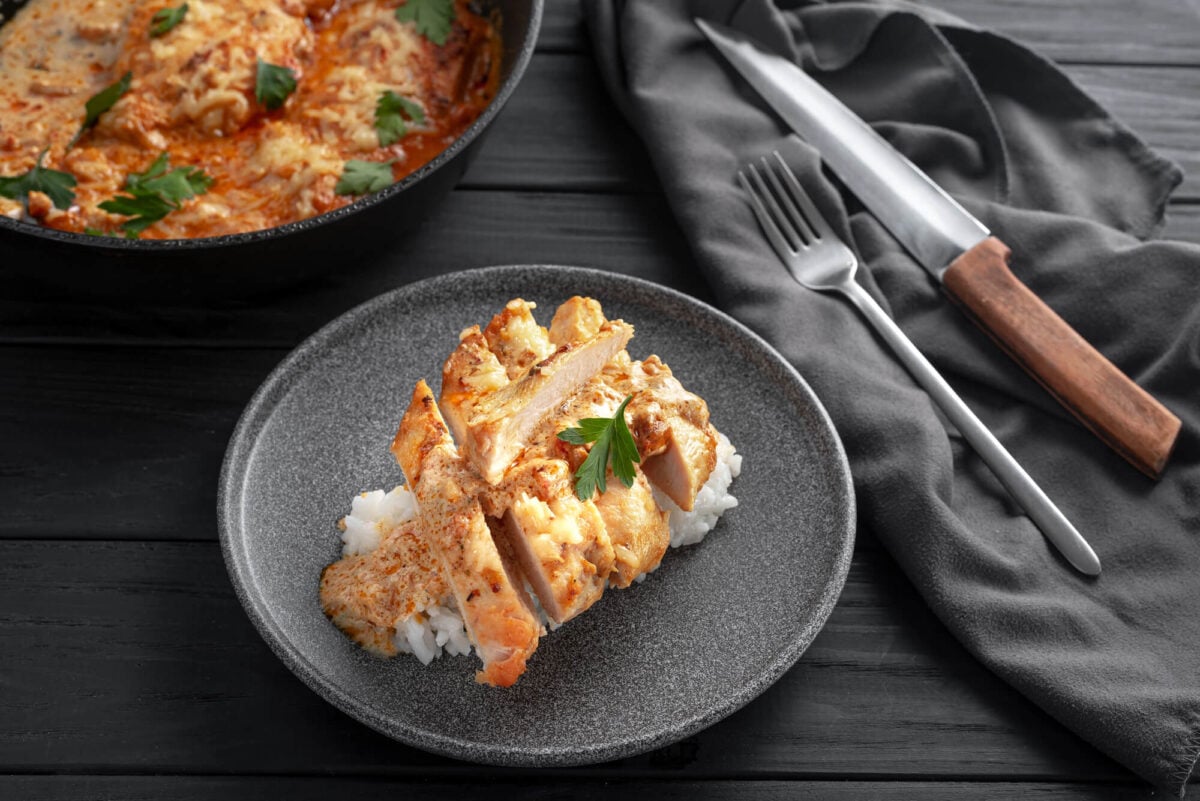
Nobody can prove who invented it. One account credits chef George Greenwald of the Brighton Beach Hotel in New York, who is said to have made it in the 1890s for E. Clark King, a patron in some tellings and the proprietor in others, and a rival claim points to Delmonico’s.
The recipe is easier to pin down: diced chicken in a cream sauce with mushrooms, green pepper and pimiento, often finished with sherry, served over toast points or in a pastry shell. It was banquet food that trickled down to lunch counters, where it used up yesterday’s roast chicken.
By the 1980s it had mostly retreated to cafeteria lines and frozen pouches.
Chicken Croquettes With Cream Sauce
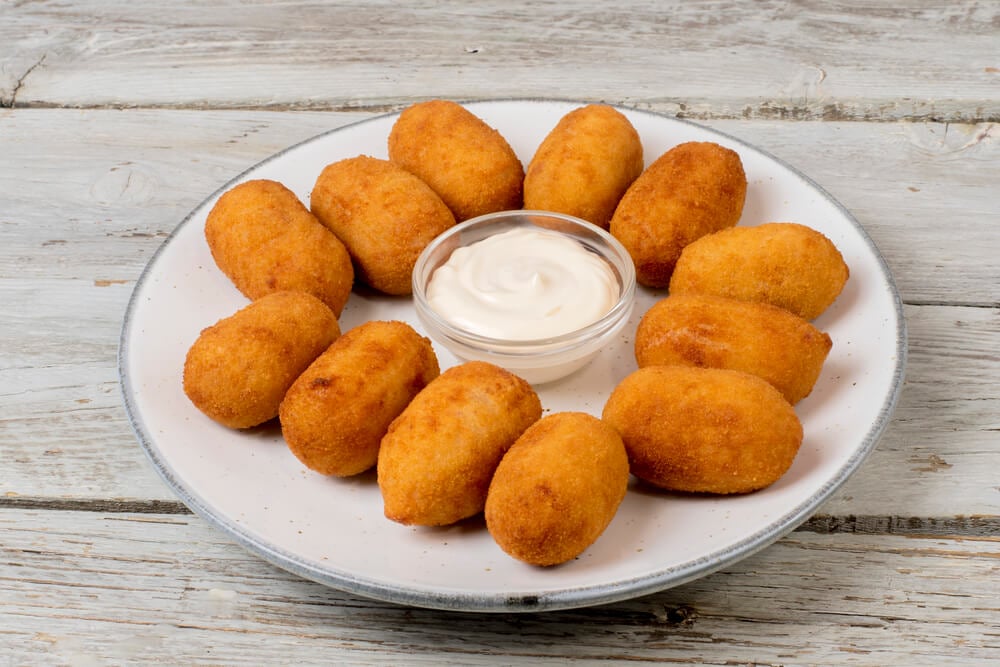
Croquettes took real labor, which is most of the reason they vanished. Cooked chicken was chopped fine, bound with a thick white sauce, chilled until firm, shaped into cones, rolled in crumbs and deep-fried.
Fannie Farmer’s 1896 Boston Cooking-School Cook Book included a full run of croquette recipes, and by mid-century they were a fixture of diners and department store tearooms, two to a plate with peas and a ladle of cream sauce. A properly made one is crisp outside and nearly molten inside.
Modern kitchens that want something fried and chicken-shaped simply open a bag of tenders.
Salmon Patties From the Can
Friday was the day for these. Until American bishops relaxed the rule in 1966, Catholics were expected to skip meat every Friday of the year, and diners in parish neighborhoods planned their specials around it.
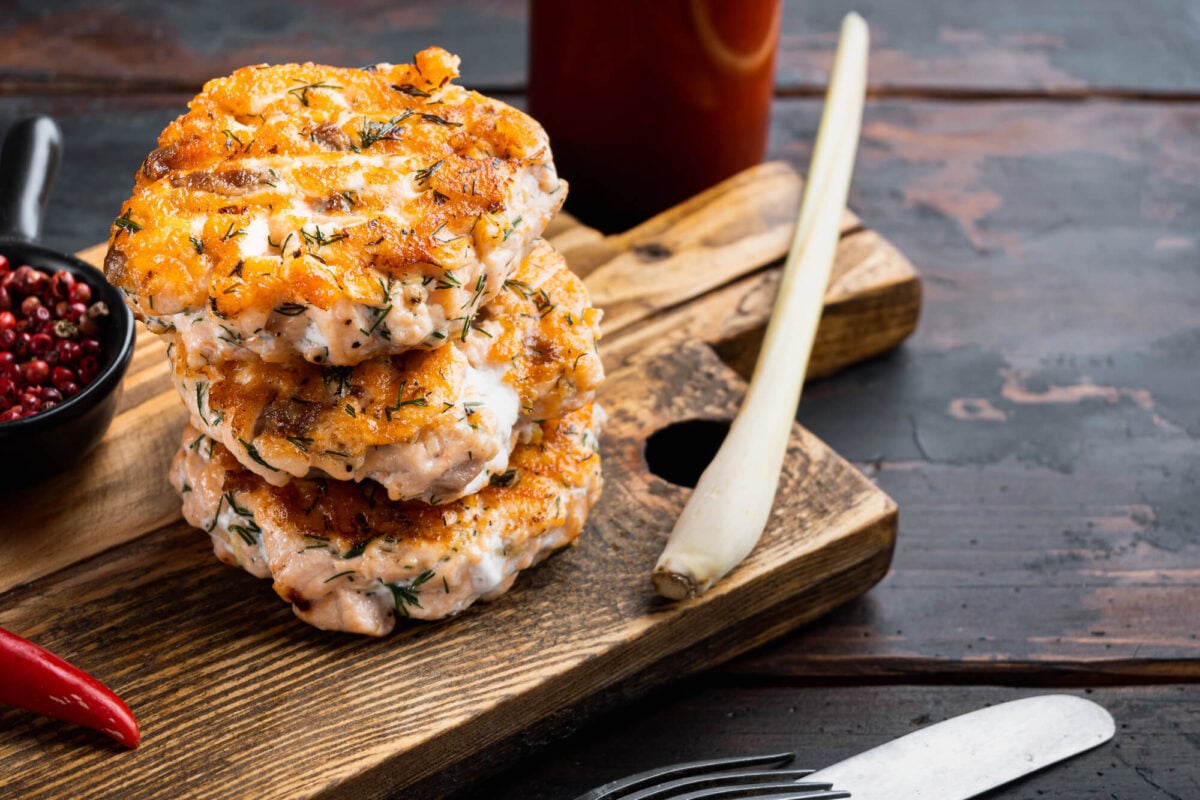
Canned pink salmon from Alaska was cheap, kept for years on a shelf, and needed only an egg, crushed saltines and chopped onion to become a patty. The cook fried them in a skillet and sent them out with creamed peas or a lemon wedge.
Some recipes left the soft bones in for the calcium. Fresh salmon fillets now hold the menu spot, and the canned kind has gone home.
Swiss Steak Braised in Tomatoes
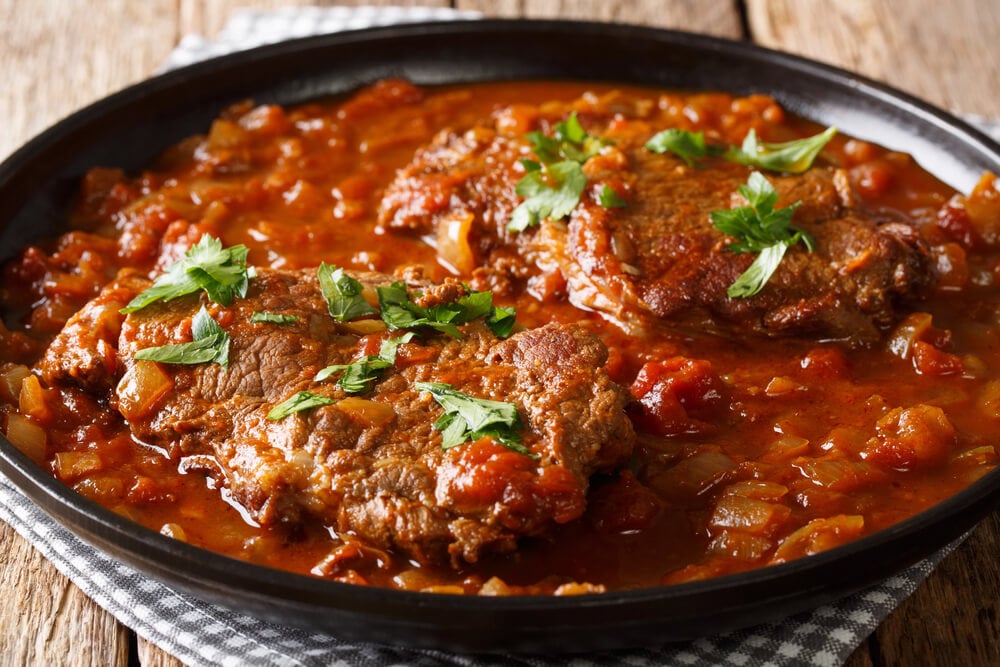
Switzerland has nothing to do with it. The name most likely comes from swissing, a term for running cloth through rollers to smooth it, because the cook pounds flour into a tough slab of round steak with a mallet before browning it.
The meat then braises for a couple of hours with tomatoes, onions and sometimes green pepper until a fork goes through it. That long braise suited a diner with a steam table and a cook on duty all morning.
It suits a short-order line with a flat-top and a fryer far less, and the dish has faded accordingly.
City Chicken on a Skewer
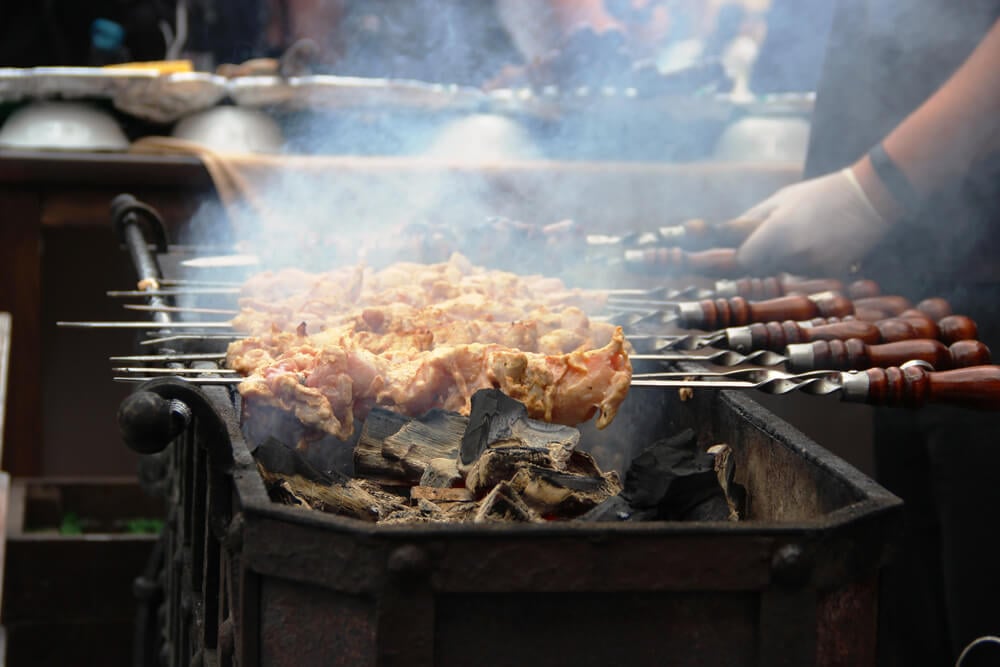
Pittsburgh, Cleveland and Detroit all ate chicken that contained no chicken. City chicken is cubes of pork, often mixed with veal, threaded onto a short wooden skewer, breaded, browned and then baked until tender, so that the finished piece resembles a drumstick.
It took hold by the Depression years, when real poultry cost more in industrial cities than trimmings from the packinghouse did. Butchers in the region sold the skewers along with the meat.
The economics flipped decades ago, since chicken is now among the cheapest things in the case, and the imitation survives mainly at church suppers and a few old taverns.
Turkey Devonshire From Pittsburgh
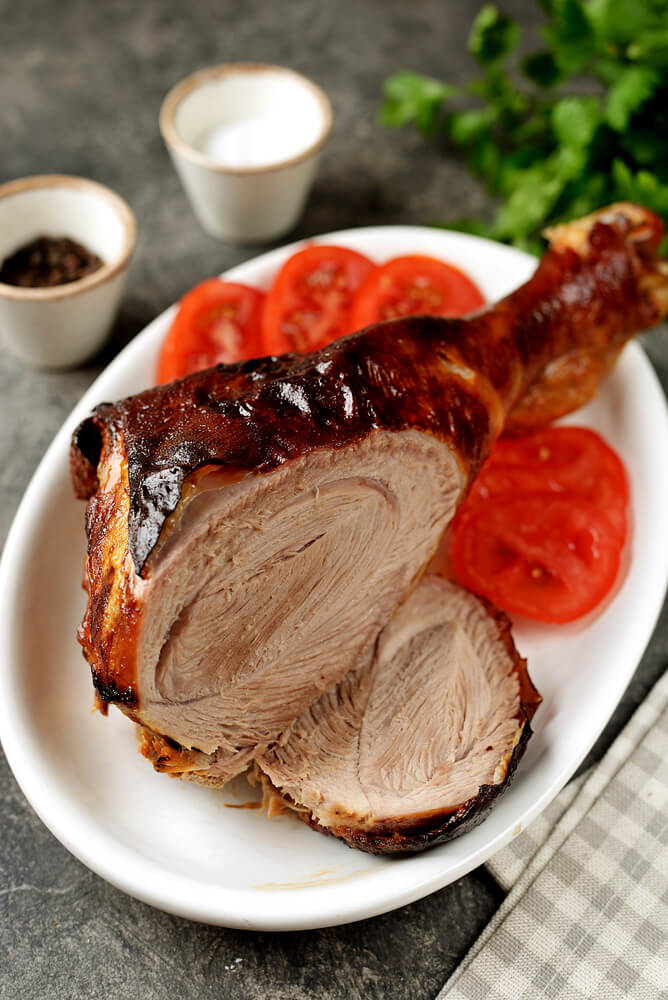
Frank Blandi created this open-faced sandwich in 1934 at the Stratford Club in Pittsburgh, and the name is usually linked to nearby Devonshire Street. Toast goes into a shallow casserole, followed by bacon, sliced turkey and tomato, then a blanket of cheddar cheese sauce and a few minutes under the broiler.
It is a close cousin of the Hot Brown, which the Brown Hotel in Louisville had introduced in 1926. For decades restaurants all over western Pennsylvania offered one.
The count has dropped steadily as the old dining rooms have closed, and outside the region the name draws a blank.
Welsh Rarebit Over Toast
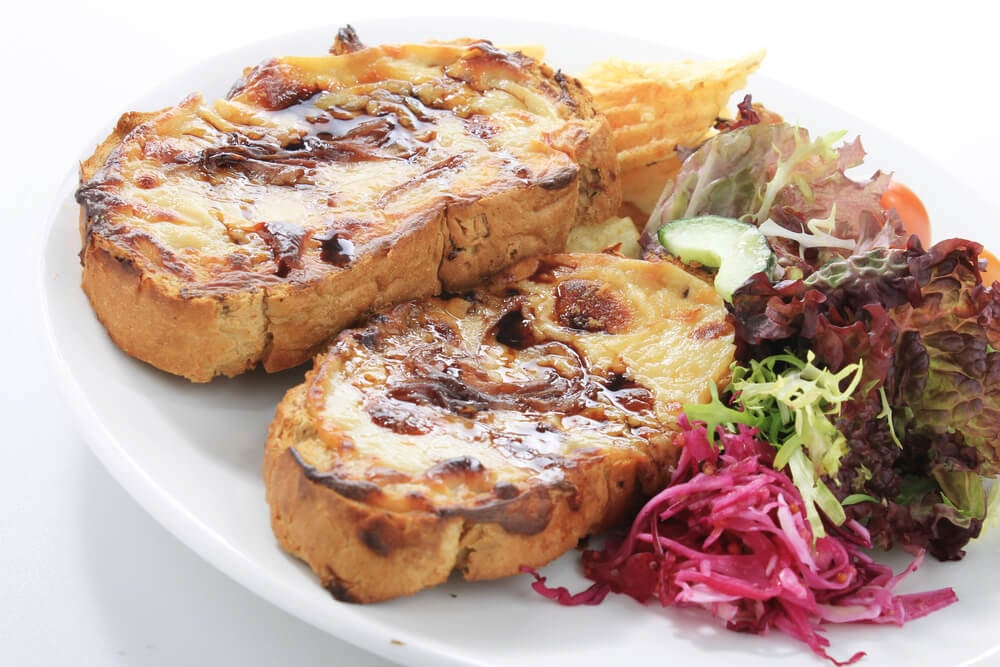
There is no rabbit in it, and there never was. The dish, recorded in Britain as Welsh rabbit by 1725, is sharp cheddar melted with ale, mustard and Worcestershire sauce and poured over toast.
American lunch counters and tearooms served it as a cheap meatless supper, and it was familiar enough that cartoonist Winsor McCay built a newspaper strip on it in 1904, Dream of the Rarebit Fiend, in which the cheese gave people nightmares. Stouffer’s later sold it frozen.
The grilled cheese sandwich, which asks nothing of the cook but a spatula, took over the same job.
Pickled Tongue on Rye
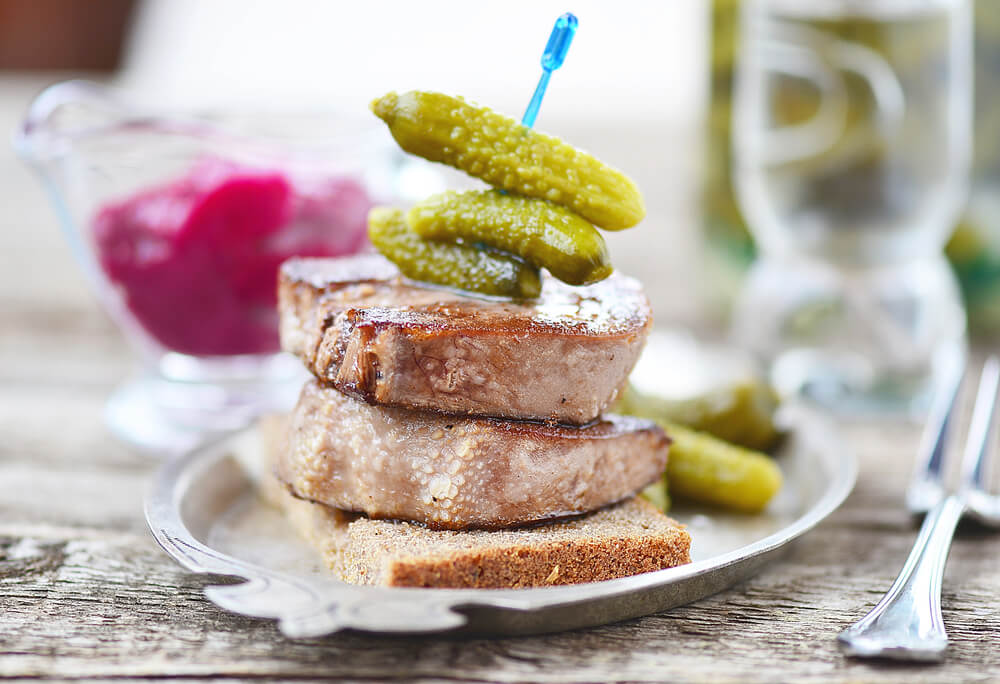
Beef tongue, cured in brine like corned beef and simmered for hours, slices into something remarkably tender and mild. Delicatessens and lunch counters in cities with large Jewish communities sold it on rye with mustard, hot or cold, and plenty of customers ordered it in combination with corned beef.
Katz’s Delicatessen, on the Lower East Side of Manhattan since 1888, has long kept it on the board. Elsewhere it has slipped away, partly because the cut takes long cooking and careful peeling, and partly because diners who never grew up with it tend to stop reading at the name.
Liverwurst and Raw Onion Sandwich
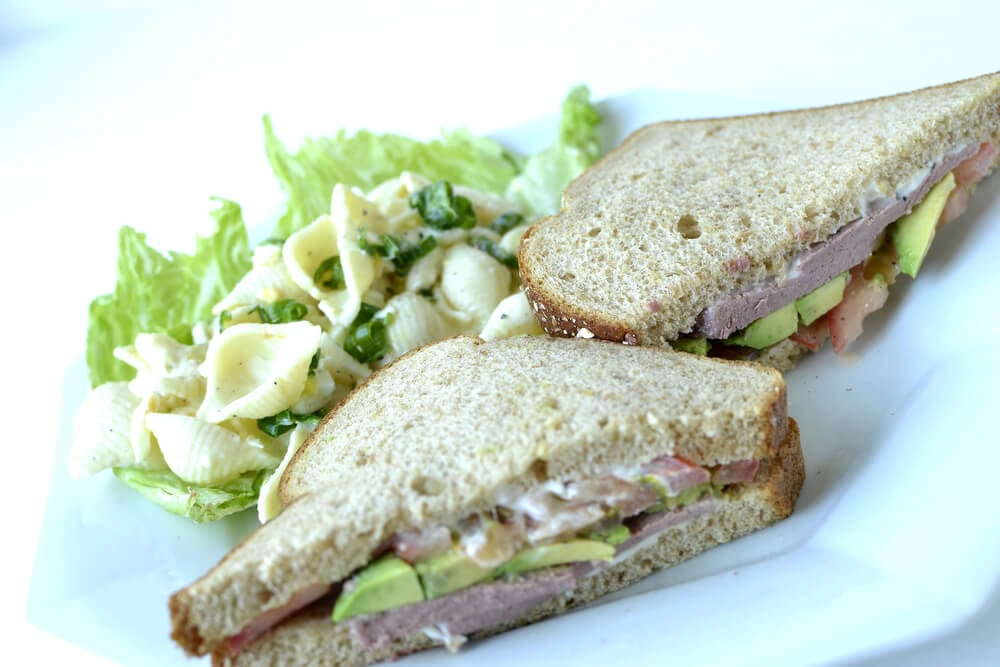
Few sandwiches divided a lunch counter faster. Liverwurst, or its smoked relative braunschweiger, named for the German city of Braunschweig, is a soft, spreadable pork liver sausage, and the standard build was thick slices on rye with a slab of raw onion and brown mustard.
It needed no cooking at all, which made it a favorite of counter operators and of customers on a short lunch break. Jones Dairy Farm of Fort Atkinson, Wisconsin, is among the packers that still make braunschweiger.
Supermarket delis carry it, but the sandwich itself has become a rarity on printed menus.
Nutted Cheese on Raisin Bread
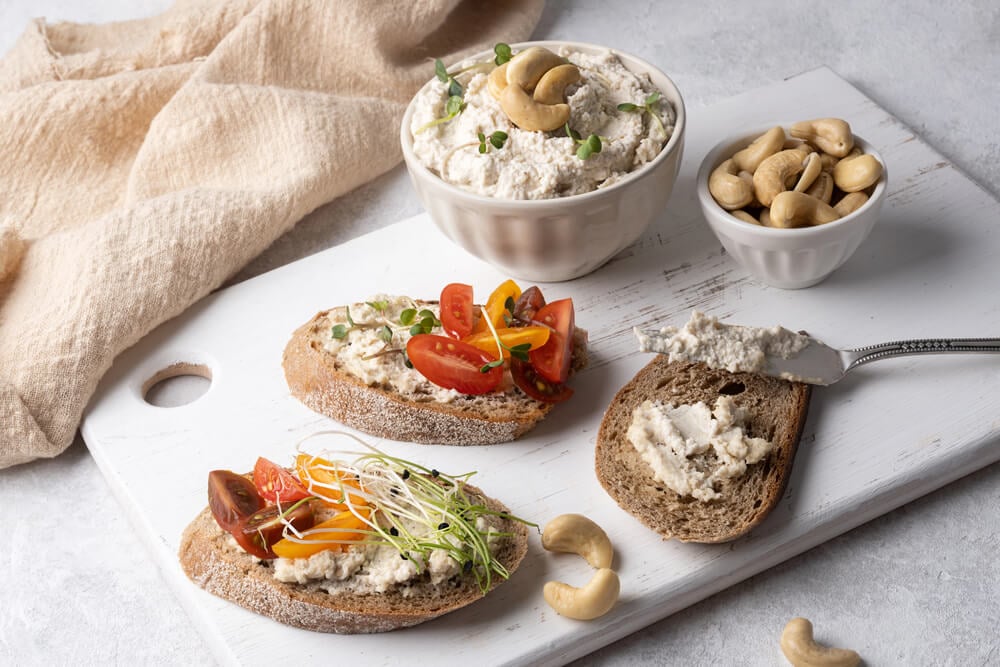
William Black sold shelled nuts from a stand near Times Square beginning in 1926, then converted his shops into lunch counters in 1932 when the Depression made nuts a luxury. His Chock full o’Nuts counters became a New York institution on the strength of coffee and one sandwich: cream cheese mixed with chopped nuts, walnuts by most accounts, on dark raisin bread, originally priced at a nickel.
Staff assembled the food with tongs, a point the company advertised. Jackie Robinson joined the firm as a vice president in 1957.
The counters closed gradually from the 1970s on, and the sandwich went with them.
Cottage Cheese and Peach Diet Plate
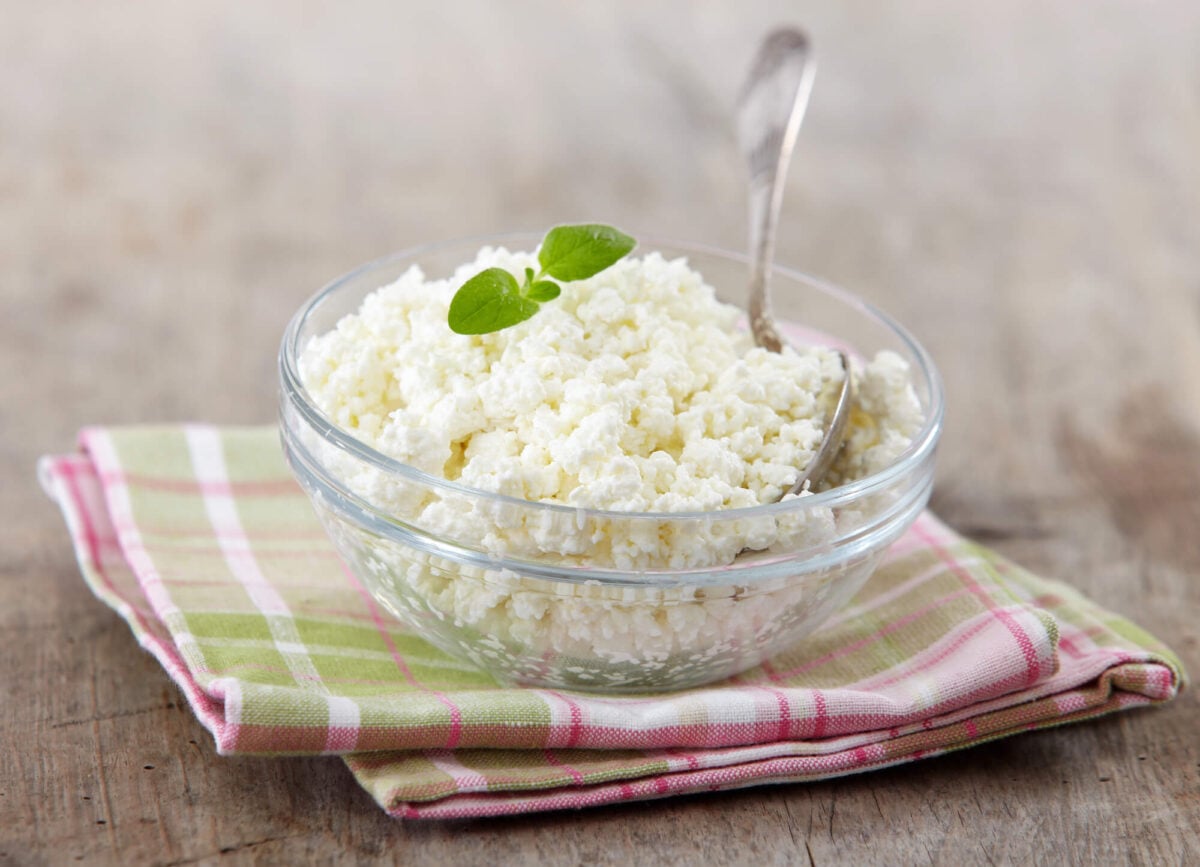
Somewhere near the bottom of the menu, usually boxed off under its own heading, sat the diet plate. A bunless hamburger patty, a scoop of cottage cheese and a canned peach half arrived together on a lettuce leaf, sometimes with a few rye crackers.
Cottage cheese carried real standing as a slimming food at mid-century. Richard Nixon ate it regularly, and his last lunch in the White House in August 1974 was cottage cheese with pineapple and a glass of milk.
The plate’s logic, which treated bread as the enemy and syrup-packed fruit as virtuous, did not age well, and salads with grilled chicken replaced it.
Molded Gelatin Salad on Lettuce
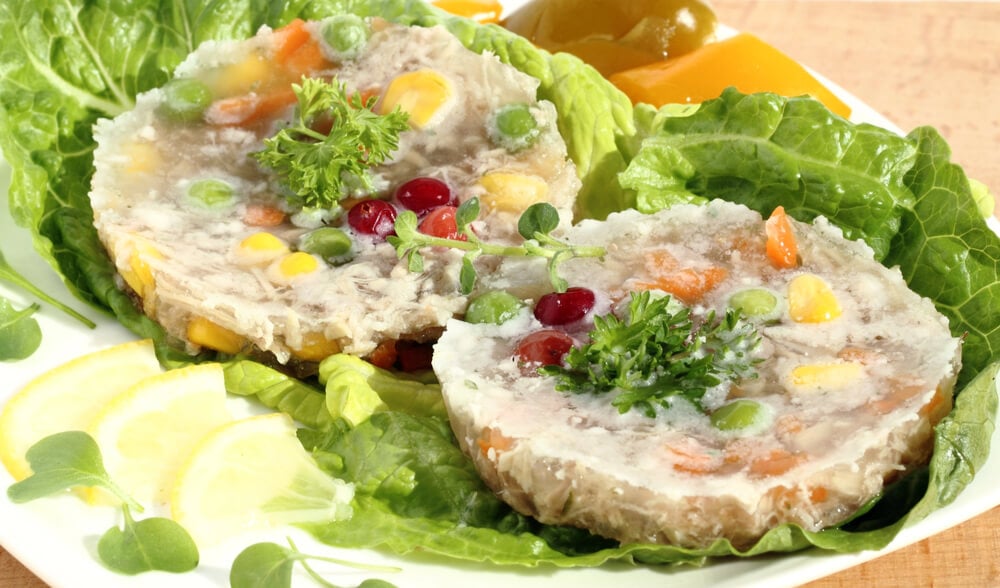
Perfection Salad won Mrs. John E. Cooke of New Castle, Pennsylvania, third prize in a Knox gelatin contest around 1905, and it set the pattern for half a century: shredded cabbage, celery and pimiento suspended in a sharp, vinegary gelatin. Lunch counters cut such molds into squares and served them on a lettuce leaf with a spoonful of mayonnaise.
Jell-O leaned into the idea in the 1960s with savory flavors that included celery and seasoned tomato. Those flavors did not last, and neither did the salad.
It lingers at holiday tables in the Midwest and almost nowhere that prints a menu.
New England Boiled Dinner
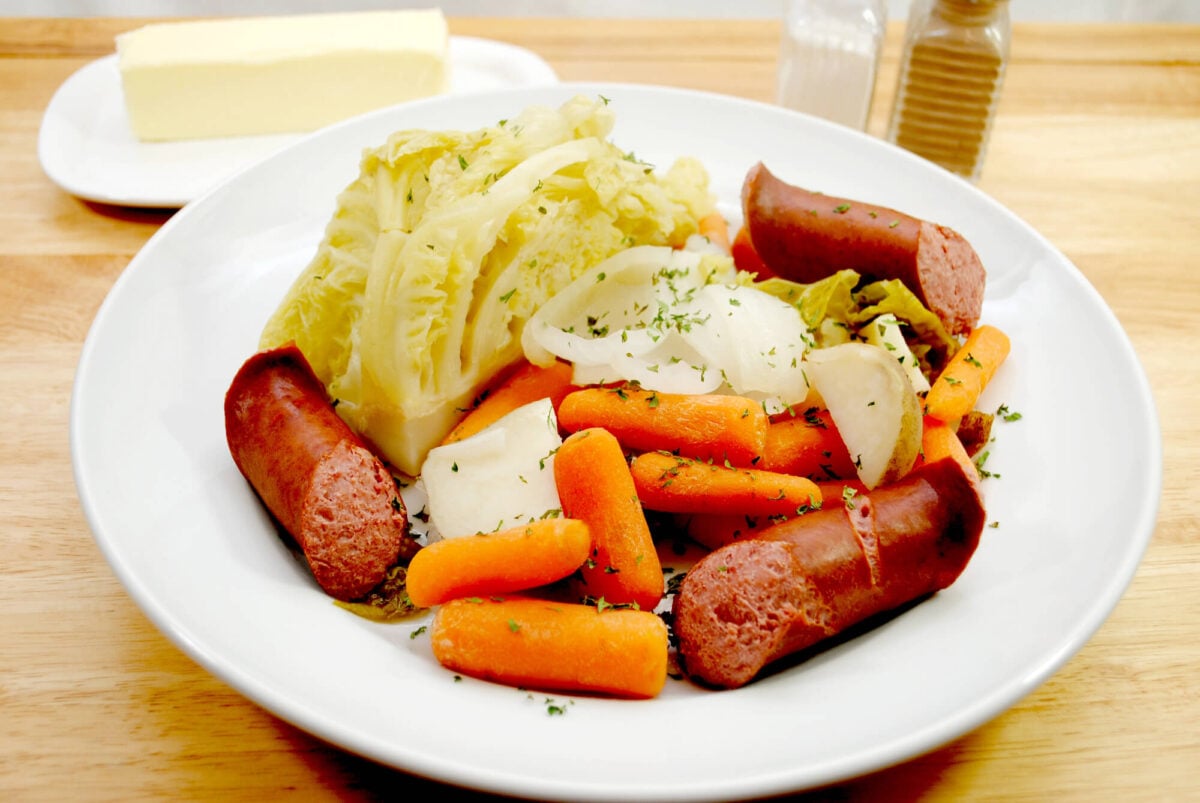
Thursday was a customary day for it in parts of New England, diner specials included. A brisket of corned beef simmers for hours, and cabbage, potatoes, carrots and turnips go into the same pot near the end, with beets cooked separately so they do not dye everything red.
Old-line New England butchers sold gray corned beef, cured without the nitrates that turn the meat pink. Leftovers were chopped with the beets the next morning and fried as red flannel hash.
Outside the week of St. Patrick’s Day, the plate is now hard to find, since few kitchens keep a stockpot going all morning.
Mock Turtle Soup
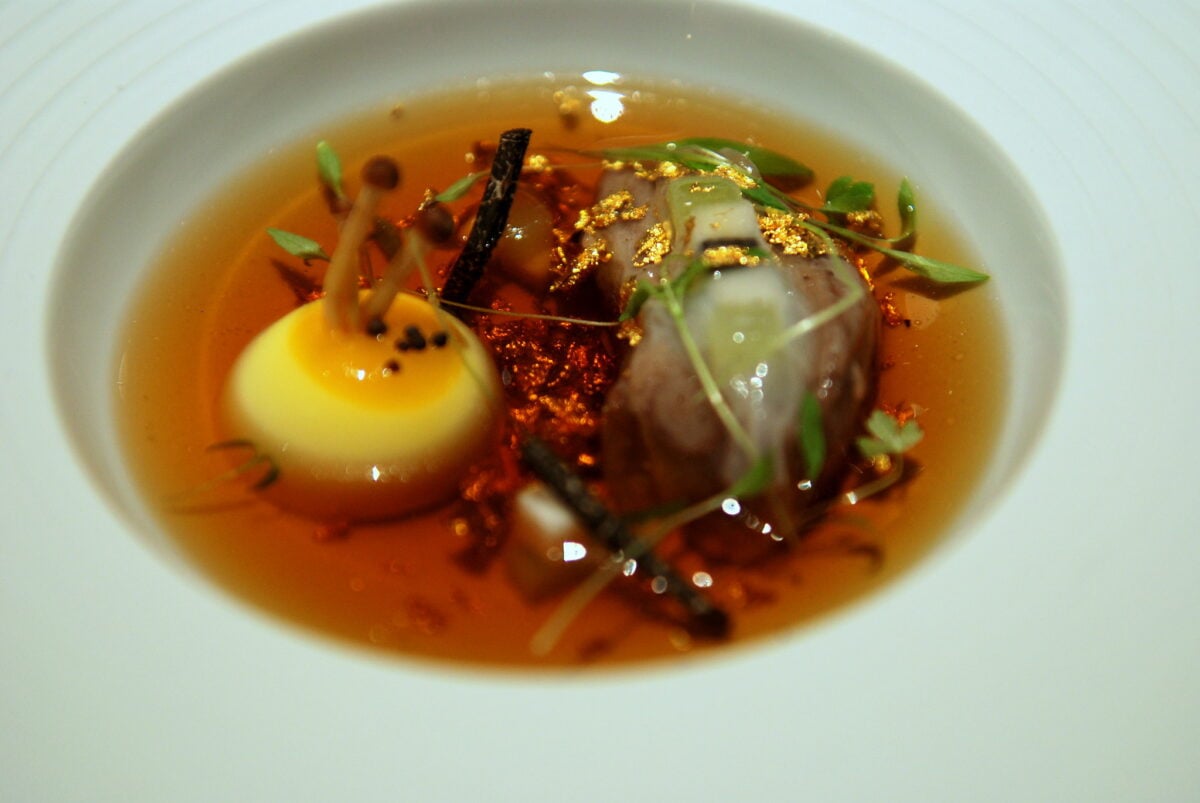
Green turtle soup was the prestige dish of eighteenth-century England, and cooks who could not afford a turtle simmered a calf’s head instead. The imitation crossed the Atlantic, lent its name to a character in Alice’s Adventures in Wonderland in 1865, and settled into American lunchrooms as a thick, dark soup sharpened with lemon and garnished with chopped hard-cooked egg.
Campbell’s sold it in cans until around 1960. Cincinnati never gave it up, and the local Worthmore brand still supplies groceries there.
Elsewhere it has become so scarce that most people know the Mock Turtle only as the weeping creature in the book.
Oyster Stew With Crackers
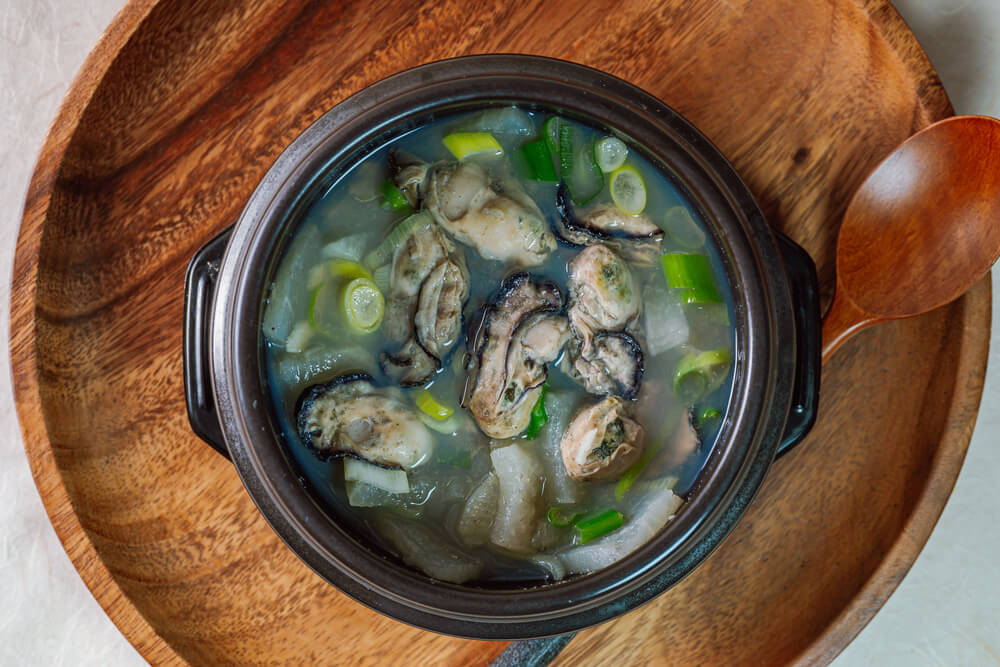
Railroads made this possible far from any coast. By the late nineteenth century, iced barrels and cans of shucked oysters moved inland by express, and oyster stew became a standard at lunch counters across the Midwest, as well as a Christmas Eve custom in many households.
The classic version is almost bare: oysters warmed in butter just until their edges curl, hot milk or cream, salt, pepper and a dish of oyster crackers. The Grand Central Oyster Bar in New York, open since 1913, still makes stews and pan roasts to order at its counter.
Most diners gave up when oysters stopped being cheap.
Milk Toast in a Bowl
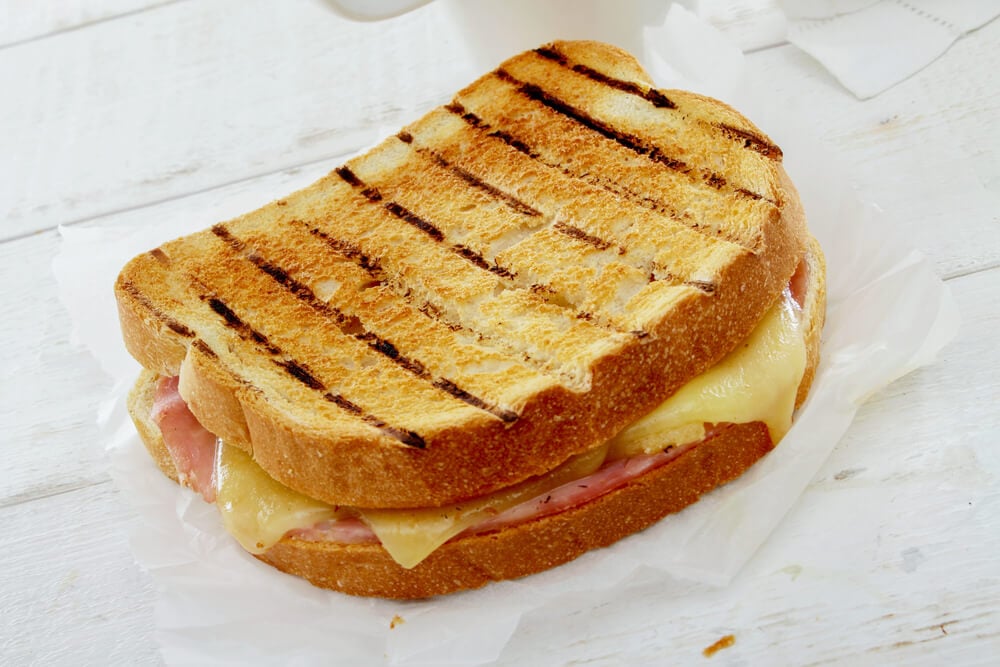
Buttered toast, broken into a bowl and covered with hot milk, with a little sugar or salt and pepper on top: that is the entire recipe. Milk toast was breakfast for children, supper for the elderly and the default order for anyone with an unsettled stomach, and lunchrooms listed it without embarrassment well into the twentieth century.
Its blandness was famous enough that cartoonist H. T. Webster named a character after it in 1924, the meek Caspar Milquetoast of The Timid Soul, and the surname entered the dictionary. The word is still in circulation.
The dish it came from has nearly vanished.
Broiled Grapefruit Half
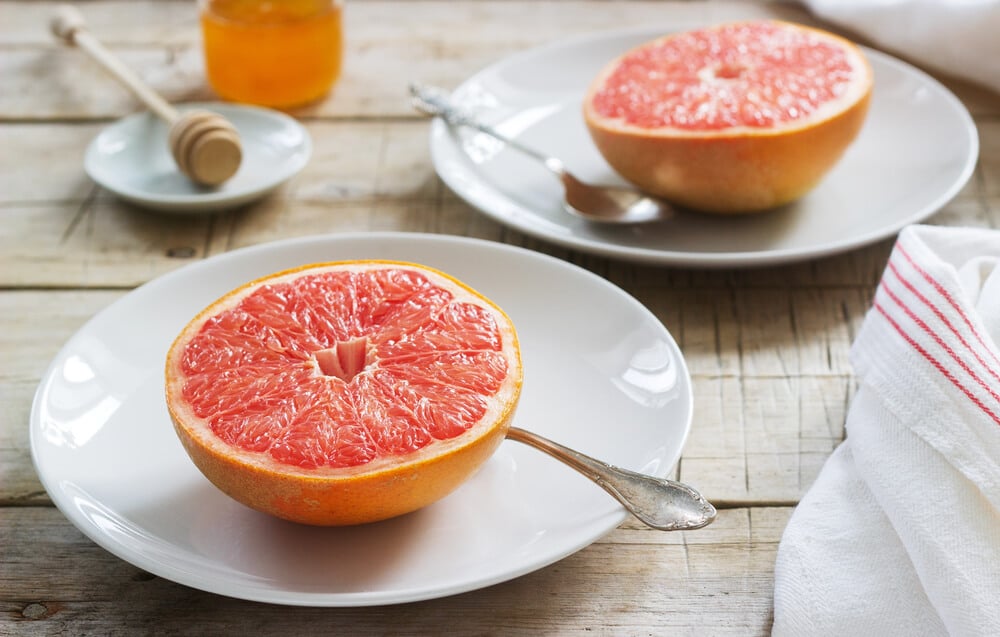
Half a grapefruit, its sections loosened with a curved knife, got a spoonful of brown sugar and a few minutes under the broiler until the top bubbled. A maraschino cherry in the center finished it.
Diners and hotel coffee shops offered it as a breakfast opener or a light dessert, and the fruit’s reputation as a reducing food, fixed by the so-called Hollywood Diet of the 1930s, helped it along. The Ruby Red, patented in Texas in 1929, made the plate prettier.
Breakfast appetizers as a category have mostly gone, and the serrated grapefruit spoon went into the drawer with them.
Stewed Prunes for Breakfast
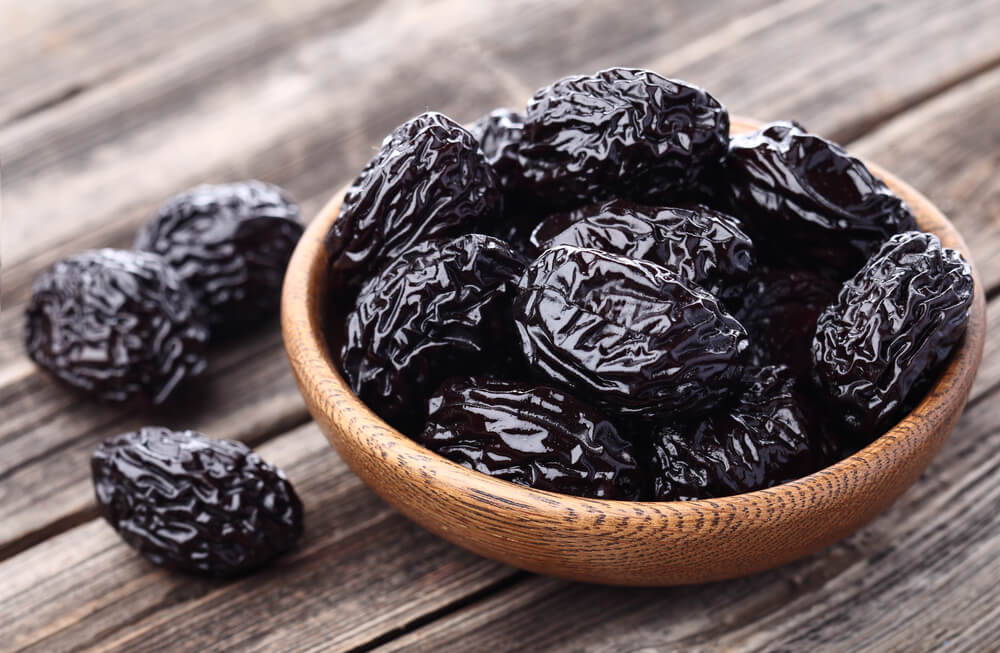
Breakfast menus once opened with a fruit section, and stewed prunes sat in it next to the grapefruit and the figs. Dried prunes were simmered with water, sugar and often a strip of lemon peel until plump, then chilled and served five or six to a dish in their own syrup.
Hotel dining rooms, railroad dining cars and corner diners all carried them. The fruit’s image eventually became such a liability that California growers won federal permission around 2000 to label the product dried plums instead.
The marketing changed, but the little dish of prunes did not come back.
Grape-Nuts Pudding
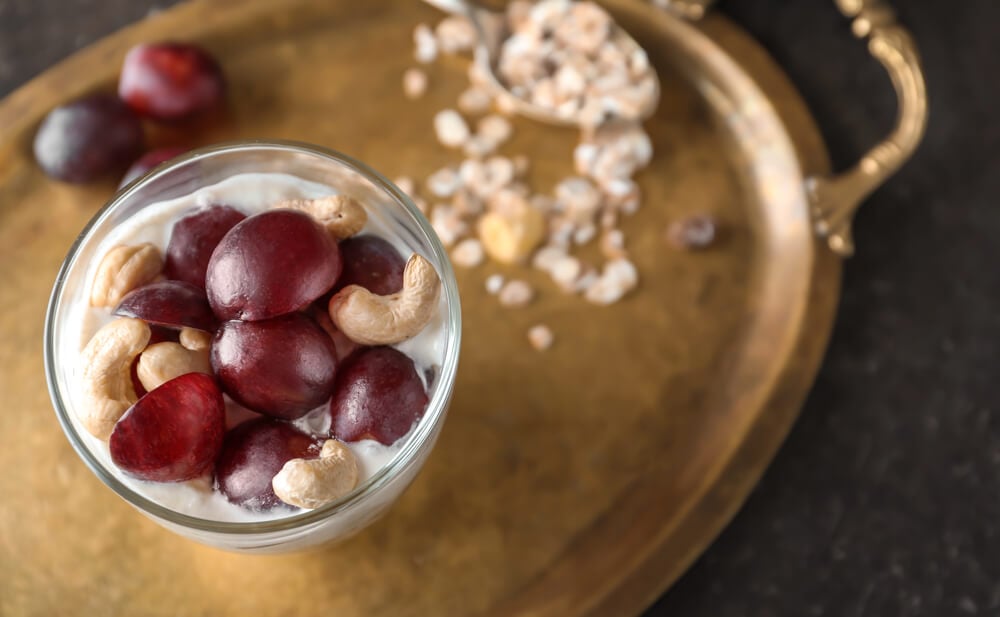
New England claims this one outright. Grape-Nuts, the cereal C. W. Post introduced in Battle Creek, Michigan, in 1897, contains neither grapes nor nuts, only baked wheat and barley ground into hard nuggets.
Stirred into an egg custard with nutmeg and baked in a water bath, the nuggets soften and sink, forming a dense layer beneath a smooth top. Diners from Connecticut to Maine served it by the square with whipped cream, and some still do.
Travelers from other regions tend to assume the menu has a typo, which says a good deal about how far the dish ever spread.
Charlotte Russe in a Paper Cup
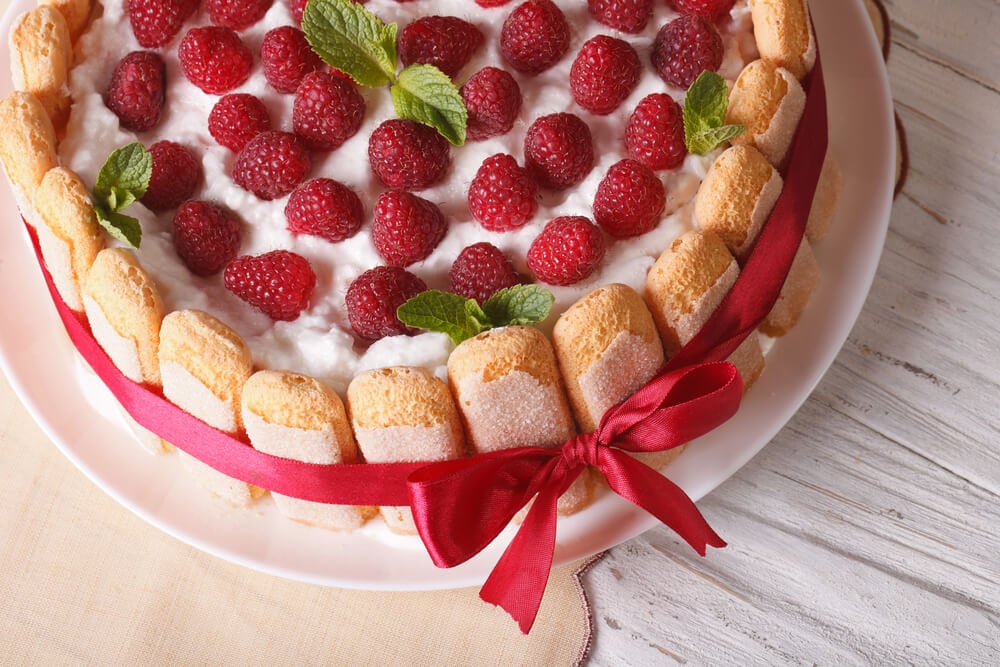
In French pastry, a charlotte russe is a molded dessert of ladyfingers and Bavarian cream, usually credited to the chef Marie-Antoine Careme. In New York it meant something humbler.
Candy stores, bakeries and luncheonettes in Brooklyn and the Bronx sold a round of sponge cake set in a scalloped white cardboard cup, piled with whipped cream and topped with a maraschino cherry. The cup had a movable bottom, so the cake could be pushed up as the cream disappeared.
It was a cool-weather treat, sold from fall through spring before refrigerated cases were common. A handful of bakeries make it today.
Chocolate Egg Cream
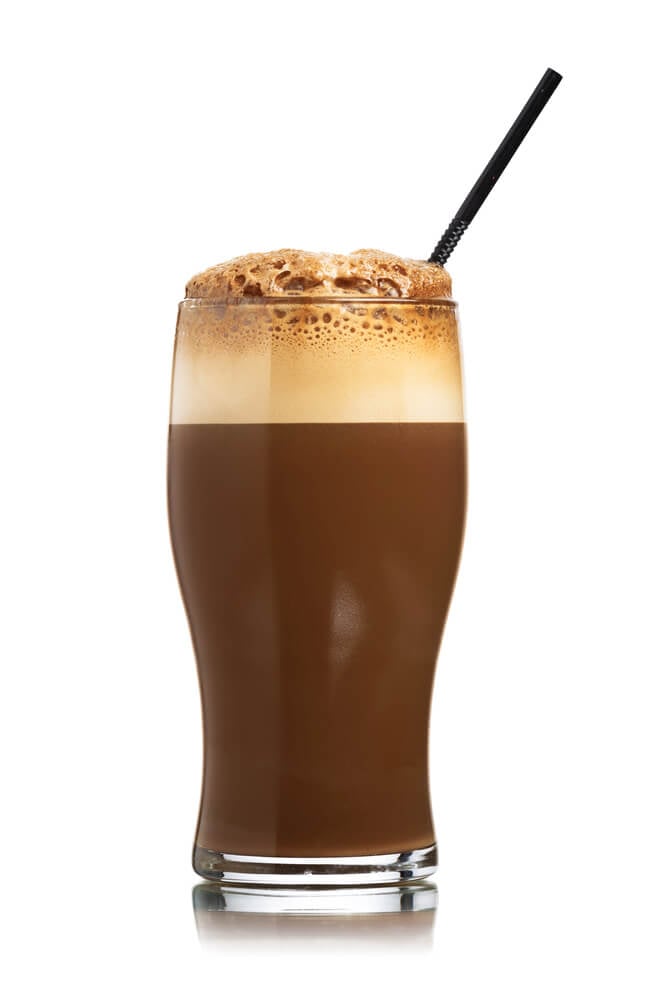
Milk, seltzer and chocolate syrup: an egg cream has no egg and no cream, and nobody has settled why it is called one. The usual origin story credits Louis Auster, who ran a candy shop on the Lower East Side of Manhattan and is said to have devised it around 1890.
Purists insist on Fox’s U-Bet, a syrup H. Fox and Company made in Brooklyn from about 1900 until the brand was sold in 2016, and on seltzer under pressure so the drink raises a white foam head. It has to be consumed within minutes.
That fragility, and the loss of the fountains themselves, keeps it rare.
Lime Rickey at the Fountain
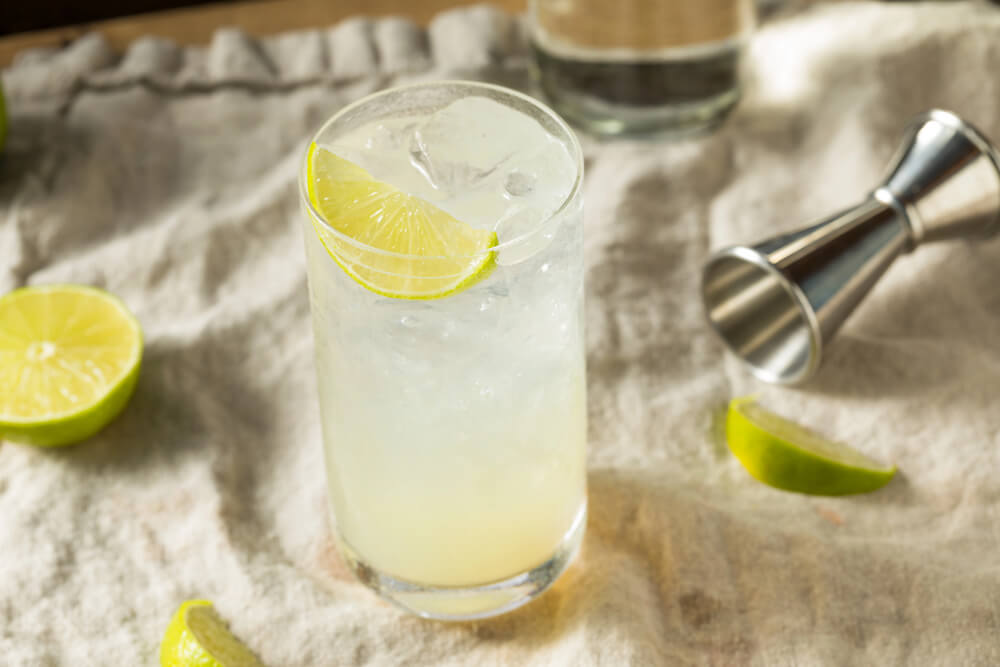
Colonel Joe Rickey, a Democratic lobbyist, lent his name to a drink of bourbon, lime and soda water mixed at Shoomaker’s bar in Washington in the 1880s. Soda fountains kept the name and removed the liquor.
Their version was fresh lime juice squeezed to order, sugar syrup and seltzer over ice, with the spent lime shell dropped in the glass, and in New England a shot of raspberry syrup turned it pink. It was sharp, cold and only lightly sweet, which set it apart from everything else on the board.
Squeezing limes one glass at a time is labor that few counters will pay for now.
Cherry Phosphate
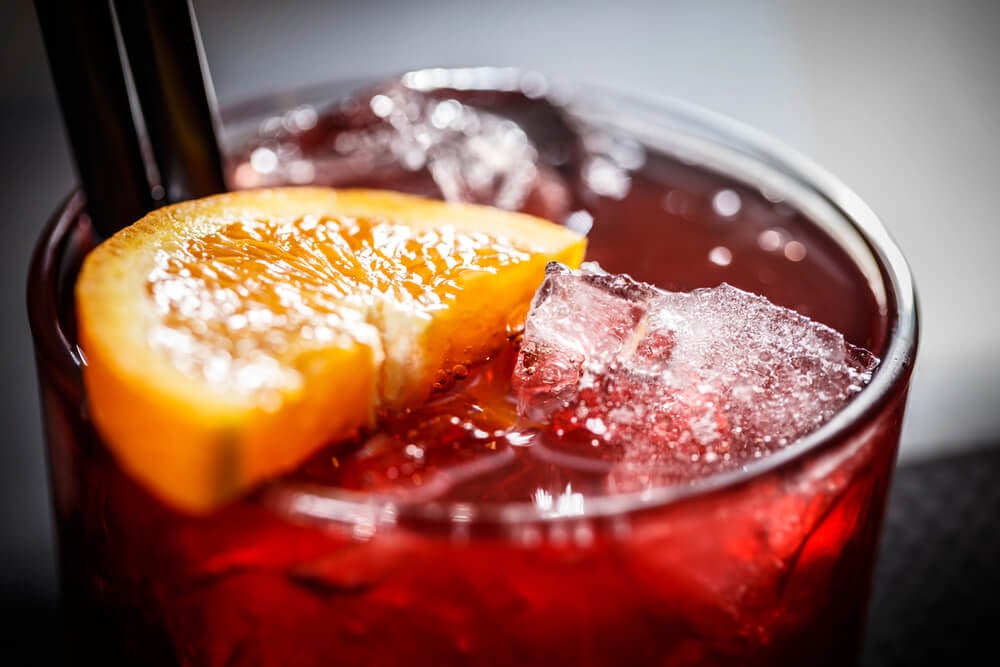
Before bottled soft drinks ruled, a fountain clerk built each soda by hand, and a few dashes of acid phosphate gave it a dry, tangy edge that citrus could not match. The ingredient traces to Eben Horsford, a Harvard chemistry professor whose Horsford’s Acid Phosphate was sold as a tonic by the Rumford Chemical Works of Rhode Island.
Mixed with cherry, lemon or chocolate syrup and soda water, it became the phosphate, a nickel drink at drugstore counters from the late 1800s into the 1950s. When the fountains closed, the bottle of phosphate went with them.
A few restored soda fountains have brought it back.
Buttermilk by the Glass
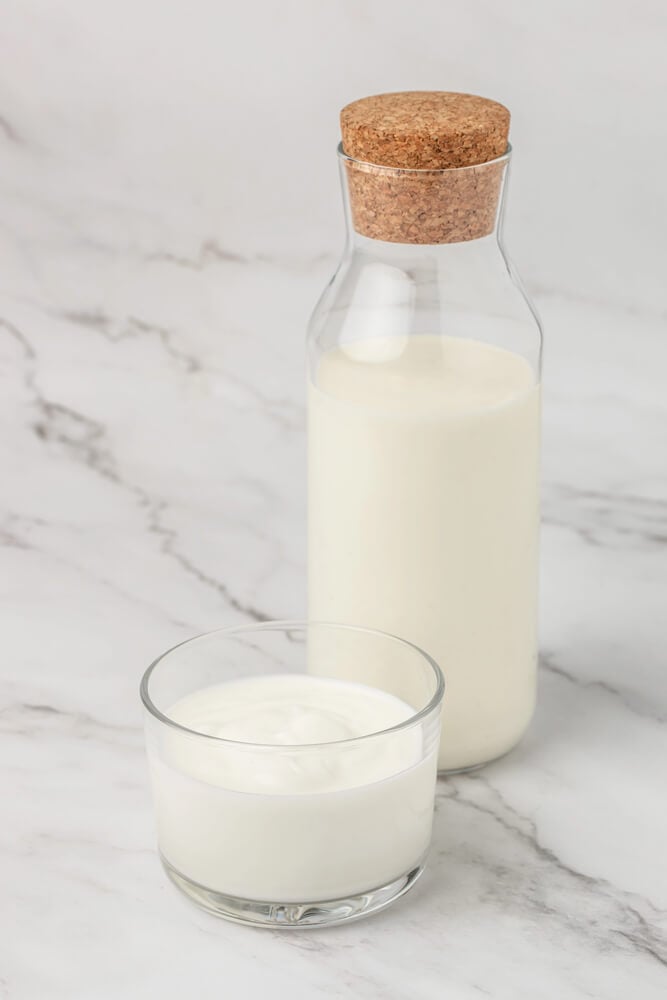
Listed between the coffee and the iced tea on older menus, a tall glass of cold buttermilk was an ordinary thing to order with lunch. The original article was the thin liquid left in the churn after butter formed.
By the 1920s dairies were selling a cultured version instead, made by adding lactic bacteria to skim milk, which is thicker and more sour. Regulars often shook salt and pepper into it, and across the South people crumbled cornbread into the glass and ate it with a spoon.
Most restaurants still buy buttermilk. It goes into the pancakes and biscuits, and hardly anyone asks for a glass.
Postum, the Coffee Substitute
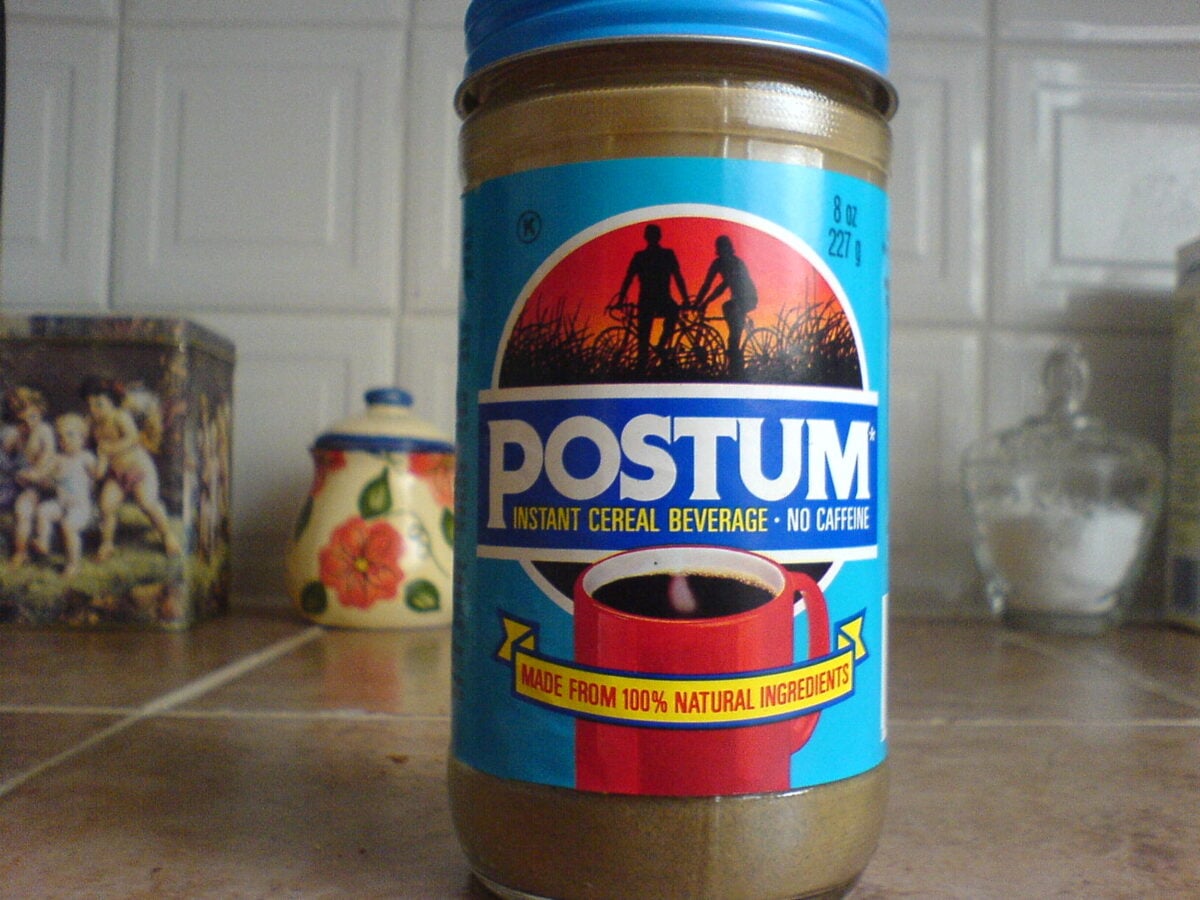
C. W. Post created Postum in Battle Creek in 1895, a roasted blend of wheat, bran and molasses that he marketed as a caffeine-free alternative to coffee. An instant version followed around 1911.
Sales climbed when coffee was rationed during World War II, and the drink had a loyal following among Latter-day Saints and Seventh-day Adventists, who avoid coffee. Diners kept a jar behind the counter for customers who asked.
Kraft discontinued it in 2007, to considerable protest, and a small company called Eliza’s Quest Foods bought the rights in 2012 and brought it back. It remains a specialty item.
Fall River Chow Mein Sandwich
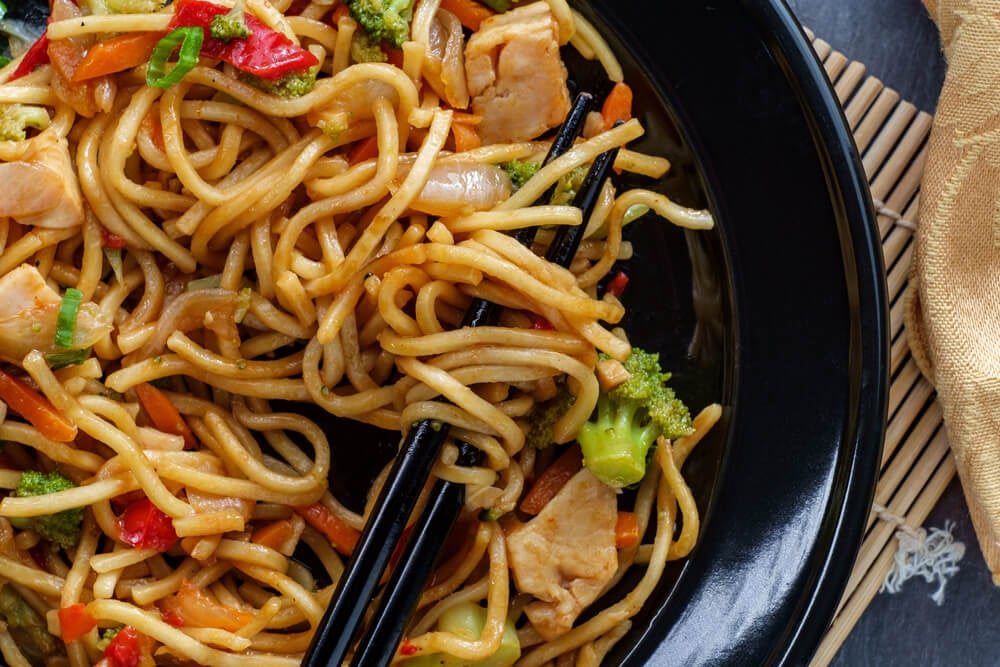
Crisp fried noodles, a ladle of brown gravy with celery, onions and bean sprouts, and a hamburger bun that has no hope of containing any of it: the chow mein sandwich is eaten with a fork. It belongs to Fall River, Massachusetts, and the mill towns around it, where Chinese restaurants and lunch counters sold it cheaply to textile workers.
The noodles come from the Oriental Chow Mein Company, which Frederick Wong founded in Fall River, in 1926 by most accounts, and which packages them under the Hoo-Mee name. Southeastern New England still orders it.
A few miles beyond that territory, it is unknown.
Tomato Juice as an Appetizer
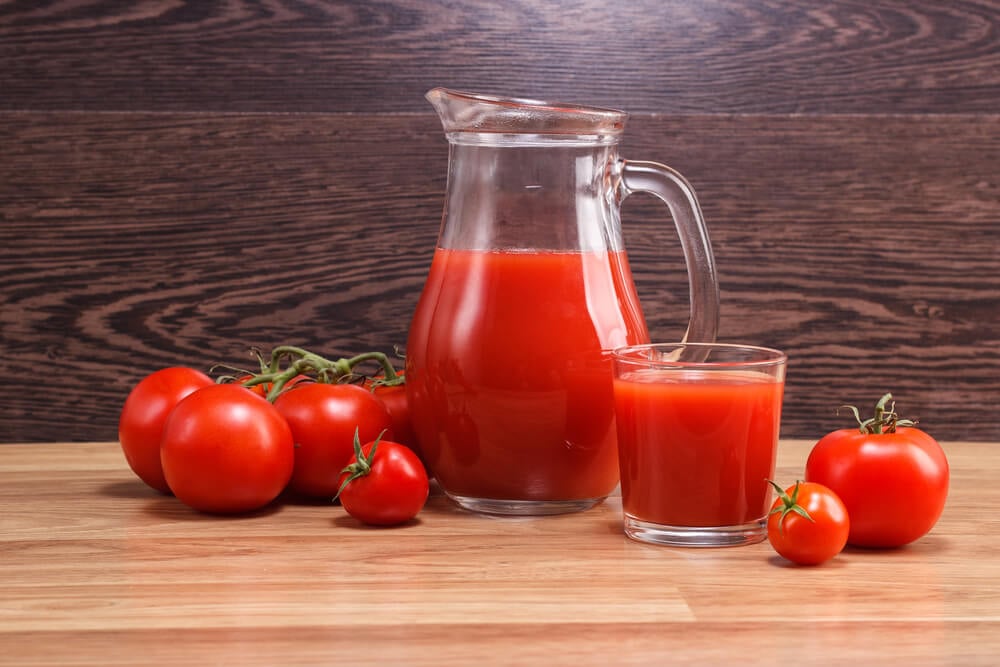
Appetizer sections used to begin with a small chilled glass of tomato juice, set on a saucer with a lemon wedge. The custom is generally traced to the French Lick Springs Hotel in Indiana, where chef Louis Perrin is said to have run short of oranges in 1917 and squeezed tomatoes for his breakfast guests instead.
Commercial canning followed within about a decade, and by the 1930s the juice was on diner and hotel menus across the country as a first course. It still exists, plainly, on airplanes and in brunch cocktails.
As something a waitress brings before the meatloaf, it is finished.
Gravy, Toast and the Kitchens That Made Them
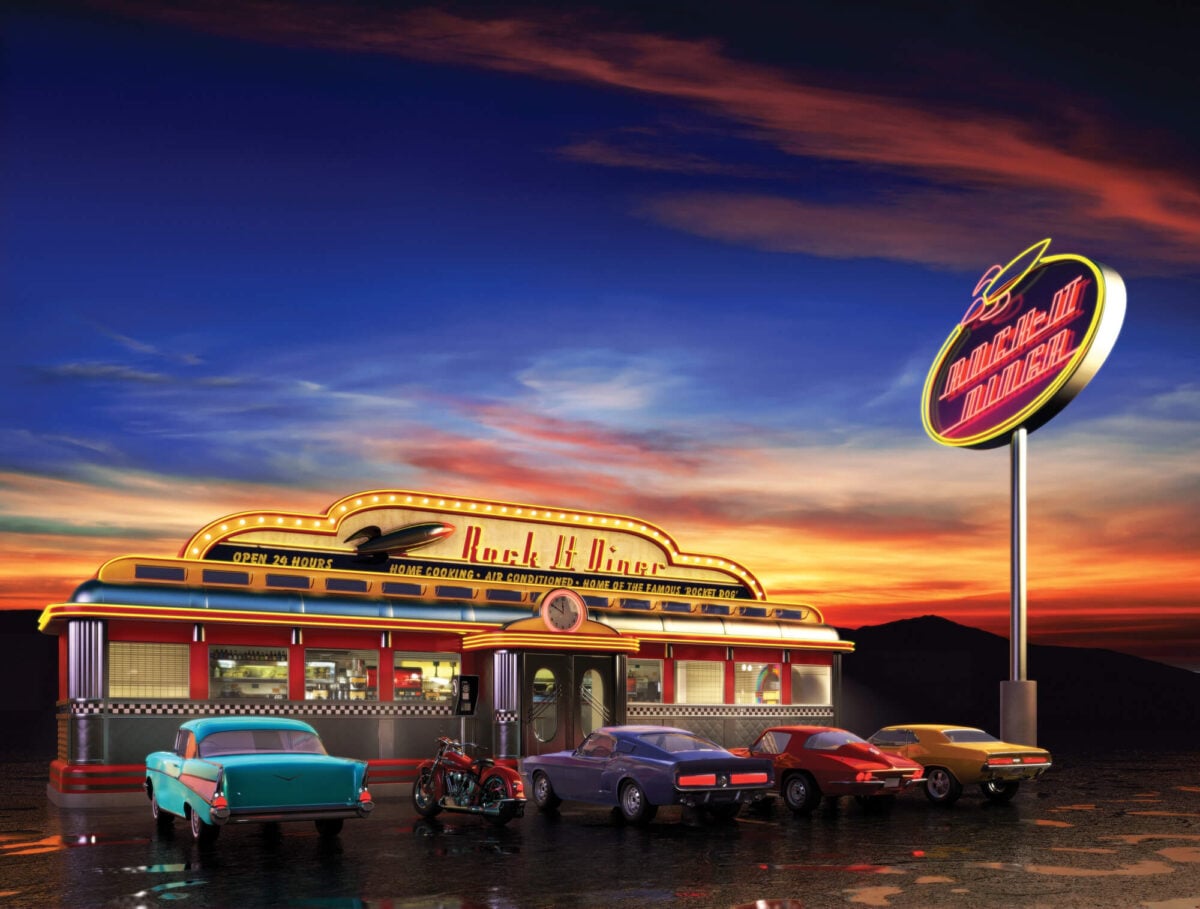
Nearly every dish here began as a way to stretch something. Dried beef, canned salmon, yesterday’s chicken, a tough round steak and a calf’s head all became respectable plates with the help of flour, milk and patience.
That kind of cooking needs a person at the stove from early morning, a steam table to hold the results and customers who expect dinner to look like dinner at home. Diners still exist, but most now run on a griddle, a fryer and a freezer, and the menu has narrowed to what those three can produce in eight minutes.
The lost dishes were not better in every case, and a few were frankly acquired tastes. They did carry local habits, wartime thrift and immigrant shortcuts onto the plate in a form anyone could order for pocket change.
A cheeseburger travels well, and it explains very little about where it was served.
More from Go2Tutors!

- The Romanov Crown Jewels and Their Tragic Fate
- 13 Historical Mysteries That Science Still Can’t Solve
- Famous Hoaxes That Fooled the World for Years
- 15 Child Stars with Tragic Adult Lives
- 16 Famous Jewelry Pieces in History
Like Go2Tutors’s content? Follow us on MSN.