30 Discoveries That Changed How We See Space
For most of recorded history the sky was a ceiling: fixed stars, a few wandering lights and an Earth sitting comfortably in the middle. Nearly every part of that picture turned out to be wrong.
The corrections arrived one at a time, often from people who were looking for something else. A faint smudge, a stubborn hiss in an antenna or a wobble in a star’s light was usually enough to redraw the map.
Copernicus Moves the Sun to the Middle
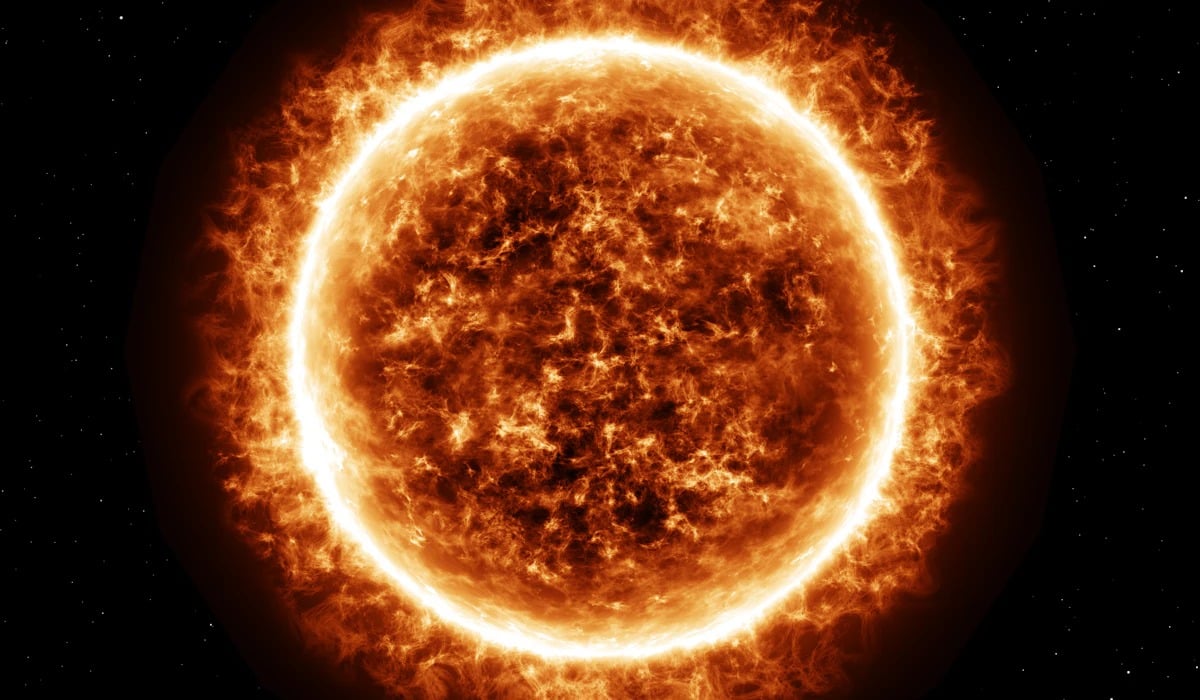
Nicolaus Copernicus spent decades on a book he was reluctant to publish. On the Revolutions of the Heavenly Spheres finally appeared in 1543, the year he died, and it placed the Sun near the center of the planetary system with Earth circling it once a year.
The model was no more accurate at predicting planetary positions than the old Earth-centered scheme, and it still relied on perfect circles. What it changed was the status of Earth, which became one planet among several.
The Catholic Church placed the book on its list of prohibited works in 1616, pending corrections.
Galileo Finds Four Moons Circling Jupiter
In January 1610 Galileo Galilei pointed a homemade telescope at Jupiter from Padua and noticed small points of light lined up beside the planet. Over the following nights they shifted position, and he concluded that four bodies were orbiting Jupiter.
He published the result that March in a short book titled Sidereus Nuncius and named the objects the Medicean Stars to flatter a potential patron. Here was direct evidence that not everything revolved around Earth.
The moons are now called Io, Europa, Ganymede and Callisto, and a decent pair of binoculars will show them.
Kepler Replaces Circles With Ellipses
Johannes Kepler inherited the best pre-telescope observations ever made, compiled by the Danish astronomer Tycho Brahe, and spent years trying to fit the orbit of Mars to a circle. It would not fit.
In 1609 he published Astronomia Nova, which showed that planets travel in ellipses with the Sun at one focus and sweep out equal areas in equal times. A third law, linking a planet’s distance from the Sun to the length of its year, followed in 1619.
Two thousand years of insistence on circular heavenly motion ended with a stubborn error of about eight minutes of arc.
Newton Ties the Moon to a Falling Apple
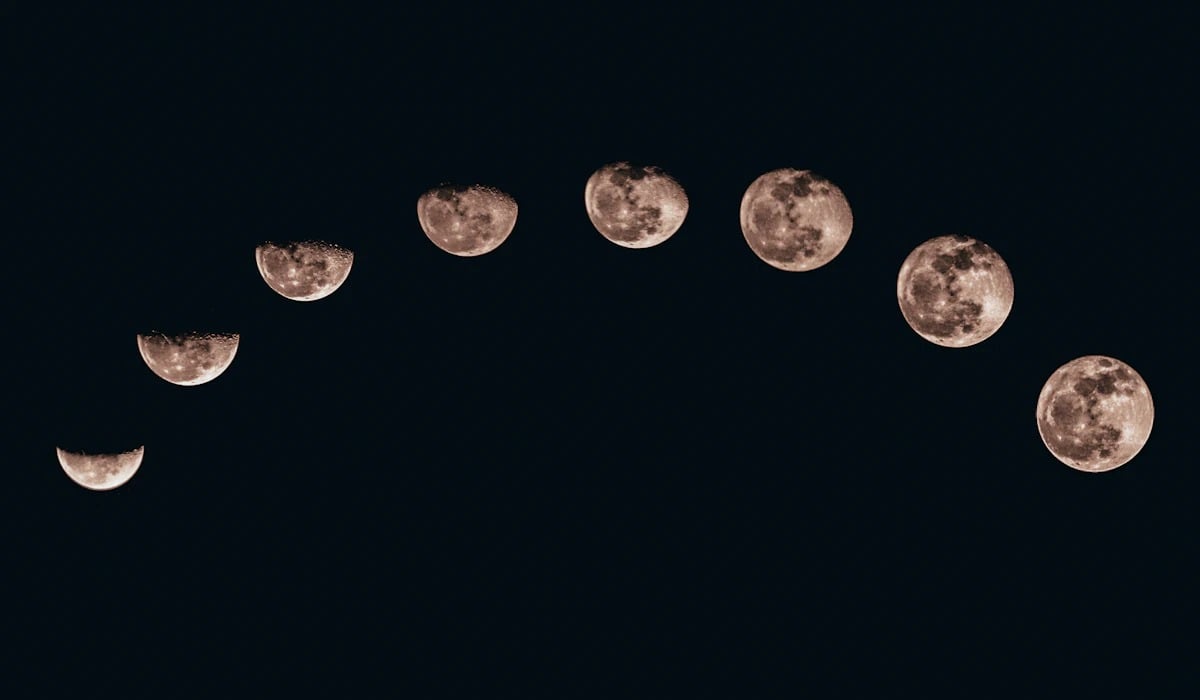
Isaac Newton’s Principia, published in 1687, argued that the force pulling objects to the ground is the same force holding the Moon in orbit. One law of universal gravitation explained Kepler’s ellipses, the tides and the paths of comets.
Edmond Halley, who had coaxed Newton into writing the book, paid for its printing himself. Halley then used the theory to predict that a comet seen in 1682 would come back around 1758.
It did, sixteen years after his death, and the heavens stopped being a separate domain with separate rules.
Herschel Spots a Planet Nobody Knew Existed
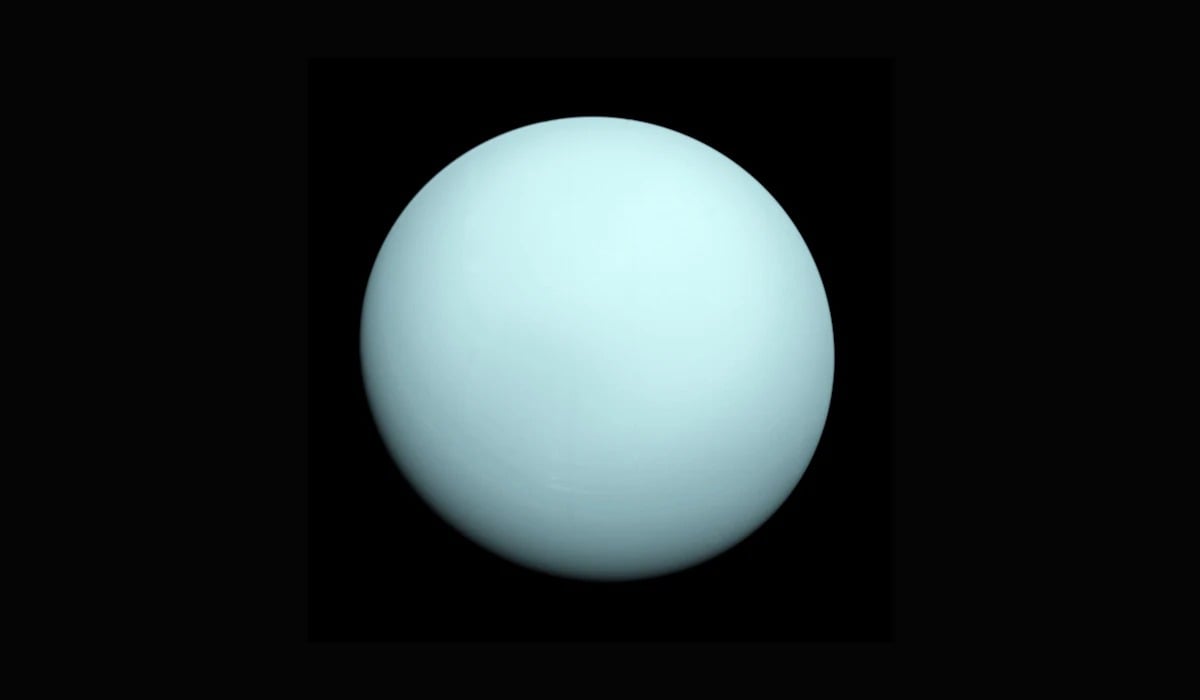
Every planet out to Saturn had been known since antiquity. On March 13, 1781, William Herschel, a musician living in Bath, England, was surveying stars with a reflecting telescope he had built himself when he noticed an object that showed a small disk.
He reported it as a comet. Orbit calculations soon proved it was a planet about twice as far from the Sun as Saturn, which doubled the known width of the solar system in a single stroke.
Herschel wanted to name it after King George III, but astronomers elsewhere preferred Uranus.
Neptune Is Found With Pen and Paper
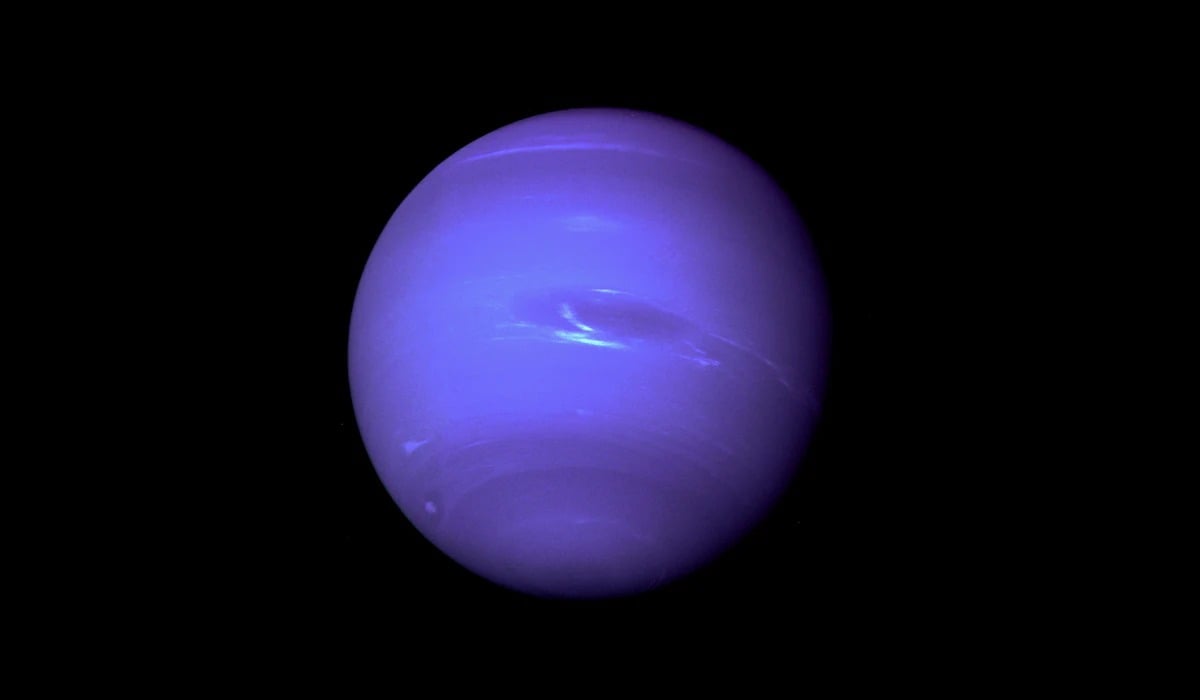
Uranus refused to follow its predicted path, and by the 1840s some astronomers suspected an unseen planet was tugging on it. The French mathematician Urbain Le Verrier calculated where that planet should be and mailed the position to the Berlin Observatory.
Johann Galle received the letter on September 23, 1846, and found Neptune that same night, within about one degree of the predicted spot. John Couch Adams in England had worked out a similar answer independently.
A planet had been located by arithmetic before anyone saw it, which was a remarkable advertisement for Newtonian gravity.
Helium Turns Up in the Sun First
During a total solar eclipse on August 18, 1868, the French astronomer Pierre Janssen observed from India and recorded a bright yellow line in the spectrum of the Sun’s outer layers. The English astronomer Norman Lockyer saw the same line that October and decided it matched no known element.
He named the new substance helium, after the Greek word for the Sun. Chemists remained skeptical until William Ramsay isolated the gas on Earth in 1895.
Spectroscopy had shown that the composition of a body 93 million miles away could be read from its light.
Henrietta Leavitt Hands Astronomers a Yardstick
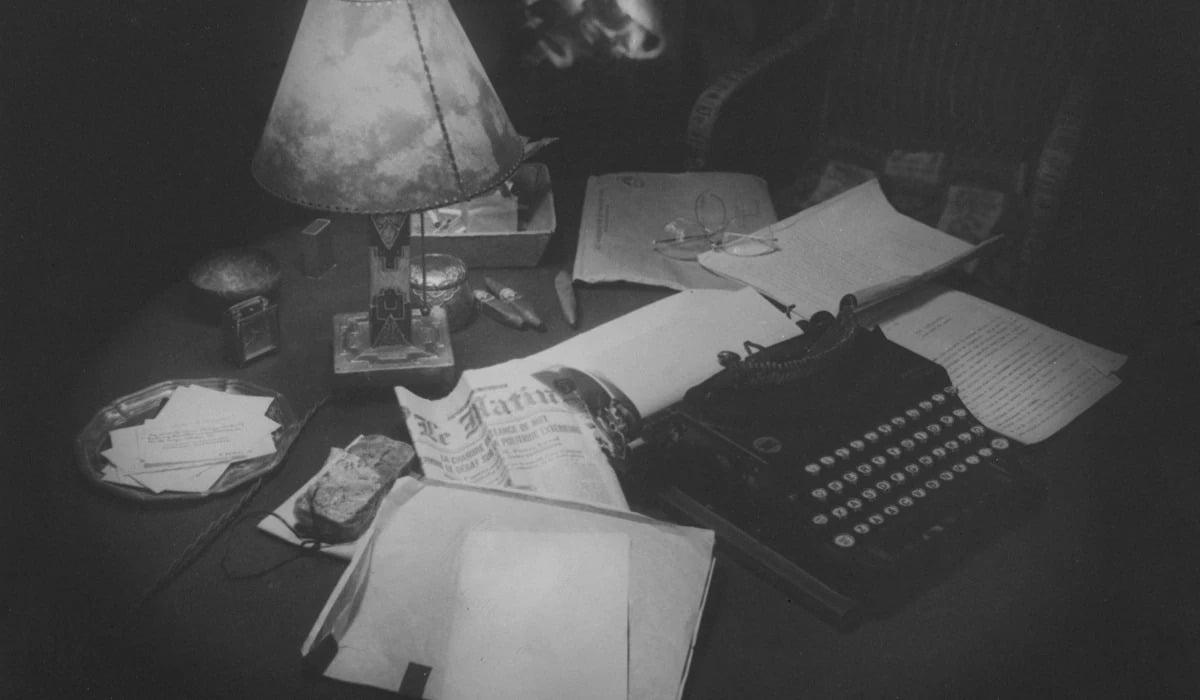
At the Harvard College Observatory, Henrietta Swan Leavitt was paid a modest hourly wage to measure stars on glass photographic plates. Studying variable stars called Cepheids in the Small Magellanic Cloud, she noticed that the brighter ones took longer to pulse.
Her 1912 report, based on 25 stars, laid out the relationship clearly. Because every star in that cloud lies at roughly the same distance, a Cepheid’s period reveals its real brightness, and comparing that with its apparent brightness gives its distance.
Astronomers suddenly had a way to measure far beyond the reach of parallax.
Victor Hess Rides Into a Rain of Radiation

Physicists in the early 1900s assumed that the faint background radiation in their instruments leaked up from rocks in the ground. In 1912 the Austrian physicist Victor Hess carried electrometers aloft on a series of high-altitude flights in an open basket, reaching roughly 17,000 feet on August 7.
The radiation dropped slightly at first and then climbed steeply with height. One flight during a partial solar eclipse suggested the Sun was not the main source.
Hess concluded that a penetrating radiation was arriving from space, later named cosmic rays, and he shared the 1936 Nobel Prize in Physics.
Edwin Hubble Proves Andromeda Is Another Galaxy
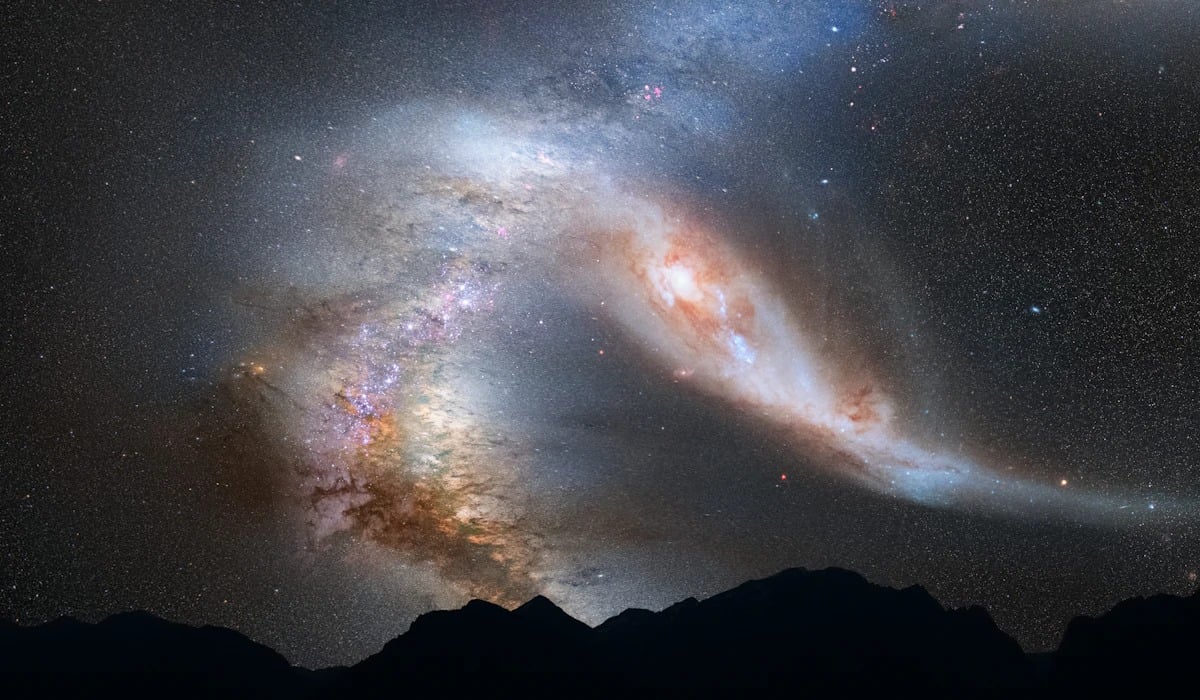
Into the 1920s astronomers still argued over whether the spiral nebulae were small clouds inside the Milky Way or distant systems of their own. In October 1923 Edwin Hubble photographed the Andromeda nebula with the 100-inch Hooker telescope on Mount Wilson in California and identified a Cepheid variable star.
Applying Leavitt’s relationship, he calculated a distance of roughly 900,000 light-years, far outside the Milky Way. Modern measurements put Andromeda at about 2.5 million light-years.
The result was presented at a scientific meeting on January 1, 1925, and the universe grew enormously overnight.
Cecilia Payne Shows Stars Are Mostly Hydrogen
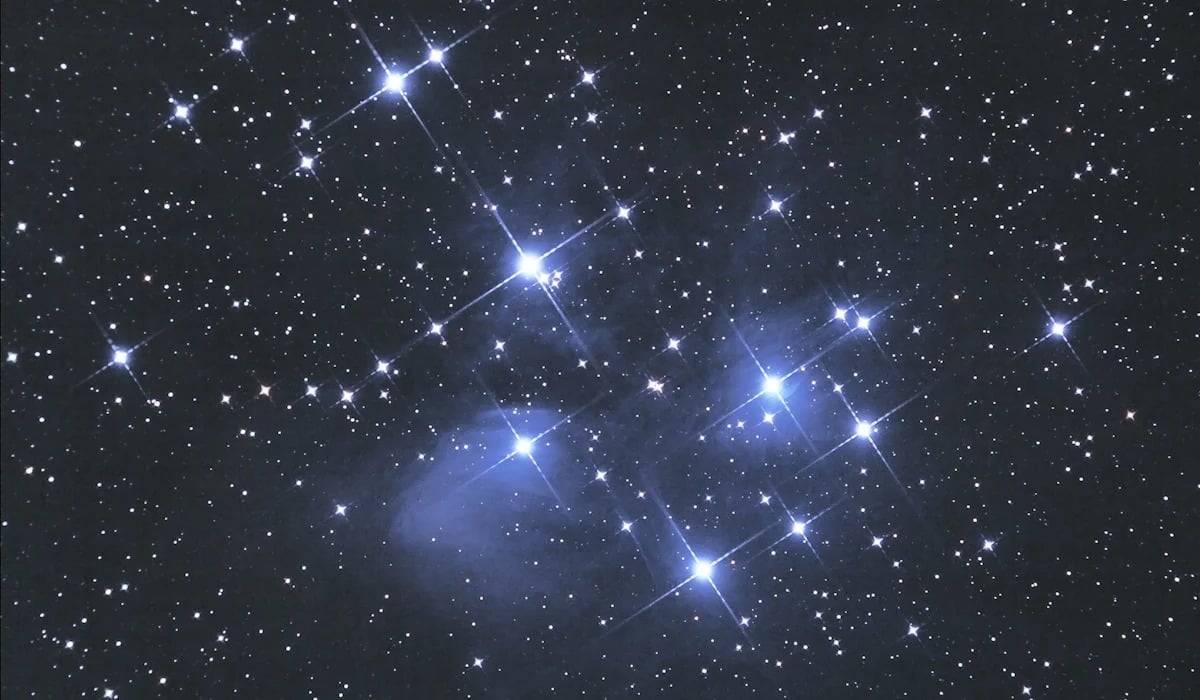
Scientists in the early 1920s generally believed the Sun had about the same makeup as Earth, only hotter. Cecilia Payne, a young English astronomer working at Harvard, applied new atomic physics to stellar spectra in her 1925 doctoral thesis and found that hydrogen and helium vastly outnumber everything else.
The eminent astronomer Henry Norris Russell considered the result impossible, and she added a line describing it as almost certainly not real. Russell reached the same conclusion himself by 1929.
The astronomer Otto Struve later called her thesis the most brilliant ever written in astronomy.
Galaxies Are Caught Rushing Apart
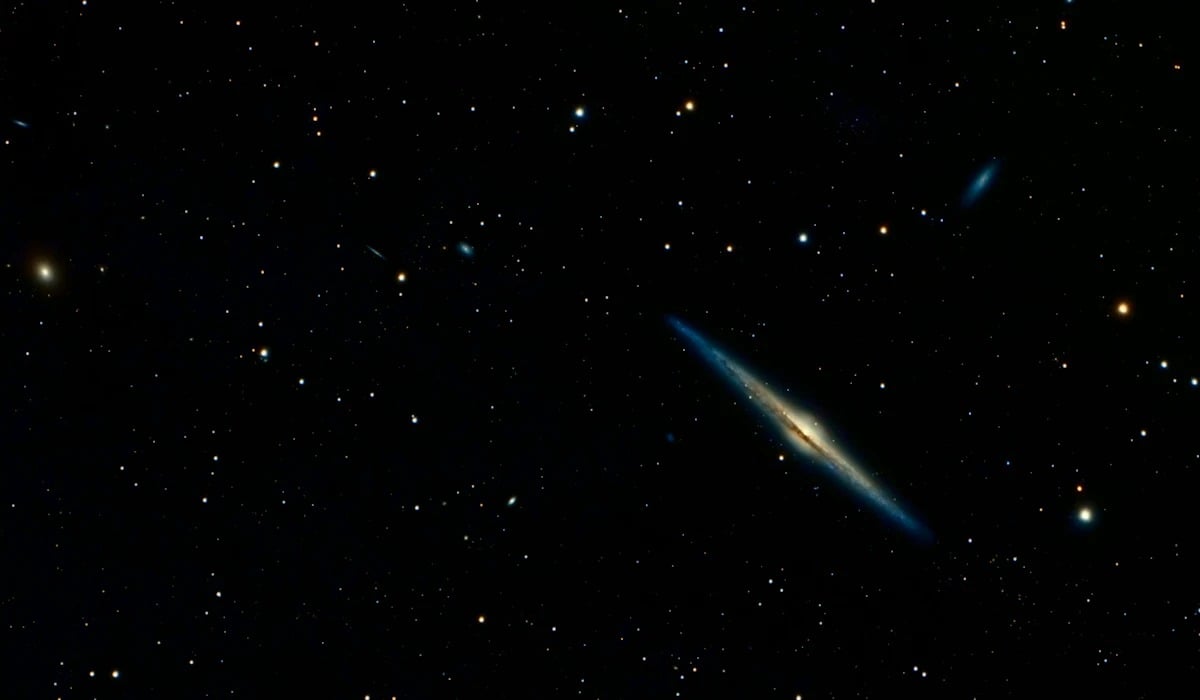
Edwin Hubble followed his Andromeda work by comparing the distances of galaxies with the redshifts in their light, many of them measured earlier by Vesto Slipher at Lowell Observatory. His 1929 paper reported a simple pattern: the farther away a galaxy is, the faster it recedes.
The Belgian priest and physicist Georges Lemaitre had derived the same relationship from Einstein’s equations two years earlier in a little-read journal. An expanding universe implied a much smaller and denser past.
In 2018 the International Astronomical Union voted to recommend calling the rule the Hubble-Lemaitre law.
Karl Jansky Hears the Milky Way
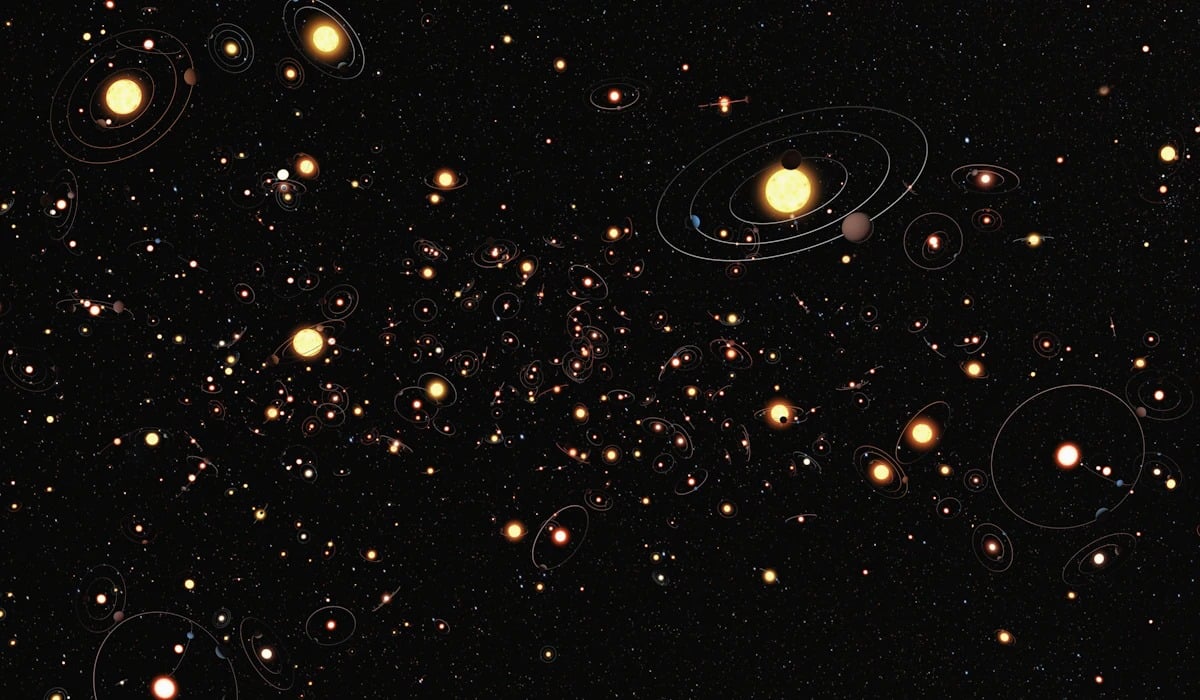
Bell Telephone Laboratories assigned Karl Jansky to track down sources of static that might interfere with transatlantic radio telephone calls. At Holmdel, New Jersey, he built a rotating antenna about 100 feet across that coworkers nicknamed the merry-go-round.
Most of the noise came from thunderstorms, but a steady hiss rose and fell on a cycle of 23 hours and 56 minutes, matching the rotation of Earth relative to the stars. By 1932 Jansky had traced it to the direction of Sagittarius, toward the center of the galaxy.
Radio astronomy began with an engineer chasing a nuisance.
Most of the Matter Goes Missing
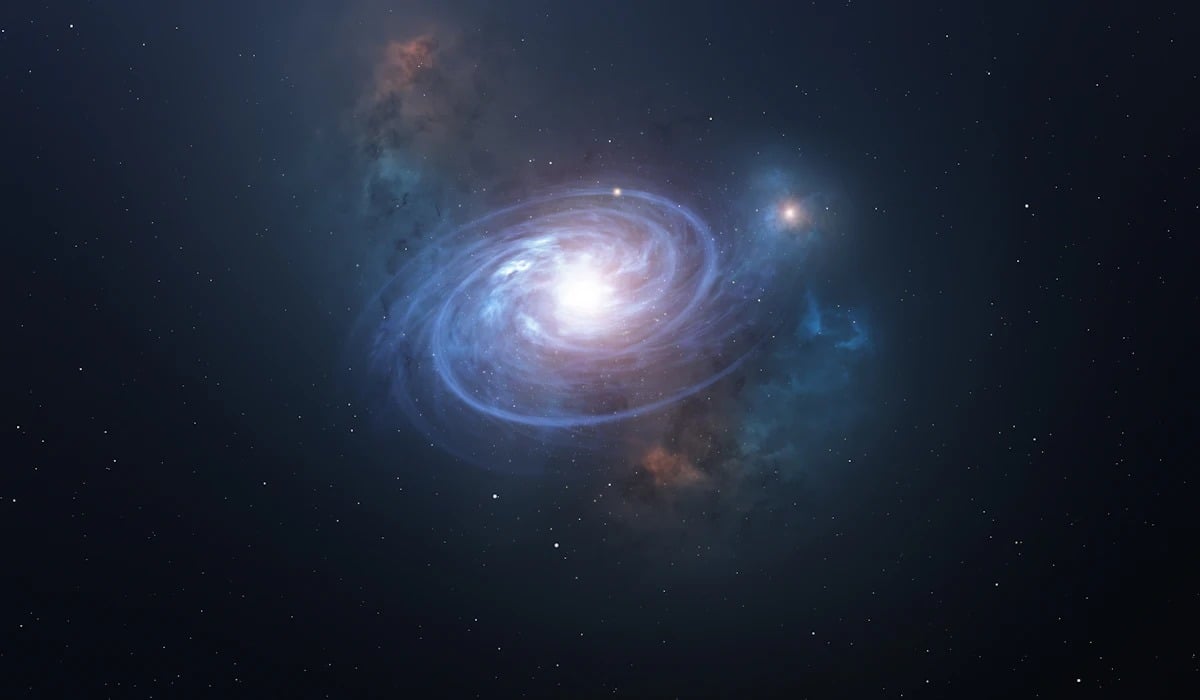
In 1933 the Swiss astronomer Fritz Zwicky measured the speeds of galaxies in the Coma Cluster and found them moving far too fast for the visible matter to hold the cluster together. He proposed unseen dark matter, and the idea sat largely ignored for decades.
In the 1970s Vera Rubin and Kent Ford measured how stars orbit in spiral galaxies, beginning with Andromeda, and found that stars at the outer edges move as fast as those near the middle. Something invisible was supplying extra gravity.
Current estimates suggest dark matter makes up roughly 85 percent of all matter.
Hans Bethe Explains Why Stars Shine

Nobody could say what powered the Sun until the late 1930s. Chemical burning or slow gravitational contraction would have exhausted it long before the age geologists demanded for Earth.
In 1939 the German-born physicist Hans Bethe, then at Cornell University, published a paper titled Energy Production in Stars that laid out the chains of nuclear reactions fusing hydrogen into helium. The work earned him the 1967 Nobel Prize in Physics.
It also implied that heavier elements are forged inside stars, an idea other physicists developed in detail during the 1950s.
Explorer I Runs Into Belts of Radiation
America’s first satellite, Explorer I, reached orbit on January 31, 1958, carrying a Geiger counter supplied by James Van Allen of the University of Iowa. At high points in the orbit the counter mysteriously stopped registering anything.
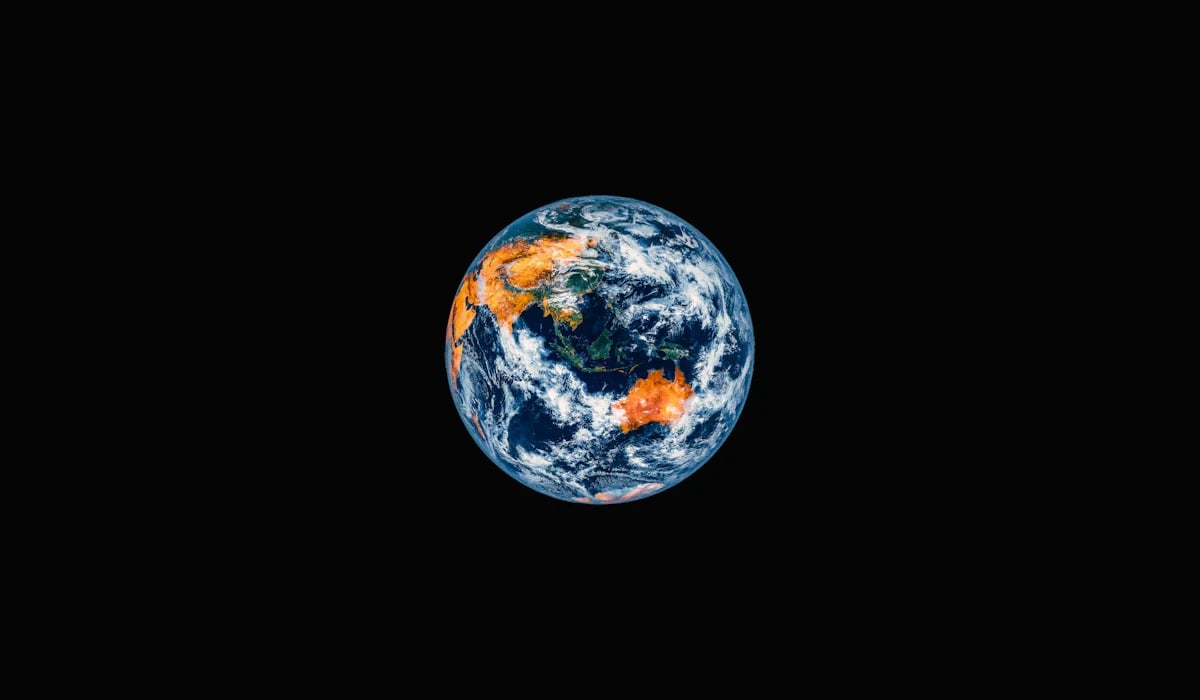
Van Allen’s team realized the instrument was being overwhelmed by radiation rather than detecting none, and Explorer III confirmed the reading weeks later. Earth turned out to be wrapped in zones of charged particles trapped by its magnetic field.
The Van Allen belts were the first major scientific discovery of the Space Age, and every crewed mission beyond low orbit has had to plan around them.
Quasars Reveal Monsters at Enormous Distances
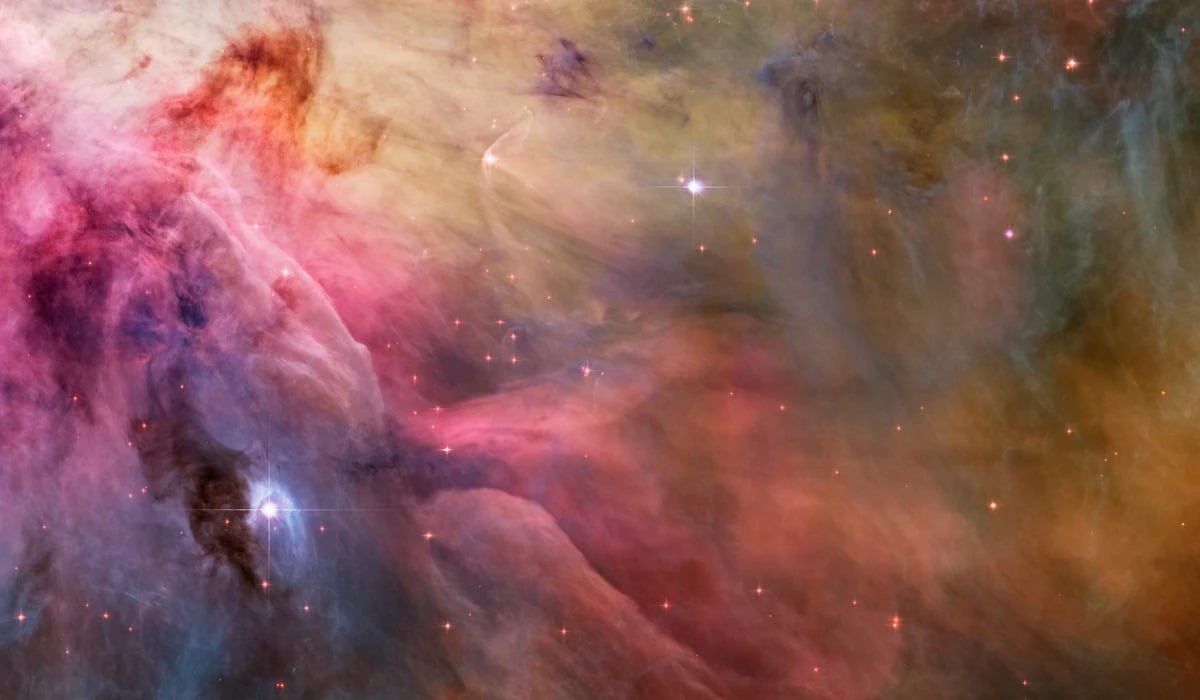
Radio surveys in the 1950s cataloged strong sources that looked like faint blue stars with spectra nobody could interpret. In February 1963 Maarten Schmidt, a Dutch-born astronomer at Caltech, studied the object 3C 273 using the 200-inch telescope on Palomar Mountain and recognized ordinary hydrogen lines shifted toward the red by about 16 percent.
That placed it roughly two billion light-years away, which meant it had to outshine entire galaxies. Astronomers now attribute quasars to gas heating up as it spirals into a supermassive collapsed object at a galaxy’s core.
The quiet, unchanging universe was finished.
Two Radio Astronomers Find the Afterglow of Creation
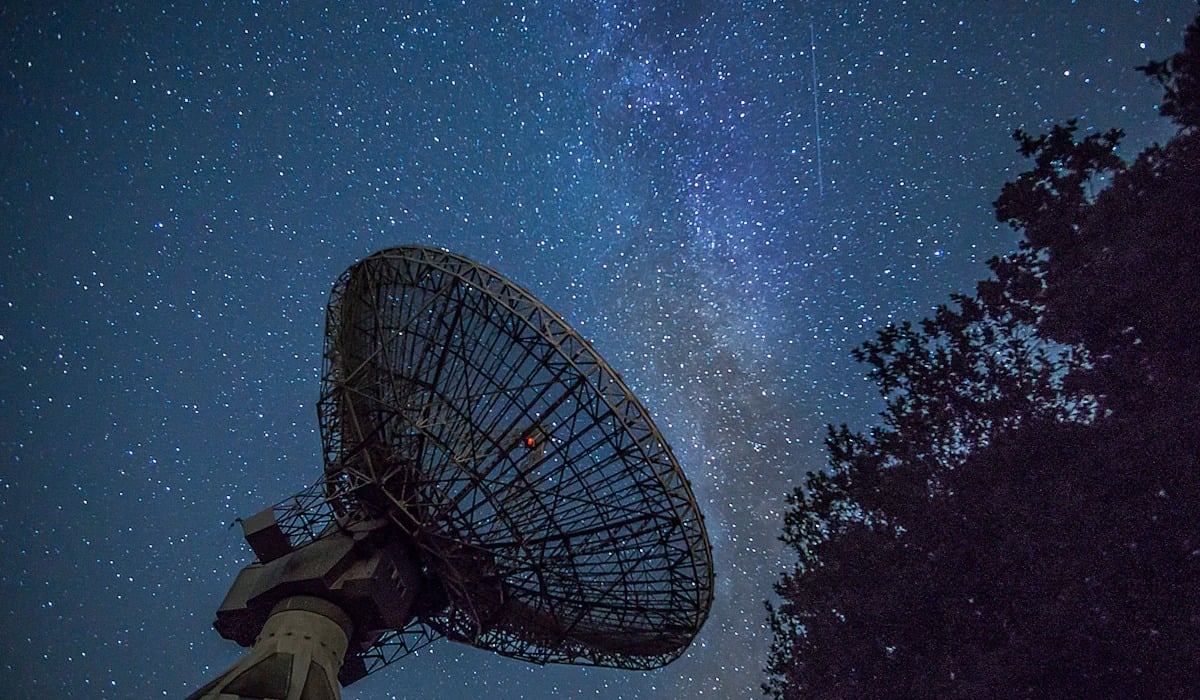
Arno Penzias and Robert Wilson were calibrating a horn-shaped antenna at Bell Laboratories in Holmdel, New Jersey, in 1964 when they hit a faint microwave signal that came from every direction. They checked the electronics, pointed the horn at New York City and evicted a pair of pigeons that had been roosting inside.
The signal stayed. Published in 1965, it proved to be leftover heat from the early universe, now measured at about 2.7 degrees above absolute zero.
Ralph Alpher and Robert Herman had predicted such radiation in 1948. Penzias and Wilson shared the 1978 Nobel Prize in Physics.
Jocelyn Bell Notices a Ticking Star
As a graduate student at the University of Cambridge in 1967, Jocelyn Bell was reviewing long paper charts from a radio telescope she had helped build when she spotted an odd patch of signal. Closer study showed pulses arriving every 1.33 seconds with clockwork regularity.
The team half-jokingly labeled the source LGM-1, for little green men, before more examples ruled out any artificial origin. Pulsars proved to be rapidly spinning neutron stars, the crushed cores left behind by supernova explosions.
Her supervisor, Antony Hewish, shared the 1974 Nobel Prize in Physics, and she was famously left out.
Moon Rocks Point to a Giant Collision
Apollo astronauts brought home 842 pounds of lunar rock and soil between 1969 and 1972. Laboratory work showed the samples were extremely dry, poor in iron and strikingly similar to Earth’s mantle in their oxygen isotopes, with the oldest pieces dating back about 4.4 billion years.
None of the older origin theories explained that combination. In 1975 William Hartmann and Donald Davis proposed that a Mars-sized body struck the young Earth and that the debris gathered into the Moon.
The impactor was later nicknamed Theia. The giant impact idea remains the leading explanation, though details are still debated.
Voyager Catches Io Erupting
Linda Morabito, a navigation engineer at the Jet Propulsion Laboratory, was examining an overexposed Voyager 1 image of Jupiter’s moon Io on March 9, 1979, when she saw a faint crescent rising off its edge. It was the plume of a volcano, the first active eruption ever seen beyond Earth.
Only days earlier a paper by Stanton Peale and two colleagues had predicted that Jupiter’s gravitational squeezing would heat Io’s interior. The same tidal heating later made scientists take seriously the idea of a liquid water ocean beneath the ice of neighboring Europa.
Small, cold moons were no longer assumed to be dead.
Pluto Gains Thousands of Neighbors
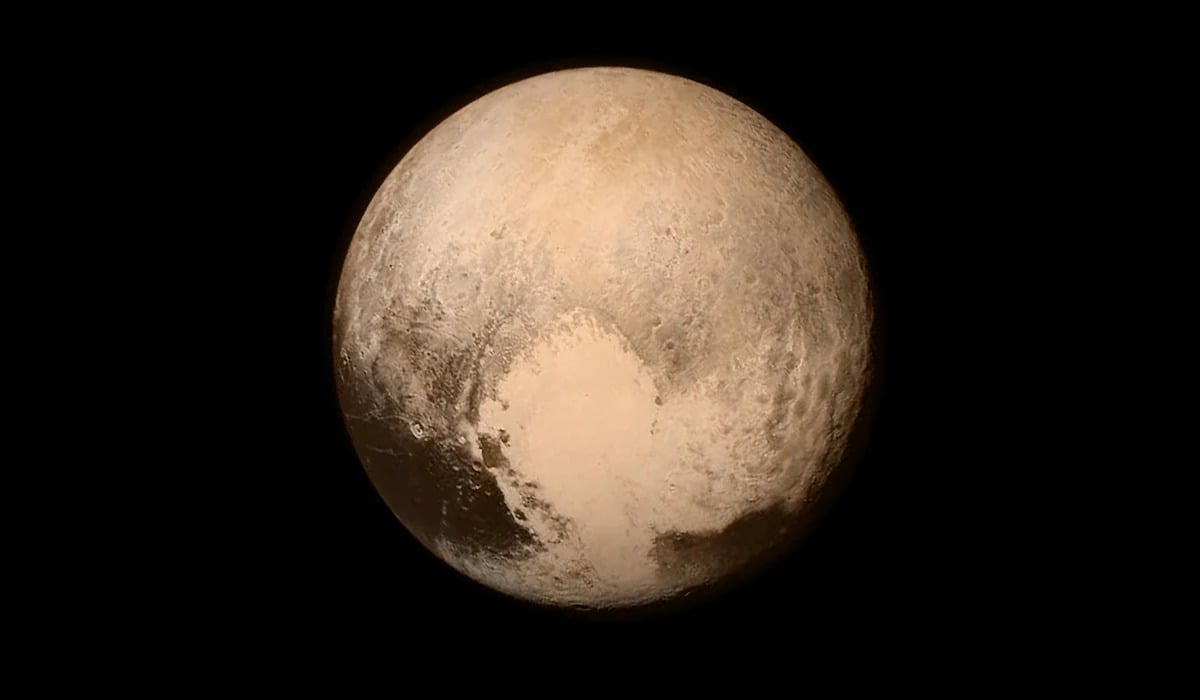
Clyde Tombaugh found Pluto at Lowell Observatory in Arizona in 1930, and for six decades it sat alone at the edge of the planetary system. In August 1992 David Jewitt and Jane Luu, observing from Mauna Kea in Hawaii after five years of searching, detected a small icy body beyond Neptune.
Thousands more followed, forming the Kuiper Belt. In 2005 a team led by Mike Brown announced Eris, an object slightly more massive than Pluto.
The International Astronomical Union responded on August 24, 2006, by creating the category of dwarf planet and placing Pluto in it.
Astronomers Find a Planet Around a Sunlike Star
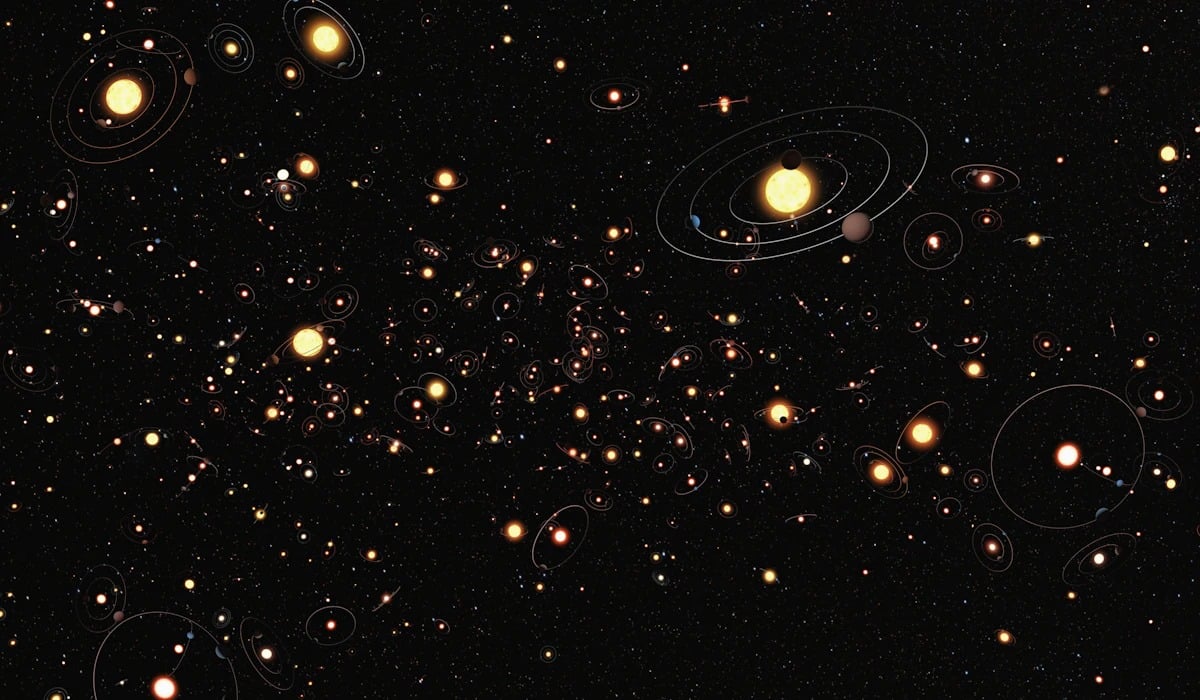
Planets around other stars were a reasonable assumption with no proof until the 1990s. In 1992 Aleksander Wolszczan and Dale Frail detected planets circling a pulsar, a strange and hostile setting.
Then in October 1995 the Swiss astronomers Michel Mayor and Didier Queloz announced a planet orbiting 51 Pegasi, an ordinary star about 50 light-years away, after measuring a tiny rhythmic wobble in its light from the Haute-Provence Observatory in France. The planet had at least half the mass of Jupiter yet circled its star every 4.2 days.
Theorists had expected nothing of the kind. Mayor and Queloz shared the 2019 Nobel Prize in Physics.
Hubble Stares at Nothing and Sees Thousands of Galaxies
Robert Williams, director of the Space Telescope Science Institute, decided in 1995 to spend his personal allotment of Hubble Space Telescope time on a patch of sky in Ursa Major that appeared empty. Some colleagues thought it a waste.
Over ten days in December the telescope took 342 exposures of a region often compared to a grain of sand held at arm’s length. The combined image, the Hubble Deep Field, contained roughly 3,000 galaxies at many stages of development.
Each one holds billions of stars, and the picture made the scale of the universe visible in a way no number had.
Expansion Turns Out to Be Speeding Up
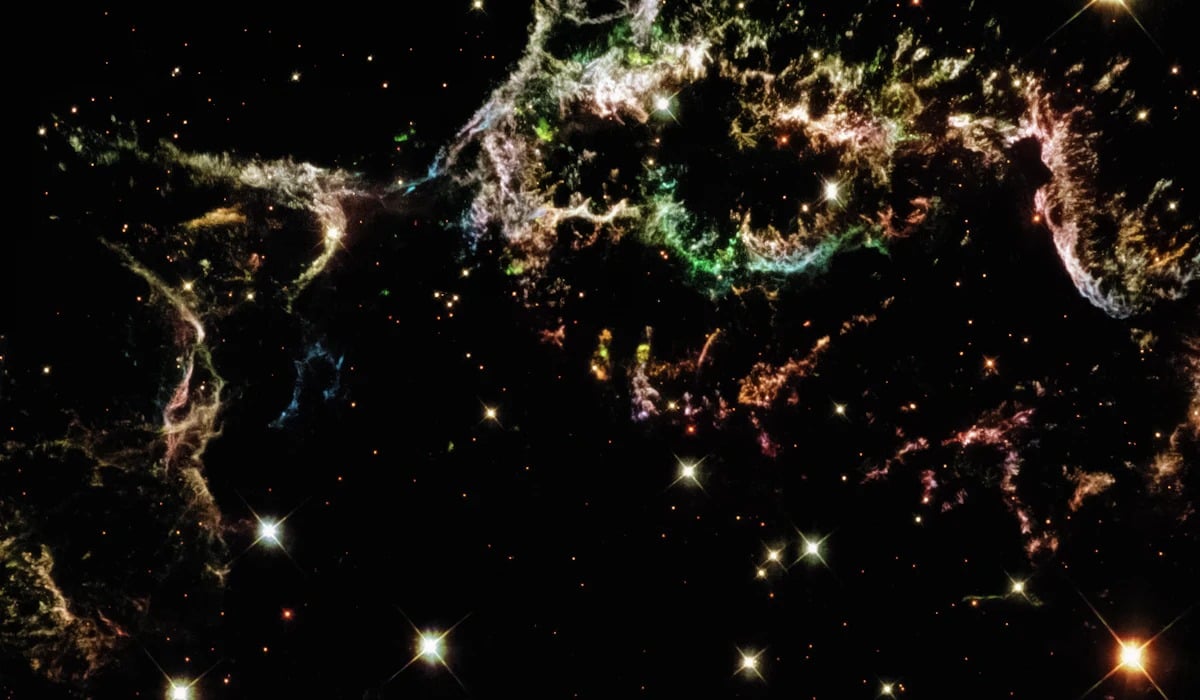
Two rival teams set out in the 1990s to measure how quickly gravity was slowing the expansion of the universe. Both used a type of exploding star, the Type Ia supernova, as a marker of known brightness.
In 1998 the Supernova Cosmology Project, led by Saul Perlmutter, and the High-Z Supernova Search Team, led by Brian Schmidt with Adam Riess, reported the same surprise. Distant supernovae were fainter than expected, meaning the expansion is accelerating.
The unknown cause was labeled dark energy, and it appears to account for about 68 percent of the universe. The three shared the 2011 Nobel Prize in Physics.
Stars Whip Around an Invisible Mass in the Milky Way
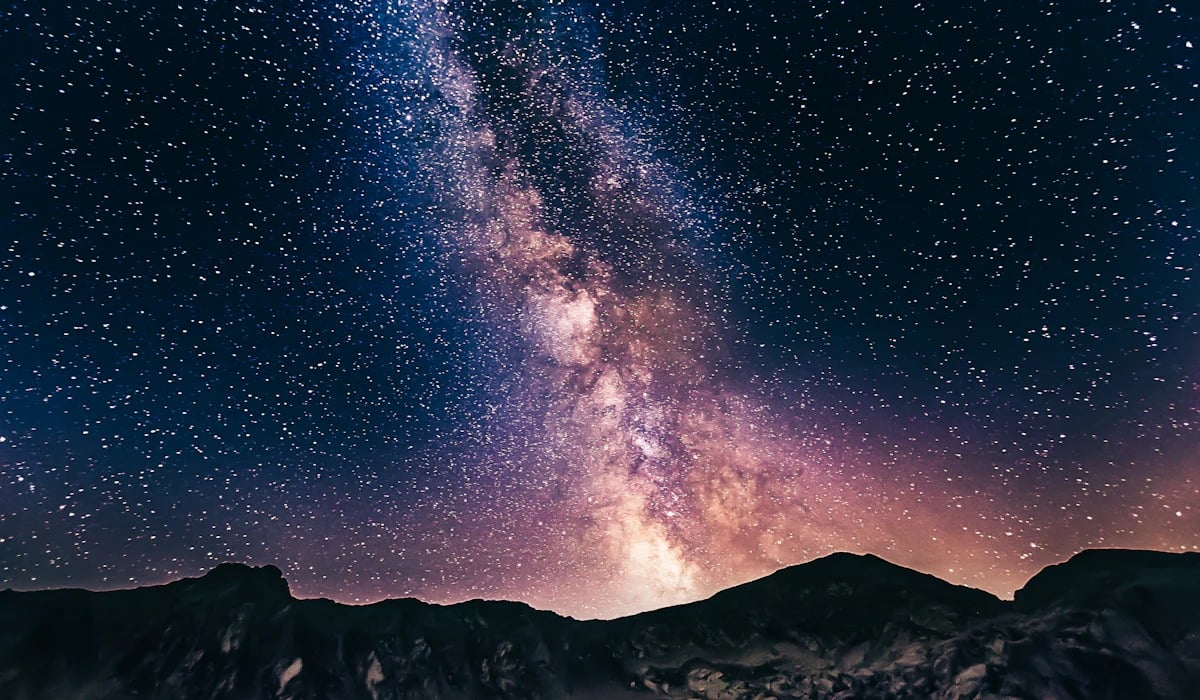
Beginning in the 1990s, two groups tracked individual stars near Sagittarius A, the compact radio source at the center of the Milky Way. Andrea Ghez led one team at the Keck Observatory in Hawaii, and Reinhard Genzel led another using European telescopes in Chile.
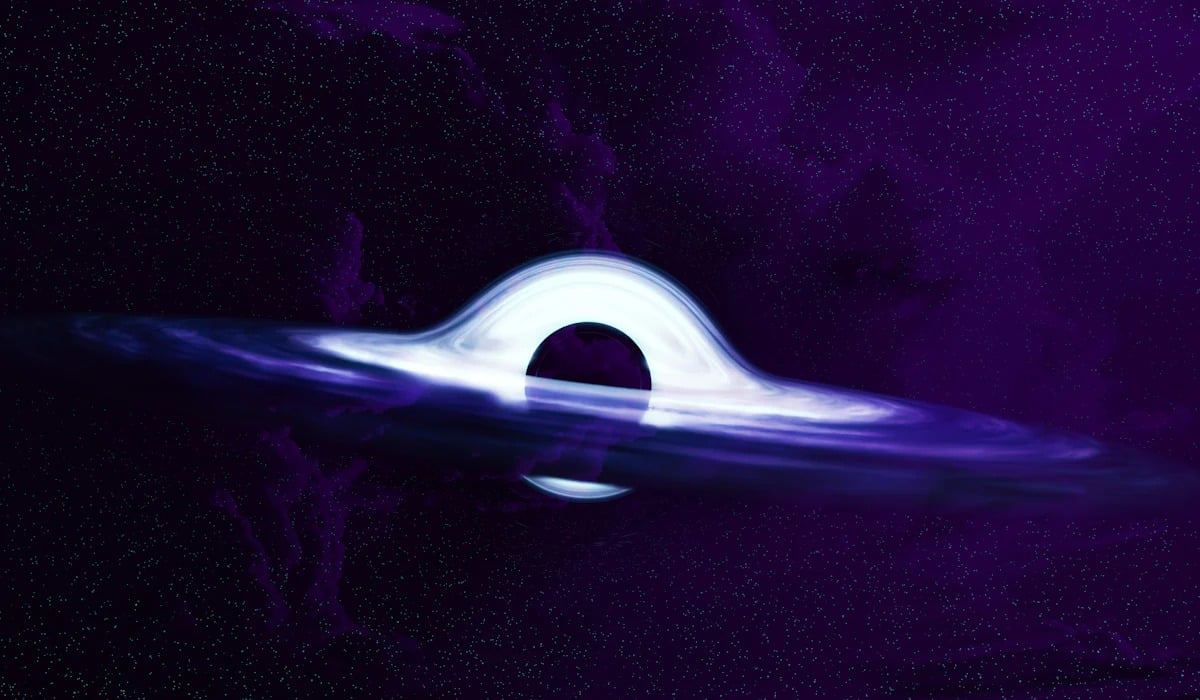
One star, known as S2, completes an orbit in only about 16 years. The motions require roughly four million times the mass of the Sun packed into a region smaller than the solar system, an object so dense that light cannot escape it.
Ghez and Genzel shared the 2020 Nobel Prize in Physics with theorist Roger Penrose.
Enceladus Sprays Water Into Space
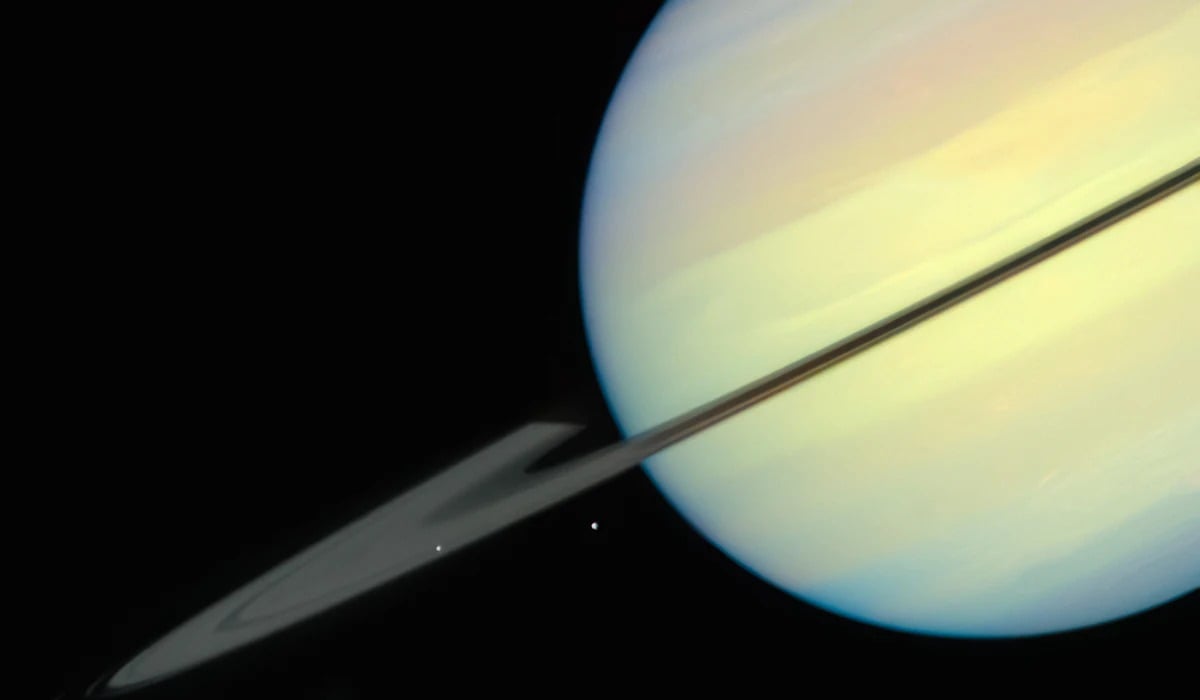
Saturn’s moon Enceladus is only about 310 miles across, small enough that scientists expected a frozen, inert surface. In 2005 NASA’s Cassini spacecraft flew past and found jets of water vapor and ice grains venting from long fractures near the south pole, features the team called tiger stripes.
The material feeds one of Saturn’s outer rings. Later flybys sampled the spray directly and detected salts and organic molecules, and measurements reported in 2015 indicated a global ocean beneath the ice.
A tiny moon abruptly became one of the most promising places to search for life.
LIGO Feels Spacetime Shake
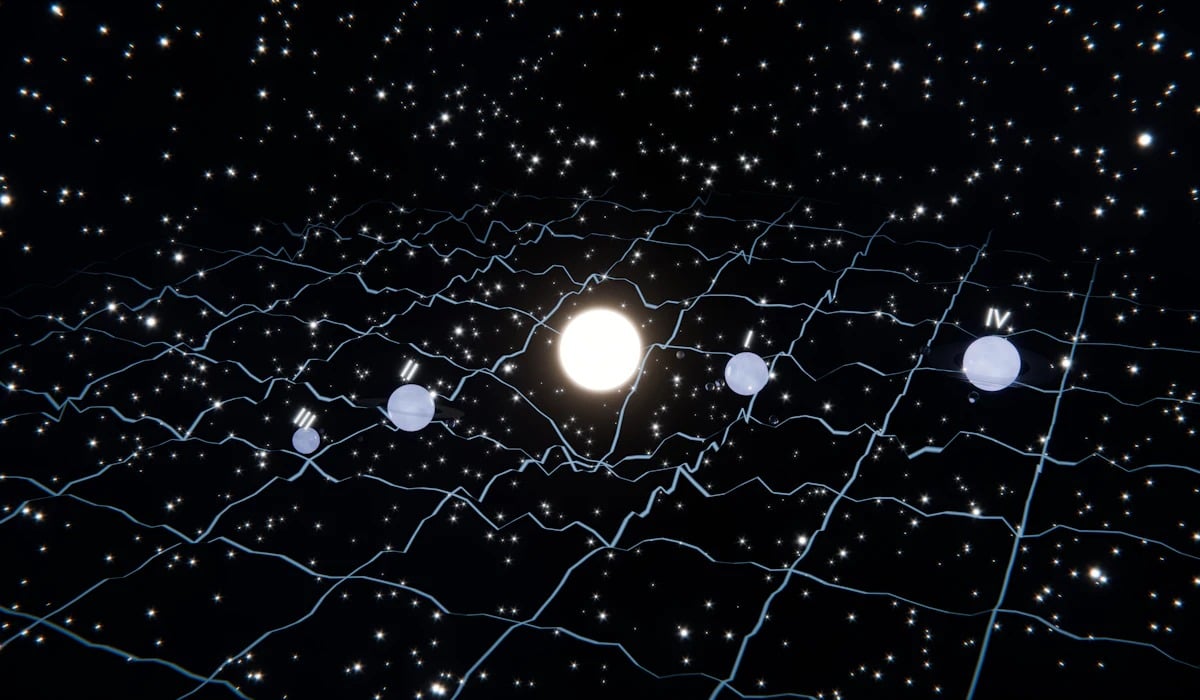
Albert Einstein predicted gravitational waves in 1916 and doubted they would ever be measured. On September 14, 2015, the twin detectors of the Laser Interferometer Gravitational-Wave Observatory in Hanford, Washington, and Livingston, Louisiana, registered a ripple about seven milliseconds apart.
It came from two collapsed stars, each roughly 30 times the mass of the Sun, spiraling together about 1.3 billion light-years away. The detectors sensed a change in length far smaller than the width of a proton along arms 2.5 miles long.
Rainer Weiss, Kip Thorne and Barry Barish received the 2017 Nobel Prize in Physics, and astronomy gained a sense besides sight.
A Telescope the Size of Earth Photographs a Shadow
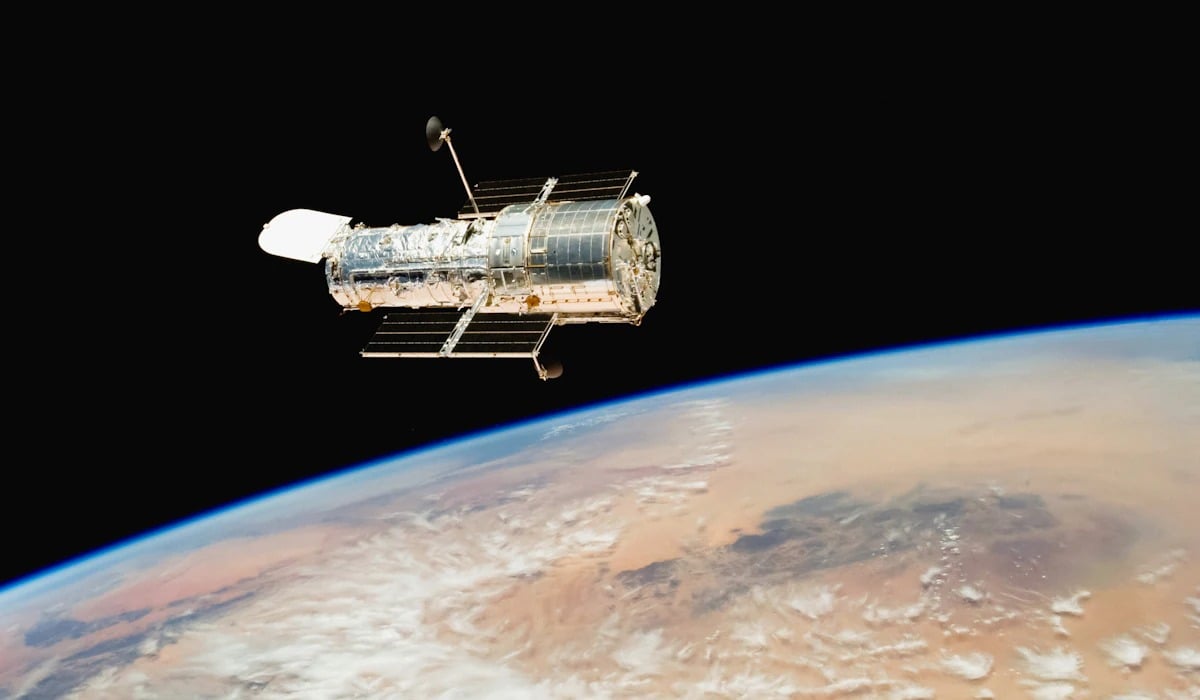
On April 10, 2019, the Event Horizon Telescope collaboration released an image many scientists had assumed could never be made. Eight radio observatories, from Hawaii to Spain to the South Pole, had observed together in April 2017 to act as one Earth-sized instrument.
Their target was the dark object at the heart of the galaxy M87, about 55 million light-years away and some 6.5 billion times the mass of the Sun. The picture shows a glowing ring of hot gas around a central shadow.
The data filled so many hard drives that they were shipped by airplane.
Webb Finds Galaxies Earlier Than Expected
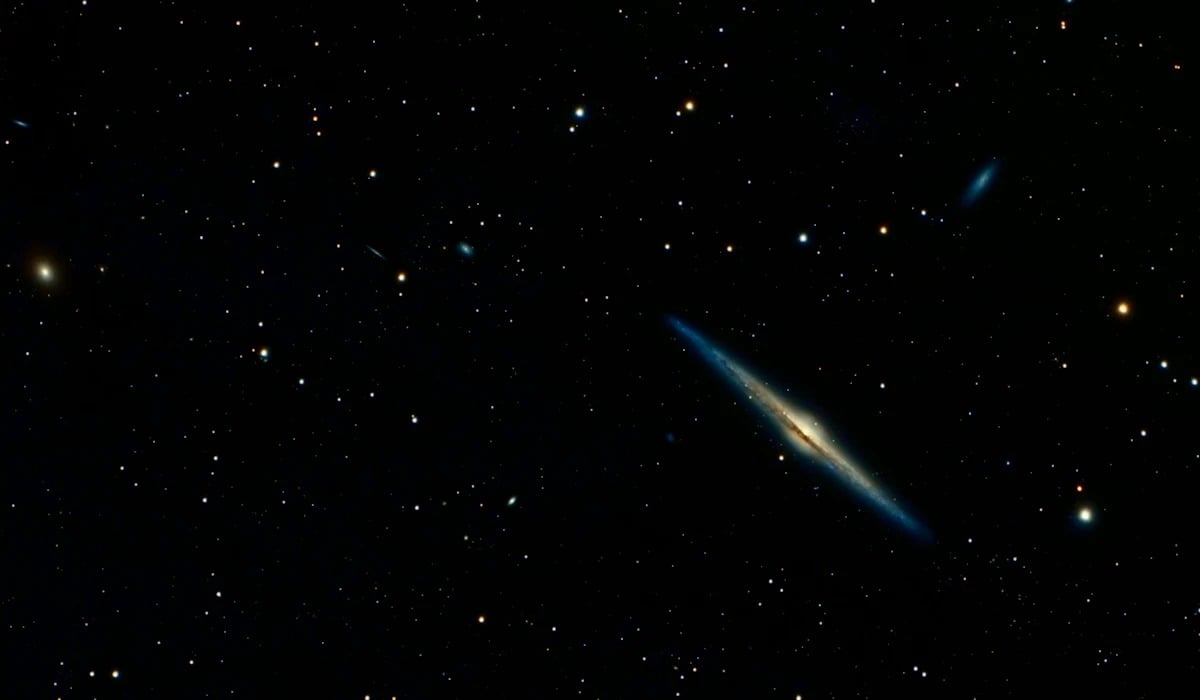
NASA’s James Webb Space Telescope left Earth on December 25, 2021, with a gold-coated mirror 6.5 meters wide built to collect infrared light from the early universe. Within its first year of science, which opened in July 2022, it turned up candidate galaxies from the first few hundred million years after the Big Bang.
Follow-up spectra confirmed several, including galaxies seen as they were less than 300 million years after the beginning. Many of these galaxies are brighter and more developed than leading models had forecast.
Theorists are still working out how stars assembled so quickly.
Looking Up With Better Questions

Almost none of these findings came from someone confirming what was already believed. Herschel was cataloging stars, Jansky was chasing static, and Penzias and Wilson suspected pigeons.
The pattern across five centuries is that better instruments keep exposing a universe larger, older and stranger than the one people had settled on.
The humbling part is how much remains unexplained. Ordinary matter, the kind that makes up every star and planet ever observed, appears to be about five percent of what exists.
Dark matter and dark energy are still labels for ignorance, which suggests the next entry on a list like this has not been written yet.
More from Go2Tutors!

- The Romanov Crown Jewels and Their Tragic Fate
- 13 Historical Mysteries That Science Still Can’t Solve
- Famous Hoaxes That Fooled the World for Years
- 15 Child Stars with Tragic Adult Lives
- 16 Famous Jewelry Pieces in History
Like Go2Tutors’s content? Follow us on MSN.