30 Forgotten Rulers Who Controlled Vast Empires but Were Erased from the Record
History is not a neutral record. It is a selection — made by victors, scribes, priests, and the people who controlled the materials on which things were written. For every ruler whose name has survived in textbooks, several others governed larger territories, for longer, with more lasting effects, and vanished entirely from the account. Some were deliberately erased. Some simply fell on the wrong side of the archivists. Some controlled civilizations that collapsed before their records could be copied.
What follows are rulers — genuine emperors, kings, queens, and warlords — who held power over vast territories and were subsequently lost, suppressed, or quietly excluded from the version of history most people encounter.
Hatshepsut (Egypt, Ruled C. 1478–1458 BCE)
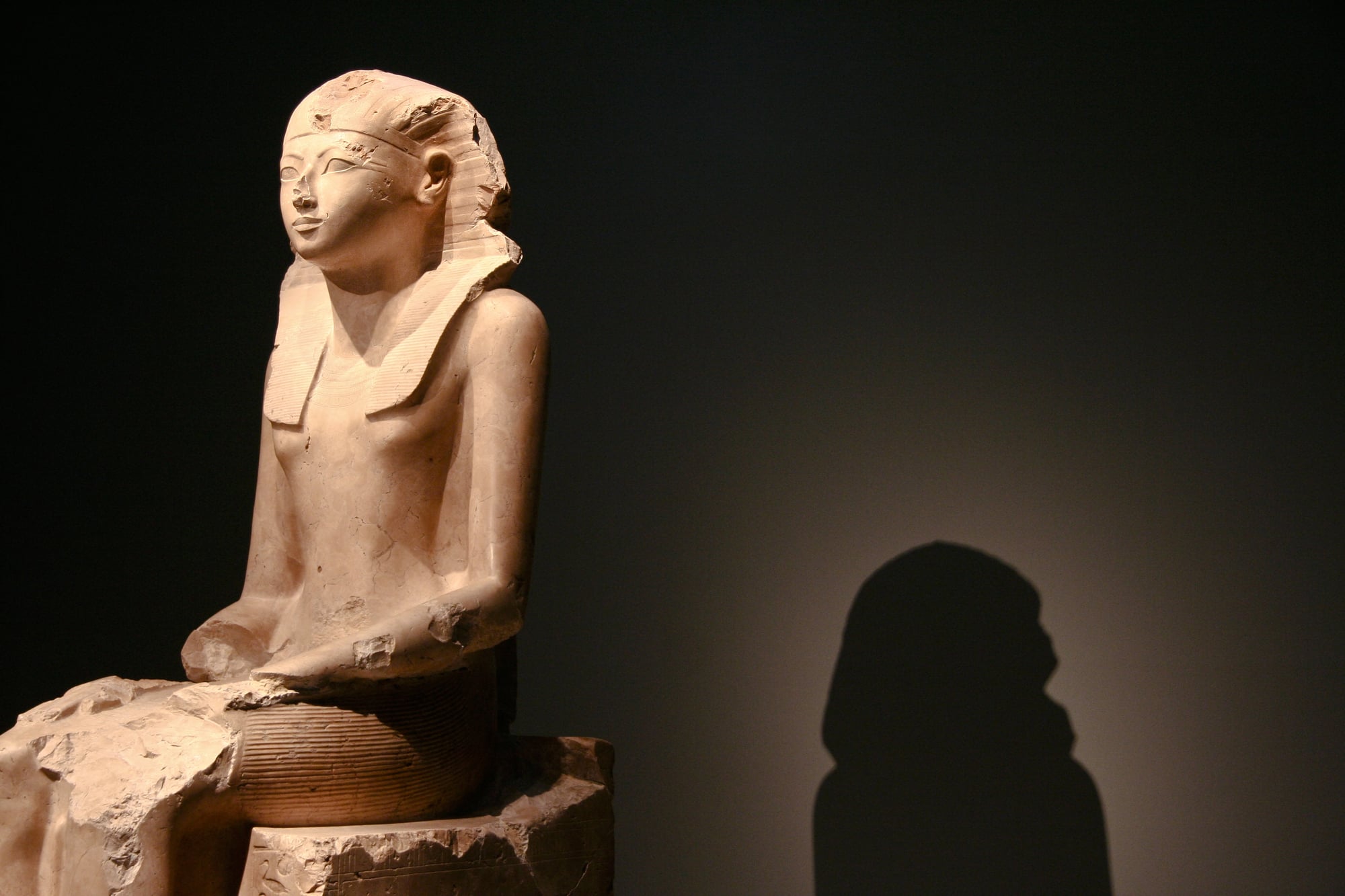
Hatshepsut governed Egypt for roughly twenty years as pharaoh — not regent, not consort, but pharaoh, with the double crown, the crook and flail, and the official titulary of a king. She commissioned buildings, led trade expeditions to Punt, and left some of the most impressive construction of the New Kingdom period.
After her death, her successor Thutmose III, and later his son Amenhotep II, had her name and image systematically removed from monuments across Egypt. Her statues were defaced or buried. She disappeared from the king lists. For thousands of years, she did not exist in the official record.
Her identity was only pieced together by Egyptologists in the nineteenth and twentieth centuries, after they spent decades attributing her monuments to the wrong people.
Neferneferuaten (Egypt, C. 1335–1333 BCE)
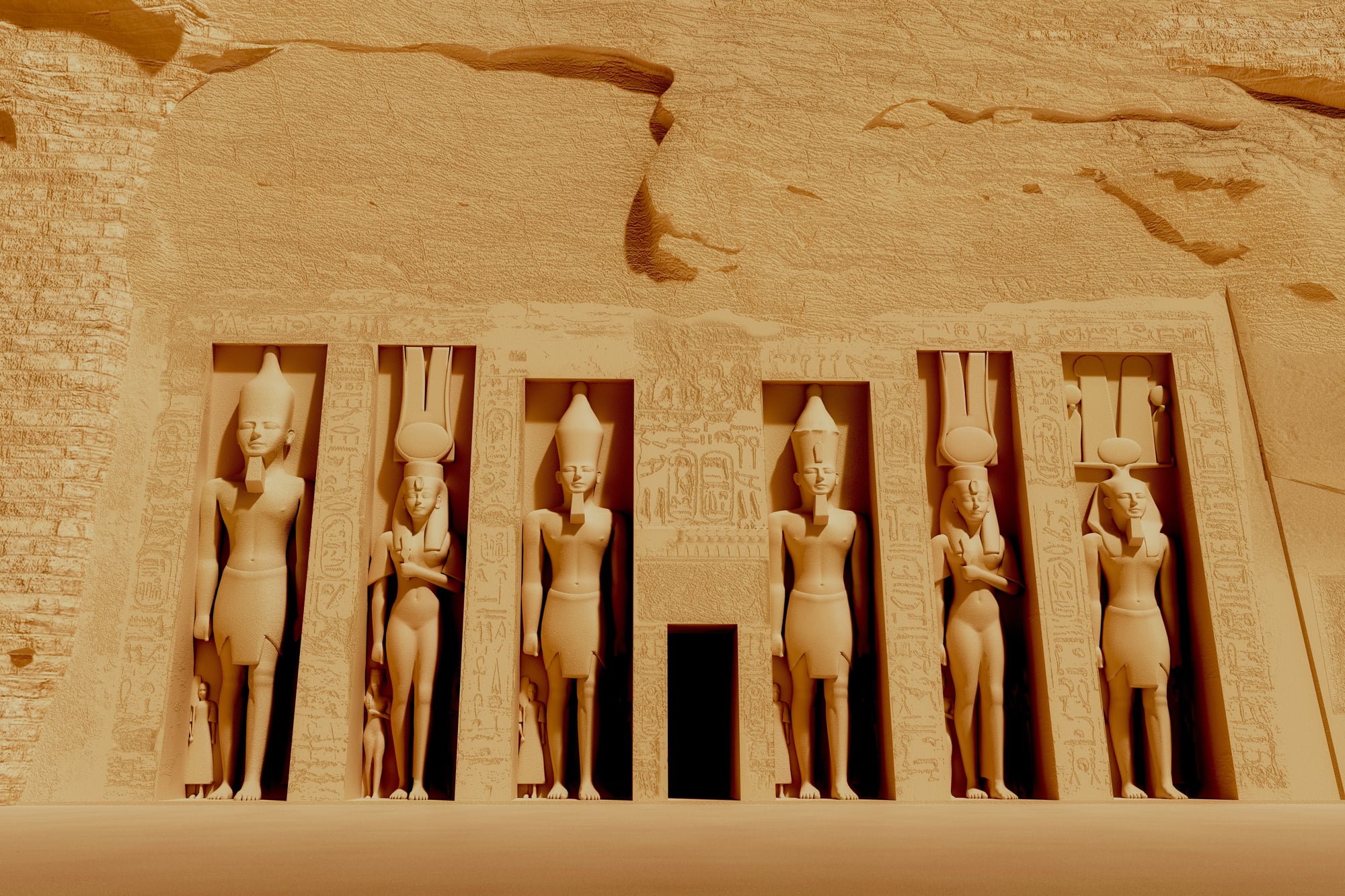
Neferneferuaten ruled Egypt as pharaoh at the end of the Amarna period — a woman, governing under the throne name Ankhkheperure, almost certainly one of the most contested identities in Egyptology. Whether she was Nefertiti, another royal woman, or a composite of confused records remains debated.
What is clear is that when Horemheb came to power, he erased not just Akhenaten but everyone associated with the Amarna period — Akhenaten, Neferneferuaten, Smenkhkare, and even the boy king Tutankhamun were all expunged from the official king lists.
Horemheb assigned their years of rule to himself, effectively absorbing several decades of other people’s governance into his own reign.
Akhenaten (Egypt, C. 1353–1336 BCE)
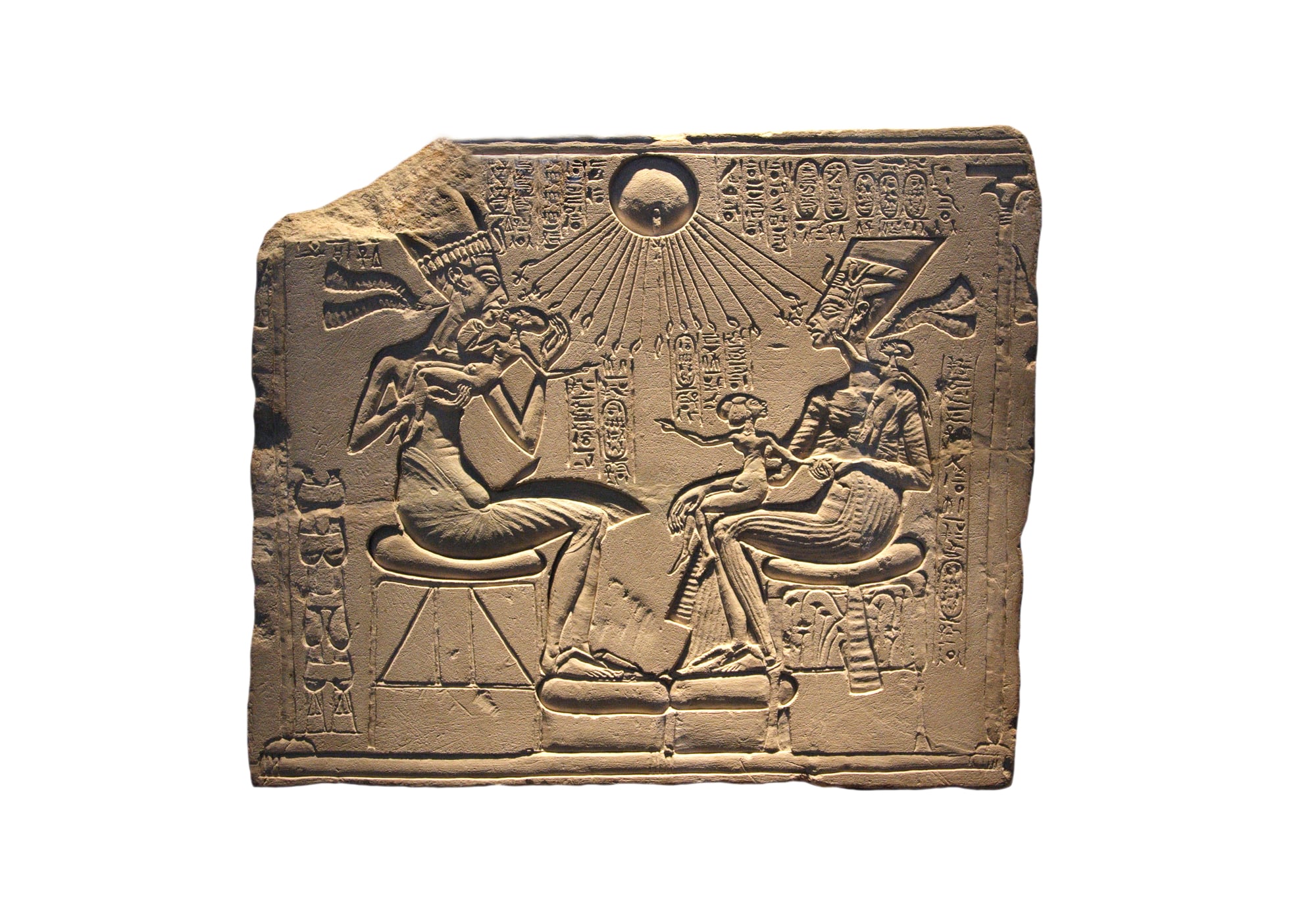
Before his modern rediscovery, Akhenaten had been so thoroughly erased that Egyptologists initially referred to him simply as “the heretic king” without knowing his name. He ruled Egypt for seventeen years, closed the traditional temples, relocated the capital to a new city called Akhetaten, and imposed a form of monotheism centred on the sun disc Aten.
After his death, the old priesthoods dismantled everything. His city was abandoned and stripped of stone. His name was hacked from every surface. The Aten temples were demolished.
He was not rediscovered until the nineteenth century, when a peasant woman stumbled across the remains of his royal archive at a place called el-Amarna.
Zenobia (Palmyra, Ruled 267–272 CE)

Zenobia governed the Palmyrene Empire from modern Syria across to Egypt, extending her realm to include most of Rome’s eastern territories — Turkey, the Levant, Egypt — at a time when Rome was too distracted by internal crises to stop her. She was multilingual, reportedly fluent in Aramaic, Greek, Egyptian, and Latin.
Her court attracted philosophers and scholars. She ruled not as a regent but as an empress in her own right, eventually declaring full independence from Rome and having coins minted in her name.
Aurelian defeated her in 272 CE and paraded her through Rome in chains of gold rather than iron — an act of theatre that acknowledged, without meaning to, how significant she was. She spent the remainder of her life in exile at Tivoli.
Yelü Dashi (Western Liao, Ruled 1124–1143)
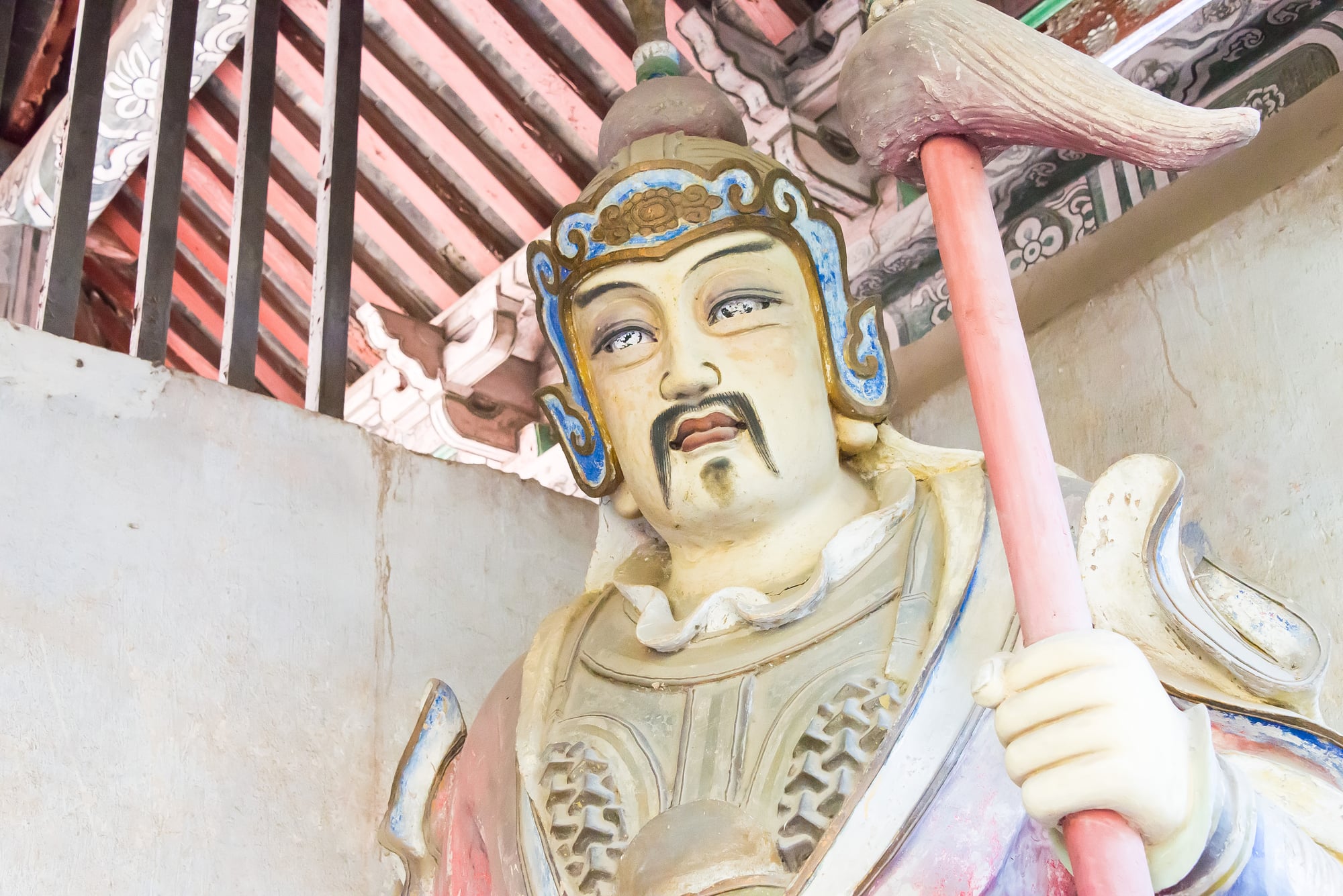
After the Liao dynasty of northern China collapsed under pressure from the Jin dynasty, Yelü Dashi led the remnants of his people westward across Central Asia with around seven thousand troops and reconstituted an empire — the Western Liao, or Qara Khitai — stretching from western China to the borders of the Islamic world.
In 1141, at the Battle of Qatwan, he decisively defeated the Seljuk Sultan Sanjar, one of the most powerful rulers in the Islamic world at the time.
The reverberations of this victory were so significant that rumours reached Europe of a powerful Christian king in the East — contributing to the legend of Prester John.
Yelü Dashi died in 1143. His dynasty lasted until it was absorbed by the Mongols in the early thirteenth century. He is almost entirely absent from Western historical consciousness.
Tamar of Georgia (Ruled 1184–1213)
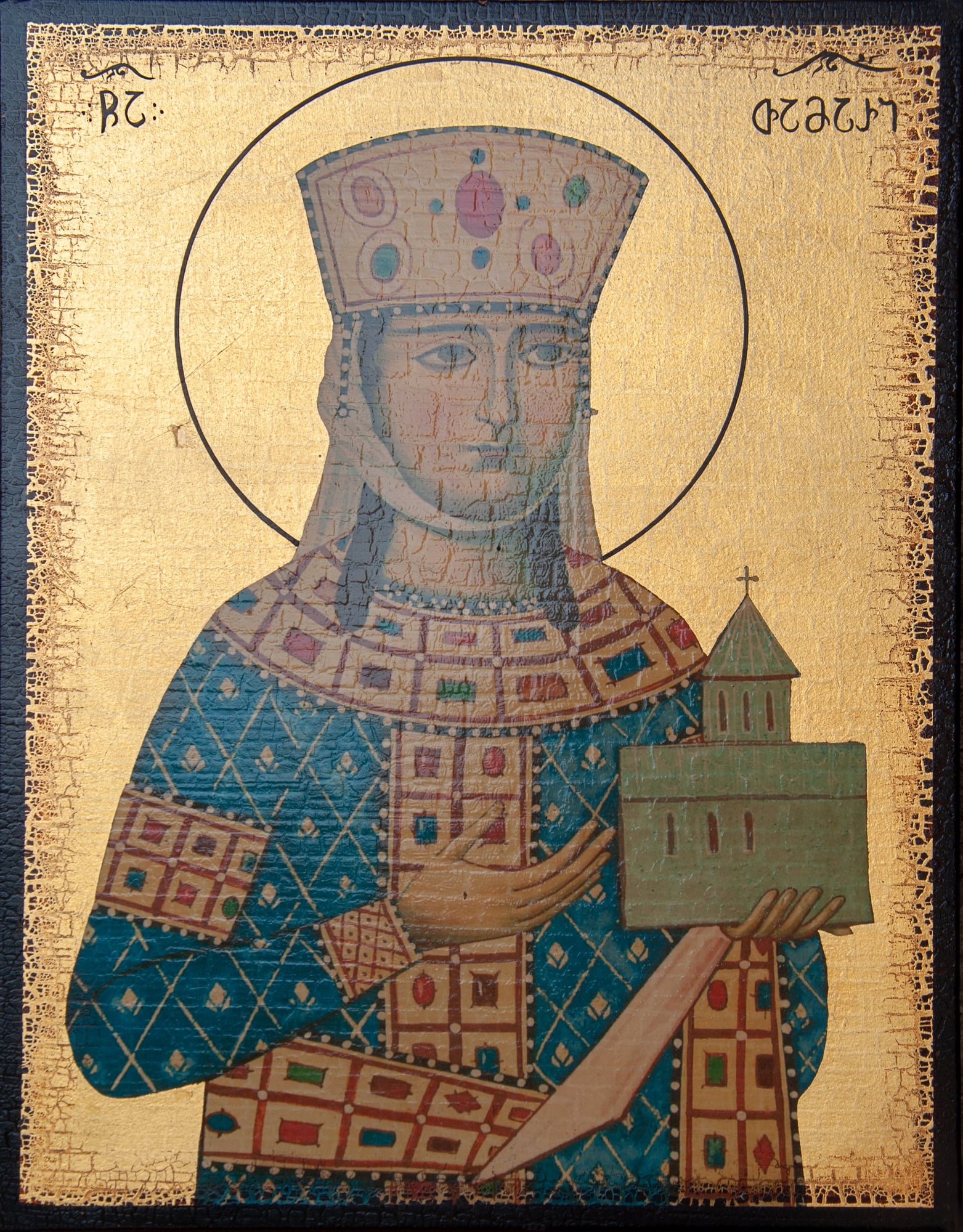
Tamar ruled the Georgian Kingdom at its absolute zenith — a period that Georgians still call their Golden Age. Under her reign, the kingdom expanded to control parts of modern Armenia, Azerbaijan, Turkey, and Iran.
She commanded armies in the field, patronised an extraordinary flowering of Georgian literature and architecture, and governed a state that was, by most measures of the medieval world, more sophisticated than many of its contemporaries.
She was known by the masculine title mepe — king — not queen. The epic poem The Knight in the Panther’s Skin, Georgia’s national literary treasure, was composed during her reign and dedicated to her.
She is a national saint in Georgia. Outside the Caucasus, she is almost unknown.
Gao Dengel (Ethiopia, Ruled 1540–1559)
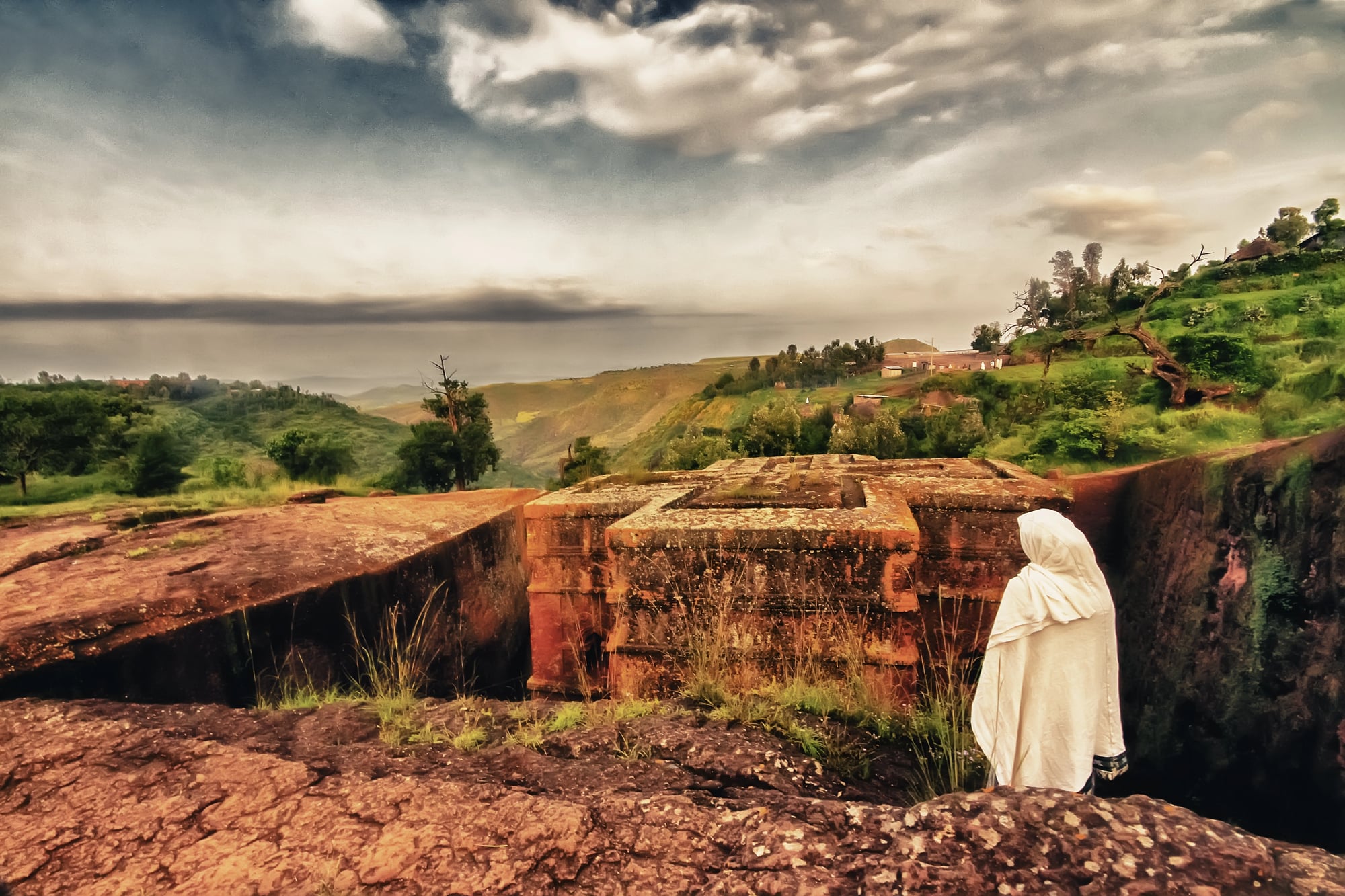
Gao Dengel ruled Ethiopia as Emperor and led the military resistance against the imam Ahmad ibn Ibrahim al-Ghazi, known as Ahmad Gran, whose forces had devastated much of the Ethiopian Highlands and driven the imperial court into exile.
With Portuguese military assistance — one of the earliest significant African-European military alliances — Gao Dengel helped turn the tide of the conflict. Ahmad Gran was killed in battle in 1543, and the invasion effectively ended.
Despite presiding over one of the most consequential military reversals in East African history, Gao Dengel’s name is almost entirely absent from standard historical accounts of the period, which tend to focus on the Portuguese participants.
Suryavarman II (Khmer Empire, Ruled C. 1113–1150)
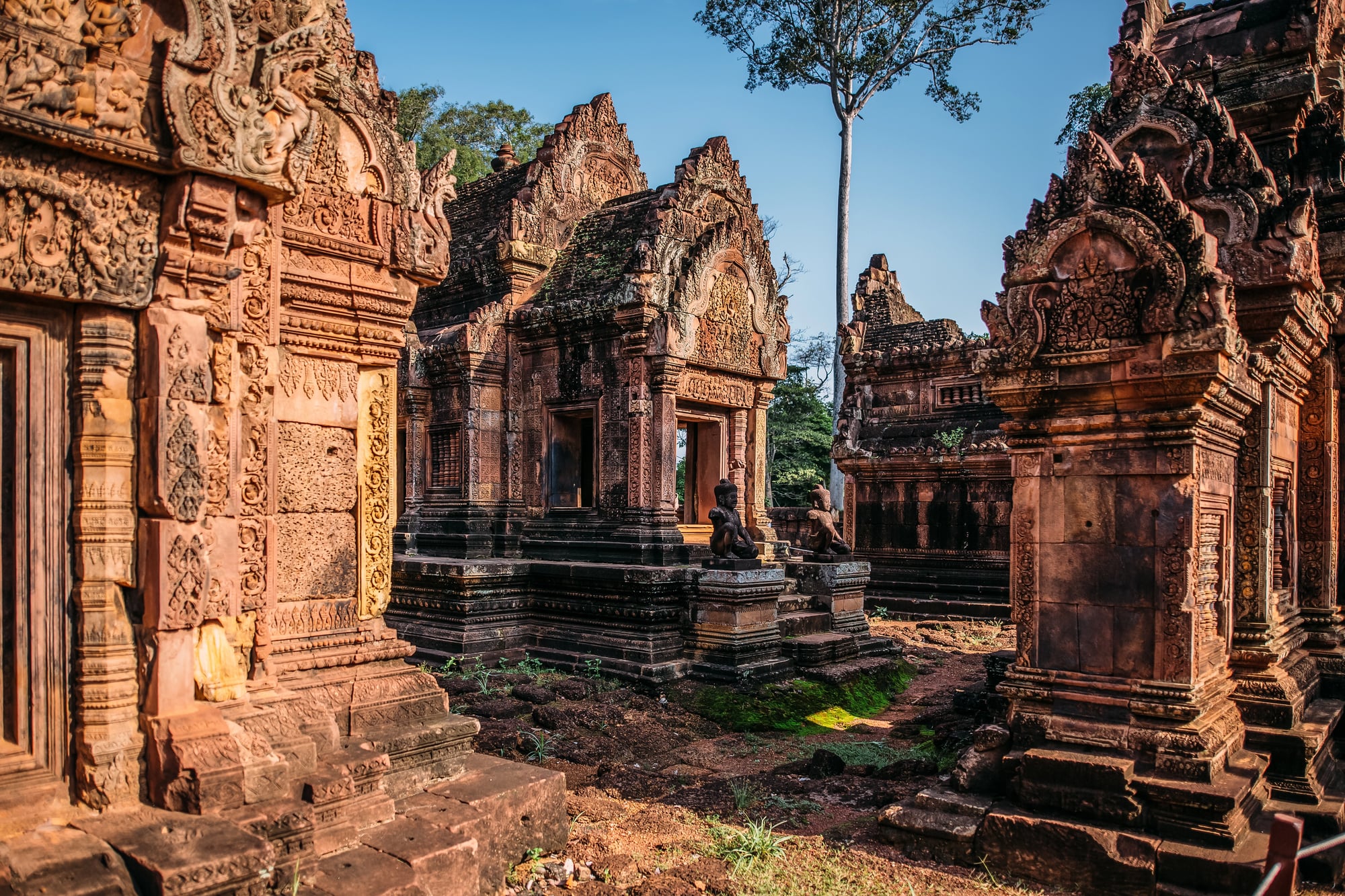
Suryavarman II built Angkor Wat — one of the largest religious monuments ever constructed, covering roughly four hundred hectares and containing more stone than the Great Pyramid of Giza. He unified the Khmer Empire after decades of internal conflict, expanded its territory across much of Southeast Asia, and conducted diplomatic correspondence with the Song Dynasty of China.
His name has been almost entirely eclipsed by the structures he built. Millions of people visit Angkor Wat annually without knowing the name of the man who ordered its construction.
Razia Sultana (Delhi Sultanate, 1236–1240)
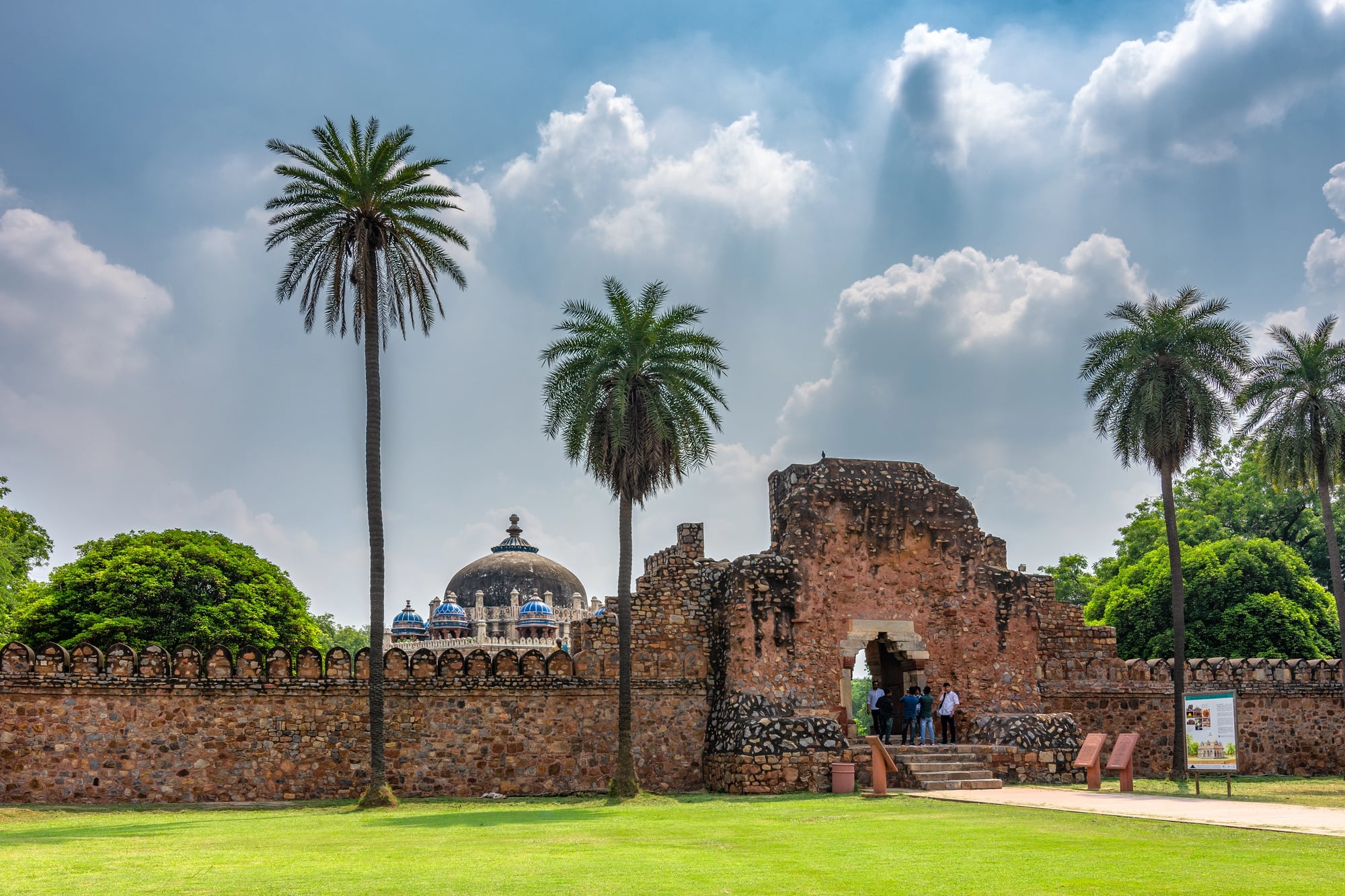
Razia Sultana was the only woman to rule the Delhi Sultanate, appointed by her father Iltutmish in preference to his less capable sons. She refused to observe purdah, rode elephants, addressed assemblies without a veil, and commanded armies in the field.
She promoted trade and scholarship. Her nobles, unreconciled to being governed by a woman, eventually rebelled and deposed her.
She was killed in 1240. Later historians of the Sultanate period tended to minimise or omit her reign, ensuring that her existence was largely unknown outside specialist scholarship until the twentieth century.
Sonni Ali (Songhai Empire, Ruled 1464–1492)
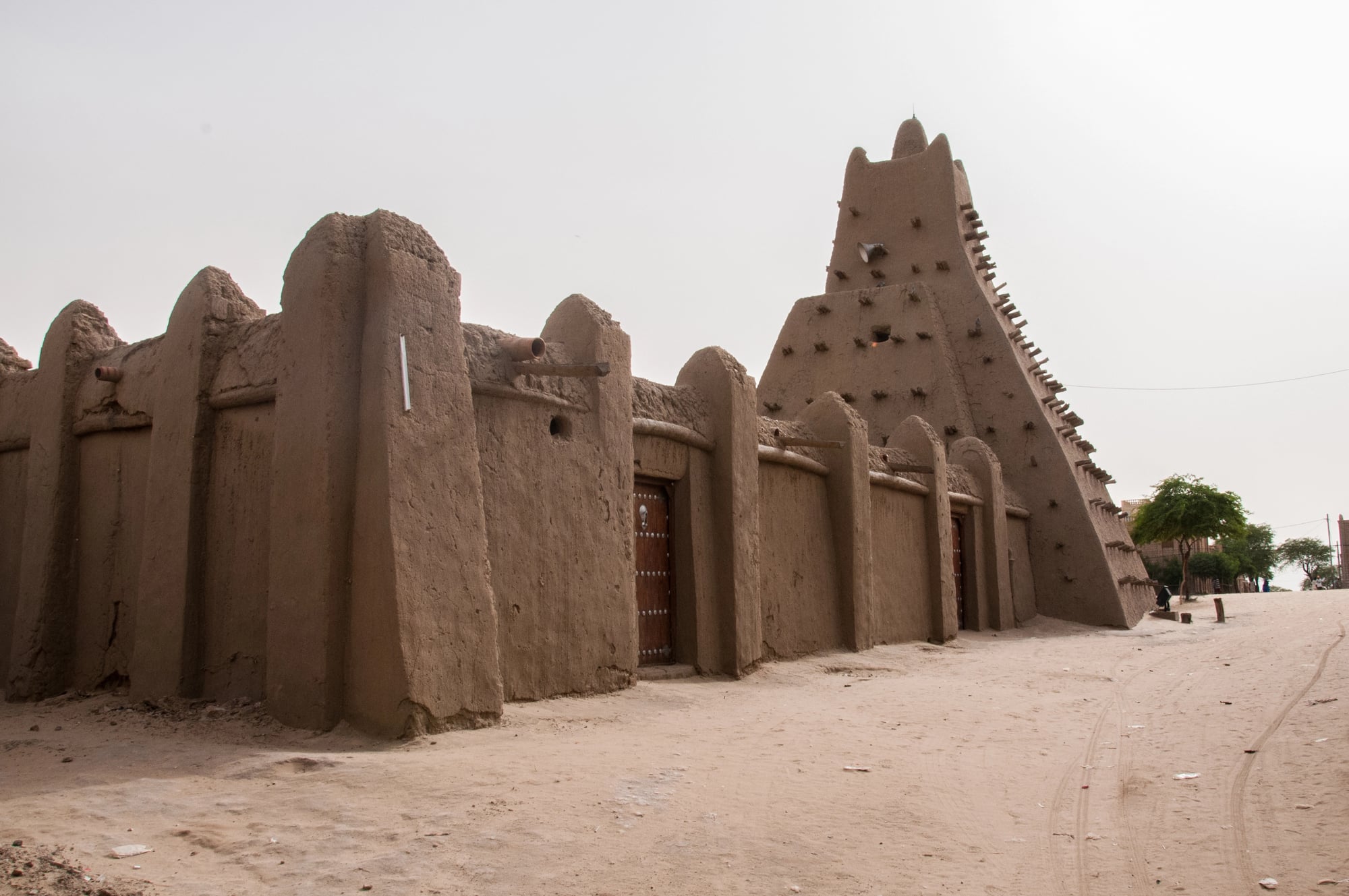
Sonni Ali was the first great emperor of the Songhai Empire, which at its peak was one of the largest empires in African history. He conquered Timbuktu in 1468 and Djenné in 1475, transformed Gao into a major imperial capital, and established the administrative structures that the later Songhai Empire would use.
He ruled for thirty years and expanded his territory continuously throughout. But because he maintained the traditional religious practices of the Songhai people rather than Islamic observance, Islamic scholars at Timbuktu wrote unflattering accounts of him, and those accounts became the primary sources.
His successor Askia Muhammad, who was Muslim, is better documented and consequently far better known.
Mavia (Arab Queen, C. 370–380 CE)

Mavia was queen of the Tanukhid federation of Arab tribes in the Sinai and Palestine region, and she led a successful military campaign against the Eastern Roman Empire that resulted in a peace negotiated on her own terms — including the appointment of a specific monk, Moses, as bishop for her people.
Roman sources describe her as formidable enough that when the Goths attacked Constantinople in 378 CE, Mavia’s cavalry was sent to help defend the city.
She maintained a settled peace with Rome for the remainder of her reign. She is mentioned in sources by Theodoret, Sozomen, and Rufinus — then disappears.
Stefan Dušan (Serbian Empire, Ruled 1331–1355)
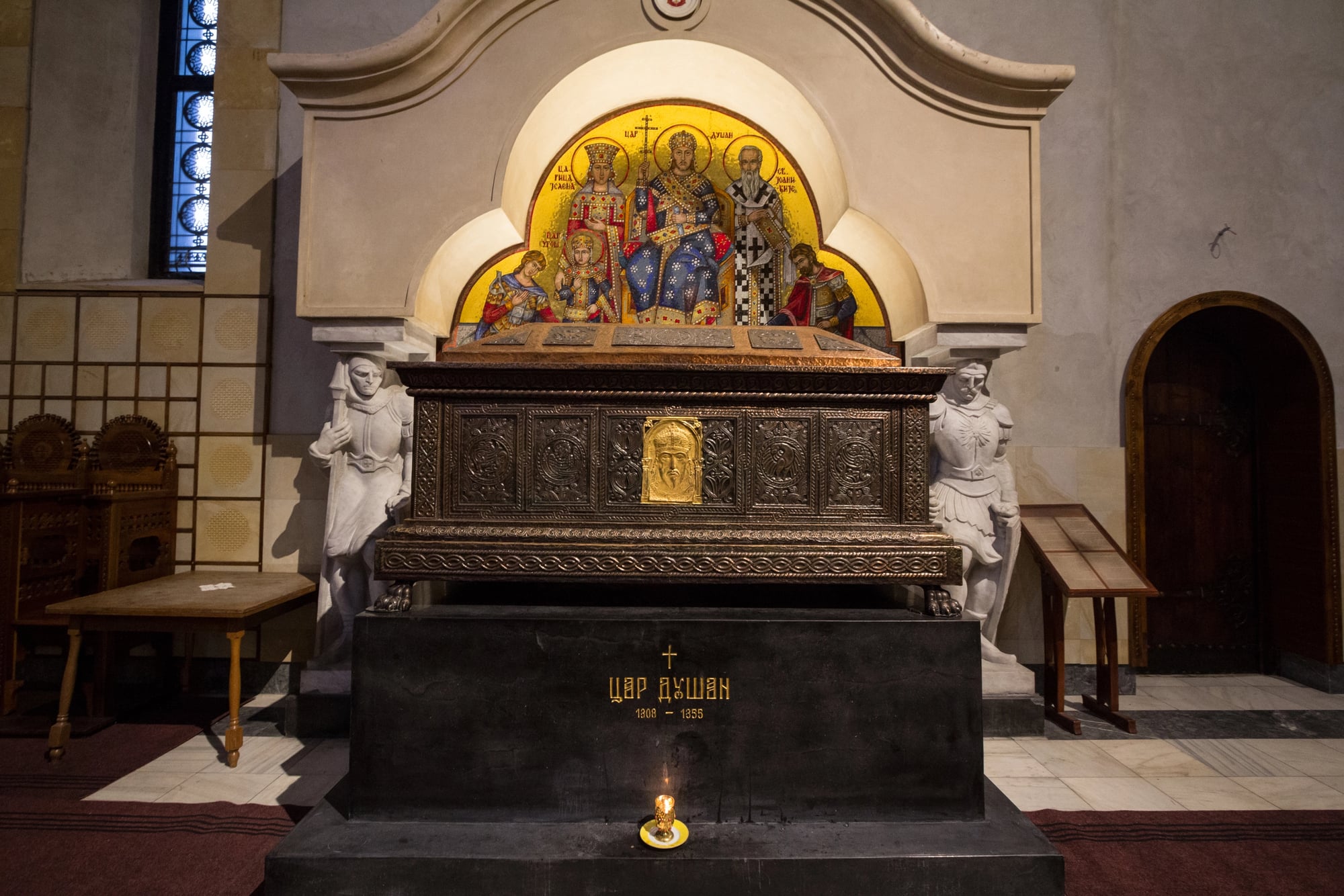
Stefan Dušan expanded Serbia to its greatest territorial extent, stretching across most of the Balkans and incorporating parts of modern Albania, North Macedonia, Greece, and Bulgaria.
He had himself crowned Emperor of the Serbs and Greeks in 1346 and introduced a comprehensive legal code — Dušan’s Code — that influenced Balkan law for centuries.
His empire simply collapsed after his death in 1355, unable to sustain its structure without him. Outside Serbia, where he remains a significant national figure, his name is essentially unknown.
Pyrrhus of Epirus (Ruled 306–272 BCE)
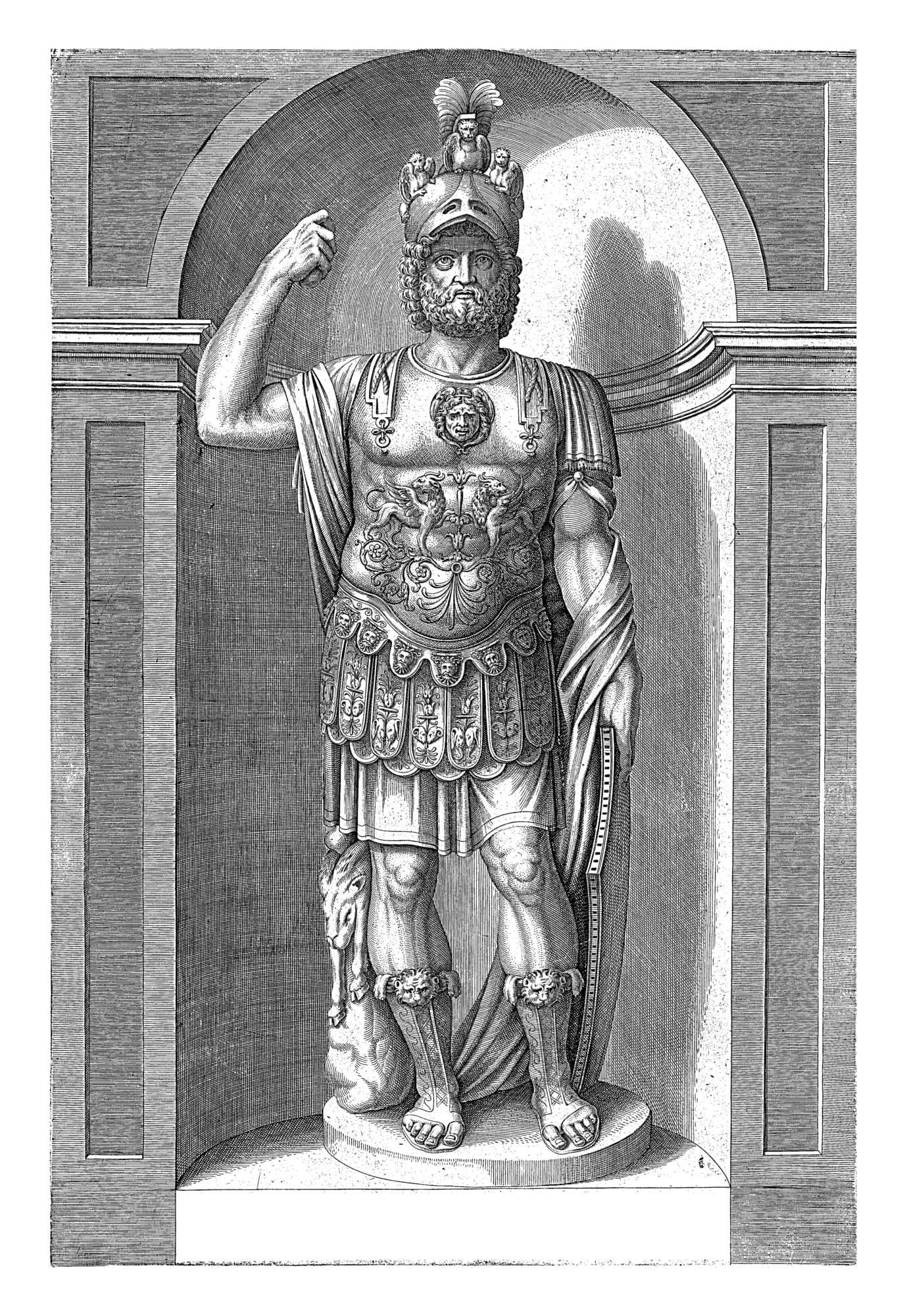
Pyrrhus was considered by Hannibal — a man qualified to judge — to be the greatest general who ever lived, ahead of both Alexander and himself.
He ruled the kingdom of Epirus in northwestern Greece and at various points controlled Sicily, Macedonia, and southern Italy. His Italian campaigns against Rome caused the Romans genuine military difficulty, though his victories came at such high cost that they gave the language a new term: a Pyrrhic victory.
He was killed in 272 BCE by a roof tile dropped on his head by an old woman during street fighting in Argos.
His kingdom evaporated quickly after his death, and he is remembered today, when he is remembered at all, mainly for the phrase his campaigns coined.
Imru’ Al-Qays (Pre-Islamic Arab Poet-King, C. 501–544 CE)

Imru’ al-Qays was a king of the Kindah confederation of Arab tribes and is considered the greatest poet of the pre-Islamic period, with one of his odes — the Mu’allaqat — recognised as the finest Arabic poem ever written.
He spent years attempting to recover his kingdom after his father was murdered by a rival tribe, travelling to the Byzantine court to seek military assistance.
He died without recovering his throne. The empire he sought to reclaim covered much of the Arabian Peninsula and was one of the largest Arab confederations of its era.
His political career is almost entirely unknown to everyone who has not specifically studied pre-Islamic Arabia.
Liu He (Western Han Dynasty, 74 BCE)
Liu He was emperor of China for exactly twenty-seven days in 74 BCE — sufficient time to be deposed by powerful court officials who found him insufficiently controllable.
What makes his case remarkable is that archaeologists excavating a tomb in Jiangxi province in 2011 discovered a burial so lavish — containing over ten thousand artefacts — that it could only belong to a figure of exceptional imperial status.
The inscriptions confirmed it was Liu He. He had spent the rest of his life as the Marquis of Haihun, stripped of the imperial title, but evidently not stripped of his wealth.
The discovery transformed understanding of a figure who had been one line in the dynastic records for two thousand years.
Urraca Of León (Ruled 1109–1126)

Urraca was Queen of León, Castile, Galicia, and Asturias — essentially the ruler of the largest Christian state in the Iberian Peninsula — at a time when no woman in Europe was supposed to hold such a position.
She fought a civil war against her second husband, Alfonso I of Aragon, whom she eventually separated from; navigated relentless pressure from the Church, the nobility, and rival claimants; and managed to maintain her kingdom intact for seventeen years.
She has been described by some historians as having laid the groundwork for the eventual Spanish monarchy. She is rarely mentioned in any standard history of medieval Europe.
Artemisia I Of Caria (C. 480 BCE)
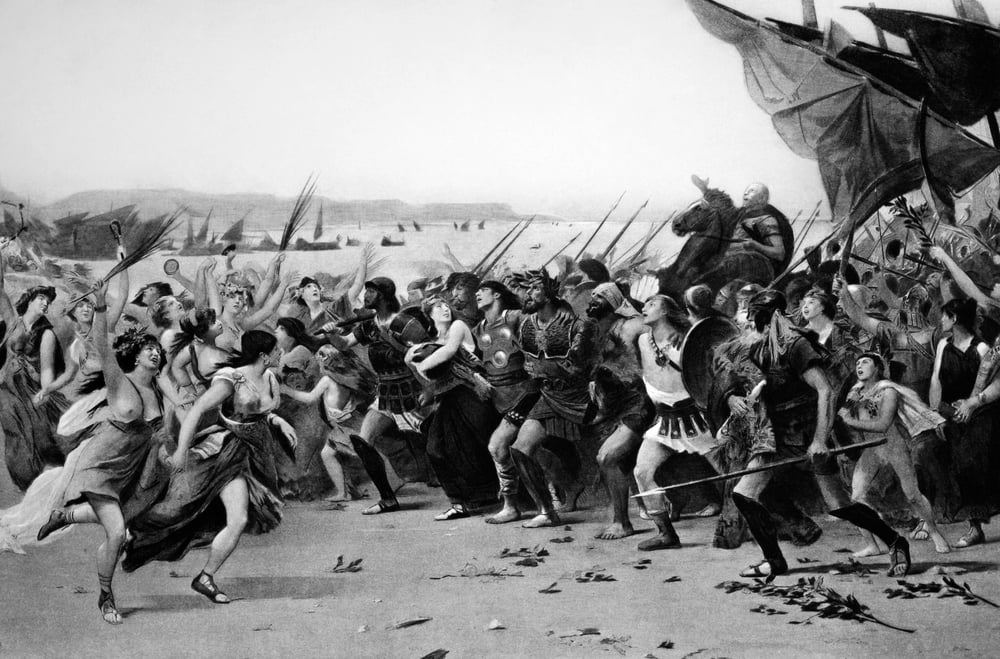
Artemisia was queen of Halicarnassus and a client of the Persian king Xerxes.
At the Battle of Salamis in 480 BCE, she personally commanded five ships in the Greek fleet’s decisive defeat of the Persian navy — as a Persian ally, fighting against other Greeks.
Herodotus, who came from the same city, wrote admiringly of her and credits her with advising Xerxes to withdraw after Salamis rather than risk further losses, counsel that Xerxes acknowledged as his best advice even though he did not follow it.
She remains one of the very few women documented as commanding a naval force in ancient warfare.
Kanishka I (Kushan Empire, C. 127–150 CE)
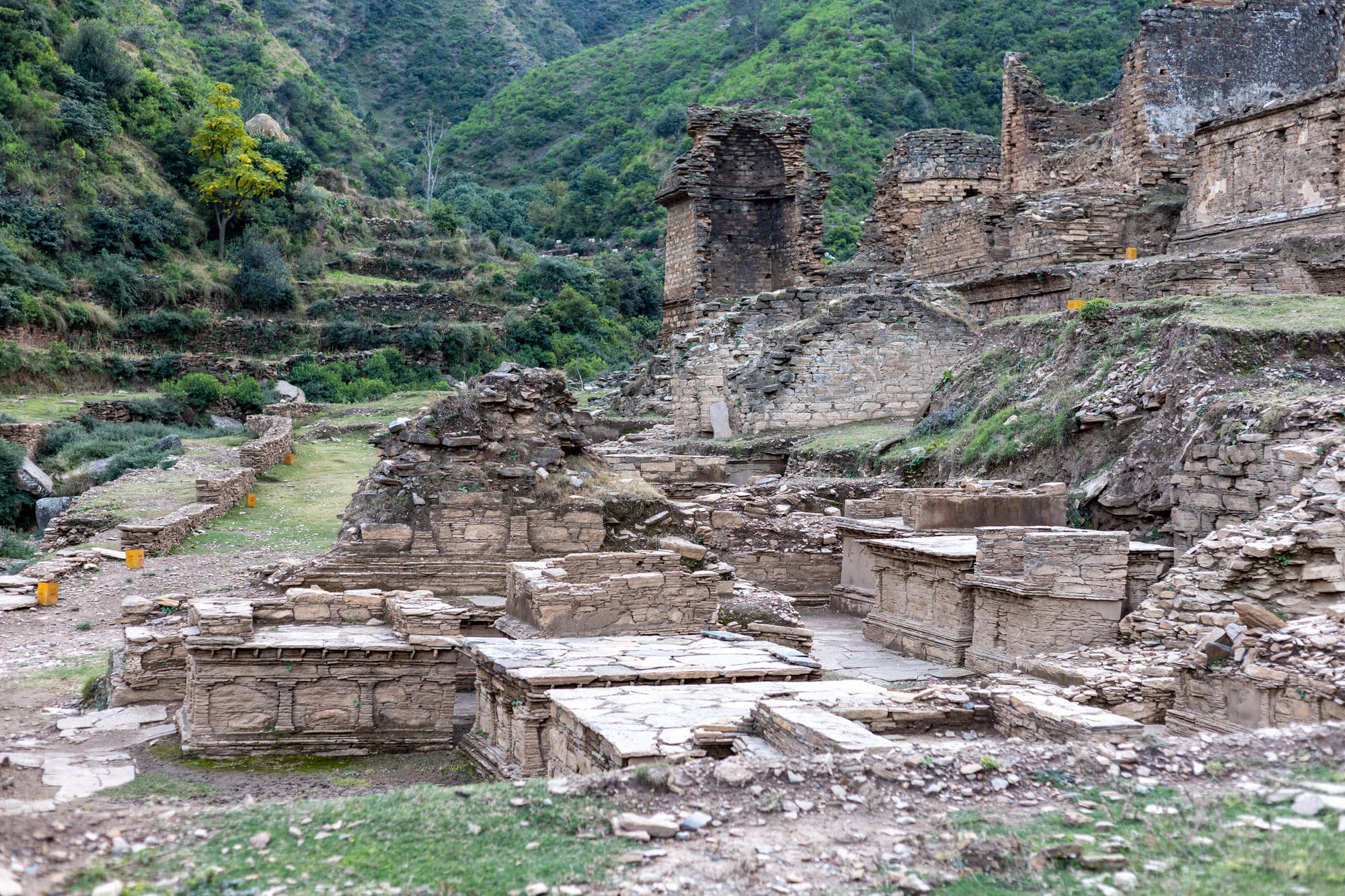
Kanishka I ruled the Kushan Empire at its height, controlling territory stretching from the Aral Sea through Afghanistan and Pakistan into northern India.
His empire sat at the crossroads of the Silk Road and was the conduit through which Buddhism entered Central Asia and China.
He convened a major Buddhist council, commissioned translations of scriptures, and appears on coins alongside both Greek and Indian deities — a visual record of the empire’s extraordinary multicultural character.
His empire rivalled Rome and China in scope and influence. He is almost entirely absent from the standard Western historical curriculum.
Ezana Of Aksum (Ethiopia, C. 320–360 CE)

Ezana was the Aksumite emperor who converted to Christianity, making Aksum one of the first states in the world to adopt it as an official religion — likely before or contemporary with Rome’s adoption under Constantine.
He conducted successful military campaigns that extended Aksumite control deep into Arabia and the interior of Africa.
He left inscriptions in Greek, Ge’ez, and South Arabian scripts that document his campaigns and conversion.
The Aksumite Empire he led was one of the four great powers of the fourth-century world, alongside Rome, Persia, and the Kushan Empire.
He is well known in Ethiopia but essentially unknown elsewhere.
Yohl Ik’nal (Maya, Ruled 583–604 CE)
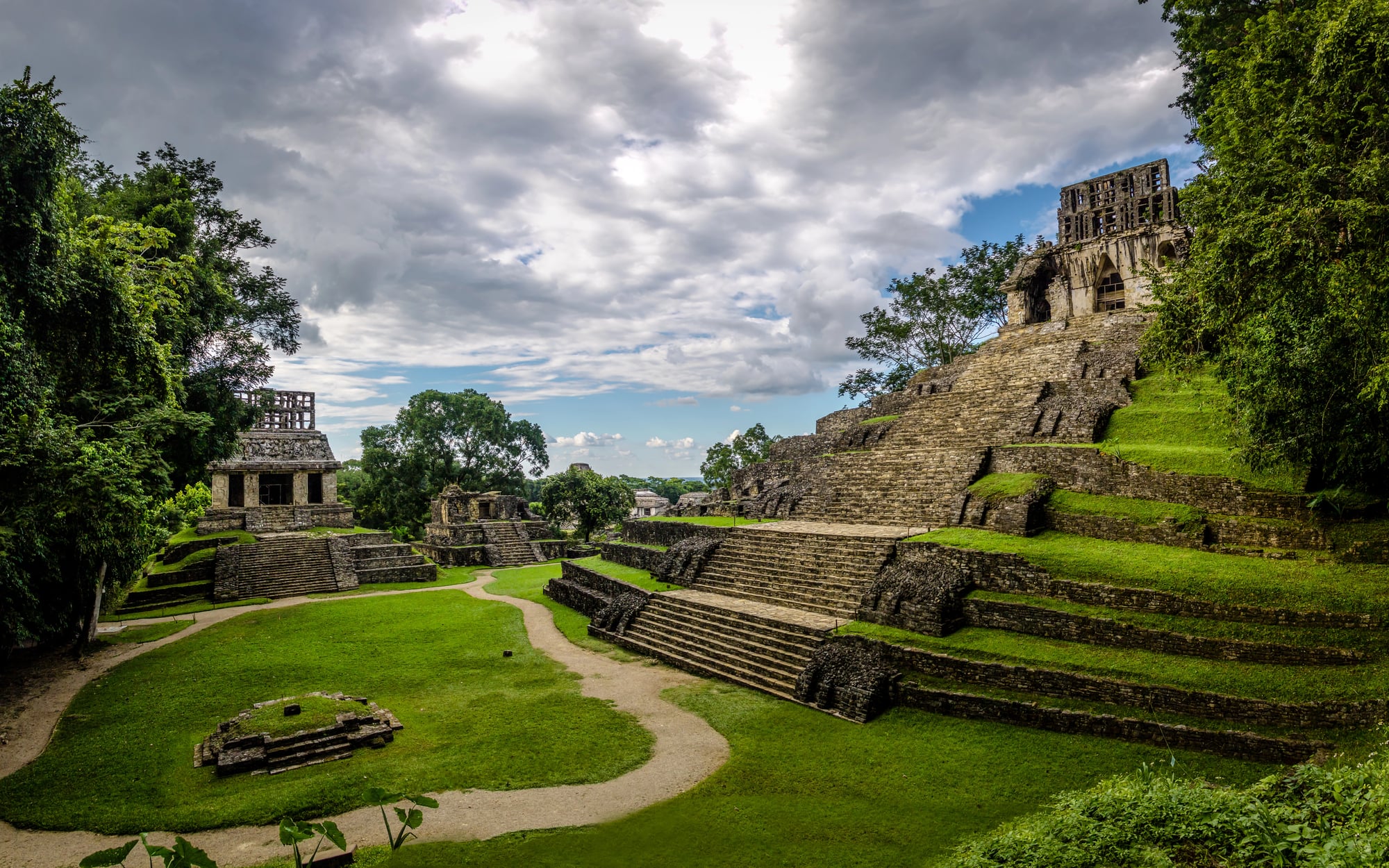
Yohl Ik’nal was the queen of Palenque, a major city-state in the Maya world, and ruled for over twenty years.
She is remarkable not only for being a woman who ruled in her own right in a culture where this was exceedingly rare, but because two major military defeats by rival cities occurred during her reign — suggesting that enemies deliberately targeted Palenque because they believed a woman ruler represented a weakness they could exploit.
The city survived both attacks. Yohl Ik’nal left inscriptions that were only deciphered in the late twentieth century, and her existence only became known to scholarship when epigraphers broke the Maya script.
Priya Of The Pallava Dynasty (India, C. 7th Century CE)
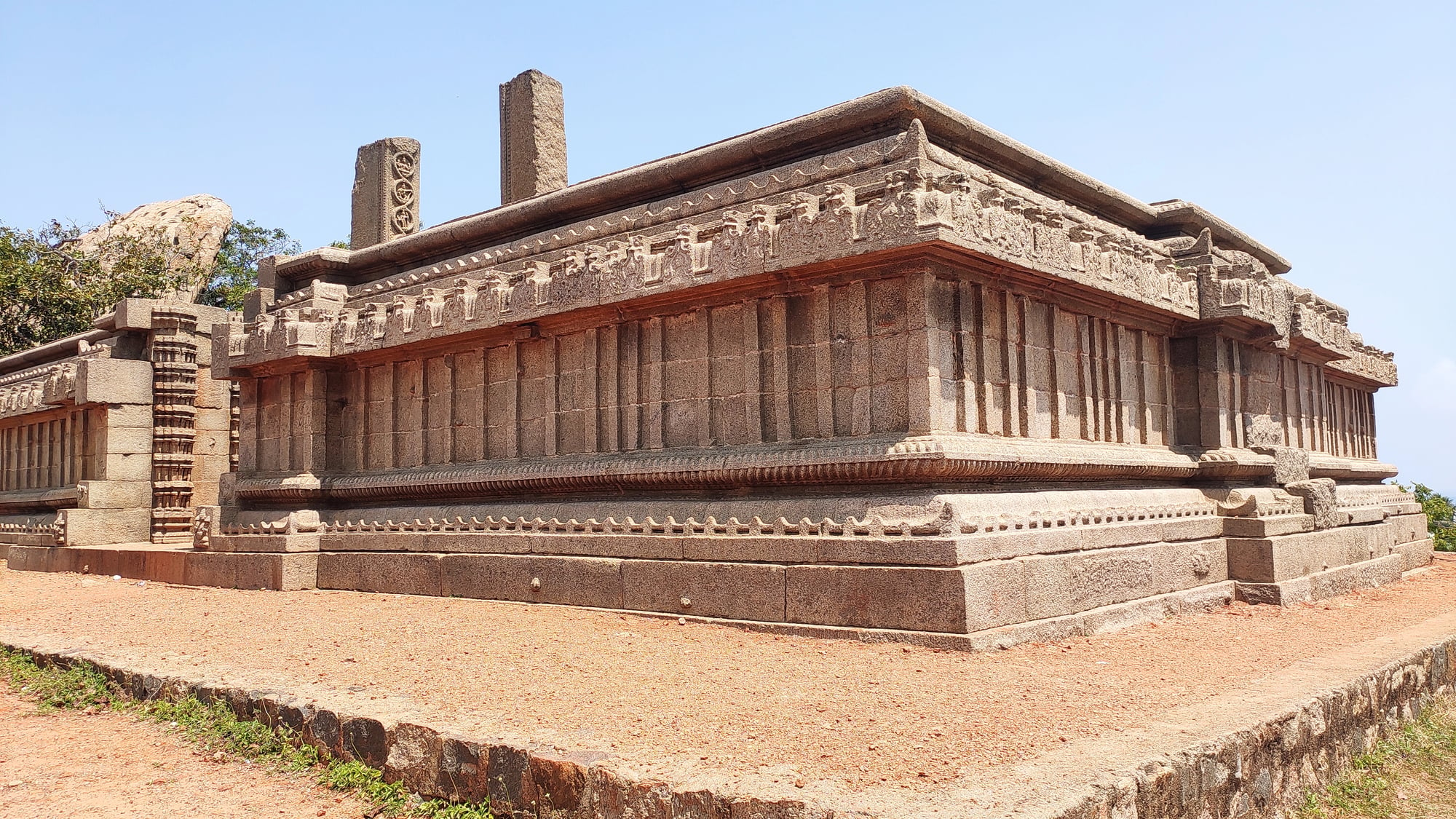
The Pallava Dynasty of southern India produced some of the most extraordinary architecture in the subcontinent — the Shore Temple at Mahabalipuram, the rock-cut Pancha Rathas, and elaborately carved cave temples.
The rulers who commissioned these structures are known by their dynastic names and titles but their individual characters, motivations, and governance are poorly documented outside specialist scholarship in South Asian history.
Their architectural legacy is world-famous. Their names are not.
Sennacherib’s Successors In Assyria (7th Century BCE)
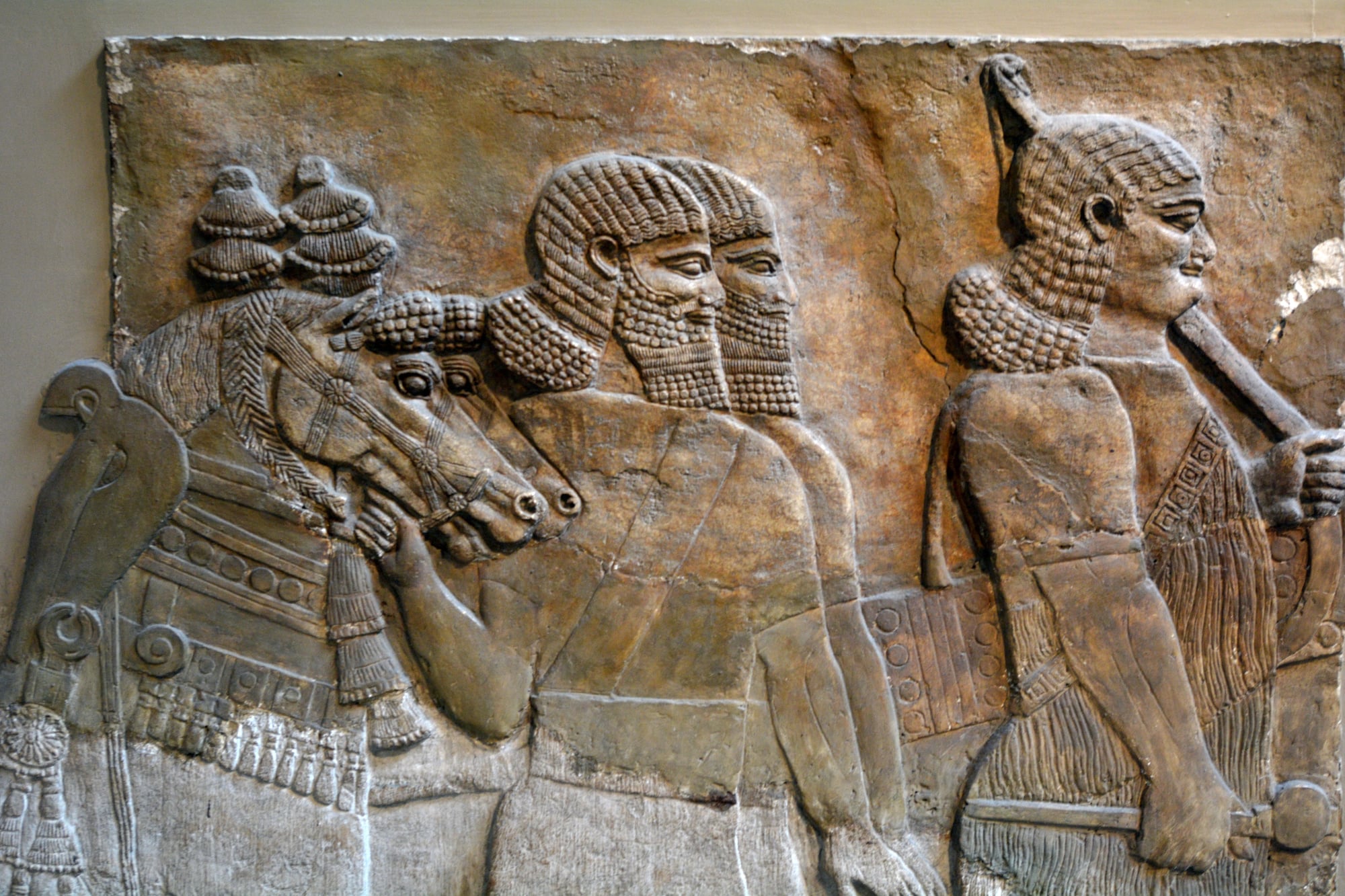
When Sennacherib was assassinated by his own sons in 681 BCE, a succession crisis followed that resulted in Esarhaddon taking the throne.
Esarhaddon went on to conquer Egypt — the only Assyrian ruler to do so — yet he remains nearly unknown outside specialist Assyriological scholarship, his name overshadowed by the biblical prominence of Sennacherib and the later Assyrian kings who destroyed Nineveh.
Bardiya / Smerdis (Achaemenid Persia, 522 BCE)
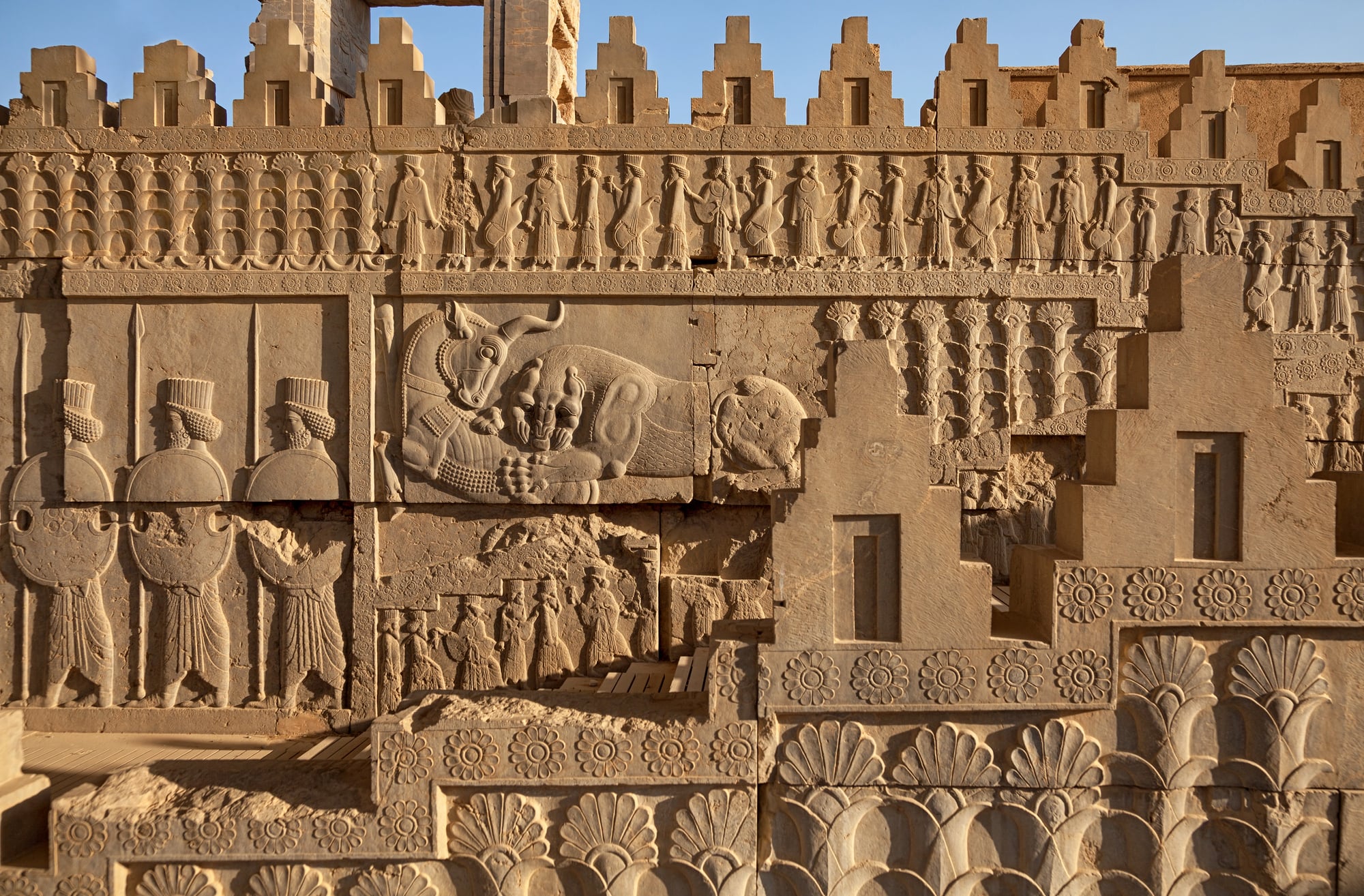
Bardiya was the younger brother of the Persian king Cambyses II.
Either he ruled the Achaemenid Empire for several months in 522 BCE, or — as Darius the Great later claimed — he was murdered years earlier and was impersonated throughout this period by a Median magus named Gaumata.
Darius had excellent reasons to promote the impersonator theory, since it justified his own seizure of power as a liberation rather than a coup.
Whether Bardiya was a genuine ruler or a ghost ruler invented by Darius to cover the tracks of a regicide remains one of the most unresolved questions in ancient Persian history.
Kahina (North Africa, C. 690–702 CE)

The Kahina — meaning “the prophetess” — was a Berber queen who led the resistance against the Arab conquest of North Africa for several years at the end of the seventh century.
She defeated the Umayyad general Hassan ibn al-Nu’man in battle in approximately 688 CE and drove Arab forces back into Libya.
She was eventually defeated and killed around 702 CE. Arab sources describe her with respect that coexists uneasily with their accounts of her defeat.
Her actual name is unknown — Kahina was a title. She controlled much of what is now Algeria and Tunisia.
She appears in no standard history of the period taught in European or American schools.
Wari Emperor Pachacamac-Era Rulers (Peru, C. 600–1000 CE)
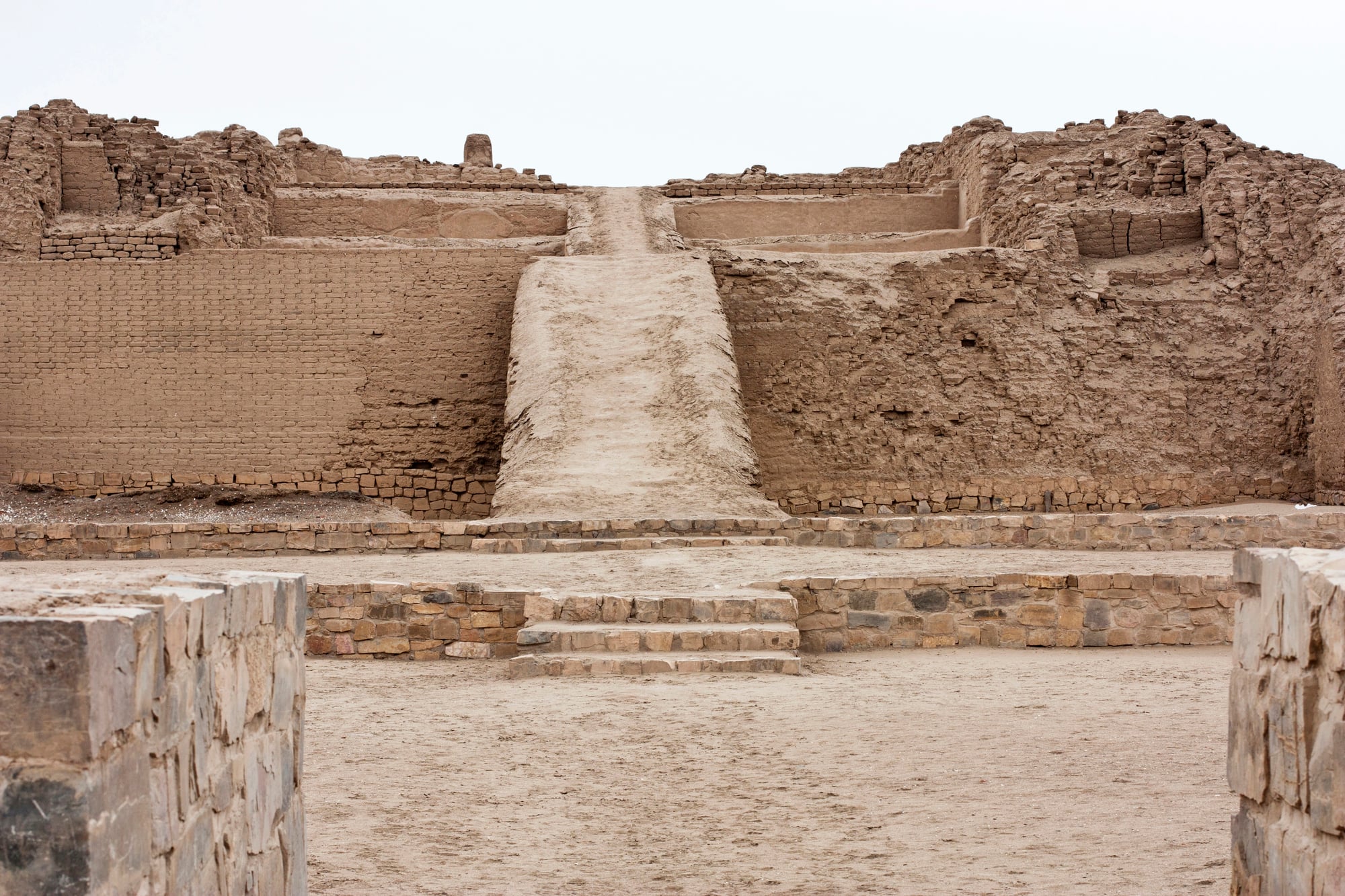
The Wari Empire was the first major expansionist empire in Andean South America — preceding the Incas by several centuries and establishing road networks, administrative systems, and artistic traditions that the Inca later adopted and built upon.
The Wari left no written records, and their rulers’ names are therefore entirely lost.
The people who built these systems, governed for four centuries, and created infrastructure that shaped the subsequent thousand years of Andean civilisation are simply nameless.
Ivan VI Of Russia (Ruled 1740–1741)
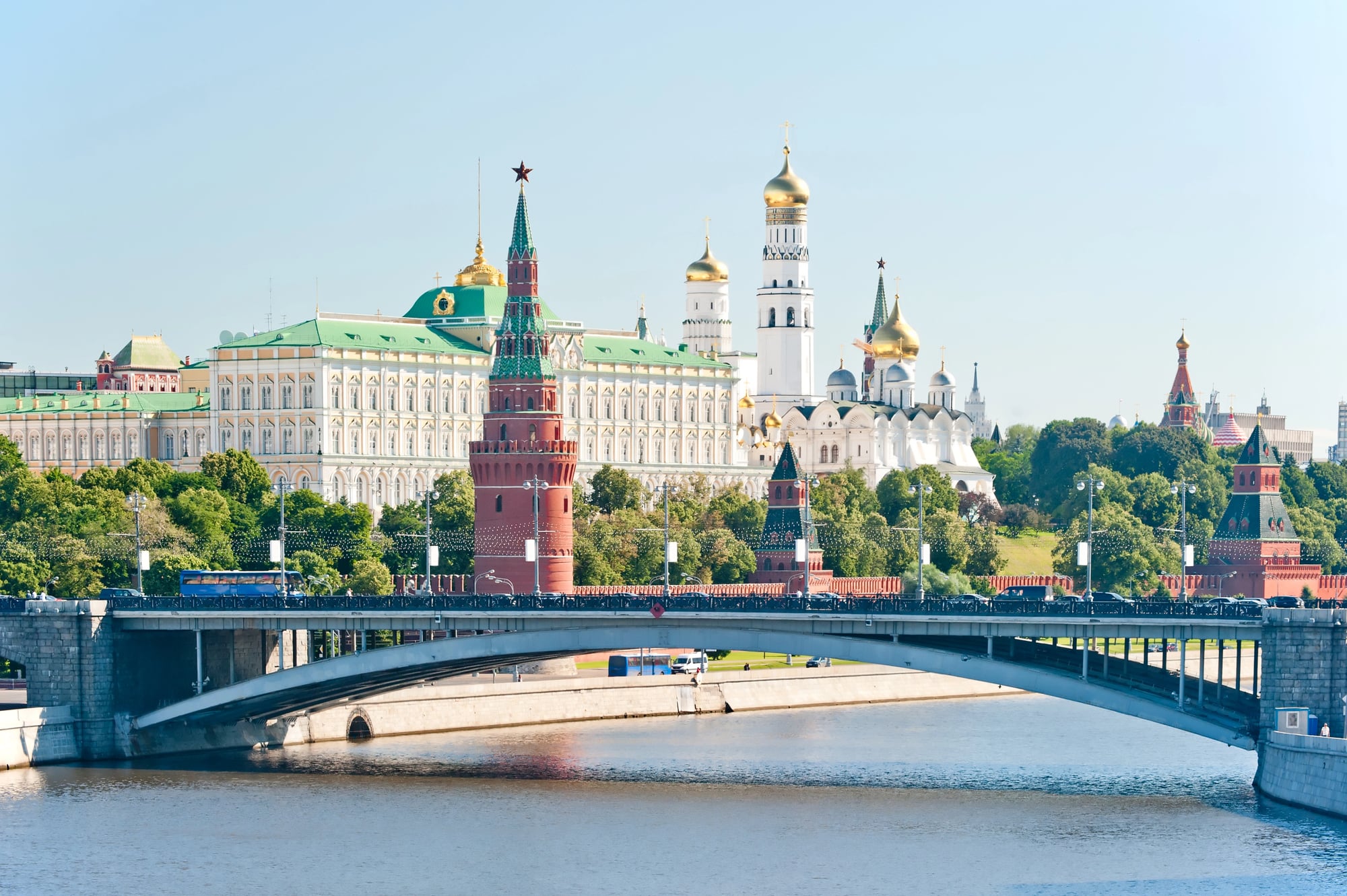
Ivan VI became emperor of Russia at the age of two months and was deposed by a coup eleven months later that brought Elizabeth, daughter of Peter the Great, to the throne.
He spent the next twenty-three years in solitary confinement, first as a child prisoner, then as a young man kept in complete isolation.
He was murdered in his cell in 1764 when a rescue attempt was made.
Elizabeth’s government worked to suppress all records and images of his reign. Coins bearing his name were recalled. His portraits were destroyed.
For decades after his death, acknowledging that he had ever existed was a dangerous act.
Samudragupta (Gupta Empire, India, C. 335–375 CE)
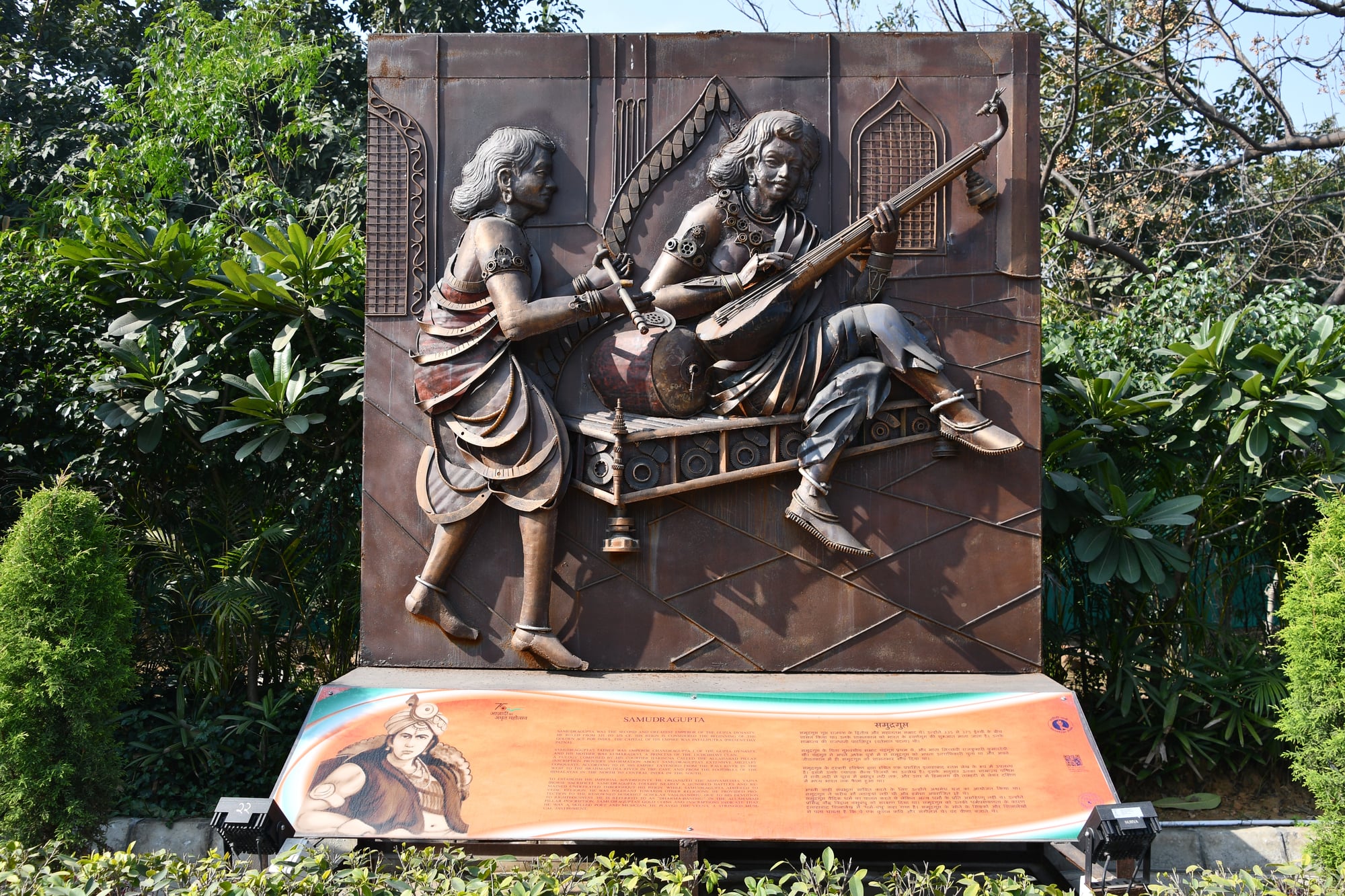
Samudragupta spent his entire reign in military campaigns that extended the Gupta Empire across most of the Indian subcontinent — defeating nine kings in the north, compelling fourteen southern kings to submission, and bringing the far frontier territories to the northwest under his influence.
A remarkable inscription on the Ashokan Pillar at Allahabad, composed in ornate Sanskrit, records these campaigns with poetic detail.
It describes him as a poet, musician, and scholar as well as a conqueror. He is sometimes called the Napoleon of India by historians who specialise in the period.
He is unknown to almost everyone else.
Musa Keita II (Mali Empire, Ruled 1374–1387)
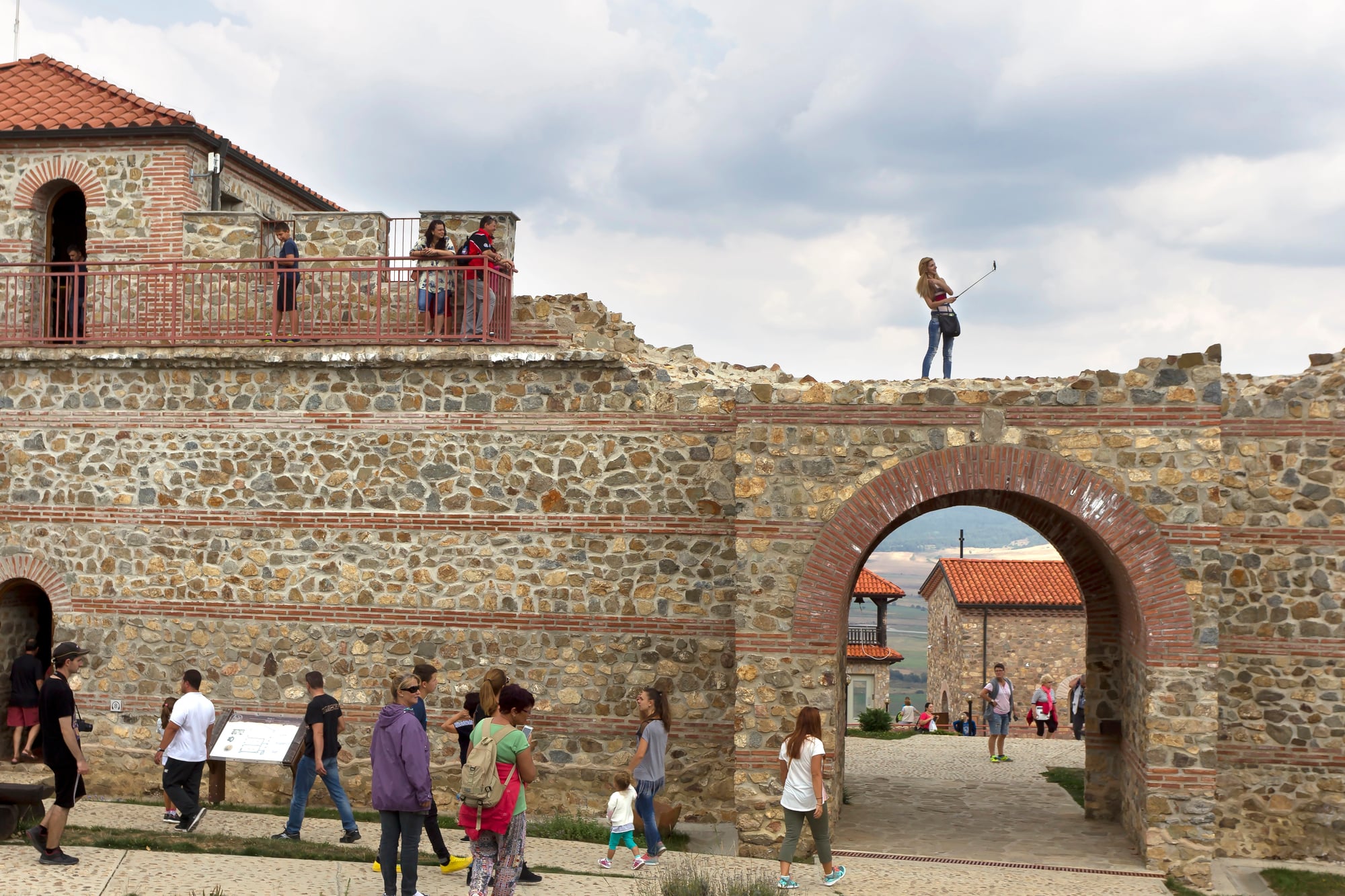
Mansa Musa I — the famous pilgrim to Mecca whose 1324 hajj distributed so much gold that it depressed the price of the metal across the Middle East for a decade — is now famous.
His great-nephew Musa Keita II, who became Mansa a generation later and ruled an empire still vast if declining, is entirely forgotten.
He governed a territory the size of western Europe, suppressed internal rebellions, and attempted to hold together an empire already fraying at its edges.
He died in 1387. He is a footnote in scholarship focused on the more famous Mansa.
Khutulun (Mongol Empire, C. 1260–1306)
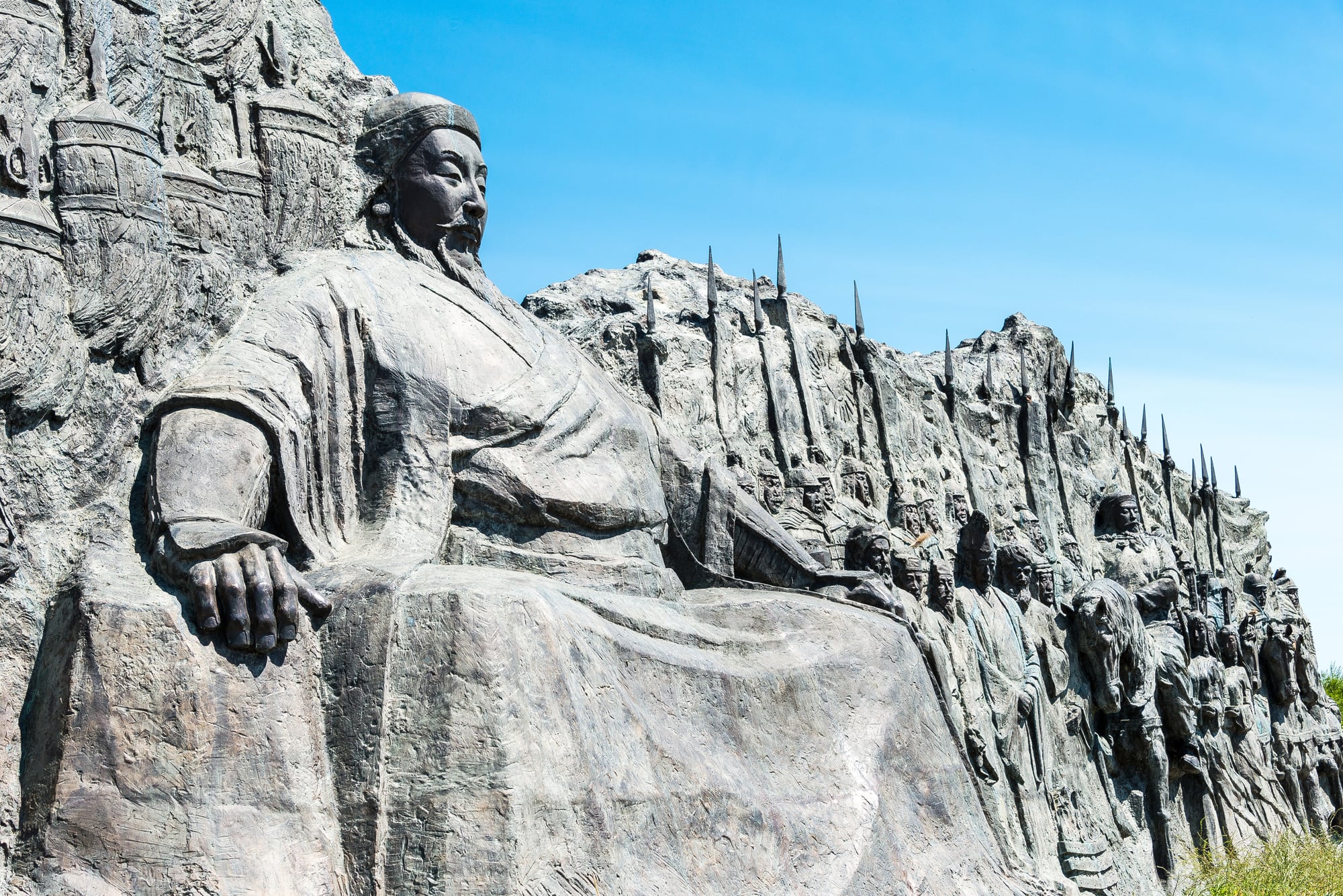
Khutulun was a Mongol princess and military commander, niece of Kublai Khan, and by contemporary accounts one of the most formidable warriors in the Mongol world.
She fought alongside her father Kaidu, who controlled Central Asia, in his long dispute with Kublai.
She had a standing challenge: she would marry any man who could defeat her at wrestling, staking her own horses against theirs.
She is said to have collected over ten thousand horses from those she defeated. Marco Polo mentioned her.
She was considered a serious candidate to succeed her father. She appears in no standard account of the Mongol Empire.
Amina Of Zaria (West Africa, C. 1576–1610)

Amina was a warrior queen of the Hausa city-state of Zazzau in what is now Nigeria, and she expanded its territory considerably through military campaigns conducted over decades.
She is credited in oral tradition with introducing the cultivation of kolanut to the region and with constructing the system of earthwork fortifications — the famous Hausa walls — that surrounded her encampments as she moved through conquered territory.
Some of these earthworks are still visible.
The extent to which the traditional accounts of her campaigns represent accurate history versus embellishment is debated, but her existence and her military activity are treated as historical by most scholars of the period.
The Invisibility Of Erasure
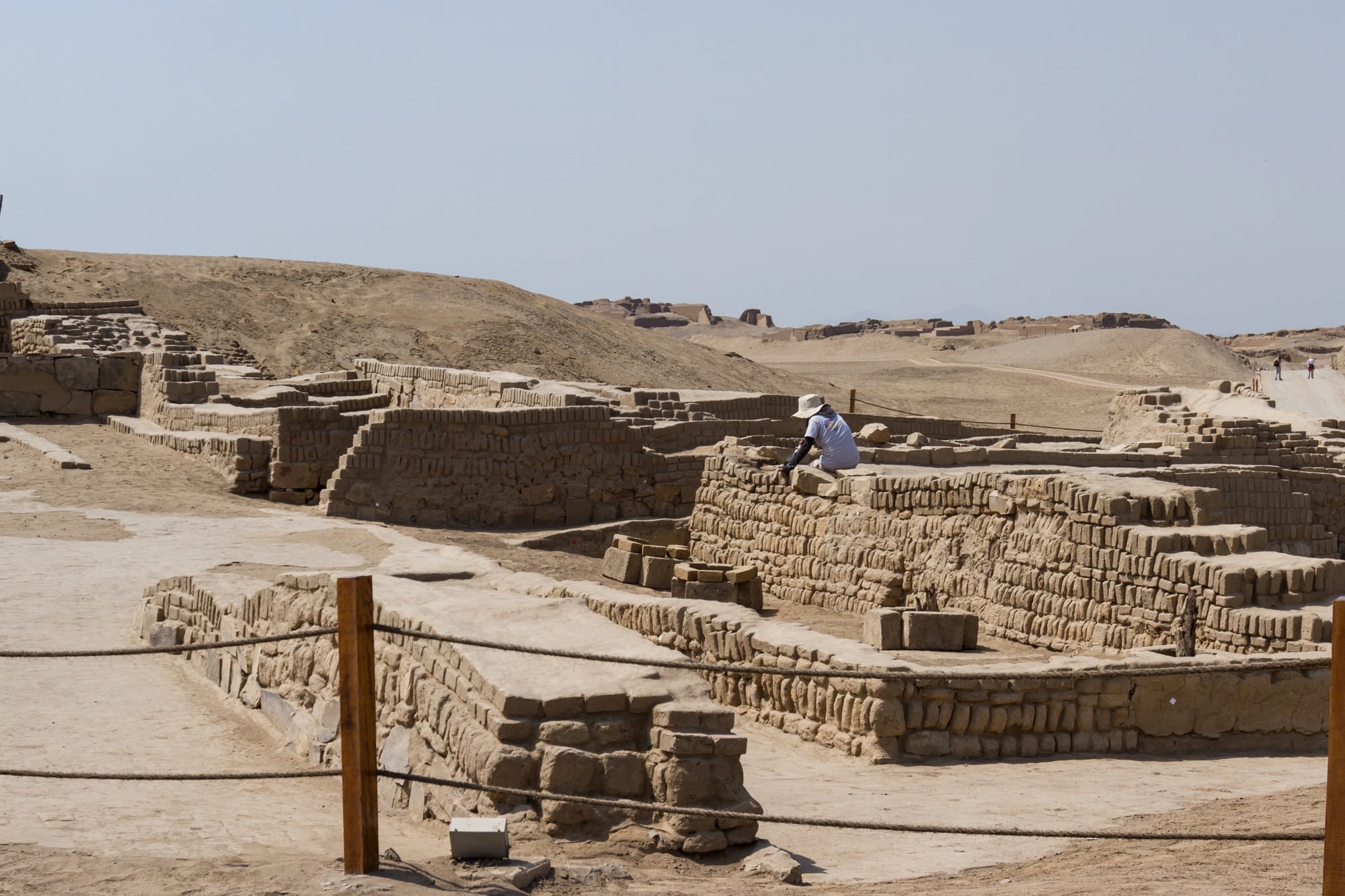
The striking thing about all of these rulers is that their erasure was not random. It followed patterns.
Female rulers were disproportionately suppressed by successors who found their existence inconvenient. Rulers associated with heterodox religion were systematically removed.
Rulers on the losing side of a succession crisis were quietly absorbed into the winner’s timeline.
Rulers whose empires left no literate class to record them simply vanished.
What the record preserves is not greatness. It preserves legibility — the names and acts that happened to be written down, by people with reasons to write them, using materials that survived.
Most of history is elsewhere: in the stones of buildings whose builders are unnamed, in the administrative structures of empires whose founders are erased, in the languages, roads, and religions of civilisations whose rulers nobody remembers any more.
More from Go2Tutors!

- The Romanov Crown Jewels and Their Tragic Fate
- 13 Historical Mysteries That Science Still Can’t Solve
- Famous Hoaxes That Fooled the World for Years
- 15 Child Stars with Tragic Adult Lives
- 16 Famous Jewelry Pieces in History
Like Go2Tutors’s content? Follow us on MSN.



