Most Unique Flags in World History Explained
Flags aren’t just fabric—they’re identity stitched into colour and symbol. Some tell stories of rebellion or hope.
Others are just wonderfully strange. Across centuries, nations, kingdoms, and even pirates have waved banners that broke every design rule imaginable. Below are some of the most unique flags in world history, each with a story that goes far beyond its stripes and shapes.
Nepal
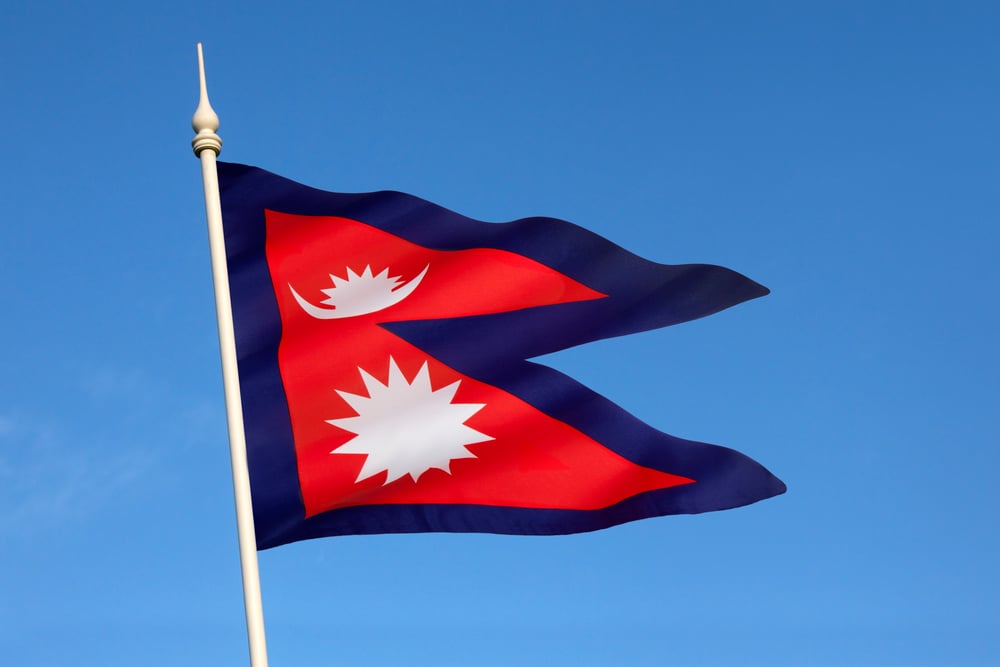
The only national flag that isn’t rectangular and is still in use. Red and sharp, two stacked triangles with a blue outline.
Each stands for the two main religions, Buddhism and Hinduism, as well as the Himalayan peaks. As long as both celestial bodies are shining, the moon and sun symbols promise endurance.
At the UN, it appears strange next to a row of rectangles, but that’s sort of the point. The flag of Nepal defies convention.
Mozambique

Few flags include an AK-47. Mozambique’s does. The weapon sits across a hoe and a book, symbolising defence, agriculture, and education.
It’s a blunt reminder of the country’s war for independence. Still, there’s beauty in its honesty.
No abstract shapes, no soft metaphors—just the tools that built (and defended) a nation.
Like Go2Tutors’s content? Follow us on MSN.
Libya (1977–2011)
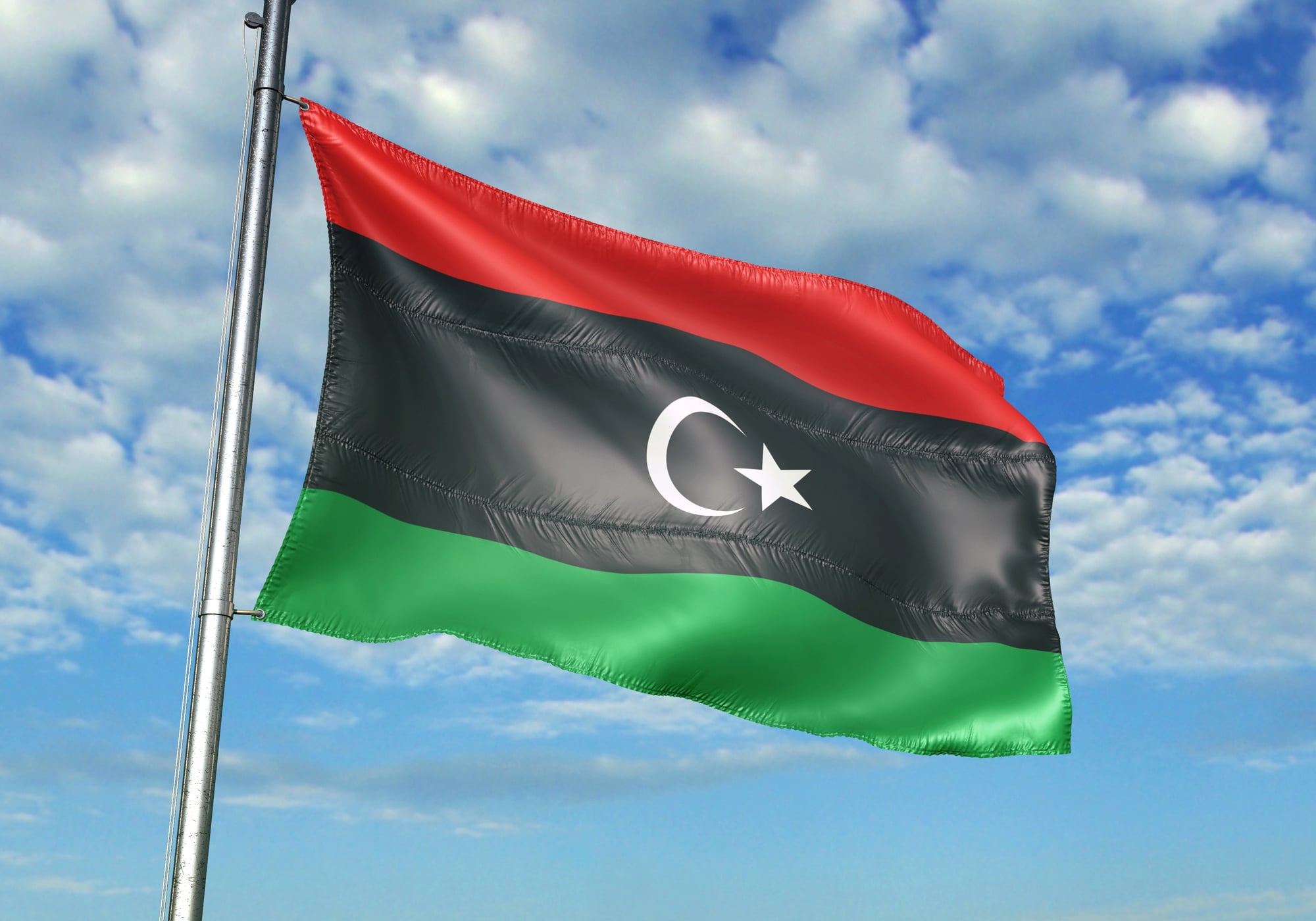
Once upon a time, Libya’s flag was entirely green. No crest, no lines, not even a border.
Just green. It represented Islam, prosperity, and Gaddafi’s political philosophy. And yes, it was literally impossible to fly upside down.
Simple to the point of absurdity—yet weirdly powerful in its boldness.
The Isle of Man

A triskelion—three armoured legs radiating from a centre—spins in the middle of a red field. It’s unsettling and hypnotic, like something from ancient mythology.
The design dates back centuries and has survived Viking invasions, British rule, and modern tourism slogans. Odd detail: the knees bend the “wrong” way, depending on which version you look at.
Try not to stare too long.
Bhutan

Half orange, half yellow, diagonally divided with a white dragon crawling across. Its claws clutch jewels, said to symbolise wealth and security.
The dragon—“Druk,” the Thunder Dragon—represents the nation’s spirit. It’s dramatic, unapologetically mythical, and surprisingly elegant in motion.
And that dragon? It has teeth.
Like Go2Tutors’s content? Follow us on MSN.
Greenland

A white and red design, but not a copy of Denmark’s. Instead of a cross, it has a circle divided horizontally—half red, half white—set slightly off-center.
The red represents the sun, the white the ice and snow. There’s something almost Japanese about its calm minimalism.
Fitting for a place defined by extremes—cold, light, and silence.
The Jolly Roger
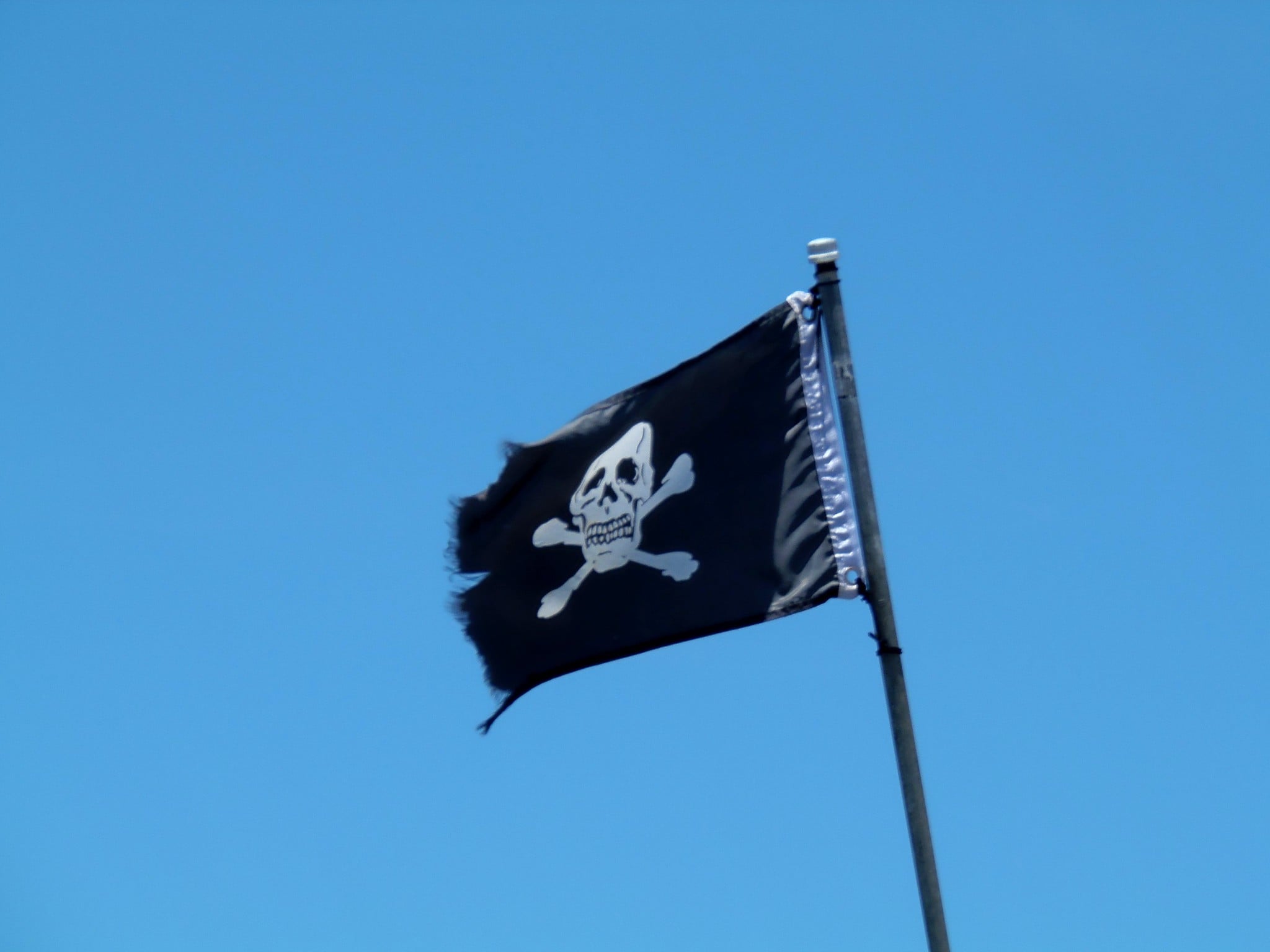
Not a country’s flag, but infamous all the same. Black background, skull, crossbones, and sometimes an hourglass.
Pirate ships used it to warn enemies: surrender, or else. Each captain added their twist—
• Some used skeletons with spears.
• One added a whole devil holding a dart.
Macabre, yes—but effective branding before “branding” was a word.
The Soviet Union
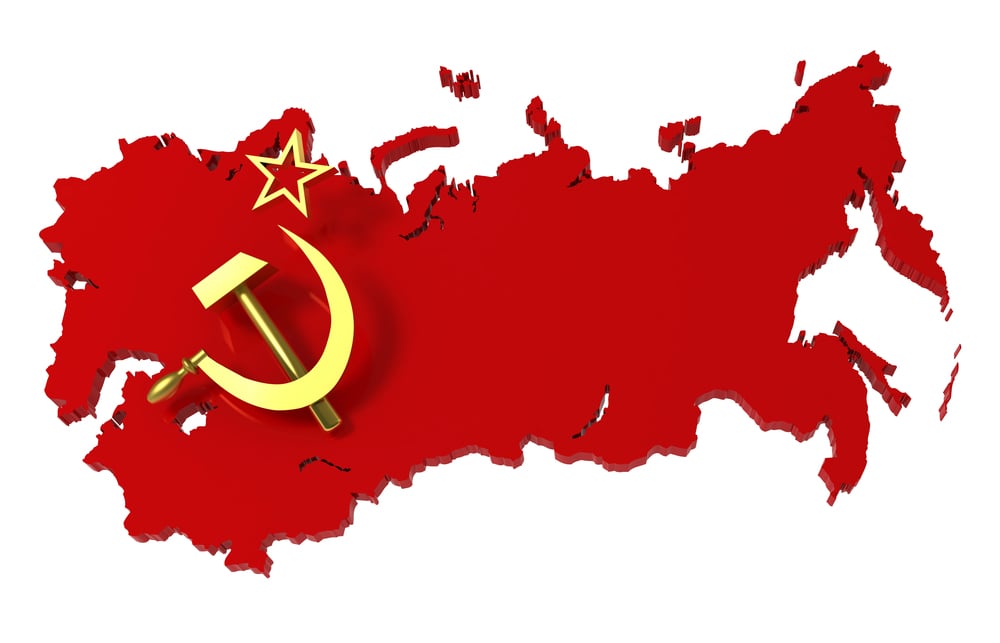
Vibrant red with a sickle and golden hammer. One of the most recognizable—and politically charged—symbols in history.
Though its simplicity made it memorable, the design also conveyed important messages about labor, unity, and revolution. It’s clean, well-balanced, and packed with meaning, and it has a strangely artistic quality.
It still evokes a mixture of nostalgia and uneasiness.
Like Go2Tutors’s content? Follow us on MSN.
Symbols That Outlived Their Makers

Flags fade, burn, and change. But their ideas—freedom, faith, defiance, pride—linger far longer than cloth.
Some of these designs vanished centuries ago, others still fly today. All of them, in their own strange way, remind us that a few colours and shapes can carry entire histories on the wind.
More from Go2Tutors!

- 16 Historical Figures Who Were Nothing Like You Think
- 12 Things Sold in the 80s That Are Now Illegal
- 15 VHS Tapes That Could Be Worth Thousands
- 17 Historical “What Ifs” That Would Have Changed Everything
- 18 TV Shows That Vanished Without a Finale
Like Go2Tutors’s content? Follow us on MSN.