30 Old Coins in Jars Worth More Than Face Value
Most of the change rattling around in an old mason jar is exactly what it looks like: spare pocket change, worth precisely what’s stamped on it. A small number of specific dates, mint marks, and manufacturing errors are worth dramatically more, sometimes hundreds or thousands of times their face value, and most people pouring out a jar of old coins have no idea what they’re actually holding.
Value always depends heavily on condition and authentication.
1943 Bronze Lincoln Cent
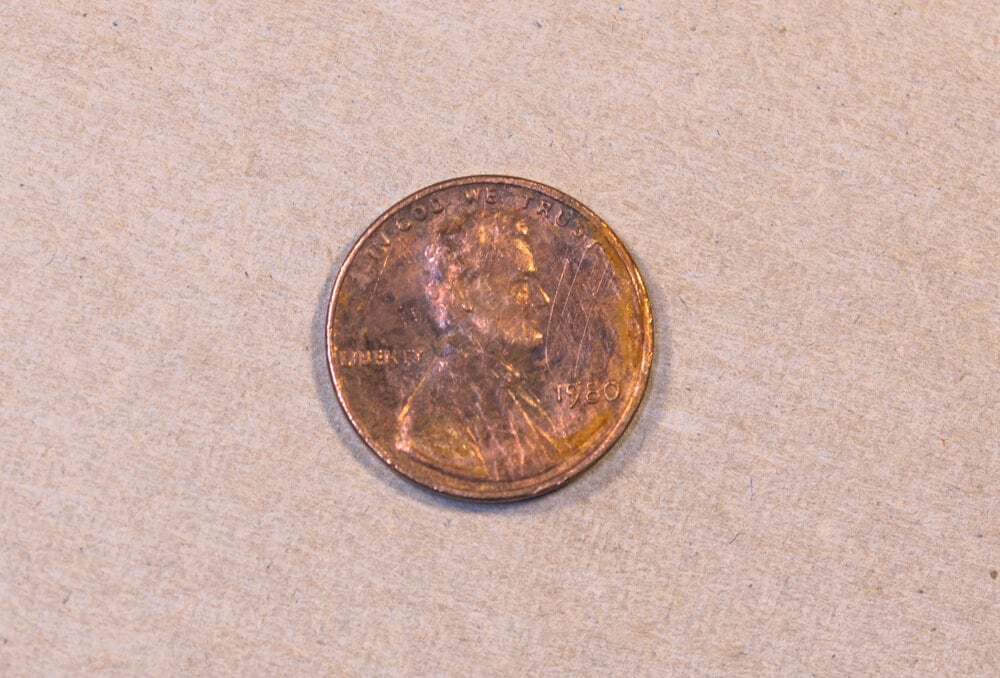
The US Mint switched to zinc-coated steel cents in 1943 to conserve copper for the war effort, but a small number of bronze planchets left over from 1942 accidentally got struck with the new date. Genuine examples are exceptionally rare and routinely draw serious attention from dealers, though the coin is also one of the most commonly counterfeited error coins in existence, so authentication matters enormously.
1943-D Bronze Lincoln Cent
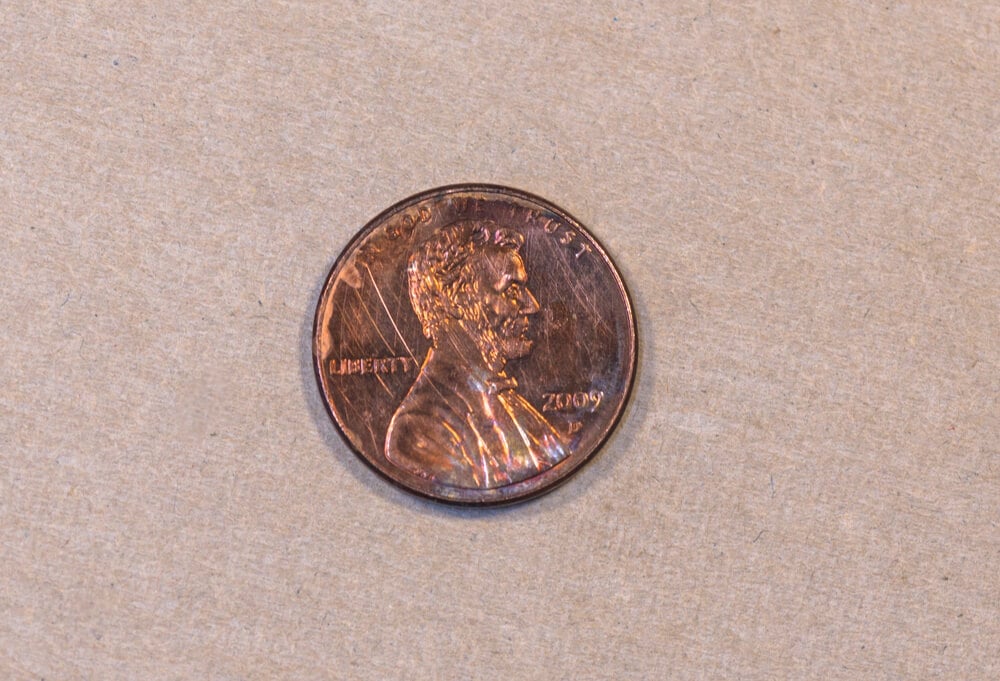
An even rarer version of the same wartime planchet error, struck at the Denver mint, with only a single confirmed authentic example known to exist. Its extraordinary scarcity puts it in a different category entirely from the already-rare Philadelphia version of the same mistake.
1955 Doubled Die Lincoln Cent
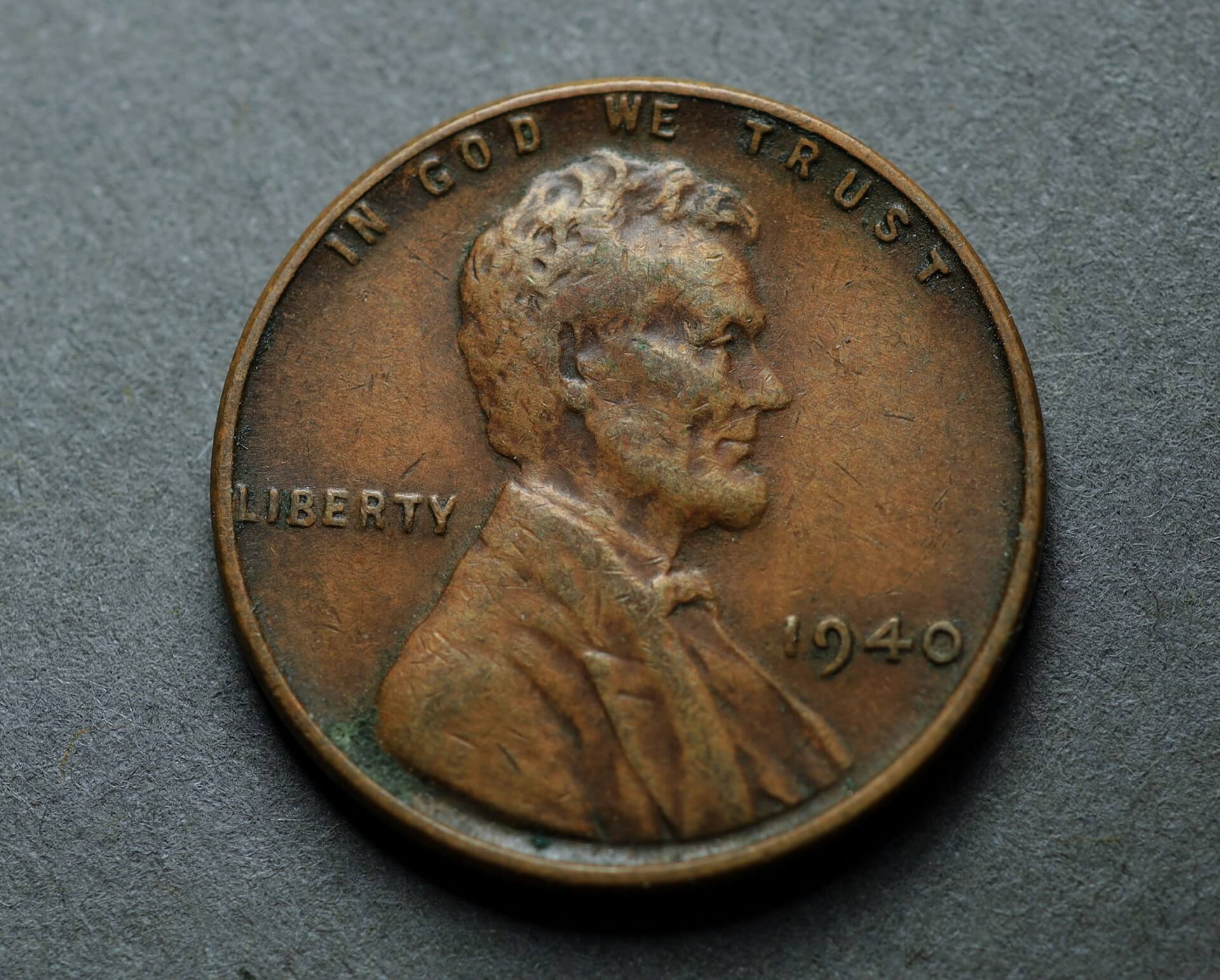
A minting error caused the date and lettering on this cent to appear visibly doubled, a flaw noticeable even without magnification. It slipped past quality control and entered circulation in real numbers before the mint caught the problem, meaning genuine examples do occasionally still turn up in old collections and jars.
1909-S VDB Lincoln Cent
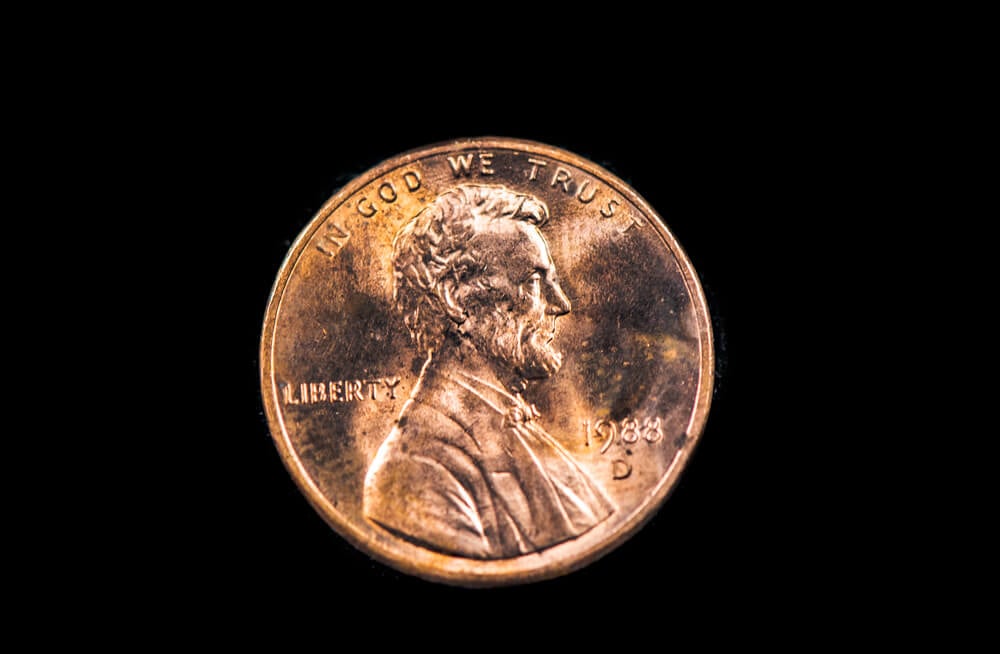
The first year of the Lincoln cent included the designer’s initials, V.D.B., prominently on the reverse, a detail the mint removed later that same year after public objection to their visibility. Combined with a limited San Francisco mint run, that narrow window makes this one of the most consistently sought-after dates in the entire Lincoln cent series.
1922 “No D” Lincoln Cent
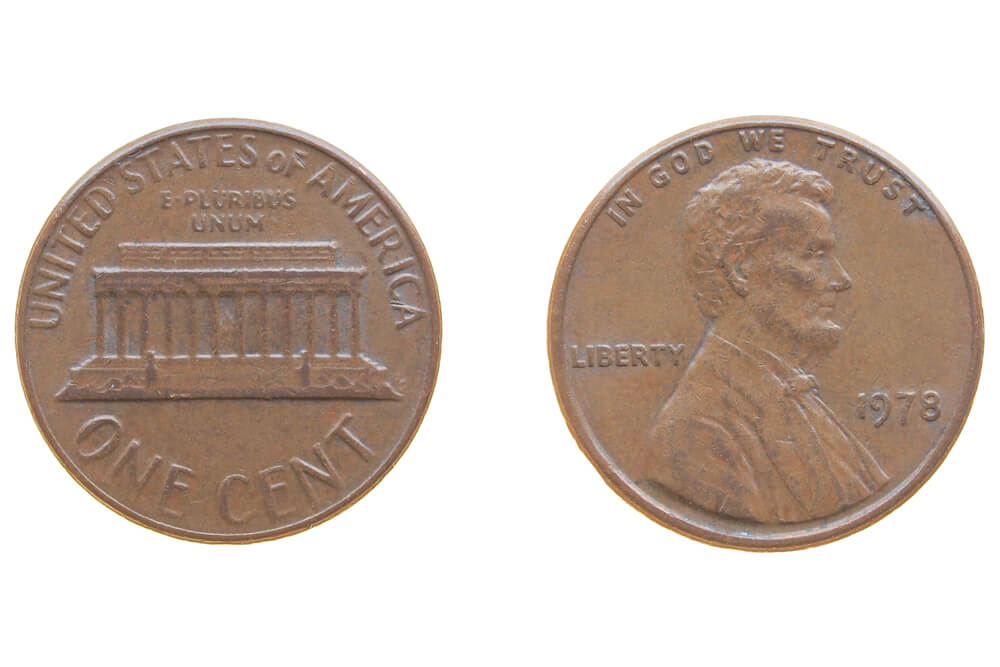
A worn die at the Denver mint caused some 1922 cents to be struck without a visible mint mark, an error that resulted from a specific production problem rather than intentional design. Since Denver was the primary mint using the ‘D’ mint mark for cents that year while Philadelphia produced unmarked cents, an authentic no-mint-mark example with a weakened or missing die represents a genuine anomaly from Denver rather than a normal variety.
1972 Doubled Die Lincoln Cent
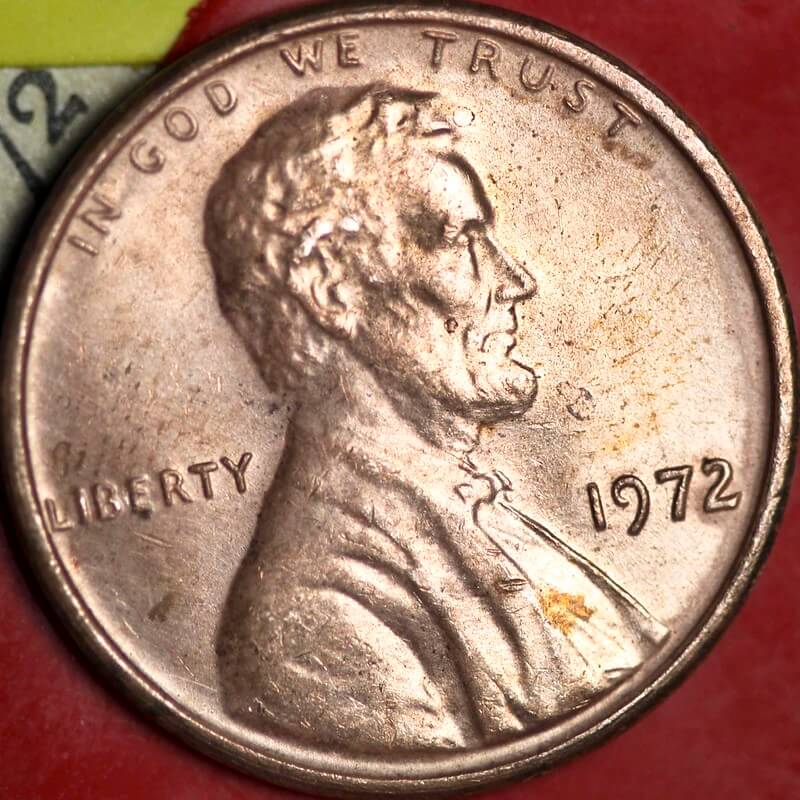
Similar to the 1955 error, this later doubled die variety shows clearly duplicated lettering on the coin’s obverse, visible without magnification to a careful eye. It entered circulation in meaningful numbers, making it one of the more findable doubled die errors for someone actually searching through old change.
1969-S Doubled Die Lincoln Cent
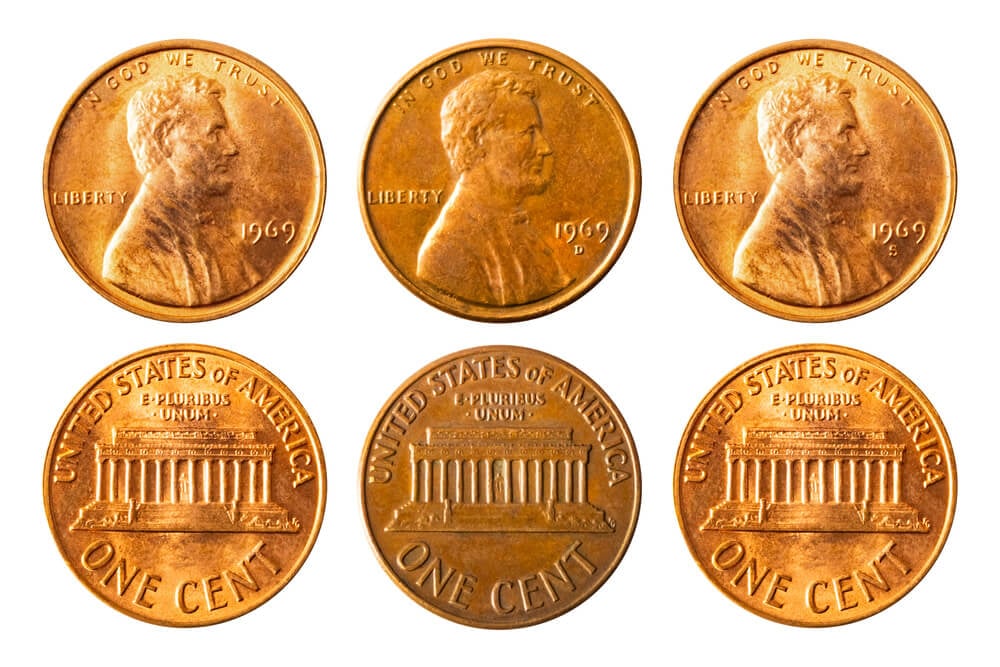
A San Francisco mint doubling error considerably rarer than its 1955 and 1972 counterparts, with far fewer confirmed authentic examples known. Its scarcity relative to other doubled die cents makes genuine specimens a significant find whenever one surfaces.
1970-S Small Date Lincoln Cent
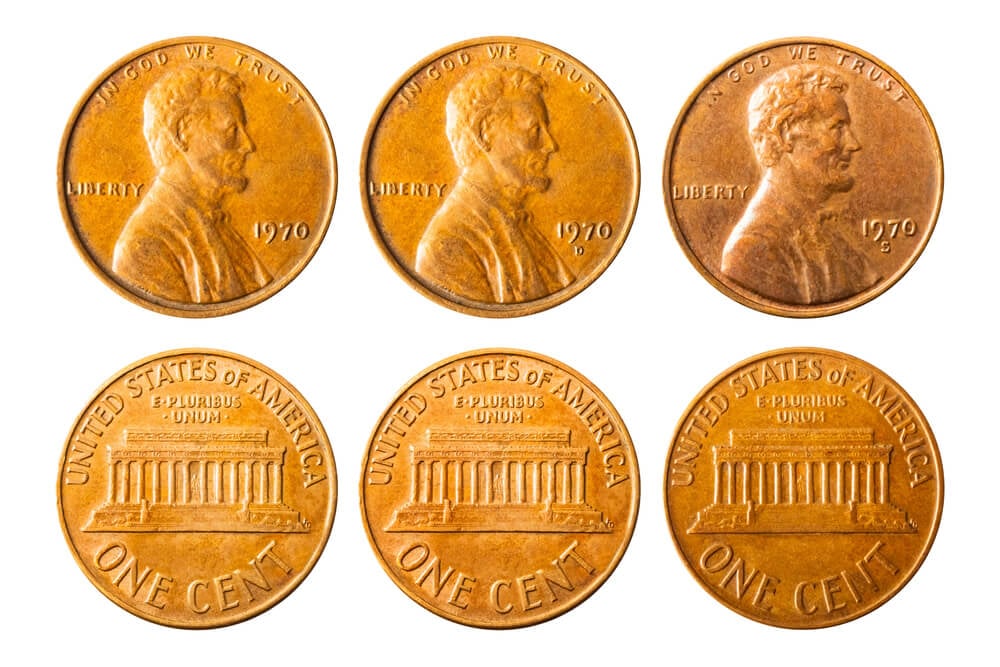
A subtle variation in the size and style of the date numerals separates this variety from the more common large date version struck the same year. The difference is easy to miss without a side-by-side comparison, which is exactly why genuine examples still occasionally surface unrecognized in old coin jars.
1999 Wide “AM” Lincoln Cent
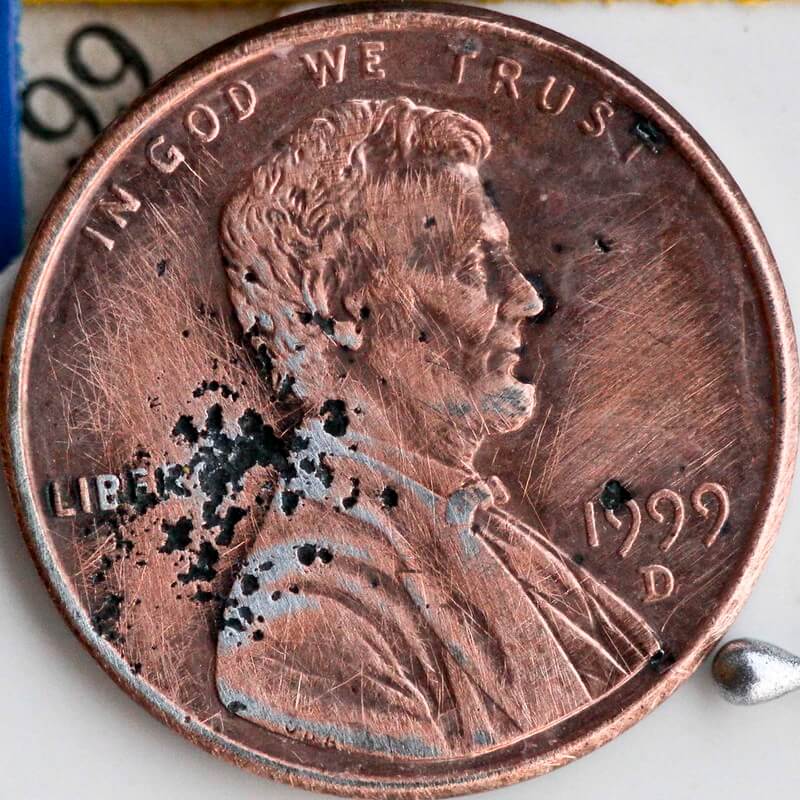
A design change to the reverse lettering created two distinct spacing varieties between the letters “A” and “M” in “AMERICA,” and the rarer wide-spacing version was intended only for proof coins before some escaped into regular circulation strikes. Its recent date makes it one of the more surprising entries on any list of valuable coins, since most people assume anything from the late twentieth century is automatically common.
1937-D Three-Legged Buffalo Nickel
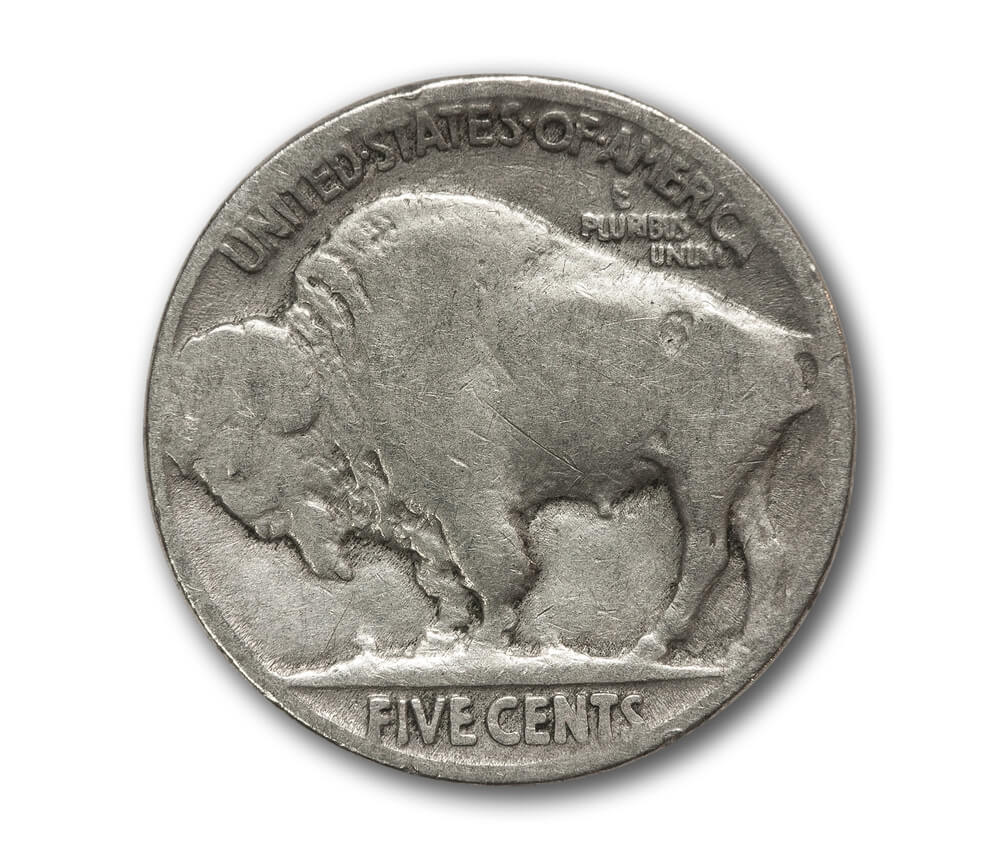
An overpolished die at the Denver mint accidentally removed one of the bison’s legs from the design, creating an unmistakable and instantly recognizable error. Its visual distinctiveness has made it one of the most famous error coins in American numismatics, well known even among people who don’t collect coins regularly.
1918/17-D Buffalo Nickel
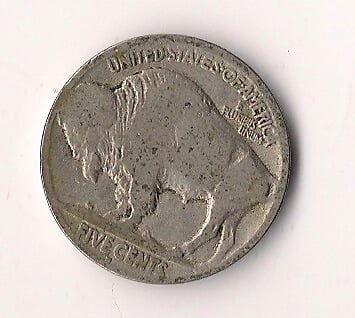
A worn or reused die at the Denver mint left a visible overlap between the 1917 and 1918 dates, creating a genuine overdate error rather than a simple design flaw. Authenticating a real example requires careful attention to the specific overlap pattern, since the coin has been widely counterfeited.
1942-1945 Silver War Nickels
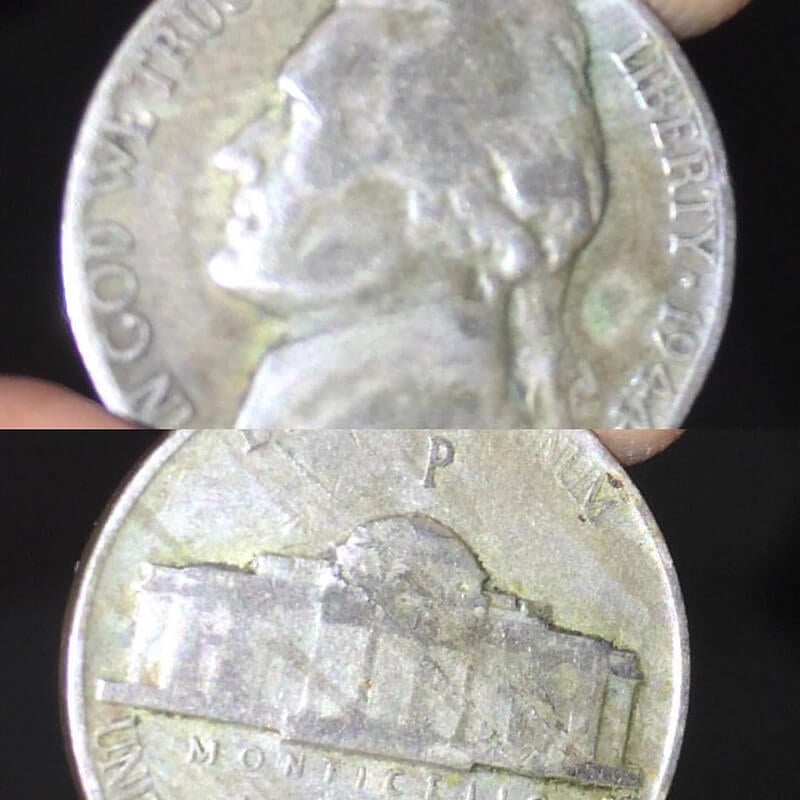
During the Second World War, the mint temporarily changed the nickel’s composition to include silver, freeing up nickel for military production, and marked these wartime coins with a large mint mark above Monticello’s dome. Even in worn condition, their silver content alone gives them value well beyond a standard five-cent piece.
1950-D Jefferson Nickel
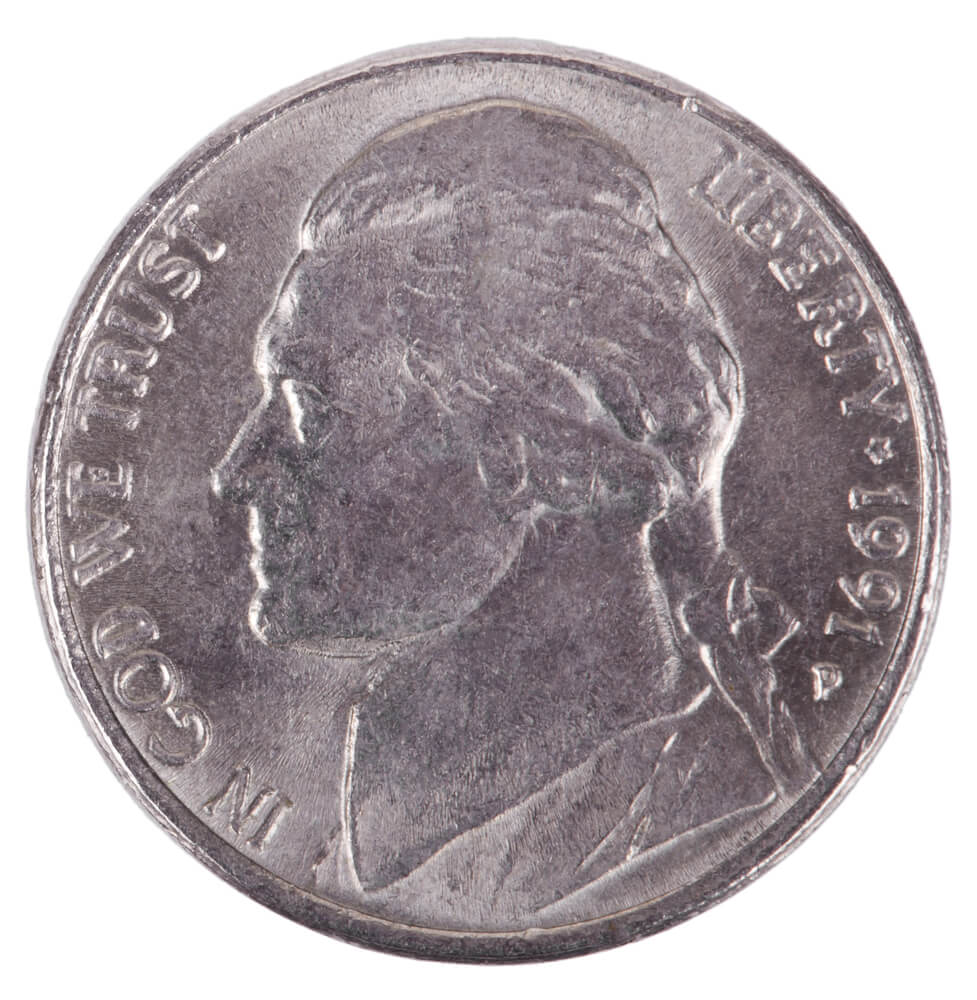
Not an error coin but simply a low-mintage date, the 1950-D had one of the smallest production runs of any Jefferson nickel, which drew enough collector attention at the time that a large share of the mintage was set aside rather than spent. That collector interest at the time of issue is part of why well-preserved examples remain relatively available despite the low original mintage.
1913 Liberty Head Nickel
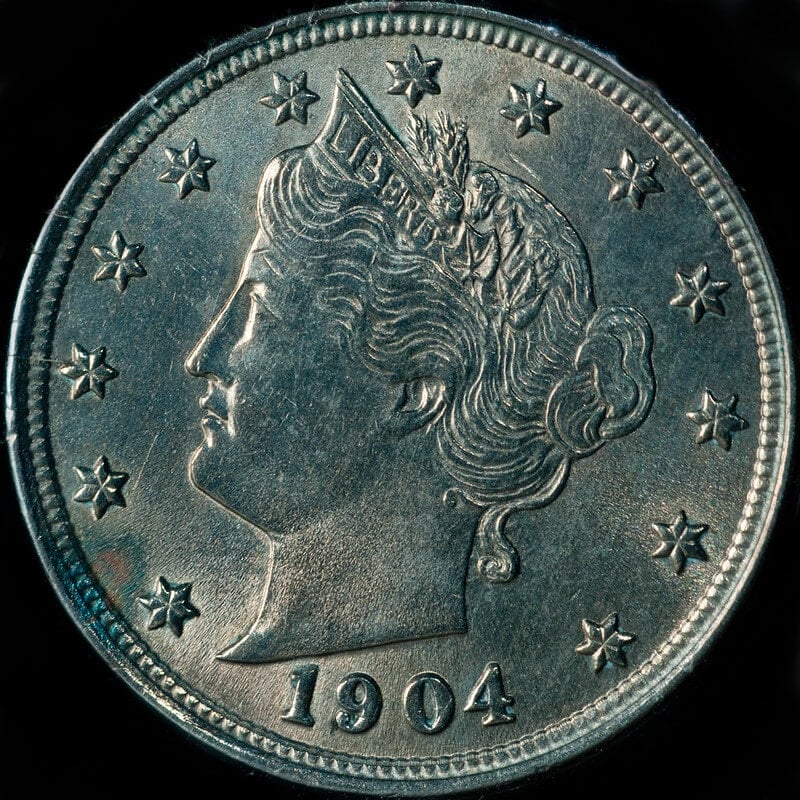
Only five examples of this coin are known to exist, struck under circumstances that were never officially authorized by the mint, since the Buffalo nickel design had already officially replaced the Liberty Head that year. It is one of the most famous rarities in all of American coin collecting, and finding one in an old jar is effectively a statistical impossibility, though the coin’s fame means it comes up constantly in questions from people hoping they might own one.
1942/41 Mercury Dime
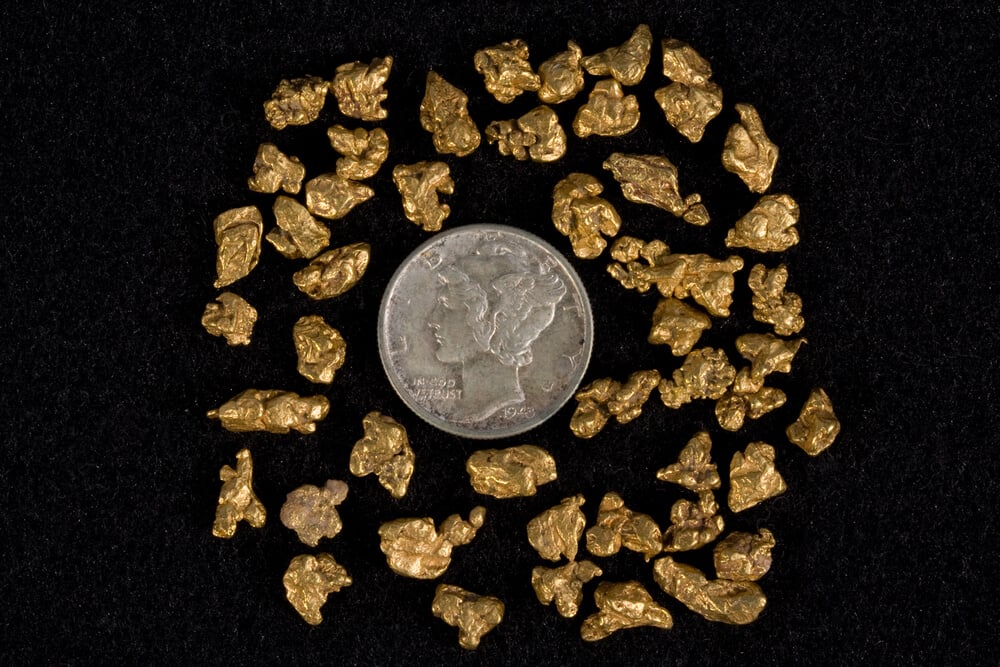
A doubled-date error created when a 1941 die was reused and re-engraved with the 1942 date without fully removing the earlier digits, leaving a visible overlap. Both a Philadelphia and Denver version of this overdate exist, with the Denver version being considerably scarcer.
1916-D Mercury Dime
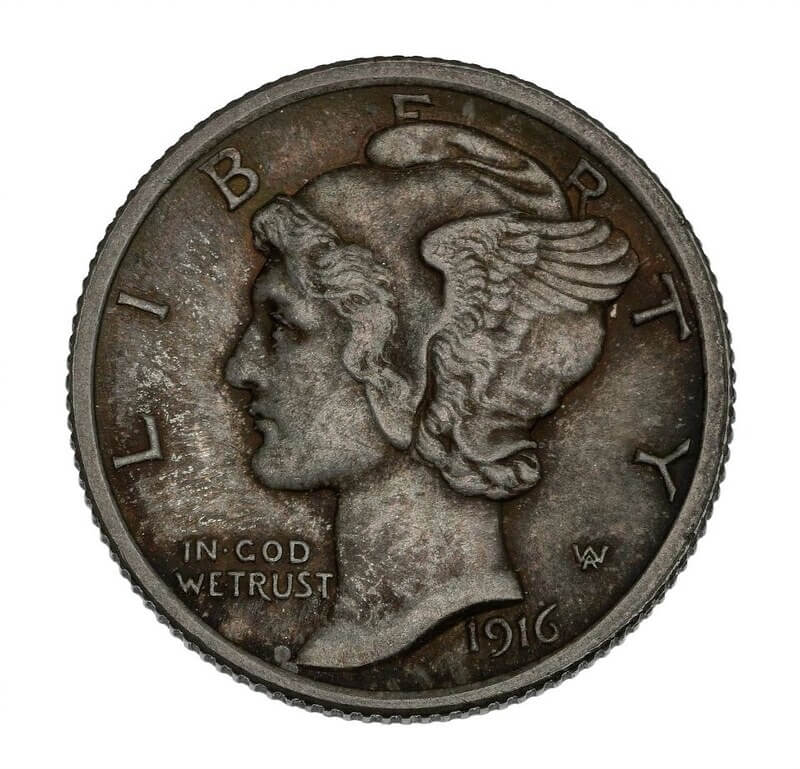
The lowest-mintage date in the entire Mercury dime series, struck at the Denver mint in relatively small numbers compared to other dates in the run. Its combination of low mintage and consistent demand from collectors filling out a complete date set has kept it one of the series’ most requested coins for decades.
Pre-1965 Silver Roosevelt Dimes
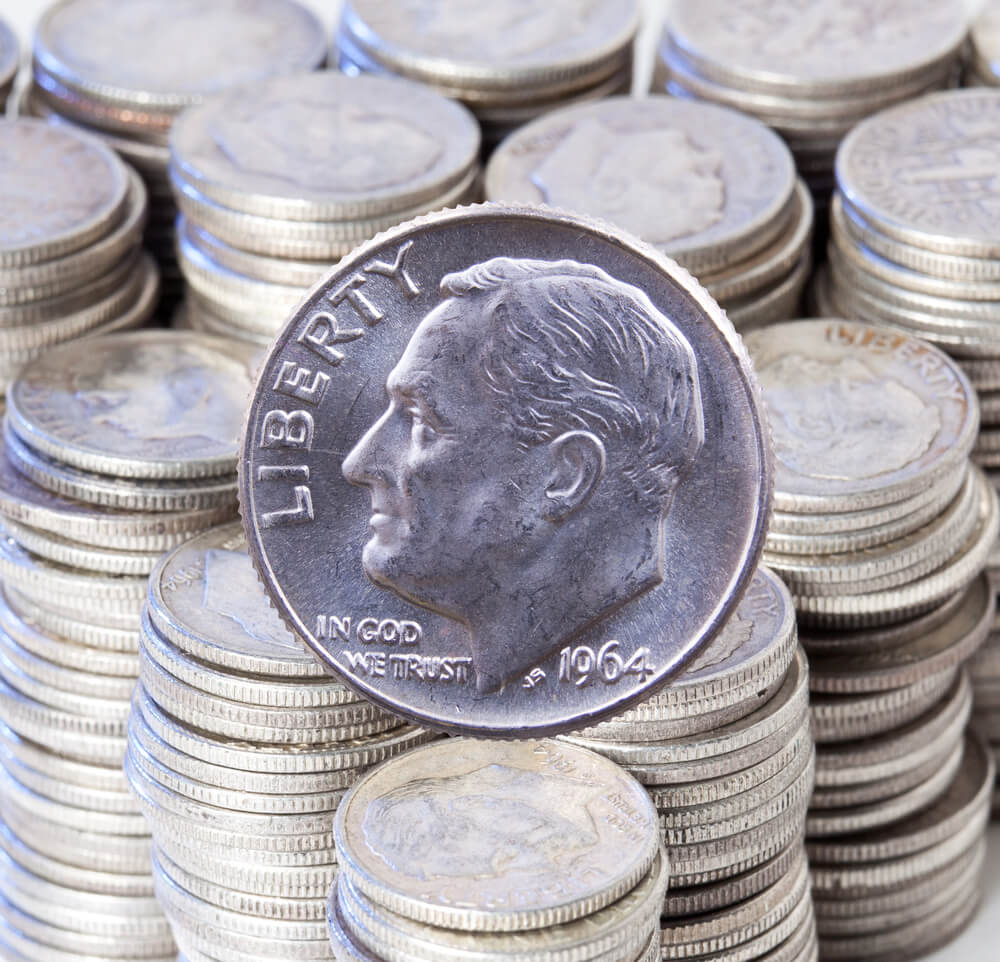
The US Mint switched dime composition away from silver in 1965 as silver prices rose, meaning any dime dated 1964 or earlier is 90 percent silver rather than the copper-nickel clad composition used afterward. Even heavily worn, common-date examples carry value tied directly to their silver content, well above their ten-cent face value.
1982 No Mint Mark Roosevelt Dime
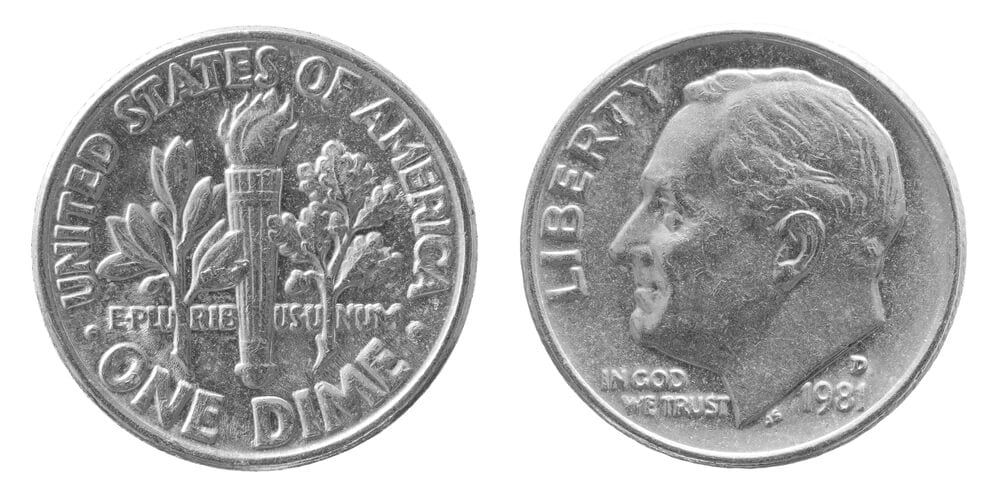
A production error at the Philadelphia mint resulted in some 1982 dimes being struck without the “P” mint mark that had become standard practice that same year. The mistake wasn’t widely publicized at the time, so genuine examples still occasionally surface in circulation-found coins from people unaware of what they’re holding.
1932-D Washington Quarter
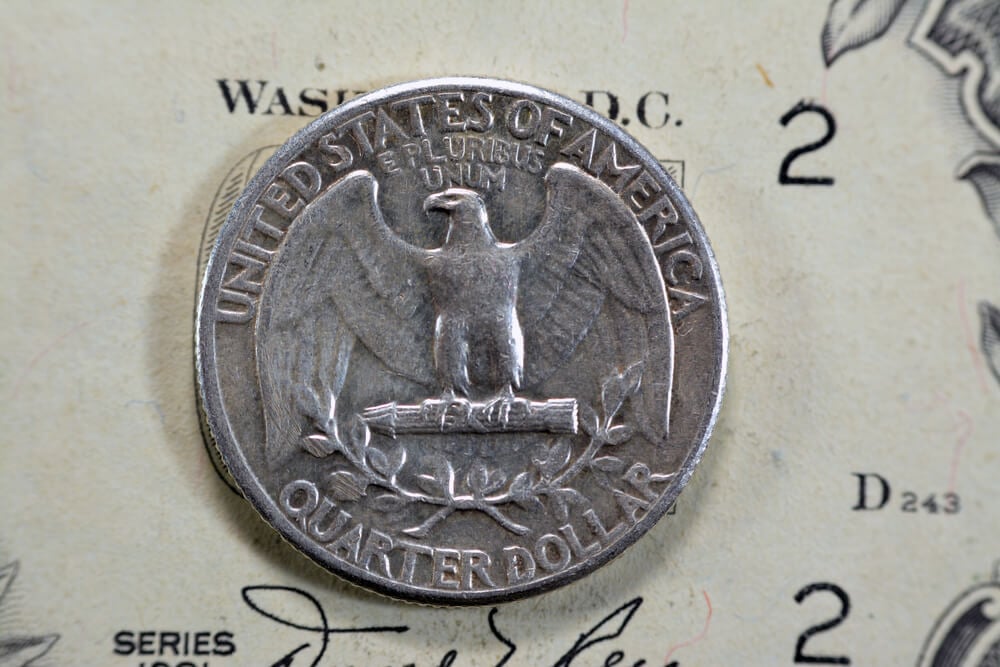
The first year of the Washington quarter design coincided with the Great Depression, and the Denver mint’s low production run that year makes the 1932-D one of the key dates collectors need to complete an early set. Its combination of low mintage and strong ongoing demand has kept it consistently valuable relative to other dates in the series.
1932-S Washington Quarter
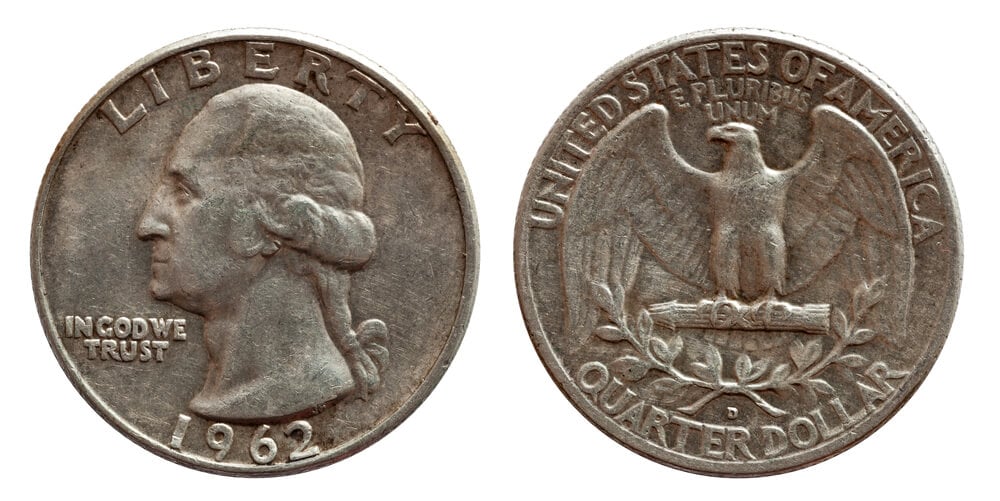
The San Francisco counterpart to the 1932-D shares the same low first-year mintage story, making both 1932 branch-mint quarters essential, and expensive, entries for anyone building a complete Washington quarter set. Together, the two 1932 branch mint issues are widely regarded as the toughest dates in the entire series.
Pre-1965 Silver Washington Quarters
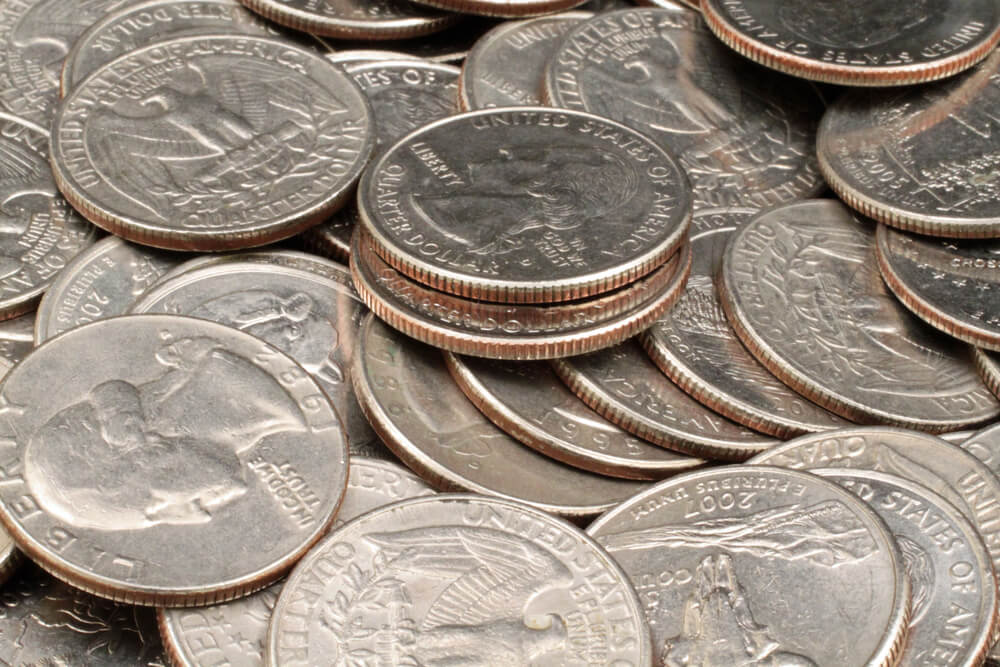
Like their dime counterparts, quarters dated 1964 or earlier were struck in 90 percent silver before the mint switched to clad composition. Even well-worn, common-date examples are routinely pulled from circulation and jars by collectors and dealers specifically for their silver content.
Pre-1965 Silver Half Dollars
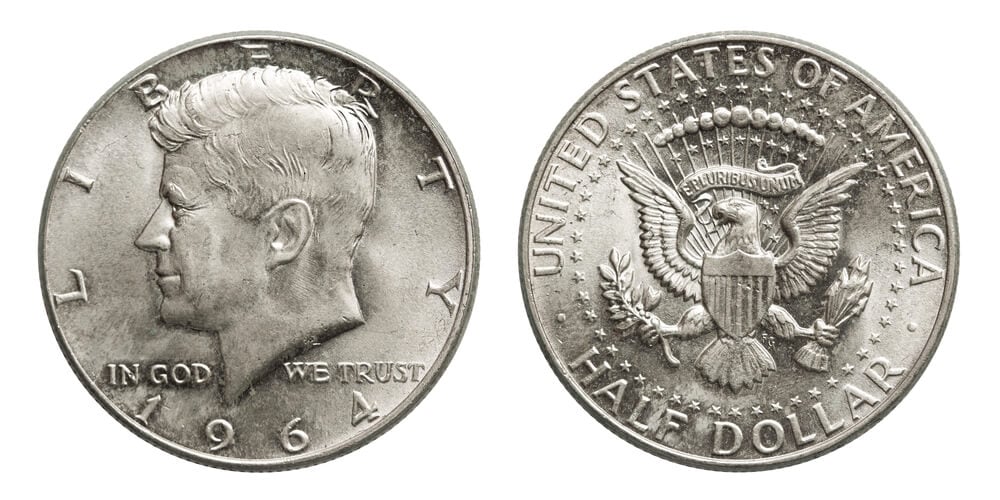
Franklin and early Kennedy half dollars dated 1964 or earlier carry the same 90 percent silver composition as dimes and quarters from the same period, and half dollars from 1965 through 1970 still carried a reduced 40 percent silver content before switching entirely to clad. Half dollars from before 1971 are worth checking closely, since the transition away from silver happened more gradually for this denomination than for dimes and quarters.
1877 Indian Head Cent
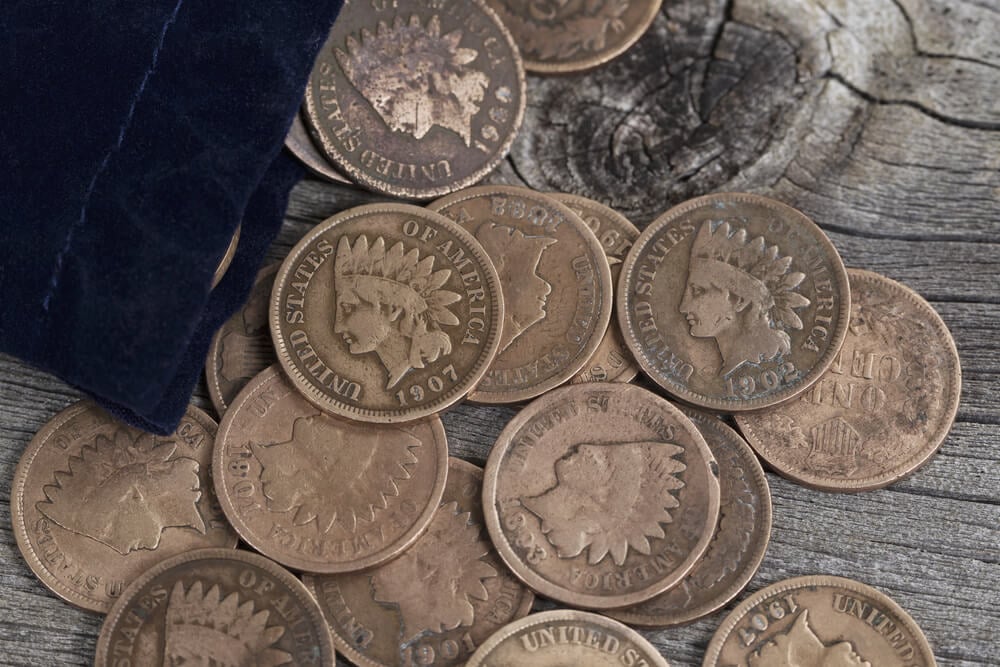
The lowest-mintage date in the entire Indian Head cent series, produced during a year of general economic hardship that suppressed coin production across the board. It has long been considered the key date collectors need to complete a full Indian Head set, and its scarcity has made it a consistently valuable target regardless of overall coin market conditions.
1856 Flying Eagle Cent
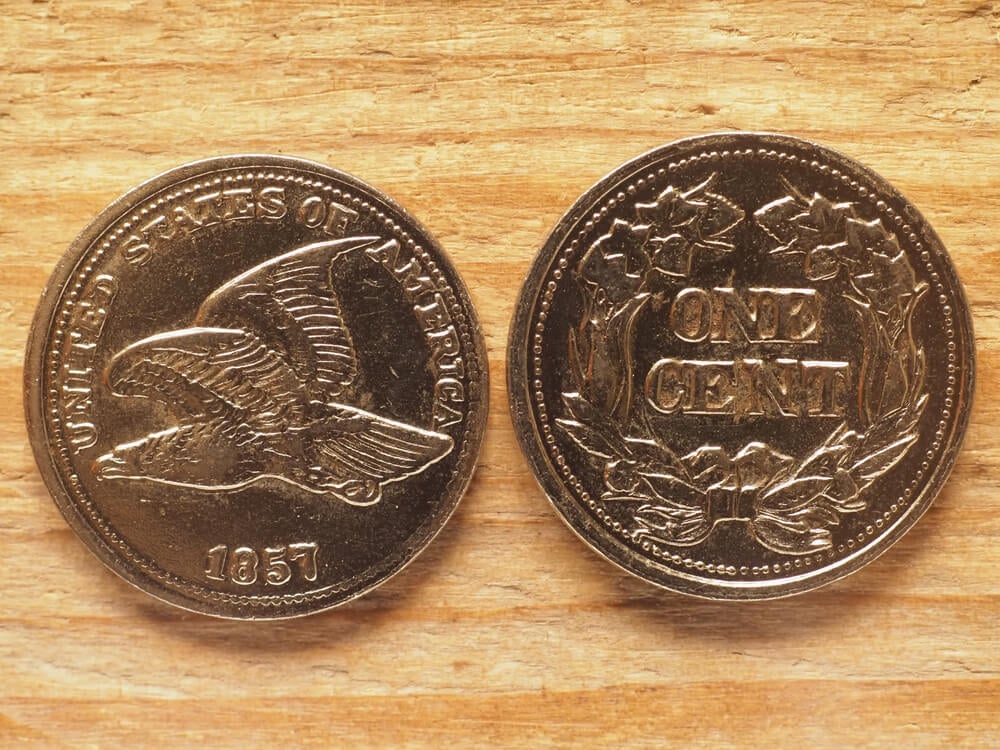
Technically a pattern coin rather than an officially released date, a small number of 1856 Flying Eagle cents were struck to show Congress and the public what the following year’s new small-cent design would look like. Its status as an unofficial preview of a major design change has made it one of the most historically significant coins from the mid-nineteenth century.
1893-S Morgan Silver Dollar
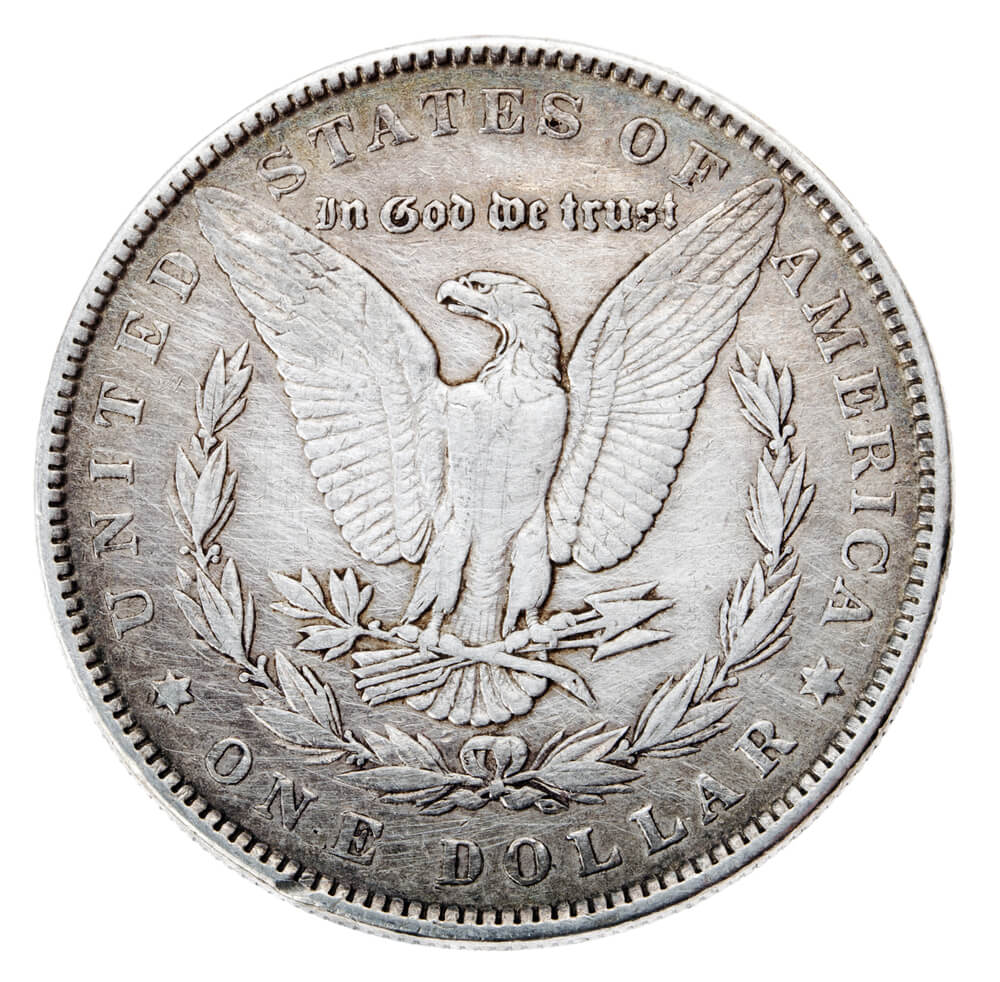
The San Francisco mint’s 1893 production run was the smallest of any regular-issue Morgan dollar, making it the single key date collectors need to complete a full set of the series. Its combination of low original mintage and decades of sustained collector demand has kept it consistently one of the most valuable Morgan dollars in existence.
1804 Draped Bust Dollar
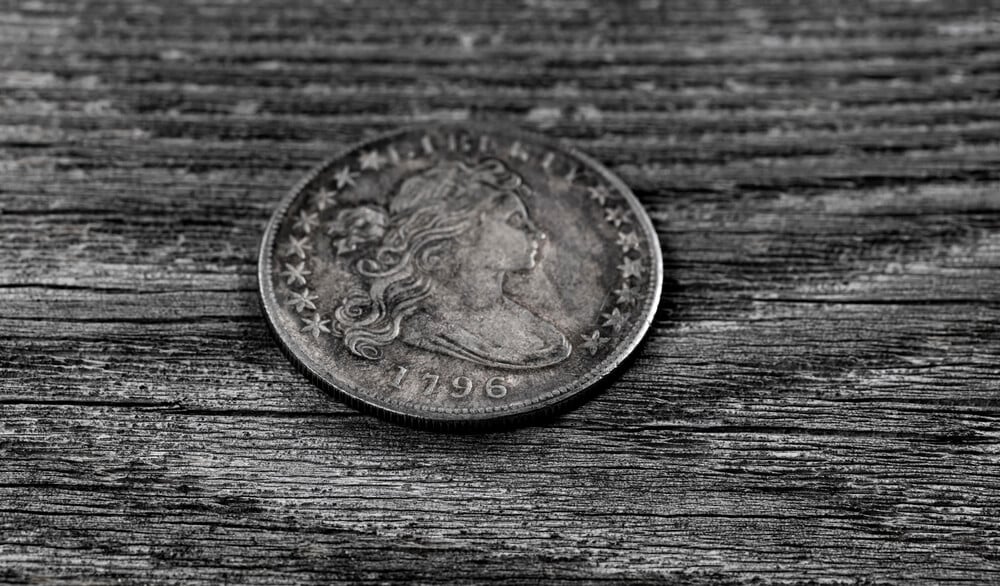
Despite its date, this coin was actually struck years later, in the 1830s, for diplomatic presentation sets rather than general circulation, making it one of the rarest and most storied coins in American history. Finding one in a jar of old change is essentially impossible, but its legendary status means it comes up constantly whenever people discuss valuable American coins.
2000 Sacagawea Dollar “Mule” Error
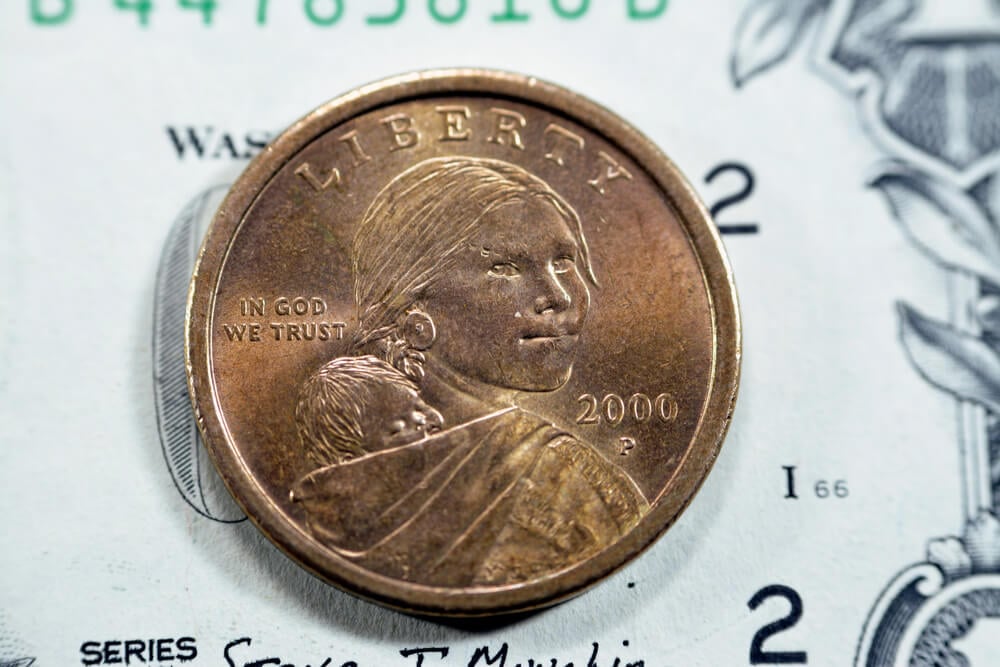
A small number of Sacagawea dollars were mistakenly struck using an obverse die intended for the Washington quarter, creating a genuine mismatched design error known in the hobby as a mule. Its extreme rarity, combined with its recent date, makes it one of the more startling reminders that valuable errors aren’t confined to coins from decades past.
1926-S Buffalo Nickel
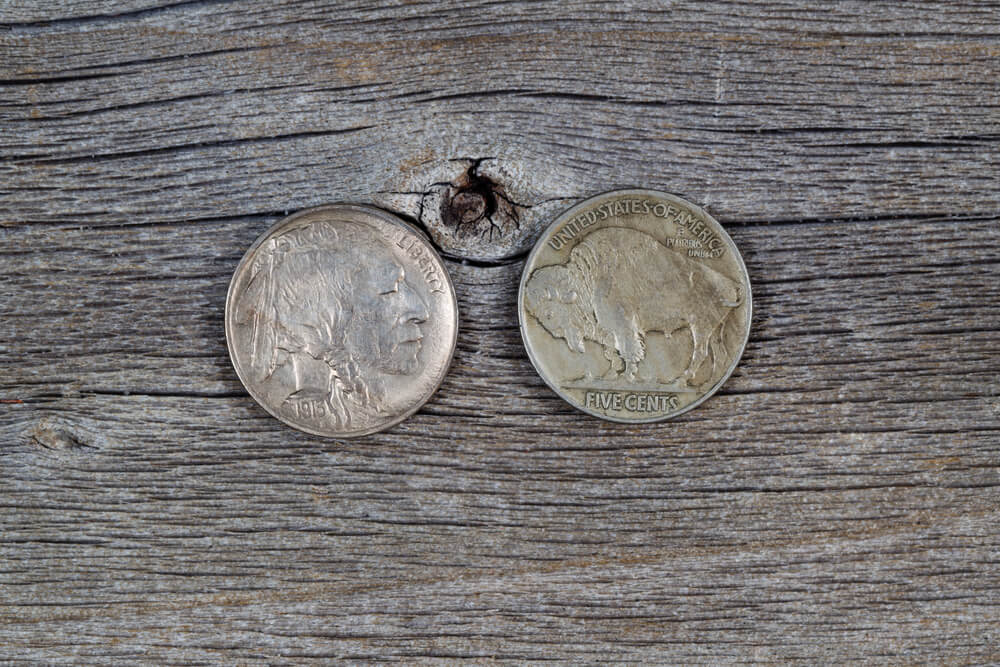
A low-mintage San Francisco date that struggled to find buyers even at the time of its release, leaving relatively few well-preserved examples surviving compared to how many were originally produced. It remains one of the more difficult dates in the Buffalo nickel series to find in sharp, well-struck condition.
1917 Doubled Die Lincoln Cent
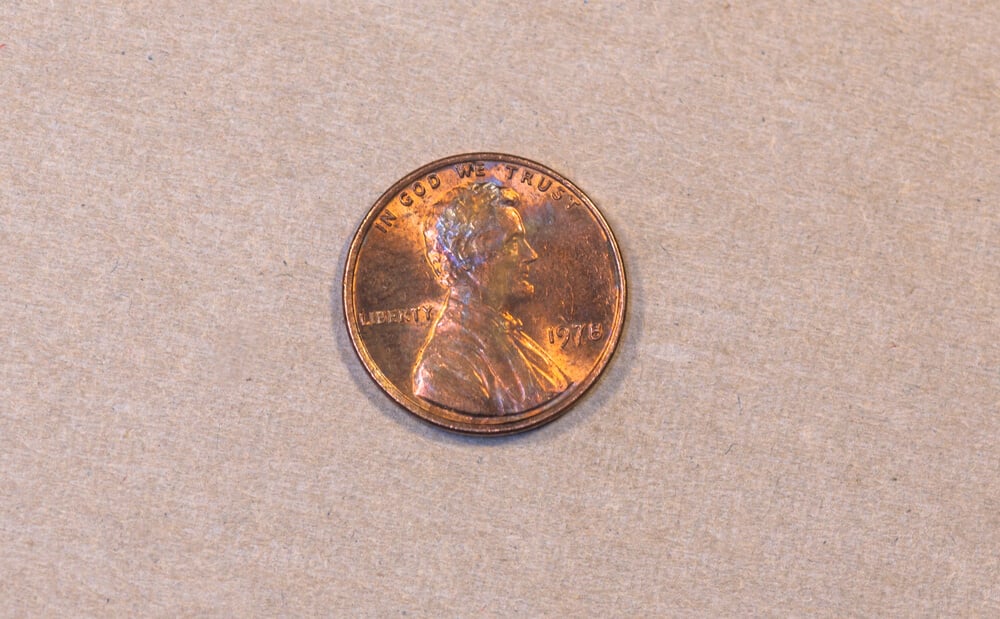
An early example of the doubled die error that would later make dates like 1955 and 1972 famous, this 1917 variety shows visible doubling in the coin’s lettering. Its earlier date and comparative obscurity next to the more famous doubled die cents mean it’s frequently overlooked by casual searchers, despite being a genuine and collectible error.
1974 Aluminum Cent Pattern
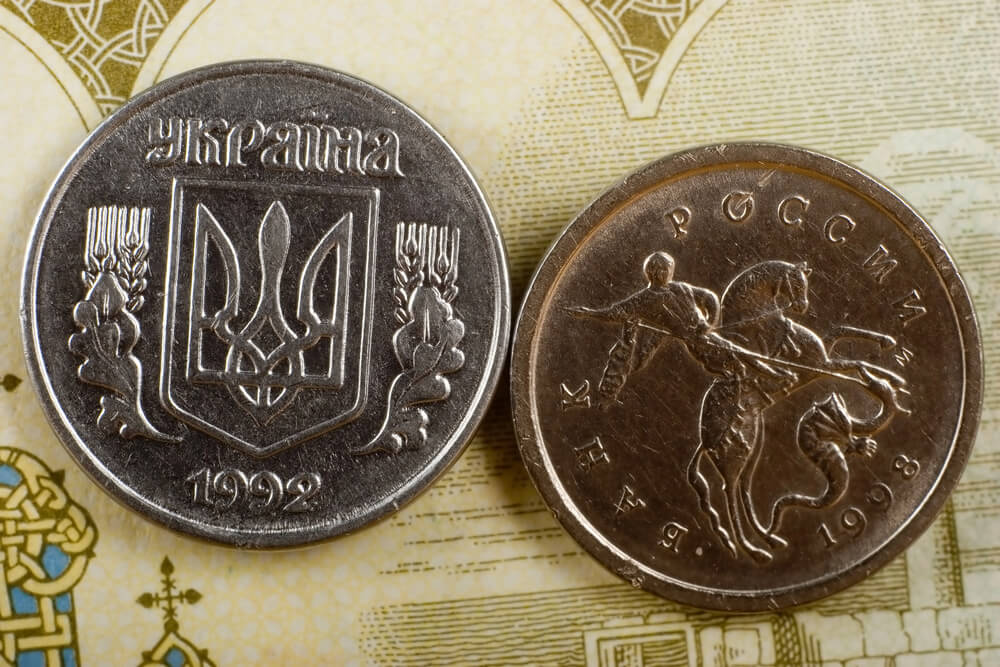
Facing rising copper prices, the mint experimented with striking cents in aluminum in 1974, producing a small number of pattern coins before ultimately abandoning the idea and sticking with copper alloy for several more years. Almost all of these pattern pieces were later recalled and destroyed, making any surviving example an object of intense interest whenever ownership questions arise.
The Coins That Don’t Look Different
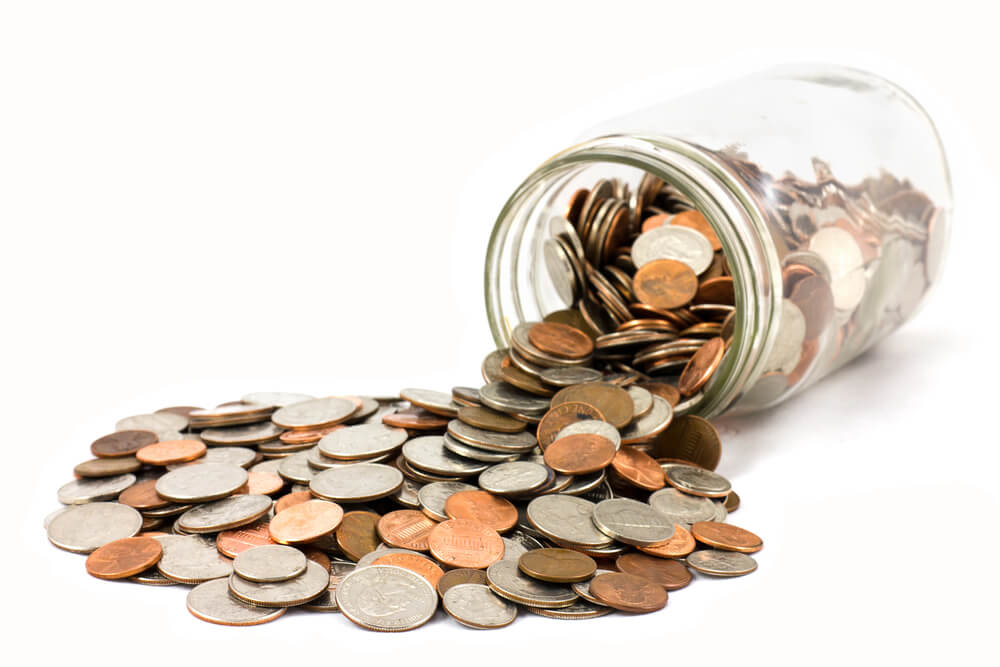
Almost none of these coins announce themselves. A 1909-S VDB penny looks, to an untrained eye, exactly like the millions of ordinary Lincoln cents sitting in the same jar.
The only thing separating a coin worth pocket change from one worth a serious sum is a tiny detail: a mint mark, a date, a doubled letter that most people have never been taught to look for.
That’s precisely why old jars, coffee cans, and forgotten collections keep turning up real finds decades after these coins left circulation. Nobody sorted them out on purpose when they were spent, which means the odds of a genuine rarity surviving by pure accident are better than most people assume.
More from Go2Tutors!

- The Romanov Crown Jewels and Their Tragic Fate
- 13 Historical Mysteries That Science Still Can’t Solve
- Famous Hoaxes That Fooled the World for Years
- 15 Child Stars with Tragic Adult Lives
- 16 Famous Jewelry Pieces in History
Like Go2Tutors’s content? Follow us on MSN.