The Oddest Phobias People Have
Fear is something everyone deals with at some point. Whether it’s a fear of heights, spiders, or public speaking, most people can relate to having something that makes them uneasy.
But some phobias go beyond the usual suspects and venture into territory that might seem downright bizarre to anyone who doesn’t experience them. These unusual fears are very real to the people who have them, even if they sound strange to everyone else.
Let’s dive into some of the most peculiar phobias out there and explore what makes them so unusual.
Pogonophobia

Some people break out in a cold sweat at the sight of a beard. Pogonophobia is the fear of beards, and it affects more people than you might think.
The sight of facial hair can trigger genuine anxiety in those who have this phobia. It doesn’t matter if the beard is neatly trimmed or wild and unkempt.
For someone with pogonophobia, any beard can cause discomfort. Interestingly, this fear might stem from a bad childhood experience or simply an association between beards and something threatening.
Nomophobia

Put your phone down and imagine never being able to pick it up again. Nomophobia is the fear of being without your mobile device, and it’s become increasingly common in our connected world.
People with this phobia experience genuine panic when their phone battery dies or when they realize they’ve left their device at home. The anxiety comes from feeling disconnected and unreachable.
Studies show that younger generations are particularly susceptible to this modern fear, which makes sense given how much daily life revolves around smartphones.
Xanthophobia

Yellow might seem like a cheerful, harmless color to most people. But for those with xanthophobia, the color yellow triggers intense fear and discomfort.
This can make daily life incredibly challenging since yellow appears everywhere, from traffic lights to bananas to sunflowers. People with this phobia might avoid wearing yellow clothes, eating yellow foods, or even entering rooms painted in yellow tones.
The origin of this fear varies from person to person, but it’s often linked to a traumatic experience involving something yellow.
Omphalophobia

Belly buttons are just a normal part of human anatomy, right? Not for people with omphalophobia.
This is the fear of belly buttons, whether it’s their own or someone else’s. Some people with this phobia can’t stand to look at belly buttons, while others can’t bear to touch them.
The thought of someone poking or touching their navel can send them into a panic. This fear might sound silly, but it can genuinely interfere with activities like swimming or going to the beach where exposed stomachs are common.
Ephebiphobia

Teenagers get a bad reputation, but some adults take their wariness to an extreme level. Ephebiphobia is the fear of teenagers or young people.
Those with this phobia feel anxious around adolescents and might go out of their way to avoid places where teens gather. Shopping malls, movie theaters, and parks can become no-go zones.
This fear often stems from negative stereotypes about teenage behavior or perhaps a bad personal experience. It can create real social limitations for people who experience it.
Somniphobia
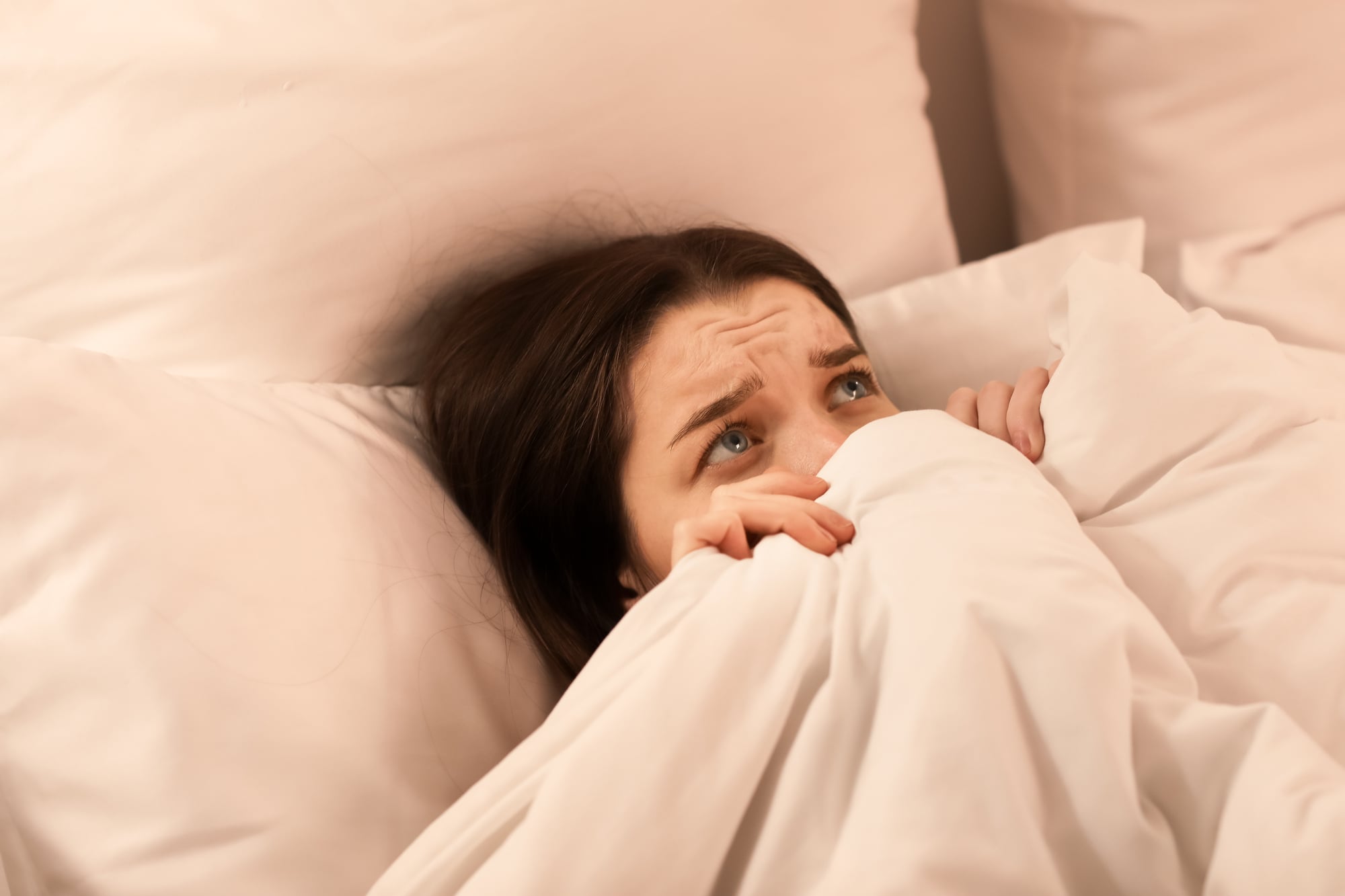
Rest should come naturally at night. Yet those with somniphobia dread drifting off.
Worries about bad dreams might spark it. Losing awareness during sleep could feel dangerous to them.
Dying while unconscious may seem like a real threat. Because of these fears, some stay awake on purpose.
Tiredness builds up when they resist sleeping. Over time, the body pays a heavy price.
It seems strange, yet true – skimping on rest tends to heighten anxious feelings, which then makes resting harder. Getting better usually means working through fears that turn bedtime into something tense.
Turophobia

Sometimes just seeing it makes hands shake. That gooey layer on food?
Pure nightmare fuel for some. Smell hits first – sour, sharp, overwhelming.
Even thinking about creamy dips sends chills down the spine. Social dinners turn tense when plates carry that crumbly white stuff.
Grocery aisles packed with blocks and slices feel like traps. A pizza menu becomes a threat, not a choice.
Fear digs in deep, far beyond picky eating. Just knowing it’s nearby can spark panic.
This isn’t dislike – it runs much darker than taste. Fear might fix on just one kind of cheese – or hit every sort without warning.
What sparks this reaction stays uncertain, yet similar to other anxieties, an unpleasant moment long ago probably set the pattern.
Genuphobia

Walking needs hinges where legs bend. Yet some freeze at the sight of such spots.
Fear locks minds when skin bends near lower limbs. Simply spotting a kneecap can spark panic.
Others dread feeling their own knees grazed by cloth or hand. Long trousers stay on, no matter the heat outside.
Some people find it hard when their knees show, especially out in public or at a doctor’s appointment. How the knee looks – especially the front part – or how it moves when bent tends to bother them most.
Arachibutyrophobia

Peanut butter sandwiches are a lunchbox staple for many people. Arachibutyrophobia is the fear of peanut butter sticking to the roof of your mouth.
This specific fear goes beyond simple dislike of the texture. People with this phobia experience genuine panic at the thought of that sticky sensation.
They’ll avoid peanut butter entirely, even though they might enjoy other sticky foods. The fear relates to feeling trapped or unable to breathe properly when the thick spread coats the mouth.
Chrometophobia

Money makes the world go round, but not for people with chrometophobia. This is the fear of money, and it can seriously complicate modern life.
Some people with this phobia fear touching coins and bills because of germs or contamination concerns. Others have anxiety about the responsibility that comes with handling money.
The fear can extend to checking account balances, paying bills, or even thinking about finances. In severe cases, people with chrometophobia might avoid working or handling transactions entirely.
Chorophobia

Dancing brings joy to many people at weddings, parties, and clubs. Chorophobia is the fear of dancing, and it goes beyond simple shyness or lack of rhythm.
People with this phobia experience real terror at the thought of moving to music. The fear might stem from embarrassment about their dancing ability or from a traumatic experience on the dance floor.
Social events become minefields when dancing is expected. Many people with chorophobia will skip celebrations entirely rather than risk being asked to dance.
Globophobia

Birthday parties and celebrations often feature colorful balloons floating around. For people with globophobia, balloons are sources of terror rather than festivity.
This is the fear of balloons, often related to the anticipation of them popping. The latex texture, the squeaky sounds, and the constant threat of a loud burst create overwhelming anxiety.
Some people with this phobia can’t even be in the same room as balloons. Others might tolerate deflated balloons but panic around inflated ones.
Deipnophobia

Dinner conversations are supposed to be pleasant social occasions. Deipnophobia is the fear of dining with others or engaging in dinner conversation.
People with this condition feel intense anxiety about eating in front of others. They worry about their table manners, what to talk about, or making embarrassing mistakes while eating.
This fear can lead to social isolation since so many gatherings revolve around food. Dating becomes particularly challenging when dinner is the standard first date activity.
Trypophobia

Clusters of small rounds might not seem threatening, but trypophobia proves otherwise. This is the fear or disgust triggered by patterns of small rounds or bumps.
Honeycombs, lotus seed pods, and even strawberries can cause reactions. People with trypophobia describe feeling their skin crawl or experiencing nausea when viewing these patterns.
Scientists debate whether this is a true phobia or more of a disgust response. Either way, the reaction is very real and can be quite distressing.
Eisoptrophobia
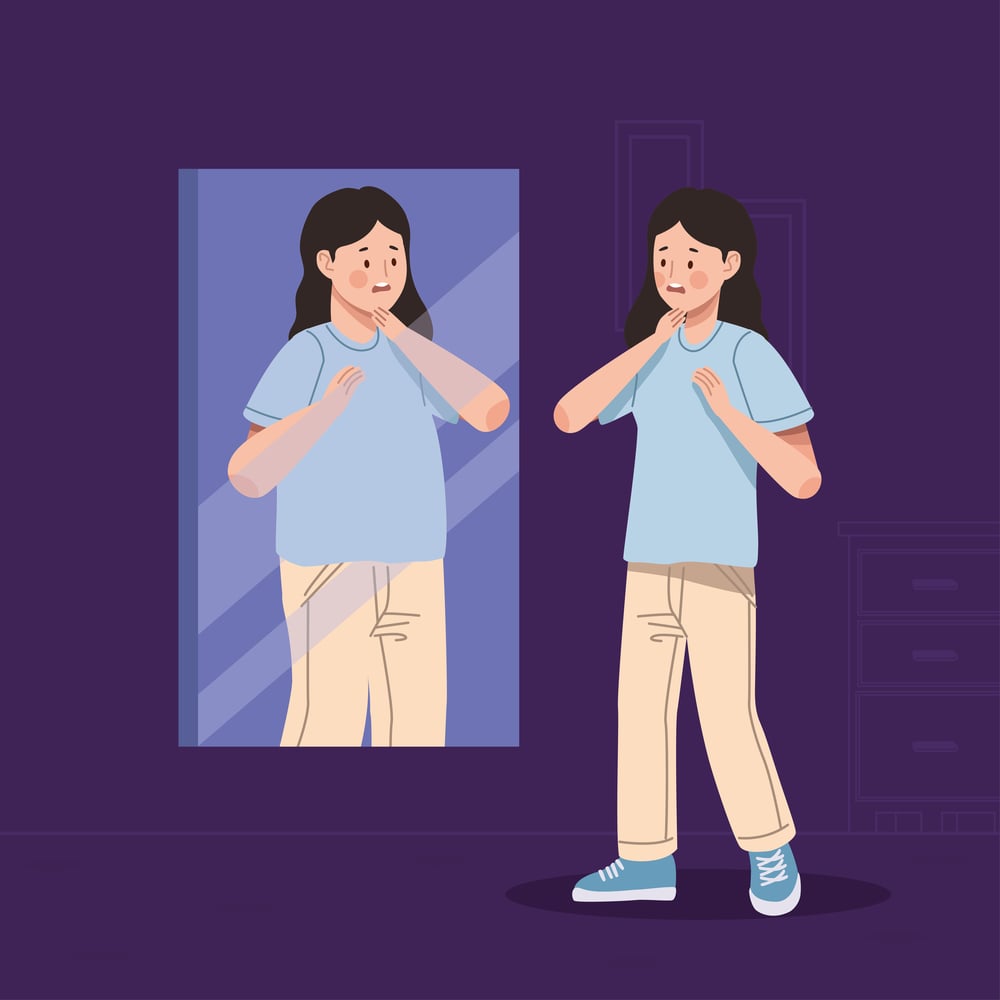
Mirrors are common household items found in bathrooms, bedrooms, and hallways. Eisoptrophobia is the fear of mirrors or seeing one’s own reflection.
Some people with this condition worry about seeing something frightening in the mirror. Others feel uncomfortable confronting their own image.
This phobia can relate to body image issues, superstitions about mirrors, or fear of the supernatural. People with eisoptrophobia might cover mirrors in their homes or avoid them entirely.
Hippopotomonstrosesquippedaliophobia

The irony of this phobia is almost too perfect. Hippopotomonstrosesquippedaliophobia is the fear of long words.
The name itself is a cruel joke on anyone suffering from this condition. People with this phobia experience anxiety when encountering or having to pronounce lengthy words.
Academic settings and professional environments can be particularly stressful. The fear often relates to embarrassment about mispronouncing complex terms in front of others.
Fortunately, most communication can happen using simpler vocabulary, though certain situations become unavoidable challenges.
Phobophobia

A shiver runs down your spine just thinking about panic. Phobophobia isn’t made up – it’s what happens when fear of being afraid takes hold.
The mind races ahead, imagining dread before it even arrives, which sparks that dread instantly. Staying away from crowds, heights, or dark rooms becomes routine.
Just the idea of trembling hands can feel threatening. Life may grow narrower when someone constantly avoids what scares them.
Facing the deeper pattern behind it becomes key in care.
Optophobia

Every morning, eyes snap open without a thought. Fear stops some from doing just that – called optophobia.
Staying shut for hours becomes normal, though living gets tangled fast. What waits behind the lids?
That question haunts them each time. Seeing feels dangerous, so darkness stays safer.
Beyond just a fear, sometimes it ties back to deeper fears or past shocks. Because seeing helps people move freely and live on their own, this particular dread can weigh especially heavy.
When fear becomes personal

Strange how the brain behaves sometimes. One individual’s normal thing could be pure nightmare fuel for someone else.
Laughter often follows mention of odd phobias, yet the panic feels dead serious to the person living it. Confusion shows up easily when listening to irrational dread, still empathy helps more than judgment ever does.
Reality hits hard even without logic backing it up.
More from Go2Tutors!

- The Romanov Crown Jewels and Their Tragic Fate
- 13 Historical Mysteries That Science Still Can’t Solve
- Famous Hoaxes That Fooled the World for Years
- 15 Child Stars with Tragic Adult Lives
- 16 Famous Jewelry Pieces in History
Like Go2Tutors’s content? Follow us on MSN.