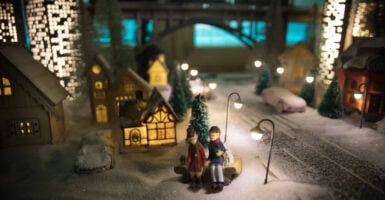
31 Christmas Village Pieces Fetching Big Prices
A tiny ceramic church that once sat on a department store shelf can now outrank a decent used appliance on the resale market. Christmas villages turned into a serious collecting field because the pieces are small, pretty, and made in runs that eventually end.
What separates a garage-sale house from a prized find is rarely the house itself. It is the retirement status, the original box, the cord that still works, and whether anyone remembered to keep the packaging.
Original Snow Village Debut Houses
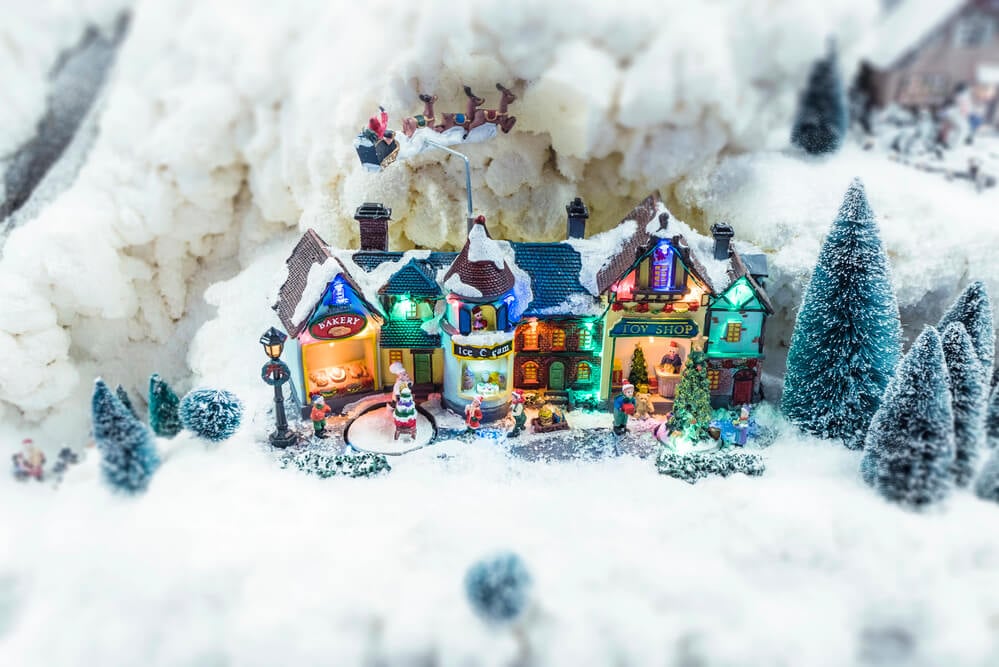
Department 56 built its Snow Village around lighted ceramic buildings, and the earliest houses from the line are among the most talked-about pieces in the hobby. Complete examples are harder to find than
later, heavily marketed releases because early packaging and cords rarely survived. Collectors tend to pay the most for houses that still have their original boxes and a working light cord. Chips, crazing, and faded paint can cut the price sharply, however old the piece may be.
Santa’s Workshop From the North Pole Series
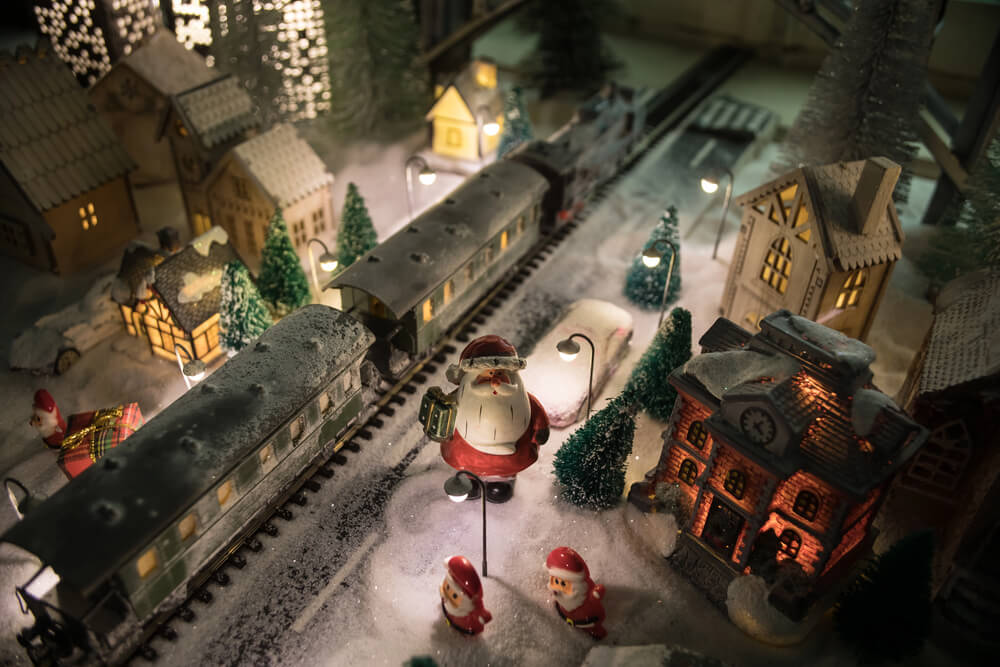
The North Pole Series gave Department 56 a second world of elves, reindeer stables, and toy factories. Santa’s Workshop anchors that line, and it is the piece collectors usually hunt for first when completing a display.
Retired status helps, but only when the box and cord come along with the building. A scuffed workshop with no packaging sells for a fraction of a clean, complete one.
Jacob Adams Farmhouse From the New England Village
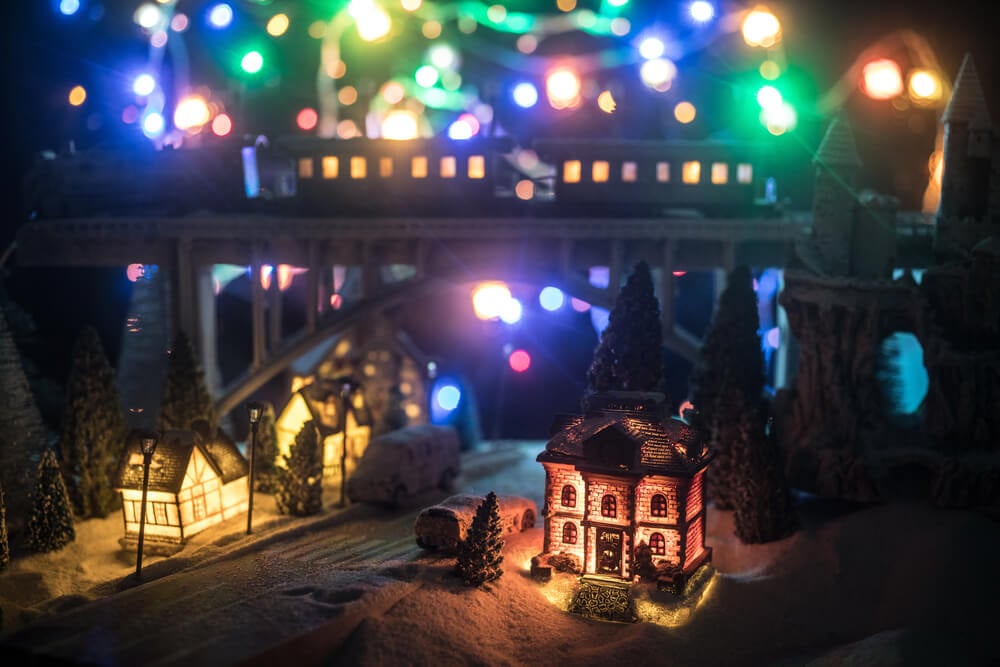
The New England Village Series is part of Department 56’s Heritage Village Collection, and the Jacob Adams Farmhouse is one of its recognizable rural buildings. Its hand-painted porcelain finish and country details made it a favorite for anchoring a hillside display.
Because the series is long retired, secondary market prices lean on condition, and boxed examples with intact foam inserts command more. Missing pieces of the original packaging are a common reason a farmhouse sells for less than expected.
Alpine Village Series Retired Buildings
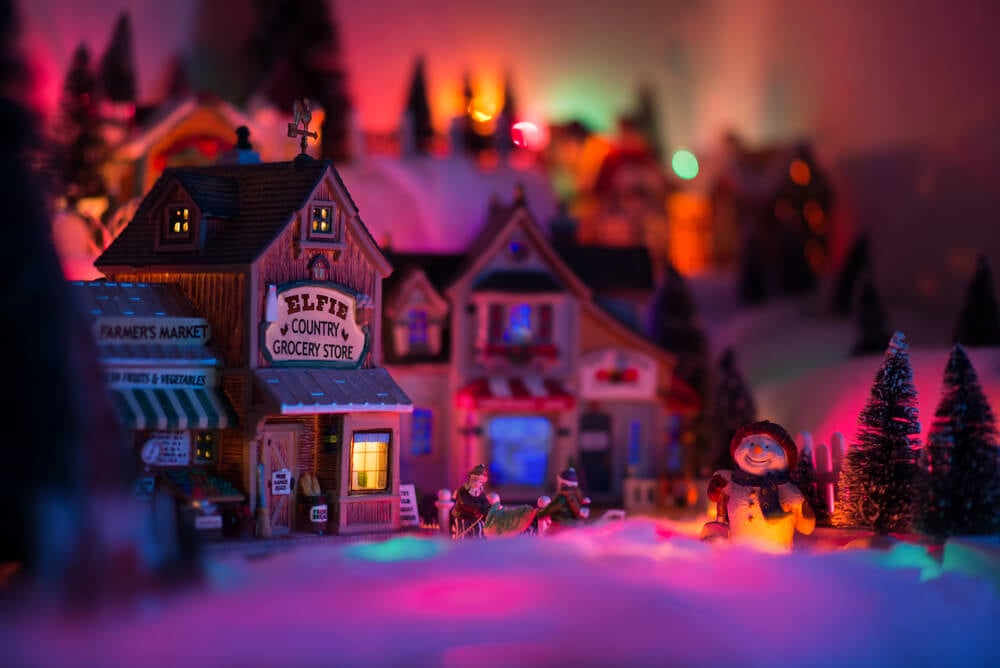
Department 56’s Alpine Village Series filled a corner of the Heritage Village Collection with timber-framed chalets and mountain shops. Retired buildings from the line attract buyers who want a snow-country scene to sit beside their other villages.
The paint on older pieces can show wear around roof edges, and that wear shows up directly in the asking price. Original boxes, with their custom-fitted liners, are often the difference between a modest sale and a strong one.
Little Town of Bethlehem Nativity Pieces
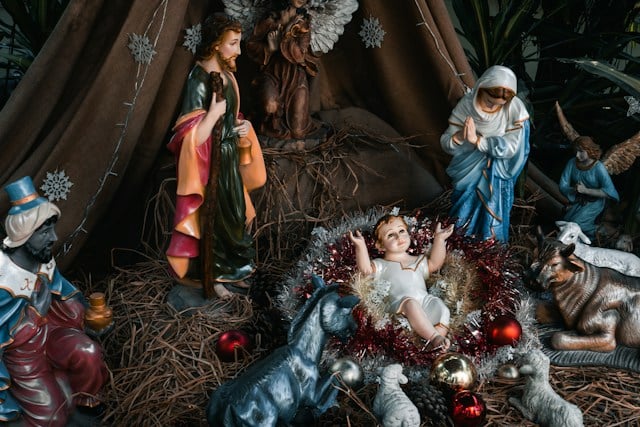
The Little Town of Bethlehem Series treats the nativity story as an entire village instead of a single scene. Its stone houses, market stalls, and desert-colored lanes appeal to collectors who want something quieter than a snowy main street.
Retired pieces from the series are scarce enough that complete sets with matching accessories draw serious interest. Packaging and unchipped paint decide how much a buyer will pay.
Christmas in the City Retired Buildings
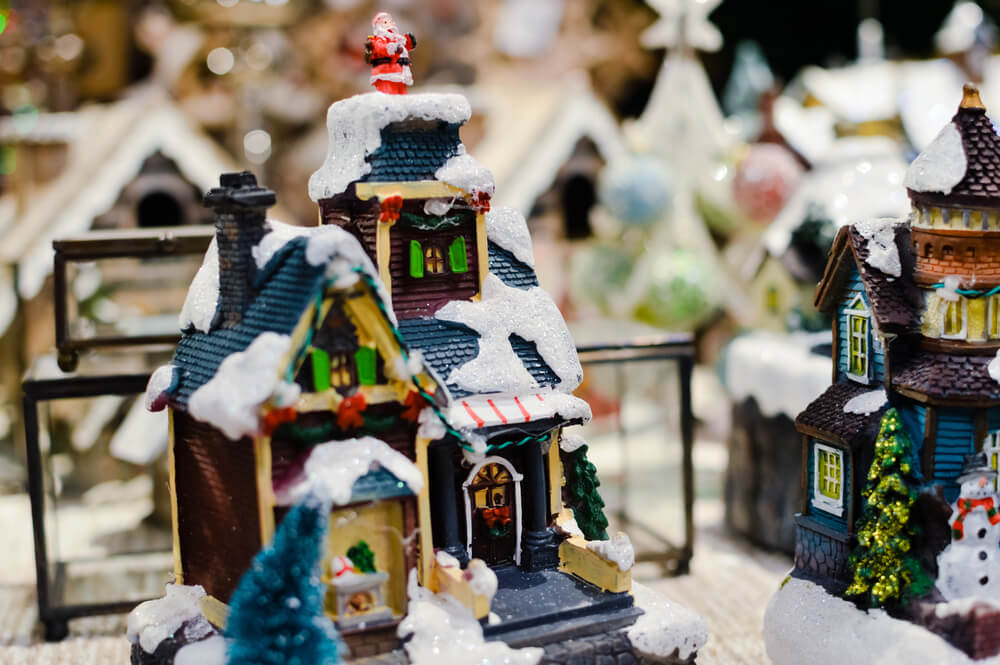
Christmas in the City is the Department 56 series built to capture the look of a lit-up downtown, with brick storefronts, theaters, and corner shops. Collectors like it because the buildings stack and line up into a convincing street.
Retired pieces that sit at the center of a city block tend to attract the most competition. Value moves with whether the box, sleeve, and cord are all present.
Snow Village Churches
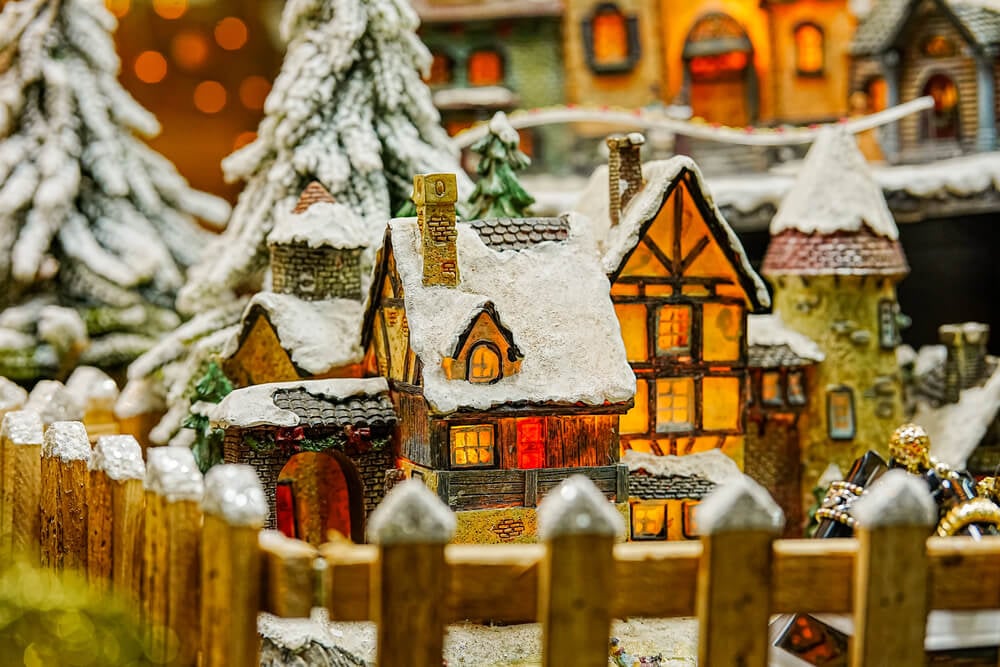
Churches are the emotional anchor of almost every Department 56 Snow Village display, and collectors tend to build the rest of the street around them. Steeples and stained-glass windows make them fragile, so chips and cracked spires are the most common flaws.
Retired churches that still have their original box and a working light cord attract the strongest bids. A church missing its foam liner or sleeve usually sells for less than a complete one.
Snow Village Schoolhouses
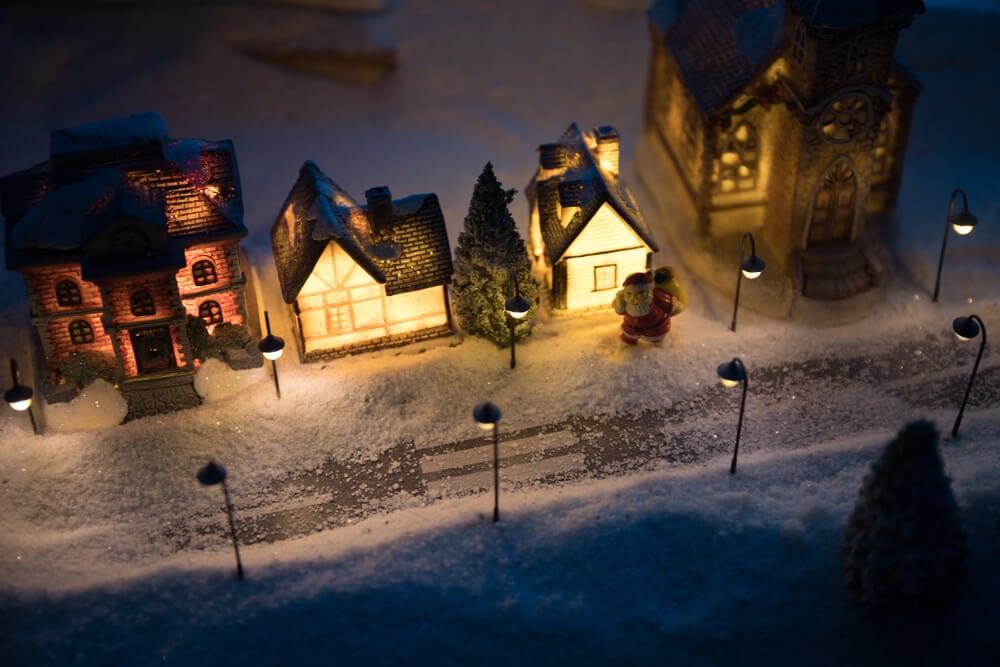
Schoolhouses give a village a sense of daily life, and collectors who build a full Snow Village street often want one near the church. Their bell towers and small windows are easy to chip, so intact examples are harder to find than the houses around them.
Retired schoolhouses with their original boxes and working cords draw the most interest. Faded paint and missing foam liners are the usual reasons a schoolhouse sells low.
Lefton Colonial Village Lighted Houses
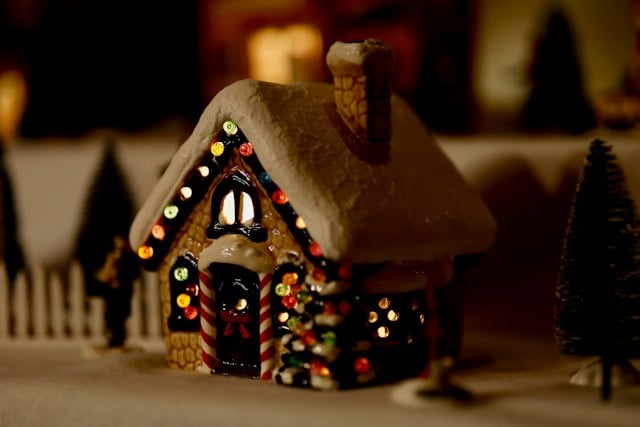
The Colonial Village line from the Geo. Z. Lefton company is made of lighted porcelain houses with painted details inspired by early American architecture. Collectors search for them by building name and by how well the painting has held up.
The glaze is delicate, so chips along the roofline and chimney are the most common flaws. A boxed, working example with its original cord sells noticeably better than a loose one.
Snow Village Stores and Shops
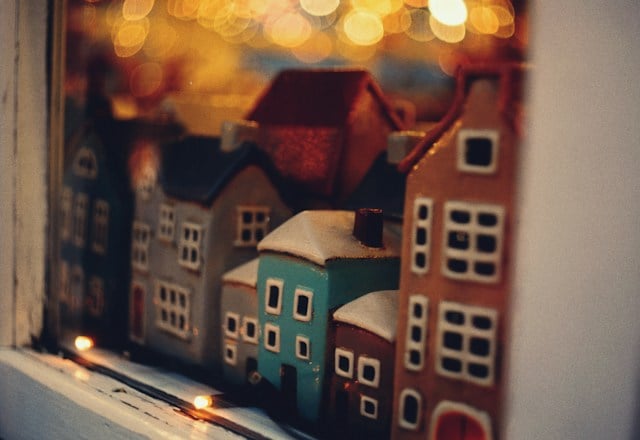
The Department 56 Snow Village filled its streets with bakeries, hardware stores, toy shops, and other small businesses, and collectors often chase the shops that tell the most charming story. Smaller storefronts were easy to damage in storage, so unchipped examples with their original boxes stand out.
Retired shops that anchor a block draw more competition than houses do. Faded signs and missing window inserts are the usual reasons a shop sells low.
Snow Village Train Stations
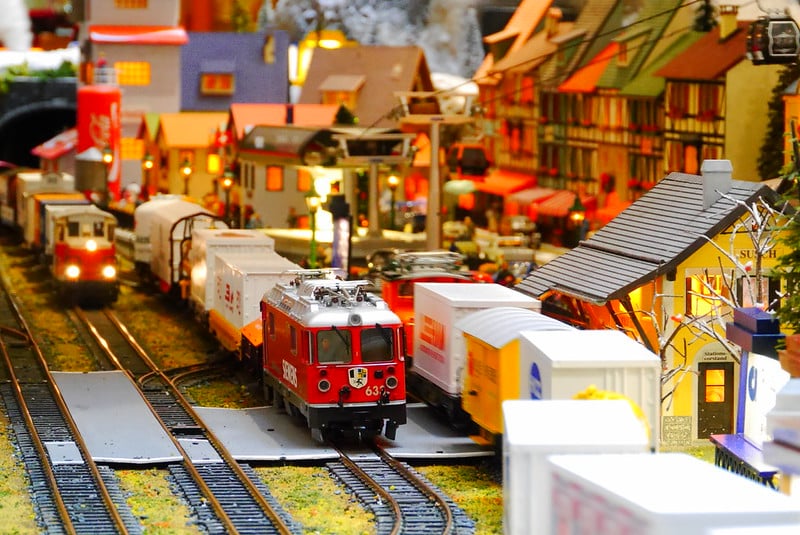
Train stations give a village a reason to have a railroad running past it, which is why collectors who run model trains hunt for them. Platform pieces and small accessories are easy to lose, so a complete station set is harder to find than the building alone.
Retired stations that still have their cords and packaging attract serious interest. Chips on the roofline and missing platform parts hold prices back.
Thomas Kinkade Lighted Buildings From Hawthorne Village
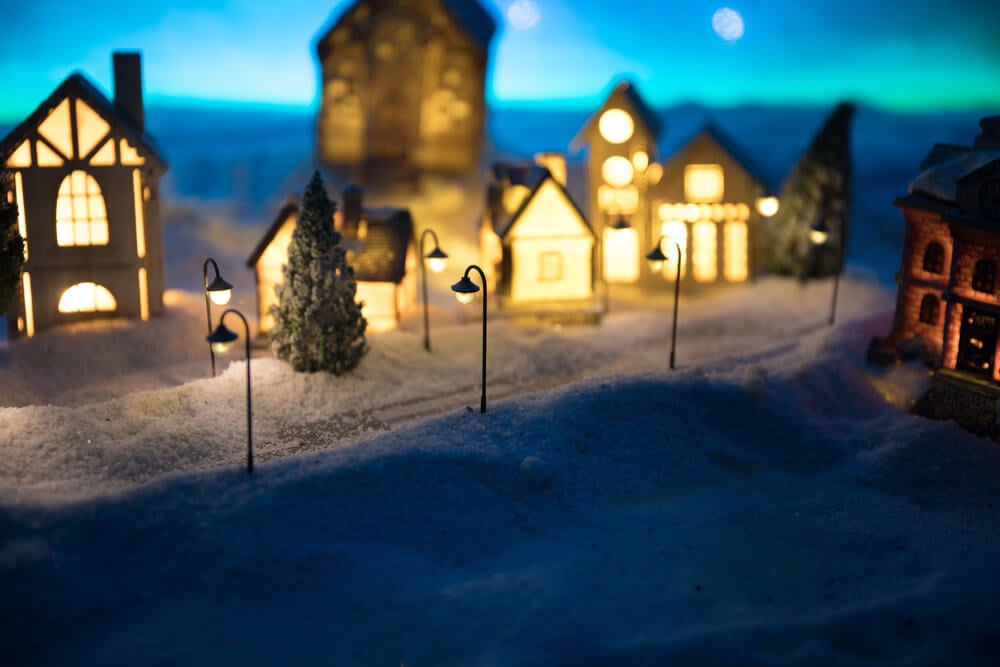
Hawthorne Village sold lighted, sculpted buildings inspired by the paintings of Thomas Kinkade. These pieces were made with painted details meant to echo the artist’s glowing cottages.
Because they were marketed directly to buyers instead of through regular gift shops, sets with their certificates and shipping cartons are sought after. A missing certificate or scuffed carton can shave real value from an otherwise perfect piece.
Possible Dreams Clothtique Santas
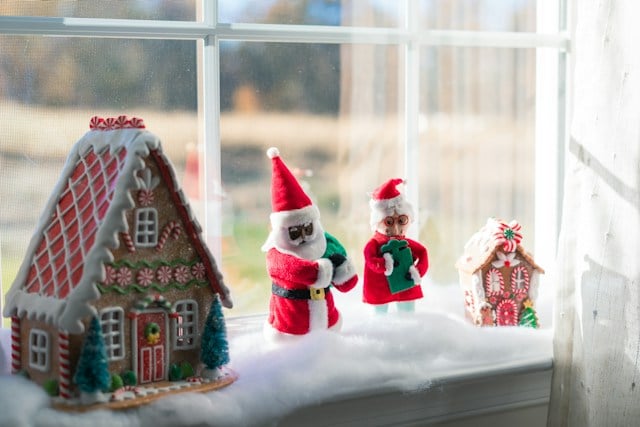
Possible Dreams made its name with cloth-clad Clothtique Santas, and the figures are often displayed among village buildings as a seasonal centerpiece. Unlike hard ceramic houses, these figures use fabric and sculpted resin, so age shows in the cloth as much as in the paint.
Retired Santas in rich fabrics and detailed faces draw collectors who display them year after year. Fading, fraying, and missing tags are what keep a Santa from reaching top prices.
Snow Village Fire Stations
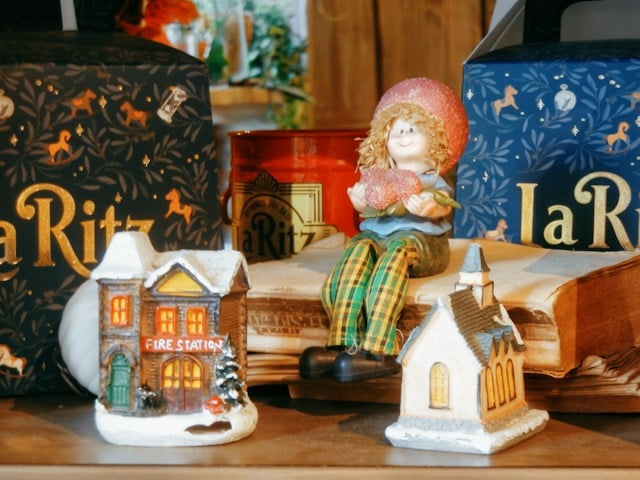
Fire stations bring a bit of action to a quiet village street, with their wide bay doors and bold red trim. Collectors who like a themed block often hunt for one to pair with the shops and houses around it.
Retired fire stations with their original boxes and a working light cord draw the most interest. Chipped paint around the doors and missing accessories hold the price down.
Plasticville Original Bachmann Line
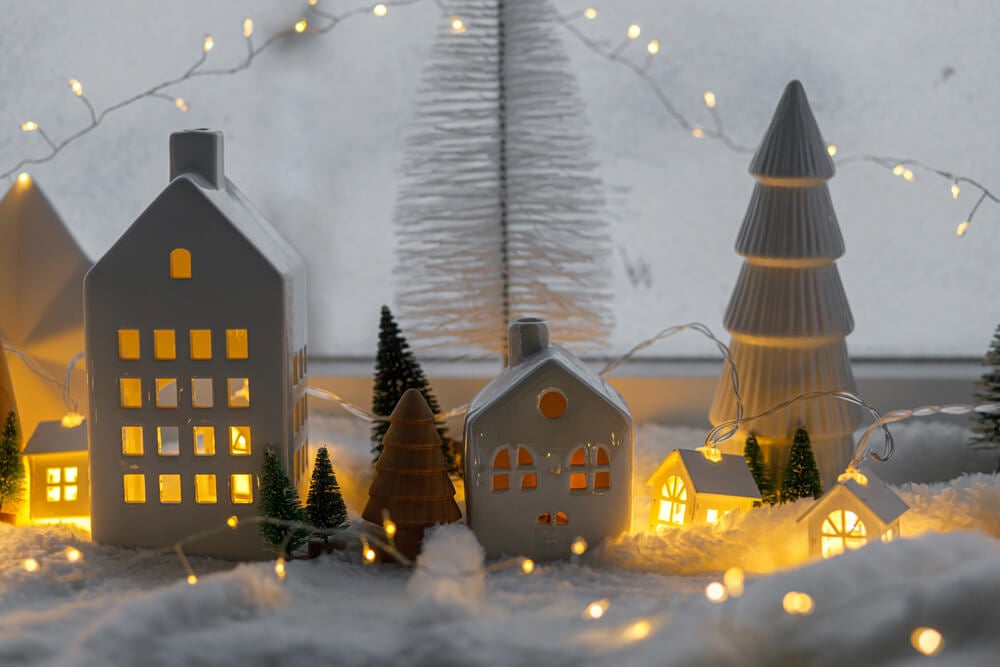
Plasticville was introduced by Bachmann as a line of inexpensive plastic buildings meant to sit beside model train layouts. Many families ended up using them under the Christmas tree, which is why the line sits in the Christmas village category today.
Early pieces in the right color combinations and with their original boxes bring the best money. Cracks, sun fading, and missing windows or roofs are the most common reasons an old building sells low.
Plasticville Cape Cod House
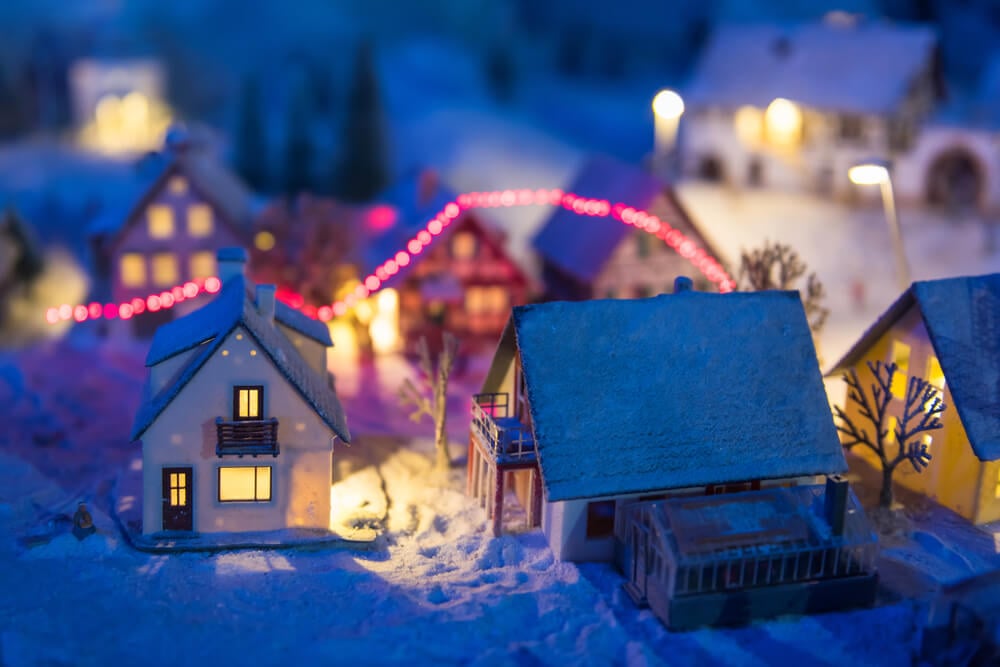
The Cape Cod house is one of the best-known Plasticville buildings and remains a fixture on lists of must-have pieces for the line. Its simple shape and bright molded colors make it instantly recognizable on a train table or tree skirt.
Examples with the original box and unbroken accessories are far easier to sell than loose ones. Color variations can raise interest, since collectors enjoy tracking the shades Bachmann used over the years.
Plasticville Church
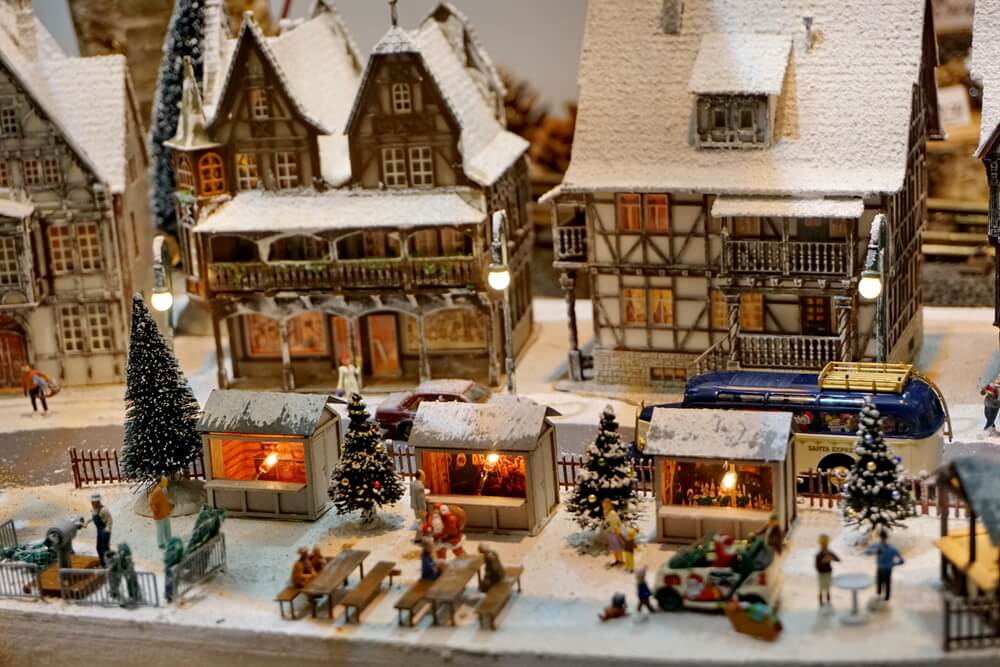
The Plasticville church, with its molded steeple and clear windows, is a staple of the postwar plastic village. Churches were popular accessories for layouts and Christmas displays, so many were produced and then roughed up by decades of handling.
Boxed copies with intact steeples are the ones that bring the stronger prices. A snapped spire or yellowed plastic noticeably reduces what a buyer will pay.
Early Putz Houses and the Pennsylvania Tradition
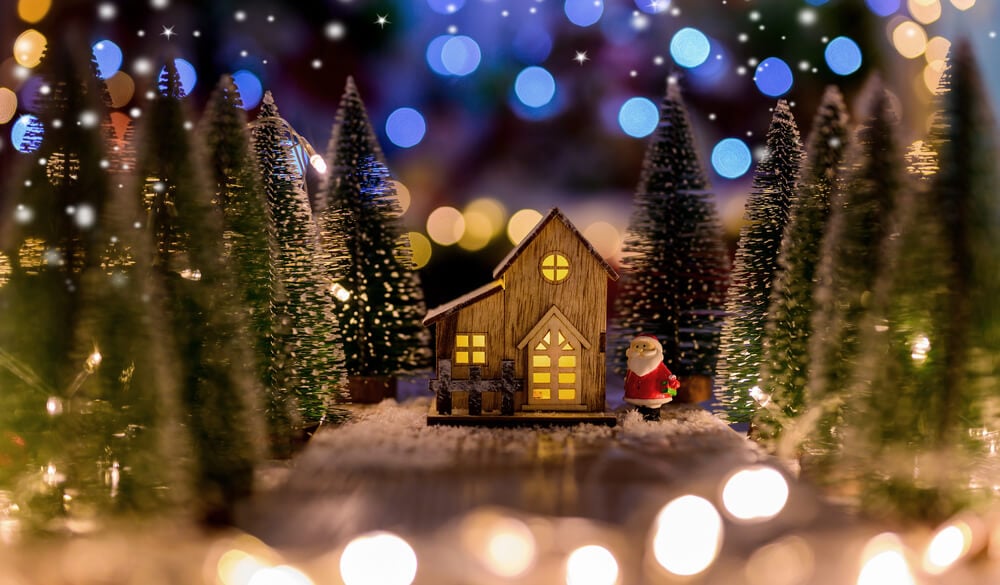
The word putz comes from a German word associated with decorating, and the tradition of building small Christmas villages beneath the tree is tied to Moravian communities in Pennsylvania. Early handmade putz houses have an appeal that mass production never matched, and no two are quite alike.
Provenance, such as a known family or maker, can raise interest in a piece. Warped cardboard and water stains are the usual condition problems that hold prices back.
Cardboard Christmas Houses Marked Made in Japan
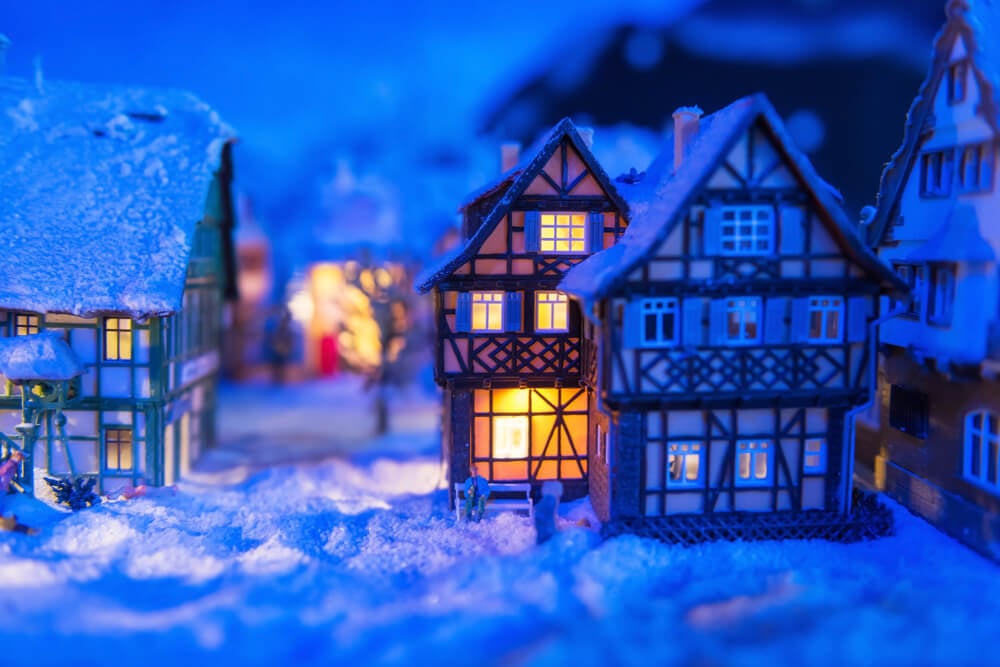
After World War II, makers in Japan produced large numbers of small cardboard Christmas houses covered in glitter and trimmed with cellophane windows. Many were sold in dime stores, so most were treated as disposable and few survived unscathed.
The Made in Japan stamp helps collectors date the pieces to the postwar decades. Complete villages with matching houses, churches, and original boxes are the ones that attract serious bids.
West German Mica Putz Houses
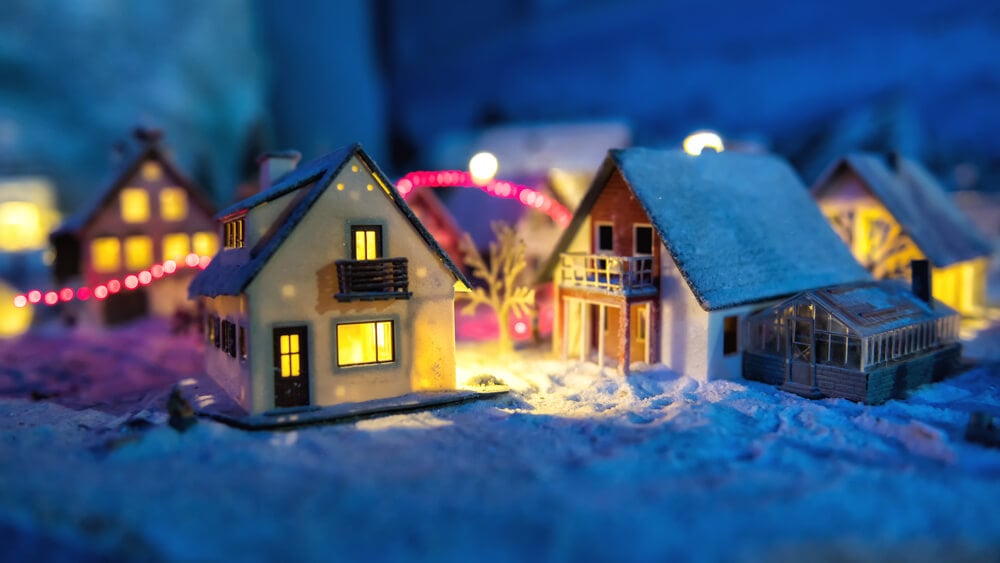
Small putz houses marked Made in West Germany turn up in listings with mica glitter on the rooftops and sides. The West Germany stamp places them in the decades before reunification, which gives collectors a handy dating tool.
Mica flakes catch the light of the tree, a feature that antique buyers prize. Flaking glitter and crushed corners are the main reasons a house sells for less.
Erzgebirge Wooden Houses From Saxony
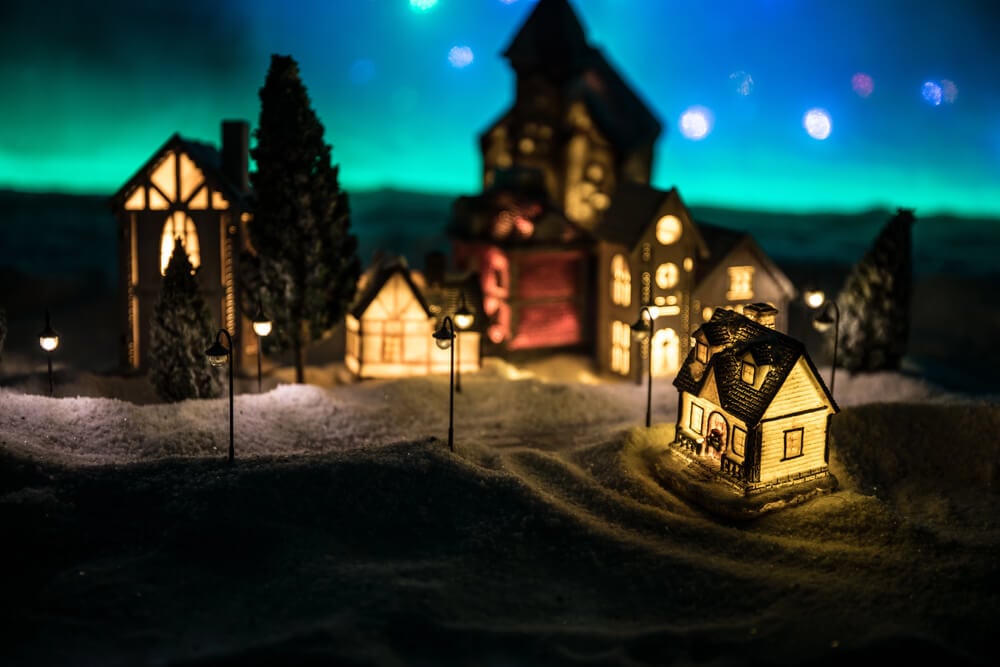
The Erzgebirge region of Saxony has a long woodworking tradition, and its small wooden Christmas houses are among the most prized European village pieces. Hand-turned and hand-painted details set the older examples apart from newer, factory-driven versions.
Collectors look for maker marks and signs of age that show a piece came from an earlier workshop. Replaced paint, fresh glue, and cracks all weigh against value.
Seiffen Church in Erzgebirge Folk Art
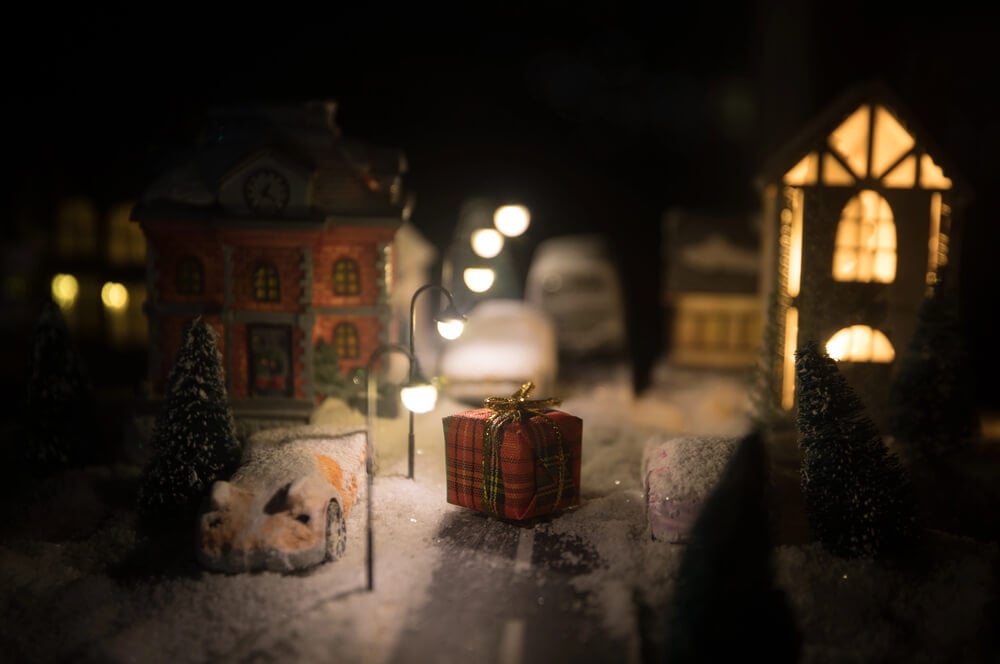
Seiffen is a well-known toy-making village in the Erzgebirge, and its church is a beloved subject for miniatures. Wooden Seiffen church models appeal to collectors who want a landmark with real roots rather than a made-up cottage.
Older hand-carved pieces are favored over newer machine-cut copies. Condition counts heavily, as a repaired or repainted steeple lowers what a collector will pay.
Lemax Caddington Village Retired Pieces
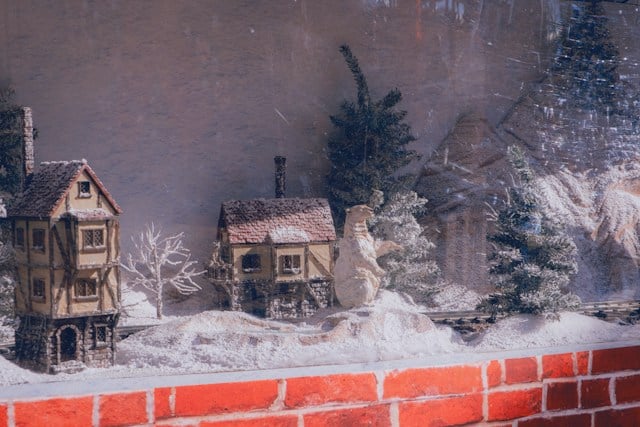
Lemax produces the Caddington Village line, a lighted collection of village buildings sold in major retail stores. Because Lemax regularly rotates out designs, retired buildings can become surprisingly hard to track down.
Collectors who missed a particular release often turn to the secondary market. Boxed pieces with working adapters and unbroken accessories draw the most interest.
Lemax Vail Village Retired Pieces
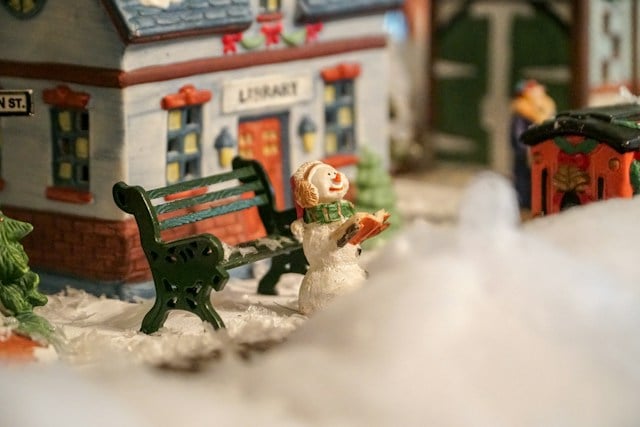
Vail Village is another Lemax lighted village line, and its mountain-town styling gives it a distinct look from Caddington. Retired Vail Village buildings are sought by fans who built a scene around the theme and then lost track of a missing piece.
The line moves through the secondary market in scattered lots instead of neat sets. Original boxes and working power cords are what justify higher asking prices.
Lemax Carole Towne Retired Pieces
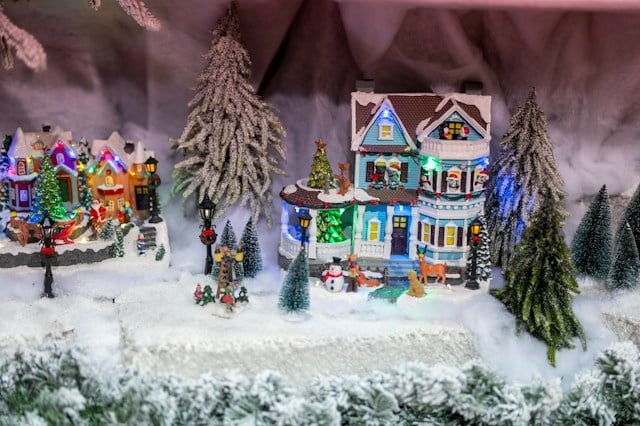
Carole Towne leans on Main Street charm, with shops and homes designed to light up beside the other Lemax collections. Pieces that have left the catalog attract collectors filling gaps in a themed layout.
Retired status builds interest, though it never replaces condition and packaging. A clean building with its original box and a working power supply will outsell a loose, grimy one.
Lemax Harvest Crossing Retired Pieces
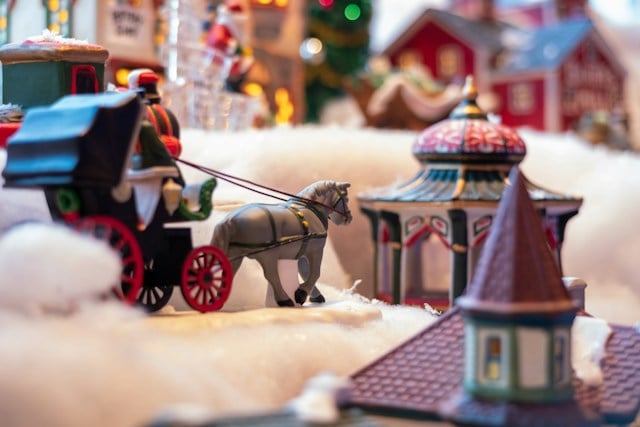
Harvest Crossing is a Lemax line that stretches the village idea into autumn and farm scenes rather than snow alone. Because these pieces suit a narrower season, collectors who want them have to hunt harder when a design retires.
They can mix into a Christmas display with the right accessories. Buyers pay for a complete, boxed building with a working light much more readily than for a loose or damaged one.
Disney Parks Village Buildings
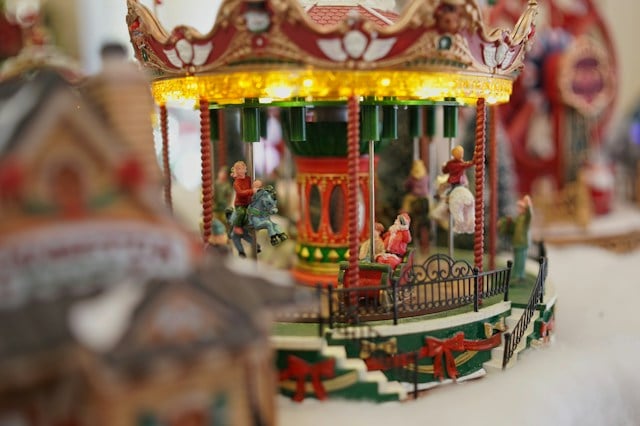
Department 56 produced a Disney Parks Village line that turned theme park landmarks into lighted collectible buildings. Fans of the parks often collect these alongside traditional village houses, which widens the pool of buyers.
Retired pieces with their original boxes and cords are the ones that draw the strongest interest. Chipped paint or a missing accessory can pull a building well below the asking prices of complete examples.
Harry Potter Village Buildings
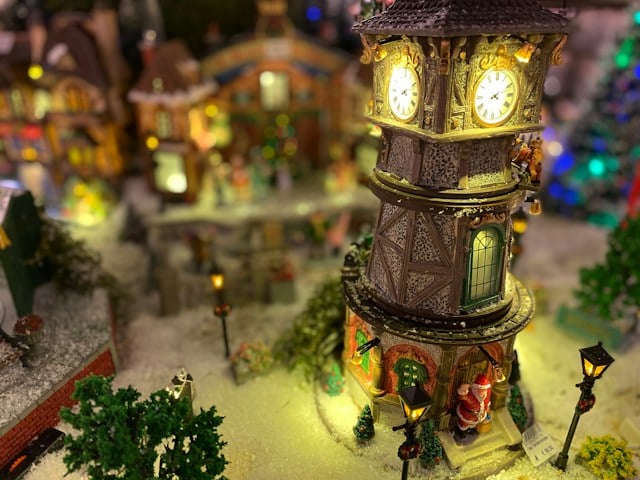
The Harry Potter Village from Department 56 brought lighted, hand-painted buildings from the wizarding world into the village hobby. Collectors cross over from both the film fandom and the village market, which can keep demand steady for retired pieces.
Sets that include their accessories tend to outsell individual loose buildings. Boxes, cords, and unchipped paint remain the key price factors.
Fontanini Nativity Village Pieces
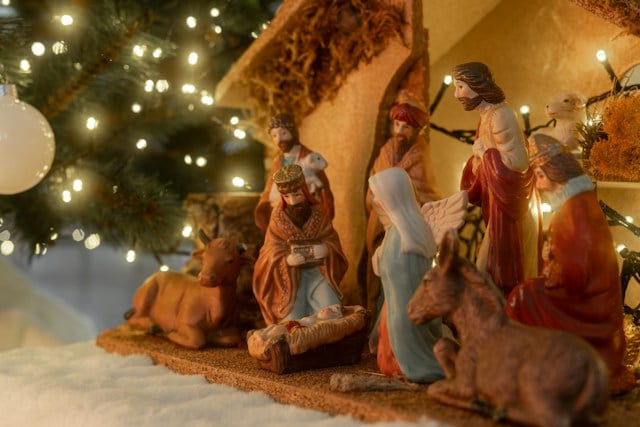
Fontanini is known for detailed nativity figures and the village buildings that surround them, which give collectors a way to build a full Bethlehem scene. Buyers value hand-finished detail and matching sets over odd single pieces.
Retired figures and buildings are often hunted to complete a display that has grown over many seasons. Original boxes and unrepaired figures separate strong sales from weak ones.
Mickey’s Christmas Village Collectibles
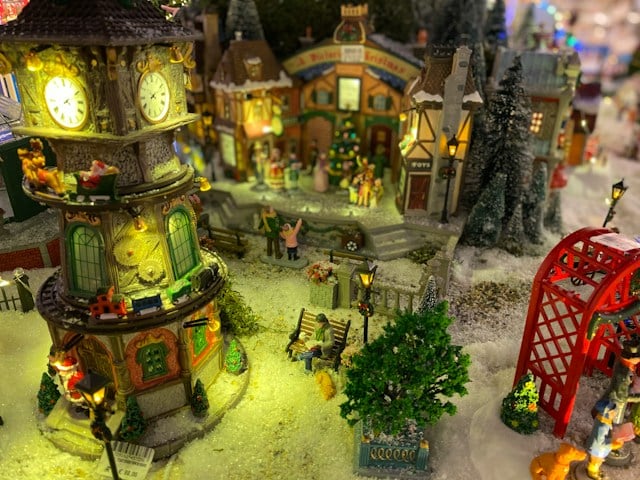
Mickey’s Christmas Village was a Department 56 series that placed Disney characters in lighted village settings. Collectors who love vintage Disney merchandise treat these pieces as crossover finds, and retired buildings can become hard to track down.
Pieces with their original boxes, cords, and figures are the ones that tend to impress buyers. Fading paint and missing accessories hold prices back.
Snow Village Accessories and Lighted Trees
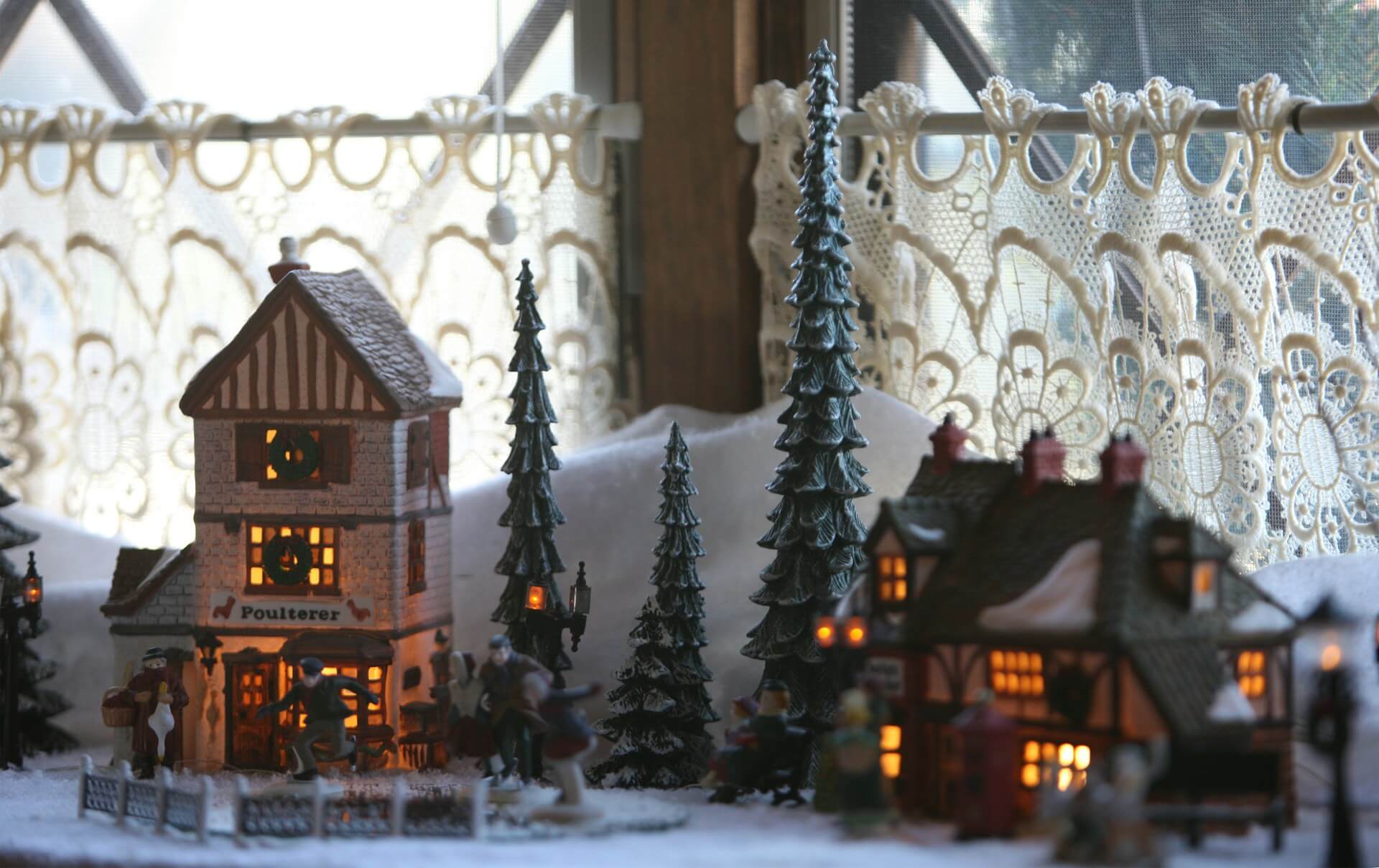
Department 56 sold small accessories such as figures, lighted trees, and street scenes to fill the spaces between its buildings. Accessories often fetch surprising amounts because far fewer of them survive in original condition than the houses they were meant to decorate.
Buyers use them to add a human touch to a street scene. Value moves with whether the box, sleeve, and tiny parts are all present.
Why Tiny Towns Hold Their Value
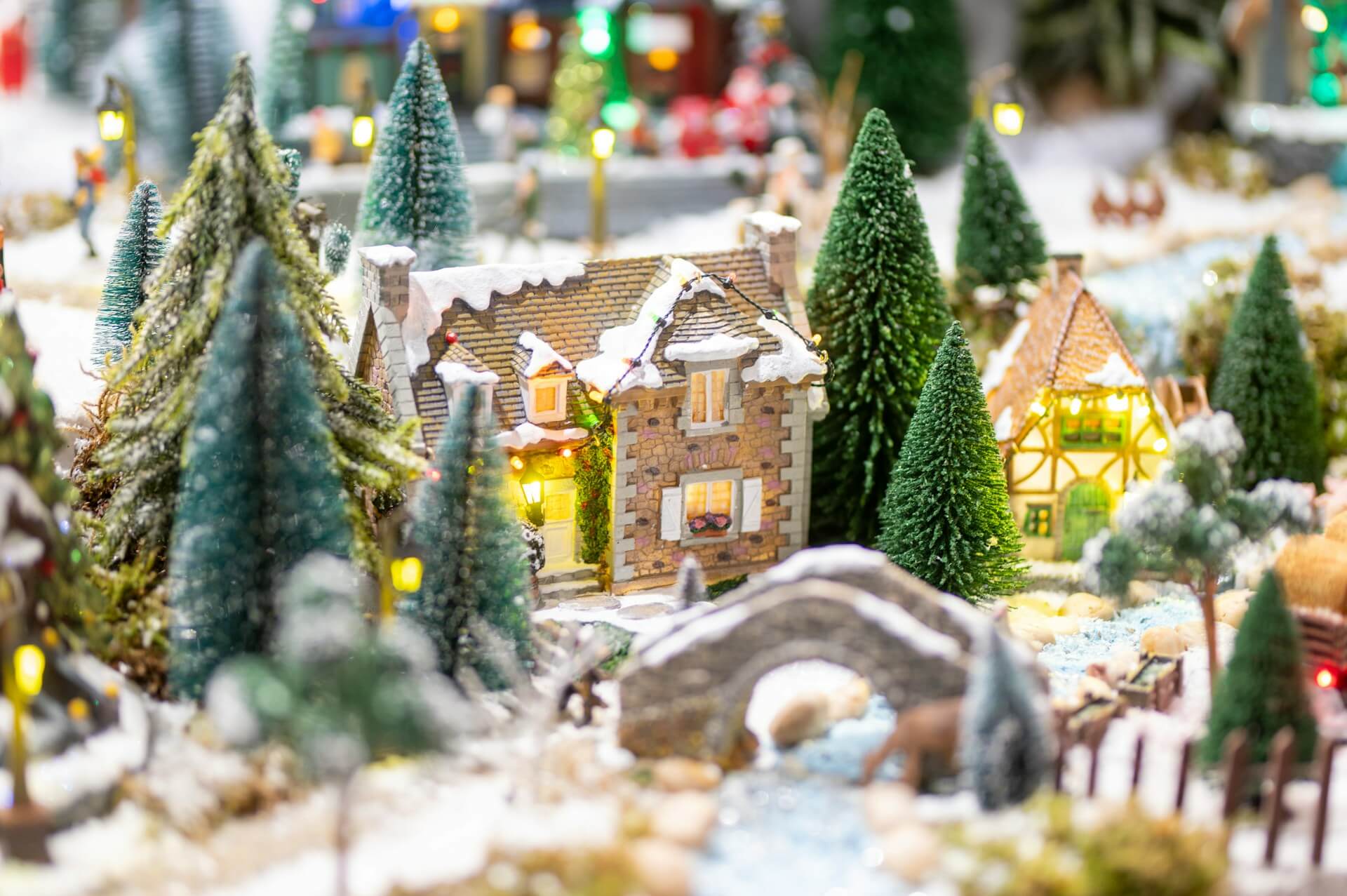
The strongest prices rarely come from the biggest or most elaborate buildings. They come from pieces that arrived in small runs, were loved by the people who owned them, and survived with all their original parts.
A village is a hobby built on completeness, and a missing box or cord can erase the premium a retirement status once promised.
That is why collectors treat boxes like treasure and cords like part of the building. Every season a few more pieces break, fade, or disappear into attics, and the survivors become a little harder to find.
The market keeps rewarding those who kept the small things.
More from Go2Tutors!

- The Romanov Crown Jewels and Their Tragic Fate
- 13 Historical Mysteries That Science Still Can’t Solve
- Famous Hoaxes That Fooled the World for Years
- 15 Child Stars with Tragic Adult Lives
- 16 Famous Jewelry Pieces in History
Like Go2Tutors’s content? Follow us on MSN.