31 Drive-in Era Habits That Faded Away
There was a stretch of American life when the car served as the living room, the dining room, and the date night all at once. Movies, meals, church services, and errands were built around the idea that nobody needed to leave the driver’s seat.
Most of those habits faded as suburbs grew, cars changed, and new technology replaced old rituals. A few still survive in small pockets, which makes them feel even more like time travel.
Hanging the Speaker on the Window
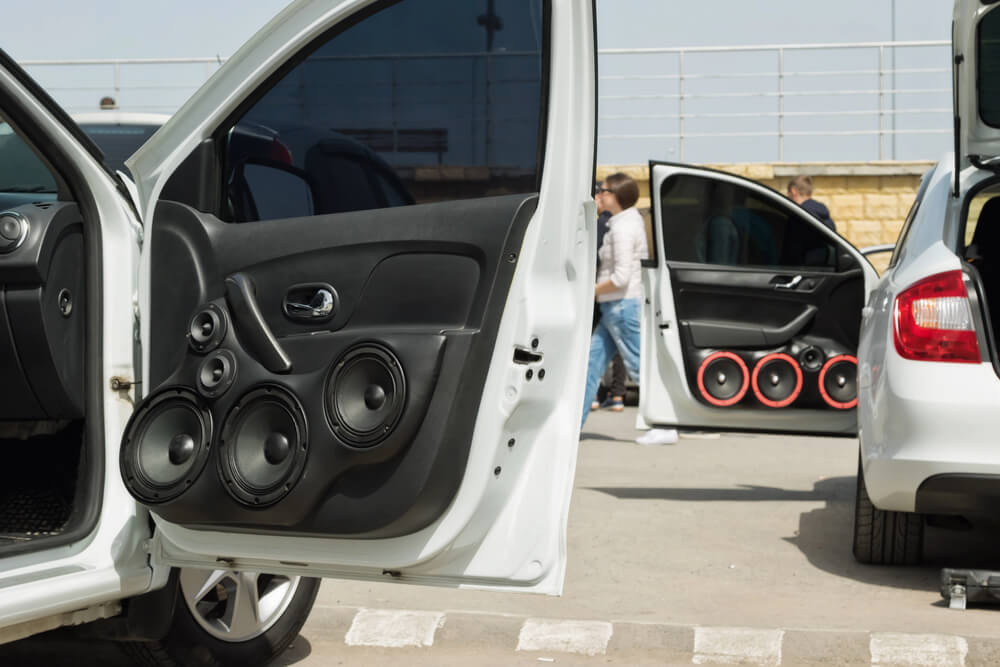
The first drive-in theater opened in Camden, New Jersey, in 1933, and for decades the soundtrack came through a metal speaker on a post that viewers hooked onto a partly rolled-down window. The sound was tinny, and forgetful drivers occasionally pulled away with the speaker still attached, snapping the cord.
By the 1980s, many theaters had switched to broadcasting sound over a low-power FM signal to car radios. The heavy window speaker became a flea market collectible.
Hanging it on the glass was once the first thing every family did after parking.
Kids in Pajamas for the Double Feature

Drive-ins marketed themselves to families, and parents often loaded children into the back seat already in pajamas, expecting them to fall asleep during the second movie. A double feature meant a long night, sometimes running past midnight, and no babysitter was needed.
Some drive-ins ran dusk-to-dawn marathons on holiday weekends. The arrangement made a night at the movies affordable for large families on a single paycheck.
With so few drive-ins left, a car full of pajama-clad kids settling in for a double feature has become a rare scene.
Dancing Snacks at Intermission
Intermission at the drive-in brought animated ads urging viewers to visit the snack bar, often paired with a countdown clock showing the minutes until the next feature. The best known, Let’s All Go to the Lobby, was produced in 1957 and featured a parade of singing snacks marching toward the concession stand.
It was later added to the National Film Registry. The snack bar supplied much of a drive-in’s profit.
Indoor theaters ran the same reels, but at the drive-in, the walk to the concession stand across a dark lot was its own small adventure.
Smuggling Friends in the Trunk
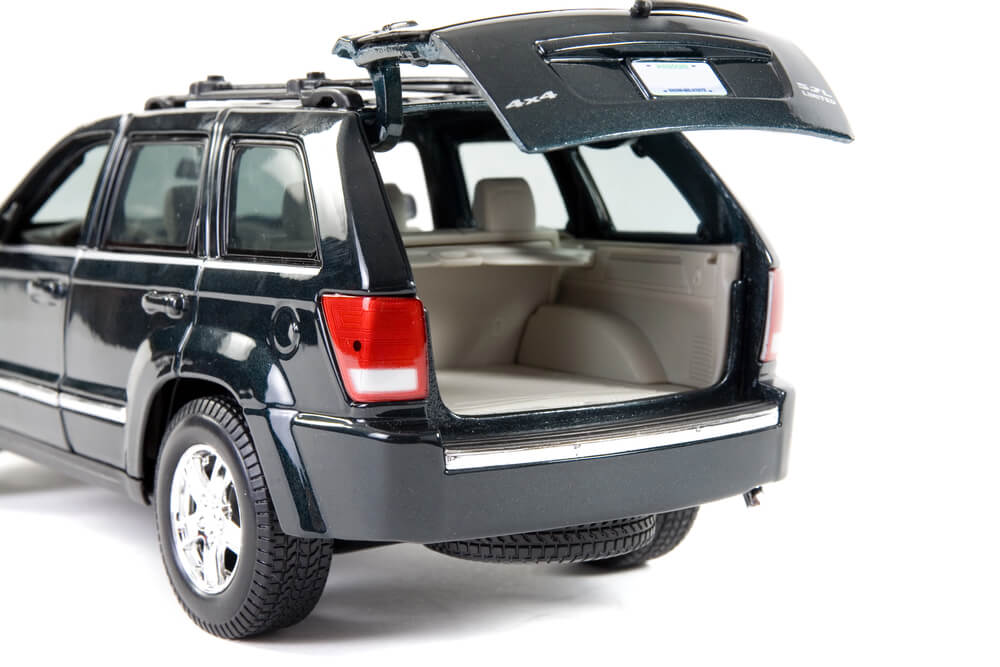
Many drive-ins charged by the person, so teenagers hid friends in the trunk to save on admission. Once the car parked, the trunk popped open and the stowaways climbed out, sometimes to the amusement of everyone nearby.
Theater owners caught on, and some checked trunks at the gate or switched to charging a flat fee per car. The trick became a staple of teen movies and family stories.
Modern cars with internal trunk release levers and changing ticket policies make the scheme feel more like a stunt than a habit.
Renting an In-Car Heater
Drive-ins in colder regions stretched their seasons by renting electric in-car heaters, which plugged into a post near the speaker and sat on the floor or dashboard. Families bundled up in blankets and watched movies in spring and fall chill that would otherwise have closed the lot for months.
Some theaters advertised heaters in their newspaper listings as a selling point. As drive-ins dwindled and winter crowds thinned, the heater service faded away.
Most surviving drive-ins now simply close for the cold season and reopen when the weather warms.
Burning Bug Coils at the Snack Bar
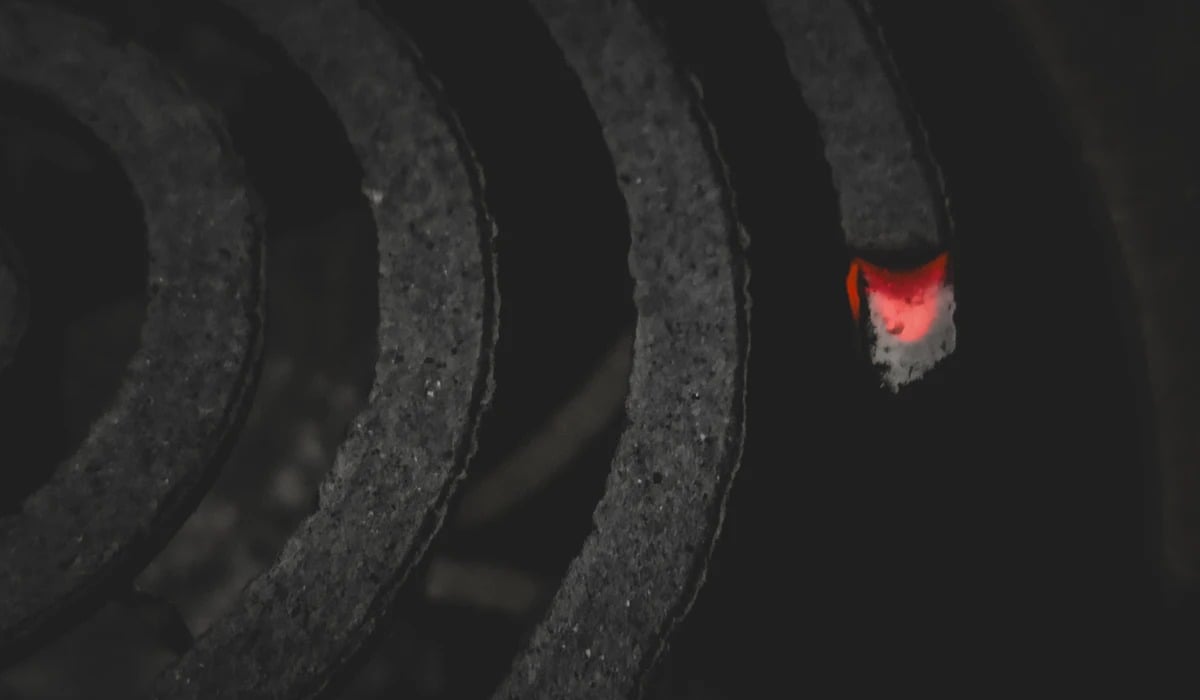
Summer drive-ins faced a constant problem with mosquitoes, so snack bars sold slow-burning repellent coils that customers set on the dashboard or the hood. Brands like PIC became fixtures of drive-in concession stands.
Some theaters also fogged the lot with insecticide before showtime, a practice that would draw complaints today. The smell of a smoldering coil was part of the drive-in experience for many families.
Today’s surviving drive-ins mostly leave it to visitors to bring their own spray, and the coil on the dashboard has quietly disappeared.
Playing Under the Screen Before Dusk
Many drive-ins built playgrounds right beneath the big screen, with swings, slides, and sometimes small trains or pony rides. Families arrived early so children could play until the sky darkened and the first picture flickered on.
The playground kept kids occupied and helped sell snacks to parents watching from their cars. Insurance costs, liability concerns, and the overall decline of drive-ins ended most of these play areas.
The image of children racing back across the gravel to the car as the projector lit up belongs to another era.
Attending Church in the Car
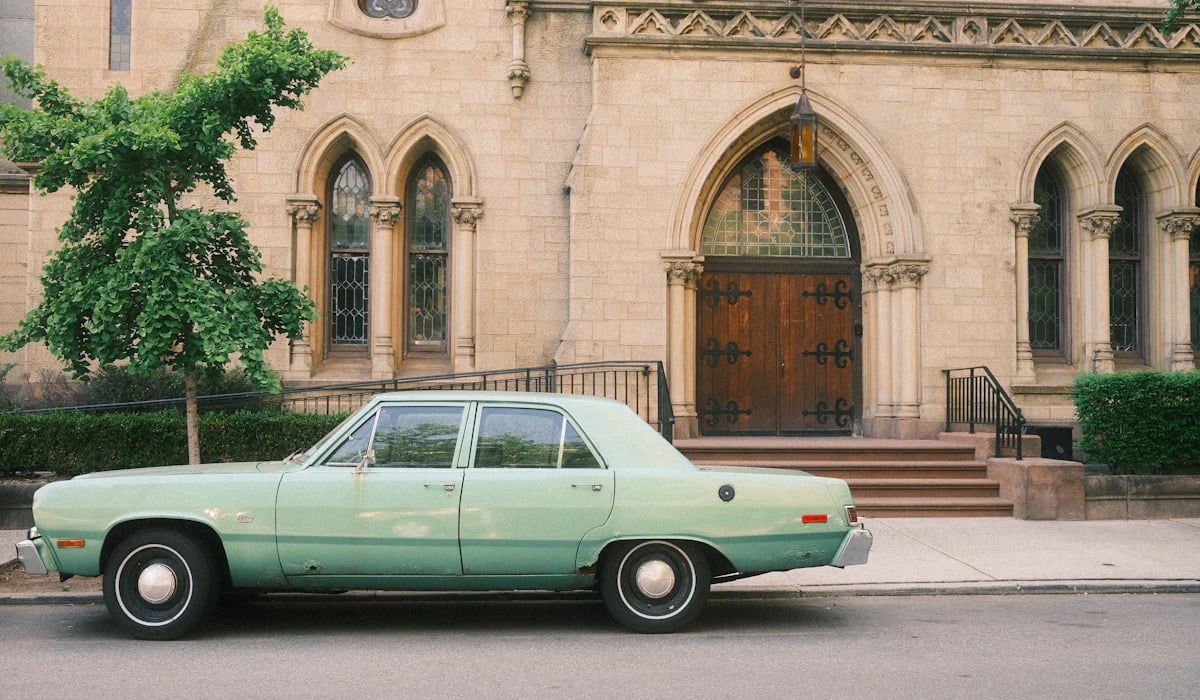
In 1955, Robert Schuller began holding Sunday services at a drive-in movie theater in Orange, California, preaching from the roof of the snack bar to worshippers in parked cars. His congregation later grew into the Crystal Cathedral, one of the best-known churches in the country.
Drive-in worship spread to other towns and vacation spots. It faded as congregations built permanent sanctuaries, though many churches briefly revived parking lot services during the 2020 pandemic.
Listening to a sermon through a car window once seemed perfectly normal.
Pulling Into the Pig Stand
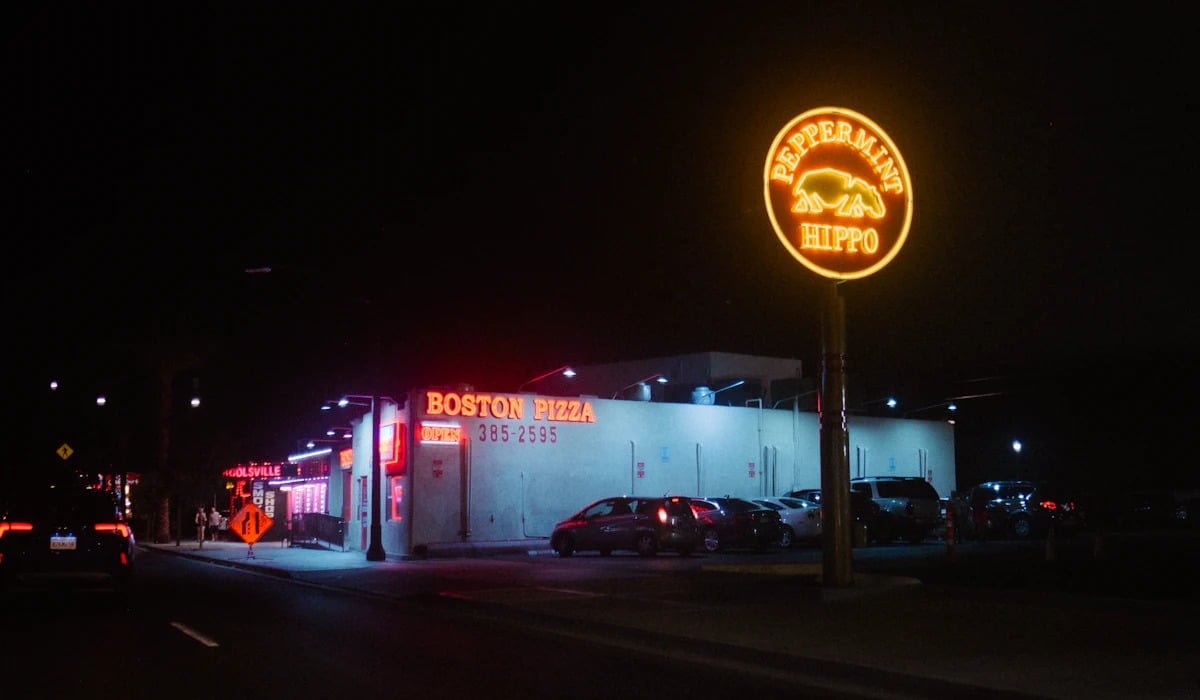
The Pig Stand, which opened in Dallas in 1921, is widely credited as the first drive-in restaurant in the United States. Customers stayed in their cars while carhops ran barbecue pork sandwiches out to their windows.
The idea spread across the country, and drive-in restaurants became the center of car culture in the 1940s and 1950s. Fast-food chains with counter service and drive-through windows eventually replaced most of them.
Parking to be served at the car went from the newest way to eat to a novelty that few restaurants still offer.
Carhops on Roller Skates
At drive-in restaurants, carhops took orders and delivered food to parked cars, and many glided across the lot on roller skates to move faster. They balanced loaded trays, made change on the spot, and worked largely for tips.
Carhopping was a popular first job for teenagers in the 1950s and 1960s. Most of those restaurants disappeared as fast-food chains with counter service and drive-through windows took over.
Sonic keeps the skating carhop alive at some of its locations, but at most restaurants the tradition is long gone.
Trays Hooked on the Car Window
Drive-in restaurants served meals on metal trays that clipped onto a partly lowered car window, holding burgers, fries, and drinks right at the driver’s elbow. Diners ate in the front seat with napkins on their laps, then flashed their headlights or honked to have the tray removed.
Spilled milkshakes on the upholstery were a common hazard. As drive-through windows replaced drive-ins, food came in paper bags meant for driving away.
The window tray now survives only at a handful of classic drive-ins that cater to nostalgia.
Root Beer in Frosted Glass Mugs
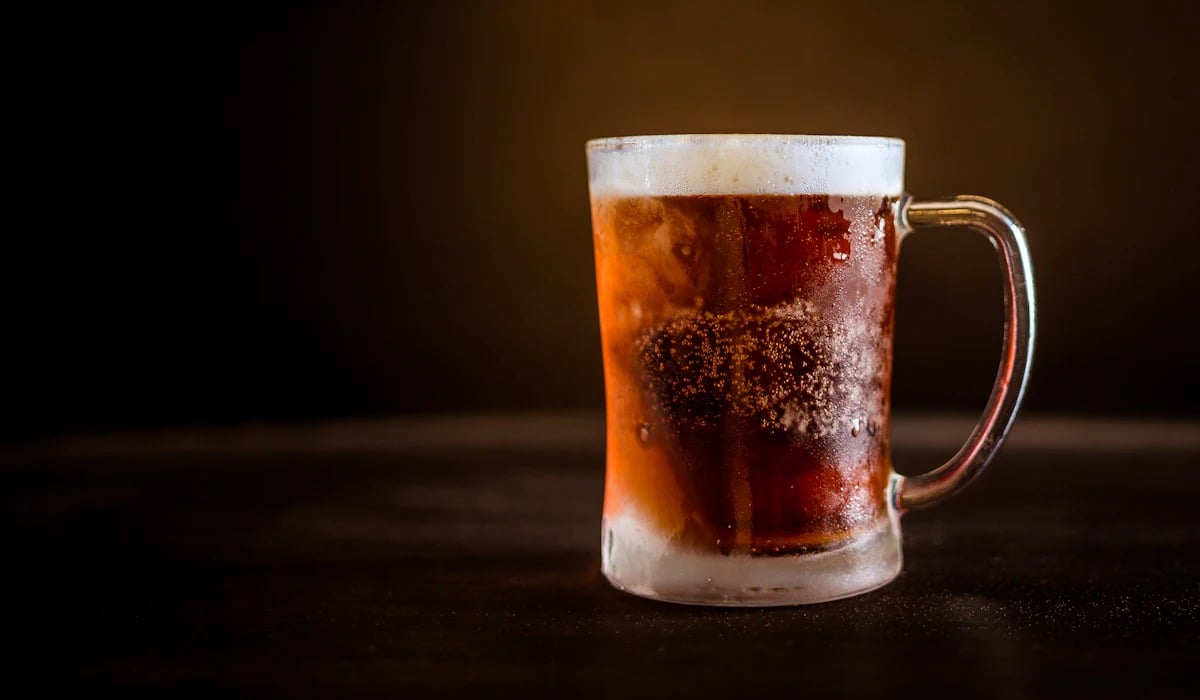
Root beer stands, led by the chain Roy Allen founded in Lodi, California, in 1919 and later named for Allen and his partner Frank Wright, served their drinks in heavy glass mugs chilled until frost formed on the outside. Carhops brought the mugs straight to the car on window trays.
The chain still exists, but most locations moved to counter service, and many dropped the frosted glass mugs for paper and foam cups. A frosty mug of root beer at the car window was a summer ritual for millions of families.
Cruising Main Street on Saturday Night
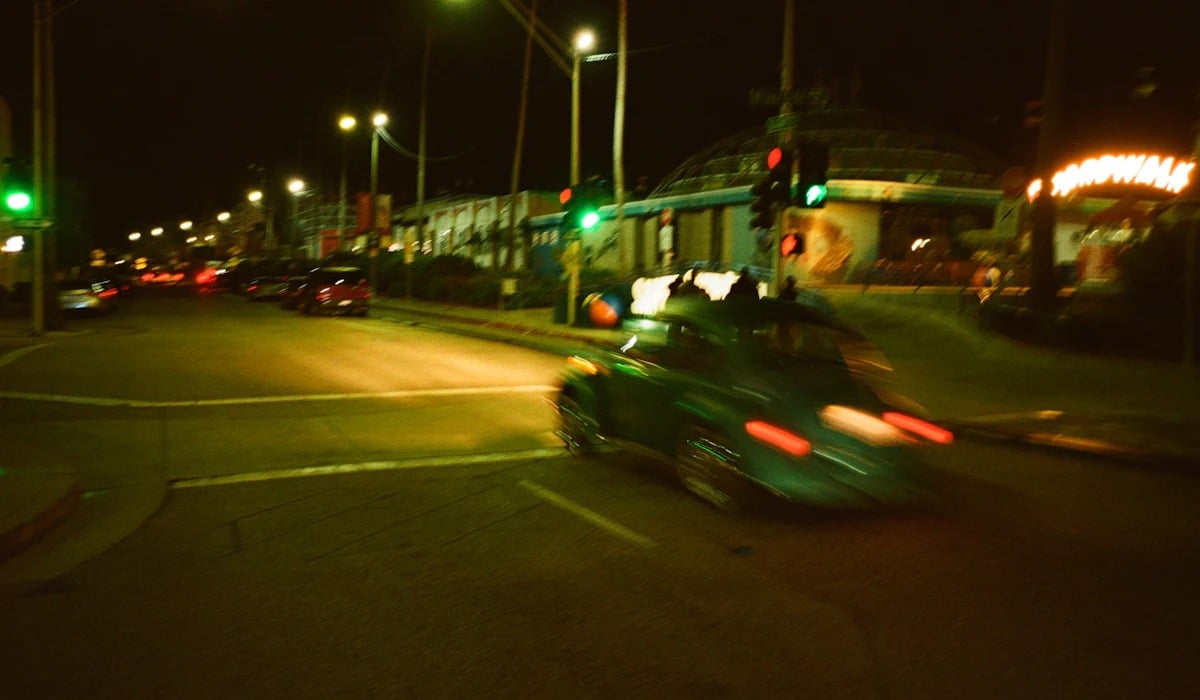
Teenagers once spent weekend nights driving slow loops along a town’s main drag, showing off cars, flirting through open windows, and stopping at the same drive-in again and again. George Lucas captured the ritual in his 1973 film American Graffiti, set in 1962 Modesto, California.
As traffic and noise complaints grew, many cities passed anti-cruising ordinances that limited how often a car could pass the same point. Rising gas prices did the rest.
Some towns now hold cruise nights as nostalgia events, but the weekly ritual is gone.
Full-Service Attendants at Every Pump
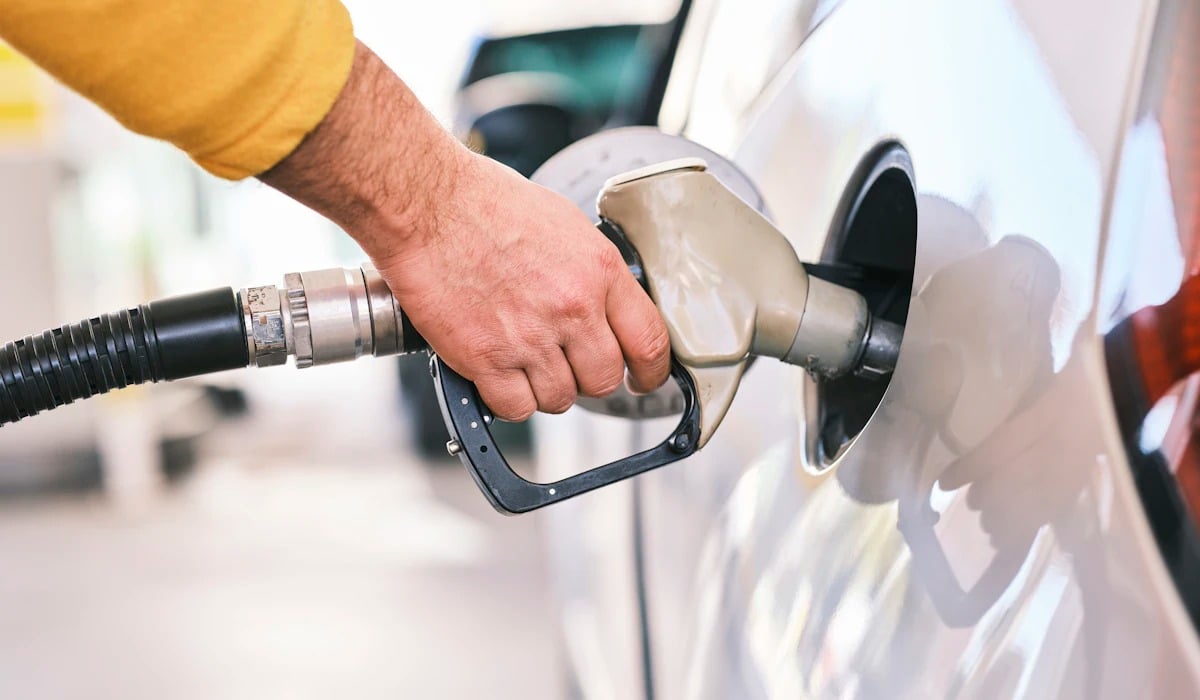
Pulling into a gas station once meant an attendant came out to pump the gas, check the oil, clean the windshield, and test the tire pressure, all without being asked. Self-service spread rapidly in the 1970s and 1980s as stations cut costs.
New Jersey remains the only state that still bans self-service gasoline after Oregon loosened its long-standing ban in 2023. Elsewhere, full service survives at only a few stations.
Most younger drivers have never had a stranger check their oil for free while they waited in the car.
Free Road Maps at the Gas Station
Oil companies once handed out free road maps at their stations as a form of advertising, and glove boxes filled with folded maps from Texaco, Esso, and Gulf. Publishers such as Rand McNally and H.M.
Gousha printed them by the millions each year. Folding a map back into its original creases became a family test of patience.
The free map faded in the 1970s as oil companies cut costs, and later GPS and smartphones made paper maps optional. Today, a gas station map usually costs money, if the store stocks one at all.
Collecting Gas Station Giveaways
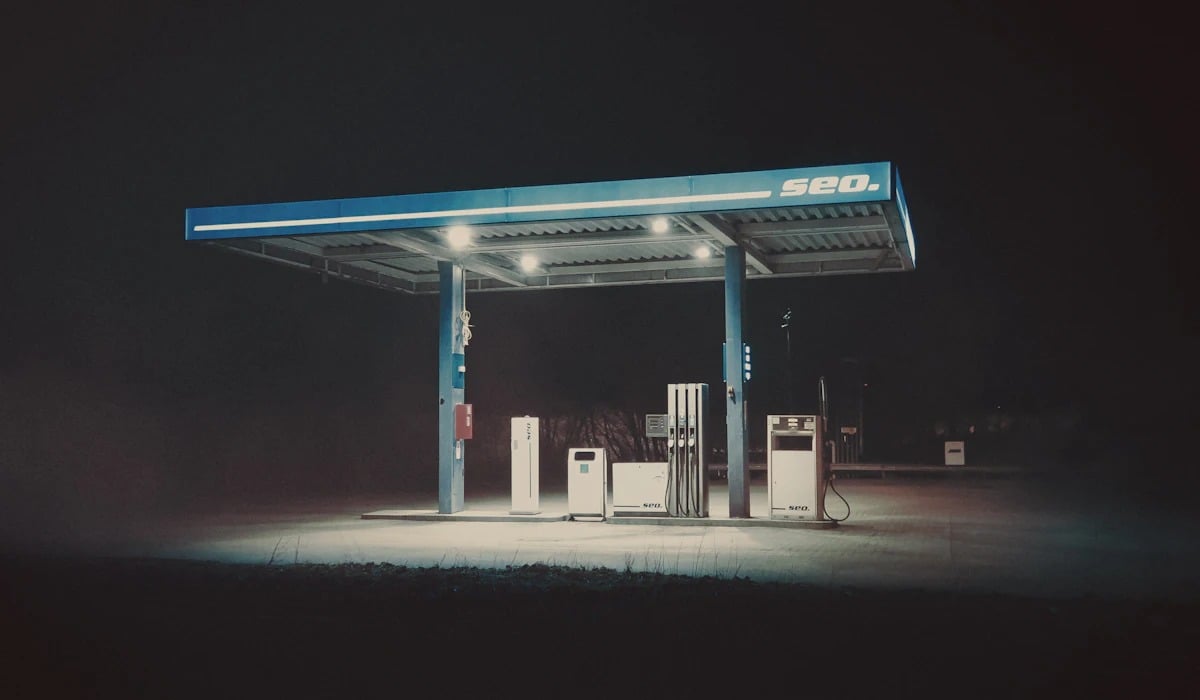
Gas stations once competed with free gifts, from drinking glasses and dinnerware to stuffed animals, handed out with a fill-up. Many also gave trading stamps such as Sperry and Hutchinson Green Stamps, which customers pasted into booklets and redeemed for household goods from a catalog.
Entire sets of kitchen glasses came from regular visits to the same station. The giveaways faded as price competition and the 1970s oil shocks squeezed margins.
Today’s loyalty programs offer points and discounts but little that ends up in a kitchen cabinet.
Watching for Gas Wars
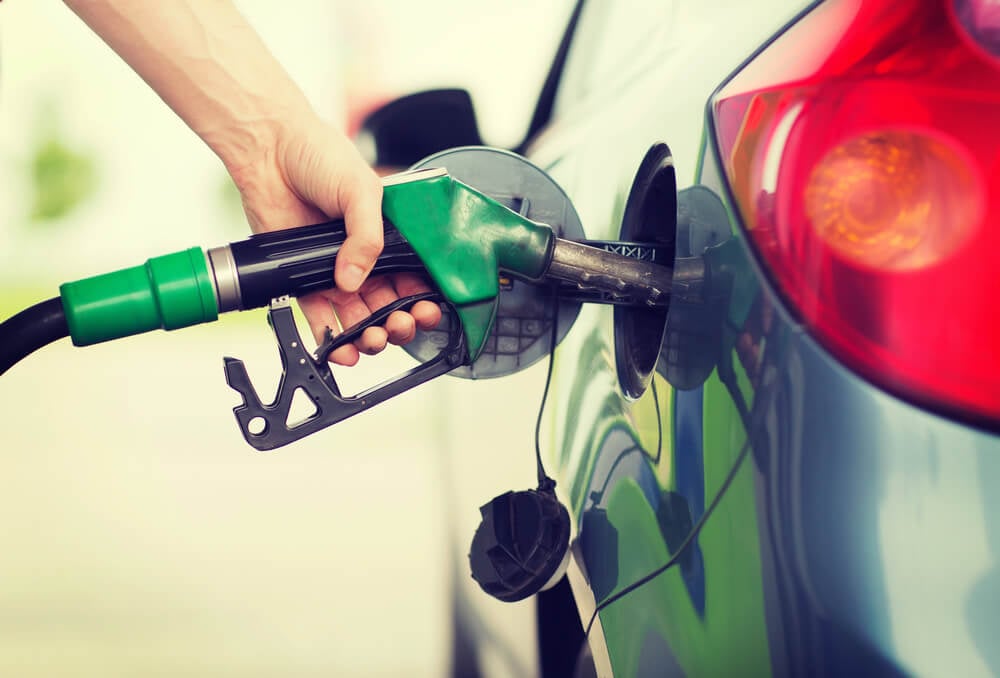
In the 1950s and 1960s, neighboring gas stations often slashed prices to undercut each other, a practice known as a gas war. Drivers watched the big price signs and timed their fill-ups to catch the lowest number, sometimes just a few cents below 30 cents a gallon.
Stations occasionally dropped prices below cost simply to win customers away from the competitor across the street. The 1970s oil crisis ended the era of cheap gas and fierce local undercutting.
Price apps now do the comparing, and the thrill of spotting a gas war has disappeared.
Free Air for the Tires
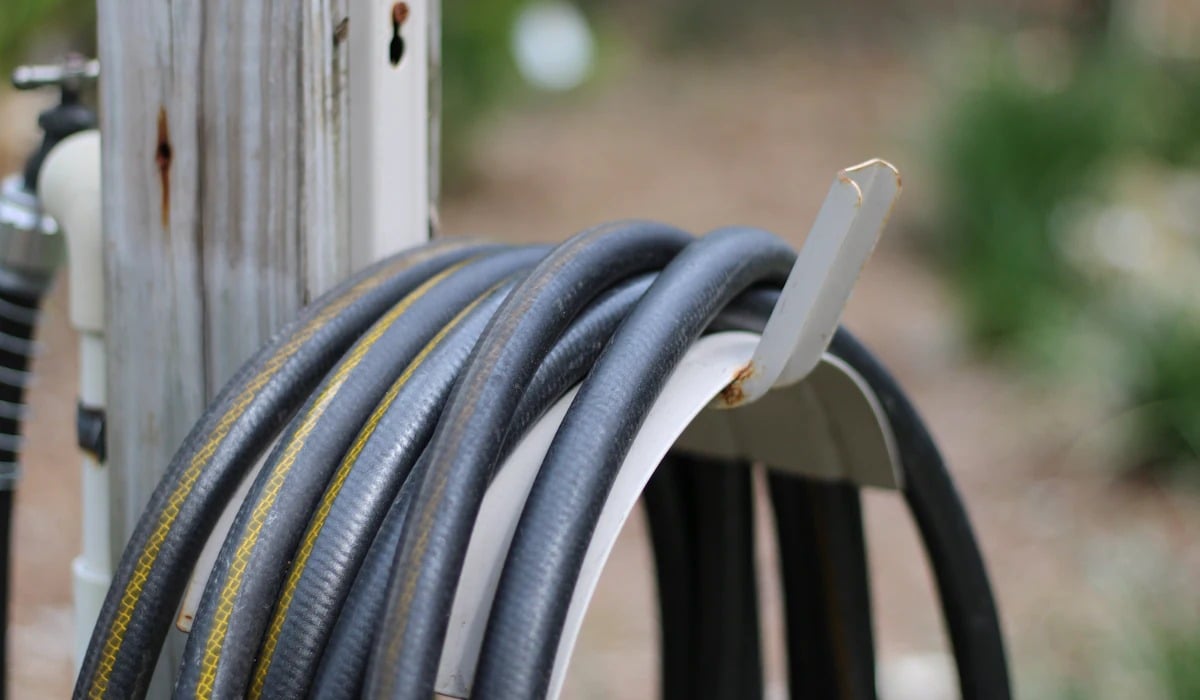
Air for the tires was once free at nearly every gas station, with a hose and gauge waiting at the edge of the lot. Topping off before a trip was a quick routine, often handled by the attendant.
Coin-operated air machines spread from the 1980s onward, and many stations now charge a dollar or two. California and Connecticut require stations to provide free air to customers who buy fuel, but elsewhere the free hose has largely vanished.
Many drivers now carry a small electric pump in the trunk instead.
The Sunday Drive
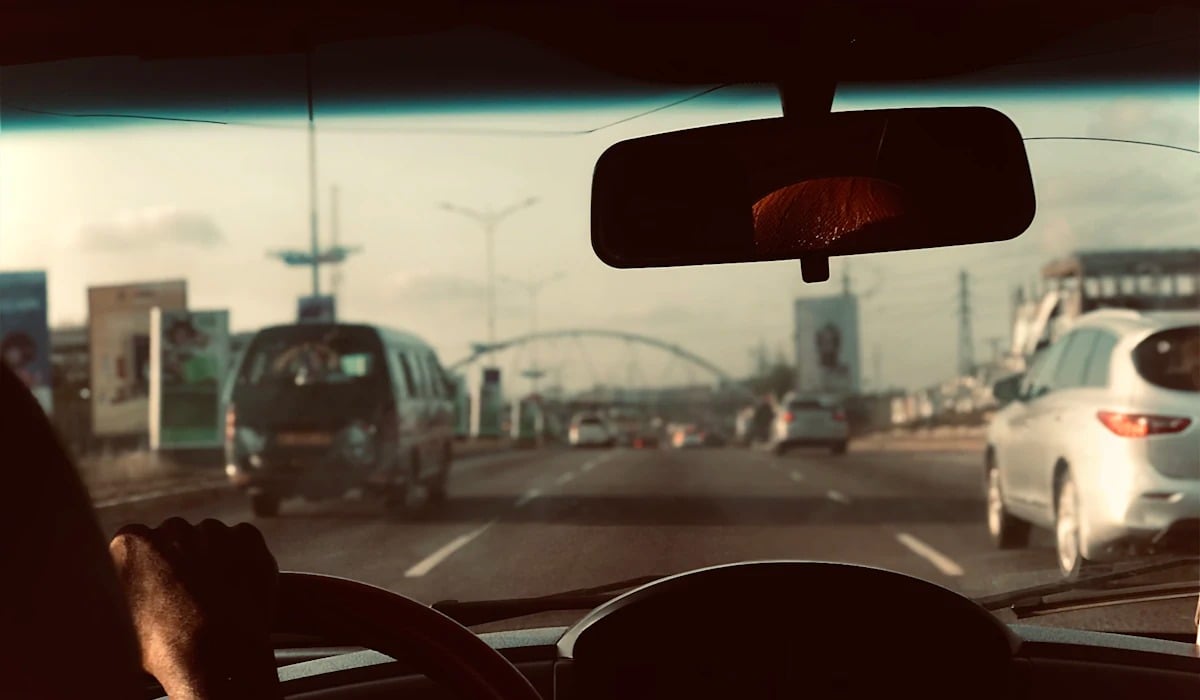
For many families, the Sunday drive was a pastime with no destination, a slow loop through the countryside after church to look at farms, fall leaves, or new houses going up. Gas was cheap and roads were less crowded.
The 1973 oil crisis hit the habit hard, and President Nixon asked gas stations to close voluntarily on Sundays to conserve fuel. Busier weekends, higher gas prices, and other entertainment took over.
Driving purely for the pleasure of driving now belongs mostly to car clubs and motorcycle riders.
Reading Burma-Shave Signs
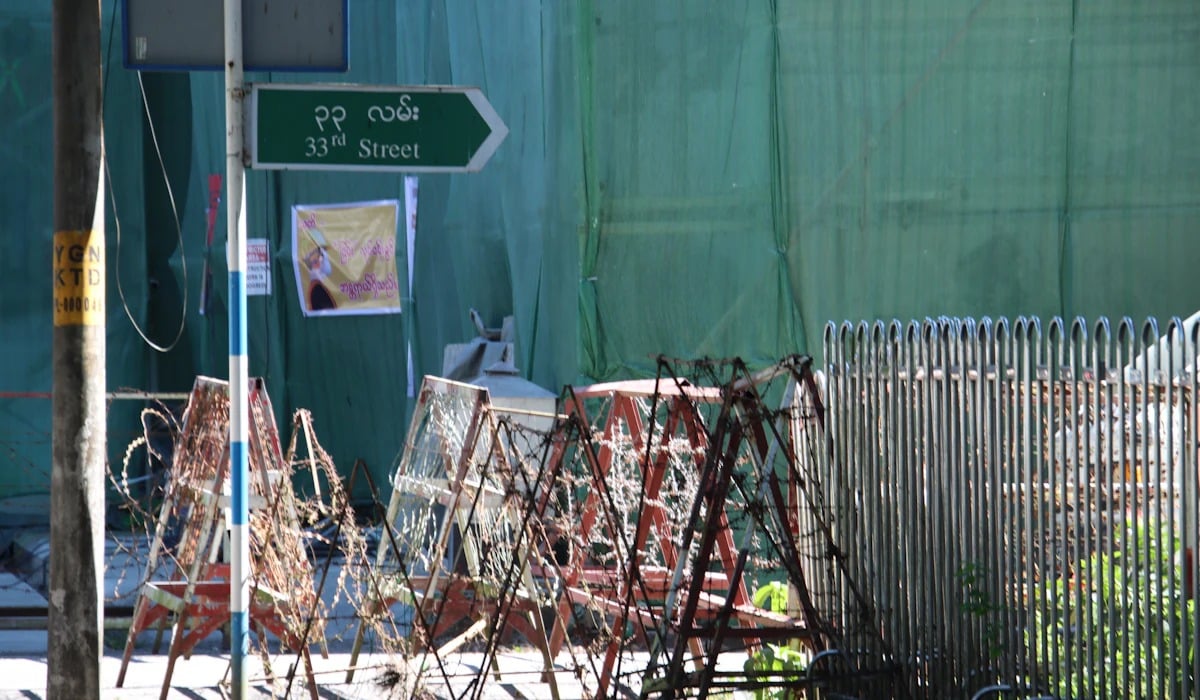
Beginning in the mid-1920s, the Burma-Shave company placed small red signs along highways in sequence, each carrying a few words of a rhyming jingle, with the brand name on the last sign. Families read them aloud as they drove past, and kids raced to call out the punchline.
At their peak, thousands of sets lined American roads. Faster highways, interstate travel, and changing advertising ended the campaign in 1963.
A set of the original signs now belongs to the Smithsonian Institution, preserved as a piece of roadside history.
Signaling Turns With an Arm

Drivers once extended an arm out the window to signal turns and stops, with an arm straight out for left, bent up for right, and bent down for slowing. Many older cars lacked electric turn signals, which became standard equipment on most models only in the 1950s and 1960s.
Hand signals remain legal and still appear in driver’s license manuals. Bicyclists use them far more often than drivers do.
In a modern car with tinted windows, an arm out the window is far more likely to be a wave than a signal.
Parking at the Lookout Point
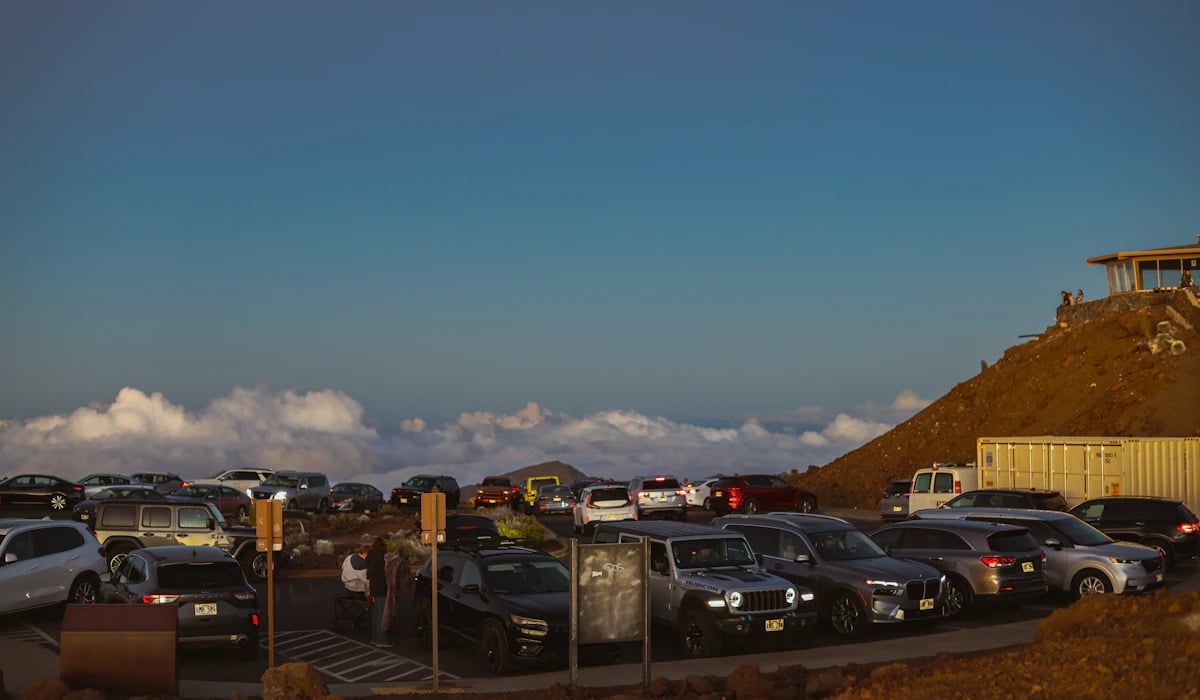
Couples in the drive-in era headed to a scenic overlook, quiet road, or hilltop spot known locally as a lovers’ lane, where they parked, listened to the radio, and enjoyed some privacy. Bench seats made it easy for a passenger to slide over next to the driver.
Police patrols sometimes shined flashlights into fogged windows. Bucket seats and center consoles changed car interiors, and phones, apartments, and other options changed dating.
The lookout point is now mostly a place for sunset photos and the occasional tourist.
Washing the Car Every Saturday
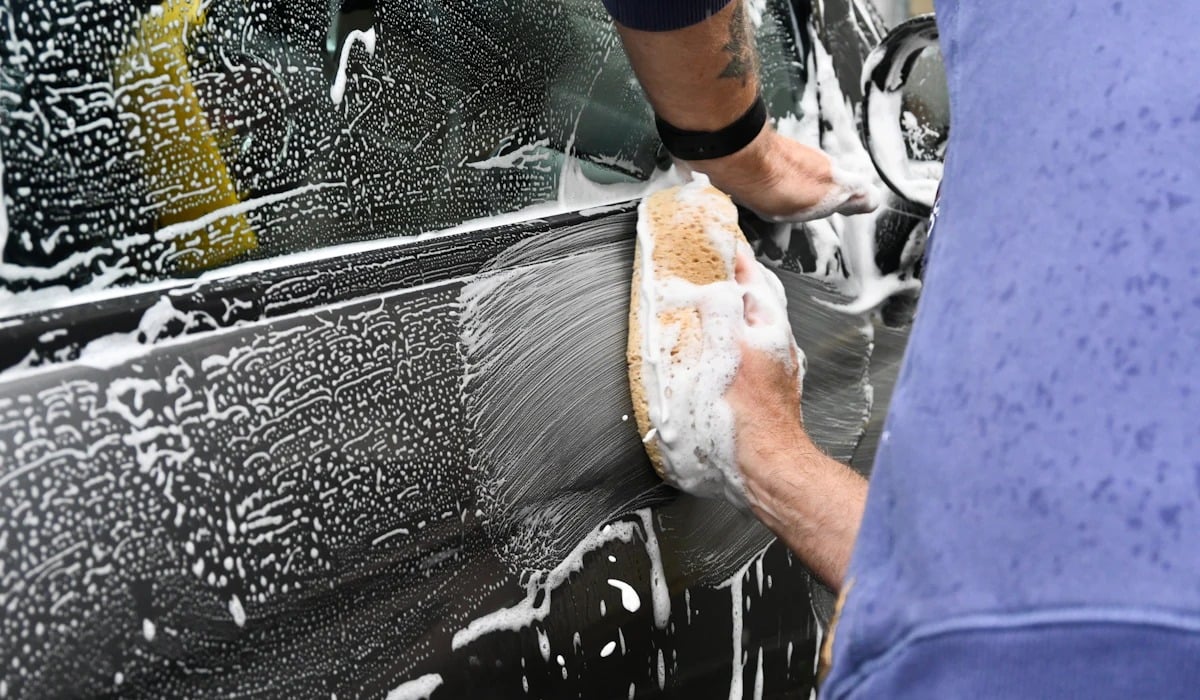
Weekend car washing was a family ritual in driveways across the suburbs, with buckets, sponges, a garden hose, and a careful coat of wax. Kids earned allowance money by drying the chrome and polishing the hubcaps.
Commercial car washes, busier schedules, and tougher paint finishes changed the routine. Some cities now discourage or restrict driveway washing because soapy runoff flows into storm drains and local streams.
The tidy Saturday wax job has mostly moved to the automatic car wash down the road, where nobody needs to own a chamois.
Fuzzy Dice on the Mirror
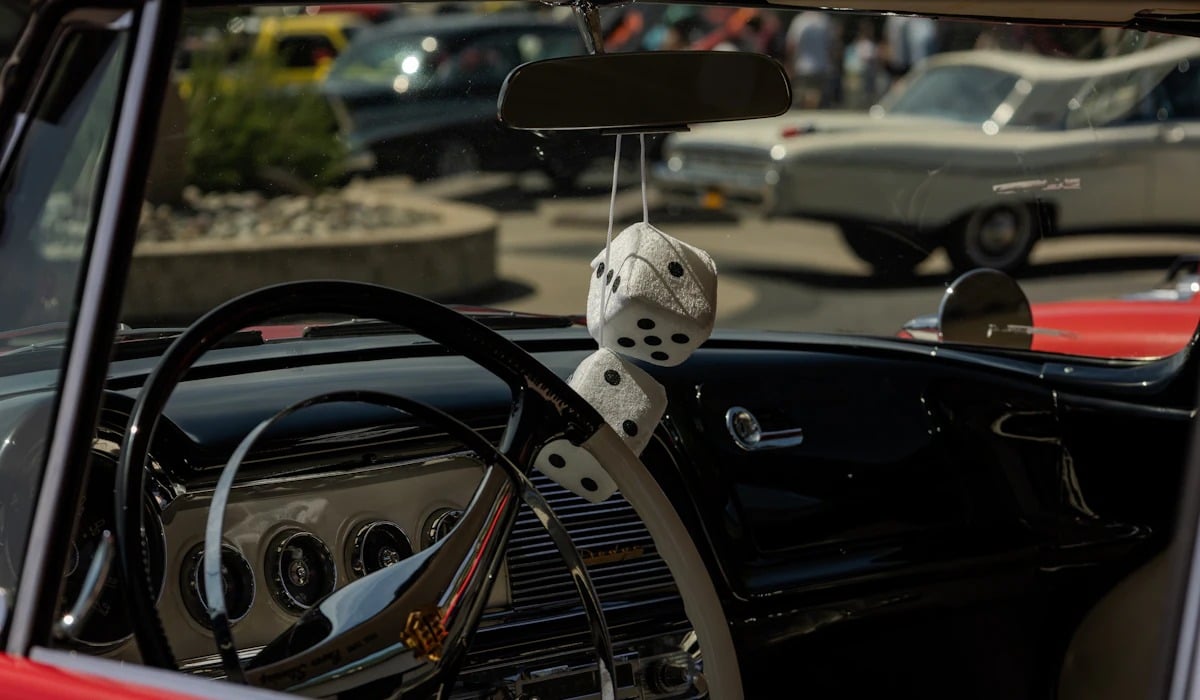
Fuzzy dice hanging from the rearview mirror became a popular car accessory in the 1950s, and one popular explanation traces the custom to fighter pilots who hung dice in the cockpit as good luck charms. Hot rodders adopted them as a symbol of risk taking.
The fad faded, then returned now and then as a joke. Several states have laws against objects that obstruct the windshield view, and drivers have been ticketed over mirror ornaments.
The dice now hang mostly in nostalgia shops and classic car shows.
Tuning In AM Radio DJs
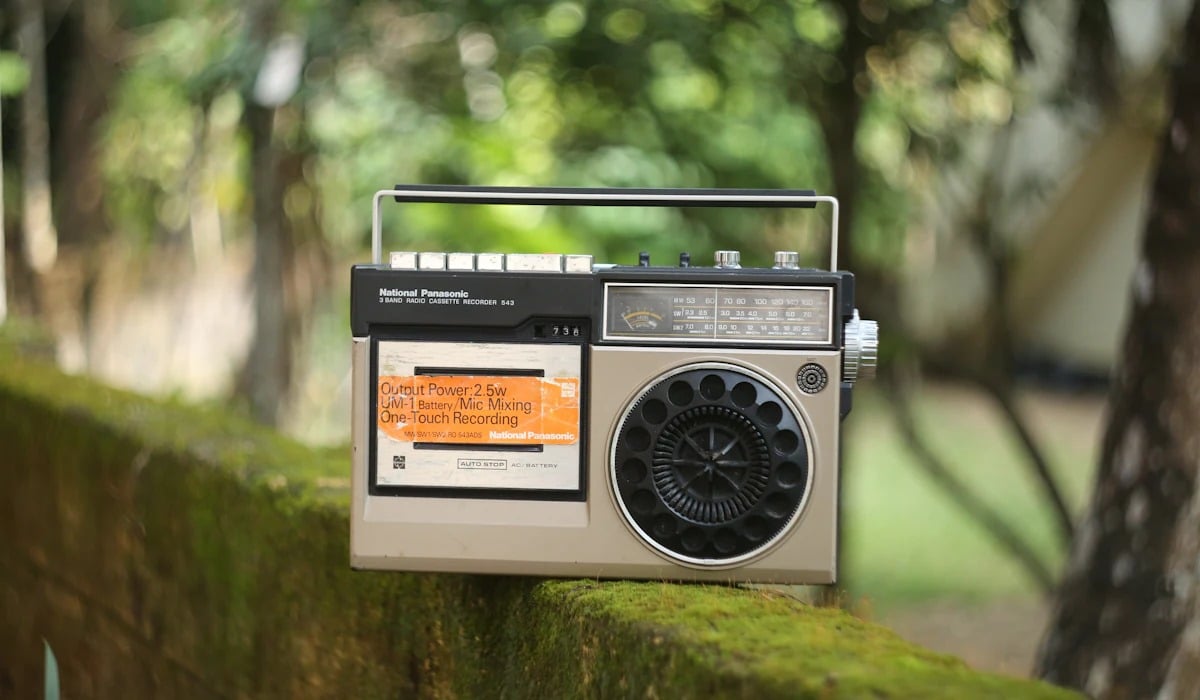
Car radios of the drive-in era received only AM stations, and teenagers tuned in to fast-talking disc jockeys like Wolfman Jack, whose voice carried across huge distances from powerful border stations. Top 40 radio ruled the dashboard.
FM took over music listening in the 1970s and 1980s. More recently, several automakers removed AM radio from electric vehicles, citing interference, and lawmakers pushed back over its role in emergency alerts.
Ford reversed its plan to drop AM in 2023 after criticism. The late-night AM dial was once the soundtrack of cruising.
Opening the Vent Window
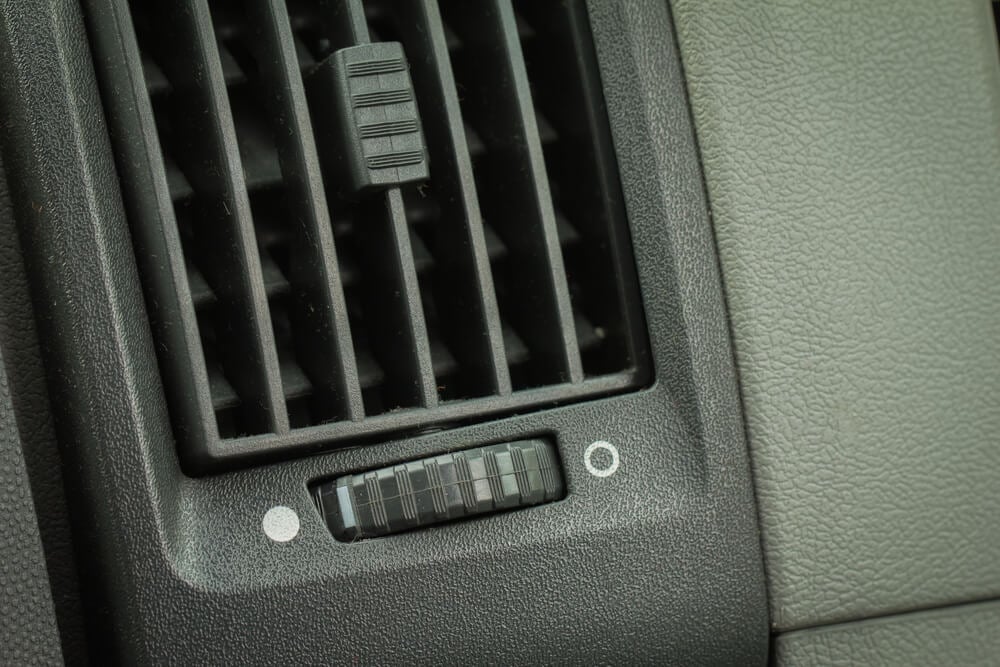
Before air conditioning was common, many cars had small triangular vent windows at the front of each door, which drivers angled to steer a breeze onto their faces. They were also known as wing windows.
As air conditioning spread, automakers began dropping vent windows in the late 1960s and 1970s, citing cost and wind noise. Car thieves had also learned to break in through them with a coat hanger.
The little window that pivoted on a latch is now a mystery to younger drivers who have never needed one.
Pumping the Pedal on Cold Mornings
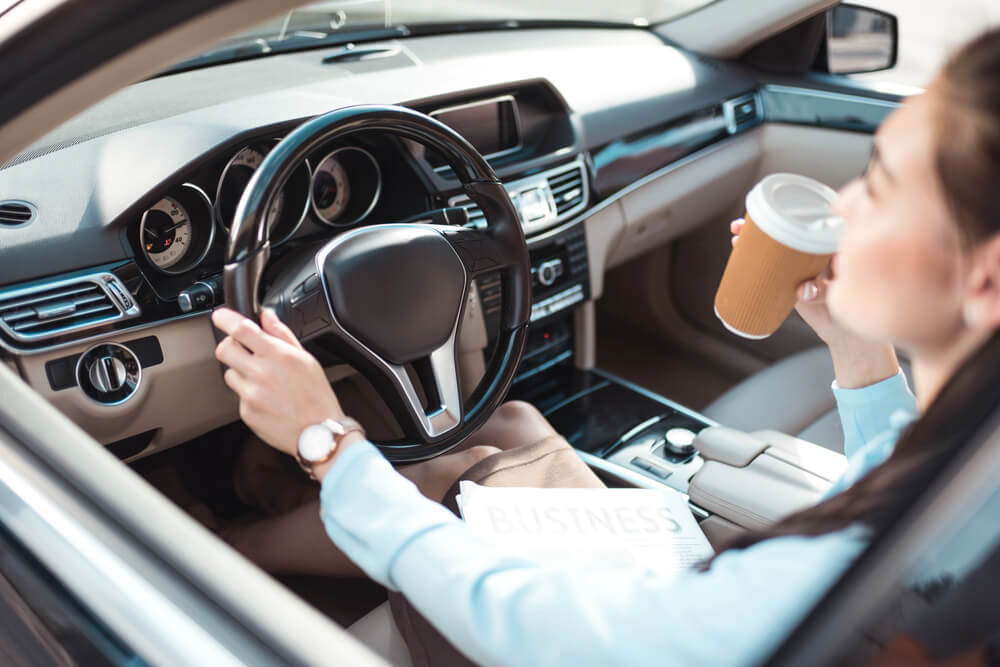
Carbureted engines of the drive-in era needed coaxing on cold mornings, so drivers pumped the gas pedal, pulled a manual choke knob, and let the engine idle for several minutes before driving off. Flooding the engine was a common frustration, usually followed by a long wait and some colorful language.
Fuel injection replaced carburetors in nearly all new cars by the early 1990s, and engines began firing instantly in almost any weather. Experts now say modern cars need only a short warm-up before driving gently.
The long idle in the driveway is a holdover from older machines.
Dropping Film at a Fotomat
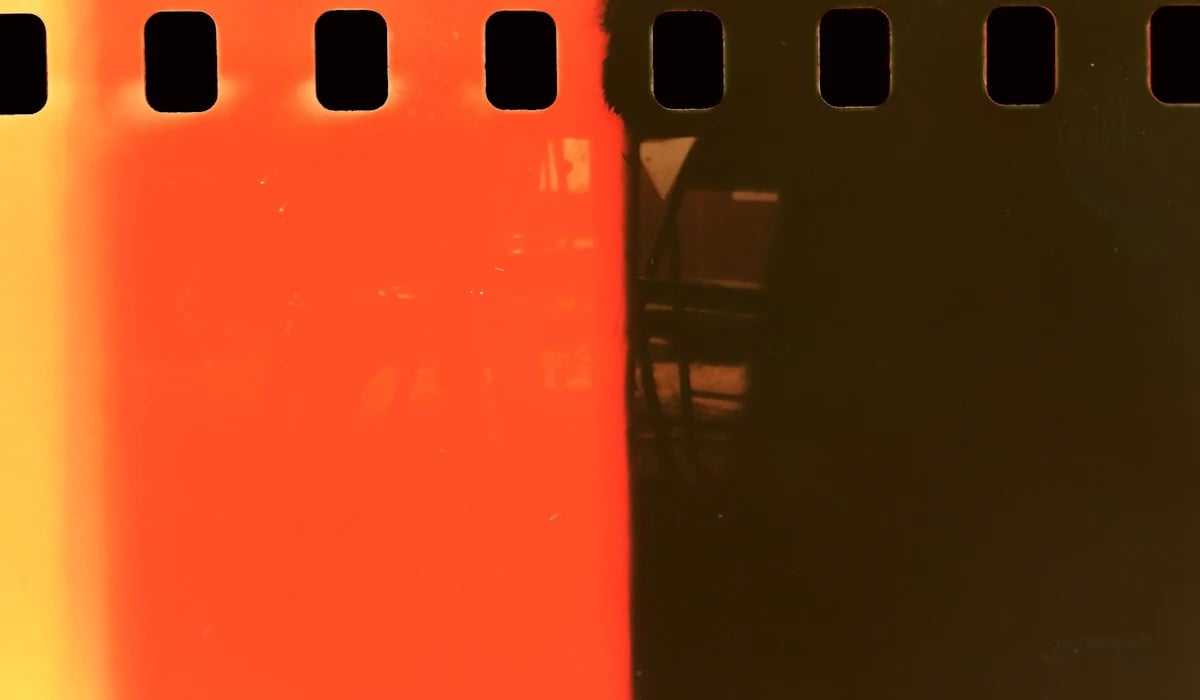
Fotomat booths, small kiosks with pointed roofs set in shopping center parking lots, let drivers drop off rolls of film and pick up prints without leaving their cars. At its peak, the company operated more than 4,000 kiosks across the country.
One-hour photo labs and then digital cameras made the booths obsolete. Many were removed or converted into coffee stands and key shops.
Driving up to a tiny booth to collect vacation snapshots in a paper envelope now sounds like a strange errand from a different century.
Planning Trips With an AAA TripTik
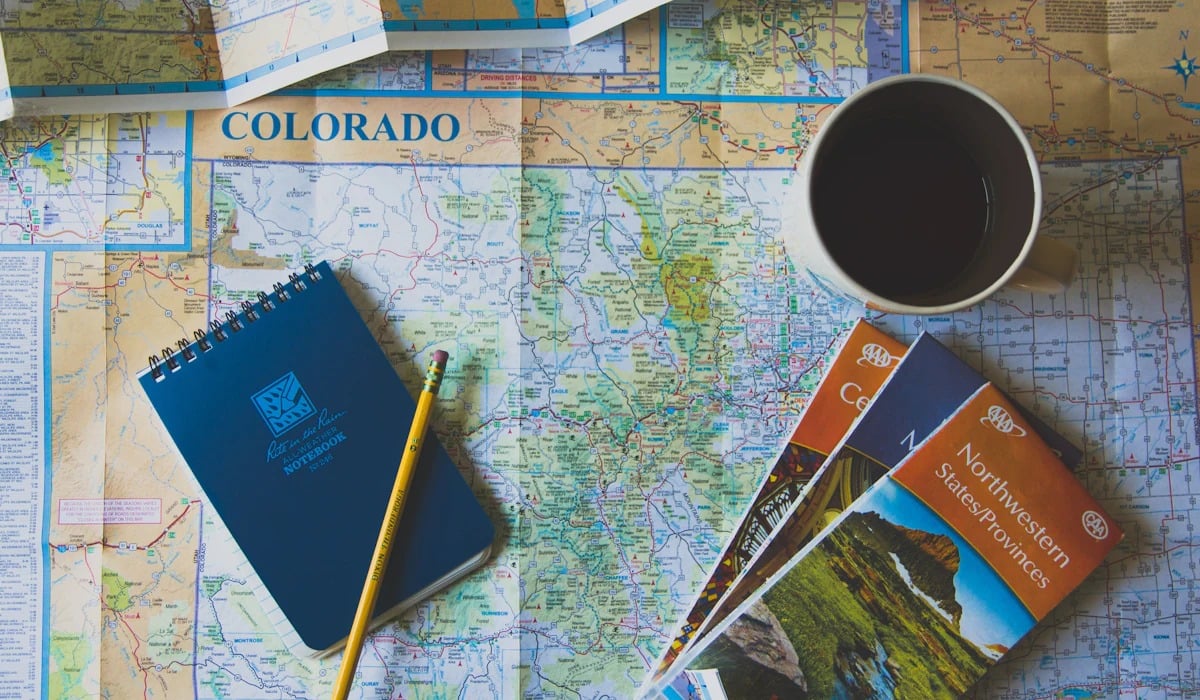
Before a long road trip, many families visited their local AAA office for a TripTik, a custom strip map bound in a flip booklet, with the route highlighted by a travel counselor. Pages flagged construction zones, points of interest, and places to stop for gas and food along the way.
AAA introduced the TripTik in the 1930s. The paper version faded as online tools and GPS took over, though AAA offers a digital version.
The highlighter-marked booklet riding on the dashboard was once the most consulted item in the car.
Checking Into a Motor Court
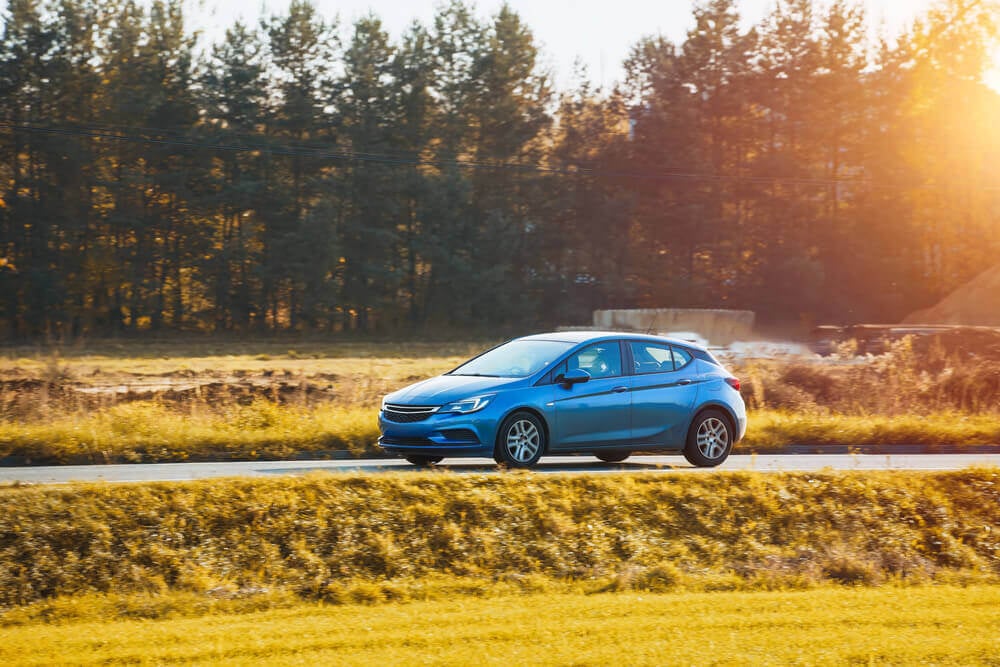
Motor courts, rows of small cabins or connected rooms with a parking space at each door, served drivers on the old two-lane highways from the 1930s through the 1950s. Neon signs advertised vacancies, television, and sometimes air cooling.
Kemmons Wilson opened the first Holiday Inn in Memphis in 1952, bringing standardized chains that eventually crowded out many independents. Interstates then bypassed the old routes entirely.
Surviving motor courts along Route 66 are now preserved as roadside landmarks and photographed far more than they are booked.
Stopping at a Pay Phone to Call Ahead
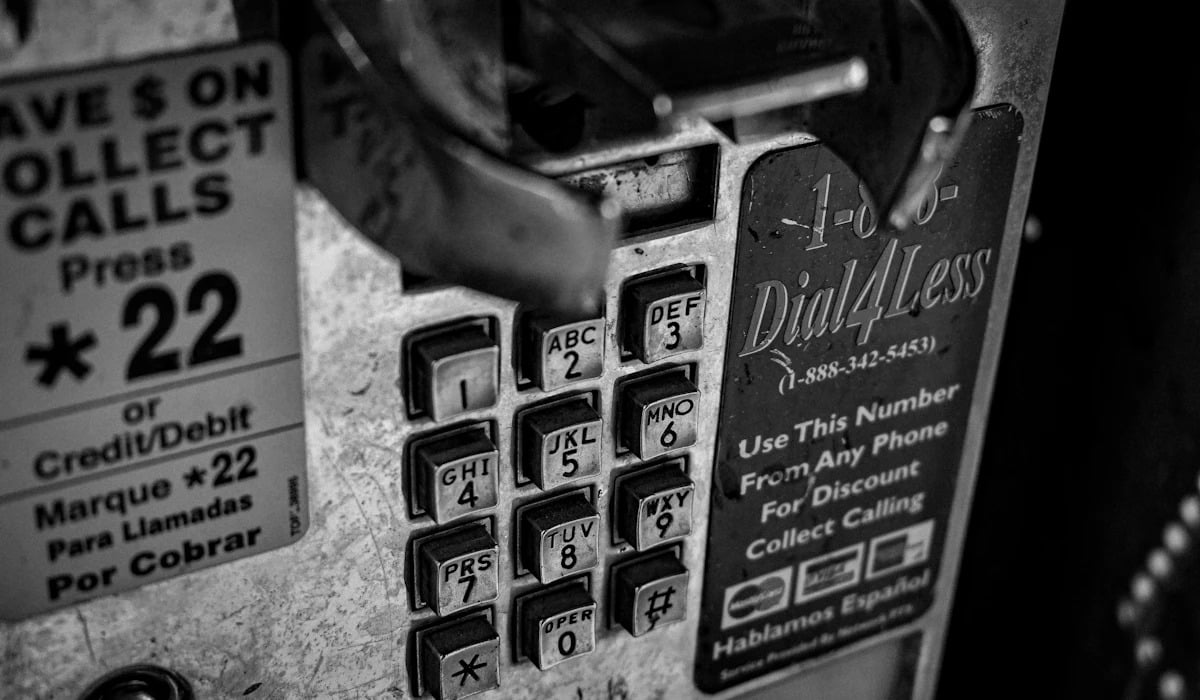
Before cellphones, a road trip meant stopping at a roadside pay phone to call relatives, confirm a motel room, or report a breakdown. Drivers kept a stash of coins in the console for exactly that purpose.
Pay phones once numbered in the millions across the United States, but mobile phones made them nearly obsolete, and most have been removed. Calling collect, which asked the person on the other end to pay for the call, was a common way for travelers to check in cheaply.
The phone booth beside the gas station is now a rarity.
Windshields Framed the World
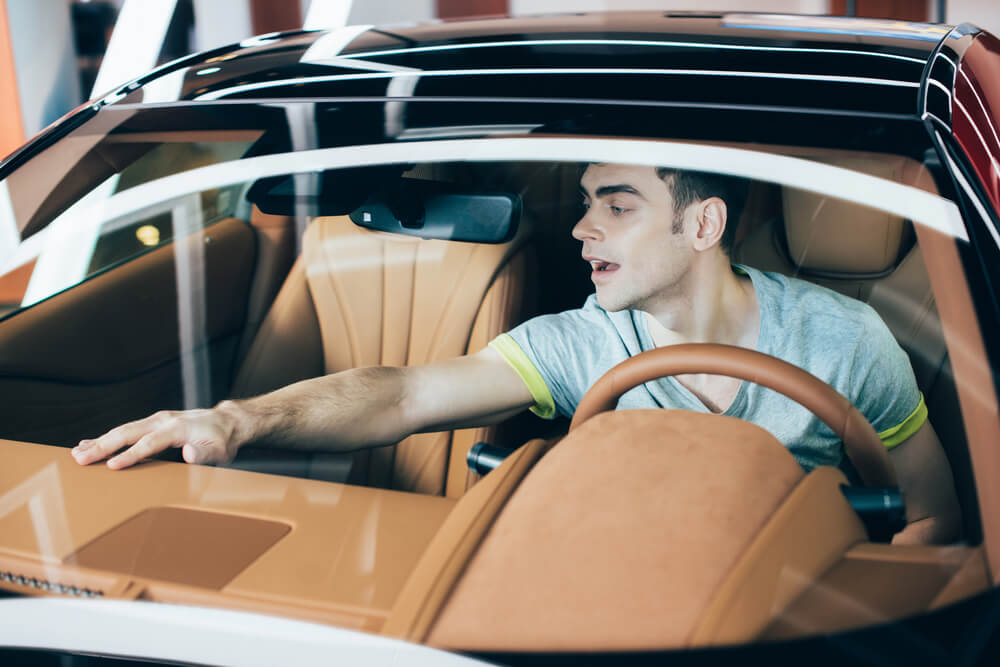
The drive-in era treated the car as a private room that could go anywhere, and businesses rushed to meet people where they sat. Movies, meals, sermons, and errands all came to the window.
For a few decades, that idea shaped how entire towns were built.
Many of those habits faded as cars became quieter, faster, and more sealed off from the world outside. The drive-through survived as a convenience rather than an event.
A few drive-in theaters and carhop restaurants keep the older version going. Visiting one is the closest thing to stepping back into that era.
More from Go2Tutors!

- The Romanov Crown Jewels and Their Tragic Fate
- 13 Historical Mysteries That Science Still Can’t Solve
- Famous Hoaxes That Fooled the World for Years
- 15 Child Stars with Tragic Adult Lives
- 16 Famous Jewelry Pieces in History
Like Go2Tutors’s content? Follow us on MSN.