31 Ice Cream Truck Treats From Childhood
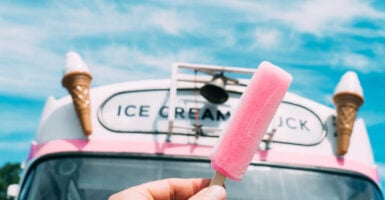
The sound arrived first, a tinny loop of music drifting over fences a block or two ahead of the truck itself. Then came the scramble for coins, the sprint down the driveway and the long, serious study of a sticker-covered menu board.
What came out of that sliding window was rarely the best ice cream anyone ever ate. It was the most urgent, though, and a surprising amount of it has a paper trail of patents, mergers and family businesses behind it.
Good Humor’s Original Chocolate-Coated Bar
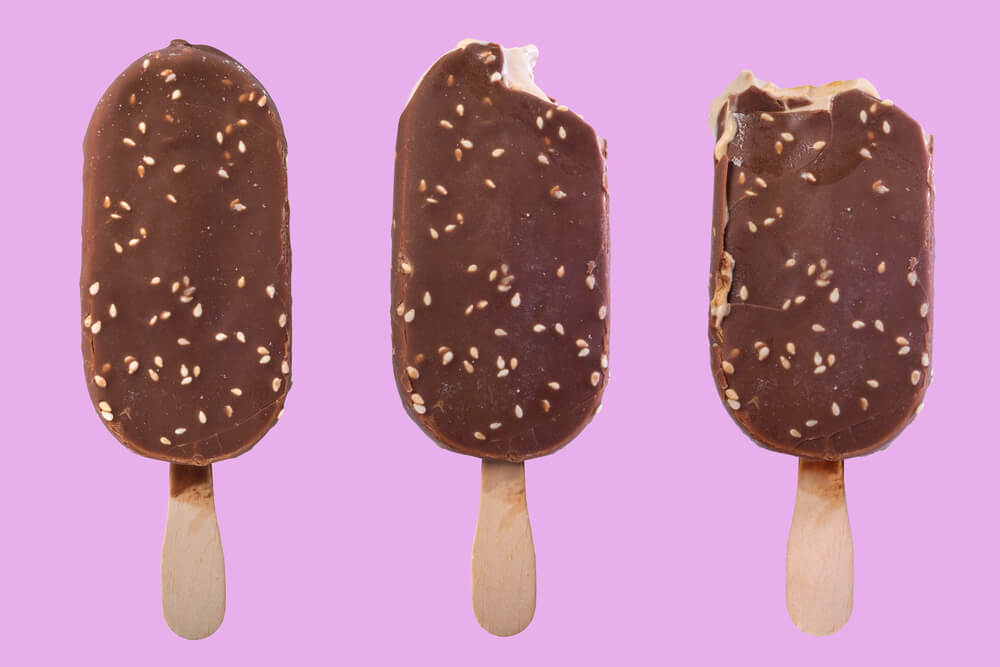
Harry Burt, a confectioner in Youngstown, Ohio, coated a block of vanilla ice cream in chocolate in 1920 and found it too messy to hold. The fix, by most accounts suggested by his son, was to freeze a wooden stick into the bar, borrowing the handle from a lollipop Burt already sold.
He named the result the Good Humor bar and sent it out in white trucks fitted with bells, driven by men in white uniforms. A patent followed in 1923 after a long wait.
Nearly every frozen novelty sold from a truck since owes something to that stick and those bells.
Toasted Almond and Its Cake Crumb Coat
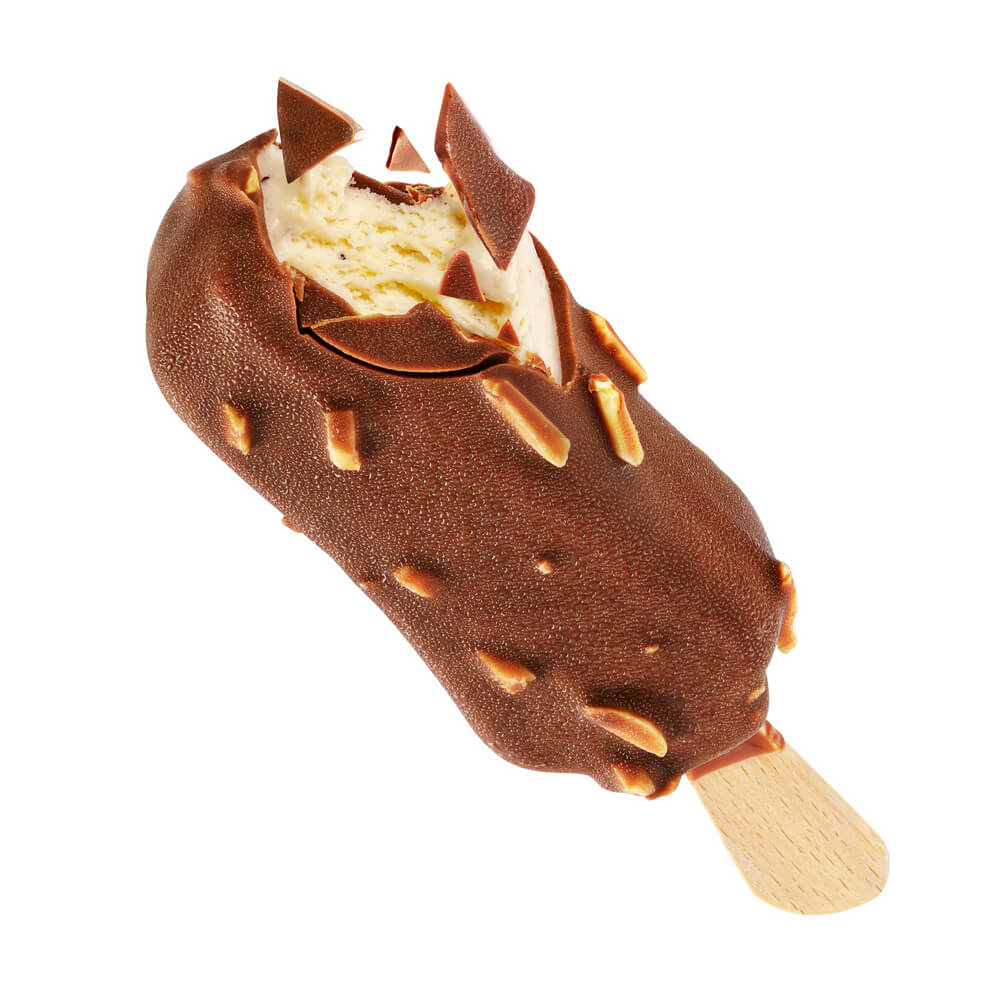
Good Humor rolled vanilla ice cream in cake crumbs and bits of almond to make the Toasted Almond bar, a flavor that skewed older than most of the menu board. Kids often passed it over, and parents and grandparents ordered it without looking.
The almond flavor gave it a faint marzipan note that nothing else on the truck had. Its fans turned out to be loyal ones.
When Good Humor confirmed in 2022 that the bar was being retired, the complaints came mostly from adults who had been buying it for decades.
Strawberry Shortcake on a Stick
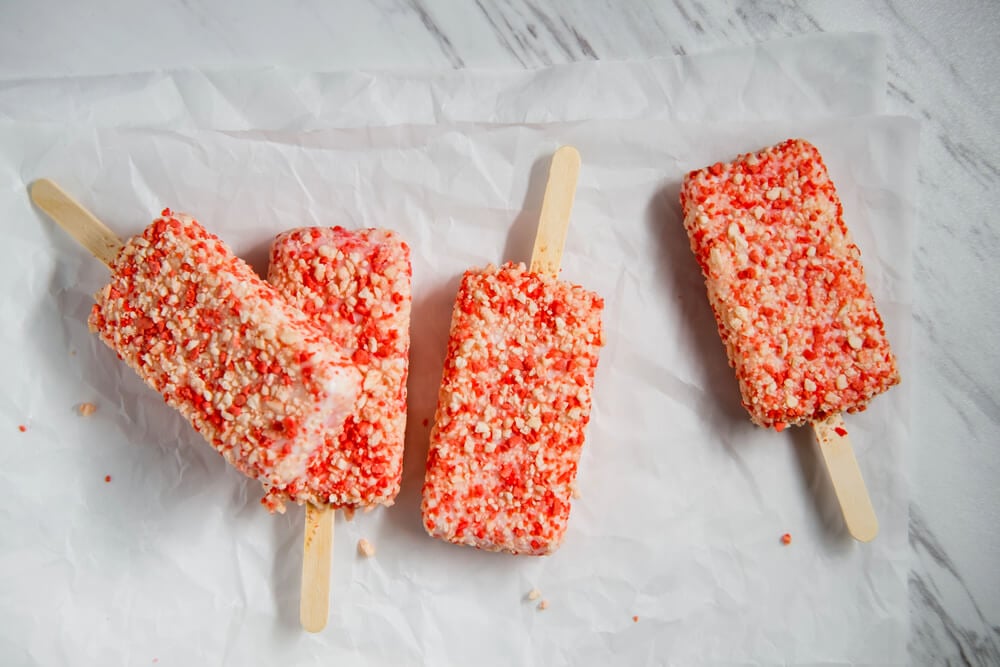
A strawberry-flavored center, a layer of vanilla ice cream and a jacket of pink and white cake crumbs made up Good Humor’s Strawberry Shortcake bar. The crumb coating was the point. It stayed slightly soft even when the bar was frozen solid, and it shed onto shirts and sidewalks with every bite.
The bar is usually dated to the 1960s, when Good Humor was expanding its menu well past plain chocolate-coated vanilla. Decades later the crumb itself has become a flavor, turning up on doughnuts, cheesecakes and soft serve cones that borrow the name.
Chocolate Eclair, the Shortcake Bar’s Darker Twin
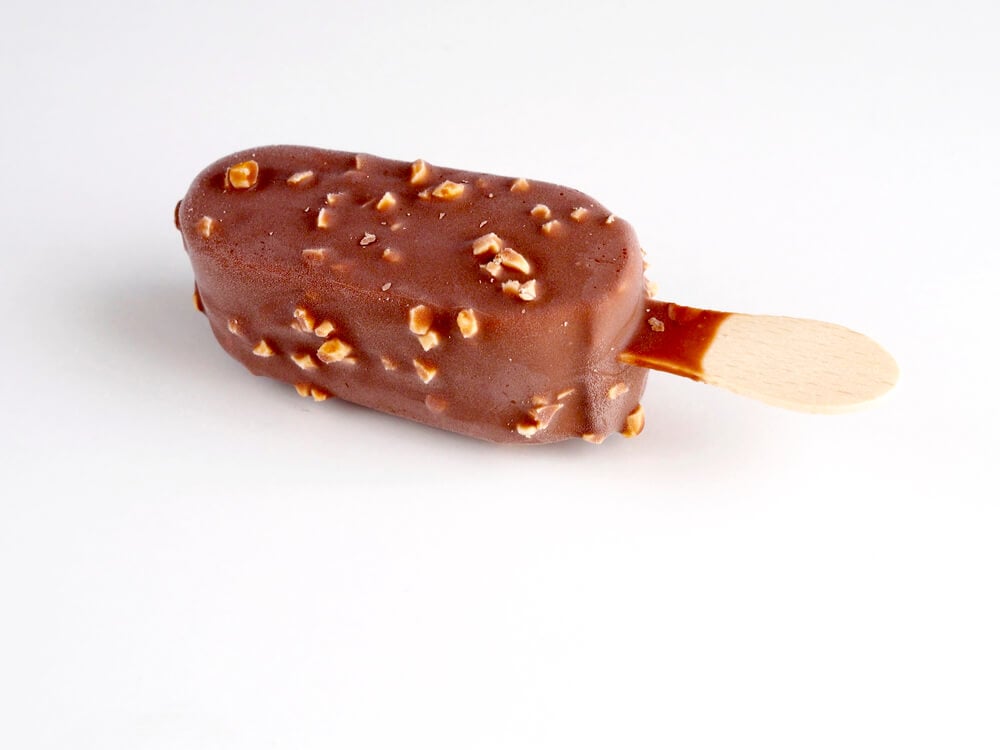
Built on the same plan as its strawberry sibling, the Chocolate Eclair bar wrapped a chocolate center in a paler layer of ice cream and a coat of cake crumbs. It had almost nothing in common with the French pastry beyond the name.
What it did have was a fudgy middle that froze harder than the rest of the bar, so the last few bites took some patience. Good Humor has kept the bar in grocery freezers long after the company sold off its own trucks in the late 1970s.
On the street it remains a standard sticker on independent trucks.
Candy Center Crunch and the Hidden Chocolate Slab
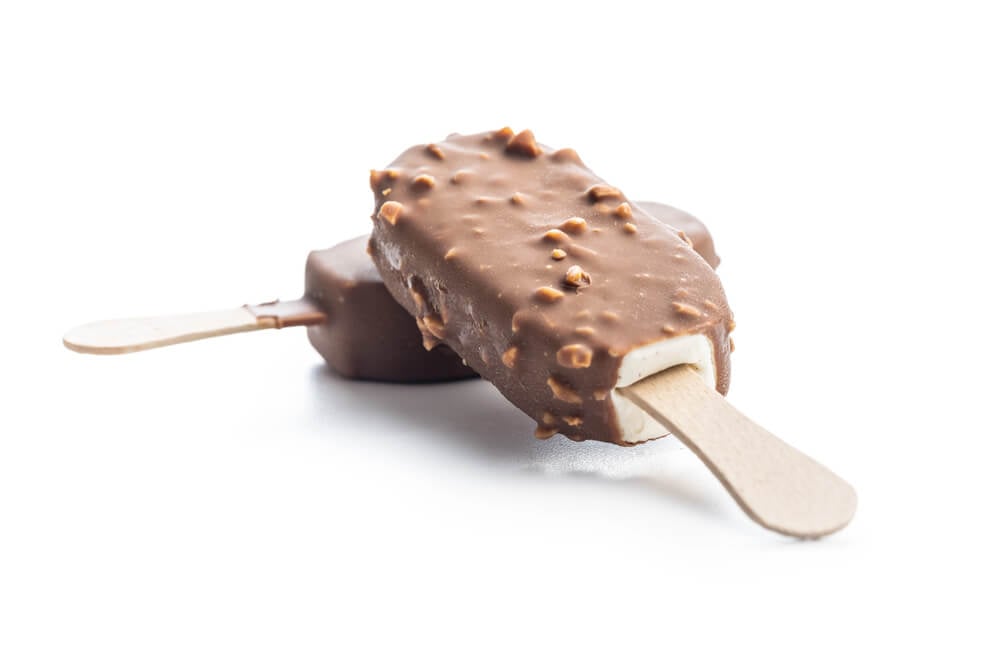
Candy Center Crunch looked like an ordinary chocolate-coated bar until the third or fourth bite. Good Humor froze a solid slab of chocolate candy around the stick, then surrounded it with vanilla ice cream and a crunchy chocolate shell.
The reward for finishing the ice cream was a frozen candy bar still attached to the handle, which could be gnawed for another five minutes. It was among the pricier items on the board, and children did the math accordingly.
Good Humor has since dropped it from the lineup, by published accounts, which has only helped its reputation.
Popsicle, an Accident Patented in 1924
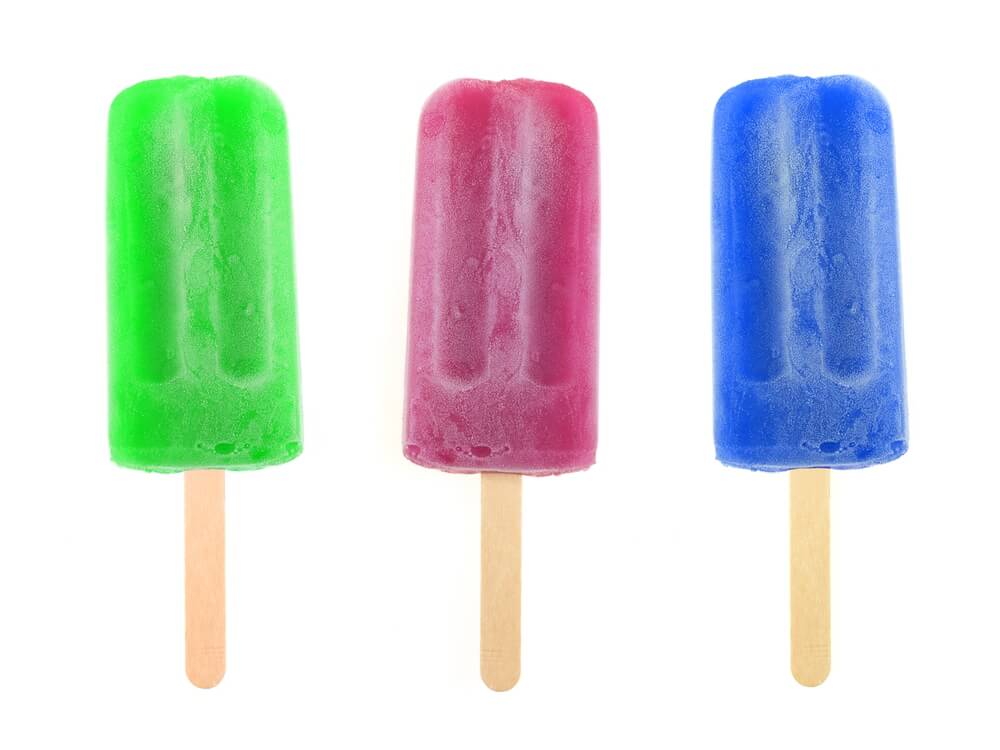
Frank Epperson’s story goes that in 1905, at age 11, he left a cup of powdered soda mix and water on a porch in the San Francisco Bay Area with the stirring stick still in it. A cold night did the rest.
He waited until 1923 to sell the frozen pops to the public, at an amusement park in Alameda, California, and received a patent the following year. The original name was the Epsicle, which his own children reportedly talked him out of.
Epperson sold the rights within a few years, a decision he later regretted.
Twin Pop and the Art of the Clean Break
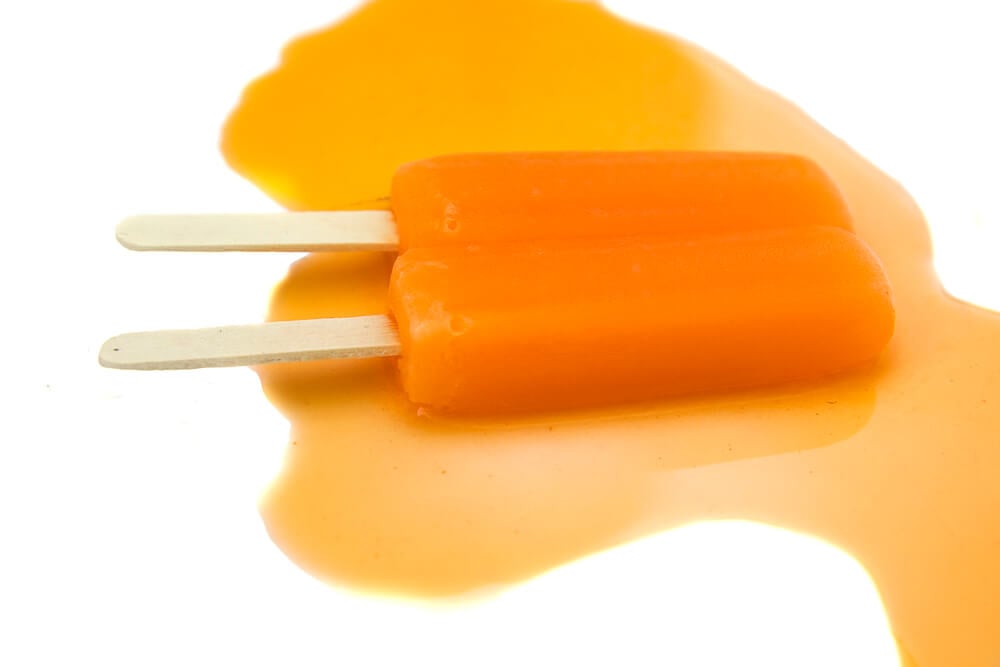
Two sticks, two frozen pops fused down the middle, one price. Popsicle introduced the twin version during the Depression, when the idea was that two children could split a single nickel purchase.
Splitting it cleanly was another matter. A sharp crack against a curb or a table edge worked about half the time, and the other half left one child with a stick and a sliver.
The two-stick format was phased out of the main Popsicle line in the 1980s, reportedly because parents found it messy, though twin pops from other makers still ride in truck freezers.
Creamsicle, Orange Outside and Vanilla Inside
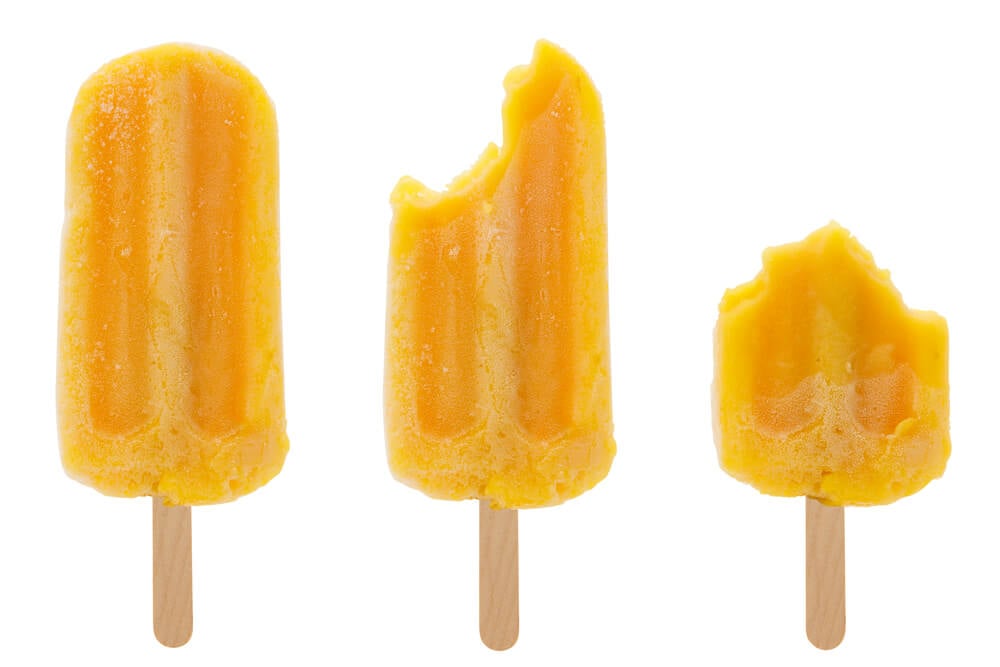
Creamsicle put vanilla ice cream inside a shell of orange ice, which meant the first bites were sherbet-sharp and the last ones were mellow. The bar came out of the Popsicle company in the decades after the original ice pop, and the two shared a stick and a wrapper style.
A sibling called the Dreamsicle used ice milk in place of ice cream, and the two names have been confused ever since. The flavor pairing proved more durable than either trademark.
Orange and vanilla together are now simply called creamsicle on menus that have no connection to the brand.
Fudgsicle, Once Spelled Without the S
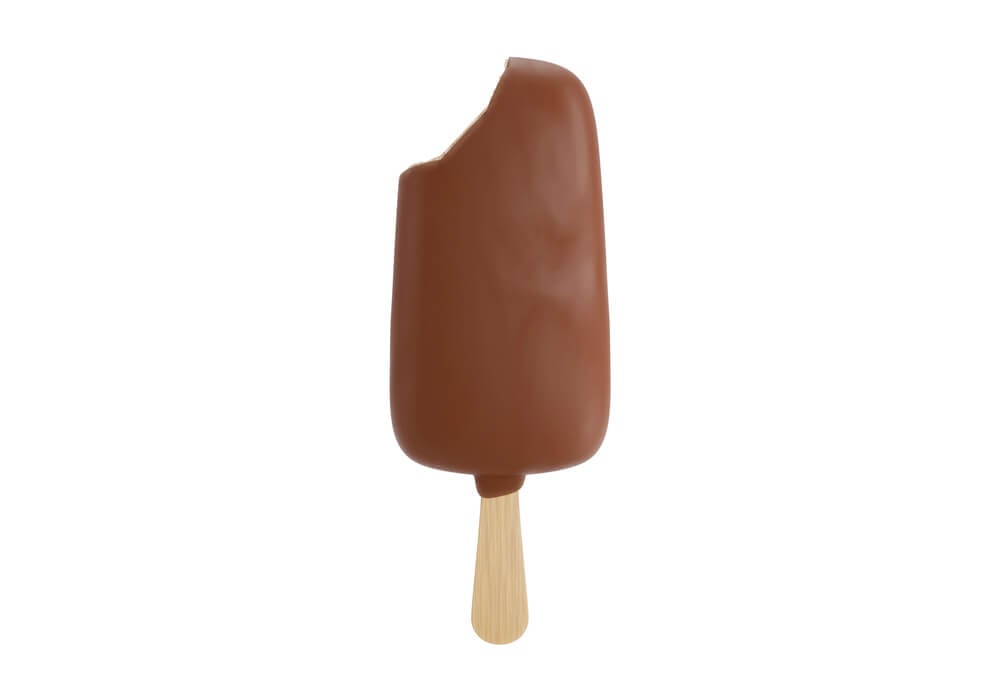
Chocolate on a stick sounds simple, but the Fudgsicle was never quite ice cream and never quite an ice pop. Its dense, slightly chewy texture came from a recipe closer to frozen chocolate pudding, and it melted slower than almost anything else in the freezer.
The bar was first sold as the Fudgicle before the spelling changed. It belonged to the same family as Popsicle and Creamsicle, a lineup that passed to Unilever and then, in 2025, to its spun-off Magnum Ice Cream Company.
For kids with exactly enough change for one item, it was the low-risk choice, since it rarely dripped and seldom slid off the stick.
Bomb Pop, Born in Kansas City in 1955
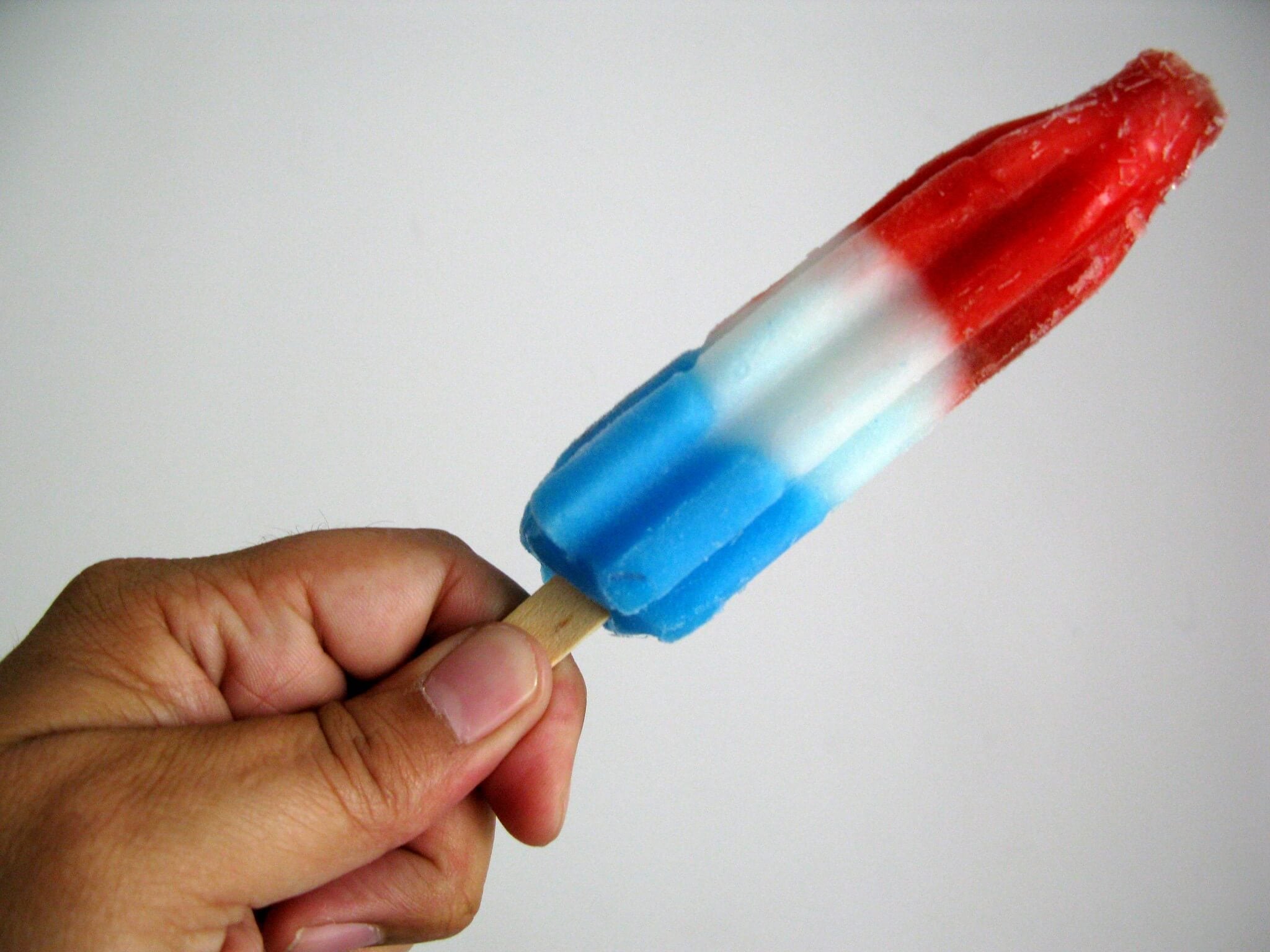
James S. Merritt and D.S. Abernethy introduced the Bomb Pop in Kansas City, Missouri, in the summer of 1955. The design was Cold War through and through, a finned rocket shape in red, white and blue bands of cherry, lime and blue raspberry.
Six ridges ran the length of the pop, giving it more surface to lick and more edges to snap off. Merritt Foods made it for decades before Wells Dairy, the Iowa company behind Blue Bunny, took over the brand in 1991.
Sales still peak around the Fourth of July, when the color scheme does the advertising.
Firecracker, Popsicle’s Red, White and Blue Answer
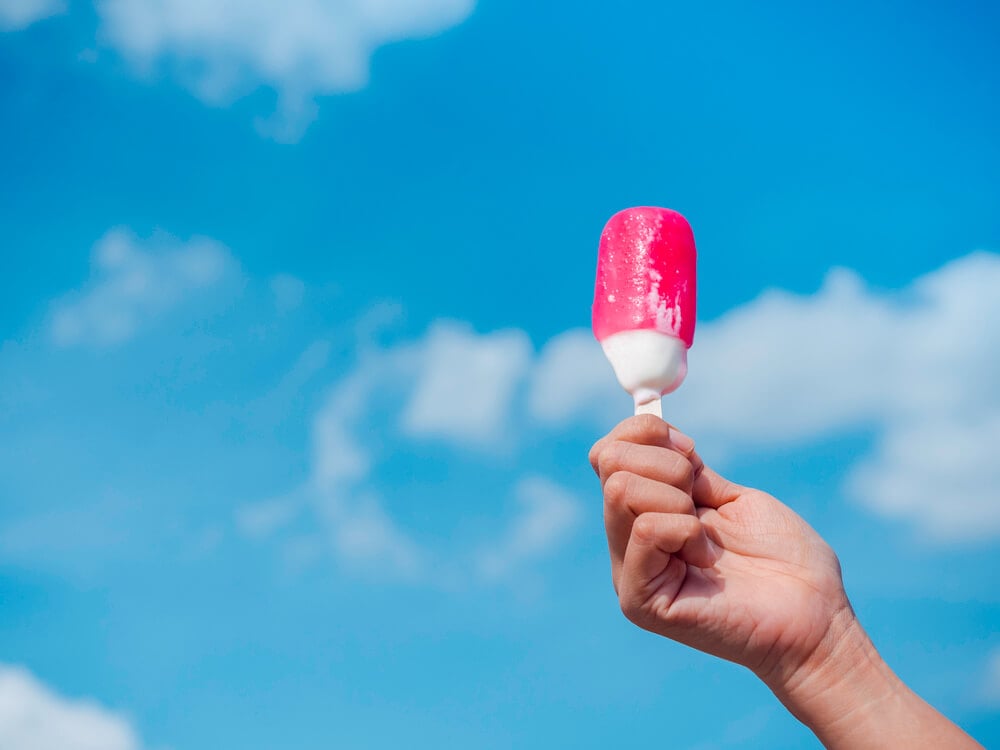
Popsicle’s entry in the patriotic pop category was the Firecracker, a three-color bar that many kids could not tell from a Bomb Pop without reading the wrapper. The flavors differed slightly, with the white band usually lemon instead of lime.
The more reliable difference was on the tongue, which turned a deep blue either way. Truck operators tended to stock whichever one their distributor carried and let customers call it whatever they liked.
Rocket pop became the generic name for both, which is the usual fate of a shape that two large companies sell at once.
Drumstick, the Sundae Cone From Fort Worth
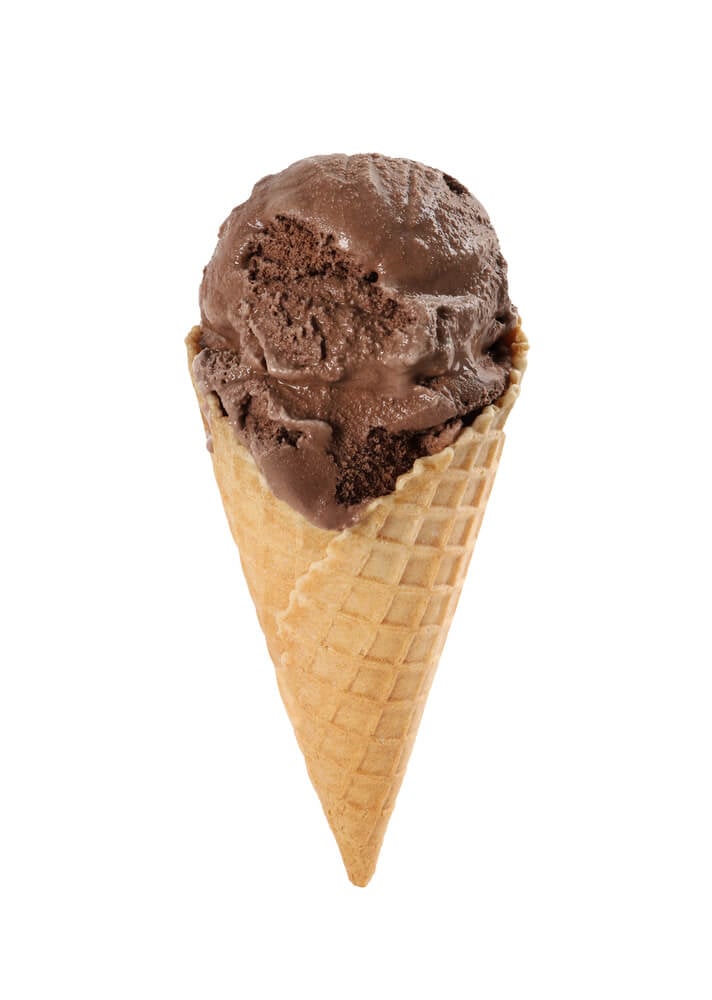
In 1928 the Parker family firm in Fort Worth, Texas, worked out how to sell an ice cream cone already filled, dipped in chocolate and rolled in peanuts. The name reportedly came from a family member who thought the finished cone looked like a fried chicken leg.
Later versions lined the inside of the cone with chocolate to keep it crisp and left a solid plug of chocolate in the tip. That last bite became the reason many people bought it.
Nestle acquired the brand in 1991, and the cone has been a freezer case fixture ever since.
Nutty Buddy, Named for a Boston Ice Cream Man
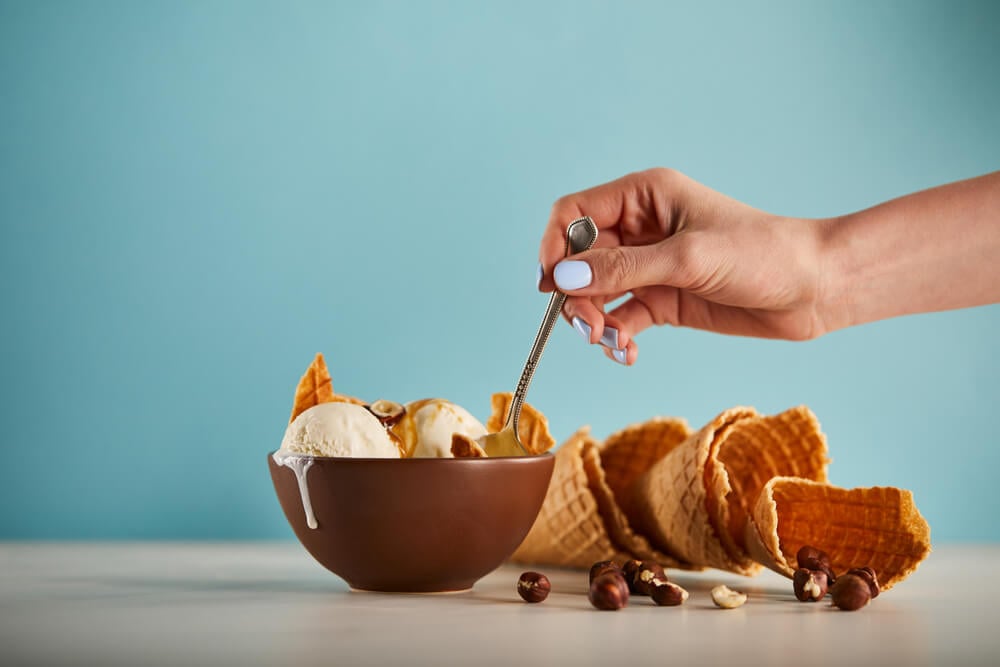
Before the name landed on a peanut butter wafer bar, Nutty Buddy was a sundae cone. It is generally traced to the Seymour Ice Cream Company in Boston’s Dorchester neighborhood and was reportedly named for its owner, Buddy Seymourian.
The formula was the familiar one, vanilla ice cream in a sugar cone under a cap of chocolate and chopped peanuts. Regional dairies later sold cones under the same name across much of the country.
To a child at the truck window, the difference between this and a Drumstick came down to which sticker was on the board.
King Cone and the Appeal of Sheer Size
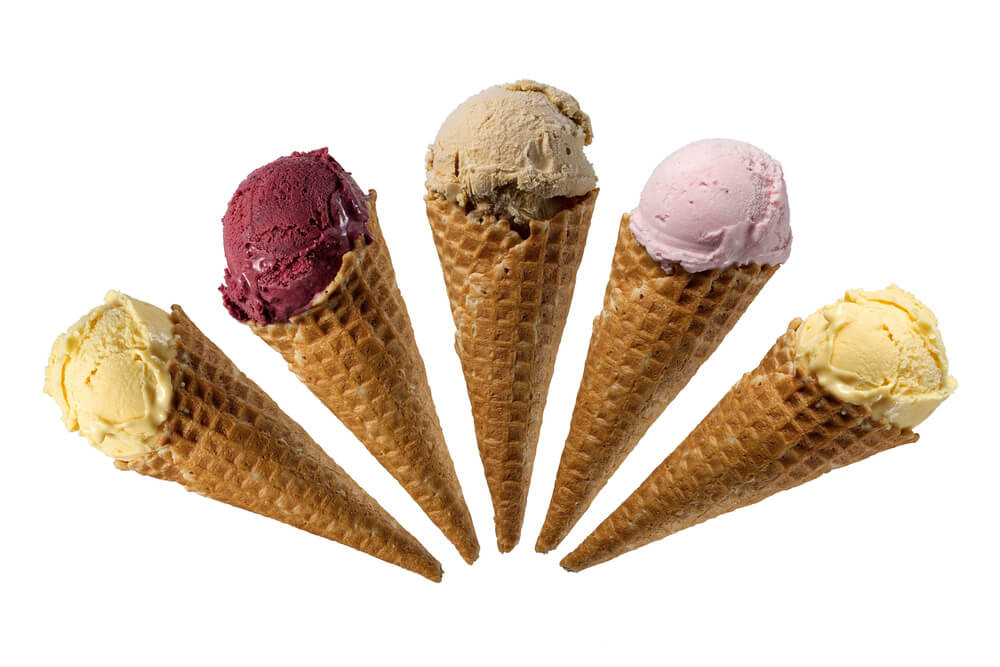
Good Humor’s King Cone made its case with volume. It was a taller, heavier sundae cone than its rivals, with vanilla ice cream, a chocolate and peanut topping and a paper sleeve that had to be peeled away in a spiral.
The sleeve mattered more than it seemed, because a clean peel left the chocolate cap intact and a careless one took half of it off. Cones in this style were among the few truck items that felt like a full dessert.
It usually sat near the top of the price list, and it was the item older siblings ordered to make a point.
Choco Taco, a Philadelphia Idea From 1983
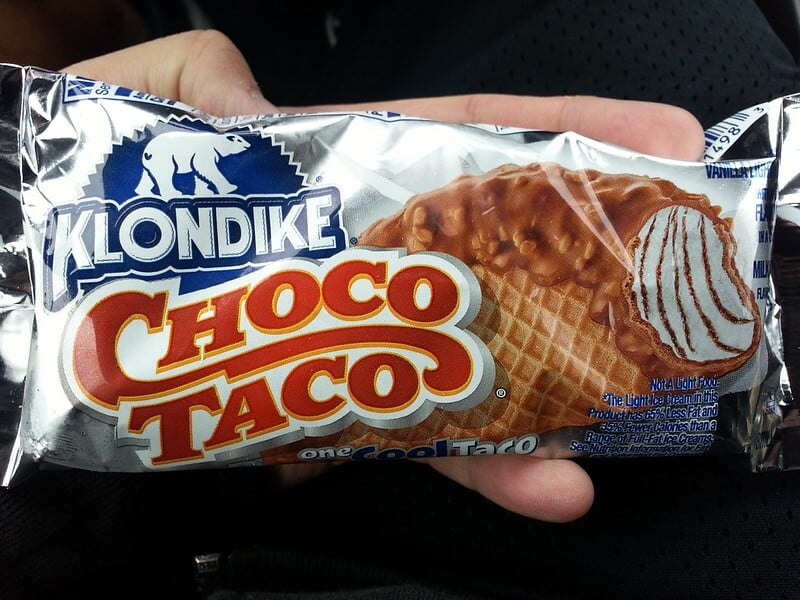
Alan Drazen, an executive at the Jack and Jill Ice Cream Company in Philadelphia, came up with the Choco Taco in 1983. A waffle cone folded into a taco shell held fudge-swirled vanilla ice cream under a chocolate and peanut coating.
It sold from trucks first and reached a far bigger audience later through Taco Bell restaurants and the Klondike brand. The shape solved a real problem, since every bite included cone, ice cream and topping.
Klondike discontinued it in July 2022, and the outcry was loud enough that the company soon hinted it might return.
Chipwich, Sold From New York Street Carts
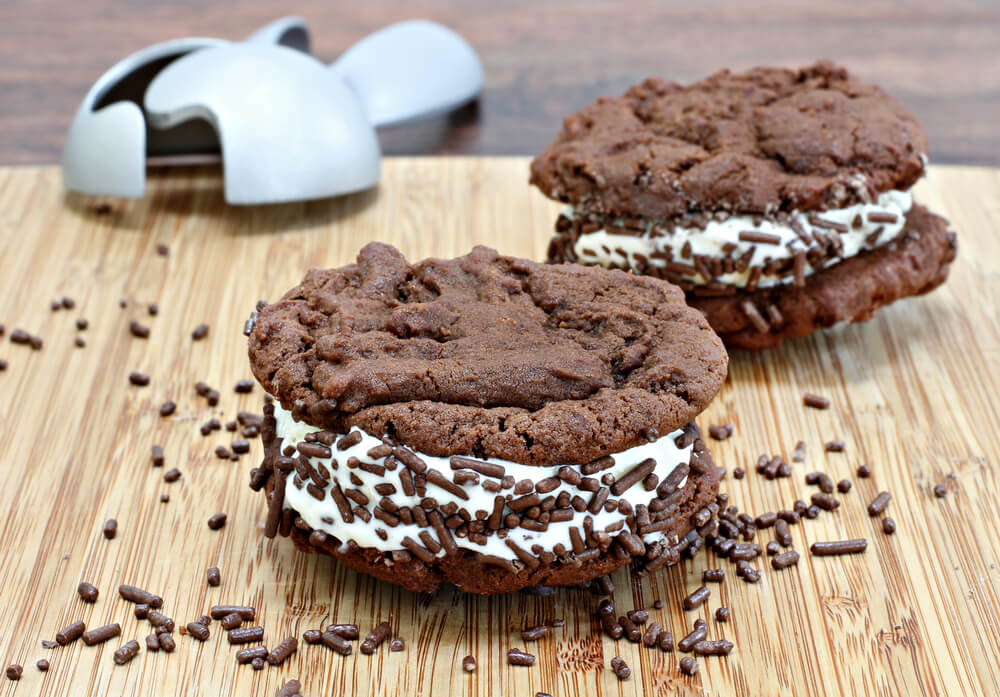
Richard LaMotta launched the Chipwich in New York City in 1981 with a fleet of street carts and a product that needed no explanation. Two chocolate chip cookies held a thick disk of vanilla ice cream, and the exposed edge was rolled in more chocolate chips.
It sold for about a dollar at a time when most truck novelties cost far less. The carts reportedly moved tens of thousands a day within weeks.
Imitators followed quickly, and the cookie sandwich has been a standard item on truck menus ever since, under this name or another.
Ice Cream Sandwich, a Pushcart Penny Treat
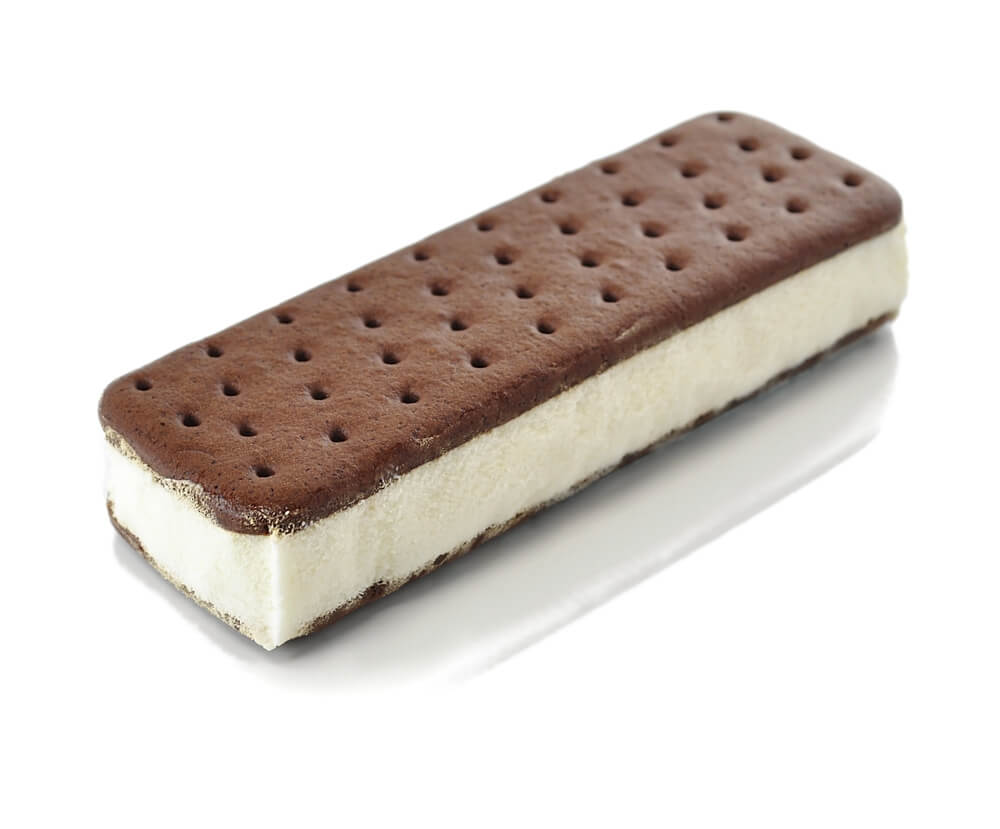
Street vendors in New York were selling ice cream pressed between thin wafers by about 1900, at a penny apiece. The version everyone now pictures, a rectangular slab of vanilla between two soft chocolate wafers, is usually credited to a vendor at Pittsburgh’s Forbes Field in 1945.
Those wafers are engineered to stay soft when frozen, which is why they stick to fingers and leave a printed pattern behind. No single company owns the form, so every dairy and every truck has one.
It is routinely among the cheapest things on the menu and rarely the worst.
Klondike Bar, Too Big for a Stick
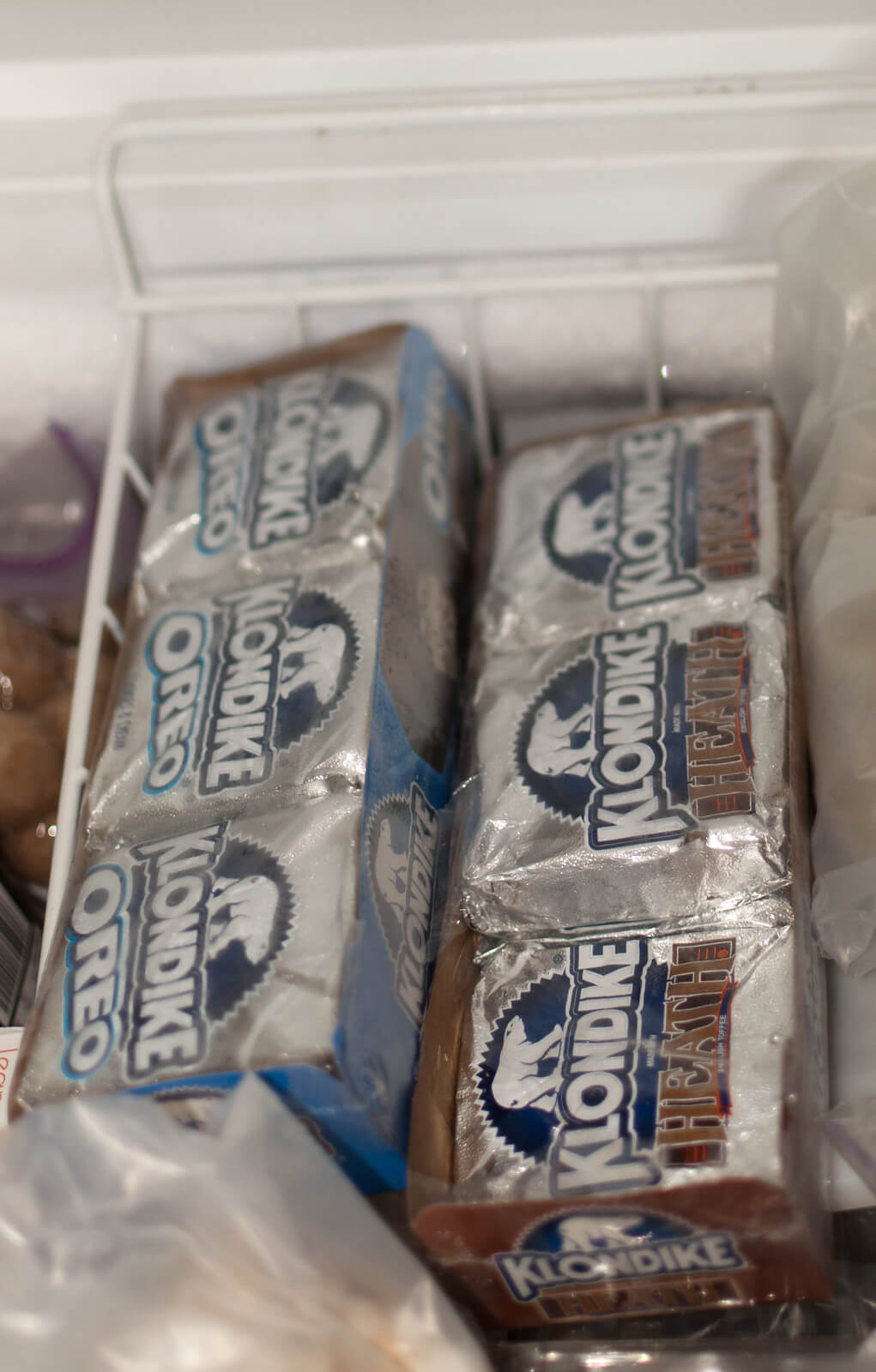
Isaly’s, a dairy and deli chain with roots in Ohio, began making Klondike bars in the early 1920s. The bar was a thick square of vanilla ice cream dipped by hand in chocolate, wrapped in foil and sold with no stick at all.
For decades it was a regional product, known mainly in Ohio and western Pennsylvania. National distribution arrived around the early 1980s along with a television jingle about the lengths people might go to for one.
On a truck it was the grown-up option, eaten in careful bites with the foil folded back like a napkin.
Flintstones Push-Up and the Cardboard Tube
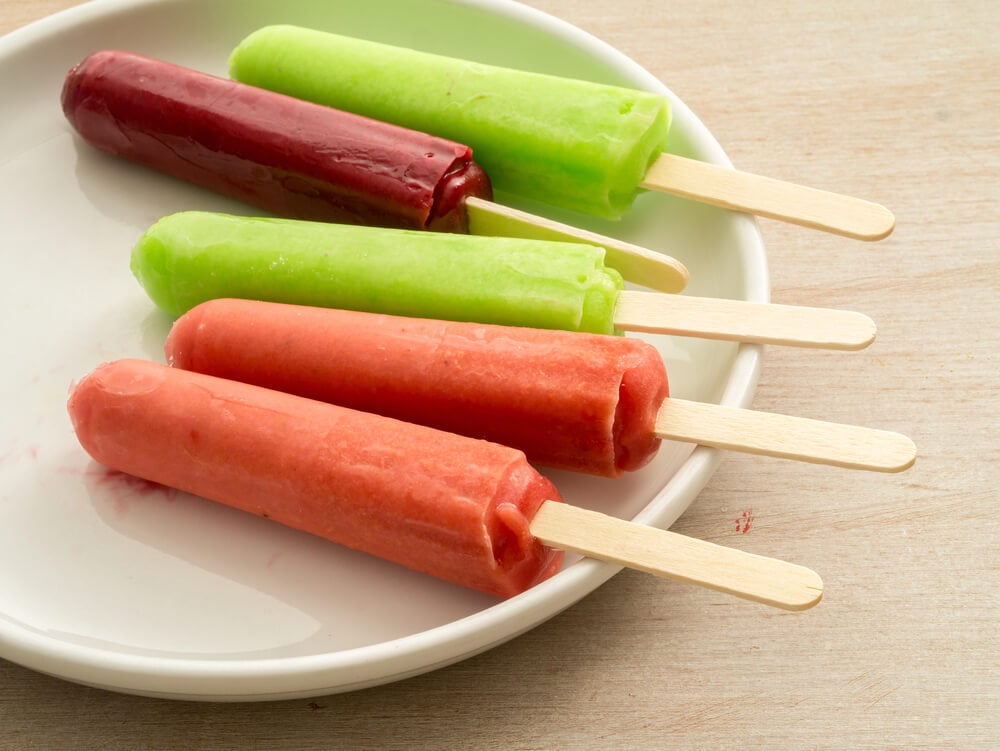
Orange sherbet packed into a cardboard tube and raised by a plastic plunger was a truck staple long before any cartoon appeared on it. The Flintstones branding, which arrived by the early 1990s, gave the flavors Bedrock names and put Fred and Dino on the wrapper.
The mechanics were the appeal. A push sent up a fresh inch of sherbet, and the tube caught the drips, at least in theory.
In practice the cardboard went soft, the plunger tilted, and the last third had to be squeezed out from the bottom.
Character Face Pops With Gum Eyes
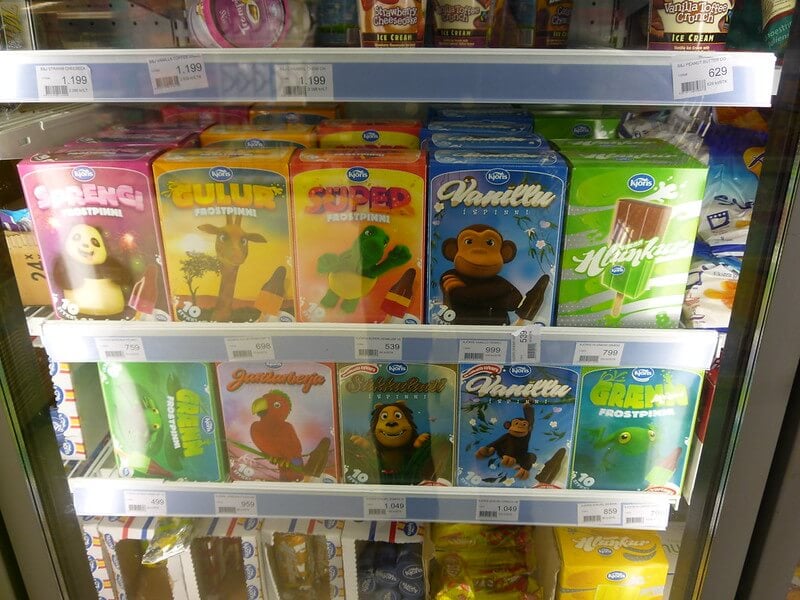
Every truck carried at least one cartoon face on a stick, molded in bright fruit ice with two gum pieces pressed in for eyes. Sonic the Hedgehog, SpongeBob SquarePants, Tweety, the Pink Panther and the Teenage Mutant Ninja Turtles have all taken a turn.
The picture on the menu board showed a crisp likeness. The bar in the wrapper often had one eye near the chin and a mouth that had slid sideways, and comparing the damage became part of the ritual.
The gum, frozen to the hardness of gravel, took several minutes to become chewable.
Snow Cone in a Paper Sleeve
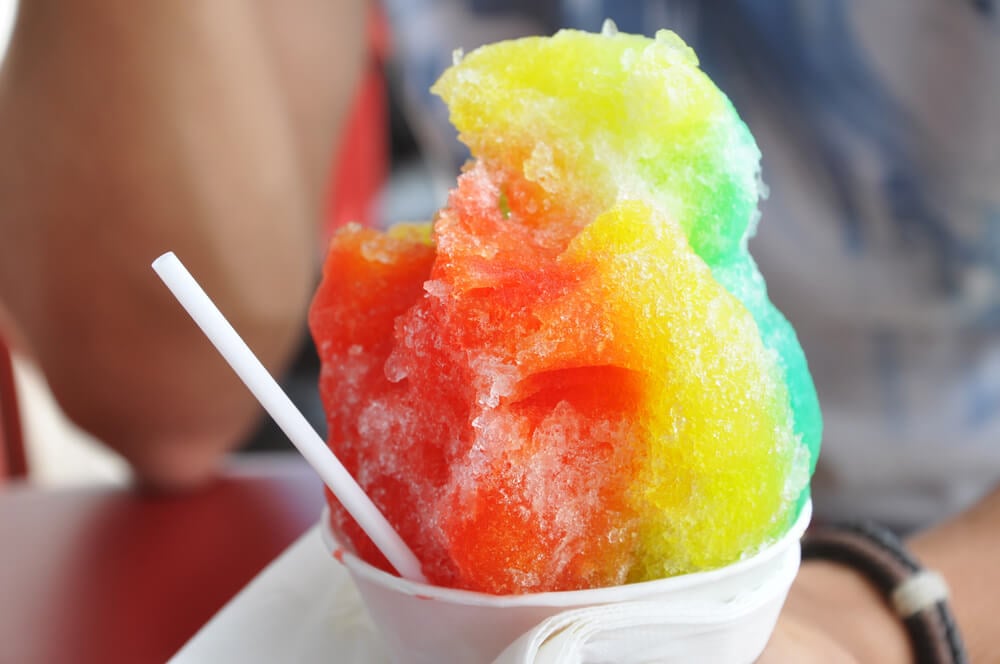
Samuel Bert of Dallas sold snow cones at the State Fair of Texas in 1919 and patented an ice-crushing machine for making them the next year. The truck version skipped the machine entirely.
It was a pre-frozen cone of ice in a paper wrapper, striped in red, white and blue syrup and hard enough to chip a tooth for the first few minutes. Patience paid off as the syrup pooled at the bottom into a sweet slush.
It sat at the low end of the price list, which explains a good share of its sales.
Italian Ice in a Paper Cup
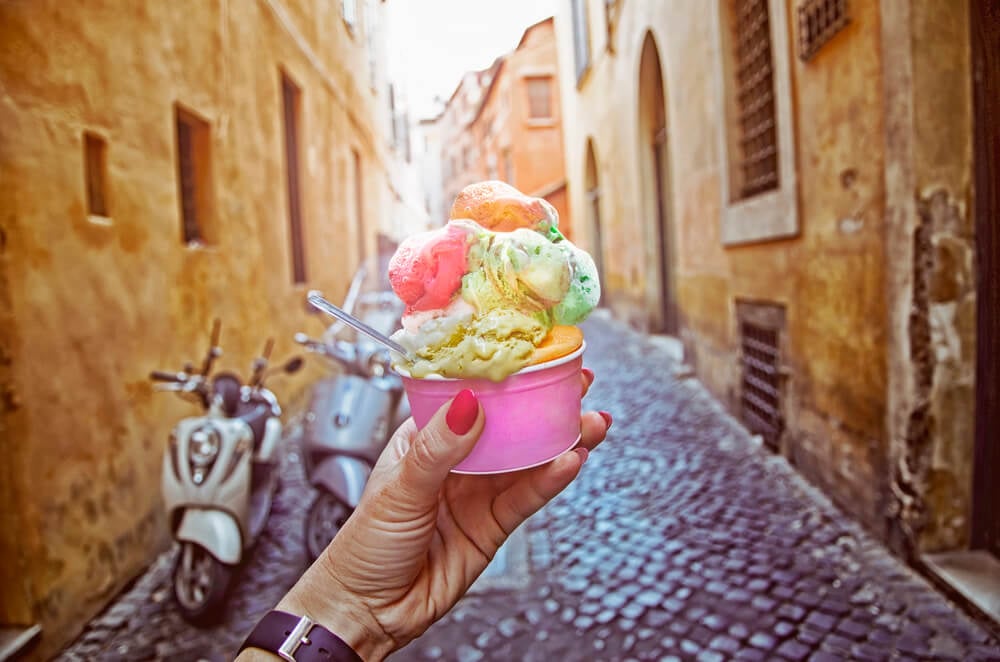
Lemon ice scraped from a paper cup with a flat wooden paddle is one of the oldest items in the truck freezer. It descends from the fruit ices that Italian immigrants sold from pushcarts in East Coast cities, and in Philadelphia the style is still called water ice.
Rita’s, which opened in Bensalem, Pennsylvania, in 1984, built a chain on the same idea. The truck cup contained no dairy, only water, sugar and flavoring, and froze nearly solid.
Flipping the softened puck over halfway through to reach the syrupy underside was standard technique.
Sherbet in a Cone-Shaped Cup With a Gum Prize
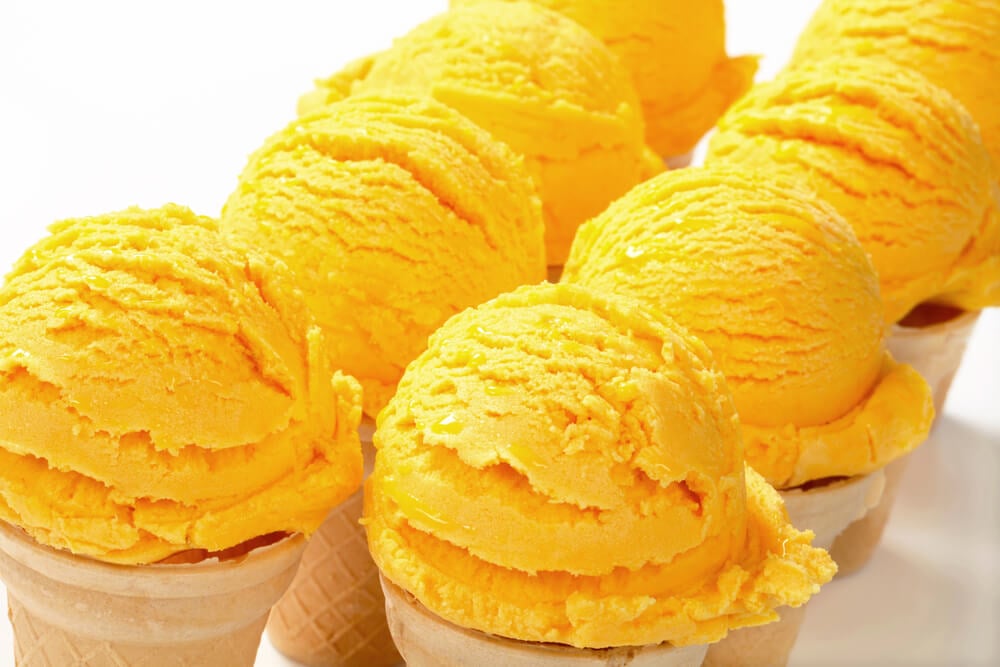
One truck favorite came in a clear plastic cone instead of an edible one, filled with a swirl of cherry and blue raspberry sherbet and sealed with a paper lid. At the very bottom of the point sat a piece of gum, sometimes two, visible through the plastic from the first bite.
Reaching it required eating several inches of sherbet with a small wooden spoon that barely fit the narrowing cup. The gum came out frozen stiff and lost its flavor within a minute.
Nobody minded, because the dig was the entertainment.
Mister Softee Cone and the Song That Came With It
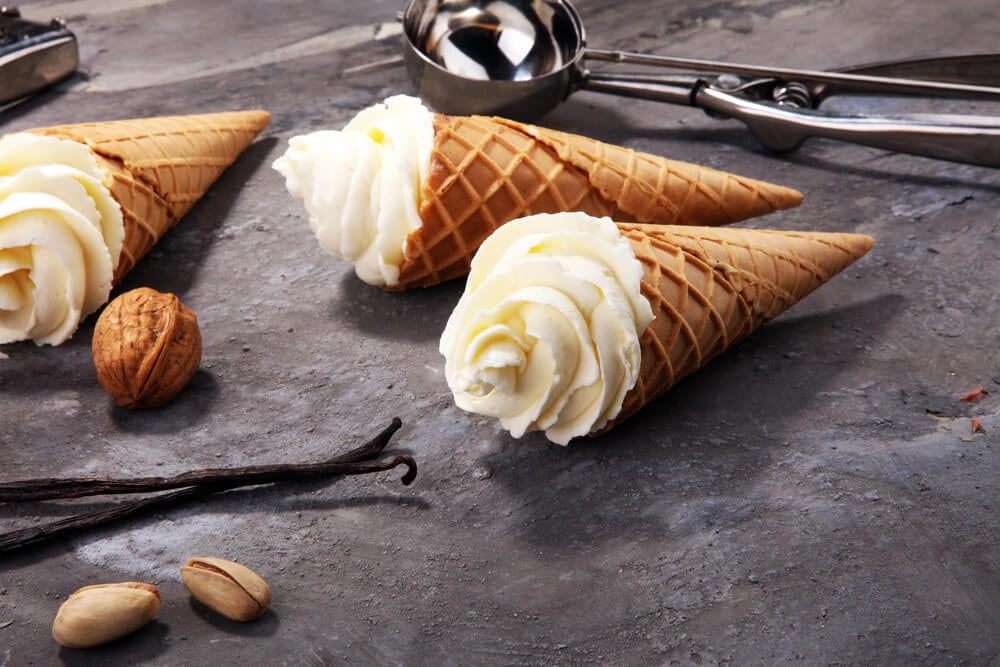
William and James Conway put their first soft serve truck on the streets of Philadelphia in 1956, reportedly handing out green ice cream on St. Patrick’s Day. Mister Softee differed from the novelty trucks because the product was made on board, swirled into a cone to order and dipped or sprinkled on request.
The company soon moved to Runnemede, New Jersey, and franchised its blue and white trucks across the Northeast. Its jingle, written by Philadelphia ad man Les Waas around 1960, has lyrics that almost nobody knows.
The melody alone has been enough to empty houses for more than sixty years.
Bubble Play, the Catcher’s Mitt With a Gum Piece
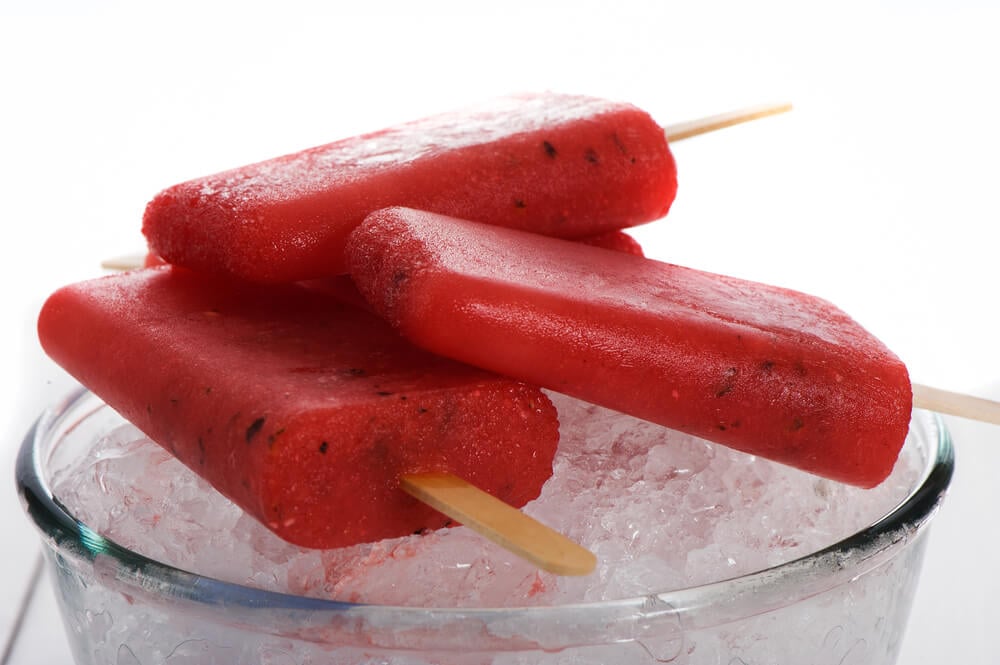
Among the stranger shapes in the freezer was Bubble Play, a fruit-flavored ice bar molded as a catcher’s mitt with a round piece of gum set in the pocket. It belonged to the same family of molded novelties as the cartoon face bars and showed up on Good Humor menu stickers in the 1980s and 1990s before being dropped.
The mitt was cherry flavored, and the gum was the first thing most kids pried out. Like every gum novelty, it promised two treats for one price and delivered about one and a quarter.
Eskimo Pie, Renamed After a Century
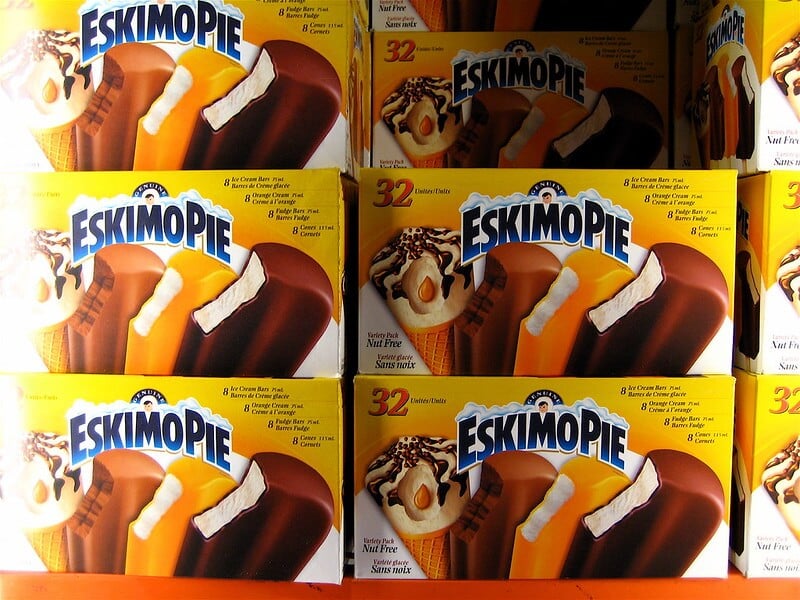
Christian Kent Nelson, a teacher and candy store owner in Onawa, Iowa, came up with a chocolate-coated ice cream bar around 1920 after watching a boy struggle to choose between ice cream and a chocolate bar. He partnered with chocolate maker Russell Stover, and a patent followed in 1922.
Sales reportedly reached a million bars a day that year. The foil-wrapped bar, sold without a stick in its early years, became a truck and pushcart standard.
In 2021 its owner, Dreyer’s, retired the old name and reintroduced the product as Edy’s Pie.
Pudding Pops and the Eighties Freezer
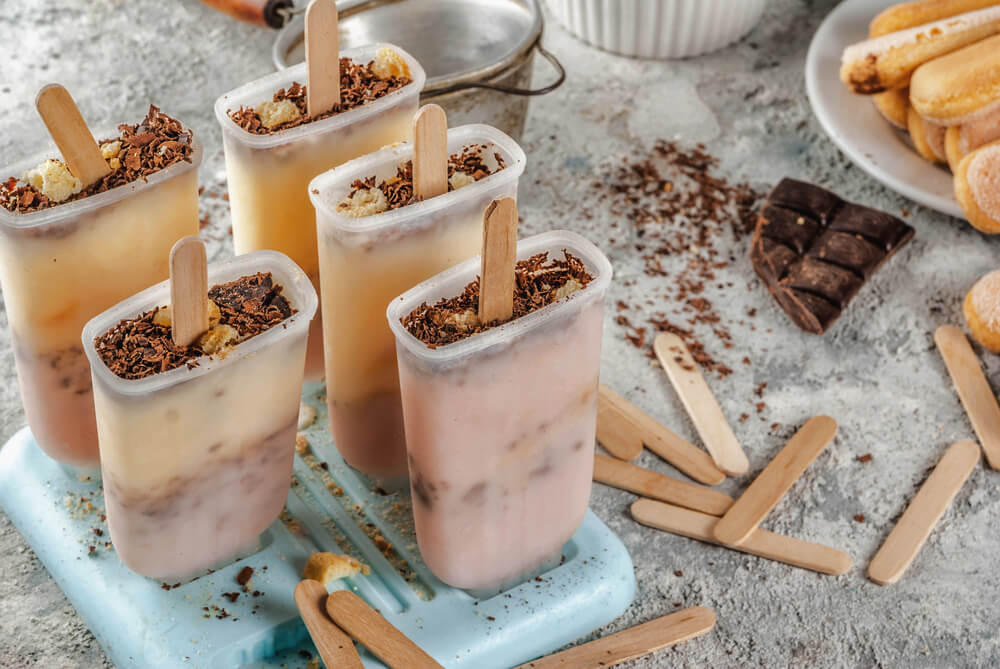
General Foods spent the late 1970s testing a frozen pudding on a stick and took Jell-O Pudding Pops national in the early 1980s. Chocolate, vanilla and a swirl of the two were the core flavors, each with a thin icy skin that formed on the outside.
First-year sales are widely reported at around 100 million dollars. The pops were mainly a grocery product, but trucks carried them too, and they spent a decade as a default answer to the menu board.
They were discontinued in the 1990s, and a later licensed revival under the Popsicle name never quite matched the original texture.
Hoodsie Cups and the Flat Wooden Spoon
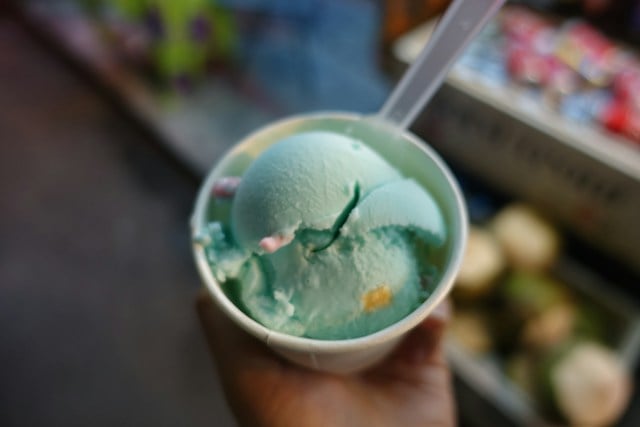
Small paper cups of ice cream with a pull-off lid and a wooden spoon date to the 1920s, when the Dixie cup company began supplying them to dairies. For years the underside of the lid carried a picture of a movie star or athlete, which children collected and traded.
In New England the form is known as the Hoodsie, after the dairy H.P. Hood, with chocolate on one side and vanilla on the other. The spoon was more of a paddle and left a faint taste of wood on every bite.
Most people remember that taste fondly anyway.
Otter Pops and Other Freezer Sleeves
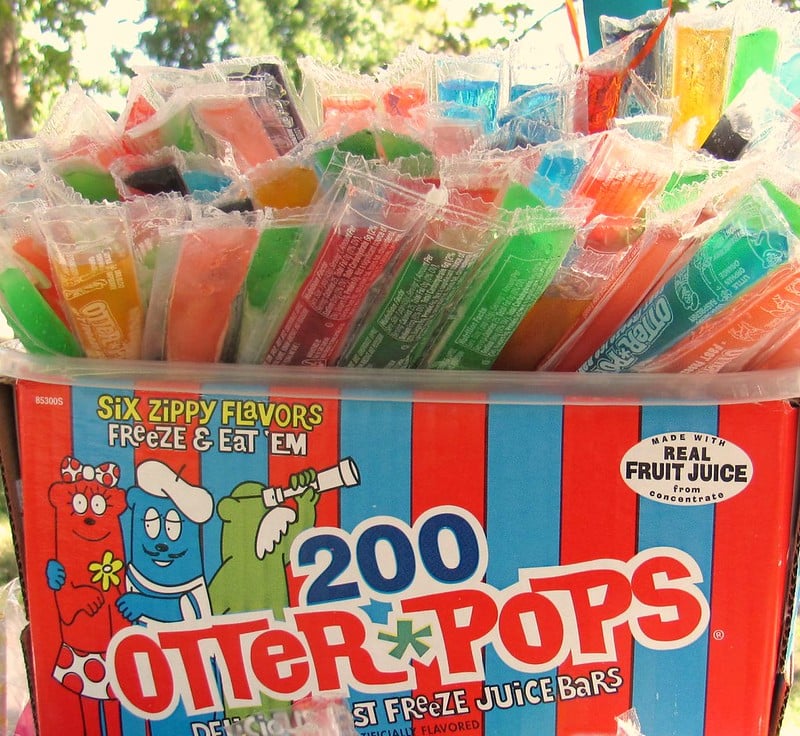
Otter Pops arrived in 1970 as a West Coast rival to Fla-Vor-Ice, the plastic-sleeved ice pop that Jel Sert had introduced a year earlier. Each color had a cartoon otter with a pun for a name, among them Sir Isaac Lime, Alexander the Grape and Little Orphan Orange.
Trucks sold them for pocket change, which made them the fallback when funds ran short. The sleeve had to be torn or snipped open, and its edge was sharp enough to nick the corners of a mouth.
Jel Sert bought the Otter Pops brand in 1996 and now makes both.
Dove Bar, Invented by a Worried Father
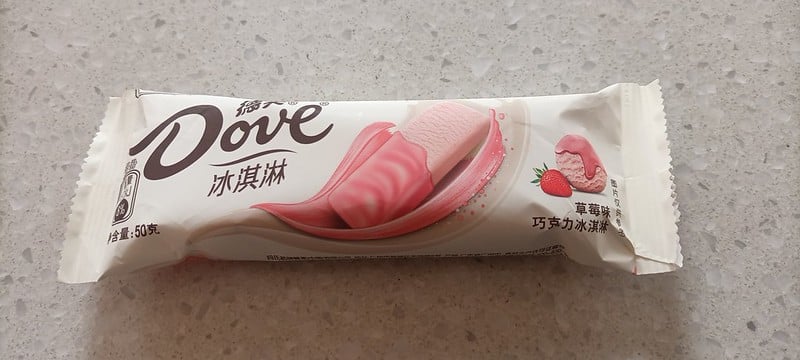
Leo Stefanos ran a candy and ice cream shop called Dove on the South Side of Chicago. In 1956, as the story goes, he watched his young son race into the street after an ice cream truck and decided to make something good enough to keep the boy home.
The result was a thick bar of ice cream hand-dipped in the shop’s own chocolate. It stayed a Chicago secret for nearly three decades.
National distribution came in the 1980s, Mars bought the business in 1986, and the bar eventually ended up on the same trucks it was meant to compete with.
WWF Superstars Bars and the Wrestler on the Cookie
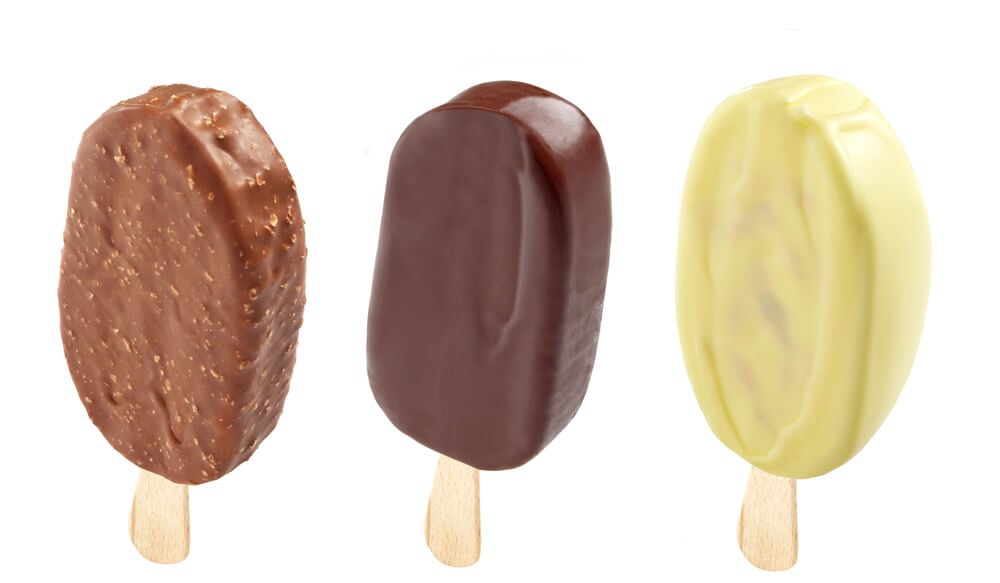
Gold Bond, a Wisconsin ice cream maker that Good Humor bought two years later, introduced its wrestling bars in 1987, at the height of the sport’s cartoonish boom. Each one was a slab of vanilla ice cream with a chocolate backing and a thin cookie on the front, stamped with the likeness of a star such as Hulk Hogan or Randy Savage.
The wrapper generally did not reveal which wrestler was inside, so every purchase was a small gamble. The lineup changed with the roster for roughly two decades before the bars disappeared.
Fan campaigns, including a very public one by the wrestler CM Punk, kept the memory alive, and a 2020 revival came as a stickless sandwich.
Jingles, Loose Change and a Short Window
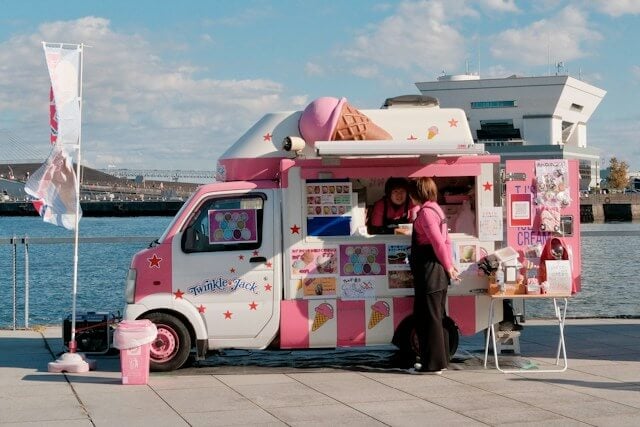
Most of these treats were modest inventions, a stick here, a folded cone there, a piece of gum where nobody asked for one. What made them matter was the delivery.
A truck turned dessert into an event with a deadline, announced by music and gone in three minutes. Few products have ever been sold with that much urgency to customers that short.
The names behind them were mostly small operators, from a Youngstown candy maker to a Fort Worth cone company to a Chicago father with a chocolate kettle. Many of the brands have since been folded into a handful of large food companies, and some bars have been retired outright.
The trucks keep rolling anyway, with newer stickers on the board and the same loop of music out front. Somewhere a kid is still deciding, with a line forming behind.
More from Go2Tutors!

- The Romanov Crown Jewels and Their Tragic Fate
- 13 Historical Mysteries That Science Still Can’t Solve
- Famous Hoaxes That Fooled the World for Years
- 15 Child Stars with Tragic Adult Lives
- 16 Famous Jewelry Pieces in History
Like Go2Tutors’s content? Follow us on MSN.