31 Infomercial Products from Late-Night TV That Actually Worked
There’s something about 2 a.m. television that lowers your defenses. The studio lighting is too bright, the host is too enthusiastic, and somehow — against every reasonable instinct — you find yourself reaching for the phone.
Most of what got sold in those windows was exactly as forgettable as it deserved to be. But not all of it.
A surprising number of products that debuted in the glow of late-night infomercials turned out to be genuinely, stubbornly useful — the kind of things people kept in their kitchens and garages for years without feeling embarrassed about it. Here are 31 of them.
George Foreman Grill
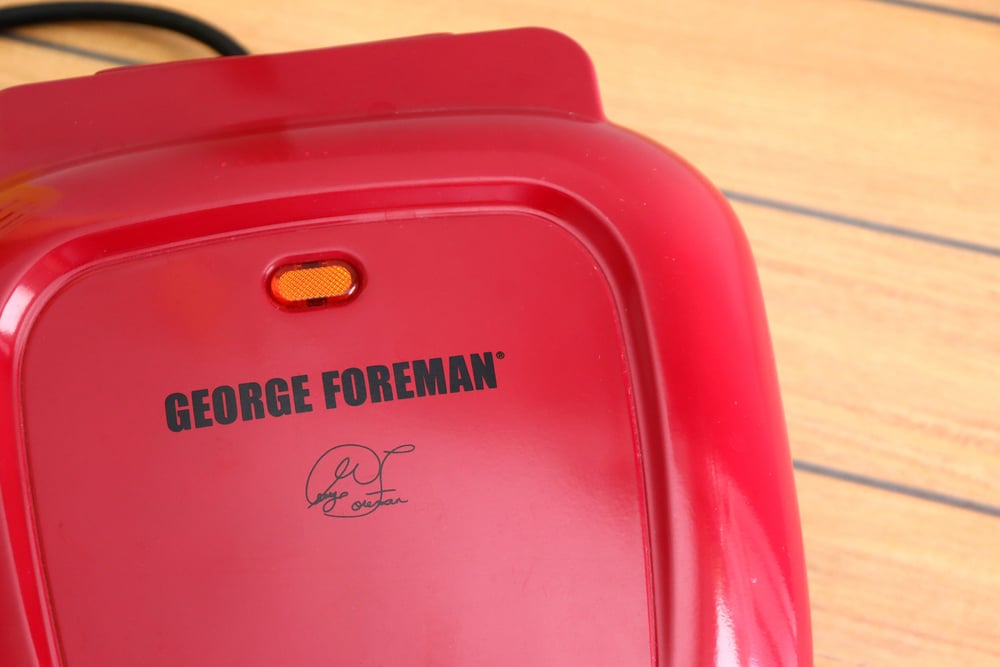
The George Foreman Grill is one of the most successful infomercial products ever made, full stop. Over 100 million units sold is not a fluke — the sloped design that drains fat away actually works, and the cleanup is fast enough that people used it on weeknights.
To be fair, George Foreman did more for countertop cooking than most professional chefs.
OxiClean
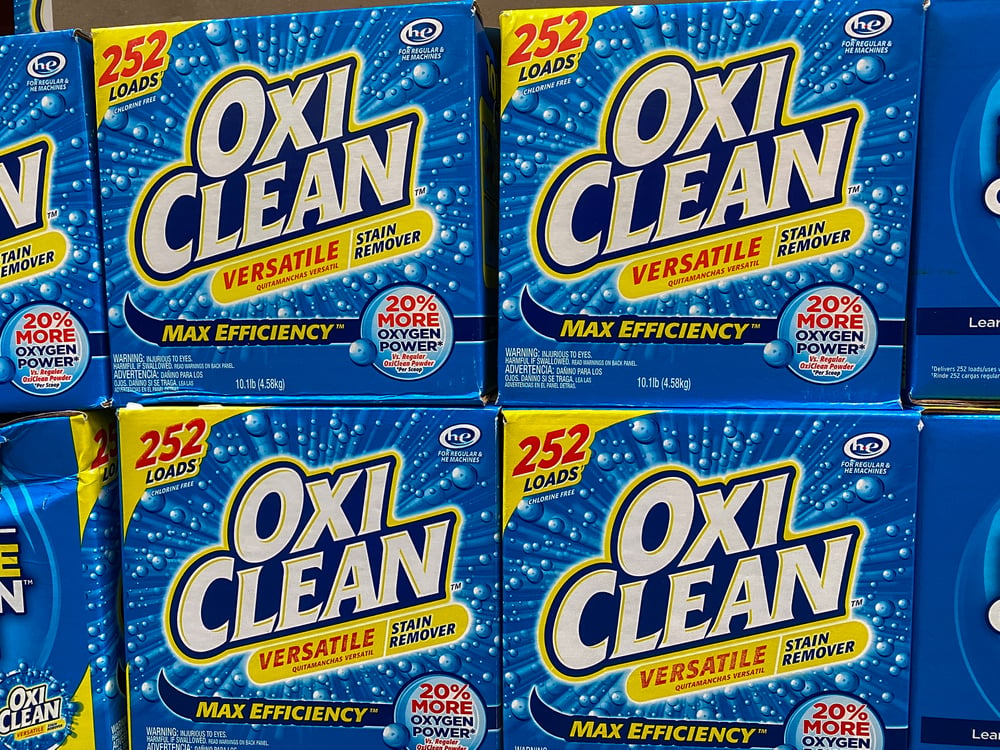
OxiClean is a legitimately effective oxygen-based cleaner, and Billy Mays knew it. The powder activates when mixed with water, releasing oxygen to break down stains at a molecular level — which sounds like marketing language until you watch a grass stain disappear from a white shirt.
It became a staple in laundry rooms long after the infomercials stopped running.
Snuggie

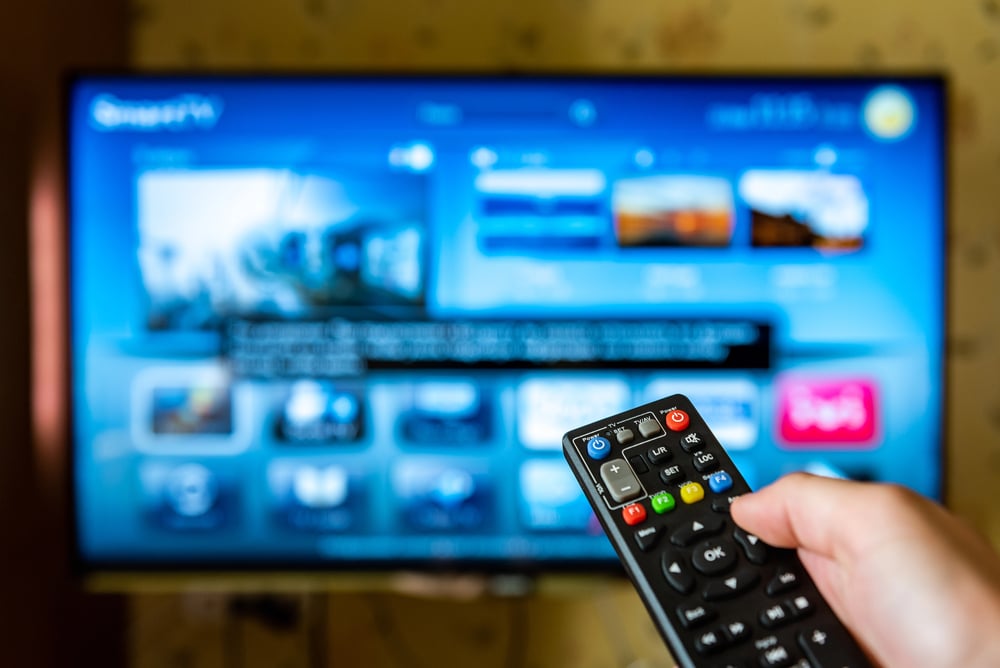
The Snuggie looked ridiculous on television, which is part of why it sold 30 million units in its first year. It’s a blanket with sleeves — a concept so obvious it almost feels like a joke, except that anyone who has tried to use a remote control while wrapped in a regular blanket understands the frustration it solves.
Go figure.
ShamWow

ShamWow absorbed water at a rate that genuinely surprised people when they tried it at home, because the chamois-style material it’s made from actually does hold many times its weight in liquid — a fact that felt like a carnival trick until it wasn’t. Vince Offer’s delivery was unhinged, the demonstrations were loud, and the product (made in Germany, as he reminded you repeatedly) held up under real use.
So it stuck around.
Flowbee
The Flowbee — a hair-cutting device that attaches to a vacuum cleaner — sounds like a punchline, and it was, for a long time. But it has maintained a devoted following for decades, sold directly to consumers since 1988, and its basic premise works: the suction holds hair at a consistent length while the blades cut.
Barbers weren’t threatened. Fans weren’t bothered.
NutriBullet
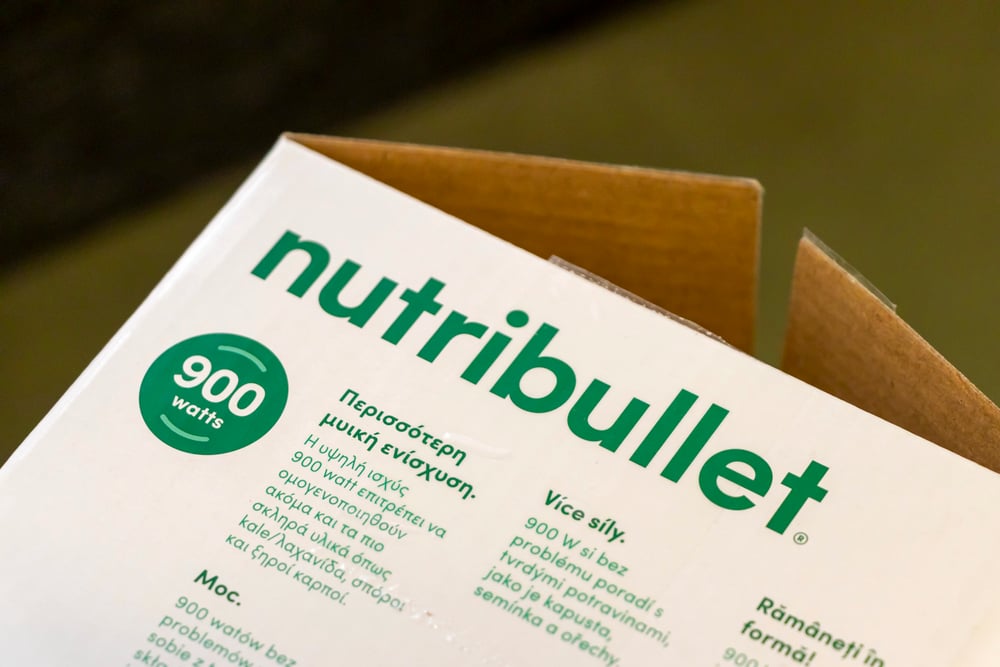
NutriBullet arrived at a moment when blenders felt overcomplicated and personal smoothies felt aspirational, and it threaded that needle with a compact, no-fuss design that genuinely outperformed many larger machines on everyday tasks. The bullet-shaped cups doubled as the drinking vessel — which sounds minor until you realize it cut cleanup time in half.
It became one of the fastest-selling kitchen appliances in infomercial history.
P90X
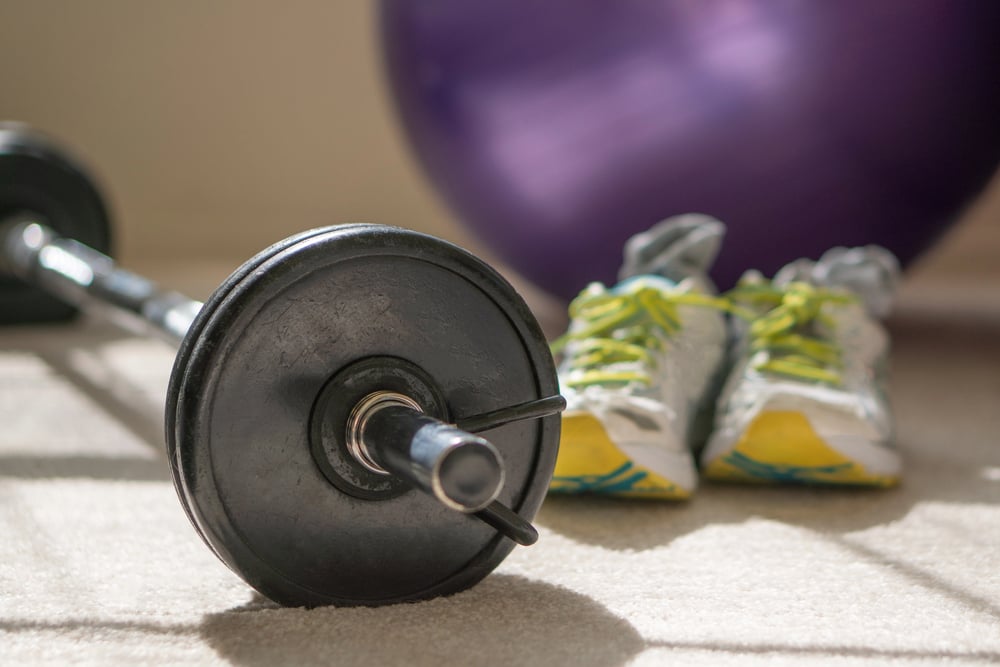
P90X is a workout program that actually delivers results — if you do it. That conditional is doing a lot of work in that sentence, but the programming itself, built around the concept of “muscle confusion” through rotating exercise types, is legitimate fitness methodology that trainers still reference.
The people who bought it and used it got into shape. The people who bought it and put it on a shelf at least got a sturdy set of DVDs.
Proactiv

Proactiv arrived in the mid-1990s like something between a medical breakthrough and a late-night fever dream — infomercials running at odd hours, dermatologists making testimonials, before-and-after photographs that felt almost aggressive in their clarity, and the slow realization (for millions of teenagers and adults) that this three-step benzoyl peroxide system actually reduced breakouts in a meaningful way. The core formulation, developed by two Stanford-trained dermatologists, was clinically sound from the start.
It became one of the highest-grossing infomercial brands in history.
Magic Bullet
The Magic Bullet is the kitchen product that managed to be genuinely useful without ever fully shedding its infomercial identity. Compact, fast, and functional for single-serving tasks like blending sauces, chopping onions, or making a quick dip, it found a permanent spot in small apartments and college kitchens where a full-sized blender felt excessive.
Turns out a small machine can do a lot of honest work.
Ron Popeil’s Rotisserie Oven

Ron Popeil deserves his own wing in some kind of late-night television hall of fame, and the Showtime Rotisserie is the product that justifies the induction. The device cooked chicken evenly using a rotating spit — which is how rotisserie cooking has always worked — but Popeil made it accessible for a home kitchen, priced it reasonably, and coined a phrase (“Set it and forget it”) that became genuinely embedded in American culture.
The chicken was good. That mattered.
Total Gym
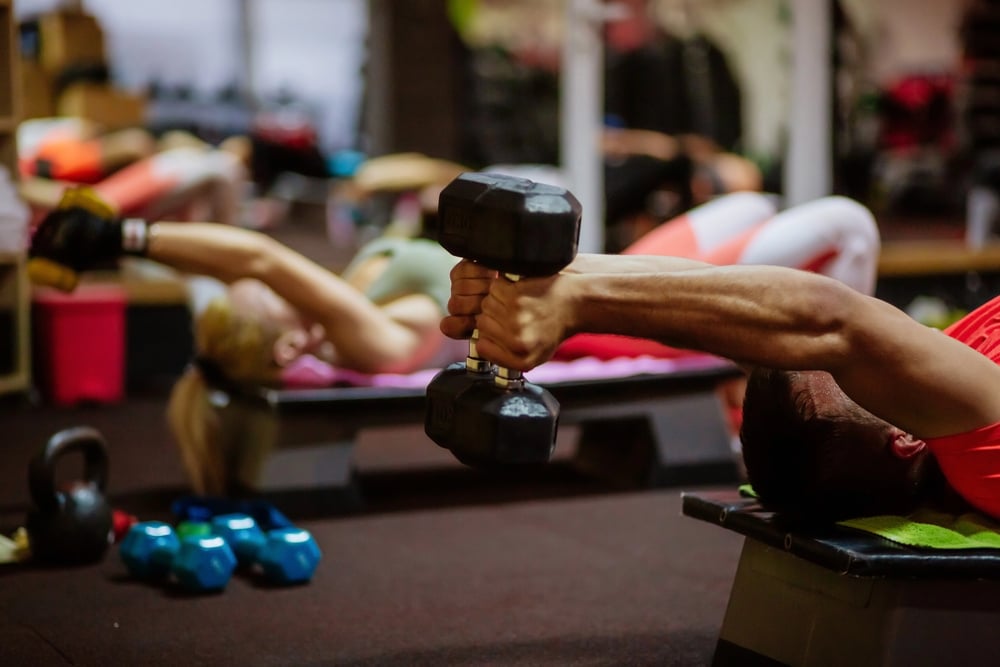
The Total Gym has been sold on television since the late 1970s, which makes it older than most of the people who bought it. Chuck Norris and Christie Brinkley became its faces in the 1990s infomercial era, but the machine itself — a gliding board that uses body weight as resistance — is used in physical rehabilitation settings and commercial gyms, which is a more credible endorsement than any celebrity.
It works because leverage and body weight are real forces.
Insanity

Insanity is one of the hardest home workout programs ever sold on television, and it earns that reputation without exaggeration. Shaun T’s max-interval training approach — where the high-intensity intervals are longer than the rest periods, inverting the typical structure — produces measurable cardiovascular and muscular improvements in people who complete the 60-day program.
The dropout rate was high. The results, for those who finished, were not imaginary.
Instant Windshield Repair Kit
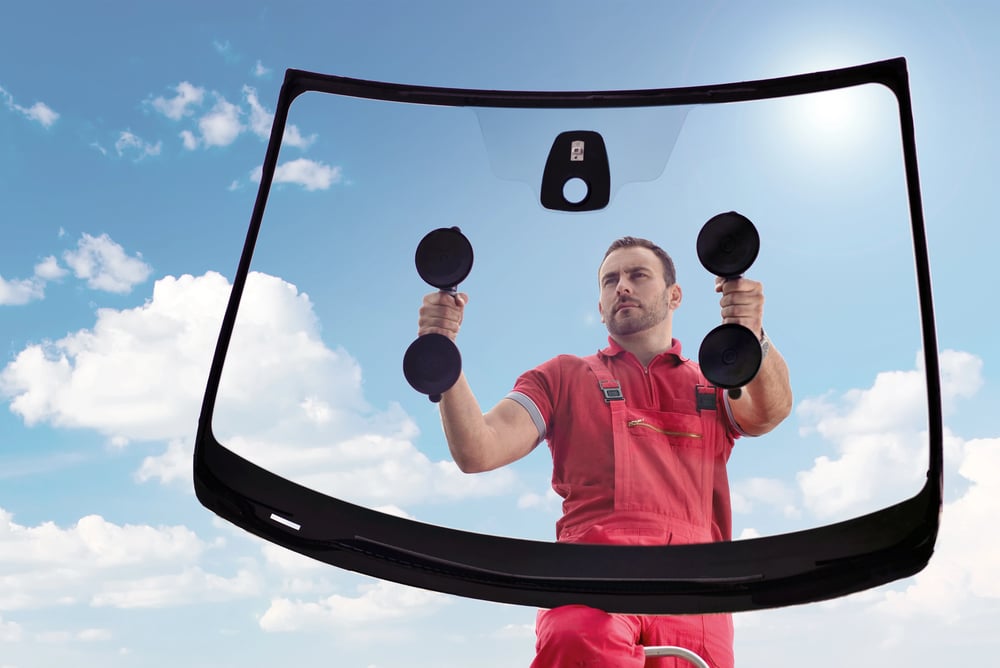
Like a quiet librarian at a party full of loud talkers, the windshield repair kit never got much attention compared to the kitchen gadgets and fitness systems surrounding it in the infomercial lineup — but it filled chips and small cracks in auto glass using a UV-activated resin that actually bonds to the damaged area and prevents further spreading. Auto shops use the same basic chemistry.
The kit just put it in a box you could use in your driveway.
Mighty Putty

Mighty Putty is an epoxy-based adhesive putty that bonds to a wide range of surfaces, and Billy Mays spent considerable television time demonstrating this by attaching things to other things that had no business being attached. The demonstrations were theatrical.
The underlying product — a two-part epoxy you knead together to activate — is a legitimate repair tool that mechanics, plumbers, and homeowners have trusted in various commercial forms for decades.
Pasta Boat
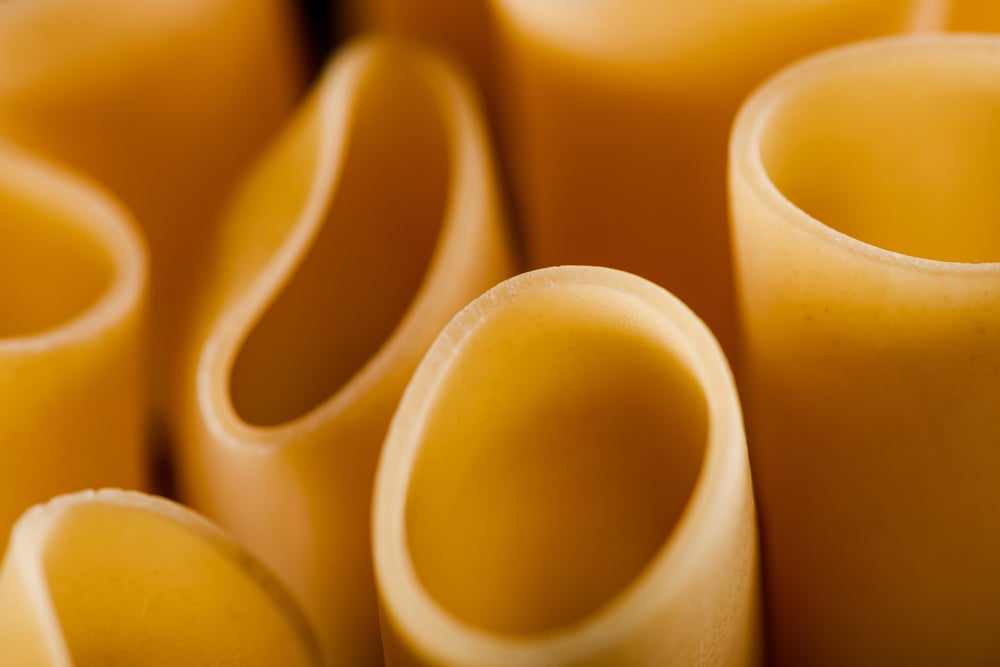
The Pasta Boat is a microwave pasta cooker that does exactly what it claims: it cooks pasta in the microwave without boiling water on a stove, and it does it without making a mess. The timing requires a little adjustment depending on the pasta shape and your microwave’s wattage, but the colander lid and the compact footprint made it a practical tool for small kitchens and busy weeknights.
Nobody wrote home about it. People used it anyway.
Food Saver Vacuum Sealer
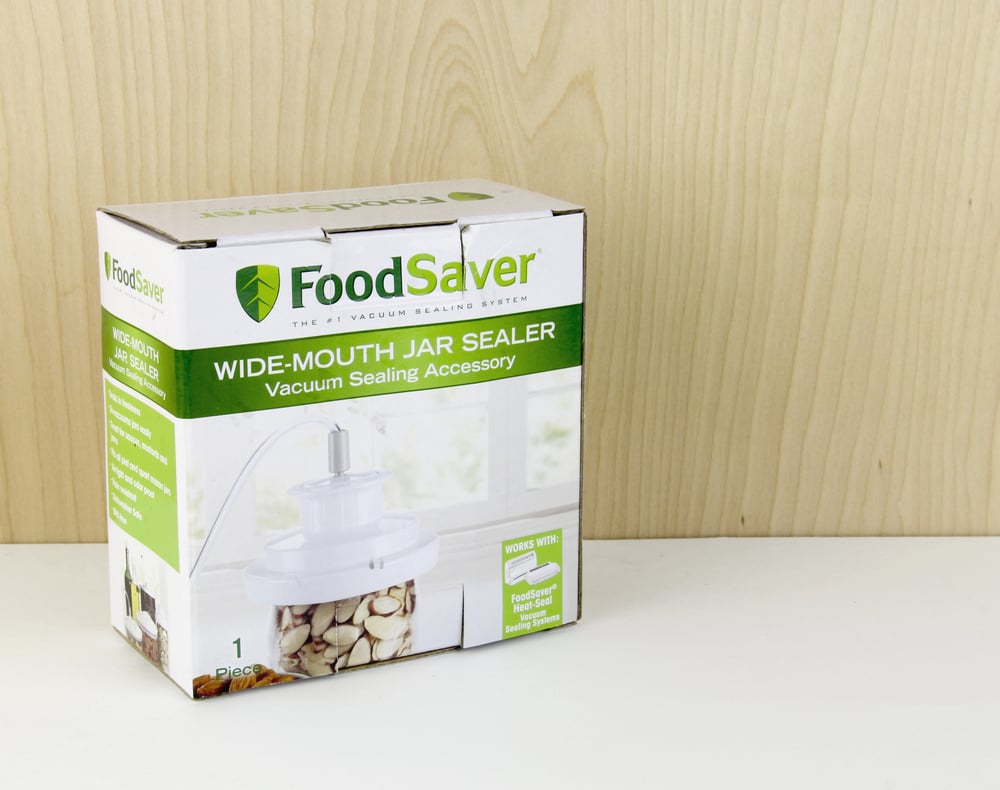
The Food Saver vacuum sealer is one of those products that quietly saves households a noticeable amount of money over time by extending the refrigerator and freezer life of meat, cheese, and produce. Vacuum sealing removes the air that accelerates oxidation and freezer burn — which is basic food science, not infomercial magic.
Professional kitchens have used the same principle for years.
Perfect Pushup

The Perfect Pushup consists of two rotating handles that allow the hands to follow a natural arc during a pushup, reducing stress on the wrists and engaging the chest, shoulders, and triceps through a slightly greater range of motion than a flat-handed pushup allows. Physical therapists have noted the rotational movement is genuinely easier on the wrist joints.
The product is simple to the point of feeling unnecessary — until you actually use it.
Steam Buddy

Steam Buddy is a handheld garment steamer that removes wrinkles from fabric without requiring an ironing board, a setup process, or the kind of focused attention that ironing demands. It heats quickly, works on most fabrics, and fits in a carry-on bag — which is the detail that turned a lot of occasional buyers into devoted ones.
Airlines and hotel rooms essentially made this product’s case for it.
Jack LaLanne Power Juicer
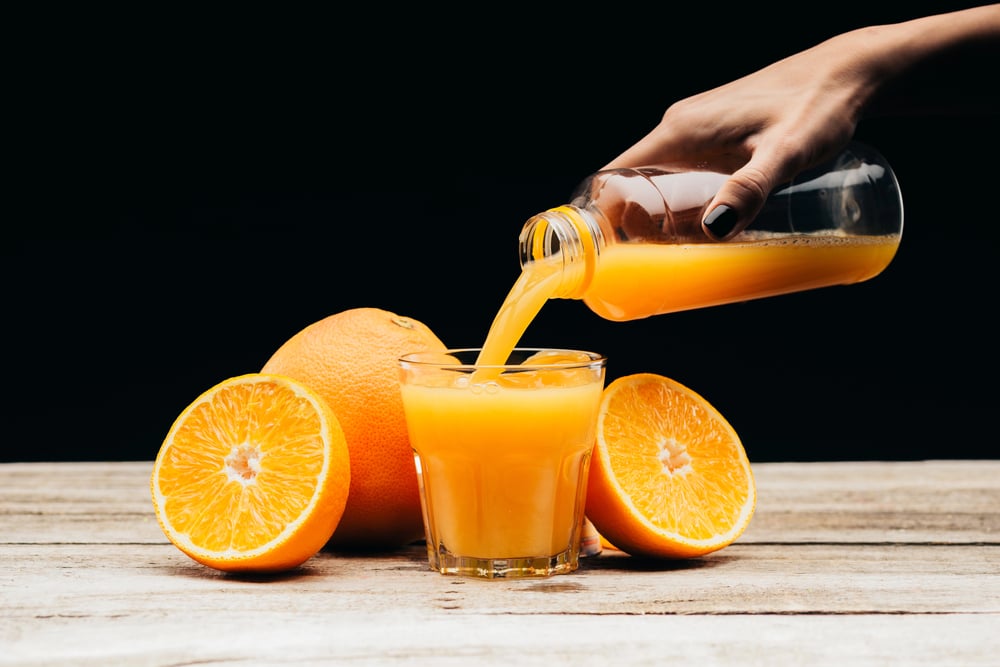
Jack LaLanne was a legitimate fitness pioneer long before he became an infomercial presence, and his Power Juicer carried that credibility into the late-night sales slot it occupied for years. The machine handled hard vegetables — beets, carrots, whole apples — without choking, which was the specific complaint juicer buyers had about cheaper models.
It became the standard against which other centrifugal juicers were measured.
Comfort Wipe

The Comfort Wipe extended the reach of toilet paper handling with a long-handled gripping tool — which sounds absurd until you consider that it was specifically marketed toward elderly individuals and people with limited mobility, for whom it addressed a genuine and underdiscussed daily challenge. Occupational therapists had recommended similar devices for years before the infomercial version made it widely available.
Dignity is practical.
Aqua Globes

Aqua Globes are hand-blown glass spheres you fill with water and insert into potted soil, releasing moisture slowly over several days as the soil dries. For people who travel frequently or reliably forget to water their plants — which is most people — they work exactly as described, because the physics of slow capillary release from a narrow-necked vessel is not complicated.
The plants stayed alive. That was the bar.
EZ Cracker

The EZ Cracker cracks eggs without getting shell fragments into the bowl — a problem so common that most home cooks have just accepted it as an unavoidable tax on breakfast. The spring-loaded cracking mechanism strikes the egg cleanly along the center, and the built-in strainer catches any stray fragments before they reach the pan.
It also handles hard-boiled egg peeling. It is not a glamorous product. It solves something annoying.
Slap Chop

The Slap Chop is a manual food chopper that minces garlic, onions, and herbs with a downward slapping motion — which, in Vince Offer’s infomercial, was presented as if it were the culmination of human civilization. The actual product is a well-designed pull-and-chop mechanism that delivers consistent, fine cuts without requiring a knife or a cutting board, and the suction base holds it steady.
Cooks who hate crying over onions adopted it without irony.
Ped Egg
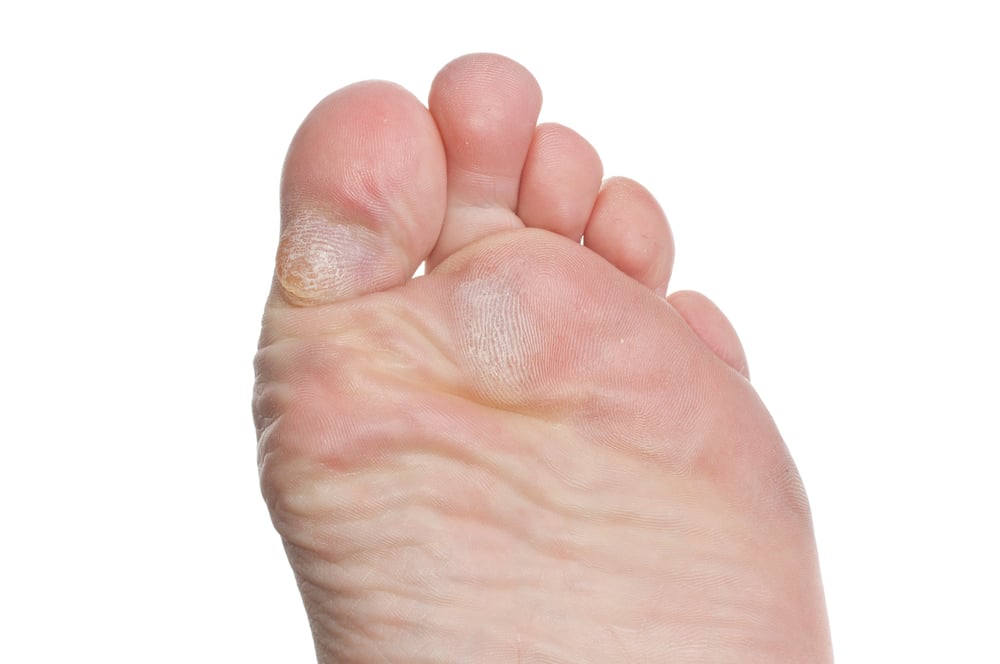
The Ped Egg is a foot file shaped like an egg that removes calluses and rough skin using a fine grating surface, and it captures the removed skin inside the device so there’s no mess on the bathroom floor — which turns out to be the detail that convinced people to buy it and keep it. Over 40 million units were sold.
The problem it solved was real, the solution was direct, and the cleanup feature removed the one objection people had about doing it at home.
Copper Chef Pan

Copper Chef pans are ceramic-coated nonstick cookware that genuinely performed well in independent tests — distributing heat evenly, releasing food cleanly, and holding up to higher temperatures than many competitor nonstick pans without the coating degrading quickly. The infomercial demonstrations were exaggerated, as they always are.
The pans themselves were not.
Belly Burner
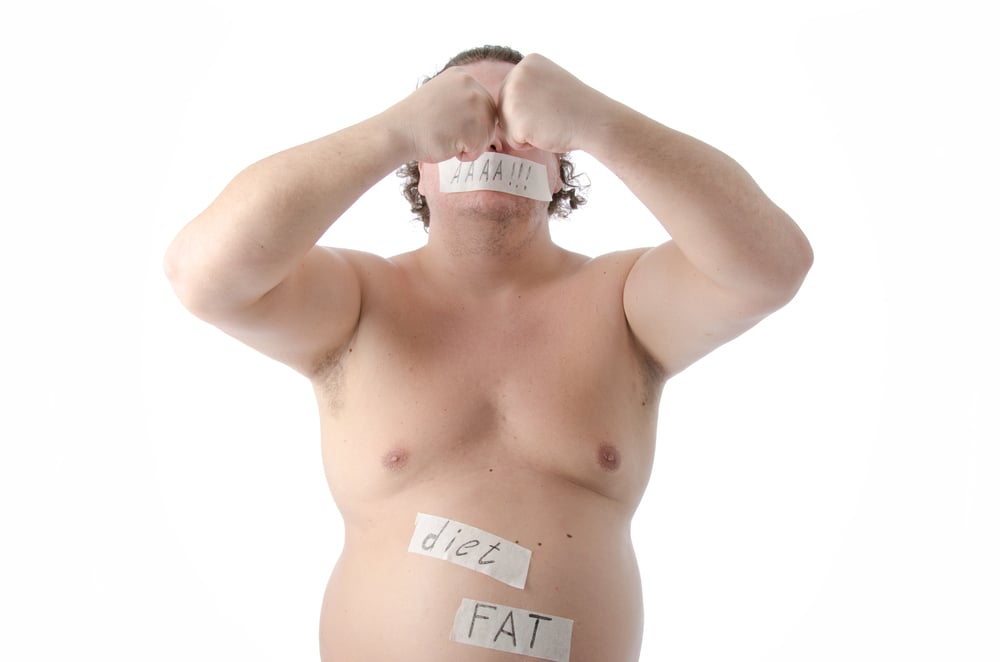
The Belly Burner is a neoprene wrap worn around the midsection during exercise that increases sweat production in the abdominal area by trapping body heat. It does not burn fat in any localized sense — no product does — but it works as a compression wrap that supports the lower back during exercise, and athletes in weight-class sports have used similar sweat-inducing garments for decades.
The expectations just needed to be calibrated correctly.
Turbo Snake
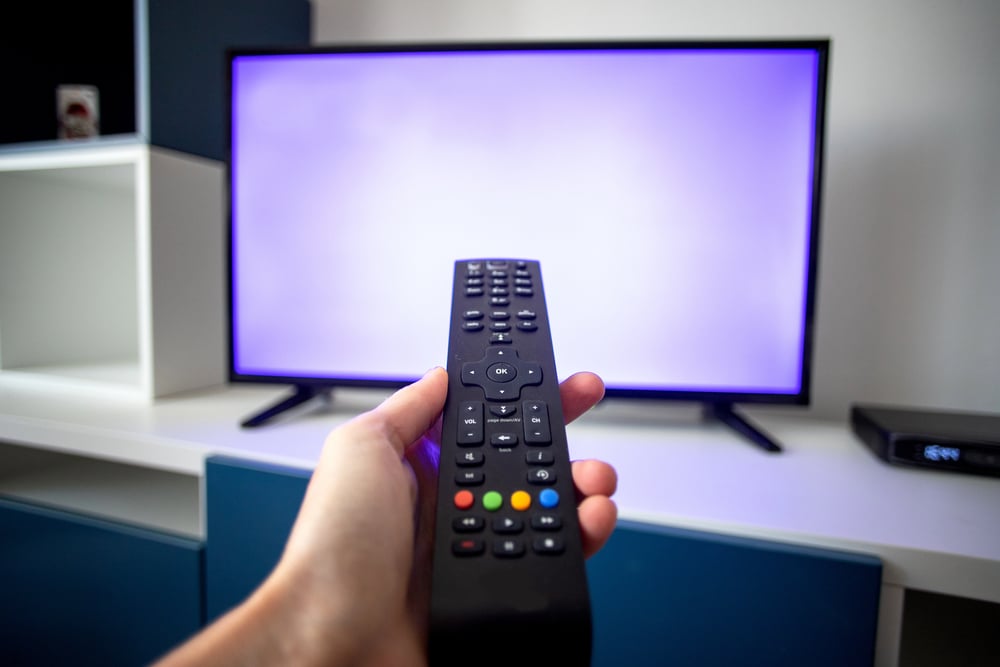
The Turbo Snake is a flexible plastic drain-cleaning tool covered in small barbs that grab and remove hair clogs from bathroom drains without requiring chemical drain cleaners. It costs a few dollars, fits in a drawer, and handles the single most common cause of slow-draining bathtub and sink problems in any house where someone with long hair lives.
Plumbers are not losing sleep over it.
Micro Touch Max

Micro Touch Max is a precision personal trimmer designed for eyebrows, ear hair, and nose hair — small, battery-operated, and stubborn enough in its grip to handle coarse hair without pulling. The blade design minimizes skin contact, which reduces nicks in areas where a razor has no business being.
It’s the kind of product that sounds unnecessary until you need it every single week.
Vitamix (infomercial era)
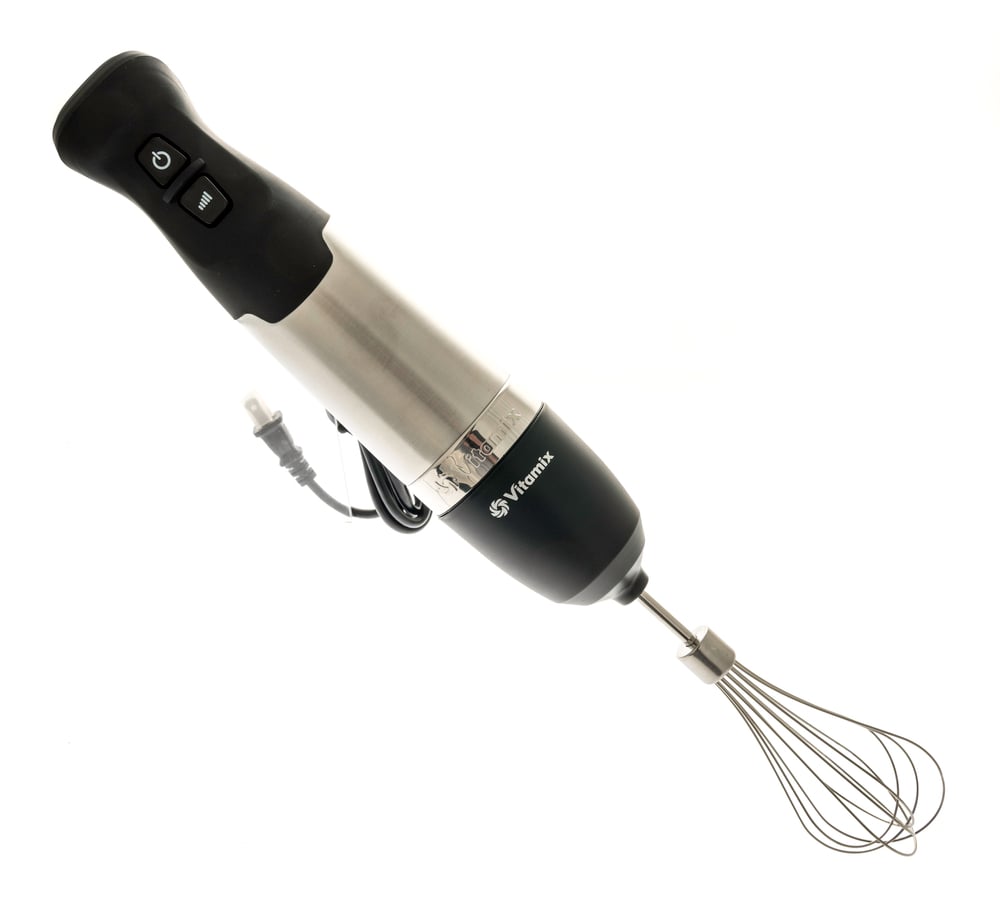
Vitamix was selling blenders through television demonstrations long before it became the flagship appliance of upscale kitchen culture, and the core product — a high-powered motor capable of blending whole foods into completely smooth textures — was never in question. Professional chefs, restaurant kitchens, and hospital dietary programs used the same machines being demonstrated on television.
The infomercial didn’t inflate the product. It just introduced it to a wider audience.
Cindy Crawford Meaningful Beauty

Meaningful Beauty is a skincare line developed in collaboration with Dr. Jean-Louis Sebagh, a French cosmetic doctor, around the antioxidant properties of the Charentais melon — a cantaloupe variety with an unusually high concentration of superoxide dismutase, an enzyme that slows cellular oxidation. The infomercial was soft-lit and aspirational in the way skincare infomercials always are, but the underlying formulation contained ingredients that dermatologists considered active and effective.
It outlasted most of its late-night competitors.
Bowflex
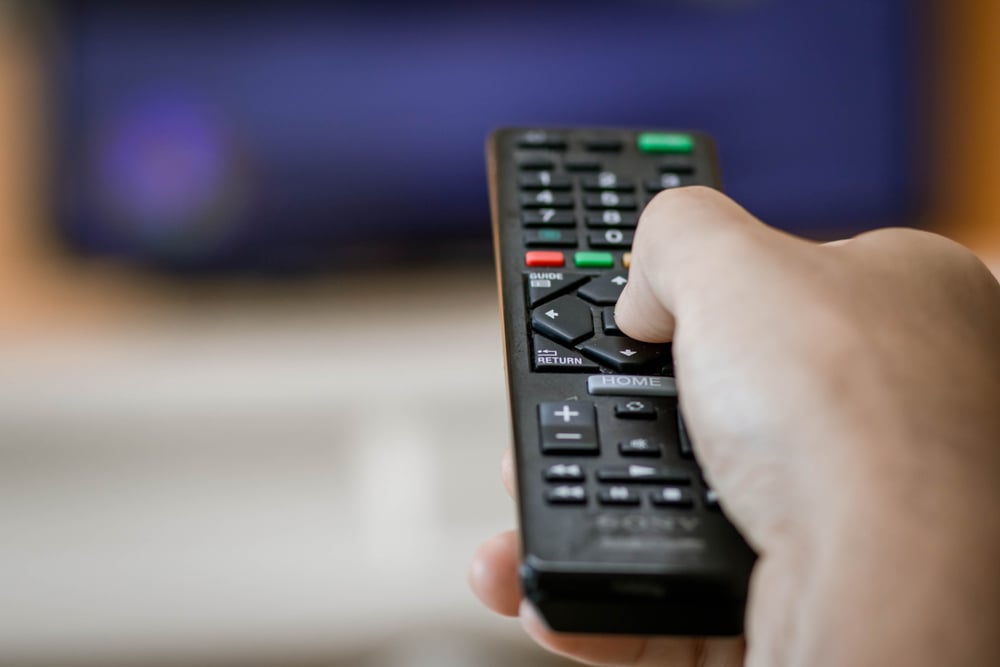
Bowflex is a resistance-based home gym that uses fiberglass rods — called Power Rods — instead of traditional weight plates to generate resistance, and it appeared in infomercials throughout the late 1980s and 1990s with before-and-after testimonials that felt implausible until exercise physiologists confirmed the resistance model was sound. The machines take up space.
They also produce real strength gains across a full range of compound movements. Both things have always been true.
The Staying Power of 2 A.M.

Late-night infomercials ran on one essential bet: that if you showed someone a problem they recognized and a solution that seemed to work, they’d reach for the phone before they thought too carefully about it. What’s strange — and maybe a little charming — is how often that bet produced products that genuinely held up in daylight.
The Vitamix still sits on countertops. The George Foreman Grill is still greasing weeknight dinners.
The Total Gym still ships from the same company that’s been selling it for 40 years. Not every product that survived the late-night pitch deserved to.
But a surprising number of them did — quietly, stubbornly, without needing to prove anything to anyone anymore.
More from Go2Tutors!

- The Romanov Crown Jewels and Their Tragic Fate
- 13 Historical Mysteries That Science Still Can’t Solve
- Famous Hoaxes That Fooled the World for Years
- 15 Child Stars with Tragic Adult Lives
- 16 Famous Jewelry Pieces in History
Like Go2Tutors’s content? Follow us on MSN.