16 Pixel Games That Inspired Modern Hits
The gaming world owes a massive debt to the pixelated pioneers of the past. These chunky, blocky graphics weren’t just a limitation of old hardware—they were the foundation for entire genres and design philosophies that still drive today’s biggest hits.
From establishing fundamental mechanics to creating visual languages that modern developers deliberately emulate, these classic games didn’t just entertain a generation; they wrote the rulebook.
The influence runs deeper than simple nostalgia.
Today’s indie developers and major studios alike continue to draw inspiration from these pixel-perfect classics, whether it’s borrowing core gameplay loops, replicating art styles, or building upon the innovative ideas that first emerged decades ago. Here’s a list of 16 pixel games that continue to shape the modern gaming landscape.
Super Mario Bros.

Super Mario Bros. set the standard for platform games with its tight design and power-up driven gameplay, establishing mechanics that virtually every platformer since has borrowed from. The game’s approach to level design—with multiple routes, hidden secrets, and gradually increasing difficulty—became the template that modern hits like Celeste and Super Meat Boy still follow.
Its influence extends beyond indie games too, with the ‘New’ Super Mario series proving that the original formula remains as compelling today as it was in 1985.
Metroid
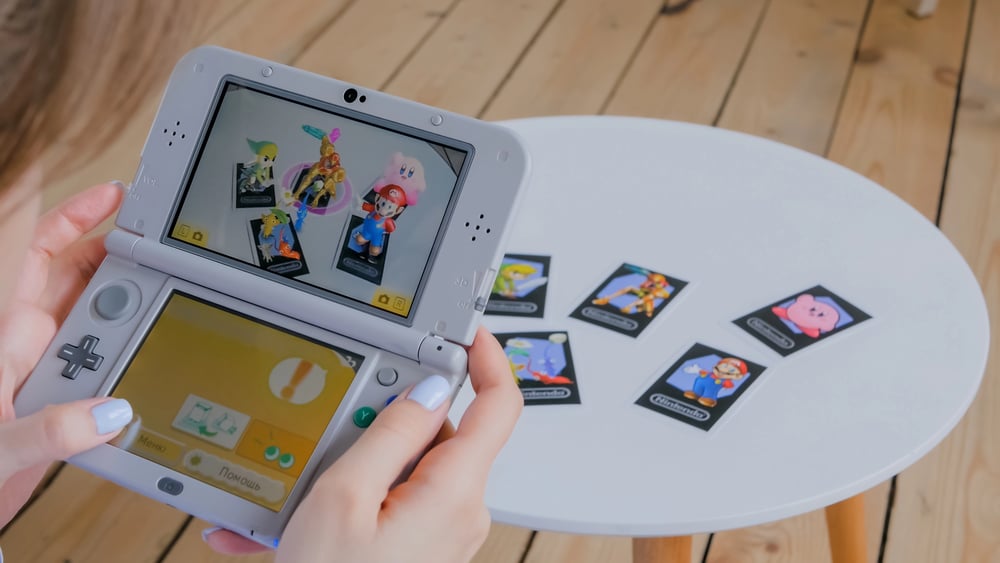
Metroid combined the platforming of Super Mario Bros. and the exploration of The Legend of Zelda with a science fiction setting and an emphasis on nonlinear gameplay, essentially creating what we now call the Metroidvania genre. Modern games like Hollow Knight, Axiom Verge, and Dead Cells all trace their DNA directly back to this atmospheric adventure.
The concept of gaining new abilities that unlock previously inaccessible areas has become so fundamental that it’s hard to imagine gaming without it.
Like Go2Tutors’s content? Follow us on MSN.
Pac-Man

The simple concept of collecting items while avoiding enemies in a maze became one of gaming’s most enduring formulas. Modern titles like Crossy Road and countless mobile games still use Pac-Man’s core loop of risk-versus-reward navigation.
The game also pioneered the idea of power-ups that temporarily change the dynamic, a concept that appears in everything from Stardew Valley’s energy items to the invincibility stars that show up across gaming.
Tetris

Tetris proved that puzzle games could be just as addictive as action titles, establishing the ‘easy to learn, impossible to master’ philosophy that drives modern hits like Candy Crush and Monument Valley. The concept of “easy to learn, hard to master” was baked into the design philosophy of the era, and Tetris exemplified this perfectly.
Its influence can be seen in any game that uses simple mechanics to create complex, emergent gameplay.
The Legend of Zelda
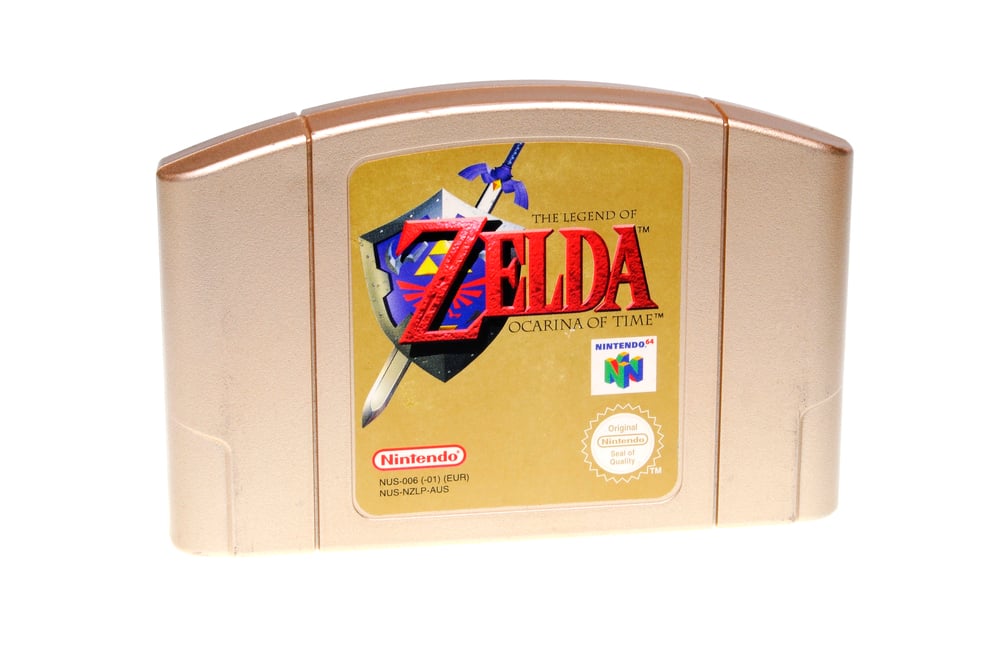
Zelda’s impact on modern gaming is immeasurable, establishing the action-adventure template that countless games still follow. The original’s overworld exploration, dungeon-crawling, and item-based progression directly influenced everything from modern Zelda games to indie hits like Hyper Light Drifter.
Its approach to environmental storytelling—where the world itself tells the story through visual cues—remains a cornerstone of game design.
Like Go2Tutors’s content? Follow us on MSN.
Donkey Kong

Before Mario became a household name, Donkey Kong established the fundamentals of platforming gameplay. The game’s emphasis on precise timing, environmental hazards, and multiple pathways to success laid groundwork that modern platformers like Shovel Knight deliberately emulated.
Its influence is so strong that Shovel Knight specifically pays homage to this NES-era design philosophy.
Street Fighter II
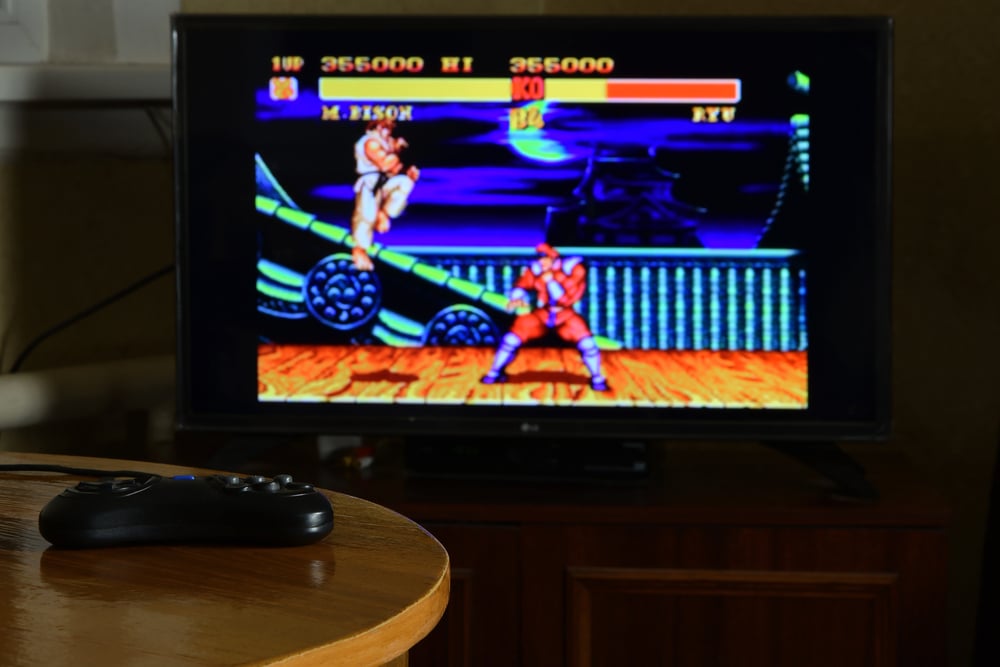
Street Fighter II didn’t invent fighting games, but it perfected the formula that every modern fighter still uses. The six-button control scheme, special move inputs, and character balance concepts pioneered here directly influence everything from modern Street Fighter games to indie fighters like Rivals of Aether.
Its approach to creating distinct characters with unique playstyles became the industry standard.
Super Metroid

Super Metroid features excellent graphics, with a huge variety of enemies and worlds to explore, but more importantly, it refined the Metroidvania formula to near-perfection. Modern games like Ori and the Blind Forest and Axiom Verge directly follow Super Metroid’s template of atmospheric exploration combined with ability-gated progression.
The game’s environmental storytelling and sense of isolation continue to influence how developers approach narrative in exploration-based games.
Like Go2Tutors’s content? Follow us on MSN.
Castlevania: Symphony of the Night
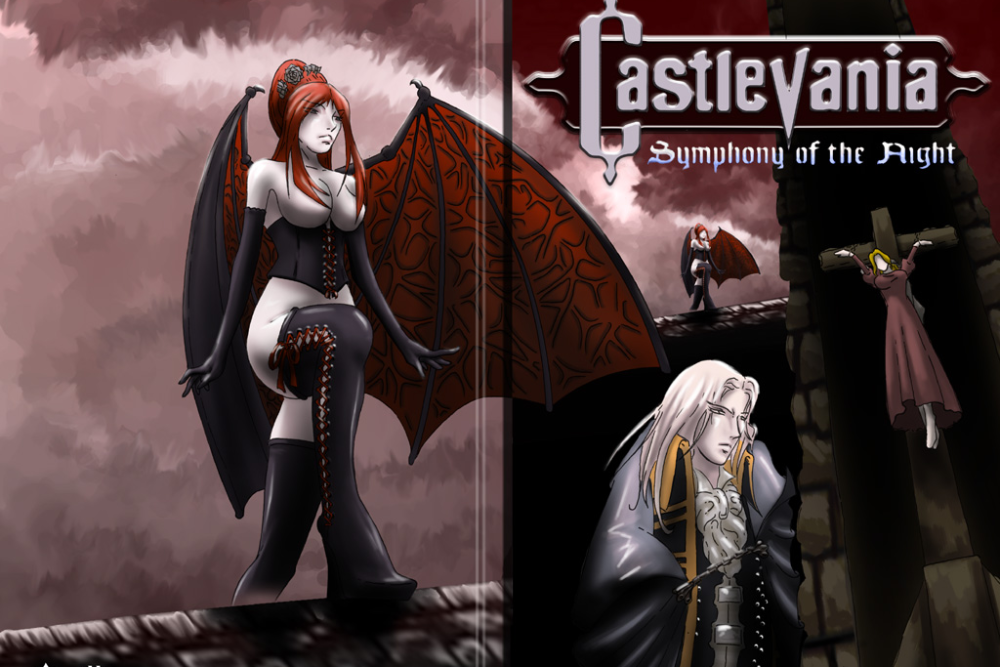
While not originally a pixel game, Symphony of the Night’s influence on modern pixel art games is undeniable. It’s clear Castlevania’s decision to stick with 2D-inspired generations of indie developers.
Castlevania’s gothic style has extended to numerous pixelated indie titles such as Slain! Another game inspired by Castlevania is Blasphemous. The game’s combination of RPG elements with Metroidvania exploration created a template that modern indie developers constantly reference.
Mega Man 2

Mega Man 2 established the boss-rush formula that countless modern games employ, from indie hits like 20XX to major releases like Cuphead. The game’s approach to non-linear stage selection, combined with acquiring new abilities from defeated bosses, created a progression system that feels as fresh today as it did in the late 80s.
Its pixel-perfect platforming and challenging-but-fair difficulty curve remain the gold standard for action platformers.
Final Fantasy VI
Final Fantasy VI showed how pixel art could convey deep emotion and complex storytelling, influencing modern RPGs like Sea of Stars and CrossCode. Sea of Stars is a showcase of top-tier sprite animation and design in the modern age, directly following in FF6’s footsteps.
The game’s approach to character development, ensemble storytelling, and dramatic set pieces established templates that JRPGs still follow today.
Like Go2Tutors’s content? Follow us on MSN.
Contra

Contra’s run-and-gun formula laid the foundation for modern action games that prioritize fast-paced shooting and cooperative play. Games like Broforce and Metal Slug sequels directly reference Contra’s design philosophy of overwhelming firepower, precise controls, and challenging enemy patterns.
Its approach to power-ups and weapon variety became a standard that action games still follow.
Super Mario World

Super Mario World refined the platforming formula to such a degree that modern games still struggle to match its level design brilliance. Super Mario World was released on the Super Nintendo Entertainment System back in the early 90’s and was later re-released on the Game Boy Advance in the early 2000’s for those wanting to play it on the go.
Games like Rayman Legends and newer Super Mario titles continue to use its approach to secret areas, multiple completion paths, and perfectly tuned physics.
Chrono Trigger

Chrono Trigger’s approach to time travel mechanics and multiple endings directly influences modern RPGs that experiment with narrative structure. Games like Radiant Historia and modern indie RPGs frequently reference its storytelling techniques.
The game’s seamless integration of story and gameplay, where player actions genuinely affect the narrative outcome, established principles that story-driven games still aspire to match.
Like Go2Tutors’s content? Follow us on MSN.
Super Mario 64
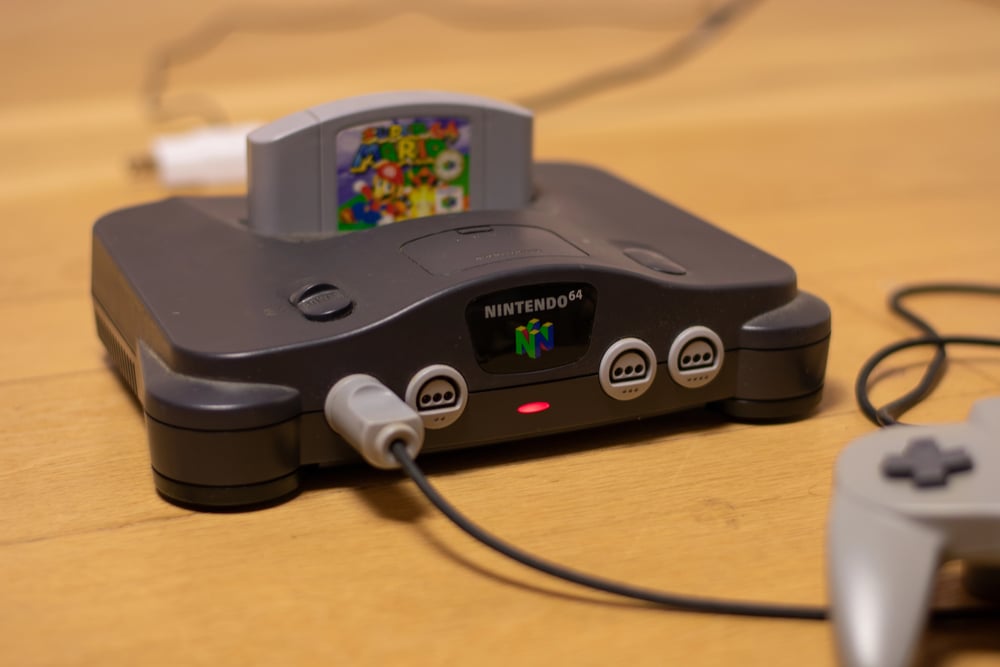
Super Mario 64 changed the gaming industry forever, it showcased the next big step in graphical advancements and immersed gamers in a new 3D Super Mario World that blew people’s socks off. While technically a 3D game, its influence on modern platformers—including many pixel art games—is profound.
The camera systems, movement mechanics, and hub world design established in Mario 64 influence everything from A Hat in Time to modern Mario games.
Cave Story
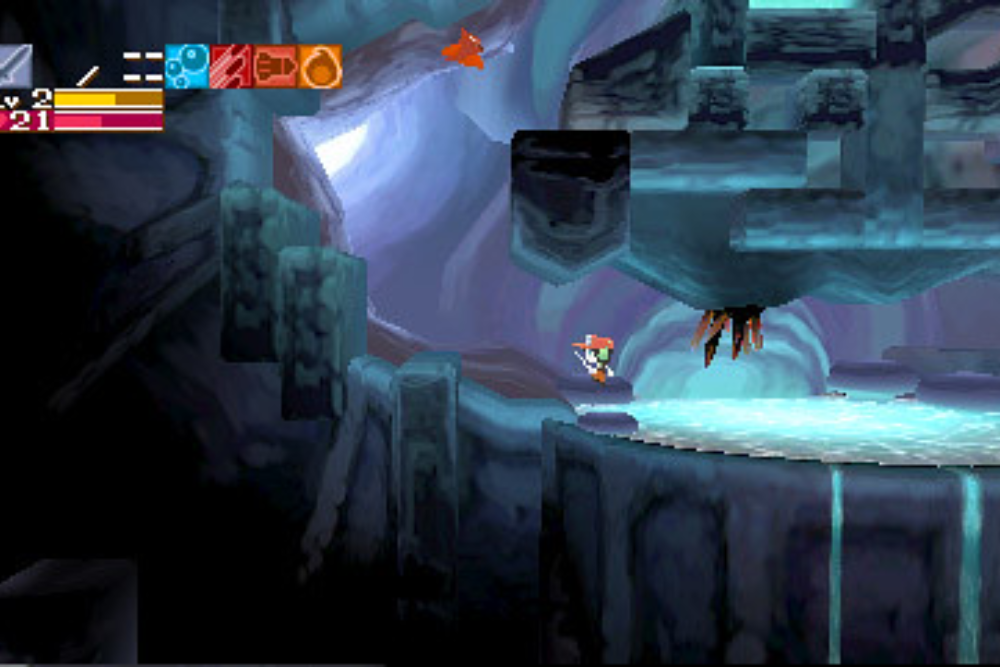
Created entirely by one person (Daisuke “Pixel” Amaya) over five years, Cave Story is often called “the quintessential indie game” for its one-man team and huge influence on indie gaming. Cave Story proved that a single developer could create something that rivaled major studio productions, inspiring the entire modern indie game movement.
Games like Axiom Verge, Undertale, and countless other indie hits exist because Cave Story showed it was possible.
Legacy Continues

These 16 games didn’t just entertain players—they established the fundamental language of interactive entertainment that developers still speak today. Their influence extends far beyond their original hardware limitations, proving that great game design transcends technology.
Whether it’s the tight controls of Super Mario Bros. inspiring modern platformers or Metroid’s exploration-based progression appearing in countless indie games, these pixel pioneers continue to shape how we play and what we expect from our digital adventures.
Like Go2Tutors’s content? Follow us on MSN.
More from Go2Tutors!

- 16 Historical Figures Who Were Nothing Like You Think
- 12 Things Sold in the 80s That Are Now Illegal
- 15 VHS Tapes That Could Be Worth Thousands
- 17 Historical “What Ifs” That Would Have Changed Everything
- 18 TV Shows That Vanished Without a Finale
Like Go2Tutors’s content? Follow us on MSN.