31 School Supplies That Felt Like Treasures When You Pulled Them Out of the Bag
Back-to-school shopping had its own category of pleasure that was distinct from Christmas morning only in degree. The items weren’t wrapped, but they were new — and new school supplies had a particular quality that regular objects didn’t.
They smelled different, they opened with that specific stiffness of things not yet used, and for a brief window each September, they represented pure possibility before the year had started and everything was still unsmudged. Here are thirty-one of them.
The Trapper Keeper
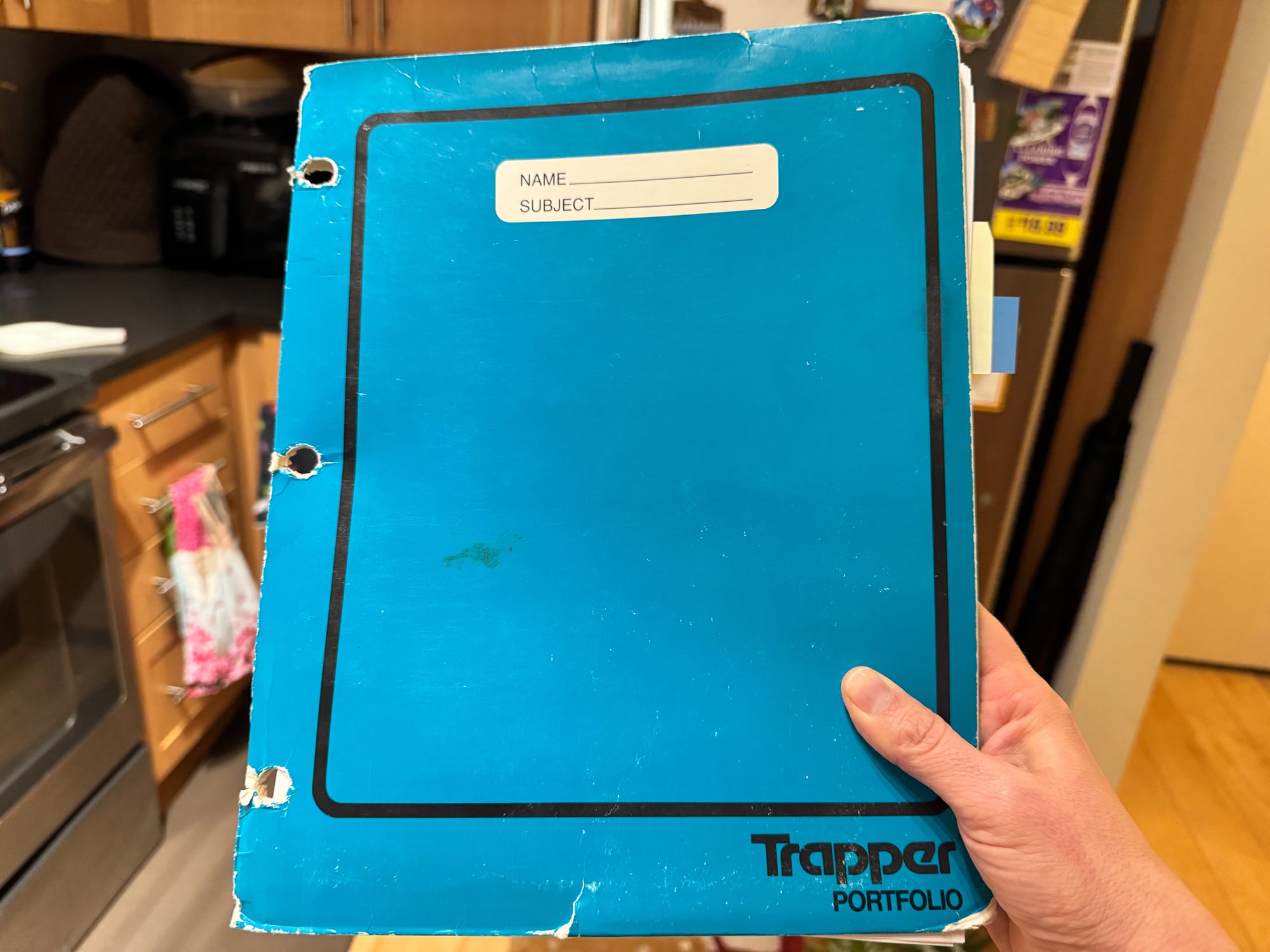
Mead released the Trapper Keeper in 1978, and within a few years it had become the organizing center of the school supply universe. The Velcro closure made a sound that echoed through classrooms whenever it was opened — a distinctive rip that announced itself.
Schools eventually began banning them in the early 2000s, citing bulk and disrupted desk organization, which only deepened the mystique of anyone old enough to remember the original run.
Lisa Frank Anything
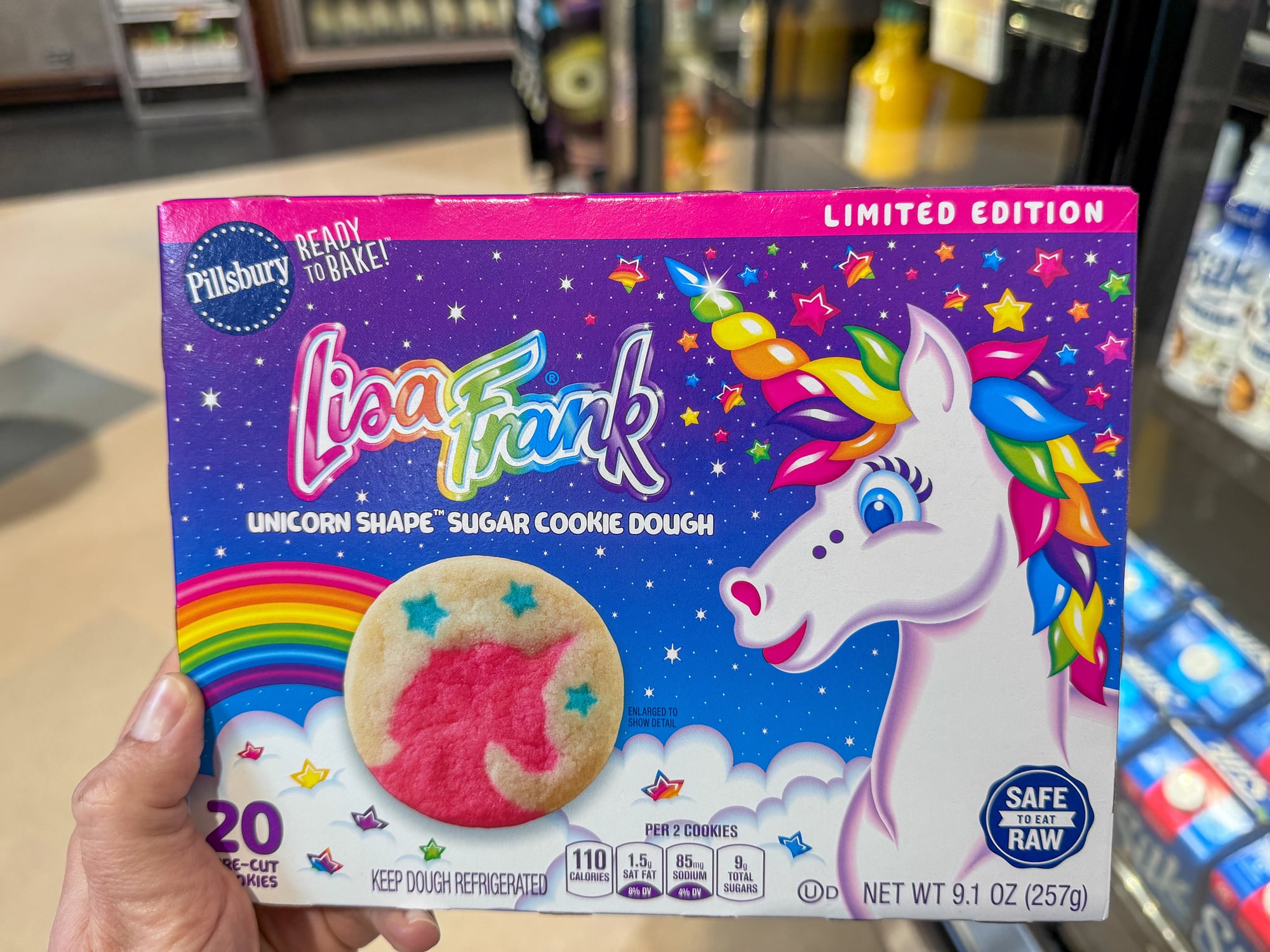
Lisa Frank — born in 1955 in Tucson, Arizona, and founder of her company in 1979 — created a visual language of neon dolphins, rainbow tigers, and unicorns on roller skates that operated at a color intensity no other stationery brand could approach. Owning a single Lisa Frank item was never quite enough.
The aesthetic demanded a matching set, and somehow there was always another product that needed to belong with the first one.
A Brand New Box of Crayons
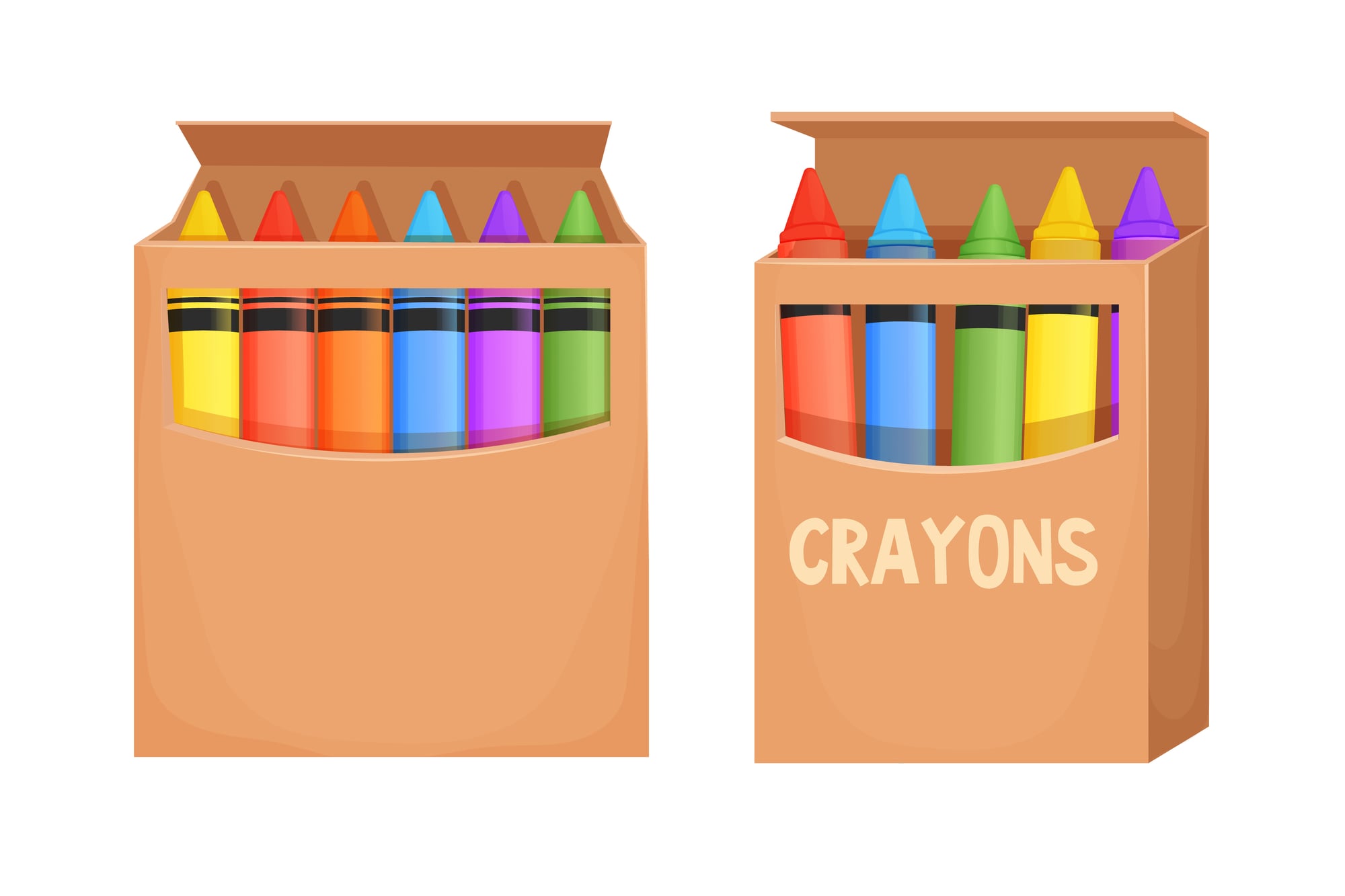
Sixty-four colors, the tips still sharp, arranged in their original order, the box unbroken. The first day a box of crayons was opened and used was also the last day it would look this way.
The built-in sharpener on the back of the 64-count box was an engineering marvel that most children destroyed within forty-eight hours and then mourned for the rest of the school year.
Mr. Sketch Scented Markers
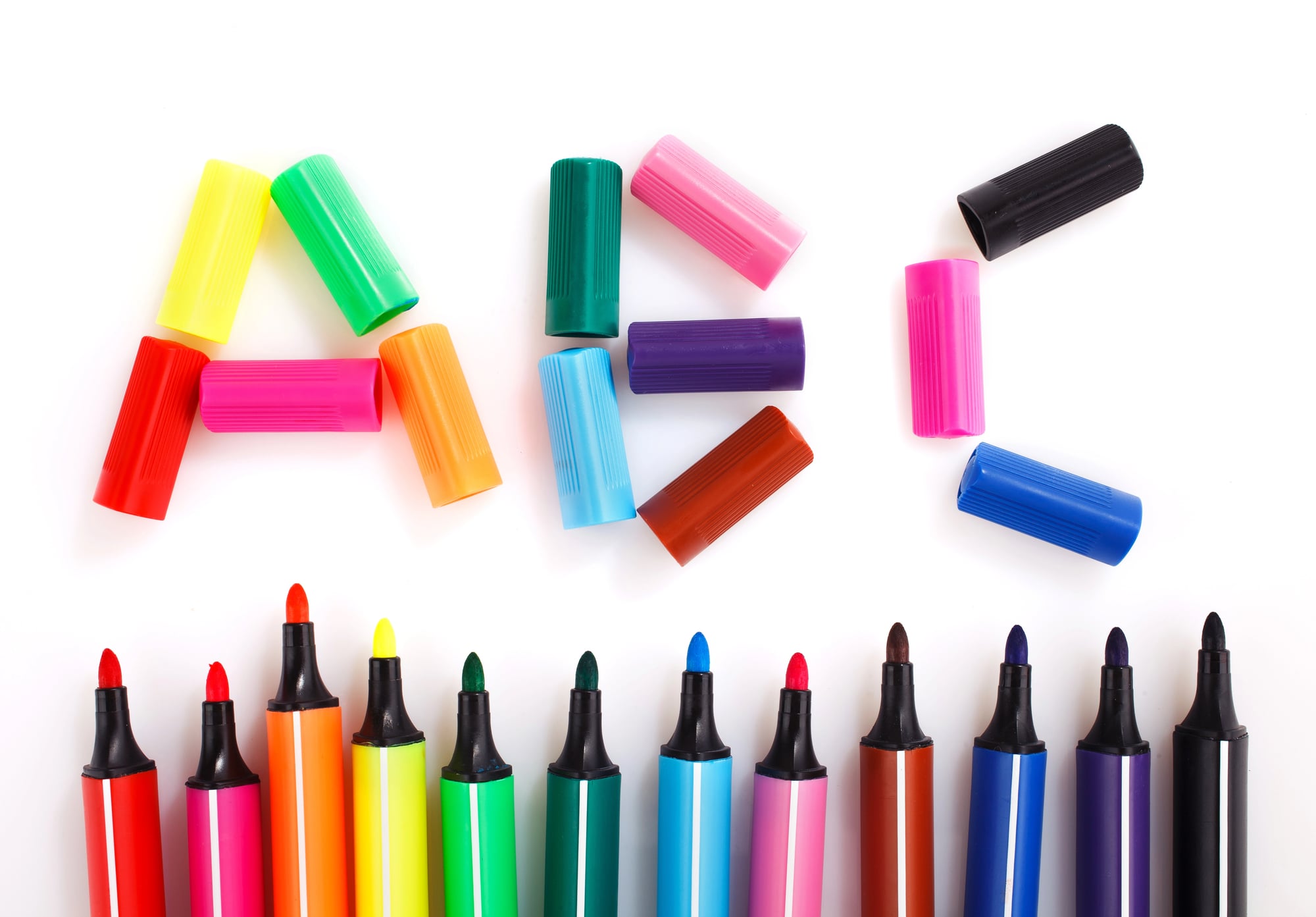
The markers that smelled like fruit, chocolate, and licorice, which turned out to be almost as interesting to smell as they were to draw with. Mr. Sketch markers had apparently been around since the 1960s, but they remained a staple of classrooms and supply bags for decades.
The brown one smelled like chocolate and was always the last to be used.
The Multicolor Retractable Pen
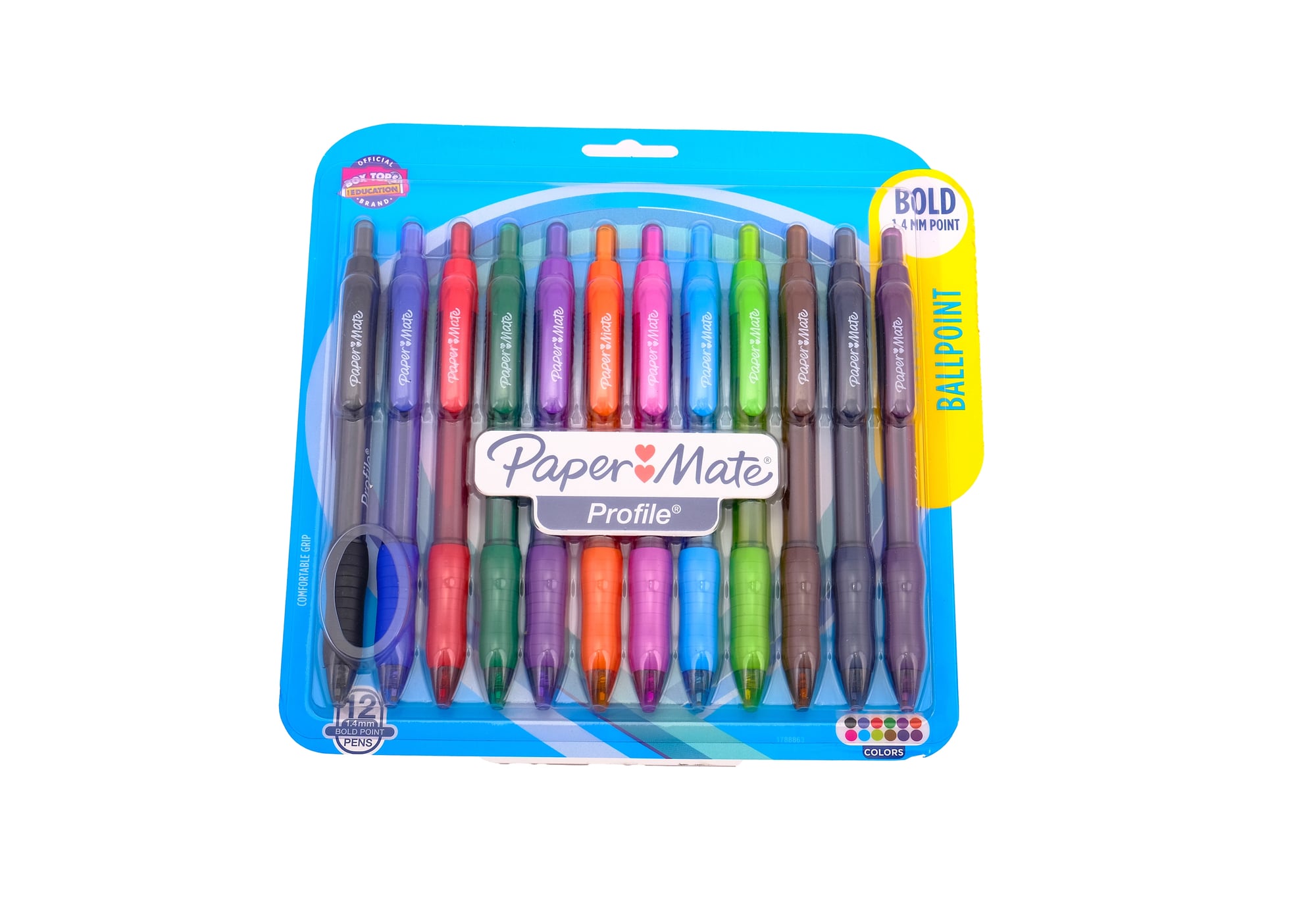
Four ink cartridges, four sliding tabs, and the completely unearned confidence that a pen containing blue, red, green, and black in one chassis would improve your note-taking. It did not.
But pressing the tabs with a satisfying click while the teacher was talking was genuinely enjoyable in a way that was hard to explain.
A New Backpack

Not technically a school supply, but the anchor of the whole back-to-school experience. You chose it in August with the same seriousness applied to any object you’d carry publicly for the next ten months.
The zipper worked perfectly in September. By December, one of the pockets was compromised. By June, the backpack was a historical document.
Mechanical Pencils
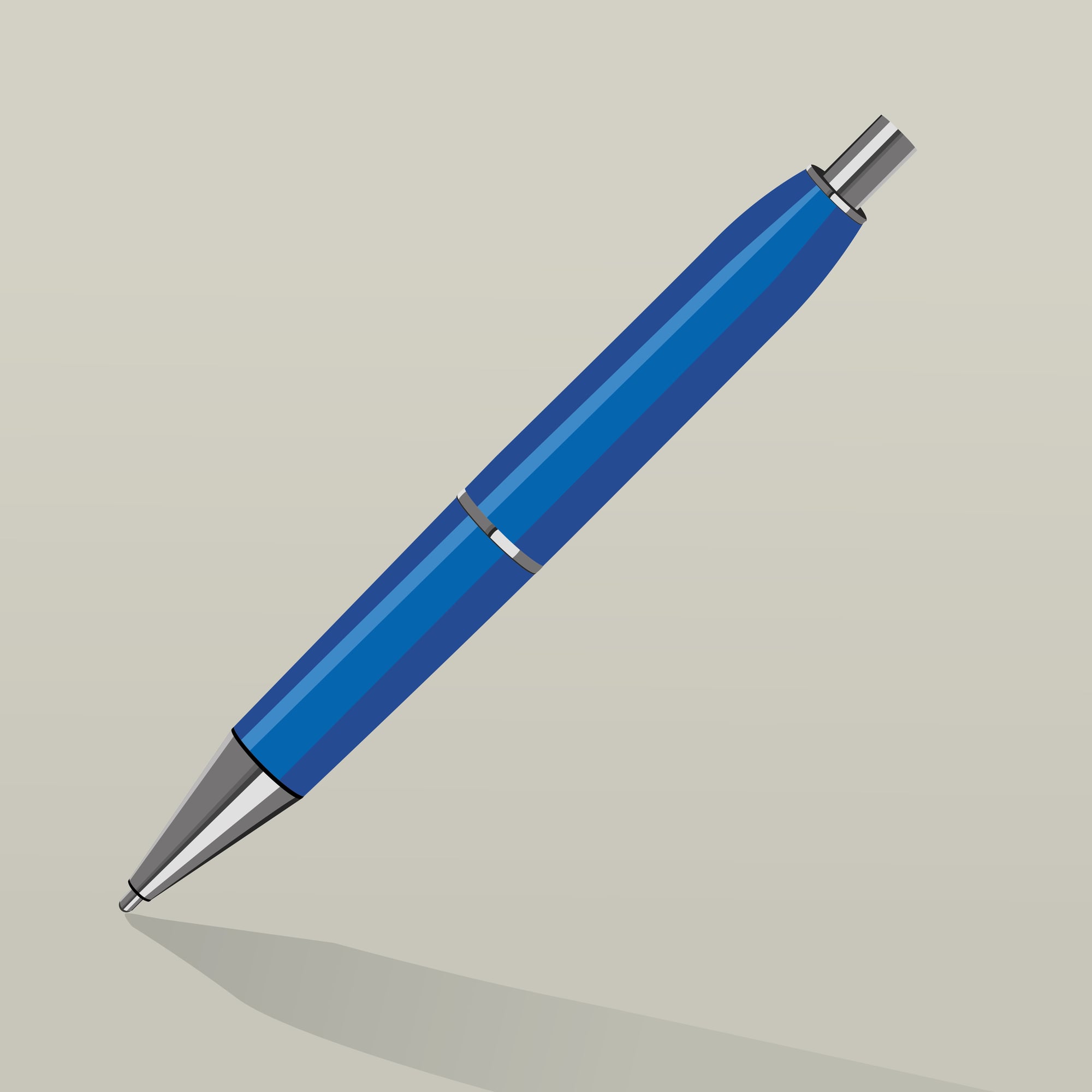
Mechanical pencils had a precision that standard wooden pencils didn’t, and they came with the additional satisfaction of advancing the lead with a click that felt productive even before writing anything. They also broke constantly, which is why most mechanical pencil owners maintained a backup wooden pencil that they quietly resented.
The Pencil Box
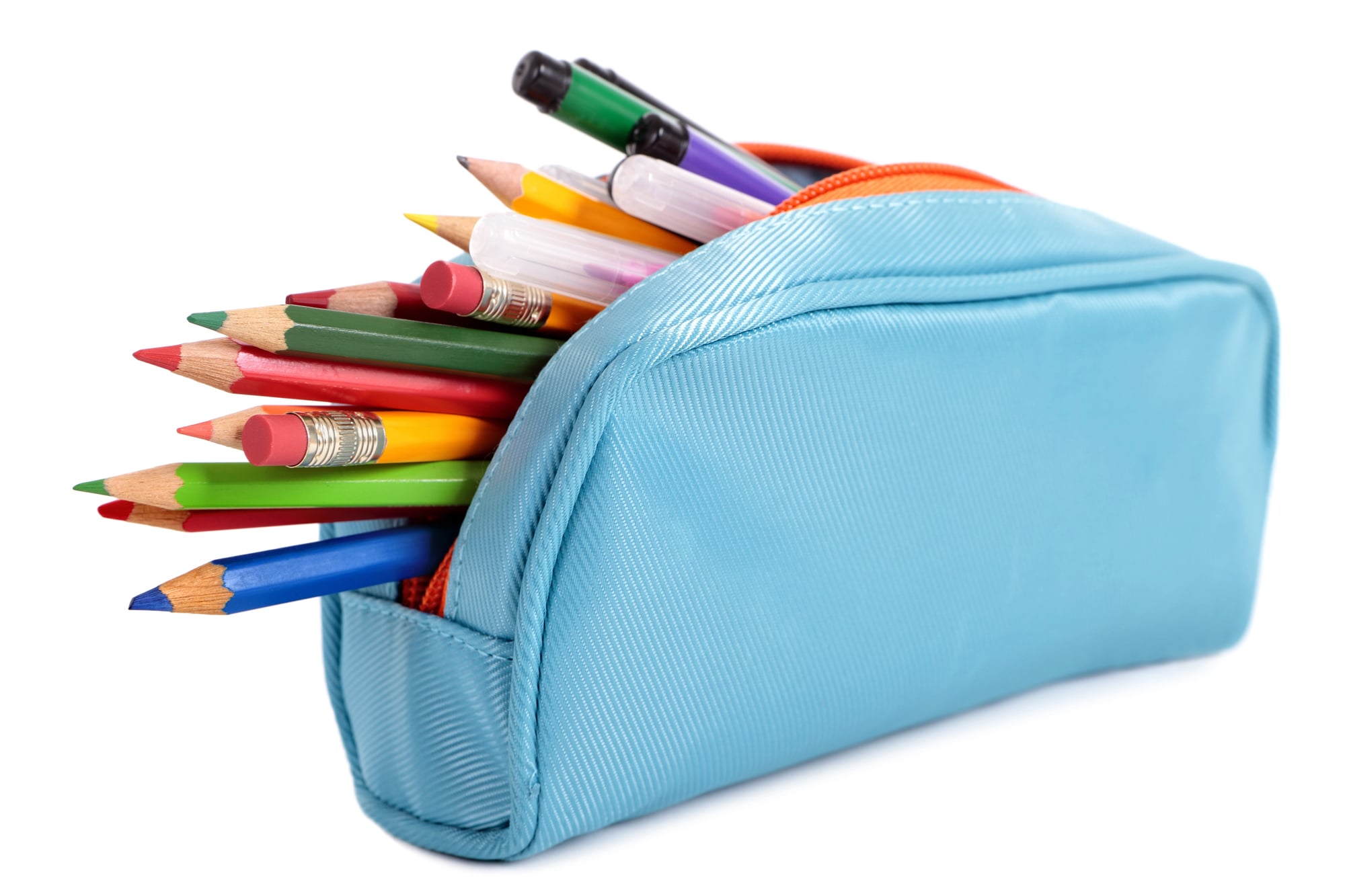
The plastic or cardboard pencil box that everything rattled around in had a locking top, a sliding or hinged lid, and a capacity that seemed generous until the third week of school, at which point it contained too many things to close properly. The sound of a pencil box opening — that rattle of accumulated writing implements — was audibly September.
A Fresh Pack of Wide-Ruled Paper
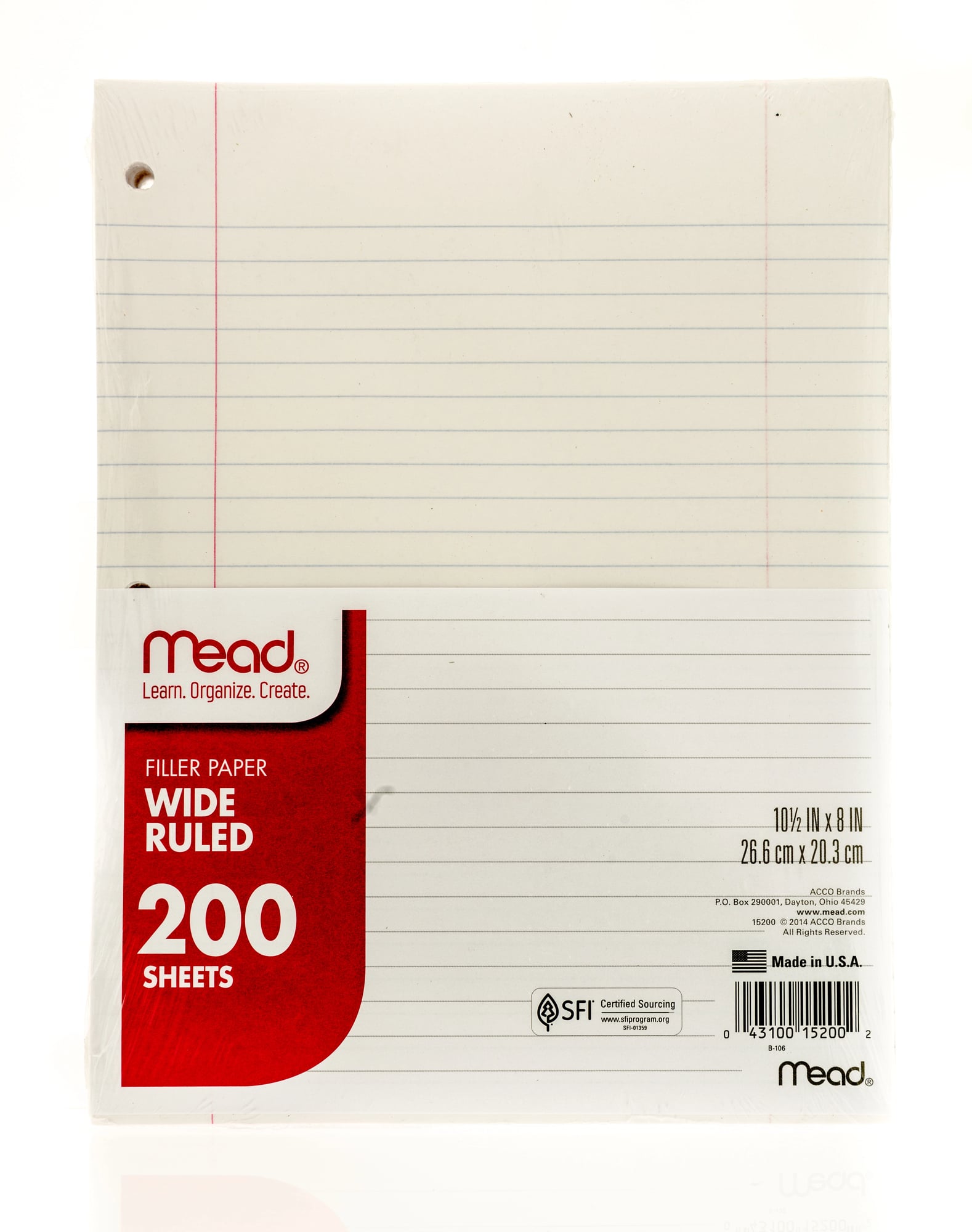
The smell of new notebook paper. Not a specific scent anyone could name, but instantly recognizable and pleasant in a way that had everything to do with expectation and nothing to do with chemistry.
A fresh ream or pack still had the edges crisp, the pages flat, and absolutely nothing written on any of them yet.
The Composition Notebook

The black-and-white marbled composition notebook was not glamorous. It was a workhorse.
The covers were thick cardboard, the pages were stitched in rather than spiral-bound, and it communicated a kind of seriousness that spiral notebooks couldn’t quite manage. Writing your name on the front label of a composition notebook felt like claiming a small territory.
Scratch-and-Sniff Stickers
Teachers used them as rewards — stuck to spelling tests, homework assignments, anything that merited recognition. The chocolate-scented sticker was the consensus prize.
The watermelon was polarizing. The grape was almost universally beloved. Receiving one was a minor ceremony that took place at a desk, quietly, between the child and whatever piece of paper had earned it.
The Jumbo Eraser
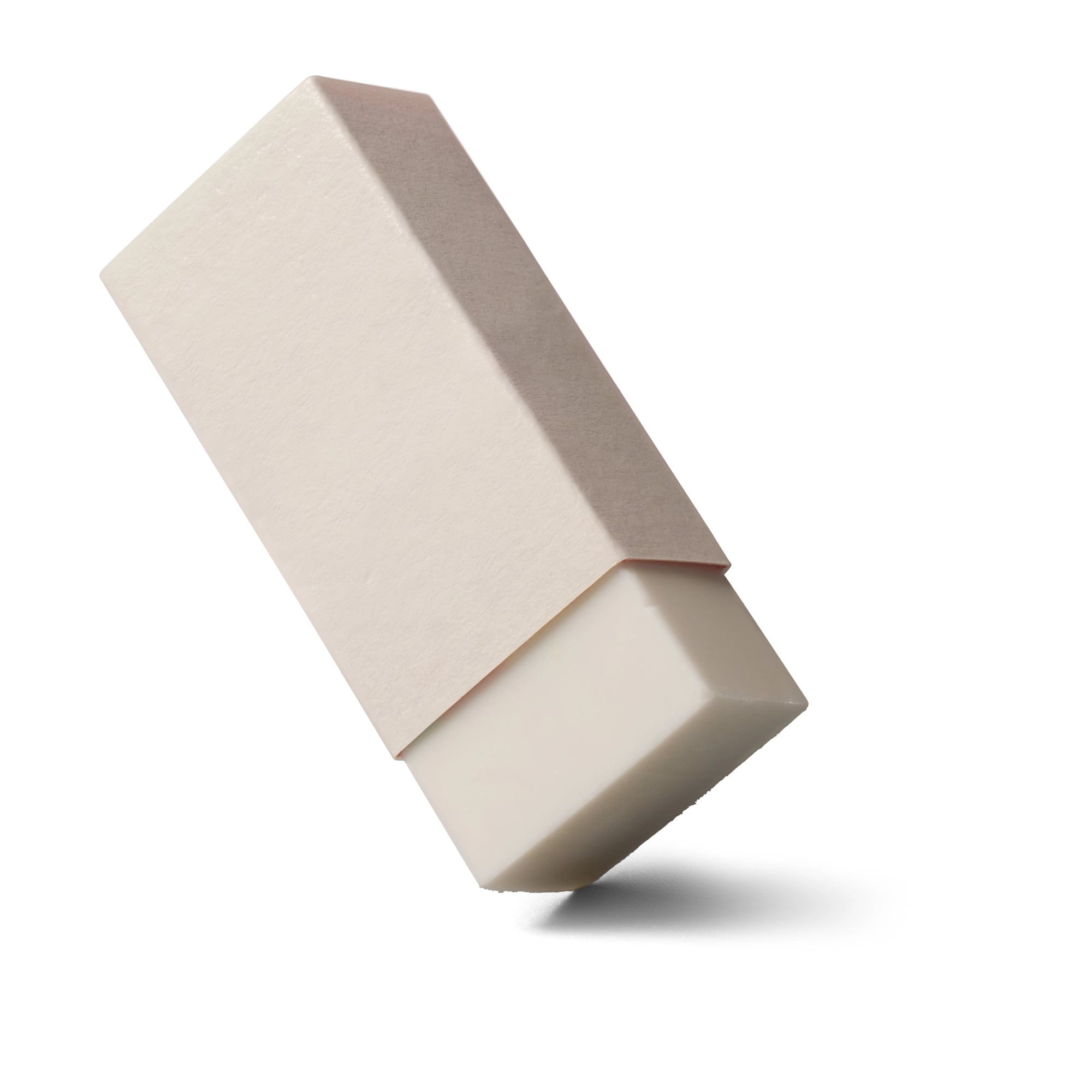
The pink rectangular eraser that arrived as its own individual object, wrapped in paper, with the performance promise of a clean removal. It did a better job than the eraser attached to any pencil and had the additional benefit of being new, meaning it hadn’t yet been worn down to an uneven surface or contaminated with graphite.
A Novelty Pencil Topper
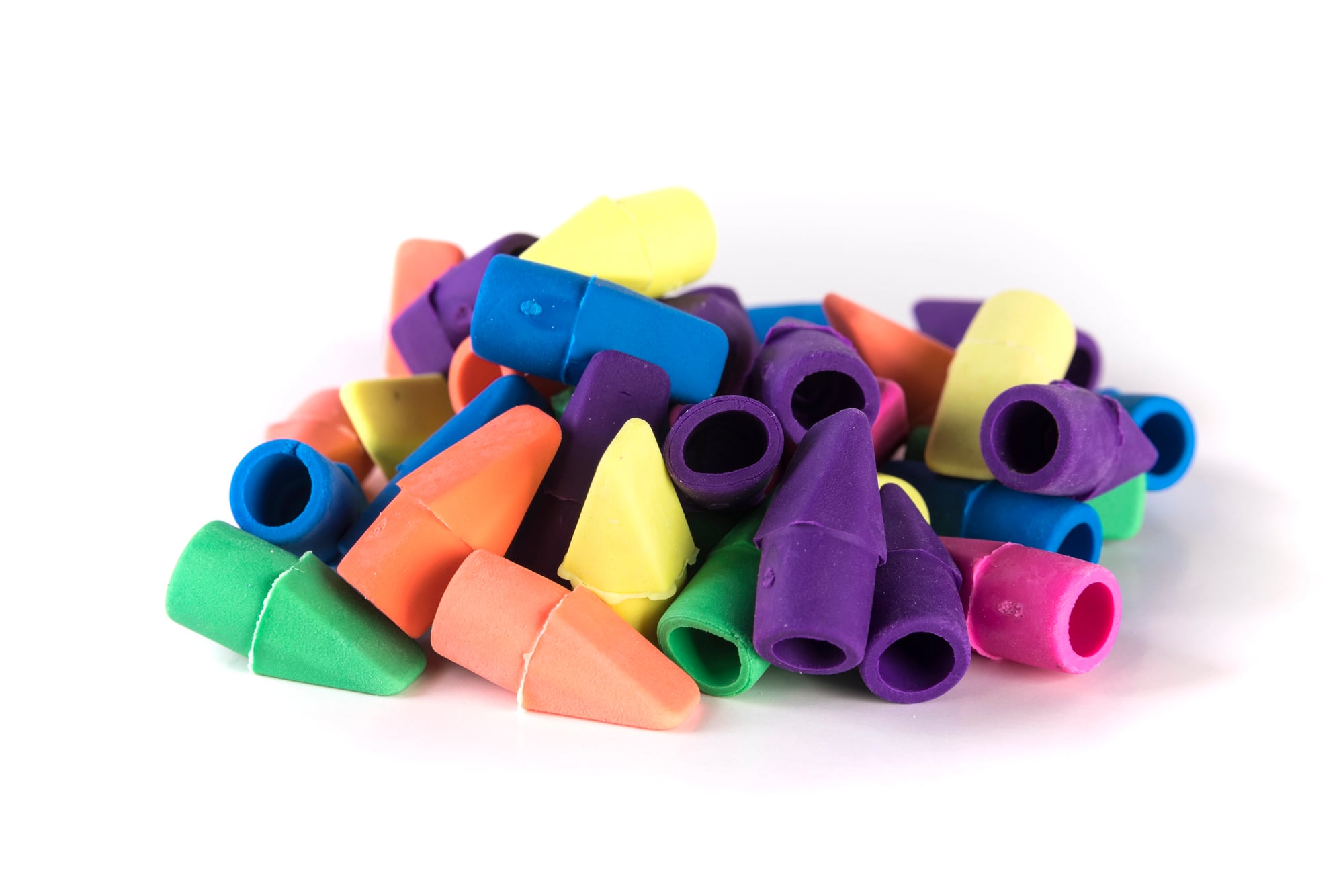
A small rubber figurine, animal, or character that clipped onto the top of a pencil. It added nothing to the pencil’s function and everything to its character.
A pencil with a dinosaur on top was a better pencil. This was not a rational position, but it was held sincerely.
The Push-Down Tip Pencil

Also sometimes called segment pencils or click pencils — the kind where a worn tip could be pulled off, pushed through the base, and released at the top as a new tip. They came in packs and looked sleek in a way that wooden pencils didn’t.
They also ran out of tips at exactly the wrong moment.
Folders With the Pockets
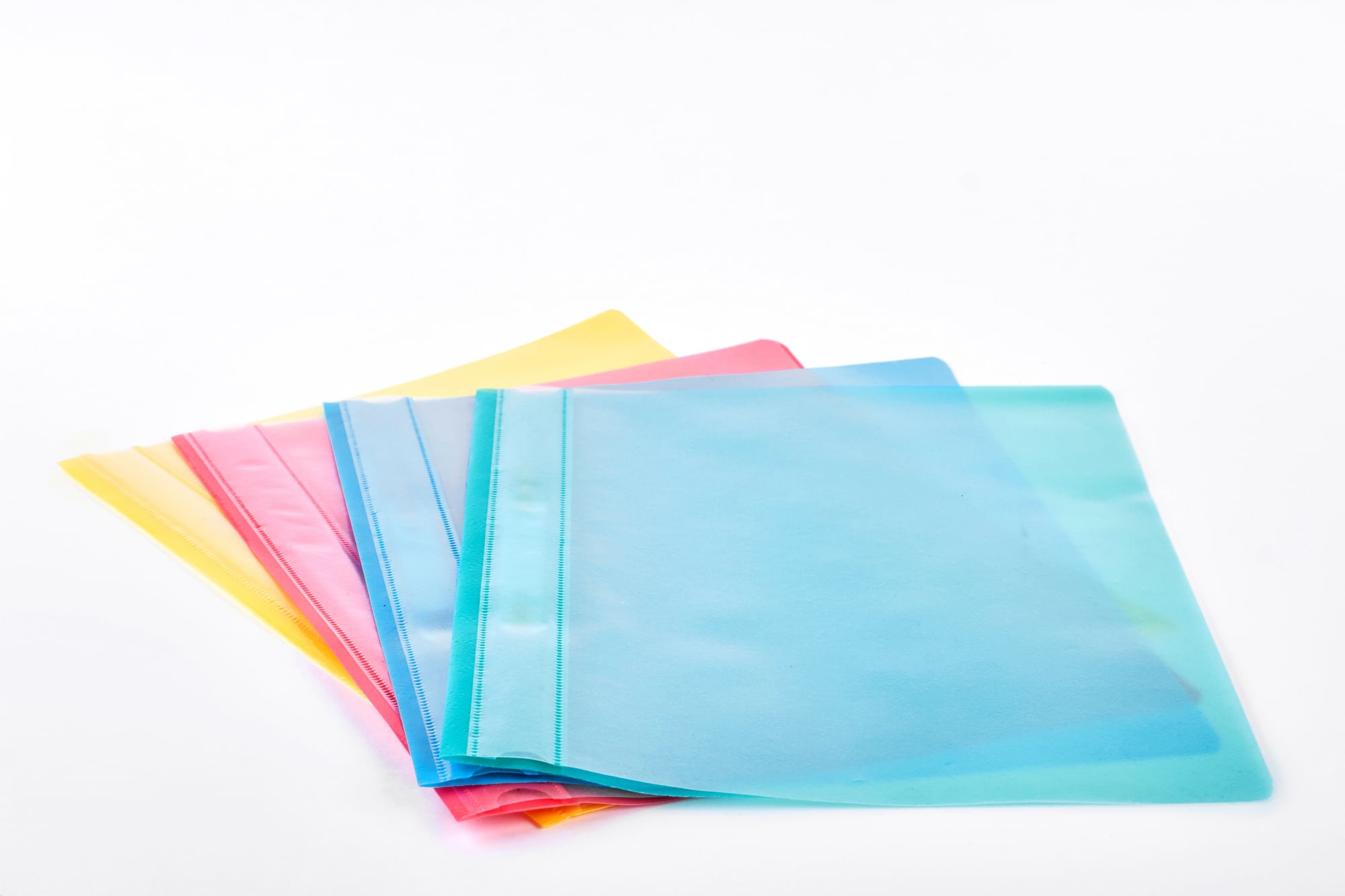
The two-pocket folder with the prongs in the middle for three-hole punched paper. You needed one for every subject.
The pressure of choosing which colors matched which subject was real: math was usually red or orange, English was blue or purple, science was green. Anyone who chose a different system had their reasons and was not required to justify them.
The Semi-Transparent Ruler
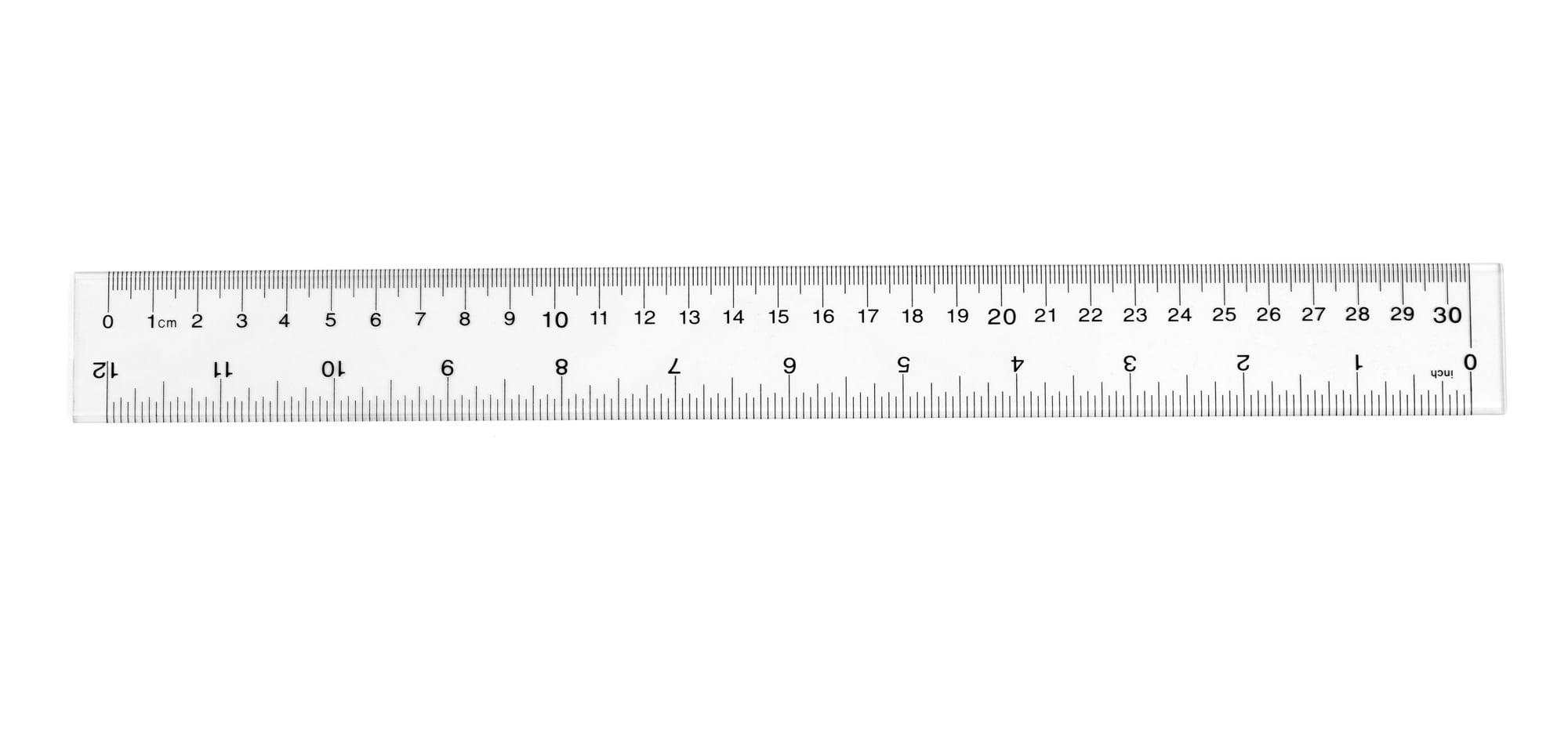
Twelve inches of slightly flexible plastic, usually in a primary color, with the millimeter markings along one edge that seemed precise in a way that made you feel like a professional. Used primarily to underline titles with a clean edge, though this ambition did not always survive contact with the actual line.
Highlighters in Multiple Colors
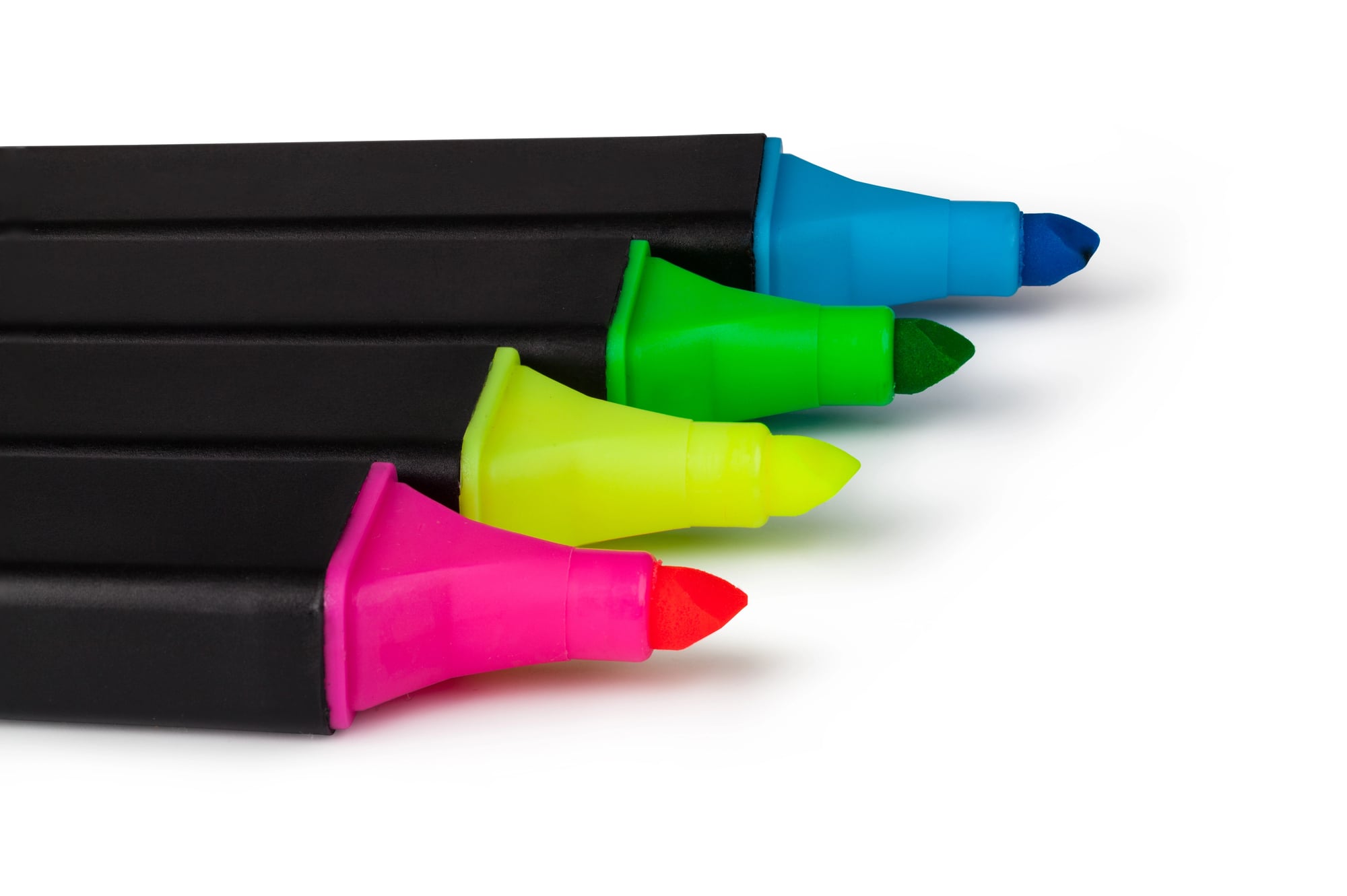
The first pack of fresh highlighters in yellow, pink, green, blue, and orange had the quality of tools for a professional operation. You resolved to use them strategically — different colors for different categories of importance.
This system held for approximately one chapter of one textbook, after which you used whichever one was closest.
The Pencil Case
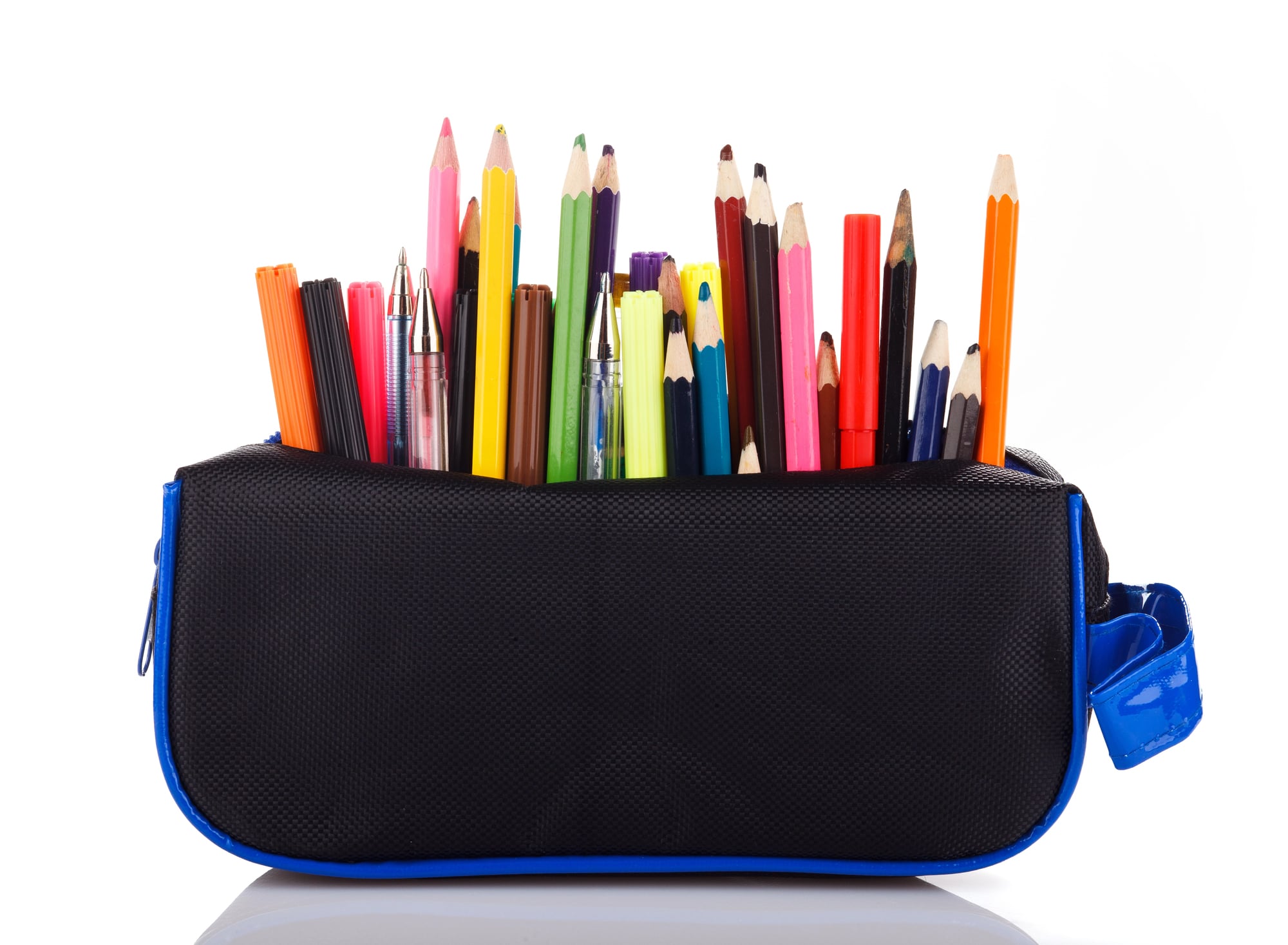
A zip-up pencil case in fabric, vinyl, or nylon felt more sophisticated than a plastic pencil box and had the advantage of lying flat inside a backpack. The best ones had multiple compartments.
The worst ones had zippers that caught after three weeks. Even the worst ones were satisfying on day one, when everything was organized correctly and the zippers still moved freely.
Glue Sticks
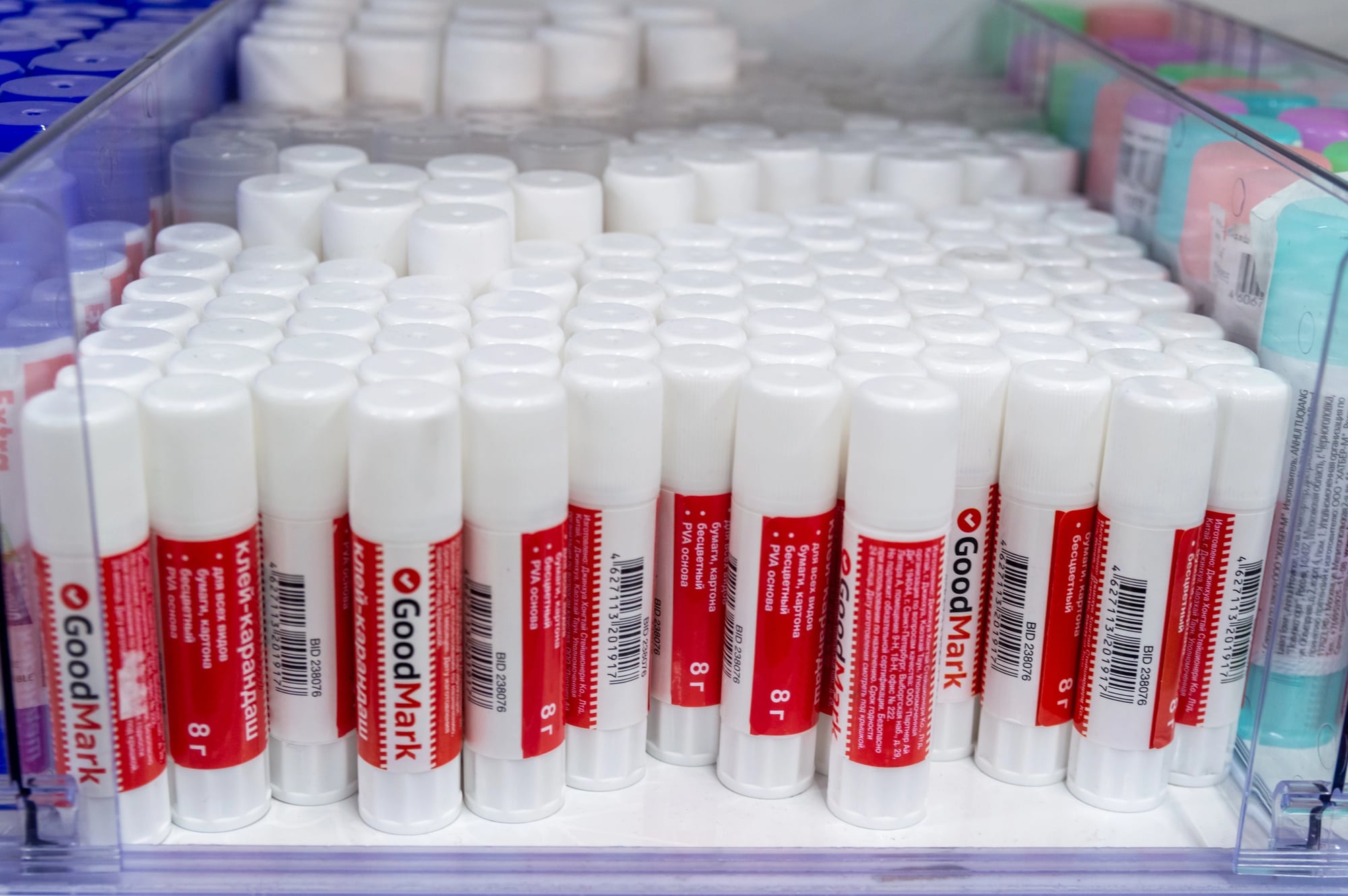
The Elmer’s glue stick had a particular quality on day one: the twist-up mechanism worked smoothly, the surface was clean and uncontaminated by any previous project, and it smelled faintly of something that was almost food but wasn’t. Within a month it would be capped with dried residue and operating at reduced efficiency.
On day one, it was perfect.
The Graphing Calculator

The Texas Instruments TI-81 arrived in classrooms in the early 1990s at around $100, which made it the most expensive thing in most students’ backpacks by a significant margin. It could plot functions, store programs, and run games downloaded from other calculators by linking two of them with a cable — which was its primary social function by the end of most math classes.
Colored Pencils
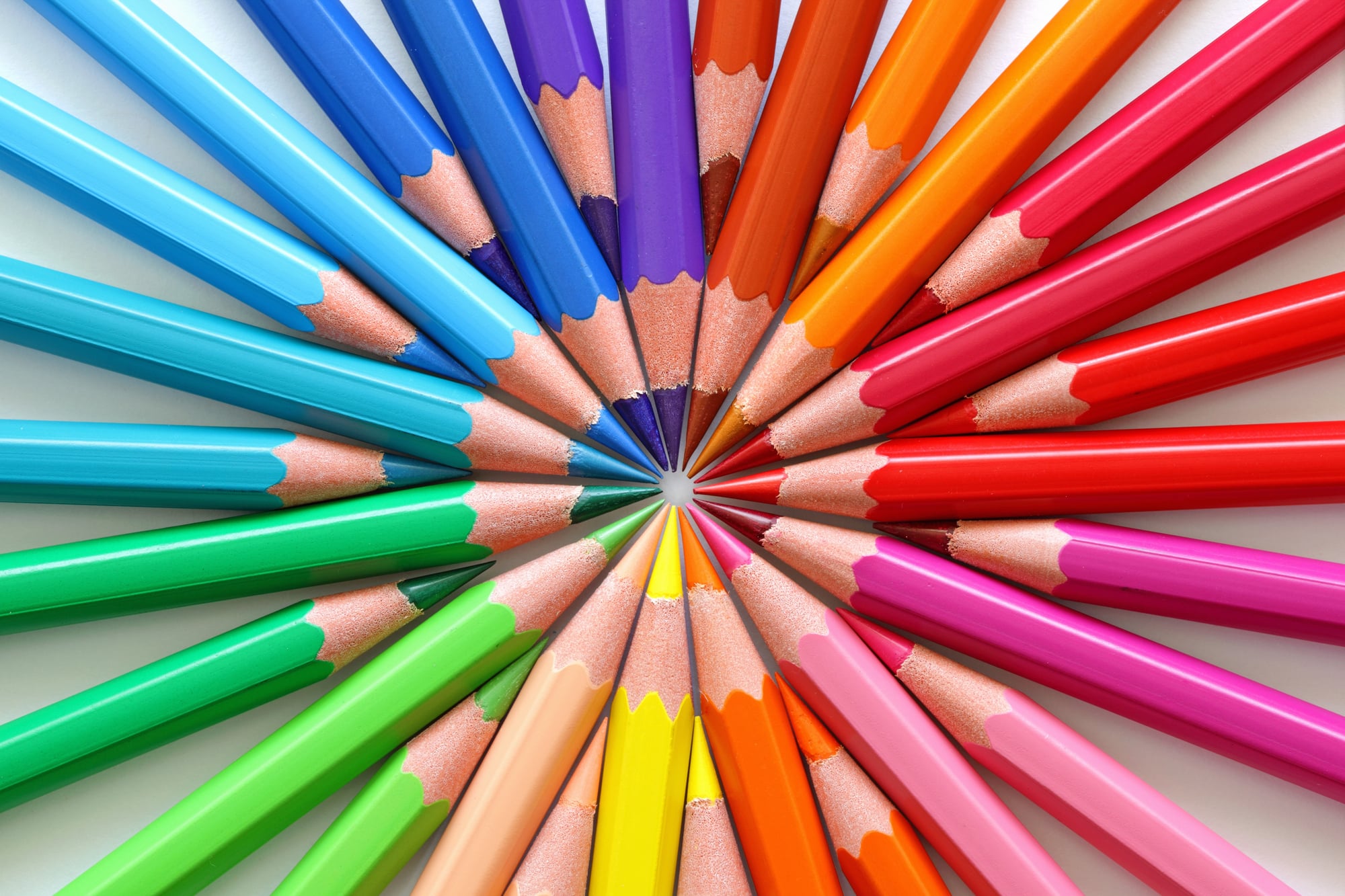
A full set of twelve or twenty-four colored pencils in a hinged tin was a different category of possession from crayons. More refined.
The pencils were narrower and rolled quietly when you touched them. Color names like “burnt sienna,” “raw umber,” and “cadet blue” appeared on the barrel of each pencil and introduced a vocabulary that was useful for approximately nothing except understanding what color you were actually looking for.
The Big Scissors

Schools had their own community scissors that lived in jars and were universally terrible. Bringing your own scissors — proper ones, from home, with your name on the handle — was a comfort in art class that was disproportionate to what scissors actually are.
The Pencil Sharpener You Could Own
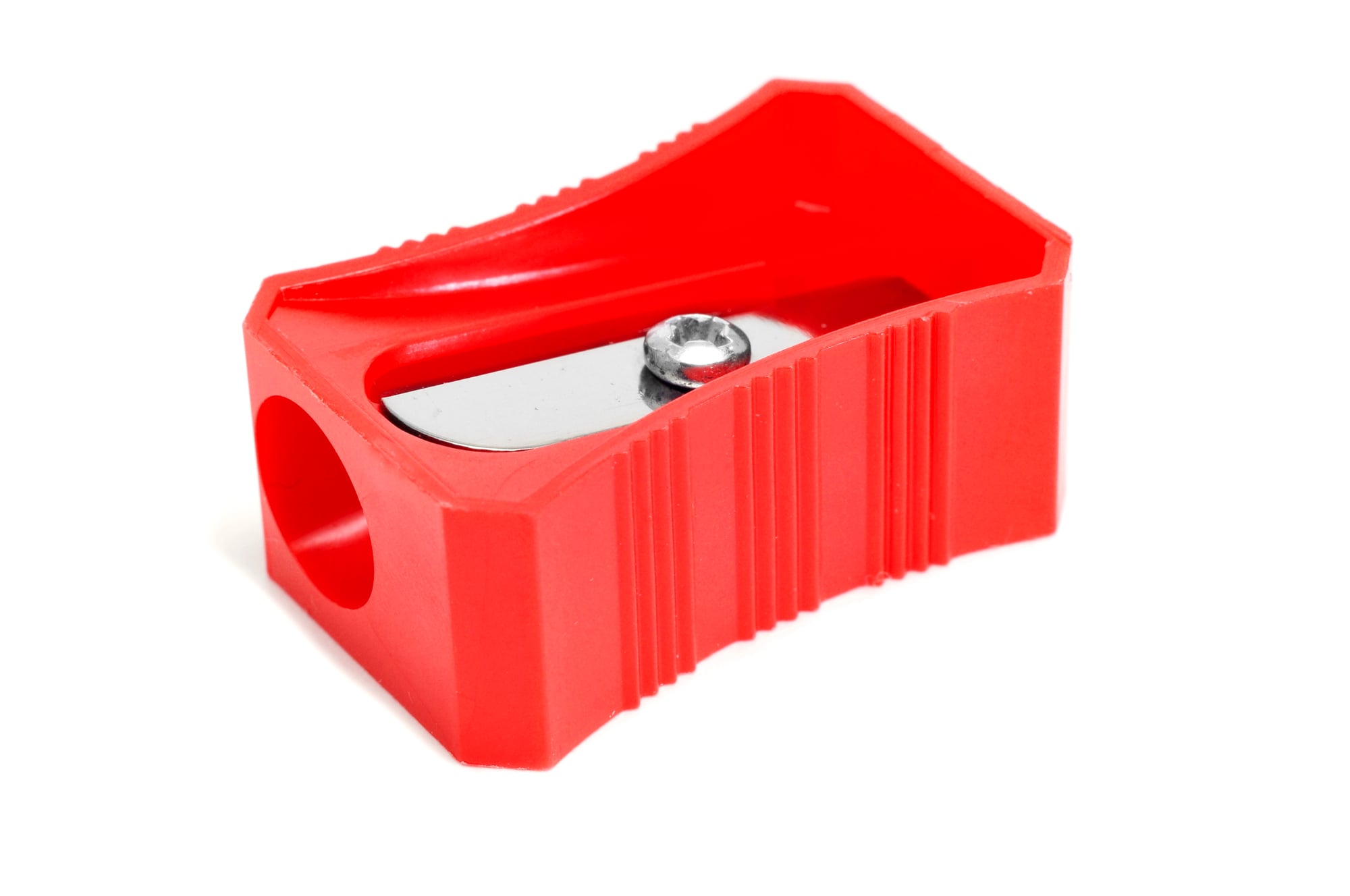
The small hand-held pencil sharpener, usually in a color matched to nothing else in the pencil case, was technically always there but always felt like a necessity rather than a treat. The good ones had a reservoir that caught the shavings.
The cheap ones deposited them directly onto the notebook or desk, which was their primary failing.
Subject Dividers
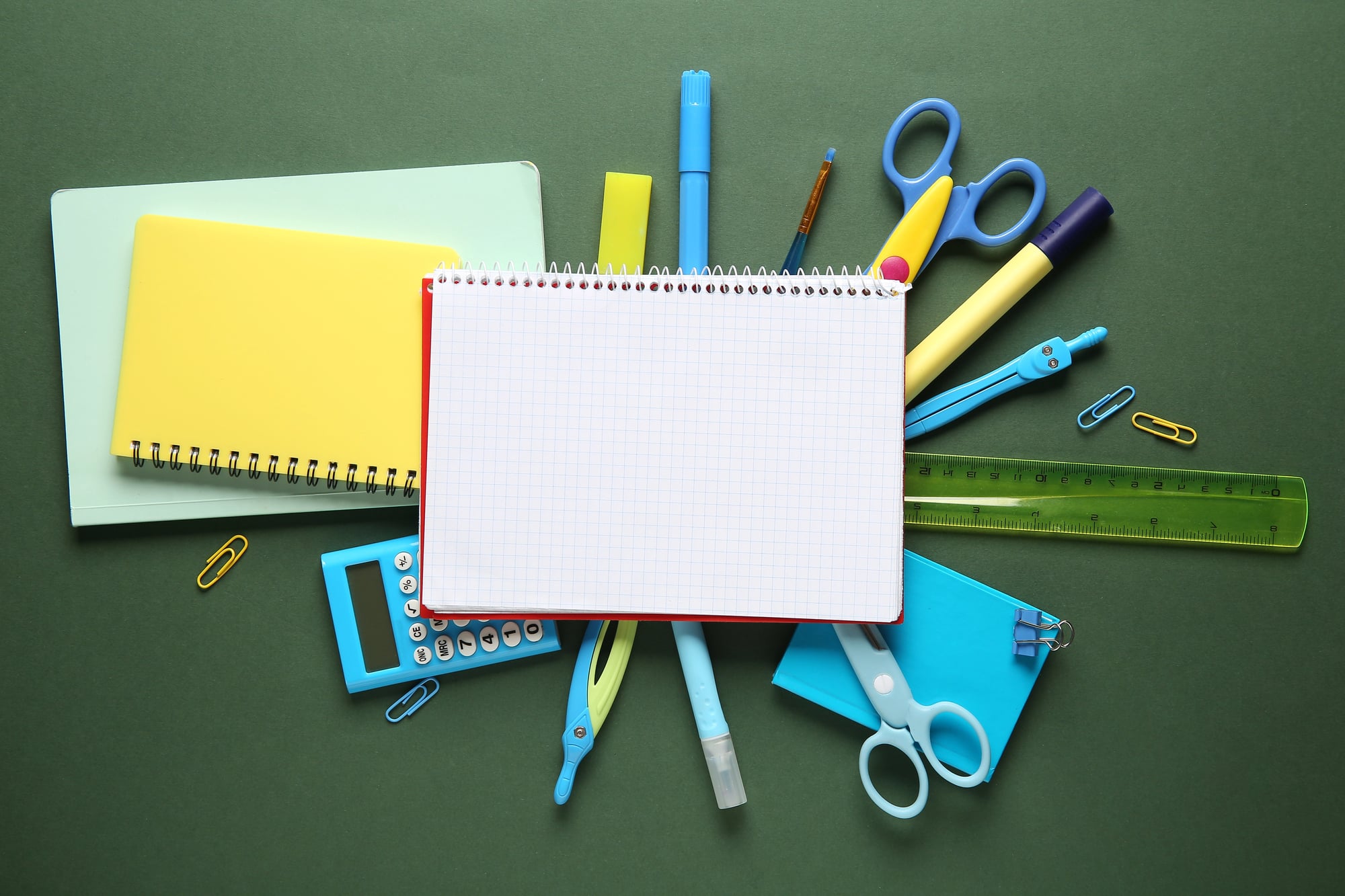
Tabbed dividers for a binder, in five colors, with writable tab labels. The first day of school was the only day they were organized in the correct order and labeled in legible handwriting.
By midterm, the tabs were bent and the order no longer reflected the schedule.
A New Lunch Box
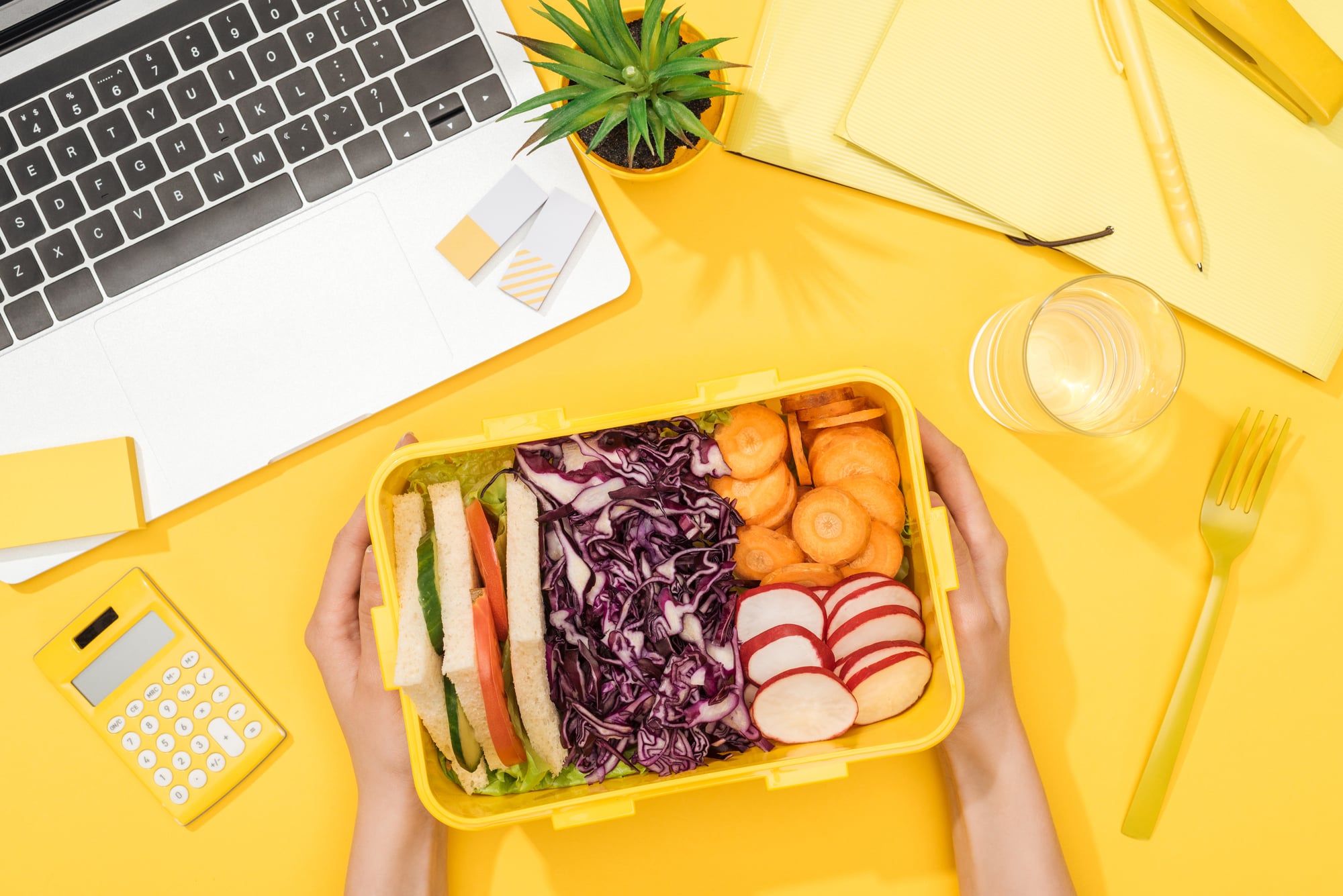
The tin or hard plastic lunch box with the matching thermos was a portable world — small, latched, with everything inside it chosen deliberately. Cartoon or movie tie-in lunch boxes communicated something about who you were and what you cared about.
Some years the choice was obvious. Other years it required decision-making that felt genuinely consequential.
The Dry-Erase Marker
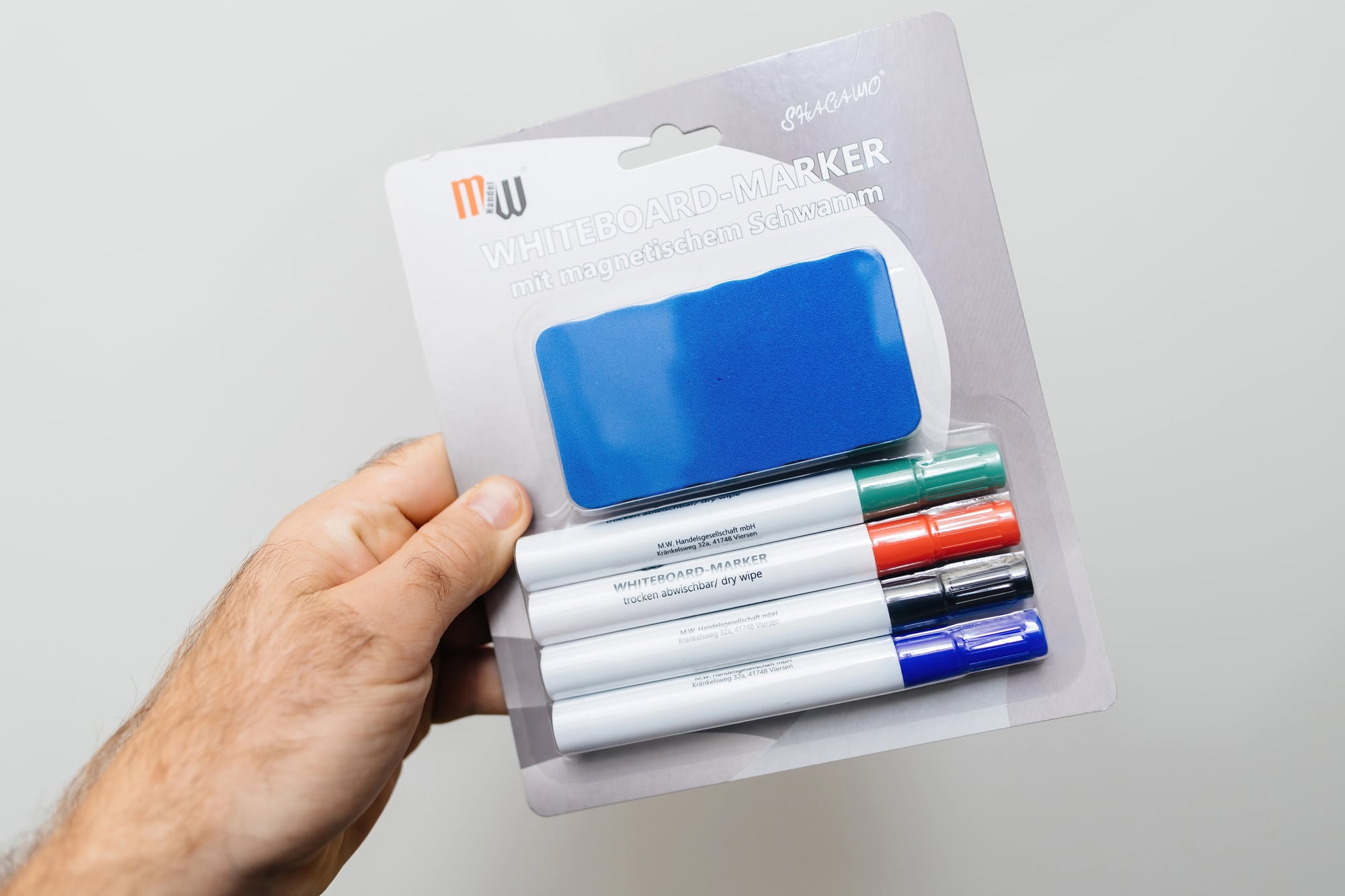
When classrooms began using dry-erase boards, kids occasionally got to use the markers themselves. The dry-erase marker had a quality that permanent markers and whiteboard markers both borrowed from but didn’t quite replicate.
The smell was distinctive and not unpleasant. Writing with one on a whiteboard felt like writing somewhere important.
Washable Markers
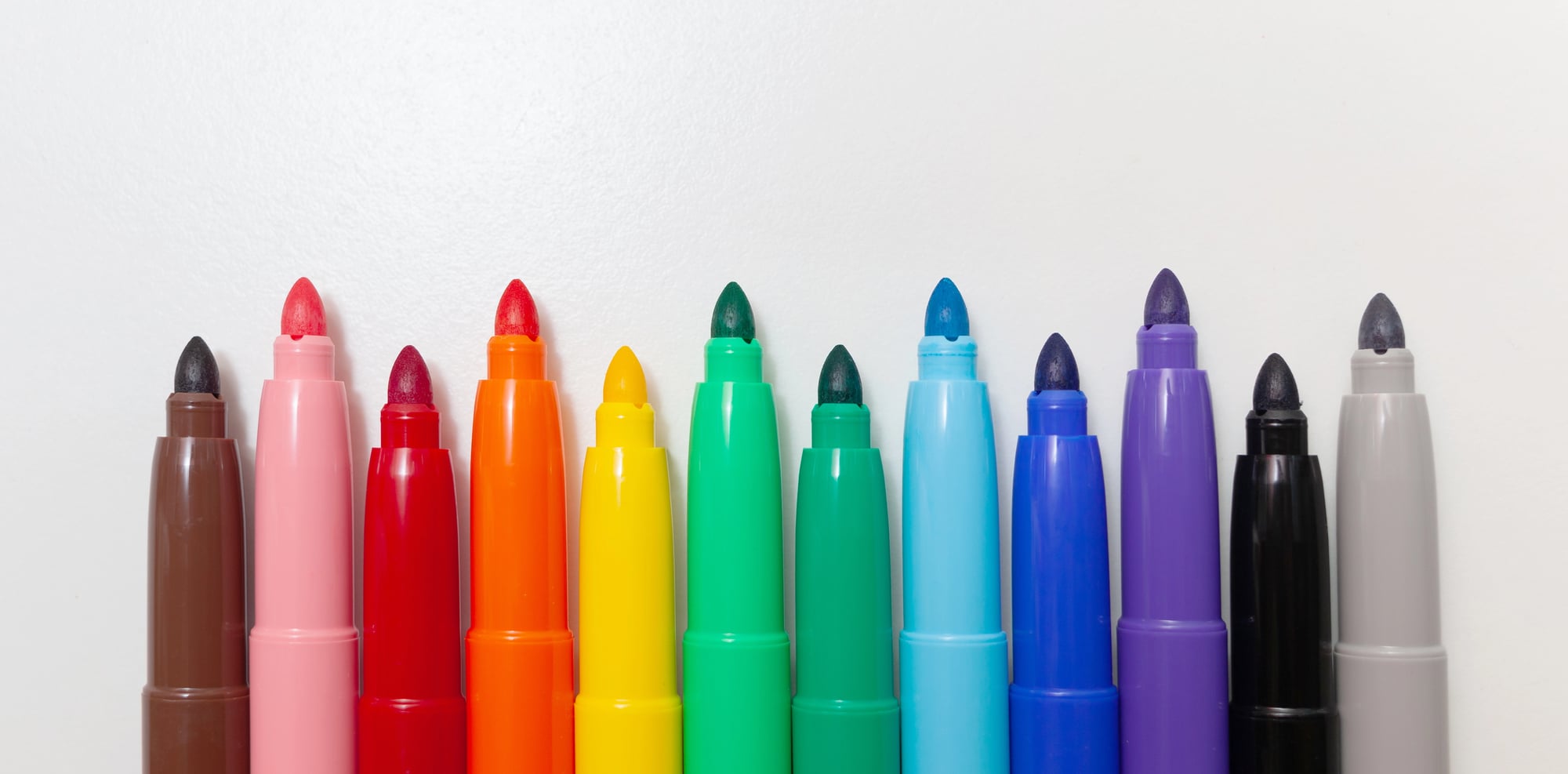
The fat washable markers in the classic eight or sixteen count — the ones designed for projects and posters — were less refined than the scented kind and more powerful. They produced broad, saturated lines.
“Washable” was the reassurance designed for adults, but children chose them for the thick, opaque coverage they could achieve on construction paper.
The Index Card Pack
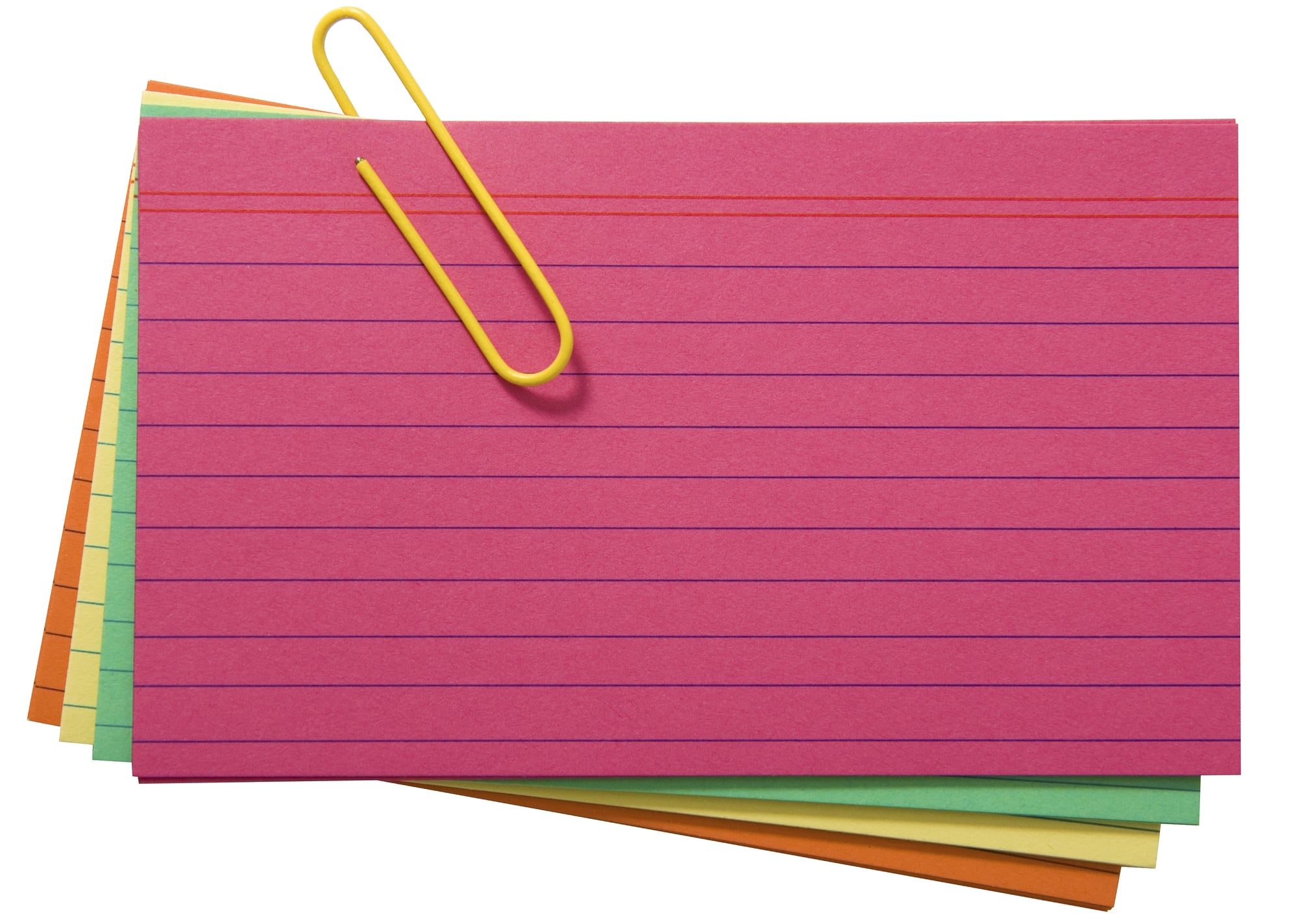
A pack of ruled index cards, still bound with the rubber band they came with, was a tool that felt more adult than most school supplies. You were supposed to use them for notes, for flash cards, for organized study.
Usually they ended up as small drawing surfaces or as the backing material for something else. But opening a new pack and feeling the weight of the stack had a particular satisfaction.
The Scientific Calculator
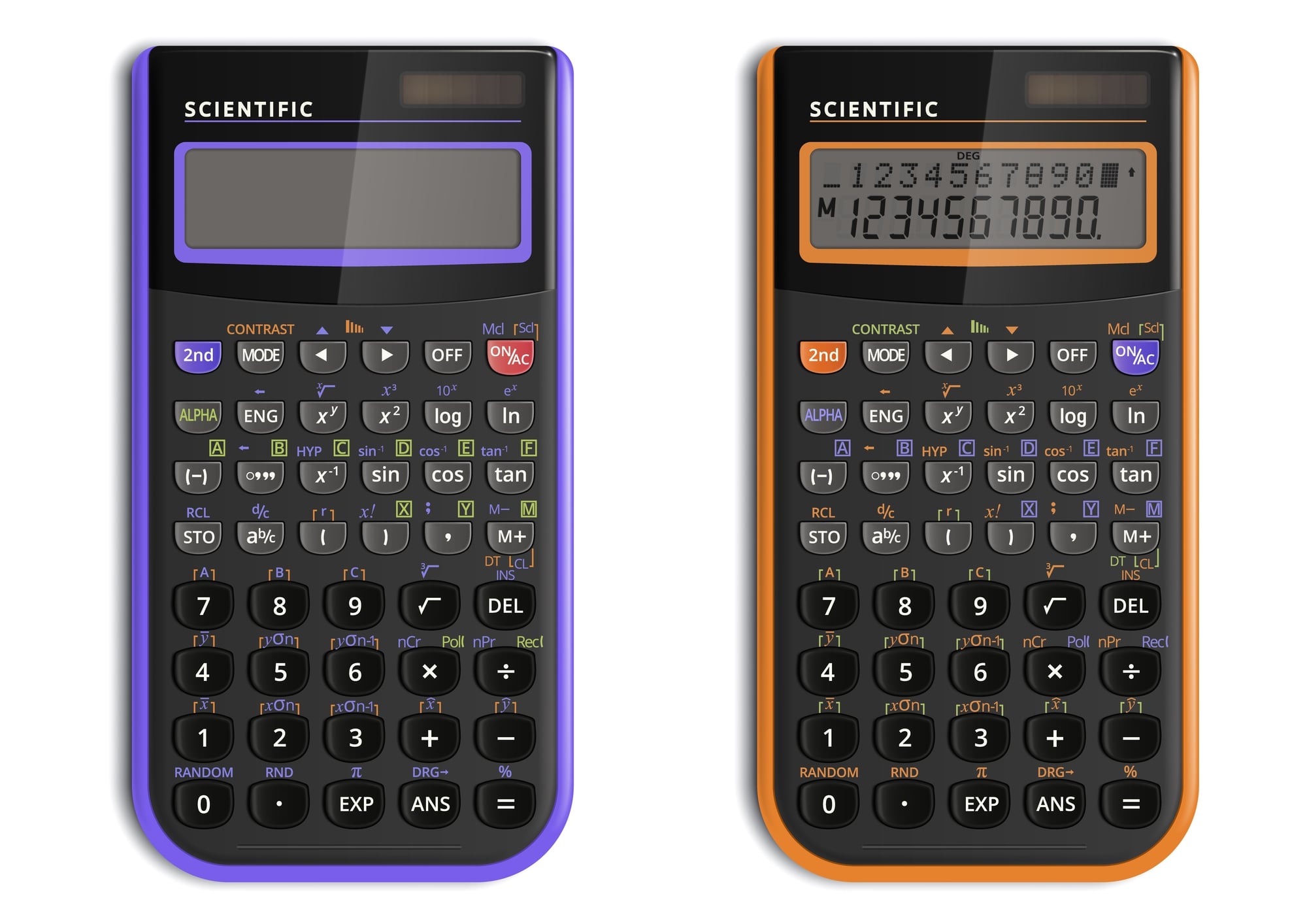
The non-graphing scientific calculator — a Texas Instruments or Casio with rows of functions you didn’t understand yet — arrived in life around sixth or seventh grade as the signal that mathematics was becoming something else. It had more buttons than anything you’d used before and the implication that there were operations ahead that would require all of them.
The Protractor
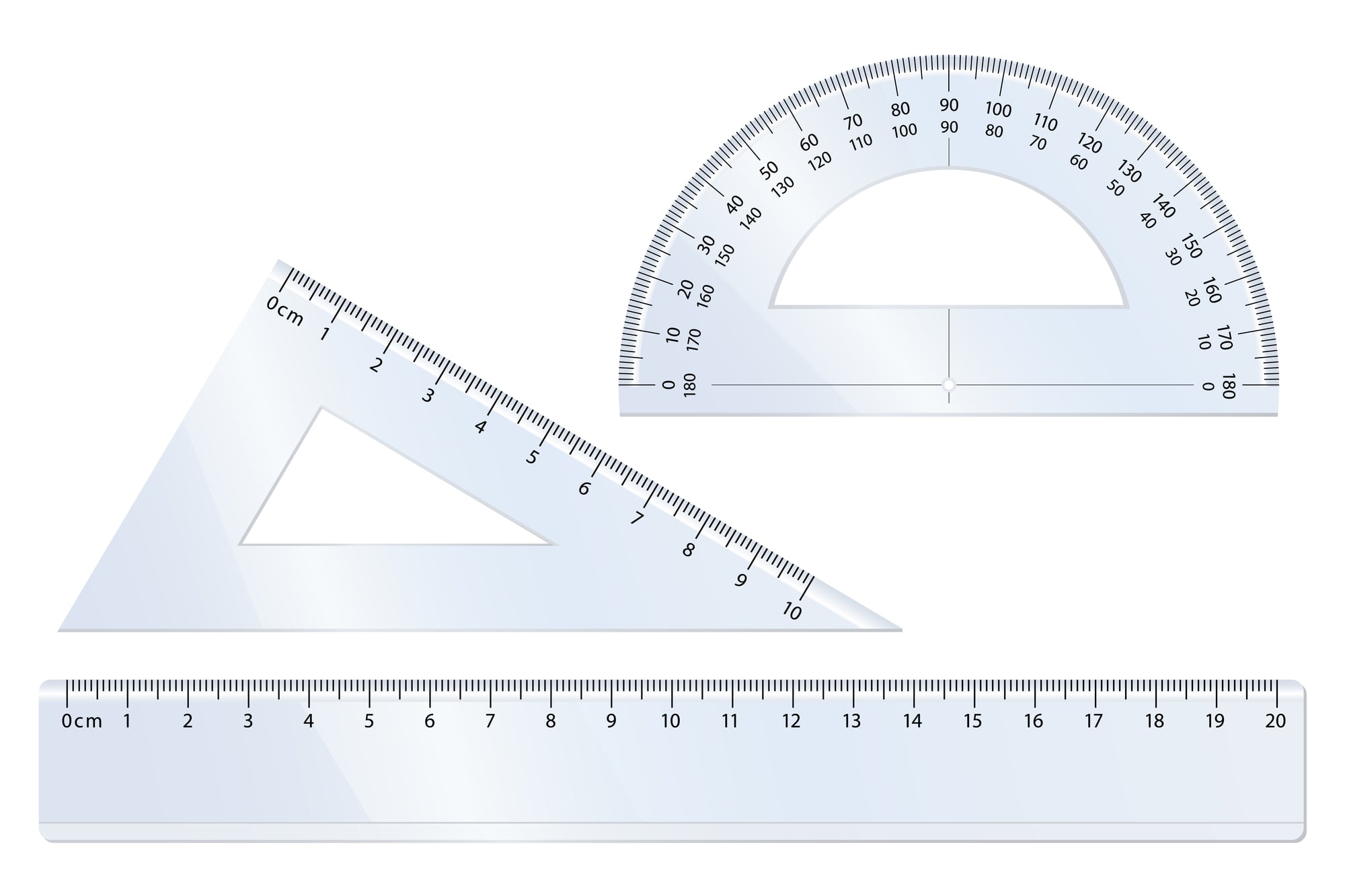
The transparent plastic semicircle with degree markings. You used it for approximately four assignments across your entire school career.
Each time you needed it, you couldn’t find it, then found it, and were surprised to discover it had survived this long. Every student owned one. Nobody knew where theirs was at any given moment.
The Supply Bag as a Whole
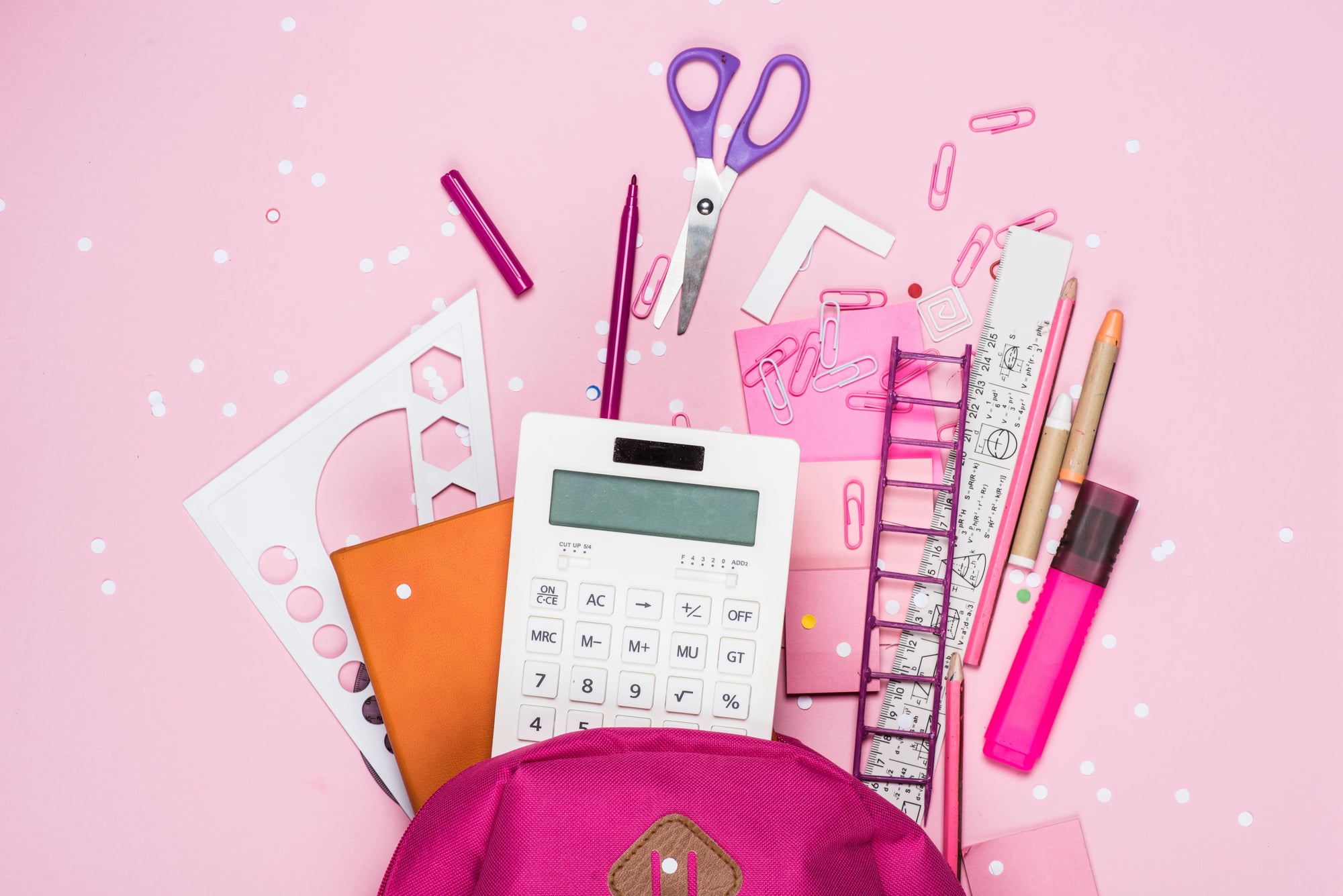
What made back-to-school supply shopping feel like something worth looking forward to wasn’t any single item but the aggregate. A bag of new supplies, laid out on a bed or table the night before school started, was a map of the year ahead.
All of it was still whole, still functional, still representing what things were supposed to look like. By October it would all be different — some lost, some broken, the crayons sorted by frequency of use rather than color family.
But in that window before school started, the whole collection was exactly what it was supposed to be, and that was a more specific feeling than joy. It was readiness.
More from Go2Tutors!

- The Romanov Crown Jewels and Their Tragic Fate
- 13 Historical Mysteries That Science Still Can’t Solve
- Famous Hoaxes That Fooled the World for Years
- 15 Child Stars with Tragic Adult Lives
- 16 Famous Jewelry Pieces in History
Like Go2Tutors’s content? Follow us on MSN.



