31 Things That Used to Come Free With a Purchase and Now Cost Extra
There’s a particular kind of mild outrage that builds slowly — the kind that starts with a raised eyebrow at checkout, then a resigned sigh, then a quiet resentment that settles in permanently. Somewhere along the way, the baseline changed.
Things that were once simply part of the deal — the small courtesies and standard inclusions that made a purchase feel complete — got quietly reclassified as optional upgrades. Nobody announced it loudly. The fees just appeared, one by one, until paying extra for what used to come standard started feeling almost normal. It shouldn’t feel normal.
Checked Baggage
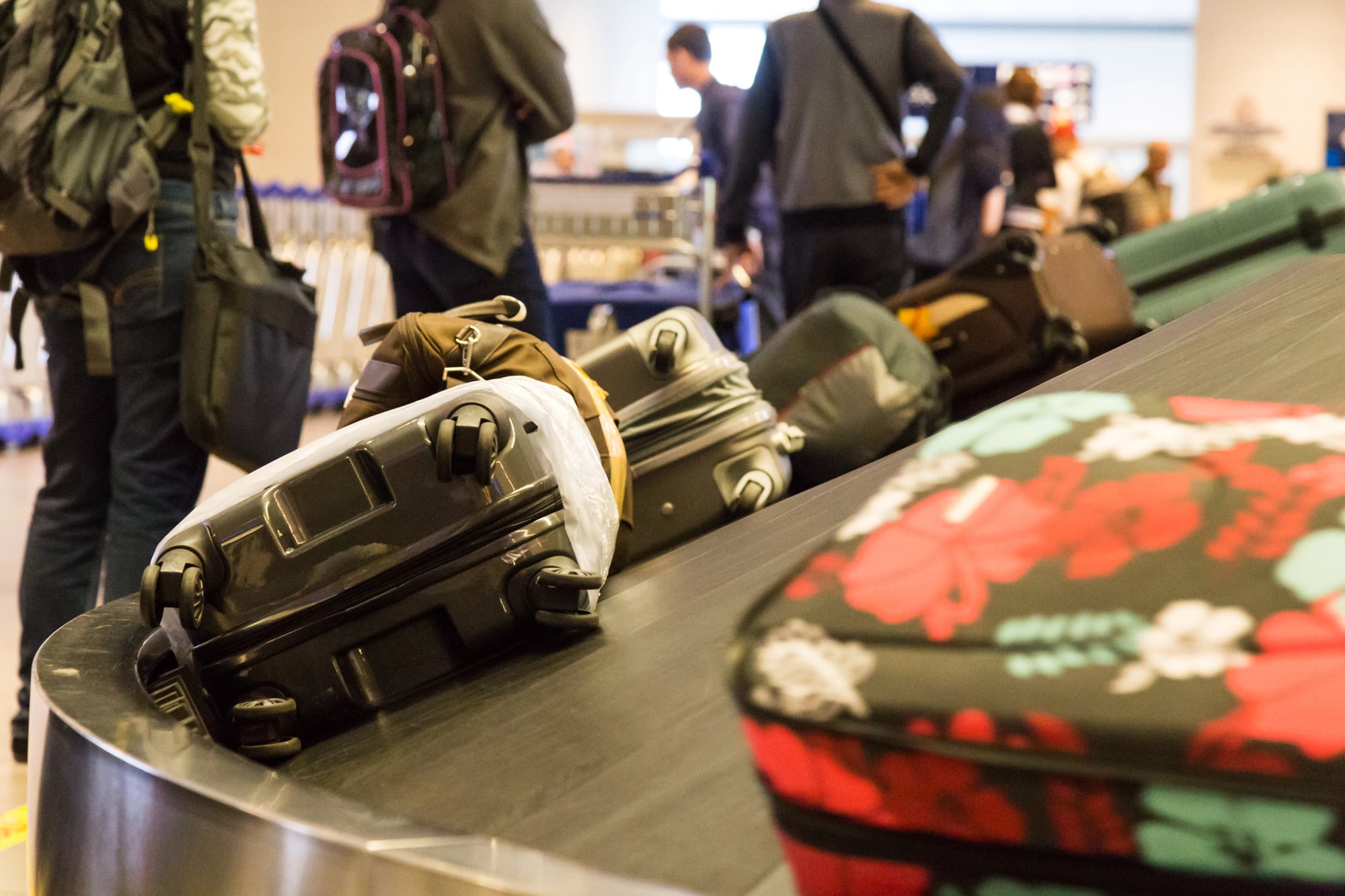
Airlines decided somewhere around 2008 that carrying your belongings to your destination was a premium service. Spirit, Frontier, and eventually the legacy carriers followed suit — and now a single checked bag can run you $35 to $40 each way on domestic flights.
You packed light for years; now you pack light because you have to.
Seat Selection
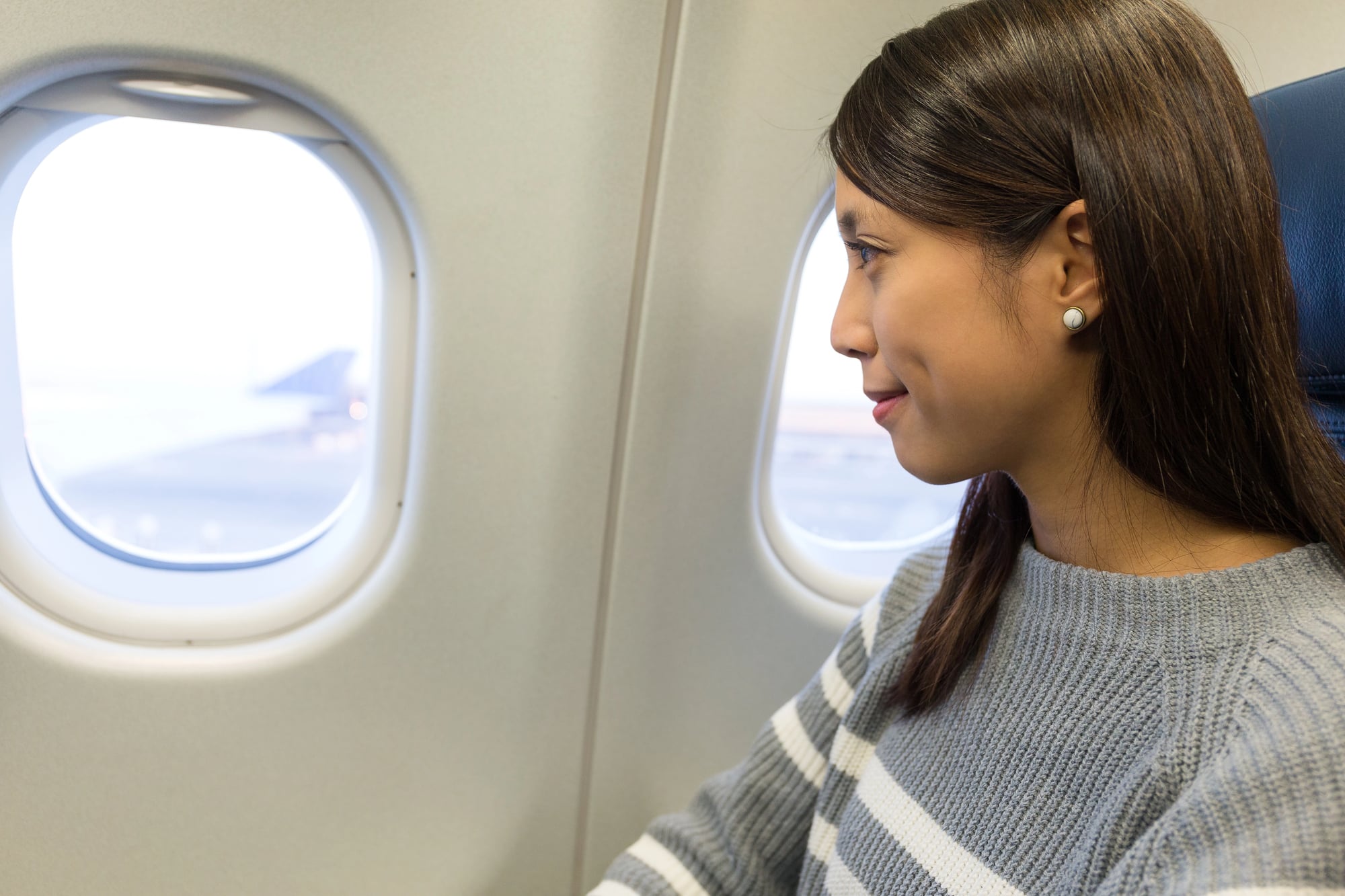
Picking where you sit on a plane used to happen at check-in, for free, without drama. Now airlines slice the cabin into pricing tiers — window seats cost more than middle seats, exit rows cost more than window seats, and anything labeled “preferred” costs more than all of them.
The seat exists regardless of whether you pay for it; the fee is purely for the privilege of knowing which one it is before you board.
Carry-On Bags

This one still feels like a con. Basic economy fares on airlines like United, Delta, and American now restrict carry-on bags to a personal item only — a full overhead bin bag costs extra unless you’ve bought a higher fare class.
So the bag you’ve been shoving under the seat in front of you for free since 1990 now costs money on some tickets. Progress.
Printing a Boarding Pass
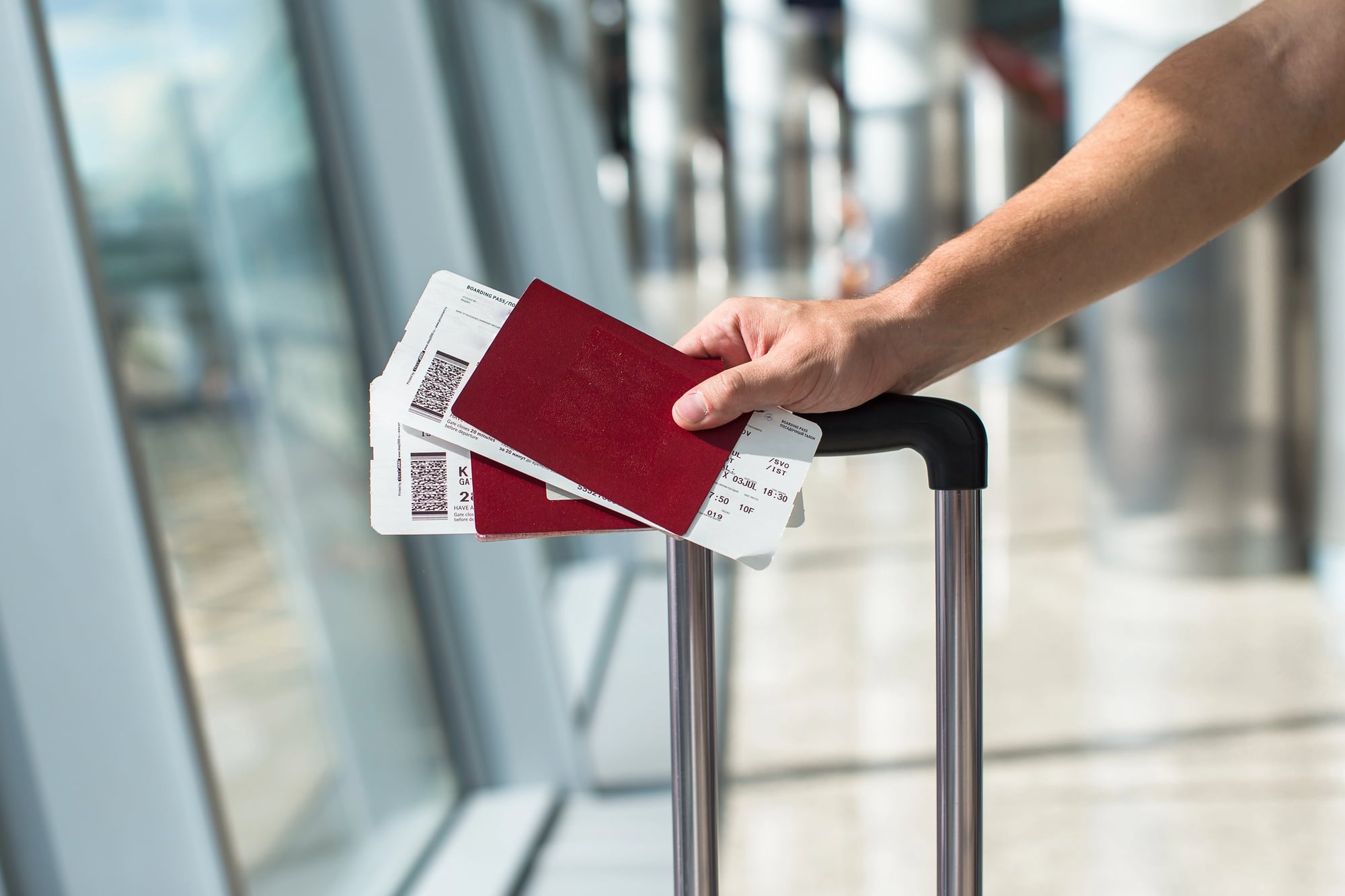
Ryanair — the budget carrier that turned nickel-and-diming into an art form — famously charged passengers in Europe for printing a boarding pass at the airport. What was once a piece of paper the airline handed you became a service you had to pay to receive.
The logic, apparently, was that printing is a convenience; the inconvenience of not having it, presumably, was your problem.
Hotel Resort Fees

The price on the booking site is not the price you pay, and everyone involved knows this. Resort fees — daily charges tacked onto hotel bills for amenities like the pool, the gym, or the WiFi — can add $30 to $50 per night at properties in Las Vegas, Miami, and Hawaii, regardless of whether you use any of those amenities.
The room rate is the teaser; the resort fee is the actual negotiation you never got to have.
Hotel Parking
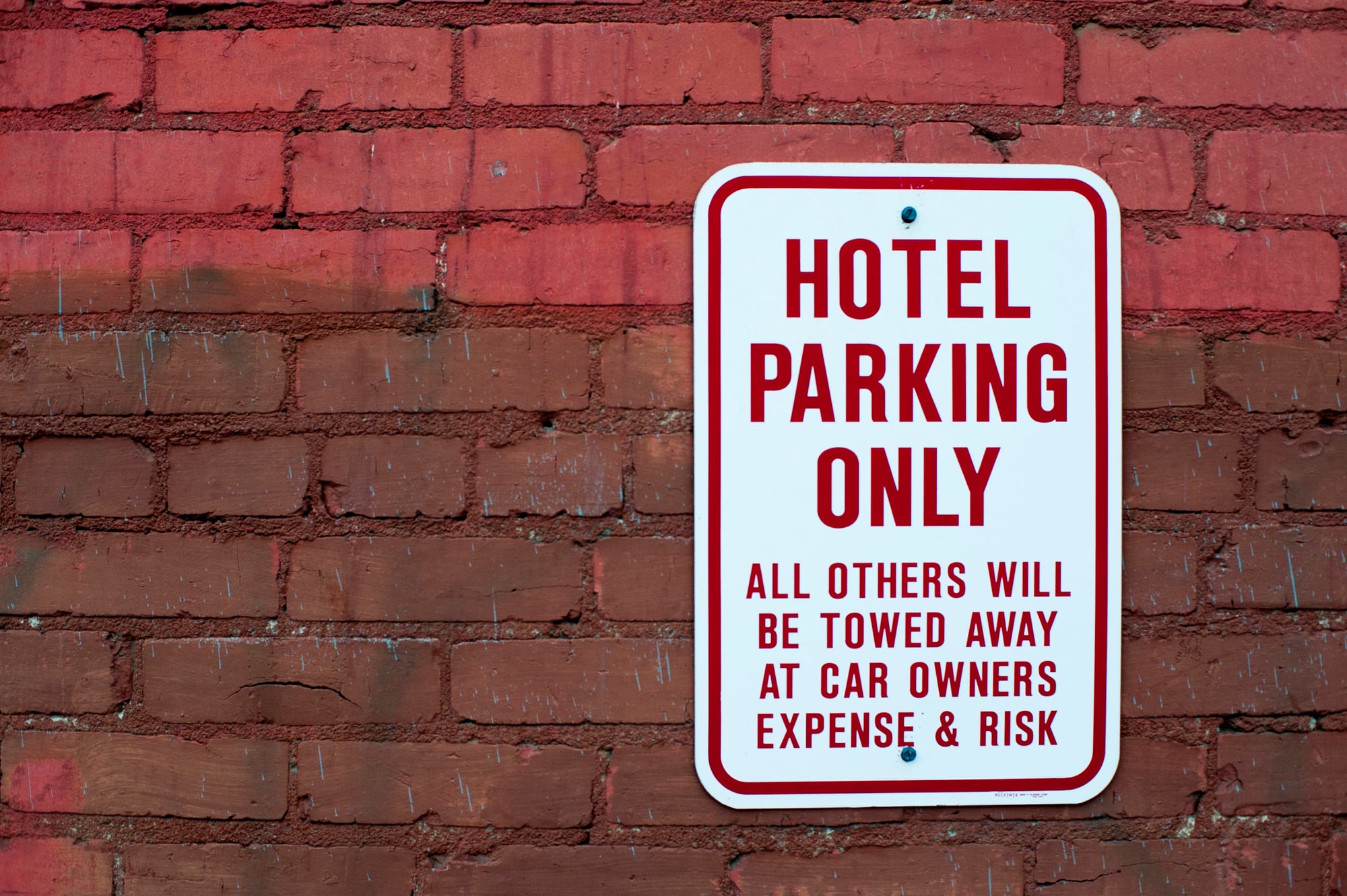
A hotel used to be a place where you pulled in, parked, and went to your room. Now valet parking at mid-range hotels in major cities runs $40 to $60 per night, and even self-parking garages attached to the property charge a separate daily fee.
There’s something quietly absurd about paying to park at the place where you’re already paying to sleep.
In-Flight Meals
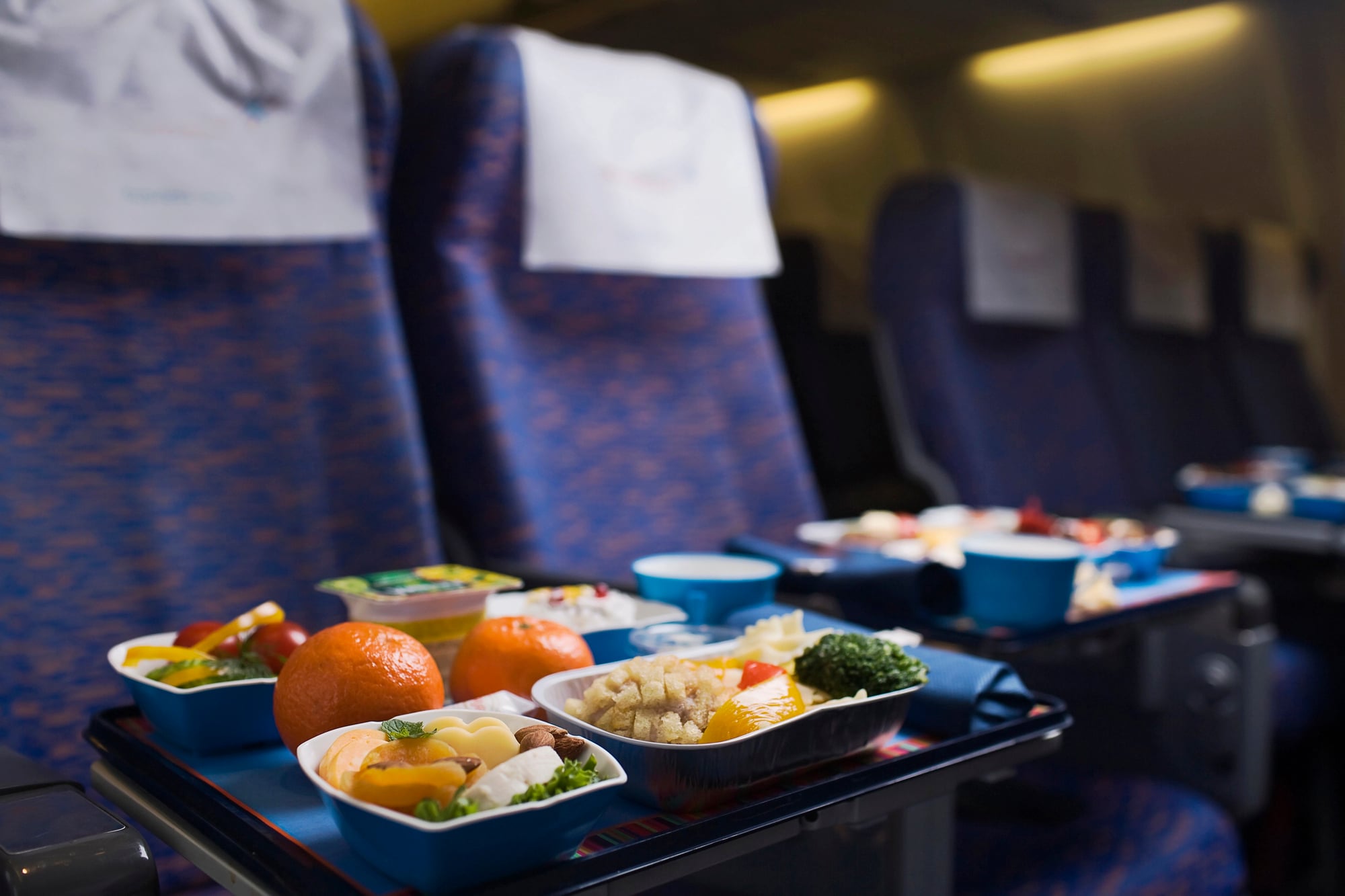
On domestic flights before the early 2000s, you got a meal — sometimes a real one, sometimes a suspiciously warm mystery tray, but something. Then meals disappeared, then snacks shrank, then the snacks that remained started carrying price tags.
On a four-hour domestic flight today, you’re buying a $10 bag of chips from a plastic cart while the beverage service rolls past you at a speed that suggests urgency no one actually feels.
In-Flight Entertainment
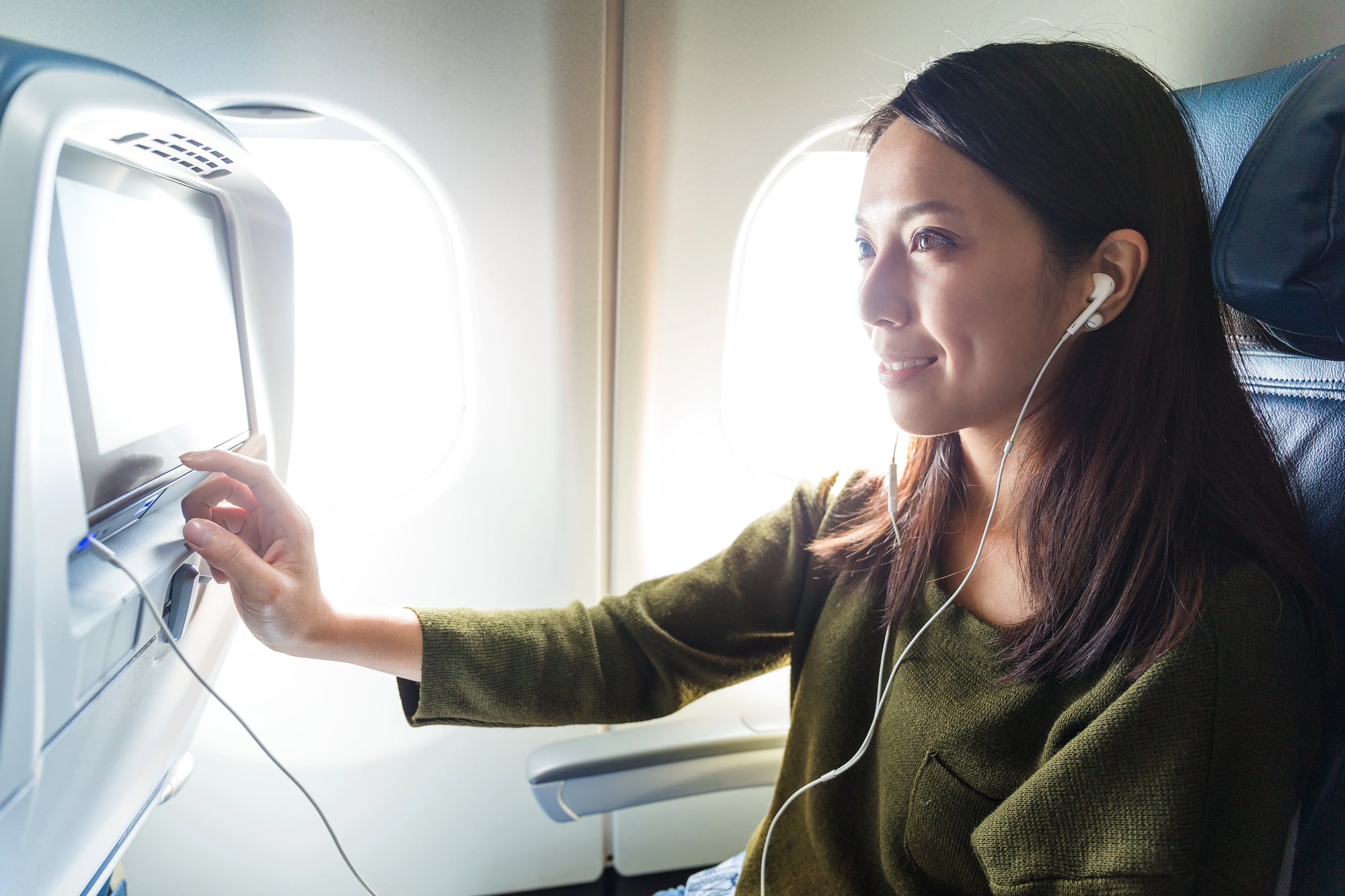
The little screen in the seatback — the one that used to come loaded with movies, TV shows, and the map showing you’re still somewhere over Kansas — has either vanished entirely or moved behind a paywall on some carriers. Budget airlines frequently offer no seatback screens at all, with entertainment available only through a paid streaming app on your own device.
Bring headphones. And a phone with a charge. And patience for a Wi-Fi connection that will betray you over the Rockies.
Wi-Fi on Flights
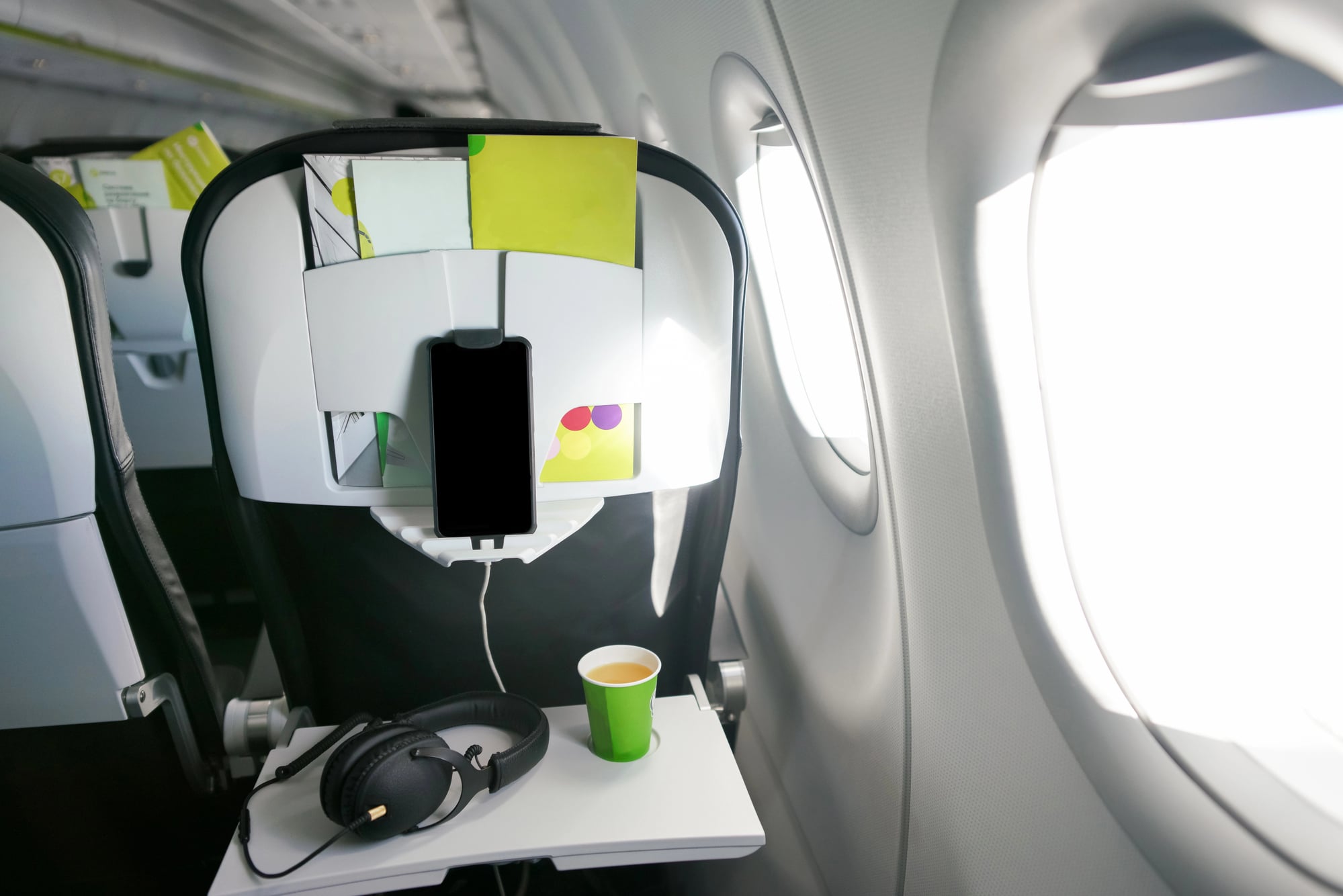
The internet existed before airlines decided to sell it back to you at $8 to $30 per flight, depending on duration and carrier. Connectivity in the air was briefly treated as an exciting inclusion — some carriers offered it free as a promotion — and then the promotion ended, the prices arrived, and the connection quality remained stubbornly indifferent to how much you paid for it.
Paper Bank Statements
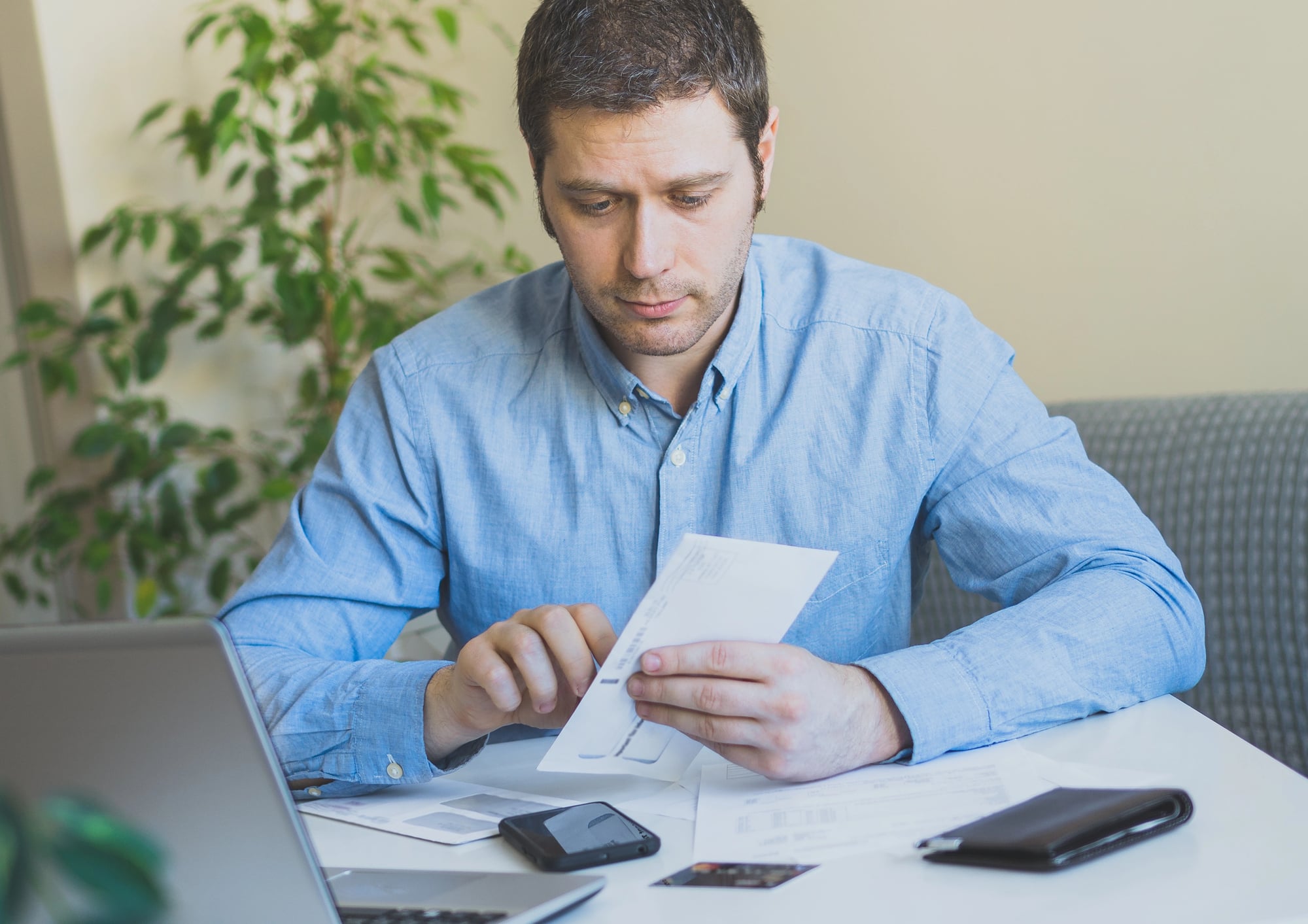
Banks used to mail you a statement every month as a basic part of managing your money. Then they switched most customers to electronic statements by default — which is fine — but they also began charging a fee, often $2 to $5 a month, if you still wanted the paper version.
Asking for documentation of your own account transactions, it turns out, is a niche preference that costs extra.
ATM Fees
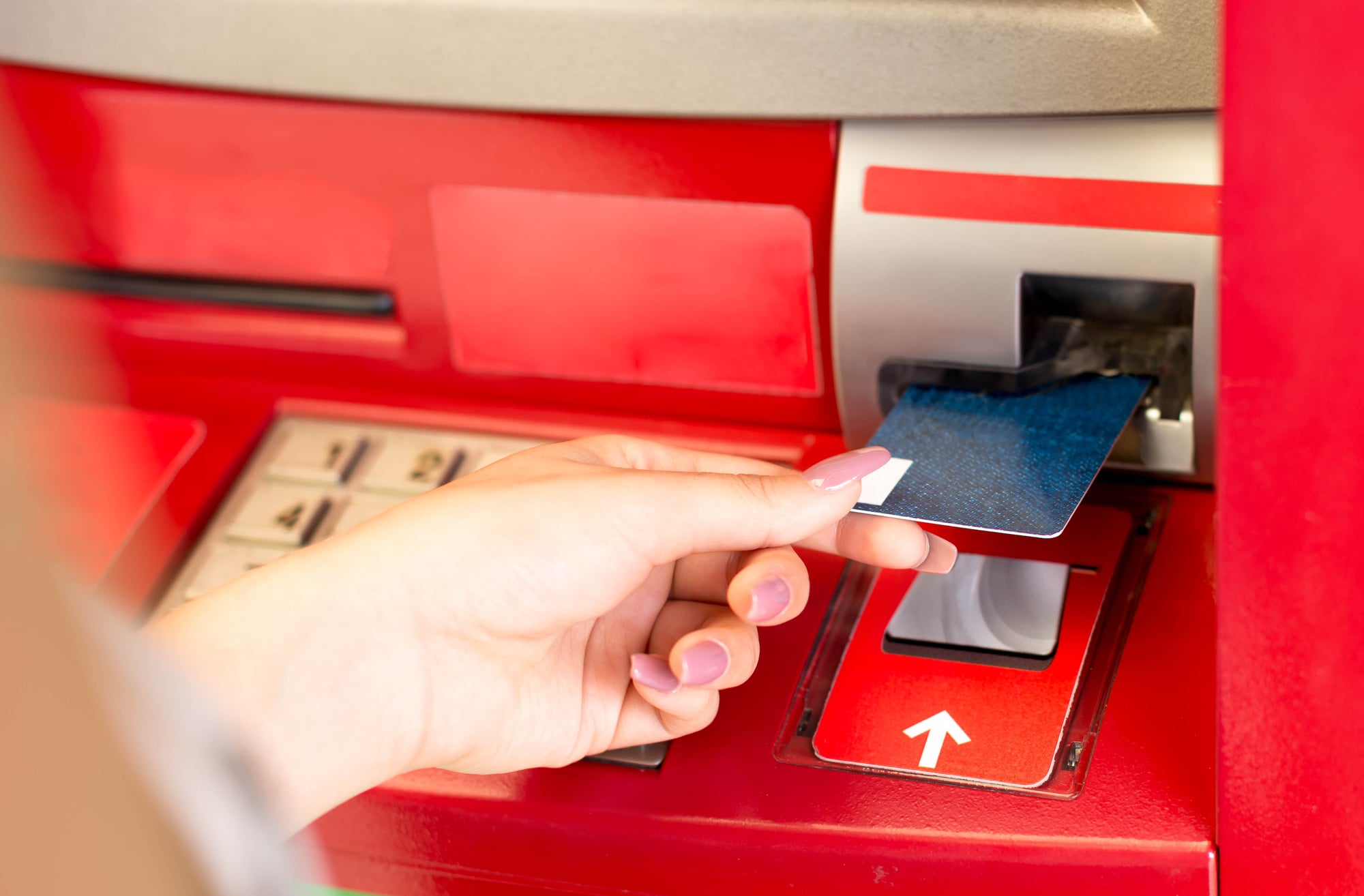
Using an ATM outside your bank’s network used to carry a small fee; now it carries two — one from the ATM operator and one from your own bank — that together can hit $5 to $8 per transaction. The money being withdrawn is yours, stored in a system you’re already paying to participate in, accessed through a machine that has cost the operator nothing new since it was installed.
And yet.
Credit Card Reward Redemption
Rewards programs once let you redeem points with relative freedom — cash back, travel, merchandise — without much friction. Now many cards charge transfer fees, impose redemption minimums, or require a premium card tier (with an annual fee, naturally) to access the best redemption rates.
The points are yours; the best version of using them costs extra.
Guacamole
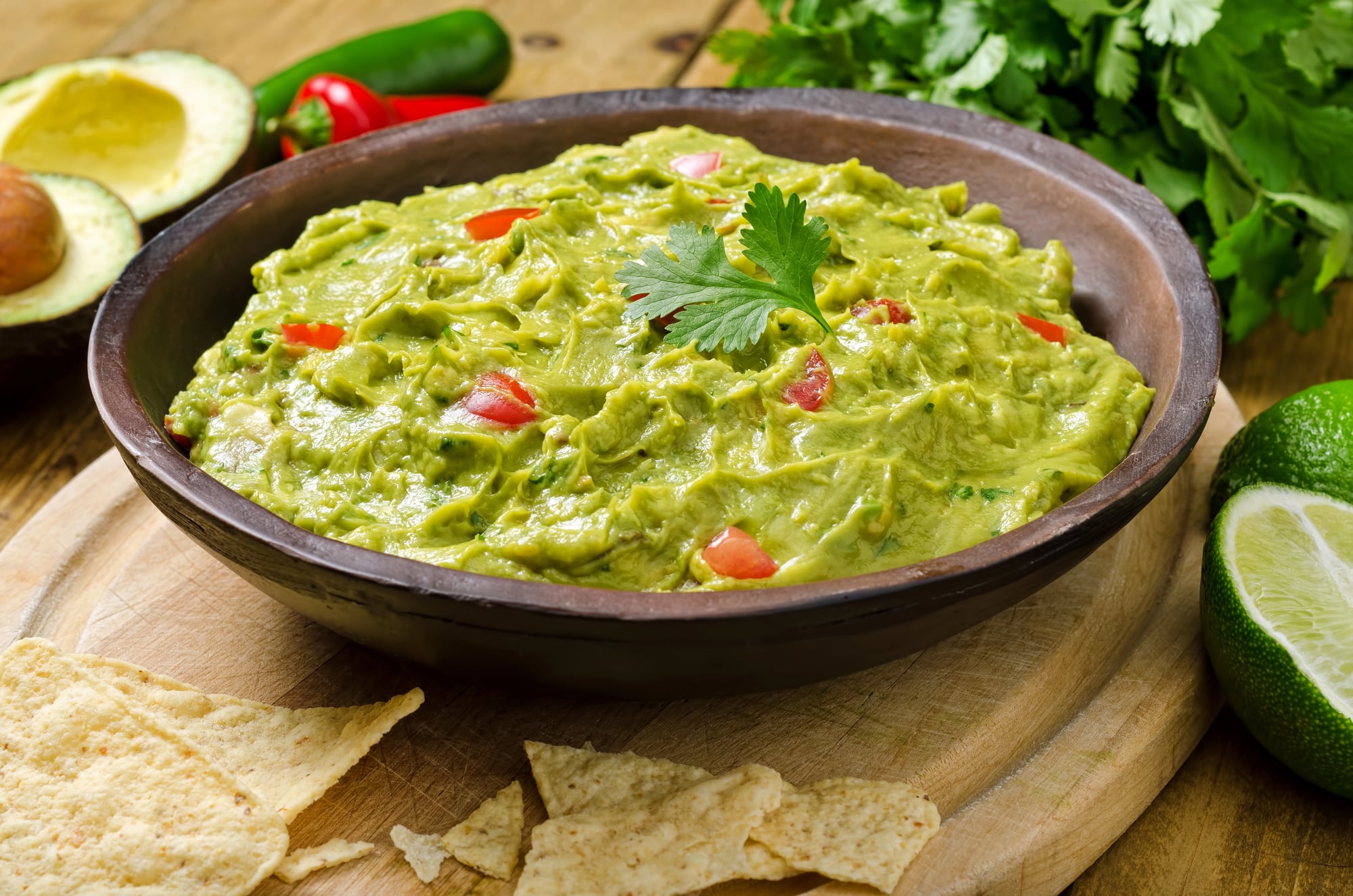
Chipotle didn’t invent the upcharge, but it did make “is guacamole extra?” a cultural touchstone. At most fast-casual and sit-down Mexican restaurants, guacamole moved from a table standard to a line-item addition — often $2 to $4 — sometime in the 2010s.
Avocados got expensive, yes, but the upcharge arrived before the avocado prices did, which is saying something.
Bread Before the Meal
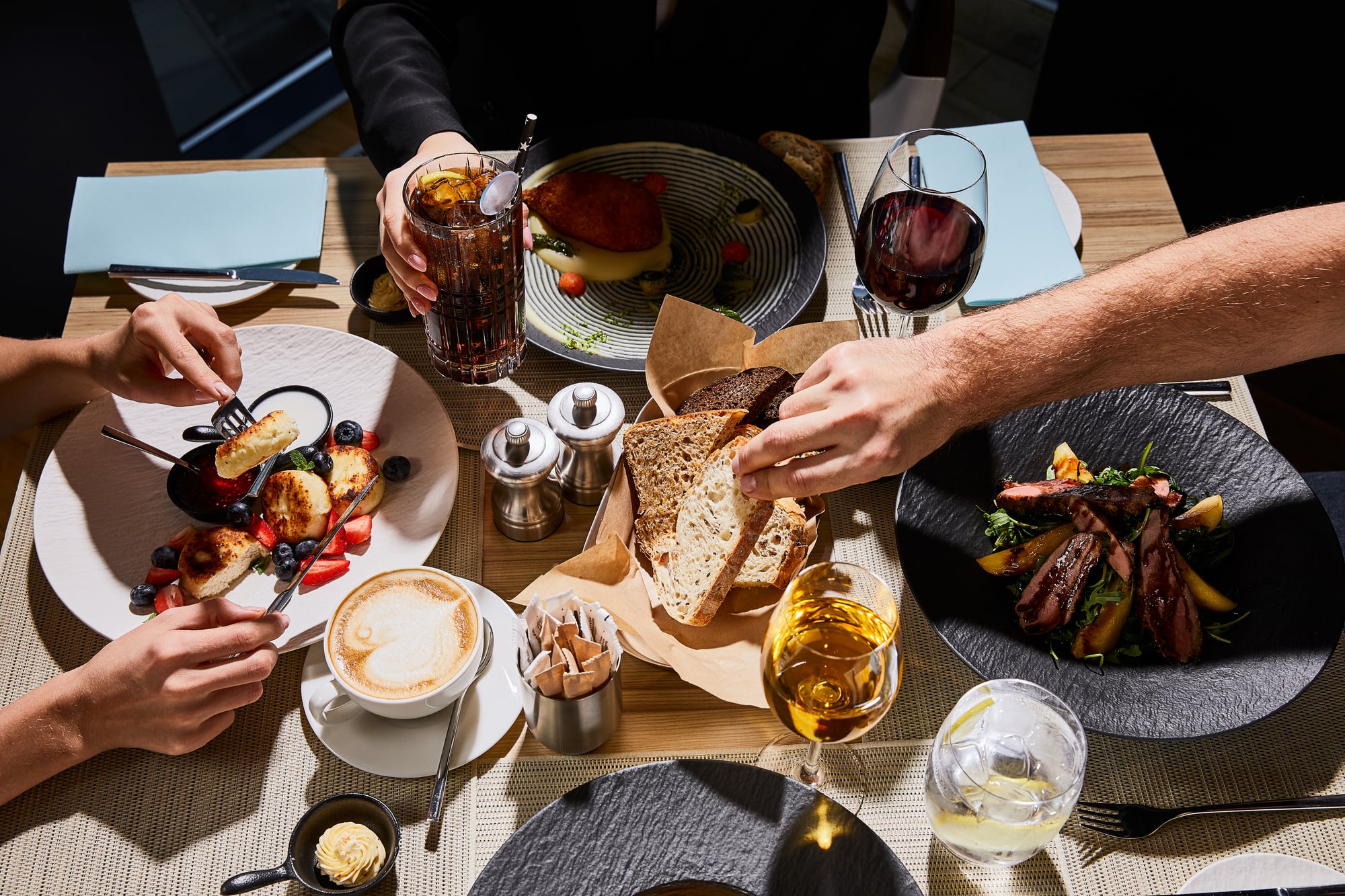
There was a time when sitting down at a mid-range restaurant meant a basket of bread appeared without prompting — warm rolls, sourdough, focaccia, something — as a simple hospitality gesture. That basket has been quietly removed from many restaurants post-pandemic, and some have replaced it with a charged appetizer version of what used to be complimentary.
Charging for bread feels like a philosophical statement, and not a generous one.
Delivery From a Restaurant
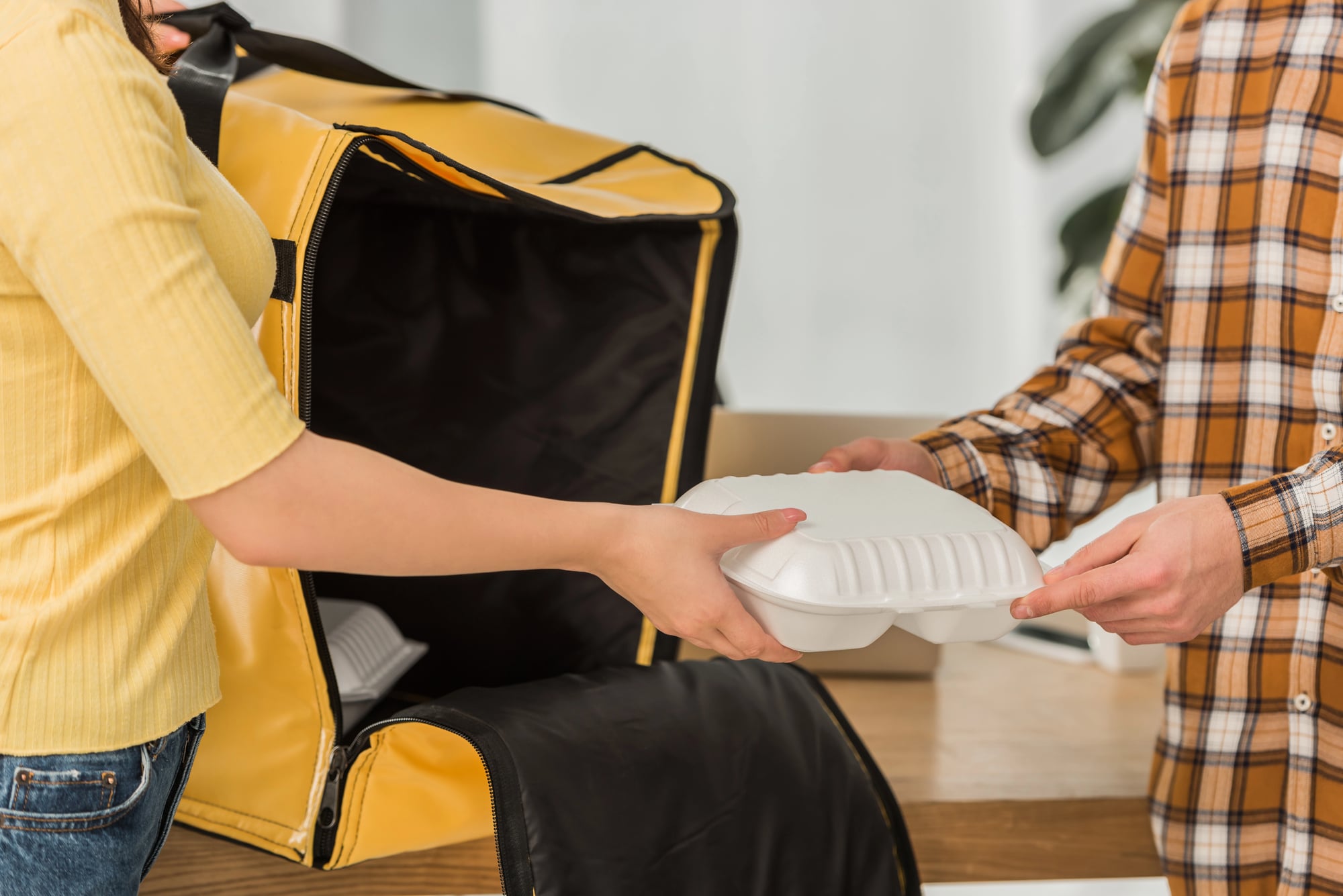
Ordering food for delivery used to mean paying for the food and tipping the driver. Now a single delivery order from a platform like DoorDash or Uber Eats carries a delivery fee, a service fee, a small order fee if you’re below a threshold, and sometimes a peak pricing surcharge — on top of menu prices that are often marked up 15 to 30 percent compared to dining in.
The convenience is real; so is the $27 burger.
Gift Wrapping

Department stores — Macy’s, Nordstrom, Bloomingdale’s — once offered gift wrapping at the counter as a gracious finishing touch. The paper, the ribbon, the folded corners that looked nothing like what you’d manage at home: free.
Now gift wrapping, where it’s offered at all, runs $5 to $15 per item. Buying a gift for someone now includes a small surcharge for presenting it like a gift.
Extended Warranties
The original warranty on a product used to feel like a promise — you bought the thing, the company stood behind it, done. Extended warranties have always been an upsell, but what’s changed is how aggressively they’re pushed and how short the baseline warranty has gotten on certain electronics and appliances.
Some manufacturers now offer 90-day coverage as standard, making the extended plan feel less like an option and more like the real warranty hiding behind a paywall.
Grocery Bags
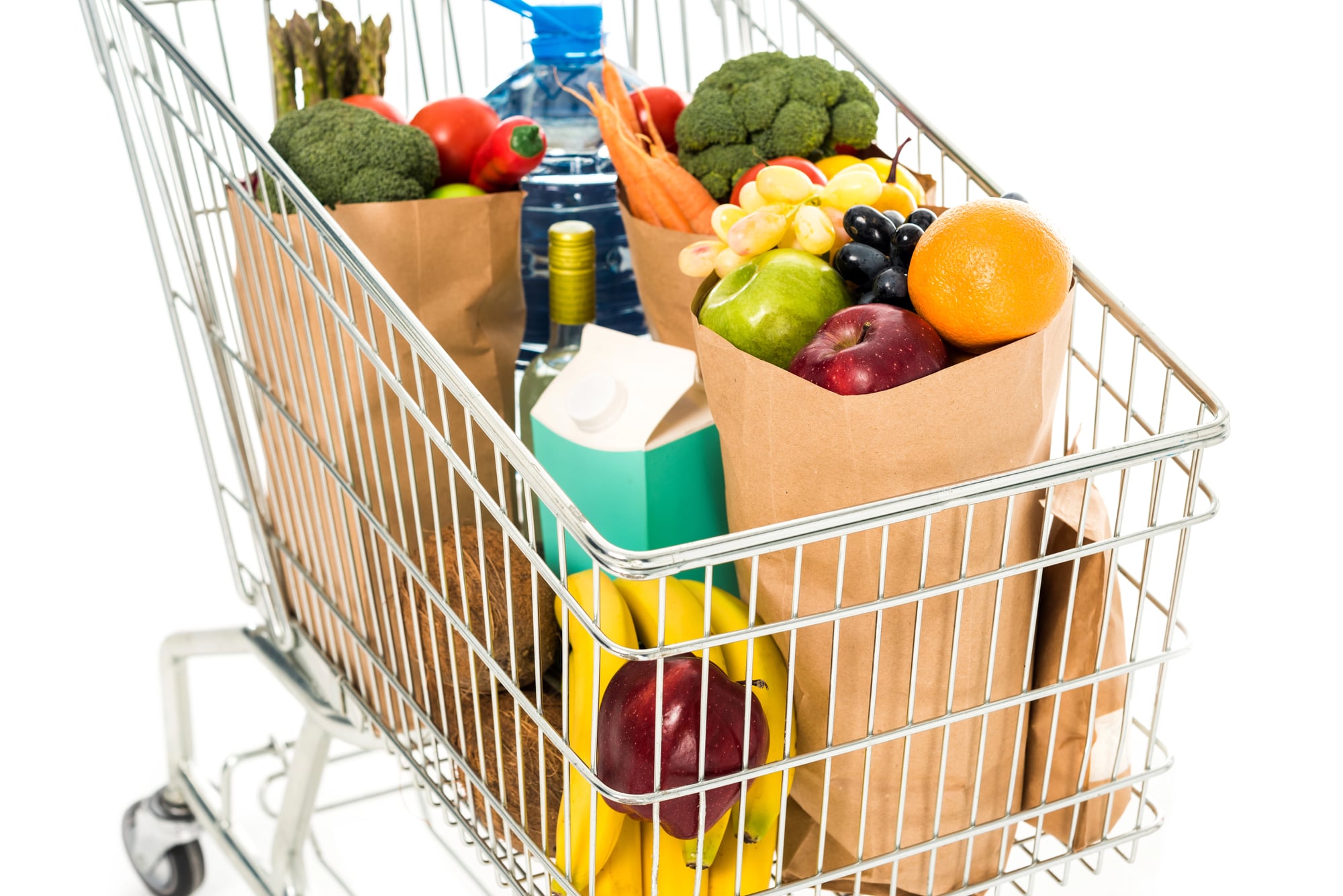
California led the charge, and then other states followed — plastic bags at checkout went from free to a few cents, then paper bags followed, and in some stores even a thin reusable bag costs $1 or $2. The environmental logic is sound, to be fair, and most people have adapted.
But the progression from “here’s your bag” to “bag fee at checkout” happened fast enough to feel like a policy and a profit center arriving in the same vehicle.
Early Hotel Check-In
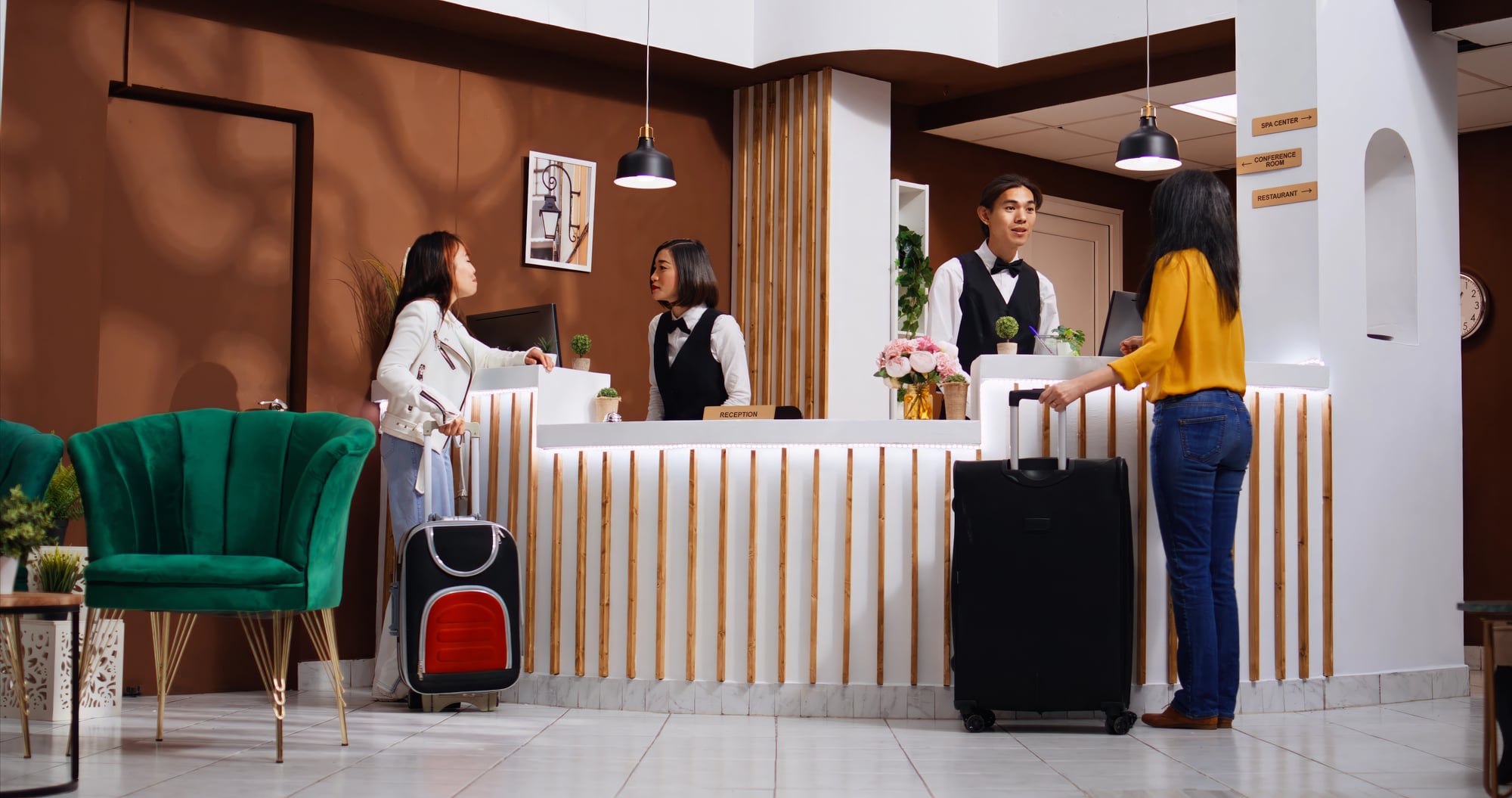
Hotels hold rooms until 3 or 4 p.m. as standard policy, and checking in early — even at noon, even when the room is clearly ready — used to be a matter of asking nicely. Now many properties charge a fee for early check-in, sometimes $25 to $50, depending on the brand and the market.
The room is ready; the willingness to hand you the key comes at a price.
Late Hotel Checkout
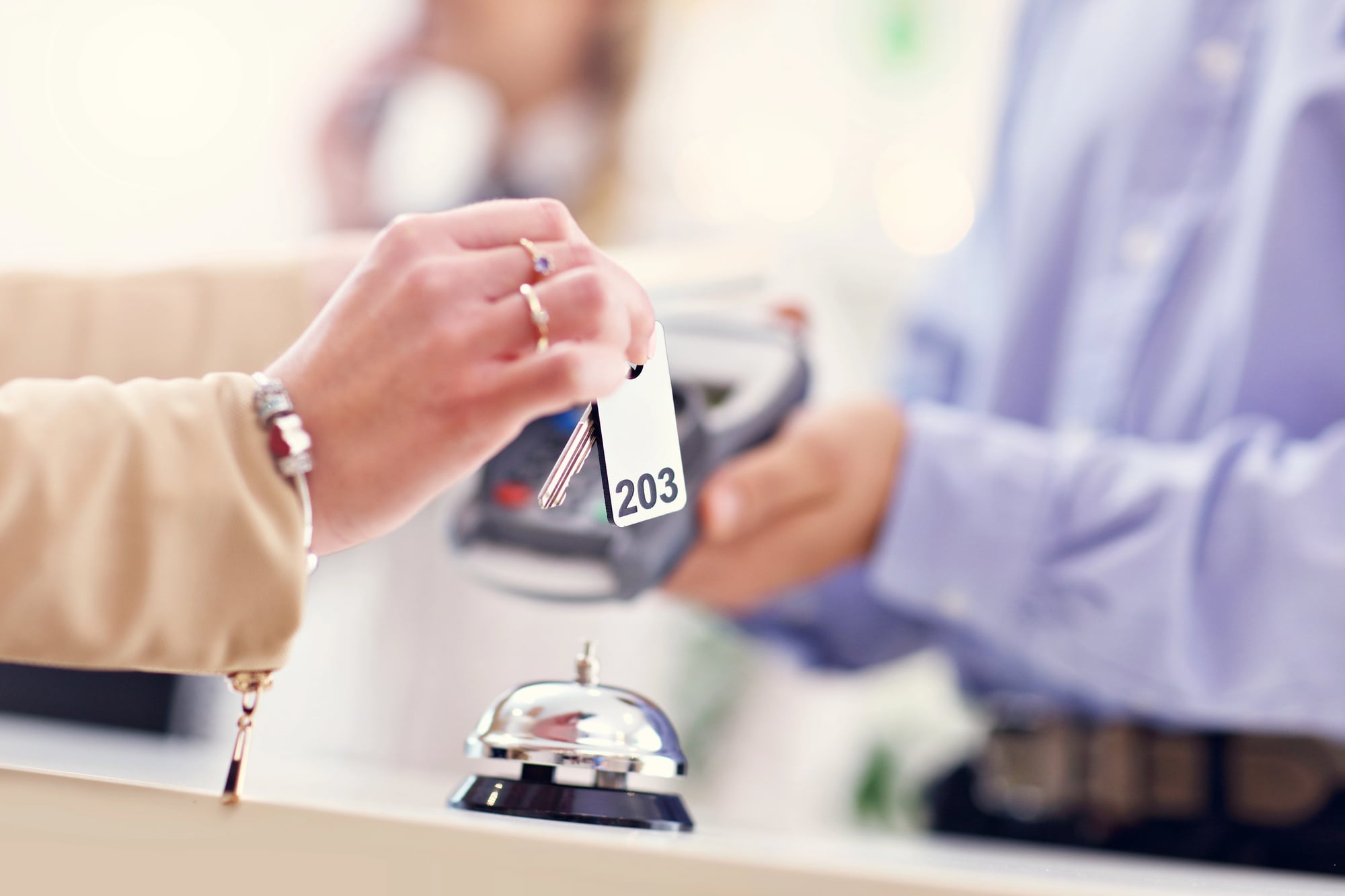
The same logic applies in reverse: leaving a few hours after the standard checkout time used to be a request the front desk often accommodated. Now late checkout is frequently sold as a perk of loyalty program status — something you have to earn through enough prior spending to be allowed to leave at 1 p.m. instead of 11 a.m.
Phone Activation Fees
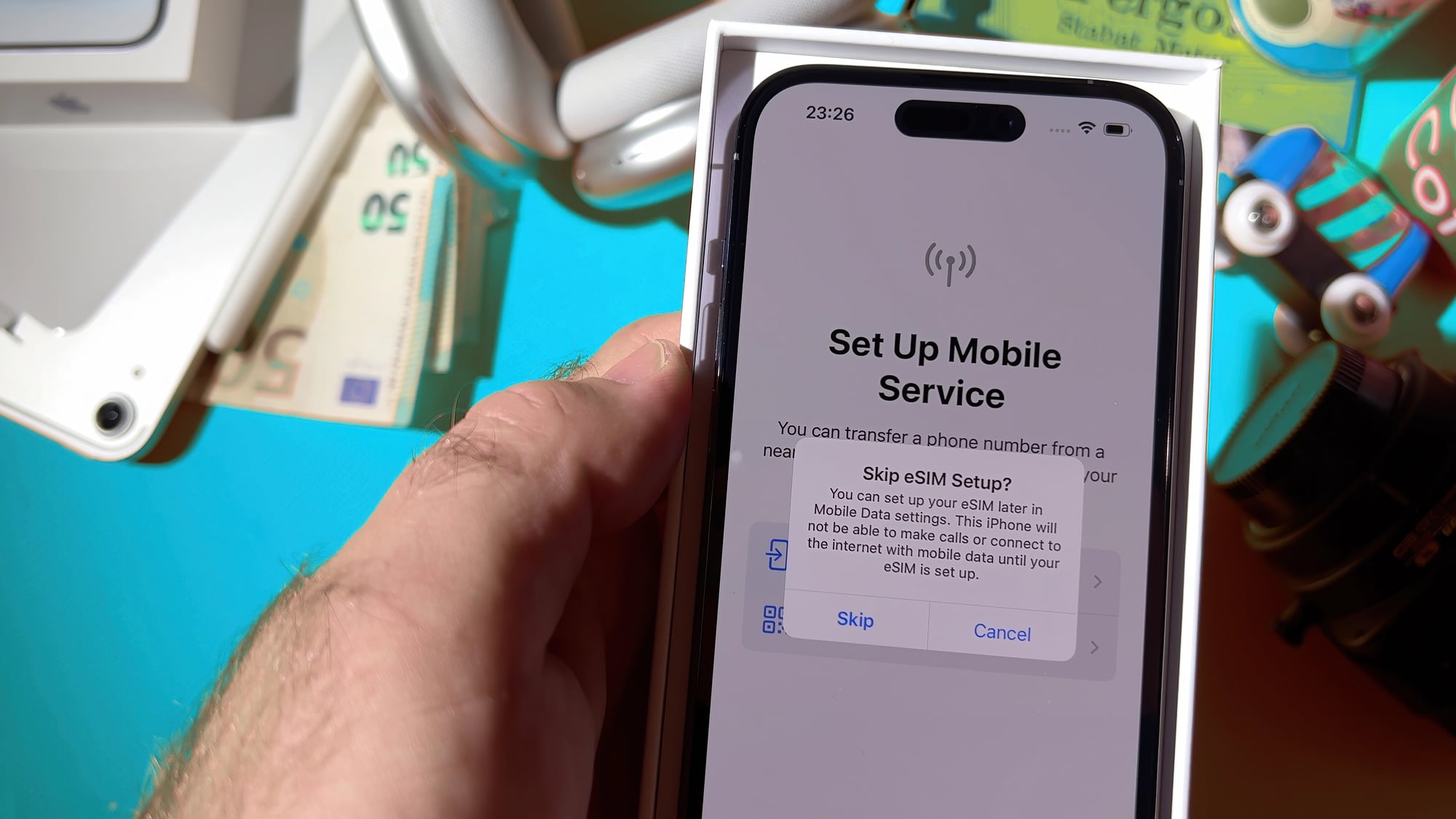
Signing up for a new carrier or activating a new phone used to be the cost of the phone and the plan. Carriers — Verizon, AT&T, T-Mobile — began charging activation fees that now commonly run $30 to $40, billed for the administrative act of turning on your service.
The fee exists because carriers discovered customers would pay it, which is a perfectly honest explanation that doesn’t make anyone feel better about paying it.
Streaming Service Ad-Free Viewing
The original promise of Netflix, Hulu, and their early competitors was no commercials — that was the entire point, the clean break from cable. Now ad-supported tiers are the base offering, and paying extra gets you back to what the service used to be by default.
The absence of ads has been repackaged as a feature. And somehow that worked.
Paper Tickets
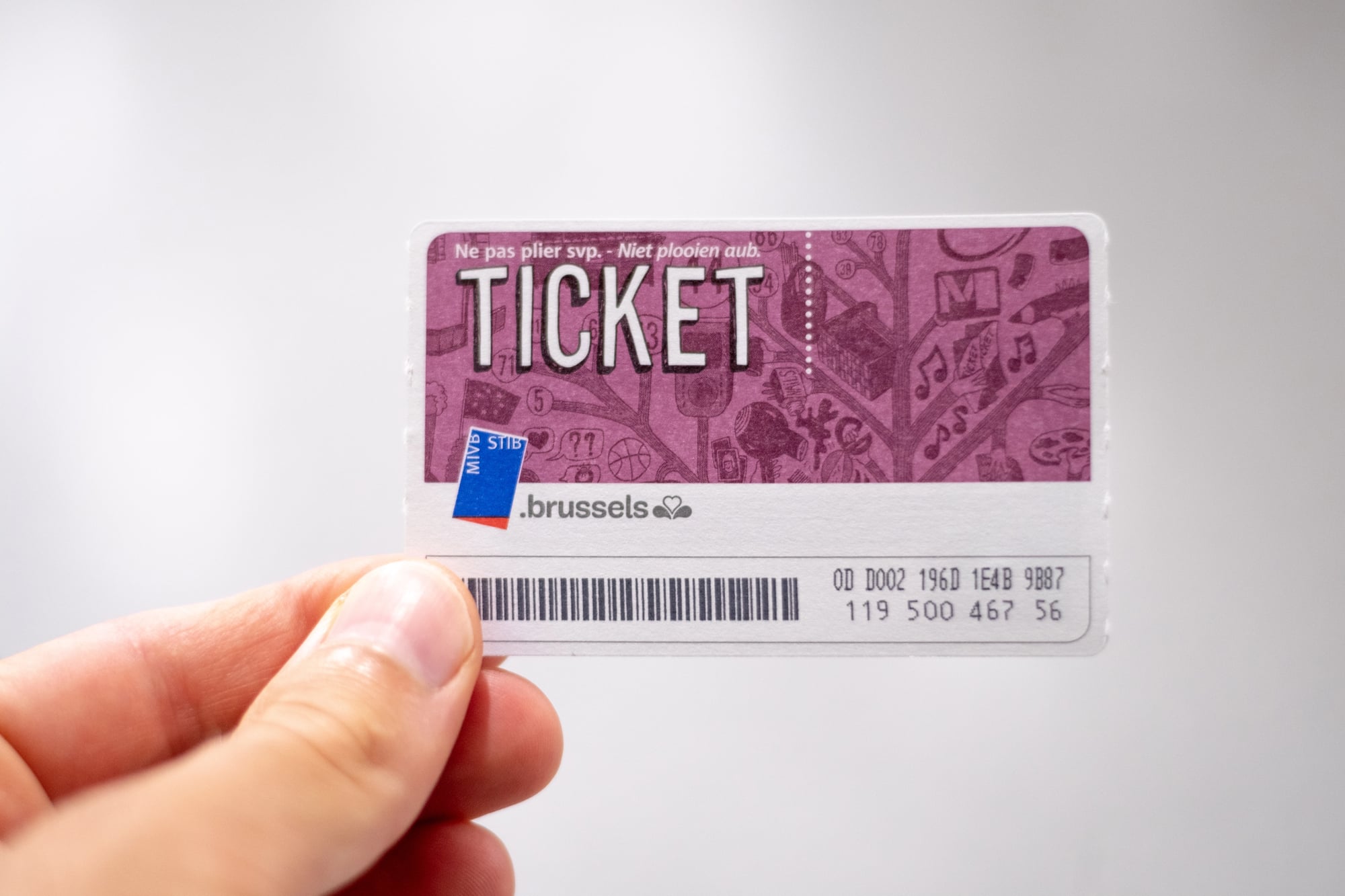
Concert and event tickets used to arrive in the mail or at a box office window, printed, ready to hand over. Ticketmaster and Live Nation now charge order processing fees, delivery fees, and facility fees — and if you want a physical ticket rather than a mobile one, there’s often an additional fee for that too.
The paper itself costs money. The convenience of not having paper also costs money. The pricing structure suggests both options were designed to cost money.
Basic Cable Channels
Cable television was once bundled in a way that felt, if not exactly fair, at least comprehensible: you paid a monthly rate and got channels. Premium channels — HBO, Showtime — cost extra.
Now sports packages, regional sports networks, and certain local channels have been quietly reclassified as add-ons, not inclusions, on many providers’ base plans. The base plan has gotten cheaper; what it contains has gotten smaller in exact proportion.
Customer Service by Phone

Some airlines, banks, and subscription services have begun nudging customers away from phone support by charging fees for speaking to an agent — or by making the free digital support so buried and unhelpful that phone support becomes the only real option, at which point you’re paying for the privilege of getting what you needed in the first place.
The fee is technically for the call; what it’s really charging for is resolution.
Software Updates

Operating system updates used to be free on Windows, free on macOS, free on iOS — a way for tech companies to maintain security and keep their platforms current. Some software vendors have begun moving updates behind subscription models, or offering a free version that lags significantly behind a paid tier.
The update you used to receive automatically now has a pricing tier attached to it. Security patches remain free, mostly. Everything else is negotiable.
Nutrition Information at Restaurants
Chain restaurants with more than 20 locations are federally required to display calorie counts — that part is mandated. But detailed nutritional breakdowns, allergen specifics, and ingredient disclosures beyond that baseline are often locked behind the restaurant’s paid app or a premium account on a third-party platform.
Knowing what you’re eating, in granular detail, is being monetized alongside everything else.
Boat and Ferry Amenities

Taking a ferry used to mean buying a ticket and then having access to the basics: seating, a bathroom, somewhere to stand outside. Now many passenger ferries — particularly on tourist routes — charge separately for priority boarding, reserved seating, and deck access.
The boat is going where it’s going regardless; it’s just that each part of the experience aboard now has its own price point.
Roadside Assistance

New car purchases used to come bundled with roadside assistance for a year or more as a standard inclusion. Many manufacturers have reduced that period or eliminated it entirely, pointing customers toward subscription services like AAA or the automaker’s own paid program.
A flat tire on a new car, in many cases, is now your logistical and financial problem faster than it used to be.
Passport Photos
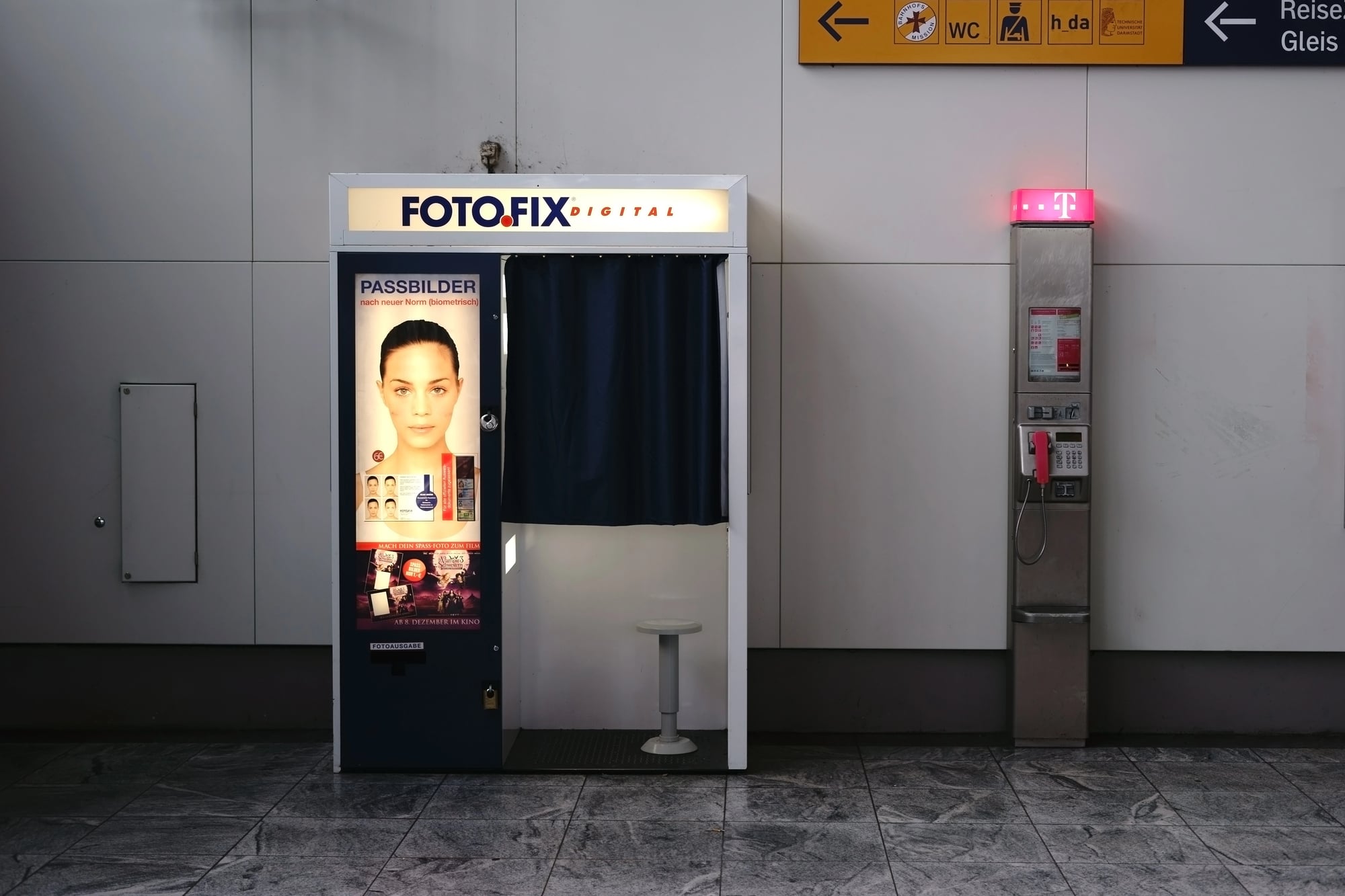
Post offices, pharmacies, and AAA offices used to take passport photos as a basic service — sometimes free, sometimes for a nominal $5 fee that covered printing. That price has crept upward at most locations, now running $15 to $20 at many chains.
The requirement for the photo hasn’t changed; the markup around meeting it has grown considerably.
Expedited Shipping
This one is interesting because the baseline moved in both ways at once: Amazon Prime normalized free two-day shipping as an expectation, and then Prime’s price increased to the point where free fast shipping now costs $139 a year in membership. Retailers outside Amazon that once offered free standard shipping now push customers toward paid express tiers.
“Free” shipping always had a threshold or a catch — now those catches are more visible and more varied than they used to be.
The Part Nobody Talks About Enough
The individual fees are annoying, but what they add up to is a structural shift in how purchases work. The advertised price used to mean something close to what you’d actually pay.
Now it’s a starting point — a number designed to look attractive before the layers arrive. Resort fees, service charges, activation fees, bag fees, seat fees: none of these are hidden, exactly, but they’re revealed late enough in the transaction that reversing course feels like more effort than absorbing the cost.
That’s not an accident. The frustration isn’t really about paying more — it’s about the gap between what was shown and what was owed.
More from Go2Tutors!

- The Romanov Crown Jewels and Their Tragic Fate
- 13 Historical Mysteries That Science Still Can’t Solve
- Famous Hoaxes That Fooled the World for Years
- 15 Child Stars with Tragic Adult Lives
- 16 Famous Jewelry Pieces in History
Like Go2Tutors’s content? Follow us on MSN.