Biggest Selling Video Game Consoles of the 80s
Before online gaming, fancy graphics, and downloadable content, there was the simple joy of plugging in a console and playing with friends in the same room. The 1980s laid the foundation for everything that came after, with consoles that introduced people to home gaming for the very first time.
It was a decade full of creativity, competition, and some pretty weird controller designs.
Nintendo Entertainment System (NES)

The NES didn’t just sell well—it brought the video game industry back to life after a major crash. Released in North America in 1985, it came with classics like Super Mario Bros. and Duck Hunt.
It was easy to set up, and the cartridges felt satisfying to snap in (even if people kept blowing on them). By the end of the decade, it had sold over 30 million units. For many kids, this was the first real gaming system at home.
Atari 2600

Technically launched in the late 70s, the Atari 2600 still ruled early in the 80s. Its simple graphics didn’t matter—games like Pitfall! and Space Invaders made it a household name.
It was one of the first consoles that really made people feel like arcade gaming had come home. By 1982, it had already sold over 10 million units, and those numbers kept growing. It was the gold standard until competition started heating up.
Like Go2Tutors’s content? Follow us on MSN.
Sega Master System

Sega wanted to compete with Nintendo, and this was their big push. The Master System had sharper graphics than the NES and a few clever features, like built-in games.
It struggled in the U.S. but found success in places like Europe and Brazil. It sold around 13 million units worldwide, with most of those sales outside North America. Sega fans from that era still remember it fondly.
Intellivision

Mattel made this one, and it tried to stand out with better graphics and a unique controller that had a number pad. It also had voice add-ons and tried to look more “grown up” than Atari.
The games felt a little more complex, especially for the time. It sold about 3 million units during the early 80s. While it never beat Atari, it helped push gaming toward new ideas.
ColecoVision
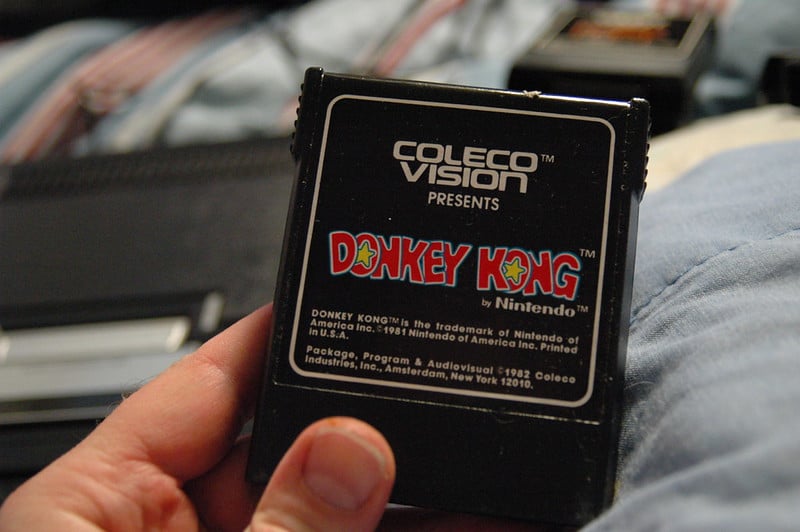
This console showed up in 1982 and impressed people with its near-arcade-quality graphics. Donkey Kong was a big title for it, and it played a big part in early gaming wars.
ColecoVision was short-lived, only lasting about two years before the crash in 1983 hit hard. Still, it sold more than 2 million units in that short time. It’s one of those systems people remember even if they never owned it.
Like Go2Tutors’s content? Follow us on MSN.
Commodore 64 (with gaming in mind)

Technically a home computer, the Commodore 64 also became a huge gaming platform. Its games came on cartridges, tapes, or disks, and the library was massive.
From platformers to RPGs, it covered everything. It sold over 17 million units, making it one of the best-selling home computers ever. For many, it was both a learning tool and a gaming machine.
Famicom (Japan)

Before the NES came to the West, Japan had the Famicom. Launched in 1983, it looked different but played many of the same games.
It sold like wildfire in Japan, building the base for Nintendo’s global success. By the end of the 80s, it had sold over 19 million units in Japan alone. Without the Famicom, there would be no NES.
Atari 7800
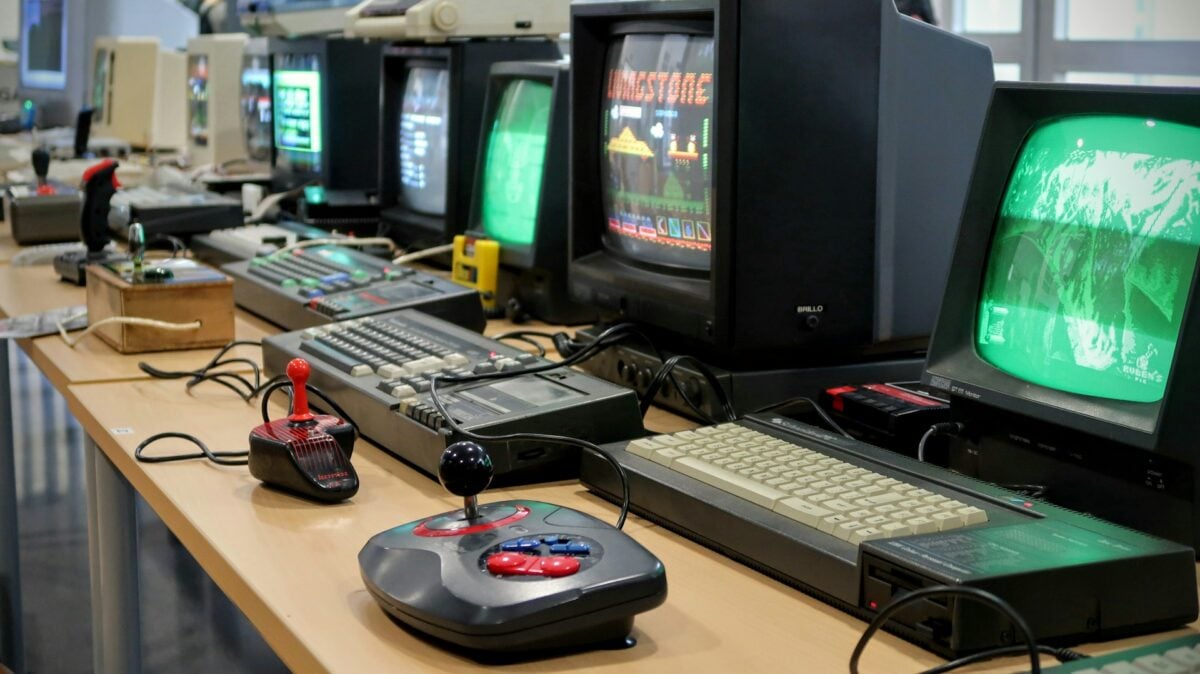
Atari tried to recover with the 7800, released in 1986. It was backward compatible with 2600 games, which helped a lot.
The graphics were better, and it had some decent titles, but by then, Nintendo was already ahead. Still, it managed to sell around 3.5 million units. Not bad for a system that launched during tough competition.
Like Go2Tutors’s content? Follow us on MSN.
Apple II (as a gaming option)

Another home computer that became a gaming favorite, the Apple II had thousands of games. Oregon Trail and Lode Runner were just the start.
Its graphics and sound weren’t amazing, but it gave people freedom to play and create. Apple sold over 5 million units before it moved on to newer machines. For early computer gamers, this was a key system.
Vectrex

This one was totally different. It had its own screen built in, and used vector graphics instead of pixels.
It looked like something from a sci-fi movie. The system had a small but strong fan base. It sold around 1 million units before fading out in 1984. Unique design, but maybe just a little too ahead of its time.
Atari XE Game System

Atari tried again near the end of the decade with this hybrid between a console and a computer. It could run software from the Atari 8-bit computers, so it had access to a wide game library.
But the market was already crowded. Sales were low, and the system never took off. It’s mostly remembered by collectors today.
Like Go2Tutors’s content? Follow us on MSN.
Sega SG-1000

Released only in Japan and a few other countries, this was Sega’s first console. It wasn’t as powerful as the Famicom, but it helped Sega get started in the home market.
Sales were under 2 million, but it was enough to keep the company moving forward. Without this early step, there would be no Master System—or Genesis.
Bally Astrocade

This console came and went pretty quickly. It had some smart features for its time, including a built-in calculator and programming tools.
The controller looked like a mix between a phone and a joystick. Sales were very low, under 100,000 units, but it still has a cult following. It showed how wild and experimental the 80s really were.
Epoch Cassette Vision

Released only in Japan, this console was the top-selling system in the country before the Famicom arrived. The games were basic, and the graphics looked very simple, even for the early 80s.
But it was cheap and easy to use. It sold around 400,000 units. It held a brief spotlight before Nintendo took over.
Like Go2Tutors’s content? Follow us on MSN.
The decade that set the stage

The 1980s didn’t just sell consoles—they built the foundation for what gaming would become. These machines were clunky, loud, and full of charm.
Each one, successful or not, pushed the industry forward in its own way. Today’s powerful systems owe a lot to these early efforts. And for anyone who grew up during that time, the sound of a cartridge clicking into place still brings back a smile.
More from Go2Tutors!

- 16 Historical Figures Who Were Nothing Like You Think
- 12 Things Sold in the 80s That Are Now Illegal
- 15 VHS Tapes That Could Be Worth Thousands
- 17 Historical “What Ifs” That Would Have Changed Everything
- 18 TV Shows That Vanished Without a Finale
Like Go2Tutors’s content? Follow us on MSN.