32 Old Stereo Components Worth Testing Before Donating
A dusty receiver in the back of a closet is easy to write off as junk, and thrift store shelves are full of gear that was given away on exactly that assumption. Plenty of it needed nothing more than a fresh dial lamp and a squirt of contact cleaner. A few of the pieces below are the kind that serious collectors hunt for, and the rest simply play well after decades of sitting.
The test takes about ten minutes. Bring the unit up slowly, listen for crackles, work every knob and switch, and look hard at the cabinet. What the gear does in those minutes says more than the badge on the front, as the entries below show.
Marantz 2270 Receiver
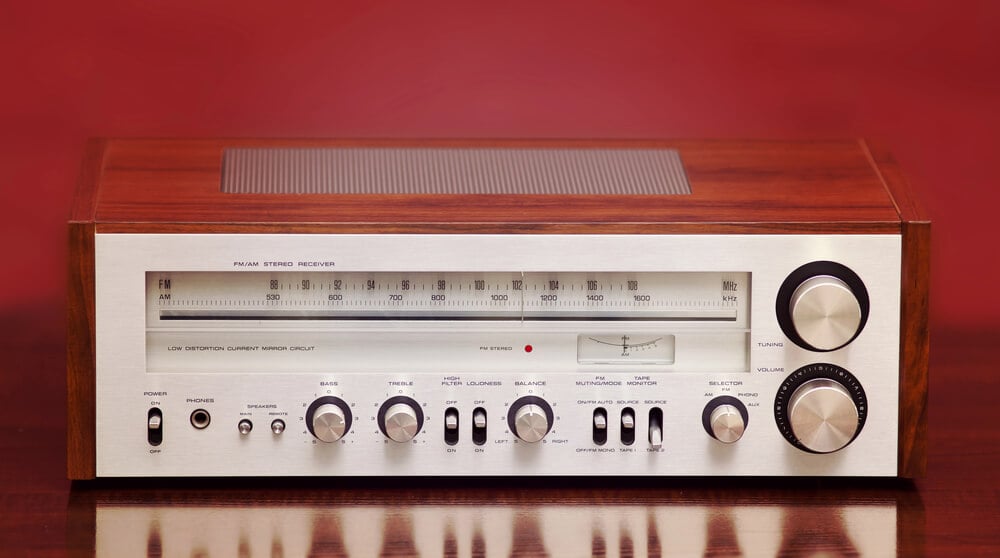
The Marantz 2270 arrived in 1971 as a 70-watt-per-channel receiver, and its blue-lit dial is still a draw on any workbench. Aging electrolytic capacitors are the usual cause of hum or weak output, so a unit that has been recapped is generally valued above one that merely powers on. The original wood cabinet matters too, since a bare chassis with no case is a harder sell. Check the dial lamps and the knob action before deciding it is finished.
Pioneer SX-1250 Receiver
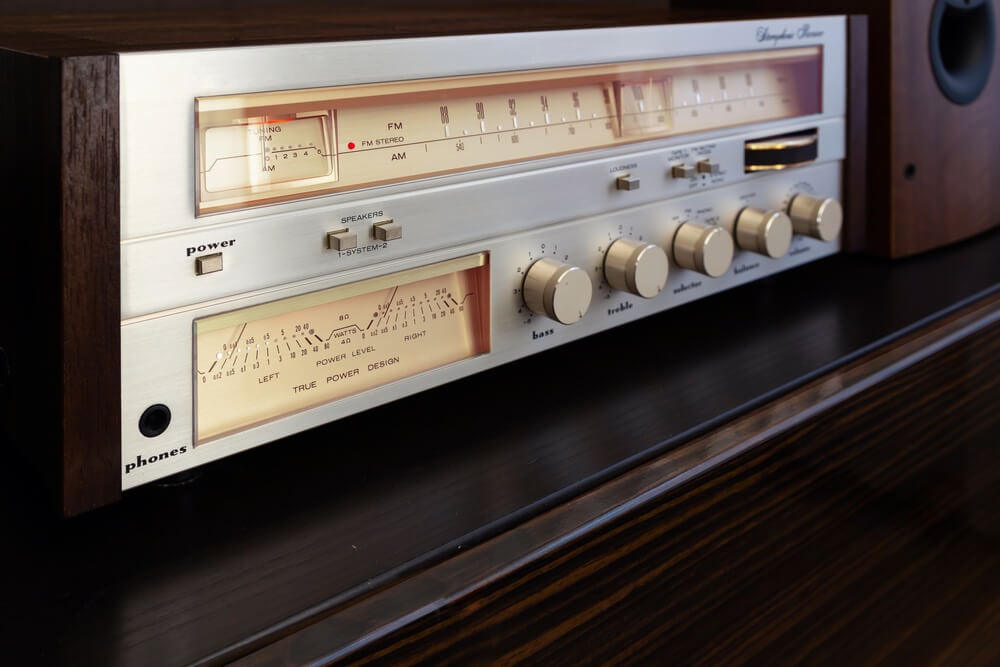
Sold from roughly 1976 to 1978, the Pioneer SX-1250 was rated at 160 watts per channel and was among the most powerful receivers of its day. It is also extremely heavy, so a unit that was dropped or shipped badly can have a bent chassis or cracked solder joints. Dim or dead dial lamps are common and cheap to fix, but crackling controls and a damaged faceplate affect desirability more than a working tuner does. A clean example with all knobs present sits well above a tired one that only powers on.
Sansui 9090DB Receiver
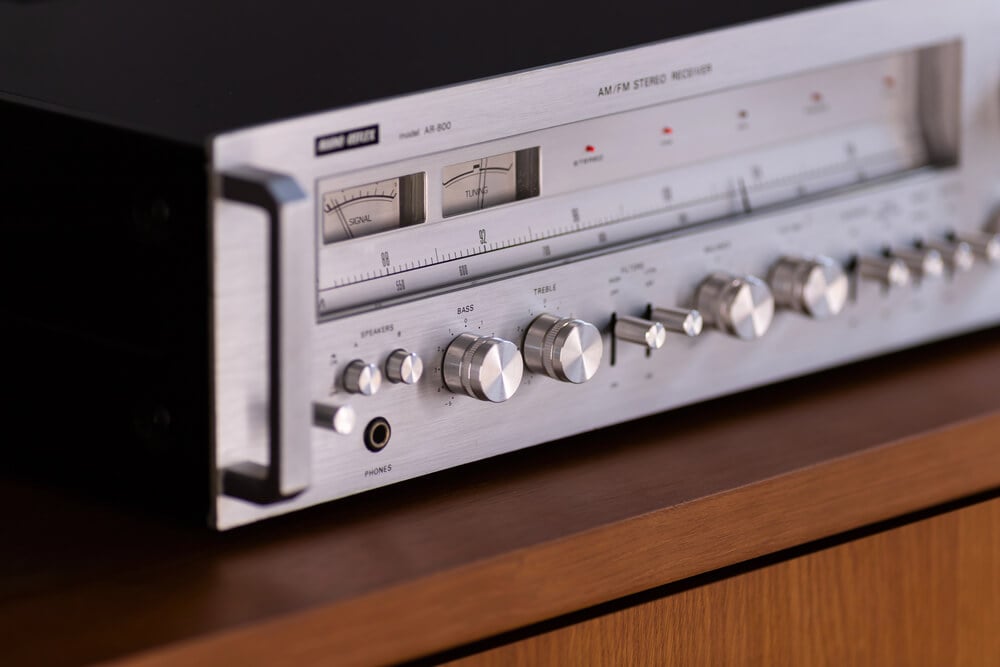
— Photo by vittore
Sansui built the 9090DB in the 1970s as one of its top receivers, rated at about 125 watts per channel, and the DB in the name points to a built-in Dolby FM decoder. The decoder circuitry and the long list of switches give it a lot of places for corrosion and dirt to hide. A unit with the original wood cabinet and an intact brushed-metal faceplate is worth noticeably more than one with a scratched panel or a replaced cabinet. Listen on both channels before assuming a silent side is a death sentence, because dirty switches are a frequent culprit.
Technics SL-1200 MK2 Turntable
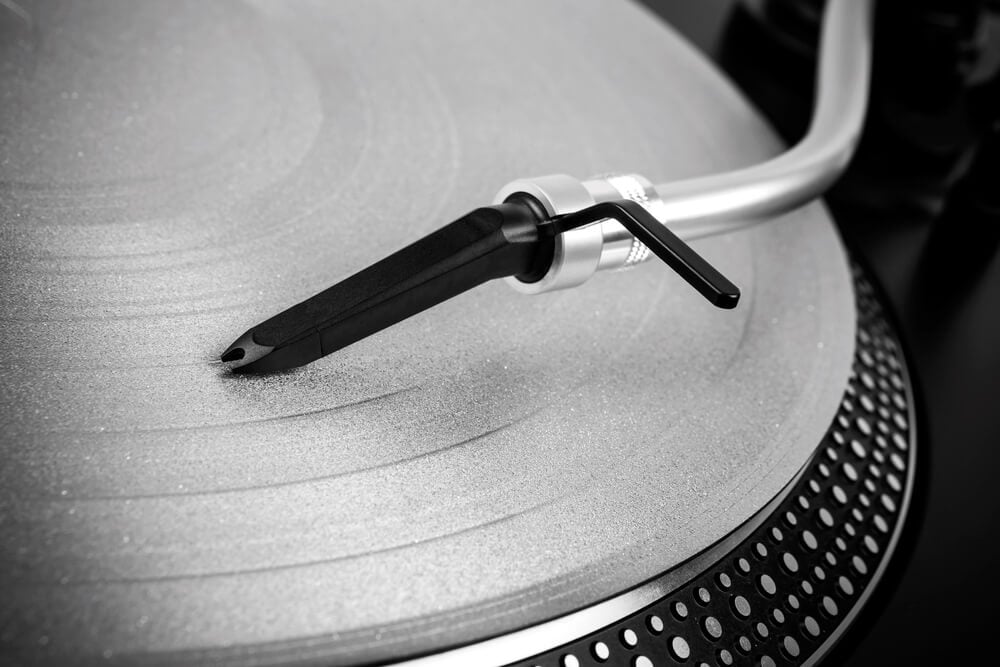
The Technics SL-1200 MK2 arrived in 1979 with a quartz-locked direct-drive motor, a design that later became the standard turntable in DJ booths. Years of club use can leave a deck with a wobbly pitch fader, a cracked dust cover, or missing feet. A home-use example with its hinges, cover, and platter mat intact is more desirable than a scarred one, and a unit that holds speed steadily is far preferable to one that drifts. Spin it at both speeds and watch the strobe dots before judging it.
McIntosh MC275 Tube Amplifier
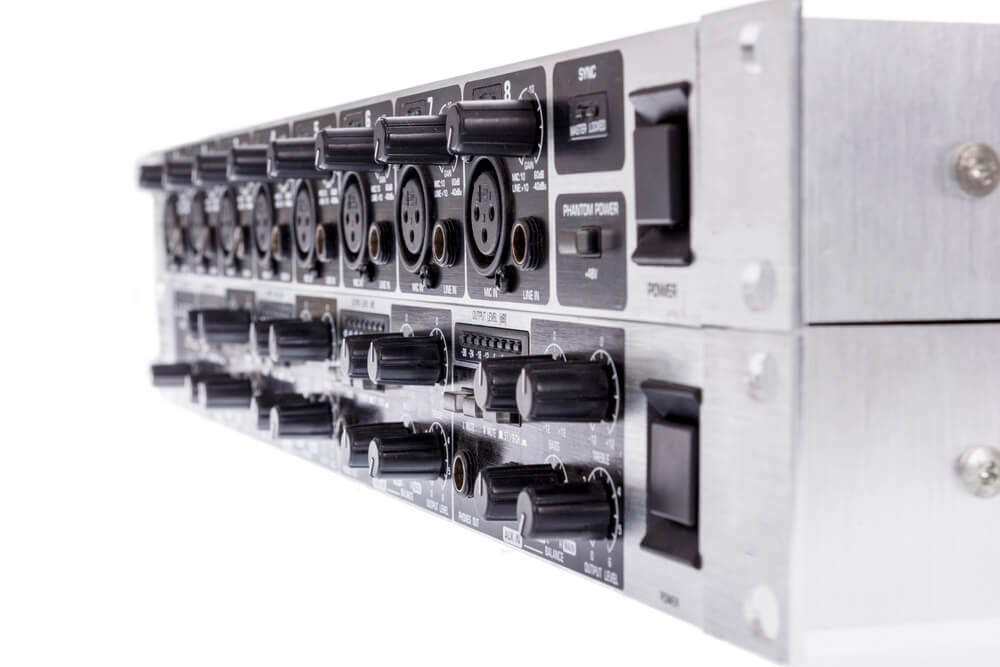
The McIntosh MC275 debuted in 1961 as a stereo tube amplifier rated at 75 watts per channel, and a modern version of it is still sold today. Original examples live or die by their output transformers and tubes, and a hum or buzz can mean anything from worn tubes to tired capacitors. Collectors place a premium on clean chrome, an unpitted chassis, and original transformer covers. Never power one up quickly, since a long-dormant tube amp deserves a careful, cautious first test.
Harman Kardon 930 Twin Powered Receiver
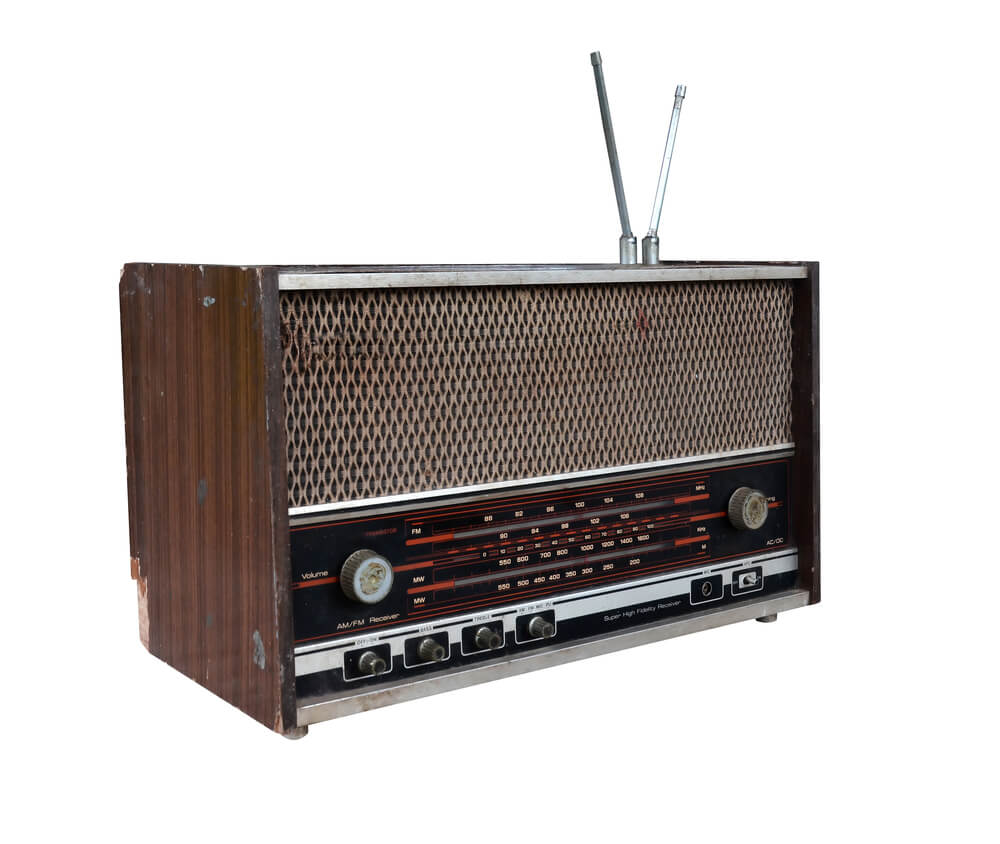
The Harman Kardon 930 appeared around 1972 and used the Twin Powered layout, which gives each channel its own power supply and was rated at roughly 45 watts per channel. Separate supplies mean more parts to age, and the filter capacitors are often the first thing to fail. The wood cabinet and the lit dial glass are the cosmetic points buyers inspect first, since replacement faceplates are hard to find. A model that plays cleanly through both channels has a clear edge over one with a dead side.
Fisher 500-C Tube Receiver
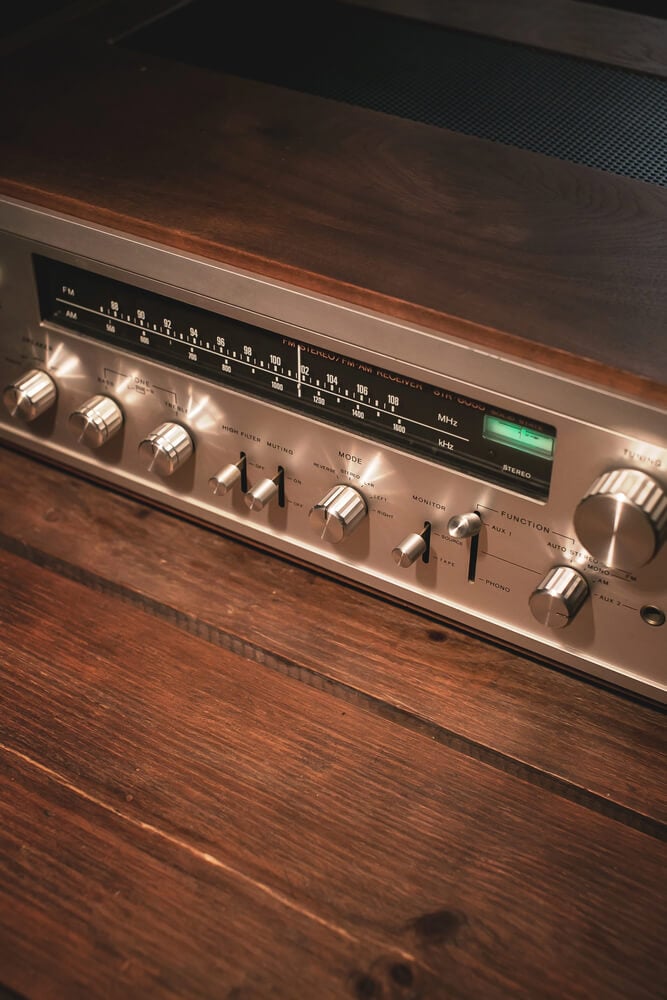
The Fisher 500-C is a stereo tube receiver from the early 1960s, and Stereophile has run a historical feature on the line. Its tuner and amplifier live on one chassis, so a weak or thin sound can point to worn tubes, aging capacitors, or both. Untouched examples with original knobs and a clean front panel are favored over ones that have been heavily modified. A complete unit with its original tubes labeled and a sound cabinet will always interest more buyers than a stripped chassis.
Nakamichi Dragon Cassette Deck
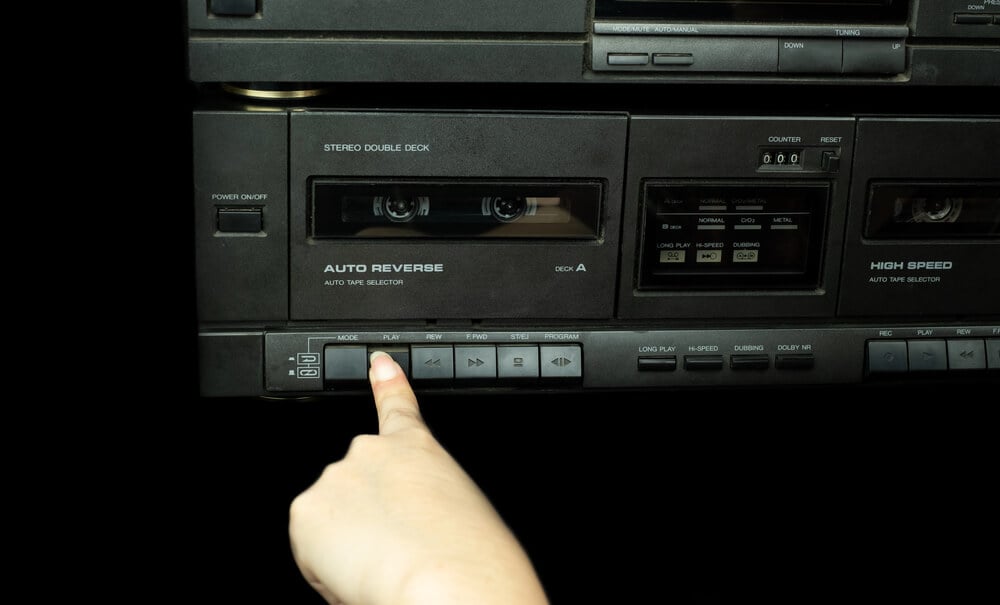
The Nakamichi Dragon came out in 1982 as an auto-reverse cassette deck with NAAC, a system that adjusts head azimuth automatically during playback. The deck depends on belts and pinch rollers that harden or stretch with age, and a Dragon that cannot hold steady speed is not working as designed.
Worn heads and a failing reverse mechanism both cut into value sharply, even though the cosmetics may look perfect. Test playback, rewind, and the reverse function with a tape before assuming it is a lost cause.
Thorens TD-124 Turntable
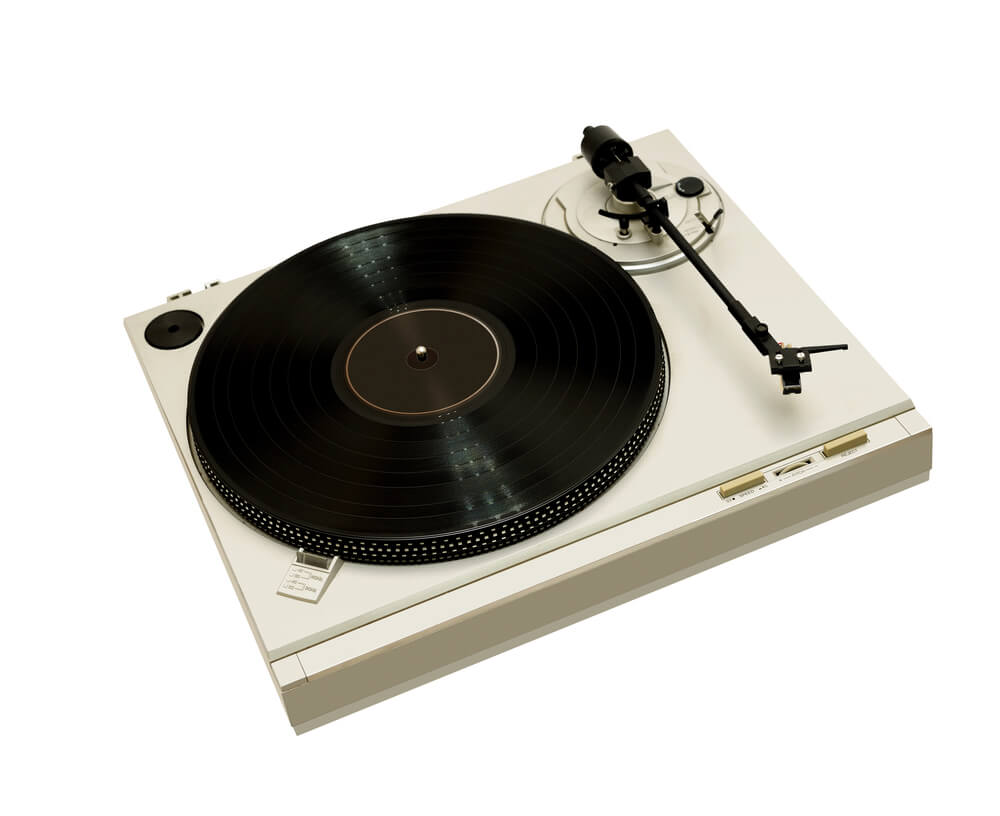
The Thorens TD-124 is an idler-drive turntable introduced in 1957, and it later appeared in a Mark II version. The rubber idler wheel can harden or flatten after years of storage, causing rumble or speed errors. Collectors favor examples with the original arm board, platter, and bearing intact over those that have been drilled or mismatched.
The motor spinning smoothly and quietly without a thumping sound is the first sign it can be saved.
Dual 1229 Automatic Turntable
— Photo by Taigi
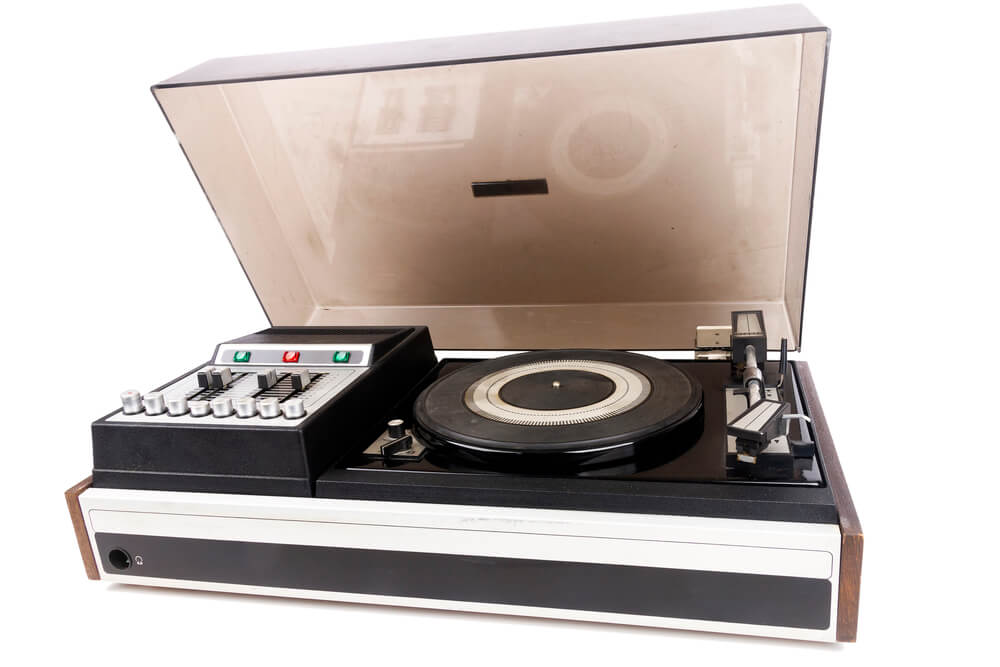
The Dual 1229 is a fully automatic, idler-drive turntable, and the Q version added extra refinements. Its changer mechanism includes many small levers and springs, and the cueing damping tends to dry out or stiffen with age.
A deck that still cycles smoothly through its automatic sequence is worth far more than one that sticks or skips. Check the idler wheel for flat spots and the spindle for wear before deciding if it is worth keeping.
Yamaha CR-2020 Receiver
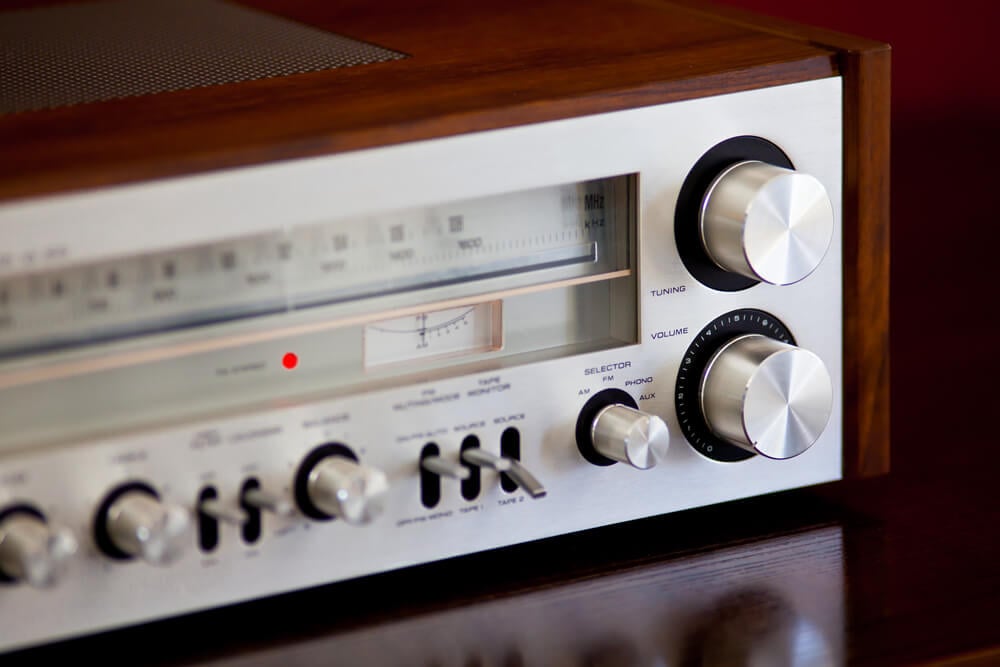
The Yamaha CR-2020 was introduced in 1977 as a flagship of the company’s Natural Sound receiver line. A very common failure is silence from the speakers, often caused by a stuck protection relay or a tired output stage, so a listing that says no audio is a repair case rather than a lost cause.
Clean examples with a bright dial and an undamaged wood-grain case command more interest than ones that need work. Test each input and both channels before moving on.
Kenwood KR-9050 Receiver
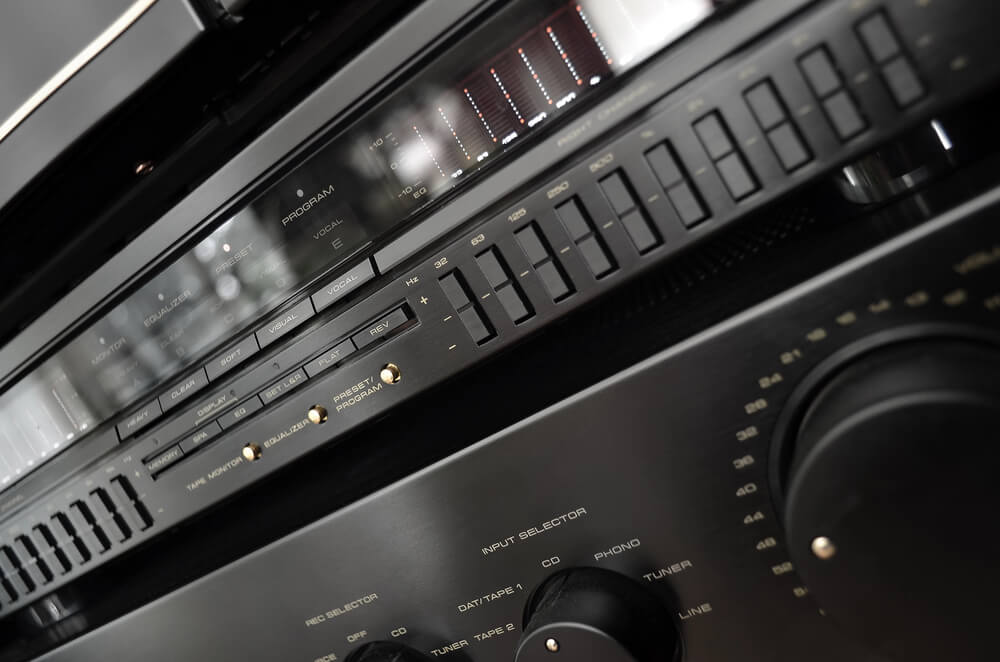
The Kenwood KR-9050 was marketed as a High Speed DC stereo receiver, with a DC-coupled amplifier section that set it apart in the late 1970s. That design can drift if parts have aged, so a DC offset at the speaker terminals is worth checking on a meter before connecting good speakers.
The silver faceplate and wooden case are easy to damage, and a scratched panel reduces appeal. A working unit with both power meters moving evenly is a strong candidate to keep.
Dynaco Stereo 70 Tube Amplifier
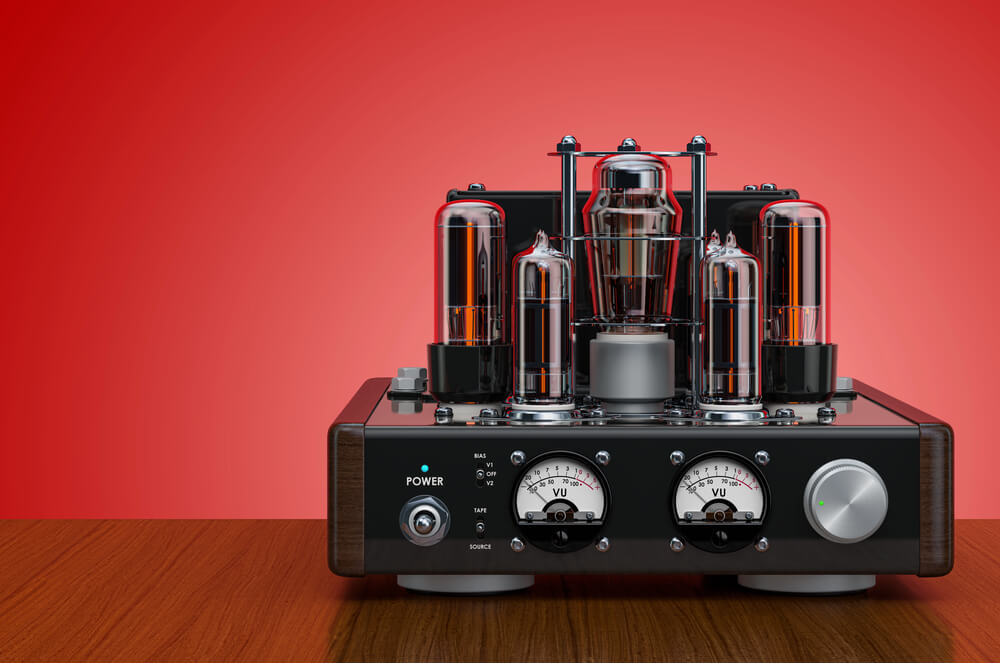
The Dynaco Stereo 70 was first offered in 1959 as a kit, and it delivers 35 watts per channel, which is where the 70 in the name comes from. Because many were built at home, the quality of the soldering varies from careful to questionable, and a factory-wired unit is often seen as the safer find.
Original coupling capacitors and output tubes are common failure points, and a replaced transformer cover or a modified chassis affects collector interest. Never judge one by looks alone, since a tidy kit build can still hide a bad part.
Garrard 301 Transcription Turntable
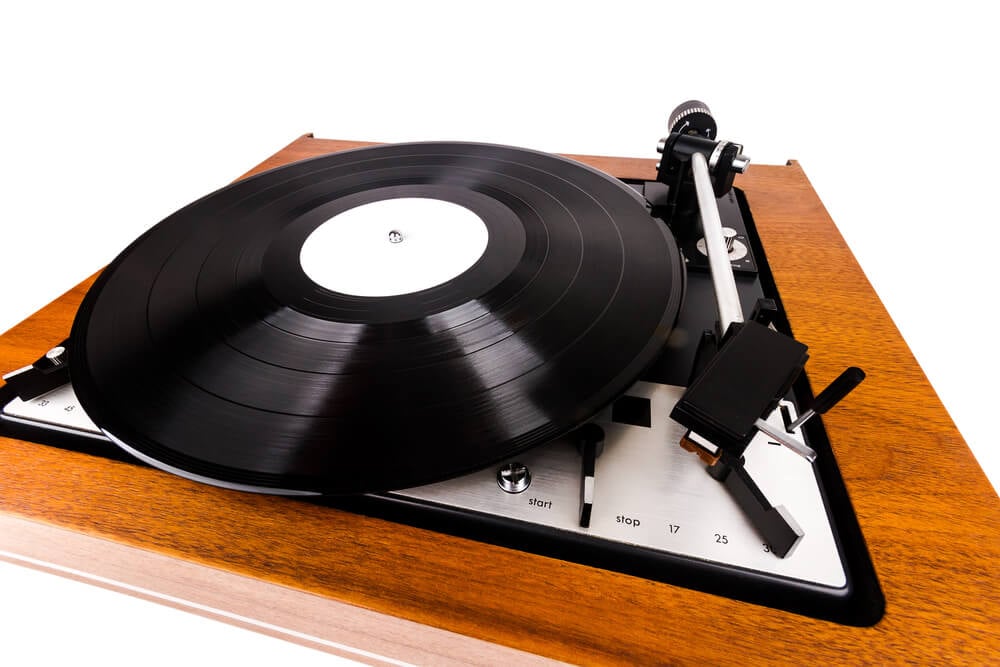
The Garrard 301 is an idler-drive transcription turntable from the early 1950s, and some early examples used an oil-filled bearing that collectors specifically look for. The heavy platter and the motor can last for generations, but the idler wheel and bearing are common trouble spots.
A 301 that has its original hammertone finish and the correct parts is worth more than one that has been swapped together from several machines. Listen for rumble and watch for speed drift before deciding on its fate.
Revox A77 Reel-to-Reel Recorder
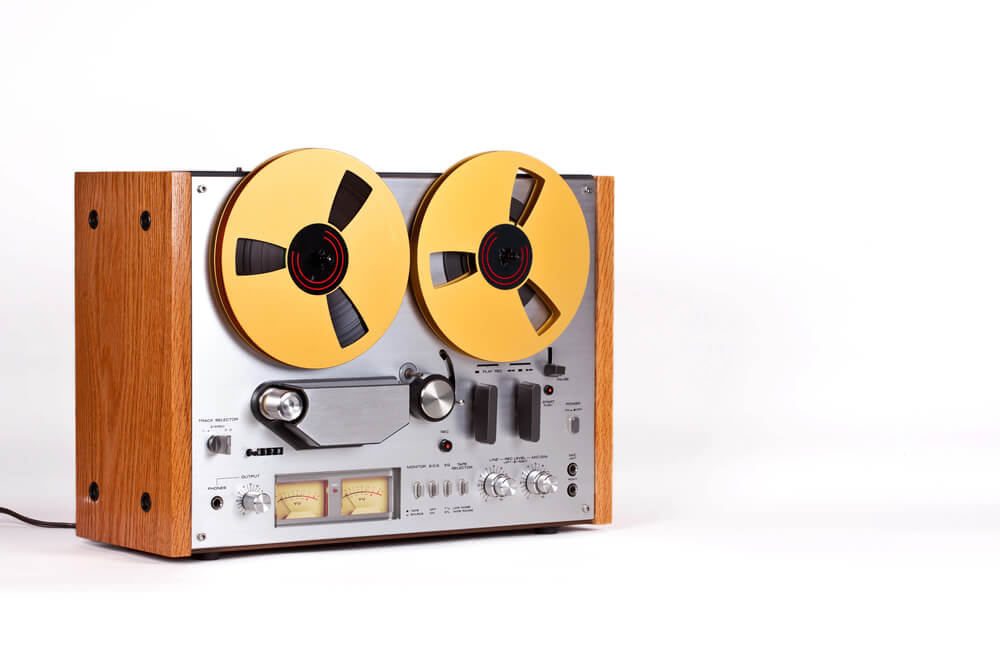
The Revox A77 was released in 1967 by the Swiss company Studer and became a staple in homes and small studios. Rubber pinch rollers and brake bands soften and crack over time, and worn heads can make a perfect-looking machine sound dull.
A unit with its original lid, reel hubs, and a clean control panel is more attractive than a stripped one. Run a tape through both directions and listen for wow before calling it good.
Advent Loudspeaker
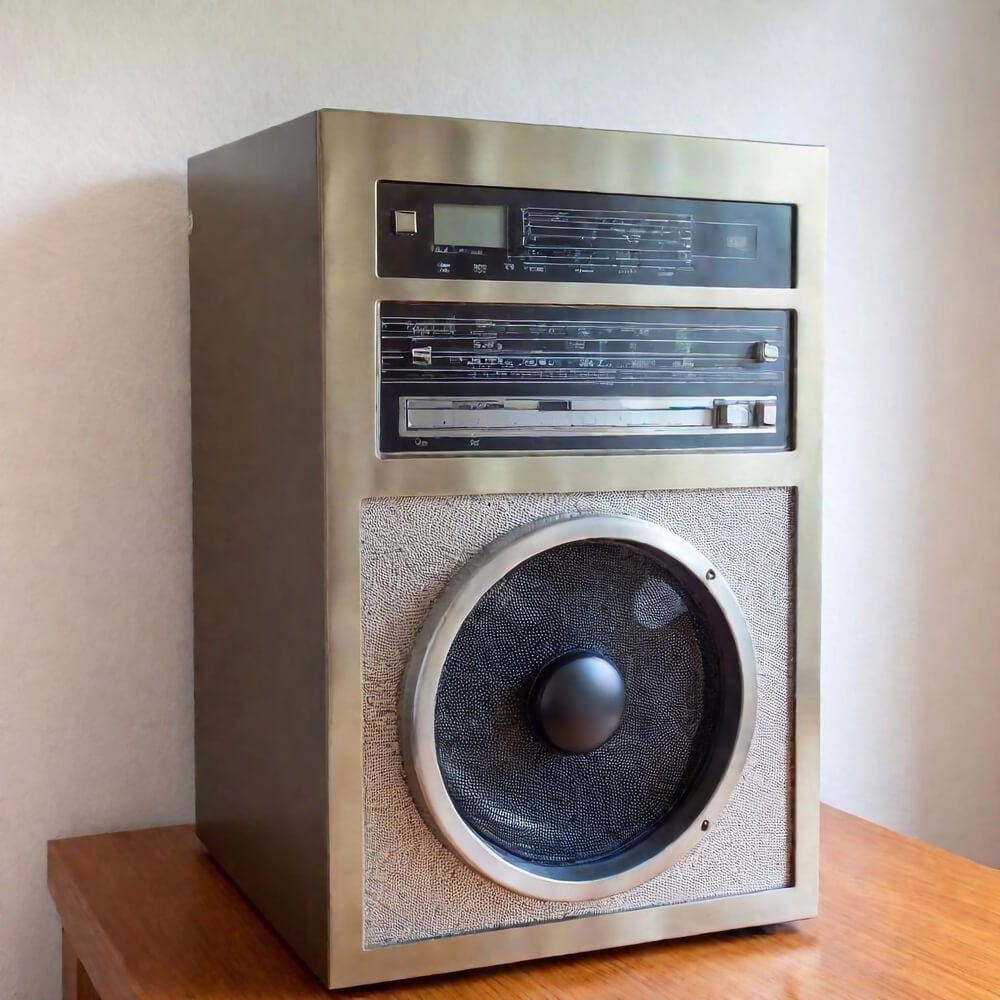
The Advent Loudspeaker was designed by Henry Kloss and launched in 1969 as an affordable, large-sounding speaker in a walnut cabinet. The foam surrounds on its woofers are known to rot and crumble, so a pair with visible cracks needs refoaming before it plays well.
Pairs with clean cabinets and intact grilles are more desirable than those with stains or water damage. The woofers should move freely and evenly when gently pressed, which is the first test worth making.
JBL L100 Century Loudspeaker
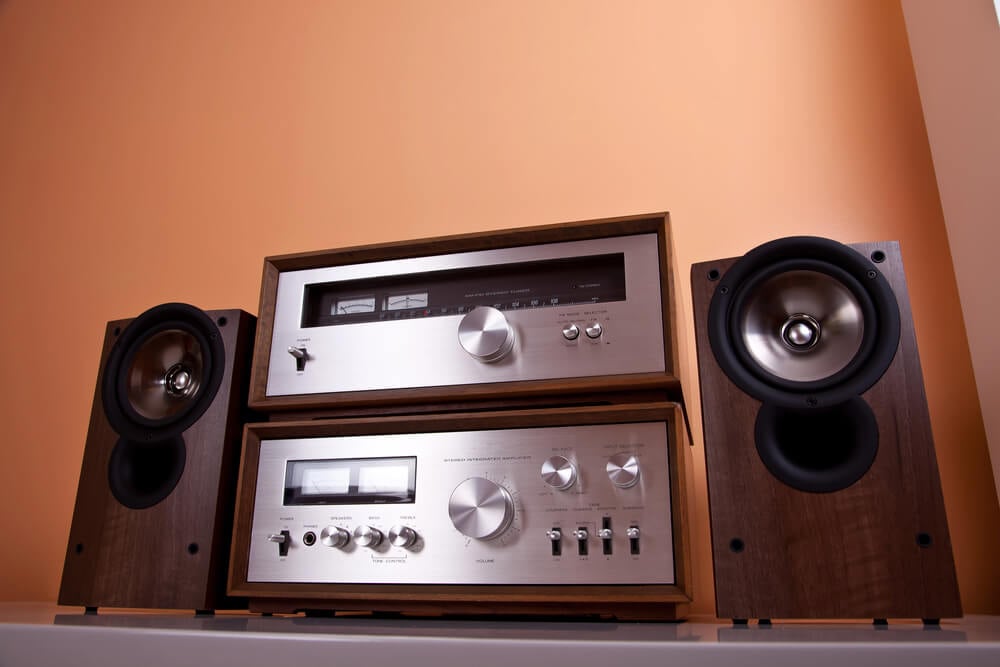
The JBL L100 Century debuted around 1970 as a home version of a studio monitor, and it is remembered for its bright foam grilles in colors like orange and blue. Those foam grilles tend to deteriorate with age, and a pair with original, intact grilles is notably more appealing than one with replacements.
The woofer surrounds and crossover parts should also be checked, since any one of them can silence or muddy a driver. A matched pair with clean cabinet veneer is worth much more attention than a single speaker.
Yamaha NS-1000M Monitor Speakers
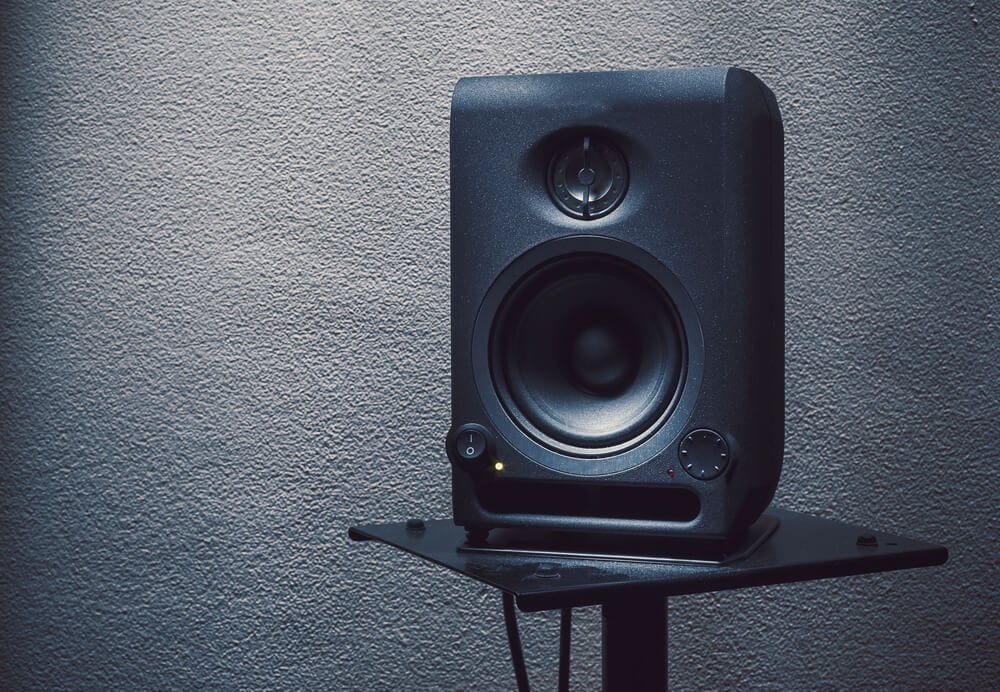
The Yamaha NS-1000M arrived in 1974 with beryllium diaphragms in its midrange and tweeter, a rare choice at the time. Beryllium domes are delicate, and a dent from a poking finger can ruin a driver permanently, so handle the grilles carefully.
Matched pairs with clean grille cloth and unmarked drivers are far more desirable than odd singles. Test each driver by gentle listening before assuming one is blown.
Marantz Model 10B FM Tuner
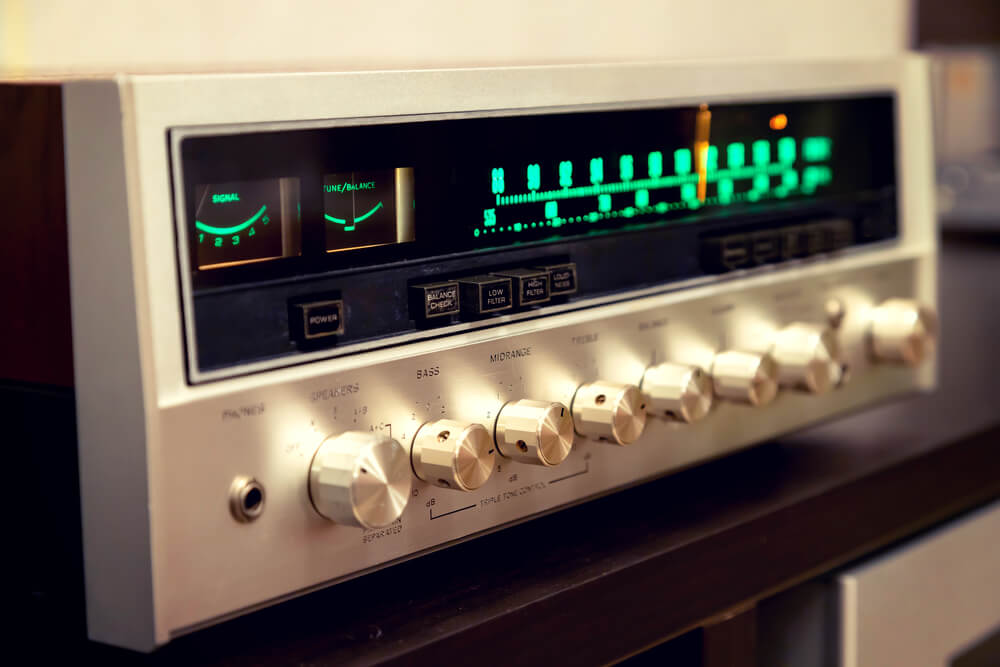
The Marantz Model 10B is a tube FM tuner from the mid-1960s famous for a built-in oscilloscope used to tune stations precisely. The scope tube and signal-path tubes both age, and a dim or dead scope can lower the value of an otherwise working tuner.
Original knobs, an unmarked front panel, and the matching cabinet are the points collectors watch closely. Play it into a known good amp and see whether the scope lights before you give up on it.
Pioneer RT-909 Reel-to-Reel Recorder
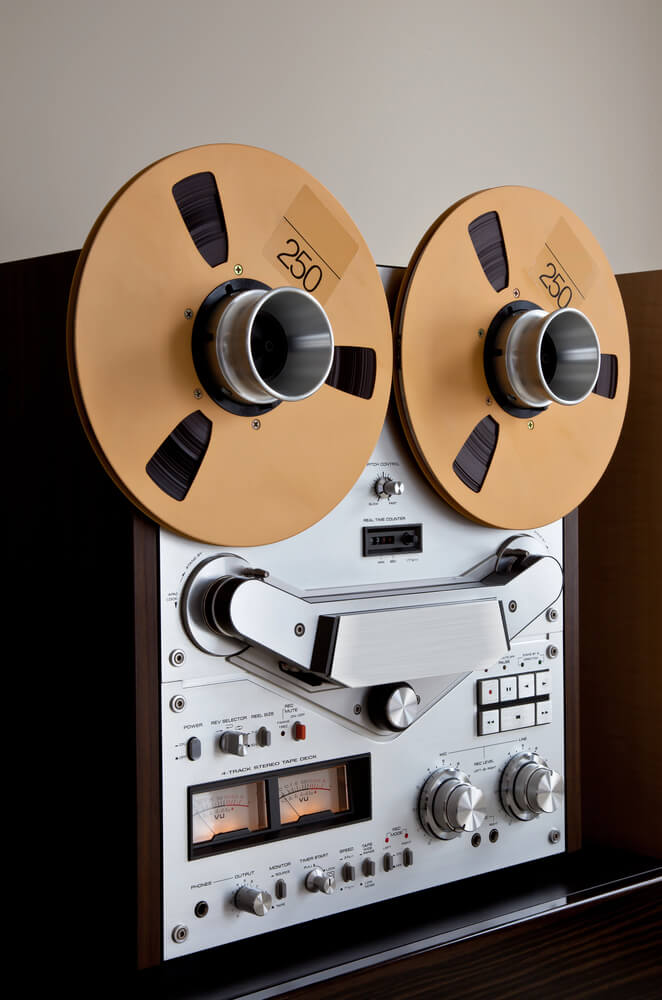
The Pioneer RT-909 is an auto-reverse reel-to-reel deck sold from around 1979 and popular with enthusiasts for its smooth transport. Auto-reverse sensing and the belts that drive the reels are common weak spots, and a unit that cannot reverse is worth less than one that cycles correctly.
Original side panels and a clean control face help the value of a working deck. Check that it threads, plays, and rewinds before deciding it needs a trip to the repair bench.
Phase Linear 400 Power Amplifier
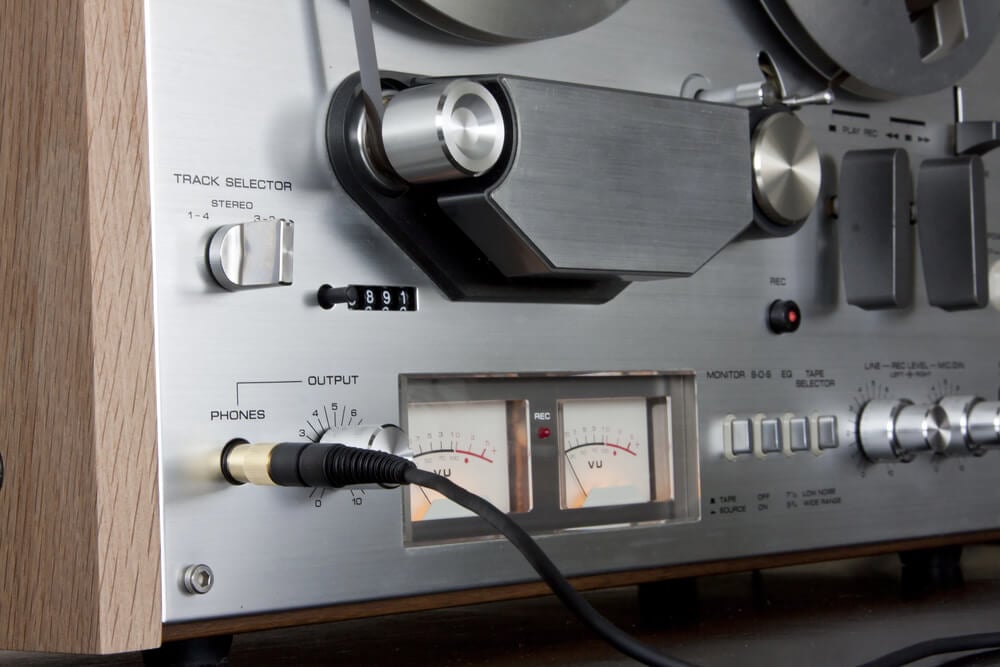
The Phase Linear 400 was designed by Bob Carver in the early 1970s and was rated at 200 watts per channel, a huge figure at the time. High-power transistor amps like this one can suffer from failed output devices or drifting bias, so a unit that powers up but hums or distorts needs a closer look.
The wood-sided cabinet and an unmarked front panel add to its appeal. A tested, balanced unit is far more attractive than one that blows fuses when first powered.
Klipsch Heresy Loudspeaker
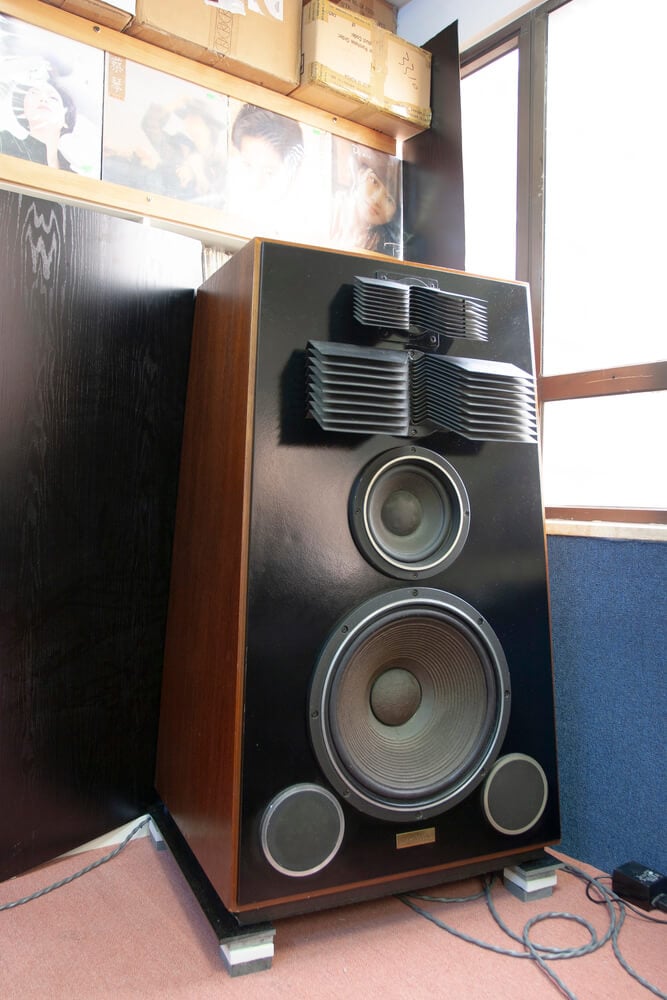
— Photo by seaonweb
The Klipsch Heresy debuted in 1957, designed by Paul Klipsch as a compact horn-loaded speaker intended to work alongside his larger Klipschorn. Its wood veneer, grille cloth, and crossover capacitors are the usual weak points, and a cabinet with water damage or peeled veneer loses a lot of appeal.
Original drivers and a matching pair of the same era are valued over mixed or replaced parts. Check the tweeter diaphragm and the woofer cone for cracks before dismissing the pair.
Acoustic Research AR-3a Loudspeaker
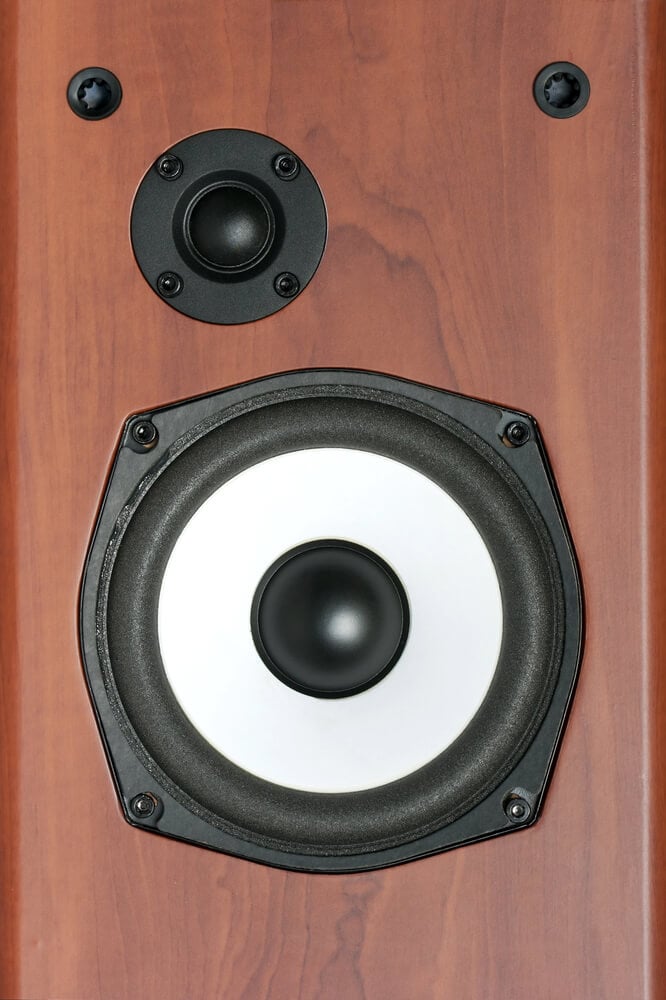
The Acoustic Research AR-3a dates to 1967 and built on the acoustic suspension design pioneered by Edgar Villchur. The woofer surrounds on these speakers are a well-known aging point, and pairs with split or crumbling surrounds usually need refoaming.
Original cabinets with intact grille cloth and matching serial ranges are more desirable than assembled mismatches. Press gently around the cone and listen for scraping before deciding the drivers are fine.
Teac A-3340S Reel-to-Reel Recorder
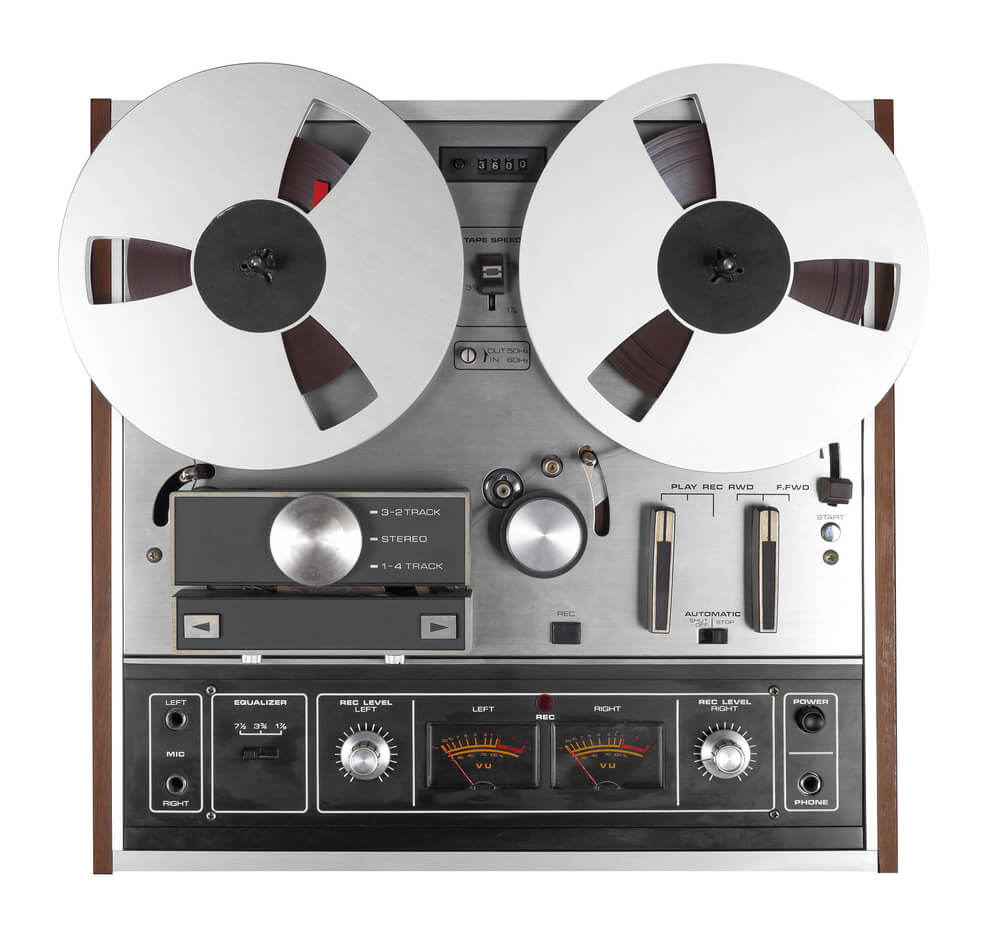
The Teac A-3340S is a four-track Simul-Sync reel-to-reel recorder from the mid-1970s, which allowed musicians to record layers on separate tracks in sync. Pinch rollers, belts, and worn heads are the standard problems, and a deck that powers on but will not transport tape is worth considerably less.
Original wooden side panels and the accessory hubs add appeal. Test all four tracks if possible, because a single dead channel changes the story.
Akai GX-635D Reel-to-Reel Recorder
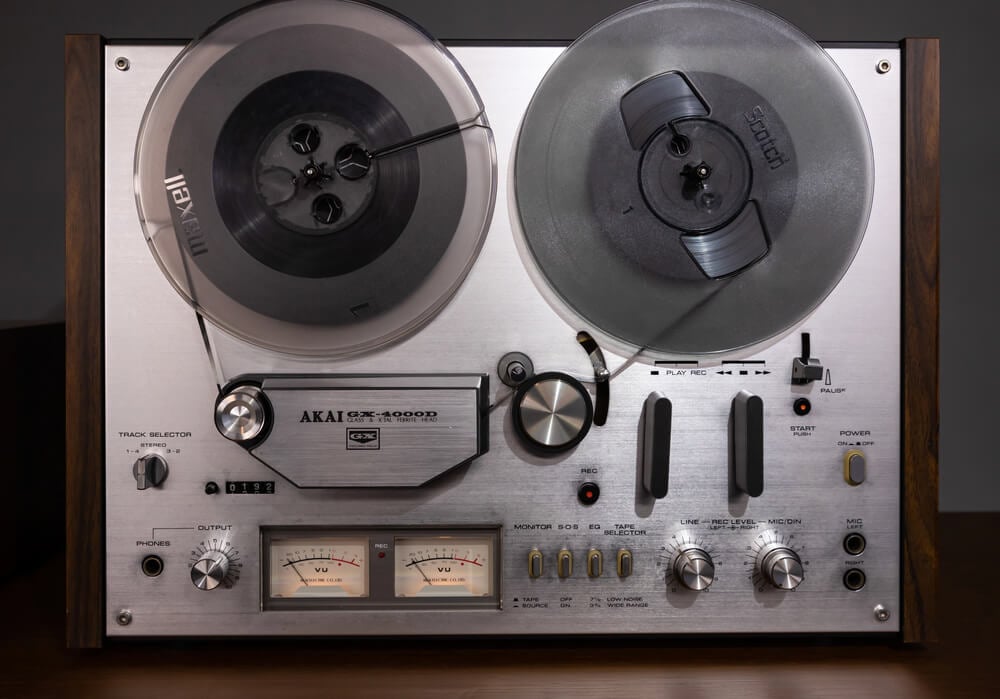
The Akai GX-635D is an auto-reverse, four-track deck from around 1978 that used glass and crystal ferrite heads known as GX heads. Those heads are durable but expensive to replace, so a deck with deep wear grooves is worth less than one with smooth head faces.
The reel motors and belts are other likely weak points that need testing. An example with its original wooden case and clean panel finish is more appealing than a stripped chassis.
McIntosh MR 78 FM Tuner
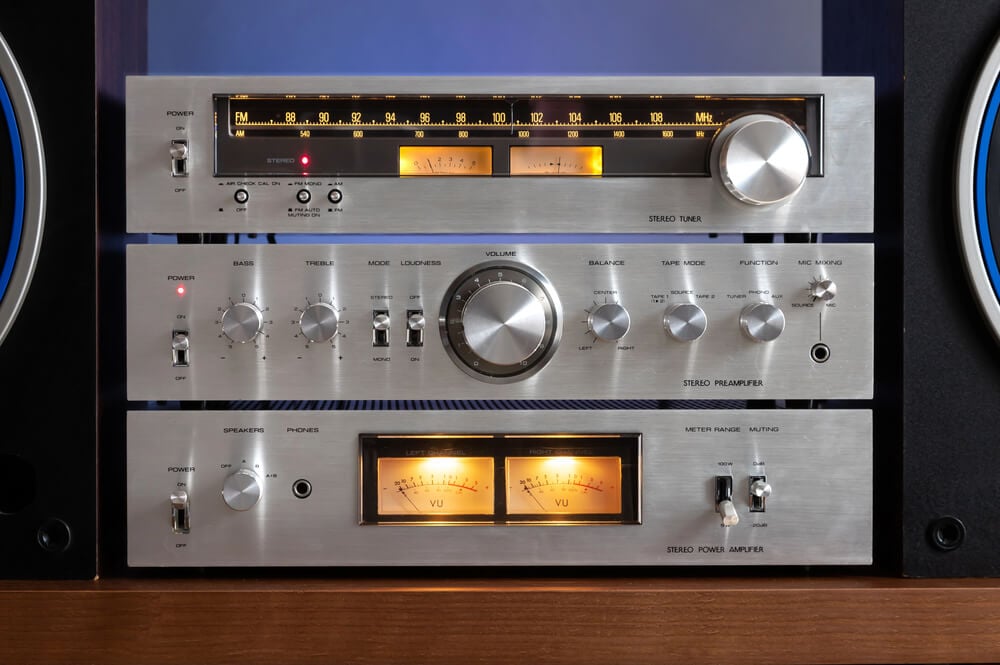
The McIntosh MR 78 is a late-1960s tube FM tuner that collectors often rate among the best tuners the company produced. Dial glass, tubes, and alignment all contribute to how it sounds, and a unit with a clear dial and sensitive reception is far preferable to one with a dull or cracked panel.
The optional cabinet, when present, adds to a complete package. Tune across the band and watch the meter before deciding if it is worth keeping.
Bose 901 Speaker System
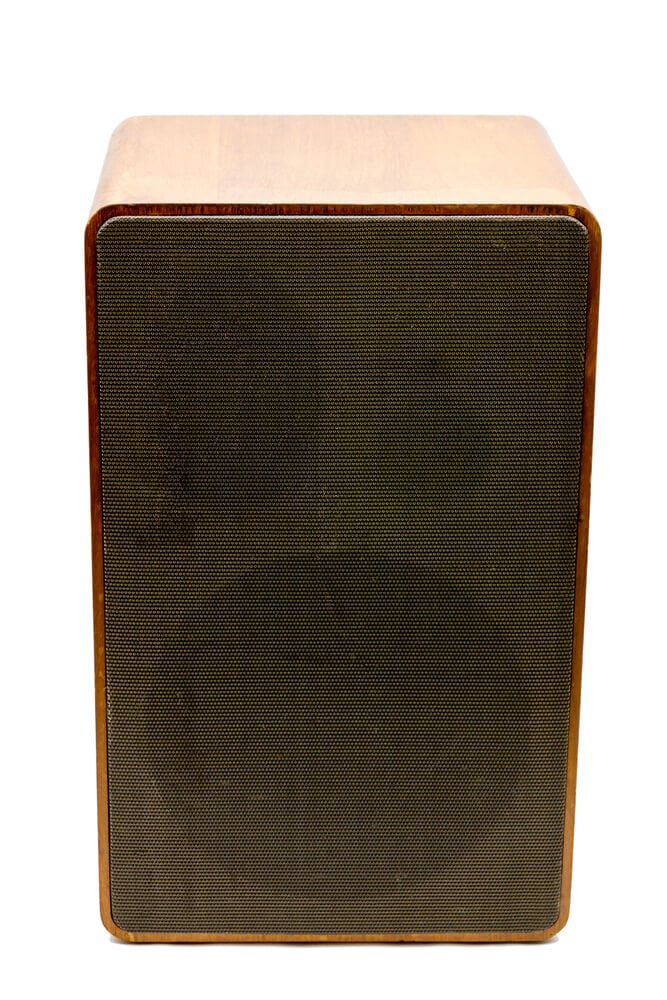
The Bose 901 launched in 1968 with nine drivers per speaker and a separate active equalizer that the system needs in order to sound right. A pair without the equalizer is incomplete, and a replacement can be hard to find. Driver surrounds can deteriorate and cabinet wear or stand damage reduces appeal.
Check for the equalizer, the stands, and the original parts before deciding the set is worth the effort.
Marantz 2325 Receiver
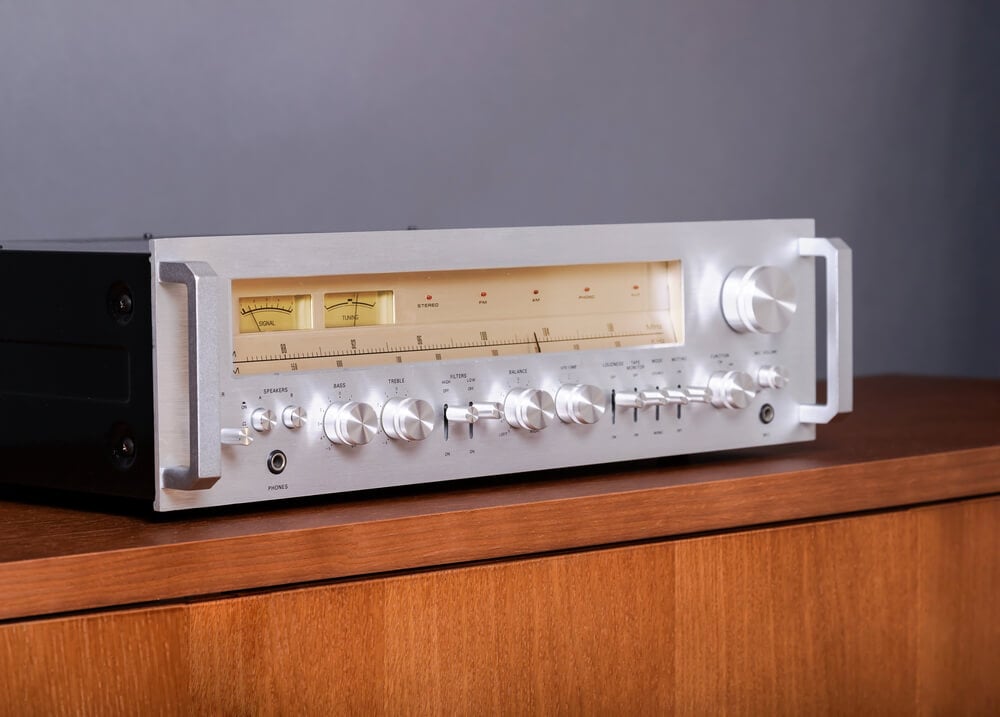
The Marantz 2325 was sold from 1974 to 1977 and is rated at 125 watts per channel, which made it one of the more powerful receivers in the lineup. Many units were fitted with a clear protective film over the faceplate, and a panel without scratches is a plus for collectors.
Aged filter capacitors and weak dial lamps are common, and a recapped unit is often valued above one that is just powered. A sound wood case and original knobs complete the picture.
Sansui AU-717 Integrated Amplifier
— Photo by vittore
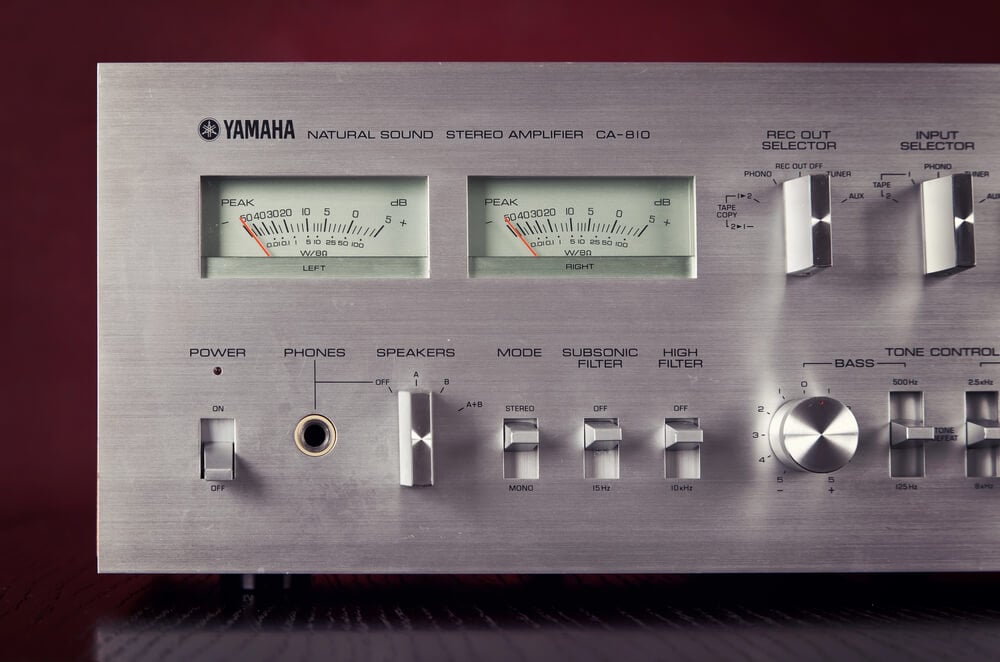
The Sansui AU-717 is a late-1970s integrated amplifier with a built-in phono stage, and it sat in a family with the AU-707 and AU-710. Scratchy volume pots, noisy switches, and sticky speaker relays are the typical complaints. A unit with a clear panel, intact knobs, and a case free of dents is more desirable than a battered one.
Work every control through its full range and listen on both channels before deciding.
Technics SL-1500 Direct Drive Turntable
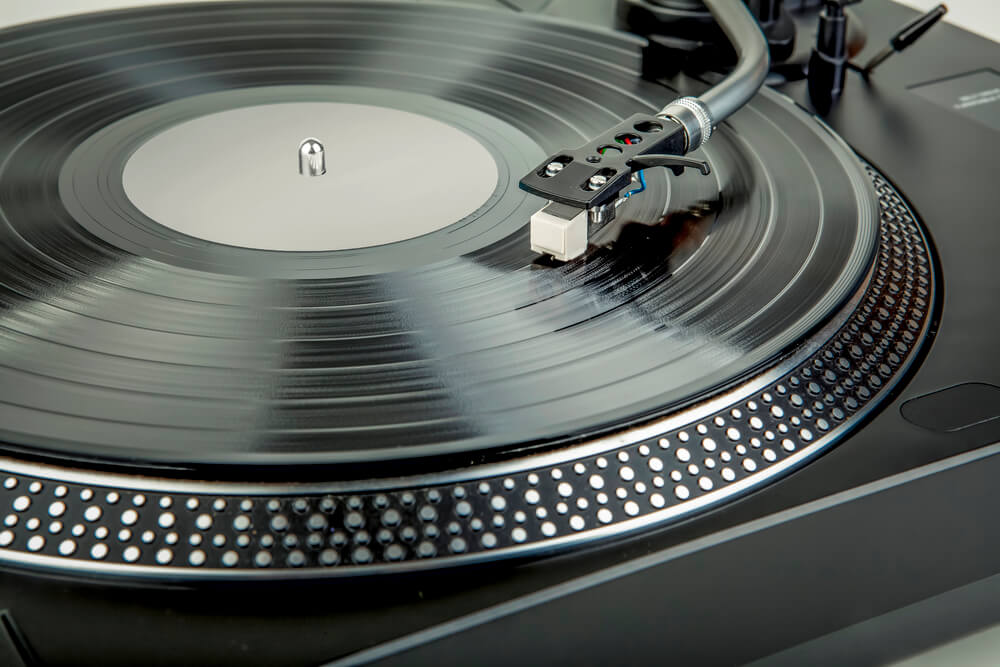
The Technics SL-1500 is a manual direct-drive turntable sold from about 1975 to 1977, a few years before the famous SL-1200 line settled its look. Strobe lamps, dust cover hinges, and pitch controls are the parts most likely to be missing or worn.
A deck that keeps speed without wobble and has its cover intact is a better find than one with a cracked lid. Check the tonearm bearings for smooth, free motion as well.
Pioneer PL-12D Belt-Drive Turntable
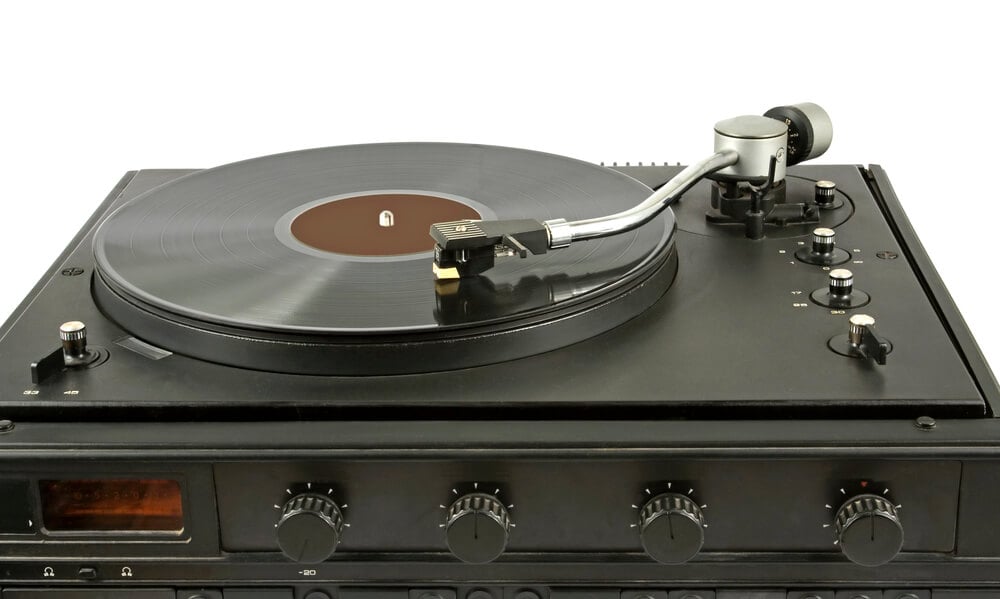
The Pioneer PL-12D is a belt-drive turntable from the 1970s, and a PL-12D belt-drive turntable is held in the Science Museum Group collection in the United Kingdom. The belt is the part that fails most often, and a new one is cheap, so a stretched belt should not decide the fate of the deck.
Original hinges, a clean dust cover, and an unwarped platter mat help value. Make sure the arm moves freely and the wiring is intact before calling it a keeper.
Sony STR-6800SD Receiver
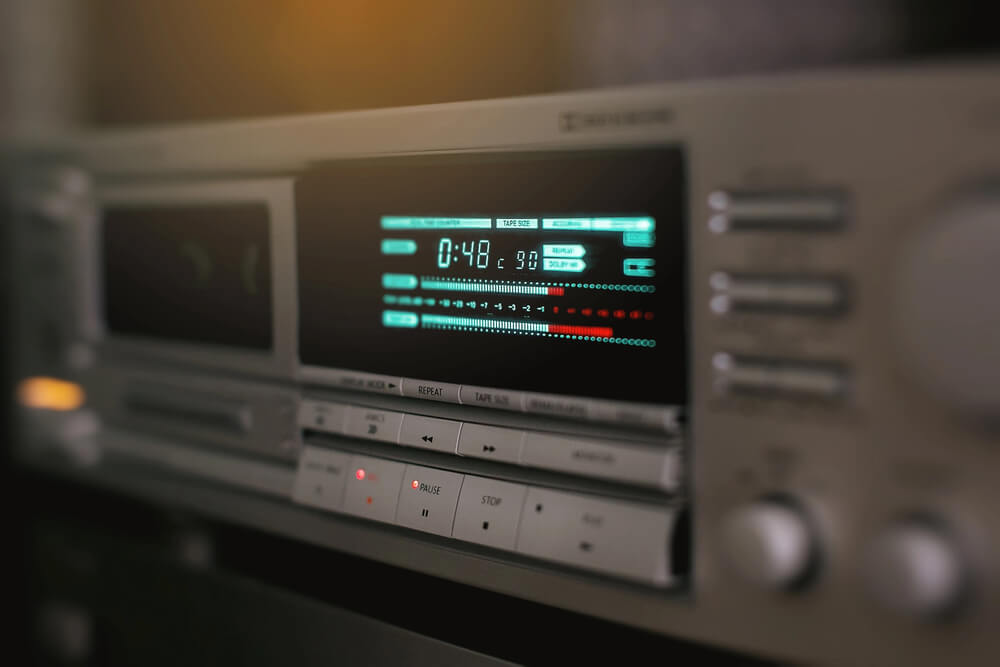
The Sony STR-6800SD is a mid-1970s receiver rated at 80 watts per channel, and it sits below the STR-7800SD, a model often described as the finest receiver Sony ever designed. Aging capacitors and tired dial lamps are typical, and units in a clean wood cabinet are more desirable than those with scuffed sides.
A working tuner with strong stereo reception is a good sign. Test the phono, tuner, and aux inputs one by one before deciding whether it deserves a second life.
A Switch Is Not a Verdict
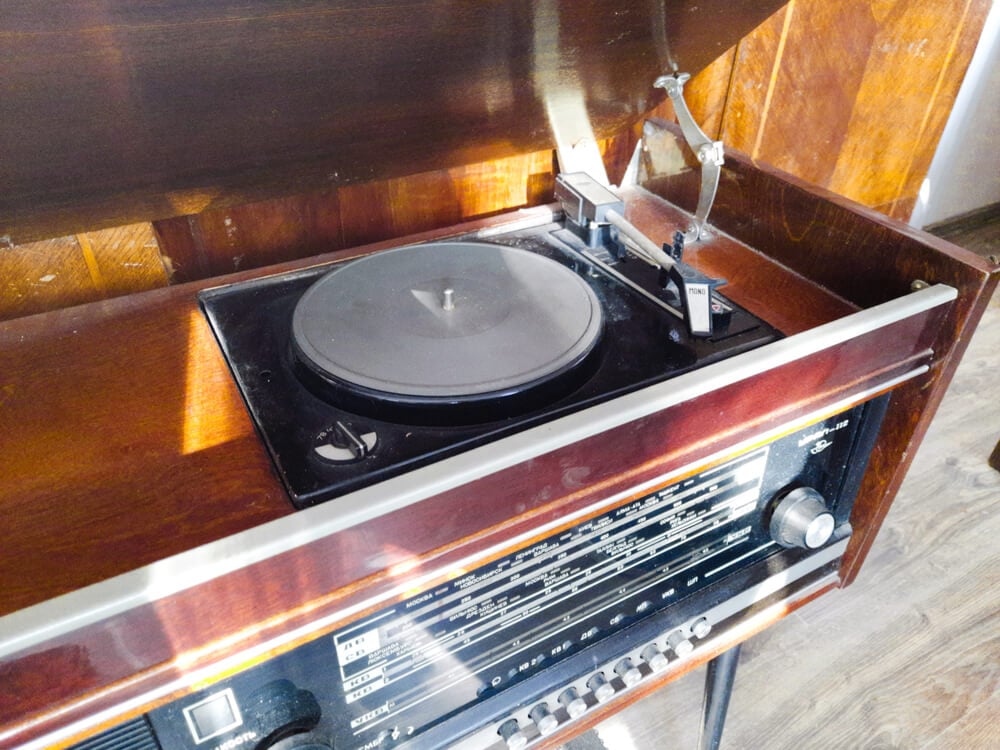
Most of the problems in these entries are small ones: a stretched belt, a dry capacitor, a dim lamp, a crackling control. None of them show up on a quick glance at a dusty cabinet, which is exactly why a quick look is a poor basis for a donation. The ten minutes spent plugging something in often decide whether a machine goes to a repair bench or a landfill.
Condition drives nearly every outcome here, from complete accessories to clean veneer to untouched controls. Working units with their cases, knobs, and parts intact are the ones that collectors and listeners chase, while missing pieces and heavy wear narrow the field. Testing first does not guarantee a treasure, but it keeps good equipment from leaving the house on a guess.
More from Go2Tutors!

- 27 Silver Dollars and Half Dollars Worth Keeping
- 28 Restaurant Menu Items Nobody Orders Anymore
- 17 Places Built in Seemingly Impossible Spots
- 27 Vintage Rings Worth More Than They Look
- 25 Restricted Sites Tourists Can’t Enter
Like Go2Tutors’s content? Follow us on MSN.