Photos Of New York City In The 1970s Before The Clean-Up
New York City in the 1970s was a different animal entirely. The sanitized, tourist-friendly metropolis that exists today was still decades away from being born.
These were the years when the city teetered on the edge of bankruptcy, when entire neighborhoods felt like they’d been abandoned by civilization itself, and when the grime wasn’t just surface-deep—it was woven into the fabric of daily life.
Looking back through photographs from this era feels like peering into an alternate universe where the same street corners, subway stations, and iconic landmarks existed in a state of beautiful decay.
The images capture a city that was rough around every edge but somehow more authentic because of it. Every photograph tells a story of survival, creativity born from necessity, and communities that thrived despite—or perhaps because of—the chaos surrounding them.
Times Square
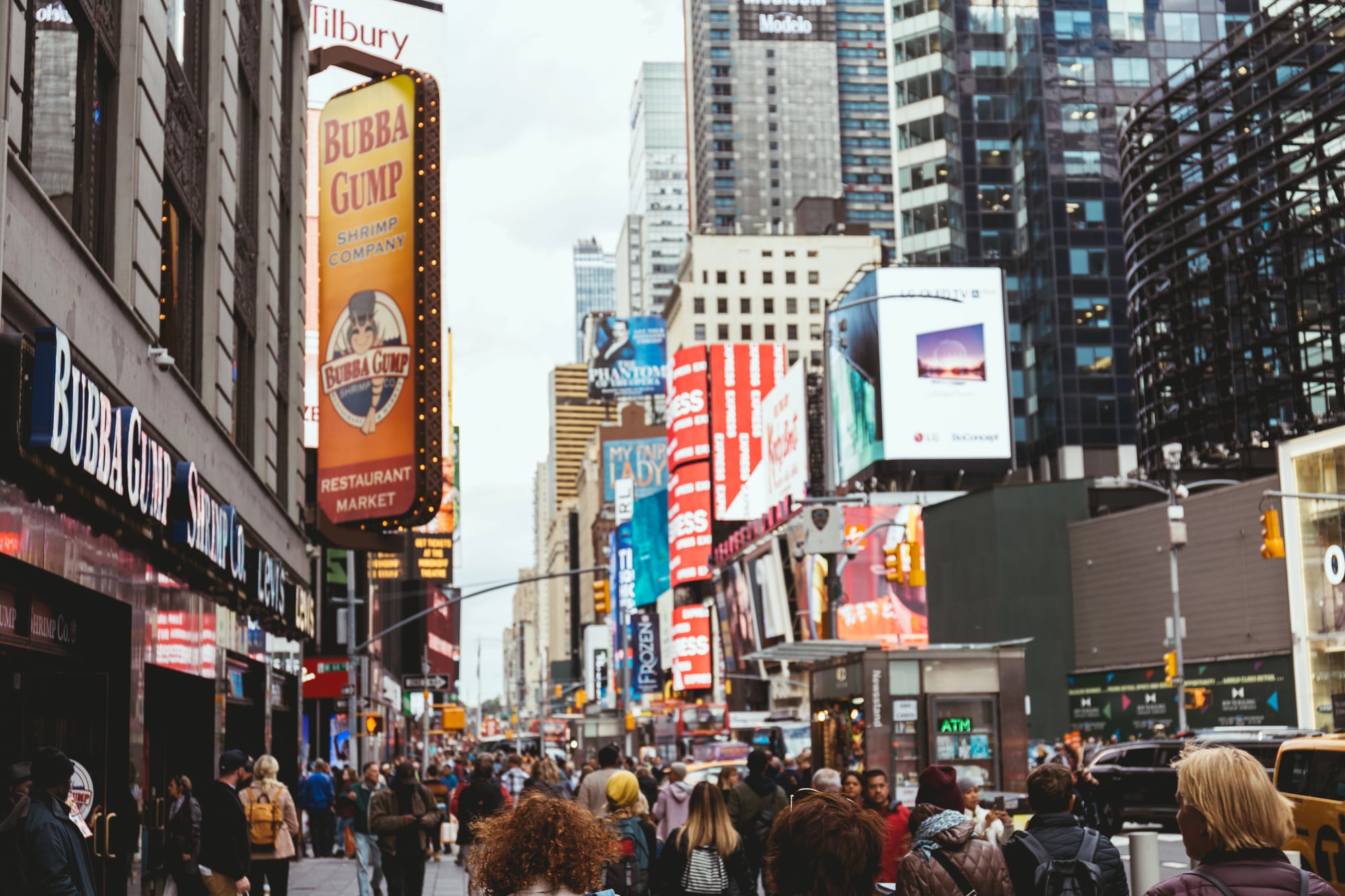
Times Square in the 1970s was a carnival of human desperation and neon dreams. Forget the family-friendly theme park it became—this was 42nd Street when it still had teeth.
Adult theaters lined the sidewalks like broken promises, their marquees advertising films that wouldn’t make it past a modern content filter.
The crowds moved differently then. People didn’t stop to take selfies or pose with cartoon characters.
They kept their heads down and their wallets close, navigating through a maze of hustlers, tourists who’d clearly taken a wrong turn somewhere, and locals who knew exactly which blocks to avoid after dark.
The Subway System
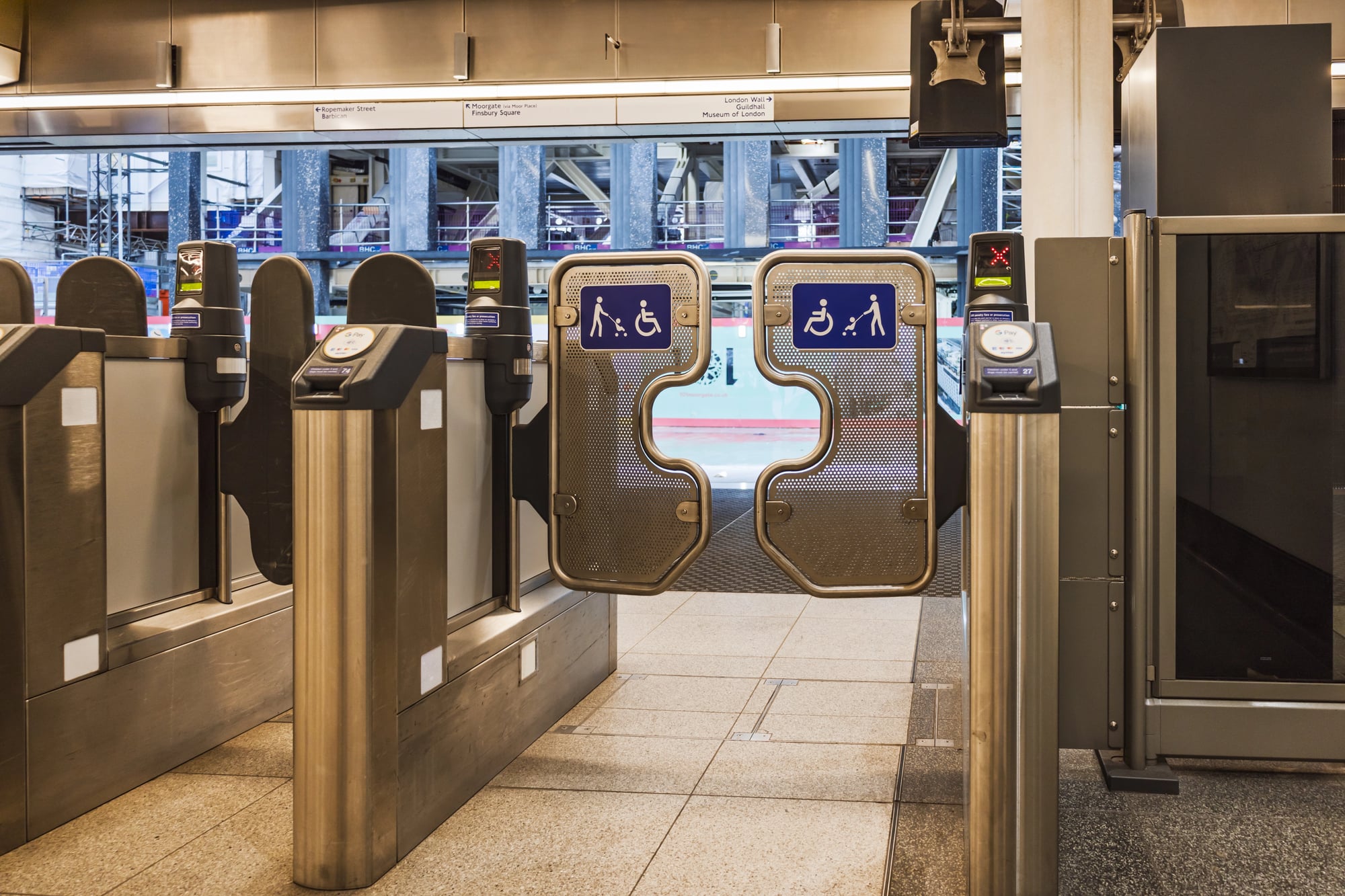
The subway cars looked like they’d been through a war (which, metaphorically speaking, they had). Graffiti covered every available surface—not the commissioned murals you see today, but raw tags and elaborate pieces that turned each train car into a mobile art gallery whether the Metropolitan Transportation Authority wanted it or not.
And yet, here’s what the sanitized histories miss: those subway rides felt more human somehow—people actually talked to each other, looked up from whatever they were reading, acknowledged that they were all in this underground adventure together.
The seats were torn and the floors were questionable, but there was an energy humming through those tunnels that had nothing to do with the third rail.
Street Life In The South Bronx
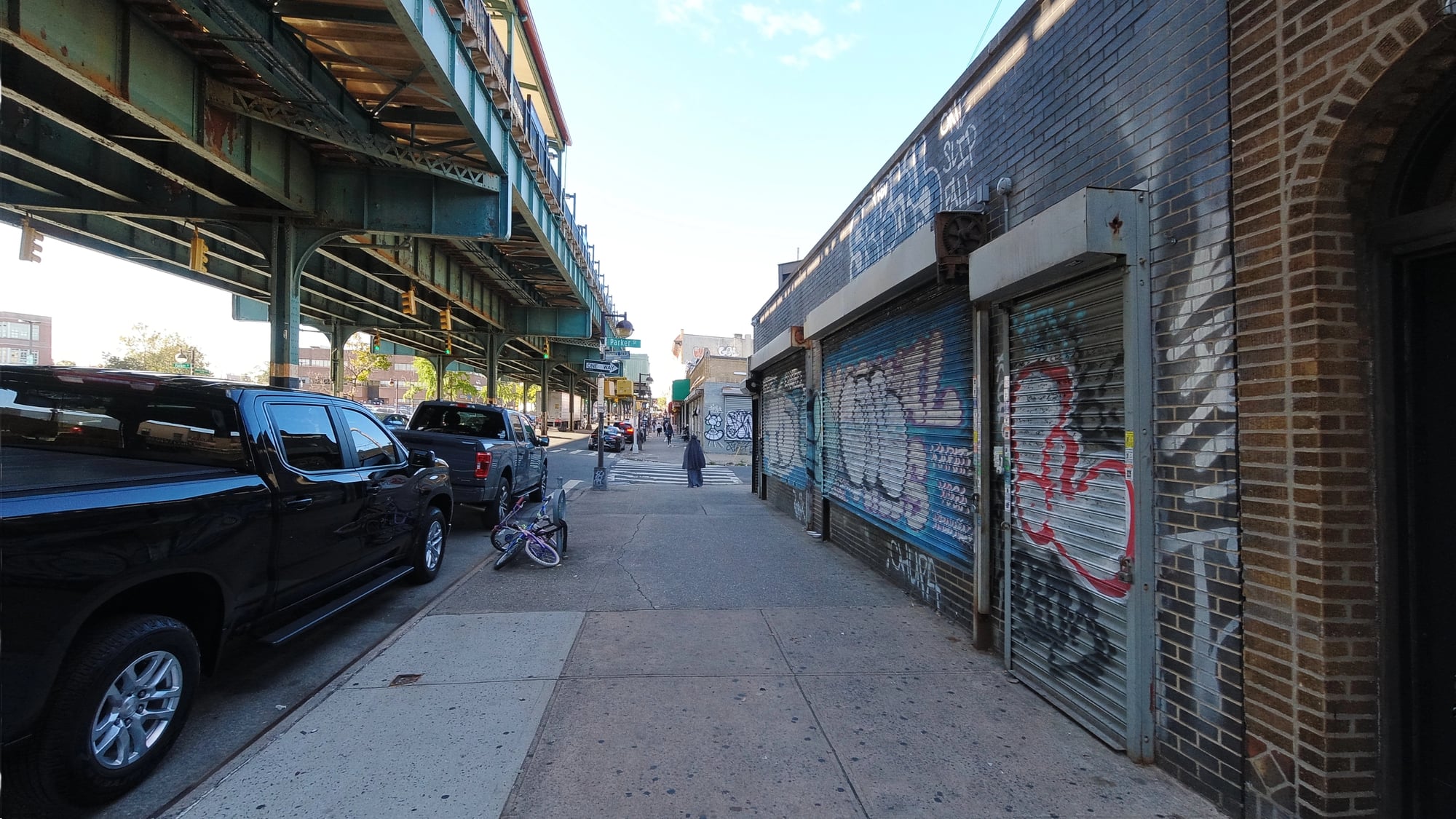
The South Bronx photographs from this era are difficult to look at and impossible to forget. Entire blocks of apartment buildings stood gutted and abandoned, their windows like empty eye sockets staring out at streets littered with debris that told stories no one wanted to hear.
These weren’t just buildings that had fallen into disrepair—they were monuments to municipal neglect on a scale that seems almost incomprehensible now.
But walk closer to those images (metaphorically speaking, since many of those blocks have long since been rebuilt or demolished entirely) and you notice something else: the people who remained weren’t just surviving, they were creating.
Community gardens sprouted from vacant lots like flowers pushing through concrete. Kids played stickball in streets where cars had long since stopped bothering to venture.
The human spirit, it turns out, is remarkably persistent when everything else falls apart around it.
Midtown Manhattan
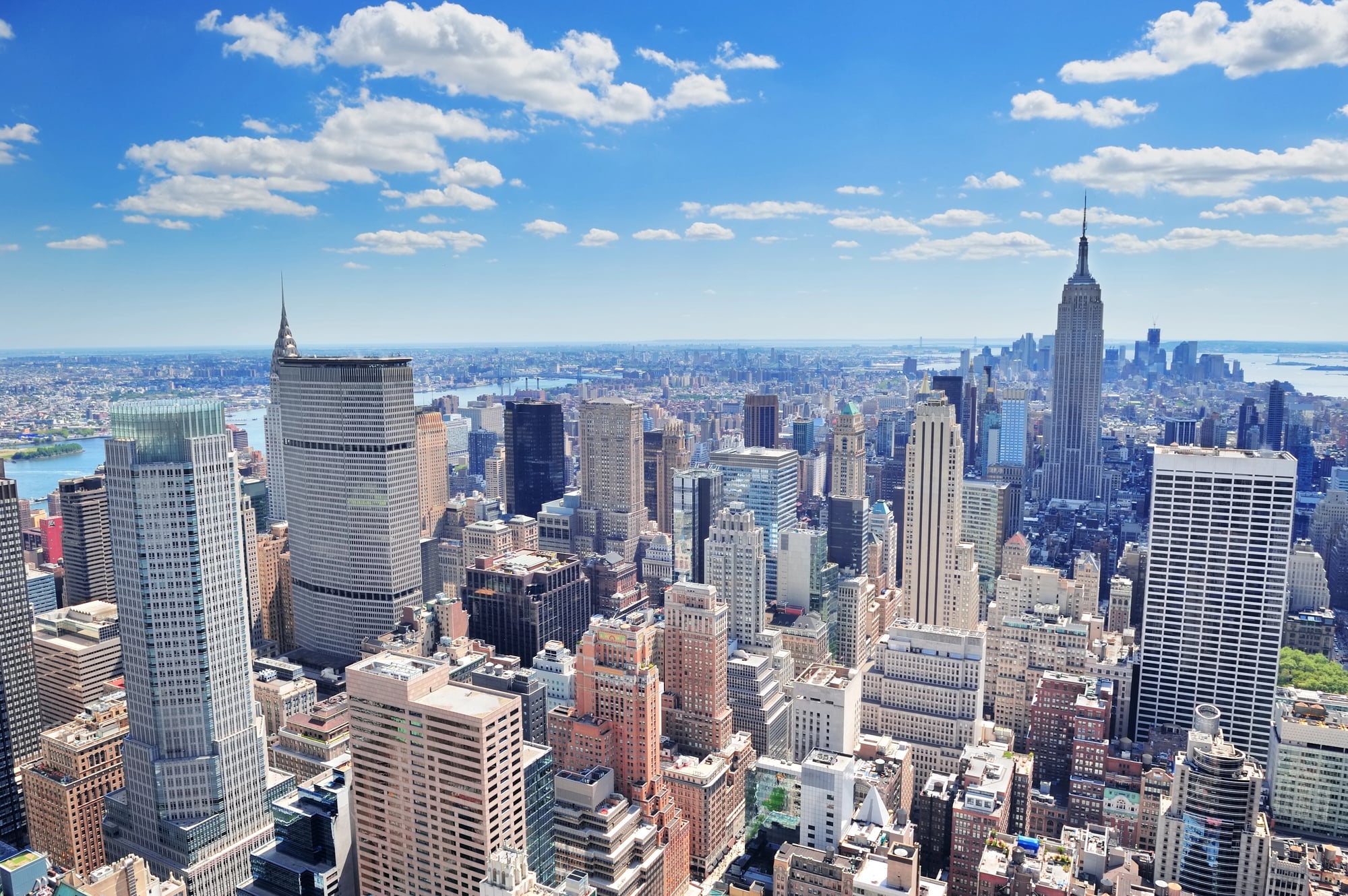
Midtown in the 1970s was like a grande dame who’d let her makeup run but still insisted on wearing pearls. The iconic skyscrapers were all there—the Chrysler Building, the Empire State Building, the developing forest of glass and steel that would eventually define the modern Manhattan skyline—but they rose from streets that looked like they belonged in a different, grittier city entirely.
Business people in expensive suits stepped carefully around potholes that had been there so long they’d developed their own ecosystems. Hot dog vendors worked corners where the trash piled up in drifts that shifted with the wind patterns between buildings.
The contrast was jarring then and remains striking now: incredible wealth and grinding poverty existing side by side, separated by nothing more than a few city blocks and vastly different circumstances of birth.
Washington Square Park
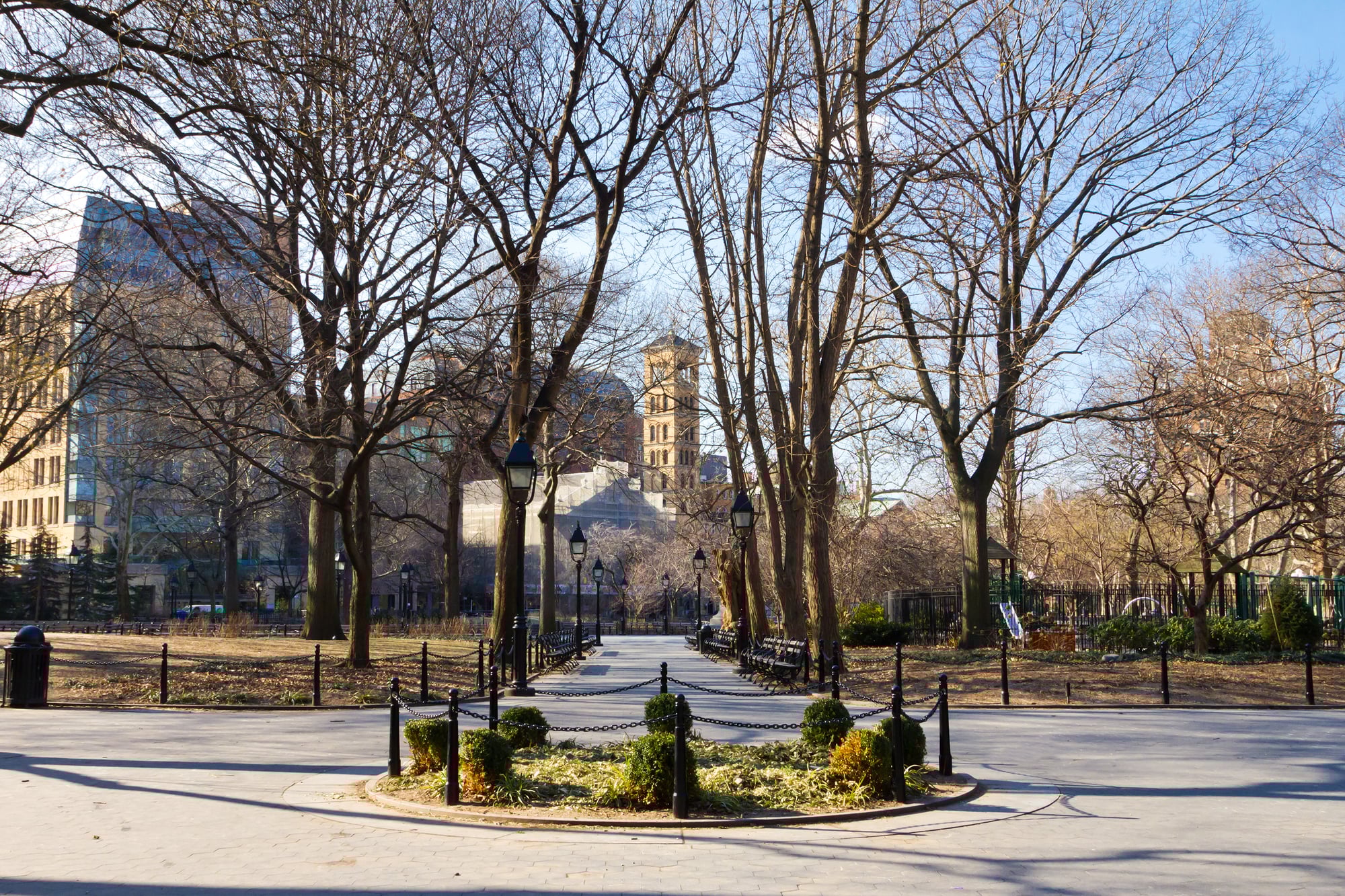
Washington Square Park serves as a perfect time capsule for understanding how thoroughly the city has transformed over the past five decades. In the 1970s, the park functioned as an open-air marketplace for transactions that weren’t entirely legal, but somehow the whole arrangement felt more like a community center than a crime scene.
Musicians played for whoever would listen (and tip), chess games ran from dawn until well past dusk, and conversations happened between strangers who might never see each other again but shared this particular patch of Manhattan for a few hours on a Tuesday afternoon.
The fountain was there, of course—that famous arch providing the same backdrop it does today—but the atmosphere couldn’t have been more different.
So this wasn’t a destination where tourists came to recreate specific photo opportunities. It was simply a place where people went because they belonged there, or wanted to, or had nowhere else to be that felt quite as accepting of whoever you happened to be that day.
Coney Island
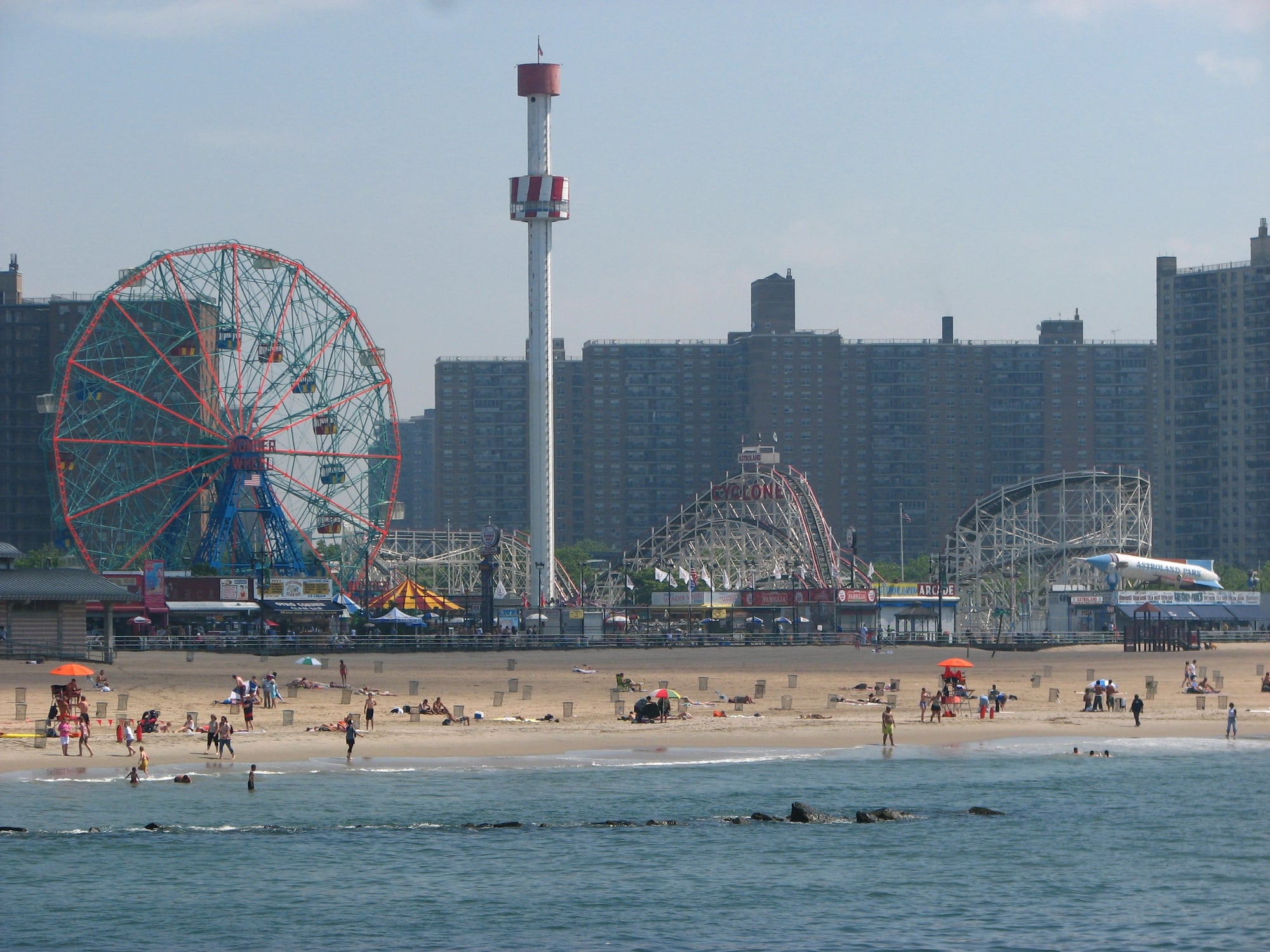
Coney Island in the 1970s existed in a state of faded grandeur that somehow made it more romantically compelling than its modern incarnation. The Cyclone still rattled and roared, carrying riders through the same stomach-dropping sequence it does today, but everything surrounding it felt like it was slowly returning to the ocean.
The boardwalk stretched out like a weathered stage where the same dramas played out every summer: families spreading blankets on sand that had seen better decades, teenagers discovering the particular freedom that comes from being far enough from home that different rules seemed to apply, elderly couples who’d been coming to the same spot for thirty years and intended to keep coming until they physically couldn’t anymore.
The photographs capture something that’s hard to define but easy to recognize: the sense that this place had stories to tell, and plenty of time to tell them.
The Lower East Side
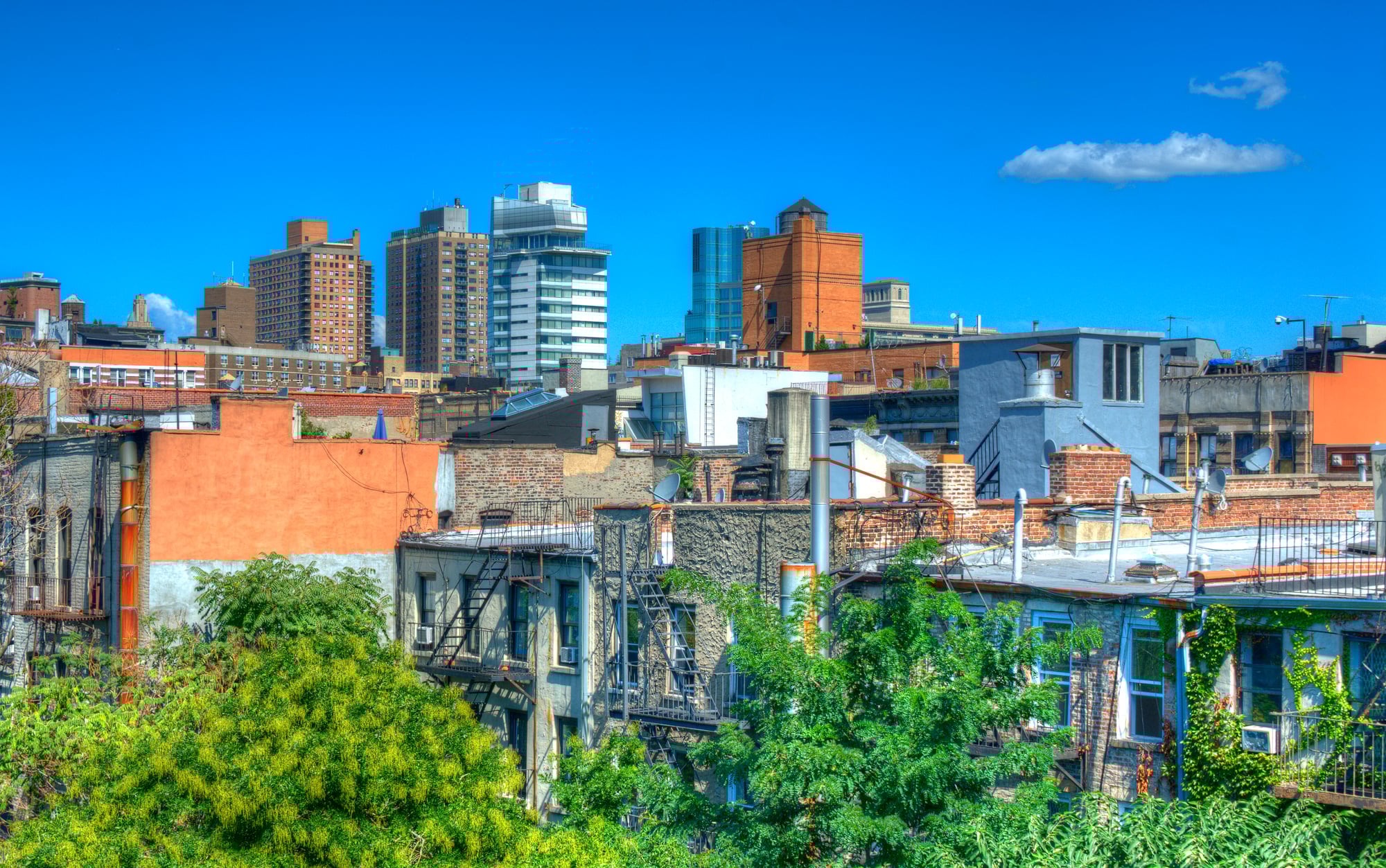
The Lower East Side was where immigrants had always come to get their first taste of American life, and the 1970s version of that neighborhood carried the accumulated weight of generations who’d passed through, struggled, and either moved on or stayed put.
Tenement buildings housed families who’d been there since before anyone could remember, their fire escapes draped with laundry that dried in whatever breeze could make it between the closely packed structures.
Storefront businesses operated on handshake agreements and credit extended to neighbors who’d proven themselves trustworthy over time.
This was community in its most fundamental form: people who knew each other’s business not because they were nosy, but because survival often depended on looking out for whoever happened to be living next door.
The photographs document a way of life that was already disappearing as the decade progressed, but hadn’t yet been entirely replaced by whatever was coming next.
Central Park
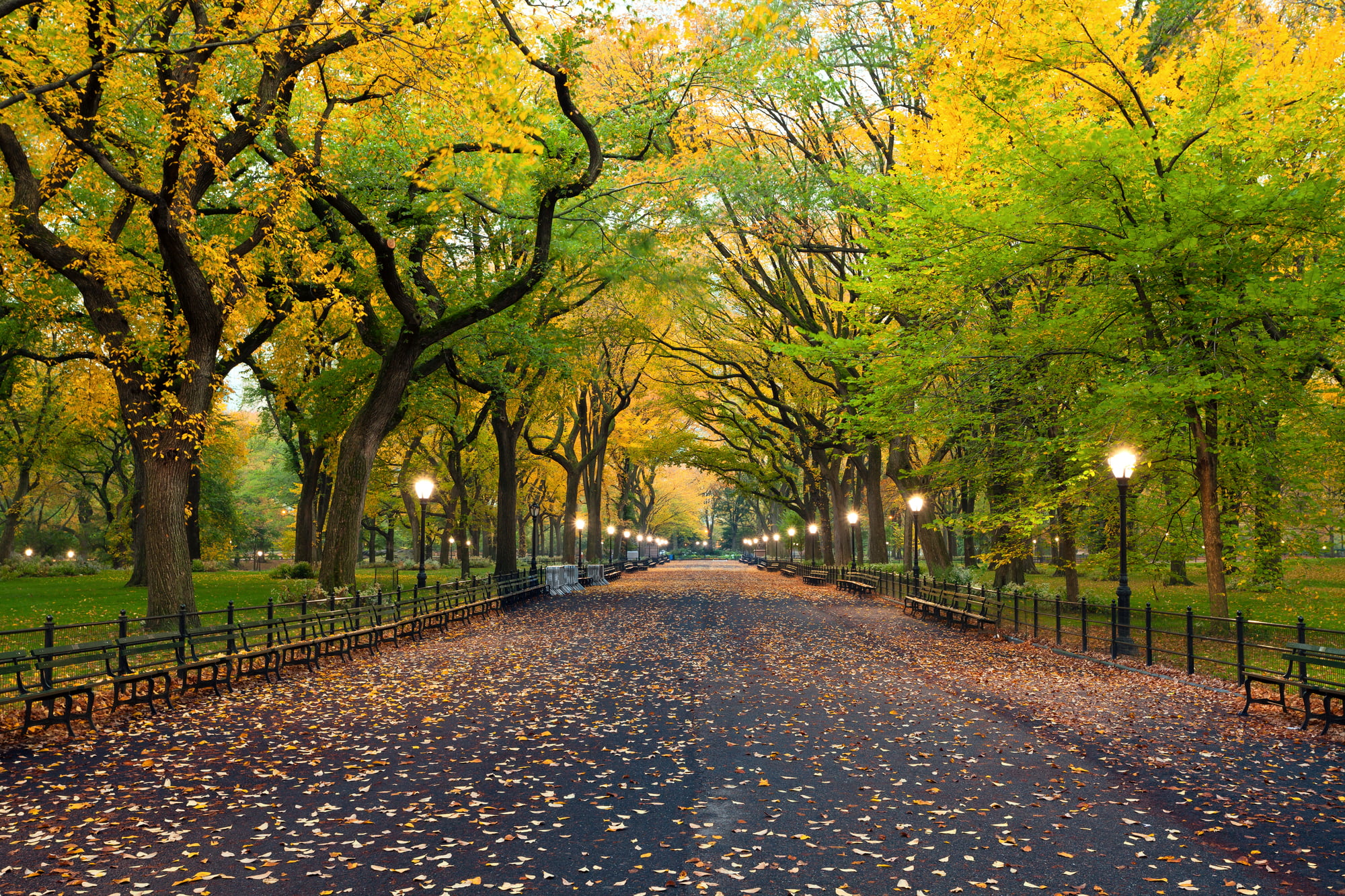
Central Park photographs from the 1970s reveal a space that was simultaneously more dangerous and more democratic than it is today. The carefully maintained lawns and pruned flower beds that define the modern park experience were still there, but they coexisted with areas that felt genuinely wild—not Disney wild, but actually unpredictable in ways that made you pay attention to your surroundings.
Families still spread picnic blankets on the great lawn, couples still rowed boats around the lake, and children still fed ducks from the various bridges that crossed the park’s waterways.
But all of these activities happened with a heightened awareness that you were in a space where city rules applied differently, or sometimes didn’t apply at all.
The photographs capture that tension: the pastoral beauty of Frederick Law Olmsted’s design holding its own against the urban chaos that surrounded and occasionally invaded it.
Brooklyn Heights
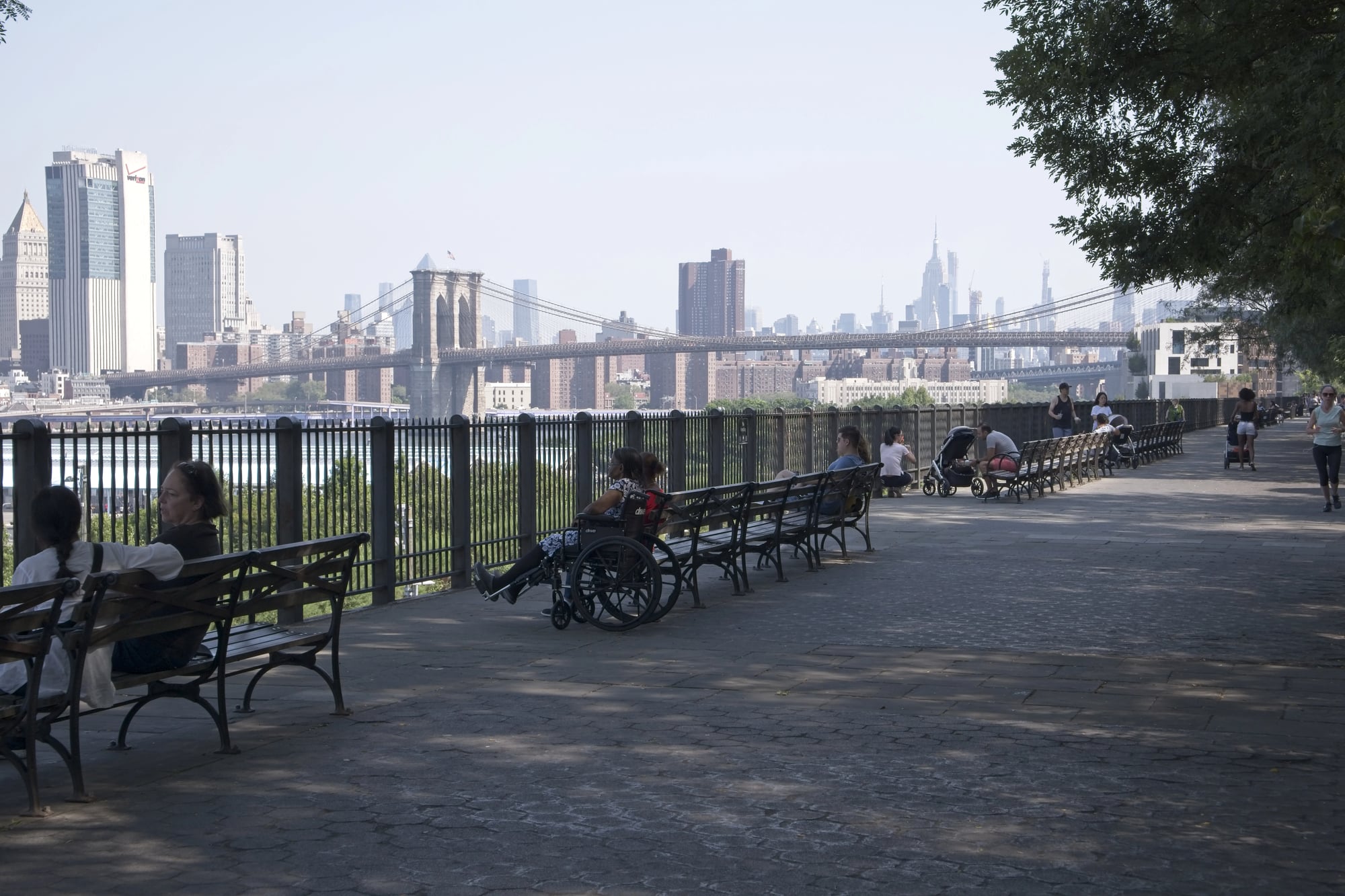
Brooklyn Heights maintained its residential charm throughout the 1970s, but even this relatively prosperous neighborhood couldn’t entirely escape the city’s broader struggles.
The famous Promenade still offered spectacular views of Lower Manhattan, but those views included plenty of evidence of urban decay—vacant buildings, construction projects that had been abandoned mid-completion, and a general sense that the city’s best days might be behind it rather than ahead.
The brownstones that line the Heights’ tree-shaded streets were already valuable, but not yet precious in the way they’d become by the 1990s.
People lived in them because they were homes, not because they were investments or status symbols.
The photographs show a neighborhood that was comfortable with itself without being self-conscious about it—a quality that’s harder to find once property values start climbing toward astronomical levels.
The Garment District
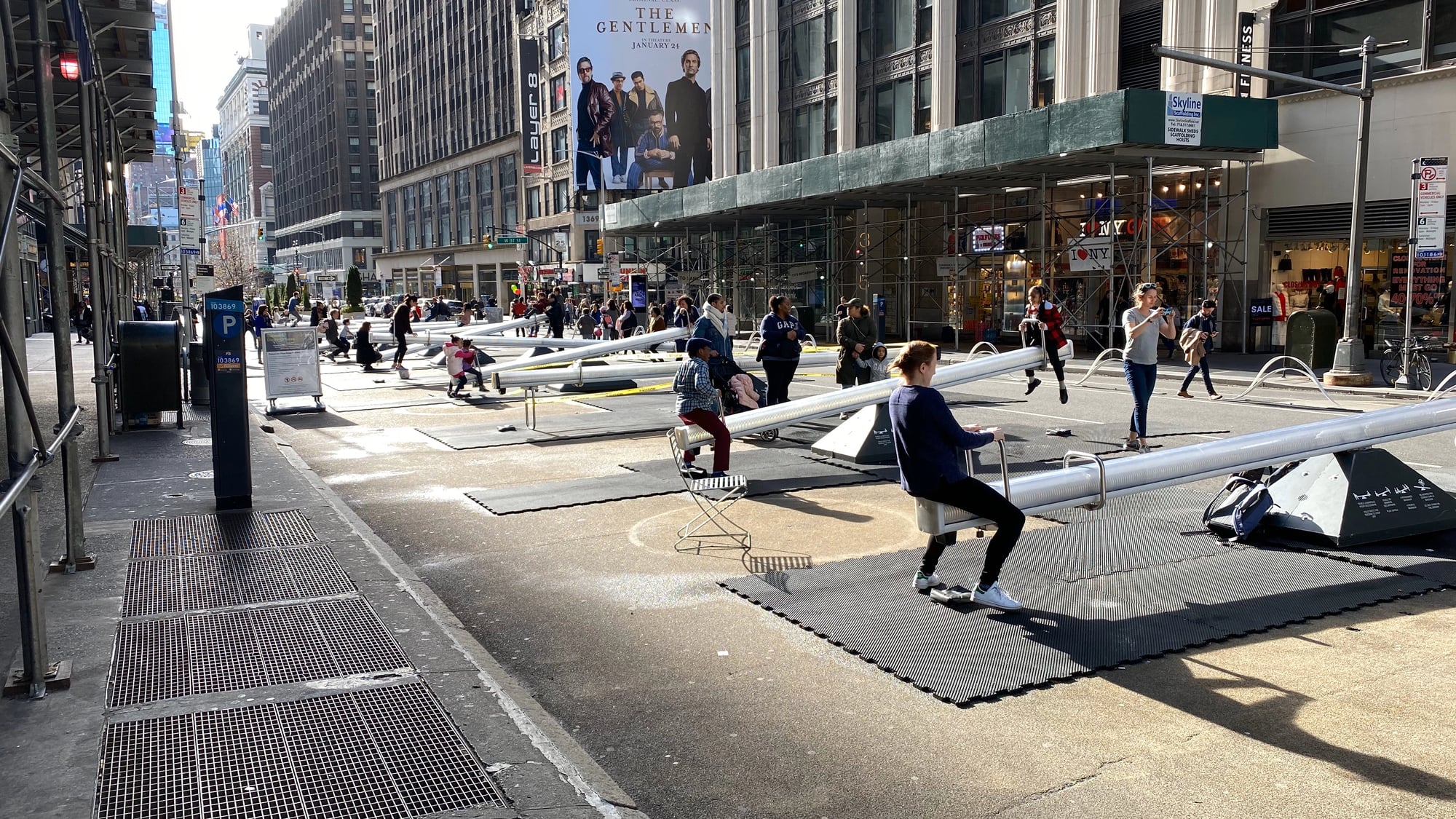
The Garment District hummed with actual manufacturing activity in the 1970s, not just the fashion industry showrooms and design studios that define it today. Workers pushed racks of clothing through streets that were genuinely congested with the business of making things rather than just selling them.
The photographs document an economy in action: people who worked with their hands, creating tangible products that would end up in stores across the country.
Lunch trucks parked outside factory buildings served workers who had thirty minutes to eat something and get back to their machines.
These weren’t artisanal food experiences—they were fuel stops in the middle of workdays that were physically demanding in ways that most modern New York jobs aren’t.
But there’s something appealing about the straightforward transaction captured in these images: work that had a clear beginning and end, products that existed in the real world, paychecks that represented hours spent doing something that mattered to someone, somewhere.
Harlem
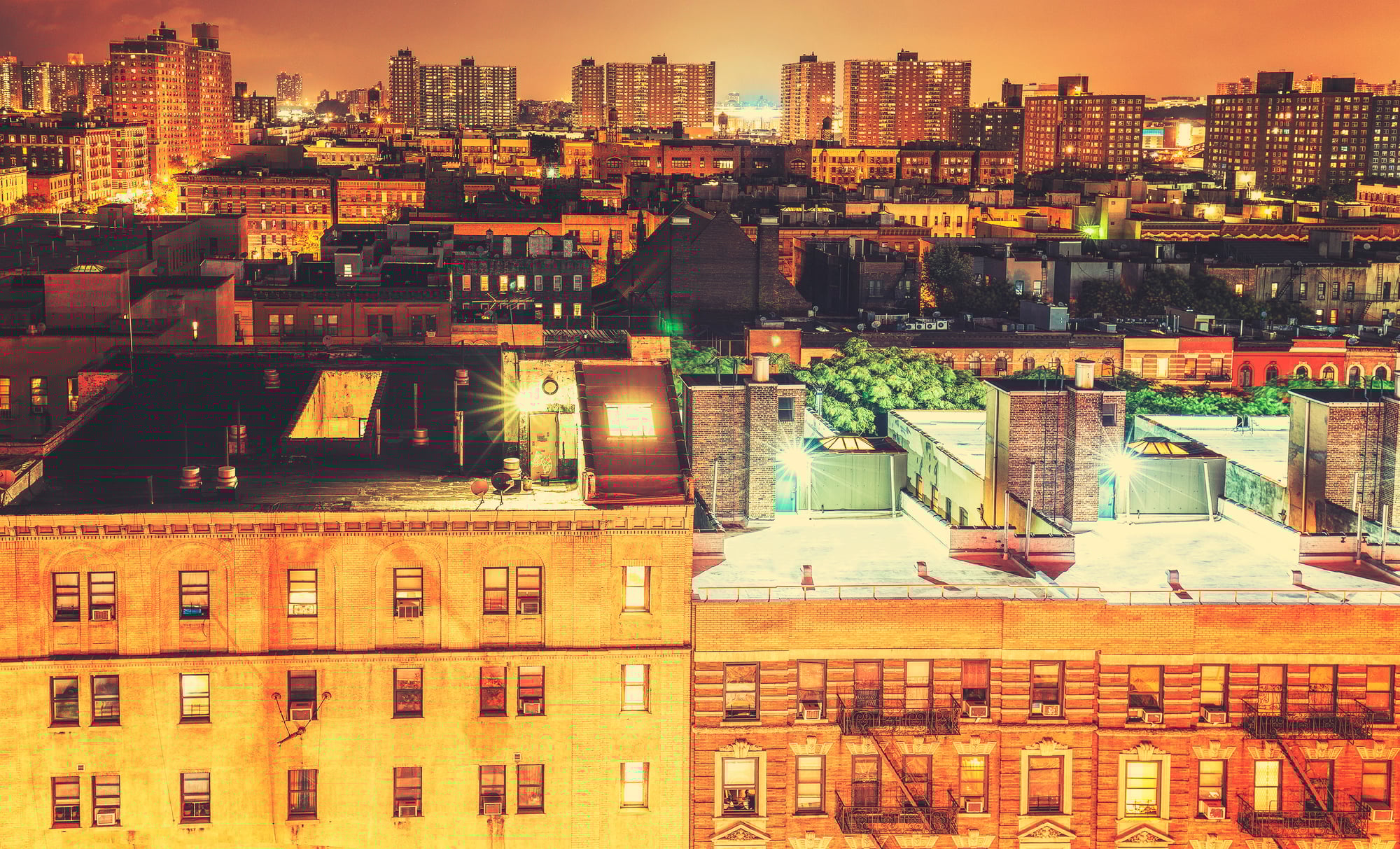
Harlem in the 1970s was still recovering from the urban planning disasters of previous decades, but the neighborhood’s cultural significance burned as brightly as ever.
The Apollo Theater continued to showcase talent that would shape American music for generations to come, even as the surrounding blocks struggled with the same issues that plagued much of the city during this period.
What the photographs capture, though, is resilience in its most concentrated form.
Churches that had been serving their communities for decades continued to open their doors every Sunday, regardless of what challenges the previous week had brought.
Barbershops and beauty salons functioned as informal community centers where local news was shared, problems were discussed, and solutions were developed by people who understood that they couldn’t depend on outside help that might never arrive.
Greenwich Village
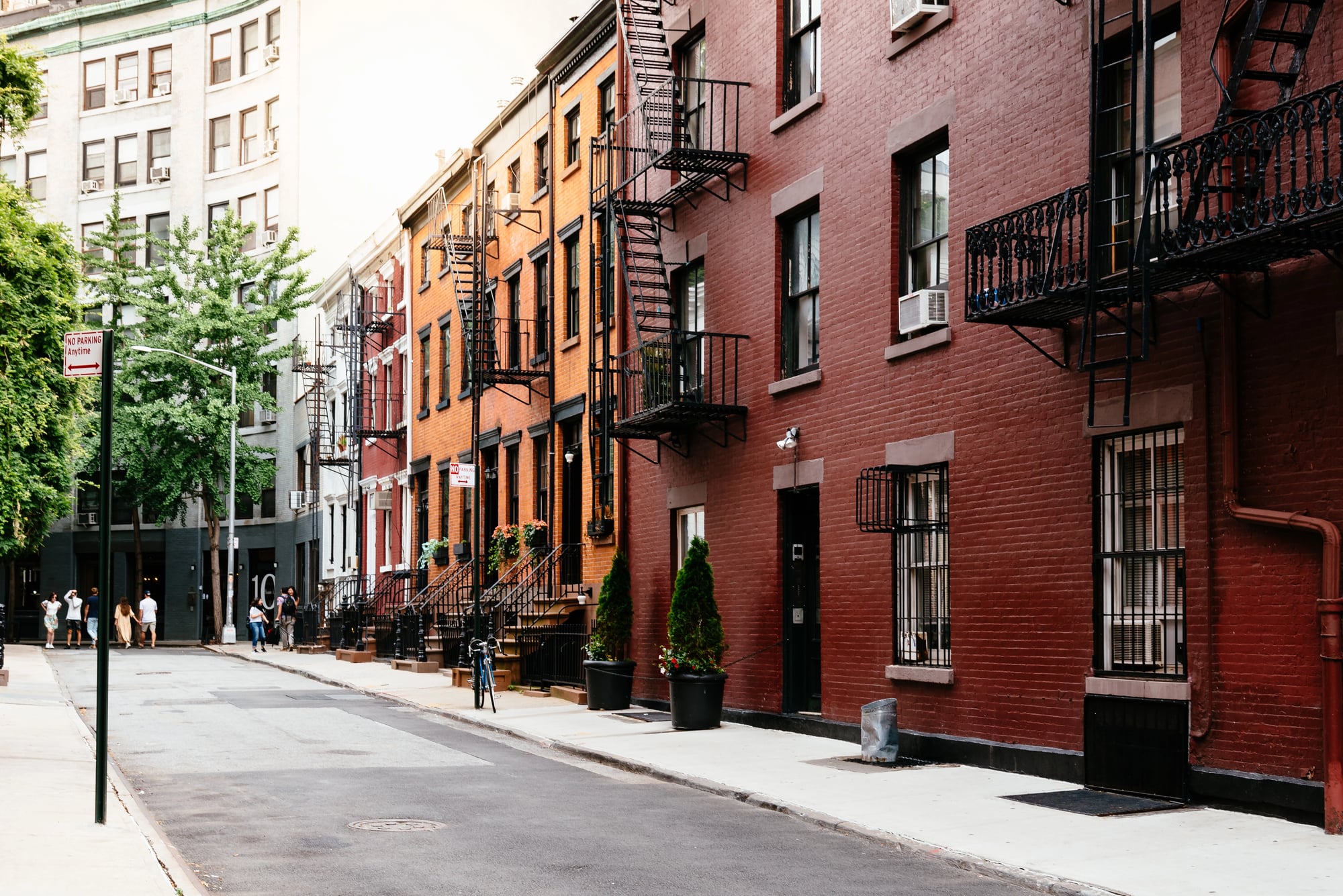
Greenwich Village managed to maintain its bohemian character throughout the 1970s, though the economics of that lifestyle were becoming increasingly challenging as rents began their long, steady climb toward unaffordability.
Folk musicians still played in Washington Square Park, poets still gathered in coffee shops that stayed open late enough to accommodate conversations that couldn’t be rushed, and bookstores still existed on every other block.
The photographs show a neighborhood where creativity flourished partly because rent was cheap enough that people could afford to take risks.
Artists could work restaurant shifts to pay for studio space, writers could tend bar three nights a week and still have time to write, and musicians could play small venues without needing to sell out Madison Square Garden to make a living.
That economic freedom translated into cultural vitality that’s hard to replicate when basic survival requires every available hour.
Wall Street
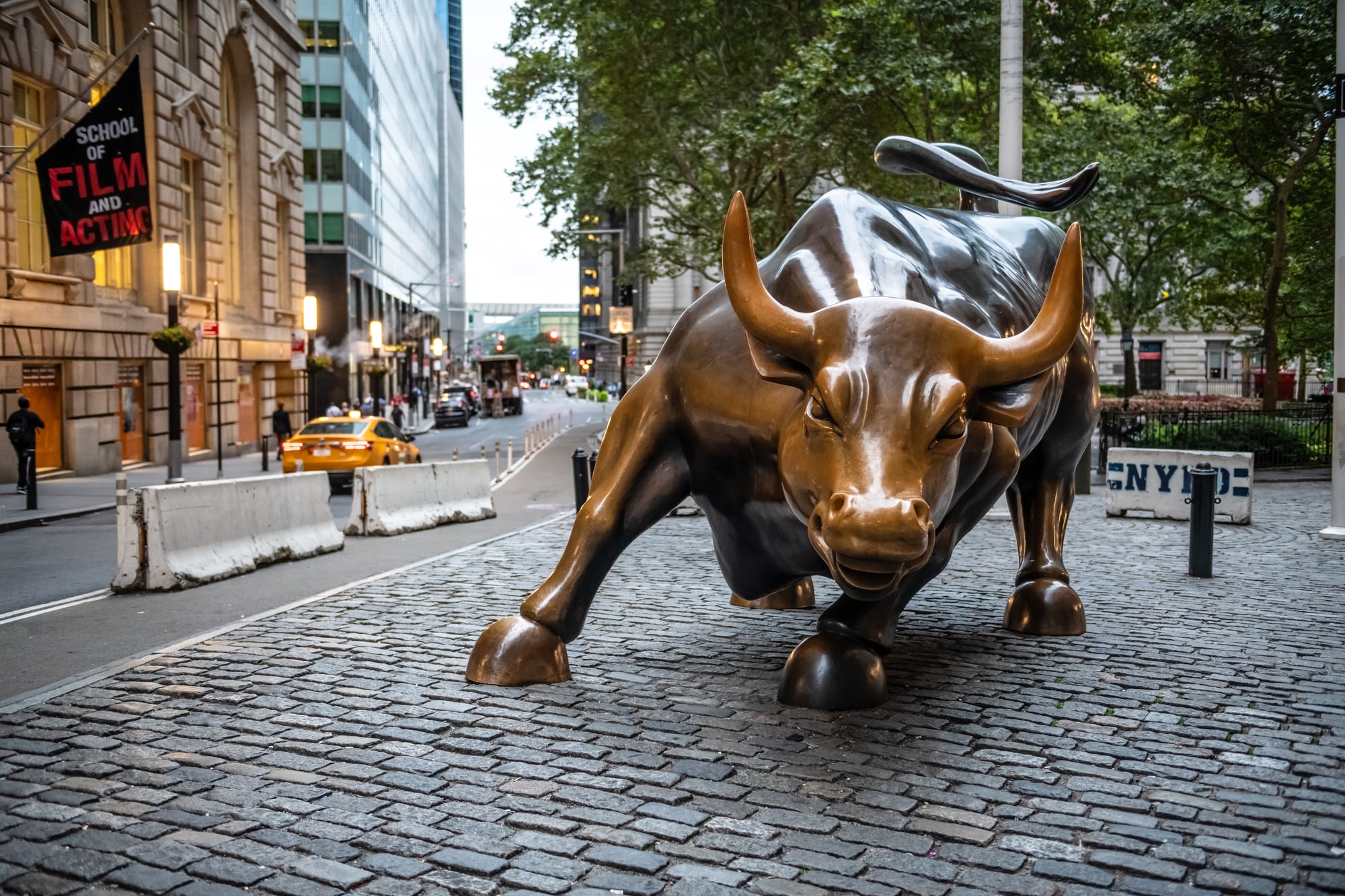
Wall Street in the 1970s existed before the financial industry’s complete transformation into the digital, global marketplace it would become.
Trading still happened on actual floors with actual human beings shouting at each other, deals were finalized with handshakes that meant something, and lunch was eaten at establishments that had been serving the same clientele for decades.
The photographs document a more human-scale version of American capitalism—still ruthlessly competitive, still capable of enormous inequality, but somehow more comprehensible to ordinary observers.
The men (and they were almost exclusively men) walking these streets wielded tremendous power, but they did it from offices in buildings that hadn’t yet been transformed into fortified towers of glass and steel.
The money was real, the stakes were high, but the whole enterprise hadn’t yet become quite as abstract as it would in subsequent decades.
When The City Belonged To Everyone
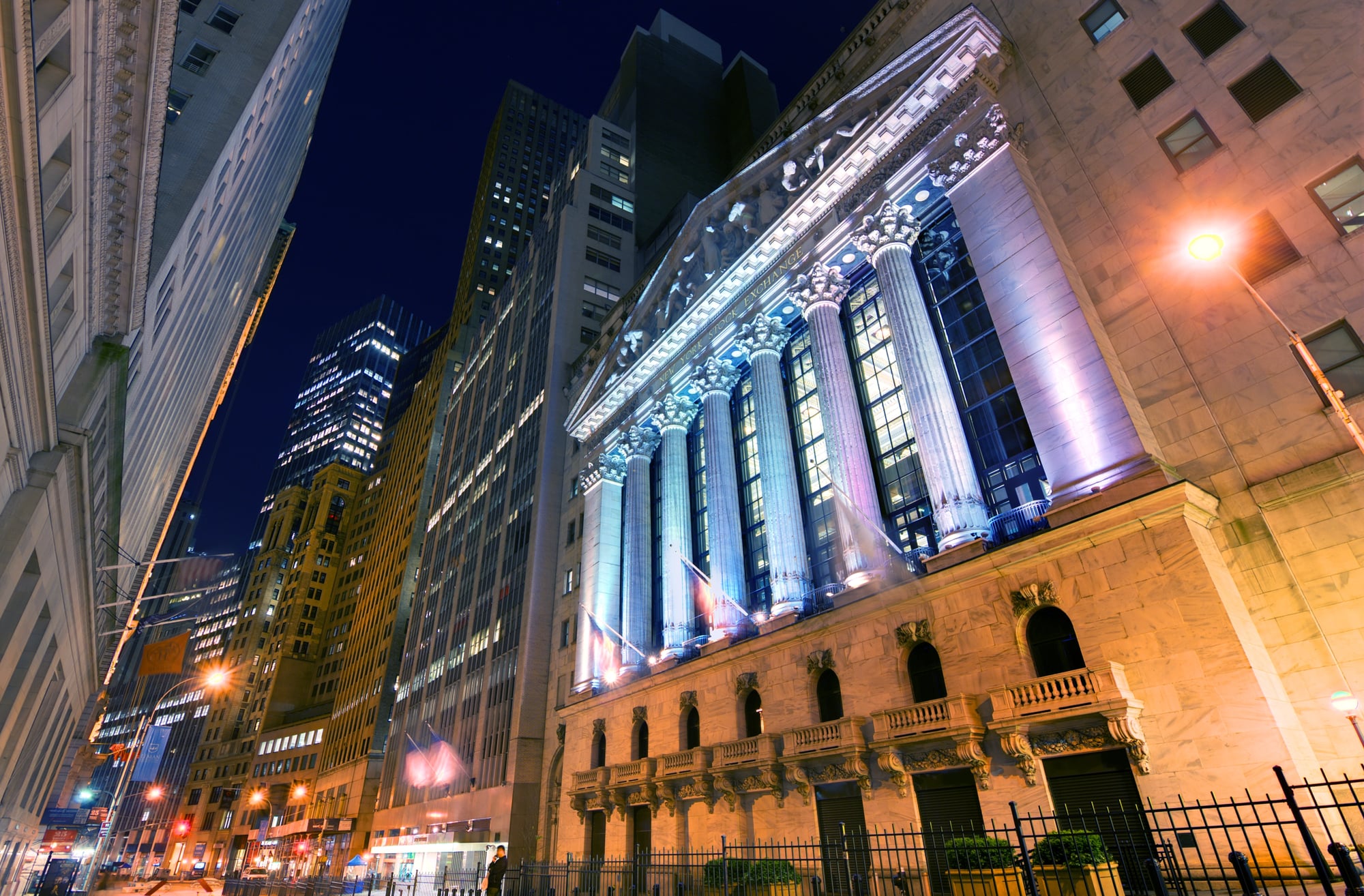
These photographs exist as testimony to a New York that was simultaneously more dangerous and more accessible than the version that followed.
The clean-up campaigns of the 1980s and 1990s would eventually transform the city into something safer, more prosperous, and undeniably more pleasant to visit.
But they also erased something that can’t be legislated back into existence: the sense that the city belonged to whoever was tough enough to claim a piece of it, regardless of how much money they happened to have in their pockets.
The people in these photographs weren’t posing for posterity—they were just living their lives in a place that demanded everything they had to give and occasionally rewarded that investment with experiences that couldn’t be found anywhere else on earth.
That transaction, harsh as it sometimes was, created a version of urban life that was more democratic in its own chaotic way than the carefully managed metropolis that eventually replaced it.
More from Go2Tutors!

- The Romanov Crown Jewels and Their Tragic Fate
- 13 Historical Mysteries That Science Still Can’t Solve
- Famous Hoaxes That Fooled the World for Years
- 15 Child Stars with Tragic Adult Lives
- 16 Famous Jewelry Pieces in History
Like Go2Tutors’s content? Follow us on MSN.