Movies That Grossed Over a Billion Dollars
The billion-dollar club started small. Back when “Titanic” hit that milestone in 1997, it seemed like a once-in-a-generation achievement.
Now, dozens of films have crossed that threshold, and the number keeps growing. But reaching a billion at the box office still means something.
It means millions of people chose to spend their time and money on that particular story, that specific world, those characters. That’s worth examining.
Avatar
James Cameron spent years developing the technology to make this film happen. The 3D experience drove people to theaters in ways that home viewing couldn’t replicate.
Pandora felt real because the filmmaking team treated it like a real place, with its own ecology, culture, and physics. The story itself—corporate exploitation meets indigenous resistance—wasn’t particularly subtle, but the visual experience carried it.
People saw it multiple times just to exist in that world again.
Avengers: Endgame
This wasn’t just a movie. It was the conclusion to over a decade of storytelling across 22 films.
Characters you’d watched grow and struggle came together for one final battle. The three-hour runtime didn’t stop anyone.
The opening weekend broke records because people needed to see it immediately, before spoilers leaked everywhere. The film earned its emotional moments because Marvel had invested years building toward them.
Titanic
Before the modern era of billion-dollar blockbusters, this film stood alone at the top for over a decade. Cameron built a near full-scale replica of the ship and filled it with hundreds of extras.
The romance between Jack and Rose gave audiences an emotional anchor while the ship went down. People returned to theaters multiple times, and the phenomenon lasted months, not weeks.
Star Wars: The Force Awakens
Bringing back the original trilogy cast after 30 years was risky. But the film balanced nostalgia with new characters effectively enough to pull in both longtime fans and newcomers.
Rey, Finn, and Poe felt fresh while Han Solo’s return gave the film emotional weight. The mystery boxes J.J. Abrams set up—who is Rey, who is Snoke—kept people talking and theorizing for years.
Avengers: Infinity War
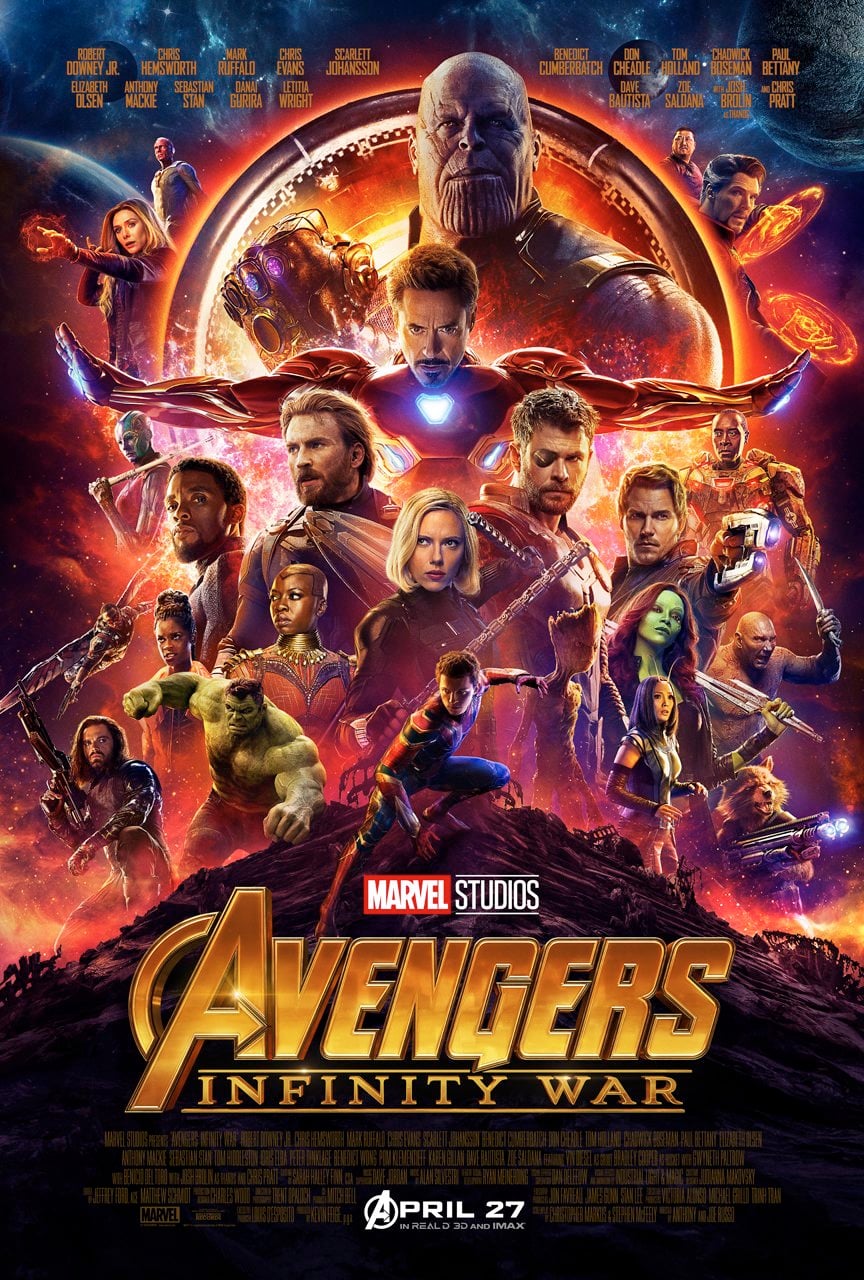
Thanos won. That’s what made this film different from typical superhero fare.
The heroes tried their hardest, threw everything at the villain, and still lost. Half of all life in the universe turned to dust.
Watching characters you’d grown attached to literally fade away hit harder because the Marvel films had earned your investment. The cliffhanger ending meant everyone knew they’d be back for the conclusion.
Jurassic World
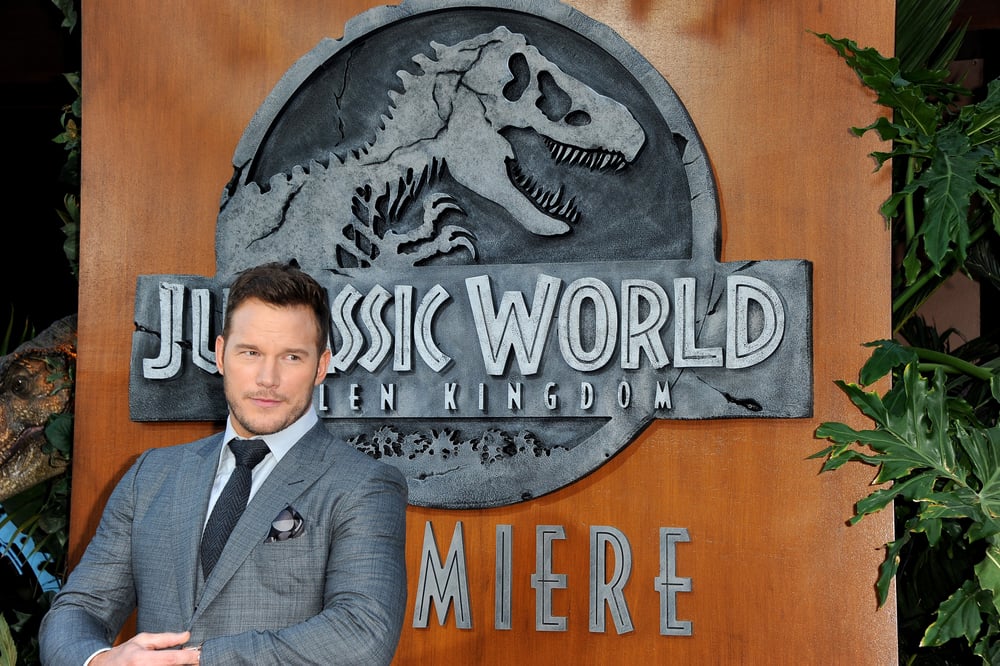
Resurrecting a franchise dormant for over a decade paid off because people still loved dinosaurs. The film gave audiences what they wanted—bigger, scarier dinosaurs, plus a functional park that inevitably falls apart.
Chris Pratt’s rapport with the velociraptors added a new dynamic. The climactic battle between the Indominus Rex and the T-Rex felt like fan service done right.
The Lion King (2019)
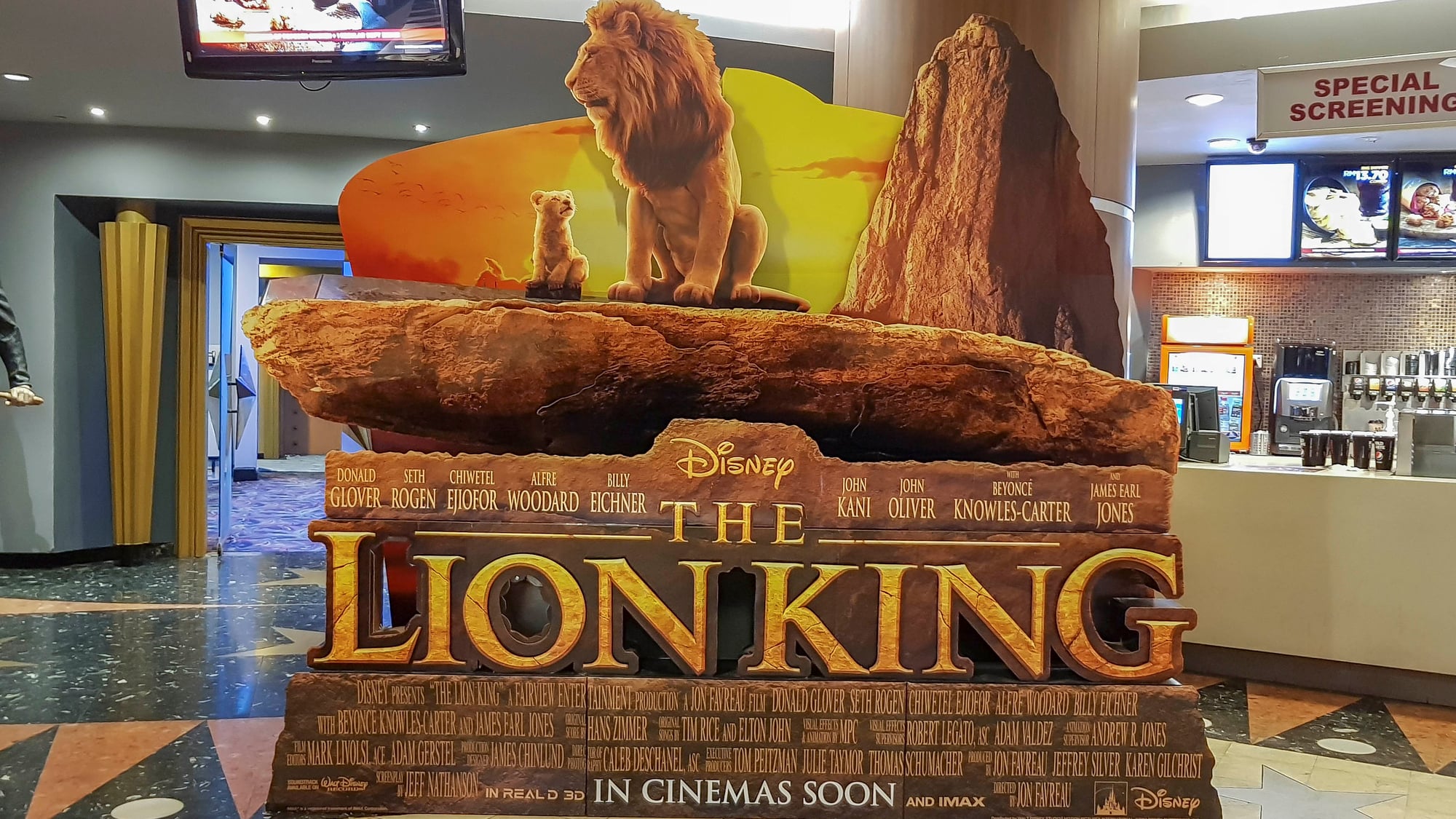
Disney’s photorealistic remake divided critics but audiences showed up anyway. The technology made the animals look real, though this created an uncanny valley effect during emotional moments.
The music remained powerful, and nostalgia drove ticket sales. Parents who grew up with the original took their children to see this version, creating a cross-generational experience.
The Avengers
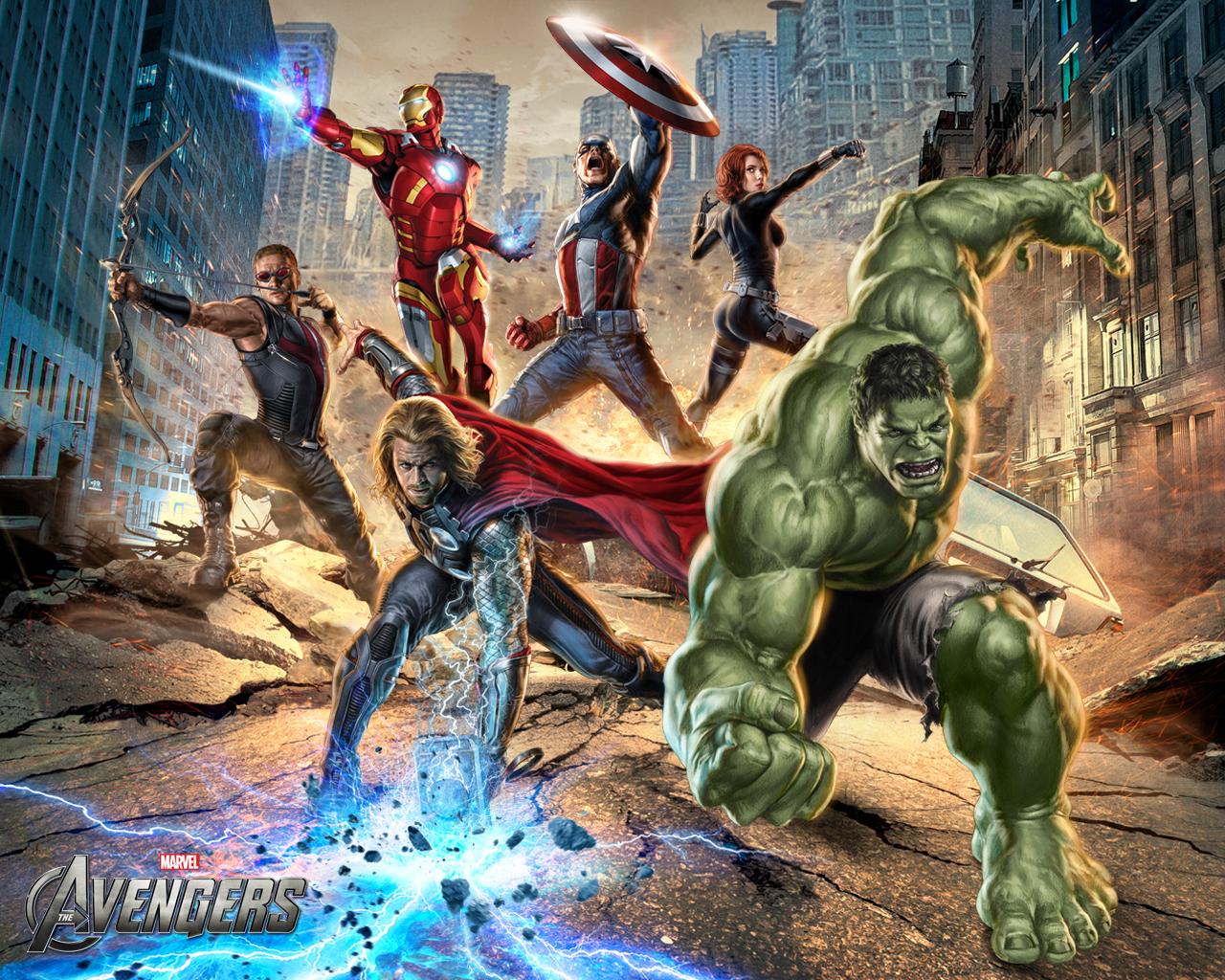
This was the proof of concept. Marvel spent four years and five films building toward this team-up, and it worked.
Watching Iron Man, Captain America, Thor, and the Hulk fight alongside each other delivered on years of promises. Joss Whedon balanced the different tones and personalities effectively.
The shawarma post-credits scene became iconic. The film showed studios that interconnected universes could actually succeed.
Furious 7
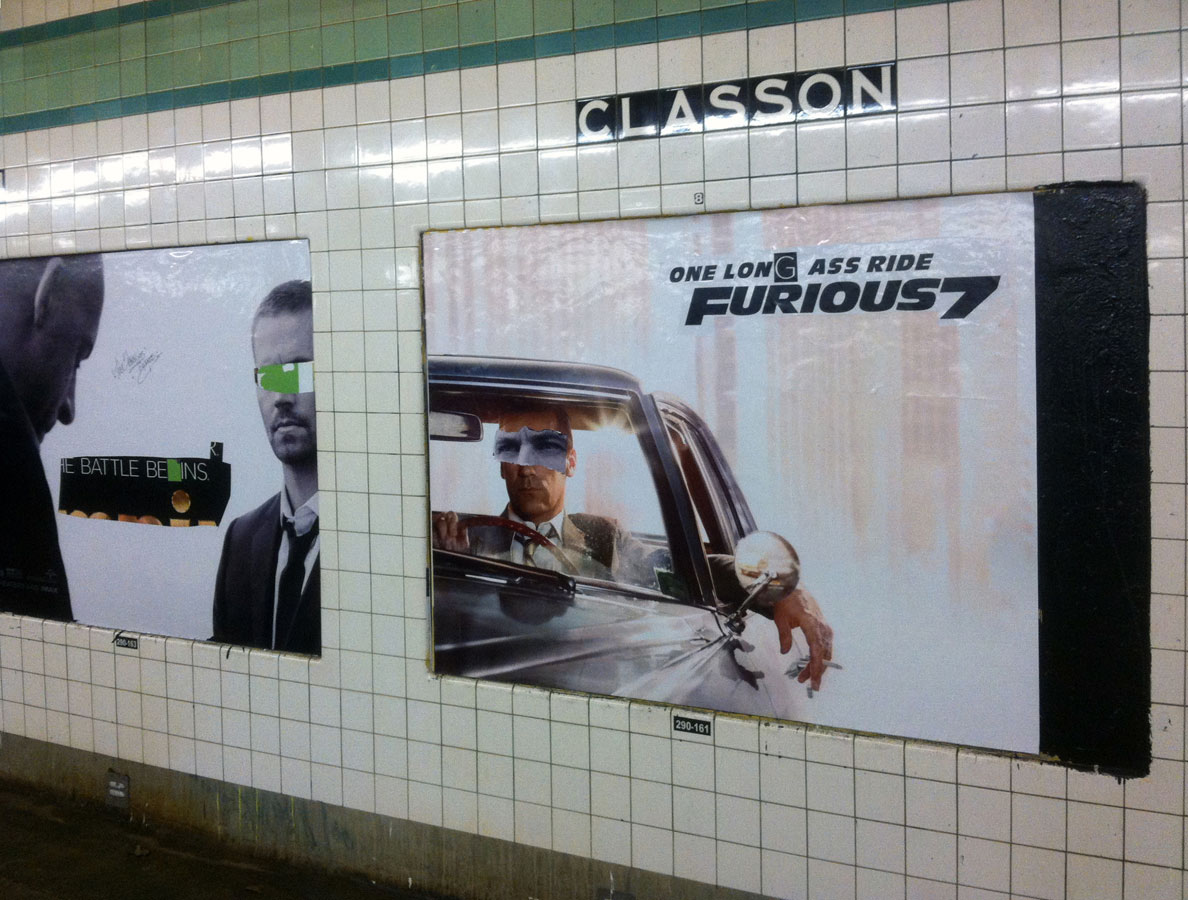
The franchise had evolved from street racing to globe-trotting heists with physics-defying stunts. But this film carried extra emotional weight because Paul Walker died during production.
The tribute at the end, with Walker’s character driving off into the sunset, resonated with audiences worldwide. The film became a farewell to both a character and an actor, and people wanted to pay their respects.
Frozen II
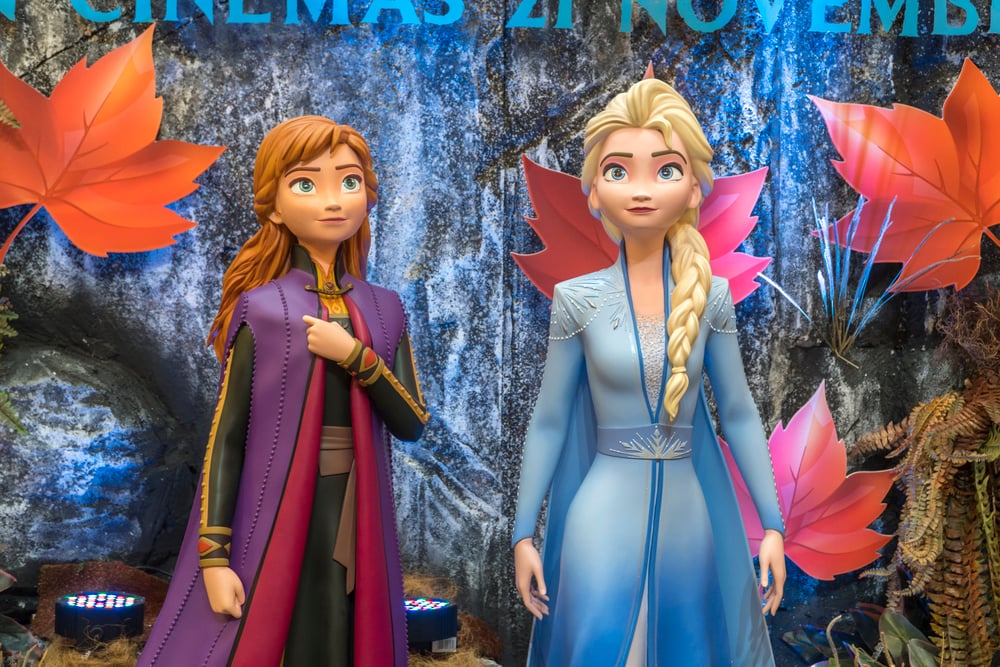
The original “Frozen” created a cultural phenomenon, so the sequel faced massive expectations. This one went darker, exploring Elsa’s origins and the history of Arendelle.
“Into the Unknown” became another earworm, though it never quite matched “Let It Be Go” in cultural penetration. Kids who grew up with the first film were now old enough to appreciate more complex storytelling.
Black Panther
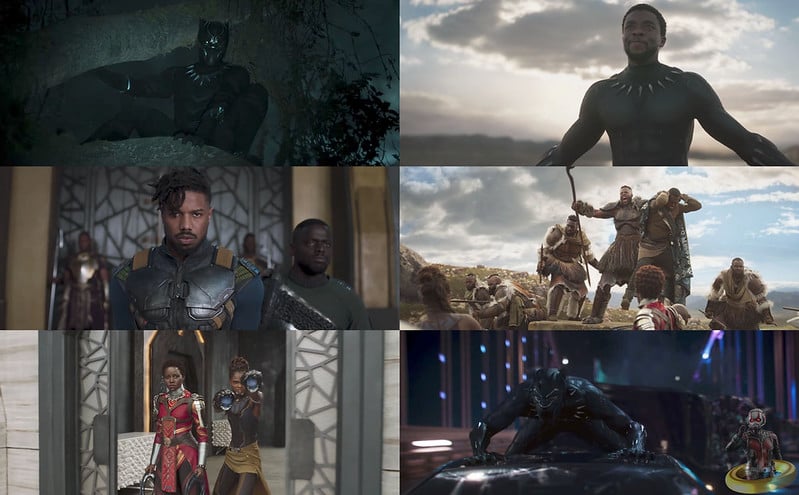
Wakanda felt like a place that could exist, a fully realized African nation that had never been colonized. The production design, costumes, and music created something audiences hadn’t seen before in superhero films.
Killmonger raised uncomfortable questions about responsibility and justice that made him more than a typical villain. The film’s success showed that representation matters and that audiences were hungry for different perspectives.
Harry Potter and the Deathly Hallows Part 2
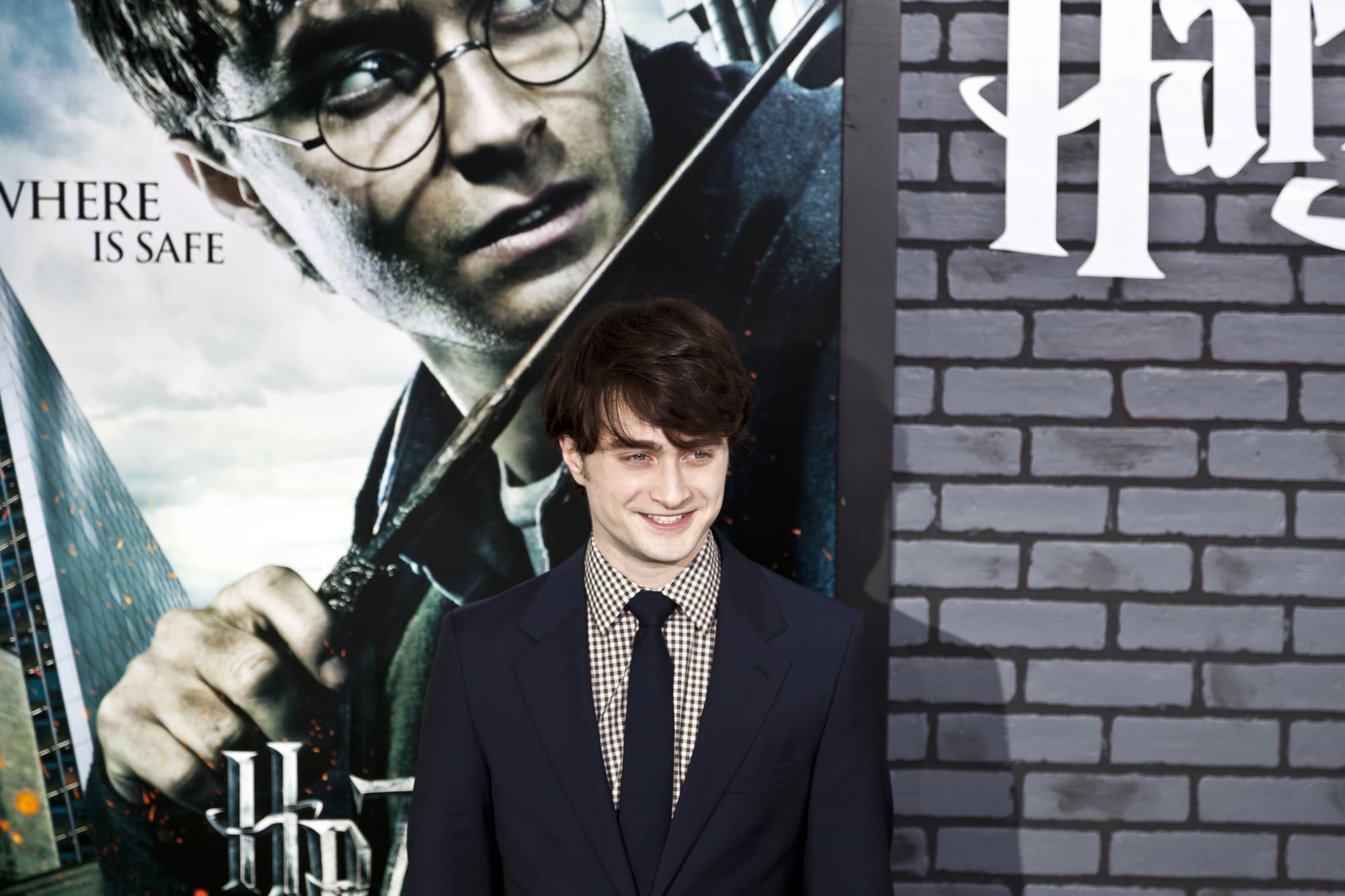
The finale to an eight-film saga had to deliver, and it did. Watching Harry face Voldemort in the final duel brought 10 years of storytelling to a close.
The battle at Hogwarts gave screentime to characters who’d been in the background for years. People who’d grown up reading the books needed to see how the film version ended.
The epilogue, polarizing in the book, worked better on screen.
Star Wars: The Last Jedi
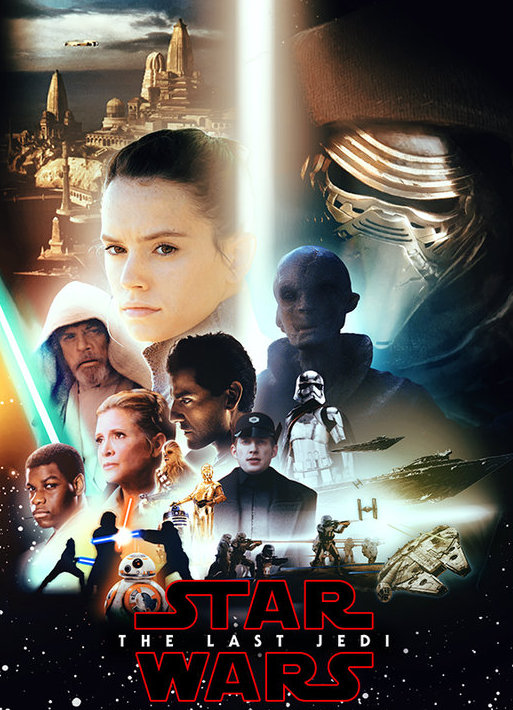
Rian Johnson made choices that split the fanbase down the middle. Luke Skywalker as a broken hermit challenged expectations about heroes.
Rey’s parents being nobodies contradicted fan theories. The throne room fight scene between Rey and Kylo Ren ranked among the best in the franchise.
Whether you loved or hated the direction, the film generated discussions that lasted years.
Jurassic Park
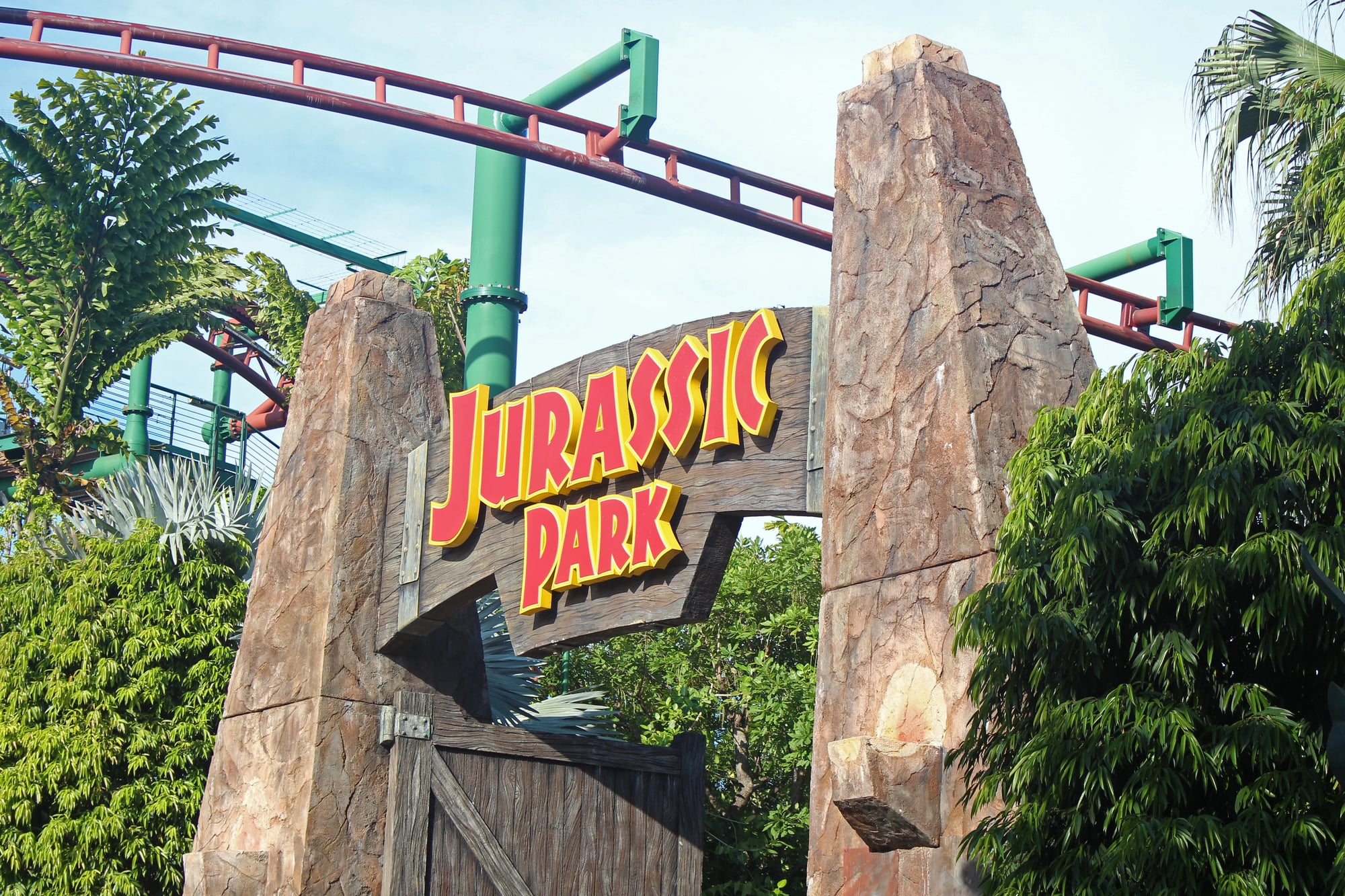
Spielberg made dinosaurs feel real in 1993, and the film still holds up today. The T-Rex attack in the rain remains terrifying.
The blend of practical effects and CGI created something revolutionary. The film’s success launched a franchise that’s still running.
But more than that, it captured the wonder and terror of bringing back extinct creatures. The kitchen scene with the velociraptors made an entire generation afraid of clever girls.
Beauty and the Beast (2017)
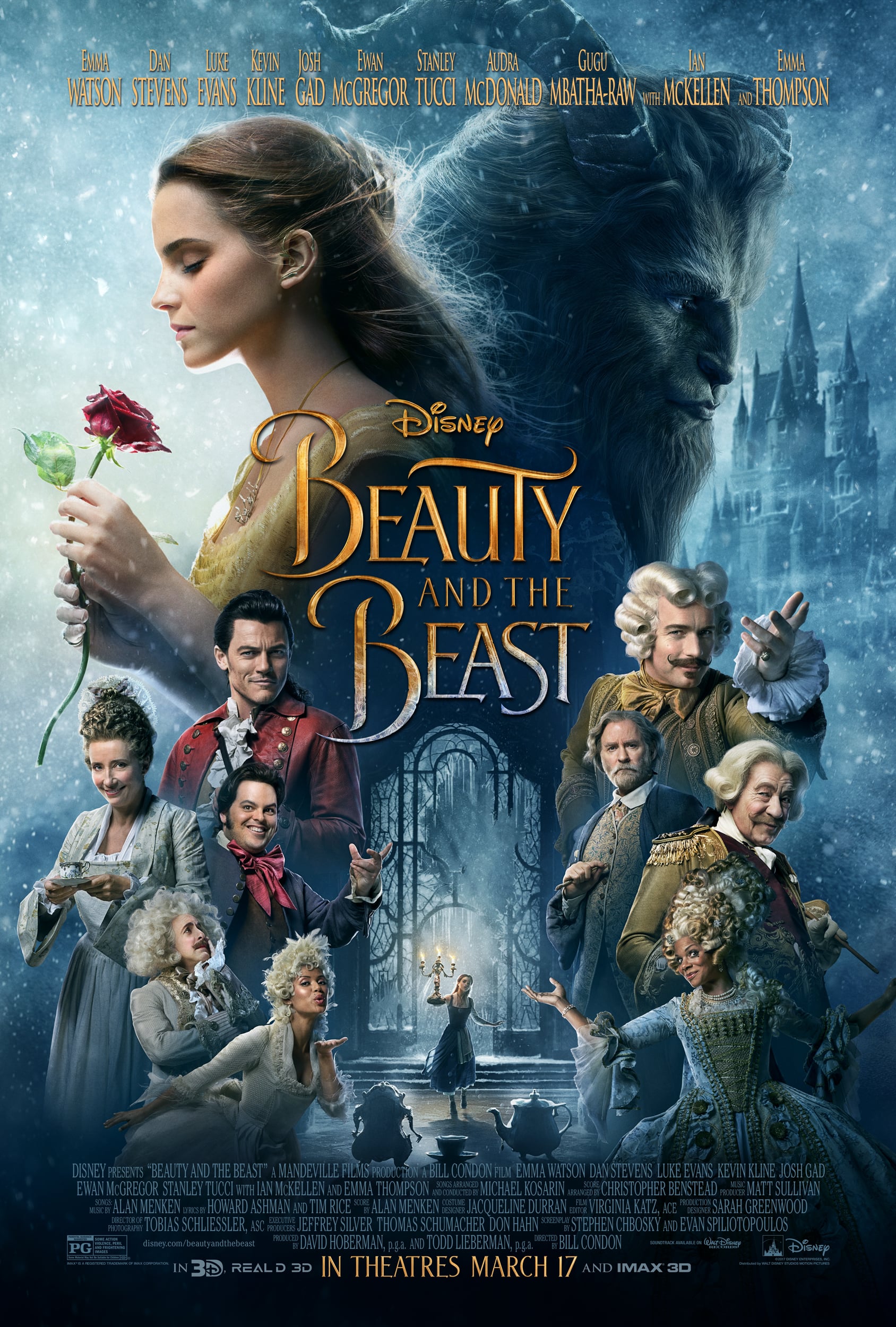
Following a familiar pattern, Disney once again leaned on its remake blueprint here. Not quite the daydreamer of old, Emma Watson’s Belle carried herself like someone ready to change the world.
Changes to why characters acted as they did tried hard to fix awkward parts from the original cartoon. That wild dinner scene still dazzles – some magic stays strong regardless of effort.
Big box office numbers came anyway, even though the tale itself didn’t grow much.
When Numbers Tell Stories
What ties these movies together shows how audiences have changed. Studios back franchises since they carry less risk.
Yet every now and then, a fresh idea still makes it big. Reaching one billion once signaled broad popularity.
These days, loyalty isn’t just about fans – it pulls in global audiences too, particularly from China. Bigger screens pop up more often; theaters upgrade sound since such movies lure viewers out of their living rooms.
Sharing a movie with others holds weight, despite how easy streaming has become. Each ticket sold is one choice among many, each showing reflects countless personal picks made across cities and lives.
More from Go2Tutors!

- The Romanov Crown Jewels and Their Tragic Fate
- 13 Historical Mysteries That Science Still Can’t Solve
- Famous Hoaxes That Fooled the World for Years
- 15 Child Stars with Tragic Adult Lives
- 16 Famous Jewelry Pieces in History
Like Go2Tutors’s content? Follow us on MSN.