Greenland: World’s Largest Island Facts
Out beyond where most maps fade, Greenland appears almost by accident. Huge stretches of silence broken only by wind define much of it.
Between icy northern seas and warmer southern currents, the land shifts slowly under ancient pressures. Distance doesn’t keep it small on the world stage – quite the opposite happens instead.
Size grabs attention first, yet it is the hidden patterns within that space which pull harder at curiosity. Ice often hides what lies beneath.
Greenland holds stories older than most nations, shaped by shifting winds and stubborn lives. Its valleys breathe green in summer while glaciers grind slowly toward the sea.
People have lived here through darkness and light, long before maps drew their borders. Power shifts quietly now, as distant governments watch fjords once ignored.
To see Greenland clearly means noticing more than snow – it means following the weight of time, cold rivers, and footsteps across tundra. What makes Greenland stand out becomes clear when you examine the details behind its global role.
The Largest Island on Earth
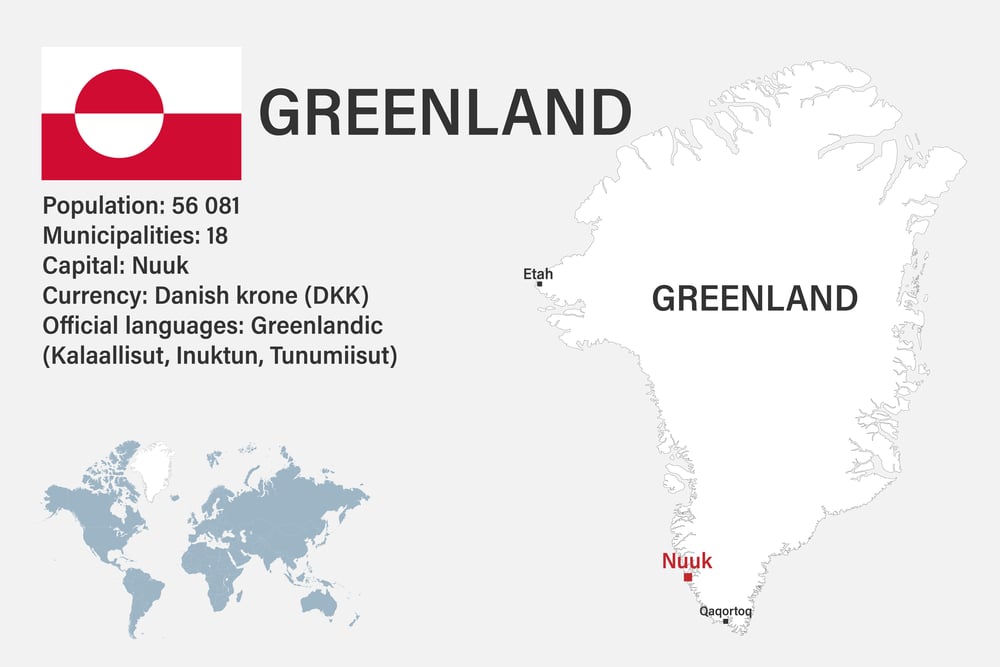
Greenland is officially the world’s largest island, covering more than 836,000 square miles. That makes it larger than Mexico and roughly three times the size of Texas. It is not considered a continent because it sits on the North American tectonic plate and lacks the geological independence used to define continental landmasses.
This distinction matters because it highlights Greenland’s unusual scale. It dominates maps of the Arctic and shapes regional weather patterns simply by existing. When people imagine islands as compact and contained, Greenland quietly overturns that assumption.
Even so, much of this enormous area remains untouched by permanent human settlement, reinforcing its reputation as one of the planet’s last great wildernesses.
Ice Covers Most of the Land
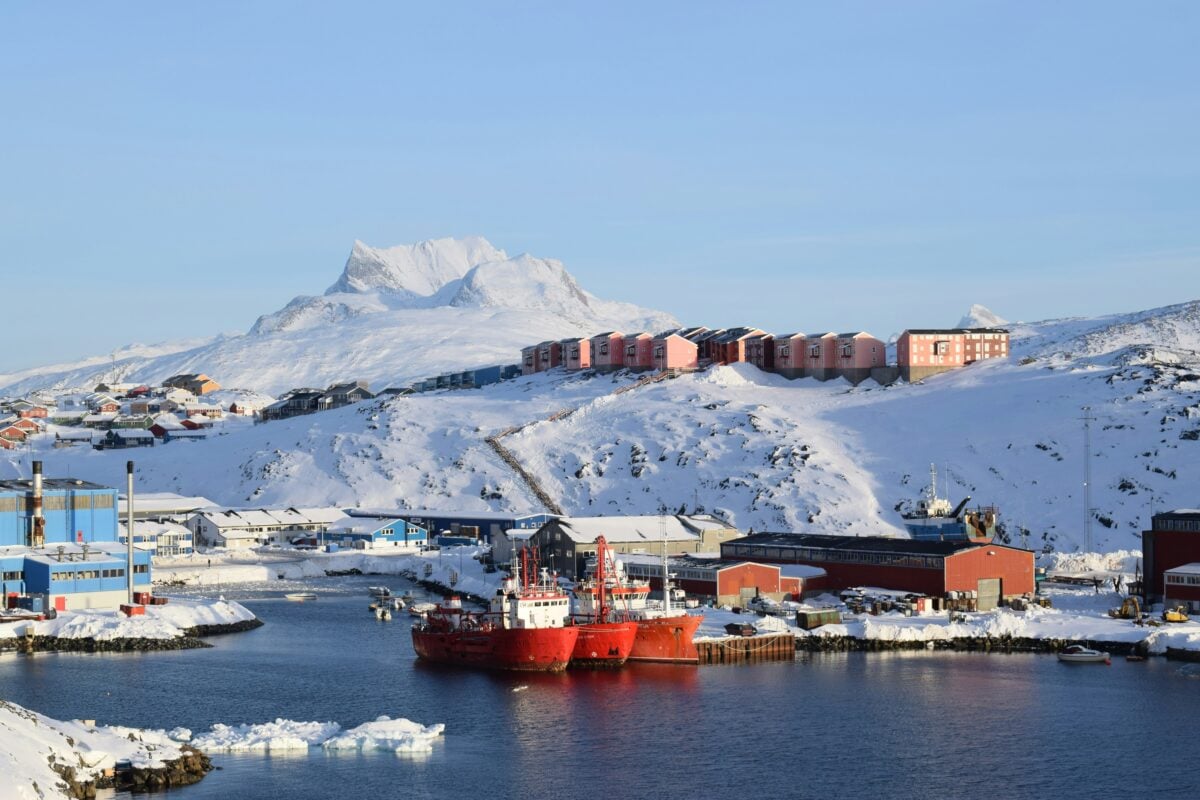
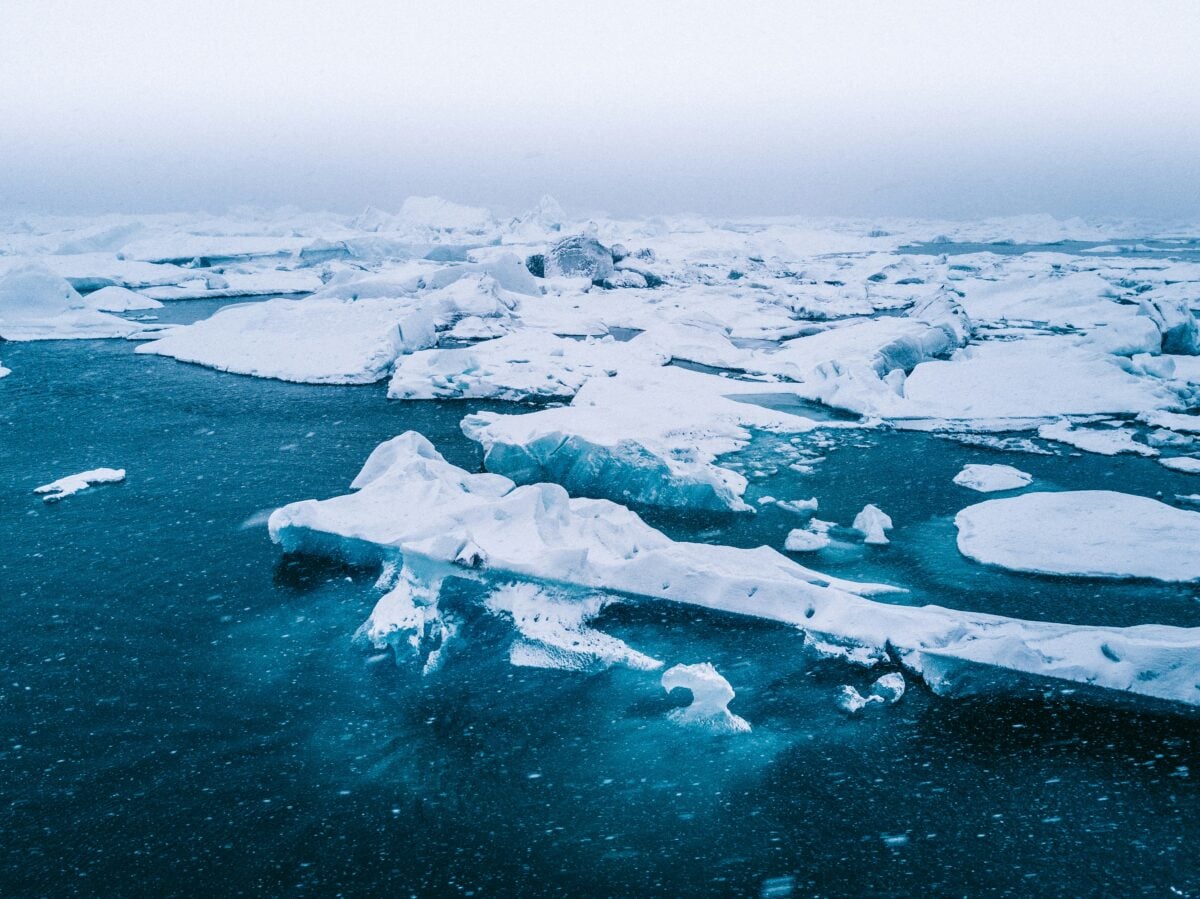
Roughly eighty percent of Greenland is buried beneath an ice sheet that reaches depths of more than two miles in places. This ice is not static. It flows slowly toward the coast, feeding glaciers that release icebergs into surrounding seas.
The sheer volume of ice makes Greenland a central player in global climate systems. If the entire ice sheet were to melt, global sea levels would rise by more than twenty feet. While such a scenario would unfold over long periods, even small changes have measurable worldwide effects.
That said, Greenland’s ice also preserves a detailed climate record. Layers trapped deep within it offer scientists a window into Earth’s atmospheric history stretching back hundreds of thousands of years.
The Coastline Is Vast and Complex
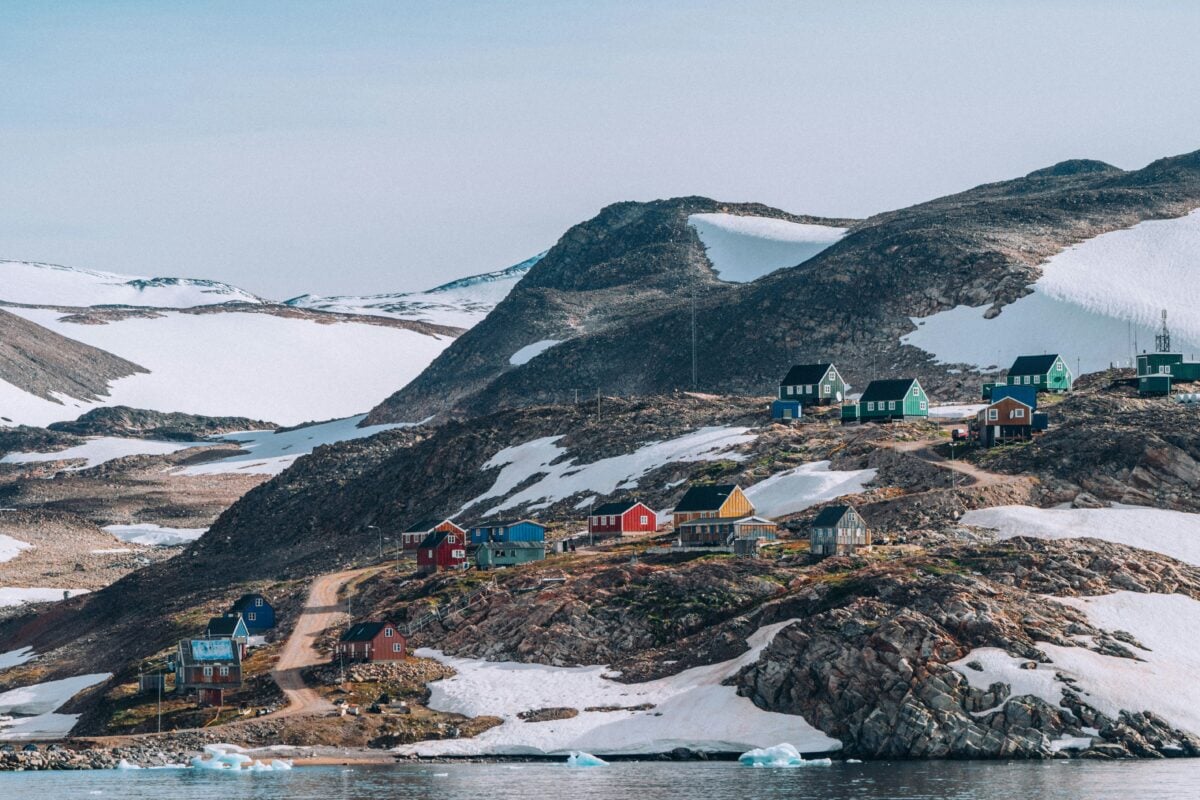
Greenland’s coastline is among the longest of any country or territory, stretching more than 27,000 miles when fjords and inlets are included. These fjords carve deeply into the land, creating dramatic landscapes where ice meets ocean.
This complex coastline shapes how people live. Many communities are accessible only by boat or air, as roads between towns are rare. Travel often follows the sea rather than land routes, reinforcing Greenland’s maritime character.
On the other hand, the coastline also creates ecological richness. Cold, nutrient-filled waters support marine life that has sustained local populations for generations.
A Small Population Spread Thin
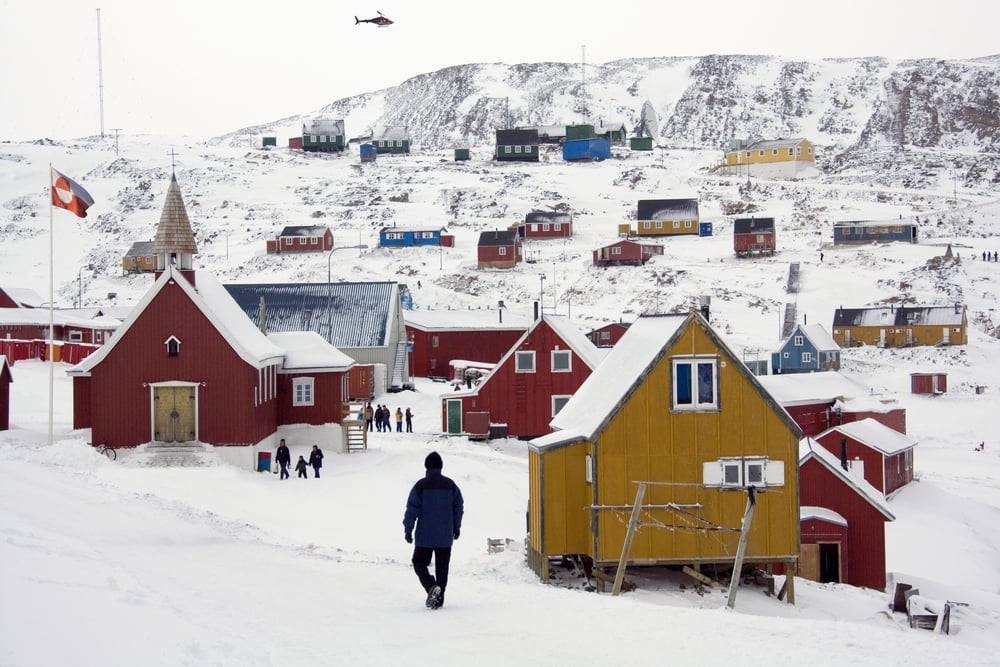
Despite its size, Greenland is home to fewer than 60,000 people. Most live along the western coast, where conditions are milder and access to resources is easier. The interior remains almost entirely uninhabited.
This low population density creates a striking contrast between space and presence. Entire regions exist without permanent human activity, a rarity in the modern world. Communities are tightly knit, shaped by shared challenges and mutual reliance.
Still, urban life does exist. The capital, Nuuk, functions as a political, cultural, and economic hub, balancing modern infrastructure with strong ties to tradition.
Indigenous Roots Run Deep
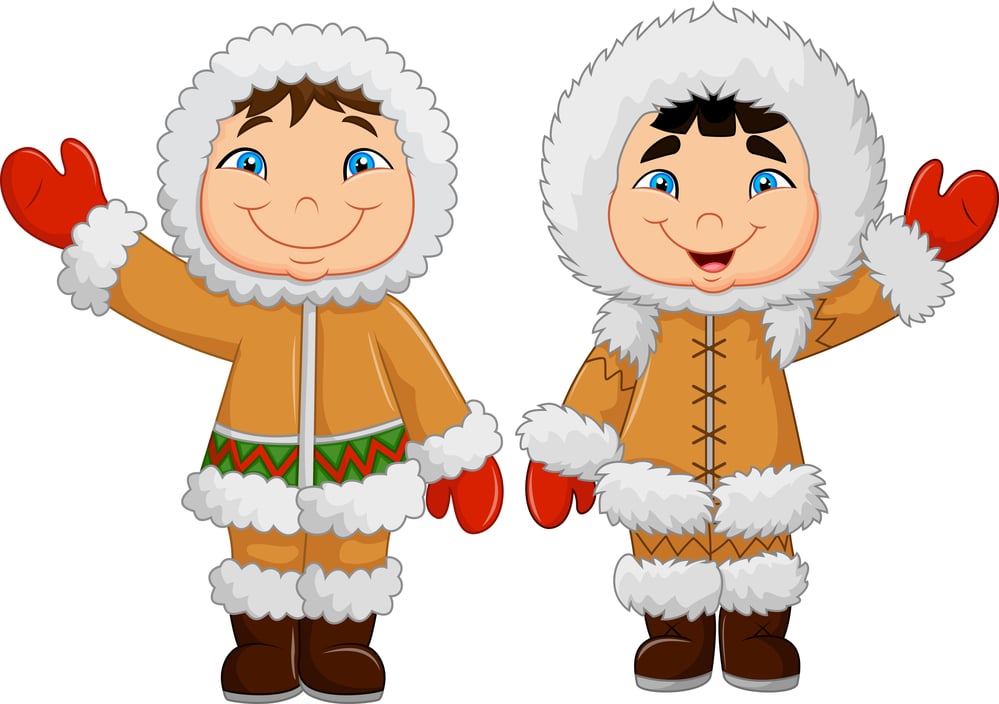
The majority of Greenland’s population is Inuit, with cultural roots stretching back thousands of years. Traditional knowledge developed in response to extreme conditions, emphasizing adaptability, cooperation, and respect for the environment.
Language remains a central marker of identity. Greenlandic is widely spoken alongside Danish, reflecting both indigenous heritage and colonial history. Cultural practices continue to influence art, storytelling, and daily life.
Even so, modern Greenland is not frozen in time. Contemporary culture blends ancient traditions with global influences, creating an identity that is both resilient and evolving.
A Unique Political Status
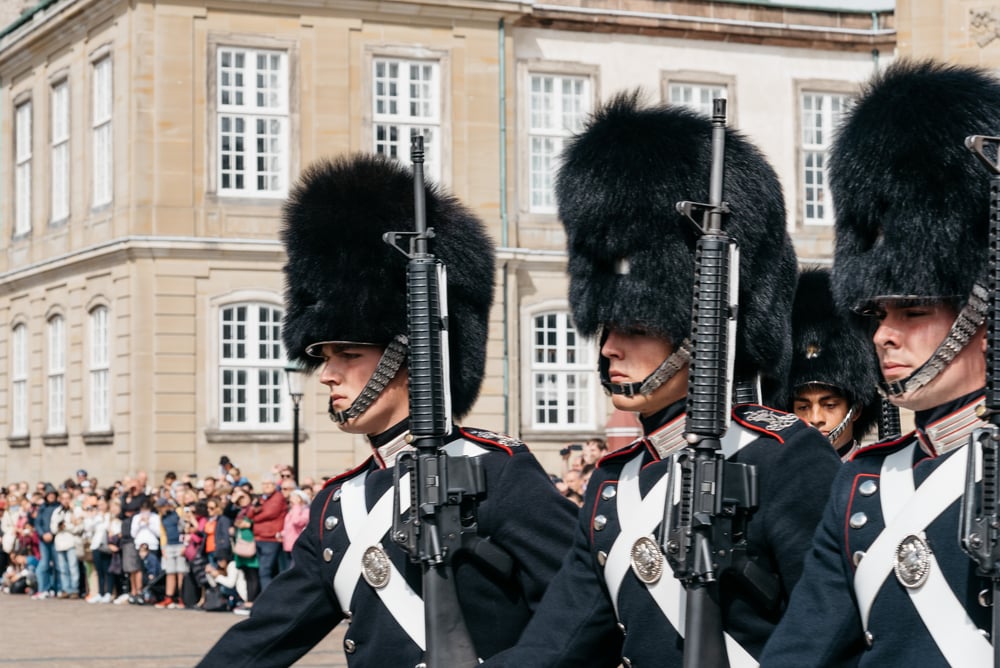
Greenland is an autonomous territory within the Kingdom of Denmark, managing most of its internal affairs while Denmark handles defense and foreign policy. This arrangement reflects a long process of political change and negotiation.
Self-governance expanded significantly in the early twenty-first century, giving Greenland greater control over natural resources and domestic policy. Many residents view this autonomy as a step toward potential full independence.
That said, economic realities shape political discussions. Greenland relies heavily on financial support from Denmark, making the balance between independence and stability a central issue.
A Climate That Defies Simple Labels
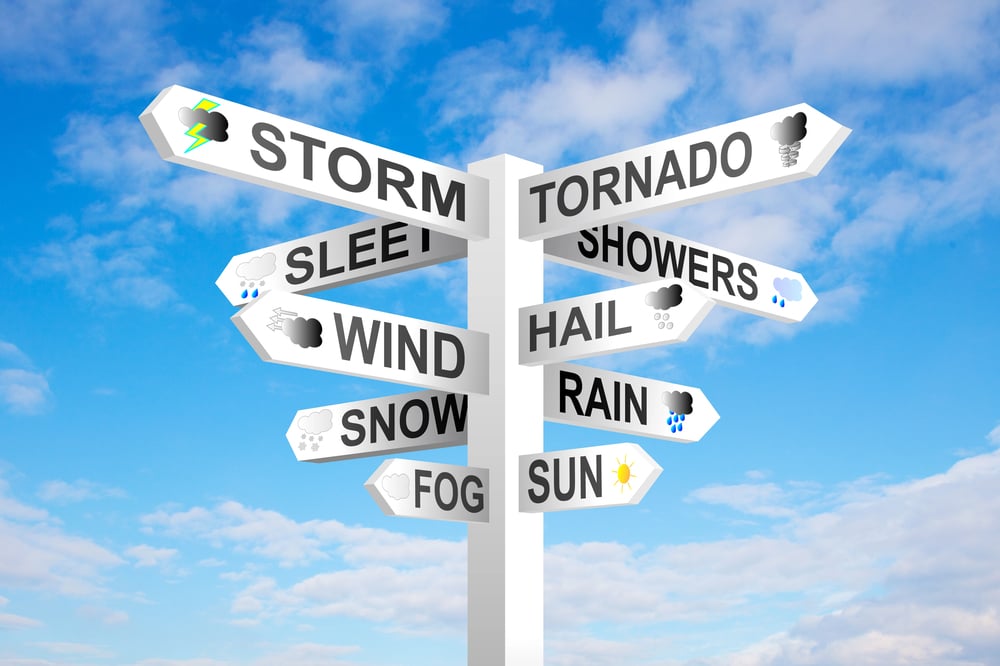
Greenland’s climate varies dramatically depending on location. Coastal areas experience milder conditions influenced by ocean currents, while the interior remains locked in extreme cold. Seasonal light patterns also define daily life, with months of continuous daylight in summer and extended darkness in winter.
These conditions shape everything from architecture to social rhythms. Buildings are designed for insulation and durability, while daily schedules adapt to shifting daylight rather than strict clock time.
Still, climate change is altering familiar patterns. Warmer temperatures affect ice stability, wildlife behavior, and infrastructure, forcing communities to adjust.
Wildlife Adapted to Extremes
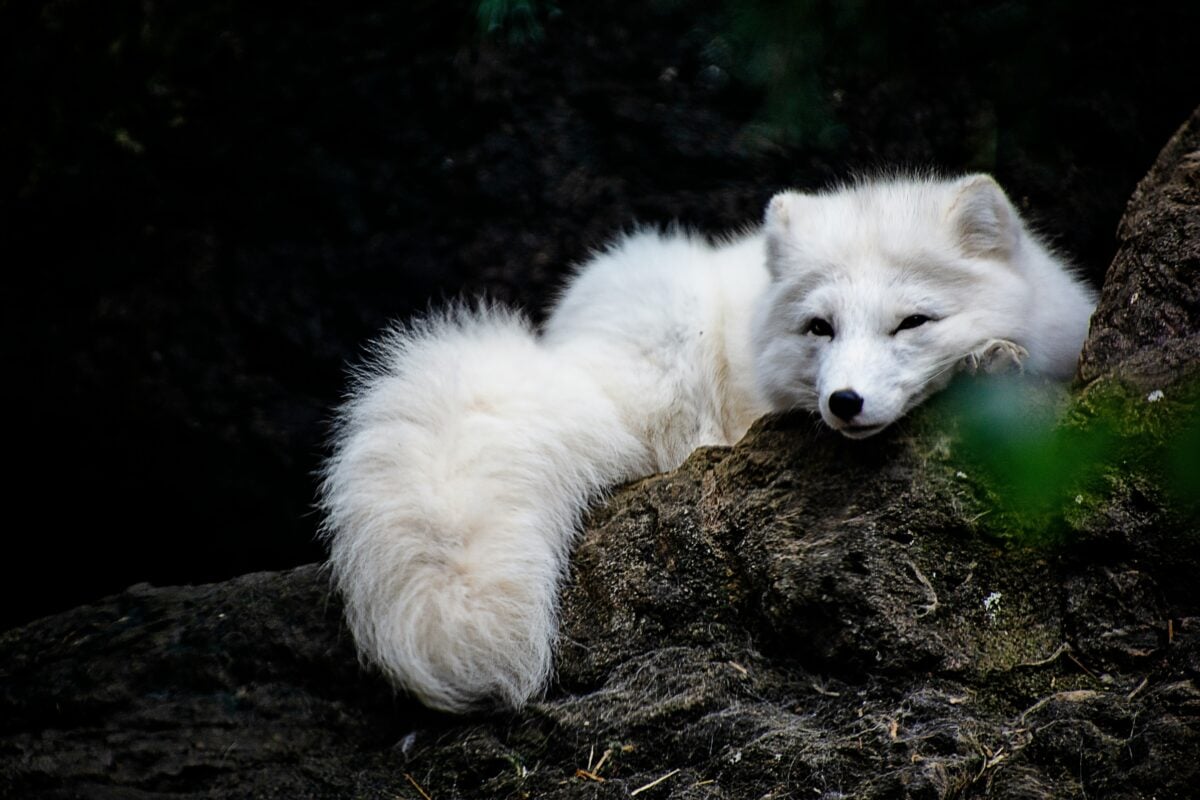
Greenland’s ecosystems support species uniquely suited to Arctic life. Polar bears, musk oxen, Arctic foxes, and seals thrive in environments where survival demands efficiency and resilience.
Marine life is especially important. Fish and marine mammals have long provided food, materials, and cultural continuity. Sustainable practices remain essential to maintaining this balance.
On the other hand, shifting ice conditions affect migration and hunting patterns. Environmental change introduces uncertainty into systems that once followed predictable cycles.
Limited Agriculture but Growing Innovation
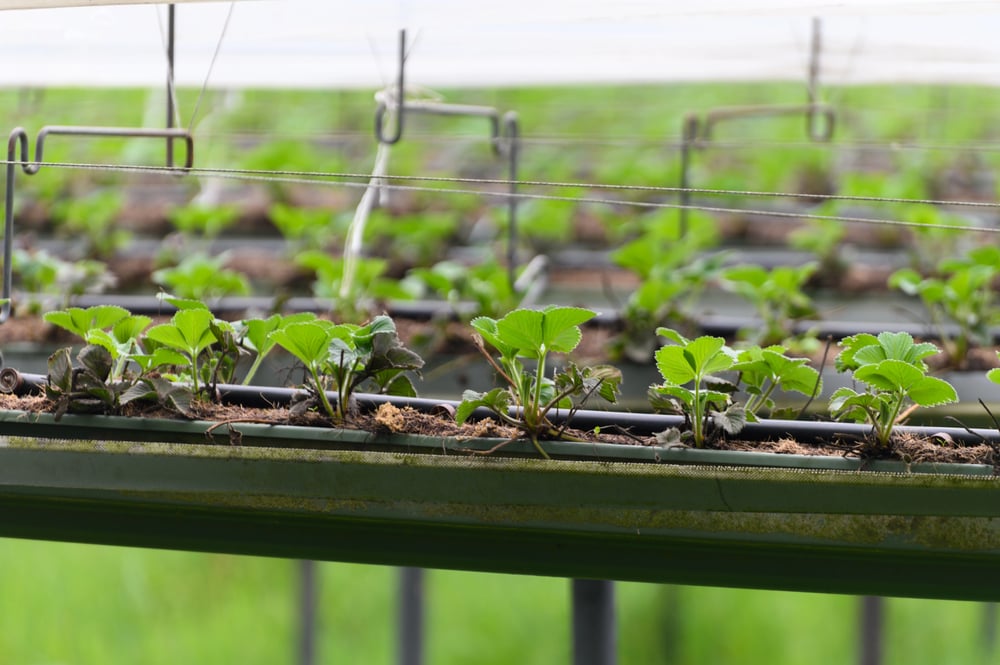
Traditional farming is extremely limited due to climate and soil conditions. Most food is imported, which increases costs and dependence on external supply chains.
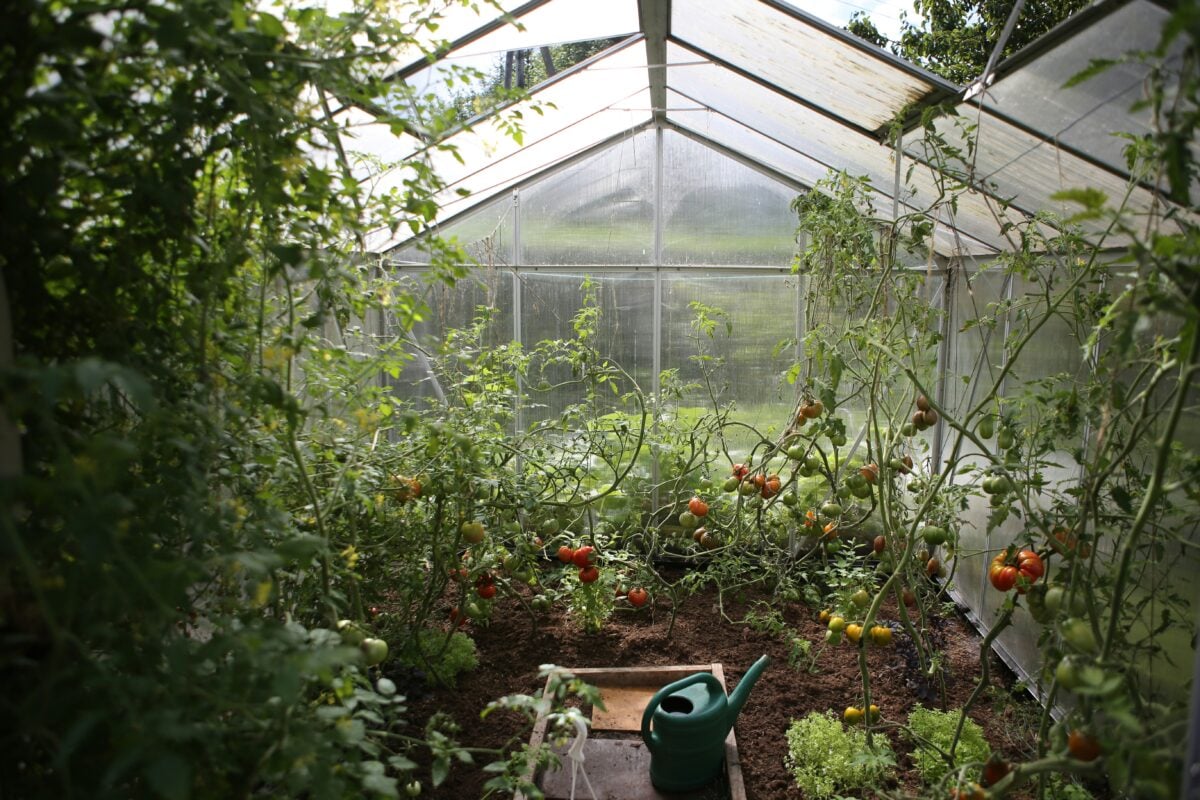
Even so, innovation is emerging. Greenhouses, hydroponic systems, and experimental farming methods are expanding local production. These efforts aim to improve food security while respecting environmental limits.
This blend of necessity and creativity reflects a broader theme in Greenlandic life. Constraints often inspire adaptation rather than stagnation.
Rich Natural Resources Beneath the Ice
Greenland holds significant mineral resources, including rare earth elements, iron ore, and other valuable materials. As ice retreats in some areas, access to these resources becomes more feasible.
This potential attracts international interest, placing Greenland at the center of global economic and strategic discussions. Resource development promises revenue but also raises concerns about environmental impact and community control.
That tension remains unresolved. Decisions about extraction involve balancing economic opportunity with cultural preservation and ecological responsibility.
Strategic Importance in the Arctic
Greenland’s location gives it strategic significance far beyond its population size. Sitting between North America and Europe, it plays a key role in Arctic navigation, security, and research.
As polar ice patterns change, new shipping routes and military considerations emerge. Greenland’s airspace and waters are increasingly relevant to global powers.
Still, residents often emphasize local priorities over geopolitical narratives. For many Greenlanders, daily life matters more than international strategy.
A Long History of Exploration

Greenland has attracted explorers for centuries, from early Norse settlers to modern scientists. The Norse presence, established around a thousand years ago, eventually vanished, leaving behind unanswered questions and archaeological traces.
Later expeditions sought new routes, scientific knowledge, or national prestige. Greenland’s harsh conditions tested explorers repeatedly, reinforcing its reputation as unforgiving yet compelling.
Today, exploration continues in quieter forms. Research stations and field studies focus on climate, geology, and ecology rather than conquest.
Transportation Shapes Daily Life
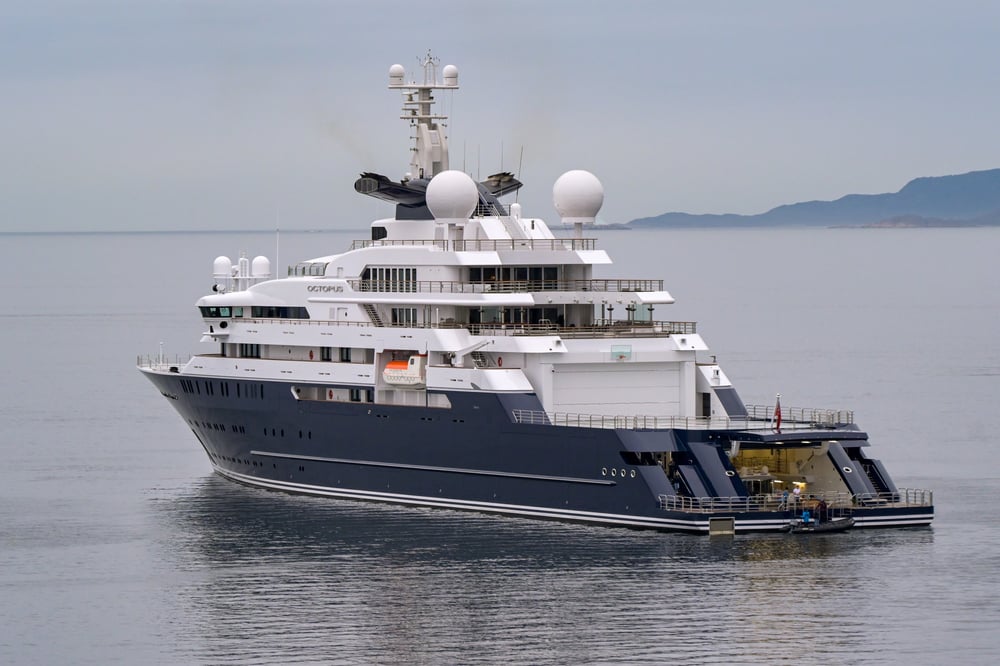
With few roads connecting towns, air and sea travel dominate transportation. Small aircraft, helicopters, and boats link communities separated by mountains and ice.
This reliance shapes schedules and expectations. Weather delays are common, and flexibility is a necessity rather than a convenience. Planning accounts for nature’s unpredictability.
Even so, these systems foster strong regional connections. Travel may be limited, but it is deeply embedded in how communities interact.
Modern Life Meets Ancient Landscapes
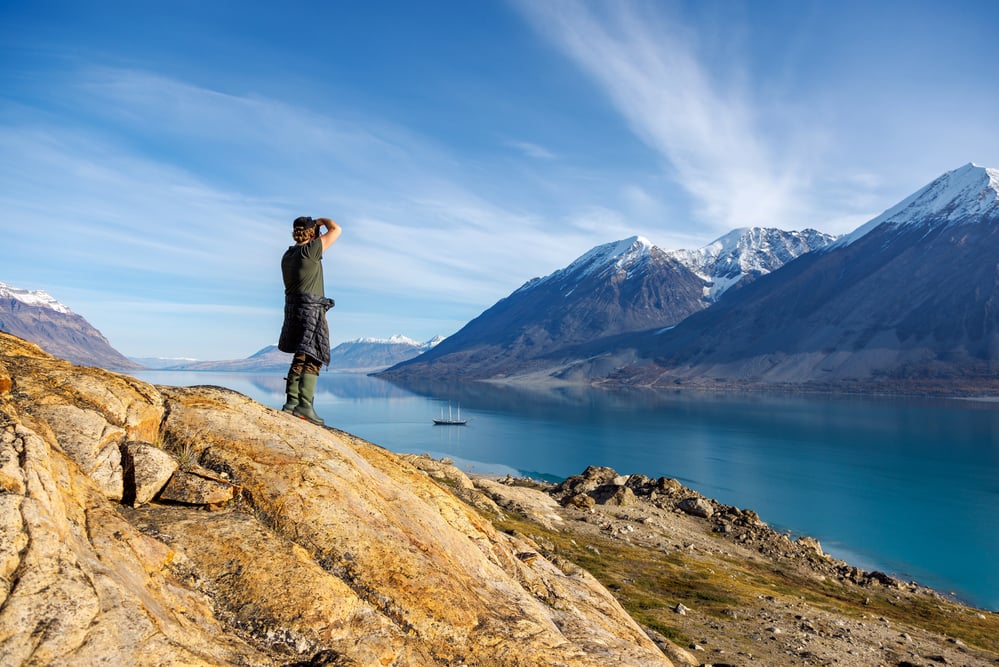
Technology plays an increasing role in Greenlandic life. Internet access, modern healthcare, and education connect residents to the wider world despite physical isolation.
At the same time, the surrounding landscape remains largely unchanged. Mountains, ice, and sea continue to dominate daily experience, grounding modern routines in ancient geography.
This coexistence creates a distinctive rhythm. Progress arrives without erasing the presence of the land itself.
Why Greenland Matters More Than Ever
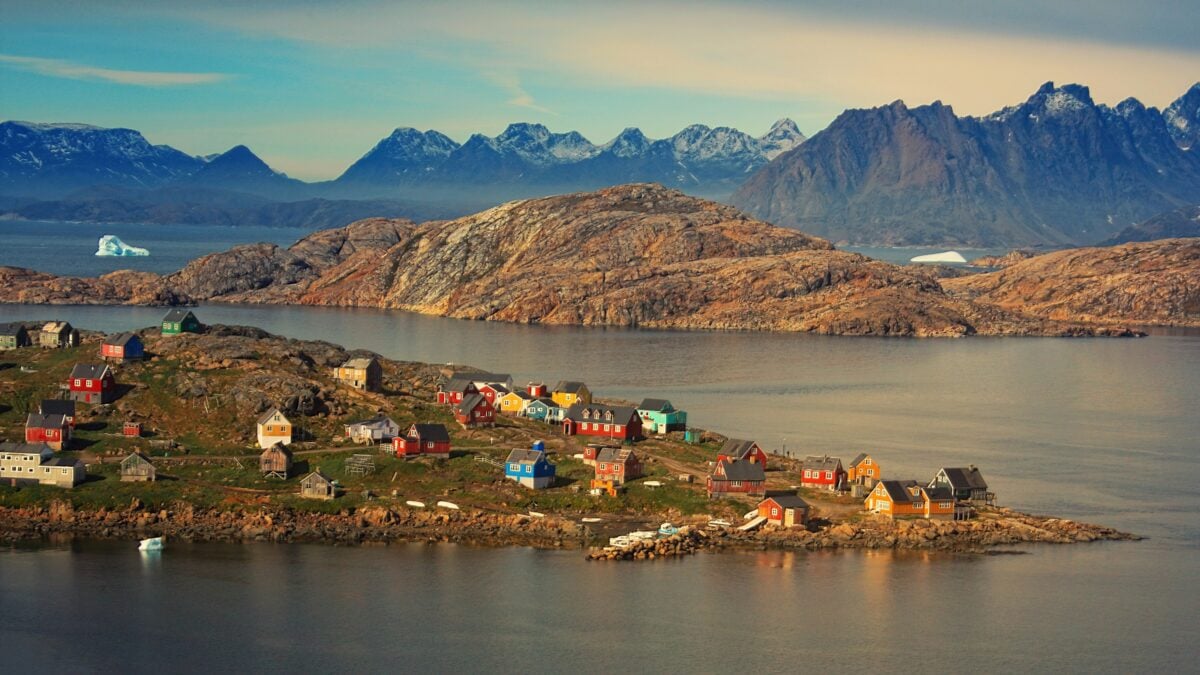
History shapes Greenland just as much as today does. Trapped inside the glaciers lies evidence of old climates, while daily life follows ways built through enduring harsh conditions. Right now, eyes around the world turn toward what comes next – shifting weather patterns sit alongside growing self-rule. The island moves forward without leaving its core behind.
Frozen shifts on that distant shore quietly reshape coastlines elsewhere. When glaciers retreat, oceans rise everywhere else instead. Choices made under icy skies tilt outcomes in distant cities too. Size magnifies consequence here – each move carries farther than expected.
Still, Greenland stands – its icy presence hard to ignore. Though the planet feels smaller now, this sprawling land shifts how nations talk, without saying a word.
More from Go2Tutors!

- The Romanov Crown Jewels and Their Tragic Fate
- 13 Historical Mysteries That Science Still Can’t Solve
- Famous Hoaxes That Fooled the World for Years
- 15 Child Stars with Tragic Adult Lives
- 16 Famous Jewelry Pieces in History
Like Go2Tutors’s content? Follow us on MSN.



