Statues With Missing Limbs
Missing pieces show up everywhere you look in old sites and galleries. Shoulders mark where arms once reached out, fingers vanish into time, one leg might just trail off mid-shape after centuries of wear.
What looks like loss is not fixed or hidden. Often, it stays exactly as found – part of what the thing now means.
This embrace signals a change in perspective on art and the past. Not focused on perfect condition anymore, those who care for collections now see truth in age, wear, or repair.
Gaps do not break the tale. They belong within it.
Take broken statues, for instance – time wore down their arms, nature chipped away at fingers, some were stripped on purpose. What stands now emerged through decay, damage, or deliberate removal.
Shapes we see came not whole, but altered by accident, weather, or human hands.
Venus de Milo
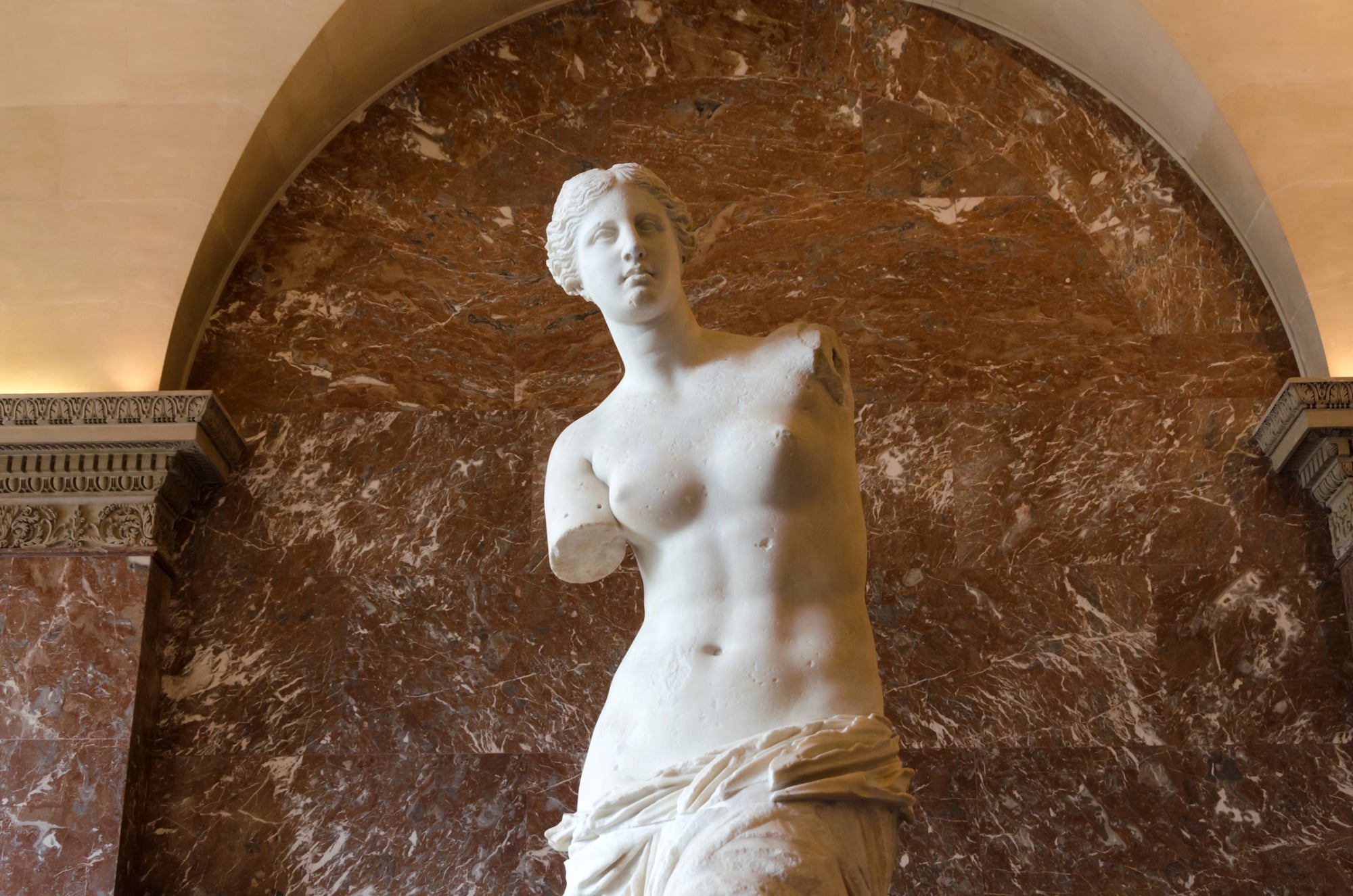
The Venus de Milo stands as one of the most recognisable statues in the world, defined largely by the absence of her arms. When the sculpture was discovered on the island of Milos in 1820, the limbs were already gone.
Fragments were reportedly found nearby, but nothing conclusive enough to restore them with certainty.
Rather than attempting reconstruction, the statue was displayed as found. That decision transformed uncertainty into strength.
Viewers focus on the subtle twist of the torso, the balance of weight, and the quiet expression rather than missing details. The loss invites attention rather than distraction, allowing imagination to engage where certainty ends.
Winged Victory of Samothrace
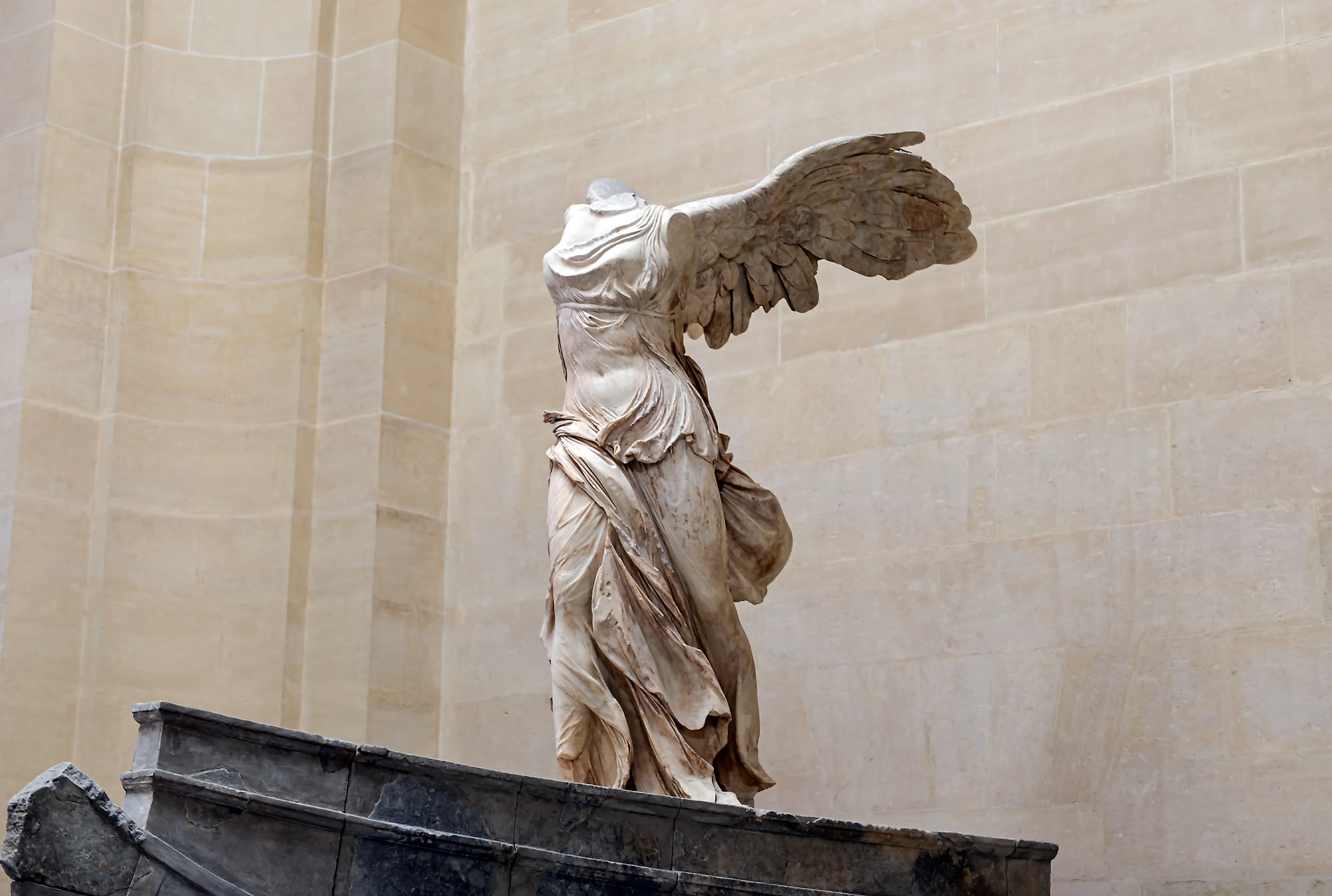
The Winged Victory of Samothrace conveys motion even without a head or arms. Positioned as though descending onto a ship’s prow, the statue relies on sweeping lines and flowing drapery to suggest movement.
The missing limbs do not interrupt the effect.
Created to commemorate a naval victory, the sculpture was meant to communicate triumph through energy rather than facial detail. The absence of arms shifts focus to posture and momentum.
Time stripped away parts, but left behind a powerful sense of arrival and force that remains intact.
Parthenon Marbles
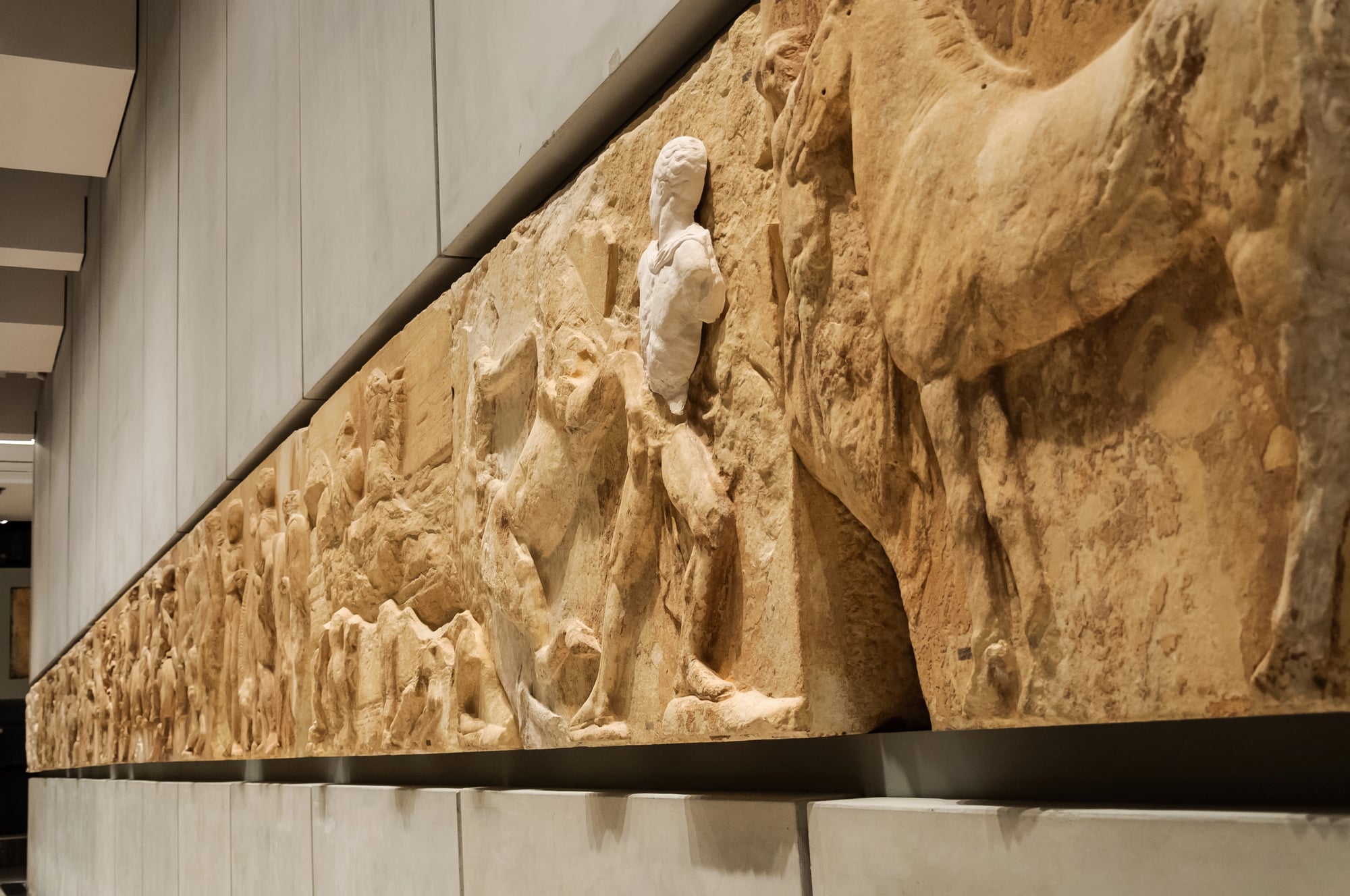
The sculptures that once decorated the Parthenon in Athens survive in varying states of fragmentation. Many figures are missing arms, hands, or lower sections, the result of centuries of weather exposure, conflict, and removal.
These losses occurred gradually rather than through a single act of destruction.
Despite this, the remaining forms still communicate narrative and rhythm. Muscles, fabric, and movement remain visible, even when limbs do not.
The fragments reveal how classical sculpture was never static. It existed outdoors, interacted with the elements, and changed over time.
What survives reflects endurance rather than perfection.
Laocoön and His Sons
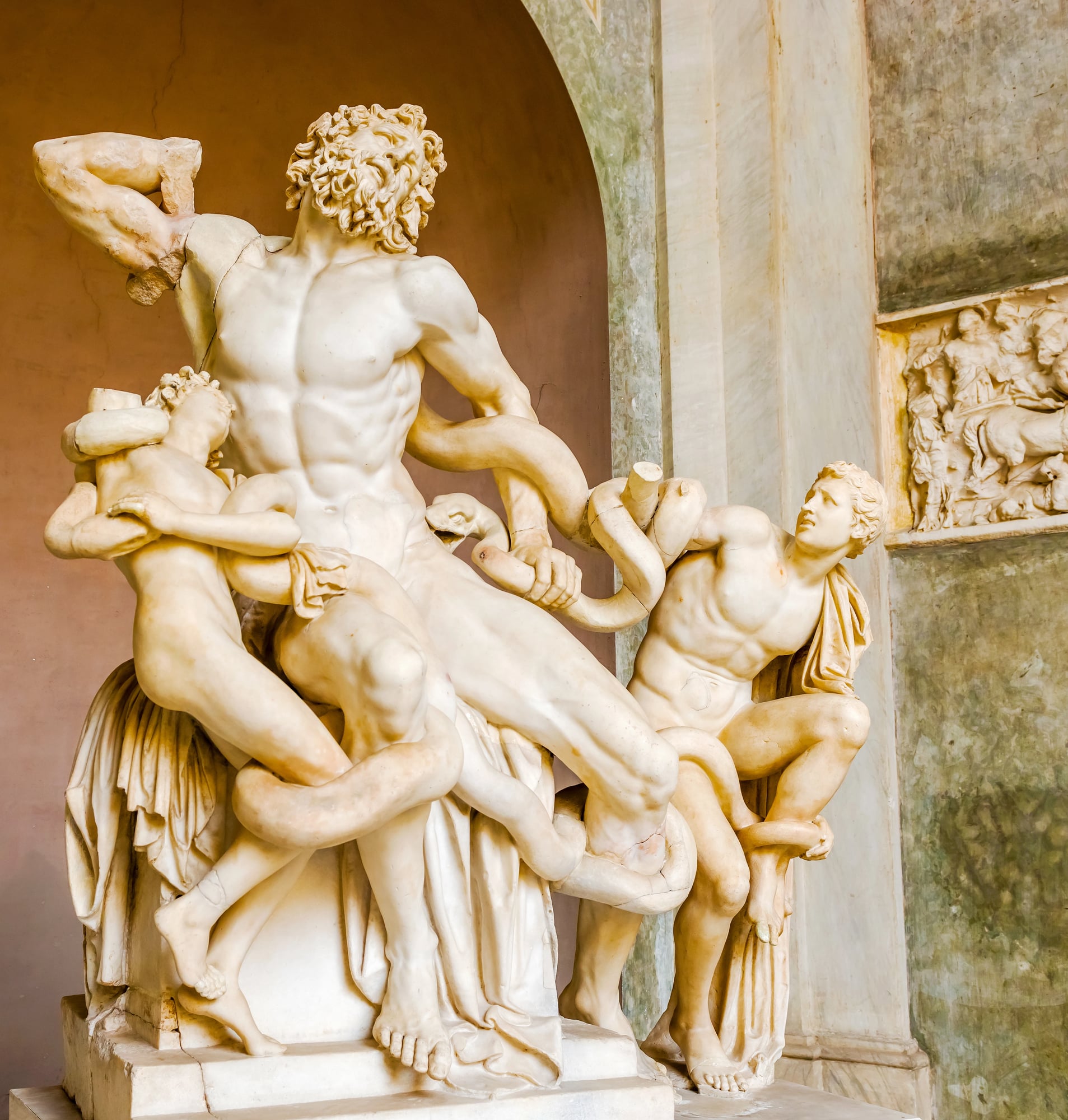
The Laocoön group depicts figures entangled with serpents, carved with dramatic intensity. When rediscovered in Rome during the Renaissance, several parts were missing, including sections of arms.
Restorers added replacements based on interpretation rather than evidence.
Centuries later, scholars reassessed those additions. Some were removed when they were found to be inaccurate.
The statue now carries signs of both ancient loss and modern correction. Its appearance reflects evolving attitudes toward restoration, where restraint eventually replaced creative completion.
The Riace Bronzes
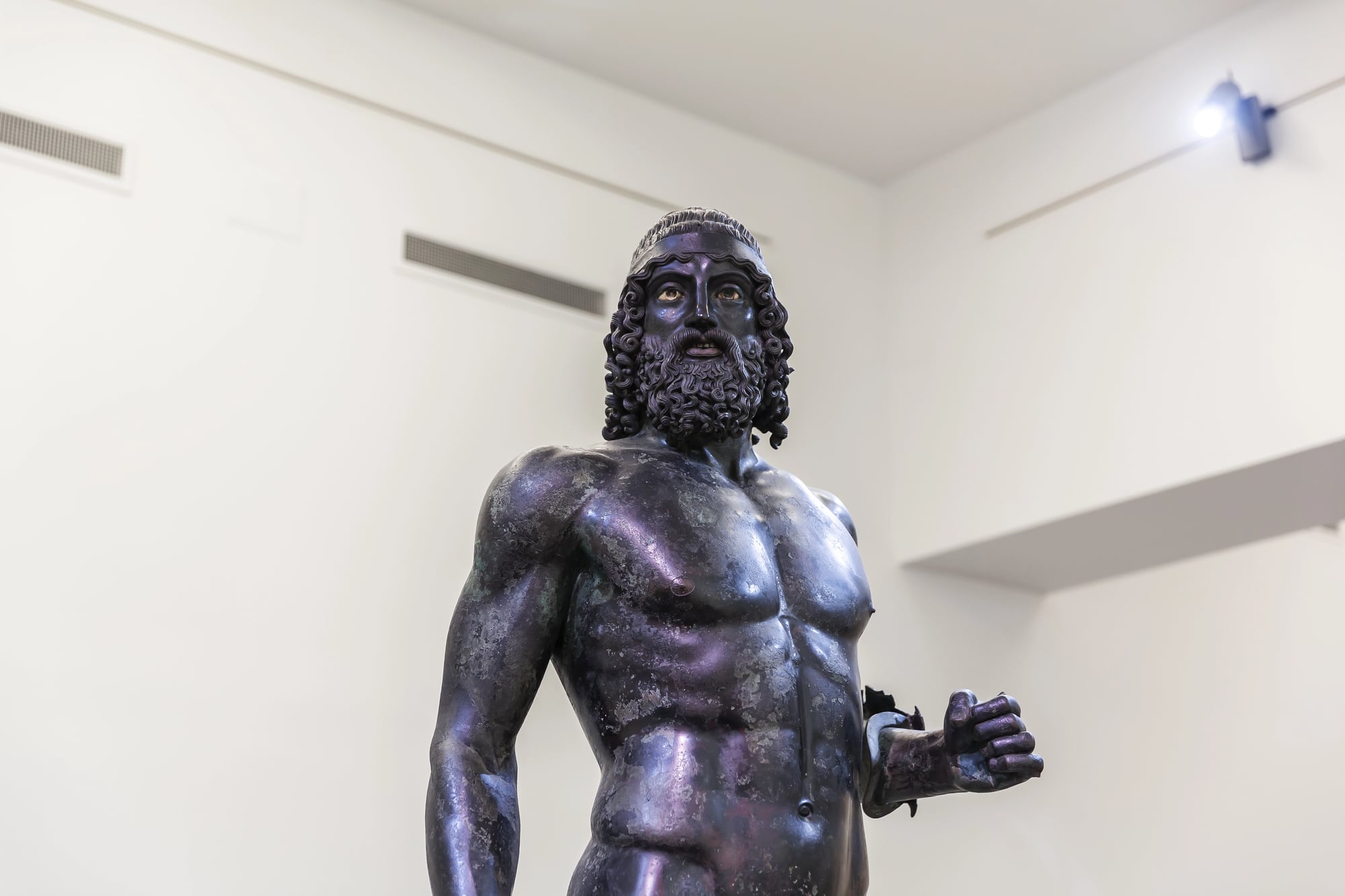
The Riace Bronzes were recovered from the sea off the Italian coast in the twentieth century. Exposure to water and impact over time led to the loss of accessories and extended elements.
While the core figures survived remarkably well, missing parts altered how historians interpreted posture and original appearance.
Rather than attempting speculative reconstruction, conservators chose stabilisation. The bronzes stand today with visible absence, valued for what they authentically retain.
Their condition underscores a modern preference for preservation over cosmetic completeness.
Statue of Ramesses II at Memphis
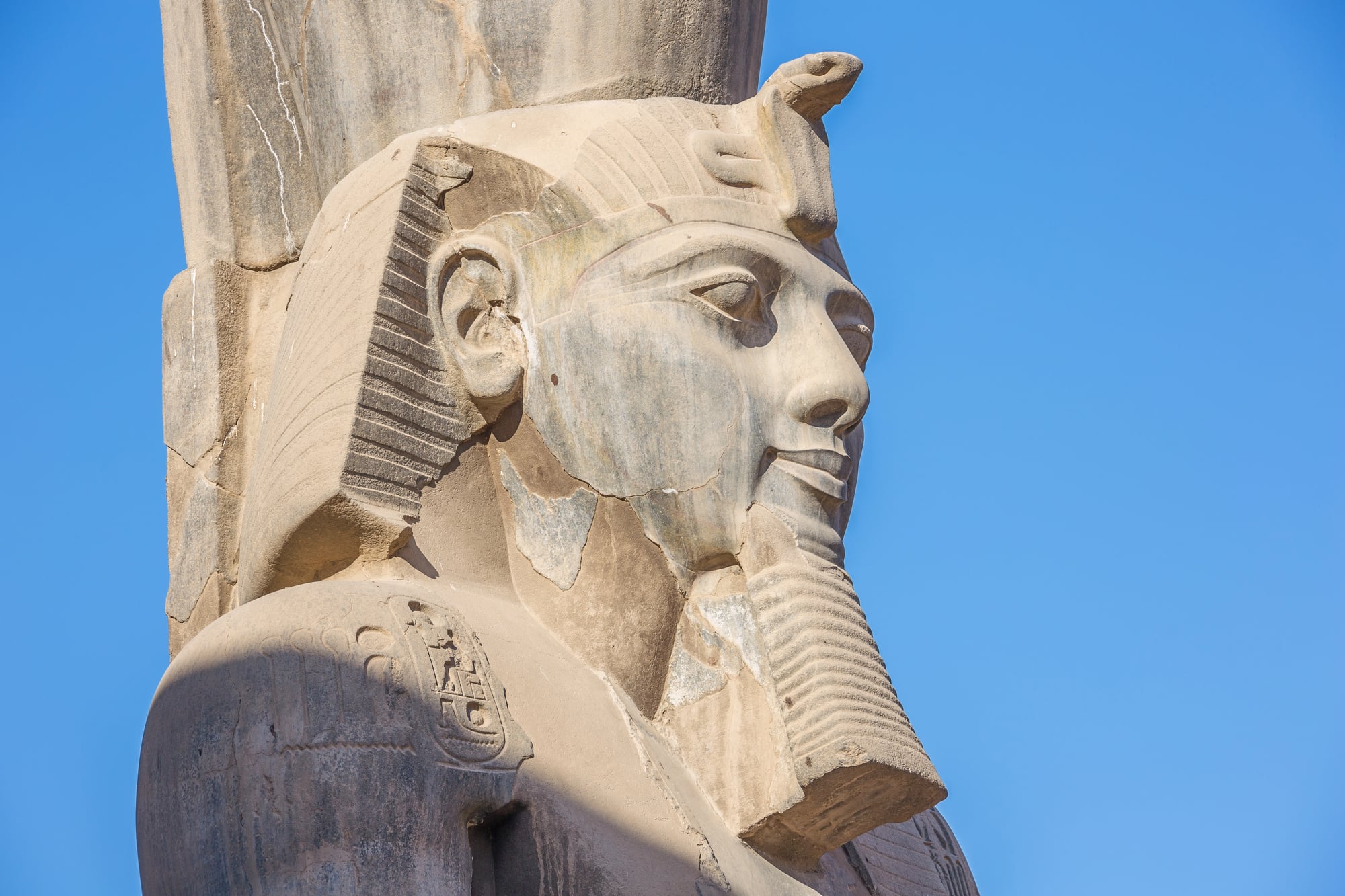
Ancient Egyptian colossal statues often survive only in fragments. One massive statue of Ramesses II at Memphis lies broken, with limbs detached and sections scattered.
The damage occurred over centuries through natural decay, stone reuse, and political upheaval.
Despite this, the remaining pieces still communicate scale and authority. Even fragmented, the statue conveys the ruler’s intended presence.
The missing limbs highlight how monumentality does not guarantee permanence, and how even the most ambitious works remain vulnerable to time.
Easter Island moai

The moai statues of Rapa Nui are commonly perceived as heads rising from the earth. In reality, many have full bodies buried underground, complete with arms carved close to the torso.
Some have experienced damage to exposed areas due to erosion and human activity.
This partial visibility has shaped popular understanding. The impression of incompleteness comes not only from loss, but from context.
What remains hidden alters perception just as much as what has disappeared, reminding viewers that absence is sometimes a matter of perspective.
Michelangelo’s Slaves
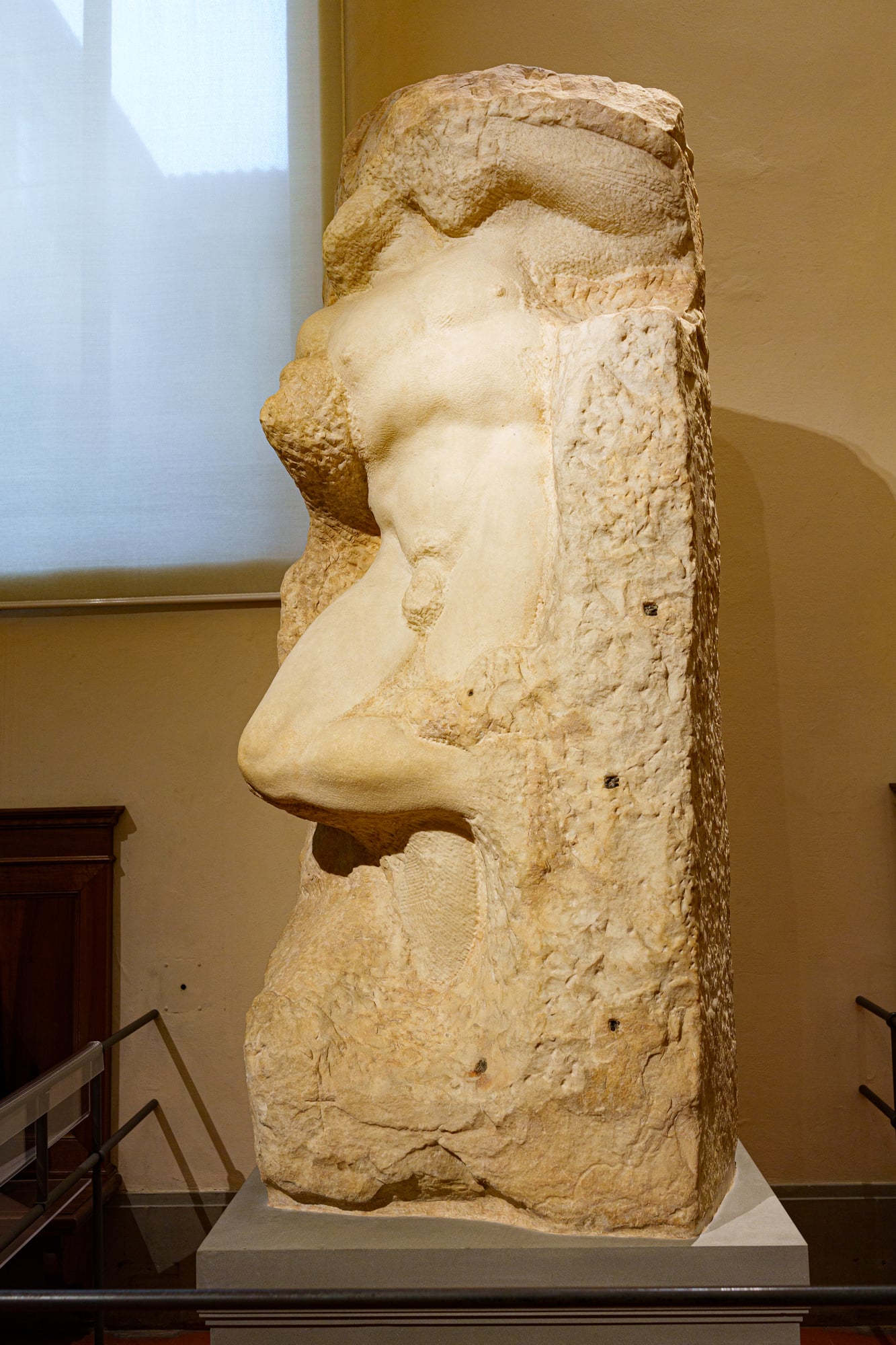
Michelangelo’s Slave sculptures appear unfinished, with limbs emerging from stone rather than fully formed. These figures were never completed, yet they are not considered damaged.
The incomplete limbs are intentional, suggesting struggle and tension between material and form.
Rather than depicting loss, these statues explore restraint. The partially revealed bodies imply motion held in suspension.
In this case, missing limbs are expressive rather than accidental, showing how absence can be an artistic tool rather than a consequence of decay.
Buddhist statues of Gandhara
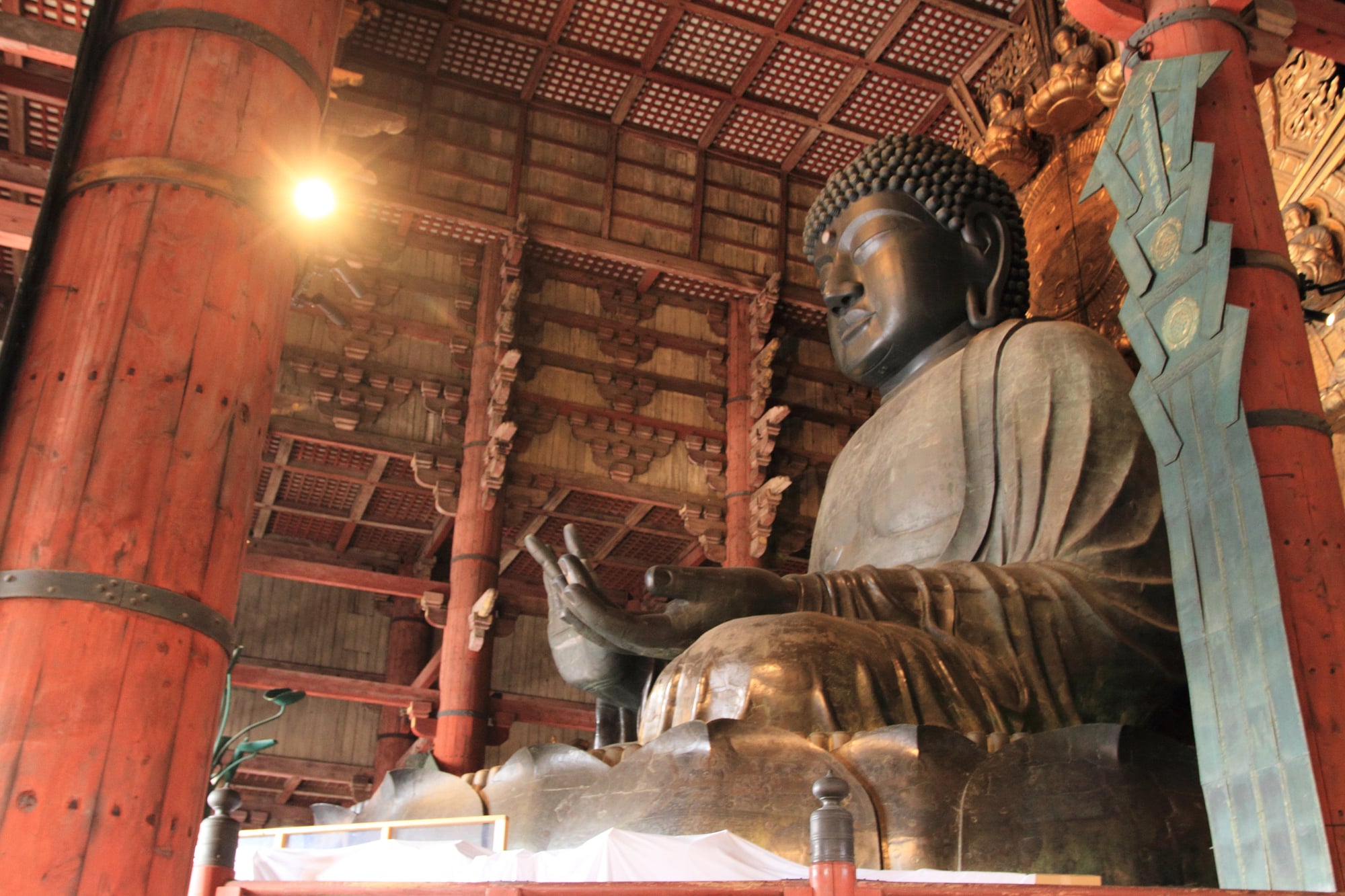
Out here, a lot of old Buddha figures from Gandhara have lost their arms or hands – time takes its toll. Since these pieces stuck out, they snapped more easily.
Moving around over hundreds of years didn’t help either.
Stillness stays on their faces, sitting just like before, untouched by repairs meant to fill gaps with guesses. Time took arms away, yet what remains holds strong.
What is gone speaks as much as what stands. Quiet dignity continues, shaped by years but never emptied of purpose.
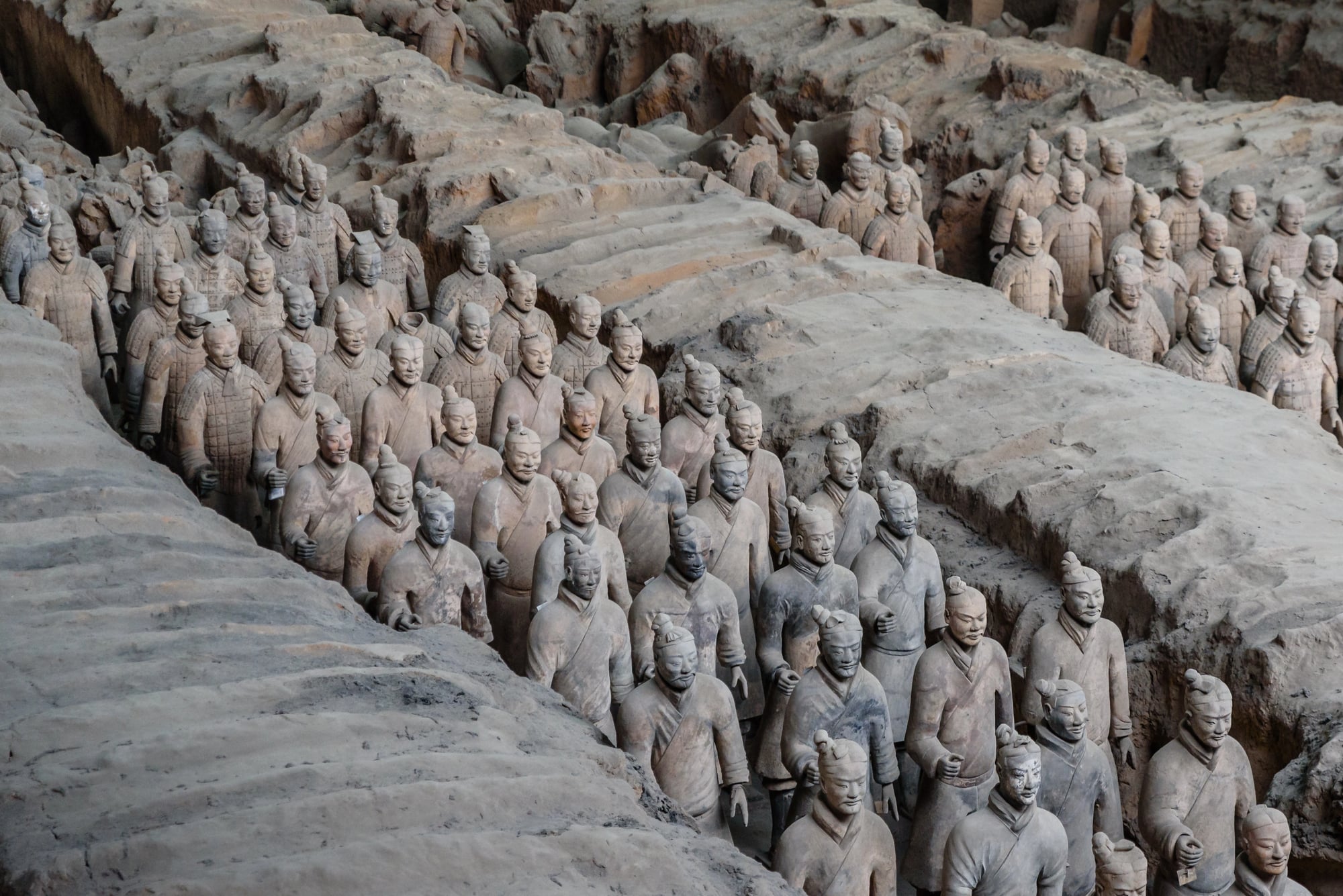
Terracotta Army figures
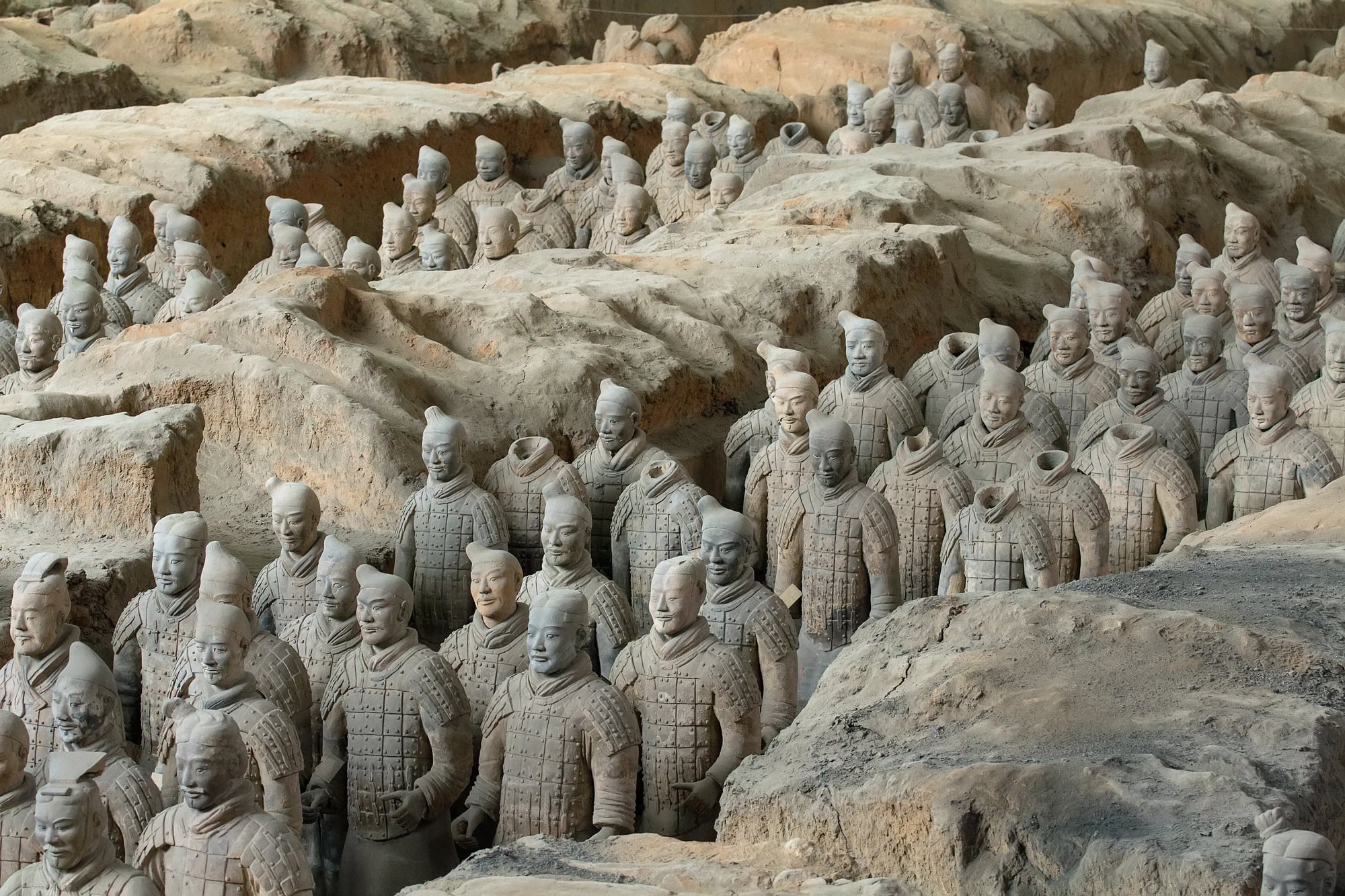
Broken bits lay scattered when workers dug up the ancient soldiers near Xian. Long ago, rooftrees gave way under time’s weight, knocking off limbs and fingers.
Each fragment got pieced together slow by experts watching every detail. Even now, a few statues miss parts, silent gaps where pieces never showed.
What we see speaks less about poor craftsmanship more about being buried then found again. Order, rank, size – these come through clearly despite time’s toll.
Some arms and legs are gone yet details elsewhere remain sharp, showing how breaking apart and staying whole happened at once.
Khmer temple sculptures

Fragments of statues at Angkor and nearby Khmer temples frequently miss limbs. Time and touch have worn them down through the ages.
Still, numerous carvings stay rooted within the broken walls around them.
Out in the open, lost arms become part of the view instead of breaking it. These days, keeping things steady matters most, along with where they sit.
Marks of time stay visible on the figures, showing care for survival more than fixing them up.
Roman marble copies
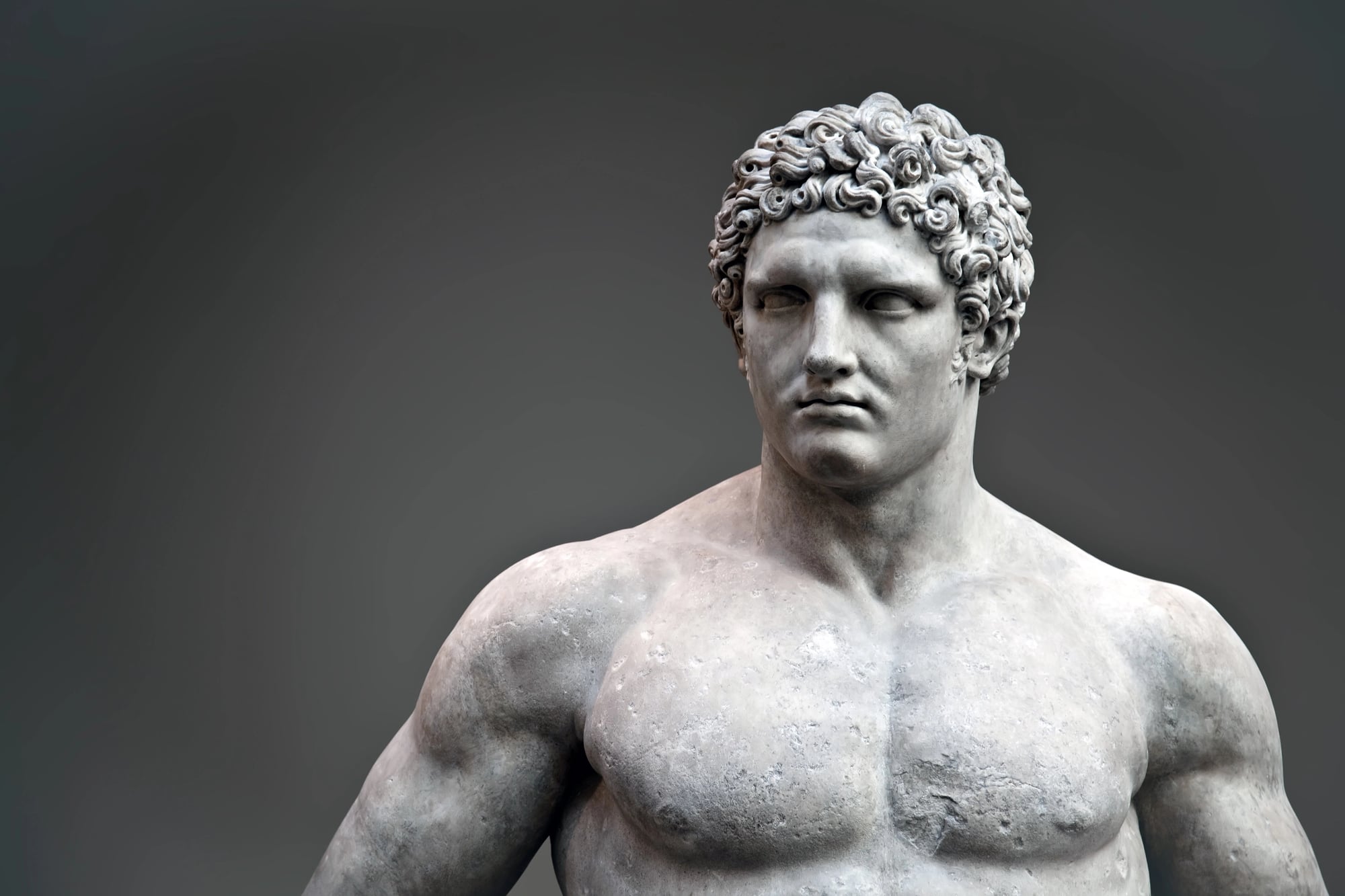
Many Roman marble statues copied earlier Greek bronze works. Bronze originals often featured extended limbs that translated poorly into stone, making them structurally vulnerable.
Over time, these extensions broke away.
The losses reveal material limitations as much as historical damage. Marble could not always support the same reach or delicacy.
The missing limbs expose the practical realities behind artistic ambition, reminding viewers that form is shaped by material as well as vision.
How absence reshapes meaning
Broken arms, missing heads – these gaps tell stories older than stone. Survival carved into form through storms, sun, silence.
Each fragment stands because something let it last. What’s gone speaks as loud as what stays.
Missing parts tell their own story instead of pretending nothing was lost. These gaps show how time affects things differently, piling change without symmetry or tidy endings.
What feels incomplete becomes whole in another way – through endurance, not flawlessness.
More from Go2Tutors!

- The Romanov Crown Jewels and Their Tragic Fate
- 13 Historical Mysteries That Science Still Can’t Solve
- Famous Hoaxes That Fooled the World for Years
- 15 Child Stars with Tragic Adult Lives
- 16 Famous Jewelry Pieces in History
Like Go2Tutors’s content? Follow us on MSN.