Wedding Customs From Around the World That Stun Most Americans
There’s something quietly revealing about the way people get married. Strip away the flowers and the music and the dress, and what you’re left with is a window straight into what a culture actually values — what it fears, what it hopes for, what it considers sacred.
Americans tend to assume that weddings are weddings: someone walks down an aisle, vows get exchanged, cake gets cut, someone cries. But spend five minutes looking at how the rest of the world does it, and that assumption falls apart completely.
Some of these traditions will make you laugh. Some will make you wince.
A few might make you genuinely reconsider whether the Western template has been leaving something important on the table all along.
Blackening of the Bride and Groom in Scotland
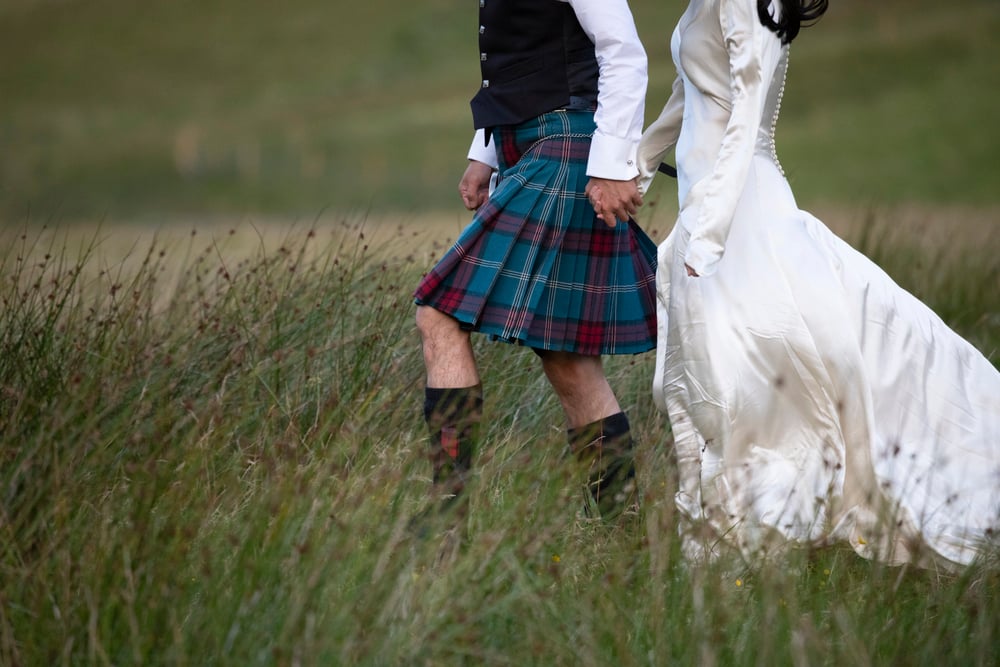
Scotland doesn’t ease you into marriage. In parts of the country, the couple gets doused in the worst combination of substances imaginable — rotten eggs, fish guts, mud, flour, molasses — then paraded through town for everyone to see.
The logic, such as it is, holds that if you can endure public humiliation together before the wedding, you can endure anything after it. And honestly, there’s a certain brutal honesty to that reasoning that the champagne-tower crowd might want to sit with.
Crying Ritual Among the Tujia People of China
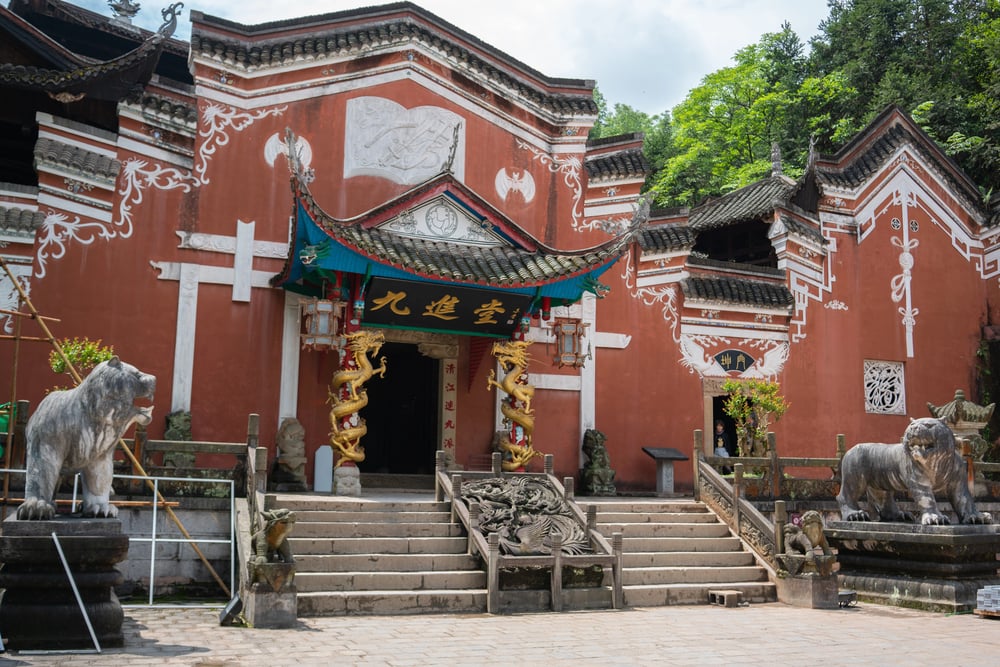
Among the Tujia people in China, brides are expected to cry for one hour every day in the month leading up to the wedding. Ten days in, the mother joins.
Ten days after that, the grandmother. By the final stretch, every female relative in the household is weeping alongside her — not from grief, but because the ability to cry beautifully is considered a mark of refinement and emotional depth.
It’s one of those traditions that flips Western assumptions entirely: joy isn’t performed here, eloquence is.
Log-Sawing in Germany
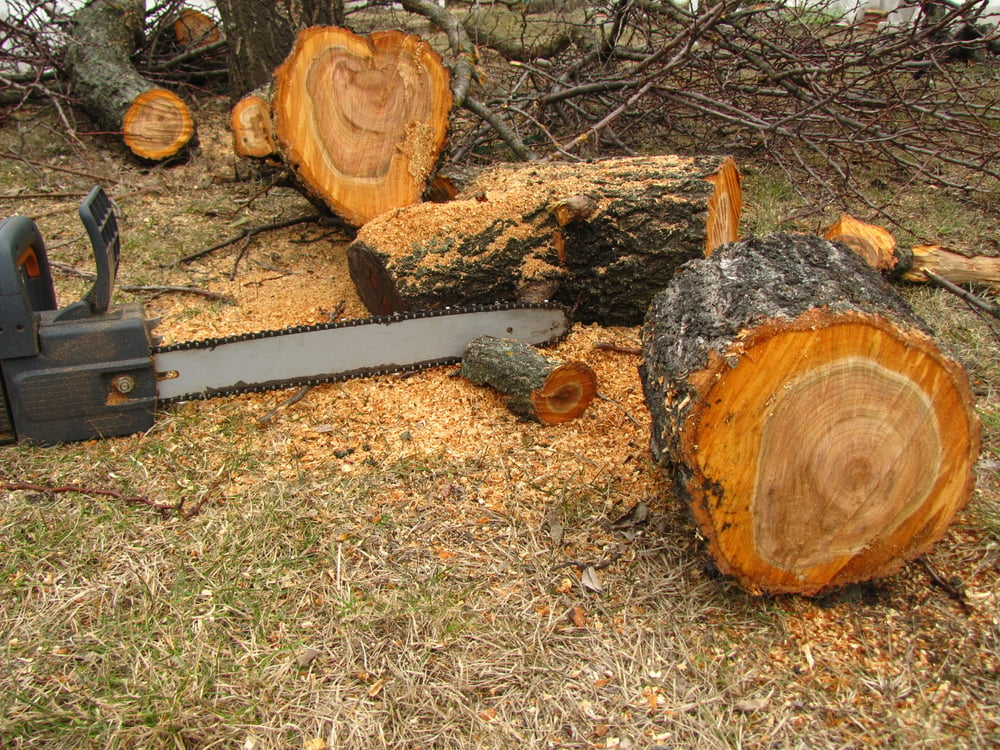
German wedding receptions include a moment where the couple is handed a two-person saw and made to cut through an actual log together, right there in front of their guests. No one pretends this is elegant.
The point is cooperation — specifically the kind that requires patience, physical effort, and the willingness to match someone else’s rhythm when you’d rather just do it yourself. It’s a more honest metaphor for marriage than most wedding speeches manage to deliver.
Kidnapping the Bride in Romania
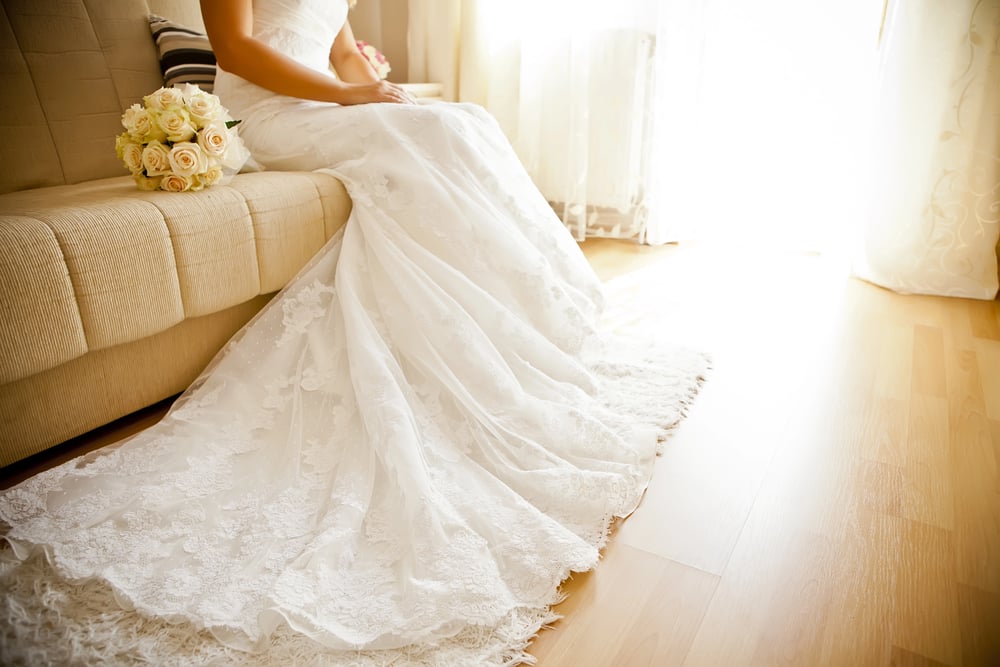
In parts of Romania, the bride gets “kidnapped” by guests during the reception — spirited away and held until the groom negotiates her return, typically in the form of cash, drinks, or a song performed in front of everyone. The whole thing is theatrical and consensual, planned well in advance, though the groom is expected to play his part convincingly.
Americans tend to react to this one with wide eyes, which is fair, but then again, the American tradition of garter retrieval has its own particular brand of awkward theater that doesn’t bear too much scrutiny either.
No Bathroom Breaks in Borneo

Among the Tidong people of Borneo, newlyweds are confined to their home for three days immediately after the wedding — no leaving, and critically, no use of the bathroom, or as close to that as is humanly survivable. The belief is that breaking this restriction brings bad luck: failed pregnancies, a troubled marriage, early death.
Family members monitor the couple and restrict their food and drink to make compliance possible. It’s extreme, full stop, and most Americans who hear about it take a beat before they can respond.
Smashing Plates in Germany

Here’s a second German entry, because Germany apparently has opinions about marriage preparation. At the Polterabend — an event held the night before the wedding — guests bring old porcelain and smash it, loudly and enthusiastically, right outside the couple’s front door.
Then the couple cleans up every shard together. The noise is believed to drive away evil spirits, though the more practical reading is that cleaning up a colossal mess together while tired, the night before your wedding, tells you something useful about the person you’re about to marry.
Henna Night in Turkey and the Middle East
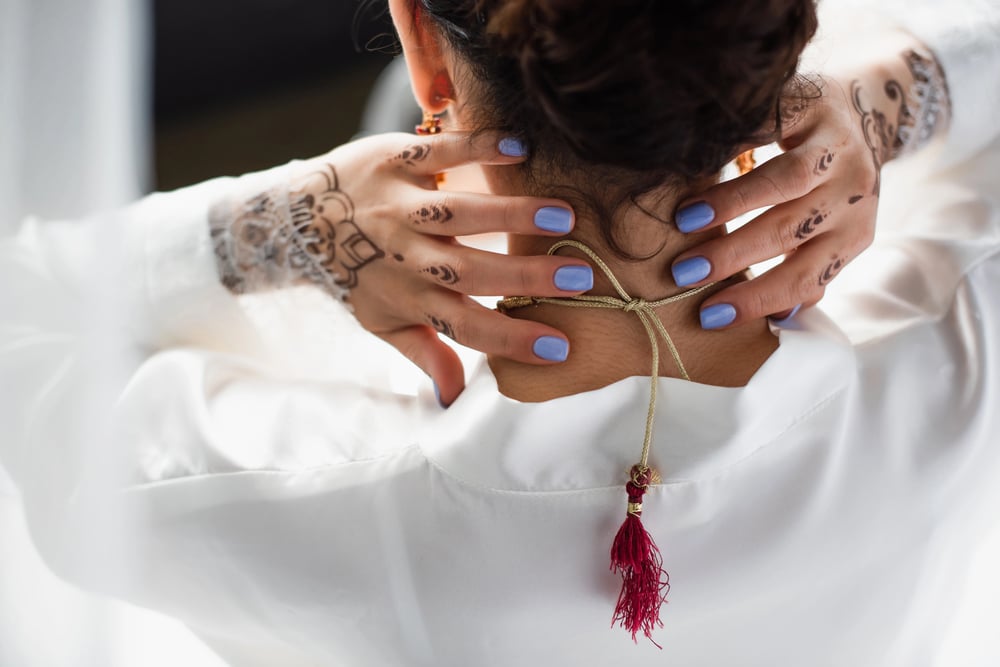
The henna night — kına gecesi in Turkish, and its equivalents across the Middle East and North Africa — is the gathering where the women of the family apply intricate henna patterns to the bride’s hands and feet while singing traditional songs, sometimes ones that are openly mournful about her leaving her family home. It’s a ceremony built around the emotional weight of a threshold being crossed, not just a celebration but a formal acknowledgment of loss alongside joy.
Americans have bridal showers, which are fine, but they rarely make room for the grief that’s also genuinely present.
Wearing Red in China and India
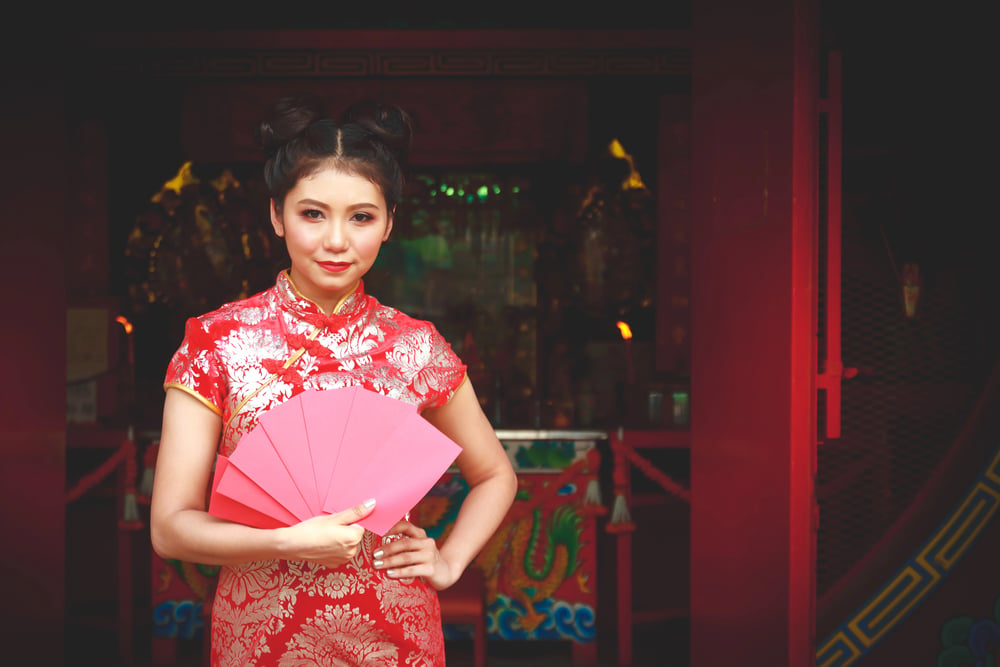
The Western white wedding dress carries a specific meaning — purity, beginnings, light. In China and across much of India, brides wear red, because red means luck, prosperity, and the kind of life force that you’d want showing up on your first day of marriage.
When Chinese and Indian brides immigrating to Western countries have shown up in white to satisfy family expectations, many have described it as wearing a color historically associated in their cultures with mourning. The dress that signals joy in one culture signals loss in another: same garment, completely inverted meaning.
Jumping the Broom

This one has roots that are less exotic and more painful. Enslaved African Americans in the antebellum South were denied legal marriage, so couples developed the ritual of jumping over a broom together as a symbolic act of union — a reclamation of ceremony when ceremony was forbidden.
The tradition has survived and is still practiced in many Black American families today, honored as a connection to ancestry and resilience rather than a relic of oppression. It’s one of the more quietly defiant wedding traditions anywhere on earth.
Feet Caning in South Korea
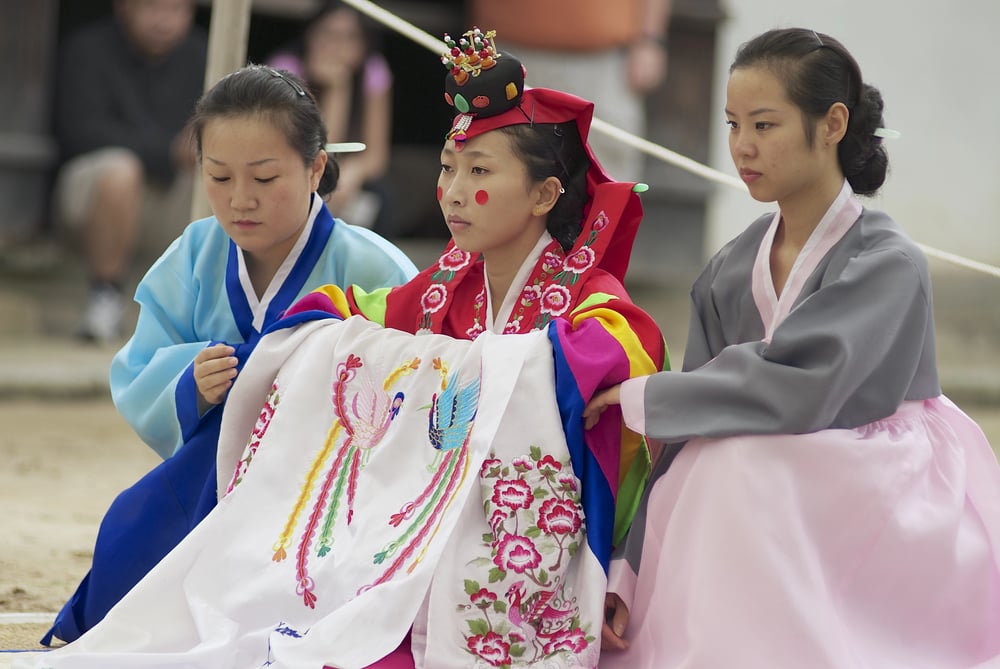
On the wedding night in Korea, the groom’s friends and family remove his shoes and socks and take turns striking the bottoms of his feet with a dried fish or a cane — this is called falaka, or in Korean wedding contexts, a variation of a broader traditional practice. It’s meant to test his strength and character before he enters married life, and it’s also, by all accounts, genuinely funny to everyone in the room except possibly the groom.
The whole thing is brief, relatively gentle in practice, and treated with more humor than ceremony.
Marrying a Tree First in India
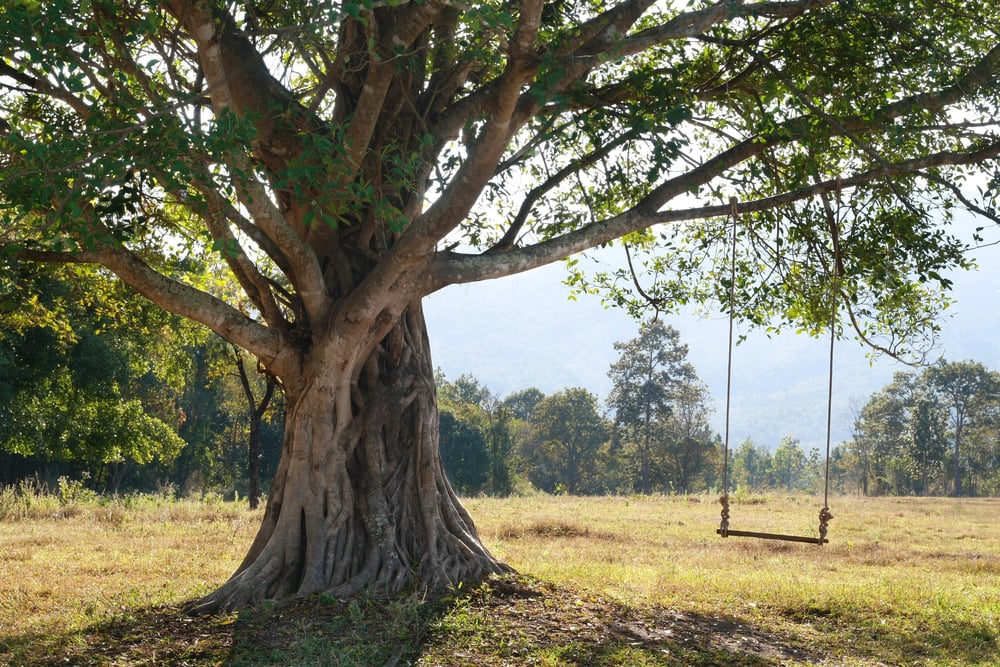
In certain Hindu traditions, women born under a specific astrological condition — classified as “Manglik,” associated with the planet Mars — are believed to bring misfortune to a first husband. The solution is to first marry a tree, typically a banana or peepal tree, so that the curse is transferred and broken before the human marriage takes place.
The tree is afterward symbolically destroyed, the curse is considered lifted, and the woman is free to marry. It’s an astrology-driven workaround to a perceived supernatural problem, and it’s taken with complete seriousness by those who observe it.
Releasing Doves and Living Crabs in Some Pacific Island Cultures
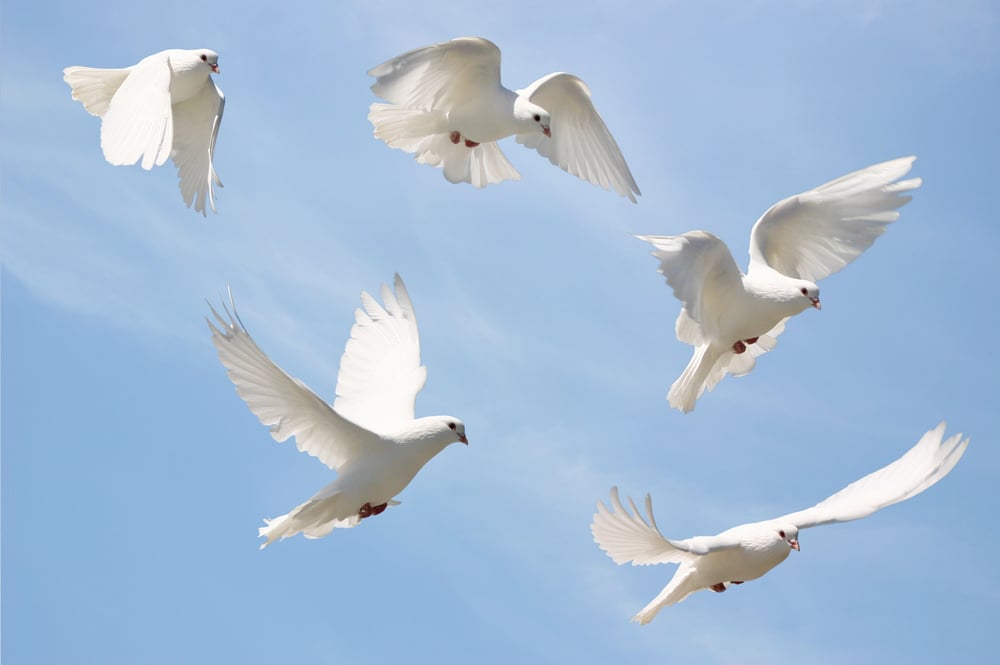
In some coastal communities across the Pacific Islands, wedding ceremonies incorporate the release of living animals as a blessing — crabs into the ocean, birds into the air — each carrying symbolic meaning tied to fertility, freedom, and the natural cycles the couple is about to enter. The specifics vary by island and community, but the impulse is consistent: bring the natural world into the ceremony and acknowledge that marriage isn’t just a human contract but something woven into a larger order.
American weddings occasionally release butterflies, which is a tamer version of the same instinct.
Bridal Money Dance in Poland and Ukraine
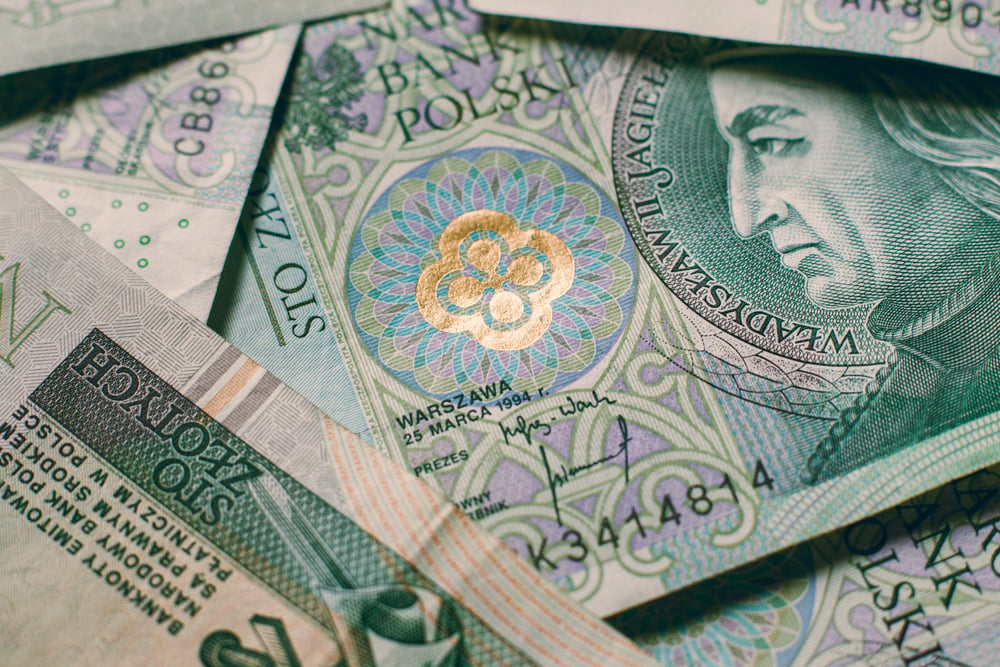
In Poland and parts of Ukraine, male guests at the reception pay for the privilege of dancing with the bride — money pinned to her dress, tucked into a bag she carries, or slipped into a decorated apron. The amounts are sometimes substantial, and the dance goes on until every willing man has had his turn and paid his tribute.
Americans who encounter this tradition for the first time are often unsure how to read it, though the money raised was historically practical: a financial head start for the couple at the beginning of their shared life.
Dove Release and Rooster Symbolism in the Philippines
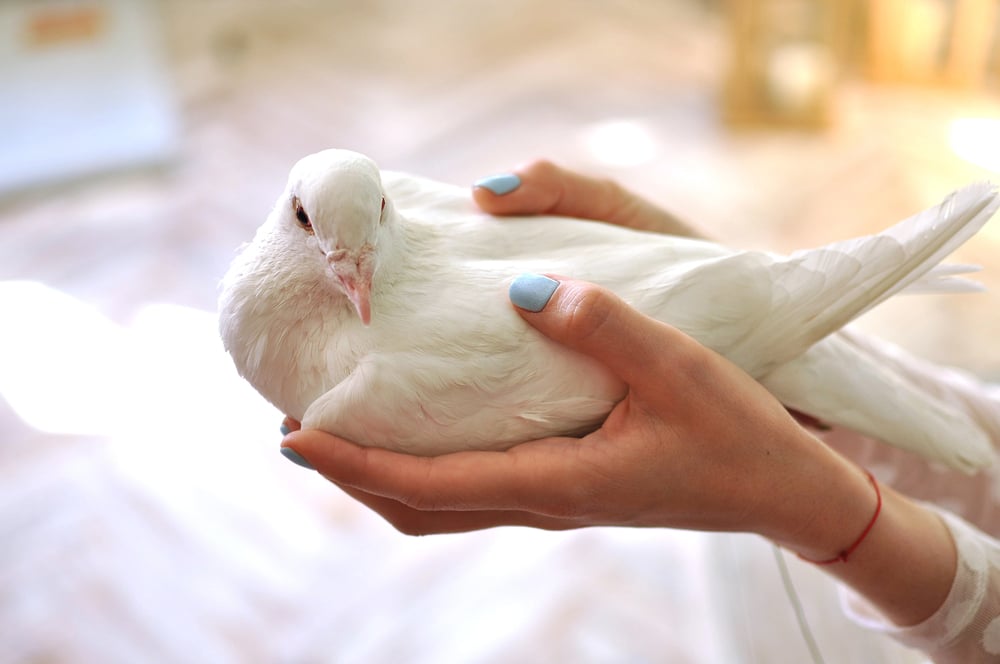
Filipino weddings are layered with ritual, and one of the most visually arresting involves the symbolic use of a rooster — representing the groom — and specific ceremonial items that speak to continuity, fidelity, and the joining of two family lines rather than just two individuals. The Filipino tradition treats the wedding as a community event in the fullest sense, with ninong and ninang (godparents) playing roles that carry genuine ongoing responsibility, not just ceremonial ones.
Americans understand the concept of a best man, but a system of ten or more godparents each committed to specific duties across the marriage is a different architecture entirely.
Sand Ceremony Variations in Hawaii and Indigenous American Traditions
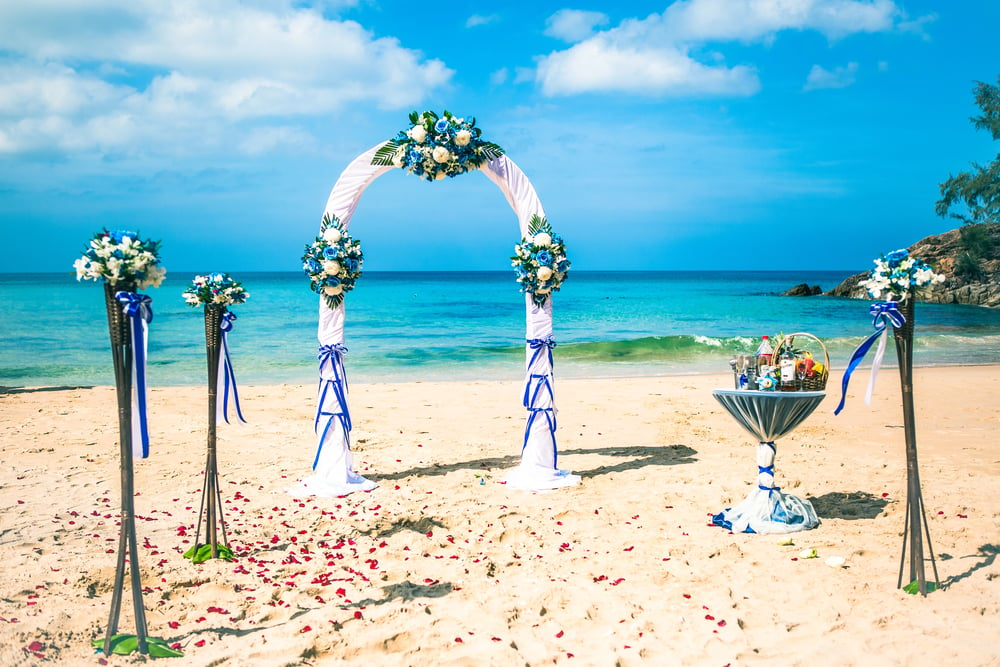
Hawaii’s wedding traditions include a sand ceremony where the couple pours two distinct colors of sand into a single vessel, the grains becoming permanently inseparable once mixed — a metaphor for two lives that can no longer be fully disentangled from each other. It’s quieter than most wedding rituals, almost meditative, and it carries something that many ceremony traditions overlook: the acknowledgment that marriage is irreversible in ways that go beyond legal paperwork.
Some Indigenous American communities have parallel traditions using corn, each variation circling the same truth from a slightly different angle.
Handfasting in Celtic Traditions
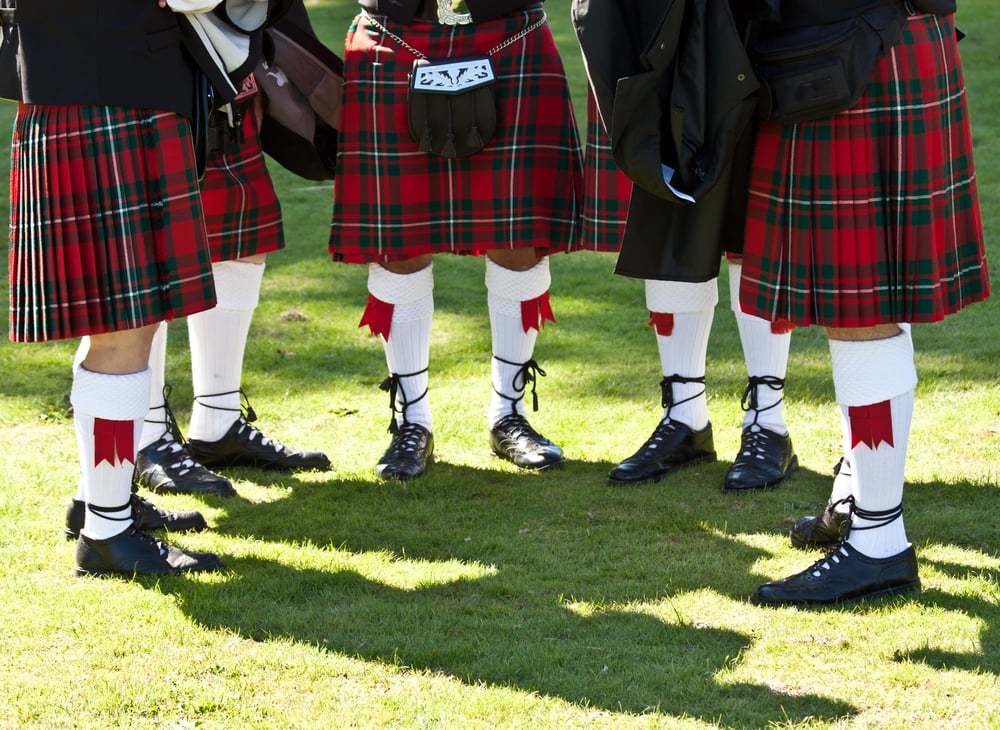
Handfasting is ancient — rooted in Celtic cultures across Ireland, Scotland, and Wales — and it involves literally binding the couple’s hands together with ribbon or cord during the vows, which is where the phrase “tying the knot” comes from. Modern couples across many backgrounds have revived it, drawn to the physical concreteness of it: vows you can feel as well as hear, a knot you made with your own hands.
The original tradition allowed for handfasting as a trial marriage lasting a year and a day, after which the couple could either formalize the union or walk away. That particular clause has been quietly dropped from most modern revivals.
The Cold Feet Tradition in Germany and Scandinavia
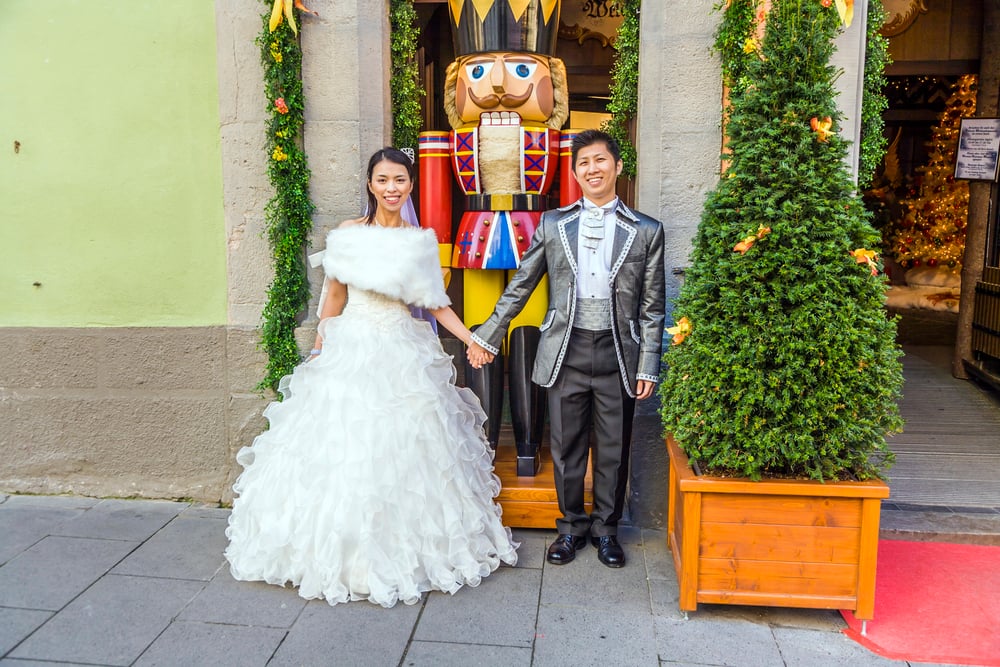
In several Germanic and Scandinavian traditions, the groom’s friends steal the bride’s shoe during the reception, and groomsmen are tasked with getting it back — through negotiation, drinking, or completing some challenge the bride’s party invents on the spot. It’s chaotic by design, loose at the edges, and everyone seems to understand their role without much direction.
Traditions like this one function less as ritual and more as a built-in structure for the kind of ridiculous communal joy that doesn’t happen when the evening runs too smoothly.
Throwing Money at the Bride in Greece

At Greek weddings, guests don’t politely place cards in a box. They throw money at the dancing bride and groom — literally toss it into the air and onto the couple while a live band plays — and the bills flutter down around them like a very specific kind of confetti.
It’s loud, it’s physical, it’s openly generous, and it treats abundance as something worth performing in public rather than quietly gifting in private. Americans watching it for the first time tend to laugh, then immediately wonder why their own traditions feel so much more restrained by comparison.
Night of Henna in Morocco
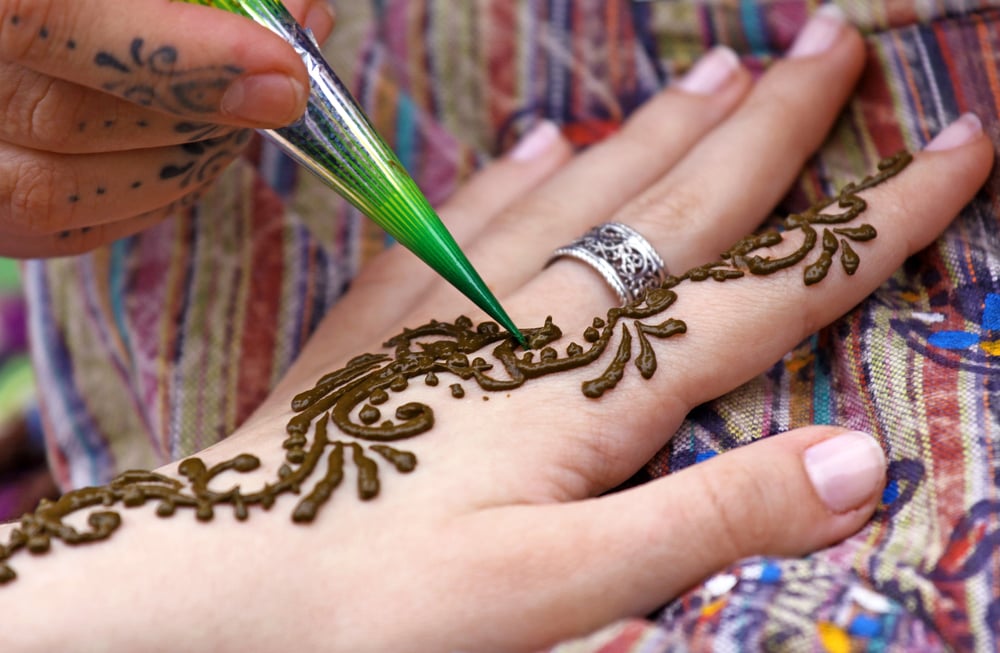
Morocco’s henna ceremony is its own full-scale event, separate from the wedding day itself, and it can last well into the early hours of the morning. The bride is dressed, adorned, and carried into the room on a special chair or platform called an amariya, while guests sing and musicians play.
The henna applied to her hands and feet is dense with symbolic meaning — specific patterns for protection, fertility, love — and the women who apply it are chosen deliberately, not at random. It’s less a pre-party and more a ceremony unto itself, one that the wedding day follows rather than replaces.
Shoe-Stealing in India
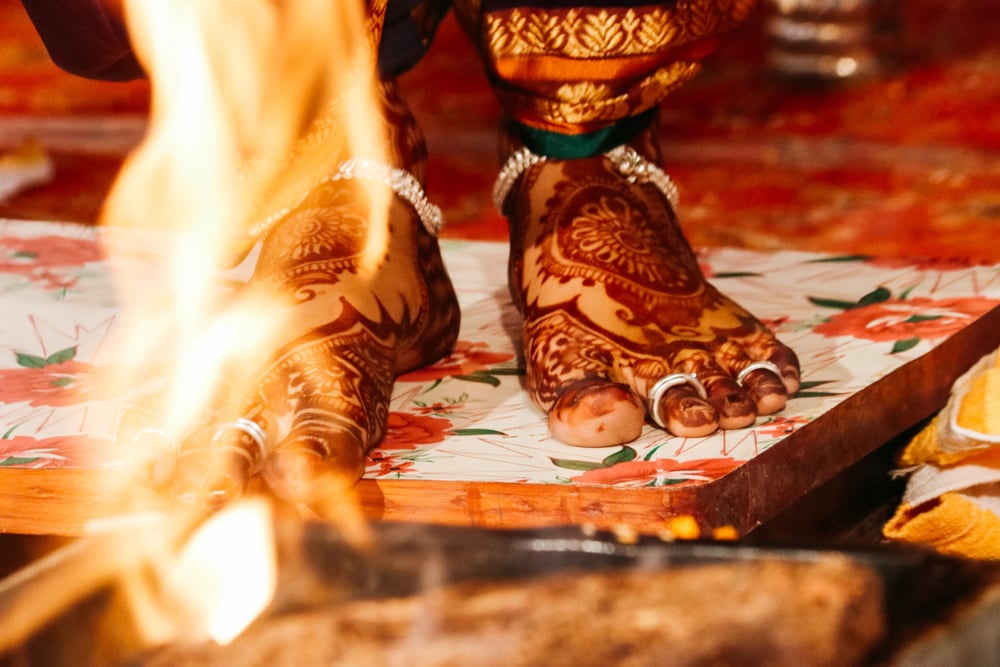
At Hindu weddings, the groom is required to remove his shoes before the ceremony. The bride’s side then steals them.
The groom’s side guards them. Neither is joking.
Getting those shoes back requires negotiation — money, usually, sometimes promises — and the outcome is treated with competitive seriousness by both families. It’s structured mischief, which is maybe the most charming category of tradition: everyone knows the rules, everyone plays by them, and the ceremony is better for having a little theater built directly into its bones.
Burying the Bourbon in the American South
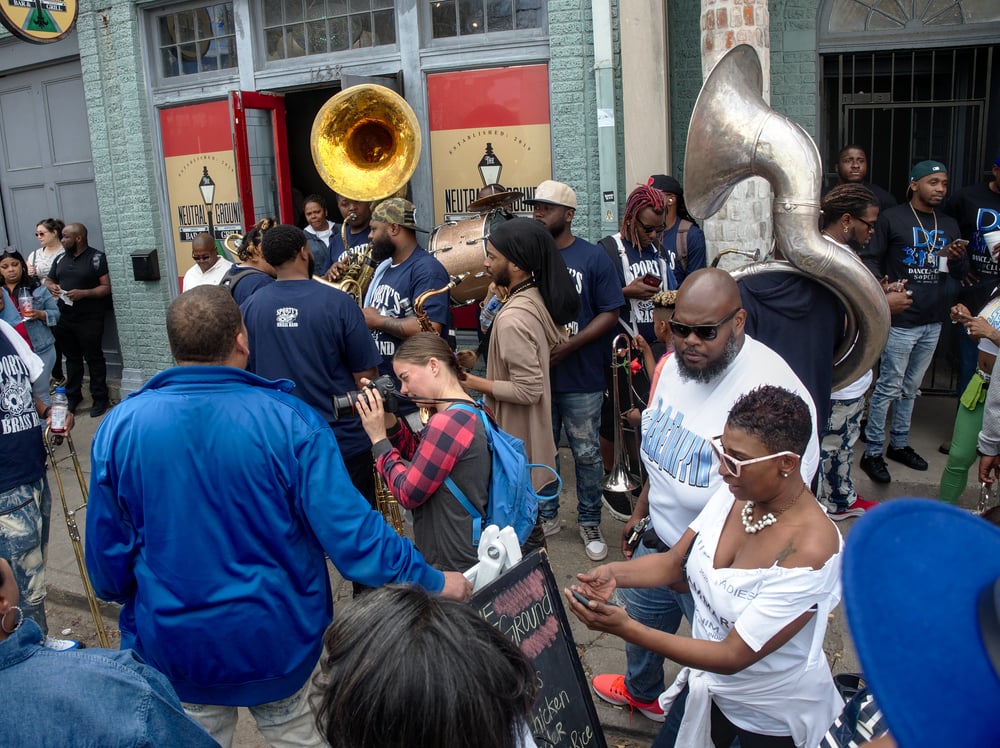
This one is domestic but strange enough to surprise plenty of Americans who didn’t grow up in the South. The tradition holds that a bottle of bourbon, buried upside down at the wedding venue exactly one month before the ceremony, will ward off rain on the wedding day.
On the wedding day itself, the couple digs it up and shares it. There’s no ancient lineage to the practice — it’s relatively recent and regional — but it has spread widely enough to be considered a genuine tradition now, which is how most traditions start: someone did it once, it felt right, and then it kept happening.
Jumping Over a Sword in Bermuda
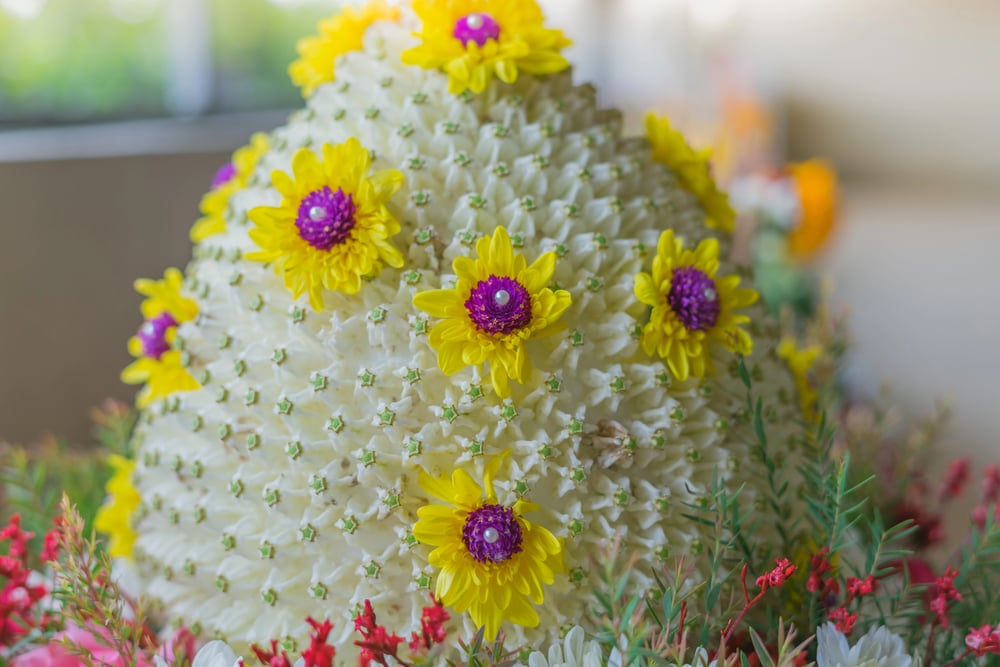
Bermudian weddings feature a cake tradition that takes the concept of tiers to its logical extreme: a bride’s cake and a groom’s cake, each built in tiered layers, with a tiny tree planted at the very top. The tree is removed and planted in the couple’s yard afterward, where it grows alongside the marriage.
It’s a living record of the wedding day — not a photograph, not a keepsake, but something that grows taller every year and eventually shades your whole yard. That’s a metaphor Americans mostly experience only in the abstract.
No Smiling Allowed Among the Congolese Kongo People
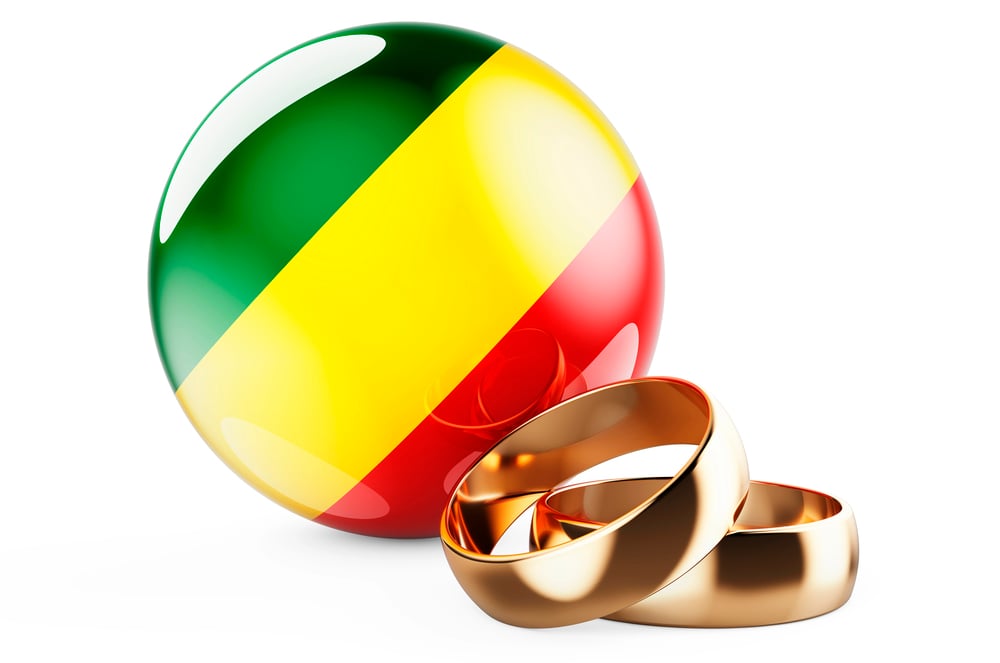
Among certain communities within the Kongo culture of Central Africa, the wedding ceremony is held with strict solemnity — no smiling, no laughter, no expressions of levity from the couple throughout the entire proceedings. The belief is that smiling during the ceremony signals that the couple doesn’t take the commitment seriously.
So they stand, composed and deliberate, through the entire ritual. Americans, raised on the cultural expectation that a wedding is the happiest day of your life and your face should prove it every second, tend to find this one genuinely difficult to process.
Where All of This Leaves You
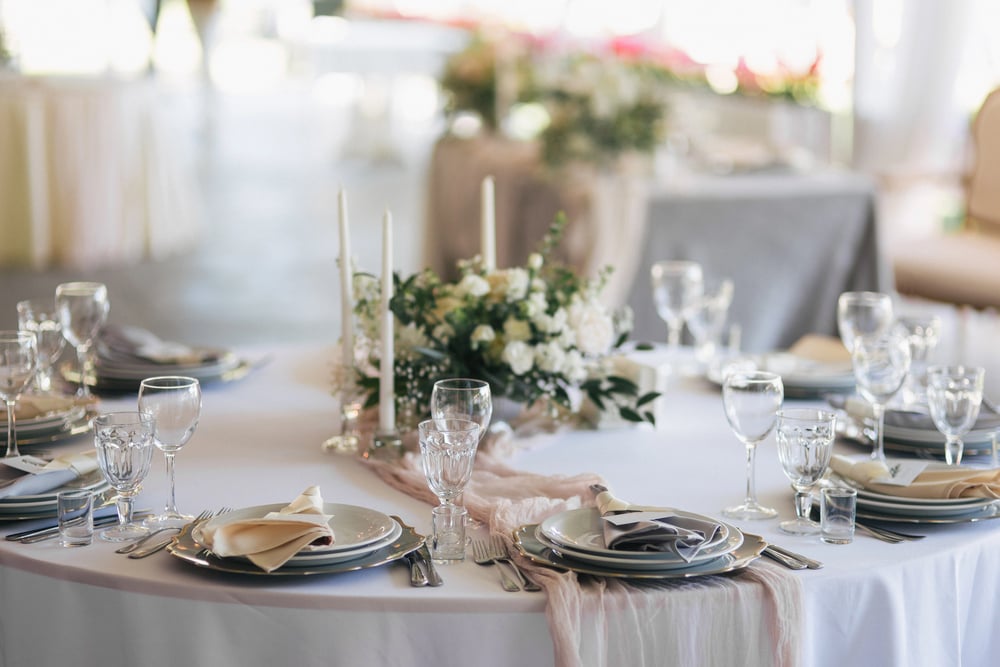
Every one of these traditions — the smashed plates, the stolen shoes, the month of tears, the buried bourbon — is solving the same problem from a different angle. Marriage is enormous.
It’s the reordering of a life, the binding of two histories, the beginning of something whose shape you can’t fully see yet. And every culture has developed its own way of marking that enormousness: some through spectacle, some through solemnity, some through controlled chaos, some through rituals that ask the couple to prove something before the day even begins.
The American white-dress-and-reception template is just one answer to that problem. Turns out there are a few hundred others, and some of them are more honest about what marriage actually demands than the traditions most Americans grew up assuming were universal.
More from Go2Tutors!

- The Romanov Crown Jewels and Their Tragic Fate
- 13 Historical Mysteries That Science Still Can’t Solve
- Famous Hoaxes That Fooled the World for Years
- 15 Child Stars with Tragic Adult Lives
- 16 Famous Jewelry Pieces in History
Like Go2Tutors’s content? Follow us on MSN.