17 Countries That Have Changed Their National Anthems and Why
National anthems are more than just songs—they’re musical snapshots of a country’s identity, values, and aspirations. But what happens when a nation’s identity shifts dramatically? Sometimes the old tune just doesn’t fit anymore.
Throughout history, political upheavals, independence movements, and social transformations have prompted countries to swap out their anthems for something that better reflects their new reality. Here are 17 countries that decided their old songs needed an update.
Germany
Germany’s anthem history reads like a political thriller. The country ditched ‘Die Wacht am Rhein’ after World War I, adopted ‘Das Lied der Deutschen’ during the Weimar Republic, then things got complicated during the Nazi era. After World War II, West Germany kept the same melody but only sang the third verse, while East Germany created their own anthem called ‘Auferstanden aus Ruinen.’ When reunification happened in 1990, the unified Germany stuck with the third verse of the old anthem, officially making it their national song.
Russia
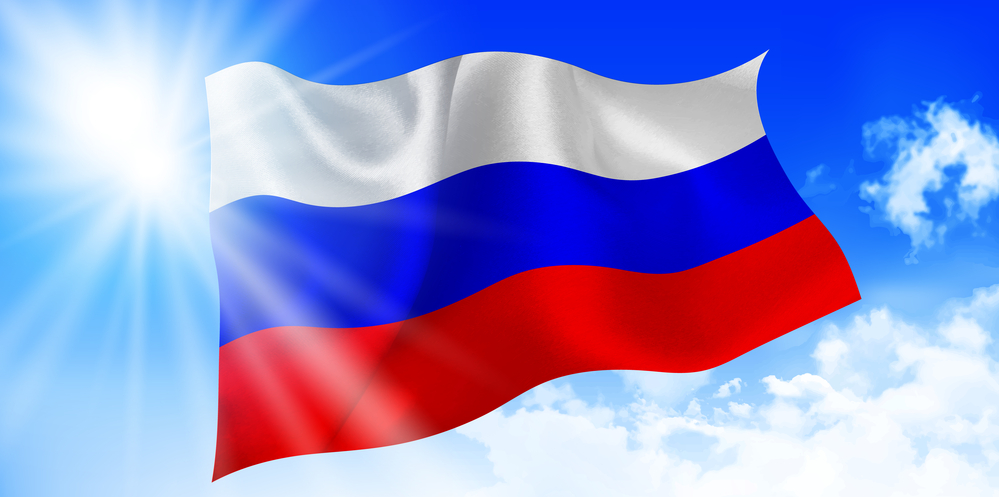
Russia has been through more anthem changes than most countries change governments. The Soviet Union used ‘The Internationale’ until 1944, then switched to a Stalin-era anthem with lyrics praising the Communist Party. After the USSR collapsed, Russia briefly used a melody-only version of Glinka’s ‘Patriotic Song’ because nobody could agree on lyrics. In 2000, Putin brought back the Soviet melody but with completely new words that dropped the communist references and focused on Russian patriotism instead.
South Africa

South Africa’s anthem transformation perfectly captures the country’s journey from apartheid to democracy. Before 1994, they used ‘Die Stem van Suid-Afrika,’ which was sung in Afrikaans and English. After the end of apartheid, the new South Africa created a unique anthem that combines ‘Nkosi Sikelel’ iAfrika’ and portions of the old anthem. The current version includes five different languages, making it one of the most linguistically diverse national anthems in the world.
Spain

Spain’s anthem situation is pretty unusual—they’re one of the few countries with a national anthem that has no official lyrics. Originally called ‘Marcha Granadera,’ it became ‘Marcha Real’ under the monarchy. During Franco’s dictatorship from 1939 to 1975, the anthem had lyrics that praised the fascist regime. After Franco died and democracy returned, Spain kept the melody but dropped the controversial words entirely, leaving them with an instrumental-only anthem that avoids political complications.
Afghanistan
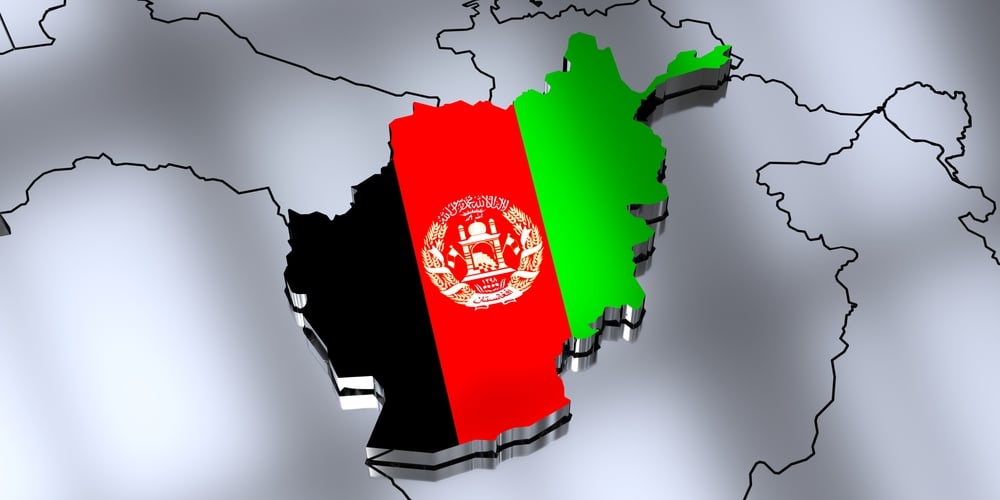
Afghanistan’s anthem changes tell the story of the country’s turbulent political history. The monarchy had one anthem, the communist government that took power in 1978 created another, and the Taliban banned music entirely when they ruled in the 1990s. After the Taliban’s initial fall in 2001, Afghanistan adopted ‘Milli Surood,’ which celebrated the country’s ethnic diversity. With the Taliban’s return to power in 2021, the future of Afghanistan’s national anthem remains uncertain, as the group has again imposed restrictions on music.
Libya
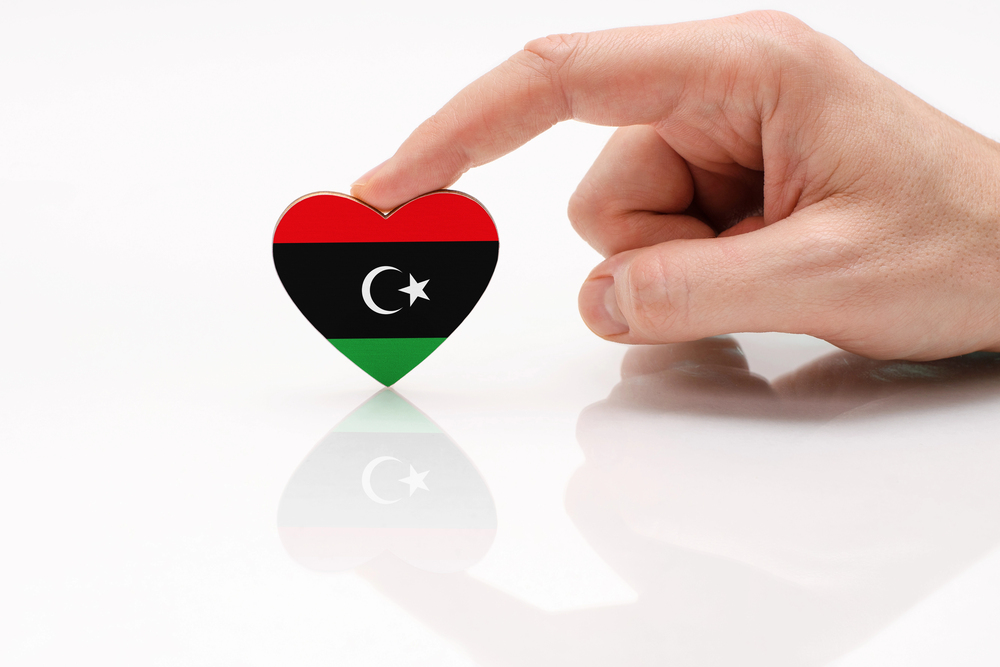
Libya went through a dramatic anthem change after Muammar Gaddafi’s regime collapsed in 2011. For over 40 years, the country used ‘Allahu Akbar,’ which praised Gaddafi’s revolution and his leadership. After the Arab Spring uprising that led to Gaddafi’s downfall, Libya reverted to ‘Libya, Libya, Libya,’ the anthem that was used during the monarchy period before Gaddafi came to power. The change symbolized the country’s attempt to reconnect with its pre-Gaddafi identity.
Iraq
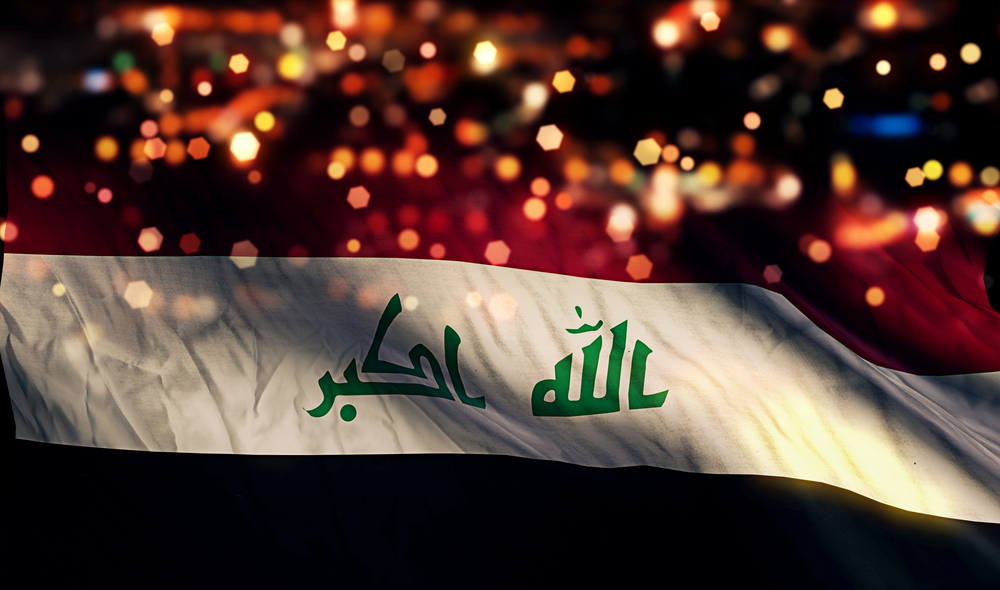
Iraq’s anthem changes reflect the country’s complex modern history. Under Saddam Hussein’s rule, the anthem was ‘Ardulfurataini Watan,’ which celebrated Arab unity and resistance. After the 2003 U.S.-led invasion and Saddam’s removal, Iraq needed a new anthem that wouldn’t be associated with the former regime. They temporarily used a piece by Mohammed Flayfel, then in 2004 adopted ‘Mawtini,’ a song originally written in the 1930s that had been popular across the Arab world but wasn’t specifically tied to any particular regime.
Romania
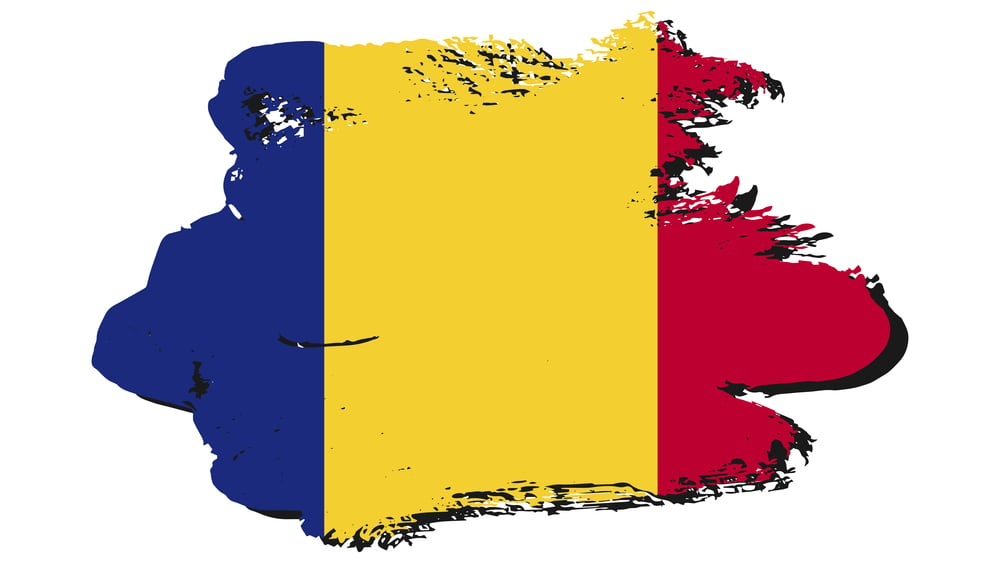
Romania made a swift anthem change after the 1989 revolution that ended Nicolae Ceaușescu’s communist dictatorship. During the communist era, the country used ‘Trei Culori,’ which praised the socialist system and the ruling party. Within weeks of Ceaușescu’s fall, Romania reverted to ‘Deșteaptă-te, române!’ (Wake up, Romanian!), a 19th-century revolutionary song that had served as the anthem during the early 20th century. The change happened so quickly that many people were already familiar with the ‘new’ old anthem from their grandparents’ generation.
Czechoslovakia and its Successors

The breakup of Czechoslovakia in 1993 created an interesting anthem situation. The original Czechoslovak anthem combined melodies from both Czech and Slovak folk traditions. When the country peacefully split into the Czech Republic and Slovakia, each nation kept the part of the anthem that reflected their heritage. The Czech Republic uses ‘Kde domov můj’ (Where is my home?), while Slovakia adopted ‘Nad Tatrou sa blýska’ (Lightning over the Tatras), both of which had been part of the combined Czechoslovak anthem.
Uganda
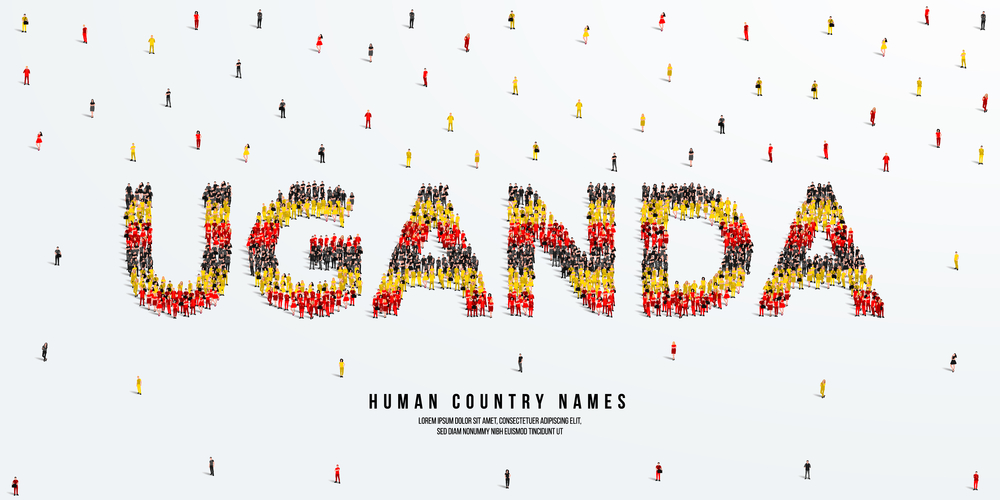
Uganda changed its anthem in 1962 when it gained independence from Britain. Before independence, the country used ‘God Save the Queen’ like other British colonies. The new anthem, ‘Oh Uganda, Land of Beauty,’ was specifically composed to celebrate the country’s natural beauty and cultural diversity. Written by George Wilberforce Kakoma, a Ugandan composer, the anthem emphasizes unity among Uganda’s many ethnic groups and the country’s commitment to peace and progress.
Zimbabwe
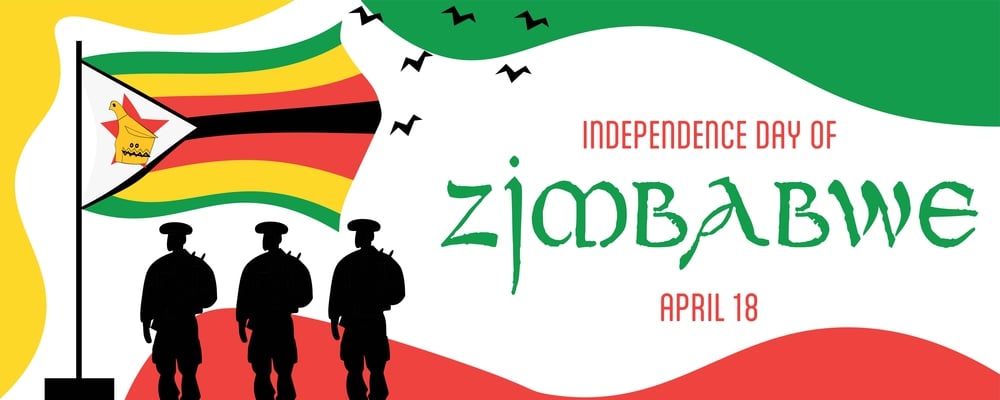
Zimbabwe’s anthem change came with its independence in 1980, but the story is more complex than most. When the country was still Rhodesia under white minority rule, it used ‘Rise, O Voices of Rhodesia.’ After independence, Zimbabwe initially adopted ‘Ishe Komborera Afrika’ (God Bless Africa), which was based on the same melody as South Africa’s ‘Nkosi Sikelel’ iAfrika.’ However, in 1994, Zimbabwe changed again to ‘Simudzai Mureza wedu weZimbabwe’ (Raise our flag of Zimbabwe), which was composed specifically for the country and reflects Zimbabwean rather than pan-African themes.
East and West Germany
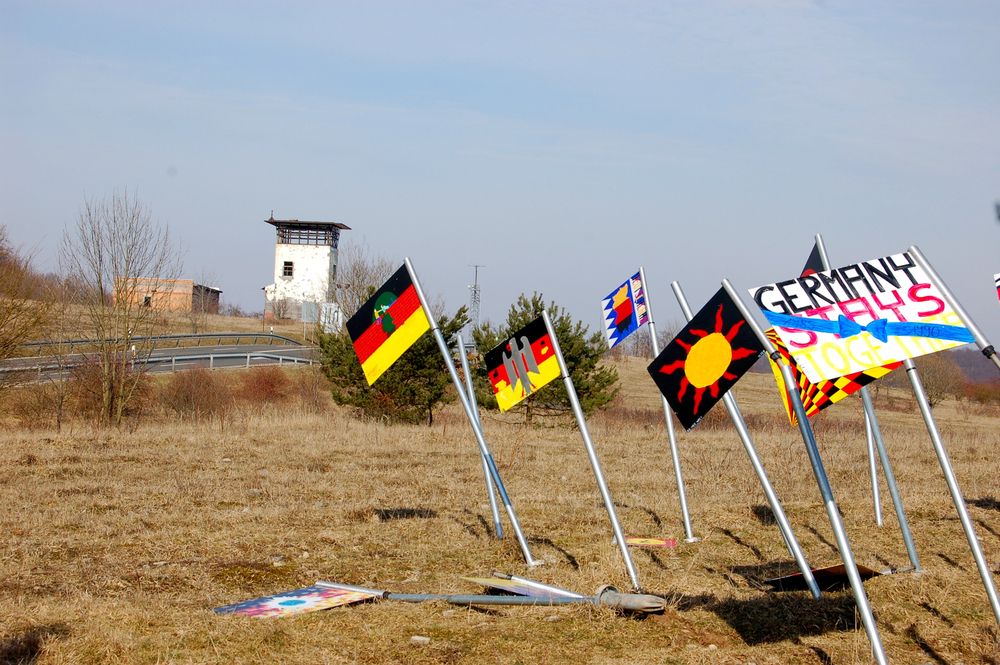
The division of Germany after World War II created one of history’s most interesting anthem situations. West Germany used the third verse of ‘Das Lied der Deutschen’ with its famous ‘Unity and justice and freedom’ lyrics. East Germany created ‘Auferstanden aus Ruinen’ (Risen from ruins), which celebrated the country’s reconstruction under socialism. The East German anthem was actually quite beautiful and talked about building a better future, but it became awkward to sing after the Berlin Wall went up since the lyrics mentioned ‘Germany, united fatherland.’ East Germany eventually stopped singing the words altogether, making it effectively instrumental-only.
Yugoslavia and its Successors
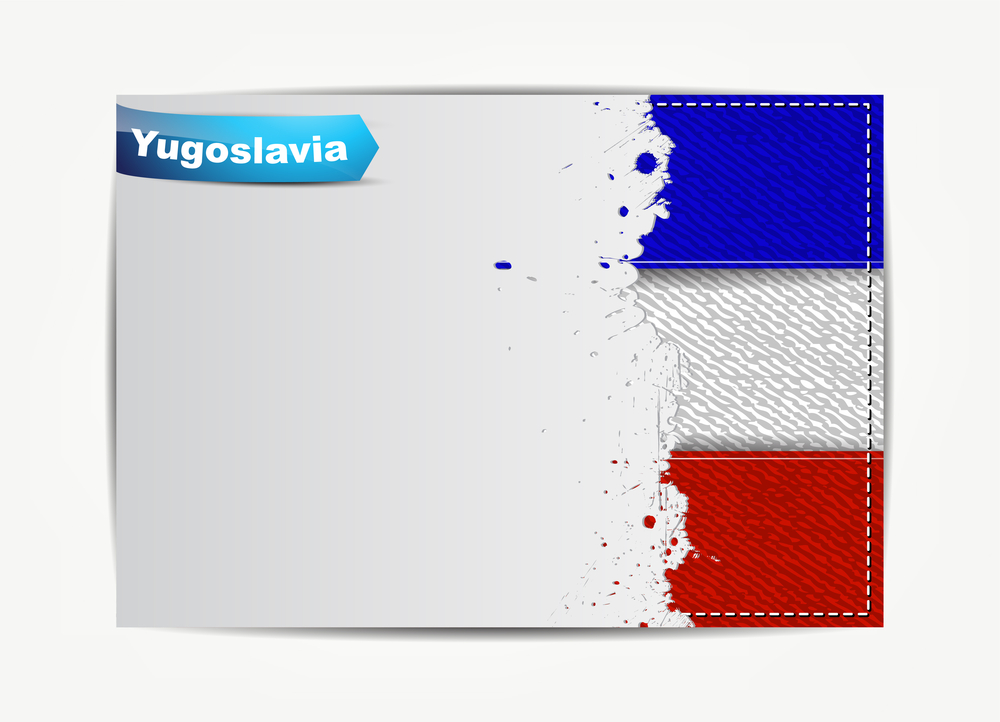
When Yugoslavia broke apart in the 1990s, each new country needed its own anthem. The original Yugoslav anthem, ‘Hej, Sloveni’ (Hey, Slavs), couldn’t work for the individual nations since it specifically celebrated Slavic unity. Croatia adopted ‘Lijepa naša domovino’ (Our Beautiful Homeland), a 19th-century song. Slovenia chose ‘Zdravljica’ (A Toast), based on a poem by their national poet France Prešeren. Bosnia and Herzegovina initially struggled to agree on an anthem due to ethnic divisions and didn’t adopt ‘Intermeco’ until 1999, and it remains entirely instrumental to avoid favoring any particular group.
Nepal
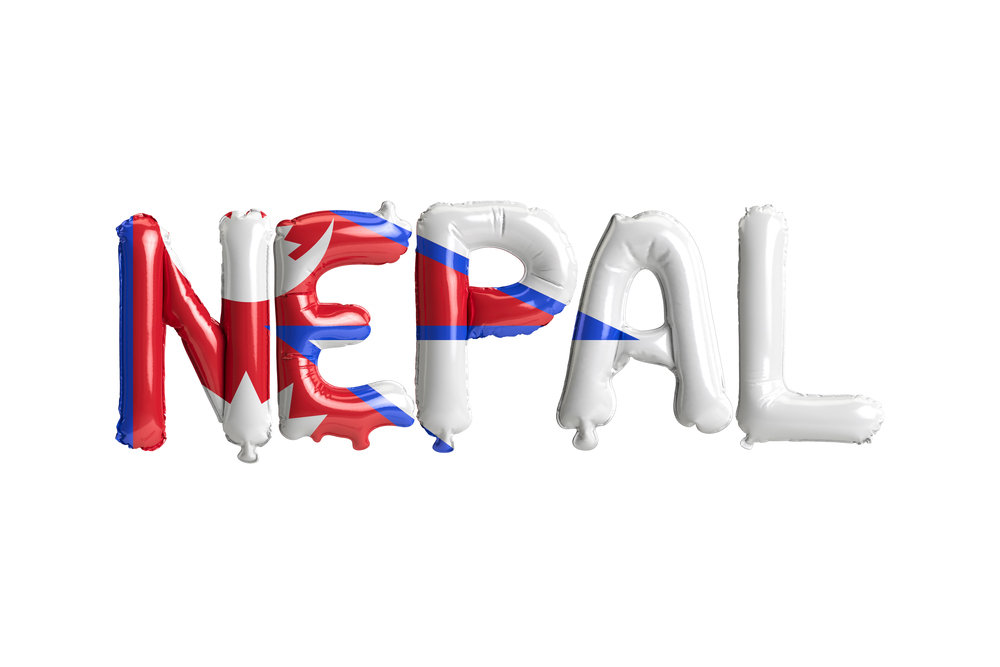
Nepal changed its anthem in 2007 during the transition from monarchy to republic. The old anthem, ‘Shreeman Gambhir,’ specifically praised the king and the royal family, which obviously didn’t work once Nepal became a republic. The new anthem, ‘Sayaun Thunga Phool Ka,’ celebrates Nepal’s natural beauty, cultural diversity, and democratic values. Interestingly, the new anthem mentions Nepal’s geometric shape and its position between two giant neighbors (China and India) without actually naming them.
Cambodia
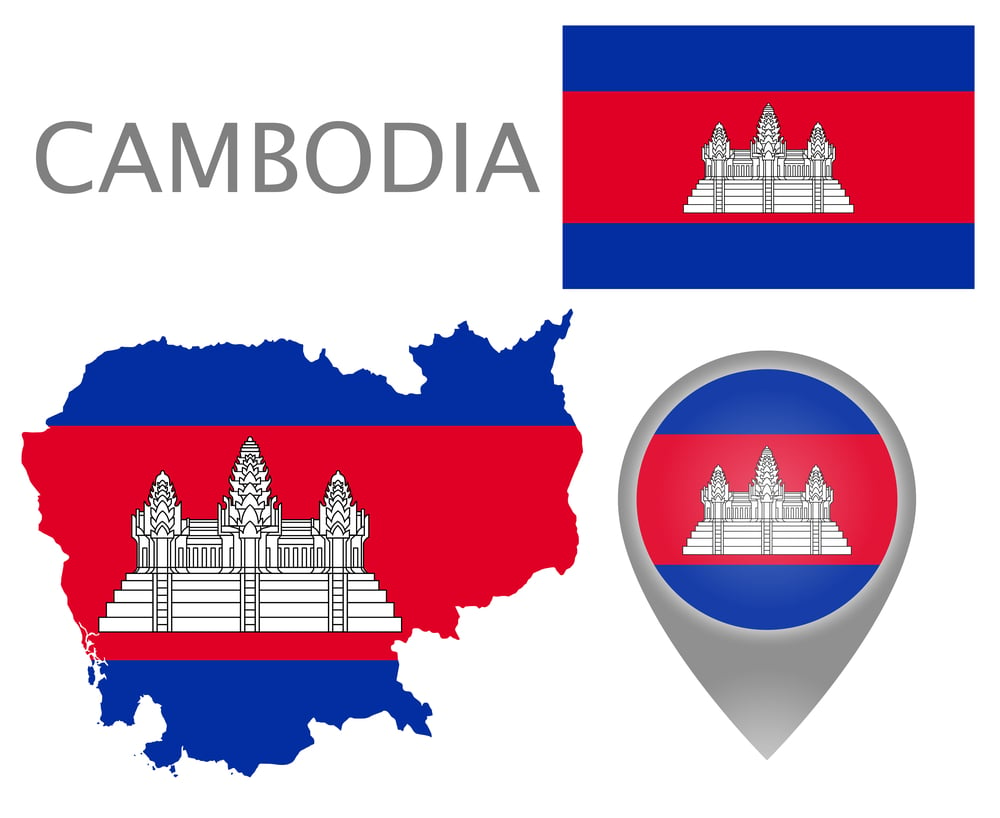
Cambodia’s anthem changes reflect the country’s traumatic modern history. During the Khmer Rouge period from 1975 to 1979, the traditional anthem ‘Nokoreach’ was banned along with most other expressions of Cambodian culture. The Khmer Rouge created their own revolutionary songs instead. After the regime’s fall, Cambodia eventually restored ‘Nokoreach,’ which dates back to 1941 and celebrates the royal heritage and Buddhist traditions that the Khmer Rouge had tried to destroy. The restoration of the anthem was part of Cambodia’s broader effort to reconnect with its pre-genocide identity.
Iran
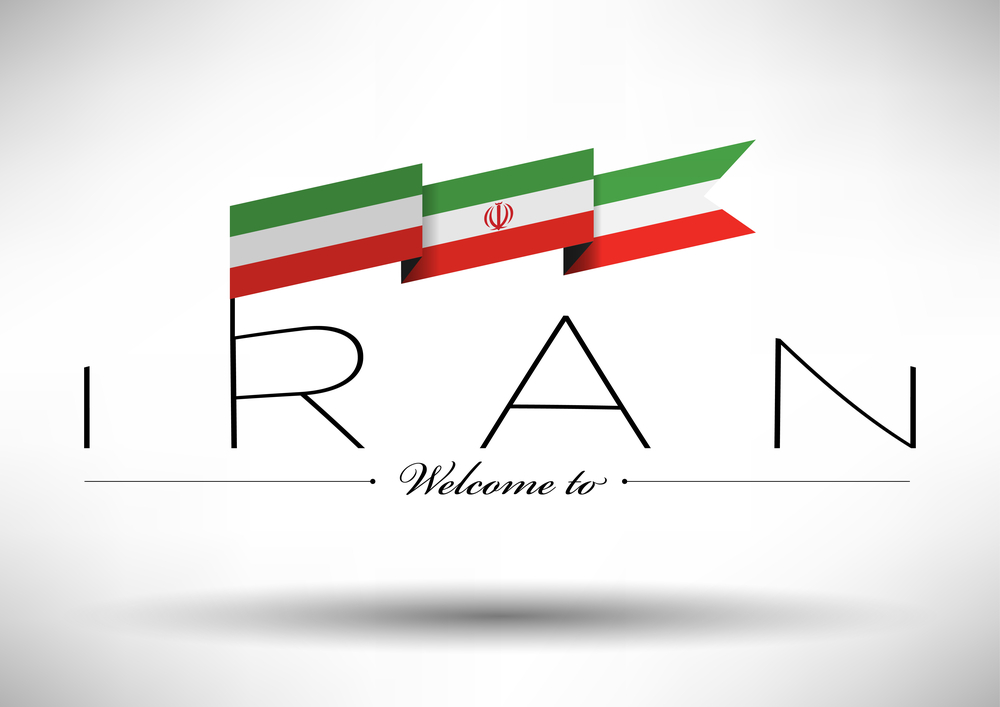
Iran’s anthem changed dramatically after the 1979 Islamic Revolution that overthrew the Shah. The monarchy’s anthem, ‘Sorood-e Shahanshahi Iran,’ praised the Pahlavi dynasty and imperial traditions. The new Islamic Republic needed an anthem that reflected its religious government and revolutionary ideals. They adopted ‘Sorood-e Melli-ye Jomhuri-ye Eslami-ye Iran,’ which emphasizes Islamic values, resistance against oppression, and the martyrs who died for the revolution. The change wasn’t just musical—it represented a complete ideological transformation.
Portugal

Portugal changed its anthem in 1910 during the republican revolution that ended the monarchy. The royal anthem, ‘Hino da Carta,’ was replaced with ‘A Portuguesa,’ which had originally been written as a protest song against British colonial policies in Africa. The new anthem’s lyrics are surprisingly militant, calling citizens to arms and declaring that Portugal would rather die than submit to foreign domination. It’s one of the more aggressive-sounding anthems in Europe, reflecting the revolutionary spirit of the time when it was adopted.
From Monarchy to Modernity

These anthem changes show how deeply music connects to national identity and political power. Whether driven by revolution, independence, or social transformation, countries don’t swap their anthems lightly—these songs become part of the national soul. Today’s anthems might seem permanent, but history suggests that as countries evolve, their musical identities often follow. The next time you hear a national anthem, remember that it’s not just a song—it’s a country’s way of telling the world who they are right now.
More from Go2Tutors!

- 16 Historical Figures Who Were Nothing Like You Think
- 12 Things Sold in the 80s That Are Now Illegal
- 15 VHS Tapes That Could Be Worth Thousands
- 17 Historical “What Ifs” That Would Have Changed Everything
- 18 TV Shows That Vanished Without a Finale
Like Go2Tutors’s content? Follow us on MSN.