Legendary Dive Watches That Shaped Exploration
Watches weren’t meant to survive underwater. The first watchmakers built delicate mechanisms that stopped working if water got inside.
But divers needed to track time below the surface, and that necessity pushed engineers to create timepieces that could withstand pressure, salt water, and conditions that destroyed regular watches. Some of these designs became more than tools—they became icons that changed how people thought about watches and exploration.
Rolex Submariner: The Definition of a Dive Watch
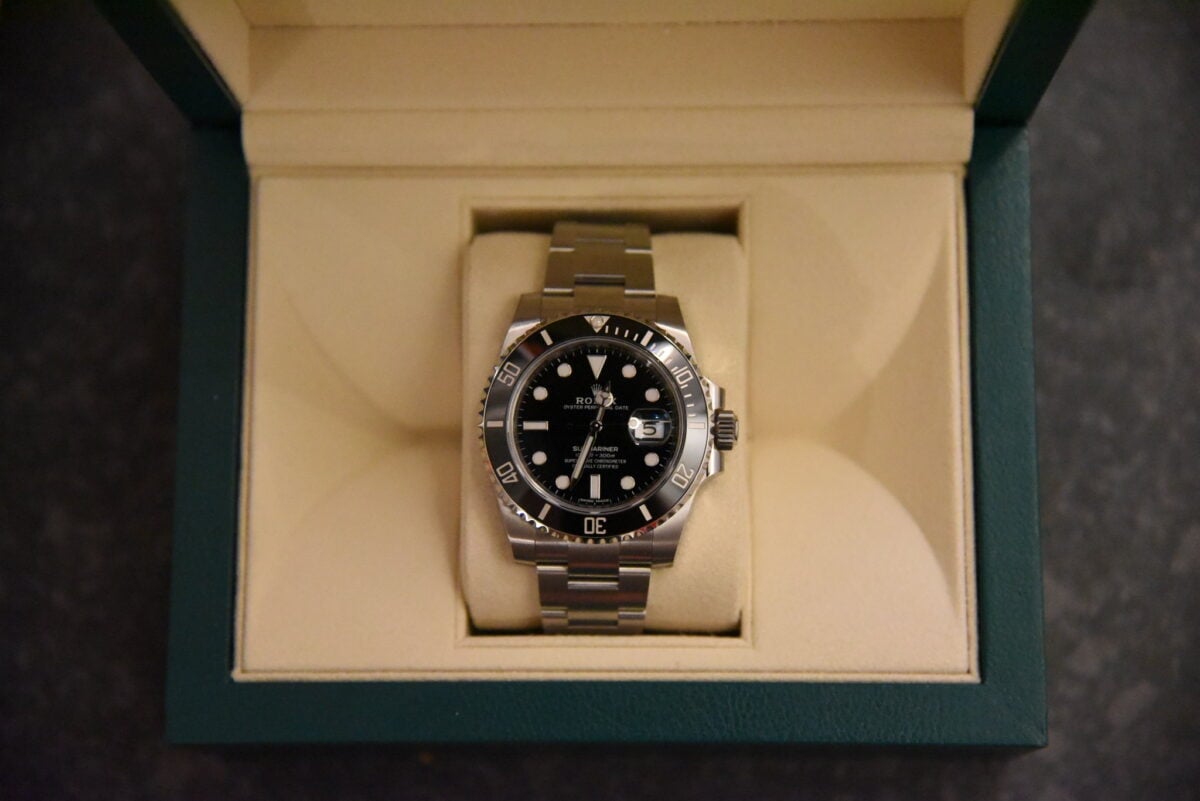
Rolex launched the Submariner in 1953, and it immediately set the standard for what a dive watch should be. The rotating bezel lets divers track elapsed time.
The water resistance reached 100 meters initially, impressive for the era. The design was clean and functional, with large luminous markers that could be read in murky water.
What made the Submariner legendary wasn’t just its technical specs. Rolex marketed it aggressively, getting it onto the wrists of explorers, military divers, and eventually James Bond.
The watch appeared in Dr. No in 1962, cementing its status as the watch that serious people wore when doing serious things. The basic design barely changed over the decades.
Modern Submariners look similar to the originals because Rolex found a formula that worked and saw no reason to mess with it. Collectors now pay six figures for vintage examples that once sold for a few hundred dollars.
Blancpain Fifty Fathoms: The Professional’s Choice
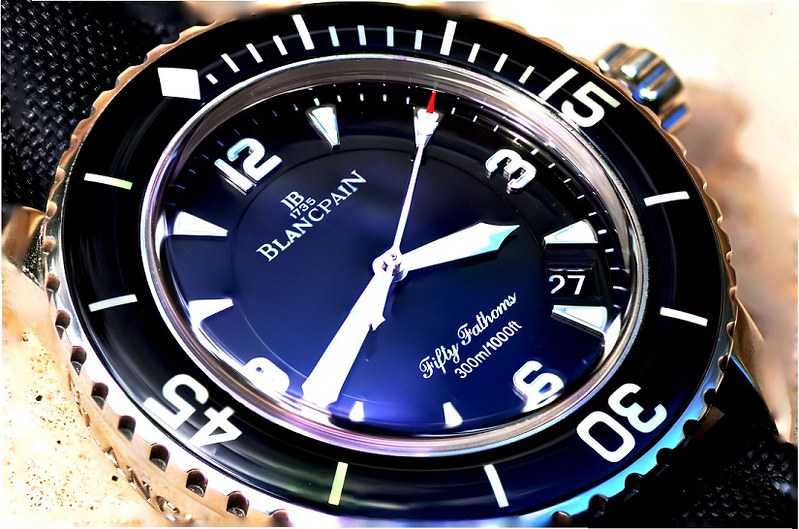
Blancpain created the Fifty Fathoms in 1953, the same year as the Submariner. French combat divers actually used it for military operations, unlike the Submariner which was marketed more than deployed.
The Fifty Fathoms featured innovations that became industry standards, including the locking bezel that prevented accidental rotation. The watch could reach depths of 91 meters, and its automatic movement kept running without manual winding.
Combat divers needed reliability because their lives depended on accurate timing during operations. Blancpain designed the Fifty Fathoms to meet those demands, creating a tool rather than a fashion statement.
Military contracts validated the design in ways that marketing never could. When special forces units chose a watch, it proved that the watch actually worked under extreme conditions.
Omega Seamaster 300: The Alternative Icon
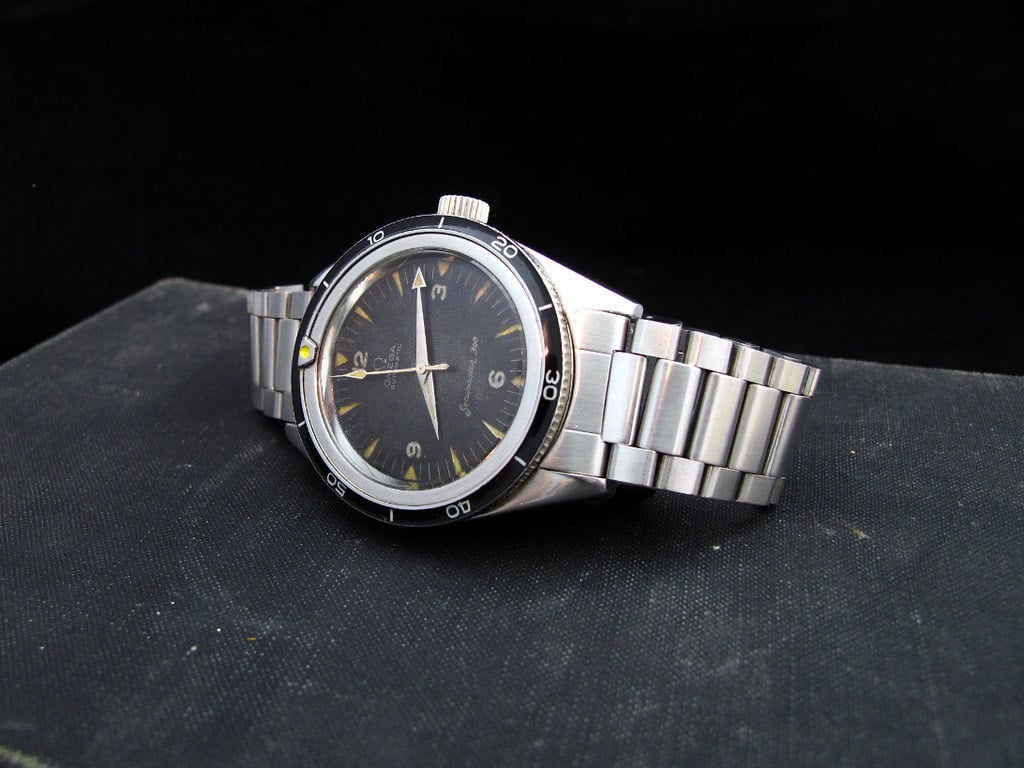
Omega introduced the Seamaster 300 in 1957 as a professional dive watch rated to 200 meters despite the “300” in its name referring to feet. The watch competed directly with the Submariner but offered different styling with its broader arrow hands and distinctive dial.
British military divers and members of the Special Boat Service used Seamaster 300s during actual operations. The watch proved itself in combat zones and covert missions where failure meant more than just inconvenience.
Omega later evolved the Seamaster line into the modern Planet Ocean and Aqua Terra models, but the original 300 established the foundation. Collectors prize early Seamaster 300s for their military provenance and clean design.
Original examples with military issue markings command premium prices because they represent actual tools used in real operations.
Seiko 6105: The Captain’s Watch
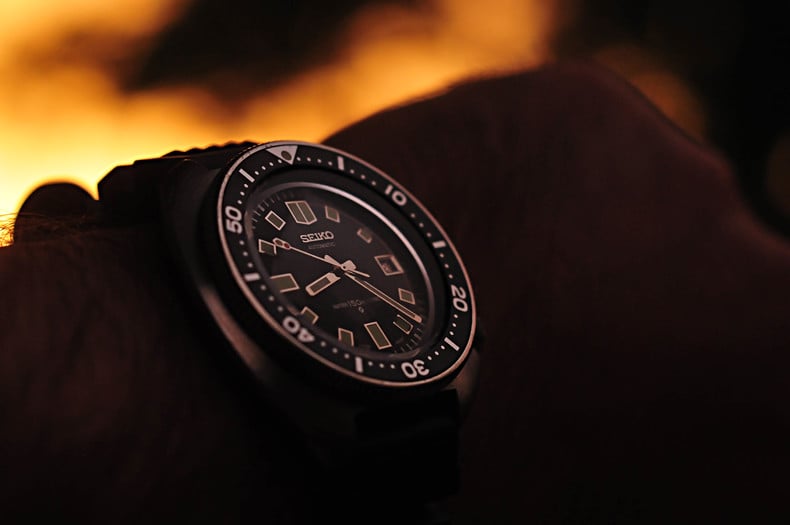
Seiko launched the 6105 in 1968 with a distinctive cushion case and shrouded crown. The watch gained fame when Martin Sheen wore one in Apocalypse Now, but it had already earned respect among professional divers for being reliable and affordable.
Japanese divers used them extensively because they cost a fraction of Swiss alternatives while performing just as well. The 6105 could reach 150 meters and featured an automatic movement that kept excellent time.
Seiko built it to industrial standards, creating a tool watch that happened to look good rather than jewelry pretending to be functional. The watch represented democratization of dive watch technology—you didn’t need to spend a fortune to get a watch that actually worked underwater.
Doxa SUB 300: The Orange Pioneer
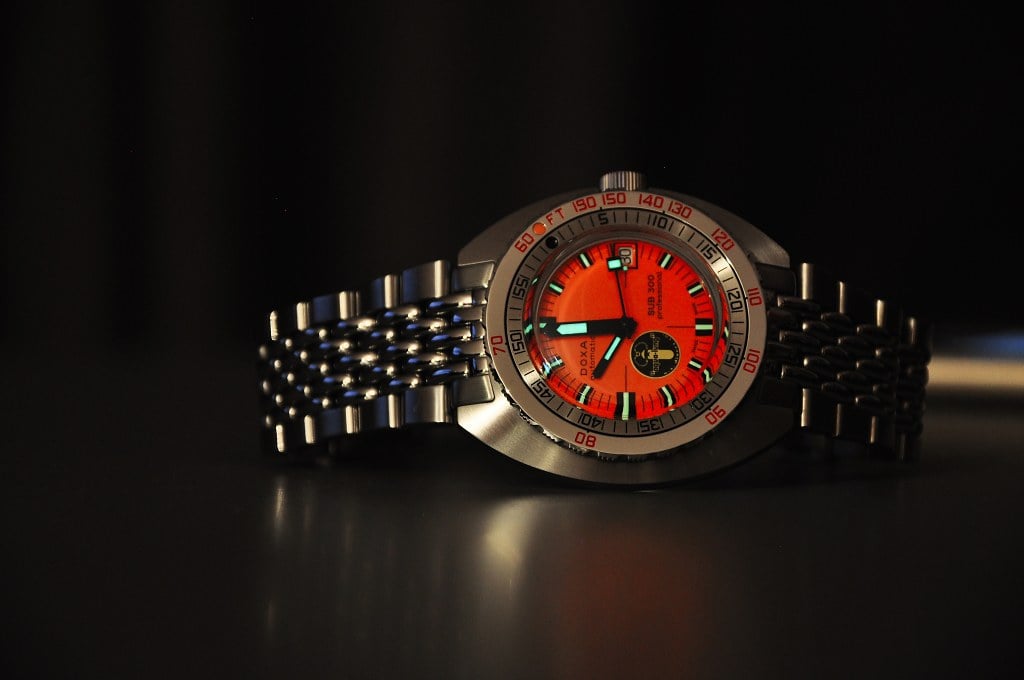
Doxa released the SUB 300 in 1967 with bright orange dials that made them visible in low light underwater. The company worked with professional divers to develop features that mattered in real diving conditions.
The no-decompression bezel helped divers avoid decompression sickness by tracking safe dive times at various depths. Jacques Cousteau’s divers used Doxa watches during underwater filming expeditions.
The bright colors that seemed garish on land became crucial safety features underwater where visibility determined survival. Doxa focused on function over fashion, creating tools for people who actually needed them.
The company never achieved Rolex’s mainstream success, but among serious divers, Doxa earned respect for prioritizing practical features over marketing appeal.
Tudor Submariner: The Budget Rolex
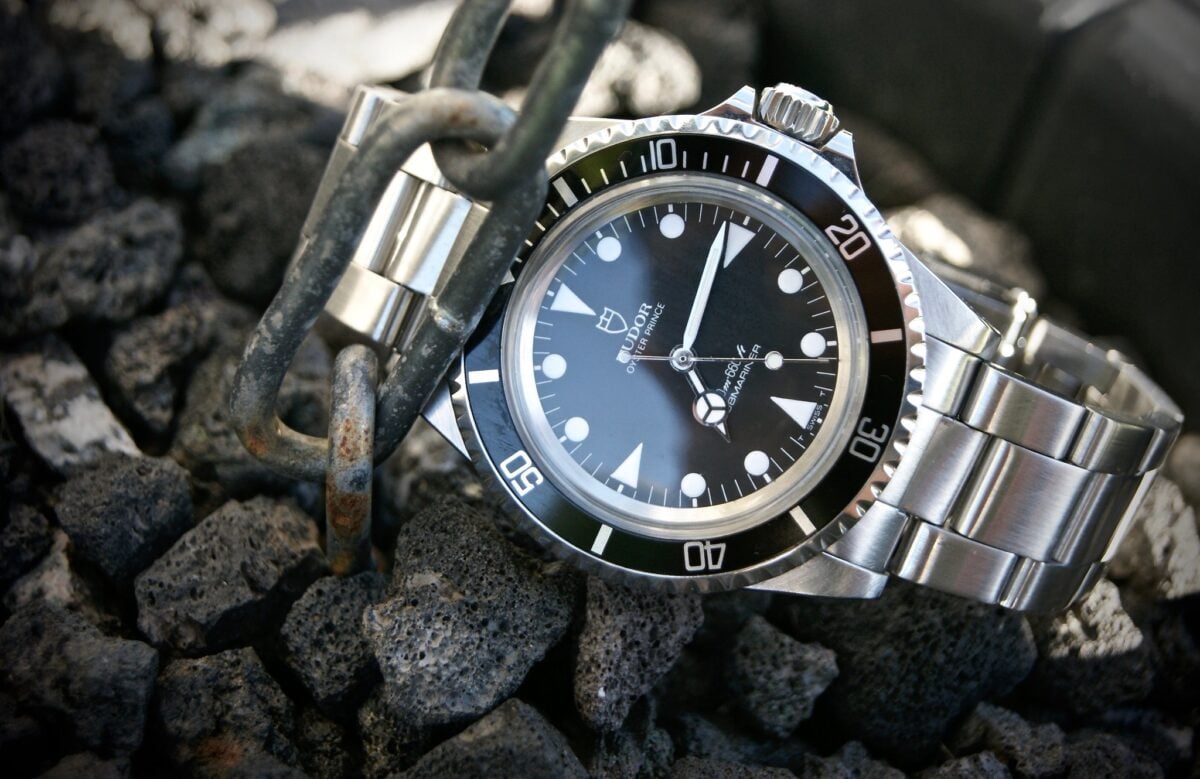
Tudor launched as Rolex’s affordable alternative, using similar cases and designs but with different movements. Tudor Submariners served in military units worldwide, particularly with the French Navy and U.S. military advisors.
These watches cost less than Rolex but maintain similar build quality and water resistance. Military divers appreciated that Tudor Submariners were tools they could actually afford to replace if damaged or lost during operations.
The watches performed the same functions as their expensive Rolex siblings without the premium price tag. Tudor’s military contracts proved that expensive didn’t always mean better.
Modern Tudor has repositioned itself as a more independent brand, but those military-issue Submariners from the 1960s and 70s remain highly collectible for their combination of affordability and legitimate military heritage.
IWC Aquatimer: The Engineer’s Watch
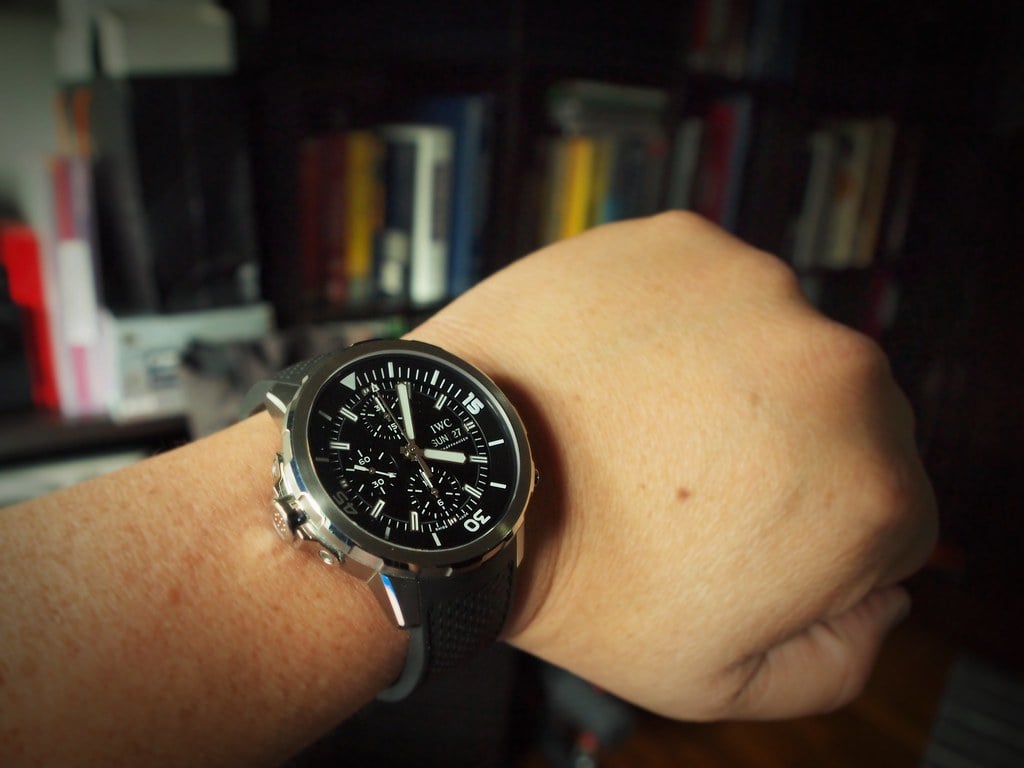
IWC approached dive watch design from an engineering perspective when they launched the Aquatimer in 1967. The watch featured an internal rotating bezel operated by a second crown, protecting the timing mechanism from accidental adjustment.
This innovation showed that there were still new solutions to old problems. The Aquatimer never achieved the fame of Submariners or Seamasters, but it attracted buyers who appreciated technical innovation over brand recognition.
IWC targeted a different market—people who cared more about how things worked than what others thought of their watch. The internal bezel system proved influential, inspiring other manufacturers to experiment with protected timing mechanisms.
IWC demonstrated that dive watch design hadn’t reached its final form just because a few brands dominated the market.
Panerai Luminor: The Italian Commando
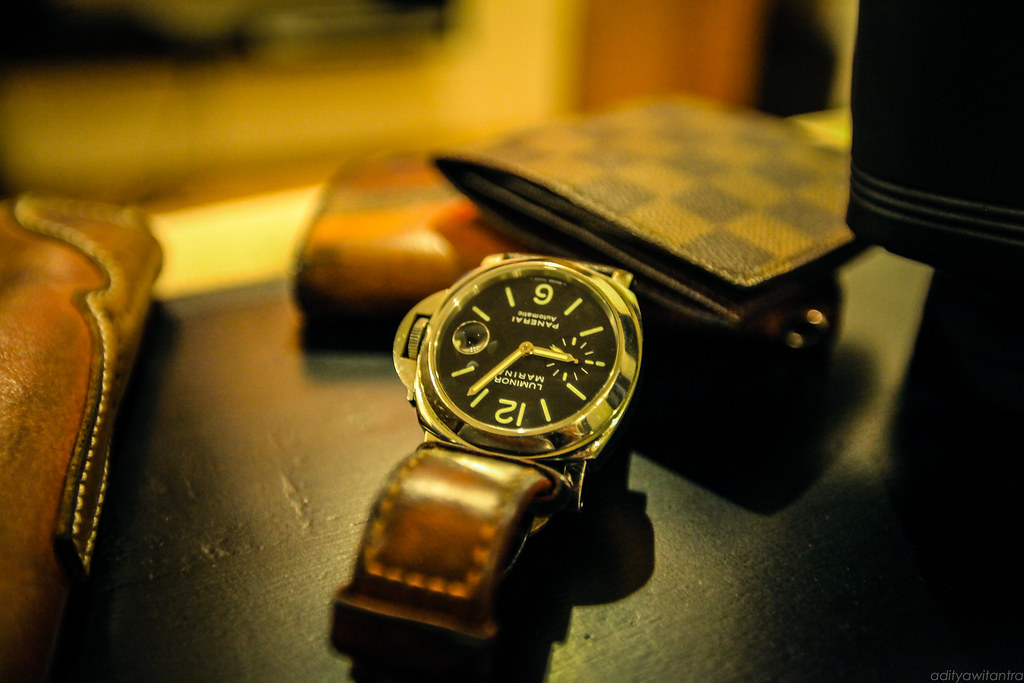
Italian military frogmen used Panerai watches during World War II and after. The watches featured enormous 47mm cases, cushion-shaped designs, and luminous dials that could be read in complete darkness.
The distinctive crown guard became Panerai’s signature feature, protecting the crown while adding to the watch’s aggressive appearance. Panerai remained obscure outside Italy until the 1990s when Sylvester Stallone discovered them and started wearing them in films.
The brand exploded in popularity, with collectors paying outrageous prices for vintage models that had previously been considered obsolete military equipment. The watches looked unlike anything else on the market, massive and bold when other brands favored elegance and refinement.
Panerai proved that there was an appetite for aggressive, oversized watches that made no apology for their military origins.
Breitling Superocean: The Aviator’s Dive Watch
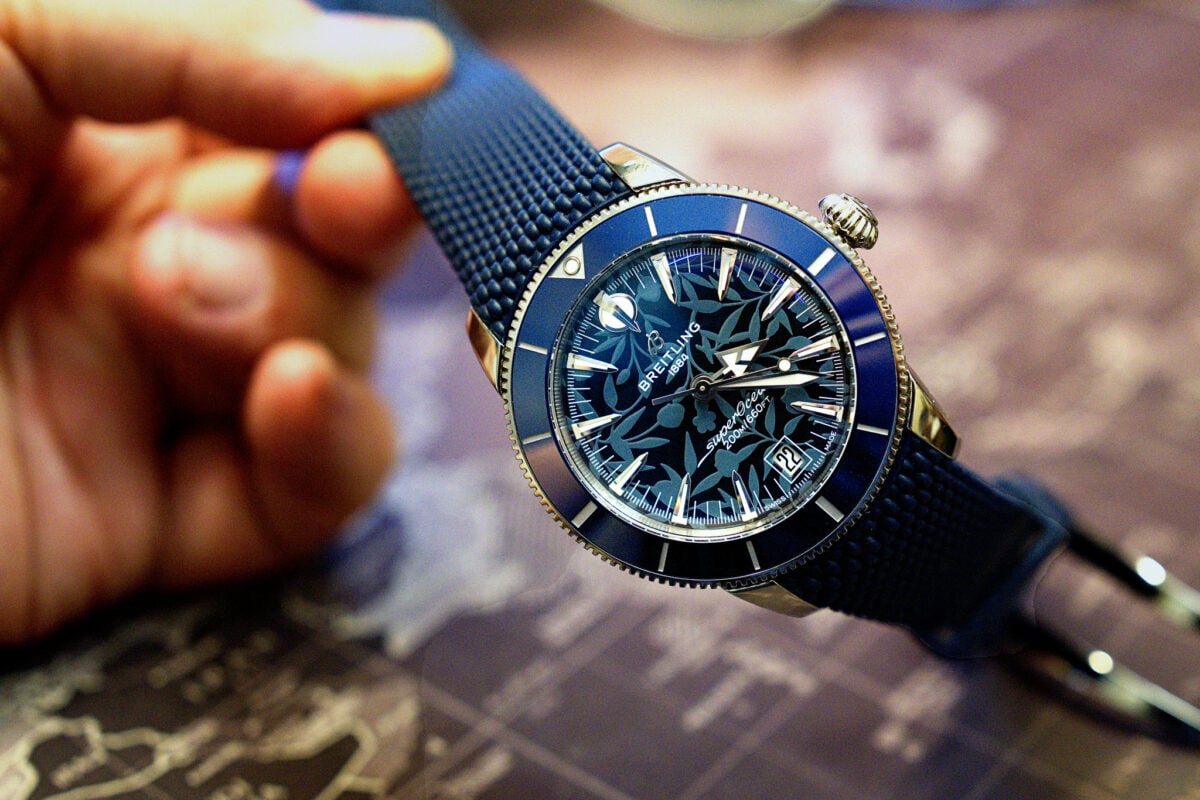
Breitling entered the dive watch market in 1957 with the Superocean, bringing their aviation expertise to underwater timekeeping. The watch featured excellent legibility and construction quality that reflected Breitling’s experience in making precision instruments.
The Superocean could reach 200 meters and featured a rotating bezel with a locking mechanism. Breitling marketed the Superocean to recreational divers rather than military units, recognizing that the growing scuba diving market needed reliable watches.
The company positioned it as a luxury sports watch rather than a pure tool, appealing to buyers who wanted performance with style. The Superocean line continues today with modern materials and deeper water resistance, but the original models established Breitling’s credibility in a market dominated by other brands.
Citizen Promaster: The Quartz Revolution
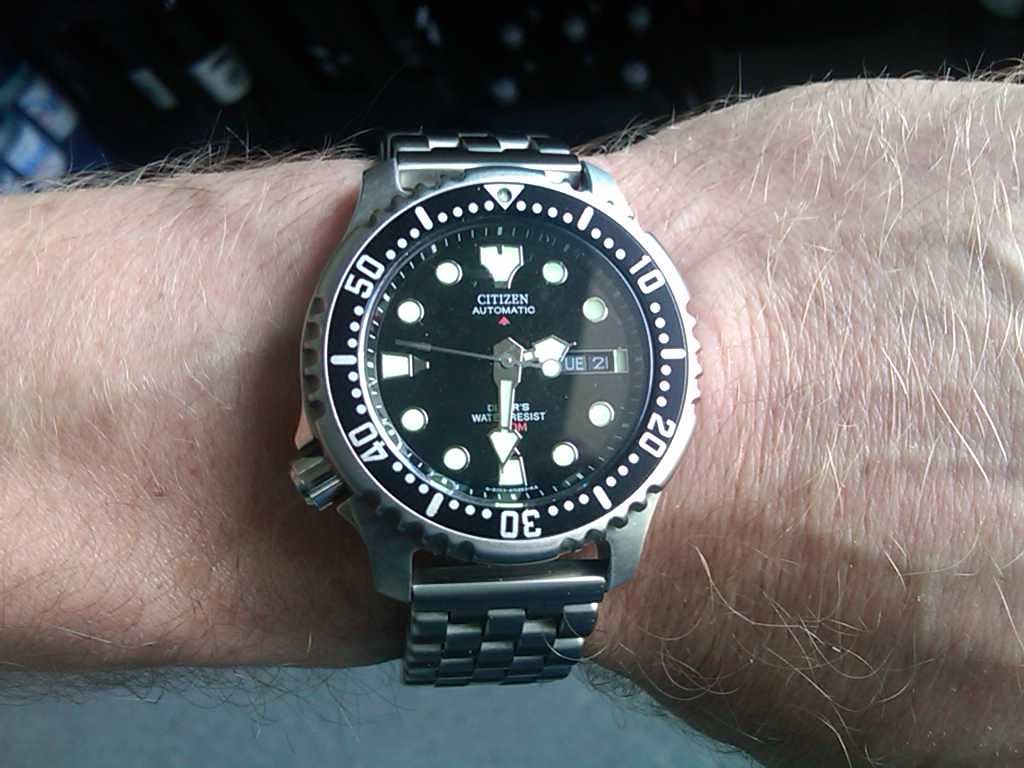
Citizen challenged mechanical dive watches with the Promaster series in the 1980s, using quartz movements that required no winding and kept more accurate time. The watches cost less than Swiss alternatives while offering superior water resistance and durability.
Divers who cared about performance over prestige chose Citizen because the watches simply worked better for less money. The Eco-Drive technology that powers watches using light eliminates battery changes, removing a common failure point.
Citizens proved that dive watches didn’t need mechanical movements to be legitimate tools. The Japanese approach prioritized function and value, challenging European brands that relied on tradition and prestige.
Professional divers often wore Citizen watches as backup timers or primary instruments when they needed reliability more than status symbols. The watches never achieved collector appeal, but they accomplished their purpose better than watches costing ten times more.
Jaeger-LeCoultre Deep Sea Chronograph: The Forgotten Classic
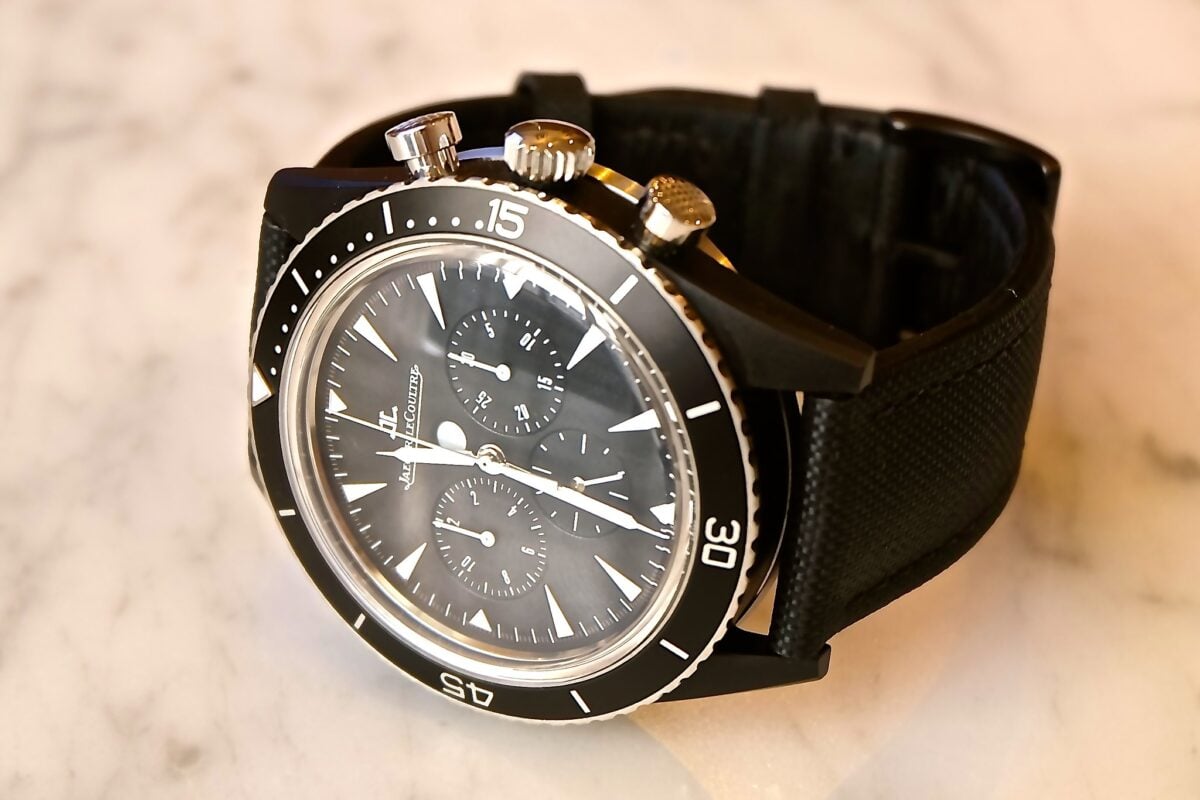
Jaeger-LeCoultre produced the Deep Sea Chronograph in the late 1950s as one of the first dive watches with timing complications. The watch combined water resistance with chronograph functionality, creating a tool for divers who needed to time multiple events underwater.
The design featured a distinctive alarm function and internal rotating bezel. The watch never achieved commercial success and remains relatively unknown compared to other vintage dive watches.
Production numbers were small, making surviving examples rare. Collectors who discover them appreciate the technical achievement even if the broader market never recognized it.
JLC proved that not every great design becomes famous. Sometimes excellent watches disappear into history because timing, marketing, or luck didn’t align properly.
Oris Divers Sixty-Five: The Vintage Revival
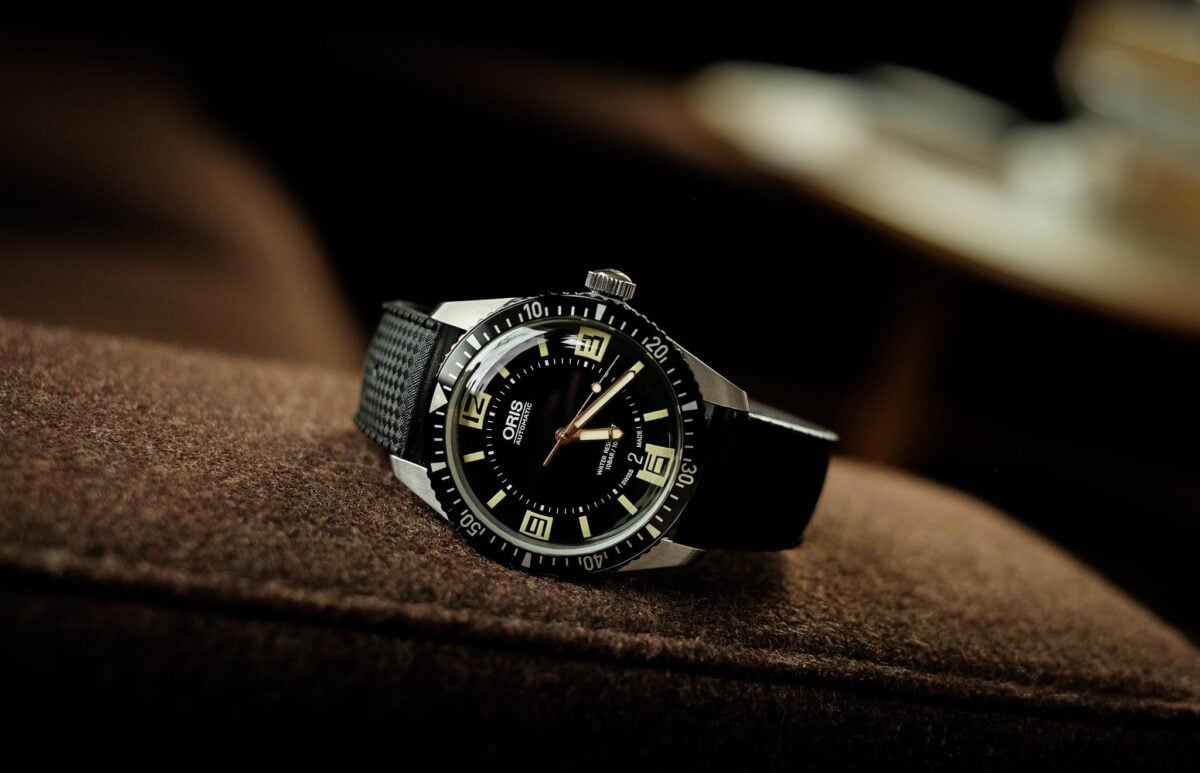
Oris built solid dive watches during the 1960s that served recreational divers well without achieving iconic status. The company later revived the Divers Sixty-Five design in 2015, recreating vintage aesthetics with modern reliability.
The watch tapped into growing interest in vintage-styled dive watches that looked old but performed with contemporary standards. The revival succeeded because it offered vintage charm at accessible prices.
Buyers who wanted the aesthetic of vintage Submariners or Seamasters but needed modern reliability found exactly what they wanted. Oris demonstrated that sometimes the best new watches are carefully executed versions of old designs that got overlooked the first time around.
Zodiac Sea Wolf: The Forgotten American
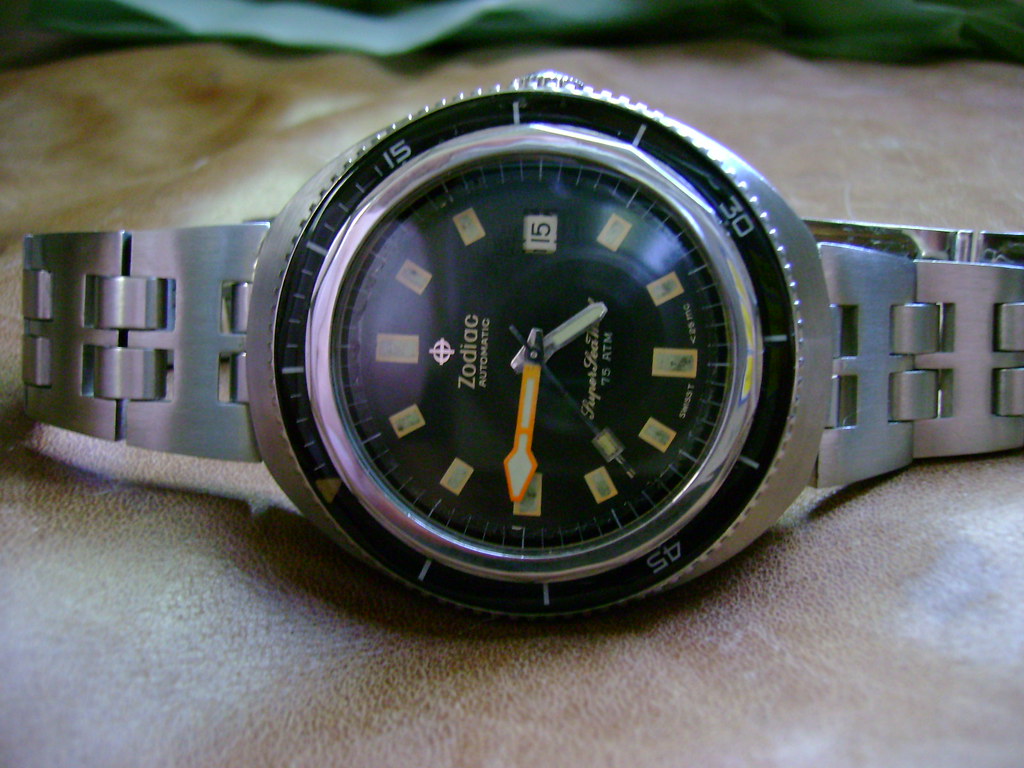
Zodiac produced the Sea Wolf in the 1950s as an American alternative to Swiss dive watches. The watches featured solid construction, reliable movements, and styling that competed with European brands.
American divers used them because they were available domestically and cost less than imports. The Sea Wolf never achieved the fame of Swiss competitors, and Zodiac eventually faded from prominence.
The brand was revived in recent years, bringing back the Sea Wolf design for collectors interested in American watchmaking history. Original examples remain affordable compared to vintage Rolex or Omega, making them accessible entry points into vintage dive watch collecting.
When Time Goes Deep
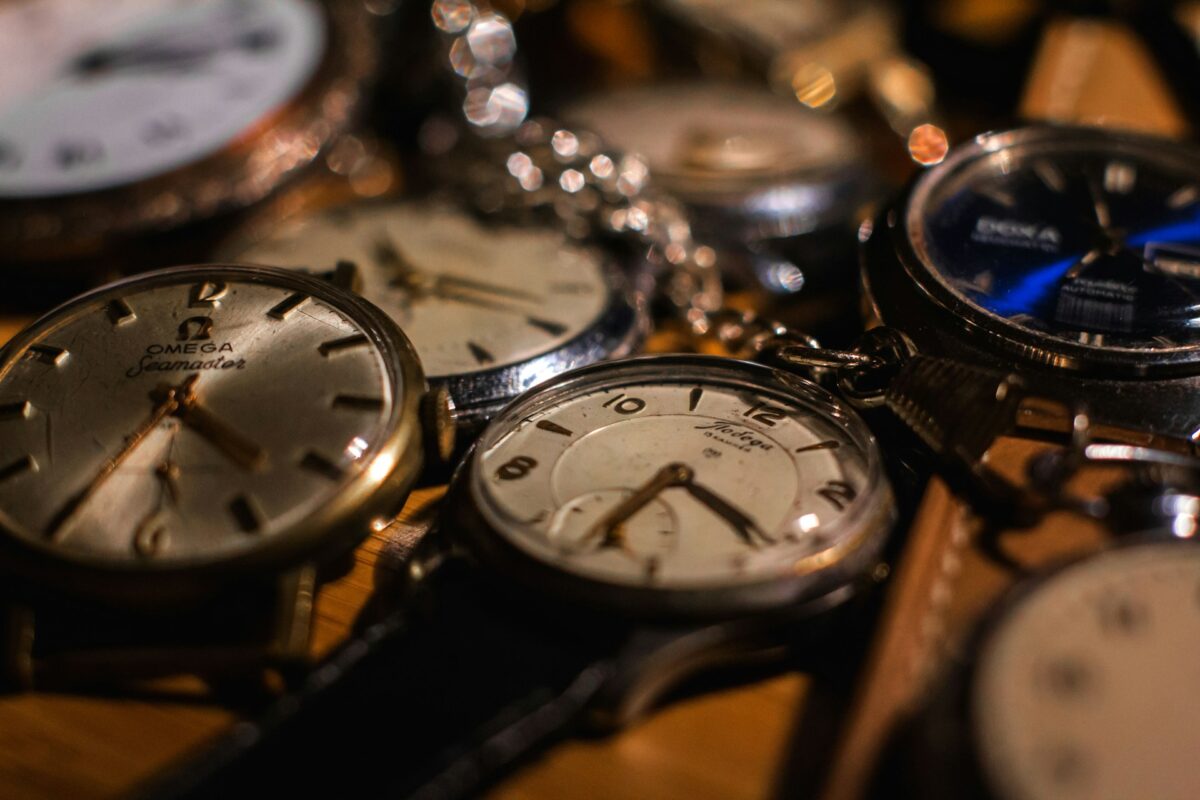
What stands out about these timepieces goes well past their ability to handle water. Legibility mattered more than looks, toughness more than elegance, usefulness more than trends.
Built by engineers aiming at real challenges divers encountered, they ended up looking unique – not because someone planned it that way, but simply because solving problems shaped how they appeared. Look how these designs changed over time.
Dive watches first showed they could handle being underwater. After a while, new versions included things such as valves for helium escape, deeper pressure limits, and tougher materials against rust.
Still, one idea stayed the same throughout – telling the correct time where regular watches would fail. What started as pure function now sits on wrists far from any ocean.
A tool built for depth finds itself shaking hands in boardrooms instead. Style overtakes necessity when a diver’s watch becomes a signature look.
Toughness turns into status, even if it never touches water. Built to survive pressure, yet rarely tested beyond a shower.
Success stripped away the original reason, leaving only the image behind.
More from Go2Tutors!

- The Romanov Crown Jewels and Their Tragic Fate
- 13 Historical Mysteries That Science Still Can’t Solve
- Famous Hoaxes That Fooled the World for Years
- 15 Child Stars with Tragic Adult Lives
- 16 Famous Jewelry Pieces in History
Like Go2Tutors’s content? Follow us on MSN.