18 Playground Games That Were Ancient Rituals
Many of the games children play today at recess have surprisingly deep roots in ancient ceremonies, spiritual practices, and community rituals that date back thousands of years. These activities served important cultural functions—marking seasonal changes, teaching life lessons, building social bonds, and connecting people to their spiritual beliefs. Over the centuries, the original meanings faded away, leaving behind the basic structures and rules that children naturally adopted for pure entertainment.
The transformation from sacred ritual to playground game shows how human play instincts preserve cultural practices long after their original purposes are forgotten. Here is a list of 18 playground games that were ancient rituals.
Tag
The simple game of tag evolved from ancient purification rituals where communities would symbolically transfer bad luck, evil spirits, or illness from one person to another through touch. Celtic and Germanic tribes practiced similar ceremonies during seasonal festivals, believing that physical contact could move negative energy between participants.
The ‘it’ person represented someone carrying misfortune that needed to be passed along to restore balance to the community.
Red Rover

This playground favorite originated from medieval warfare training and Viking raiding practices, where warriors would test their ability to break through enemy shield walls. The linked-arm formation mimicked actual battle tactics used to repel invaders or break defensive lines.
Children’s chanting preserved the rhythmic war cries that soldiers used to coordinate attacks and intimidate opponents during real combat situations.
Ring Around the Rosie

Despite popular myths about the plague, this singing game actually stems from ancient spring fertility rituals performed in circular dances around sacred trees or stones. The ‘falling down’ represented the death of winter and the renewal of life that came with warmer seasons.
European communities used similar circle dances to celebrate agricultural cycles and ensure good harvests through collective movement and song.
Duck Duck Goose

This circle game traces back to ancient divination practices where community leaders would choose individuals for special roles or sacrifices through ritualized selection processes. The random nature of the choosing represented divine will or fate, determining who would serve specific functions in tribal ceremonies.
The chase element symbolized the chosen person’s journey from an ordinary community member to someone with special responsibilities.
Hide and Seek
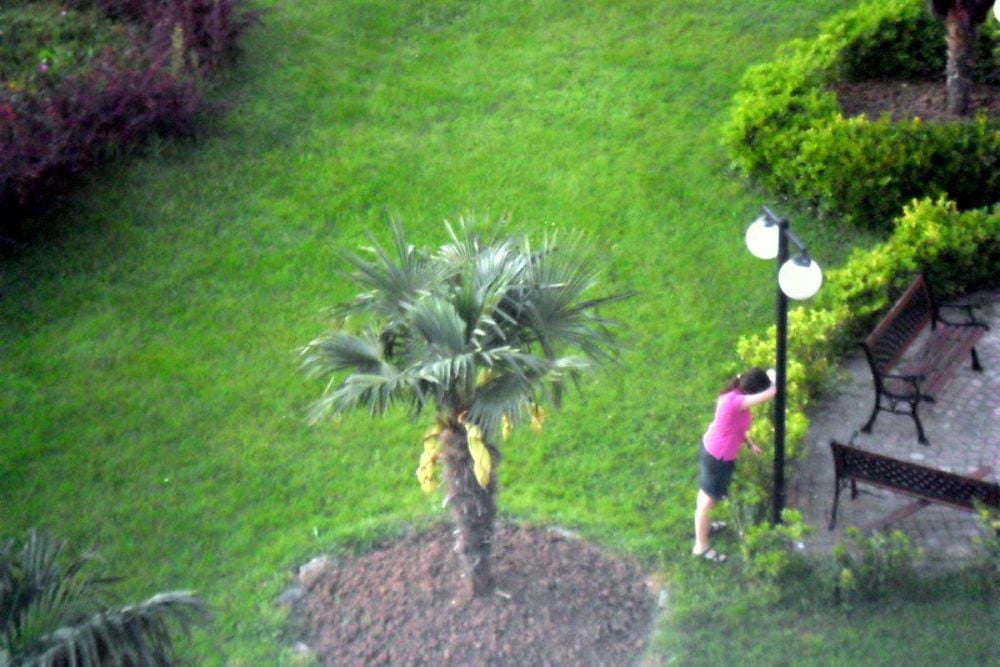
Archaeological evidence suggests hide and seek developed from initiation rites where young people had to demonstrate their ability to evade detection by elders or spiritual beings. Many cultures used concealment tests as part of coming-of-age ceremonies, teaching survival skills and spiritual discipline.
The counting and seeking aspects preserved the ritualized timing and methodical search patterns used in these ancient trials.
Hopscotch

The court layout in hopscotch represents the soul’s journey through different spiritual realms, with origins in ancient Egyptian and Roman religious practices. The numbered squares symbolized stages of purification or levels of spiritual development that souls had to navigate after death.
Players hopping on one foot imitated the careful balance required to move between worlds without falling into spiritual danger.
London Bridge

This singing game preserves memories of actual human sacrifice rituals performed during bridge construction in ancient times. Many cultures believed that burying someone alive in the foundation would give the structure spiritual protection and ensure it wouldn’t collapse.
The “falling down” lyrics and the capturing of players reflected these dark practices that were once considered necessary for major construction projects.
Musical Chairs
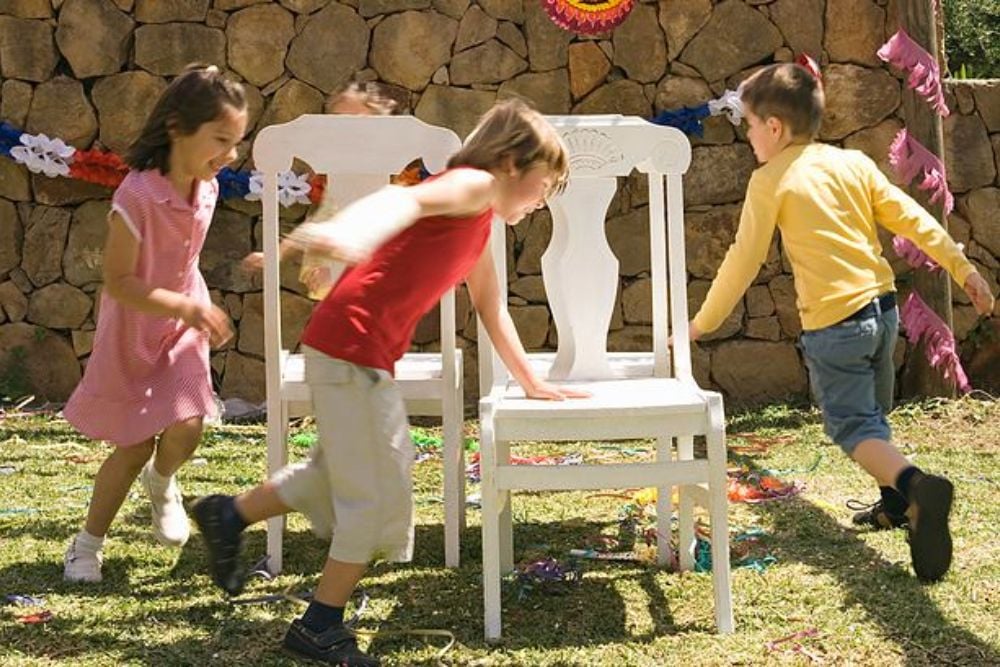
The elimination format of musical chairs originated from ancient succession rituals where community members would compete for limited positions of power or resources. The music represented divine timing, and being left without a seat symbolized being chosen by fate for exclusion or exile.
Many tribal societies used similar competitions to determine leadership roles or allocate scarce resources during difficult times.
Simon Says

This command-following game was developed from ancient obedience tests used in religious and military training, where students had to demonstrate perfect attention to spiritual or tactical instructions. The penalty for following unauthorized commands taught the importance of recognizing legitimate authority and resisting false leaders.
The game preserved these lessons about discernment and following proper hierarchical structures.
Monkey in the Middle
This keep-away game stems from ancient scapegoating rituals where communities would symbolically isolate individuals who carried collective guilt or misfortune. The person in the middle represented someone being excluded from normal social participation until they could be purified or reintegrated.
The throwing action symbolized the community’s attempts to maintain distance from contamination while still acknowledging the excluded person’s existence.
Follow the Leader

Leadership training in ancient societies often involved ritualized processions where potential leaders would demonstrate their ability to guide others through challenging terrain or complex ceremonies. Followers learned to move in unison and trust their leader’s judgment in situations where individual decision-making could be dangerous.
The game preserved these lessons about group coordination and hierarchical trust relationships.
Capture the Flag

Military societies used flag capture exercises as training for actual warfare, where controlling enemy standards represented victory over opposing forces. The flags symbolized tribal identity, spiritual protection, and territorial control that extended beyond simple military objectives.
Young warriors practiced these skills in peacetime to prepare for real conflicts, where losing their own flag could mean spiritual as well as physical defeat.
King of the Hill
This dominance game evolved from ancient challenges to tribal leadership where young men would compete for elevated positions that symbolized their readiness to assume authority. The hill represented sacred high places where leaders received divine inspiration and demonstrated their fitness to rule.
Physical contests determined who had the strength and determination necessary to protect the community from external threats.
Marco Polo

The pool version of blind tag originated from ancient water purification rituals where participants had to navigate sacred pools or rivers while blindfolded to demonstrate faith and spiritual guidance. The calling and responding preserved the invocation patterns used to communicate with water spirits or deities during these ceremonies.
Many cultures believed that moving through water without sight required divine protection and enhanced spiritual sensitivity.
Freeze Dance

Ritualized dancing with sudden stops developed from trance ceremonies where participants would dance until they achieved altered states of consciousness and then freeze to receive spiritual visions or messages. The music represented communication from the spirit world, and stopping at the right moment demonstrated the dancer’s ability to recognize divine signals.
These practices were used for prophecy, healing, and connecting with ancestors.
Four Square
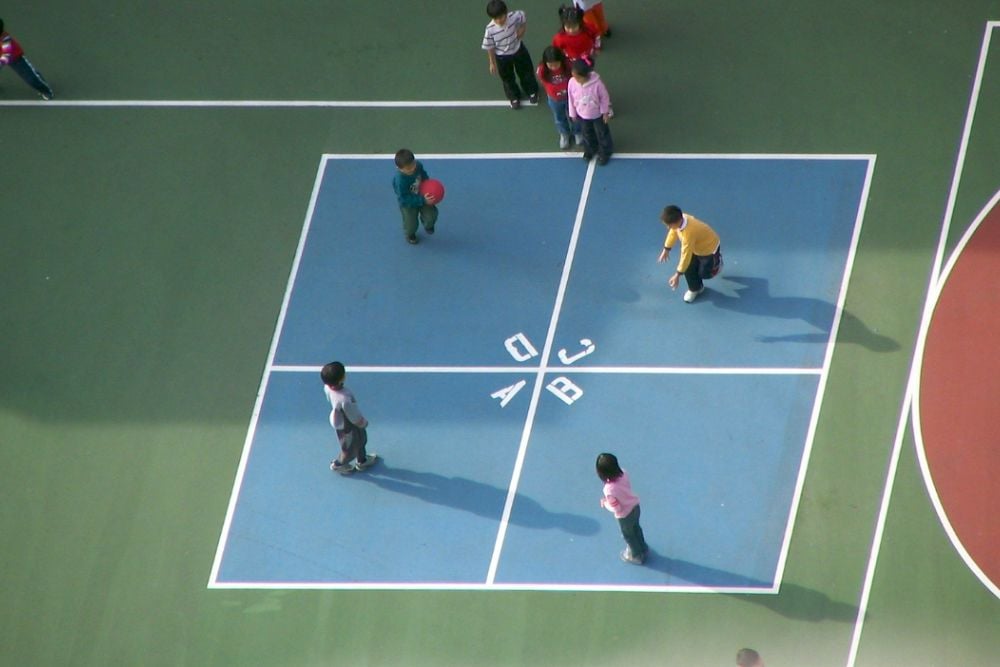
The court divisions in four squares represent ancient cosmological models where the universe was divided into four directions, elements, or spiritual realms. Players moving between squares symbolized souls traveling between different states of existence or levels of spiritual development.
The hierarchical ranking system preserved the ancient understanding that spiritual advancement required proving worthiness at each level before progressing higher.
Tug of War

This strength contest originated from agricultural rituals designed to ensure good harvests by symbolically pulling prosperity toward the community. Many cultures used rope-pulling ceremonies during planting seasons, believing that collective effort could influence the forces that controlled crop growth.
The game preserved the understanding that community success required everyone working together with coordinated strength and determination.
Mother May I
The permission-seeking format of this game developed from ancient court protocols where approaching authority figures required specific ritualized requests and formal acknowledgment. Children learned proper social hierarchies and the importance of showing respect to elders or leaders before taking action.
The game taught the same lessons about permission, respect, and social order that were essential for maintaining tribal or community harmony.
When Play Preserves the Past

These playground games demonstrate how children’s natural play instincts preserve cultural practices long after their original meanings disappear from conscious memory. The basic human needs that these ancient rituals addressed—social bonding, hierarchy establishment, skill development, and spiritual connection—remain constant even as societies change.
Modern children continue to benefit from these activities without realizing they’re participating in practices that helped their ancestors navigate complex social and spiritual realities. These games prove that play is never just entertainment—it’s how cultures pass down essential knowledge about cooperation, competition, and community survival across generations.
More from Go2Tutors!

- The Romanov Crown Jewels and Their Tragic Fate
- 13 Historical Mysteries That Science Still Can’t Solve
- Famous Hoaxes That Fooled the World for Years
- 15 Child Stars with Tragic Adult Lives
- 16 Famous Jewelry Pieces in History
Like Go2Tutors’s content? Follow us on MSN.