Hotels Located in Odd Places
Finding a place to stay used to mean choosing between chain hotels that all looked the same. But travel has changed.
People want something different now, something they’ll actually remember years later. Hotels in unusual locations give you that.
These aren’t gimmicks—they’re real places where architects and designers looked at something bizarre and thought, “Why not make this work?”
Sleeping Underground in a Mine
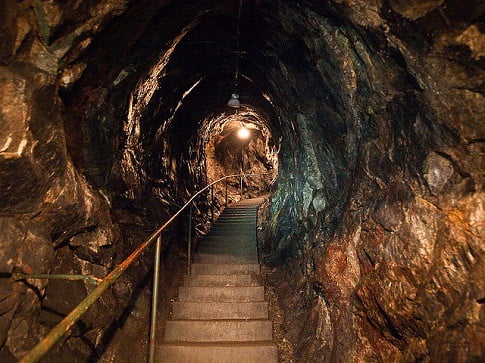
The Sala Silvermine in Sweden takes you 509 feet below the surface. Your room sits in a space where miners once extracted silver ore.
The temperature stays around 36 degrees Fahrenheit year-round, so you get a thermal sleeping bag instead of blankets. No windows exist down there because windows need sunlight.
The silence feels absolute in a way that surface hotels can never match.
Cave Dwellings Turned Luxury
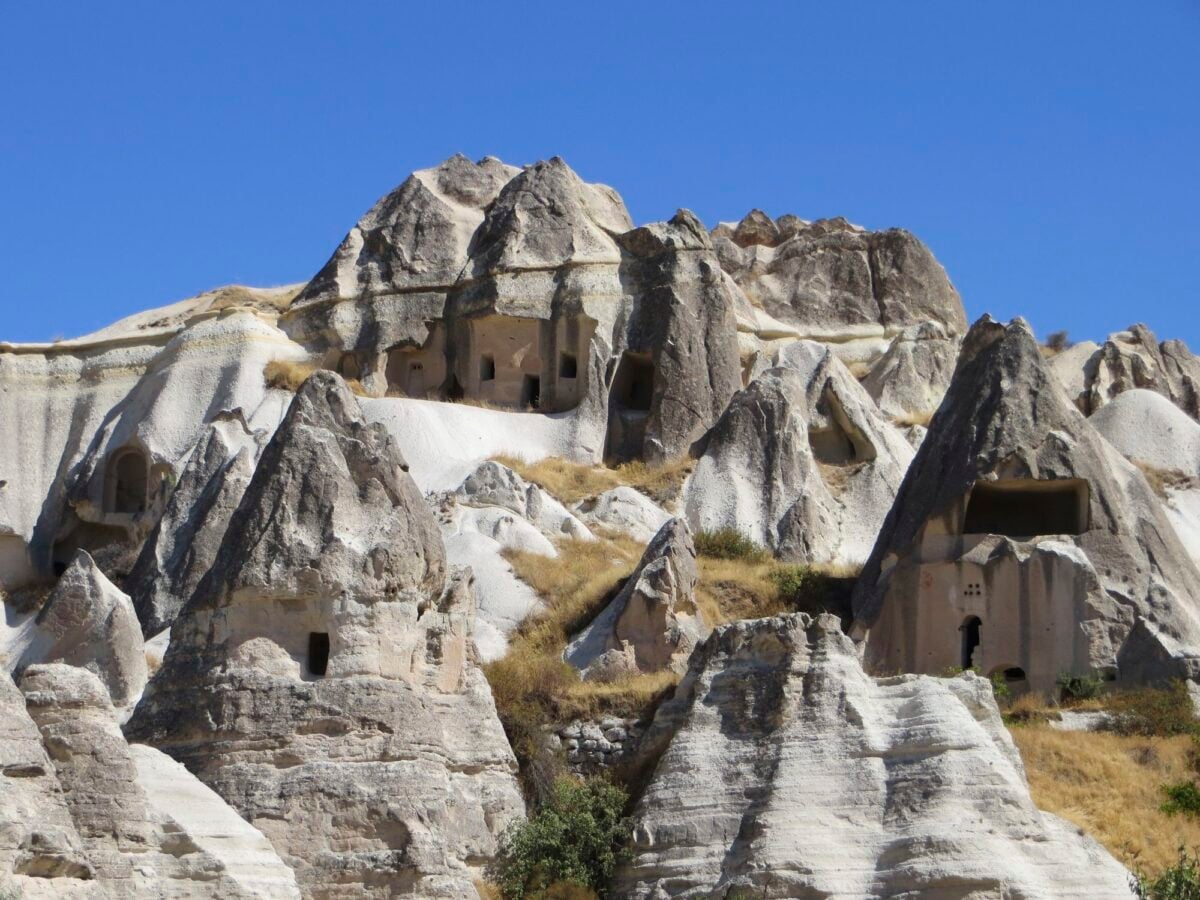
Cappadocia in Turkey has hotels carved directly into volcanic rock formations. These aren’t new constructions—people lived in these caves for centuries before anyone thought to add WiFi and rainfall showers.
The stone naturally regulates temperature, staying cool in summer and warm in winter. Some rooms feature original frescoes painted hundreds of years ago by monks who used the caves as monasteries.
Airborne Accommodations in Cranes
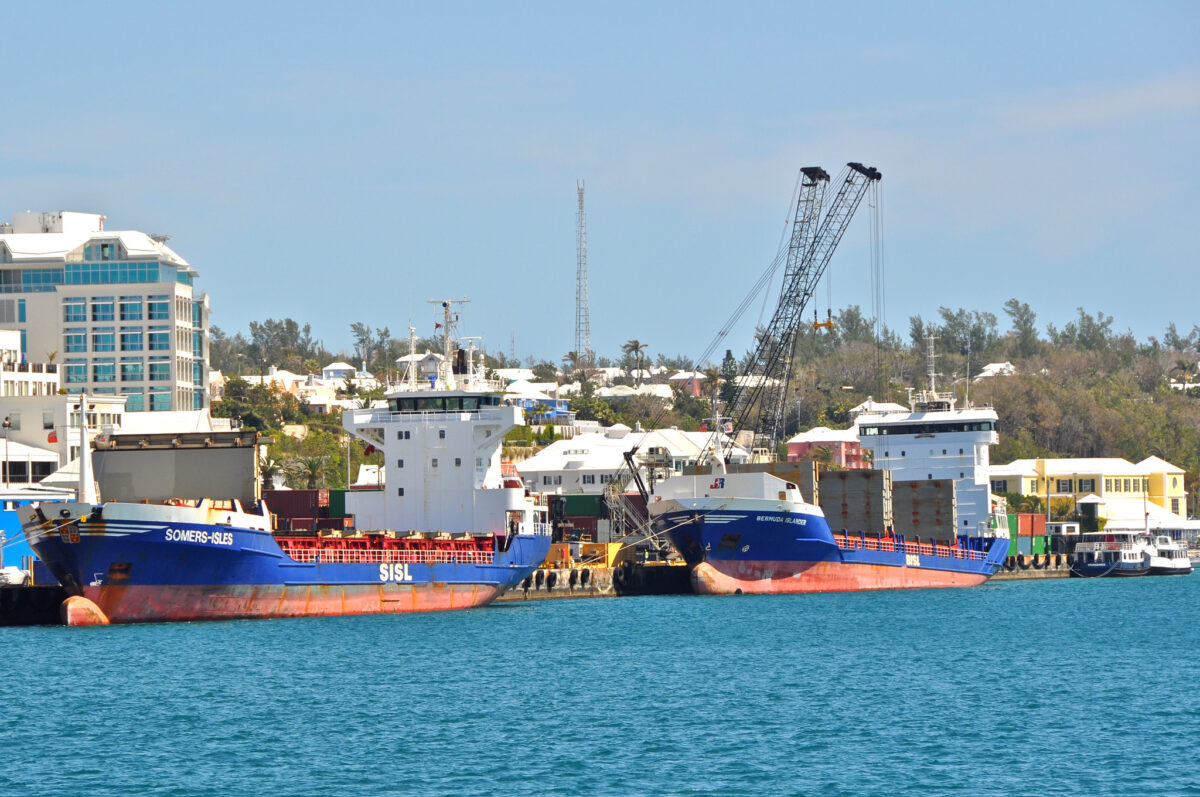
The Harlingen Harbour Crane in the Netherlands converted a 1967 industrial crane into a hotel suite. You stay inside the cabin where crane operators once worked, suspended high above the harbor.
The windows give you views of ships coming and going. Getting to your room requires climbing the original metal staircase attached to the crane’s exterior—not ideal if you packed heavy luggage.
Frozen Architecture
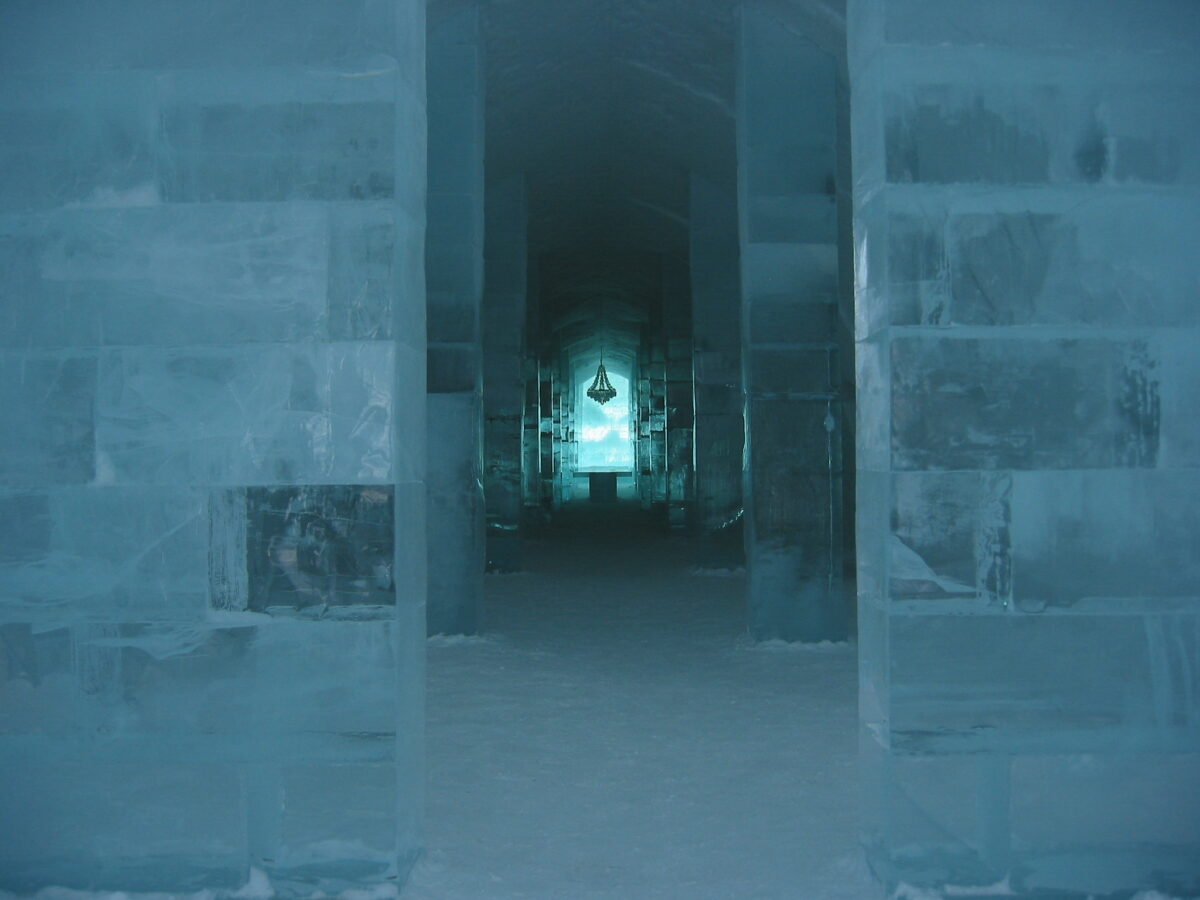
Ice hotels melt and get rebuilt every winter. The one in Jukkasjärvi, Sweden has operated since 1989, reconstructing itself each year with new ice harvested from the nearby Torne River.
Artists carve the furniture, walls, and even your bed frame from solid ice. The sleeping bags they provide work down to negative 15 degrees Fahrenheit because the room temperature hovers around 23 degrees.
You can’t stay more than one night—most people find that plenty.
Prison Cells With Better Views
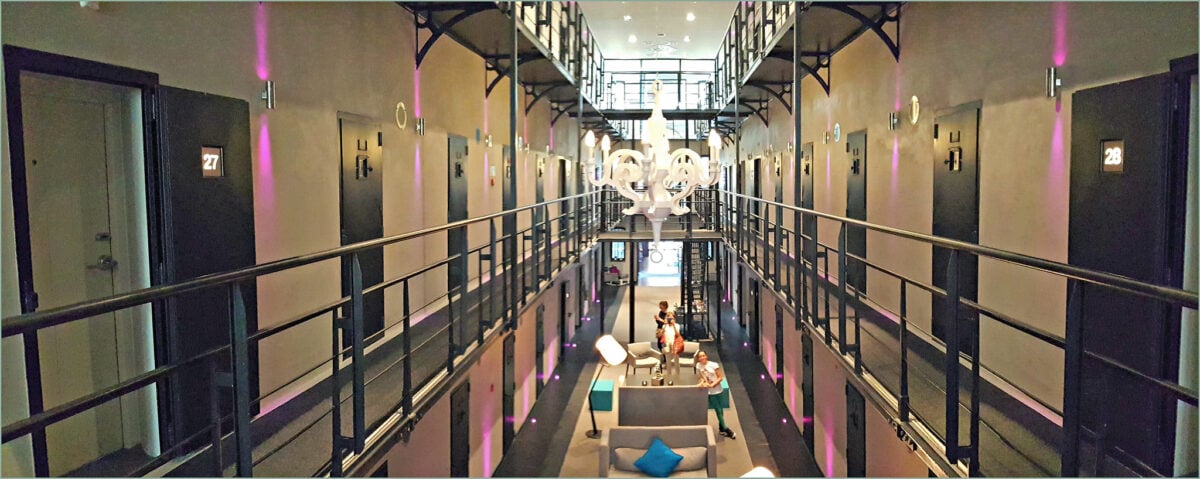
Former jails make surprisingly popular hotels. Het Arresthuis in the Netherlands kept the original cell doors and bars but added actual comfort.
Your “cell” includes a private bathroom now, something the original inmates definitely lacked. The claustrophobic rooms that once held criminals awaiting trial now cost hundreds per night.
Some guests find the atmosphere unsettling. Others appreciate the dark history.
Living Inside a Lighthouse
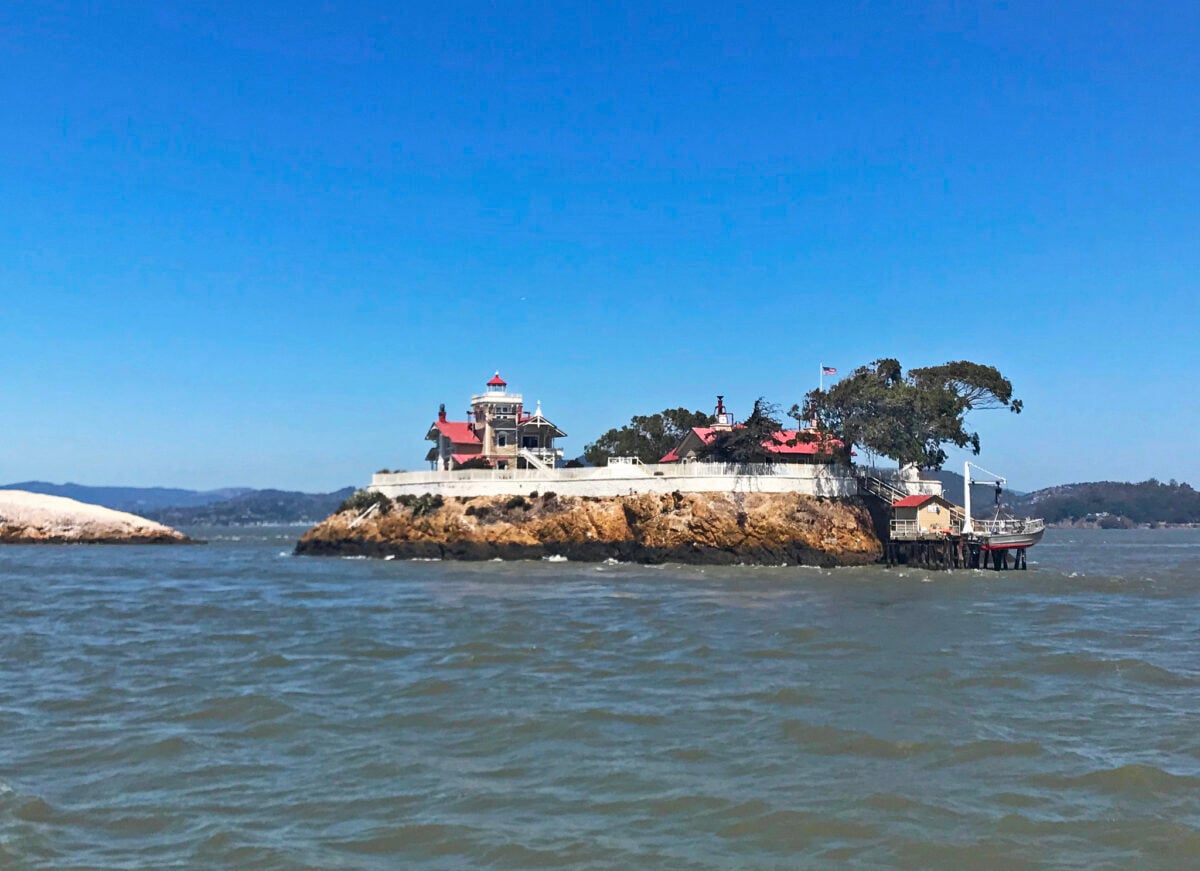
Lighthouses require isolation—they work best on rocky outcrops or remote coastlines where ships need guidance. That same isolation makes them terrible for permanent living but interesting for short stays.
The East Brother Light Station in California sits on an island in San Francisco Bay. You reach it by boat, and no other buildings exist nearby.
The fog horn still operates, which means loud blasts throughout the night when fog rolls in.
Suspended in Trees
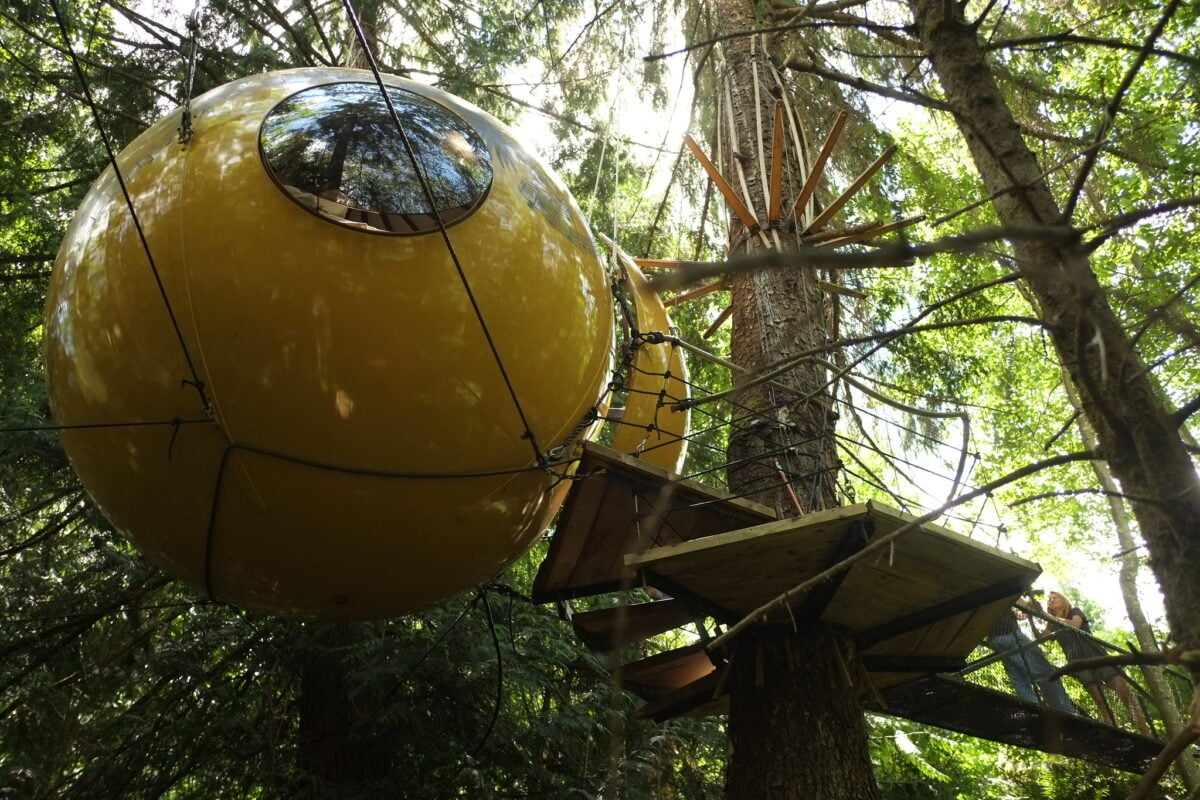
Tree house hotels trade convenience for atmosphere. The Free Spirit Spheres in Canada hang suspended by cables from tall trees.
The spheres sway slightly when wind blows through the forest. You climb a spiral staircase wrapped around the trunk to reach your room.
The bathroom facilities sit in a separate building on the ground because plumbing in a swaying sphere creates obvious problems.
Sleeping on Water Towers
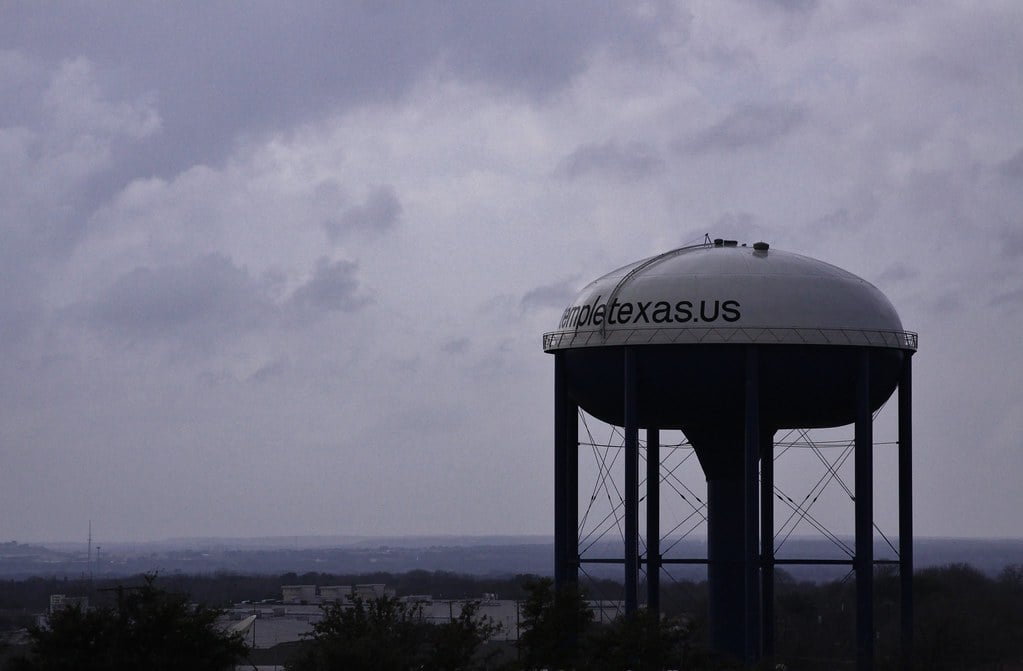
Water towers became obsolete in many cities as plumbing systems improved. Demolishing them costs money, so some got converted into living spaces instead.
A water tower hotel in Germany kept the cylindrical structure but added windows and divided the interior into four floors. The small circular rooms feel ship-like, with curved walls and minimal space.
You get panoramic views from the top level, which used to be the water tank.
Airplanes That Don’t Fly

Retired aircraft find second lives as hotels. The Costa Rica 727 sits in the jungle, wings intact but engines removed. Inside, the fuselage was refurbished into two bedrooms.
The cockpit remains mostly original—you can sit in the pilot’s seat and imagine taxiing for takeoff. The cramped airplane bathroom stayed too, though it now connects to actual plumbing instead of a holding tank.
Salt Mine Suites
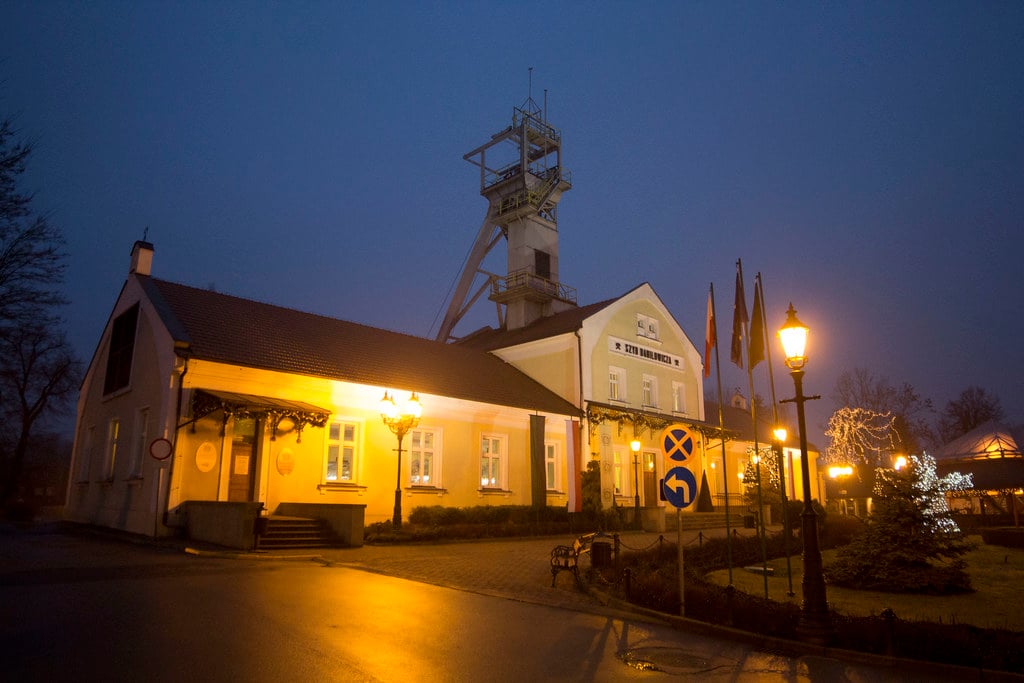
The Wieliczka Salt Mine in Poland has been operating since the 13th century. Deep inside, someone carved hotel rooms from the salt itself. The walls, floor, and ceiling are all salt—you can lick them if you want to verify.
The air stays incredibly dry, which people claim helps with respiratory issues. Everything looks white or translucent, including the chandeliers carved from salt crystals.
Perched on Cliff Edges
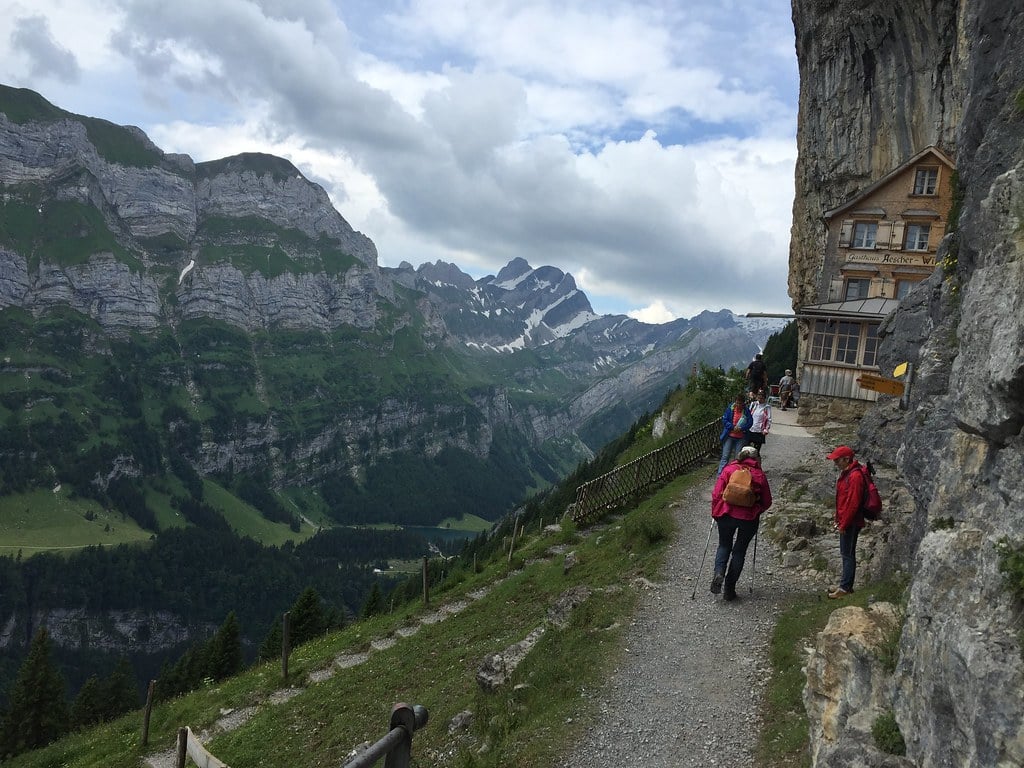
The Äscher Cliff restaurant and guesthouse in Switzerland clings to the side of a mountain. Built in the 1800s, it backs directly into the cliff face. The only access comes from a hiking trail that takes about 90 minutes to reach.
No roads connect to the building. Supplies arrive by cable car or on foot. The isolation means no TV, limited electricity, and complete quiet except for the wind.
Grain Silos Renovated
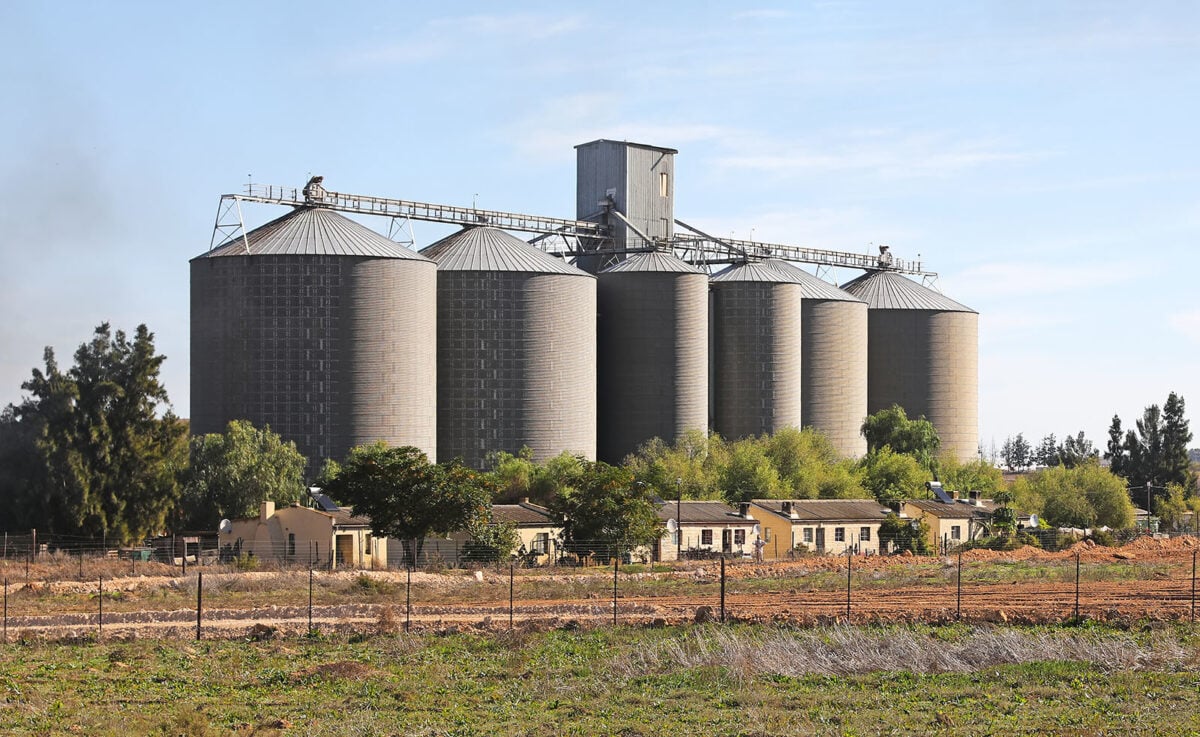
Agricultural structures outlive their usefulness when farming methods change. A grain silo in South Africa got converted into a boutique hotel.
The circular concrete structure stands eight stories tall. The architect kept the industrial aesthetic—exposed concrete, metal staircases, and the original grain chute.
Each room curves to match the silo’s shape. Windows cut into the thick walls provide light but break up the space in unusual ways.
Staying Below Sea Level
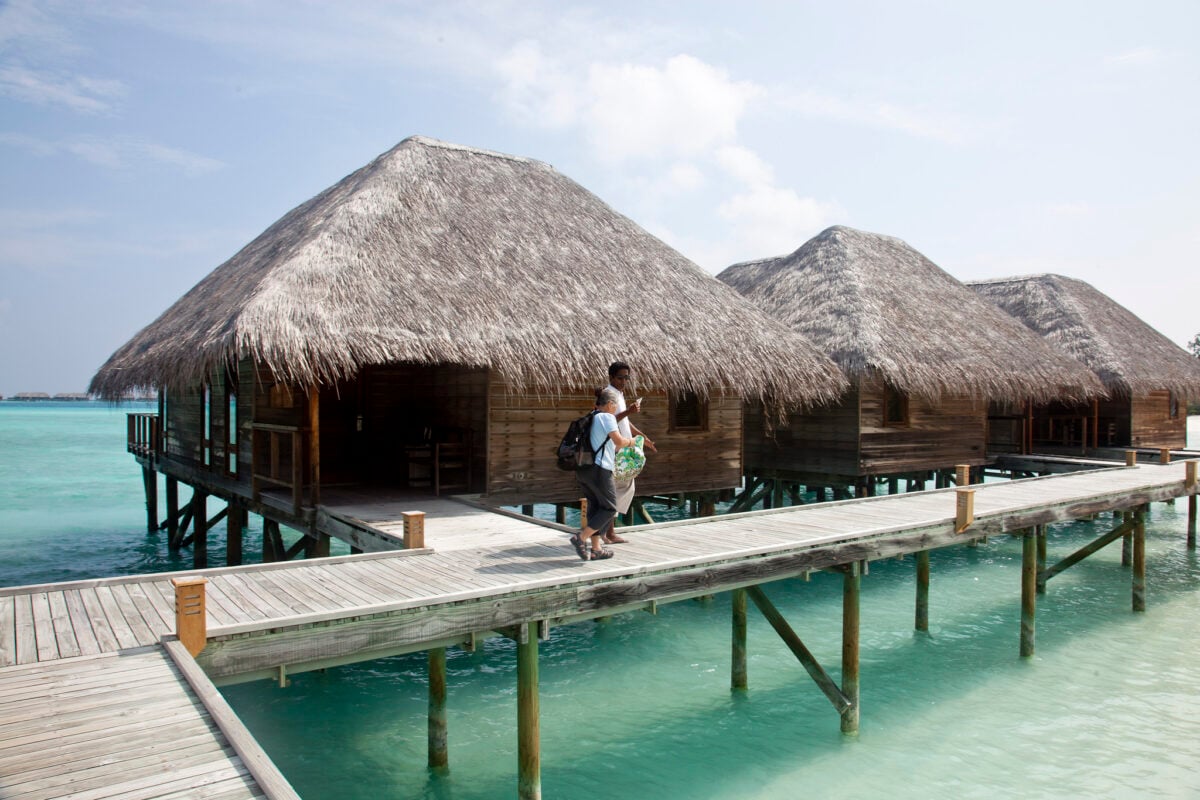
The Conrad Maldives Rangali Island has an underwater suite where walls and ceiling are transparent acrylic. Fish swim past while you sleep.
The suite sits 16 feet below the ocean surface. You take stairs down from a surface structure.
The bathroom bizarrely sits above water in a separate building—you surface to shower. The cost runs about $50,000 per night, which filters out casual visitors.
Capsule Living in Cities
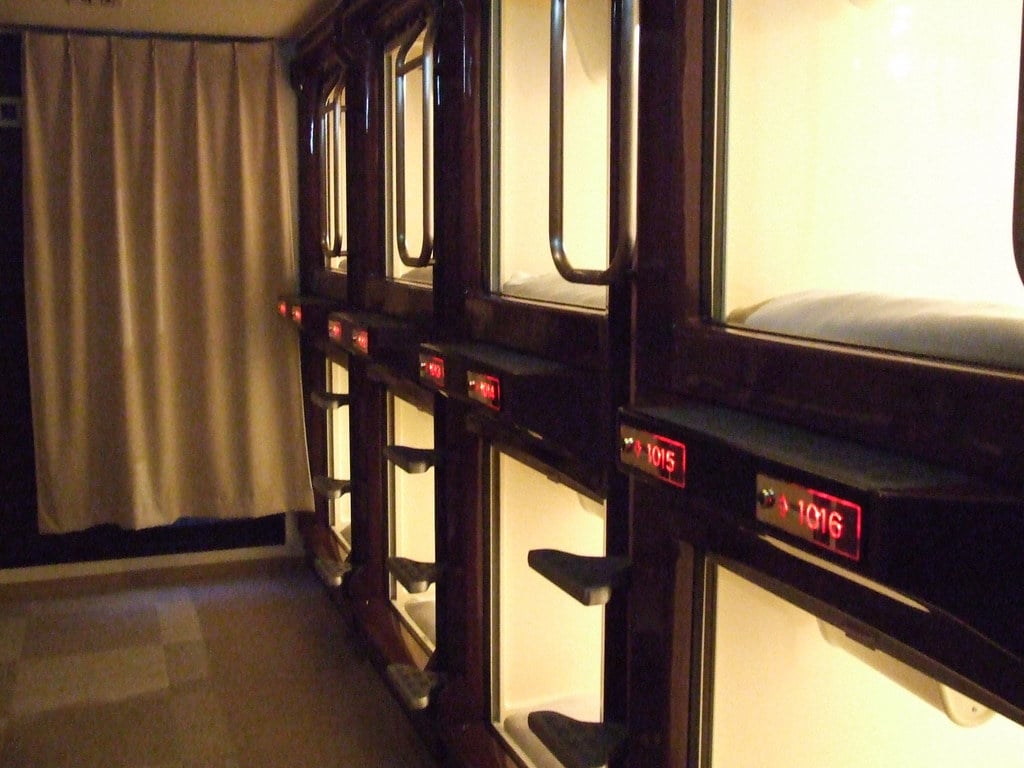
Tiny beds stacked like drawers take up less room where rent is sky high. Each one stretches roughly six feet end to end, three across, four tall – just enough for a thin bed, little more.
Slide inside, pull a screen shut, and you’ve got your own corner. Toilets and showers? Shared down the hall.
Starting in Japan, these spots grew from workers stuck after missing the late train. Today, found across countries, they serve as low-cost places to stay.
What seems efficient at first turns tricky once bedtime arrives.
Where The Unusual Feels Ordinary

Odd spots keep turning into hotels. Trains that stopped running, old military shelters, even giant underground tubes – nothing gets overlooked.
Fixing up such spaces means wrestling with heat systems, water lines, getting people in and out safely. Rules must be met, yes, but working around them shapes what makes each place feel different.
Regular lodging gives you steady warmth and familiar layouts. Here, guests take home moments instead of just memories.
Back then, the place had a whole other life – your memory holds the room where you rested. The walls stood for another purpose entirely.
More from Go2Tutors!

- The Romanov Crown Jewels and Their Tragic Fate
- 13 Historical Mysteries That Science Still Can’t Solve
- Famous Hoaxes That Fooled the World for Years
- 15 Child Stars with Tragic Adult Lives
- 16 Famous Jewelry Pieces in History
Like Go2Tutors’s content? Follow us on MSN.